CHINA: BYD Unlocks Battery Future, China Price War Cooling and Lotus Enters Low Tariff Canada | 10 Mar 2026
EV News Daily - Technology and Business of EVs
CHINA: BYD Unlocks Battery Future, China Price War Cooling and Lotus Enters Low Tariff Canada | 10 Mar 2026EV News Daily - Technology and Business of EVs · Mar 10, 2026
Thermal load is the heat that builds up in a battery when charging or driving. Bigger batteries can spread out the heat better so they don't get too hot.
Diesel additives are special liquids mixed into diesel fuel to help the engine run better and cleaner. They stop the fuel from getting thick in cold weather and keep the engine parts clean.
The BYD U8 is a fancy big SUV made by BYD. It has lots of screens inside and can charge its battery quickly. It's meant to be very comfortable and good for off-road driving.
The Range Rover is a fancy, big SUV that can drive on rough roads but also feels very comfortable and fancy inside. It looks kind of square and is popular with people who want a car that’s both tough and stylish. New versions usually get better gadgets and engines to keep it feeling modern.
An OLED curved screen is a special kind of screen inside a car that is bright and colorful. It is curved to fit nicely in front of the driver and looks very modern.
A digital cockpit means the car has many screens instead of old-fashioned dials. These screens show important information and let you control different things in the car.
Millimeter radar is a type of sensor in cars that uses radio waves to find how far away things are and how fast they are moving, helping the car stay safe.
The Audi S5 is a fast and sporty car that looks nice and is fun to drive. It’s like a regular Audi but made to go quicker and handle better, so people who like driving enjoy it more. It’s a popular choice if you want a car that’s both fancy and exciting.
These are the places where electric cars plug in to get their batteries charged.
LIVE
Welcome back to EV News, China. Today BYD unlocks a battery future. China's price war is cooling
and Lotus eyes Canada for EV entry. Plus stay tuned later in the podcast I'll tell you why.
Wei is betting on a new range extender with 800 volt architecture and 6C batteries. Welcome
to EV News, China, the podcast all about the world's biggest EV market. And every day you get
the headlines, the insights and the analysis from the heart of China's booming EV industry.
And I decode for you how fast moving developments in the east shape the global landscape.
We'll start with news of BYD and after last week's launch of their 1.5 megawatt flash charging
2.0 system, which does 10 to 17 in around five minutes, the new models will also reach 97%
in roughly nine minutes. The charge curve doesn't show a dramatic collapse near the top of the pack.
I think that's one of the more under reported points of the technology last week. By the way,
check out if you missed it last week's EV news, China for full details on that.
Megawatt charges already exist in the world for heavy duty trucks. Indeed,
megawatt charging for some BYD cars like the Han L and Tang L have been out for over a year.
BYD's claim was so extraordinary though for a different reason. The more we look at what
this actually means for the EV industry, a smaller car sized pack absorbing 1.5 megawatts
safely with no thermal runaway and no heating or increased fire risk from their blade batteries.
If fast charging now stays across the usable state of charge window to 97%, the case for
100 kilowatt hour battery packs in the everyday cars that we drive diminishes BYD's tech
would allow for commuter cars and non-toeing SUVs or pickups to have a regular pack of 50-60
kilowatt hours and that's 200 miles or 320km added in a 5 minute stop, an even worst case
scenario a 9 minute stop. It means drivers wouldn't need to stop at 60-80% when they're
charging their car to manage the charge curve because existing battery technology slows down
a lot after around 80%, it's not an exact science, it changes by battery and by manufacturer.
But if you can get effectively a full charge or 97% is effectively a full charge in less than 10
minutes, it then matters more about where the charges are and where you need them to be.
BYD has said that they will install up to 20,000 flash charges by the end of 2026.
Well, Klingtechnica points out that smaller packs cut mass, which is true, and weight is not
everything in terms of EVs but weight is very important as part of the efficiency matrix,
trim the bill of materials cost and it frees up cell production capacity to spread across more
vehicles and that matters as much as the stop watch. All really valid points that Klingtechnica
made in terms of do you make one car with 100 kilowatt hours because you need to carry that
energy with you, you need to store that energy yourself just in case and also stopping is
inconvenient because it takes too long or you could make two cars with 50 kilowatt hours in
and if you have charges where you want them and it's a 5 or a 10 minute stop depending on
how much you need to charge, it changes a lot of economics.
Pickups and towing might still want a large pack though, but megawatt charging in the right places
when you need it dulls the worst edges of driving a pickup truck that you need to tow with.
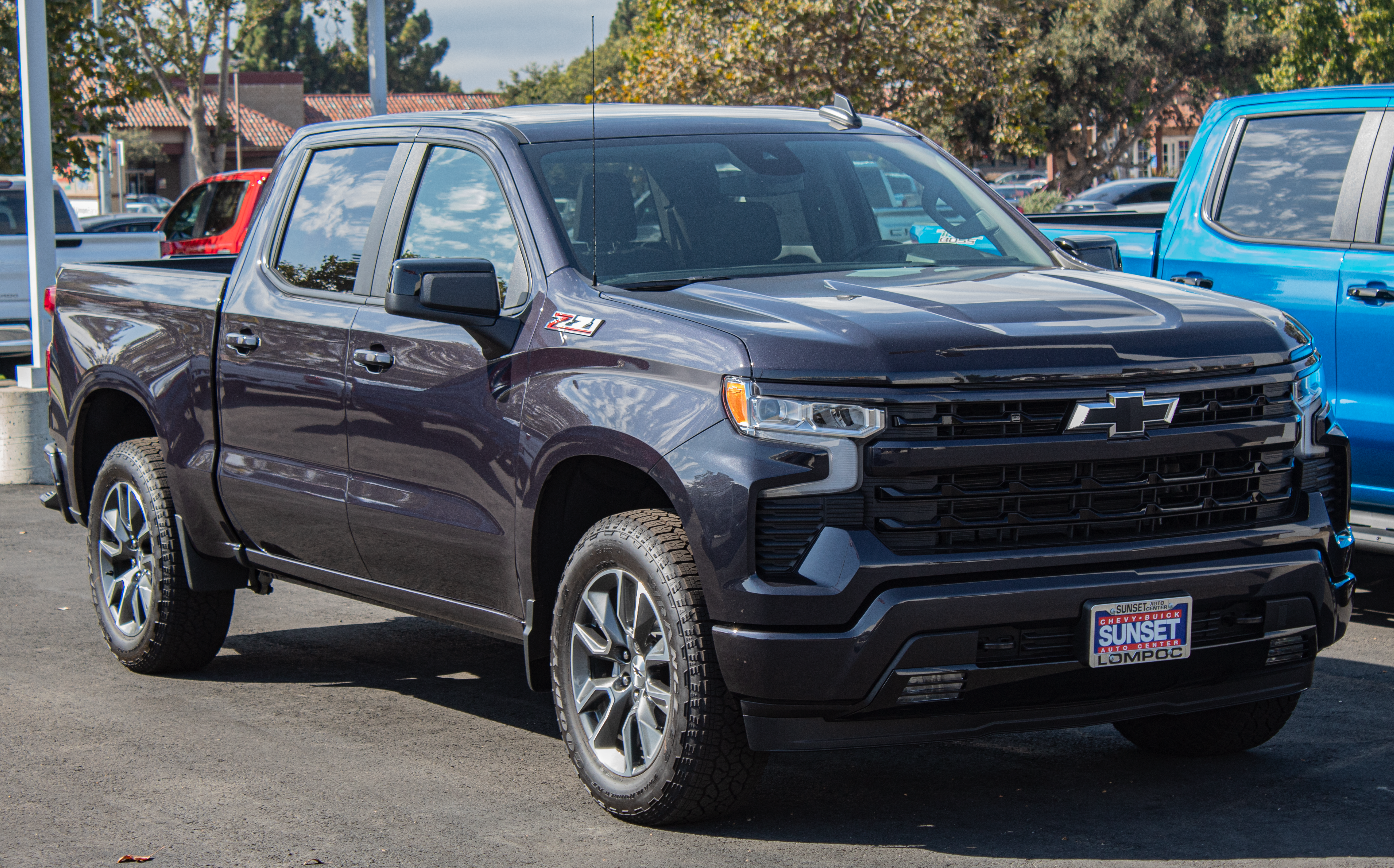
The Chevrolet Silverado, for instance, is in the 170 kilowatt hour class of EVs
and there's EVs in the US with 200 kilowatt hours plus battery pack and that in itself brings more
surface area of the cells, massive packs can spread thermal load during megawatt charging.
So what megawatt charging doesn't do is rule out large packs but it gives a use case which hasn't
really been considered since the announcement last week. I know we're only five days after the
announcement by BYD but with the new chemistry BYD is opening up a future tow capable pickup that
could have maybe a 120 kilowatt hour battery pack and in 10 to 15 minutes which really is a comfort
break and grab a snack and a drink from the fridge or a coffee and then back to the car
worth perhaps two or maybe three hours of driving if you are towing and with an increase in things
like pull through charging bays designed for trailers the EV towing penalty effectively goes
and you move from long repeated fast charge stops and you know awkward maneuvers maybe even taking
the trailer off if there's not the right kind of charging bay to something closer to just being
routine. Let's not forget so many diesel trucks as well with small fuel tanks can only do maybe
275 or 300 miles depending on what if you are towing a really large load less about the weight
and more about the aero impact you might be stopping every 300 miles well it's not 300 miles
because you might then be going through I don't know the midwest or somewhere where there's not
as many truck stops to pull in and then you are thinking well I've only got 100 miles of diesel
left and so I'm better pull in and and then there's diesel additives to think to think about as well
and look actually we're not a million miles away from a really interesting tech future thanks to
the BYD announcement last week there's lots of I say call it fallout if you like but just
lots of things that haven't been fully considered about the impact of charging
a very average size battery bag at 1.5 megawatts it depends on the chargers being in the ground
in the right places where you need them but when we get to that place it really changes the
economics of so many things we're thinking about now BYD's premium brand Young Wang has revealed the
full cabin of their U8 for this year that is the ultra luxury very boxy off-road SUV Range Rover
equivalent if you like the update pairs a new curved screen cockpit with the new rapid charging
hardware under the skin and this is over the it's in the million rmb class it's 146 thousand
dollars plus it has a five screen digital cockpit the centerpiece is the OLED curved screen
which is 12.8 inch the driver gets a 23 inch cluster and the front passenger gets their own
23 inch screen as well and then rear passengers get dual 12.8 inch floating media tablets plus a
7 inch armrest control five screen linkage software lets the five main displays all share video in
sync and share data in real time as well nappa lever leather covers the seats four-way power
lumbar support massage memory function heating cooling that kind of thing for front and rear
passengers and the sensor suite looks equally plush three lidars roof mounted lidar and wheel
arch modules as well for complete vehicle surround lidar five millimeter radar and 12
ultrasonics god's eye dipilot 600 level system under the body it's a range extender on their
platform a two liter engine four independent motors and so that's 880 kilowatts 1200 horsepower
china cycle puts the pure electric range at 143 miles or 230 kilometers and the 2026 update
adds that new byd blade battery 2.0 second generation flash charging capability under
the skin so again huge vehicle here at a 70 charge in five minutes and 97 charge in nine
minutes on the big battery pack just incredible technology and we're finding out more about the
vehicles that it's going to be going in let's move on china's passenger vehicle price war which is
close to two years old now looks to have cooled last month in february fewer models cut the official
guide prices even as discounts and finance deals did the heavy lifting only six passenger vehicles
cut the official guide price last month that was 15 the same month last year the ev segment is even
quieter two pure bev models cut their prices in february 2026 that's seven fewer than the same month
last year the average ev price um the average ev the average price of ev models that cut prices
came in at 51 000 us dollars that's 350 000 rmb and the average ev price reduction was around
seven thousand dollars equivalent automakers also pushed alternative incentives like seven-year low
interest and five-year interest free deals as an alternative to cutting the headline price
now let's talk about lotus opening presales of the electra x it's a plug-in hybrid and so we have
confirmation now that in china it's going to be called the lotus for me um and which is an
interesting name and it won't be called the lotus for me outside of um china outside of china it'll
be overseas it's called the electra x sticking with the e naming of the lotus cars um like imaya
eletra eletra x makes a lot of sense to western buyers calling it the lotus for me i'm not sure
lands as well uh i don't know how it lands inside china but i can speak to how it would land overseas
and it's less good so called the electra x when it goes overseas the same aero and similar body
shape it's a little bit bigger than the olbev eletra you can have door mirror cameras inside
12.6 inch instrument cluster 15 inch floating main display and a passenger touchscreen as well
the options list includes the high-end audio system head-up display and adjustable rear seats as well
so premium to be in the back too the powertrain is a two-liter engine and two electric motors
700 kilowatts uh on there's a thousand horsepower china spec would hit 62 miles an hour or 100 kph
in 3.3 seconds go on to 200 kph in 120 uh 124 miles in 10 and a half seconds the pack on the range
extender is 70 kilowatt hours nmc technology and it's from a catl geely joint ventures they're
depending on configuration and spec and they'll use that vehicle to fill a bit of a hole lotus
wants to become the first chinese EV maker to enter canada under this new six percent tariff rate
this is the china canada deal that caps the rate of imports at 49 000 chinese made vehicles per year
lotus has laid some groundwork has six dealerships in canada and targets 12 by the end of the year
it's begun production of vehicles which are bound for canada but it cannot ship until ottawa
publishes the implementation rules should be by the end of march this year lotus has halted exports
to the middle east a big market amid the ongoing regional conflict dealers there are updating the
firm on local conditions but it looks like for the moment overseas sales to the middle east
like all of the chinese car companies is on pause during the tensions around the conflict and so
lotus expects canadian gains to offset the volume there which is why lotus could be one of the first
chinese names to take advantage of canada opening its doors we'll take a break we'll come back and
we'll talk about exceed and geely's own fast charging stick around back in a bit
all right welcome back to the podcast arc fox has tied up with catl's battery swapping service
as a way for drivers to fill up it's always got a deal with neo but with neo power not with neo
battery swapping so arc fox has a neo deal to access their charging network and with catl to
access their battery swapping network now arc fox has confirmed the battery swapping variant of its
upcoming large pure electric sedan will debut the swap capable model a variant of the arc fox alpha
s5 which opened pre-sales on the first of march this year cherry's premium sub-brand exceed
has started max mass production of the exceed ex7 that's an suv the published official interior
images yesterday of it exceed says the ex7 marks the world's first mass produced vehicle to use
electronic mechanical braking emb removing the hydraulic link between the brake pedal
and the brakes themselves shifting it purely into electronics and motors inside exceed leans
into big screens a 30 inch suspended display combined central control and the front passenger
screen too a separate floating lcd instrument cluster handles the driver's information the cabin
spoke steering wheel zero gravity front passenger seats big panoramic roof high voltage platform
as well ex7 uses the same wheelbase as the xlantix et now domestically that is the sterra et it is
in 20 global markets heading to the middle east south america which gives cherry a kind of ready
made basis for scaling that vehicle the purebare version dual motor all-wheel drive 353 kilowatts
of motor power it has a 97 kilowatt hour battery china cycle ranged 451 miles that could be you
know around 300 real world depending on configuration the e rev version has a 40 kilowatt hour pack
now geely has expanded its in-house high-power charging network to 2100 stations across 215
chinese cities deploying over 6200 individual chargers at highway service areas geely's flagship
charging piles they say will reach megawatt charging of 1.5 megawatts that's 1,500 kilowatts
just as byd announced last week not to be outdone by byd and geely are coming with their own big
announcement geely say they've now verified 1.5 megawatt output using azca 001 that's the new
updated zika 001 with its 900 volt architecture and it can draw 1500 amps the car carries geely's
golden battery that's 12c rated under demo conditions admittedly the battery will take
the zika 001 10 to 80 in seven minutes geely says that the 1500 kilowatt piles target heavy
duty use of up to 60 cars a day and averaging they say 50 kilowatt hours of energy delivered
per charging session and they will add on-site energy storage just as byd said last week to
avoid upgrading grid connections neo has launched the firefly brand in thailand trying saying that
quickly several times or maybe it's just me pitching their fully electric premium compact line
at city buyers the debut centers on the firefly smart city car the car uses rear wheel drive tight
turning circle perfect for Bangkok's cramped streets firefly's pitchlings on a high-end design
and what they say is urban freedom are heading overseas and finally great wall motors way brand
unveiled their new car yesterday on the 9th of march the v9x the v9x is a large suv and it's the
model on great wall motors new gwm one platform this is a two-tone vehicle so that always signifies
a little bit more premium it does look a little more a little more conventional hasn't got the
swoopy closed off front futuristic look that some have this is i would say very conventional
looking vehicle very conventional looking suv but with a two-tone paint job at least in the pictures
with a a deep red on the body and a silver roof line so when you get those two-tone colors
think my extra s 800 i always think Mercedes my back you know very kind of premium what they're
going for with this full-size suv plug-in hybrid with ev range that pushes beyond many of its
competitors the v9x uses a two-liter engine and a pure electric range of 150 miles or 226 miles
depending on variant that's 333 kilometers great wall expects the production model to be 800
volts architecture with six c batteries it also claims the production model will add 124 miles
or 200 kilometers again china cycle optimistic in five minutes inside the way goes big on screens
and big on comfort a full led instrument cluster large floating central screen and a front passenger
entertainment display there's a two plus two plus two seating layout second row seats recline
and have their own fold out entertainment screens as well in the full set of pictures one of those
ones that is just very high end very luxury the pictures they released have a kind of tan
leather on the inside which always looks very premium they've showed the screens in the back
so on the door inserts a lot of high-end evs will have effectively you see this on the the
Huawei linked cars effectively what are mobile phones that sit inside the doors of the rear
so that you can use those as effectively remote controls to control the vehicle very high end
this is another plug-in hybrid that without pricing can't speculate on that will certainly be
another high end extended range six seater added to the market and that's your podcast for today
thank you so much for listening see you on the next one
About this episode
BYD's breakthrough in 1.5 megawatt flash charging technology promises ultra-fast charging up to 97% in under 10 minutes, potentially reshaping EV battery size and charging habits. This innovation could reduce battery pack sizes, improving efficiency and cost, while supporting new EV use cases like towing with rapid recharge stops. Meanwhile, China's EV price war shows signs of cooling with fewer price cuts and more financing incentives. Lotus is preparing to enter the Canadian market with its Electra X plug-in hybrid, leveraging a new low tariff deal. Other highlights include Arc Fox's battery swapping partnership and Exceed's launch of the EX7 with electronic mechanical braking and large digital displays.