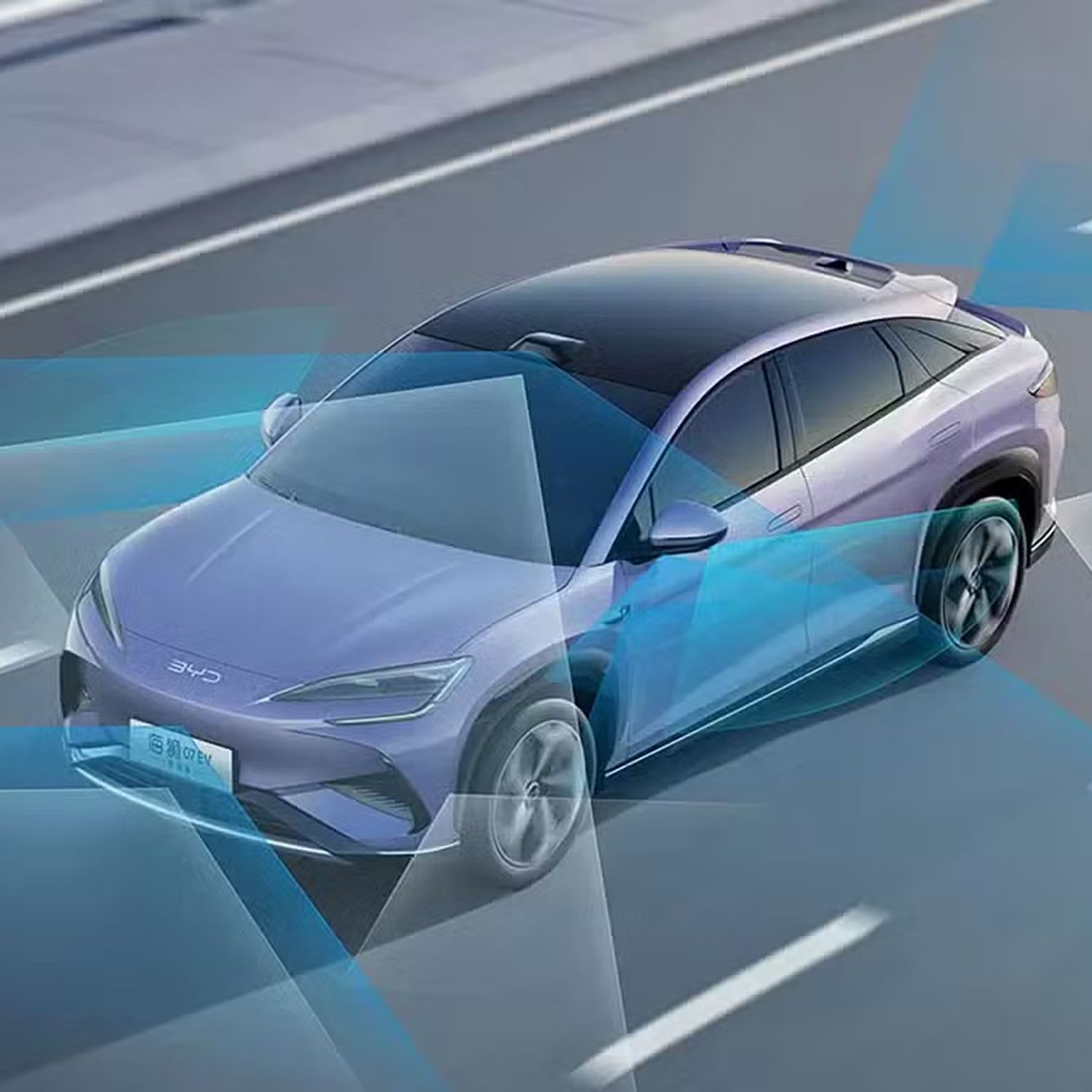
Capital One
Capital One is using an AI chat tool to help people buy cars. It can help you line up a test drive, get financing approval, and estimate what your current car might be worth.
Chat Concierge
“Chat Concierge” is an AI assistant that helps you shop for a car. It can help you pick a car, book a test drive, and even get financing and trade-in estimates.
pre-approved for financing
Pre-approval for financing means a lender reviews your information and gives you a conditional approval before you choose a specific vehicle. For car shoppers, it can speed up the purchase process and help you negotiate with clearer budget boundaries.
trading value
“Trading value” is what your current car might be worth if you trade it in. That number can change how much you pay for the new car.
Ford
Ford is trying to sell more cars in China, especially EVs. That means they’re working on products and strategies to compete with Chinese brands.
Volkswagen
Volkswagen is being discussed because China car sales are being influenced by changing energy prices. When gasoline gets more expensive, some buyers may look harder at EVs.
oil shock China sales
An “oil shock” means oil prices jump or swing quickly. That can make gas cost more, which may push some people toward EVs instead.
Beijing's auto show
The Beijing auto show is where automakers announce new cars and big updates. The host says it shows China’s EV market moving toward more premium, higher-end products.
BYD
BYD is a big Chinese company that makes EVs and batteries. The hosts are saying Ford thinks BYD is doing a better job than most competitors at building cars efficiently and keeping costs down.
Tesla
Tesla is one of the best-known EV makers. In this discussion, Ford is basically saying BYD is the tougher competitor right now, not Tesla.
cost discipline
Cost discipline is about keeping costs under control so you can sell the car for less (or make more profit) without cutting everything that matters. Ford is saying it needs to get better at that.
tariffs of up to 38.1% on Chinese vehicles
Tariffs are extra taxes on imported cars. Even with a big tax like up to 38.1%, the hosts say BYD still managed to sell a lot in Europe.
5th generation DMI plug-in hybrid
A plug-in hybrid is a car that can run on electricity and also uses a gasoline engine when needed. “5th generation DMI” is BYD’s newer version of its plug-in hybrid technology.
compact crossover
A compact crossover is a smaller SUV-style car. It’s usually easier to park and more efficient than a big SUV, but still feels roomy.

BYD Atto 3
The hosts compare the new C-Lion 05 to the BYD Atto 3 to show it’s bigger. It’s a quick way to understand the new car’s size without needing a separate spec sheet.
12.8 inch touchscreen
This is the size of the main screen inside the car. A bigger standard touchscreen usually means the car leans more on digital controls and infotainment.
BYD C-Lion 05
BYD’s C-Lion 05 is a family car that comes as either a plug-in hybrid or a fully electric car. The episode talks about the big screens inside and the different battery and motor options depending on the version.
Dipilot 100
Dipilot 100 is BYD’s set of “driver assist” features—things like automated driving help. In the episode, they say it’s the entry level package for the car.
Dipilot 300
Dipilot 300 is the more advanced version of BYD’s driver-assist system. The key upgrade mentioned here is that it can help with navigation-style autopilot driving in both cities and on highways.
Navigate on autopilot
Navigate on autopilot is a feature where the car helps drive along a route, not just steer within a lane. It’s meant to work in both city streets and highway driving.
adaptive continuous damping suspension
Adaptive continuous damping suspension continuously adjusts shock absorber damping to match road conditions and driving behavior. The segment says the C-Lion 05 uses BYD’s version, implying a focus on ride comfort plus control.
CLTC EV range
CLTC EV range is a standardized test number used in China to estimate how many kilometers the car can go on electricity. Real-world range can be different depending on driving and weather.
LFP pack
An LFP battery is a type of lithium battery chemistry. It’s generally valued for being stable and long-lasting, and the episode says the top electric version uses an LFP pack.
flash charging system
BYD’s “flash charging” is a marketing term for a fast-charging approach intended to reduce charging time. The segment claims a 10–97% charge in 9 minutes, which is a key selling point for the C-Lion 05.
NEV transformation
“NEV” is China’s umbrella term for cleaner cars like electric and plug-in hybrid vehicles. When they say the “NEV transformation” is speeding up, they mean more people will choose these cars instead of gas cars.
range extender
A range extender is a backup power source in an electric car. If your battery gets low, it can generate electricity so you can drive farther without charging right away.

X9 Xpong
The X9 is a Volkswagen electric-leaning vehicle planned for China. The podcast says it’s a range-extended type, which means it’s designed to go farther than a basic electric car. It’s mentioned as part of Volkswagen’s plan to bring many new EV-related models to China.

Saturn Aura
The Saturn Aura is a car model that was made as a mid-size sedan. In the podcast, it’s mentioned alongside talk about new vehicle platforms and China-focused product plans. The main idea is that car companies reuse or build on existing platform strategies when they change what they sell.
EV exports
They’re talking about how many electric cars China is shipping to other countries. If exports are growing fast, it usually means Chinese EVs are becoming more competitive worldwide.
CPCA
CPCA is an industry group that tracks China’s vehicle sales and production data. Here, they’re the source for the export figures mentioned in the news.
initial orders within 30 minutes
They mention how fast people placed orders right after the car launched. That’s a sign of early excitement, though it doesn’t guarantee the same number of cars will be delivered later.
market-based pricing approach
Market-based pricing means the company prices the car based on what buyers in the market are willing to pay. The point here is that they don’t plan to rely on big sales discounts.
Trimota 1,000 kilowatt, 1,400 horsepower system
This is the 8X’s high-output electric power setup. It’s basically how much power the car can deliver to move quickly.
cockpit-driving integrated system
This is a software and control setup that blends what you do in the cabin with the car’s help-driving features. Instead of separate systems, they’re trying to run them together on one platform.
Haohan S hybrid platform
Haohan S is the platform name for the car’s main software/hardware foundation. They’re saying it helps connect the cabin experience with driver-assist features.
architecture sharing
Architecture sharing means the two SUVs are built on similar “core” parts. That can make it faster and cheaper to build and supply them.
full vehicle integration with powertrain, chassis, and intelligent systems engineered together
This is a “build it all together” design philosophy. Instead of designing the motor, suspension, and software separately, they’re tuned as one package so the car behaves more consistently.
energy management
Energy management is how the EV decides where to use battery power and how to keep everything running efficiently. In big SUVs, it matters a lot because they use more energy.
chassis control
Chassis control is the car’s ability to keep you stable and in control. It uses sensors and computers to adjust how the car behaves as conditions change.
assisted driving
Assisted driving is when the car helps you drive, like keeping in the lane or maintaining speed. It’s not full self-driving, but it reduces workload for the driver.
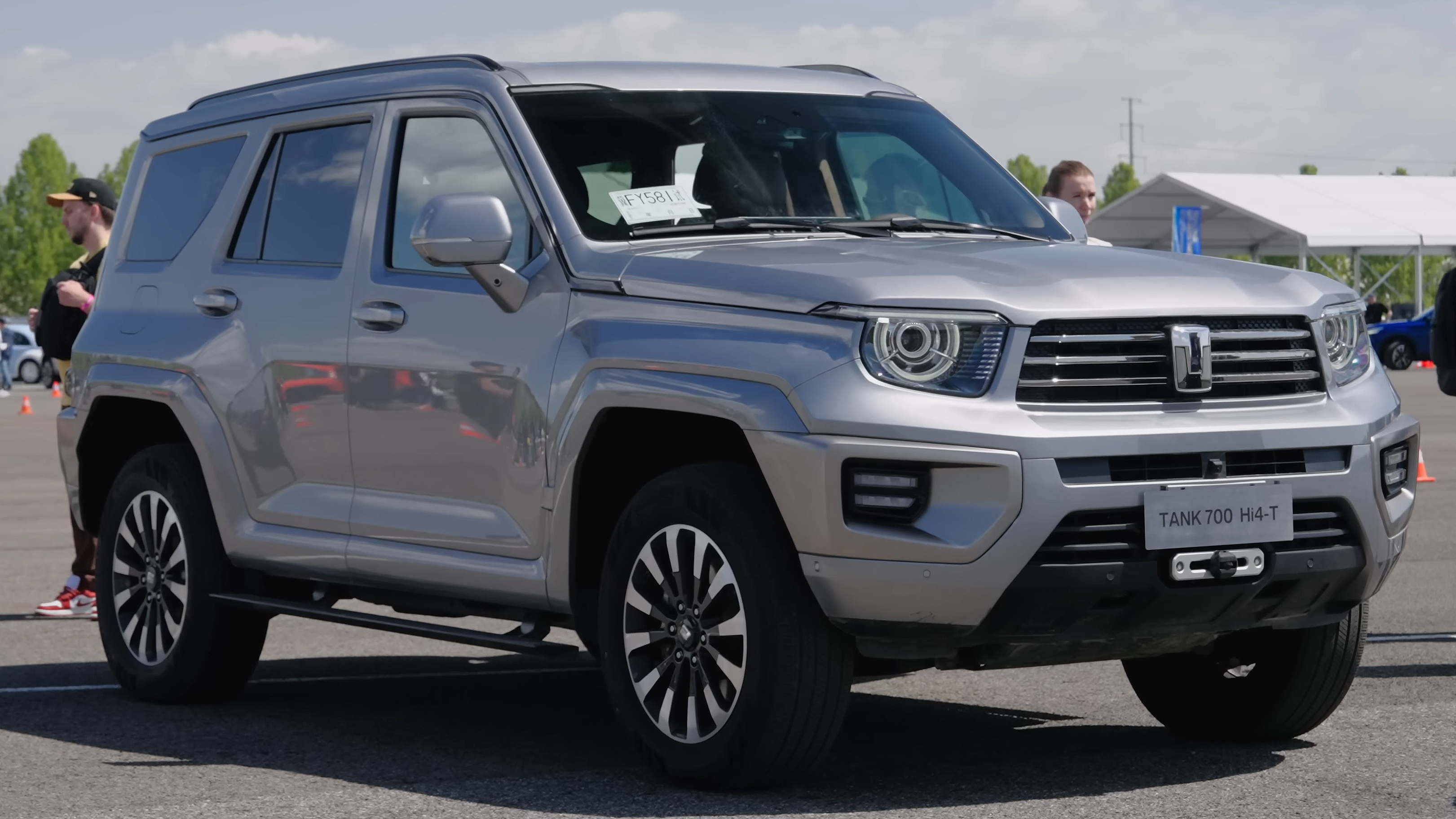
700 Tank 700
The 700 is Great Wall Motor’s updated Tank 700, which is a premium SUV. The podcast is describing it as a more upscale version of their “Tank” lineup. The update means the company has refreshed the model to improve or modernize it.

Mercedes-Benz Gclass
The Mercedes-Benz G-Class is a luxury SUV with a very boxy, tough-looking design. It’s built for comfort and also has the kind of capability people associate with off-road vehicles. The podcast mentions it as an example of the style and premium level being compared to another “tank-like” SUV.
Tank 700
The Tank 700 is a rugged-looking SUV from a Chinese brand. The episode is talking about how it’s being updated and how some versions are moving toward electric drive instead of the older plug-in hybrid setup.
NMP pack
They’re talking about the battery pack inside the EV version. It’s described as a 60 kilowatt-hour battery, which is basically how much energy it can store.
no mechanical linkage between the axles
Instead of using gears and shafts to mechanically connect the front and rear wheels, this setup relies on electronics. The car controls power to the wheels with software to help with traction.
electric motors
Electric motors are what actually turn the wheels in an EV. Where the motors are placed (front and/or rear) affects how the car can manage grip and control.
software for the off-road capabilities
Off-road performance isn’t just about hardware—it’s also about software. The car uses computer control to decide how much power to send to different wheels so it can grip better on rough ground.
Hi-FORZ T
Hi-FORZ T sounds like a special version of a vehicle made for tougher driving. It’s meant to handle rough terrain better, and it uses both an engine and electric power.
3.0-litre V6
A 3.0-liter V6 is a gasoline engine with six cylinders. “V6” just describes how the cylinders are arranged, and here it’s used alongside an electric motor.
9-speed gearbox
A 9-speed gearbox means the car has many gear ratios. More gears can help the car feel smoother and stay in the right power range more often.
37 kilowatt-hour pack
A 37 kilowatt-hour battery is the amount of electricity the car can store. Bigger batteries usually mean more electric range, so this one is smaller and goes less far on pure electric power.
clutch and differential locks
“Clutch and differential locks” are off-road traction tools. The differential lock helps both wheels on an axle turn together when one wheel is slipping.
Sun Woda
Sun Woda is a battery company. In this segment, they’re talking about what kinds of batteries and charging tech they plan to develop next.
ultra-fast lithium-ion phosphate charging
This is about charging an LFP (lithium iron phosphate) battery very quickly. The idea is that this battery type can be charged faster than some others when the charging system is set up correctly.
sodium-ion batteries
Sodium-ion batteries are like lithium batteries, but they use sodium. They’re being explored because they could be cheaper and help diversify battery supply.
Supercharge Battery 2.0
This is a new type of battery pack that Sun Woda is pitching for electric cars. They’re saying it can charge very quickly while still lasting a long time.
15C
“15C” describes how fast the battery is being charged compared to its size. Higher C-rates mean faster charging, and 15C is very fast.
5 to 95% in 9 minutes
They’re quoting how quickly the battery can go from low to almost full. Charging usually gets slower near the top, so “5 to 95%” is a tougher test than just hitting a peak number.
Blade Battery 2.0
BYD’s “Blade Battery 2.0” is their newer battery design for EVs. In this episode, they’re using it as the benchmark for how fast cars can charge.
1,500 kilowatts of charge peak
This is the biggest charging power the battery can take at its best moment. It helps explain why they claim extremely quick charging, but the actual time depends on how charging behaves as the battery fills up.
850 volts architecture
This means the car’s electrical system is designed to run at a very high voltage. Higher voltage can make fast charging easier because it can deliver lots of power without as much current.
prismatic cells
Prismatic cells are one way of building battery cells—more like flat blocks than cylinders. How cells are shaped and arranged can affect how well the pack charges and cools.
1,500 life cycles
A life cycle is basically how many times the battery can be charged and used before it gets noticeably worse. They’re claiming this battery can handle about 1,500 of those before it degrades too much.
1,800 amps
Amps measure how much electrical “flow” the battery can handle while charging. Higher current can support faster charging, but it also stresses the battery system.
zero deg in year one
They’re saying the battery won’t lose noticeable capacity during the first year. That’s a strong promise, but it’s hard to prove without lots of real-world data.
20,000 cycles
This is how many times the battery can be charged and discharged before it wears out. They’re saying it lasts a very long time at normal temperatures, and less at very hot or very cold conditions.
800-volt architecture
Some EVs use a higher-voltage battery system (like 800 volts). Higher voltage can help the car accept charge faster, so you spend less time plugged in—if the charging station supports it.
10 to 80 charge in 12 minutes
EV reviews often quote how fast a car charges from 10% to 80%. Charging is usually fastest early on, so this number helps you compare cars fairly.
CLTC range of up to 650km
CLTC is a Chinese vehicle testing standard used to estimate EV range. It often produces higher numbers than some other standards (like WLTP or EPA), so listeners should treat it as a relative figure when comparing cars within China.
vehicle to load
Vehicle-to-load means the EV can act like a power generator for your home or gear. If it’s rated at several kilowatts, it can run more demanding appliances than a basic outlet.
solid-state batteries for production in 2027
Solid-state batteries are a next-step battery design that uses a solid material instead of a liquid. If it works as hoped, it could mean better range and safety, but getting it into real mass production is hard.
Jili
Jili is a big Chinese car company. Here, they’re showing off a RoboTaxi concept at a major auto show, meaning they’re aiming to build self-driving ride services.
AutoChina in Beijing
AutoChina in Beijing is a big auto show in China. Companies use it to reveal new cars and big tech plans.
Level 4 AI digital integration
Level 4 is a high level of self-driving capability. It means the car can drive itself in certain situations without you needing to constantly take over.
world-action model
Think of a “world-action model” as the AI’s way of understanding what’s around the car and then deciding what to do. It’s like connecting “what I see” to “how I should drive.”
premium nine series
“Nine series” is basically a naming trick that signals the most premium, top-end models. It helps buyers quickly spot which cars are meant to be the best in a brand’s lineup.
price war to a value war
Instead of trying to win by making cars cheaper, companies try to win by making cars feel like a better deal. That can mean better features, better software, or better service—things buyers notice beyond the sticker price.
S&P Global Mobility shows cumulative sales of the German brands in China fell 25% to 3.85 million vehicles
They’re using a data provider (S&P Global Mobility) to show that German car brands sold a lot fewer cars in China than before. The numbers help you see whether the market is getting easier or harder for those brands.
BMW
BMW is mentioned as having lower sales in China compared to the year before. It’s part of a broader story that German brands are under pressure there.
Audi
Audi is mentioned as having lower sales in China compared to last year. It’s part of the broader theme that German brands are struggling in that market right now.
Porsche
Porsche is mentioned as selling fewer cars in China than the previous year. The point is that competition is strong enough to hit premium brands too.
Chinese EVs are increasingly targeting overseas markets
They’re saying Chinese electric car makers are selling more outside China. That can affect what other countries’ automakers do, including pricing and how quickly they launch new EVs.
multi-agentic AI
This means the AI isn’t just one simple chatbot—it’s more like a team of AI helpers working together. One part can think, another can check details, and another can help move you toward booking a test drive or financing.