Broadcast from the studios inside the Classic Automall in Morgantown, Pennsylvania, just one
hour west of Philadelphia at Pennsylvania Turnpike Exit 298, featuring nearly 1,000 classic
vintage and barn-fine vehicles for sale under one climate-controlled roof.
Now, here's your host, Classic Automall president and the man with all the toys,
Stuart Howden.
Welcome to the show, the Classic Automall show, show number 213, coming to you from Morgantown,
Pennsylvania.
How are you this morning?
I'm good.
I'm getting my photo taken.
Oh, wow.
Did you get your hair did?
So, before we start with our wonderful guests, let's guess how many cars are in
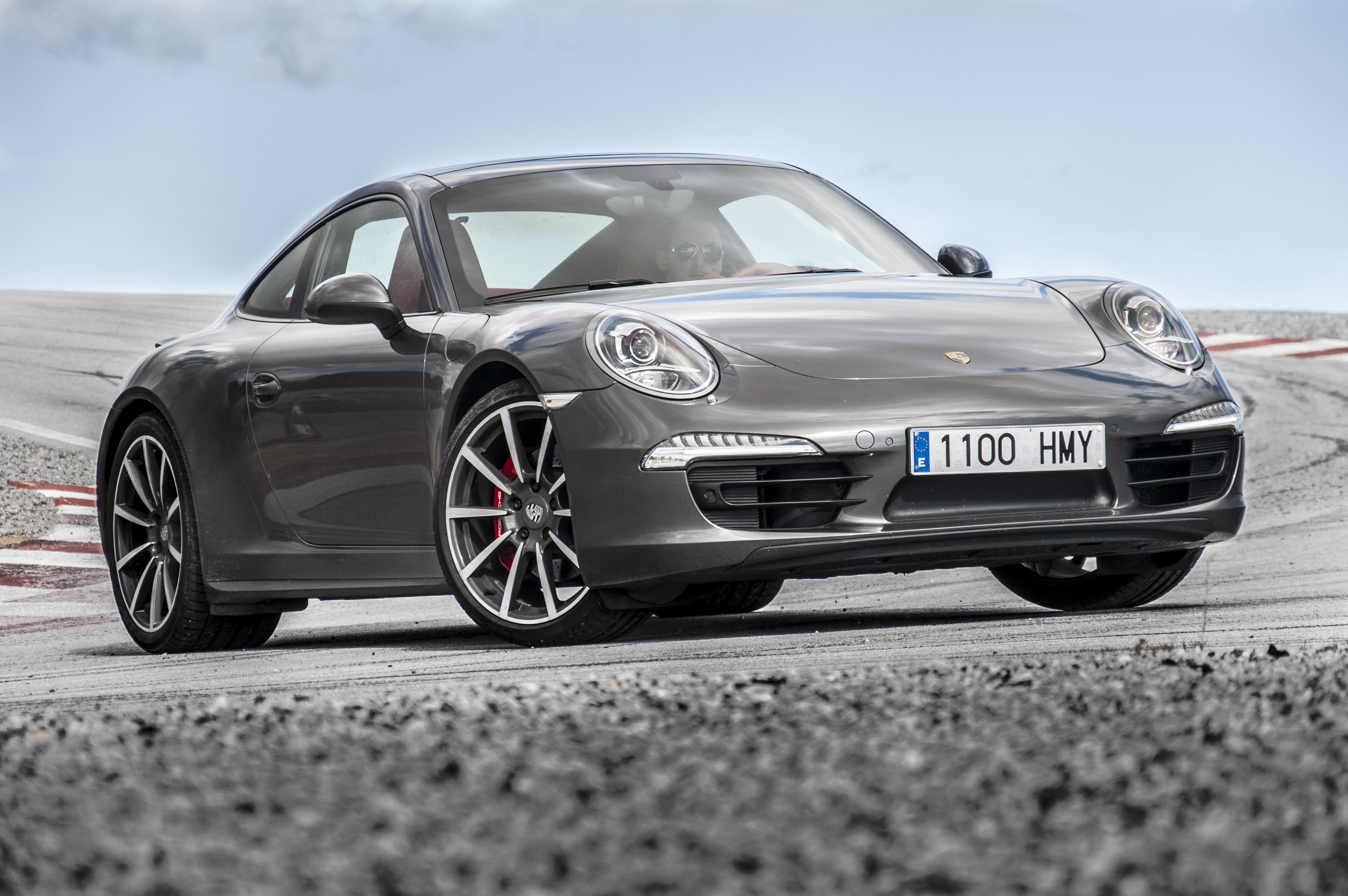
inventory today and, ala, another Porsche reference.
Oh, you know, I noticed our truck.
Not the obvious Porsche reference, though.
The truck room is a little empty here.
So, I think we did, so I'm going to go with 911.
Ah, it wouldn't be that obvious.
912.
908.
Oh, I was going to say 908.
I was going to say 908.
Didn't we do 908 last week?
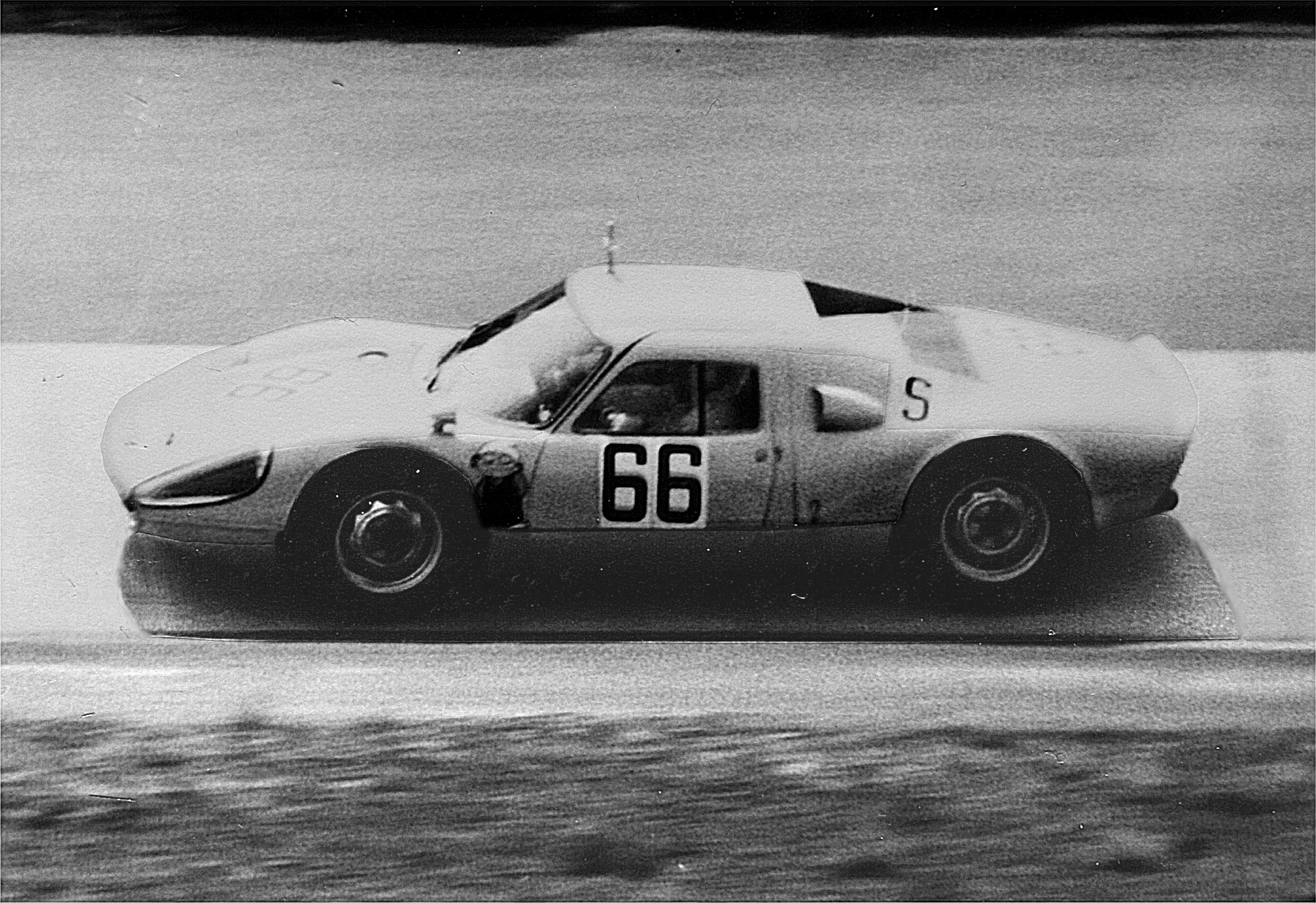
Well, no, we did 904 last week if you want to get technical about it, so.
Anyway, joining us via Zoom, vis-a-vis through London area, UK, England, and five hours
ahead of us, Mr. Carl Ludvigson, author, journalist, historian of motorsport.
Did I miss anything?
I think you've got all the bases covered.
I think you've covered it pretty well there.
That's all right.
Thanks.
I have been over, you know, I've been a, been a, a, a, a runner, runner guy running
a consulting company for automobiles.
Sure.
Engineering, and I've worked for Ford in Europe, working on international
affairs and racing, and I've had a little spell with Fiat and also GM.
I spent about five years with GM at different jobs.
And you worked for GM in the 50s, right?
I would work with them in 56.
I was a designer in the, in the styling section.
Right.
And then I, I, I went away and then I came back in, in a late, well, let's see,
late fifties, yeah, late fifties for about three or four years with, with GM.
That must have been exciting times in General Motors during, in the styling department.
That was some interesting styling that we were seeing back then.
Probably never.
It was, it was.
We really had a fantastic period.
I mean, GM in the early sixties was a powerhouse, absolutely sensational.
And the, the nice thing about it was that I was involved in public relations and
trying to get information from our company into the larger world.
And everywhere I went and GM and I went everywhere, I went to the train engine
business to, you know, you name it in this company and everywhere I went,
the people were very, very helpful.
Right.
They didn't, here I was messing up their day and asking a lot of questions.
Who is this guy?
Boy, they, they, they were pros.
Right.
GM was a company of pros and Bill Mitchell was in his absolute peaked activity at
the time.
We had the Riviera coming out of the 1963 Corvette and it was fantastic.
Yeah.
Exciting times.
And he was, he was great.
I mean, but you know, people don't realize that General Motors was into a
lot more than just cars and trucks.
I mean, like you said, they were building trains and, and all kinds of
different things.
Oh yeah.
Yeah.
Fingers in a lot of pies.
So, and I want to get to your book, your new book right away.
You've authored dozens of books, right?
I mean, it's, well, it passed 70 actually.
Wow.
Wow.
But you know, there's some small ones, a few big ones and so on, but I
started in the, in the late fifties with a book about, well, my, my boss
in, uh, uh, when I first started, uh, working for sports cars illustrator,
which it was at the time, uh, started work on an MG book and, uh, he
couldn't quite finish it.
He said, why don't you finish it Carl?
And, and so that's how I got involved in writing books.
And, uh, I, I did a few more after that publisher in New York and
then kind of carried on.
Sure.
My first really thoughtful and useful book was my first Corvette book.
I, uh, got the, uh, Corvette story rolling in because actually when I
was working at G-App, uh, in, in the same area as the guys who
designed and built the first Corvette.
So they had a lot to tell me about what happened and so on.
So it's kind of nice to be around when, uh, the information is there.
Sure.
And the Corvette almost didn't make it, right?
I mean, there was, there was thoughts and talk of maybe.
It was a nip and tuck.
You're absolutely right.
But maybe it's not quite as, uh, risky as it seemed.
Right.
But GM did back it and, and when they put the 56 out, it really started to go.
Sure.
I remember I was doing road testing, uh, for magazines in those days.
Well, I drove the 56, uh, Corvette was, uh, it was really spectacular.
Yeah.
Terrific gearbox and, uh, great engine.
Uh, boy, it was, it was super duper.
What a lot of fun.
That must have been testing all the cars and putting them to their limits
and, and having it was, it was, it was good fun.
Yeah.
Well, I had a lot of fun when I was working at GM and PR for styling staff.
Uh, there's a car called the original Stingray racing car.
Right.
And, uh, and Bill Mitchell was kind of keen on that.
And, uh, he often had major league, uh, people around to, to visit.
And, uh, we hauled out the Stingray and I got to drive the poor visitor around.
And, and we use the, uh, the roads of the GM tech center and, uh, in Detroit.
And I got to know those pretty well.
I would imagine so.
That was, that was wonderful.
So you've got to, you got to scare anybody who decided they were brave enough
to get in the car with you.
Right?
Yeah.
Well, that's right.
No, it wasn't too bad.
I didn't try to knock them out, but, uh, it was fun.
You also had an affinity for Porsches.
Excellence was expected.
I love that title.
Excellence wasn't just, we hope we get there.
It's, it's expect.
Thank you for that.
I really appreciate that.
I took over the project from another writer.
I don't know what he, well, uh, he
died actually quite a lot.
That's great.
That may have been the reason, but, uh, I'm, I'm, I had nothing to do with it.
Not my problem, not my fault, but, uh, I knew he was writing it and I had told
the publisher that, well, you know, if anything happened, I'd be interested.
Sure.
Working on that Porsche story, you know.
And well, he gave me all of his, uh, what he'd written so far.
Sure.
And when I read what he'd done, there was a lot of probably this happened and
it's likely that this happened, right?
Right.
Seems like this took place.
And I, uh, thought, wait a minute, this is not old news.
Uh, it's possible to go and talk to people who are still around, right?
Who know what happened at the beginning of the Porsche company.
So I interviewed people up to fairy Porsche and, uh, number of other people.
So the book had real guts to it.
Right.
And, and then in your fast friends, stars and heroes in the world of cars,
you talked about fairy Porsche in there as well too.
And, and, uh, I, there's a statement that you put in there that fairy
Porsche said that I want to read because it's so cool.
He's fairy once said, no one makes a car like we do made specially for
the purpose down to every last screw and bolt.
Others in Italy do it, but their car cars cost twice as much as ours.
Oh, okay.
Yeah.
Well, I, I love that statement.
I, you know, yes, you can get one from Italy, but it will be twice as
expensive and Porsches were efficient.
They weren't, they were not wasteful and they weren't flamboyant
when it came to pricing, you know, compared to the Ferrari.
Oh, that's right.
That's right.
Um, and, and of course now your archives are at the Revs Institute down
in Florida are a big portion of them.
I see there's quite a few behind you.
So they didn't get, I do a few books around.
That's right.
So you did drew, you did donate some of your stuff though
to the Revs Institute, right?
They were mainly interested in my photographs.
I had a big, big photographic collection and they took that off my hands.
Sure.
And, but I, I managed to hang on to a few books.
Yes, I did.
It's good to know that they went to good hands though, right?
It's nice to know that they'll take good care of it and be good stewards.
It is.
It is definitely in good hands.
Absolutely.
So your latest book, um, you know, I can talk about how many pages
and how many three volumes over 600 pages.
It weighs almost 19 pounds.
Yes.
Yes, it does.
It does.
Wow.
That's incredible.
It's pretty hefty.
Yeah.
That's incredible.
So the title of the book is appropriately power unleashed trail blazers
who energized engines with supercharging and turbo charging.
And right there we have it.
Yeah.
No, I don't want you to strain yourself now there.
Yeah.
That's it.
You can work out with that every morning.
I know, I know.
I wanted to work out.
I named it as the trail blazers who started all of this.
Right.
And I really do want to dedicate it to the engineers and developers
who did it just to emphasize that the back of the each book has the key
people that are working on things in those days.
And so we, I really wanted to put them upfront and forward
and because their curiosity and their interest and their knowledge
is what contributed to the development and the way it did,
the way supercharging and turbocharging did develop over the years.
Well, for those of us who grew up in the 60s and 70s,
we thought the turbo Porsche was the first turbocharged vehicle.
And, you know, we didn't know any better.
And that was an iconic car.
I mean, you know, a turbocharged car at the time.
But turbocharging and supercharging have gone back to my goodness,
back to the late 1800s.
Was it is that far back?
Well, yes.
In fact, one of the very first engines that the Germans worked on
in about 1885 had an element of supercharging in that they had
a little spring operated valve in the top of the piston.
Right.
Which is arranged in such a way that when the piston went up on the exhaust movement,
there was a pressure developed in the crank case that gave a supercharging effect.
A boost, if you will.
They said we, you know, we might as well while we're at it,
we might as well do something like that.
Right.
And they did.
And so it has that kind of history to give us a start.
Well, and then the Bentley stuff from the 20s and what they were doing with the
blowers and the blower Bentley's and all that were fascinating cars because they
weighed a gazillion pounds, but they had, you know, they had that extra boost
to kind of make them faster.
It's the same with the Duesenbergs, right?
Well, that's right.
But Walter Bentley didn't really like that.
Oh, really?
Yeah.
He wasn't keen.
It was hard to believe.
Yeah.
He said, look, I've built my engine the way I want it.
Right.
I don't want anybody fooling around, you know, making it less reliable by
pushing more air and effort through.
So he left it to other people to develop turbochargers, superchargers and put them
in there.
But they are, you know, now, of course, famous for big, big superchargers
sticking out of the front of the car.
But that totally makes sense.
I mean, just like aftermarket parts, you'd put on a Chevy V8.
I mean, the engine was designed for a certain amount of load and a certain amount
of horsepower and torque.
And when you change that, you're going to, you're not, it's throwing the
dynamic off of what they built in the first place.
I understand that.
But I think people found that, you know, there was enough, a lot of engines
that were adapted to supercharging in a way that, you know, if you
were careful about your, your gasket, right, head gasket, if you get that sorted
properly, of course, Bugatti did that.
He didn't even have a gasket, a gap.
He put the whole block, you know, together.
There was no place to put a gasket in the same way with
say Mercedes and their, their Grand Prix racing cars and so on.
They, they took care not to have a problem with, with the boost pushing out too far.
Sure.
Because yeah, I mean, it's just like turbocharging or supercharging any of it.
You can only, you know, the engine will only stand so much, you know,
without some kind of reinforcement, right?
Yeah.
That's right.
Very much so.
Well, I mean, the big, the big time.
You know, you're right.
People, people thought about Porsche, but back in the beginning of serious
turbocharging in America was in the early 60s.
Right.
When GM at, at, at the, with the Corvette.
Right.
The Chevrolet and with the Corvair.
Right.
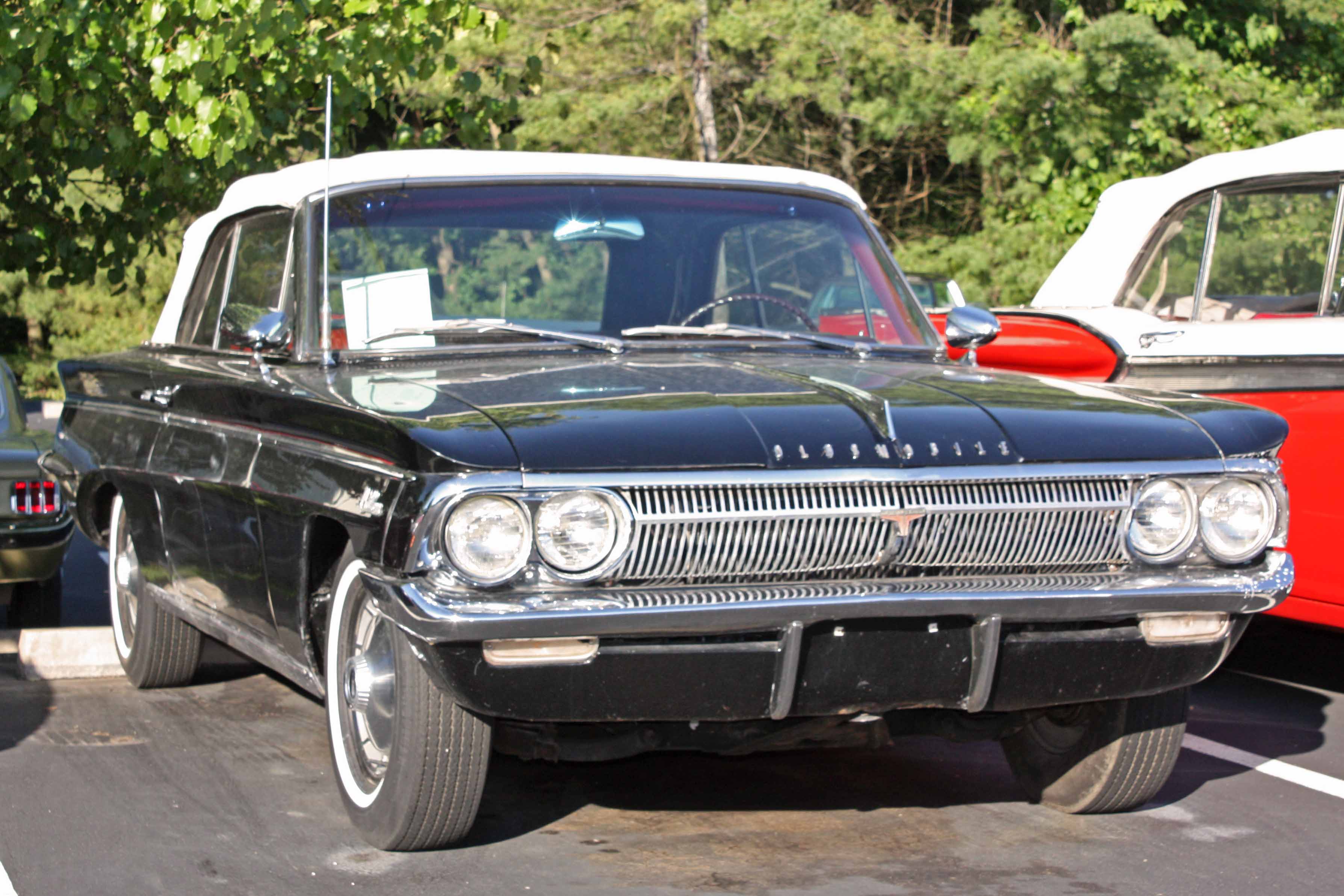
Was the, was one turbocharged car and over at the up in, up in Flint.
Oldsville was doing a turbo, a turbocharging job.
Yeah.
So they, they were racing each other to the, to the finish.
Right.
Yeah.
The F85 or what it was that had.
That was about 1963.
Yeah.
They had the little boost gauge.
I remember on the, on the, on the center console and.
Yeah.
It was quite exciting.
Yeah.
All of that was exciting.
And, you know, I mean, some of the concept cars, I guess, explored
different power sources and didn't necessarily always use them in
production, but it certainly furthered the cause of super
charging and turbocharging and all of the induction type stuff
that you've got.
Yeah.
That's right.
But they were, you know, they, but then, then GM went
cubic inch crazy.
And, and they, they decided to up their, their displacement
engine displacement and right away, they kind of ruled out the
need for supercharging.
Right.
You know, because there's, there's always a balance between
the, the need to have a large cubic inch displacement in the
the balance is different if you, if you have a smaller
displacement with supercharger.
Right.
So, but that, that kind of kind of knocked out the, the GM
initiative.
They, they, they moved very quickly to larger displacement
engines that, that, that, that they weren't, they weren't
chasing the superchargers.
Well.
Until, until about a decade later.
Right.
The Buick got into the act.
Yeah.
Well, and, and, or not.
Yeah.
And turbochargers and superchargers, I mean, they, they
were not without their faults, I guess if you could say.
A normal driver wasn't used to a turbo lag and a
turbo boost all of a sudden coming on, you know, you
floor the gas and it goes and then when that
turbocharger kicks in, if you're not holding on and
aim straight, it could be a problem.
Yes, it was.
And that's, that's true, especially with the Grand Prix
cars.
Right.
That was, that was difficult and other kinds of
racing cars that were adapted to, to supercharging
and turbocharging more than supercharging.
Supercharging doesn't have that problem.
Right.
But turbocharging certainly does.
It's the, it's, it's, it's a kind of exciting
acceleration, but it can be a little bit, you know,
it's a little bit slow at first sometimes.
Right, right.
And it gets going and, and then of course
engineers worked hard to overcome that sort of
lack of initial push.
Right.
And successfully in many cases, that was
gotten over quite well.
And it took some getting used to, no different
than a front wheel drive car.
I remember the first time I drove a front wheel
drive car, it felt very awkward and, and it was,
you know, it wasn't very well designed.
And of course, but I mean, gotta, gotta think
that the heyday, and maybe I'm wrong, but the
heyday of turbocharging had to be in the
Can-Am series in the late 60s or late 70s.
Well, it was, it was thanks to, it was, it was
not that active to tell you, tell you the
truth.
It was, people were using some superchargers
here and there.
It was kind of spotty.
Right.
At first, Oldsville had a, had a double, double
roots below and there were a couple of guys
doing things, but that was both mostly a
big cubic inch V8 operation.
Sure.
And it, it did, that's where Porsche came
in, in the Can-Am with turbocharging.
And believe, believe you me, the, the first
time Mark Donahue got in a turbocharged
Porsche 917 and drove it on the factory
track, he said, well, there's a lot of
work to be done here.
Because it, it, it started off kind of, you
know, a little slow and then it went
overwhelmingly fast with this turbo
getting out.
And, and that, they did, they found that
the trick was going to be the operation
of the, the system that they had for
bringing, injecting fuel.
Right.
So they had, if they, if they got that
fuel right, then it was okay.
That, that, that, but it took them a while
to Porsche to get that settled.
Right.
But, but, but Mark finally, they finally
got, they got, they got a kind of way
of operating it and, and, and getting
it to respond to the requirements.
And, and Mark said, he had a successful
run around the track at, at, at Visakh
and said, I, he came back and said,
I am so happy about this pump.
He said, this is, this is the, the,
this is the, this is so great.
You really looked at it.
Sure.
And the guys there in the organization
said, they, they put it aside and said,
this is the happy pump.
Right.
And then they had a little problem.
They, they, they went back to the happy
pump to see what the, what, why it
wasn't, you know, working in the right
way.
Around.
So that was a big, big breakthrough.
And, and my understanding is, is that
the 1500 horsepower Porsches in
that era were the highest horsepower
Porsches ever built to this day.
The highest.
Horsepower Porsches that were
ever built, including modern
Porsches.
Yes.
Well, he, he, he, they did have,
they did, they did.
Yeah.
The, the, the last version of the,
of the 917 turbo car was quite
something.
Mark, Mark Donahue got one of the
cars from Porsche and operated
it seriously.
They put in some very special
trick stuff.
Right.
Because they wanted to set a new lap
record at, I think one of the, one
of the.
Talladega?
Yeah.
I think so.
Yeah.
I think it was.
I'm trying to think where, where it
was.
But yeah.
Yeah.
One of the NASCAR tracks, the bank
tracks.
Right.
You know, there were, there's a
question of who was the quickest
around that track.
Yeah.
And, and, and, and they got it
going and, and Mark did
successfully break the record
there with a, with a, with putting
in the turbo chargers and pump
and, and, and some other trick
stuff.
Right.
Yeah.
When the car, when the car came
into the pits, it was, it was
a flame at the rear.
It was, it was a, it was a near
thing.
It was, it was, it was burst into
flames.
Yeah.
It really was pulling all the
nuts.
I would imagine so.
And of course they said back in
the day the Can-Am racing the,
the rule book was the thinnest
rule book in the history of
motorsports.
Was the.
Thinnest rule book in the
history of motorsports.
Yeah.
There was not much of the
rules in the Can-Am day.
It wasn't, it wasn't a three
volume 18 pound version like
you have.
Yeah.
Yeah.
Well, in the book, one of the
most interesting stories, of
course, is Renault.
Right.
Because everybody said, everybody
said, well, you know, you,
the, the normal
limitation for an
unblown engine in Formula One
was three liters.
And then the, you could have
a blower of some kind if you,
if you, but you had to only have
one and a half liters.
Right.
So they all said, well, there's
no way, you know, this can
really work.
And it, you can't, you can't
really do much with anything
but, you know, with one and
a half liters against, against
three, because most of them
hit a limit at about
530 horsepower.
And that was kind of.
Out of the three liter
engines.
I mean, that was sort of the
very best V12s.
You know, they, they, they
managed to get up in the
brake, brake the 500 mark,
but they were stuck.
Well, but Renault said, well,
we're going to give it a try.
And they did.
And with the V6 that they
developed and with a,
a, a, a single, a
single, a single
root type.
Right.
Supercharger.
Yeah.
No, no, sorry.
I beg your pardon.
It was turbocharger.
Right.
Of course.
Yeah.
That was a turbocharger.
And, and, and they went,
they went, they, they did
finally break it.
It took them about two and
a half years.
Right.
Of being left at and
has a, they, they, the
flying T-Cuttle, they
called it, you know, with
it, it, it, it did get
finally, they, they, they,
the minute they
want to race,
which they did,
everybody said,
oh, okay.
Okay.
All right.
We get it.
They were rushing trying to
find the best makers
of, of
turbochargers.
Sure.
So if I was, that was,
that was tricky because
you had to, you had
to have the right
access to
a company that was
prepared to, to
tweak the designs,
the diameters, the
internal of the, of the
turbo is very sensitive.
And you had to have the,
the, the
respective diameters
and small, and
curves and so on to
make it really do the job
for that particular engine.
And if you're not
making these turbochargers,
you're, you're not going to
get very far. So it
was, it was tricky for those
who couldn't
buy or
or otherwise
sneak in
a turbo
that was properly fitted to the engine.
Sure. Sure. Well, and
I recall that the early turbo
Porsches in 1976, the
street versions were, they were
less than 300 horsepower. They were
200 and maybe 70
horsepower, I think that number comes to mind
for some reason. Oh yeah. Oh yeah. They weren't. Oh, and it, it was
all there, believe me.
I went on the,
I went on the, the,
the press
launch in, in the
US for the turbo, turbo
Porsche. Wow.
And we, and they, they did it
at a, at a seven and a
half mile
oval track in Ohio.
Wow. They, they brought,
brought the cars there and let us
loose with them. And I have to tell
you, there were a bunch of guys really,
really putting their feet into it
and, and, and
motoring around that track at a pretty
nifty speed. Sure. And the acceleration
of course was
epic. Yeah. And, and
that's why
there were, there were, there were
having a lot of problems with
early adopters
who used overdoing
it. Right. And
there were, there were a lot, a lot
of, a lot of body work had to be done
behind the dealers.
When these cars started reaching
the public. Sure. Which may have been a
good thing for the dealers, right? Maybe it's
another, obviously. Maybe so, maybe so.
Maybe another profit center but
but, you know, modern
cars, I mean, you know, you come to
today and you've got modern cars
and we're doing hybrids and we're doing
electrics and we're doing all
these different types of cars.
Where does that leave the
induction of supercharging and
turbocharging and all that? Is there a future for
it or is it, is it going to be a thing
of the past before we know it?
Well, I think it's going to be around
for quite a long time.
The, the
on both sides, the
roots type
supercharger, the
supercharger rather than the turbocharger,
the people like
you know,
Borg-Warner
and others have brought it
to a pretty high level of
efficiency and it's
and Anna, they've helped, they've
worked hard on lowering the cost
too and then the
the traditional supercharger is
a very smooth operating
engine and it's very efficient.
The
the turbos of course are
mandatory on
diesels, the diesels just
they, everybody
with a diesel has got
a turbocharger to the bottom
because the
the turbocharger, the diesel
likes that, it likes the
pressure to get the pressure up higher
or efficient.
So, but
the
the turbos you're doing too
is getting
again more efficient
less
costly and with
with better accouterments
things that are you know
whether you've got a
heat removing
device, some other thing that
you know, they've done a lot
of work on it to keep the
interest high
and be sure to
do well with the
customer. Sure. And so
this book, I mean this is your latest book
it's three volumes over 600
pages per volume. Did I
read 33,000 some odd
pictures you have on, I mean
my goodness, how long
that's it. How long did this take you?
I'm so thrilled with this
book. I can't tell you.
One thing I really like
about it is that
apart from the introductory
introductory page
in every chapter, 47
chapters, it's got a
little white space. There is no
white space anywhere else in the
book. I mean, you know
we really filled it up
properly. I'm
really pleased with that. How long did it take
you? Well, it
was about
once I had sort of done
the main work on it
I had to go back
and
get the pictures organized. Right.
And that took me
about a year and a half. Wow.
And then
I had to
write
the captions for the
pictures. Three
thousand and seven hundred
took me another year.
Wow.
And then
then
the guys at
Evrow, the publisher
said, well
we want to be sure this book
is all
squared away and everything
so we want you to read it
all
and make notes
of where
you need to fix things. Right.
Because
it's got to be filled with
and that took another year to do that.
Wow.
To
read it over and then
they said, well
thanks for that
but we'd like to just
have one last look at it.
Wow.
So that took about a half a year.
Anyway, so
even when it was
done it wasn't quite done.
Right. But I'm
very happy with the reviews
that have come out and people have
said, well this is
pretty darn good. I've got a copy
not in hand but digitally and I'm
looking forward to reading it. I was going to read it
before our interview but I wanted to make sure we had
the interview before now and you know
ten years from now. Well that's great.
Well it took
time. I mean it came out in
the UK about July
and then it took some time
to get it over to the US.
You should have done a contest for whoever
read it first. Like whoever got through it first
and they would win something so.
Yeah.
Well it was just great.
I had
it began
with
the fact that around 1974
I had
written a history of supercharging
up to that time. Right.
For an article
in automobile quarterly
so I kind of felt
I've got a head start here.
I'm not completely
and in fact
the benefit
of that was
that
writing it at that time there were a lot
of people around still.
Right.
Were there at the beginning. Right.
There's a chap named David Gregg
that
I tracked down
he designed
the supercharging
the superchargers for the first
charged
a racing car
that ran at Indianapolis. Wow.
Wow. Well that's right. I forget about
those. Yeah. You know.
So I had access to some people
who were there at the beginning
for that story.
So I had
the starting
gone as it were. Sure.
With my work on
the
previous article.
So that was, that kind of helped.
And for our listeners who want to
buy the book they can go to
Evro is the publisher
is where you can buy the book or the set.
Yup.
Yup. Well,
sorry.
We have the set of the books at Evro Publishing, right?
Is that where they can
go to purchase the book? Evro, right.
Evro, right. Exactly.
We'll put that up on the screen
for the show and make sure people
can get to that because
I hope so too.
I'll just
make sure if they haven't been looking
and watching. Here it is, right here.
It's still
it's there
and it's
super duper. I'm really pleased with it.
Well, as well you should be.
That's just one of the three volumes.
Can't hold them all three up at the
same time, right? Yeah.
That's too much of a workout.
The other thing
that
kind of hit me at
a certain point while I was working
a lot of the
kind of serious initial
work on turbo with
turbos and
ordinary
compressors was during the First World War
because that's when
the people
realized that
it was essential for
my planes to be up higher
than yours.
The higher I
can get above you, the better
I'm going to be. You're going to be in trouble.
Because I'm coming down on you, right?
Yeah.
They started to work
on serious
work, especially in Germany.
And also in the
U.S. turbocharging
in the U.S.
Compressor type
charging in
mostly in Germany.
So there was
quite a lot and I had to
cover that all in the
aviation field.
Because that's pretty important.
Of the
development.
But of course then
I had to do World War II.
Right.
As well.
Which is a huge story.
That's a whole volume in itself, right?
Well, that's right. Everybody
had
different kinds of
machinery to
operate World War II
that it really got going.
They had
a lot of
very exciting
hardware. Wow.
Look at those pictures. Wow.
The pictures
are actually
terrific.
This is all
World War II stuff.
You know, I had to
I thought, well, alright.
Infrapound.
Infrapound, as we say.
Exactly. Well, we
certainly appreciate you being on the show with us
this morning and joining us. I know you got
things to do this afternoon, but
certainly love talking to you about
your books and a huge
success for you on these books. And
we'll look forward to seeing you again sometime.
Carl Ludvigson, thanks so much for being on the
show. It's been a pleasure.
Thank you. Thank you.
Perhaps even as a child,
you knew you wanted one.
Now, you're at a point in your life
where you have the means
to buy and keep one.
Your significant other is even
in agreement. But where and
how can you find one?
And trust, you know, as much as you can
about it before the purchase.
That's why there's classicautomall.com.
1,000
classic vehicles of almost
every conceivable make
model and year, all under one
climate-controlled roof.
You can visit and look to your hearts delight
or do everything online
from the comfort of your own home.
Chipping nearly everywhere
worldwide, classicautomall
can make your dream come true.
Visit the World Wide Web
at classicautomall.com.
Music
And we're back with a classicautomall
show from the classicautomall
studio in Morgantown, Pennsylvania
where FedEx is bringing us something.
I think it could be car parts. Always, always.
No, always t-shirts or something.
T-shirts or hats or something like that.
Carl Ludwigson, oh my gosh.
The knowledge base that he has
is a three-volume set about supercharging
and turbocharging. And I have not read it
at full disclosure.
I just got it yesterday.
It's huge. Oh, wow.
It's brand new. It's hot off the press.
Hot off the press, but what's interesting
and the people that have read it and I've talked to
that have read it has said that it's fascinating
and you don't have to be a tech.
It's one of those guys, he can write in a way
that you can enjoy it even if you're
not that much of a tech nerd
to want to know about every detail
and a fascinating story of history
of vehicles and
everything.
Going back and talking to the people
who started the Corvette and Porsche
they said, wow, getting
those early references.
If you write a book today about the beginning
of anything, there's going to be
not very many people probably left
to talk to you about. It's all off documentation
or whatever. And you know what?
It's just like whispering the story in somebody's ear
and it goes around the whole table and by the time
it's changed. And so
to be able to talk to somebody about that
first person accounts of these things
and to document it and
he did one in 74 for
supercharging and turbocharging and then
of course this one, the
ultimate tome if you will
what a great...
Well his Porsche book is regarded as one of the best
it's about six inches thick and
it's just... Make your lap sweat.
It's got everything and I often quoted
if we had like for the 550
I often go in and quote
some of that book. Right. You give him
proper credit. Absolutely. Yeah.
He's in some of our descriptions. Absolutely.
And that's the way to do it. And it's nice when you
can have a reference like that and talk to people
because not everybody knows those references
or not everybody has necessarily access
to that or has the time to
access it. So it's nice when you can
take a little
bits and pieces of it and throw it in there for
people to learn. I mean
there's things that I learned today that
are interesting and you can continue to learn
things by talking to people
like him and even though I've been around cars
forever and you have too
it doesn't matter. There's still stuff that you
go, I never knew that. For sure.
So where did we sell cars this
past week? Well I can't do
all the auction cars because that's 89.
Oh come on.
We don't... We've got time.
We're just counting our retail sales. Mostly
those guys mostly local? I don't know
the auction cars in general. Oh yeah
quite a few from Ohio, bought from
Ohio, some Maryland, some Jersey
some New York State
Pennsylvania obviously
makes a lot of
sense. There's a lot of car people around here
and they had to tow them.
And they had to tow them so when some of them were
expensive to tow there were big rigs so
some of those army trucks. There's a few stragglers
out there. There's a few stragglers out there. The big
Mack Wrecker and the
Street Streaker and the panel truck
and the Jaguar and... A Jaguar Silver?
I think well it was this morning. I was
hoping that fall through.
You still got your eye on it. I still do.
So where did we sell cars
last week? How about Port St.
Lucie, Florida
Jeffersonville, New York
Redding, Pennsylvania, Spokane, Washington
Little Falls, Minnesota, Canton,
Massachusetts, Hamburg, Pennsylvania
Westchester, Pennsylvania, Xston,
Pennsylvania, Tulsa, Oklahoma, Houston,
Texas, Morgantown, Pennsylvania,
Powell, Michigan, New Braunfels,
Texas, Delana, Georgia, Bad Doberan,
Germany,
Westminster, Maryland, LaGrange,
Ohio and Coon Rapids, Iowa.
Wow.
So that's
from the last week where we sold cars.
Interesting. La, la, la.
Pawpaw. Pawpaw? Yeah. Never heard of it.
Yeah, it's right outside Kalamazoo
which is where our guest was from.
Well, there you have it. Originally.
How cool is that? See, I didn't know that.
Yeah. There used to be a John Durr
Chevrolet and they would just have like
a five second commercial before the news
ABC News and it would be just like
great deals, great cars. John Durr
Chevrolet, Pawpaw. And that was it.
Pawpaw. But they ran for like
ten years on this station and man
you just knew that guy's name. Isn't that funny
and that probably is more successful than the guys
who ran half a second, you know, half a minute
or a minute commercials and tried to throw a bunch
of stuff in them. It's like a billboard. Sometimes less is more.
Exactly. Exactly. So where do
new arrivals this past week? Yes.
Where? How about? What?
Here. This is a what question. Yeah, I'm sorry.
It's a what, why, when, where. Yeah, I know.
Go ahead. 1966 Ford Mustang Convertible
Silver, blue, over blue, garage cap
well restored, award
winning car and it's the 200 cubic inch
inline six cylinder which is so
refreshing as we've talked about many times
to see that somebody didn't throw a big
V8 in it or do something to it. Left it,
you know, it's got a C4 automatic.
Nice. You know, nice little, fun little
driver. It's a nice car. It is a nice car,
the 1966 Pontiac
GTO convertible, Montero red
over black, true 242
GTO. What does that mean? It means there's a
242 in the VIN number which signifies it
to be a GTO. How about
that? How about it?
Date correct, 389 cubic inch V8
tri-power carb setup, ST300
two-speed automatic like a power glide
but not and power
brakes. I guess it is a power
glide. Would it not be a power glide? It's a GM, yeah.
Yeah, it's a GM car.
Next is the 1934 Ford
Model 40 pickup, gold over black,
382 cubic inch, 32 barrel
V8, Ross racing aluminum heads,
three-speed manual, curry axle,
hidden front disc brakes. I don't even know what
does that mean? Hidden front disc brakes?
I have no idea. They're in the back.
Yeah, so you wouldn't think to look
for the front disc brakes in the back.
Oh, tricky. I was thinking maybe inboard
but that would say inboard if they were
inboard. It's a
podcast at classical football.
I didn't write that. I don't know.
If you know, let us know. Yeah, let us know.
So we're not completely out of the loop.
We'd like to stay in the loop as much as we can.
How about the 1961
MG MGA Mark 1
1600, old English
white over ox blood?
Yes. Is that what
the blood of an ox looks like? Yeah.
Why not? What a bad name. One family
owned, garage kept
1588 cc four cylinder
four-speed manual and rebuilt
dual one-barrel carburetor.
Does that make two barrels? It does make
two barrels. Wow.
Three two barrels is six barrels.
Not like a four-barrel in the Holley
carburetor department. There you go.
We used to want to put a four-barrel on it.
Oh, yeah. Dual line Holley.
Yeah. How about the 1969
Chevrolet Camaro Z28
Fathom green, great color over
black. True Z28
1967 302
cubic inch V8. Muncie
24-speed manual, 12-bolt
410 gear posi axle
and a DZ
four-barrel carburetor. This is a great
drive. Still here? Yeah.
Can't imagine that thing still here. Could you say M22?
Yeah, I think it's M20. Oh, M20.
Yeah. So it's
surprising that it's still here. That Fathom green.
Beautiful color. That's just a really great color.
Then last but not least, the
1937 Ford Model 78 pickup
Washington blue and black over black. We took it to a show
last weekend. Pretty car. That's a huge success.
TV commercial history this car has.
Really? Does.
Briefly. I watched it.
Did you say it? Good for you.
Very brief. You got nothing else to do?
Well, when I see the
consigner say that, I got to go find the commercial.
It is on YouTube and it's
just a split second. Sure.
It's in there. 221
cubic inch flathead V8, 3-speed manual
transmission,
new steering and brake parts.
I should say that it's in black and white too
as in as if it was period.
You can't see the blue, but it's a beautiful
too. The old commercials that you see with
old cars in them are fantastic, especially from
the 60s. They were so creative and what they
were doing with the commercials.
I love advertising.
If you have an opportunity, look up Burt
Weinman Ford. Burt Weinman.
Out of Chicago. Yeah. And he had the Sunday
morning thing and it was just
every Sunday you'd watch
where the new cars that we're going to show.
Oh, I know. So exciting.
I think for
all intents and purposes the auction is
pretty much complete.
We've been paid. Beautiful.
Most, as you said
earlier, most of the cars are gone.
It looks like we're going to do another one.
March the 20th. Wow.
March the 20th, 2026.
March the 20th, 2026.
March the 20th, 2026.
And it's going to be once again a no reserve
auction. What does that mean? That means
there will be no minimum. The car will sell
out to the high bidder, regardless
of price.
What we found out two weeks ago
is that they don't let them go,
nobody's going to steal anything.
You're going to pay a fair market value
which is a deal that what we call
that is a good deal for the buyer
and a good deal for the seller. And that's
the best kind of scenario you can get
and that's what we absolutely had happen at the sale.
Are you looking for peoples?
Are you looking for cars? Yeah, I mean
it's a little ways out.
Here's the problem
if it is a problem.
You commit your car to the sale, you can't pre-sell
it between now and whenever.
The weight on it.
So probably best to wait until we're about
three months out, two and a half months out
and then you can commit to the auction
and that way we can still market the car
here until that time. If the car
is already here and if it's not here
we'll still consider it for the auction
as well too. If you have anything
you can reach out to us
and we'll have trouble again.
So 888-227-0914
is the number that's supposed to work.
You don't really need
the 888 or 800 numbers anymore
and I don't know the charge you have told.
I had a guy the other day who got on to me
and said, this is long distance.
OK. Check your bill, check your bill.
Maybe on his phone.
Is there roaming charges anymore? I don't know.
I've said this many times but the first
phone bill I got when I had a cell phone
were like $700.
It was like 1988. I was like, oh
wow.
Maybe in some
really rural areas.
Was it AOL?
They just stopped their internet service.
People were upset about that so maybe.
What was the
web TV that they had back in the
day where you had a keyboard that hooked up
your TV and you could get internet
spotty to say the best.
So funny
how far the internet has come
since even 20 years ago.
It's just unbelievable.
But it still stinks compared to what it'll be
in even 5 years probably.
In 2 years probably I would imagine.
The changes that are happening.
It was just like I was reading somewhere a guy
was looking for airline tickets and he had
AI search it and somehow
AI was able to see things that you might
not, if you just googled
airfares or something you wouldn't find
but it could say if you leave from
Harrisburg and then fly back to Philly
and you take a stop in Chicago and then
you go to Vancouver it's
19 cents to fly.
But if you go on their website
it's $1900.
So who knows what it's going to be
in 2 years. I mean the way that
exponential growth of the internet and everything
is going. Yeah I mean look what
your car can do. Oh yeah for sure.
Look what your analog car can't do.
Can't do. You can get in an old car.
I always say my old trans am I had
one electric thing it was the clock
and it worked. It always
failed. And the radio never worked here
at the time because it was always
you know whatever.
So I'm really excited like I said about
the auction and if you're interested just
reach out to us and we'll be glad to talk
to you about it and what the particulars
are and we ended up
with a barn burner of a sale and
I think everybody was pleased and
everything did what it was supposed to do
and staff did a great job and we heard
so many compliments from people that
know how terrific the staff was
and the professionalism of the setup
and the way that it was all handled in
the back office with my wife Kathy
who is amazing and how she did that
on top of doing her normal job
is surprising to say the least.
Poor Kathy. Poor Kathy yeah.
Give her a little clap. There you go.
Golf clap. Golf clap.
So anything else we got to talk about?
I don't think so. All right well cool.
Great show. That's that. Great show.
Great guest. Oh yeah.
I think we can have it
cargo freight shipped over
I guess they have them available
in the United States he said. They just
were recently available in the United States.
It was July over in Europe and
just recently now they're available in the state.
I wonder if he travels anymore because having
I have a friend who collects books
having a signed version. Oh sure
would be ideal. And if you go to
Evro Publishing it's
Power Unleashed. Yeah
and yeah so if you get a chance
to put that Randy will put it up on the screen for us
and we'll see that and
join us next week we'll have our friend Keith Martin
we'll be back to join us next week.
We were just running a little early because of the
time difference between us and across the pond
but we'll see you next time on The Classic
Automall Show.
Music courtesy of the Pat Traverse Band
for tour dates, contact and stuff
visit PatTraverse.com
Produced by CarSmartz Media
Copyright All Rights Reserved
About this episode
Stewart Howden welcomes automotive historian Karl Ludvigsen to discuss his extensive career and latest book on supercharging and turbocharging. Ludvigsen shares insights from his time at GM in the 1950s, detailing the evolution of automotive engineering and the impact of turbocharging on performance cars. The conversation touches on iconic vehicles like the Corvette and Porsche, the challenges of early turbo technology, and the historical significance of these innovations. Listeners will appreciate the rich anecdotes and technical depth, making it a fascinating exploration of automotive history.
Show #213 airdate 10-01-25 Stewart is joined by Karl Ludvigsen, Author, Journalist, Automotive and Motorsports Historian. They discuss Karl's interesting Career wearing many hats @GM, his over 70 books including deep dives into #Corvette and @Porsche and his latest comprehensive book "Power Unleashed-Trailblazsers Who Energized Engines with Supercharging and Turbocharging" weighing in at just under 20 pounds! https://www.evropublishing.com/en-us/collections/best-sellers/products/power-unleashed http://ClassicAutoMall.appimize.app
GET OUR FREE APP: https://ClassicAutoMall.appimize.app When it opens click on the ORANGE button to install on your phone or computer for DIRECT ACCESS to our VIDEO and AUDIO shows and our website.
CONTENT NOTE: Contests, Prizes, Offers, Vehicles & other items may no longer be available or offered after each show's original broadcast or posting date.
Recorded in our Showcase Studio just inside the entrance of the Classic Auto Mall in Morgantown, PA, Host Stewart Howden, Classic Auto Mall President and Classic Car Specialist Steve Saffier talk about this unique and amazing place often with amazing guests.
YES...Classic Auto Mall is a REAL former shopping mall that covers almost EIGHT football fields with an average of nearly ONE THOUSAND classic vehicles under one, climate controlled roof and they're all FOR SALE!
Be sure to LIKE and SUBSCRIBE to be informed of new episodes and SEE them on the Classic Auto Mall YouTube Channel. We also invite you to VISIT US IN PERSON at Classic Auto Mall, one hour west of Philadelphia at PA Turnpike Exit #298, VISIT us online at ClassicAutoMall.com or talk to real, live people about visiting, buying or selling your classic on consignment at 888-227-0914.