The Porsche 914 is a sporty car made by Porsche between 1969 and 1976. It has a unique look and is more affordable than other Porsche cars, which makes it a favorite for car lovers. People talk about it because it's fun to drive and stands out from other cars.
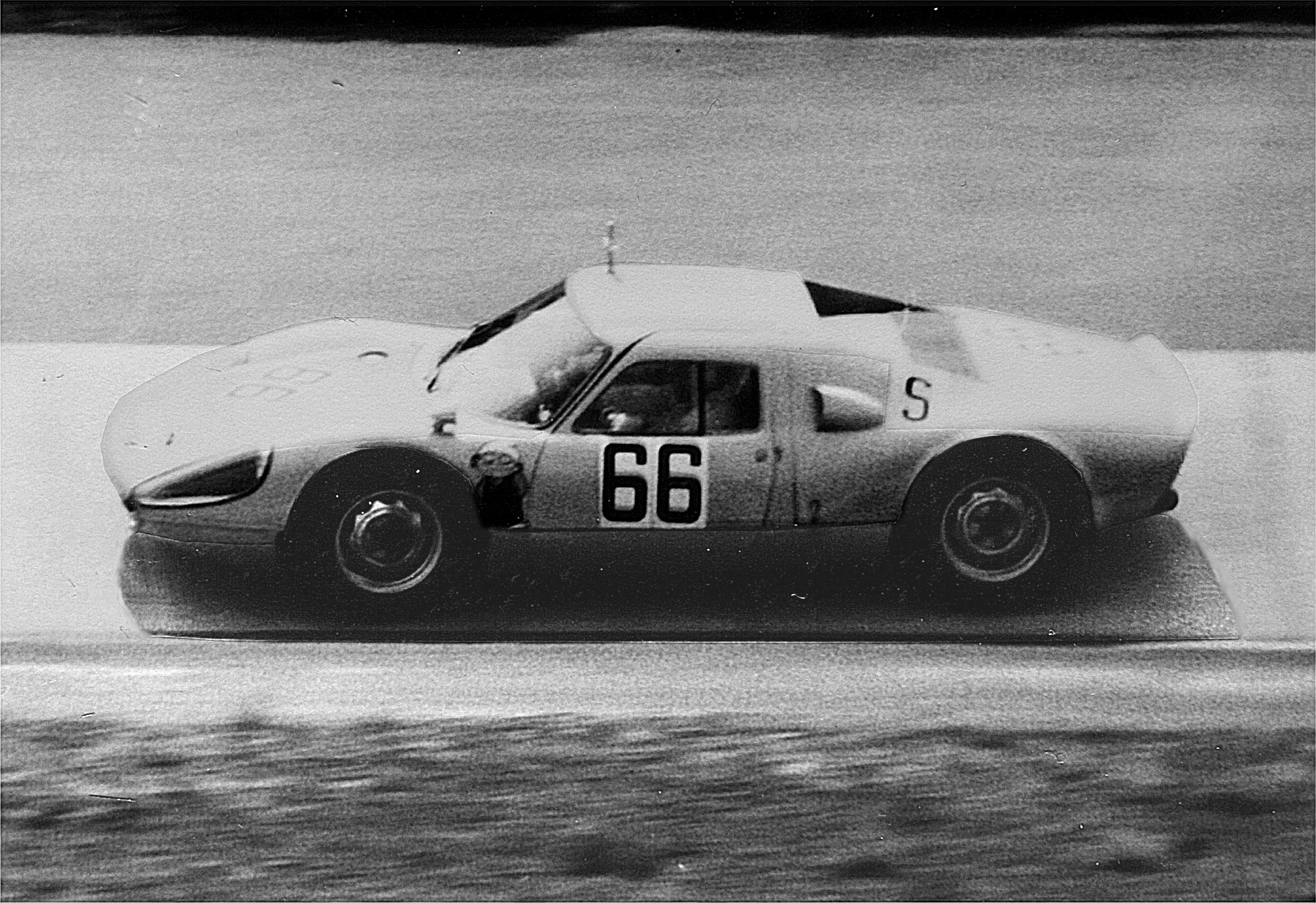
The Porsche 904 is a light sports car made in the mid-1960s, famous for its success in racing. It was one of the first cars from Porsche to use a fiberglass body, which helped it be fast and nimble. People talk about it because it's rare and important in racing history.
The Kaiser Darrin is a classic American sports car from the 1950s. It had a special design with sliding doors that made it stand out, but it was also challenging to maintain.
The Packard Darrin is a stylish convertible car made by Packard in the 1940s. It's known for its luxury and unique design, making it a classic among car enthusiasts.
The Chevrolet Corvette is a famous sports car made in America since 1953. It's known for being fast and having a cool design, making it a symbol of American cars. People talk about it because it has a long history and has changed a lot over the years.
The Willys Jeep is a famous vehicle that was used by the military during World War II. It was built to go off-road and handle tough conditions, which made it very popular.
Citroën is another French car company that is famous for making unique and stylish cars. They often focus on new ideas and technology in their vehicles.
Renault is a car company from France that makes many different types of vehicles, including small cars and vans. They are known for being creative in their designs.
Rolls-Royce makes very expensive and luxurious cars that are often seen as a status symbol. They are known for their attention to detail and high-quality materials.
Car
Duesenberg
Duesenberg was a famous car brand that made very luxurious and powerful cars in the early 1900s. They were known for their quality and were often made specifically for wealthy customers.
The chassis is the main structure of a car that holds everything together, like the engine and wheels. It's important for how the car is built and how it drives.
The Hyundai Grandeur is a large car made since 1986, known for being roomy and comfortable. It's a good choice for people who want a nice car without spending too much money. People talk about it because it offers a lot of features for a full-size car.
Coach building is when special companies make custom bodies for cars. In the past, wealthy buyers could choose different styles for their cars from various builders, making each car unique.
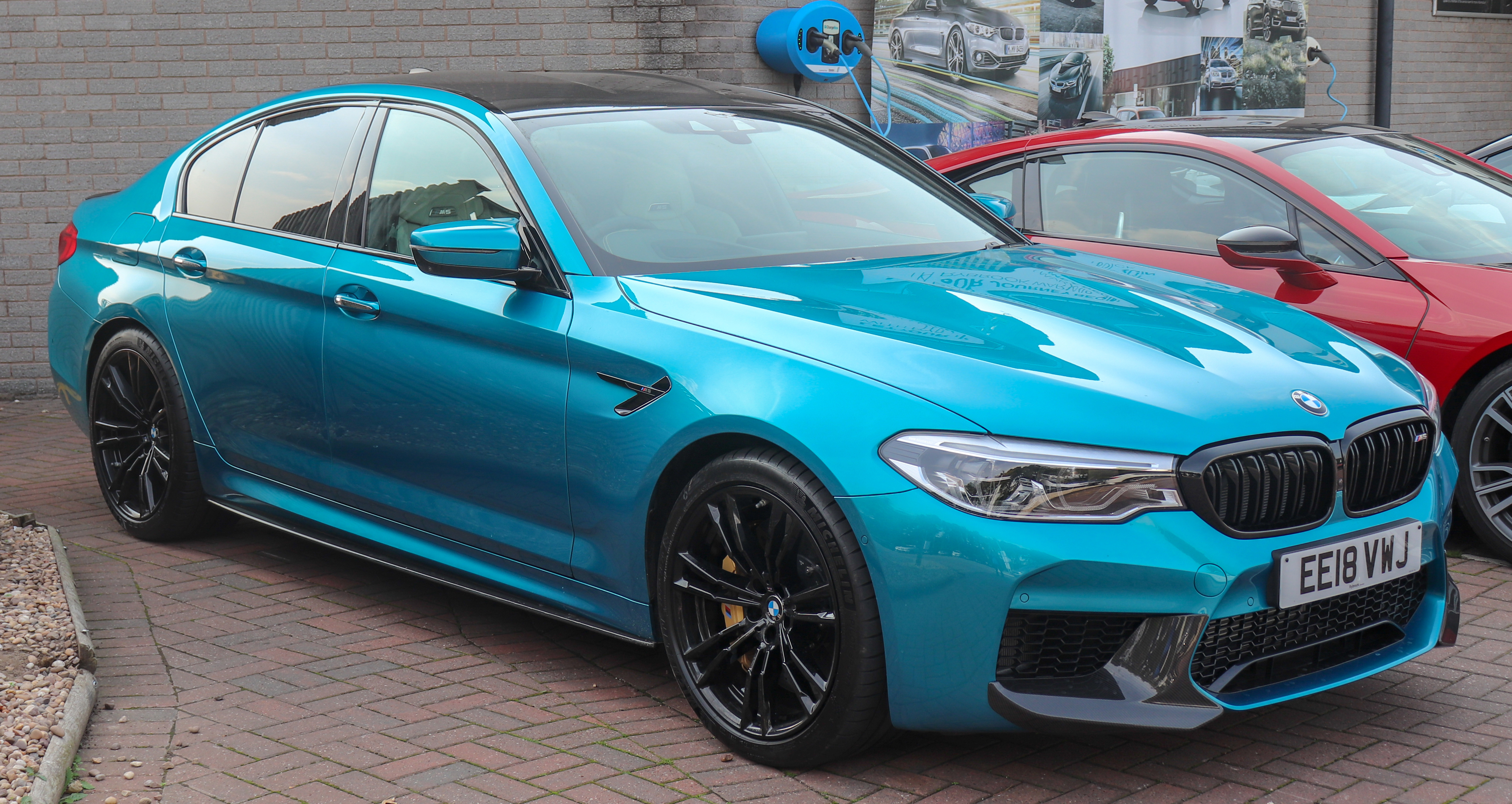
The BMW M5 is a super-fast version of the regular BMW 5 Series car, first made in 1984. It's known for being powerful and fun to drive while still being comfortable for everyday use. People talk about it because it combines speed with luxury.
The BMW 5 Series is a luxury car made since 1972, known for being fun to drive and having lots of nice features. It's a popular choice for people who want a comfortable and sporty car. People often talk about it because it combines luxury with a sporty feel.
The Chevrolet C10 is a classic pickup truck made from the 1960s to the early 1990s. It's known for being tough and useful, which makes it popular among truck lovers. People often talk about it because it's a classic design that many like to restore.
The Ford Mustang is a classic American car that started being made in 1964. It's known for being powerful and stylish, and it represents a sense of freedom in car culture. Many people love Mustangs for their fun driving experience and cool looks.
The Shelby Cobra is a powerful sports car made in the 1960s, famous for being light and fast. It's known for its racing history and has become a symbol of strong American cars. People talk about it because it's a classic and highly sought after by collectors.
Car
Dodge pickup
The 1936 Dodge pickup is an old truck that has a unique design and is built to be strong and useful. It's a classic vehicle that many people admire.
The Nash Metropolitan is a small, stylish car from the 1950s that many people find interesting because of its unique design. It's a convertible, meaning the roof can be opened up, making it fun to drive in nice weather.
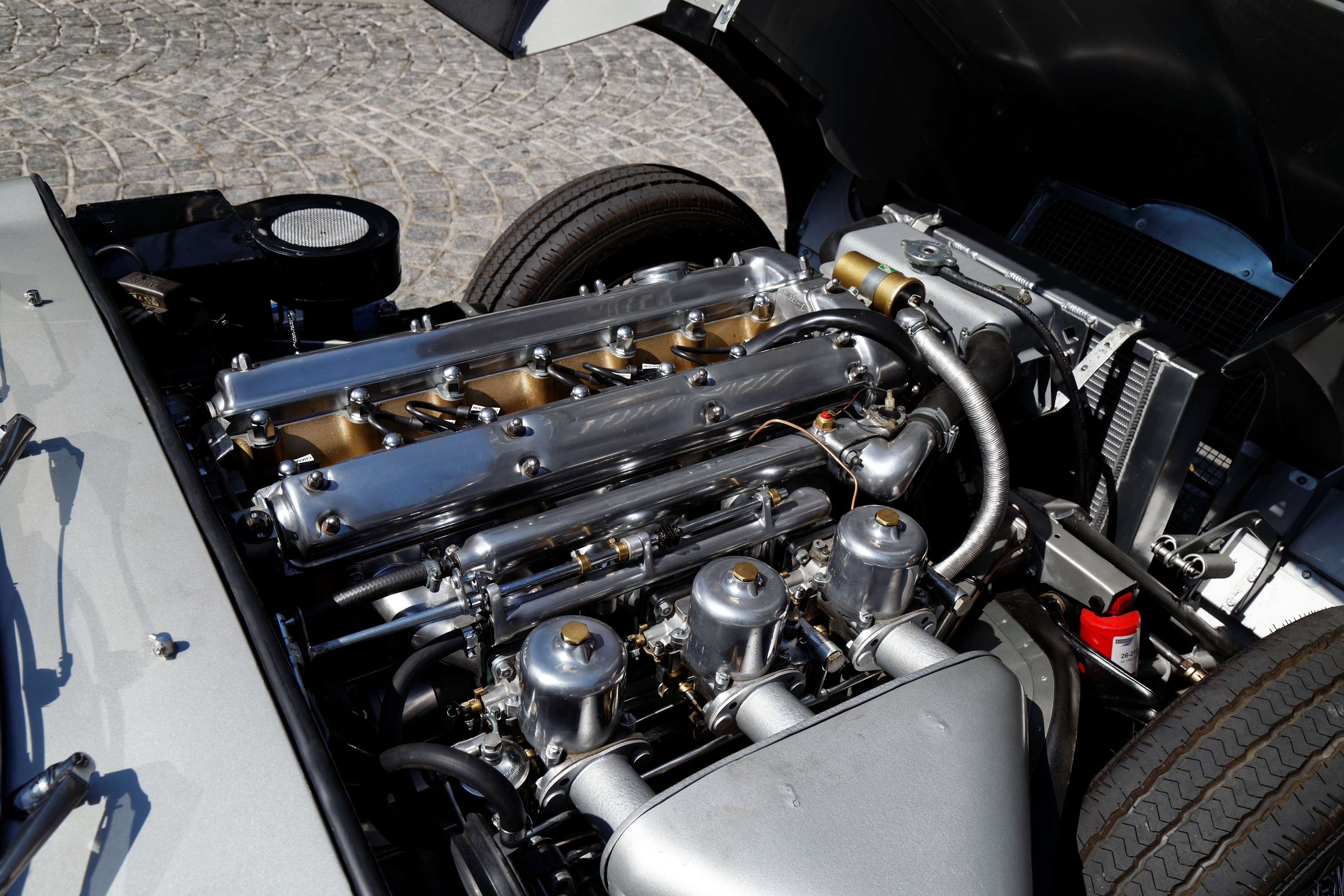
The Jaguar XK-E, or E-Type, is a famous British sports car known for its beautiful design and speed. The Series 1 refers to the first version of this car, which many people love to collect.
The Jaguar C-Type is a classic sports car made in the 1950s, famous for winning races. It helped Jaguar become known for making great racing cars. People talk about it because it's important in racing history and is highly collectible.
The Cadillac Series 60 Sport Coupe is a classic car from 1937 that was known for its stylish look and strong engine. It's a symbol of luxury from that time period.
The 1964 Chevrolet Impala is a well-known car from the 1960s that many people love for its looks and performance. The SS version is a sportier model that has better features for driving.
The Hyundai Sonata is a mid-size car that has been around since 1985. It's known for being comfortable and affordable, making it a good choice for families. People talk about it because it offers a lot of features for the price.
The Toyota Corolla is a very popular car that has been around since 1966. It's known for being reliable and saving gas, making it a great choice for everyday driving. People talk about it because it's a good, practical car that many people trust.
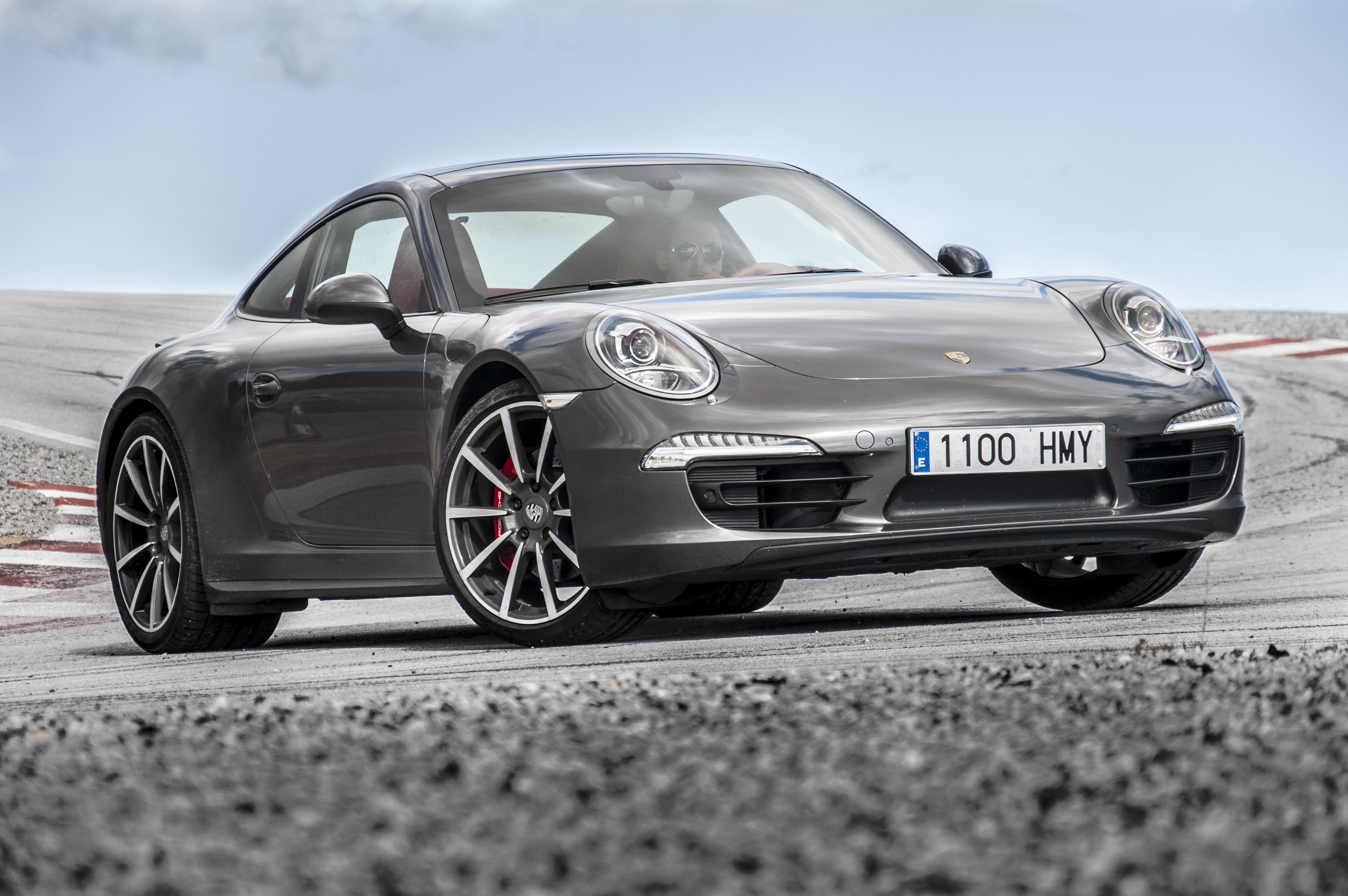
The Porsche 911 is a famous sports car that has been made since 1964. It's known for its unique shape and great performance, making it a favorite among car enthusiasts. People often talk about it because it's a classic car that has changed a lot over the years.
The Audi 100 is a luxury car made from 1968 to 1994, known for being well-engineered and comfortable to drive. It helped Audi become known for making quality cars. People talk about it because it influenced many of Audi's later models.
LIVE
This is the Classic Automall Show.
Broadcast from the studios inside the Classic Automall in Morgantown, Pennsylvania, just one
hour west of Philadelphia at Pennsylvania Turnpike Exit 298, featuring nearly 1,000 classic
vintage and barred-fine vehicles for sale under one climate-controlled roof.
Now, here's your host, Classic Automall president and the man with all the toys,
Stuart Houdin.
And here we are, welcome show number 216.
For those of us keeping score at home, it's hard to believe, we were just talking about
that a few minutes ago about, you know, it's hard, I had to think twice about how many
we'd done.
You did, yeah, I was too.
I'm like, I'm losing track, they're coming so fast, and we've had some great guests
all the time.
Absolutely.
And it just rolls along, they run one right into the other.
They absolutely do.
We've got another great guest today who we'll get to just a second, but first
and foremost, how many cars in inventory?
JR, since you're the only one here, since Steve is lollygagging on the left coast, you'll
have to be the only one to get to guest today.
All right, but I'm going to guest for Steve today.
My guest is 914.
And Steve's guest is 706.
Well he won without going over, 904.
Oh, that dog gone, Steve.
He's good, even at a distance, right?
Anyway, let's get to our guest, a wonderful fellow that we just met here recently at
the Radner Hunt Concourse, Mr. Drake Daren.
Drake, good morning.
Good morning, guys.
How are you?
We're doing great this morning.
As always, it's a beautiful sunny day and wherever part of the world we are
and wherever you are, you're in Connecticut, right?
Correct, exactly, in Greenwich, Connecticut.
I love Greenwich.
I've started going to the Greenwich Concourse later than most.
I didn't start going until about eight or 10 years ago, but what a
wonderful event there and a great setting.
Yeah, beautiful.
Right out on the water, that was started roughly 28 years ago, give or take.
Remember they had 80 cars and I think I had eight in them on that first show.
So you were their ringer, right?
Yeah, exactly.
They probably, you were probably their first phone call because they knew you
had a collection of cars.
And for those of you who don't know, you are the great nephew of Dutch
Darin, who for those of you who don't know is one of the most prolific designers
of American and not just American cars.
He had his stint over in Europe and in other places and amazing designs.
Things that people might be most familiar with are obviously the
Packard Darins and the Kaiser Darin, which was the fiberglass, beat the
Corvette to the market kind of car, didn't it?
Correct, it did.
And the pocket doors, which everybody thinks are so cool, but we're
probably a nightmare if you were a service manager at the Kaiser Darin dealership.
Yes, it was a challenging feat to get those sliding doors to go into the fenders.
And I have to say, I think it was one of the reasons, one of the many reasons
at the end that I think the car did not surpass what Uncle Dutch wanted in their vision.
Well, let's face it.
The fiberglass body Corvette, which came out in 53 in the first year, beat
him to market a little bit, but they almost, it almost got canceled.
They were almost going to shelve the Corvette because it wasn't performing
like they hoped it would.
And I'm sure the fiberglass body threw him a little bit off when they're used
to dealing with steel.
I read varying degrees of how many they made, that there was 435 seems to be
the one that everybody sticks to.
Does that sound right?
Correct.
That's the number that I see also.
But there are other stories, but we'll get into the chronological, I guess.
Sure.
The Kaiser that I can touch on in a little bit.
But if you want, I could start right from the beginning of how Dutch
got involved with the automobiles and his history.
Absolutely.
You know, he was, he had a very keen eye for what people thought was elegant
and even more elegant than just a, you know, a Packard was elegant in
its own right.
Then he took it and made it even prettier.
Right.
And then they, post-humus, they rewarded him with the Hall of Fame
in Detroit in 2010.
Wow.
It was a nice honor.
What year did he pass?
He passed in the 80s.
Gotcha.
Yeah.
So it was, you know, it was some time, but I remember him when he was at
our house in New Jersey with family there.
And I saw him out in California.
I think there's even a picture of he and I together.
Yeah, wonderful pictures.
Yeah, exactly.
He started out in New York City working for Westinghouse.
And at that point he was approached by Willys, John Willys, Willys,
eventually Willys Jeep.
And they wanted him to build an electric gear shift, which he ended
up doing with two buttons on the steering wheel.
Right.
And again, we're talking in the right, right around 19, 19.
So they, they did not go with that shifting of gear buttons,
but it was something that he had on his resume.
And he ended up cold off to World War I, and he had to go to Europe
where he was over there for two years in France.
And that was the, I think the start of his love of being in Paris.
So World War I was over.
He came back in, in 1922, back to the States, where he actually
started up one of the first scheduled airline carriers
using surplus Curtis Airlines.
Wow.
How interesting.
And these planes offered passenger service and mail service
from Atlantic City, Nassau, Palm Beach, Miami, and Key West.
So that actually was a very successful venture for him.
He then came back up to New York to work in the Willys plant,
but he was doing coach work with some of their cars.
Right.
And at that point he met Tom Hibbard, who was working
at LaBaron at that time.
And Hibbard was very impressed with Dutch for his capability
and designing, et cetera.
And soon they said, look, we're going to head over to Paris
where we are going to look for a Minerva distributorship.
That's oddball, but yes.
Yeah, it is.
But in my collection I've got these beautiful pastel
colorboards of Minerva and other automobiles
that Dutch had made for his showrooms in Paris
during the 20s.
And I ended up finding these obscure spots
and bought them, 14 of them.
And they're my plaques and beautiful prints
in my collection here.
But fantastic.
Yeah, so they started designing for the US tourists
coming over to Paris who would buy these Minervas
and use them in Europe and then ship them back.
And they would be cheaper than if they bought them
out of the New York distributor.
Not much different than people buying porches and Mercedes
and doing the same thing later in later years.
Exactly.
We've all done that.
And we remember back 30, 40 years ago,
you could buy a Porsche and get it on European spec delivery.
And you would save yourself 15%, 20%.
And get a trip to Europe, yeah.
So when they did this work for Minerva,
soon they started to catch the eye of other clients.
And lo and behold, they started
working with Daimler Benz, with Renault, with Citron.
And at this big show in Paris, he was given a big award
as being one of the top designers of these limousines
where the likes of King Alfonso of Spain and Belgium
and the clients began coming in.
Sure.
And a lot of people, people don't realize that in the 20s,
a lot of Americans lived in Paris.
So it wasn't unusual for him to be there and to live there
because there was, I think I read somewhere at the time
in the early 20s, there might have been 25 or 30,000
Americans living in Paris, which seems to be a lot at that time
in space.
You're exactly correct that it was an influx of money.
Right.
And the one thing I want to say about Dutch
was throughout his history, he was scrappy,
he was intelligent, he knew how to market.
Right.
And that's really what made him what he was.
So for example, at these Grand Palais in Paris,
they would have all the top lines.
And when he would see some potential buyer over at Rolls-Royce
or whichever, he would spark up a conversation with them,
have them come over and look at the Minerva or their cars
that Dutch was marketing, and bingo,
he would get his sales that way.
Sure.
And you had to be a pretty good salesman back then
because Rolls-Royce and some of the other marks
were a little maybe more well-known, maybe not
back then than Minerva and some of the others.
So you really had to understand the product
and understand how to sell these wealthy people who
want to be catered to and want every little feature they
can possibly get on a car.
Correct.
So let's see, in 29, he developed a way
of making extremely thin, light aluminum panels called
Stenlite or Alpax, one of the two of these games.
And this technique, he ended up using
on his custom automobiles.
For example, one of his top cars
is a Duesenberg done for Randolph Hearst.
Right.
And again, he had this structure built in,
which gave it more lightweight and easier to build.
And I imagine where those had to be hand-formed back then,
right?
Exactly.
They didn't have the presses at the time.
I loved one of the things that somebody had said about him,
that he had the ability to predict what people would
think about what he did.
How will I look if I do this or that?
What must I do now so the verdict of history
will be favorable to me?
He was thinking about the future when
he was in the midst of building these cars and doing all this.
He was thinking how his legacy would be 20, 30,
50 years from then.
And his design over time, it really
stayed very, very, how do I say it?
It just, it was a voluptuous curve, nothing to ornate,
not a lot of big badges, et cetera.
And his cars were elegant in a way
that you may not even be able to describe at the time,
but you just knew it was different when you saw it,
especially the Packard-Darrens.
I mean, those things were just as elegant as they came.
Like you said, they were understated.
They weren't just too over the top and ornate and garish, maybe.
Right.
So you had, obviously, a World War I right in this time frame.
And Herbert and Darren, they split up.
And in 1932, he joined up with a Argentinian Parisian
banker by the name of Fernandez.
And I think you've seen at auctions,
you've seen Fernandez and Darren automobiles.
They were from 1932 to 37.
Again, coachwork on chassis of Bentley, Bugatti,
DeLage, DeLay, Duesenbergs, Hispana, Hisuazo.
These are a lot of cars you see coming through at auction.
They made roughly 150 cars at this time.
And he set up a showroom right smack on the Champs-Elysées.
And I've actually walked by the address.
It's very close to the center there
of that crazy loop of the Champs-Elysées.
But he did this because he wanted
the clients who were right nearby at the hotel
rits, the Maurice, et cetera, to be close to this showroom.
Again, another sale saying that he pulled off.
I mean, you had to be pretty creative back then.
You didn't have the internet.
You didn't have lots of avenues to market to people.
People may not have ever even heard of you.
And yet you're inviting them into the showroom
and obviously trying to sell them a car.
Exactly.
One of his top automobiles was a Rolls-Royce for Marlena Dietrich.
And I think that number back in that time,
sure it was $24,000 for that order.
When most cars were probably $400 or $500 at that time.
Exactly.
Well, it's interesting that a lot of people may not
realize, but during the coach building era,
the manufacturers, Bugatti, Rolls-Royce,
all those guys built the frame and the chassis
and the engine and the suspension and all that.
And then somebody else built the body for them.
And that's why there's all such different looks
to all these cars from that era.
Right.
He had another built in 33 for Greta Garba,
which was this gorgeous Duesenberg, torpedo-shaped
running boards, mahogany, beautiful chromework.
And then the trunk was the Louis Vuitton luggage,
of course.
So some of these are just so grandeur.
And you see them at some of these concours.
Rarely do you see them, but they do come in with big presents.
Well, a lot of them are one-off or they're darn close to one-off.
Even if they're the same kind of style,
they still have maybe little nuances and different things
that you wouldn't see necessarily normally.
I mean, you think about the amount of money back then.
I mean, a ridiculous amount of money.
And of course, the depression was right then and there,
1929.
Of course, I always say that when there was 25%
unemployment, which was awful, there was 75% employment.
There were still people that had money during those times.
It was just a very shaky time.
In 1937, the economy had switched a bit.
And it was time to head back to the States.
And what brought him to Hollywood
is that he met some Hollywood producers in Paris.
And they said you should come over and set up shop.
And the name of his shop, obviously in Paris,
was Darren of Paris.
So everyone from Hollywood was struck
by this charismatic fellow who could speak French.
Little did they know.
He was born in Cranwell, New Jersey.
That's great.
So we set up this beautiful showroom on Sunset Boulevard
in Hollywood.
And you and I were talking about not really
having the full money to set up lights inside.
And plate glass windows, I think it was,
built like a wooden frame thing that just separated
the offices from the front of the building.
And then they just put a car out there right in the open.
And of course, apparently on the Sunset Strip,
you put the sexy car out there.
People were stopping, screeching brakes,
backing up, getting out of their car.
It was quite the spectacle.
And what a brilliant marketing thing he did.
He immediately went right towards the Hollywood crowd.
And the stories I hear are that he was very, very close
as a friend with Arrow Flynn.
And you can't even imagine, I think,
what that means as the reputation of Arrow Flynn
I think we're all aware of as a real bon vie bon
in Hollywood.
And here is Dutch side by side selling the cars
that he was doing coachwork for.
And one of these stories that recently at a concourse
I was judging with Wayne Carini.
And he said his favorite Dutch story
was that Dutch would go to the top restaurants in Hollywood
and he would pay the parking attendants
to park his cars right straight out front of the restaurant.
And when these wealthy people came out,
they would be boom, awestruck by this car.
What brilliant marketing.
I mean, you've got to make do with what you got.
And to put an ad out in the New York Times
was probably cost prohibitive.
But to park a car in front of there
was relatively inexpensive.
A $10 bill probably went a long way.
Really?
I can't imagine what life was like for him at that time.
Or anybody for that matter.
I mean, it was such a, I guess,
you romanticize about the old days.
You look back and you think, oh, wouldn't it
have been wonderful to have lived back then?
Well, there was quite a few limitations, I'm certain, too.
But it was certainly elegant to see people go out to dinner
and actually get dressed up.
It was a whole incredible era.
So right at this time is when he got the connection
to work on a couple of Packards.
This was in the late 30s, 1937, I think,
was when he first designed a Packard and coach built
for the actor Dick Powell.
And as soon as he had these 15 and they went out
to the likes of the Aeroflans, Clark Gable,
and Roslyn Russell, it just took off.
And Packard then said to him, we would
like for you to design for us.
So I have these beautiful sales posters
from the Packard showrooms where you have the opportunity
to buy this Packard or a quote, Darren Packard.
Right.
And so between 40 and 42, I think
he sold about 150 of these Packards through that channel.
How great is that?
Because that's a lot of confidence when Packard says,
hey, come inside by side and we're going to do this together
and people can have the option to upscale.
You know, kind of like, I guess, Maybach and Mercedes-Benz
or any of Lexus and Toyota or any of these modern companies
that kind of do that, where it's got a specialty type feel
to it and a more exclusivity.
You're exactly correct in that.
What goes around, it comes around,
here is a coach builder back then.
And for me to try to describe to people
what coach building is in the 20s, 30s and 40s,
I always say, look, you have to go to an auction
and see catalogs where it states a Rolls-Royce
buy one of the 150 different coach builders in this era.
So to say that, yes, this is how Maybach is doing it
right now is a very good comparison.
Sure.
And the Darren's of the late 30s and 40s,
the Packard Darren's, I mean, are coveted cars
that are, there's just something different about them
when you see them even in this day and age,
even when we've, the jaded of us who have seen everything,
we think, when we see a Packard Darren versus just
a regular Packard, you can tell the difference immediately.
You might not know why you can tell the difference
because it's not garish like you said,
but you know it's different and cooler.
Right.
One of the things that Packards are known for
is the dipped doors.
Right.
So the doors are cut back as they slope
towards the rear of the car.
And he experimented with that dipped door on other models too.
I have that picture that I showed you of a Kaiser Darren
that had originally he was thinking of dipped doors there,
but I think he subsequently just went straight ahead.
So these Packards were built in two different locations
and people don't sometimes get the understanding
that those first few cars, the 15 or so,
were done at Sunset Boulevard, but the others in 1940,
1941, 42 were done in Packard plants in Connorsville, Indiana,
and also in Scoville, Ohio.
So do you think that was tough for him to let that go,
or was he OK with that?
I mean, I think, listen, if he was getting commissions on it,
which a normal Packard was somewhere around 35 to 4 grand,
I want to say, and these Darren's
might be around 2 grand more.
I don't think that was really an issue at the time.
So in 1942, obviously preparing for war,
the government said, we're going to take over those Packard
plants and they produce jeeps there.
So that was the end of that period there.
And you own a few Darren's, right?
I have one now and I had another that brother of mine
had it in California.
He ended up selling that to a gentleman who
has got probably the largest collection of Darren Packards,
for sure.
And that's Ralph Morano, who is out of Garwood, New Jersey.
He's got Stuart and I believe you were there also.
Yeah, it was spectacular.
It's the most elegant collection of cars
I think I've ever seen in one sitting.
And his passion for Packards is second to none.
He's just the nicest guy, too.
He always comes over and I would see him when we get together.
If he's not winning best in show,
I'm a bit surprised at that collection.
Exactly.
Just about everything he touches is perfect.
He painted one of his Packards in UPS Brown.
And he saw the UPS truck pulling one day and said,
that would work and nobody else would see that.
And he saw that and put it on a car and it's spectacular.
And it's the most odd ball thing ever.
Yeah.
You know, it's funny you say that because I had not
known that story and I have a UPS colored Packard.
Well, there you go.
I called it and said you get Tobacco Brown, but.
You probably had another name for it or something.
Exactly.
And you also own one of my favorite cars,
the most beautiful Jaguar, the C type
that is in your collection as well, too.
My goodness, what a car.
My father bought a 1952 C type in 1956 of the third owner.
And that was one of the first two C types
that serial number 009 that was shipped over to compete
after winning Le Mans 1951 and 53.
And so they sent these two cars over to compete 009
and 007 in the United States.
So this Jag went up and competed right away
up to Watkins Glen and to Elkhart Lake
where it won the race there with John Fitch, famous driver.
And after that, the car went on for another owner
who had a great history.
And then my dad bought it in 56 and raced it through 1960,
raced it through Nassau Speed Week
and a number of other tracks up and down East Coast.
I then took the car over in the 80s, had it fully restored.
And I then began a campaign of VSCCA, vintage car racing,
et cetera, through many, many tracks on the East Coast.
Also out West at Laguna Seca was a beautiful event
that I'll never forget.
Since then it's been on the show circuit
because it's just too beautiful
to unfortunately keep it out on the track.
And it's, you know,
they're not getting any cheaper to fix either.
There you go.
So between Amelia Island and Watkins Glen events,
just was up there, had it at Bradner not long ago
and Lyme Rock, but I really do enjoy bringing that car around.
Well, it's one of those, you know,
people that don't even, aren't even into cars
when they see that car, it is so striking looking.
It's just got such a beautiful, elegant streamline look to it
that it stops you in your tracks.
I don't care what it's parked next to,
it can be parked next to the newest, greatest,
hyper super whatever car there is.
And I bet more people would gravitate to it
than the super car.
Yeah.
People will say, I've never seen one.
Right.
And don't even realize it's a Jaguar
until they really, you know, until you tell them.
Exactly.
So it's just such a thrill to think about my dad
and all the history of it.
And I've got a incredible history of this car
from every single event it's ever been to.
That's so important.
Yeah.
And I really do cherish the time I have with it.
My wife, we even did the Radnor rally
for her first rally in it a month ago.
Yeah.
So that was interesting.
And maybe last rally for her, but I'm not so sure.
It's a little more in that race car.
You finally talked her into it.
And she said, well, this isn't as fun
as you sold it to be.
Right?
Yeah.
Well, Drake, we really appreciate you being
on the show and we have one last question
that we ask all of our guests.
And that is, what is your daily driver?
Oh, my daily driver, it's crazy
because I'm a bigger guy with big shoulders.
So for me to fit into something like an M5
is a little tight.
So I've got the M550, which is a real little screamer.
Oh, I bet.
And enough room to fit in, right?
Exactly.
Well, we could do this all day, Drake.
I really appreciate you being on the show.
So glad we got to meet at Radnor this past month.
And we'll certainly see you somewhere else
down the road.
I'm sure of that.
Well, Stuart, thank you for having me.
Absolutely.
Drake Darren, everybody.
We'll be back in just a couple of minutes
with a classic auto mall show.
No matter what you think is a classic car,
you'll probably find one in classic auto mall.
How about a two owner 2003 Chevrolet Corvette Coupe
with 5,105 actual miles?
Like trucks, maybe a 66 Chevrolet C10 step side
with a 350 V8 and a TCI 700 R4 automatic transmission
or a 1984 Chevy C10 short bed,
chopped, shaved, louvered, and a nearly new 355 V8.
How about true classics,
like a 1926 Pontiac Series 627-665?
It's the first year Pontiac with multiple AACA awards
South Burwick, Maine, Youngsville, North Carolina,
Monticello, Florida, and Ocean View, Delaware.
Oh, yeah.
Oh.
So.
Did you sell a Cadillac Seville to Seville, Spain?
We wish we had it, but we didn't.
But we did sell a Cadillac Seville.
Oh, okay.
So, how cool is that?
So, you know, we were talking about our YouTube channel
when we were off there and just how many subscribers
we're getting.
Where are we now?
106,000, 564.
Cool.
Yeah, subscribers.
One year ago today, we had 5,024.
Mm-hmm.
And we have 1,544 videos up, which is amazing.
Yeah.
And three points, almost 3.8, probably a 3.8 million now,
views of our channels.
No.
So, we're not, you know, we're not NBC Nightly News, but we're.
Well, and the audio podcast is going almost
exponentially now.
It absolutely is.
And we've, it's funny, you know, we were talking about
now Netflix is starting to run podcasts.
And I'm thinking.
I saw that.
And I'm thinking, well, wait a minute.
They're a visual thing.
So, they're running just audio?
No, no, no.
Video podcast.
Yes.
Which is the identity I think we've been looking for.
I think so.
You know, we call it a show, but we call it a podcast,
but we call it a, you know, what is it?
And it's a video podcast.
Yep.
And I think when you say that to people,
I think people will go, ding, ding, ding,
I understand what it is.
If you say show, they go, well, I don't know.
Is it, you know, monkeys jumping around in a barrel
or, you know, something, we don't know what it is.
Well, and you're sitting around late at night
and you want to watch something about cars.
Maybe you've watched one of the auctions,
Bear Jackson or the Meekum, and then all of a sudden you go,
hey, I'm going to watch this Classic Automall.
What's that all about?
Yeah, exactly.
So, thank you for our identity, Netflix.
And now, come calling.
We'd like to hear from you.
So, call us and tell us that you want to give us
a lot of money to be on your network.
So, I watch Netflix from time to time.
Podcast at classicautomall.com.
The easiest, just write to us.
And any of our listeners or viewers
can do that as well.
Questions, comments, gripes, whatever.
Exactly.
So, new arrivals this week.
The 1936 Dodge pickup sat in black over red.
This is chopped and channeled.
This thing is so cool looking.
It's got the 270 cubic inch Red Ram Hemi V8,
Turbo Hydromatic 350 Automatic Tranny,
and with a 4.8 inch axle on it.
And it was in that magazine custom classic truck.
And just a wonderful, wonderful car
that's got such a cool, unique look and identity
from the 30s that you just immediately,
it just gravitate towards it.
It's a fantastic truck.
Also, the 1956 Nash Metropolitan Series 3 Convertible.
Sky blue and snow-berry white over black and white.
59,570 actual miles.
1197 CC inline four with a three-speed manual
transmission.
And it's very eclectic, this little car.
You see them and a lot of people see them
and don't really know what they are or much about them.
But they're very desirable.
They're affordable.
And you certainly won't go unnoticed at the local car show
when you pull up in time.
Because there's really nothing else like it
that you see out there.
So other new arrival, the 1967 Jaguar XK-E Series 1
Roadster Warwick Gray over Navy Blue.
Very nicely restored car.
I mean, these are just beautiful cars.
It's so elegant.
Very desirable.
It's got the 4.2 liter double overhead cam inline six
cylinder, four-speed manual transmission.
It's got that unmistakable Jaguar styling.
You see it and you know exactly what it is the minute you see it.
Unlike the Jaguar C-Type that we were talking about where
people see it and didn't really know what it was.
Because they weren't as iconic.
They weren't as prevalent in the United States.
So how about this one is a great car.
The 1937 Cadillac Series 60 Sport Coupe.
Sudan blue over saddle.
Stunning Resto Mod build.
It's got the big 454 cubic inch V8 daddy.
And we thought that was a big deal in what was it 70s but a 454.
We've done that 40 years ago.
Exactly.
700R for a four-speed automatic trans, power brakes,
49 inch heat and air.
This is the coolest looking car you'll ever see.
And it's got all the modern conveniences and then the modern
power, relatively speaking modern.
I don't remember the last year for a 454 from General Motors
would have been but probably 1974 or five in a truck or something
would have been the last.
I think the Corvette in 75 you could get a 454 in it.
And that was probably about the last year for that.
So modern conveniences like?
Oh, like, you know, power brakes and heat and air.
Wow.
Yeah.
All right.
And a modern transmission and, you know, hopefully a little
more reliable when you're heading down the highway
or cruising around the neighborhood or whatever
you happen to be doing.
OK.
The 1964 next in line, the 1964 Chevrolet Impala
SS, tell you what, these 1964s are really coming on strong
as a black.
They really seem to be more and more popular than they've ever
been.
And they've always been a popular car.
But they just seem to be getting more and more activity.
This one's Maroon Metallic Over Black, 38,000 actual miles.
And I had somebody ask me the other day about original miles
and, you know, I don't buy any of those cars have
original miles like that.
You know, how can you say that they do?
Well, we can only say that they do if we have bulletproof
documentation that they do have low miles.
Their title has to be actual miles and has to be within the range.
We have to run the VIN check on it to make sure that it shows
that there wasn't any odometer setback or anything like that.
If there's receipts and documentation and paperwork,
then we look at all that.
So we don't just willy-nilly say, oh, it shows 30,000 miles
on the odometer.
It must be your actual mile.
Yeah, you can't take that for a car.
They could have turned over 10 times.
Right.
But usually when a car is sold, there's always
title, mileage verification.
Exactly.
And if not, you know, then it's now it's a crapshoot.
Yeah, you just don't know.
And you have to say true mileage unknown.
Right.
And yeah, because a lot of times back in the days,
especially in Pennsylvania, they would take a car that was 10
years and older, market exempt, because mileage at 10 years
and older has no legal bearing.
Well, it only had five digit odometers, too,
for how many decades.
Exactly.
So check that impala out when you get a chance on our website,
classicautomall.com.
And last but not least, the 1964 Dodge Dart 270,
two-door hardtop, medium blue over blue,
restored and updated, 225 cubic inch, slant six.
Oh, it's a goer.
Upgraded A904 automatic, upgraded suspension,
and another one with front disc brakes.
So that's some of our new arrivals this week.
That's a compact car that's probably
the size of most what they call full-size cars these days.
Yeah, isn't that the truth?
I mean, it's funny, when you rent a car
and they say full-size and you look at it and you go,
Hyundai Sonata?
Yeah, that doesn't look very full-size.
So we were going to, this week, and due to no fault of his,
but a fault of mine, we were going to have Scott Pruitt on
and talk about his 2023 Toyota GR Corolla Marizzo edition
that we have for sale that's actually
located on the other coast.
It's on the west coast at his place in Central California.
But I forgot to call him.
Oh, no.
And I sat down this morning to,
and I hated to just call him at the last minute.
And I sat down this morning at the desk here
to kind of prep for the show.
And then I went, oh, man.
Yeah, on a day when Steve's not here,
he's going to be proud of me.
Yeah, but what would it have been
if it had been like 5 a.m. there to call him?
Even though he's a grape farmer,
I don't know how that would have gone over.
I probably wouldn't have gone over well.
So but his Toyota Corolla Marizzo edition,
these things are a little light.
I mean, they're just bad to the bone.
They are 775 original miles.
They've got 300 horsepower with a turbo, inline three turbo,
six speed manual, zero to 60 in four and a half seconds,
weighs like 3,100.
It's a true pocket rocket.
And so we're going to have him on next week.
And I promise I'll get him on and I'll make sure
and remember to do what I'm supposed to do and call him
and say, Scott, so sorry about that.
To paraphrase the commercial,
that little wine maker, Scott.
Yes, exactly.
So, you know, we were just at,
they did the Spirit of Competition Award
at the Simeon Museum this past weekend
and or past Saturday for Lynn St. James.
And she's so wonderful.
We had her on the show.
Yes, she was wonderful to be on the show
and just a wonderful guest and a great person
and a great ambassador for the sport,
not only from the female perspective,
which she's heavily involved in,
but just in general.
Yep.
She's just a great person
and had a great career and overcame so many things
that, you know, most drivers wouldn't have to even think about.
So knowledgeable and great sense of humor.
Yeah.
And understands the whole process of how it works
and all that and just went in there and said,
I'm going to do this.
This is what I want to do.
She went to the Daytona, 24-hour race at Daytona
and watched him and her boyfriend or husband at the time
was like, ah, let's go.
And she's like, no, I'm not going anywhere.
This is what I'm going to do.
And he's like, okay, if you said so, dear.
I guess we're bunking in.
Yes, dear.
He went actually back to the hotel or whatever
and she stayed and stayed the whole night
and watched the whole race.
So talking about watching the cars at night,
she said what really like emotionally got her
was watching those brakes heat up
when they're coming into the,
to take the first turn
when they come off the banking
and they're hard on those brakes
and those things at night,
they're just glowing like nobody's business.
And she said that really struck her emotionally
that how cool is this
and what a technological marvel these things are.
Right.
So when we return,
we'll be joined with our weekly guest,
Keith Martin, Publisher of Sports Car Market Magazine.
This is the Classic Automall Show.
If you have questions or comments,
write podcast at classicautomall.com.
Here's a special offer from Sports Car Market Magazine.
Get a six month subscription for just 1995
by going to sportscarmarket.com
slash test drive in the number six
that's sportscarmarket.com slash test drive six.
If you're a buyer, a seller
or just general classic car enthusiast,
publisher Keith Martin says,
we've been around almost 40 years.
This is the Wall Street Journal of the collector car world.
Activate your six month trial
of Sports Car Market Magazine
by going to sportscarmarket.com slash test drive six.
That's sportscarmarket.com slash test drive
in the number six.
Offers for a limited time.
Be in the know with Sports Car Market.
Yeah.
And we're back with a Classic Automall Show
from the Classic Automall Studio in Morgantown, Pennsylvania.
Joining us via Zoom as our weekly segment,
Mr. Keith Martin, publisher of Sports Car Market Magazine.
Good morning, Keith.
Good morning. How are you?
I'm doing pretty darn good.
It's a beautiful sunny day.
Looks like it's a beautiful sunny day there as well too.
So nothing to complain about.
I have one question to ask you.
I've been thinking about it.
Uh-oh. Here it comes.
What's the last car that came into your inventory
that you wanted to buy so bad for yourself?
You could hardly stand it.
The Beck 550 Spider in that ice blue came in
and I wanted that car.
I just told him, I said, don't even put it on the floor.
Don't even bother taking pictures of it.
Don't bother with anything because that's going to be mine.
And you know what?
Workout.
Well, it didn't work out very well
because I tried to get in and out of it
and I literally had to crawl out of it.
It's so low to the ground.
Bless you.
It's so low to the ground that it was just it, you know,
I'm just too old for that.
I just wrote about that, that one of the things
that's really important people forget
is can see if you can actually fit in the car.
Or does it fit in your garage?
I mean, so those are, you know, you think,
oh, of course it'll fit.
No, it doesn't always.
And the worst thing to have happen
is somebody to buy a car side unseen.
We give them a video.
They know it runs good.
They know it's got this or that or whatever.
And they get it and they go, oh my God.
This doesn't work for me.
I'm too big.
I'm too small.
I'm too whatever.
And then we get people who call us and say,
hey, would you measure that car for me?
Because I'm not sure it will fit in my garage.
And that's a great question.
You should ask that, you know, ad nauseam.
I mean, it's just one of those things
that people don't always think about.
The obvious questions don't always come up.
Well, I've gotten several letters recently
from people who were talking about
the pedal boxes in their car
and their new running shoes
that have those big waffle extended edges to them.
And that they can't, you know,
they press the brake and the gas at the same time.
Well, isn't that called heel and toe?
Or is that?
No, that's called flat and flat.
I was driving a friend's Bugatti 35B
down the coast fun time
and the pedal box was so narrow.
We stopped at a Walmart
and I bought a pair of shower slippers.
I love that.
That's maybe the greatest thing I've heard all day.
Maybe all week.
And that's what it took.
Well, you know, driving shoes became so popular
in the late 80s and early 90s
when people started coming out with these shoes
that you wore specifically to drive a car.
They gave better feel.
They had protection on the backside of them
so you could, you know,
you wouldn't tear up the back of your shoe in the car
and the way you moved it and all that.
But, you know, nowadays,
some of these pedal boxes, like you said, are so tight.
And if you ever drive a hot rod
and the steering column is in between the brake
and the gas, it's very awkward feeling.
Even though you're not, you're supposed to, you know,
be using your left foot for the brake
and not your right foot.
I mean, your right foot instead of your left foot
and then you can't get to it.
It's kind of weird.
You know, and my kids, we always taught them initially
and you probably did too, about right foot braking
and not braking with your left foot.
You're not supposed to,
because you're not supposed to be on the gas
in the brake at the same time.
Unless you got a car like a minivan
with a blown head gasket
and you don't have much of a choice
because if you don't keep on the gas,
it's gonna die in the middle of the Taney Como Bridge
going across in Branson, Missouri
and you're gonna be stuck
and everybody's gonna hate you for the next two hours.
So how far are you from Branson?
Now we are like curvature of the earth.
We're like 18 hours from Branson now
and most of our kids are still there.
You know, I've never been there
but I've heard it's a real theatrical presentation.
Yeah, it started, you know,
really hit its stride in the mid to late 80s.
And then of course in the 90s,
all the country stars that couldn't, you know,
get any airplay on the radio could come there.
Mel Tillis who I worked for,
the Gatlin brothers, Johnny Cash,
you know, even Willie Nelson and all those guys
and people, you know, Ray Stevens
and all these country stars
that really had nowhere else to go.
They could play these little, you know,
dinky little places,
but they built their own theaters
and people came to them instead of them
going to each of the cities.
And so it worked out really, really well.
Branson's a beautiful part of the world.
Table Rock Lake and Lake Taney Como are there
and it's just a, it's really a neat place.
It's not, it doesn't have the luster
that it used to have,
but it still does pretty well.
And of course, Johnny Morris
who owns Bass Pro Shops has big Cedar Lodge there
which is an amazing resort
and the most fabulous golf courses you've ever seen.
And the Great Driving Road.
So a lot of tours go through there.
The GT350 tour that Lee Cross puts on,
they take through, they've gone through Branson,
I think a couple of times.
So beautiful part of the world.
That tour is going on right now, you know.
Is there, you know what?
I didn't even think about that.
It probably is.
I, they do, he does some great tours.
He really does.
I've heard nothing of it.
I know a lot of people who've gone
on his tours many times.
It's pretty amazing.
They came through Hershey
and he invited Kathy and I, my wife,
to go to dinner with all the group of them
and just the nicest bunch of guys you ever met
and all, you know, GT350,
nothing wrong with seeing 50 GT350s all together.
Right.
So.
Also, when I see the pictures of them,
I think these are pretty easy cars to take care of.
Yeah.
They're not,
you know, you can see it in a Ferrari,
in a Lamborghini, in a Siada and something.
I mean, if the chances are
with your, with your 271 horse stock car,
you're going to get that 1,000 miles, a lot of problems.
Yeah. And if you don't,
there's probably the local auto zone in Napa has a part for it.
More than likely they don't have that for the Siada.
As a matter of fact,
can you imagine walking into the Napa
and guys says, what's the, what's the make?
A Siada?
He's like, I don't even know what you're talking about.
Exactly.
They just give you a part though and wish you well.
See you later.
We always,
we always joke about the auto part store is
you always want to get the old guy.
Cause if you get the young guy,
he's going to look in the computer and he goes,
we don't have that.
I mean, the old guy says, wait a second.
And he goes back in the back and blows off some dusty part
that's been back there since 1971.
And that's the right part for your car.
So, right?
So you were,
you're bringing your blog to life this week,
the three pedal or PDK and question mark.
You were speaking with a great car enthusiast,
Miles and contributor to SCM.
Miles Collier about gearboxes.
And you said to him,
the efficiency of a gearbox is less important
than the degree of engagement.
Oh, I like that.
Yeah.
It's what I've always said is that
the more that your car needs you,
the more you will love your car.
Right.
With my Jaguar V12,
there's a certain way to start the car.
Right.
You pull the choke out three clicks
and you give it no gas at all.
Right.
If you either one of those wrong,
the car won't start.
Right.
Isn't that amazing?
That makes you love the car
because you get in and it's like
your golden retriever says,
Daddy, Daddy, you should bring me a treat now.
Okay.
The treat is to be clicks out and no gas and boom
and you're in love all over again.
Yeah.
It's nothing like seeing the guy get in
like in an auction.
I see this all the time in a fueling Corvette
and just pump the gas about a hundred times.
You think, oh no, you just feel so bad for them
because they know it's going to end.
You want to go over to them and say,
do you know there's no accelerator pump in this car
by the way, sir?
By the way, sir, without being rude,
do you know?
So I was trying to figure out that,
you know, I'm looking for cars
that are a little bit easier for me to drive.
I've been on a run the past couple of months
talking about power steering,
power brakes, air conditioning in a classic car.
And that comes from,
I went on that family tour with my son and daughter
and we have a 91 alpha that we call old Weezer.
Right.
You know?
Because it's slow and heavy,
but it's got power everything
and you go 75 miles an hour
and you're in a sports car.
Yeah.
Not bad.
And as opposed to our 75 911,
which is a much more of a sport,
I mean, it's a live wire car.
Right.
And it's rougher riding probably.
No power steering, no power brakes, no AC,
but you know, when you crack on the throttle,
that thing just gets up and goes.
Oh, yeah.
But you, but I have to ask myself
on some of these 1,500 mile tours.
Right.
Wouldn't it be nice to turn the AC to cold?
We are so spoiled, aren't we?
And we have really...
At our ages, we deserve to be spoiled.
Yeah.
I mean, if you've made it this long for heaven's sake,
give us a little bit of AC.
Think of all the piles of crap that we've driven
in the rain and the snow overheating,
brakes bleeding going back.
I mean, we have done stuff
that people wouldn't believe if we told them.
I drove a school bus that we bought for a long story,
but we bought this school bus, me and my buddy
and it had no brakes.
And I had to get it from the east side of town
to the west side of town
and hills and dales and stop lights
and strategically judging when to run off
and to get into a parking lot
and swing back in around the traffic
and no brakes on a big old school bus,
a big yellow school bus.
It's like, what the heck was I thinking?
Or the time we took our Audi 100 LS
from Knoxville, Tennessee to Atlanta
and it wouldn't go over five miles an hour
for the last hour of the trip,
or the last 100 miles of the trip.
And we went anyway.
And of course, it was just all,
five miles an hour was his top speed.
That's fun going down the,
fun going down on the shoulders.
Especially when you go on the uphills
when there's a bridge and no shoulder.
Have you ever flat towed a car on the freeway?
Oh, yeah, it's a lot of fun.
And here we are with this 30 foot strap
between us at 70 miles an hour, right?
And of course the car that's being towed
usually doesn't have any brakes.
It has no brakes.
And probably the car that's towing it
has one of those donut spares.
Cause I just think about it,
I was towing an alpha to this manly yard
one time an alpha spider
and had no doors, hood or trunk.
And we're on the freeway at 70 miles an hour.
And I'm thinking, I'm just a whole book full of tickers
waiting to be written.
Anybody sees you and you're in deep trouble.
So, you know, it's interesting
the evolution of the transmission
from as you pointed out the two speed power glide Chevy
which is still in existence in drag racing.
I think some drag racers still use
a two speed power glide transmission,
which is, you think of it,
a two speed power glide is the low man
on the totem bowl, but not necessarily.
It's all you need.
I mean, the thing that, the reason Chevy
can get away with a two speed automatic,
say it had enough power, it didn't matter.
It didn't really matter, you know.
And then you went to the three speed
and then you went to, I love when Volkswagen
had that sport stick and even Porsche had that,
what it was called, that you have a sport of manic, right?
Same thing.
It's the sport shift and the sport of manic
are the same thing.
Same thing.
So they're a semi-automatic.
That's a dollar markup on the sport of manic.
Is there a top speed difference, I imagine?
Well, you know, that's an interesting question.
Gearbox wise, probably.
I mean, I don't, who knows.
Sure.
But the second gear, it's a three speed automatic in mind
and the second gear is good from standstill to 75.
Right.
That's quite a range, right?
Well, what it really means, my 18 year old son
loves driving a car around town in traffic
because you never have to shift.
Exactly.
And if you, I don't care how much you love manual
transmissions, go driving a traffic jam for half an hour.
Your left leg feels like it's, you know,
you've been lifting Mercury with it.
Yeah. And you have to be thoughtful.
You don't want to let the clutch out too soon.
You don't want me in traffic is crowded.
I'm looking for a Porsche 996,
which had the last of the Tiptronic transmissions.
Right.
Those are not nearly as good as the PDKs,
but every time I've had one of those PDKs,
I spend the first day shifting up and down
like John Wanman and Walt Foncho.
Right.
Yeah, you're just constantly going.
Yeah, you can't help myself.
No.
And then I just put it in drive and forget it.
Yeah, it's fun for, like you said, about a day.
And then it's like, OK, this is, that was fun.
Now let's move on.
You know, I enjoyed driving a manual transmission
in the perfect circumstances.
It's like a convertible.
You know, it's got to be the perfect temperature outside
or I better have heater air running up my legs if it's not.
You know, I go, well, that's the same with old cars.
You know, the best place for a stick shift
is a twisty bound road.
Right. Exactly.
Not not the freeway at rush hour traffic.
No question about it.
So but I get the engagement with a manual transmission
that you're more bonding with the cars, as Miles said.
And and I get that that makes a lot of sense.
And and engagement is important for paying attention to
because if you're engaged with your car,
you're paying attention to more of the surroundings
and things that are going on because you have to be.
Whereas you in so many cars, I get in the car
and I'm not sure where the automatic transmission thing is.
Where is the shifter?
Is it on the here, there, there, here?
Well, can I tell you a secret
that you can't repeat to anyone else?
Promise.
Lips are sealed.
Oh, I had a very good friend
lonely his brand new Macon GTS for a 15
1500 mile run.
OK, it was the best Hyundai I've ever been in my entire life.
And that's true.
It just it's fast.
Yeah, it was comfortable.
But it was it you it didn't require anything from you.
No engagement whatsoever.
Unbelievable. Yeah.
Not like a 930 turbo where when that sucker hit
and you were in the middle of an off camber lefty
and it was a little bit wet out, right?
You know, the widowmaker is coming.
Oh, that's right.
And you better know how to drive it.
You better damn sure know how to drive it.
So insightful as always.
We really appreciate you being on
and we'll be here next week
with Keith Martin sports car market magazine.
We'll see you next time on the Classic Automall show.
See you then.
The Classic Automall show with their host,
Stuart Howden, executive producer, Steve Sefair,
produced and engineered by yours truly, J.R.
Russ, video editor, Randy Lambie, available on
classicautomall.com, YouTube or wherever you get your podcast.
Questions, answers or comments.
Write us at classicautomall.com.
And if you want to talk about buying a classic car
seen on our website, you're looking for a particular vehicle
or want to consign your classic for sale.
Write us at info at classicautomall.com
or call and talk to a real live classic car specialist
at 888-227-0914.
That's 888-227-0914.
Music courtesy of the Pat Travers Band
for tour dates, contact and stuff, visit pattravers.com.
Produced by CarSmart's Media Copyright All Rights Reserved.
Learn how thousands of smart homeowners are investing about a dollar
to avoid expensive home repair bills.
John, a former non-customer, said,
my air conditioner broke and I had to spend $1,900 to fix it.
Jeff, a customer, wrote, my air conditioner broke
and I got a new one at no out-of-pocket cost.
Mary, a former non-customer, wrote,
my heating system stopped running.
I had to spend $3,000 to get a new one.
Lisa, a customer, wrote, my heater stopped working.
I got it fixed at no out-of-pocket cost.
800-814-5615.
800-814-5615.
For about $1 a day,
you can have all the major appliances
and systems in your home guaranteed fixed or replaced.
Call now.
If the lines are busy, please call back.
Call the home-worthy hotline now
at 800-814-5615.
That's 800-814-5615.
About this episode
Stewart Howden hosts a lively discussion with guests Drake Darrin and Keith Martin, exploring the legacy of Dutch Darrin, a pioneering automotive designer. Drake shares fascinating stories about his great-uncle's work on iconic cars like the Packard Darrin and Kaiser Darrin, highlighting the challenges and innovations of early automotive design. The conversation also touches on the evolution of gearboxes, the importance of driver engagement, and the allure of classic cars. Listeners will gain insights into the world of classic automobiles and the personal connections that enthusiasts have with their vehicles.
Show #216 airdate 10-22-25 Stewart welcomes Drake Darrin great nephew of renowned car designer Howard "Dutch" Darrin who designed high-end cars for the 1930's Hollywood elite including #ErrolFlynn (the @LeoDiCaprio of the time), #CaryGrant, #RoslynRussell and #DickPowell plus #KeithMartin of Sports Car Market on sizing a car before buying and softening on creature comforts in Classics like AC, automatic transmission, air conditioning and power steering. @Netflix
GET OUR FREE APP: https://ClassicAutoMall.appimize.app When it opens click on the ORANGE button to install on your phone or computer for DIRECT ACCESS to our VIDEO and AUDIO shows and our website.
CONTENT NOTE: Contests, Prizes, Offers, Vehicles & other items may no longer be available or offered after each show's original broadcast or posting date.
Recorded in our Showcase Studio just inside the entrance of the Classic Auto Mall in Morgantown, PA, Host Stewart Howden, Classic Auto Mall President and Classic Car Specialist Steve Saffier talk about this unique and amazing place often with amazing guests.
YES...Classic Auto Mall is a REAL former shopping mall that covers almost EIGHT football fields with an average of nearly ONE THOUSAND classic vehicles under one, climate controlled roof and they're all FOR SALE!
Be sure to LIKE and SUBSCRIBE to be informed of new episodes and SEE them on the Classic Auto Mall YouTube Channel. We also invite you to VISIT US IN PERSON at Classic Auto Mall, one hour west of Philadelphia at PA Turnpike Exit #298, VISIT us online at ClassicAutoMall.com or talk to real, live people about visiting, buying or selling your classic on consignment at 888-227-0914.