BBS Wheels makes special wheels for cars that help improve performance and look great. They became really popular in the 1980s and are still loved by car enthusiasts today.
The 24 Hours of Daytona is a long car race that lasts for 24 hours straight. Teams of drivers take turns racing their cars around a track in Daytona, Florida, trying to cover the most distance in that time.
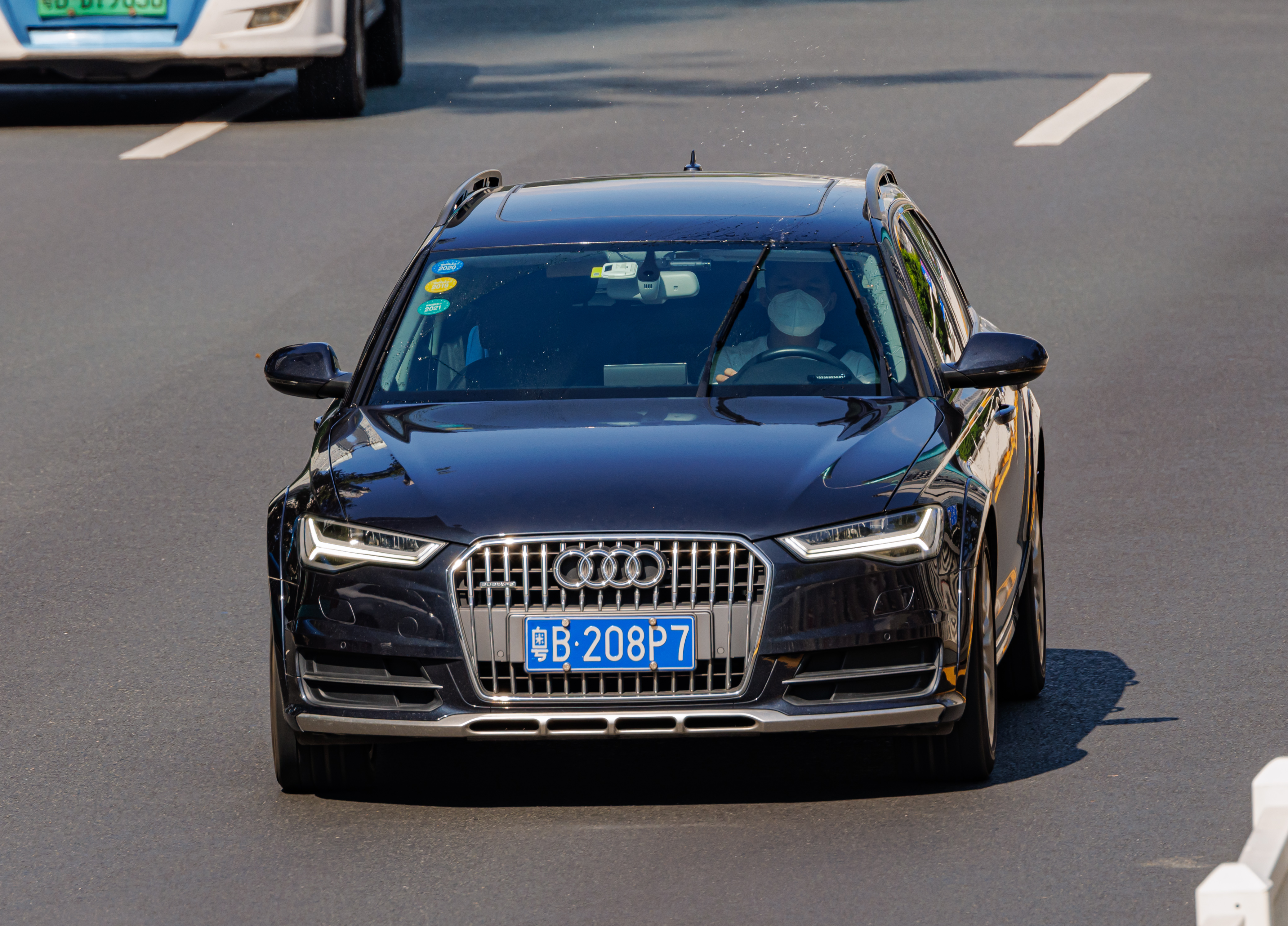
The Audi Allroad is a type of car that can drive well on both regular roads and rough, unpaved paths. It has special features that help it handle different types of terrain.
Laguna Seca is a well-known race track in California where cars and motorcycles compete. It's famous for its tricky turns and is a popular place for car enthusiasts to test their vehicles.
Le Mans is a long car race that lasts for 24 hours. It's held in France and is known for being one of the toughest races because cars have to keep going for a whole day!
NASCAR is a type of car racing that features modified production cars racing on oval tracks. It's very popular in the United States and has a large fan base.
Formula One is a type of car racing where specially designed cars race on tracks around the world. It's known for being very fast and using the latest technology in car design.
The Toyota Supra is a fast and stylish car that many people love for its speed and cool looks. It's popular among car fans and is often seen in racing and car shows.
A purpose built race car is made just for racing. It's built to be fast and handle well on the track, unlike regular cars that are made for everyday driving.
The Dakar off-road 911 is a special type of Porsche 911 made for driving on rough surfaces, like dirt and rocks. It's inspired by a famous race called the Dakar Rally.
Car
Porsche 956
The Porsche 956 is a race car that was built for endurance racing. It became famous for winning many races, including the prestigious Le Mans.
The Dakar Rally is a famous race that takes place in tough off-road conditions. It's known for being very challenging and is one of the biggest events in motorsport.
Car
Porsche Dakar
The Porsche Dakar is a unique version of a Porsche car designed for off-road driving, inspired by a famous race called the Dakar Rally.
The Merkur XR4 Ti is a sporty car made by a brand called Merkur, which was part of Ford. It was popular in racing and had a turbocharged engine that made it faster.
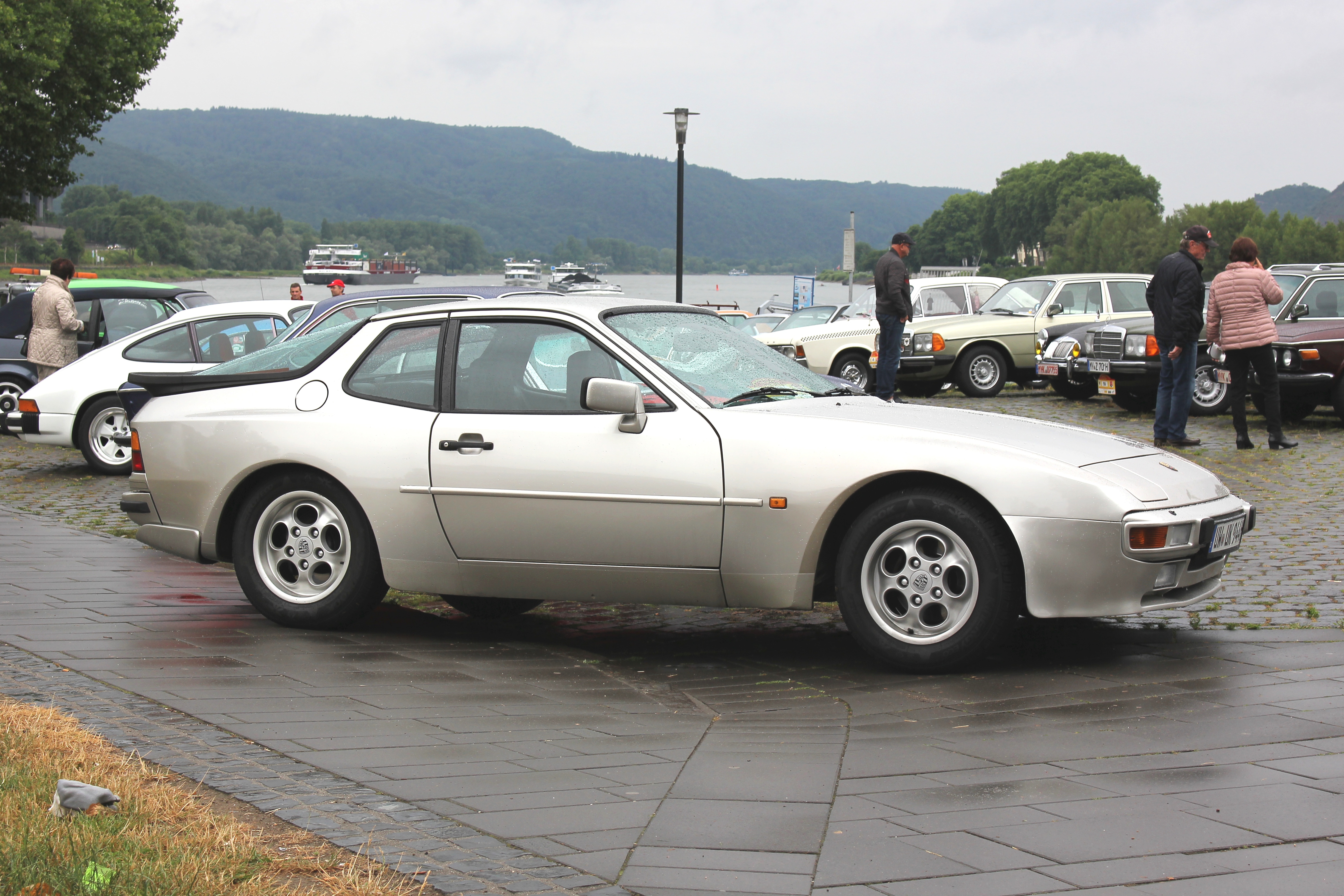
The Porsche 944 is a sports car made by Porsche that was popular in the 1980s and early 1990s. It is known for being fun to drive and has a good reputation in racing.
Undercoating is a special coating put on the bottom of cars to protect them from rust. It helps keep the car in good shape, especially in places where there is a lot of snow or salt on the roads.
Plastic hoods are the covers on the front of cars made from plastic instead of metal. They are lighter, which can help the car go faster and use less fuel.
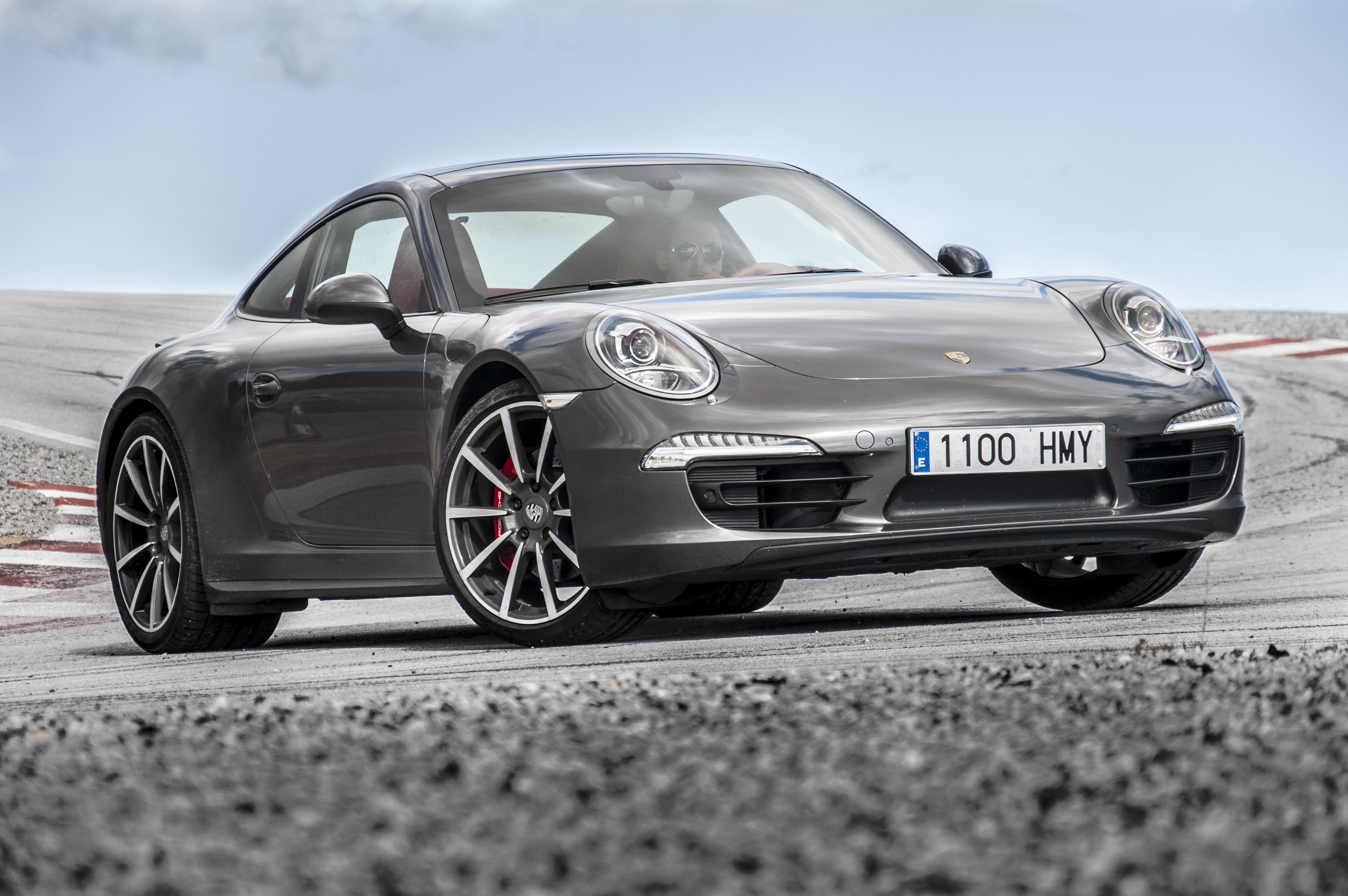
The Porsche 911 is a famous sports car that many people admire for how it looks and drives. It's known for being fun to drive and has a long history of being a favorite among car lovers.
The Mercedes-Benz 300 SL Gullwing is a famous old sports car with unique doors that open upward. It's very valuable and many people wish they could own one.
Car
Ferrari Tour de France
The Ferrari Tour de France is an old sports car made by Ferrari that was built for racing. It's famous for being fast and is very valuable to collectors now.
Car
De Tomaso Pantera
The De Tomaso Pantera is a sports car that was made in Italy and is famous for its speed and unique design. It has a powerful engine and is loved by many car fans.
The Ferrari Testarossa is a famous sports car made by Ferrari from the mid-1980s to early 1990s. It has a very distinctive look and a powerful engine, making it a classic among car lovers.
The Ferrari 250 GT California is a classic sports car made by Ferrari in the late 1950s and early 1960s. It's famous for its beautiful design and is very valuable today, making it a favorite among collectors.
A GTO cam is a part of the engine that helps it run better and faster. It controls how the engine's valves open and close, which can make the car more powerful.
The Ford Mustang GTD is a super-fast version of the classic Mustang that many people love. It's built for people who want a thrilling driving experience and modern features.
The Ford GT is a super-fast car that looks really sleek and is built for racing. It's special because it has a lot of advanced features and is a nod to Ford's history in car racing.
The Plymouth Road Runner is a fun and fast car from the past that many people remember for its unique horn that sounds like a cartoon character. It's a favorite among collectors because of its cool design and speed.
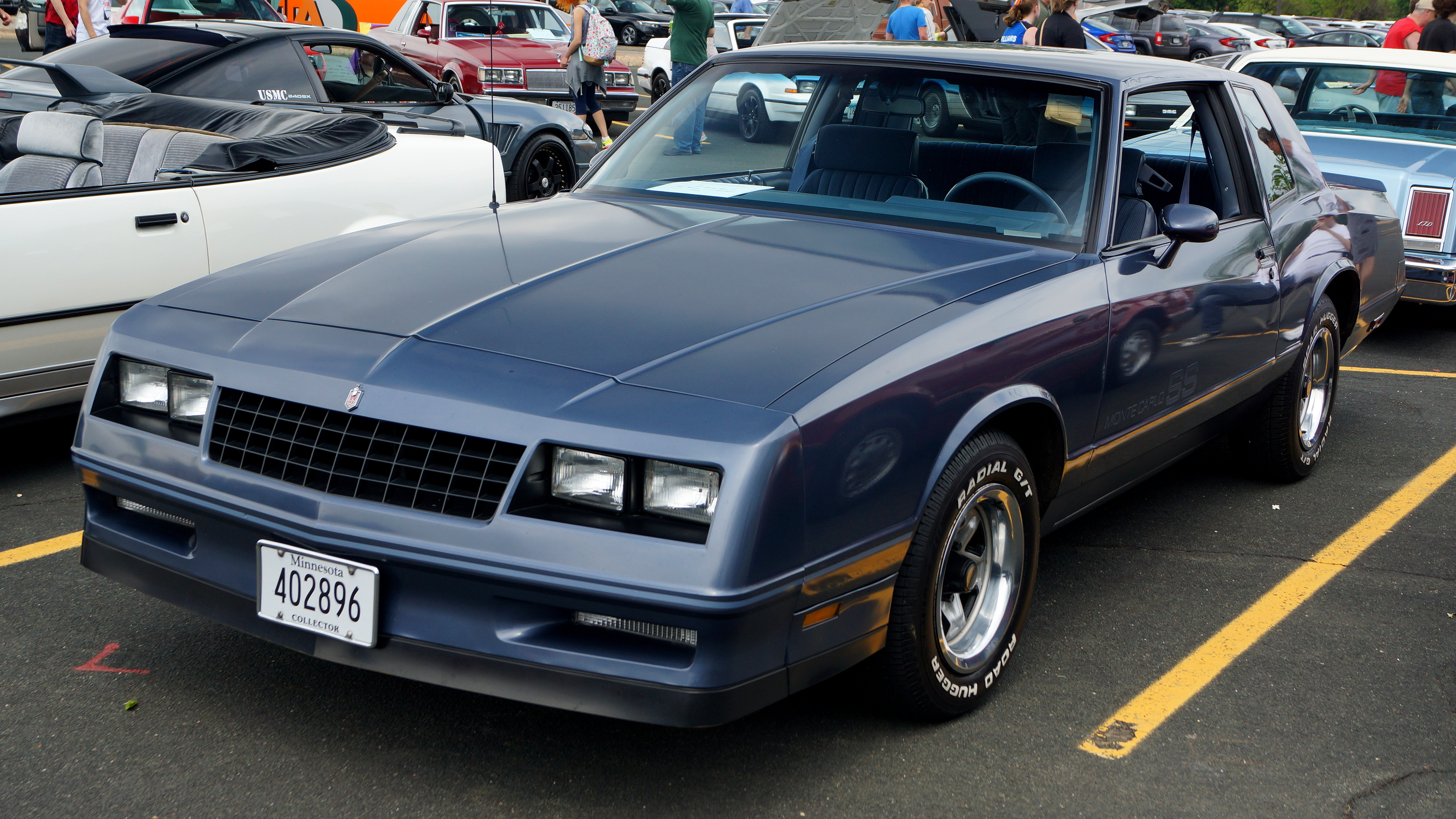
The Chevrolet Monte Carlo is a stylish car that used to be very popular and is known for being comfortable and fun to drive. Many people like to fix them up and make them look nice again.
The Dodge Charger is a big car that can be really fast and powerful. It's known for being a fun car to drive and has a lot of space inside, making it good for families too.
The Chevrolet Corvette is a sporty car that looks really cool and goes super fast. It's been around for a long time and is loved by many people who enjoy driving.
The Dodge Challenger is a powerful car that looks tough and is fun to drive. It's inspired by older muscle cars and is popular among people who like fast cars.
The Pontiac Firebird is a classic car that many people think looks really cool and is fun to drive. It was popular in the past and is still loved by car fans today.
LIVE
This is the Classic Automall Show.
Broadcast from the studios inside the Classic Automall in Morgantown, Pennsylvania.
Just one hour west of Philadelphia at Pennsylvania Turnpike Exit 298.
Featuring nearly 1,000 classic vintage and barn-fine vehicles for sale under one climate-controlled roof.
Now, here's your host, Classic Automall president and the man with all the toys, Stuart Howden.
Welcome to show number 229, where it's five below zero outside. It feels like this weather is really, I've had enough.
Well, it's nice when the sun is out.
Yeah, the 14 inches of snow we got, it hadn't melted a bit.
At least our roof's not leaking, because it's just frozen, so when it starts melting is when we're going to have the problems.
So, how many cars in inventory right now?
I forget what it was last week. I'm going to say 925.
927.
Sucker, 926.
No way.
Really?
Well, we went down a little bit.
Can't win, can't win.
I cannot.
You know, we've been selling like crazy, but the consignments have just stopped.
We had one consignment in like nine days.
I'm like, well, everybody just go home.
You're laid off for an hour.
As soon as the snow melts in April, it'll be chaos.
That's right.
And all the things we are.
Let's get to our guests today.
Joining us via Zoom, Bobby Aiken, you're, where are you?
You're in California right now?
Yeah, I'm in, I'm in Palos Verdes, California, a little south of LAX by about 10 miles.
It's a bit of an oasis from what is normal LA sprawl.
We have a nice piece of property overlooking the South Bay and a bit of gardens and some chickens.
So you don't usually have that in LA.
Yeah, you don't see a lot of chicken farms in LA or pig farms.
That's right.
My wife and I were just in LA a couple of about three weeks ago and the gridlock, I couldn't
believe it was even worse than I remember it.
And there seems like there's a traffic light every five or seven feet.
It's just crazy.
Yeah, you got to live strategically in LA, you know, for where you're working and social
life.
Sure.
I will say that, yeah, the peak of most rush hours, it can be rough.
But, you know, there are so many places, LA gets a bad rap, deservedly so, but there
are others that are where I still think Atlanta is 10 times worse than LA.
Absolutely.
Because LA is a little more logically laid out, it seems like, than Atlanta.
Atlanta is just chaos.
And everybody in Atlanta goes 80 miles an hour if they're on a 10 mile an hour side
street, you know, it's just lunatic.
And the Long Island Expressway is legendary.
Exactly.
You know.
For those of you who don't know, Bobby is a marketing and programming executive, got
a great company that we've been reading up all about, a race car driver yourself and
a son of a legendary race car driver as well, Bob Akin, who raced the most iconic livery
in the history of liveries with the Coca-Cola Porsches from the 935s to the 962s.
I just can't even imagine how you could come up with a better livery than that.
Yeah, I mean, it was certainly, if not the most iconic livery of that era, both in the
935 and in the 962.
I think the funniest thing or interesting thing to me is how that livery kind of came
together.
In that, back in the day, and by the day, I mean in the beginnings of NASCAR, Bill
Frantz Sr. was building the Daytona International Speedway and some of the folks that came together
to help him do that, one of which included Chapman Root, who the Root family owned the
Coca-Cola bottling franchise for most of the South, at least Florida, and I'm not sure
how many, licensed to print money.
Yeah, exactly.
And by the way, I'm still friends with Preston Root today.
Sure.
But so, they got that done, Coca-Cola through the bottling franchise and the Root family
at Deep Roots at Daytona, and fast forward a bunch of years, somebody decided in the marketing
department, it would be a great idea to sell the naming rights to the Speedway to Pepsi.
And that did not go over very well with the Root.
And so, one day, my dad got a call, which doesn't happen very often, my dad got a call from
Mr. Root saying, hey, I want to sponsor your race car.
Yeah, that never happens, right?
At Daytona, and my dad's like, was this a prank call?
Especially back then, this has gone so much further forward now.
And really, what Mr. Root wanted was that the 24-hour was about three weeks before the
500, it was the first race on the new Pepsi Speedway, and he wanted a car in Coca-Cola
red on the front row.
And he got it, right?
And that's exactly what they did.
They didn't win, I think they finished third, but they led the first lap.
And it was on the cover of the Daytona Herald or whatever.
And so, my dad had done the deal for Daytona and threw it in Sebring, and then after that,
number one, he was cheap.
Right.
And so, to repaint the car and relivery the car was expensive, but he also felt having
a logo like Coca-Cola would attract other brands.
Sure.
And so, he just kept it on the car, and then when we were in Atlanta, some guy came over
and said, hey, who's the owner here?
And pointed to my dad, and the guy went over and said, hey, I'm from Coca-Cola, you can't
just do this.
Right.
And my dad said, well, this is how it came together.
And he said, the guy by the, his name was Ken Hill, and he said, look, we actually like
it.
Right.
We just formalize it.
Right.
And so, come see us on Monday, and they did a deal that went on for, I don't know, how
many years?
15 years.
You know, I think advertisers used to do that.
If you'd start a new magazine, you'd put the largest advertisers in the town or county
or whatever in there with a full-page ad, as if they paid for it.
You gave it to them for free, knowing that it would attract other things.
So, your dad had a marketing mind, maybe without even, you know, thinking about it, right?
No, 100%.
And again, he was cheap.
That was a set of tires, you know.
Sure.
You had some interesting sponsors on the 962.
I mean, Polo, Ralph Lauren, I mean, I don't remember seeing them on any, many other race
cars.
Yeah, that was another, that was another interesting one, somewhat similar in that, you know, the
phone rang in my dad's office, and he had a, he had a special phone number in his office
that only really close friends, family, like if, if I was in, I was in the principal's
office at school, that's the number I called, right?
That never happened, though, right?
That was, yeah, of course not.
But that phone rang, and he picked it up, and there was this voice on the other end
of the phone that said, Mr. Akin, this is Ralph Lauren, and, and I want to sponsor your
race car.
Geez.
And my dad, my dad thought, true story, my dad thought it was John Dinkle, who was then
the road and track editor, right, leave, and who was a notorious prankster.
And my dad said, John, I'm not falling for this.
And Ralph was like, no, it's really Ralph Lauren.
And if you want, you know, here's the number to the main office, call me back and get up
on who called him back and, you know, pull a Ralph Lauren.
Sure.
They put him through.
Wow.
And so Ralph, Ralph came on board with a major campaign to launch his sunglasses line that
he called the racing glass.
Right.
And he rented Daytona Speedway and brought in Bruce Weber, who was a super hot photographer
at the time.
They did a giant photo shoot.
And back then, the inside, the inside cover spread on the New York Times Sunday magazine
was like the biggest ad in the world.
Right.
And that was my dad in the 962.
That didn't help.
Wow.
That was great.
Yeah.
How great is that?
And of course, BBS Wheels were a sponsor back in the, you know, all of us growing up.
BBS Wheels in the 80s were the coolest wheels ever.
They were.
Yeah, absolutely.
And I go, I'm not sure that I like them as much as I used to, you know, it's, they, they
haven't aged well with me for whatever reason.
Yeah, they were kind of the 1980s flash that made it evolve.
But you know, they were a great company.
Sure.
They were owned by three guys that made up, they were, they all had the name started with
B.
Right.
And, and they were in New Jersey.
They weren't far from where I grew up in, in near the Tappan Z bridge.
Right.
We were there and, and see them all the time and, and a good bunch of guys.
Yeah.
And then, of course, in Valentine research with the radar detectors was a big sponsor
as well.
Yeah.
Mike Valentine, wonderful guy.
Yeah.
And, you know, it was credited with really inventing what's known as radar detectors
and, and mass marketing them under Cincinnati microwave and, and yeah, and his deal was
really interesting.
You know, he, he and my dad structured the nine six two deal where Mike actually bought
the car.
Wow.
And my dad raced it and gave it a pedigree.
Right.
And then, and then at some point would return it back to Mike in kind of race ready conditions
for his collection.
Wow.
And that, that, that, that was a pretty, pretty good deal for both sides.
Yeah.
Did your dad go to school for marketing or he just fall into all this stuff?
It's amazing the stuff that he pulled off.
Yeah.
No, he had a really good sense of, of brand.
Yeah.
I think the way I would put it, you know, and I, I'd like to think I learned a thing
or two from, you know, really working with brands, treating them with reverence and,
and, and doing the right thing in support of, of your partners and brands.
And, and so yeah, he was, he was probably ahead of his time.
He did.
He, I mean, he studied business, he went to Columbia for undergrad and business and
doctorate.
Right.
And so, you know, a smart guy for sure.
Well, and your grandfather started a company that your dad ended up taking over, right?
The Hudson wire company, which supplied.
Actually, we started by my great grandfather.
Oh, really?
Yeah.
This technically, not technically, I'm, so I'm, I'm Robert Akin the fourth.
Right.
All right.
My, my kid, by the way, who's a freshman in Indiana dealing with the same cold you
are.
Right.
He's the fifth, but he goes by Briggs.
Right.
And after Briggs Cunningham, I was going to say, who was an amazing guy that I had the
pleasure of meeting years ago.
But yeah, that, that the wire company started, I think in 1904, really making its first,
like consumer product was Christmas tree tinsel out of real silver.
That's how they did it back then, saved it from year to year.
Right.
And that's a value.
And, and the business kind of bumped along.
My grandfather was a brilliant engineer and ended up working with the, on the atomic bomb
project and being in the Bikini Islands during all the testing and, and all that was known
as kind of the trigger guy.
Wow.
And, and, and, you know, it was great on the engineering side of the business.
No offense, but he wasn't necessarily the business guy.
So my dad at 18 was going to school at Columbia at night, working at the wire mill during
the day.
And the two of them ended up making things happen and work.
Yeah.
How great was that though?
And then the race, the race shop for many years was just across the street in a shed
in Austin, New York, right, right in the shadows of Sing Sing Prison.
Nice.
So, yeah, that was, it was crazy, crazy great.
Yeah.
So it was the trigger guy, like the Wiley Coyote, he had that little box that pushed
it.
Yeah.
That was, that was definitely my grandfather.
But you know, it's skill sets are great to have people that have different skill sets
involved in business together.
And I'm sure in your company, you probably see that as well too.
I mean, mechanical rabbit, I love the name.
And that was, I guess your dad's race team name.
I didn't think I ever knew that back in the day.
Yeah.
So the mechanical rabbit thing, when I was little, my dad had started racing in the
fifties and was pretty good and, you know, kind of had dreams of going big time, but
that work thing got in the way and the money thing got in the way.
And so he paused his racing and then, I don't know how old I was, I was, I want to say I
was six or seven.
He kind of started dabbling in vintage racing.
Right.
And so for his vintage racing team, he had a Lotus 11, 59, I think, 58 or 59 Lotus 11.
And he came up with the name mechanical rabbit racing, which was really named after, you
know, the old days of dog racing and the rabbit that would go around the inside of the track
was a mechanical rabbit that was never beaten, never passed, you know, all those things.
So that's what he started it.
So when I, you know, when I kind of left, I'd been in a bunch of different places,
but Motortrend had been sold to Discovery and I wasn't going to go with that program.
So I had, I had already set up a company to be ready to go when, when that eventuality
happened and I, I think I left Motortrend on a Wednesday, mechanical rabbit opened on
a Thursday and I was shooting a project for Motortrend on Friday.
Nice to have those connections, right?
That's kind of how it all came together.
I like that though.
We're all still great friends and I'm working on stuff with them right now.
I love your content.
I was on your website yesterday looking around, dinking around on there and just some of the
content you've created is really, really impressive.
And I haven't seen any of the long format stuff.
I've seen the preview stuff that you did for a couple of the different things and it was
just really well done and very creative and engaging, I guess is the way to, I would describe it.
Yeah.
Well, thank you.
And it's truly a labor of love, right?
You know, I've been, I've been involved in motorsport.
My mom used to say my third day on the planet was at a racetrack, much to her chagrin.
And so for me to be able to carry that through into my current, current existence is a labor
of love.
I, you know, it really, it really happened almost not by accident, but, you know, like
back in the nineties, I was racing.
I was, I was okay, you know, I was, I was pretty good.
Depending on the car I was in, had some, had some success was one of my class at, at the
24 hour at Daytona before it was Rolex.
Unfortunately, I didn't get to watch.
You didn't get to watch.
Now, our buddy, our buddy Scott.
They didn't let me buy one though.
Our buddy Scott Pruitt's got a few of those there.
Yeah, he's got 11 out of 11.
Something like that.
Yeah.
And, and, and so, so I was racing, I was doing okay.
And, but you get to those moments in life where you got to turn right or turn left.
Hate those moments sometimes.
Yeah.
And, and I got a call from a guy, and I'm paraphrasing the story because it'll go on for
days, but I got a call from a guy and he, he was, he was running ESPN.
He was leaving ESPN to go to work for someone else that owned a bunch of businesses in, in,
in media and called me out of the blue one day.
And we're talking and he's like, Hey, I got, I got a germ of an idea with this company
that my new boss has.
And, you know, I think, I think there's an idea here, but I need somebody that's a
good sales guy that really knows motorsports from the inside.
Right.
And I think you're the guy.
And, and his name was Roger Warner.
You know, he's going to be on our show next week, by the way.
Oh, he's, he's great.
He's great.
He's great.
Yeah.
And, and so, you know, in essence, it really came down to, I was like, I don't know anything
about television.
Right.
He goes, don't worry about that.
And so we started working on what eventually became speed vision.
Yeah.
And I think there were four of us or so when we started.
And, and one of the, one of the realities of, of, you know, programming a 24 hour, 365 day
a week network is you got to have a lot of content and then have a lot of content.
You got to have a lot of money.
We didn't have either.
The opposite of a lot of money, right?
And, and so one of the things I started working on was, you know, there were all these
magazines that were doing road test show or articles and things like that, that, you know,
I don't know what car and driver reach, but it was five million.
There's crazy numbers back then.
You know, yeah.
And, and, and, you know, we, with a network in the cable world could reach 20 million.
Right.
Right.
You know, and, and, and do it in a video forward way to really showcase cars.
So the idea of creating content with partners that we controlled, we had creative control
was something I pitched to the board and a lot of people thought I was crazy.
Like they're never going to pay you to do that.
Right.
Right.
And so I called a friend of mine who worked at Audi at the time and said, hey, you got this
new car coming out.
What if we did a 30 minute show on it and put it in prime time?
And they're like, yeah, that's a great idea.
And so that was the first test drive show, which the original one was hosted by Derek Bell.
Yeah, that's right.
That's what I remember that now.
On the Audi all road, I believe.
Which is a cool car.
Which was a cool car, especially at the time.
I remember we went around Laguna Seca and then took a left and went off road up the dirt road.
Nice.
Yeah.
And, but, you know, so that was the first one.
I think we ended up doing well over a hundred.
Most of them hosted by Tommy Kendall.
Yeah.
And we had a really good run with that.
And then we did another series called Shut Up and Drive.
And, you know, then it evolved.
It was, there was no term for branded content.
Right.
It was just to me and this is what I've tried to carry on.
And maybe this relates back to my dad is, you know, you got to have a reverence for the brand.
You've got to have, you got to be a storyteller.
And you got to be able to create engaging content that isn't too salesy or over the top.
But it still has marketing value to your partner.
And finding that balance.
And I'm not saying I did perfect all the time.
I've made some mistakes.
But for the most part, it's creating content that you're proud of that represents the brand well.
We talked to a consultant about podcasts and shows.
And our new term is video podcasts is what we actually are.
And I said, God, but there's a million, two million podcasts, video podcasts out there.
And he goes, yeah, but there's always room for another good one.
And I think that's the same thing that, you know, and speed vision.
I liked, you know, we all miss the old days of anything that we talk about,
especially speed vision.
I remember that you would be able to watch the 1959 running of Le Mans.
Or, you know, there was stuff like that that was interspersed with all the other stuff that you
need.
As you said, you needed content.
And it was great to be able to see that stuff.
And then they, they slowly shifted away from all of that and into more produced type stuff,
which maybe just, I mean, obviously it's the most popular form of motorsport TV right now
is the build shows, right?
Yeah. Well, build shows are, you know, the net effect is that they're cheap, you know,
depending on the talent, but they're pretty inexpensive.
Two cameras, you know, they're not, they're not, you know, big productions.
People love them, right?
Look, Fox came over, took over the network in 2002, I guess.
And, and they had a very heavy heavily or a heavy influence of NASCAR,
because that's what they knew.
And that's who they had contracts with about certain hours of programming.
But, you know, there was a group of us within, within the, the, even after the transition,
that was really, I don't say fighting, but was like trying to find a balance,
you know, for sports cars and even Formula One at the time.
Nobody cared, right?
You know, except for three or four of us at the network.
And we were fighting behind the scenes to keep it going.
And, and we did for a long time until they, they, until Fox decided to transition,
then speed channel to, to Fox Sports One.
Right.
And, and now it's interesting, because I think you're starting to see
Fox Sports is kind of coming back.
Right.
Towards, you know, they did the Indy car deal.
They did a MotoGP deal.
Eric Shanks, who runs that is a great guy.
Right.
Is really, really a, you know, a motorcycle and car guy.
So you never know, it may, it may come full circle.
Well, sure.
I also think that Racer, you know, Racer magazine, Racer.
Yeah.
They've done a great job.
Yeah.
They have recently, a lot of people don't know, but they recently took over what was MAV TV.
Right.
Oh yeah.
Which was, yeah, I've seen some things on there, some programming on there.
Yeah, and, and that, that evolution of MAV TV to Racer network is really the closest thing to
what the original speed vision was.
Sure.
You know, and, and, and I do some work over there and partnered with them.
Paul Fanner, who founded it, was a, is a, is a dear friend.
And, and ironically, CJ, CJ Oliveros, who's now the president and CEO.
He and I worked at, at Fox together 20 years ago.
So there's synergies there and, and that, that, that network is really, you know,
if you're really into British touring car, German touring car, you know, all those kind of
Australian Aussie V8s and, and, and, and historic racing, all that stuff is,
is again, very speed vision-esque.
Yeah.
That is, is happening now.
Because the car, you know, it's the nerds who watch that stuff.
I mean, most of the people in the United States have never heard of the Australian,
or the, any of that stuff.
And, and I get it.
I mean, the Formula One is amazing what it's done.
But I tell you, even more amazing, especially for television, is these auction houses that
have, in between Barrett and Meekam and, and then on MAV TV, just Greensboro down in North
Carolina, they have a program on there.
The popularity of that, does that blow your mind?
Would you ever in your wildest dream have thought that filming an auction would
capture people's attention?
You know, it's funny.
I, I, I kind of grew up in the, in the business, I like to say we grew up in it together.
But Craig Jackson, one of the very first things I did when I went to work with Roger,
even before speed vision, was we went, we went to, and did two things.
Went to Barrett Jackson to meet with Craig Jackson and say, Hey, we'd like to do some TV
on your auction.
Right.
And Craig was open to it, but he was a little worried that some of his bitters didn't necessarily
want to be on TV.
And, you know, there was, there was, you know, some, some issues we had to walk, walk through,
but, but we did.
And I think we, the first thing we did was a 90 minute show, Take Delayed on Barrett.
And, and then the other one I did was I called my dad's old vintage racing partner Steve Earl.
Oh yeah.
And said, Hey Steve, we'd like to do some TV on the Monterey Historic Races.
And so we ended up doing a delayed show there.
And, and then fast forward a few years, we were live at Barrett Jackson with a crew of 100.
Wow.
Six days for eight hours a day, you know, kind of crazy, crazy thing.
But, but Barrett Jackson to kind of what your question originally was, do you think it could
have been that popular?
Barrett Jackson for many, many years was the highest rated week on the network bar none.
Crazy.
And it was addictive.
People tuned in that weren't even hardcore car guys.
It was a combination of cars and money and the circus of Barrett Jackson, you know, that's part
of the shtick there that that's there, you know, kind of it's, it's the wild west of car auctions.
Whereas if you go to, you know, some of the other ones, Christie's.
A little laid back.
Oh yeah, they're a little, a little more reserved, a little more posh.
And, you know, we're, you know, high brow, if you will, whereas Barrett Jackson is just
making him.
Yeah.
And to your point about their customers, not only their customers embrace being on TV,
one of the only auction houses, one of the few auction houses that the guys will actually,
you know, look at me, I just bought this car.
I mean, a lot of these RM and Christie's and Gooding and all those guys, they,
they're not, they're not quite in that same thing, which is fine.
There's a place for every, or either, either way, I think.
But it's funny how the consumer has embraced it so much that the guys want to be on TV.
That's a badge of honor to those guys.
Yeah, I think there's, there's a lot of them that do.
I do think, as a matter of fact, I know that there's still a bunch of them that are on the phone.
Right, exactly.
When, when Leno's bidding on a car, or Bruce Meyer, or, you know, somebody that is so well
known to the industry, they're just setting themselves up to pay more if, if the other guy
knows who it is.
That's exactly right.
We see that all the time.
Yeah, we, we were just with Bruce Meyer when we were in California and saw his collection and
what an amazing collection and an amazing guy, you know, as, as just as sweet and humble and
caring and nice and wants to make sure everybody's happy.
And it's like, wow, we need more people like that.
They broke the mold when they, when they built Bruce Meyer and he is truly one of the kindest,
you know, I've known Bruce for a very long time and, and he is just such a good human.
Yeah, I think that's the best description I've ever heard.
Yeah.
There was a quote from your dad that I don't know if it was actually your dad or if it was just
an urban legend, but said, you can't make a racehorse out of a pig.
But if you work hard enough, you can make a mighty fast pig.
Oh yeah.
Yeah.
And I, you know, I look, somebody else may have said it, I don't know, but, but he, he said it.
It was, it was, I can't even remember what it was for.
It might have been a road and track thing or whatever.
But yeah, there was, my dad was kind of the king of the one-liners.
Right.
But, you know, he, it was in reference to the 935.
Right.
And in general, the 9-Eleven.
Right.
Right.
You know, inherently forgive me, Porsche, for what I'm about to say.
But the original design of a 9-Eleven is inherently not great.
Right.
You know, the engine hang, especially when they put a big turbo on it, you know,
the engine hanging over the rear wheels, that's the name Widowmaker.
Yeah, of course.
Was, was, was not ideal.
And when you did that with the 935, you were constantly trying to evolve
the car around an inherently bad design.
Sure.
Right.
You know, and, and, or design not meant for going 200 miles an hour.
It wasn't a purpose built race car.
Right.
And so, you know, the, the phrase you can't make a racehorse out of a pig,
but you can make a money fast pig was really accurate.
Sure.
Right.
You know, and, and, and Porsche won more races with that pig than just about any other brand
on the history, history of the earth.
So they obviously engineered, and that's what Porsche does, right?
They, they, they engineer, they engineer, they engineer, and, and just consistently evolve
their, their cars to be better.
Yeah.
And, and now, you know, now a 9-Eleven, I mean, first of all, it's, it's pretty much a mid-engine
car.
It's a lot bigger.
It's, you know, I mean, it's, it's truly a stunning car to drive.
You know, ironically, I, I had 9-Elevens not for a long time, but I recently was fortunate
to get one of the Dakar off-road 9-Elevens.
Yeah, those are wild.
Which is fun.
The reason I, I got it was because I remember in, in the 80s, and when my dad was racing,
the Rothmans.
Oh yeah.
I love that.
Of the 956 and 962s.
And I'd had the pleasure of getting to know Jackie X when I was young.
And, and when he brought, I think it was 1984, when he brought the, the 9-Eleven based cars
to, to run at Dakar, and they were in that Rothmans.
I just thought that was the coolest thing.
Oh, it was absolutely the coolest.
It was unbelievable.
And, and so when Porsche announced they were doing this Dakar, I was like, I gotta have one.
Paul and every favor I could figure out, and Porsche was kind enough to, to figure it out
and, and get me one.
And I did it in a kind of a neat way, or I thought I ordered it without the, the decals
on the side that say rough roads.
Yeah, right.
I've seen those.
With the number box, you know, and, and, but I got a set of those delivered separately.
And I brought it up to Rensport.
I was producing the Rensport event at Laguna Seca for Porsche.
And I got Jackie X to sign the number boxes.
Nice.
And he was great.
He was so kind to do it.
And so I have kind of a one off, if you will, of, of the Dakar.
So, so that begs the question is, what are the ones that got away?
What are the ones that you didn't get back in the day?
I know you had a, you raced a Merkur XR4 Ti.
So, I mean, you still got to have that, right?
No, I got nothing.
You know, first of all, when I was racing, I was racing for other people.
I didn't own any of the cars.
Um, we did actually, that's kind of not true.
We did own, um, we did own the 944 that we raced in the Firehawk series.
Won a couple races, finished second in the championship.
And that car, um, was pretty special because Porsche, Bob Carlson,
who was the kind of Porsche marketing guy, uh, in the U.S., great guy.
He's the guy that invented the rent sport event, right, um, since passed away.
But, uh, Bob had finagled somehow, got Germany to build seven very special 944s.
They were called like the Magnificent Seven.
And they had some special VIN number and they didn't have undercoating.
They didn't have interiors.
They didn't have air conditioning.
They didn't have all kinds.
They had plastic hoods, plastic rear glass.
And, um, I would suspect, I haven't looked, but I would suspect that those are starting
to get pretty darn valuable.
I would imagine so.
And fun car to drive.
Oh yeah.
Yeah.
By the way, that to car thing is so fun to drive because it feels like an old 911.
Right.
Which is a good thing.
Yeah, which is a great thing.
Yeah, yeah, yeah.
People have to understand that.
Talents and suspension.
Absolutely.
Um, I mean, my dad had some crazy cars that, you know, the ones that got away that we should
have kept.
Right.
Um, he had two Gullwing Mercedes that he sold for, I think under $10,000.
My dad wasn't a collector.
He was a guy that would buy a car, you know, intelligently, pick a way at it at the race
shop.
Right.
Drive the heck out of it.
You know, he was always saying cars are meant to be driven.
Sure.
And, uh, and drive the heck out of it and, and, and then sell it for a little more than
he paid for it to buy the next thing.
Love that.
We all, we all try to emulate that.
We just don't do very well at it.
And, and so, um, so the two Gullwings, he had a Ferrari Tour de France, um, and he had,
he had a Pantera, he had, he had a kind of eclectic stuff.
Um, he had a, he had a 50, I'll say 57 Testerosa.
Bruce Meyer has a 57 Testerosa, the silver one.
Um, and that's worth, you know, a, a, a, a, a amount of money.
Right.
It's just crazy.
I think the, the craziest one, um, he had, and it's kind of timely because one just sold
at auction.
And he had a, uh, a short wheelbase, California.
Right.
Very, you know, in the, in the, in the pop culture world, the one that looked like
Ferris Bueller.
Absolutely.
Black with the red interior.
But the car my dad had was, was kind of special, not even kind of special.
It was special.
It was ordered by Wolfgang von Trips directly through Enzo.
Right.
It didn't have the side louvers, those three slats on the side.
Right.
It had a GTO cam.
So it had a bit of a pepier engine.
Had slightly different dashboard.
I can't tell you exactly which.
Right.
But so it was a very special, special car.
Special, special car.
And, uh, he bought it in 1973, I think for, I want to say it was like $35,000,
which was a lot of money.
Huge money back then.
Huge money.
Like mortgage the house to pay for it and money.
Exactly.
And, um, and he had it for about 10 years and, and some Ferrari, you know,
aficionado friend of his said to him one day out of the blue, hey, Bob, you know,
that courier is probably worth a lot of money.
And my dad's like, what do you think?
And he's like, it's probably worth 300 grand.
Right.
And my dad like had a heart attack.
He was like, oh my God.
You couldn't even fathom that, right?
I don't, I don't want to own it.
I don't want, I can't afford it.
This is before, uh, McKeel Haggerty and Haggerty insurance.
Can't afford to insure it.
Yeah.
Insurance was insane, you know, if you wanted to cover it.
And, uh, and so, you know, at the end of the day, he, he said, I, I got to sell it.
And I remember I'm in high school now.
Right.
I remember sitting with him going, dad, do you need the money?
Yeah.
Let me rationalize this for you.
And, uh, you know, he's like, no, but, you know, I look, why don't we build a box around
it?
Mothball and put it on a shelf and forget about it.
And he's like, no, can't do it.
Cars are meant to be driven.
Right.
No, blah, blah, blah.
So we sold it, uh, for 30, $362,000, which was a ton of money.
Yeah.
You know, a thousand percent profit.
Mm-hmm.
About 18 months later, it sold for a million one.
And just the other day, one that isn't as good.
Right.
Or at least isn't as one off.
Right.
Sold for 14.6, I think.
Would have been a nice little retirement.
Would have been a nice deal.
I wouldn't be sitting there talking to you though.
Exactly.
You're like, who?
I know I'm not talking to him.
I got nothing to say.
How funny is that?
Yeah, but you can't worry about stuff like that.
No, not true.
People say, oh, you could have bought a, you could have bought a Cobra for $7,000 and
then sell it for a million five.
Well, if you'd have bought $7,000 with Apple stock, you'd have way more money than that
if, you know, you held onto it to the day.
So, you know, and it's not always about the money.
I mean, it's fun to look back and reminisce about it, but you can't lose sleep over it,
obviously.
And, you know, but it sure is fun to look at the numbers that they're bringing these days.
I mean, it's just, so is your daily driver the car?
What is your daily driver?
No, I can't afford that.
It's going to help pay my kids college education.
But no, I'm kind of somewhat between cars right now.
I drive, believe it or not, I drive most of the time, I drive a 2016 BMW three series
diesel wagon.
I know it sounds crazy, but I love that stupid car.
It's got 95,000 more.
Yeah, that's just, we're getting broken in with a diesel, right?
Yeah.
And in this part of the world, as you know, with traffic and, you know, it's not, you know,
and I do have the pleasure of driving a lot of nice cars.
I do have a Mustang GTD.
Well, there, okay, I'm done.
That's coming, I think, in a couple of weeks.
Wow.
I'm really excited about that.
I bet you are.
I had the pleasure of doing a lot of work with Ford and part of that family, I drove
with them.
So Jim Farley and his team have been great to me over the years.
And, and, and so I went when, when that was offered along with a Ford GT that, you know,
I'm going to, I'm going to do those every time I can.
You can't, you can't say no.
No, no.
And Jim Farley was just awarded the Bob Aiken award at the RRDC.
Yeah, it was.
How cool is that?
That award every year kind of kicks off the, the IMSA week at Daytona with, on Wednesday
night and, and my dad was a, was a big RRDC road racing drivers club for those who don't know,
which was started by Mark Donahue.
Right, right.
Back in the day and, and my dad was a president of the RRDC and, and, and long time member
handed it over to Bobby Rahall who still runs it today.
He can't find anybody else to take it, he said.
And, and so, and I, I'm lucky enough to be a member as well.
And when my dad passed away, they started an award in his name that, that essentially
the basic tenants of the award are, you need to have a passion for driving and motorsport.
Sure.
You need to have something other, whether you're a professional or an amateur,
something other than racing in your life as far as your career and other stuff going on.
And last, but in my opinion, most importantly, you're, you're a good guy.
Yeah.
How are you?
Or a good human.
Or a good guy.
Judy, Judy Stropis wanted and there are others in the mix for sure.
Exactly.
And, and so, yes, yes, good human.
Yeah, I like that.
I didn't want to use that twice in the same podcast.
That's okay.
Nobody's listening.
So, but, you know, if, you know, and all of our, all of our recipients, I think have been very,
you know, Brian Redmond's on the committee, Judy Stropis, Lee Diffie and Bobby Ray Hall and myself.
And, and we've had a bunch of very deserving recipients.
But when I, when I was, I was literally at Le Mans this year working on this Mustang
documentary with Ford brought 50 Mustang Dark Horse cars and did a race at Le Mans.
How cool.
Kind of before the big race and, and, and Farley raced in it.
And he's a car guy.
Yeah.
Oh yeah.
I mean, there's nobody deeper car guy than Jim Farley.
And, and, you know, his passion for it, his commitment to, to, you know, racing
on, on a personal level.
I mean, if he's not going to the White House or not dealing with, you know, a big union thing
or whatever, like running giant Ford Motor Company, he's either with his family or he's at a racetrack
and sometimes his daughter was camping and it's not like he goes and stays in fancy hotels, right?
They camp at the track at Le Mans with his daughter.
Nice.
Right.
You know, he's in for the experience and racing is his happy place.
Yeah.
And that's the kind of guy you want running a company like that.
You want carbs.
Absolutely.
I mean, he is literally giving feedback to engineers.
Right.
How cool.
Fantastic.
And, and it's so great to see a car guy in the big chair.
Absolutely.
Absolutely.
Well, we could do this all day.
We're over, you know, by 15 minutes, but that's okay because this has been a lot of fun.
And continued success with your production company.
And congratulations.
Yes, you won an Emmy for the Pebble Beach show.
Won an Emmy for Pebble Beach.
And we did a project last year with Patrick Dempsey.
Yeah.
On his return to racing.
That's up for an Emmy this year.
So we'll see what happens.
Thanks so much, Bobby Akin, everybody.
Thanks again for being on the show.
And we'll be back with the Classic Automall show in just a couple of minutes.
We'll see you in a second.
By the way, those of you don't realize, this is a car show and we've been talking music
in the studio with us, Obi O'Brien, who has done a lot of work with John Bon Jovi.
Obi is a car guy too and has been for a long time.
Here's a picture of you and Bon Jovi on the cover of...
We were together on Rod and Custom.
Talking to our special guest of the day, Scott Pruitt.
Good morning.
How are you guys doing?
Mark Lieberman.
Tucker Wiz Guru.
Is that fair?
I'll go with that, sure.
Corky Coker.
How are you this morning, Corky?
I'm great.
How are you, brother?
Brock Yates Jr.
How are you, sir?
From somewhere in North Carolina, Ray Evernham.
How are you, sir?
I'm doing great.
John Clark with the Ford Motor Company.
This is a great honor.
Our name is Lynn St. James and you're all the way across the country, I guess, right?
Yeah, I'm in Phoenix, Arizona right now.
Tony Angelo, YouTuber, influencer, drifter, one point TV host.
Talking race cars, classic cars, movies, music are just having fun.
It's the Classic Automall Show on YouTube and wherever you get your podcasts.
And we're back with the Classic Automall Show from the Classic Automall Studio,
Morgantown, PA.
Great guess.
Great guess.
I call this Bobby all day.
Got a lot.
9-11 Dakar.
How cool is that?
Without the graphics.
GTD.
And a GTD.
On the way.
And a GT.
I think he said a GT also.
And a GT.
And he's got a GT.
I wore my red hat today in honor of the Coca-Cola livery.
Oh, there you go.
Not my favorite livery, but iconic.
Well, you're a favorite livery because you're Al Holberg's neck and his lower brow.
And Stuart's favorite drink.
Yeah, that's right.
Hey, gosh, good point.
I should have left the cap off.
The thing off.
What a great guess and a great story and could just talk.
He's one of those guys you talk to all day and just as natural as they come with doing this.
Of course, I'm sure he's done a gazillion of these.
Oh, I'm sure.
And he knows everybody, you know, that's an amazing thing is being in this hobby is
the people that you meet.
And what he said about Bruce, just being good, a good human.
Good human.
Good human.
Yeah.
So important.
And it's important in so many walks of life.
And we don't see it so often anymore.
And I wish people would walk outside and take a look at the stars at night and just say,
you know what, life can't be that bad to see this beautiful scenery.
That's right.
I'm sorry.
I'm really going down around.
I know you're really sorry.
Get a purpose.
Get a purpose.
Just get a purpose.
By the way, Palace Verdes is one of my favorite places.
Southern California.
Oh, yeah, it's pretty ugly there.
Yeah.
Yeah.
Living there is hard.
Difficult.
Well, and that's what you need to do if you live there.
Because if you don't tell everybody, if you tell everybody it's great,
you'll all want to move there.
Everybody, everybody will be there.
So exactly.
So how about new arrivals this week?
Okay.
Well, let's hear them.
How about the 1970 Plymouth Roadrunner hardtop?
Saw that.
Ivy Green metallic over tan.
I think I just, did we just see that on a test drive just a minute?
I think there is.
Yeah.
Yeah.
21,864 actual miles.
Error correct, 383 cubic inch, four barrel.
Known history from new.
Numbers matching 833 four speed manual.
Nice survivor car with low miles.
How cool is that?
Kind of love bee body.
I love them bee bodies.
Especially in that B5 blue.
Oh, yeah.
That's a cool thing.
And that's not my favorite color on other cars.
Right.
But on the bee body, it's great.
So other new arrivals is most oddball one we've had in a long time.
The 1964 Galaxy Starliner two door club Victoria.
This thing is wacky.
I don't think I've really ever seen one before this one.
Right.
It's our first one.
Yeah.
And they're just, I mean, in general, I don't think they're just an oddball car.
And for some reason they either didn't make a lot of them or they didn't survive
or nobody cared and they all ended up in a junkyard.
You just don't see very often.
Monte Carlo red and Corinthian wide over red.
Expertly restored uncommon Ford.
You'll I'll say that 352 cubic inch two barrel V8 cruzomatic.
And it's got the jet age interior.
It does this.
I see this one cruising through Palm Spring.
I do too.
One of those palm, you know, mid mid mid century cars.
Yeah.
Yeah.
It's just it's got that cool cool feel and look to it.
And now for something completely different.
The 1924 Pierce Arrow custom speedster.
Blue gray over blue gray custom body.
Pierce arrow chassis.
It's got a 400 in it.
So I don't think that would have been original from 1924.
No.
Not a 400 cubic inch four barrel back in the day.
Not a hundred years ago.
With a T5 five speed manual and Wilwood brakes.
And a winner's quick change rear.
Probably not something in the catalog that you would have ordered a Pierce Arrow and
gotten.
That's a custom car.
A very, very custom car.
With the bowtales.
With the bowtale.
Yeah.
So other new arrivals in 1975 Dodge Charger Daytona.
This is really an oddball car too.
You just don't see the 75s.
And of course it was a little in the malaise era.
But this one is really interesting.
These cars are actually coming into favor.
Cars from the mid to late 70s that were over.
Even the Corvettes from that era are really starting to gain a little traction.
And starting to bring a little bit more money.
It's and that age group is coming into the time when they can afford to buy these cars.
But it's interesting that that's happening.
And stuff like this.
This one vintage red metallic and dark red metallic over red.
Only 238 of these built.
Right.
Numbers matching 360 cubic against V8.
Probably wasn't a lot of horsepower.
Probably not.
Good guess.
And buckets and floor shift.
And it's nicely appointed and it's very well preserved.
It's super rare.
Yeah.
It's just rare, rare, rare.
So and another Dodge is the 2023 Dodge Challenger RT Scat Pack
Shakedown Special Edition.
Okay.
Yeah.
They put a lot of names on it.
Destroyer gray over black.
Destroyer is the guy.
I love that.
Usually you'd say battleship.
When I first time I saw that color as like destroyer.
I like destroyer.
It's a great name.
One of 500 of these built.
2,539 actual miles.
Put it away.
Put it away.
485 horsepower.
392 cubic inch Emmy.
Showroom fish.
And it's got factory warranty until July.
Very cool.
It's got interesting graphics on the hood.
Kind of offset.
Very, very unique.
How could you put it away?
How would you not want to drive that car?
Well, just like Bobby Aiken was saying about the Ferrari of his dad's
where he said, let's build a crater.
And he said, no, cars are meant to be driven.
Hope for the best.
And hope for the best.
And of course the best could have been quite a...
Wow.
I love what he said.
I wouldn't even be talking to you right now.
$360,000 must have seemed like.
Well, there's no regrets there.
Probably the best house in the neighborhood was a 175 town.
In the time, right?
And last but not least, the 1968 Pontiac Firebird hardtop.
Mystic teal metallic.
Numbers matching 350 cubic inch HOV8.
Muncie M20 manual.
PHS document shows what the car was born with and options and all that.
Two build sheets, which is kind of cool.
And four wheel power disc brakes, which is probably a rare option
for the 1968 Pontiac Firebird back then.
Right.
They don't last long here, so we're interested in that.
They really don't.
And, you know, one last thing that we forgot to do.
Where did we sell cars?
Oh, where did we?
Well, actually it was quite a busy week, you know, with this...
We were joking saying earlier in the show that when we get snowstorms,
the consignment's just dry up.
Yeah.
I mean, it's just people just don't want to bring them out.
But the sales keep happening.
So we...
And, you know, we're not...
Hey, listen, we'll take either or, you know.
But in the last seven days, we sold 27 cars.
Unbelievable.
That's crazy.
And where did you say we sell cars?
Where?
Oh, where?
How about Bloomfield Hill, Michigan?
Green Castle, Pennsylvania.
Santa Rosa Beach, Florida.
Federalsburg, Maryland.
Sioux City, Iowa.
Davenport, New York.
Martinsburg, West Virginia.
Flagstaff, Arizona.
Philadelphia, Pennsylvania.
Longwood, Florida.
Wichita, Kansas.
Glen Rock, Pennsylvania.
Seaside, Oregon.
Ocdie, France.
That's about the third one we sold, France.
Pottstown, Pennsylvania.
Columbus, Georgia.
St. Louis, Missouri.
San Mateo, Florida.
Grants Pass, Oregon.
Columbus, New Jersey.
Wachung, New Jersey.
I don't know.
Calispell, Montana.
Springfield, Pennsylvania.
Summerfield, North Carolina.
Downingtown, Pennsylvania.
Boirutown, Pennsylvania.
Harrington, Delaware.
Wow.
Gave me a little bit of a head rush.
You dizzy?
A little dizzy for that stuff.
So we've watched all the auctions we can watch
with Meekum and Barrett Jackson
over the past couple of three weeks,
and it was crazy.
I mean, Meekum did 411 million in 10 days,
and Barrett did 194 or 6 million in, I don't know, seven days.
I like the way Bobby described it as a circus.
Because it is.
There's a lot going on.
And that's a compliment.
Right, right, right, right.
And a lot of car snobs will say,
oh, Barrett Jackson or Meekum,
they're the middle grade level.
No, they're not.
They're killing it.
And Meekum Ferrari collection that they sold
brought huge money.
Barrett's doing 2,000 cars that they're selling.
Meekum 4,000 cars, I mean.
It's kind of made for television.
Yeah, it is made for television.
And they've got great guys who are,
Barrett's guy with Mike Joy,
who we've had on the show,
and Tyler Hoovey and Steve Monante was back.
And they did a nice tribute to him.
They really did.
Everybody had the glasses on.
I know, that was great.
It was really cool.
But yeah, they're not bit players anymore.
They never were.
But these guys are, I mean,
and it's two different animals.
Listen, what RM, and like we said earlier,
and Gooding, and Christie's, and Bonham's,
and all these kind of more catalog type options,
if you call them, are a little bit different animal.
But that's okay, because there's a bunch of animals.
I enjoy watching those too, they are.
I do too.
To you, sir.
To you, sir.
Now, one more, please.
They asked for one more.
Really, it's a whole different animal.
I'm going to hammer this away.
Right, right, right.
You don't want to miss it, do you?
I know you like this car, you know.
That's chilled.
But it's funny what he had said about,
what Bobby Acons had said about people,
they weren't sure if people would want to be on television
buying cars.
And then, Barrett, they are just on the phone
and calling everybody they know and waving,
and you know, yeah.
So they do want to be on television.
But I have a question for you now.
I had a car dealership for a while,
I used cars, and I went to the auctions,
and everything's going,
and you usually set a number in your mind,
and that's what you want.
And they keep coming over to the people,
the ring guys, and they're saying,
you know, you don't want it to get away.
I would punch one of those guys.
How would you handle that?
Well, you do have to set a number.
If you go to an auction, you need to set a number,
and you need to stick to it.
And not many people follow that.
That's an easy thing to preach,
and a hard thing to practice.
Because you get caught up in the moment,
and you want that car.
And that's a car,
especially if you're buying it from a personal standpoint.
It's one thing if you're buying it for a business first,
you know, for us buying it for classic automobile or something.
But when you're buying it personally,
because you want that car,
and that guy over there, that guy over there
is not going to take it from me.
All of a sudden, that number's gone out.
Well, I hit it one more time.
And the auctioneer will say something like,
well, it's only $500 more.
Yeah, but it's $50,500 that you're bidding.
Come on, Stuart, don't let it get away.
Don't let it get away, yeah.
And after a few whiskey sours,
the number just changes altogether.
It's like, did I have a number on that?
But it is important to be disciplined
in anything that you do.
And especially buying cars,
you go watch the guys at a dealer auction.
Those guys are very disciplined.
They pay, they very rarely overpay.
And if they do, it's only by a very small margin.
I mean, we saw cars that were,
people were overpaying at me command at Barrett,
hundreds of thousands of dollars.
So, you know, and listen, you're only overpaying.
If you, you know, a lot of guys will tell you,
hey, I didn't overpay.
I just bought too early.
Yeah. Well, yeah, my problem was
that I would buy high and sell low.
Right, yeah. Not a good business.
That's why I'm not doing that anymore.
So next week, as we had mentioned,
Roger Warner, who ESPN executive and Speed Vision founder
and all around car guy is going to be on the show.
And we're really looking forward to that as well, too.
And a great show with Bobby Aiken.
We thanks to him and appreciate his time today.
And hopefully he had as much fun as we did.
I think he did.
We'll see you next week on the Classic Automall Show.
We'll see you then.
Do you love going on a cruise or have you always
dreamt on going on the cruise vacation of your life?
With dozens of cruise companies,
who do you call to find the right vacation and deal for you?
Now you can make one phone call and shop all the best deals
on every single cruise line in the world.
You can't get that by calling one cruise line.
We have them all with experts that know the ins and outs
of every cruise ship and can tell you the best cruise
for your vacation needs.
Here's the number.
800-581-0557.
800-581-0557.
Our cruise packages start at $149.
Plus, we offer free internet, free guest packages,
and cash back deals.
So now is your chance to book the cruise of your lifetime.
Call the cruise hotline right now
and shop every single cruise line in the world.
800-581-0557.
That's 800-581-0557.
About this episode
Stewart Howden chats with Bobby Akin, son of legendary race car driver Bob Akin, about the iconic Coca-Cola livery on Porsches and the marketing genius behind it. Bobby shares fascinating stories about his father's racing career, including sponsorship deals with Ralph Lauren and BBS Wheels, and how these partnerships shaped the racing landscape. The conversation also touches on family history, business acumen, and the evolution of racing sponsorships, offering a unique glimpse into the world of motorsports and marketing.
CAM Show #229 airdate 02-04-26 Stewart welcomes Marketing and Programming Executive of #MechanicalRabbitProductions #BobbyAkin, Racecar Driver and son of Racecar Driver #BobAkin who raced the iconic @CocaCola @Porsche 935 and 962s. Also discussed are the changes leading to the launch of @SpeedVision and the growth of his company. #PrestonRoot @Daytona @RalphLauren @Polo @FOX #SpeedChannel @FS1 @BarrettJackson @CocaColaCo @CocaColaRacing @NASCAR @Pepsi @DiscoveryChannel @ESPN @Mecum @MotorTrend @Rolex @RogerWerner @Audi #DerekBell #LagunaSeca @Lotus @Ferrari @FordMustangGTD #MAVTV @RacerHQ @EricShanks @CJOliveras @PaulFanner @FOXSports #DeTomasoPantera @Mercedes @CraigJackson #JayLeno @BruceMeyer
GET OUR FREE APP: https://ClassicAutoMall.appimize.app When it opens click on the ORANGE button to install on your phone or computer for DIRECT ACCESS to our VIDEO and AUDIO shows and our website.
CONTENT NOTE: Contests, Prizes, Offers, Vehicles & other items may no longer be available or offered after each show's original broadcast or posting date.
Recorded in our Showcase Studio just inside the entrance of the Classic Auto Mall in Morgantown, PA, Host Stewart Howden, Classic Auto Mall President and Classic Car Specialist Steve Saffier talk about this unique and amazing place often with amazing guests.
YES...Classic Auto Mall is a REAL former shopping mall that covers almost EIGHT football fields with an average of nearly ONE THOUSAND classic vehicles under one, climate controlled roof and they're all FOR SALE!
Be sure to LIKE and SUBSCRIBE to be informed of new episodes and SEE them on the Classic Auto Mall YouTube Channel. We also invite you to VISIT US IN PERSON at Classic Auto Mall, one hour west of Philadelphia at PA Turnpike Exit #298, VISIT us online at ClassicAutoMall.com or talk to real, live people about visiting, buying or selling your classic on consignment at 888-227-0914.