The Pontiac Solstice is a small sports car that was made by Pontiac, a car company that no longer exists. It has a cool, sporty look and is fun to drive, which is why people like to talk about it. Many fans remember it fondly because it was one of the last cars made by the brand.
Wiper blades are the rubber strips that clean your car's windshield. If they are old or worn out, they won't clear the rain or snow properly, which can make it hard to see while driving.
The battery in your car gives it the power to start and run electrical parts like lights and radio. If your car is slow to start, it might mean the battery is weak or needs to be replaced.
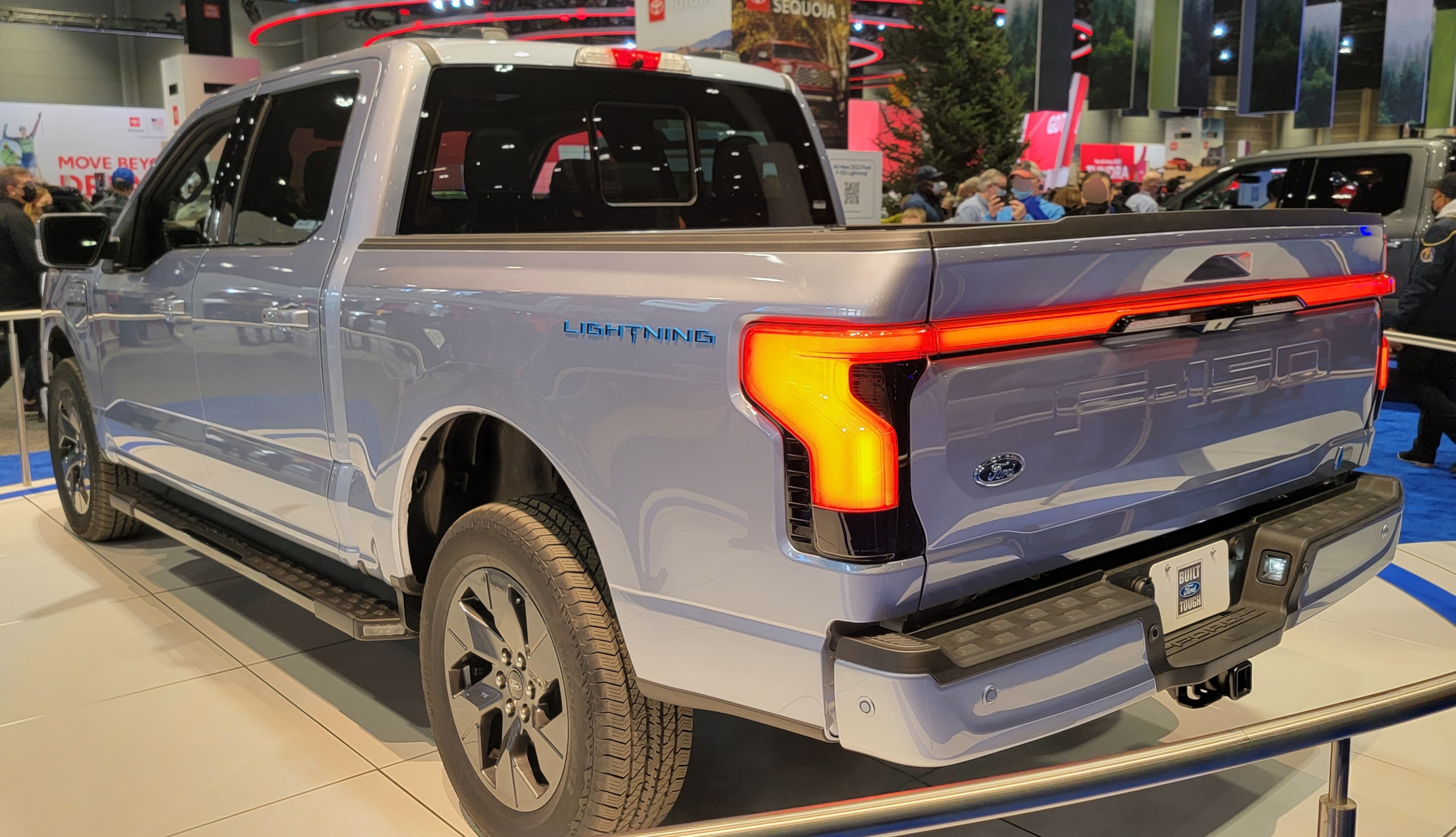
The 2024 F-150 is a new version of Ford's well-known truck. It's great for carrying heavy loads and has lots of modern features to help you drive better.
Flushing is when you clean out old fluid from a part of the car, like the transmission, and replace it with fresh fluid. This helps keep the car running smoothly.
A torque converter is a part of the car's transmission that helps connect the engine to the wheels. It allows the car to move smoothly, even when the engine is running but the car isn't moving, like when you're stopped at a traffic light.
The check engine light is a light on your car's dashboard that tells you something might be wrong with the engine. It can mean anything from a small issue to something more serious.
A fuel oxygen sensor is a part of your car that checks how much oxygen is in the exhaust. It helps the car's computer adjust the fuel mixture for better performance and lower emissions.
An air fuel ratio sensor is similar to an oxygen sensor but gives more detailed information about the mix of air and fuel in the exhaust. This helps the car run better and cleaner.
A catalytic converter is a part of your car that changes harmful gases from the engine into cleaner air before they leave the car. It's important for reducing pollution.
'Lean' means there is too much air compared to fuel in the engine, while 'rich' means there is too much fuel compared to air. Both can cause problems for how the car runs.
Oxygen sensors help your car's computer understand how much fuel to use for the engine to run efficiently. If they fail, it can lead to poor fuel economy and increased emissions.
Diesel vehicles run on a special type of fuel called diesel, which is different from regular gasoline. They are often used for trucks because they can be more powerful and efficient.
Warming up a vehicle means letting it run for a little while before you start driving. This helps the engine and other parts get warm, especially when it's cold outside.
The charcoal canister helps keep fuel vapors from escaping into the air. It captures these vapors so they can be burned in the engine instead of polluting the environment.
Car
Chrysler van
The 2023 Chrysler van is a vehicle made by Chrysler, designed to carry passengers comfortably, often used by families.
The brake rotor is the round metal part that the brake pads press against to stop the car. If it gets wet, it can develop some rust, which is normal and usually goes away after using the brakes a couple of times.
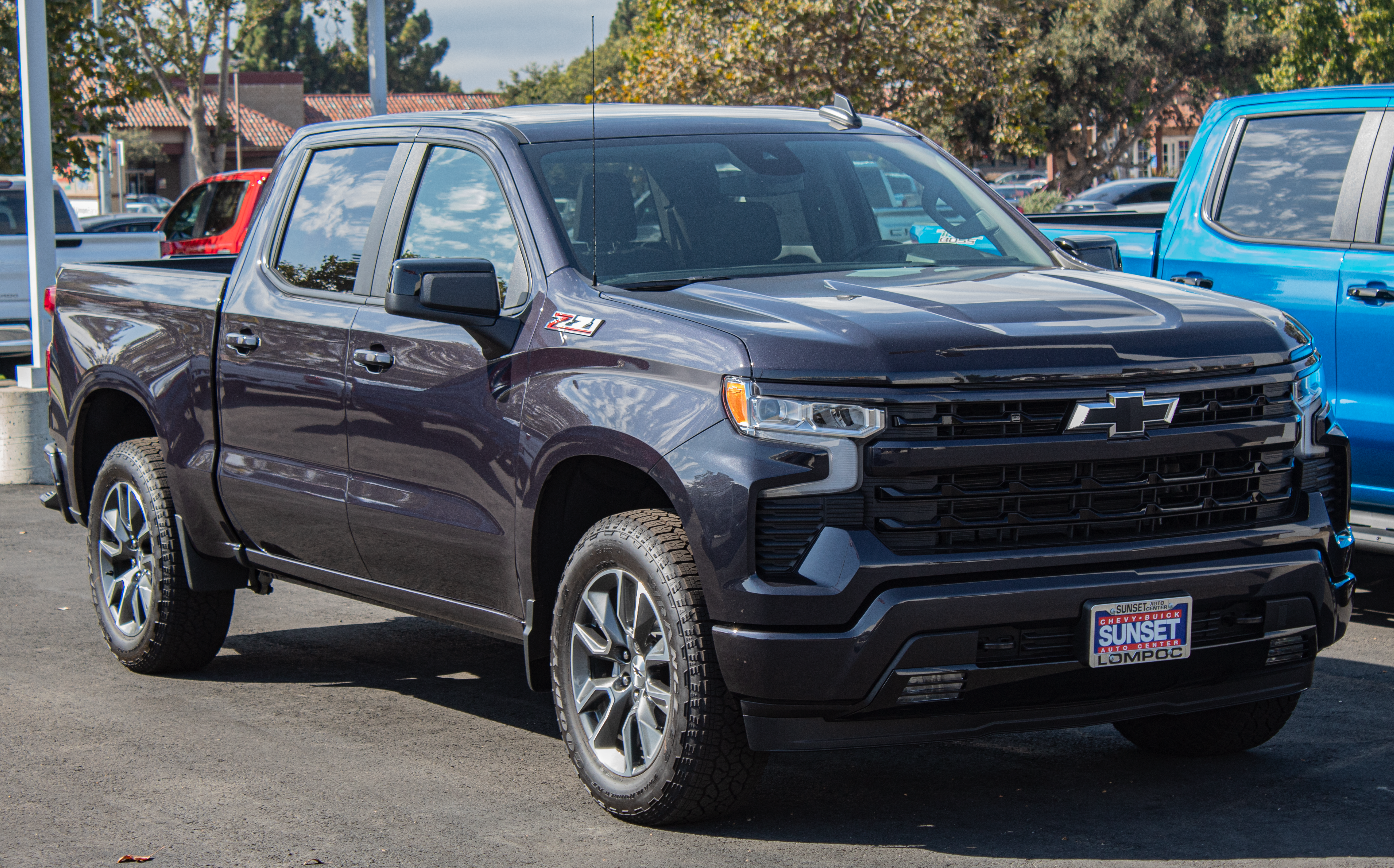
The Chevrolet Silverado 2025 HD is a strong truck designed for heavy work, like towing trailers. It's built to handle tough jobs and has lots of features to help with that.
Allison transmissions are special types of automatic gear systems used in big trucks. They help the truck move smoothly, especially when carrying heavy loads.
A wiring harness is like a bundle of wires that connects different parts of a car to help them work together. It carries electricity and signals to make everything run smoothly.
Rodent damage happens when animals like mice chew on the wires inside cars. This can break things and make the car not work properly, which can be expensive to fix.
A stabilization bar helps keep the car steady when turning. If there's a light on your dashboard about it, it means there might be a problem with how your car stays balanced while driving.
Anti-lock brakes help you stop your car safely without skidding. They make sure your wheels keep turning while you brake, so you can still steer your car.
LIVE
And it's this point on a Saturday morning when we kind of help you out with any problems
you might be having with your car, your truck, your van, personal vehicle that you may need
to take into your favorite dealer, your favorite shop to get repaired, but you want to know
what's going on.
Well, we found just the right person to analyze that over the radio.
That's Nick Stoffel from Lloyd's Automotive in St. Paul.
He is a, well, he owns the joint, but he also is an ASU certified technician and is a good
friend of ours here on the CCO radio.
Nick, good morning.
Merry Christmas.
Yeah.
Merry Christmas to you too, Danny.
I did, I did check.
It is tomorrow at 10, 10 o'clock that the solstice is here.
So after tomorrow folks, the days will get longer.
So let's hope.
All right.
There is, there is a silver lining on that cloud and actually after Al's forecast, warm
up, we're going to get some definite melting this coming week.
People will be using that, wouldn't you wash your fluid a lot that this coming week for
sure.
Again, if you have any questions, you don't have to be a motorhead to do it.
If you're experiencing some problems with your personal vehicle, call us or text us,
but keep in mind, this time goes by so quickly, Nick takes his leave about 745, making a way
for Ted Ferrell's wine chat.
So by all means, if you have a question or having issues with your vehicle, we'd love
to hear from you.
So call us, text us either way, whichever is easier, 6514619226.
What's the biggest issue that people are bringing their vehicles into Lloyd's these days?
Is it bad?
I mean, given the cold weather, now we're going to have a break in that.
But what's the, the biggest issue, heat, batteries, what?
Yeah.
You know, it's kind of a, I would say an old fashioned start to winter, obviously it got
cold and we got snow earlier than we have the last few years.
And I think a lot of folks have maybe put off some of those recommended items and, you
know, tires and batteries, wipers, all those things that, ah, you know, it's, it hasn't
been that bad.
We'll wait, we'll wait.
Well, then it happened and we've been quite busy and I think we're pretty full most of
next week.
Obviously we have abbreviated week with Christmas and such.
But I think folks are realizing that it's still December.
We still have, you know, several more months, unfortunately winter here ahead of us.
So if you haven't gotten those tires done, don't risk it.
You know, it's one accent costs a lot more than a set of tires, wiper blades are not
very expensive at all.
And they can keep you seeing where you're headed down the road.
If it's slow starting on a cold morning, that's kind of a warning to let you know the batteries
getting weak, have that tested.
If it's, you know, if it's at the end of the life, replace it now because it will likely
get colder.
And the last thing you want to do is be stranded somewhere on that cold morning.
I had my battery replaced.
This is the second time at Lloyd's, I think, since I've owned the vehicle.
And I was thinking as I was driving back home, how many batteries?
You as a shop owner.
I mean, are there just tons of variables of, you know, different manufacturers, different
size batteries?
I mean, you must have to store quite a few.
I think at Lloyd's we have about 80 batteries.
You know, many are duplicates because of popularity, but, you know, there used to be, it seems
like four.
Four batteries, four oil filters, one type of oil, it was two wiper blades, you know.
And now we have, I don't know, 30 different wiper blades and probably 50 different batteries.
Another 30 oil filters, you know, a dozen different oils.
It's, you know, but it's all no bad either because if they've learned, the manufacturers
have learned that we can, we don't be wasteful, you know, the right size battery with the
right vehicles.
A good idea, the right amount of oil, a smaller oil filter for a smaller capacity might be
not the worst idea.
So I think they've learned ways to help not waste all this product, get better, get the
most out of it, you know, better fuel economy, better emissions and I think they've done
a good job there.
It's just keeping up with it sometimes is a little difficult.
6514619226 is our phone number.
It's also our text number if you prefer any kind of a car care question this morning.
Here's one that came in.
A general question on car battery maintenance, Texas says, are those red and green battery
protectors any good?
I heard they could prevent solid connection of the battery clamps.
Also is that red battery spray necessary when changing batteries?
I've never had any corrosion issues.
I just basically use a wire brush to ensure a solid connection.
What are your thoughts?
I agree.
A clean surface is the best surface.
There's a lot of products and a lot of items out there that might advertise stains and
they might work, you know, but we don't use that.
We use some baking soda and water or brush clean up the surface, dry it off, make sure
you have a good firm connection there, make sure the connections are tight and it should
be fine.
But what happens is the battery ages and it starts to gas and the way the electrons work
and starts to collect and create that corrosion, which is kind of a heads up to let you know
the battery is nearing end of life.
So if you have a lot of corrosion, it can be cleaned, it doesn't mean the battery needs
replacement today or tomorrow.
It can be tested and cleaned, prolonged in the life there.
But a lot of those products, I'm not saying that they hurt bad, you know, we don't use
them because I don't think it's necessarily, I think if you do a good job cleaning and
installing, it should work just fine.
That's one of those things we talk about, cars run themselves it seems like and at least
I should just speak for myself.
I became kind of maybe lazy is the word and I never clean the battery terminals.
We all have.
We all have.
I don't know.
You know, we're supposed to check our oil, I'll be honest, I don't know the last time
I checked my oil.
I mean, you probably do Danny because you're very organized and you do a great job, you
know, you're one of the few, but it's, we're so busy and there's so many indicators so
we become kind of complacent, you know, but you know, you're right.
You know, next time you're filling up that vehicle with gas, you know, pop the hood,
take a look, look at the washer fluid that you mentioned, we're going to need it this
week.
So if you're getting any gas this week, grab a jug of that stuff, top it off, put the
balance in the trunk and you probably need it before weeks end again.
So a little preparation goes a long way.
I've never seen a windshield change, but a texture wants to know what's an all involved
in changing a windshield.
I know there's a lot of glass companies out there that do a pretty good job, but I've
never seen it done.
Have you?
Yeah, yeah, we do.
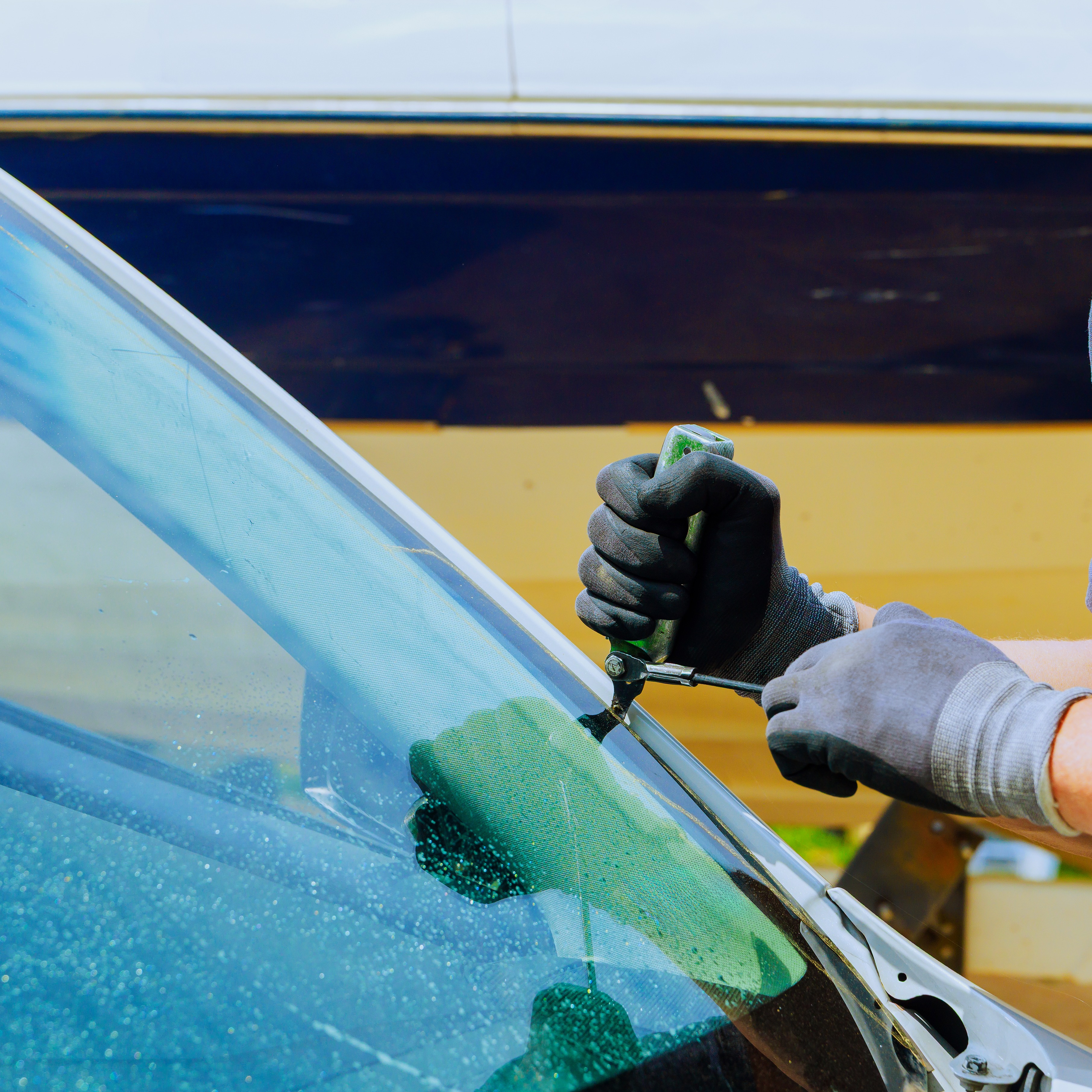
We have, we have a partner that does that for us and, you know, it's essentially, there's
some adhesive that they glue with the windshield down so they need to break the old adhesive
to take a cutting tool, free up that glass from the body of the vehicle, they'll take
some primer product to kind of prep that area, put the new adhesive in, reset the new windshield.
It doesn't need to sit and cure for a bit.
You know, typically this time of the year they want to do it inside to make sure it's
a better fit and then we don't want any leaks or anything like that, but it's, it's kind
of fun to watch because you're like, well, it didn't look that hard, mostly because
the guys that do it do it every day, all day long, so they make it look easy.
Yeah, absolutely.
Before we break, I was reminded, I reminded myself one Saturday morning when I was in
the studio finishing on the air, it was probably 11 o'clock in the morning and I was leaving
to come back home and my vehicle at the time was parked kind of just outside, you know,
the station, not, not far and it was pouring rain and somebody must not have liked the
show because I got in there and my whole rear window was gone.
It was like somebody threw a brick in it, although there was no brick in the car, the
whole back window was totally gone and glass of course all over and I thought, my goodness,
was it that bad?
But I, and this was in the 11 o'clock in the morning, downtown Minneapolis.
Well, I'm not going to comment on that, but that, that, but my point is they, this was
kind of not an extra job because you've got those heating elements back there, right?
You had to redo that.
The back, the back windows, you know, an extra element of work there and I do remember those
parking spots.
There was very few of them, so you had to make sure you, otherwise you were walking.
So I usually had to walk because I didn't get to nearly as early as you did, but that's
true.
Yeah, but anyway, it's pouring rain, but there was a whole nother story.
But yeah, that's, and they did a great job.
So all right, we need to take a break.
Let's invite our listeners again to join in on this conversation.
Any kind of a car care question, we'd love to hear from you.
Six five one four six one nine two two six from news talk eight three oh W CCO.
Good Saturday morning to you.
Welcome back to CCO's car care show.
Hello Denny Long here, along with Nick Stoffel from Lloyd's Automotive in St. Paul.
Nick, we have 25 degrees.
That's probably our high for the day.
We're going to be dropping to about three or so above zero over and I 28th or high
tomorrow, even warmer this coming week.
For those that may need the help of Lloyd's Automotive, tell folks who don't know where
you guys are located.
How do we get in touch?
Yes, sir.
So as always, if you have a question and you need some answer before you take it into your
shop or dealership, we will help you.
You can reach us at 651-228-1316 and if you're out doing a little last minute holiday Christmas
shopping on Grand Avenue, stop and say hi.
We're at 982 Grand Avenue.
That's two blocks east of Lexington Parkway.
If you need more information, you can find our website at Lloyd's Automotive.net.
We will get you that information just before Nick leaves us, which is about 745 this morning.
So call us in Texas, 651-461-9226 with any car care question you may have.
Here is another one, storing a 2024 F-150 in a cold building.
Is it okay to hook a trickle charger to the battery?
Is that a good idea or not?
We talk about these a lot.
Yeah.
If it has the float setting, I mean like it's a little battery tender where it kind of little
less than an amp and then as that battery voltage might go down a little bit, it'll
top it off.
I guess a battery charger per se that's put in a couple amps could overcharge the battery
so I'd be very careful.
Make sure it has that float setting, meaning that the charger itself can see that the battery
is full and it'll stop.
And if you don't know, I would wait.
So it also depends how long is it going to be stored.
If it's a cold building, if it's just a couple of weeks, maybe you don't have to worry about
if it's the duration of the winter, it might be worth the investment buying the right tool
to keep that battery topped off.
All right.
Very good.
Texture says this 2010 Sienna Minivan, 228,000 miles on it and I'm looking, Texture says
to have the transmission fluid changed.
The last change was 50,000 miles ago and it was a flush.
My question is, what should this transmission change consist of?
Just a drop and fill, pull the pan or a regular flush.
What would you recommend?
So you know, they changed a lot.
You know, you go years and years ago, the only thing we did was pull the pan down, got a
new filter, you end up replacing maybe a third of the fluid because there's a lot of fluid
inside the transmission torque converter.
Then they came along with those flushing machines where we would circulate through and get new
fresh fluid in there.
And then most common these days, based on design, is a draining fill where essentially
you pull a plug like you do with the motor oil, drain the fluid out, there's a capacity
that gets put back in and you're down on the road again.
So not all transmissions have a replaceable filter, depends on the make and the model.
You know, it depends on the condition of the fluid, if there's any debris or any signs
of additional concern.
But regular maintenance, most vehicles these days is a draining fill.
I think if you do that on a regular basis, that's probably sufficient.
It sounds like this, this person has quote a few miles on it.
So you know, if it is equipped with the filter, it might be not a bad idea.
I would inquire with your shop or dealership and see what they have to say.
Well, that's something else for me to think about.
Okay, looking at another text, my check engine light comes on intimately.
And I had the code checked and it's the fuel oxygen sensor.
How important is that I have this fixed immediately or can I wait?
So depending on the vehicle, there can be anywhere between two and four, sometimes more
oxidant sensors, sometimes referred to as air fuel ratio sensors.
Essentially what they do is that they're mounted in the exhaust, sometimes before the converter,
sometimes after the converter.
And they're telling the computer how lean or rich the exhaust is, meaning is it burning
all the oxygen or is it running too lean or too rich?
That input goes back to the computer and adjust accordingly.
Depending, you know, there's many codes and this is always a frustration of mine.
People get a code and they assume that that code tells you that it's a faulty part.
In actuality, that code gives you a fault in the system.
Could it be an oxygen sensor?
Sure it could be.
Could it be some wiring issues?
It could be.
Could there be air gating into the system, giving it a false reading?
It could be.
So let's not assume always that it's just a component.
So I would say you had the code read.
The next step is to have it completely diagnosed, figure out exactly what, where, when and how
that make a better informed decision.
In upstream, oxygen sensors are pretty good input to the computer.
So if that is the faulty component, that probably should be done sooner than later.
But once again, you need to do a little, get a little more information before we make that
decision.
All right.
Very good.
Again, 6514619226, any kind of a car care question you may have this morning.
I know we don't talk about diesel vehicles very, very much here on the show, but I'm
looking at a text and we talk about warming up vehicles.
This text wants to know how many minutes should a diesel pickup warm up on cold winter mornings?
Is there any difference between just gas or diesel as far as warm up?
You know, I think even with the diesel fuels and the design of the vehicles, they've done
a better job of making them handle the cold temperatures.
You know, if you go back, you know, I'm a little bit older now.
So you used to plug them in, you'd have that screen on the front of the grill to keep the
cold air out.
And there's a lot of things you had to do to keep them running on those cold days.
But I think that the way that they're built and designed now, you know, you can start
them up, give it a moment or two, but once it's up and running, I think the vehicle itself
is satisfied.
It's more back to our comfort where we want, you know, it might take a little bit longer
to get the heat going in the vehicle.
Maybe while the car is warming up, you can clear the windshield and do those types of
things that just take a minute or two.
But I don't think you need to let run overly long.
Here's a question we get every year about this time.
And I know you always try to clarify it.
Clarified, what does windshield have to do with our vehicles?
I know windshield generally is talking about the human skin, but I swear when it's windy
and it's 10 below, my car definitely cools down a lot faster.
I think it'll cool it down faster, but the ambient temp is all the colder the car can
get. You know, the windshield is what burns our skin.
That's what makes us uncomfortable, sometimes extremely uncomfortable.
But I think all that really will do is cool the vehicle down quicker.
But once it hits whatever ambient temp is, that's all the colder the car can get.
That's it. So if it's 10 below with no wind, it's 10 below.
That's it. And with the wind, it's still 10 below for as far as the car is concerned.
It just maybe it's just perception.
Let's grab a phone call this morning, Patrick, checking in from St.
Paul, I believe Patrick, thank you very much.
What is your question for Nick?
Good morning. I've got a 2018 GMC Yukon XL, and periodically I would smell gasoline
in the passenger compartment.
It's becoming a little more frequent.
It seems more likely when the vehicle is above three quarter full.
And unfortunately, my driveway is at a bit of a slant.
So when it's parked kind of nose down in the driveway, I'm wondering if that's any kind
of a problem or if you have any ideas on what it might be waiting to get it in by mechanic.
Well, you know, obviously if you're smelling it, it's venting from somewhere.
I would usually expect though, if there was something within the containing of the fuel
and the fuel vapors, you know, there's the fuel tank, charcoal canister.
There's a series of lines and hoses and some solenoids and switches.
But if one of those was faulted, typically I'd expect the check engine light to be on with that.
So if the check engine light is on, obviously we have a code that can kind of head us in one direction.
You know, a lot of times we need to get there and visually look.
You know, I would mention little critters sometimes they can get up on top of the fuel tank
and eat away at something and create a little bit of not necessarily a gas leak,
but enough of a vapor leak that we're under the right situation, you might smell that.
So I would probably get it in if you're not seeing any fuel on the ground.
Obviously you don't have a significant leak, but you know, the fact that you can smell it
should be enough of an alarm to say this should be a bit of a priority and get on somebody's schedule.
Very good. Good luck with that, Patrick.
Question from a listener via text.
Why do my 2023 Chrysler van brakes make a high-pitched piercing hum
while initially backing out of the garage?
But after driving, they don't do that when backing up.
That happens a lot. It happens in my vehicles too.
It does, you know, condensation, moisture. I will call it some surface corrosion on that
brake rotor. The rotor is bare steel, so it gets overnight on a humid garage or you pull your
vehicle in and it's wet or snow and as it melts, it's going to create a little corrosion there.
When you back the vehicle out in the morning, you apply the brakes.
It has to clean that corrosion off and that's what you hear.
And you know, my truck sits outside and I have the same. I go down the driveway
the first time I touch the brakes. I get a little squeak from time to time and
it's just that. It's just a little bit of corrosion. It's gone after that first stop or two.
So nothing to worry about. You know, we do get that call a lot and that question a lot,
but I promise you that your brakes are working and it's just that, just cleaning up a little bit
of corrosion.
Forget about it. Okay. Nick, hang on. We're going to take a break. Have a look at that forecast.
When we come back, we'll have more questions via text and your phone calls.
Any car care questions? Love to hear from you.
651-4619-226 from News Talk A3O. This is WCCO and welcome back to CCO's Car Care Show.
Denny Long here along with ASC certified technician Nick Stoffel from Malloy's Automotive in
St. Paul and welcoming your car care questions either by phone or by text as usual.
651-4619-226. All right. Here is yet another text to Nick.
Text says, I recently purchased a Silverado 2025 HD and now I'm hearing there may be issues with
the Allison transmissions. Are you able to shed any light on that or have you seen any problems?
What is that text you're talking about? Do you know?
There are some fitments on some of the Chevrolet or GM trucks that have some transmission issue,
but I don't think it's that transmission. I think it's for more, not the HD, but more the
half ton or like the SUVs. I don't think because I have the same truck and mine's been fine.
I don't think it's that. I think it's the other transmission. I think you're fine.
As always, every making model has their hiccups and I wouldn't be too worried because there's a
warranty and if they get the problem resolved, they'll have a recall. I wouldn't be overly concerned.
I wouldn't go get rid of the vehicle, but I think it's a different transmission that they're
having problems with. I don't think it's the one that fits that vehicle.
Okay. I know we had a question earlier about warranties. If somebody has bought that special
warranty down the road, does Lloyd's Automotive work on those? You guys accept those, right?
We will absolutely accept the extended warranty and the little disclaimer is those extended
warranties are a form of payment and what I mean by that is obviously the salesperson when
you're buying the vehicle tells you everything and how great it is. That sometimes is true,
but I will also tell you after a few years, sometimes that's not always true. A lot of times
we'll not approve certain repairs and we do our very best to negotiate and make sure we have a very
clear explanation and we read the contract very carefully. We're doing the very best for the
consumer as we can. Just be very careful with those extended warranties. Some of them are just
great. Some of them are not so much and as always, you get what you pay for. If it's really inexpensive,
it probably doesn't cover as much as they're telling you. Just keep that in mind and read
everything, everything. Grabbing a phone call this morning, Dave checking in from Blaine,
I believe, this morning. Hi, Dave. What is your question for Nick? Hi, guys. Do you have a question
regarding wiring harnesses? I've noticed years ago they used a soybean covering. Are they still
doing that? I've had some issues with that mice within soybean harnesses. We see that and I don't
know what they make the product to make them out of, but we're still told that and I don't know
if on the newest vehicles, but there are certain manufacturers over the years that seem to be more
susceptible to rodent eating certain wiring harness in certain areas and they've made tape
that the critters don't like the taste of this. Sometimes you can wrap on there and some other
products, but as far as how they've evolved, I honestly don't know. I'd hope that they take
that consideration and make an adjustment so it's not as attractive as something for them to chew on.
All right, very good. Thank you for the call. This texture, all right, I'm jumping ahead.
We're getting more as we speak. Here's a 2011 Chevy Silverado. The rims are getting a little
bit rusty. Is this ever a safety concern? No, we talked about this a couple weeks back.
Depending on the makeup of the wheel, if it's an aluminum type product, a lot of time that corrosion
as it bubbles up, it can have a bead leak. If we have a tire, they'll get low on air.
I don't think it's any kind of safety issue, but if you are adding air on a
similar regular basis to your tires, probably we're taking it in, have them dismount the tire,
clean that bead surface of the wheel and the tire, put some product down there to help seal it up
and put it back together. This listener, Nick, has a light on their dash that says
stabilization bar. What is that? So if there's something where it says stable track is really
what it is, is kind of when we hit slippery spots as they're accelerating down the road,
the car knows at what rate all four wheels are spinning. Just like braking, anti-lock brakes,
it's kind of the acceleration version of the anti-brake system, so it keeps us from spinning
their tires and getting out of control. So usually you'll see on a nice day or a slippery day that
some of those systems are actuating or operating. You might hear a little buzzing or humming that
associated with that, but that's just the car trying to keep you straight on the road.
All right. Good morning, texture says I stored my vehicle covered and in a heated garage,
so I need to use a trickler for the battery, unhook the battery or leave it as is. It'll
be parked until April or May, so there you go with a heated garage. What about just unhooking the
battery? That will take away any kind of draw on the battery, obviously, and it's fairly minimal.
Once the car is at rest and it's been shut down, there's very minimal draw, just kind of keep
live type material. You can disconnect the battery. That's fine. You can put a trickle charge draw on
there or remove it. I'll think all three options are reasonable. I would say based on accessibility.
So if that battery is buried and it's complicated, I would probably leave it alone. Maybe you can go
out in a month or six weeks from now and maybe just check the battery voltage,
if you have that capability. If you're not sure, maybe put the battery tender on there for a few
days or a week to kind of let it top it off, but usually in a heated controlled environment,
it should probably be okay. But I would just, if you're curious enough, you can do the small
steps and that might kind of help a little bit. Here's, I think, a good question or comment.
Texture says, I have my headlights always set on auto. Is that the best setting? Sometimes
in bad weather, the radio, meaning CCL, of course, will give drivers a reminder, fully turn on your
headlights. Sometimes I wonder if my tail lights are actually on with that automatic setting. How
should headlights be set? Now that's really, I think, important, especially given not only heavy
rains, but the wind and the snow that we have. So many people set it on auto. You can't see their
tail lights. And in some cases, their headlights are not on. Well, the, we always have our daytime
running lights on. Now the, unless you turn them off, unless you turn them off and the, if you
have it on auto, as it gets dark, that little light element on the base of the windshield or
at the behind the rear of your mirror, well, since that'll turn all the lights on like they're all
operating as if you turned them fully on. If you're concerned and it's, you know, not quite
dark, but the weather's not the best, you can turn them on. There's nothing wrong with that.
Just have to remember to shut them off because as we've all become accustomed to,
you know, and most often your car will ding at you or beep at you when you try to leave the vehicle
if the headlights are left on. But in some cases, they don't do that. We end up with a dead battery.
So if you're, if you're the type where the, you know, it's kind of in between weather wise,
maybe it's a little bit foggy, but not quite, you know, enough to make those lights come on,
you can turn them on. There's no problem with that. And if it gets dark enough,
all the lights will come on as they're designed anyways. You know, you'll notice if you go into
the tunnel going through Minneapolis, you get, you know, a few feet in and also the lights pop
on, but then you get back on, they pop back off. So the same, same kind of idea where you're going
to a car wash, the same thing will happen. So, you know, it's, the cars are designed to pretty
well protect us, but if you're kind of in that cusp where you're not very comfortable, turn them
on, but just don't forget to shut them off. But keep in mind too, in snow, in rain,
when there's a weather happening, it's the law. Turn on your headlights. See a lot of folks who,
I think, I think they just forget, you know, because it's on auto. All right, that's for a whole
another show. I tell you what, we, we have to run, make way for Ted Ferrell's wine chat. But in the
meantime, Nick, tell everybody who needs some help from Lloyds, how do we find you guys?
Always am. If you have a question, you know, we're there most days, not the weekends,
they were there most days, you can reach us at 651-228-1316. And like I mentioned earlier,
if you're out doing your final shopping before Christmas here, we're at 982 grand. Stop and
say hi. If you need any more information, our website's full of a whole bunch of stuff there.
So check it out at LloydsAutomotive.net. We'll do that very thing. And again, Nick, to you and your
family, their families, Merry Christmas, and let's do this Saturday after Christmas.
That sounds like a date to any of you two. Thank you, sir.
Thank you so much. Nick Stoffel from Lloyds Automotive.
About this episode
Nick Stoffel from Lloyd's Automotive shares valuable insights on winter vehicle maintenance, highlighting the importance of checking batteries, tires, and wipers as cold weather sets in. He answers listener questions about battery care, windshield replacement processes, and the specifics of warming up diesel trucks. With practical advice on handling common issues like corrosion and brake noises, this episode is packed with tips for keeping your vehicle in top shape during the winter months.
The importance of keeping your battery clean. The process of changing a windshield. Keeping a battery charged for a vehicle in storage. How long should a diesel pickup truck be warmed up in the winter? Does windchill impact a vehicle? Be careful with extended warranties. Concerns over automatic lights. Ask our car care expert Nick Stoffel of Lloyds Automotive. Visit lloydsautomotive.net 651-228-1316.