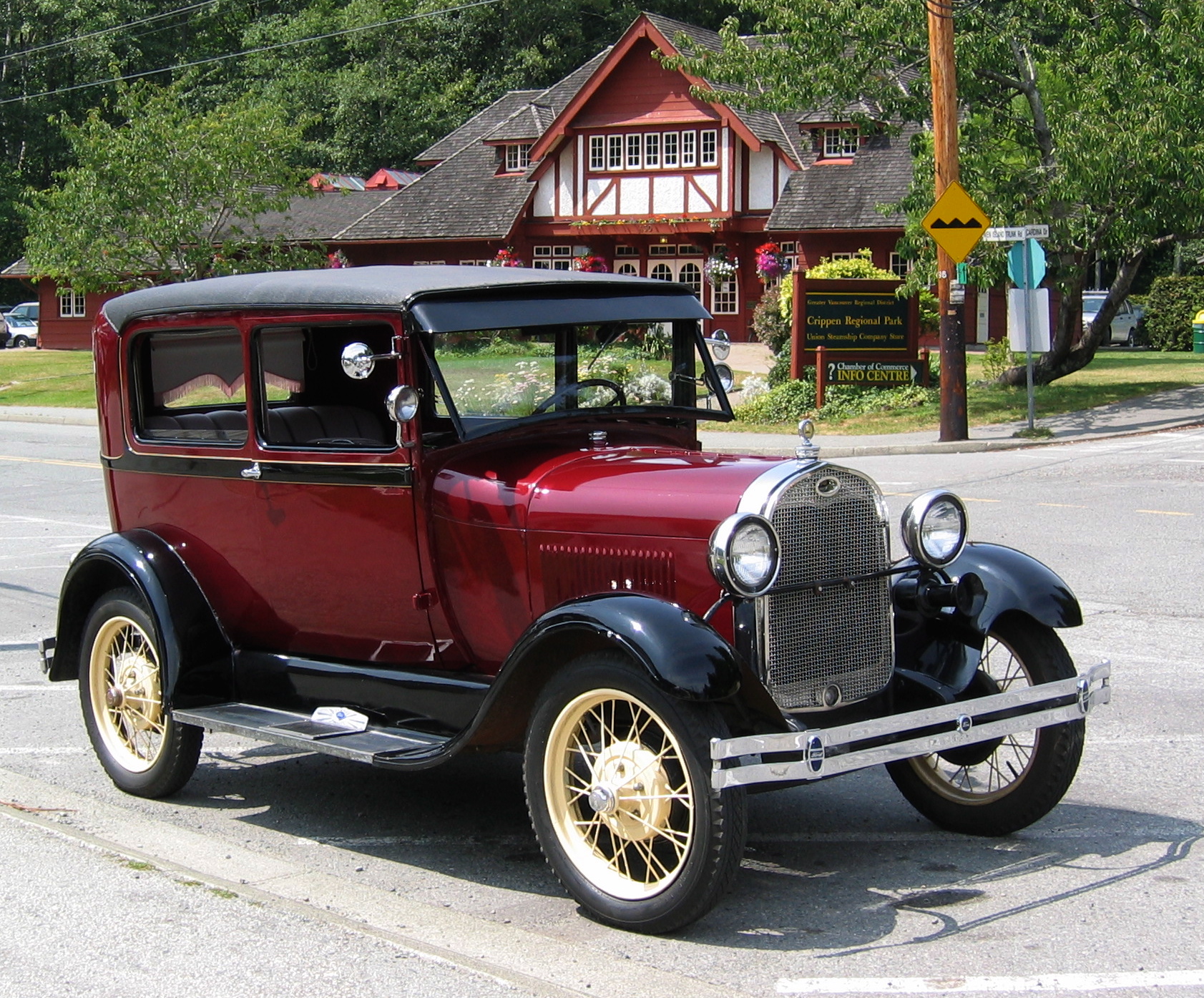
The Ford Mustang is a famous sports car that many people love for its speed and style. The models from 2015 to 2017 are part of a newer version of this car.
The Ford Super Duty is a series of strong trucks made by Ford, designed to carry heavy loads and tow trailers. They are popular for work and construction.
A 360 degree camera system uses several cameras around the car to show a complete view of what's around it. This helps drivers see better when parking or driving in tight areas.
Stellantis is a large car company that makes many different brands of vehicles, like Jeep and Dodge. It was created when two big car companies joined together.
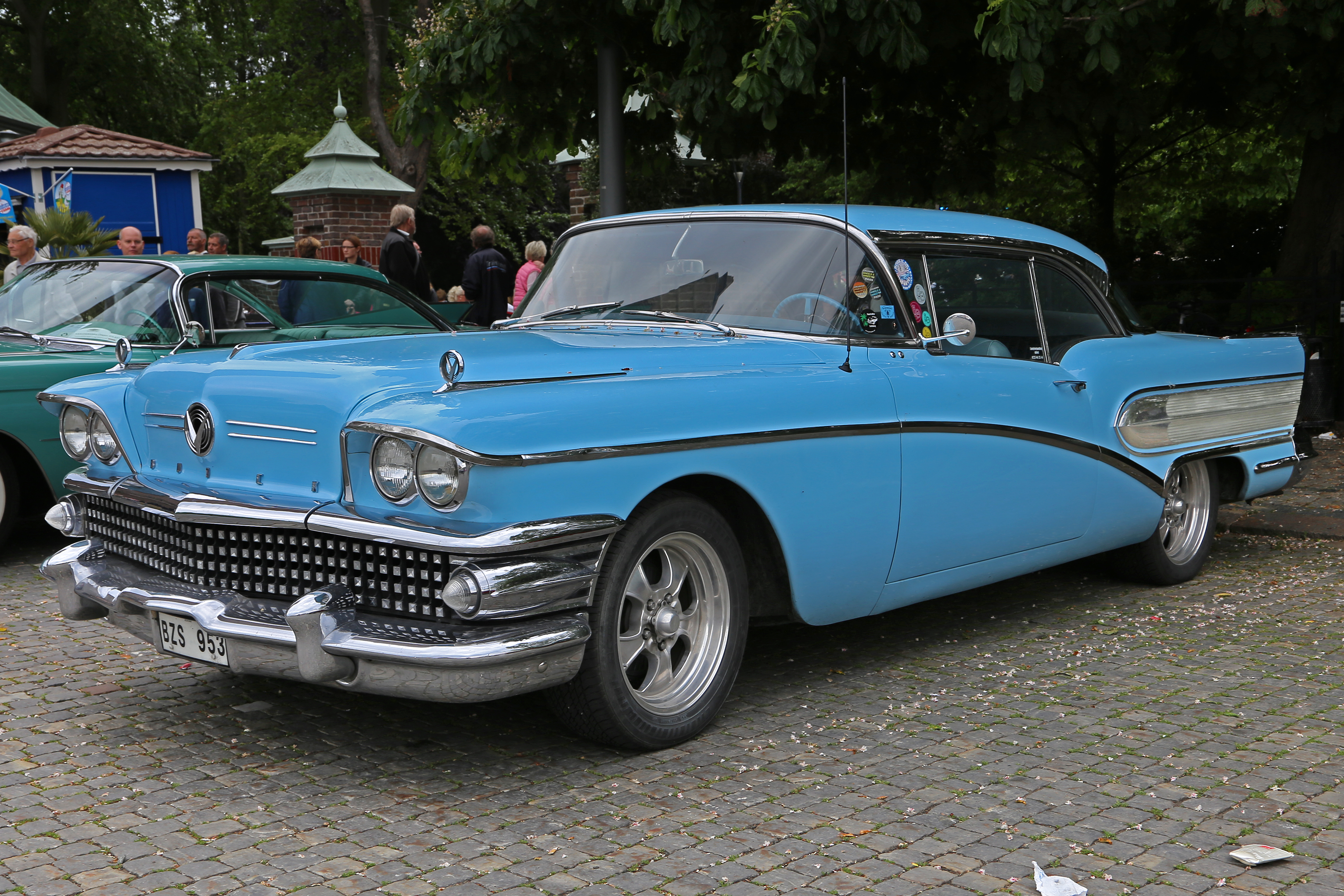
The Buick Century is a comfortable car that many families used to drive because it was reliable and easy to use. It's being talked about now because the company is trying to make new and better cars after a long time.
The Jeep Compass is another type of SUV made by Jeep. It's smaller than the Cherokee and is designed for both city driving and some off-road adventures.
Formula 1 is a type of car racing that involves very fast cars competing in races called Grands Prix. It's popular worldwide and features some of the most advanced technology in motorsports.
The Chrysler 200 is a type of car that is a bit bigger than a small car but smaller than an SUV. People talk about it because it didn't sell very well and is often found at lower prices now.
A mid-sized SUV is a type of vehicle that is bigger than a regular car but smaller than a large SUV. It has enough space for passengers and luggage, making it a good choice for families.
MSRP is the price that car makers suggest dealers sell their cars for. It's like a starting point for how much a car should cost, but dealers can charge more or less depending on different factors.
The Jeep Wagoneer is a large SUV that can go off-road and also has a lot of luxury features. It's important because the company is changing its prices to get more people interested in buying it.
The Jeep Grand Wagoneer is a big, fancy SUV that can handle rough roads but also has a lot of nice features inside. It's important because it's a modern version of a classic car that many people loved in the past.
Car
Stellantis Grand Wagoneer
The Grand Wagoneer is a high-end SUV made by Stellantis, a large car company. The 2026 model is the newest version, and it has recently had its price lowered.
Supply and demand is a basic idea in economics that explains how prices are set. If many people want a car but there aren't many available, the price goes up. If there are lots of cars but not many buyers, the price goes down.
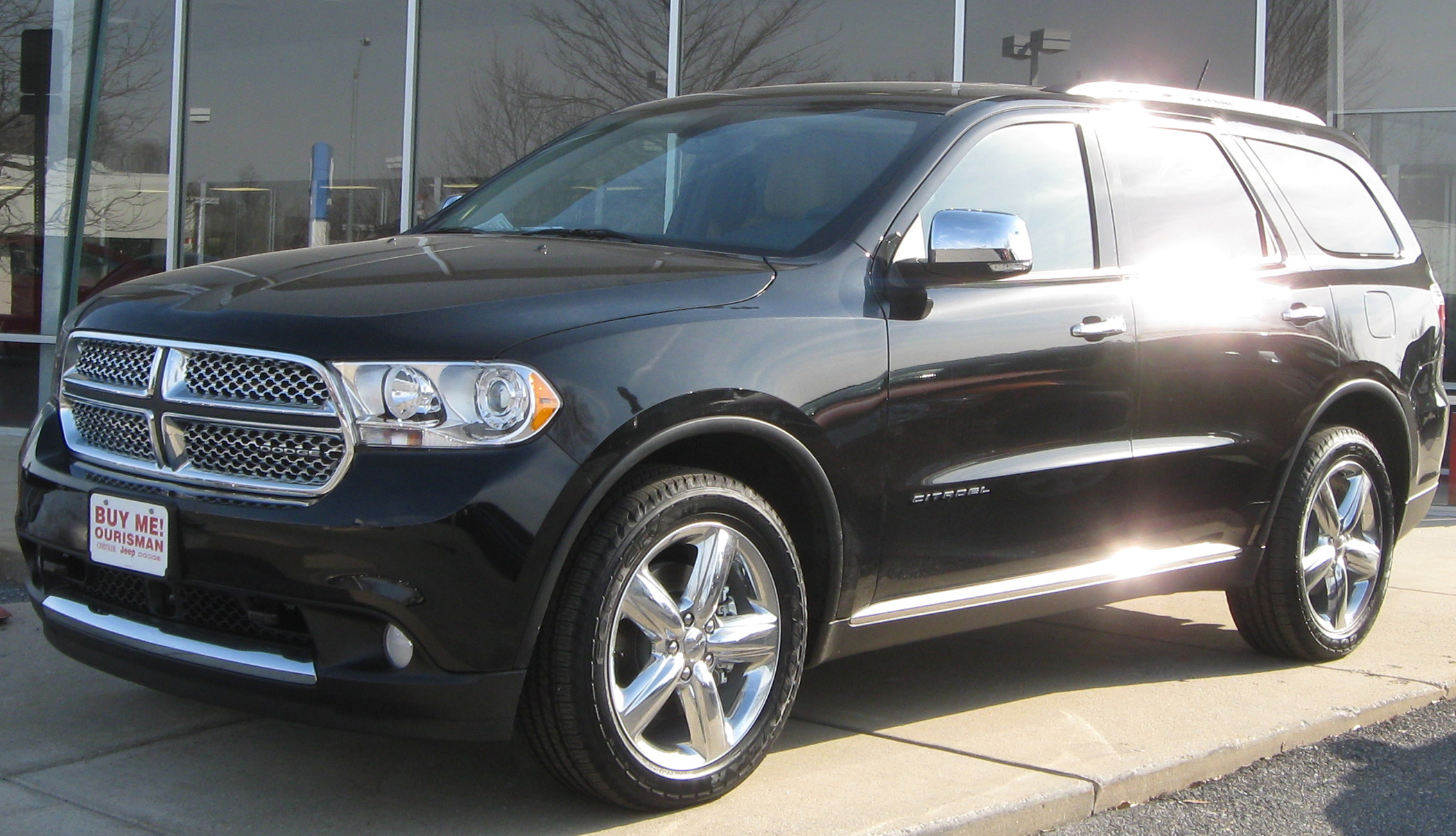
The Dodge Charger is a big car that many people like because it looks tough and can go really fast. It has different types of engines, including a powerful V8.
The Tata Motors Aria is a type of SUV that was designed to be spacious and comfortable for families. It's mentioned because many car companies are always changing their models, and some cars like the Aria don't stick around for long.
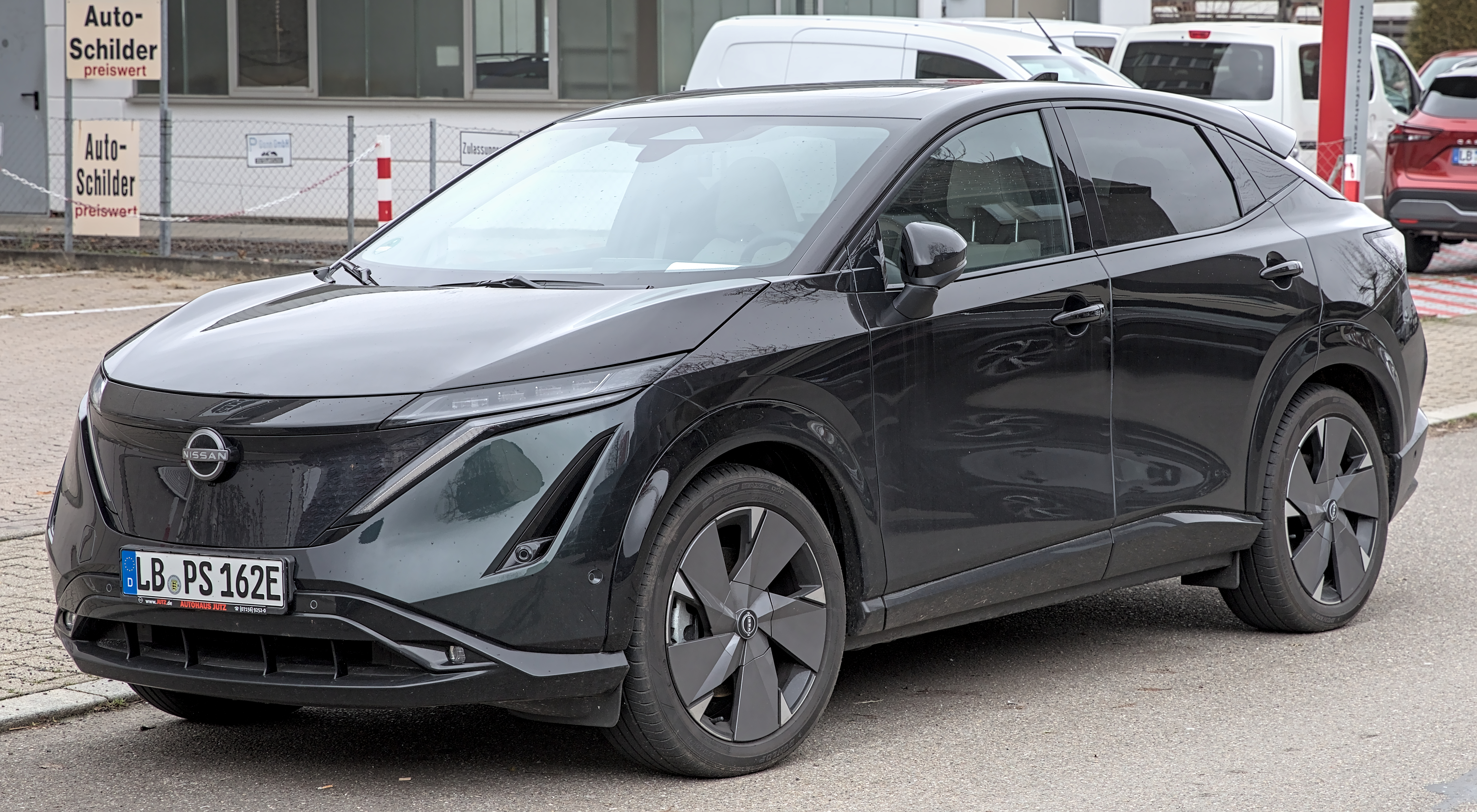
The Nissan Ariya is a new electric SUV from Nissan. It's designed to be modern and tech-savvy, making it a part of the growing trend of electric vehicles.
The Acura ZDX is a luxury SUV that was made by Acura. It had a unique look and was designed to be both stylish and practical, but it didn't sell well and was eventually discontinued.
An auto hauler exchange is a service that helps people find companies to transport cars. It makes moving cars faster and easier by connecting those who need to ship cars with transport companies.
Central Dispatch is a website where people can find companies to help them transport cars. It's a way to make sure cars get moved from one place to another safely and quickly.
NADA is a group that helps car dealers in the U.S. They have a big meeting every year where dealers can learn and meet each other.
LIVE
We're doing better as a result of social media presence.
It doesn't do those three things, then it's on the chopping block.
It's in return on investment discussion.
Hey, everybody.
Welcome back to another episode of the Daily Dealer Live.
This is your host.
I'm your host, Sam Dark.
This is the space where automotive comes together to learn, to share, to have a real voice in
what's happening across our industry.
So if you're a dealer, a vendor, or someone just passionate about this industry, you're
in the right place and let's dive in on this Monday, September 20th.
First up today in the news, used vehicle sales cooled in September pushing inventory to its
highest point of the year.
This is according to Cox Automotive's V-Auto Live Market View.
And when we zoom in on the numbers, dealers held 2.26 million used vehicles at the start
of October.
That's up 3% versus September and 10% year over year.
Meanwhile, retail use sales fell 5.2% from August with CPO sales down nearly 20%.
Though both remain higher than last year and the average listing price climbed to, get
at this, $25,825 continuing steady upward pressure on affordability.
Looking ahead with buyers pulling back and inventories rising, dealers are entering a
more cost sensitive used market, one that rewards a discipline and a sharper focus on value
heading into the end of the year.
Next up today, who is the most recalled OEM in all of automotive at 9.5 million vehicles
spanning over 100 campaigns?
The answer is Ford.
Ford today is recalling more than 625,000 vehicles for seatbelt and backup camera issues that
could increase crash risk, this according to federal regulators.
The first recall affects over 330,000 mustangs from 2015 to 2017, where corrosion can weaken
the front seatbelt anchor cables and prevent them from restraining occupants in a crash.
And the second recall covers nearly 292,000 super duty trucks from 2020 through 2022, where
the 360 degree camera system may fail to show proper rear view images in certain lighting
conditions.
I'd be curious, I'd be interested to know exactly what does it show if it's not the
proper image, but nevertheless, big picture, Ford continues to lead all automakers in recall
activity.
As we mentioned, that's 9.5 million vehicles over 100 campaigns here today.
For dealers, obviously it's an opportunity in service for manufacturing and burst work
that fills bays, but also competes with higher margin customer pay jobs.
To find out more about this recall, head over to CDG Recall Tracker, powered by Busycar
at CDGRecalls.com.
And finally up today, Stellantis is making a $13 billion push to grow its U.S. footprint,
promising a 50% production boost, five new models, 19 refreshes, and 5,000 new jobs across
plants in Illinois, Ohio, Michigan, and Indiana.
And as a dealer group in the Midwest, bring it.
Let's go.
CEO Antonio Felosa called it the company's biggest investment in a century.
The plan includes reopening Belvedere Assembly for Jeep Cherokee and Compass funding a new
midsize truck in Toledo and launching a range extended SUV in Warren by 2028.
Additional funding will go toward Detroit and Kokomo for next generation Durango and
Engine programs.
Zooming out, Felosa says the strategy puts customers back at the center, strengthens
U.S. manufacturing, and aligns with President Trump's push for domestic production.
And we can't leave today's news without talking tariffs.
So let's do it.
The Trump administration is rolling out new tariffs on imported trucks and parts.
It's 25% on medium and heavy-duty trucks, 10% on buses, while giving U.S. automakers an
extended break on existing duties.
The new tariffs kick in November 1st.
Imports covered by the U.S.-Mexico-Canada agreement are exempt, but that doesn't apply
to buses.
At the same time, President Trump is extending a tariff discount for automakers that build
and sell vehicles here in the U.S. through 2030.
There's also a new carve-out coming for companies that make engines domestically.
Though that one won't take effect right away, together these moves are meant to encourage
more U.S. production, but they show how tricky it is to balance manufacturing incentives
with global supply chains.
Some truck makers have warned the tariffs could raise vehicle costs and ripple through
construction and shipping.
Still, automakers like Ford and GM, which had pushed for trade relief for calling the
decision a win for American manufacturing, and that's a wrap on our auto industry news
on this Monday, October 20th.
What's up, beauty?
Welcome back.
Good to have you back on the show.
Good to be getting back at it.
What a weekend it was.
I was a Formula One with my son, Nate, props to Nate, if he's listening to the show.
He and I were talking through the weekend.
He's like, I didn't even know you did a show.
I was like, yeah, you should listen.
He's like, maybe I will.
So if he is, props to him.
But we had an incredible time there on the track watching all the action.
F1 is fun.
Like, we do a lot of NASCAR, Ziggler.
F1 kind of like does five or six times up on top of NASCAR.
Yeah, it's a wild ride.
It's definitely an experience.
I'm happy you guys got to see it.
Who dominated this weekend?
I didn't get to watch.
Team Red Bull, it's amazing.
Max had as much as a 10-second lead throughout the entire race.
Not the sprint.
The sprint worked out a little differently.
But guess who I saw in line to get in?
So it was kind of a cool thing, Vinay.
So I'm looking around, lying to get in.
I see all these AT&T badges around me.
And I'm like, wait, AT&T, we know Vinay from Nissan.
And it was very cool.
He and I had an opportunity to just sit and chat for a few seconds.
Oh, that's awesome.
Learn a little bit about what he's doing today.
He still had a ton of concern.
Not concern, he still had a ton of questions and expressed, you know,
that he's still connected with everybody at Nissan and just has nothing but well
wishes and hopes all the best for that group.
You know, sitting, talking to him, he's the real deal.
He's a great year.
So and he's going to crush it.
1,000% at AT&T.
So props to Vinay and actually to our entire audience, obviously, we always say
this for those joining our live stream.
We're live across all CDG social media platforms.
Post your comments.
We'll bring them into today's show and what a show we've got for you today.
We're going to actually start out right off the top diving into some of our
Stellantis news, getting a little bit of a dealer behind the scenes.
Look into all things Stellantis and we'll obviously bring your comments
into the feed as well.
Right now, yoga car says Curious Afford will lead with trade ins.
Will all this recall traffic hitting dealerships?
Good question.
So keep those comments coming and we'll bring them in to today's show.
But Yulia, if you're ready, let's dive into it.
You said, all right, let's do it.
So starting out today, managing partner of Cape Coral CDJR, Josh Clinton.
Welcome to the show.
Hey guys, how you doing?
Dude, you've got all the equipment.
By the way, first of all, it's not easy to be in front of a glass like that and
not get crazy backlit.
So it's, you got the setup.
I like it.
Palm trees at all.
Yeah, we might get a customer or two walking by, but we should be all right.
That's awesome.
That's that's the deal.
And it's not a fake background, right?
I see the palm trees blowing in the wind.
So you're where everyone in automotive wishes they were in a sunny climate right now, right?
Beautiful Southwest Florida.
I'll tell you what, I love it here.
It's absolutely gorgeous today.
And it's that time of year where, where the Midwesterners, where you're from,
start heading down here.
So hopefully we start to see business pick up a little bit.
Yes, they do.
Everybody from the Midwest likes to go where it's warm in the wintertime.
So all right, let's start off the top with our, our question.
We ask every guest, how's biz and alongside with that, just tell us a little bit
about yourself and the dealership you work with.
Business is good.
You know, I can't complain and, and I'm just excited to see everything
that's happening with Stellanus come to fruition.
I wish it would happen today, you know, but, but we're excited for what's coming.
And I'm here in Cape Coral in Southwest Florida with Atlantic Coast Automotive,
but with the group for about six years now.
And, you know, super excited to, to be able to contribute to the show here today.
So what does managing partner mean before we dive into our topic today?
Minority owner and general manager.
Okay, very cool.
And how long have you had ownership in the deal?
I was with a previous store within the group for five years before last year.
And, you know, then I made the switch over here.
I would like to say probably from the minors to the big leagues, if you will.
Yeah.
So, you know, got an opportunity to run a bigger store and now we're here.
So is, is, is ownership a traditional model for that auto group or is that an exception?
It's a case by case, by case basis.
Some stores do, some stores do not.
But, you know, Mr.
Med's a fantastic owner and we really appreciate what he does for us.
So, so as we dive into this conversation about Stellanus, what, what in your journey
made you say, Hey, I want equity ownership.
I, you know, I want to be in this leadership role at a Stellanus store.
Everything, everything.
You know, I mean, that's, that was the goal from, from day one, you know, set, set goals
for myself from when I was 19 years old and just kind of stepping stone one to the next
to the next.
I was with a fantastic family group, a Gunther Motor Company in Southeast
Florida for 10 years and worked my way up there.
And that was just, that was one thing that I didn't have an opportunity to get with
them.
And, you know, so when Mr.
Med gave me a call, I had to take that call.
He's a very, very smart man.
And thankfully I was able to partner with him and been here ever since and haven't
regretted one day of it.
Very cool.
All right.
So let's talk Stellanus.
Like there are some people critical, some people positive.
Many all have talked about, you know, kind of the turnaround in progress and you
reached out to us and you said, look, there needs to be greater transparency around
this.
I want to talk about this.
What's your opinion?
What, what, what are the biggest positives that you see about what Stellanus is doing
today?
And what are some of the biggest challenges?
Let's start with positives.
What's negative, right?
I mean, there was nowhere to go but up.
You know, I mean, I'll tell you, the last two years has been difficult, especially
from where we were during COVID.
I think we were kind of one of the champions of COVID, if you will.
And we saw some really phenomenal years.
We were one of the, you know, OEMs that had, you know, production flowing and they
were able to pivot really well when production would, you know, have hiccups due
to product, you know, issues.
And, you know, they did a great job maintaining supply.
So we were able to make a lot of money to be fair during the pandemic.
And we came out of that pretty, pretty abruptly, I will say, about two
years ago and, you know, the rug was kind of pulled out from under us.
So it's been a tough two years.
But I would say that right now with the way that the direction is heading,
there's really, there's nothing but positives.
You know, I think Antonio Filosa has a really strong vision for the company.
And I think that leadership is, is very excited, you know, seeing Tim
Caniscus come back.
I mean, what dealer wasn't excited about that, right?
And what kind of energy he's brought back to the OEMs.
I mean, fantastic.
So, you know, there's nothing to be upset about it in my opinion right now.
$13 billion in the U.S.
What's not to like?
Yeah.
So how many cars do you sell a month there at your store?
New and used combined.
New and used combined were usually in the low 200s as of today.
And, you know, honestly, the store is set up for probably three to 400.
And hopefully, you know, when Stellantis's market share gets back to where
they expected to be, where we want it to be, you know, near that 10% mark
or north of that, then we'll be back to what we would like to be doing,
which would be, you know, 300 plus.
And prior to your buying and ownership, were you doing that three to 400 units?
The store was at one point during the pandemic.
Yeah, they got, they were pretty consistently three to 400.
And, you know, we're still, you know, as far as Stellantis goes,
we were number seven in the Southeast last month, 27 in the country.
So, you know, not, you know, not doing poorly by any means, but, you know,
the brand itself knows that they have work to do and they're doing the work.
So are you targeting a unit, a net, like in your vision, you know, as a managing
partner, where are you skating towards?
What do you want?
You know, I think that, like I said, the barometer that I would use would be,
you know, I look at local market share, but I also look at MSR as a guiding,
kind of a North Star, if you will, to see if we're doing our job.
So, you know, as long as MSR is improving and we are where we want to be,
then we're getting our fair share.
You know, that would be the start for me.
And as long as we're profitable to the point that we want to be and we're
getting the return that we were looking to get on, you know, net to sales,
then honestly, you're doing everything you can.
You're controlling what you can control.
What we can't control is the national market share and the brand market share,
but what we can control is our portion of it.
So, yeah.
So if you think about right now, we're sitting in October 2025, over the next
six months, the next 12 months, what are you working on specifically that
other dealers could learn from to get to that net, to get to that, you know,
additional 100, 200 units?
What's your path to that today?
Look at everything and anything.
I mean, this is the time, in my opinion, especially if you're a Stellanus dealer,
this is the time to look at the things that can improve your business, you know,
from the bottom up, you know, whether it's, you know, something as simple as
just reviewing expenses, right?
Like just go through the bottom line and see what can you fix, what can you change,
what can you control to get your business as tight and efficient as possible right now?
Because when the market share comes back to where we're expecting it to be and
the volume increases, things are just, they're going to get more chaotic.
This is the time, when you're not as busy as that, to really focus on the little things.
So that's what we're doing.
We're really just trying to maintain the focus on the things we can control.
So I want to test that a little bit.
So you talk about market share, right?
So is market share something you control or is that something that Stellanus controls?
Well, I think...
In your ownership role, are you, are you, are you kind of, this is a soft...
Are you waiting for the market share or are you creating it with what...
Well, I would say we're doing our best in the market that we have.
I mean, we're very fortunate that in the location we are, it's a growing market,
it's a growing metro.
So there are only three other competing OEMs that I have in my city, for instance,
even though it's a big metro market.
So, am I getting the most out of that market share that I can get?
I'm second to Kia and we're on their heels.
My friend, Joseph Pensabee knows that.
So we're doing our best to attack him, but we're exceeding Chevrolet.
We're, you know, across the street from Nissan Store.
They're building a Toyota store right behind me, actually.
So when they come in, we're actually excited for what they're going to bring to the market
because I think that they're going to bring a lot of, you know, buyers right over here
and that we can hopefully, when we have the product by the time they open to compete with them,
we should be able to dip and dip our toe into their customer base.
So, you know, we'll see how things go.
So you're surrounded.
What...
So when you think about the product that you're going to build that market share with,
what product that Stellanus has today excites you most?
What are you looking forward to most?
What's next would be the Cherokee.
I mean, that is, I think every Stellanus dealer is starving for a mid-sized SUV that can be
competitive in the market.
I mean, it's the largest segment in the country and we don't play in it.
So, you know, that is, I think, the major player that we've been missing from our lineup
that is going to change things for the brand.
You know, from there, the talk of a mid-sized truck is going to be really nice.
You know, being across from a Toyota store, it's going to be nice to have something to compete with
with its coma, right, other than a Gladiator that's price point is in the mid-40s to start.
It's tough to compete there, you know, but we've done a great job, you know,
doing our best with what we have.
I think the manufacturer has done their best to step up and provide us some incentives to be
competitive and we'll see where it goes.
So a lot of dealers right now push back a little bit against Stellanus, right?
And infamously before they made the leadership changes, many did, right?
Some were seen as being a little adversarial negative, right?
Others supported the leadership change that ultimately has brought kind of this new area
where there is a ton of hope.
Where do you think that line is between positive feedback and pushback?
Like, how, what, where is it good and helpful and where is it detrimental?
You know, number one, you have to recognize that the OEM is your partner.
You know, that's the first and foremost, you have to recognize that you guys are in it together.
Now, that doesn't mean you shouldn't, you know, air your grievances or you shouldn't be up front
and tell them what the issues are in your business that can help them help you.
They have to listen, though.
That's the key.
You know, I mean, I spent 10 years with Kia before Stellanus and I will tell you, I love Kia.
I think they're a phenomenal brand, but sometimes they can be very stubborn, you know,
and they had a hard time, a lot of the time listening to the feedback from the dealers.
And I think Stellantis has done a great job of recognizing what they've done wrong
and doing their best to turn things around.
Are dealers thrilled with stair steps?
No. Right?
Are we used to it?
You know, yeah.
So, you know, can we work with it?
Can we work around it?
Can we try and get our best out of it?
That's the goal.
So, you know, we just have to be responsible, you know, as dealers to not make bad decisions
to chase a number, you know, and the manufacturer has to, you know, recognize that they can't put
dealers in that position either, you know, to be irresponsible.
So, you've got Stellantis' ear, you're chasing market share, you've got a big goal to increase
not only your net, but units that you're pumping into the marketplace.
What are your top three biggest asks of Stellantis here in October of 2025?
Oh, gosh. I guess, you know, first would be to reconsider the stair step volume
as, you know, the basis to dealer income.
I mean, it is just, you know, I'll give you an example to look at previous months and this
month even to get to my numbers, you know, I'm running 145% MSR right now.
And to get to my numbers that they've put out there for me to chase,
I would have to be 200 plus and I don't feel that that's a fair ask, right?
And so, you know, it's pretty, I feel like we're doing what we can to achieve the numbers that
they want and that we want and to dangle the carrot that further in front of us is just,
it's just not, it's just not realistic, you know, and I'm a guy that, you know, I want to chase
every number, I want to be number one, don't get me wrong, but it also has to be within reason.
So, you know, there has to be a reconsideration of the way that we are incentivizing the dealers.
You know, that would be number one.
Yeah.
Yeah, but Josh, they promised never to do stair step again.
They promised to never race to the volume.
What happened?
Why have we gone down this road again?
You know, that's a great question.
Sam, I wish I knew the answer.
If I did, you know, I wouldn't have posed it here, but that would be what I would say to
leadership right off the bat is just, you know, reconsider the direction on that.
Stair step one, what's step two?
Step two, honestly, a big picture, I would say, you know, R&D.
I think Stellantis is a company that, you know, we make really cool products.
It's one thing that nobody can take away from us.
We make the coolest cars in the world.
But, you know, we don't do a great job of keeping them fresh.
You know, I mean, you get a Durango that's going on what, nine years of the same
damn platform.
And, you know, that's just an example.
And we're not even, we're two or three years away from getting the refresh or the remodel.
So, you know, R&D is something that would, you know, I think keep this brand more competitive,
more consistently, if they focused more on getting us the products refreshed in a timely manner.
All right, you're bringing this up.
I got to bring up, we reported here on CDG News recently that Jeep came out with a
a patent on something that would create like some sort of recharging electricity.
It's like some sort of a wind turbine.
It was the wind mill.
And it would like recharge batteries somehow.
Like, what do you make of that, right?
There was such a hard pivot to EVs and electricity now kind of a pivot back.
Like, are you excited for that type of tech?
No, I don't think anybody is, you know, I mean, listen, the market has spoken,
you know, and it's just not to supercharge V8s.
Yeah, we can't even adopt EVs right now.
We're talking about turbines, you know, like, come on.
That's not, that's not the R&D I'm talking about.
Maybe 50 years from now, we can have that conversation.
But today I'm talking about making cool products, keeping them fresh,
and leaning into what we do best.
And I think they're doing that, you know, I think Tim Kinnisk is coming back and being
a part of that conversation is heading in the right direction.
But, you know, having a product out there for a decade without any real change
is not going to keep you competitive.
And in fact, it's going to eventually just kill a product.
And that's what, that's what's happened.
It happened a little bit to Infinity as well, right?
One product down, not enough refreshes for that product.
So what's your third item?
And then I want to come back to product pricing with a comment from online.
Third item, you know, reliability, you know, I think we're seeing it forward.
I think we see with Stellantis, maybe a little bit quieter, but, you know,
quality control at the OEM level with delivering vehicles to us that are free of defects,
free of issues, not having to be in a defensive position from the time of sale.
I think we see that a bit too often and maybe I'm being too candid right now,
but, you know, that's just the truth of the matter.
We've seen it time and time again, year after year.
I think they've done their best to make changes to improve that over the last
five, six years that I've been with Stellantis, but it still continues to be problematic.
And as these cars get more and more complex, this isn't just a Stellantis issue.
It's an everybody issue.
You know, we're seeing that, you know, there is a tendency to be more issues,
you know, within the 90-day period of a purchase, but, you know, it's not just
perception. It's, you know, it's a real problem that needs to be passed.
Yeah. Okay. So Scott Simons has a great question.
He says, if Stellantis lowers prices on models like the Wagoneer,
what's your plan for handling customers who purchased at significantly higher prices,
just months or even a year ago?
Apologize? I mean, you know, and they have, listen, they just, they just did lower pricing
on the 2026 Grand Wagoneer because they've killed the Wagoneer nameplate, right? So
that is something that the base price is going to be very similar, if not the same, but the top
end of it is going to be substantially lower. And, you know, to be fair, it depends on when
those customers bought, at what point they purchased, because, you know, there was a time
where you could get a Grand Wagoneer $20,000, $30,000 off MSRP just because that car had to go.
So, you know, it depends on what the actual transaction price of the car was for the customer,
but, you know, there's not much we can do. Yeah, to Scott, I'd almost say too,
like it's Fremont, it's market supply, right? You do, you are going to end up having to explain
it more at trade-in probably than point of purchase, but, you know, it's supply demand.
Price is up, price is down. And I would say in defense of Solantis,
you know, the challenges in the market today, I think, are greater than ever for an OEM, right?
And so, you know, they at least understand that there's a pivot that needs to be made,
and they're doing it, but, you know, it is what it is. They can't change the past. So,
you know, we've come there, we've gone, we've moved on, you know, it is what it is.
All right. So, before we get into used cars, which I think would be great,
what is a cool product that you want to see? Like, you're saying, let's refresh the product.
What are you asking for? What do you want? Well, obviously, everybody wants to have
me in the new charger, right? I mean, they said at first we can't get it to fit,
and they've alluded to the fact that maybe they can. So, I think we'd all love to see a super
charged V8 in that badass car. Listen, you know, I also hope they don't kill the EV version.
I drive an EV charger myself. That's what I have. You do. Interesting.
Love the car. Love the car. I can tell you, without question, it's the most fun I've had driving a car.
So, Josh, what's your take on EV demand post rebates and incentives, federal rebates and
incentives? Many thought there's a cliff. Do you think it'll, is it a cliff or does it sustain?
I think it's going to be a cliff initially, because obviously we pull forward a lot of
demand. So, I think it's going to be a cliff for the next three to six months. I think you'll see
it level out in the middle of the next year, probably, is when you'll start to see the true
demand. And, you know, the question becomes, are they going to, or OEMs in general, are they going
to allow those products to live on long enough to see it? Or are they going to, you know, knee-jerk
reaction and kill the car? Like, for instance, Nissan just killed what was the Aria. You know,
so, Acura killed the ZDX. So, you know, the question becomes, are they going to allow it to
live on just long enough to see whether or not it's going to have any demand? Or are they just
going to, you know, cut it off and move on? So, you know, we'll see.
Alright, before we go into use cars, because we would like to learn a little bit as you
chase that net and you chase that unit count. I'd love to understand what you're doing in the
use car world. But, operationally, you've asked, you've given Stellanus your asks,
and you've talked a little bit about product and development. What are they doing really well
today that they need to double down on from the factory side? I will tell you, they're listening.
They're listening. Number one, you know, they've heard the concerns time and time again over the
last two years. They've heard it from us. They've heard it from the media. They've heard it from
the consumers. So, they're listening. And it seems like it's going to pay off. That's why I kind of
led with, you know, telling you, you know, we're super excited about the direction.
We just wish it would happen now. That's the frustration because it's been,
it's been a few years now, almost just kind of grinding through these issues. And, you know,
we see the light at the end of the tunnel. And I think you guys, I mean, you guys talk about it
with your M&A activity. I mean, there are a lot of dealers bullish on Stellantis because
they see the light at the end of the tunnel. And rightfully so, I think we all do, but we just
want it to happen right now. And that's just not the reality of what's going on. So, we're going
to wait. We're going to see what happens. We're going to, you know, hope it comes sooner rather
than later. But don't give them an out. What is preventing now? Why not now?
Can they deliver the Cherokee right now? You know, can they deliver the Hemicharger right now? I mean,
those are things that just aren't happening at this exact moment, right? And, you know, we want to
see, we're dealers. We want to see it now. We want it right this second. And that's just not the
reality that they live in. And we have to be understanding of that. So, you know, we're being
patient. Like I said, we're, we got to do what we can do. We got to control. We can control to get
the outcome we're looking for. But what's your strategy in used cars to hit your unit count
in your net, right? Are you selling? Sell as many as you can. All right. Acquisition. Where are you
going for them? That's something we talk about often. Where do you in Florida in October of 2025
go for the best used car in the marketplace? Well, you got to go to the service drive,
especially in a retirement market like this. You know, you get some really nice Florida
used cars out of your service drive, low mileage, you know, customers that have the money and the
means to get a new car every two, three, four years. And so you want to live on that customer base.
You know, besides that, we generally live pretty organically off of the trade-ins that we get in
the vehicles that we purchase off the drive. We rarely have to go to the auction or to enterprise
to, you know, get what we're looking for. But not that we don't. We do when we have the holes to
fill. And, you know, the key on those obviously is to turn them as quickly as humanly possible.
But, you know, there's no reinventing the wheel here. What's your process on the service drive?
We use Auto Alert. Auto Alert is a phenomenal tool. You know, I've been a big fan of their
system for years and years and years. Watch the service drive, pay attention, use strategic,
you know, vision to actually find cars that match what your needs are and customers that
have the means and the opportunity to trade out of them. You know, I'm not a fan of just blindly
going out into the service drive shaking hands and kissing babies with everybody. No, tactfully go
to the people that have the ability to trade out today. And that's obviously what a system
like Auto Alert or any of what a mining tool will do for you. You know, go to them prepared,
go to them with a plan, go to them with, hey, I know you have this vehicle and I know I have this
vehicle. Hey, is there a match here? And go with a plan, not just, you know, to say hello, just go,
go with an actionable plan to engage that customer because they're not coming in here looking to buy
a car. I'm coming in here looking to buy their car. So, you know, I have to come to them with
something that is enticed. So, Josh, we're in the last minute or so of the conversation. We'd love
to have you back at some point, but there are people watching all over the country that want
to understand Florida a little bit better, right? Dealers run there. Many, you mentioned, you know,
many Michigan, Illinois based Ohio based dealers have homes there and then they buy a store or two
there. What's something that most dealers don't know about Florida that might surprise them?
And then what's your fixed absorption for a two-fer there?
So, Florida is a very, very politically friendly state for dealers, right? I've said before, you
know, maybe the wrong wording, but it's the wild west of sorts when it comes to car dealerships.
There's not nearly as much regulation as there are in a lot of other states. There's a lot less
red tape. They kind of allow us the freedom to do business the way we need to do it. And, you know,
we don't do it irresponsibly, but we are able to, you know, do what we want to do in a way that
it makes sense and is responsible. So, you know, it's a great, very friendly state to dealers.
And I think that's one of the biggest reasons, other than being a very big, you know, metro
area as far as southwest, southeast Florida, but obviously those are helpful parts. There's a lot
of people that want to be here. So, you've got the snowbirds, right? So, you've got population
fluxes based on seasonality. That goes to Dan C's question. So, Dan C had two questions. I got the
last part of it, which is, what's your service absorption given the snowbird, the cyclical piece?
Last month, 58% for the 8.5. So, you know, big store, you know, a lot overhead in a big facility
like this. We've only been open for six years. So, you know, I'm honestly, we're getting towards
the numbers that we want to be at, but that's getting, we're getting closer. It wasn't quite
that high before. So, we're inching our way up. Yeah. And then Dan, I think, was following our
F&I conversation last week. We had a roundtable. We talked about, hey, what different F&I models
work really well? What does F&I, PVR ballpark look like at your store? And how does F&I play
a role in overall profitability at this Stellantis location you're at?
It is probably the driver, right? We are generally 2,800 to 3,200 per car, new and used. So, that is
the key to what we do here. I think that we do see a lot of loyal customers, especially being a
Midwest area. You know, that's our seasonal businesses from that market. I think there's a
lot of loyalty to the big three that come down into this market. And so, they want to be protected
when they buy their car. It's as simple as that. So, you know, we do a really good job,
I think, of protecting our customers and helping them with that. We do get a little bit of a
benefit from that, of course. But, you know, at the end of the day, it's going to help us.
It's going to help them. And they know that our cars are maybe not quite as reliable as the Toyota
that they can get across the street, but they're loyal to the brand. So, we talked about that a
lot on the F&I roundtable last week. It's, you know, technology can advocate for a vehicle service
contract. A human can. And it just seems right now that AI tech just doesn't quite do it quite
like the human does. And VSC is the single most important product given rising cost of repair,
rising cost of labor, and then the complexity of the vehicles. To your point, the Wagoneer
is one. But others in the lineup, right? I think the last two or three years, consumers have seen
the price of labor and the price of parts. They've opened their eyes to what is actually
going on. And they're responding in the finance office. You know, whereas maybe pre-COVID, it
wasn't quite to this level. I think they're seeing the value now more than ever. So, I think it's
actually come to fruition now. Joshua Clinton, managing partner of Cape Coral CDJR with a stunningly
beautiful background behind you. And customers too, by the way. So, there is definitely activity on
this Monday, October 23. We appreciate you being on the show. Thanks for being here to share your
perspectives. Thank you, gentlemen. See you again. Thanks, Josh.
That's a fun conversation. I want a background like that, but a real one. Like, it's warm outside,
the palm trees are going, yeah, yeah. And what a great, real, vulnerable, transparent conversation
about Stellanus. You know, I wanted to ask what his goal was on fixed absorption. We can get that
on the next one. But, you know, definitely has his eye on the ball. You got to control the
controllables. Make the best with what you got. Yeah. Although you do, yeah, yeah. Although you've
got to put, you know, I think you got to hustle on the market pen a little bit as well. So, that's,
I think that's one of the big goals of many sales dealers right now is how do we sell as many new
use cars as we can. And then to your point, it's playing the game on the new as well. So, all
right, let's talk Mastermind. So, top performing dealerships used Mastermind to drive loyalty
efficiency and results because they don't just automate, they activate, learn more, and take
their sales efficiency quiz at drive.automotivemastermind.com, Ford slash CDG. And for everybody
watching the live show today or with a video picture of the QR code, scan the QR code for more
information on Mastermind, Automotive Mastermind. Again, automotivemastermind.com, drive.automotivemastermind.com,
Ford slash CDG. And to Automotive Mastermind, thanks for supporting the content today, including
that fascinating conversation with Josh Clinton, managing partner of Cape Coral CDJR. But it's
not over yet, Yuli. We're not done. We've got one more great guest. We go from tropical sunny Florida,
a little bit closer to home here in Michigan. We turn to Jackson, Michigan, sales director,
Art Mean, Chevrolet, Honda, Charlie, Spradlin. Charlie, did I butcher your last name? I hope I
didn't. Spradlin? It was as good of an effort as anybody gives. So, Spradlin is the name. But
yeah, it was good. Oh, no, I did. Okay, I got it the second. I got it the second go. So,
nailed it. Charlie, welcome. We're going to ask you the signature question. How's biz? And while
you're answering that, give us a little background, who you are, what you do, and where you're at.
Yeah, thanks, man. Business is good. It's been a good year. I think October is slower,
probably slower than we've seen all year long. But optimistic that we still got 11 business
days left and plenty of time to make a month. So, yeah, man, I've been with this group. Yeah,
all the time in the world. That's a huge turnaround time. But yeah, man, I've been with this group
for almost 11 years. I started selling here out of college, worked my way up a little bit
through sales management, then to GSM, and now sales director for our stores. And it's been
good, man. It's a wonderful group to be a part of. I'm very blessed. Awesome. Well, you know better
than anyone else that, you know, used cars are where the focus needs to be. So, what are you
seeing as a sales director for your group there? Where do you believe used cars need to go? Or
where do you think the focus should be on the used cars now?
I mean, I think that our entire mentality around used cars has changed in my stores and needs to
continue to just change in the industry and it needs to go to acquisition, which isn't a new
conversation. I don't feel like in the last few years, but it needs to go to affordability and
it needs to go to acquisition. You need to stock as many cars as you can for the area economically
that you're in. You know, I know every part of the country is a little bit different.
In some places can afford different amounts, but for us, that's been in that low 20,000 range,
black, white, silver. I get a lot of information and a lot of insight from my buddy Glenn Lundy.
And he's been really fantastic in helping me shape the way that I view used cars. We've always
done well with them. We've really continued to grow that side of our business as we've struggled to
really ramp up volume in new cars. We just tend to be pretty steady these days with inventory,
the way it's at, and incentives the way that they are. So used cars is where we can make our money
and you can really build a whole ecosystem off of them at the dealership, which is what we want.
Outline that for us. So you say acquisition and I'm sure Sam agrees with you and with me that
that's where it's at. What are you doing differently and who's steering that ship?
I mean, the passion really comes from me. It's where I just have found my calling. I guess
would be, so to speak, I love to find the newest tool. I love to find the newest people that are
going to help me reach that goal. What's the newest tool? For us, it's been Skyvision in the
service drive. We use it alongside Mastermind and it's been a game changer for us. It's really
taken the prejudice away from talking to service customers and so it's helped us get more reps
and therefore get more quantity, get more gross. So Skyvision, I'm not familiar with them personally.
I haven't used them in the past, but that's helping you mine the service drive. Yeah, it's not super
complicated. We have a set parameter. It sends a text message to every customer that falls within
this range when they bought the car, make and model. Of course, you can customize that to what
you want and it hits every single one, every single time. And what that's done is taken away
the what if factor. I love the guy who was just on. I know they use Mastermind. I love Mastermind,
but I think that sometimes we decide for a customer when it's a good time to upgrade,
when it makes the most sense and we can't do that. We can't decide for a customer.
So you're hitting everyone every single time regardless of where they're at.
Correct. As long as the car is within certain parameters. What's your process in-house? Do you
have someone doing that personally or is it strictly text? Do you have someone meeting them in the
drive? What's that look like? Yeah, so I've done both. We found the most success by having one
dedicated person. She went for my sales floor as a salesperson. She's been fantastic. She's a mom,
so the service lane hours worked really well with setting that up and she's got a friendly face.
Text message comes out. It's from her. This is the offer. It's a car fax, fair value.
It tends to generate a conversation whether it's good or bad. People tend to respond
and then she's able to take it from there. And I have a manager who kind of specializes in it.
He watches the conversations, makes sure that they're being responded to. And then I have a
used car guy who helps with acquisition and his main focus is the service drive.
How long have you been doing this process? And while you're answering that, maybe you could
give us where'd you start and where are you at today? How much have you grown this process?
I mean, we're getting to a place where it's between 20 and 30 cars a month, which isn't
and that's over and above what we did before. We have a good repeat referral business. There's a
lot of customers that come out of the service drive, go right to their salesperson and start
having a conversation with them when it's time. So I don't know that we did the best job tracking
that really for a long time because we just didn't focus on it. It was awkward. People didn't want
to have a conversation in the lounge. They didn't want to text somebody who wasn't in the market.
And so while we generated a decent amount of business just through that repeat referral
avenue, Sky Vision has increased that now where I can see 20 to 30 additional sales out of the
service drive a month. And so I wish that I had a better pre data on that, but we just didn't do
a good enough job tracking it. Now we care about it. So of course now we watch. How many used cars
are you doing a month on campus or maybe just in one rooftop? Yeah. So for the one Jackson store,
we kind of, we just treated it as one used inventory and we average about 175. So that
will pop up to 180. Maybe in a slower month, it'll pop down to 160. But we've been really,
really steady in used cars all year long, which has been fantastic. It's the one part of our
business that feels good. We're able to continue to slowly grow it and it's been a lot of fun.
So you're retailing 170, 180 organically. You're acquiring out of the service drive,
let's say 2030. Where else are you getting your vehicles? We hit the private party pretty hard
on Facebook Marketplace. I have one guy now who's dedicated solely to that. And then I have two buyers
at the auction that helps supplement around 30 cars a month each. So you know, we're hitting it
from every side. Facebook Marketplace, how many are you buying there? About a dozen. We use VINQ.
It's got a built-in buying center inside of it. It's free of charge for anybody who is on VINQ
right now to go and check it out. And it funnels all those conversations into one. There's a bunch
of products out there that do it. It works seamlessly with our inventory management system. So
that's the route we go. And I have one guy who does that.
Very nice. How do you keep your inventory flowing if your acquisition channels tighten up?
I mean, we're hitting it from so many angles. We haven't had a huge issue keeping flow.
Our inventory levels have been very stable. But that being said, our turn is strong. So we're
turning anywhere between 12 and 14 times a year. And we're just right in that affordability bucket.
My cars don't sit. If you price them right, if you have the right cars, they will come. If you try
to supplement yourself with cars that people don't want to buy because they're easy to get,
you're going to have an aging issue. You're going to have a market day supply issue.
But my buyers have a strict... The service lane isn't quite the same because I want every car
in the service lane that I can. But my buyers have very strict parameters that they set between
and we do not deviate. So that's just allowed us to maintain a good flow.
What are that?
18,000 to 25,000 black, white, silver or some variation of those colors. So you will not buy
an orange car. You will not buy a baby blue car. We will do some higher end trucks.
When I mean higher end, it's like I'll do a three quarter ton. We'll do one tons,
but they need to be affordable packages. I'm not buying LTZs. I'm not buying high trim levels.
Those kinds of things are for the birds as far as I'm concerned. I want affordable cars always.
How are you making that decision? Like no orange, right? You're saying, hey, no orange.
Is that data driven or is it gut?
That is, it's a little bit of both. So Glenn's really instilled that in me.
By the way, props to Glenn Lundy. Grilla marketing at its absolute finest. He has
stocked our lineup the past couple of weeks with people that come in and are big advocates of his.
By the way, I like his thinking. I like the way he approaches it,
but we need to get you on our use car panel. So next week, we're going to do a panel of
use car directors and managers. And the question is this, what's the best way to buy in today's
marketplace? Is it data or is it gut? Who's going to win that battle? And then what's the best way
to price? Is it data or is it gut? What would you say? I think when I go based off of color,
it's more based off of visual representation. I mean, if I'm driving down the road,
the vast majority of cars that I see are black, white, silver or some variation of that color.
You'll see, you'll see a red, you'll see a blue, you'll see a, you know, a baby, you know, baby blue
or you'll see them, but it's not the majority of them. You know, even the manufacturer, you have
to pay extra. You see less for these specialty colors. We sell more black, white, silver, gray,
some variation of that. In Michigan. But if we go to Florida, if we go to Josh's store, he's
going to dispute you on that. So that's why we need you on the orange. That's why we need you on
the panel. Hey, I have a question, but I'm kind of stepping back a little bit. I feel like we're
in the Twilight Zone here a little bit. We talked to two dealers today. We talked to a Chrysler
dealer, a Stellanus dealer. And then your Honda, Stellanus is talking about working with the OEM
to get better market pen, pumping more units, new units into the marketplace. You're arguably with
one of the best OEMs with Honda. The multiplier a dealer has to pay to buy the Honda franchise is
astounding, astonishing. And yet your laser focused on used, and you actually said in our
intake form, you said, look, use cars are where the focus needs to be. New cars is kind of the
gravy. It's the icing on the cake. What am I missing? You're a Honda dealer.
Yeah. I mean, we are Chevy Honda. So there's an aspect of that. But we're also in southeast
Michigan. I'm dominated by the big three. They have the biggest presence. And Honda is a fantastic
brand. But I'm only going to create that, that demand over time, because it's just a,
you know, I don't want to be a store that races to the bottom. I don't want to, I don't want to
give away a product that I'm very proud of. Honda doesn't want to either, right? Honda doesn't
support a stair step, or they're not pumping volumes in. You've got the turn and earn is real
at Honda. It is. And you've got very specific rules in which you can advertise by. They don't
want you gutting cars online. Like that's, it's just, it's just not the message. They're proud.
And I'm proud. I'm also proud of our Chevy brand. And so I think that there's a sweet spot between
volume and profit. And I always want to tow that line. I don't want to work harder to make less
money. I don't want my team to work harder to make less money. We're going to find that sweet spot.
We're going to keep, we're going to keep walking that line. But I can, I can tackle use cars like
a formula. I know that if I stock this, and it looks like this, and it's priced like this,
I'm going to sell it. And I data or by gut, by the way, yoga cars by yoga car says gut is data.
So I'll let you, I won't. I think, I think experience is incredibly valuable. And I, you
know, I have a, I have, I have one buyer who has been in the business for 30 some years.
We just, we just got him on our team recently. We're super excited about it. He's doing fantastic.
He buys, he buys within the parameters, but he buys based off of gut. He, you know, he goes and
talks to people. He shakes hands at the auctions. He loves the game. And then I have one guy who
actually went to high school with, he does a phenomenal job and he only buys off of data.
You know, these are the cars we sell every day. This is what you need to replace. This is how
much money we made. And they buy the exact same amount of cars, almost to a T and their grosses
per car are within dollars of each other. I mean, it's, I swear we just did it. We just did it over
the summer. So it's a little bit of the old beer commercial. Great taste, less feeling. All right,
I suppose. If, if you're a used car manager and you've, you empower somebody to go with their gut,
and this is why we need to have you on this panel because it'll be a fun conversation.
Because I think we're going to get a lot of debate and you empower somebody to go with their gut.
Are you careful about who you allow to do that? Not data-driven, gut-driven? And like,
what are the qualifications in your mind at a Honda dealer in Michigan buying cars and
pricing cars a little bit on gut, avoiding the orange, avoiding certain things?
Well, so, and I don't, I don't price cars based off of gut. But Carl, you know, his name's Carl.
He's, we trust him emphatically. He's, he's a, he's a guy that like, he's been around our stores
for a long time. His brother was our used car manager for a really long time. He was,
he was a competitor with us for a super long time. And it's like, you know, there's a,
there's a level of trust there that like, I know he's got the dealership at heart. I know he's
going to do a good job. And if he does anything at all that he feels like is, hey, I gambled with
this, you know, you know, don't be mad. He calls me, we talk through it. I've got his back. He's
got mine. And I think for buyers, that's probably the number one thing for me is if I'm trusting you
to spend, well, it's not my money, it's my owners, but I got to protect it. But if I'm trusting you
to spend that, if I'm putting you out there, I got to trust you. So I'm going to just throw this
out here. If you're a, you know, if you're a used car director for a large platform dealer,
you want to get involved in this conversation debate of data versus gut, how do you buy,
how do you price, go fill out the guest submission form on the CDG website. We'd love to have you
a part of the show. And it's interesting, Charlie. Scott Simons posted to social, he says, Charlie,
what's your average used car recon through the shop? And what's your current days to lot?
Yeah, so my, my days to lot is slightly skewed because we track transport as well. But we're
on the lot. I think you should. So, you know, not everybody tracks the same things,
but from date of purchase to on the lot, photos, full set were 10 days, which is a little, a little
high, but sometimes transport can really can weigh that down and parts holds have been skewing our
data quite a bit. But why do you include transport? Because I spent my money the day I bought the car,
you know, it matters. It's automatically there's expenses associated with it. I think it's crazy
to not consider that. So we're all in on that. And we're, you know, right now we're sitting in the
one location at about 200 to 210 cars full. So that's like, you know, including wholesale,
that's including anything that's in the shop and then on the lot. So and is there any tech,
any tech you use in the photo piece others could learn from and or transport to reduce the transport
time if you're tracking that transport, which I agree you've got to because you're spending money on
the interest rate for plan expense. Anybody that's getting that vehicle to you faster than another.
Yeah, auto hauler exchange is the fastest that I've found. We've played with central dispatch
for a long time. I was introduced to the company. And, you know, at first glance, you might think
it's a little bit more expensive. But I would argue that it's not, it gets there substantially
faster than any other company that I've used. And there's some accountability there, which I love.
I'd like to know who I'm working with. If I have a problem, it's handled immediately. And they do
a great job. The turnaround time with them is fantastic. Yeah, they've been on the show. Anybody
on the photo side? No, so we flip to an in house photo process. We used to outsource it. I didn't
always get the consistency that I wanted. Sometimes we would wait a day or two for people to show up
because someone was sick or something was wrong. But we now have a full recon facility detail.
Everything happens out of one building. We have photos done at the exact same time. So it's
automatically as soon as the car comes in, we have a set of photos done. And then as soon as it
gets through the shop and through detail, we have a set of photos done. And it's cut our time down
by like two to three. Is central recon facility for all three or just for the one location?
No, just the one location. The other location has its own, but also is in house. But again,
it's cut our time down by two to three days. Okay. Hey, Charlie, so in October 2025,
what's the biggest mistake you see dealers making with used cars today?
I think it's getting scared. I think we hit Q4 of orange cars. I'm terrified of orange.
But I think people get scared in Q4. I know we have in the past, I think a lot of places
see the end of the year coming. They see a dip. And I'm certainly not someone to say,
hey, get, get Lucy Goosey with your processes, you know, buy too many cars. No, but you need
to be prepared to sell a lot of cars. And what I find is that like I talk to people and their
supply goes like this. It's kind of weird coming off the screen. Sorry. But it goes, it goes down
towards the end of the year. And then everybody's panic buying, trying to find cars in January
and in February. And then they miss the boom or they pay too much money and they aren't able to
gross the way that they should. And so being cautious but optimistic about the future of
the car business, you know, it's always a good time to buy. And I want to be the place that has
the inventory for people to buy. Well, Charlie Spradlin, sales director, Art Main, Chevrolet,
Honda, not only am I going to stop by one of these days between Kalamazoo and the Detroit
airport driving by and check it out, say hi. But we appreciate your perspectives and sharing all
things used cars. Again, a cool conversation and surprising to me, you know, the focus given,
given the, the, the, the OEM multiplier, but I think it's justified. I think you guys are,
you've got some really cool things going there. So we appreciate you being on the show, Charlie.
Thank you. Yeah. Thanks so much for having me. It was fun. Thanks, Charlie.
Yeah. I wouldn't have guessed today, a Stellanus and Honda, although I will tell you, you know,
I think it's a great play on the Honda side to, to, to sell as many new cars you can,
you turn and earn as many as you can, and then, and then, you know, you deliver
elitely with used cars as well. So, Yuli, let's, let's talk about NADA because, you know,
we didn't talk about it at the very beginning of the show. So car dealership guys back with our
second annual NADA party. It's happening in Vegas, Thursday, February 5th. It's the hottest ticket at
NADA 2026 with special guests and top automotive personalities. We can't invite everybody,
but if you want to be considered for a formal invite, hit the link in the show notes,
request to join, fill out the questionnaire, and the team at CDG will get back to you and,
and hopefully we'll see everybody there. Also, if you're a dealer and you want to be on this show,
again, I go back to, we're going to have a great used car director manager panel
next week, just like we had one with finance managers. We've had some really good panels
recently, and then the, the, the pricing strategy, whether we do traditional or direct, you can go
back and listen to that negotiation free or traditional. That was last week. If you want
to be on the show, go to cdgguest.com, fill out the questionnaire, you'll talk to Hannah,
you'll talk to Michelle, they'll get your perspectives, and we'll have you on for some
great content, great conversations, Julie. So love it. And, and it's great to have you here
with us on this Monday, October 20th. And to you, all of our audience here,
thank you for watching The Daily Deal Alive. We break down the biggest moves in the car business
as they happen. And thank you, my old Kentucky homeboy. Thanks for your time.
By the way, Dan C said solid show again. Thanks guys. We appreciate that comment.
Couple comments on auto hauler exchange out there. And then I love yoga car's date,
gut is data. We'll tear that apart and analyze that next week.
Don't for sure. There's a lot out there. Don't forget, everybody, we're here live every Monday,
Wednesday, Friday. So if this is your world, hit like, subscribe, turn on those notifications
so you never ever miss a beat. And everybody, we'll see you next week. Thanks for being here.
About this episode
A deep dive into the current state of the automotive market, focusing on used vehicle sales and the turnaround strategies of Stellantis. Host Sam Dark discusses rising used vehicle inventories and the impact of recalls, particularly from Ford. Special guest Josh Clinton shares insights on Stellantis' $13 billion investment plan and its implications for dealers, while emphasizing the importance of transparency and communication between OEMs and dealerships. The episode also features Charlie Spradlin, who highlights the significance of used cars in the current market, sharing strategies for acquisition and sales amidst fluctuating demand.
Today's show features:
Joshua Clinton, Managing Partner of Cape Coral CDJR
Charlie Spradlin, Sales Director at Art Moehn Chevrolet Honda
This episode is brought to you by:
automotiveMastermind – Mornings are for momentum—and Mastermind helps you build it. automotiveMastermind is the automotive industry’s trusted data and technology provider, empowering sales teams to start their day with data they can trust and end it with deals that drive results. Car Dealership Guy listeners can take Mastermind’s 30-second Sales Efficiency Quiz to see how their dealership stacks up. Complete the quiz and sign up for a complimentary market analysis by October 31, 2025, to unlock 50% off Mastermind’s predictive marketing.
Visit https://drive.automotivemastermind.com/cdg to learn more and to activate your offer.
Terms and conditions apply. The 50% off marketing offer is available for a limited time for new dealers joining automotiveMastermind. To be eligible, complete a demo by October 31, 2025. The offer is not valid for existing dealers on automotiveMastermind.
Car Dealership Guy is back with our second annual NADA Party—happening in Las Vegas on Thursday, February 5th. It’s the hottest ticket at NADA 2026. Spots are limited and unfortunately we can't invite everyone —so RSVP today at https://carguymedia.com/cdglive and we hope to see you in Vegas!
—
Check out Car Dealership Guy’s stuff:
CDG News ➤ https://news.dealershipguy.com/
CDG Jobs ➤ https://jobs.dealershipguy.com/
CDG Recruiting ➤ https://www.cdgrecruiting.com/
My Socials:
X ➤ https://www.twitter.com/GuyDealership
Instagram ➤ https://www.instagram.com/cardealershipguy/
TikTok ➤ https://www.tiktok.com/@guydealership
LinkedIn ➤ https://www.linkedin.com/company/cardealershipguy/
Threads ➤ https://www.threads.net/@cardealershipguy
Facebook ➤ https://www.facebook.com/profile.php?id=100077402857683
Everything else ➤ dealershipguy.com