They’re talking about what happens when an EV factory shuts down. If a town loses those jobs and businesses, the area can end up empty and struggling for years.
ICE stands for internal combustion engine, meaning vehicles powered by burning fuel (like gasoline or diesel). The episode contrasts ICE vehicle production with EV production, emphasizing differences in parts and manufacturing setup.
They’re saying making electric vehicles isn’t the same as making gas cars. Electric cars require different production work—especially around batteries and electronics.
Electric cars don’t just have a motor—they also need a lot of electronics to control and power it. That electronics/control system is a big part of what makes EVs different from gas cars.
They’re saying the factory setup for electric cars is different from gas cars. The big changes are around batteries and the electrical parts that control the car.
This means factories that aren’t being used to make cars anymore. If they’re left idle, other companies can move in and take over, which can quickly change jobs and local business activity.
Charging infrastructure means the places and systems that let you charge an EV. The host is saying it’s not as good as it needs to be in some areas, but EVs are still selling quickly.
EVs are cars that run on electricity from a battery. The episode is talking about how more people are buying them, and how that affects factories and jobs.
LNG is natural gas that’s been turned into a liquid so it can be shipped and stored more easily. The episode uses it to show how energy dependence can affect the move toward EVs.
LPG is a type of fuel used for things like cooking. The episode points out that when LPG supply or economics get tight, people may look to EV options instead.
Packard was a car company that used to make vehicles in the U.S. When a big Packard factory shuts down, it can leave a huge empty building that affects the town.
An abandoned industrial facility often becomes a long-term blight: it can depress nearby property values, deter investment, and create ongoing cleanup or redevelopment challenges. In the episode, the “abandoned” Packard plant is used to illustrate how closures can leave a visible scar on the community.
General Motors is a big American car company. Here it’s mentioned as the company that decided to close an old factory instead of fixing it up, which meant many workers lost their jobs.
Job losses from an auto plant shutdown can ripple outward through local services, housing, and retail. The transcript emphasizes that once workers no longer have jobs, they must seek employment elsewhere, accelerating population and economic decline.
An EV is an electric car. It runs on a battery instead of gasoline. The point here is that if a place doesn’t have enough charging stations, it can be harder to justify buying an EV.
A hybrid car uses both gas and electricity to help it get better fuel economy. The idea is that it can stretch your gas more and cost less to run than a regular gas-only car.
Formula One is the top international racing series with very advanced race cars. The calendar can pause or shift when races conflict with other events.
Lawn mower racing is exactly what it sounds like: people race modified riding lawn mowers. It’s like motorsport, but with lawn equipment instead of cars.
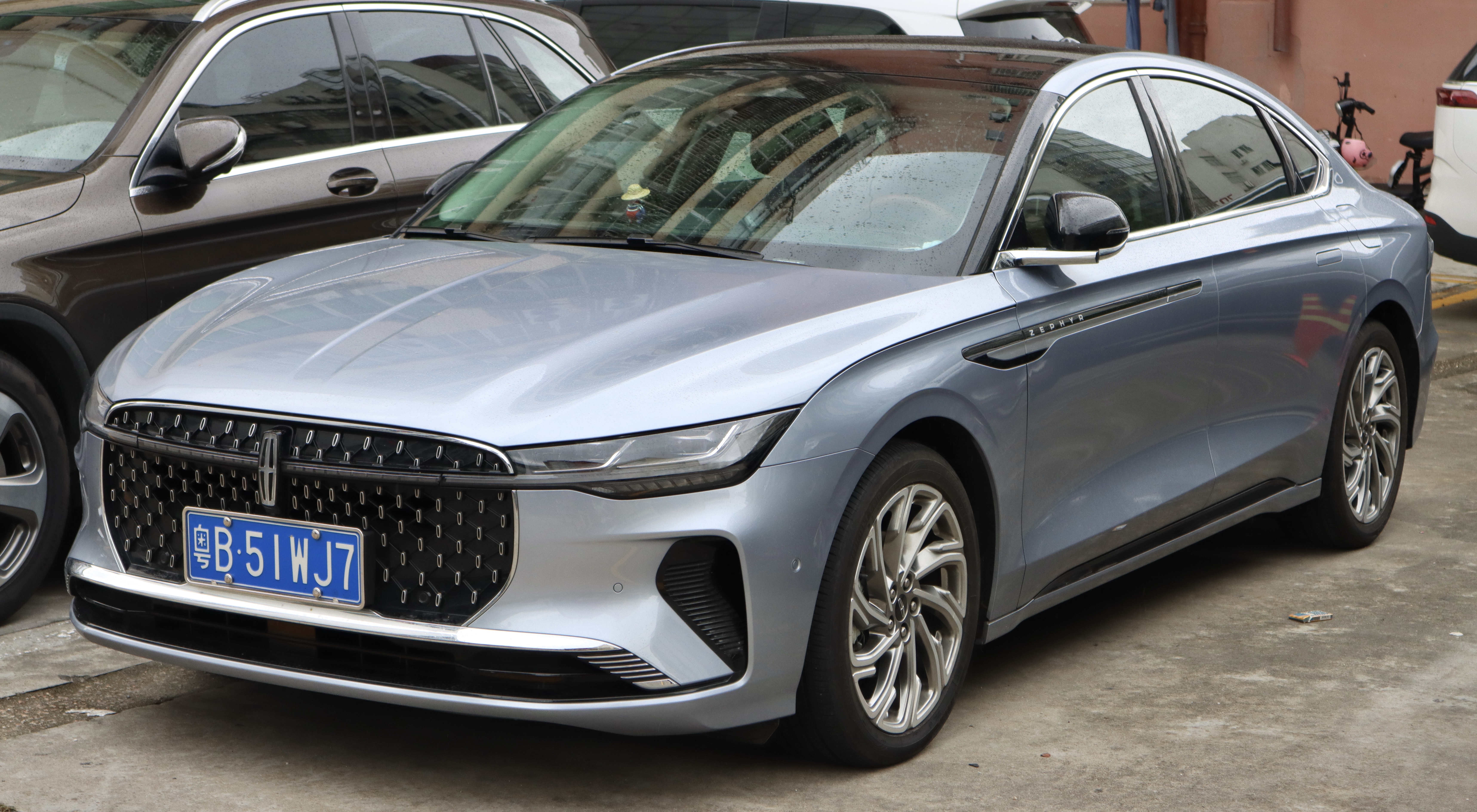
The Lincoln Zephyr is a Lincoln model that came out in 1936. It’s remembered for being a bit more affordable than some other Lincolns, while still using a V-12 engine.
This is a local shop that helps protect and improve the outside of your car. They do things like paint protection and tint, and they’re marketing themselves to Houston-area car owners.
EV-related factory closures could devastate Rust Belt and industrial towns faster than people expect, especially when the buildings are massive and the workforce can’t easily relocate or find similar work nearby. Guest Sundaresh Haragoo explains how EV manufacturing differs from ICE production, and how uncertainty in oil prices, inflation, and market demand delays long-term investment. He also points to global competition—especially China—reclaiming idle capacity via trade deals and shifting supply chains. The discussion touches on repurposing closed plants (warehouses, data centers) and even affordable hybrid alternatives.
A giant EV factory can feel like a town’s future on opening day and like a crater on closing day. We sit down with Sunderesh Heragu, professor at Oklahoma State University and President of the Institute of Industrial and Systems Engineers, to unpack what really happens when EV manufacturing plants, battery factories, or assembly projects get paused midstream. We talk about why EV production is built differently than internal combustion, and why that difference can make a restart or a quick replacement tenant harder than people expect.
We also zoom out to the forces driving these decisions: gasoline prices, inflation, disposable income, and the uncertainty that freezes investment when executives can’t get a clean read on demand. Then we widen the lens even more, looking at global EV growth and the competitive pressure from overseas makers like BYD. Trade relationships, tariffs, and supply chain redesigns all show up in the background, shaping where the next wave of production could land and who might buy up idle North American capacity.
From there, the conversation turns local and personal. When a plant closes, it’s not just a building problem. It’s job loss, struggling mom-and-pop stores, and cities left holding the bag after tax abatements and infrastructure bets. We kick around realistic reuse ideas like warehouses and data centers, while being honest about the employment gap, and we also touch on hybrids as a practical path when charging infrastructure isn’t ready.
If you care about the future of EV jobs, the rust belt economy, and what comes next for these mega-sites, hit play. Subscribe, share this with a friend who follows the auto industry, and leave us a review with your take on what communities should demand when the next factory deal gets signed.
Disclaimer: This post contains affiliate links. If you make a purchase, I may receive a commission at no extra cost to you.
---- ----- Want more In Wheel Time car talk any time?
In Wheel Time is now available on Audacy!
Just go to Audacy.com/InWheelTime where ever you are. ----- ----- Be sure to subscribe on your favorite podcast provider for the next episode of In Wheel Time Podcast and check out our live multiplatform broadcast every Saturday, 10a - 12nCT simulcasting on Audacy, YouTube, Facebook, Twitter, Twitch and InWheelTime.com.
In Wheel Time Podcast can be heard on you mobile device from providers such as:
Apple Podcasts, Amazon Music Podcast, Spotify, SiriusXM Podcast, iHeartRadio podcast, TuneIn + Alexa, Podcast Addict, Castro, Castbox, YouTube Podcast and more on your mobile device.
Follow InWheelTime.com for the latest updates!
Twitter: https://twitter.com/InWheelTime
Instagram: https://www.instagram.com/inwheeltime/
https://www.youtube.com/inwheeltime
https://www.Facebook.com/InWheelTime
For more information about In Wheel Time Podcast, email us at