The Mazda 3 hatchback is a small car that has a unique shape with a rear hatch door. The 2026 version has new features and looks that make it appealing to drivers who want something fun to drive.
New car prices are how much you have to pay to buy a brand new car from a store. These prices can change depending on what kind of car it is and how many people want it.
Full-size pickup trucks are big trucks that can carry a lot of stuff. Recently, their prices have gone up a lot, making people less willing to buy them.
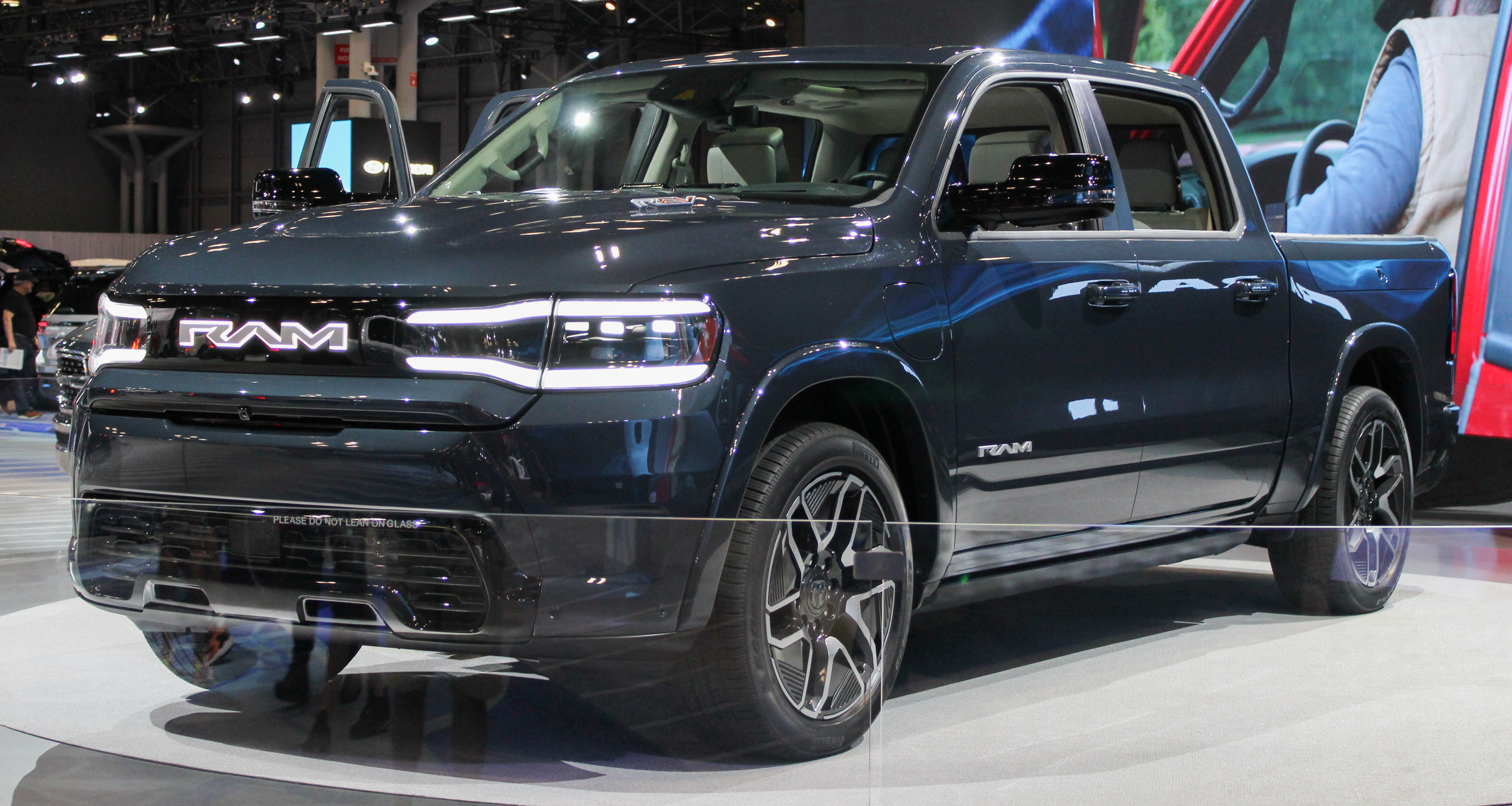
The Dodge Ram is a large truck that people use for heavy-duty tasks, like hauling or towing. It's known for being tough and reliable, and it's now part of a brand called Ram that focuses on making great trucks.
Car
Ram Dakota
The Ram Dakota is a type of truck that is smaller than full-size trucks but still great for carrying things. It's coming back in 2024 and will be useful for both work and personal use.
The Ram 1500 is a big truck that people often use for work or towing things like trailers. It's popular because it's comfortable to drive and has a lot of space inside, making it a good choice for families or anyone who needs to carry heavy loads.
A certified pre-owned car is a used car that has been checked by the dealer to make sure it's in good condition and usually comes with a warranty, making it a safer choice.
Average transaction price is the typical amount people pay when buying a car, including any discounts or extra costs. It helps understand how much cars are really selling for.
Back end profit is the extra money a car dealership makes after selling a car, usually from things like financing options or extended warranties. It helps dealerships earn more from each sale.
The Ford Maverick is a small truck that is designed to be affordable and practical for everyday use. It's popular because it costs less than many other trucks and is good on gas.
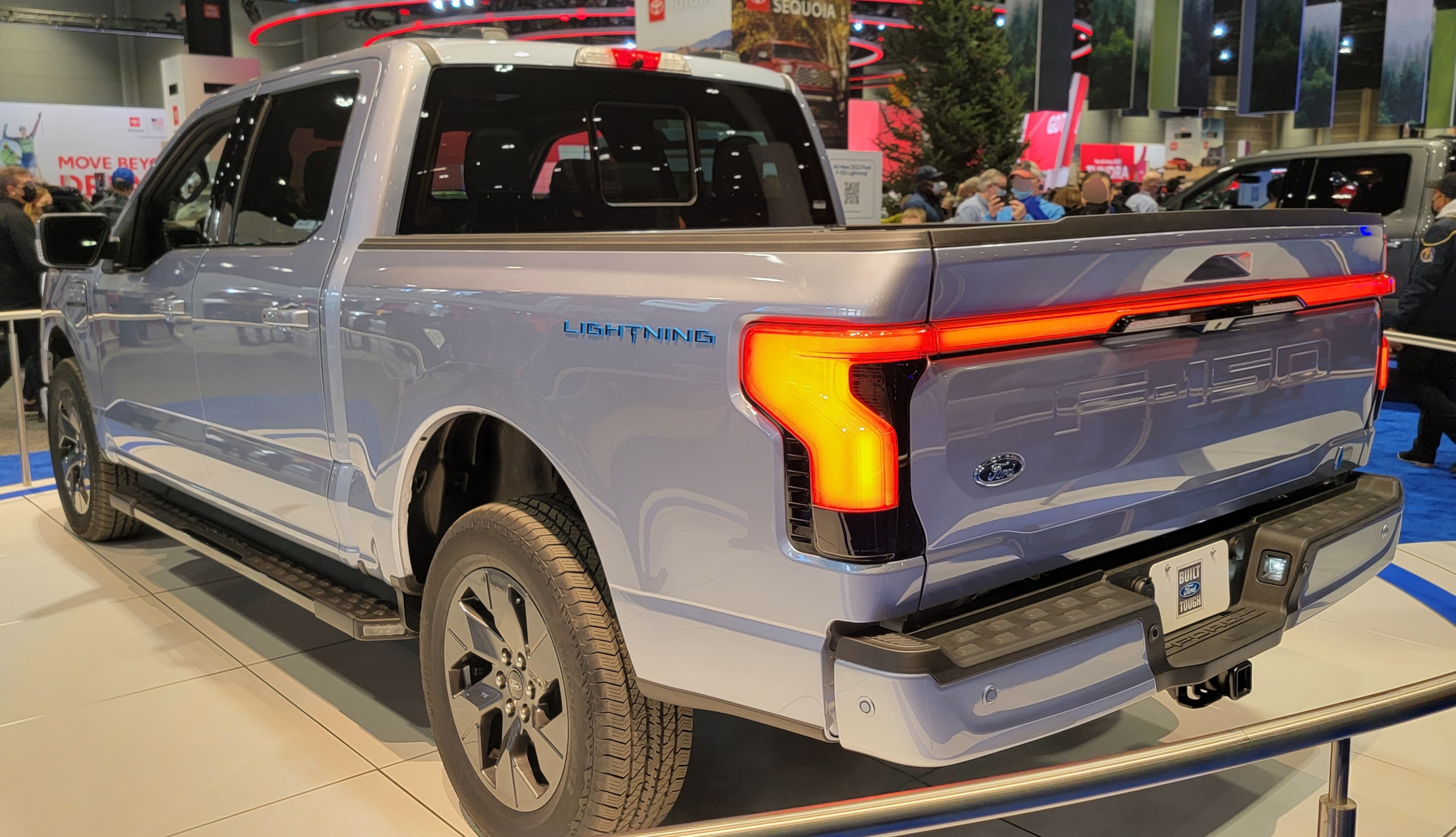
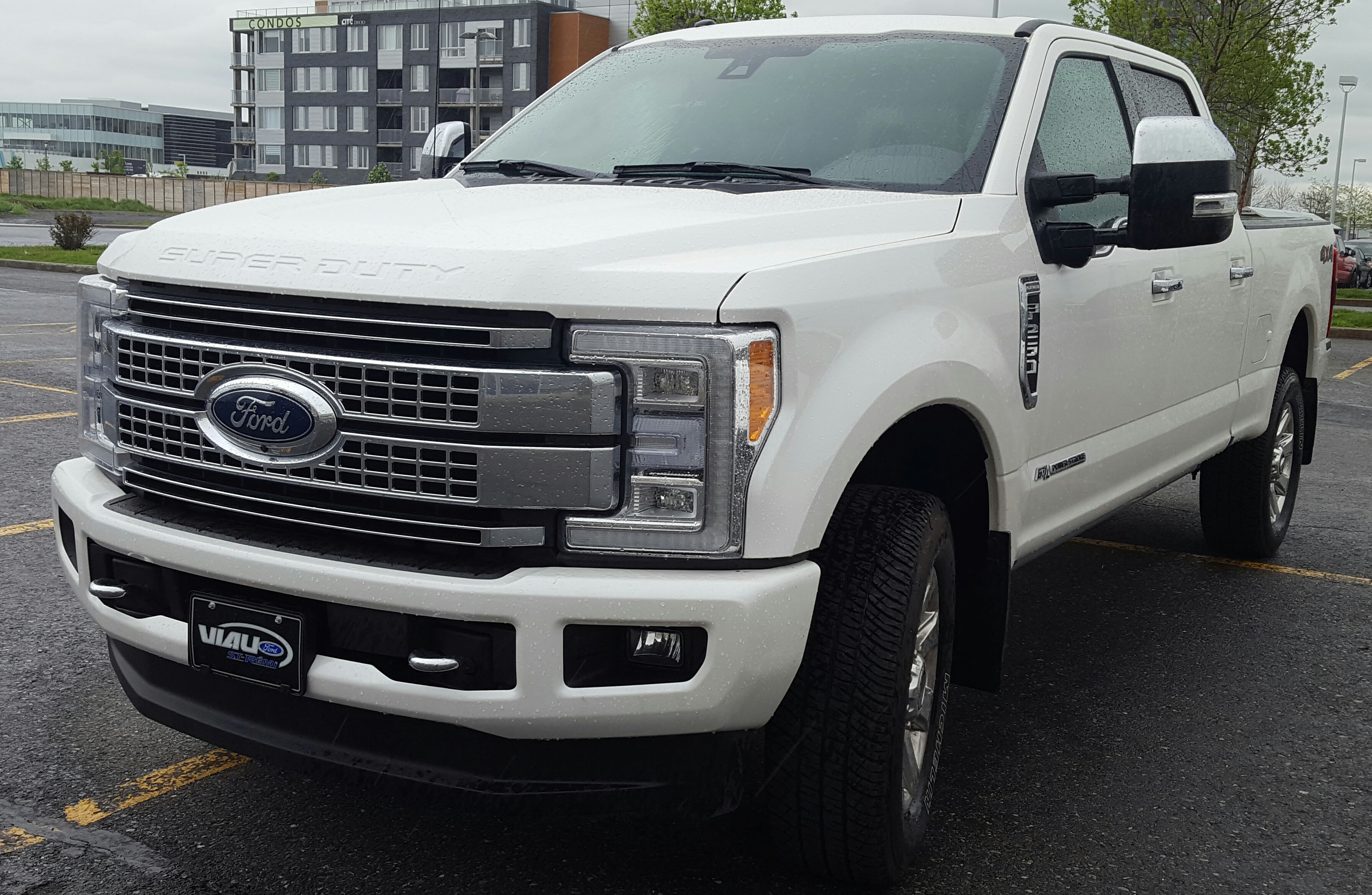
The Ford F-150 is a popular pickup truck that many people use for work and everyday driving. It's known for being strong and able to carry heavy loads.
Vehicles in operation means all the cars that are currently being driven. This number is important for car dealerships because it helps them know how many cars they can service and make money from.
Subscription services mean you pay a monthly fee to use special features in your car, like heated seats. Some people don't like this idea because it feels like you never really own those features.
The Mazda CX-5 GT is a version of the CX-5 SUV that comes with extra features and a nicer interior. It's designed to be fun to drive and looks good too.
When airbags deploy, it means they have inflated to protect passengers during a crash. This can happen even if the accident wasn't very serious, so it doesn't always mean the car is badly damaged.
The Ford F-150 Raptor is a special version of the F-150 that is built for off-roading. It has a stronger engine and better suspension to handle rough terrain.
The Detroit automotive market is special because many people who live there work for car companies. This means they often get better prices on cars than people in other places.
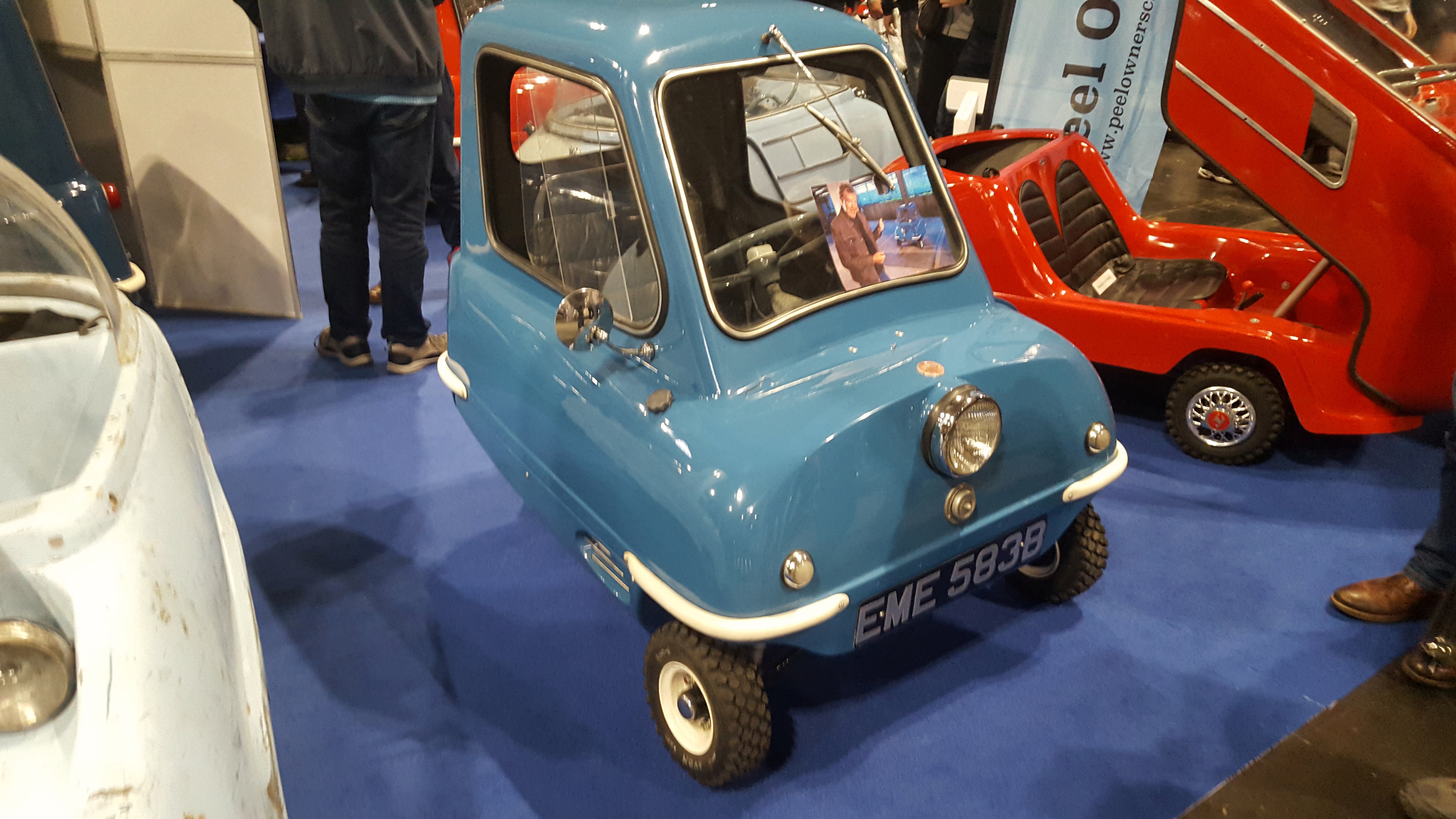
The Peel P-50 is a tiny car from the 1960s that's famous for being the smallest car ever made. It only has room for one person and is very unique looking.
LIVE
It's noon here at ice stations, I mean, Venture City, New Jersey, and our nation's capital,
Washington, D.C., and this is Car Edge Live for Monday, January 26th with your hosts,
me, Ray, here in, well, ice-covered Venture City, and Zach hanging out at some junk yard
It's cold here in Washington, D.C., as well. We had ourselves a nice ice and sleet and snow
storm, had a fun weekend. Staying nice and cozy, nice and warm. Hope everyone's doing well.
This Monday, thanks so much for tuning in to join us. Dad, consumers are refusing to buy cars.
The prices are too high. We're going to look at some of the latest data we have from various
automakers here in just a moment, but before we do, for those of you that don't know,
we're in year six now, caredge.com. Car sites show you fake prices. We'll get you the real one.
For those of you that are unfamiliar, Car Edge, we provide a car buying service that takes care
of the research, dealer outreach, and even negotiation. We learn what matters to you.
Contact dealers, compare real offers, and help you get the best deal without the stress. Please,
learn more back at caredge.com. We have a promo running between now and the end of the month,
car buying service, Car Edge Pro. Take advantage of that back at caredge.com. Then here, we'll
start the show off with this, Dad, from Udo88 Udo. Just got a brand new 2026 Mazda 3 hatchback,
$27,400 thanks to Car Edge AI negotiating. Got over $2,000 off. Love to see it. That
makes me feel good this morning. Yeah, buddy. Yeah. I don't have to say this in a nice way,
but I'll try my best. That AI stuff, for the most part, it really, really works.
Does it have a few kinks or two? Well, hell, most people do, so let's not worry about that.
For the most part, it really does work, and it really has helped people out.
It doesn't matter if the AI doesn't really matter as long as you get a good car deal.
We are happy. Now, Dad, here's what I want to talk about this morning. Stalantis recently
came out, and there's an interesting headline over in Autoblog. Let me pull it up on the screen
here for everyone. It reads, Stalantis wants to bring new car prices back under $40,000.
Now, this is fascinating because obviously we've talked about it since we got back on the air here
in January. Stalantis is the brand that has an oversupply of inventory in the United States of
America right now. This chart shows you, essentially from left to right, who has too much inventory
and who has too little inventory. There's one automaker that can't even fit on the
chart, and it's a Stalantis product. That's Chrysler. Dad, are you surprised? We'll read through
some of what their CEO said here in a moment, but Stalantis wants to bring new car prices
back under $40,000. This is good news because customers are obviously refusing to purchase
these overpriced expensive vehicles. It's good news for all of their customers
that Stalantis had abandoned over the last five or six years. Their customer base
was, always has been, probably always will continue to be lower middle-class people.
That's who they are. That's who they appeal to, and they absolutely abandoned their customer
base as they kept skyrocketing their prices for their vehicles. Ultimately, what they did is,
they priced their customers out of the market for their products. As Stalantis' sales declined
year over year over year over year, they weren't able to replace their existing customers with new
customers because, well, the new customers that they hoped to appeal to weren't remotely interested
in Stalantis products. I get why they want to bring new car prices back under $40,000. They want
to try to appeal to their customers who they just kicked to the curb for any number of years.
Now, Stalantis obviously is the brand getting the headline this morning, but this is happening
across the board. We'll stick with them though for just a moment. Jeep prices have increased
61% in the last five years. This is from 2024. Justin on our team pulled this together, and it
shows. If I scoot down here, give me a second. Here's Jeep sales in the United States of America
from 2018 to 2023 down into the right. Here's Jeep average transaction prices for the same period
of time up into the right. Then, Dad, it reminds me of last year. Do you remember when this was
last year? No, this is 2024. Oh, goodness. When Ram added the tungsten, which was a new
trim level for their 1500 that got up to over $90,000. Ultimately, what we're seeing, and again,
this is a headline. I want to pull it down here. This is from February 22nd, 2024. It's taken,
okay, they just got a little crazy. Actually, this data is perfect. It shows how crazy some
of these full-size pickup truck prices had gotten two years ago, and where are we now? We're now
in a place where consumers are refusing to buy those pickup trucks, or in the case of Jeep,
buy those Jeeps, which then leads us back to that other article where, give me a second here,
I'll pull it up on the screen. The CEO is talking about how we got to get prices lower,
how we need to get Jeeps back under $40,000. There's a real focus now, Dad, and yeah,
here I'll pull it up on the screen. The new CEO, Filosa, says, marks a shift in strategy. This is
from the Detroit Auto Show. In comments of the Detroit News, Filosa said the company is working
on, quote, a combination of value proposition with being competitive in the price offer.
Filosa says, Delantis wants to add more models under $40,000 and even is looking at options
below $30,000. He pointed at recent Jeep price cuts, for example, and RAM with the upcoming
Ram Dakota mid-size truck for next year. Some examples here, Dad, of two years ago, we had
headlines, Justin's data, the information on automotive news, and now where are we?
We are in a place where the customers are refusing to buy because the prices are too high. Crazy how
that works. It is. I remember a conversation from last summer, I think it was. You and I were
driving somewhere and we had a conversation with someone in the marketing department at RAM.
The conversation was, from his perspective, there doesn't appear to be a ceiling as to how
high they can raise the prices on their pickup trucks. Well, maybe perhaps there is, and maybe
perhaps strapped Americans have said, you've not only reached the ceiling, you've blown through
that ceiling. If I were to guess, and I don't know that the tungsten edition ever really came out,
or was ever really popular, but my guess would be it doesn't sell in particularly big numbers.
It's just every manufacturer on mass market side has tried their best to grow their vehicles into
luxury or near luxury vehicles. While doing that, many of these manufacturers have abandoned the
very customers that made these brands successful. It seems to me, and I've said this a million times,
I'm not the brightest guy there is, but it seems to me that you want to grow your customer base,
not shrink your customer base, and pretty much most of these manufacturers have decided on the
Seinfeld shrinkage package. Totally, which will be. Again, we're going to pull some more quotes from
some more of these automaker executives from the Detroit Auto Show because they are on the
back foot right now, but they are being reactionary, and they're talking about what this is going to
look like moving forward. I want to do one quick example here from the CarEdge CarSearch, and then
I want to come back to the chat. We've had some thoughtful contributions come in. Here's on the
CarEdge CarSearch. For those of you who haven't been using it recently, the team's made some big
updates, which I'm really grateful for. I clicked on shop new, and then over here on the left,
under make and model, RAM 1500, and then we've added trim will show up right below the model
once you've selected it. You do make, you do model, and then those trims will show up right
there. Dad, I'm just on the tungsten, and I can also do bed length here as well for those pickup
trucks. Really glad to see that here. Before I scroll down, what do you think some of these MSRPs
are going to be, and what do you think some of the days on market are going to be, and what do you
think the difference between the dealer's asking price and MSRP is going to be? All sorts of questions
here for you, pops before we go to the chat. I'm going to suggest that most of the MSRPs are going
to be between $90,000 and $100,000. I'm going to guess that the advertised dealer prices are going
to be in the low to mid $80,000 range. What was the third question?
Days supply. How long do you think these have been sitting?
I'm going to say the average day supply is 210 days.
All right. Here we go, folks. We're in Georgia, Bloomingdale, Georgia is the zip code I've set
over here right now. Let's take a quick peek. Okay. We're starting off with a bang at Springfield
Chrysler Auto Mart that they have for 99 days and 69 days, respectively, 2026-1500 tungstons,
and they're advertising them at MSRP. That's going to get me to run right in there.
Idaho Auto Nation dealership in Hardyville, South Carolina, 176 days. They're advertising at about
$3,000 below MSRP. Look at those prices. These have been sitting and they're asking a pretty
penny. Here we go. We've got our first 2025 showing up with 10,000 miles on it.
That's not new. Yeah, but they're selling it as certified
pre-owned, something like that. Look at these prices, man. All right. Let's click into one of
them. We'll do this one. We've got, let's just take all this data in for a moment. Then again,
we're going to come to the chat. This is again why the title of today's show is consumers are
refusing to buy cars. The prices are too high. Well, here you go. 2026 Ram 1500 tungsten, which
again, for those of you that are joining late, this is the vehicle that Ram added to their lineup
in 2014. Fresh and Ram 1500 adds a $90,000 touch of extravagance. You scroll down.
February 22nd, 2024. Now, what are the ramifications of that decision? Well, we've got a $94,920
MSRP pickup truck being sold for $94,920. The dealer likes selling it at that price
because it only cost them $88,467. Drum roll, please. Limited leverage, dad. This one's only
been on this dealer's lot for 15 days. It's a brand new one, but they're not selling fast.
Strong leverage over here. 165 days supply. 22 for sale in this area, but only six have sold in
the last 45 days. This is a recipe for disaster for Ram dealers that are sitting on $90,000 pickup
trucks. It's an indictment of upper management that said we need to offer a $90,000 to $100,000
pickup truck, and at any given time have $1,990 out there nationwide. Nationwide in a country of
340,000, so it's not even something that they build in quantity, that they expect to sell in quantity.
Is it really a plus sale when you finally sell one of those, or would you have been better off
trying to figure out how to keep average transaction prices on Ram 1500 pickups between
$50,000 and $60,000, and think of how many more you could have sold had you done that?
And we know, we know. I mean, we talked to Joe Lewis last Friday. We know the statistics from
the largest publicly traded dealer groups. We know that the opportunity that a dealership has
in the finance and insurance office, when somebody says, yes, I will buy the vehicle,
that at a small dealership, you're probably going to average $1,500 back end profit.
At some of these large dealerships, it could be upwards of $25,000 to $3,000 back end profit.
So why wouldn't you want to be able to sell three of $50,000 to $60,000 pickups
for every one $95,000 pickup? It is malfeasance at the highest possible levels,
where they just misjudged the market so completely. Fascinating to me. I wish,
apparently, nothing succeeds in American business quite like failure. And dammit,
I wish I would have failed better so that I could have made more.
Now, it's not just the Lantus. Again, we're going to come to the chat here in just a second.
I apologize. We've had really thoughtful contributions come in, but I want to pull this
up quickly. This was in the automotive news, most recent automotive news, affordability concerns
take center stage at Detroit Auto Show. And you can see here, man, this website always loads
all janky, but you can see here. This is from Ford CEO Jim Farley. One of the big reasons
why we had our best sales this decade is the Maverick. Affordable versions of our vehicles
are really hot selling. So again, these manufacturers know what's going on. The issue is,
it's decisions that they made a couple of years ago. So if I come back here, let's do shop now.
Let's get rid of that tungsten trend. Let's come over here and let's do Ford.
Whoops. Let me do a quick, quick refresh here. All right. So let's do Ford and dad. Let's look at,
we don't even have to click into it. Let's just look at the numbers that show up over here.
F-150, there's 206. F-250, there's 121. Let's see how many Mavericks? 79 Mavericks.
It's like even when they have, oh, whoops, I guess that wasn't shown up on the screen. Sorry,
let me pull that up here. It's just even when they have these vehicles in inventory,
they stock them less than they would, and this is from our friends over at JCList.
They stock them less than they would the more expensive ones. And that's another challenge
that we have is actually producing enough of these more affordable vehicles.
Yes. And being able to sell three to four to one of those more affordable vehicles,
giving dealerships three to four times the opportunity to figure out other ways to
make some money, creating three to four times the number of potential service customers.
You know, the whole thing that makes a dealership profitable, in many cases,
is the service side of the business. And the key metric for the service side of the business
is vehicles in operation. Okay? If you're a, you know, when many first came back to the United
States, well, there were no vehicles in operation. So there was very limited ability to make any
money out of service. With Ford, there should be millions upon millions upon millions of vehicles
in operation. But you need to be continually increasing those number of vehicles in operation
so that these service departments can get, and not just via recalls, but so these service
departments can have an opportunity to bring these customers back.
Yeah. Let's come to the chat here and then we'll continue this conversation from HVAC soldier.
Thank you for the kind contributions. Stalantis also is moving towards such subscriptions for
some of their products, like heated seats, which some people think isn't cool. Yeah,
we've seen off and on for the past, I don't know, five plus years that we've been doing this,
manufacturers toy with the idea of charging subscriptions. We are now
going to make you pay monthly recurring revenue to us for features in your car. We're not fans of
that. And I just have to say, how can heated seats ever be cool? I mean, they're heated.
It's definitely a concern for us. No, the whole concept, if I may for a second,
the whole concept of forcing people to subscribe on a monthly basis to things that are part of
the car already after you've charged them an arm and a leg to buy the damn thing is just
absolutely ridiculous. If it's in the car, it's in the car and you don't get the charges
subscription on a monthly basis so that they can access the stuff that's already in the car.
I realize that automobiles are becoming traveling computers. I get that. But damn it,
what's in it is in it and you should own it once you bought it and you shouldn't have to continue
to pay for it. And I honestly believe that eventually this will be another area that comes
back to bite these manufacturers in the ass where people are just going to get fed up
and they're going to say, I'm mad as hell. I'm not going to take it anymore. I'm not going to pay
for it anymore. Either you give it to me in the selling price or take it out of the damn car
because I don't want it. I'll try to be good now. Keep moving here, Dad, in the chat from
blank J. Thanks for kind contribution. Howdy, need help, please? 2025 used Mazda CX-5 GT
trend looks good, well cared for, but airbags deployed five years ago. Car was not totaled
and is not salvaged. How do I value this car if a clean comp is 14.5? What do you think, Dad? So
this is super interesting. An airbag could be deployed. It doesn't have to be a severe accident
for it to be deployed. If you hit a parking stand and just write it, it'll deploy the airbag.
But how does that... I mean, if you used to appraise cars all day long, customer cars,
how would this influence if you saw that show up on a car back for an auto check?
I would appraise the car for less. How much less? 10%, 15% less? Why? The reason why would be
if I have two vehicles that are comparable and one has shown that it has never had an accident
and an airbags have never been deployed. Well, that's going to be more valuable than one that has
shown that it had an accident and that the airbags were deployed. It's perception. Now,
the perception that you would be concerned with would be the perception of the customer.
And a customer isn't going to pay the same for one that had been in an accident
as they would for one that hadn't been in an accident. So, yeah, I 10% to 15% less.
Okay. So in this case, we're talking an additional $1,500 or so off from a clean comp
is what my dad's saying. All right, let's keep moving here down from ARC photographer.
Thank you, ARC. Appreciate it. While you think certain affordable cars don't do well,
last time I commented, you mentioned Nissan Sentra isn't doing well as an example. Yeah,
this is confounding to me. Absolutely confounding to me. And I'll pull it up
on the screen here briefly. So obviously Ford Maverick doing well. They're selling,
selling, selling. Let's come back here. Nissan will do the Sentra. And this is again,
we're somewhere in Georgia right now, 2025. Let's look at the new 2026s.
Same deal as we did before with the expensive RAM, $25,000 MSRP, $25,000 seller price,
$23,973 dealer invoice price. Let's come down here. Okay, there we go. This proves the point.
The brand new 2026s, there's 110 of them for sale, but only three have sold the last 45 days
in this market area. They're not flying off the lots, even at $25,000 price. It's crazy.
And so the question is, why is that? And perhaps the why is the perception of the brand itself
and how the perception of the brand's quality is that it has declined over the years, that they
don't build as good a vehicle as they used to at one point in time. And I think that impacts it.
I also believe from having worked in an Nissan dealership for a long time back in the 70s and
80s, it was the redheaded stepsister of the three major Japanese automobile manufacturers,
Toyota, Honda, and Nissan at that time. And it appealed to a slightly less affluent customer
than, say, Toyota and Honda did. And somebody who might have wanted a Toyota or a Honda oftentimes
ended up in a Nissan because, well, Nissan Motor Acceptance Corporation would approve them for a
loan where maybe Honda Finance or Toyota Finance wouldn't. But I do believe that part of it has
to do with their quality reputation and the hit that that has taken over the last decade.
Definitely. Let's keep going here down, Matthew. Thank you, Matthew. Appreciate your kind contributions.
Pops, what a day. You see silver prices. Hallelujah. I was looking to trade bars for a Rolex,
but now I'm thinking of Patek. Next stop, Red Rari. And also for Matthew, Mr. Zach,
nice rock climbing on Instagram. Porsche came in GTS 4.0, stick shift lesson February 20th in
Atlanta. That's a pick update. Could be fun with summer tires and ice. Matthew always put a
smile on our face here. Dad, I've not been tracking silver prices, but evidently we missed the money
making opportunity. I haven't tracked silver prices either. And the thing that really disturbs
me is the fact that I think I've had one or two fillings in my life. So we can't even extract
the silver out of my mouth because there isn't enough of it to make it worthwhile.
We had from Rich earlier. I agree. The Ford dealer by me has about 10 Mavericks on their lot and over
50 F-150s. So a lot of this, Dad, again, if you've just joined us, we're talking about how it's a
lead story over in automotive news this morning. And also we had a couple other publications
talking about these automakers looking to make more affordable vehicles. I'll pull it up on the
screen. Affordability concerns take center stage at Detroit Auto Show. Well, there's a lot of
inventories sitting on the ground right now, and they can't. These automakers and these dealers
can't replace it with new inventory until they sell the old stuff. And all the while,
consumers are refusing to buy all those expensive vehicles. So again, yeah, you've got only 10
Mavericks, but the 50 F-150s and F-150s cost 50, 60, 70, 80 thousand dollars. No wonder they're not
selling. And then Tom wants us, Dad, to go to Detroit. So why don't we do that? Let's take
a peek over here in Detroit. Give me one second to queue that up. That'll be fun.
And if I may, I am still not convinced that any of these manufacturers' actions are going to
match the words that they keep saying that, oh, yeah, affordability is a real issue. We want
to address that. We want to bring our pricing back down to under 40,000, maybe some under 30,000.
You know, as your mother used to say to me occasionally, she used to remind me,
you know, you are a salesman, and words are cheap to write. It's actions that mean more than the
words. And I will say that to both Jim Farley and Mr. Filosa at Stalantis. Words are cheap.
Words are meaningless. It's the actions surrounding those words that ultimately will matter.
And so it is incumbent upon you, after having said we need to, then actually do it. And that's
what I'm waiting to see. Definitely. Dad, I've gone ahead and I'm over in Michigan. We're looking
at F-150s. I'm sorting by highest MSRP. 2,259 F-150s for sale in Detroit right now. And you got
a lot of Raptors, for example. A lot of $100,000 Raptors. And we can just take a quick peek here.
There are 62 Raptors for sale, which is a lot of Raptors. 314 Lariat's, which we know here. We'll
pop over to the Lariat's. These are not cheap either. $80,000. Obviously, dealers having to
list them at significantly lower prices. But these are expensive vehicles. And then again,
we'll go back here. Whoops, didn't mean to click on that one. But let's take a quick peek. Yeah,
look at the day's supply. That's three years, buddy. Come on, man. This is too much.
You know, and I am reminded every time we do Detroit or you do Michigan, it's like
everybody says nobody pays MSRP because everybody either is an employee of one of these
automobile manufacturers or is a relative of an employee and everybody seems to be able to get
their hands on the special discount codes that manufacturers' employees are entitled to. So
that, you know, Detroit is really a completely different market than I think the rest of the
country. Sure, but I think it also demonstrates how acute this problem is. I mean, that was
the F-150. Lariat, let's go back, Dad, and let's now do it for a Maverick. So give me a second.
Let's do it for a 2025. It's like 25? 2026. Lariat? Yeah, yeah.
Because what we pulled up was a 2026. Different situation. Yeah, but what year is it?
It's a 2025. No, no, no, no. What year are we in right now?
I know we're in 2026, but my point is the 2026 is probably just very recently came out.
There are only 48, 398. There you go. Mavericks for sale. Let's take a quick peek.
At the Maverick situation, I mean, still high, but significantly. Yes.
And this is again for 2026. So we're doing apples to apples here. So anyway, my point being,
point being, they need, they absolutely need to get their inventory situation rectified.
They need to get this inventory that they have on dealer lots turned over and replaced with cheaper
inventory because again, customers are refusing to buy these really expensive options. We have
your data very kind contribution from our dear friend Rich. Thank you, Rich. The car of the
future past, Rich always has this looking up stuff, the Peel P-50. Yes.
You noticed that?
Even I don't know what the hell that is.
Oh my goodness, Rich. Wait for it.
I'm waiting. Oh, yeah. You kind of have to love that. Yeah. Yeah. I would feel safe in one of those.
Do you think you can get in it, dad?
Six inch tires. Yeah.
Could you get in it?
Could I get in it?
Yeah.
I'm pretty sure. Well, maybe not if they're on six inch tires.
I think the better question is whether I could or I couldn't, would I?
And I think the answer to that is I would not.
All right, folks. Again, if we can help you out with anything, my dad and I for six years now,
caredge.com, please check it out. Really appreciate everyone that goes to the website,
learns more about what we're up to. We appreciate everyone. Obviously, that tunes in
here as well. And dad, earlier today, I was really proud to post over on LinkedIn talking
about what we accomplished in 20, 25, 165 million video views, 10 million website visitors.
We helped over 100,000 people buy a car last year. So thanks, everyone, that continues to
support us and what we're doing. I'm over on LinkedIn. My name is Zach Sheffs. I would love
to see your comment show up down here. So please comment and contribute over there. But again,
folks, if we can help you out with anything, caredge.com, we appreciate everyone tuning in.
We're back tomorrow with more Car Edge Live. We've got a somewhat normal week in store,
so appreciate everyone tuning in Monday through Friday to be with us. Dad,
I'm going to go jump on a meeting. I hope you enjoy your afternoon and don't slip on any ice.
I'm not going outside today. I'm waiting for the sun to come out, which it hasn't happened yet.
So maybe tomorrow or Wednesday, I will venture out into the frigid
venture air. All right, folks, we'll be back tomorrow. Love you, Dad.
Love you too, handsome. Thank you, everybody. We'll see you back here tomorrow at noon.
About this episode
Consumers are increasingly refusing to buy cars due to soaring prices, prompting automakers like Stellantis to rethink their strategies. The hosts discuss Stellantis' aim to bring new car prices back under $40,000, highlighting the disconnect between rising vehicle costs and consumer demand. They delve into data showing significant price increases for brands like Jeep and Ram, and the implications of high inventory levels. The episode also touches on the broader market trends, including the need for more affordable options and the challenges faced by manufacturers in meeting consumer expectations.
Today on CarEdge Live, Ray and Zach discuss the latest affordability crisis data. Tune in to learn more! Hosted by Simplecast, an AdsWizz company. See https://pcm.adswizz.com
for information about our collection and use of personal data for
advertising.