A 400 cubic inch V8 is a type of engine that has eight cylinders and is quite large, giving it a lot of power. It's often found in older American cars.
The Toyota 4Runner is a type of SUV that is built to handle rough terrains and off-road driving. It's known for being tough and reliable, making it popular among outdoor enthusiasts.
A clamshell tailgate is a special kind of back door on some cars that opens up like a clam shell. This design makes it easier to get things in and out of the trunk.
A V8 engine has eight cylinders that help it produce a lot of power. It's often found in cars that need strong performance, like sports cars or trucks.
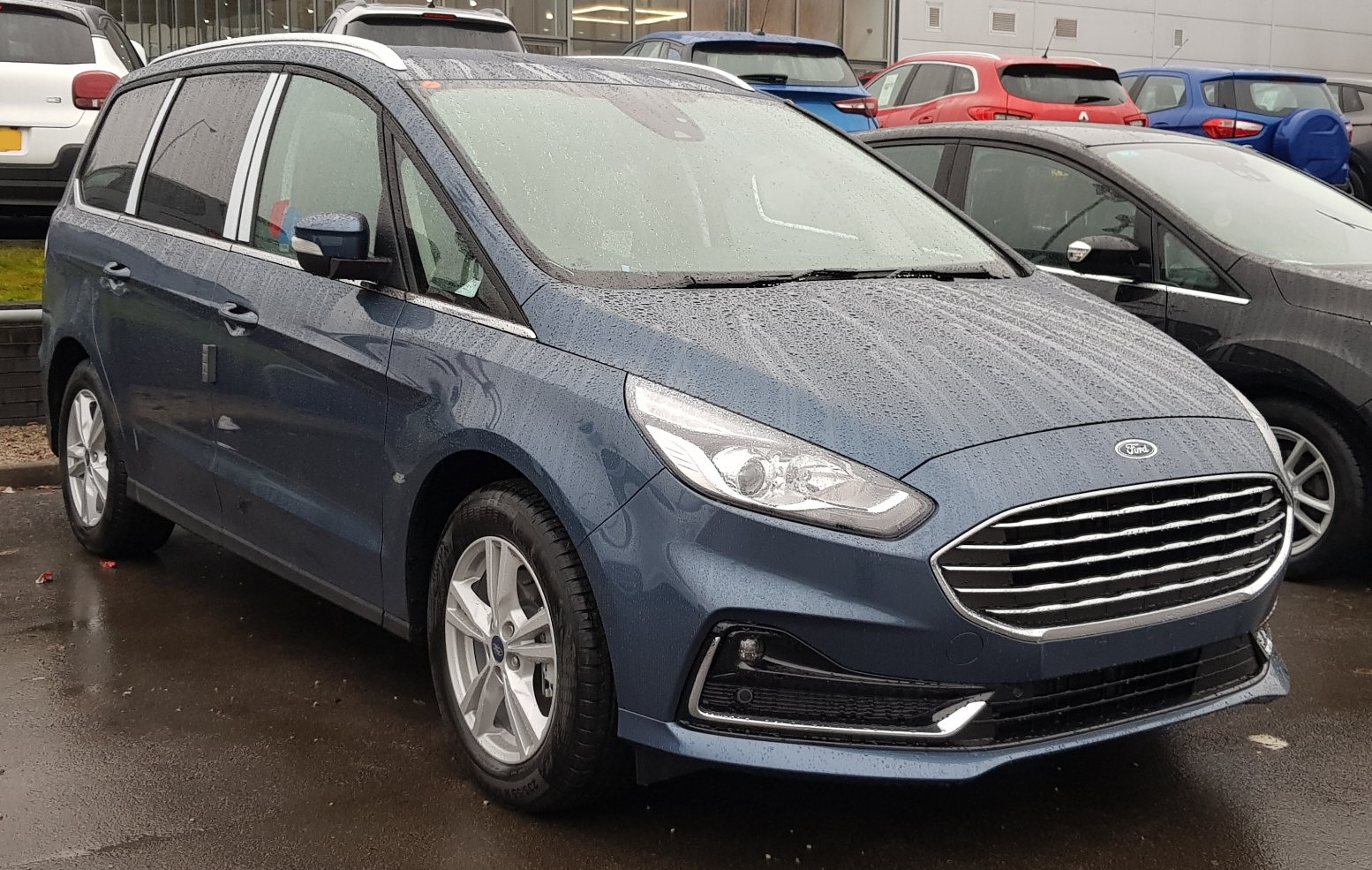
A minivan is a type of vehicle that is very roomy inside, making it easy to fit a lot of people and their stuff. They often have doors that slide open, which is helpful for getting in and out.
The Jeep Cherokee is another type of SUV, which means it can handle rough terrain and is good for adventures. It's popular for its strong build and ability to go off-road.
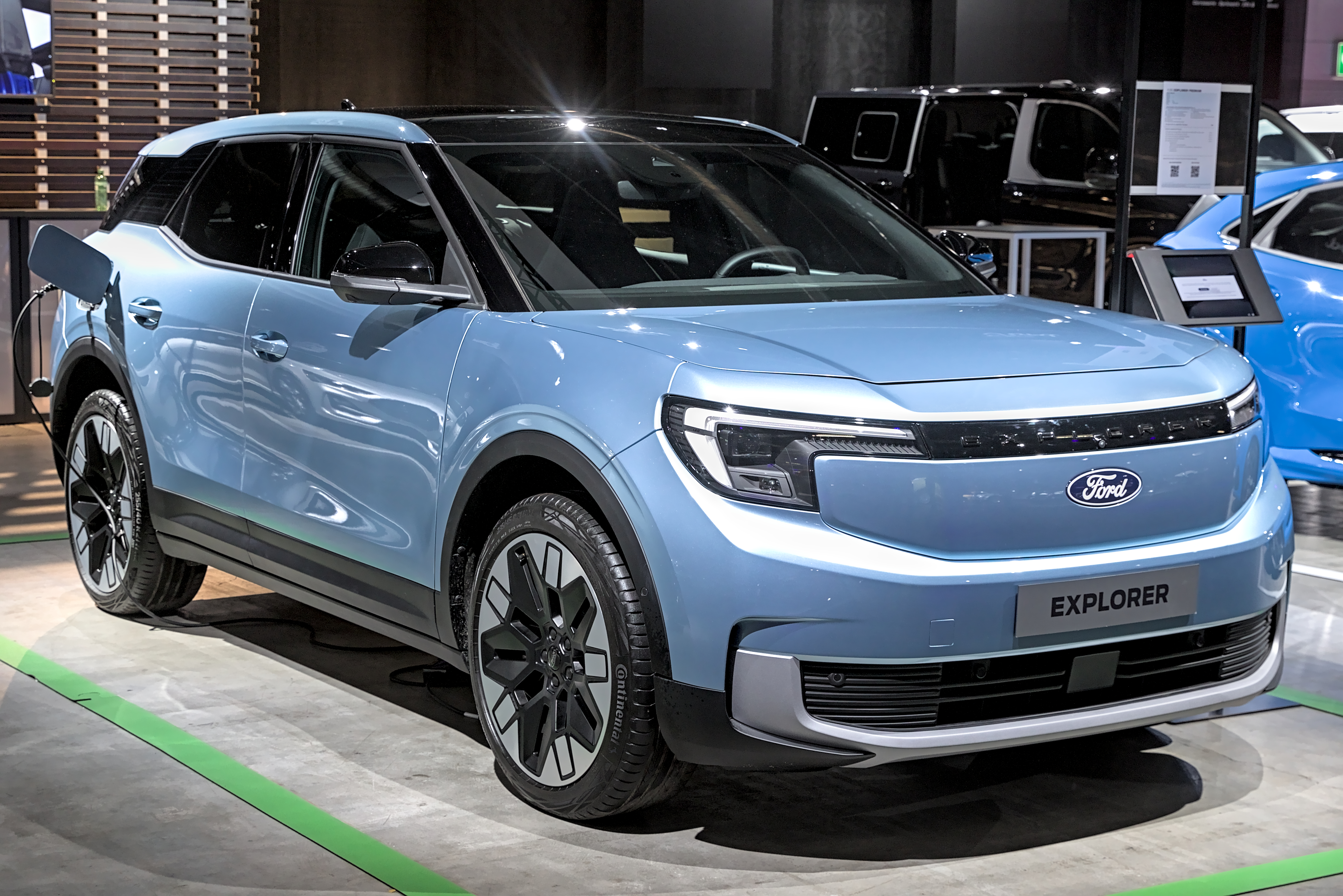
The Ford Explorer is a type of vehicle called an SUV, which stands for Sport Utility Vehicle. It’s designed to carry more people and cargo, making it great for families.
The Mercury Sable is a car that was made by the Mercury brand, which was part of Ford. It was popular for being roomy and comfortable, and it came in both a regular car style and a wagon style.
The Ford Taurus is a car that Ford made starting in 1985. It became very popular, especially in the 1990s, and was known for its comfortable ride and good design.
Car
Volvo 700 series
The Volvo 700 series is a group of cars made by Volvo from the early 1980s to the early 1990s. They were known for being very safe and reliable, making them a good choice for families.
The Mercedes-Benz 300 TD is a type of station wagon that runs on diesel fuel. It's known for being reliable and having a lot of space for passengers and cargo.
The Audi 5000 is a car that was made in the 1980s and is known for being comfortable and having some modern features for its time. It also came in a wagon version, which is great for carrying more stuff.
The Volkswagen Squareback is a type of car that looks like a small wagon. It was made by Volkswagen and is known for its unique shape and usefulness for carrying things.
The Peugeot 505 sedan is a car made by the French company Peugeot. It was popular in the 1980s and 1990s and is known for being comfortable and roomy inside.
Car
Citroën CX
The Citroën CX is a big car made by Citroën, a French company. It was popular for its unique design and comfortable ride, thanks to its special suspension system.
The Jaguar XJ6 is a fancy car that was made for a long time and is known for being comfortable and stylish. Many people liked it because it looked good and drove smoothly.
The Ford Bronco is a type of SUV made by Ford. It's known for being tough and good for off-road driving, which makes it popular for outdoor activities.
The Range Rover Classic is the first version of the Range Rover, a luxury SUV that is good for both driving on roads and off-road adventures. It was made for many years and is still appreciated today.
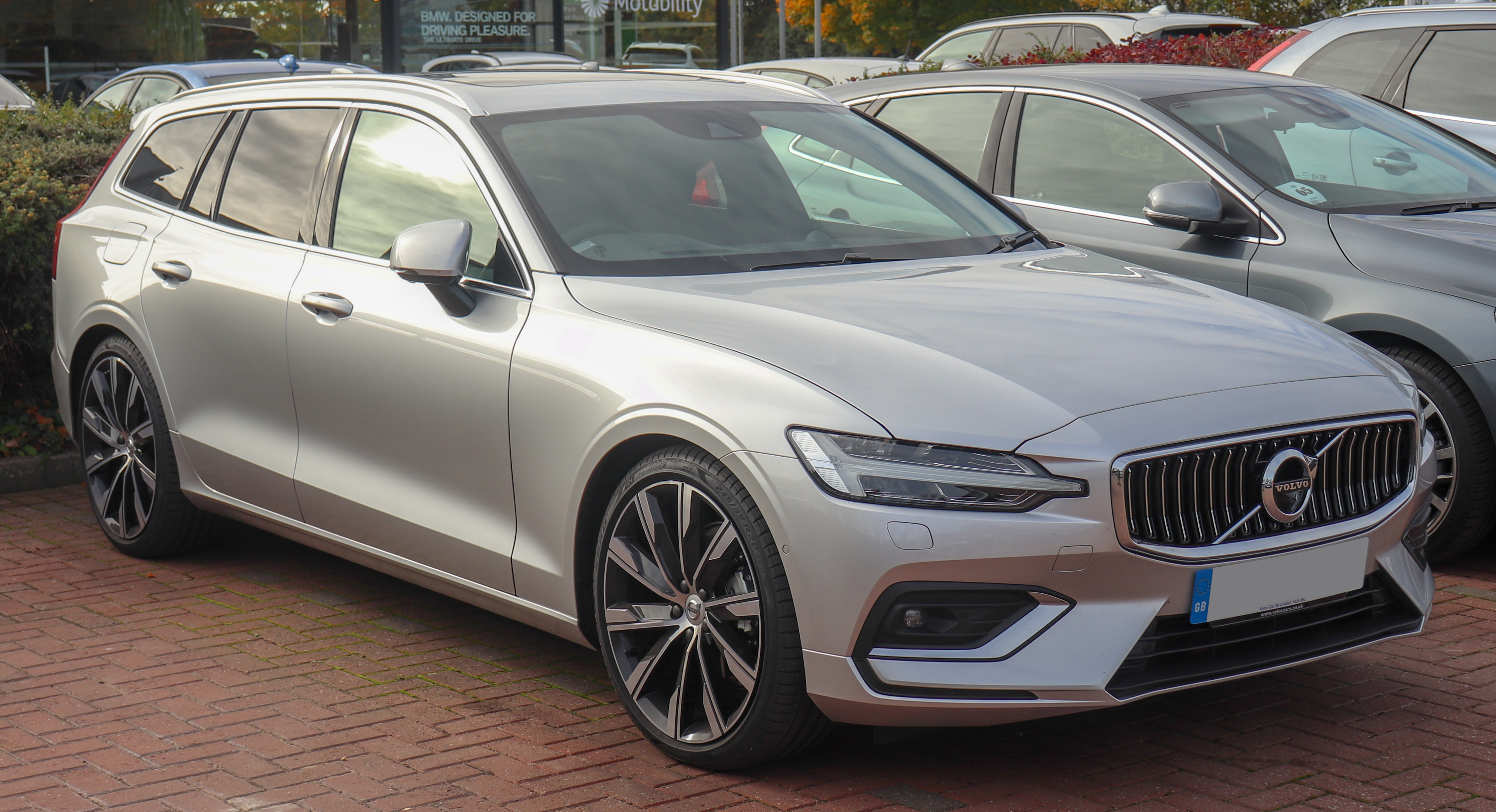
Wagons are a type of car that has more space in the back for carrying things compared to regular cars. They are great for families because they can hold more stuff and people.
The BMW E30 is a popular model of the BMW 3 Series that was made in the 1980s and early 1990s. It's loved for its great handling and classic look, making it a favorite among car fans.
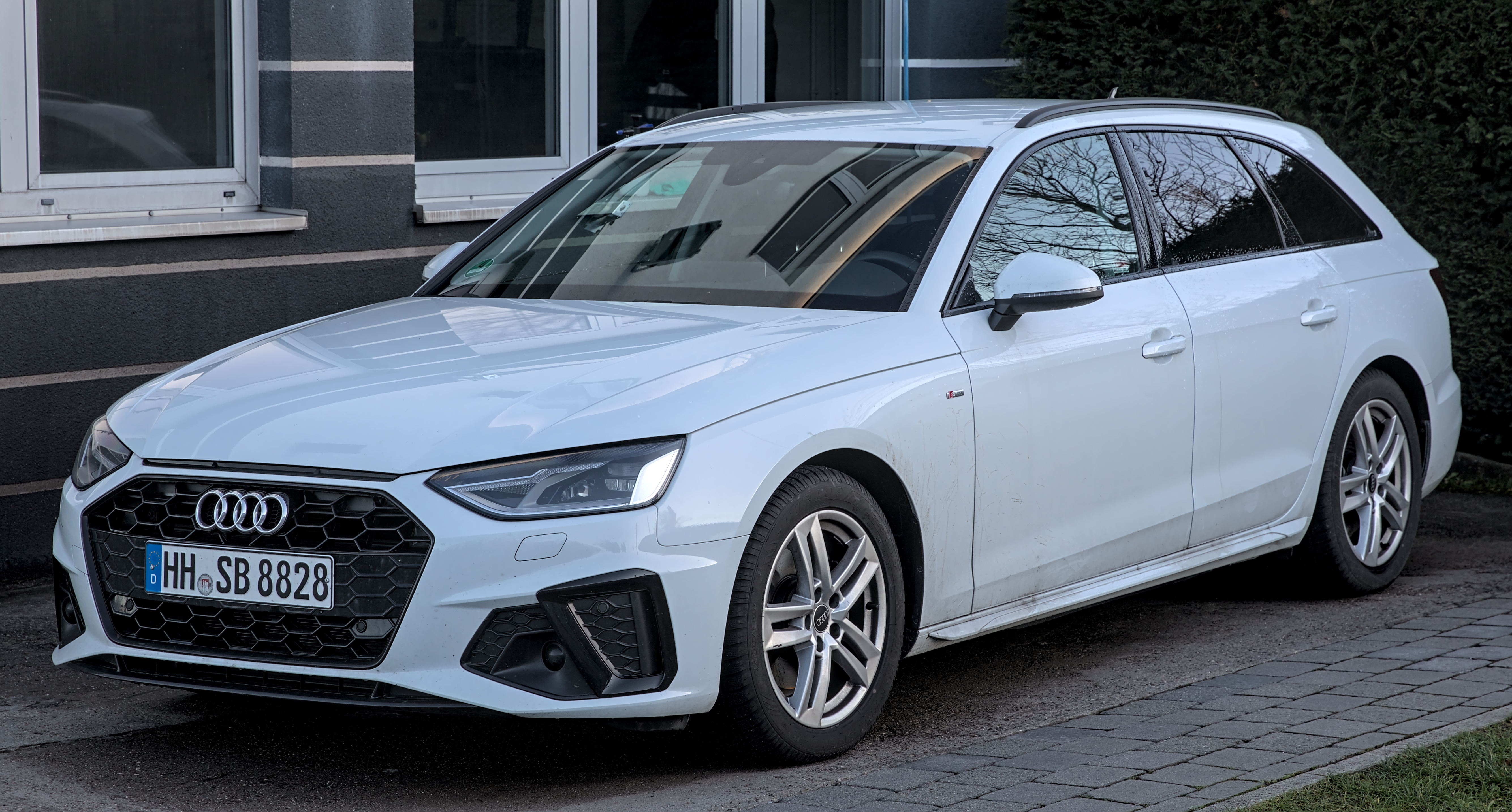
The Audi A4 is a small luxury car that's comfortable and has many high-tech features. It's a good option for people who want a stylish and reliable vehicle.
What's this week's episode of The Car Margin Show about?
Well, there are two station wagons behind us.
Or are they tricks?
We don't know it.
If you were looking at them.
Well, we positioned them wrong,
but it's a small studio.
It's because the back of them are both
suffering cosmetically a lot
and we didn't want to highlight them to the public.
In any event, this is The Car Margin Show.
That's Jason Camisa.
I'm Derek Tam-Scott of this episode.
It's about station wagons.
And what makes them cool
a little bit about their history,
wagons we particularly have liked,
owning and enjoyed.
And The Car Margin Show is driven by Hagerty.
And I'm going to clap now.
Nothing to say.
I'm leaving.
That was even a good clap.
There's no reason for me to be here.
All right, except for the jingle.
I'm gonna go play the wagons.
I'm gonna go into Dungeons and Dragons mode.
Dungeons and Dragons.
That's the mode you put your phone in
to be do not disturbed.
Yes, to be Dungeons and Dragons.
So that we can talk about
the two things that are behind us.
Can't really tell them what they are
because the cameras are looking at the fronts of them.
The roof rails give them away.
This is of course the station wagon.
Or the estate.
Or the combi.
Or the touring.
Oh, that's like a mark specific.
Okay, or the Avant.
Or are they variant?
Who, what else?
Are there any others?
Estate?
No, we said that.
No, that's it.
Temode in the Mercedes-Benz Touring.
Yeah, yes, we are talking about the wagon.
And why it's cool.
To some.
And not cool to others.
Yeah, so.
Inbisils.
So you are a long-term station wagon owner.
So let me start by saying when I was growing up,
we had a house that was out in the country
and my dad had some ancient pickup truck there
and replaced it with a 75 Chevy Impala.
Vin 1L35U51173985.
Don't ask me why I know that still,
but I had a memory as a child.
Have you Googled that recently
to see whether it still exists?
No, it doesn't and it died many, many years ago.
But it was a 75 Chevy Impala in lime green
with green vinyl interior.
It was 10 years old when we got it
and it was rusty and tired
and it had almost gasp 100,000 miles on it,
which for an American car of the time, that was it.
That was all you could expect.
It was, I think $200.
It had a 400 cubic inch V8.
That made 170.
No.
135.
No, 185.
185 horsepower.
Oh, I was close.
At 4,200 RPM and 305 pound feet of torque at 20...
36 and 2800 RPM.
How I remember this
and I don't know where the fuck I was yesterday.
Anyway, this was one of my first experiences
with a station wagon as a kid.
What I loved most about it
was that it had a clamshell tailgate.
So there was a keyhole on the back.
That looked very much like...
Remember American ignition switches from the 70s
where you put the key in
and then you didn't turn the key, you turned...
Yeah, the little surround around it
that had blades on it that were to be gripped.
Yep, it's similar in the back.
If you turned the key itself,
it would power the window up or down
and the window moved up and receded into the roof.
Yeah.
And so you could drive with the window down
if you wanted to really asphyxiate everyone in the car.
Yeah.
And this is a feature you can still get
in the Toyota 4Runner.
You're kidding.
Yeah.
How is that possible?
The wind doesn't go into the ceiling,
it goes into the door.
But this window can be operated independently
of the rear hatch.
Opens.
It retracts into the hatch.
Oh, down.
This goes up.
Yeah, I know.
This went up into the roof, which is kind of nuts.
But if you want to asphyxiate yourself,
you can still do that today on the road.
Although it's much more difficult
with modern emissions controls.
What a shame.
What a shame.
God damn it.
Yeah, so you would retract the window up into the roof
and then if you turned those two blades on the outside,
the rest of the tailgate would drop down
into behind the bumper.
Now, the Cadillac versions of this,
this is called the clamshell,
the Cadillac versions of it,
I think had a power.
Cadillac.
Cadillac didn't make station wagons,
except by custom.
They didn't?
No.
You sure about this?
There have been no factory Cadillac station wagon products
until like the CTS and all that stuff.
I love how-
I mean, the high trim GM products would be Buick.
The highest trim station wagon from GM
would probably be a Buick.
I must have been here thinking.
Buick Roadmaster wagon or something.
No, I'm Tor-
One of 11.
One of 11, okay.
Cadillac Castilian station wagon.
But that's like a coach built thing.
Fleetwood Brom, yeah, it must have been-
Probably Buick or maybe Oldsmobile
or one of the higher trim things that wasn't a Chevrolet.
Wasn't a Chevrolet.
I believe, and this is, you know, this is like,
we're talking 1985,
this is like nine year old Jason,
we're talking about here.
Anyway, I thought that was cool.
Plus, it had a big honking V8 in it.
With a great deal of power.
Deep, great deal of torque.
It was deeply uncool.
Right.
And this was the vehicle of choice
or a vehicle that my parents, friends
who were wonderful people chose
because they had four children
and you just had no choice.
You put them in the load space
and they kind of all roll around
and bounce off of each other
because it was the 80s.
They are all still with us.
So safety, schmafty.
They all made it.
That was my sort of introduction to wagons.
Then at some point,
I think after I lived in Germany,
I fell in love with station wagons.
Yes, they're much more,
maybe this was less true in the United,
back then, but certainly nowadays
they're much more ubiquitous in Europe
and many other countries that aren't here.
Here they became,
they were initially supplanted by minivans,
I guess, to serve that same role
of carrying lots of people and shit.
Lots of children.
And then eventually,
I think SUVs, although minivans
aren't as dead as station wagons are.
I think minivans might actually be more dead.
Than station wagons?
Than station wagons.
No. Really?
Well, I guess from an enthusiast perspective.
Just from a raw sales.
I'm sure more minivans are sold
than station wagons in the United States.
You're probably right.
But higher transaction dollar amount for the wagons
because right now wagons are expensive.
These are now premium products.
Sold to people with a lot of money, why?
Because smart people make a lot of money
and smart people drive wagons
and I'm gonna get crucified for that statement.
I'm mostly joking.
It's definitely developed, evolved, devolved,
whatever into a niche product in today's marketplace.
I mean, my experience with them as a kid,
I would say that I grew up in the 90s
and the minivan thing had already happened
because that started in 84 with the Chrysler products
and the dust busters came out,
I don't know, 89 or something like that.
So minivans were kind of becoming
the standard uniform for soccer moms
and SUVs hadn't quite started.
The Ford Explorer had just come out
and the Jeep Cherokee was around
but it wasn't kind of pervasive.
It was the Grand Cherokee that was really...
Yeah, in 92 or three or something like that.
And so station wagons, for me,
I think you didn't have,
the ones you would have would be like a Mercury Sable
or Ford Taurus.
Everyone had a Taurus Sable wagon.
And then Volvo 700 and 200 series.
And Mercedes wagons.
Those were the wagons of my childhood.
23s and 124s.
My best friend's dad had a, it was a diesel.
So it had to have been 87, 124, 300 TD.
That's cool.
And his mom had an Audi 5000.
That's cool.
Which was also available as a wagon, correct.
The most expensive car you've ever owned.
Certainly the biggest loss I've ever taken was the 200,
which was the rebadged 5000
after they were trying to clean up the brand image
from the unintended acceleration.
So a lot of third row backwards facing as a child
in station wagons, but my parents were too cool
to have wagons when I was a kid.
So I had no direct experience with them.
Apparently I was taken home from,
I think I've said this before,
I was brought home from the hospital
in either a Volkswagen squareback, which was a wagon
or some quote, big American wagon.
And my parents don't neither of them remember
what the hell it was.
And that's how much they cared about this appliance.
They were 25 and 30 years old.
They had twins that they were taking home.
I think the last thing they gave a shit about
was what they were driving.
It was just a matter of like, oh my God,
there's this two strollers, two of everything.
How the hell do we fit this?
Get a wagon.
And although by the time I was in my teens,
we lived in a town that had one car dealer in it,
which was a Peugeot dealer.
So you got a Peugeot.
Well, we had a Peugeot 5.5 sedan
because my mom was way too cool to have a wagon also.
Yeah, so that was the other thing
was that wagons were very uncool.
They were uncool, but there was a 505 SW8.
And I didn't realize it until many years later
that they stretched the wheelbase on that fucking thing.
Actually, isn't it a 124?
Wagon doesn't have a longer wheelbase than a sedan?
No.
That's true of the Citroën CX, if you were wondering.
Is the wagon longer wheelbase?
The wagon is a longer wheelbase,
which is shared also with the Prestige,
which is the limousine version of the CX.
Which maybe that maybe it's a French thing
because the Peugeot was also French.
Yeah, because they would basically,
they'd put three rows in them, effectively.
So that was the SW8.
Yeah, that's a nomenclature that we did not,
that we didn't.
But yeah, SW8 was for eight passengers,
a station wagon eight.
That was, yeah, eight passengers in a car shape.
So you don't need an SUV to do that.
Contrary to maybe today's popular belief.
So yeah, we were too cool,
or my parents were too cool to have wagons.
So my brother was born, they had two convertibles.
And then they bought an XJ6 as the family car.
And then finally my mom bought a Jeep Cherokee
as she went directly to the SUV thing.
So did my dad actually.
And buy the wagon.
He had a Bronco for five minutes
and then got that Lankerser for most of my childhood.
But no chance for a minivan.
No chance.
Absolutely not.
That would not have flown in my household.
And yet trucks were cool.
Yeah, Lankerser was cool.
It wasn't exactly a blob and a Cherokee
wasn't exactly a blob either, it was a stunning.
Yeah, we had Cherokee and then Range Rover Classic.
So funny, interestingly, both parents skipped over
the uncool minivan.
It was just too uncool.
I love a minivan.
But here's the thing, wagons,
the reason I love wagons
is because I'm a sort of left-brained rational person.
And there's nothing better to me
than a car that does it all.
And for most of the last 20 or more than the last 20 years
I've had multiple cars,
but early on I could have one car.
And to me, the idea of one car that does everything
was everything.
And so when it came time for me to know
that I had to have an E30,
I was gonna have a wagon.
Like why would I have the sedan
that's compromised in its ability to haul shit
when I could have the wagon
that does everything the same as the sedan does,
but then can fit a refrigerator in the back.
And I think this is why Europe really adopted the wagons
because space is at a premium,
you're not gonna, you don't want anything longer.
By the way, in most cases, the wagons,
the same length as the sedan, it's based on,
it just doesn't have a separate.
Standing long wheelbase versions.
Yes, it doesn't have a separate cargo compartment.
It's just built in.
So you have access to your stuff in the back.
So the thieves, that's the big drawback.
But it really does make sense.
You can't make, you make a sports sedan
and you can make a wagon out of it.
BMW for many years refused to make an M wagon.
And their reason was,
well, they hadn't been making too many wagons for too long
before they find, before they introduced an M wagon.
Cause the E30 wagon came out in-
That was in the first, 2002 was techy.
That was a hatchback thing.
Okay, fair point.
The E30 wagon was not part of the plan.
Correct.
They did have an E34.
What year did the E34 wagon come?
I don't know when the wagon came out,
but the whole rest of the car came out in 87.
Yeah, I think this was,
so that came out in 87.
And the first year for E30 wagon was 88, I believe.
88 or 89.
Either way, E30 was never planned to have,
it was two door initially,
it became four door and then convertible.
And then the wagon was done by a BMW employee
named Max Reibstock, if I remember correctly,
there's a documentary on him.
Basically, he wanted, he had another kid,
or he needed more, I think he had a second kid
and decided he wanted a wagon,
but didn't want something so big as a five series
or couldn't afford it or both.
Hadn't been invented yet, perhaps.
No, I think it was there.
It was there, but he wanted more space.
And so he took the, amazingly cut the C pillar
out of the sedan, welded it to the back of the trunk
and just extended the roof and used,
sort of cobbled together a hatch for it
and parked it at work.
Some of this management saw it and said, what's that?
He thought he was gonna get in trouble
and thought they were gonna say,
no, you can't, well, no, it was more like,
you can't drive this here
because the spy photographers are gonna see it
and think it's part of our product plan.
So was asked not to take it and brought it inside
this convoluted story that I've heard different versions of
but long and short was management saw it
and said, well, let's just make it.
And that's exactly what they did.
So the worst part of the engineering on any 30 wagon
is everything to do with the wagon.
They leak water, they rust,
they're just what it wasn't part of the original plan.
But if you look at it, it uses the same,
everything from the tail lights down
is identical to the sedan.
And if you look at the side profile,
you can actually see the side profile
instead of being wedge shaped and up
or even perfectly horizontal.
It sags down a little bit
because it follows the line of the trunk.
It's the same, it's the same pressed piece of steel
from when they use the plunging roofline doors of the,
have you ever noticed on the Volvo 240 wagon?
They use the same doors on the wagon and the sedan.
And so the roofline plunges on the doors of the wagon,
even though the roof is horizontal.
And so there's this like awkward little black thing.
They painted all black, so you can't see it,
but it's very, it's very clear.
They use the same window frames.
240s.
Same sort of phenomenon with the 90s Camry wagons
and Honda Accord wagons.
And you sort of see these weird shapes
when you start to look at them
and you realize they were converted from sedans.
So yeah, BMW's first wagon that we think of is E30
and it wasn't, maybe it was 87.
Either way, E34 was part of the program, E30 it was not.
But the first M wagon was, I guess E34, M5.
But for example, they did not make an E36 wagon.
It wasn't an E36 wagon, no M3.
There was an E46 wagon, no M3.
Or sedan.
They made, right, they did make one prototype wagon.
It's silver or gray.
And when I spoke to M engineers
about this many, many years ago when E91 came out,
they pointed out that wagons are structurally deficient
because you're missing that cross piece.
The same reason why a lot of German car companies
refused to make fold down rear seats
because they used that bulkhead
that separated the trunk and the rear seat
as a structural member.
Also some car companies will put a fuel tank.
Mercedes puts a fuel tank there, for example,
because it's kind of a safe space to put it in.
And so they're structurally deficient
and they've said, no, no, this isn't good enough
for M, for example.
That's since changed.
They're just, they're now part of the program
even though the sales numbers are small.
Short of that, the structural rigidity
and the sort of sound that you get
from a fuselage like chassis,
there's no real drawback to a wagon.
Higher center of gravity.
Higher center of gravity, especially at the back,
but typically better weight distribution.
So my E30.
For rear wheel drive cars.
Right, the E30 wagon has a better weight distribution
than E30 Sedanda.
Same thing with the E39 wagon, the other wagon.
Sorry, when I say for rear wheel drive cars,
I mean, you get better traction,
you get more weight on the rear axle.
Fair point, but weight distribution,
more even weight distribution,
it helps to help any towards neutrality.
Yes, any front-engined car.
Any front-engined car is gonna say except 911.
Yes.
But there was a 911 wagon,
I guess the 989.
I guess it was front-engined.
Yeah, and that was kind of a Panamera.
It was a Panamera predecessor.
So yeah, that was deeply uncool in the United States
because moms drove them
and they were full of, you know,
they were working vehicles
and then minivans became deeply uncool,
which left, you know, I think that
impression of wagons has probably shifted now.
I should hope so.
It's been so long.
Yes, and all the people who needed them
for functional reasons have moved on to other form factors.
And so the only people who are left
who are consuming wagons now
are people who specifically go out
and elect to consume a wagon.
So, you know, what is that person?
Driving enthusiasts.
Like you said, extremely rational,
potentially a driving enthusiast,
somebody who wants to carry a bunch of stuff
but wants a lower, more dynamically,
you know, oriented car.
You know, when we think about
who's left right nowadays, Mercedes persists.
Volvo just announced that they were
stopping selling wagons in the United States,
which is like-
And they really screwed up
as from an enthusiast's perspective
because when the V90 and V60 came out,
they were available only with
the sort of cross-country body,
shitty body cleaning.
Yeah, and the V90 you had to special order
if you wanted the non-cross country.
And you know who has one?
Anthony Esposito.
As a 90 in the like Polestar gorgeous blue
without the body kit on it.
And I will say, I will agree with him
that I think it's the most beautiful,
top five most beautiful cars produced in the last 15 years.
It's so gorgeous.
It's a school bus long,
but like as high as the tires on a school bus.
It's stunning.
But nobody buys them.
It's funny because enthusiasts always say
if they built a wagon of that,
I'd buy it and then nobody ever buys wagons
because they're always ended up
being expensive premium products.
Not always.
Acura TSX is a perfect example.
Acura TSX was a great sort of yuppie product.
And if I don't say yuppie in a bad way,
like you're young-
Do people still know what yuppie means?
Okay.
In the 80s, yuppie was an acronym
for young, upper the mobile professional
or urban professionally the one.
The idea, you were just,
you were some dick bag who got a job on Wall Street.
Yeah, you first job out of school,
you're making a hundred grand
with just huge amount of money.
Back then you buy a BMW three series and it's red.
Yep.
Red?
Really?
Not bronze it?
No, it's red.
You want everybody to notice it
because you have a bunch of money
and you are now making good money
and you want people to see
that you have a nice car.
Okay, fair point.
So that's the, you have a car phone.
But I think a, you know,
a rational young professional car
of the early 2000s was a TSX.
I think that was a spectacular car.
The second and TSX accurate made a wagon
and then proceed the product planners
who I had a knockdown drag out actual screaming match with
made it absolutely unbiable.
You couldn't get the good stereo.
You couldn't get Xenon lights.
You couldn't get it with a manual.
They product planned that car
to be absolutely unbiable.
Same thing with the fucking genuine shit stain morons
who did the Jaguar XF sport break.
XF sedan had,
there was an XF sport break wagon version of it.
That component,
On which they sold six.
Well, the components that was the same as the F pace,
which is the SUV.
I don't remember the exact numbers
cause it's been a decade now,
but the XF was something like the sedan
was something like 45,000 bucks.
The F pace was 51,000 bucks
which added all wheel drive
and added, you know, mass
and hulkiness and ground clearance
and all the other clinical benefits of an SUV.
And the XF sport break deleted all of that shit.
It was just a sedan with an enclosed trunk on it.
And it was $73,000.
And then they were like,
well, we're not gonna bring wagons
cause nobody buys them.
Because no one buys them.
Well, why the fuck would you spend $20,000 more
to get less than the SUV?
And so the answer from Jaguar product planning
at the time was that the additional homologation cost
for the wagon,
meaning what it cost to get it through crash
and all the rest of the shit they had to do to sell it
was X amount of dollars.
They predicted X amount of sales
and they had to amortize that X amount
of millions of dollars divided by plan sales
was a $20,000 premium.
And that was sent to the buyers.
What it did though,
both of those examples did was kill off
permanently the wagon
because you would have to be out of your mind to spend.
Well, really passionate about station wagons
and really rich.
Yeah.
Because to spend that kind of extra money,
you know, in the case of the TSX
you couldn't get the good stuff in the wagon.
In the case of the Jaguar, you genuinely,
I mean, my one friend had an XF sport break
and it was $77,000 sticker
and he bought it for 40 something brand new
because it had sat on a lot for two years.
Yeah, cause it was unsaleable.
Yeah.
And it was a magnificent car for years.
They drove it for years.
They put a ton of miles on it, never broke.
It was just somehow.
And then he sold it when he got a,
the last, he brought it in for the last sort of,
hey, go through this car before the warranty ends.
And they're like, oh, in the next couple,
couple thousand miles you're going to need to do,
and then vomited a list of like $40 million worth of stuff
because it's a Jaguar.
But, you know, the wagon started out
as something very different, station wagon.
Oh yeah.
So the origin is that it was supposed to go
to the station with your shit.
Yeah.
So it was carrying things.
And the legend from the train station
when you would go to your, what in the country?
Estate in the country,
which is where that name comes from.
And they were, of course, made of wood.
Woodies.
And woody.
Yeah.
So the, especially in America, this was very commonplace
and obviously very labor intensive,
which is why it stopped being a thing,
but they were made into the 40s, 50s probably,
out of wood.
And then of course the hangover from that was the,
what did John Davis call it?
When it was fake wood.
Authentic wood panel.
He called it wood tone.
Wood tone.
Wood tone, which is plastic that has graphics on it
to make it look like wood.
And that's used for both interior trim and the exterior.
So this was like the dominant form from the era
you're talking about in the 70s and into the 80s
before minivans take over.
When everybody's mom's driving the kids
and all the chattel that goes with that
in a wood, fake wood panel station wagon thing.
Only person that I've ever, outside of law school,
I've never heard the word chattel.
Oh really?
It's like strollers and shit, yeah.
Yeah, it's shit.
Yeah, no, interesting.
Yeah, the first actual metal bodied station wagon
was I think it was 1935 at Chevy Suburban.
Suburban was a station wagon before we had the...
Before it was converted,
or it was then subsequently based on a truck.
It was already.
The original one was already based on a truck,
but that was the definition of a station wagon.
It was basically some device where the back is cut off.
Pickup truck that has the bed enclosed
before the SUV concept had really utility vehicle,
had become mainstream.
And so I think the reason why SUVs have,
I've talked about this before,
the reason why SUVs have taken over from everything else
is the financial incentives from our government.
I mean, people like them
because they like things about them.
The, I feel like I can go anywhere,
no matter how deep the snow is,
even if I live in Florida.
They sort of associate that with a rugged,
outdoorsy lifestyle.
Yes, authenticity.
It's the thing that makes Glendavagans and G-Wagans
impervious to depreciation.
Right, it's there, you know, they are...
And non-cruisers.
Everyone loves a Tonka truck, right?
And so SUVs give you the impression of that.
Even a RAV4, which is a Corolla on stilts,
gives you the impression that like,
oh, I'm in something tougher
and I'm at a higher vantage point.
And it no longer feels like,
it feels less like an economy shit box rental car
and more like something that's vaguely covetable.
And ultimately, they can be reasonably priced
because of the tax and financial incentives
from the government.
So if you look at the EPA's list of station wagons
that are for sale in this country right now,
it's hilarious because there are a couple station wagons.
You have Audi A4, you have Audi A6.
M5 is strangely not on the list
because it's in some other non-existing category
called a mid-sized station wagons.
RS6, Mercedes E-Class.
And that's, I think kind of,
well, there's a bunch of Volvo's in there
that I think are being discontinued this year.
Taycan. Taycan, Cross Turismo.
Yeah, unfortunately you're driving an electric Porsche
which is apparently just continuous pain.
Yeah, but what you also find on that list
are a bunch of outbacks, fair enough,
they're kind of wagons,
and a bunch of cars that are clearly SUVs.
Buick Invicta, for example.
Invisions or something like that.
In something, like something like a Kia Soul.
Kia Soul is not any stretch of any imagination, a wagon,
but what that means is that particular version
doesn't pass the test to be an SUV,
i.e. like a utility vehicle, off-road vehicle.
So if it meets the following criteria, it's an SUV.
Okay, approach and departure angle is one of them.
And break over.
So they're approach, break over, departure.
8.1 inches of ground clearance.
A folding seat with a flat load floor.
A optional third row.
Doesn't.
That's one of the, you have to have five of eight
of the criteria. Oh, I see.
If I remember, I don't remember the exact criteria,
but that's three, whatever it is,
but you'll look at the,
I've made Instagram posts on this before,
you look at the front of a lot of these SUVs
and they have insert number, 31.0 degree line
from the contact patch of the tire at static right height,
right to the front of the bumper.
And this is just awkward angle
that gives the cars this underbite look.
That is to get that car passed,
the, to get the car to have that.
Characteristic. Approach angle,
such that it can be considered.
Now the Sport Pack Lexus RX, for example, doesn't,
but that means Lexus can't sell more than X%
of RXs with the Sport Pack that doesn't have the approach.
It's all mathematical games to be able to then say,
well, it's an SUV, not a wagon,
so we don't have to meet the fuel economy requirements
or the emissions requirements
or the crash requirements of a passenger car
because SUVs are not passenger cars,
they are farm vehicles by government definition.
And that killed off,
I mean, the minivans were passenger cars,
so they had to meet all the same standard
that wagons and minivans were killed off by SUVs
when car companies realized
that they can make far more profit
by making a cheaper product
that had to comply with fewer and more lax legislation
and sell it at a premium to customers
by branding it as, oh, this is rugged and off-road.
So the result is that the wagon is left
to, it becomes the purview of the precious few enthusiasts
who give a shit enough to spend the extra money
in order to buy one,
which means you now have a,
I don't wanna say the word proliferation,
but there are definitely some wagons out there
or the most of the wagons that you find
are sort of geared towards a particular type of buyer,
you know, the Jetta wagon all track thing
that they were making until they don't make it anymore,
right, that's gone, yeah.
So like it used to be that Volkswagen,
you know, would sell a few products
to the types of sort of people
who were also gonna be the people
who would buy diesel engine cars 10 years ago
when that was allowed.
The manual take rate for diesel Jetta wagons
was 80%, 80, right?
Well, you're talking about as a counterculture.
You're talking about someone
who's purposefully doing something different.
Which is Volkswagen's like lifelong thing.
I mean, if you go back, yes, in the United States,
I mean, it's amazing that something
that was a Nazi mobile had the ability
to become intimately tied to peace and love
only 20 years later, maybe not even 15 years later
via the, you know, identity that the bus,
the beetle and the bus had in the United States.
Thanks to no small part to the advertising agency.
DDB.
Yeah, Dane Doyle.
Belden Doyle and...
Bernbach.
Bernbach who were responsible
for that whole think small thing
that defined America's perceptions of the brand.
If you ever have some free time,
go and research the 1950s and 60s,
it was all 60s, Volkswagen's ads.
Yeah, there's a book about it.
That's actually really great.
I have the one book is Think Small,
which was their first, the first beetle ad from them.
The ads are genius, they're brilliant.
And including TV ads, the best of which I thought was the,
there's a beetle driving through like this blizzard.
And it, you know, and he pulls up to a snow plow
and it says, how do you think the man
who operates the snow plow gets to the snow plow?
Rear engine beetle, you know, have better attraction.
And VW actually had great ads
until we were just talking off camera
before we started about the Mark IV campaigns.
Yeah.
And the good ones are the Mark VII un-pimp my auto.
It's definitely sucking.
Yes.
What does this do?
F, I give him an F.
It says the flame on it and she pulls the F.
More like name.
And she puts it on his chest and she says,
you get an F.
You get an F, yeah, so good.
And then it says the lame on his car instead.
So good.
Jason was one of the character's names.
Yeah, that's right.
Anyway.
Un-pimp your auto.
Let me hear you say what.
What?
And he's like, what?
And they crossed the car.
Great ads.
Great ads.
Yeah, so, but wagon's very much like Volkswagen and Subaru
and Honda and some other car companies
that the years have just become
a counterculture movement.
Yes.
And it's something you buy intentionally
because it shows that you're not consuming
the mainstream media.
It's the kind of person who would listen to NPR, right?
You're like, I'm not consuming the mainstream,
sort of like things that are being provided to me
by the sort of conventional fast food economy.
I'm thinking for myself.
I'm a strong independent thinking individual.
That's kind of the type of person
that they are targeting with that.
I feel, I mean, I feel a little bit attacked here.
I don't know if that's me, but that was the hell.
No, I don't know that,
but it's encouraging individual thinking, right?
It's not that you are subscribing to the mentality
that everyone blindly consumes without consideration, you know?
Hold on, what's that NPR show, considerate something?
All Things Considered.
All Things Considered.
You're subscribing to that without All Things Considered.
Correct.
So, you know, the hell I went through.
Right before or after fresh air or whatever the heck else
is on NPR.
I'm just, I'm not even gonna go there.
In 2003, I got into an argument with my CFO at work
and I called him a cheap fuck.
And he's like, what do you want?
I'm like, where's my company car?
And he's like, we'll get one.
And the E-60 five series had come out.
And I was like, that is never gonna happen,
but I do need a five series and I do need a wagon.
And I wound up finding the last E-39 wagon for sale
in the United States.
And it was green with halogen lights
and no heated seats and I couldn't do it.
So I went to Swapolice.com
and I found a black Xenon heated seats, 525i automatic wagon.
And it was, you know, a lot of work to get that done,
but there was no fucking way I was gonna have an X5.
That just wasn't even a remote possibility.
And I didn't listen to NPR, so still don't.
Well, I'm not.
I'm kidding.
You don't have to listen to NPR unless it's a Volvo.
But it was a.
Or a diesel Volkswagen.
It comes standard with that.
You turn it on and.
That's true of my.
I'm Lakshmi Singh.
My colleague has a V70R and it's always NPR on the radio.
Every time I get in that car, it's NPR on.
That's funny.
And I'm like, you are just fantasy.
You're cosplaying a hot mom is what you're doing.
Did NPR exist when the Saab 9000 wagon was out?
Because it would have had to have.
Oh, it has to have.
It probably invented that Saab invented NPR.
Yeah.
So that was.
Yeah, but there's also this whole enthusiast thing
which is the result of I don't want an SUV
and I still want something that is dynamically interesting
with performance.
So there's this whole category of hot wagons,
which, you know, I think effectively,
certainly in the United States and Europe begins
with the E34M5, the RS2 and the S4 wagon,
all of the five cylinder turbo wagons.
It was an RS4 also, wasn't there?
Two seconds.
The RS4 was.
The Cosmos 2.7.
Eight years later after that, but the origin is, you know,
it's an honor that it was eventually,
is essentially invented by BMW and Audi
around the same period in the early 90s.
Yeah.
Yeah, Mercedes took a long time
to get an E55 wagon, right?
Correct.
It was 10 years after that.
10 years later than that.
AMG did do it in the 80s even.
Oh, hold on.
Yeah.
And then a C43 AMG wagon you could get.
Yes.
These are all emerging in the late 90s.
Interesting.
And thought about it, it is a stinkly German.
There were no hot Japanese wagons, correct?
Yeah, there were that weren't sold here.
I mean, there's a Stagia, for example,
which is like a diet GTR wagon.
But did that ever have, did that get,
it got the real, like,
it got much of the way there.
Yeah.
It got a reasonably spicy powertrain.
So that's a thing for sure.
The United States, we,
you could argue that in the United States,
they were like always single digits of these things made,
but you could get like an R-Code Galaxy wagon,
which is the solid lifter 427 NASCAR engine
with a four-speed floor shift.
When you say it like that.
Nine of those were built,
but there were nine people out there
who were crazy enough to actually,
and they were, you know, it was for towing.
So you put the seven-liter engine in it
so you could end the positive traction
and the top loader four-speed for towing or whatever.
Well, that was a thing they got halfway there.
Even in the 90s, you can get a Buick Roadmaster
with the Impala SS motor on it.
And it was one of my-
Yeah, but it still looked frumpy as shit.
Wood paneling. Yeah, fake wood paneling.
They did it, they got halfway there.
They got the power, but they never did the handling.
And so if like, if there had been an Impala SS wagon,
for example, that would have been hot shit,
but they never did that or a Torres show wagon.
And they did make a concept show wagon
that they think they toyed with,
but never put in production.
So yeah, until the Cadillac CT SV came out,
the Americans never did that.
And, you know, the image of wagons,
it's much more of a sort of frumpy.
It is like the epitome of frumpiness
in the mindset of an American buyer.
And this is an experience I have had
as a station wagon owner,
where if it's not a car enthusiast,
and they're like, why do you have a station wagon?
That is so frumpy and uncool.
And of course, it's oftentimes people
who grew up in your generation who are like,
well, it was mini vans.
I'd be like, if you were 26 years old
and going on a date with someone who had a mini van,
you'd be like, what the hell?
Like why do you have this?
Why is your mom's car?
Yeah.
And so I've, you know,
the same thing I think happens with station wagon,
especially if someone has been around long enough
to associate the station wagon genre.
And this is true of people my age also,
which because, you know,
the most common wagon by far in the United States
at the time was the Torres wagon, Torres Sable.
And then there were a couple of the Save the Whales
Buicks and Chevrolet Caprices.
And then if they had money,
then it would be a Volvo or a Mercedes wagon
or maybe a BMW E34 wagon.
And they're all like deeply uncool things.
And so, you know, even today-
Even back then, like a five wagon
would have been uncool for, I don't know.
I don't know.
It was an uncool form factor that's like,
oh, you didn't get the sedan.
Like why didn't you get the sedan?
Now you have the frumpy thing.
Yeah, I mean that-
I mean, definitely the Torres Sable,
but there was like, you know,
at that point you'd given up on like any of the moms
who had a Torres Sable wagon,
or like even an Oldsmobile Cutlass Sierra wagon,
like all that shit or Cavalier wagon,
you had given up on life
and you were just buying the thing that you needed to do.
Oh, sorry, given up on being cool
and prioritized utility at whatever cost
to your reputation and looks.
Yeah, and the-
But a five wagon.
No, but that would be like,
oh, you're doing the same thing, but with money.
Really?
That's so interesting to me.
That was the read, certainly.
I mean, that was like, you know,
I went to a school where that was kind of
the standard thing.
Well, there were minivans
and then there were Volvo and Mercedes wagons.
And that was like what the mom,
and there was like Ford Explorers and Jeeps.
But that was what the moms, you know,
or the sort of baby carrying devices,
but you did it in a more expensive, stylish way.
So if someone had come in with an E30 wagon
or an E36 wagon been a thing,
it would have been looked down upon also.
Yeah, it would have been considered frumpy.
I mean, in much the same way in Europe, right?
It's, there's like an uncoolness.
Oh, in Europe for sure wagons are totally uncool.
Yeah, and so it would have been the same.
It was not until I think the performance variants
started appearing.
And I think it's now they're starting to look at wagons
as a cooler alternative to SUVs
now that everyone has an SUV.
Correct, for the individual who wants to stand out.
And so it's in this weird way
and has wrapped around to become the purview of enthusiasts
where now there is this.
And so, you know, my question to you
is why do enthusiasts, you know, think they're cool?
I think we're zeroing in on it.
Well, it's a number of things
including the you can't have one factor, right?
So the you can't have one factor
is always a major influence.
It's the driving experience first and foremost.
Very few compromises, especially compared to an SUV.
Exactly.
And then the counterculture part of it, right?
I wouldn't have considered it.
It's a statement piece.
Yeah.
It's a way to have something that,
well, and they're worth much more money.
I mean, like if you look at an E63 wagon
versus sedan, the wagon is worth 30% more maybe.
And the production numbers were lower,
which is part of that.
But also there's this whole thing
that we're just talking about about counterculture.
I mean, we have Bay Area wagons.
Isn't that a thing that,
so there's a meat that wants every Wednesday or some,
you literally have the sticker on your drink.
Now drink.
Yeah.
I mean, I don't see special interest groups for sedans.
Like bring your four or-
Yeah, but an emphasis on the special,
like I feel like there's definitely like a nerdiness.
It's people who find themselves to be cooler than,
but the rest of the world doesn't think they're cool.
And that's like-
But they found their people, right?
Yes, exactly.
And obviously I'm one of them.
I subscribe to the station wagon thing in fully.
How many of them do you have?
Are you down to one?
I'm down to, if you include the company car too,
but I've had how many Mercedes station wagons have I had four
and then I had Audi also.
One of the first Mercedes I've ever bought was a 123 TD,
300 TD with the coolest sunroof in the world
because it had a grab twist pull handle.
Yeah, the Golda.
What?
Golda is the manufacturer.
Oh really?
Oh, that's right.
The handle.
Yeah, I mean, I wouldn't have driven,
I wouldn't have bought a 325i sedan in 830 back in the day.
There was just, I was gonna have a wagon
and I loved the utility of it.
The joke is, I don't,
I do actually haul stuff in it occasionally,
but it has to be clean because it's a nice car.
And I have done track days
and I've certainly done rallies in it.
I've done sort of snow drifts in it.
I've done all the things-
Everything you can do in a car.
In a car and that and there's, it's just cooler.
Just cooler.
But let me, in 2002 when I bought that car,
in Germany, all of my friends in Germany,
were like, why are you buying a touring?
Yeah, how old are you?
Well, it was just like, why are you buying this?
Like, well, we don't get in the States
and they're like, for good reason.
Like, you know, that's, that's ugly.
It's weird.
Yeah, don't, but, but I honestly,
I get that from my Volkswagen's too.
People forget about the Sturrock, even the Golf.
Why do you drive a Golf?
Like you, you, you're a journalist.
You drive all these different things.
Why do you choose a Golf?
I'm like, it's, it's rational.
Like it's also counter cultural, right?
I'm sort of saying like, fuck you guys in your SUVs,
fuck you in your sedans, fuck you in your other stuff.
But I, I want something little and, you know,
petite and handling and, and space efficient
and all that other stuff.
But there is a, it's a wagon.
It's like a little, it's a truncated little wagon.
Yeah, sure.
I would just, same way I fetishize the Z3 coupe,
which is a shooting break,
which is technically a, you know, a two-door wagon,
totally fetishize that too.
Yeah.
So today we're left with very few wagons
almost all of which would tend to be purchased by enthusiasts.
If you're using the like strict definition,
like who buys an all-road A4 or A6 today?
Who buys a Mercedes E-Class wagon?
The problem with all of those cars right now
is that the product planners have fundamentally understood,
misunderstood the people who want wagons
don't want SUVs.
And so what they've done is they've lifted them
and put fender flasks.
You're talking about all roads.
Every wagon on sale today has that.
And the Mercedes as well.
Obviously not the RS6 and not the M5.
Right.
So that is one corner for product planners.
They're like, okay, we have the 120,000 dollar
performance wagon.
Then the zero to 60 and 3.1 or whatever.
Right.
And then you have the, well, they want a wagon,
but we're afraid it's not going to sell.
So we're going to lift it up
and we're going to put body cladding on it
and then ruin it for those who actually want the wagon
because that's, it's contradictory.
It's the same, there was something else.
Still, I would choose that over no availability at all.
There's no way I would have one with a steering wheel.
I'd have to lower it.
Really?
I mean, I lowered my regular ones anyway.
So why wouldn't I lower it?
But the whole point is I don't want an SUV.
I don't want something tall.
So I want something that handles well.
Why would I raise it up?
That's, that's antithetical.
But there was, there was another,
was it, oh God, there was another article
I was reading last week about a car company
that's, that sort of became closer to center.
It was probably Volkswagen where the,
the whole point of this was,
do you not realize that everyone was buying your cars
because they were different?
Because they didn't follow suit.
This was always the image that Volkswagen had
and they played it up well where they'd say
German engineering, but for the masses.
And, you know, when you're trying to distinguish
your product against these huge behemoths
like Toyota and Honda and.
Although you go to Germany, you heard anywhere in Europe
when people look at a Volkswagen like we look at a Toyota.
Yes, because they're ubiquitous.
But there you're like, I'm solving,
it's the same mousetrap in some sense
in that it's a transportation device for,
choose a number, $25,000 for a Jetta or something like that,
which is the same thing as a Corolla costs,
but you get some sort of panache associated with it
because it's German.
And there was something meaningful behind that also
in the era of the Mark IV
because the interior and, you know,
for a 20 year period there.
Even Mark III.
Yeah, where the interior and was just nicer.
Or Mark II.
Yeah.
More compare Mark II to a Chevy Cavalier.
Yes, yeah.
Absolutely.
I mean, that was the competition in small cars.
So German small cars were really well done.
American small cars were terrible
and Japanese small cars were reliable,
but not exactly built to the same standards of German.
They didn't cost as much.
They didn't have the perceived quality, certainly.
Yeah, it's been an interesting ride.
I thought wagons would start to make
a comeback when EVs started to be more common
because of the aerodynamic efficiency.
Yeah, but they understand the consumer preference
for SUVs is so important that they have to develop SUVs
that meet the needs of EVs.
Although they sort of, they sort of mask it,
like look at the lucid to gravity,
which I don't think is a poster child for sales success.
But I mean, it's much closer to a wagon in its proportions.
Maybe those two things are related.
Maybe it didn't sell well
because it doesn't look butch enough.
I would argue you're right.
I would argue that SUVs sell best when they look like
trucks.
Yes, Rivian.
Not even sell best.
They're the most desirable when they look like a ton of truck.
But I'm really disappointed that Volkswagen's ID5
and ID7 wagons didn't make it to the US
because those are...
I mean, they would have sold six.
I don't think it would be that many,
but they can't sell ID4s either
and they certainly can't sell ID buzzes,
which I got wrong.
Didn't they shit can it after a model year?
Isn't there two years?
No, there's one pause.
The 26 model year is dead,
but it'll be back for 27.
I don't know what they're doing.
What I suspect they're doing is it's just not enough demand
and they probably have enough cars sitting
at unsold at dealerships that they'll take a break
and then apportion that production
for markets where they do sell.
I think the ID buzz is...
I'm now seeing them everywhere finally.
It's been a year of where the buzz is,
where the buzz is kind of all over the place.
I think they're so great looking.
And yes, $70,000 for Volkswagen
seems like a lot of money until you realize
the average car sold last year was 53 or 52, whatever it was.
It's just, it's not actually that much more money
and it's not that priced differently from a Pacifica
or an Odyssey.
I mean, Odyssey is very similar in price.
So I got it wrong.
I genuinely thought that car was gonna be a runaway success.
Just based on its looks alone.
It doesn't mean the same thing
to enough people that it does to you apparently.
I think everyone really...
I hear from people all the time.
They also been threatening it for 20 plus years.
And people finally got tired of the boy who cried wolf.
But I do get photos from people all the time.
Like, oh my God, I saw this, the new bus.
Like people are genuinely excited about it.
And when I drove one through LA early on,
people lost their minds on it.
It became a price issue, price and range issue.
If it had 400 miles of range and cost $60,000,
I think it would have been a very different story.
But I'm too rational perhaps.
And the people who were buying that car
were too emotional because it would have been
emotional purchase based on the styling of it.
But then they're not being rational.
I think it was an incredible car rationally.
So, but I love wagons.
I'm weird.
Yeah.
I mean, both of those two cars.
I've said three times in the last month,
unrelated to this whole discussion
that if I had to, what's the world's most perfect car?
Get an E46 wagon and put a ZHP engine
and steering rack in it.
Like it becomes a 220 horsepower.
235.
235.
So, you know, it's the closest thing to an M3 wagon.
It's better than an M3 wagon.
Better than an E46 M3 wagon, yeah.
I sort of like the perfect car.
And an E46 sedan does, I have no interest in.
I love them, but I don't want one.
But an E46 wagon.
Yeah, so it automatically transforms something
that is pedestrian into something
that is somehow a statement piece
in a reflection of your superior view on the world
and your good taste or something like that.
Do you own any 124 sedans?
No, I've owned two wagons.
I've owned two 500Es.
Yeah, which are not, but they're also a statement piece.
I had a 400E, but I was kind of bored during the pandemic.
It's a great burnout.
Yes.
Yeah, that's true.
So you've never owned an E320 or an E300, 300E,
like a regular 124 sedan.
Interesting.
I mean, the decision, the math's always the same.
Why would you do that when you could buy the wagon
or the V8?
Right, so it's either V8, 124 sedan,
because they made no V8 wagons or the wagon.
But that's what everyone wants now, right?
Like a 500E wagon?
Yeah, that would do amazingly now.
So now it's just become an enthusiast sort of niche,
and then there's a handful of sort of independent thinking,
deep-pocketed people who buy wagons,
and then that's basically it.
But they've been threatening to die for 20 years,
at least in the United States, maybe longer.
Although there was this wonderful period
in the early 2000s where all the German companies
thought they were gonna do well here,
and so they brought over,
this is the only time we ever got in the United States,
the C-Class wagon was the 203,
and you could buy the three-series wagon
and the five-series wagon and the E-Class wagon,
all four of those, and the A6 wagon and A4 wagon.
So you buy all six of those wagons in the United States
for probably like a five-year period
that has never been happened.
And a Passat wagon.
That has never happened before since.
That's true, eight German wagons.
That we can think of right off, yeah.
And that was like a brief shining moment,
and this is why you see kicking around
all these 535 wagons, E-60, 535 wagons
that periodically sell for insane numbers
if you can find a nice manual one on Bring a Trailer,
because it answers a question
that lots of enthusiasts have
that there's just not enough supply
to answer it for reasonable money
such that when a good one comes up,
they sell for huge money.
If I had all the money in the world
and I had to collect one Piek-era car,
it wouldn't be a Veyron, it would be a Passat,
W8 four-motion six-speed wagon.
Yeah, a friend of mine had one
and it was extremely painful to own.
I know, they're terrible.
It had like so many fuel pumps.
I think he spent $11,000 doing fuel pumps in that car
because it had like some absurd number,
like six fuel pumps or something like that.
It was truly insane.
I mean, it's the only V8 I know of
and only eight cylinder engine with balanced shafts.
The W8 didn't quite work in the same way
that the W16 works or the W12 works or whatever.
However, still, have you ever heard
one of those things uncorked?
Yeah, it's sensational.
Absolutely mega.
It's an Audi 4.2 V8 with a plus a VR6 warble.
It's fucking incredible.
Just miserable to own apparently, really painful.
I think it's worth it.
What would be worse?
It can't be worse than a Veyron tone.
Oh yeah, I'm sure it's no worse than a Veyron.
That was the conclusion.
There's a conclusion because those fuel pumps
are cheaper than tires on a Veyron and then there you have it.
Stay tuned for more useful, actionable buying tips
on the Carmadan show.
We're just full of really valuable alternatives.
Can't afford to run a Veyron, just get a W8 Passat.
That costs you almost as much.
But be much slower.
Much cooler.
And cooler.
You can't be accused of being like a show-off douche
and a W8 4-motion 6-speed manual wagon.
In fact, cannot in any station wagon, I think.
And that's one of the appeals is that it's a genre of car
that is effectively douche-proof.
Have you just actually answered the question,
why wagon, you just did it.
The episode's done now.
In less M5, in less modern RS6 M5, but you know,
no, you're not accidentally buying one of those cars.
You're buying RS Q8s and X5 M competitions
and all that stuff.
You've just ended the episode.
The reason why wagons are cool is they're all douche-proof.
Yeah, some of them are like really like too far,
like Cavalier wagons and stuff like that.
That's like...
You're not a douche.
You're definitely not a douche.
I mean, it's whatever the opposite of that is.
It's, I mean, it's...
Dweeb.
Yeah, I mean, it's deeply, deeply uncool.
Cool.
All right, thank you for joining us
for this week's episode of the Car Mudgeon Show.
I'm gonna go pick up my wagon right now
and drive it just for...
I'm just driving it home.
It's my dog mommy car now.
I wish I would've known.
I wish I'd gotten the briefing.
We could've had two BMWs, two, three series
and an E-Class wagon in the studio.
Oh, maybe next time on the Car Mudgeon Show.
All right, until next time.
About this episode
A lively discussion about the resurgence of station wagons, exploring their history, appeal, and current market status. Hosts Jason Camisa and Derek Tam-Scott share personal anecdotes about their experiences with wagons, highlighting their practicality and unique charm. They debate the perception of wagons as 'uncool' and how that image has shifted among enthusiasts. The episode also touches on the challenges wagons face in a market dominated by SUVs and minivans, while celebrating the niche community that still values these versatile vehicles.
The last few years have been a rollercoaster for wagon fans in the US and around the world - we’ve gained some and lost many more. But could the tides be changing? Tailgates opening to new beginnings?
We dive into the origins of the station wagon to find out...
===
Visit http://JasonSentMe.com to get a Hagerty Guaranteed Value (TM) collector-car insurance quote!
===
Both fans of the station wagon, Jason and Derek discuss their personal origin stories with wagons. Jason’s begins with a 1975 Chevrolet Impala Wagon that he grew up in the back of - which spurs a conversation around 1970s and 80s American station wagons from the GM clamshell tailgate, the Buick Estate Wagon and Roadmaster, to the rare Cadillac Castilian.
Derek discusses growing up in the ‘90s (1890s, of course) - while his family cars were convertibles and sedans, the school run was enveloped in Ford Taurus and Mercury Sable wagons, Volvo 240 and 740, Mercedes 300TE and E320, E34 BMW 5 series, and Audi 5000 and 200 Avants. Exploring how many consider wagons to be uncool or frumpy, he explores the advent of new at the time SUV offerings starting in the same time period, like the Ford Explorer and Jeep Cherokee and Grand Cherokee.
Jason and Derek then explore what has become of the wagon market and why- noting the recent departure of the Volvo V90 and V60. Many wagons have inflated greatly in cost, ending up under or over-contented due to lower demand and cost of federalization - a trend explored via the Acura TSX Wagon and Jaguar XF Sportbrake. The classification of wagons has also changed over the years, now grouping CUVs like the new Subaru Outback and Buick Envista that have no business being classified as a wagon. Favorite niche wagons are also discussed, like the Volkswagen Passat W8 4Motion 6 Speed, the euro-only Mercedes-Benz C43 AMG, and modified variants of BMW wagons like the E46 Touring with ZHP drivetrain.
All this and more, on this week’s episode of The Carmudgeon Show.
Learn more about your ad choices. Visit megaphone.fm/adchoices