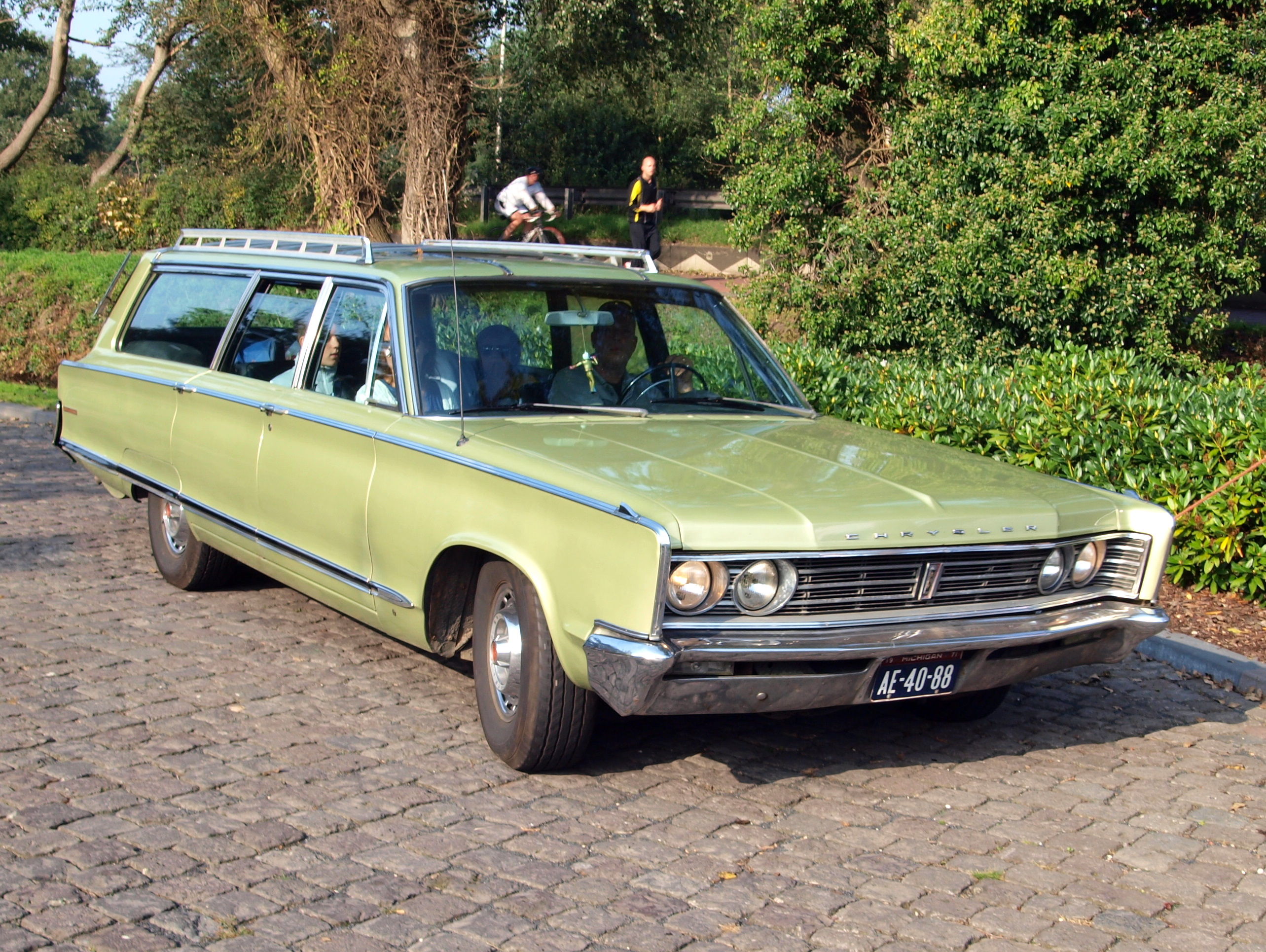
The Chrysler Town & Country is a family van that has lots of space for kids and their stuff. It's designed to be comfortable and has features that make traveling easier for families.
A Ute is a type of vehicle that's like a mix between a car and a truck. It has a space in the back for carrying things, which is useful for work or fun activities.
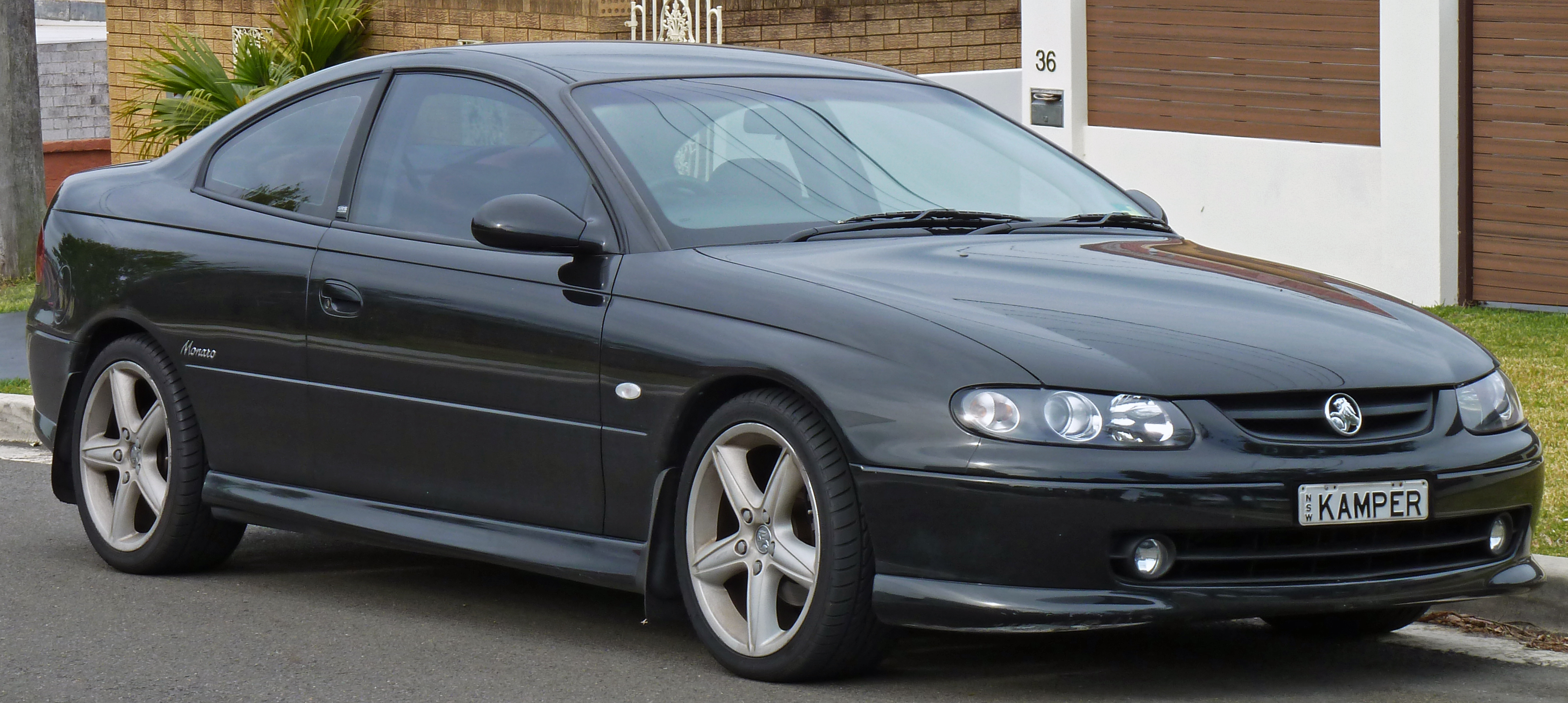
The Holden Monaro 327 is a famous car from Australia that was known for being fast and stylish. It was popular in the 1960s and is still loved by car fans today.
The Austin A30 is a small car that was made a long time ago. It's known for being easy to drive and was popular in its time.
Car
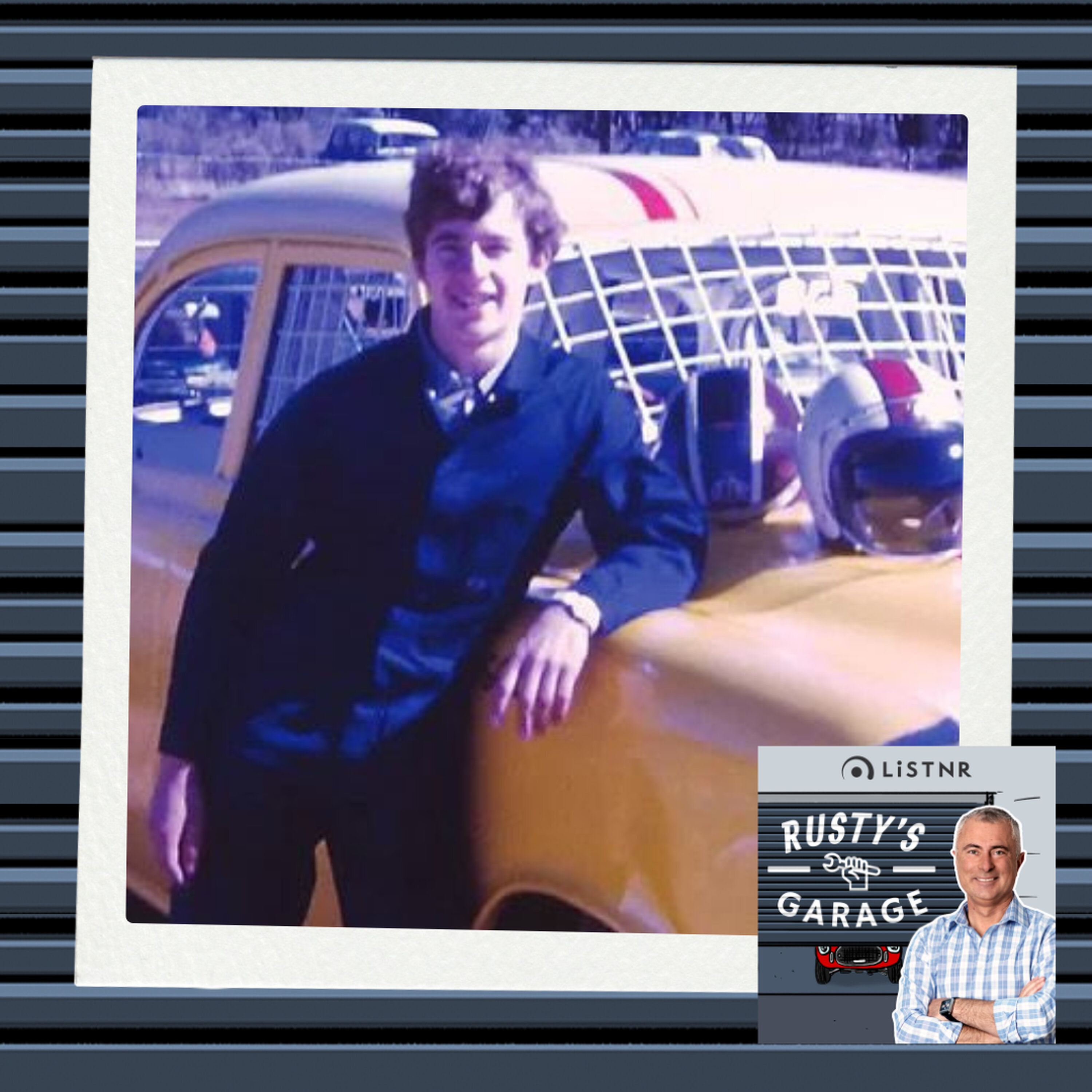
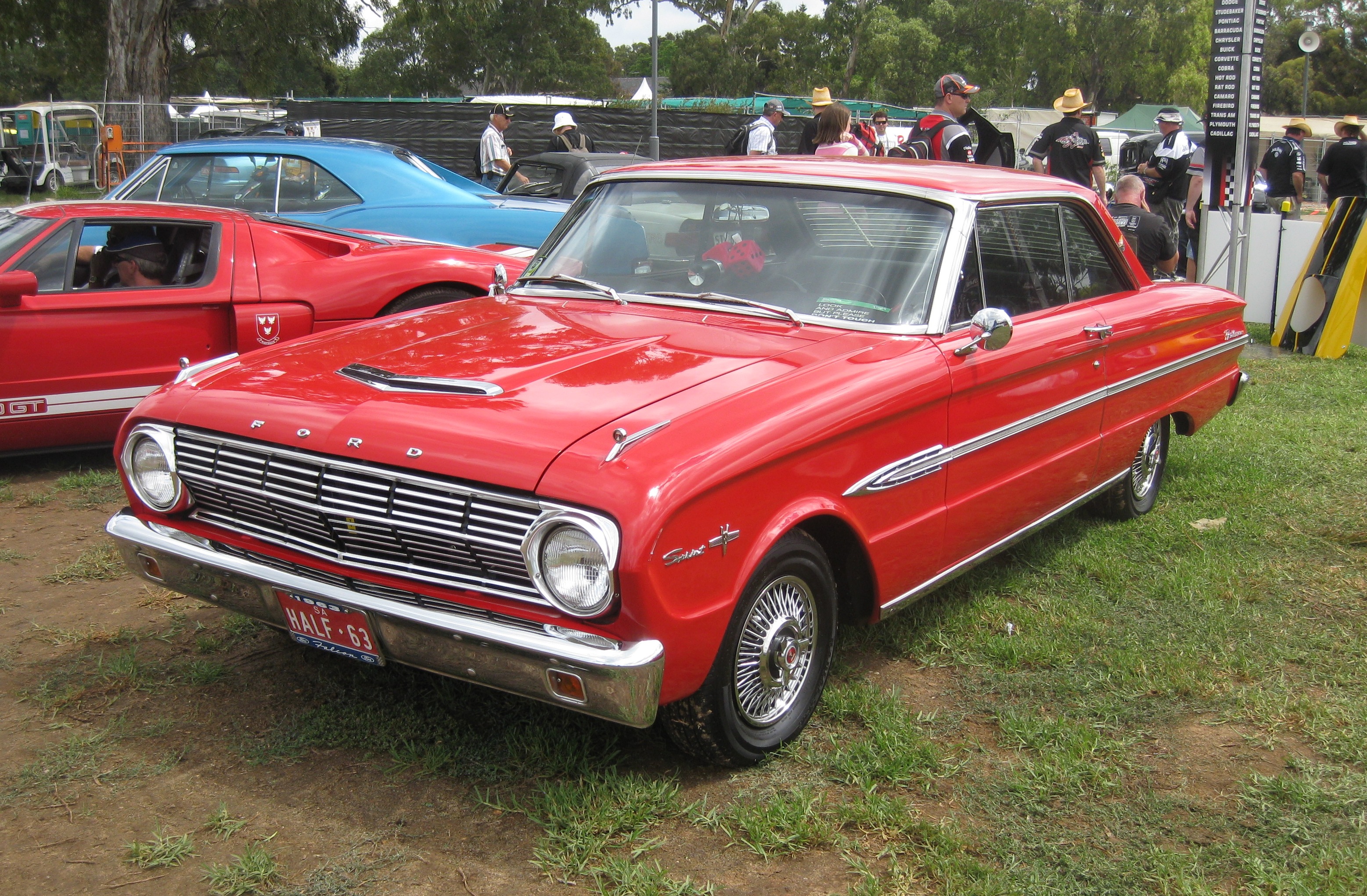
F.E. Holden
The F.E. Holden is a classic car made by Holden in Australia during the late 1950s. It was popular for its design and is often used in stock car racing today.
A roll cage is a strong frame inside a race car that helps keep the driver safe if the car flips over or crashes. It makes the car stronger and protects the driver from getting hurt.
A differential is a part of a car that helps the wheels turn at different speeds, which is important when going around corners. If it breaks, the car can have trouble moving properly.
The Australian Rally Championship is a series of car races that take place on roads and off-road tracks in Australia. It involves cars racing against each other in challenging conditions, and it's a popular motorsport in the country.
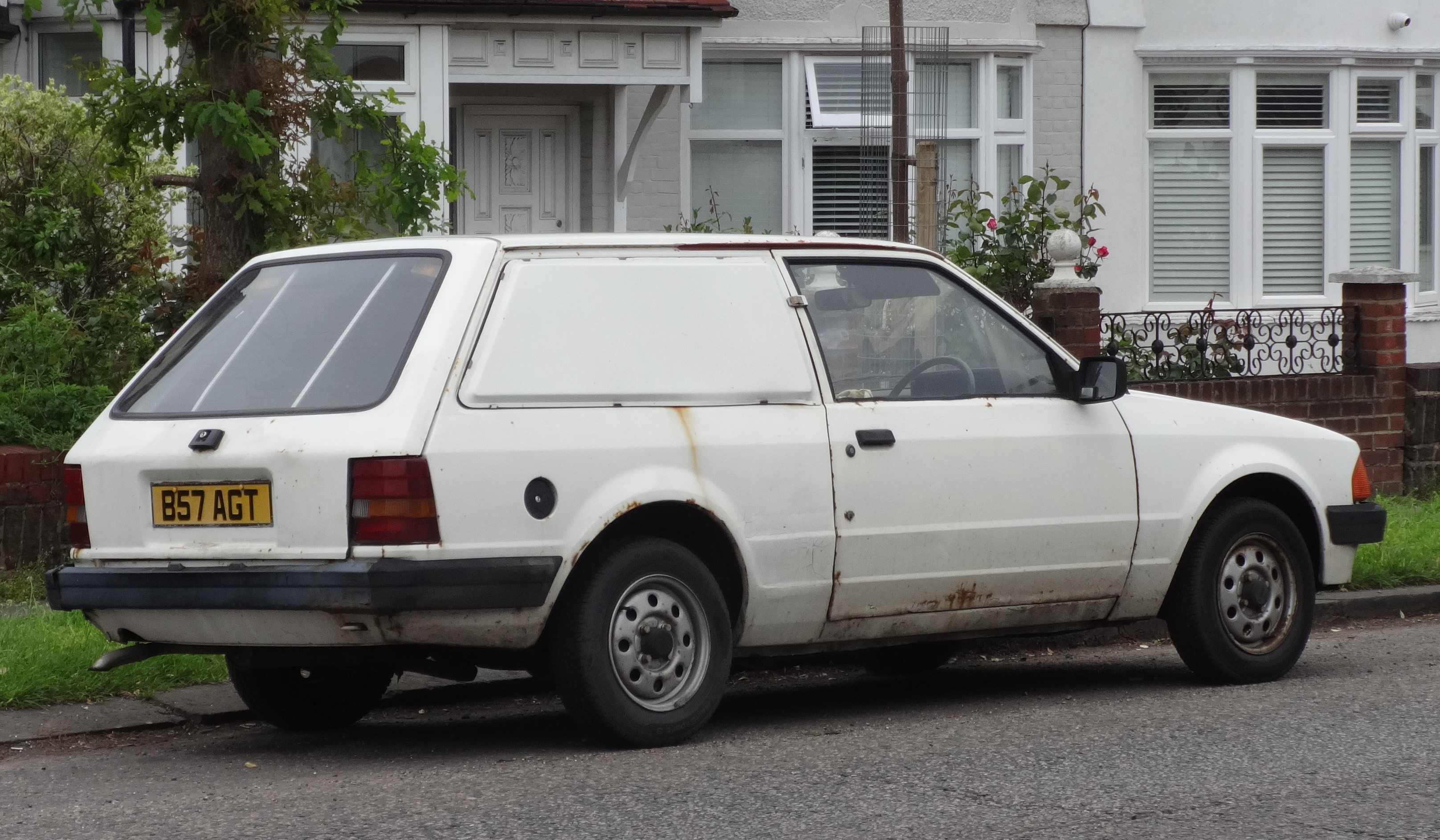
The Ford Escort BDA is a special version of the Ford Escort made for racing. It was built to be lightweight and fast, making it a favorite in rally competitions.
Car
Triumph TR7 V8
The Triumph TR7 V8 is a version of the TR7 sports car that has a more powerful V8 engine. It was designed to be sporty and fun to drive, popular in the late 1970s and early 1980s.
The Paris to Dakar rally is a famous race that goes from Paris to Dakar, Senegal. It involves driving through tough landscapes and is very challenging for participants.
The Ford Laser is a small car made by Ford, known for being affordable and reliable. It was popular for many years and was used by many people for daily driving.
Rallying is a type of car racing where drivers race on different kinds of roads, often with a co-driver who tells them where to go. It's exciting because the courses can be very challenging and vary a lot.
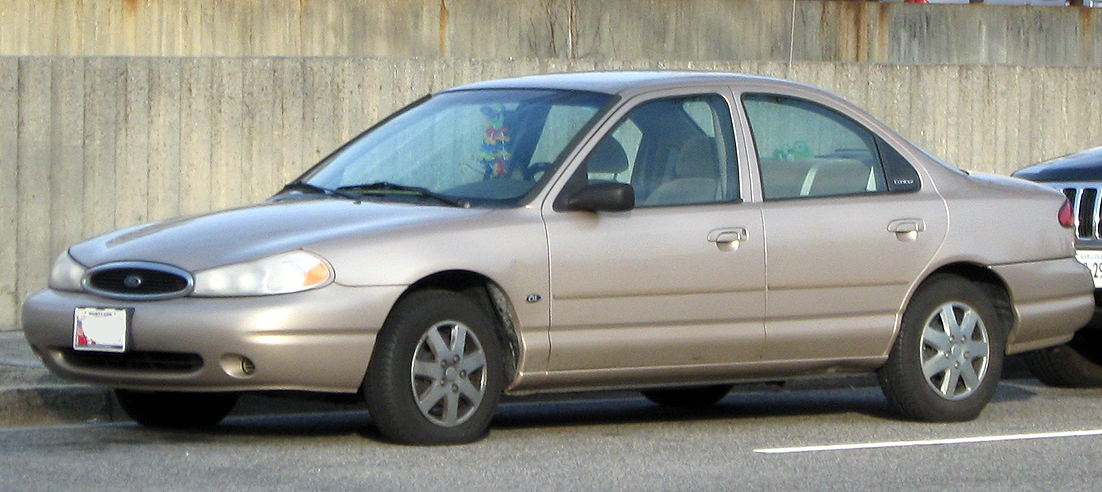
The Ford Contour is a smaller car that was made for families in the late 90s. It has a nice look and is easy to drive, making it a good choice for everyday use.
Brian Hilton Toyota is a car dealership where you can buy Toyota cars. They help people find the right car and offer services to keep them running well.
Bathurst is a famous race track in Australia where many important car races happen. It's known for being difficult to drive on because of its twists and turns.
The Opel Astra is a small car that's easy to drive and great for everyday use. It's popular because it has a lot of room inside for passengers and luggage.
The Holden Commodore is a big car made by Holden, often used in races. The Chickadee version is a special racing model that was driven by a famous racer named Alan Grice.
The Toyota Celica is a sporty car that was made for many years and is known for its performance in racing. It was popular among car enthusiasts and has a strong motorsport heritage.
The European Touring Car Championship is a racing series where different car brands compete against each other on race tracks in Europe. It's a popular event for fans of car racing.
A diff leak is when the part of the car that helps the wheels turn at different speeds has a leak. This can cause problems if not fixed, as it can lead to damage and make the car harder to drive.
In a 24 hour race, cars race for a full day, and the goal is to drive as far as possible in that time. It's a team effort, with drivers switching in and out of the car to keep it running.
LIVE
A listener production.
I'm automotive commentator and journalist Greg Rust and this is Rusty's Garage.
For this hip, I'm at home and my guest is on the GC.
Craig Denier has proudly called the Gold Coast home for decades
and he's worked there in both the media capacity and in category administration,
more on those a bit later.
For a time, Grant Denier, the Gold Logie winning racer and TV host who's in our library,
was simply Craig's son.
Now, Craig is Grant's dad, a badge that he wears with immense pride.
I actually messaged my old pit lane colleague and told him that I was chatting to his dad for the pod
to tell a bit more of his story and shine a light on some of the work that he's done over the years.
Grant was thrilled.
Many of these stories you won't have heard before.
Others you might know a little bit about, but it's nice to hear Craig's recollection of them.
Keep an ear out for the gricey chickadee Commodore story.
How Dick Johnson needed to quote unquote borrow something off his road car.
Celebrity races with legends and the guns that he helped to bring to the 2Gio rally on the New South Wales Central Coast
while he was working there in radio.
There's a funny moment from our time commentating together on Network 10 that I think gave Network 10 management
a bit of grey hair.
That was during the glory days of Procar.
There's some memories of the three hour at Mount Panorama plus his time in V8 Utes TA2
and a project that he's working on now that may just break a record.
Craig's a natural storyteller and he tells them with some real warmth and humour.
I sat there with almost no notes and basically just hit record.
That's great and I hope you enjoy the listen.
G'day Craig Denier, how are you?
Hey Rusty. Been a long time mate, been good to see you. Fantastic.
Lots of great memories that we've had along the way too mate.
Can I start with the fact that I think the Deniers are country people at heart.
Are you a country boy?
Tell me about kind of early life and the first connection with anything that had an engine and wheels.
That's pretty easy actually.
I was born and bred in tomorrow which is a little country town in the Riverina
and our family had a wheat and sheep farm which we still have in the family after 112 years.
We've managed to keep it from the banks which is good, only just.
So I was born and bred on tractors and driving Utes when you're eight years of age
and getting motorbikes and stuff like that.
But I was never really exposed to motor racing.
And then one day I caught on Channel 7.
It must have been the 1967 Hardy for 80500 then in black and white
and that kind of stimulated my interest.
And then we were skiing at Yarrowonga and on Boxing Day every year
Humwee had a major motor racing circuit at Aubrey.
And the big names used to come out, Bob Jane, Norm Beachy, Brian Thompson.
And we were skiing at Yarrowonga over Christmas, heard the race meeting was on
and so we went and made a mine and my brother, a few other mates to Humwee for the first time.
And I was absolutely encapsulated.
And I was really, I'd never heard of the names of Beachy, Jane, Thompson and so on.
But I saw this bloke in this blue 327 Monaro coming through.
I think it was called the Southern Loop at Humwee.
The big loop down at the end of the, basically the enscarpment there.
In the wet sideways, hand out the window, waving to the crowd,
trying to chase down Bob Jane's Transair Mustang.
And that memory stuck with me and from that moment I was hooked.
There was even a young guy called Peter Brock there in his Austin A30 Holden,
Lynn Brown, a heap of other guys that went on to of course become quite famous names in Australian motorsports.
So from that moment on, I was hooked.
I went back to the farm and I said to my brother,
we're going to build an F.E. Holden stock car and we're going to paint it in Norm Beachy colours,
which we did and we raced it.
I raced it as a 16 year old at Tamora Woodlands Speedway,
which is a local speedway track that had just opened.
And in between races, there was no one else doing commentary.
So I jumped up in the commentary box as well and filled in and that was really my entree to motorsport.
And from that moment on, I was hooked.
I love that. Your career has kind of had two really significant roles from,
I mean, if you include driving at three, but from the media side,
which we'll talk about in a bit more detail probably first,
and then kind of category administration and some wonderful things that you've done there.
Craig, were you as a kid, always that outgoing talkative kind of person?
So the commentary that you've just talked about,
that probably came quite naturally to you, did it?
Look, I was always at school.
I won a couple of public speaking contests, which paid $5 in cash,
which was fantastic because that was a week before the Tamora show
and $5 in those days.
Goodbye, you're right on just about anything.
I was in, you know, local theater production, stage production.
So I kind of liked that, you know, I was introduced to that through school
and I wasn't saying I was great at it, but I was good at it
and got away with it probably more so than anything.
And of course, that kind of led me to, you know,
television, commentary, radio and it kind of, I guess,
I always wanted to get into radio as my first love
and that was because I simply saw the local radio station 2WG
broadcasting from the Tamora show.
And here was this guy in this glass-paneled wall
playing all my favorite music with all these wonderful chicks looking on
and I thought, that has to be a great career.
That has to be fantastic.
I can even remember his name.
It was Laurie Neville, I think it was, from 2WG
and that stimulated my interest in radio
and basically that's how I basically got into media as a career.
Amazing. Is that the same station that you sung?
Grant has been on our pod before and does some incredible things in the media.
Did he have a little bit of an early foray with that same station?
Well, I left school and went straight to what was then RVN2
which is the local television station in Wagga
which became Prime Television.
And ironically, that was exactly where Grant started out of school as well
at Prime Television through a connection I had
who was the news director, a guy called Doug Hogan
who was very instrumental in Grant's early career
and Doug and I had worked together at both 2GEO, Gosford and 2WS in Sydney.
And so I introduced him to Doug.
I said, mate, have you got any work experience for this young kid?
I think he's got a bit of talent. He wants to get into radio, TV
and that's basically how his career started as well.
So we've kind of paralleled in a lot of ways in our life.
I've had a long climb from the bottom to the middle.
He's had a great climb from the middle to the top
and that's basically it.
I love that.
He and I, I think, I was in my very early days at 2GB
and I can recall late at night at one stage talking down the line to him somewhere
and it was still very early in his career
and he's gone on to do some amazing things.
You must be enormously proud as a dad of him, Craig.
Yeah, very, very proud.
I mean, and look, he's done it all his own.
Rusty, I've been able to introduce him to a number of influential people in his life
like Doug Hogan, like Murray Lomax, like David White
when he was the Spork Director at Channel 10,
which helped him progress his career.
I remember Mark Perretto rang me and said,
oh, look, we're going to rejig Sunrise.
Do you think Grant, who was then at 10,
would be interested in coming across to Channel 7?
So I facilitated that conduit of conversation,
which of course meant Grant then left 10
and went to be the weatherman on Sunrise for so many years.
So I guess he's done it all on his own talent and all his own drive.
It's nice to have been part of him to at least guide him along the way
and maybe give him the introductions where necessary.
But full credit to him, he's made it happen all on his own
and not with a lot of family money because there isn't any.
Yeah, but the road that you've walked has been a great...
I'm sure there's lots of lessons that have come out of that
that have been great for him as he's stepped along aspects of that same path.
Can I come back to, if you don't mind, that amazing stock car?
You've sent me a picture of it with a young Craig Denier beside it
for a head of the pod.
Tell me about how you went. Were you competitive?
Were you up on the wheel? Tell us more about that.
Well, I bought it for $50 as a chassis or a rolling shell.
So there wasn't a lot of knowledge in it.
And I said to my brother on the farm,
I said, can you build me a roll cage?
And of course, we didn't understand then that light race cars
are much, much better than heavier ones.
So he put in a four-inch water pipe, which was the main roll hook.
And there was another mate of mine called Greg Pickerskill, who I went to school with.
So we basically co-funded it together and we shared the driving.
And I think, look, I think in all up we probably did three or four race meetings.
I was leading one at one stage, which was the highlight of my very, very short racing career.
And I blew the diff and that was it.
But that was my entree into the sport.
I painted in a Norm Beachy shell colours and it looked fantastic, even though it was hand painted.
And then we gave it another paint job about, I suppose, 12 or 18 months later.
And it was in Pete Gagan castrol colours because he'd become my new hero.
So there you go. Hand painted the first time.
We could afford spray cans the second time, so that was good.
When did you start to have a bit more interaction with some of these legends?
I mean, you've talked very fondly about watching them, you know, on the sidelines there, if you will, at Hume.
When did the interactions kind of start with them?
Basically, when I moved from Wagga, RVN2 Wagga, or what's prime television now, to Tuolty Lithgow,
I always wanted to get into radio.
And that was my first radio station.
Of course, it's just up the road from Bathurst and just down the road from Amaru Park.
And so I went down to all the race meetings and I discovered this wonderful thing called a press room,
which I never knew existed.
But it's where you can go in as a journalist and get a cup of tea and a sandwich.
You're out of the rain, you're out of the sun, you're in air-conditioned comfort,
and you can see racing from right alongside the track and not have to pay for it.
So I figured out very early that if I rang Ivan Stibbard before any Amaru Park race meeting
and did an interview with him, I would get free tickets.
And that's how it all started.
And that included Bathurst.
And so that kind of got me into the media side of the sport.
And through that, I got to meet most of the names that are still quite well-known today,
like Bondi, Gryce and guys like that, Alan Moffat.
And that was really my entrain to, I suppose, being directly involved in the sport.
I was working in radio, but I could go to those race meetings and do reports and do radio interviews
and stuff like that to satisfy, I guess, the motorsport hook that was stuck in me somewhere.
You had the chance to race against some of them too, which we'll come to in the timeline.
What's clear, Craig, is that even in addition to the radio announcing whatever it might be,
the media side, you had a grasp of the business too, didn't you?
And what something might cost, an asset in media might cost, how to perhaps involve sponsors.
And for what you've done over the rest of your life was a natural alignment, I think,
and a great skill in many ways, wasn't it?
And look, to be honest, Rusty, it was no real plan.
I guess it kind of just happened.
I mean, radio was what paid the bills and what helped bring up three children.
And that was kind of you, certainly my career path, but motorsport was certainly my hobby.
And to be able to blend the two was very, very good.
And I think that one of the things that I really enjoyed was the fact that you could go out,
report live from a rally or report live from a motor race or go to Bathurst,
and then come back and still be part of a great radio world,
which took me to London, took me to the Gold Coast as the general manager of CFM when it first launched.
It took me to 2WS in Sydney, and it became quite a great radio career path.
But it was never one that I kind of forged.
It just kind of evolved, if you like.
And so that's basically how I ended up in the sport.
It wasn't really by choice.
It was just kind of an evolution of where I was at the time.
And I guess what was ticking the box.
Can we come to the UK chapter?
I may be jumping around the timeline a little bit here.
But I think where you were, the station you were working for was relatively close to some tracks.
And is that the first maybe interaction with Malcolm Wilson?
Is that how you came to perhaps first meeting?
No.
In fact, I met Malcolm before that.
What happened?
I was at 2GA.
I was a program director of Radio 2GA on the Central Coast, Gosford,
which was a very, very successful provincial radio station.
We also owned 2WS in Sydney.
And a guy called Mike Bell, who was then the head of the Deep Water Supporting Car Club,
wanted to promote this rally and came to the radio station.
Can you guys help?
And so we said, yeah, we'll get behind it.
We started with the rally starting in the 2GA car park.
Will Hagen came up and did the commotion to introduce all the cars,
which gave me an introduction to Will.
And so that was really where it happened.
And that kind of event started to grow quite significantly.
He came around to the Australian Rally Championship.
And I brought him Dunlop as a series sponsor for that series.
And we wanted to have a named driver.
And I hadn't heard of Malcolm Wilson in front.
But somebody said, I'll ring this guy in England, a guy called Jimmy McCrae.
He might be interested in coming out.
So I rang Jimmy McCrae out of the blue and said, oh, you're just coming to Australia for a rally?
Oh, yeah, he's a Scotsman, of course, very broad Scottish accent.
And so we basically did a deal.
And then he rang me back about four weeks later and said, look, I can't make it.
This is 1982, 1983, I think it was.
And anyhow, he said, but look, there's another guy you might be interested in.
Talk to Dave Richards.
So I rang Dave Richards and Dave at that stage, Dave went on, of course,
to become, you know, head of British American Tobacco Formula One team.
He basically Subaru World Rally team.
At that stage, he was a navigator.
He was a navigator.
And he said, look, he said, I've got this young kid that's just had a big accident
and I'm trying to rebuild his confidence.
And Malcolm had broken both legs in a massive rally crash.
And he said, we'd like to try and build his confidence.
Would you be interested in taking him on board?
And so we did the deal.
We flew him out and he did two years, 83 and 84, 82 and 83.
Either of those, I think it was.
First in a BDA escort, which was provided by Mike Bell, who was the president of the car club.
And the second year he raced Colin Bond's TR7 V8 Triumph.
So that was my introduction to Malcolm.
And then when I moved to England to work in radio, I continued the friendship with Malcolm
and have continued right up to this day.
So it was, yeah, it was wonderful.
I've been to his place twice in the Lake City District.
So I've flown with him in his helicopters around there.
Fascinating stuff.
And to see what he's done with his career from those days to where he is now.
And I mean, M Sport just ran in the Paris to Dakar rally, I think in finished second.
And of course, they won the Baptist 12 hour with the Bentley.
So it's been a wonderful success story to watch him grow and develop as an individual.
I love that you still have that connection to Craig.
That's beautiful.
And a young early teens, Greg Rast has very, very vivid memories of the 2G rally.
I mean, people can go hunting for it on YouTube.
You can find that stuff of Malcolm in the TR7.
I mean, that thing had so much power sliding all the time.
But it was, you know, clever, I think, either by you, the event, everyone together.
I mean, to have that machine creating so much noise in the forest and sliding around.
And so to bring some of these names together, it just added to the cachet of an event
that had some beautiful forest stages, didn't it?
It did.
And we boasted five Australian rally champions, four touring car champions,
and three Bathurst winners.
And that was true.
And we gave Dick Johnson his first ever rally in a Ford Escort sponsored by Precinct Robot.
That's right.
Kevin Bartlett also drove an Escort owned by Dallas Dogger and rolled it big time.
Took out the branch off a tree.
It was so high off the ground.
And we had Bobby Morris raced in it as well.
And so we had some wonderful names.
Greg Carr, George Fury, Ross Duncan, some absolute legends of the sport.
And it was a great event.
It was a genuine round of the Australian Rally Championship.
And it was, it was a lot of hard work, but it was probably power, passion,
the backing of the radio station helped because I was really working full time there.
But it developed into a great event and very, very proud part of Australian racing history,
rallying history.
As you should be in the rally stages, basically on your doorstep.
And as I say, it's got a bit of a cult following.
Was this roughly maybe the timings out a little bit here?
Tell me about the Alpha Series.
You have sent me some cool pics of you.
Might have been in front of a couple of legends as well and wheeling that thing
around places like Amaru Park.
Yeah, they were probably lapping me at the time, but no.
Yeah, I was, I was really keen on the Alfa Romeo trophy series.
And I was, I was itching to have a go at motor racing.
And I didn't have any money.
I was married with two young children.
And, but I, I, I did a contour deal with Brian Hilton Toyota.
And we bought an Alpha suit that had been raced by David Selden in the previous year.
And then I got it looked after by a mate of mine called Ian Hill from Gosford Dino
Tune and got a few sponsors plugged into it.
And I only did the one series I did.
I did, I think four rounds or five rounds of the series at Amaru Park rolled big time
on the second round when I was clouded by, by Alfica Stanzo ended up upside down and
what corner coming into Honda corner coming down, down the hill, you know,
out of the loop around the back coming down the hill and it was about four of us wide
and Alfie decided to come right down the inside at warp speed and clouded me on the way through
and I ended up upside down at the outside of the track.
But we came back the next round, qualified fifth outright.
And that was about the highlight of that career.
Beautiful.
I mean, when they come off the back of Bichapave, they sort of disappear out of sight of the crowd
for a little while and then they would come back in.
I love that, that great old track was only a short distance from where I, from where I grew up.
And you can still kind of make out the topography.
It's all lifestyle blocks and things out there now, but you can roughly make out the topography
of what was a great little, a great little race track.
And it was a great series because it had Alan Jones, Dickie Johnson, Colin Bond, Alfica Stanzo,
Tony Longhurst was discovered there by Frank Gardner.
And even though it only lasted two years and it was only ever at Amaru Park and wouldn't know where else.
It was a fantastic little budget series to get at least involved in and get my taste of the sport from a driver's perspective.
It wouldn't be your last appearance behind the wheelie.
This will come to a few more of those.
I'm intrigued, Craig, about the commercial side and stitching some of the deals together.
We've talked about you on the media side there, even with Dunlop before there with the 2Gio rally and so on
to bolt something like that together with a young family that you talked about at the time.
It must have been quite a big commitment.
How did you go rallying companies to, you know, rattle the tins, so to speak, and come on board?
Well, I think it was just passion, Rusty.
I mean, I don't think I had any other great ability other than being in radio.
I was a probably reasonable talker and it was really getting in front of the right people and selling the passion of the sport.
And I was probably pretty good at that at that stage because I was young.
I was hungry.
I did love the sport.
I truly love the sport and I still love the sport today.
And I think it was just one of those things that, you know, you push yourself.
I didn't think I had any great particular talent other than I knew the sport and I knew the potential of the sport and what the sport could offer.
And that led to me to do some pretty good deals, certainly early on in those years and then later on particularly when Grand started racing
to be able to help in with his career as well.
I love, and I imagine maybe the two of you came up with this together, but you could always think outside the box around some of that stuff and ensuring they got coverage, value for money or something unique in the sponsorship.
And I vividly recall Grant in one of the very first production car races that he did at Bathurst.
I think he had just cut sponsorship on board and right before he's about to jump in the car, he gets a haircut in the pit lane.
Did you come up with that or did he?
No, absolutely. We talked it through and thought, oh, here's a good way of getting a bit more value to the client.
And you're right, that was his first ever run at Bathurst.
I think it was 1999 and it was in a Mazda 626 and he shared with Tom Watkinson.
And that was Grant's first ever race car drive. He'd race go-karts and that was it.
So to throw him in the deep end at Bathurst as his first ever touring car drive was quite a big thing.
And I remember that he put it in the sand in the chase very early in the weekend so it was well and truly down on track time.
But they were leading their class for most of the day and they only got pipped by Greg Murphy and Stephen Richards who were racing in the same class in a whole and Astra.
Astra.
Yeah, and Grant and Tom were on for their first class win and they were looking really good.
And then I think there was the safety car intervention and basically they ran too long and had to pit under green and Murphy and Richard Spitted under the safety car got the class lead and then went on to win it.
But that was his first ever Bathurst 1999.
I see Murphy from time to time and I wind him up about how powerful that thing must have been back in the day.
Now I'm glad we're kind of talking Grant here again for a second because he's reminded me to ask you during this conversation about Alan Grice, the Chickadee Commodore and some of the stories around a special part of Grice's life and probably yours as well with that car.
And Brett Murray wrote a great story on this recently for Speed Café around.
It was something to do with the bomb threat wasn't there and it was all a bit touch and go.
Tell me a bit more about that.
Well, that was 1986 and Graham Bailey, who was a own Chickadee chickens along with his father and his brother on the Central Coast was love motor racing.
He raced a Falcon sports sedan and then he bought a couple of Peter Wilson's Toyota Salicas and started his Bathurst and touring car career.
I think he won the class at Bathurst a couple of times with Doug Clark in that Chickadee chicken Salica, but he wanted to move on to the big league.
So we got less small to build him a Commodore for the 1986 year and Graham was a very, very slow talker and a wonderful man, but very, very slow and very, very lacks a lot of animation.
So, you know, it's a conversation with Graham is a long conversation, even if you just ask, how's the weather?
But it's a but he's a wonderful man.
And so he had this passion that he wanted to do as well as he could at Bathurst.
So I think Chickadee chicken said, look, you know, spend what you need to spend and get it out of your system.
So he did the right thing.
He got less small to build him a Commodore grip a Commodore.
He then went to do three of the European touring car rounds with Chrissy and less small.
And I think Moffat and Brock were doing a couple at the same time.
And so he got some miles up over there.
And then, of course, he arrived at Bathurst and, you know, the team was in good shape.
Small team.
I was the PR sponsorship manager if you like for the business manager for the team.
And I took a year off radio in 86 to do that with with Graham and help him and and away we went.
And what happened was, Christy was then racing in the European touring car championship.
I think for Nissan at the time.
Graham did the deal to bring him back.
There was a bomb scare at Heathrow.
And of course, Heathrow was shut down and and Gracie couldn't get a flight.
So he was going to miss pretty much all of Thursday's practice.
And he finally came in Friday morning.
I and a guy called Ian Mordsley, who was a good mate of Gracie's and runs the annual motorsport legends lunch on the Gold Coast,
did a deal with Bob Jane to charter his chopper to fly direct to Sydney to pick up Gracie because in those days you had to do a minimum number of laps to qualify.
And we got him back just in time to do the final session before qualifying before the top 10 shoot out the next day, of course.
And Gracie after, you know, 24 hours flying plus another, you know, 36 hours waiting at the airport to get there was fastest.
And then and then basically went on to win the race and what was a fairytale drive.
The interesting thing is, and this is typical Gracie, there was $10,000 put up for Hardy's heroes.
And Gracie said to Graham Bailey, if I put it on pole, will you give me the money?
And Graham said, No, no, I'll put the money into the team pool.
And Gracie said, Oh, that's that's fine, Graham. I'll put it on the front row, but it won't be on pole.
And that's exactly what that's exactly what he did.
Gary's got out, pulled him by five tenths of a second.
So it was a fairytale race and full credit to Graham Bailey for, you know, having the fortitude to be able to do it, the vision to do it,
the knowledge to bring in Gracie, who was hot for a Bathurst when he hadn't won Bathurst up to that point.
And and everything clicked on the day. It wasn't a perfect day.
But the car had so much speed that they actually put Peter Brock under pressure and it was Brock's team that broke first.
The Chickadee Commodore developed a diff leak, quite a serious diff leak during the last probably three or four hours of the race.
But they'd built up such a gap that they could afford to come into the pits.
Peter Pattenden, who helped bolt the car together with Les Small, got under there, put more oil in the diff.
Didn't even lose the lead of the race and they went out and cruise to what was Gracie's first Bathurst victory and a fairytale win for Graham Bailey.
So probably one of the last true privateer Bathurst wins.
One Denier is never enough. Make sure you check out Craig's Logie Award winning son, Grant, in the Rusty's Garage Library too.
So all I can see is this white glow. So I've gone, all I'm seeing is white and I know I've had an accident.
I'm dead. I thought I'm dead. So I thought, well, at least it didn't hurt. I seriously thought I'd crossed over.
Not knowing that this white thing was an airbag.
Grant Denier, welcome. It's your turn. I've been waiting for you.
A properly successful TV man with a real love for cars, bikes and racing.
Grant and his old colleague Rusty have some good laughs in this one and a heartfelt moment about his career too.
Back to Grant's dad now and his story.
You said you took the year off to kind of do PR and commercial stuff for the team then, a year off radio I should say.
What was public relations around motor racing like back then? Because now we're in this whole sort of social media world.
Are you ringing old mates and radio and getting interviews for GRISE? Are you hustling with different ideas?
Give us a little sense of that.
Yeah, all of that. Plus, you know, you didn't have the internet and I remember I had a typewriter and about five pages of A4 white paper and a piece of carbon in between one.
So when you typed out one press release, you got five copies, five carbon copies.
A genuine carbon copy.
And then you'd go and stick that up in the press room and then you'd hand it out to those that, you know, that you thought should have a copy of it.
And then you'd basically put it in the mail, pre the race and send it out to all the press contacts you had.
But it was a fantastic effort and, you know, full credit to Graham.
He was not the fastest driver, but he was one of the smartest businessmen and he knew that if he put the right people around him, he got less small.
He was a genius at building cars and still is today.
If he got less small to build the car, he got gricy to give it the outright pace.
All he had to do was do the middle stint on the day.
And if they got lucky, they might jag a decent result.
And that's exactly what happened.
A fairytale win.
Absolutely fabulous.
I love the backstories when we do these podcasts.
Am I right in saying at some point, and it may have been prior to this, you know, the win there in the mid 80s, did your road car or something along those lines become a donor?
For Dick Johnson, when they were repairing, was it the Green Stuff Falcon or something?
What happened there?
It was.
I was program director of 2WS at the time, I think.
And we had a promotional association with Dick because Western Sydney was big in the motorsport.
That's where 2WS is basically home crowd.
A listenership base was.
And so we had a promotional association with Dick and we had 2WS on the car for a couple of seasons.
And I had worked with Dick and got him the drive in the 2GA rally a couple of years before.
So we'd become quite good mates.
And anyhow, what actually happened was when he crashed the Green Stuff Falcon in that horrific crash at Forest Orbeau, of course they had to get another car.
Now George Shepard had built another car for Dick some years before, which they had sold to Andrew Harris, who had entered it that weekend as well.
And because the Green Stuff Falcon was totally destroyed, Ross Palmer, who was then Dick's major backer with Palmer Tube Bills at first and then Green Stuff, which was on that car, said I'll go and do a deal and buy Andrew's car back.
So he did.
And so overnight they totally rebuilt what was Dick's old car back into the Green Stuff Colors, repainted it the whole thing, transferred whatever gear they could across to that car to be ready for the race.
And anyhow, I was in the mobile studio again doing live reports to both 2WS, 2GA and a network of radio stations.
And this is probably about, I don't know, 90 minutes before the start of the race Sunday morning, the paint was still wet on the car.
And George has raced up to the studio and knocked on the door and said, Craig, Craig, I said, where's your car?
Because I had an XE Falcon road car.
And I said, why? What's the matter, George? He said, you won't believe it. The scrutiners have come down. They've checked out Dick's car.
It doesn't have a blue Ford badge on the front, so they're not going to let him race.
And I said, you're kitty. He said, so I've got to find a blue Ford badge.
He said, they said, even if I put it in the glove box, that's fine, but it's got to be in the car or on the car somewhere.
So he said, where's your XE Falcon? And I supported it to him in the car park and I saw him watering off with a tyre lever.
He levered the Ford oval badge off the front of the car, put it in the glove box of Dick's car. No way they went. They passed scrutiny.
Unreal, unreal. 2WS, tell me a little bit about that.
And were you crossing paths along the way with the likes of Steve Raymond?
He and his brother, Mike, were legends of the Speedway scene at that stage. Steve was very good in the radio game.
Was there a bit of crossing paths there?
Yeah, Steve was working at 2WS full-time, whereas Mike at that stage was, I think, full-time at 7, as sports director at 7.
But he'd still come into WS on a regular basis, so we caught up a lot there.
Both were very, very passionate about Speedway particularly, and certainly in terms of Bathurst and Turin Car Racing, Mike Rabin was an absolute legend.
So, yeah, I knew them both very, very well. And of course, Mike has since passed on, but his contribution to Australian motor racing is absolutely legendary.
Now, at what point here does kind of a move to CFM come on the radar? I could be jumping forward a little bit.
And there's some fabulous photos of you doing some motor racing again in a laser of all things and pairing with a proper legend to do that as well.
Yeah, well, I had moved to England, and while I was working and living over there, I continued the relationship and friendship with Malcolm Wilson and visited him a number of times while I was over there.
And in the meantime, a company I was involved with had applied for an FM regional radio license, which would just be coming available in regional markets like Gosford, Newcastle, the Central Coast, and the Gold Coast.
And the syndicate that I was involved with actually won the Gold Coast license. So I came back from England to basically set up what was CFM in the original day, it's brand new FM radio station.
And of course, when the Gold Coast Indie event came along, that was at the in 89, we launched in March 89. And of course, the Gold Coast Indie event came along in 91.
So we had a very, very close association. And of course, Ron Dixon was heading up that event. And I had known Ron Dixon from the Bathurstays and Western Sydney Radio and stuff like that.
And so I got heavily involved with basically the very, very early Indian events. This was before on screen television, before FM TV, as most people see on on race tracks today.
So CFM was given the responsibility to do the live call of all the races of all the action. And so we had to set up a team of commentators right around the track on various high rises that would literally call the action as it happened.
And we had a fantastic time. It was an amazing time. And of course, that was in the golden days of what I call the Gold Coast Indie event, when you did have Mario Andretti, when you had Emerson Fittipaldi, Nigel Mansel, some of the great names of world motorsport come out and race those fantastic Indie cars.
So that's kind of how it all started. And the celebrity racing came along. I think it was in the second year Ronnie Dixon wanted to put together a pro am celebrity races.
Of course, his idea was that he would sell the amateur drive to local businessmen and they'd be paired with a legend like a Pete Gagan, a Bob Jane, you know, a Leo Gagan or a John Goss or somebody like that.
And I said to Dico, I said, no, I said, there's no money, mate, but there's plenty of contract. So what can I do to contract a drive?
And so we did a deal. And the first year I drove with big Pete, big Pete Gagan. And it was an all in qualifying session. And I was lucky enough to put it on pole position.
And I say lucky because it probably was a lucky lap, although I did repeat it the next year. And I had had some tutoring from Tony Longhurst, because Tony at that stage was running the performance driving school with Frank Gardner out at Norwell.
And I knew Tony if you're racing against him in the laser series in the Alfa Romeo series. And so I said to Tony, can you give me some laps?
So we did some laps out there and he gave me a few pointers and it was good enough on the day to put me at the head of the field.
So Pete Gagan I raced with in year one. And I led to the driver change and then I was about 65 kilos and Pete was about 265 kilos.
So the driver change probably took longer than the lap time. And so that that dropped us from first to third, but we still finished third.
And then I raced with Bill Brown in the following year again for a podium. So good times, great times.
Beautiful photo of you and Grant and Bill together as well, I think from that that you've shared with me. You've undersold it a little bit there too.
Because I think between the pics that I've seen of Alfa Seward and Laser and around the tracks in question, in this particular case, Gold Coast, there's a bit of two or three wheeling going on there too, Craig.
Yeah, I mean, look, and that was the long Gold Coast track too. That was the original track. So it was, yeah, you had to have your eyes open.
And I was lucky enough that Wally Lewis worked for me at CFM as well as my sports director. And Wally had done the first celebrity race in the inaugural India Vet in 1991 in a HQ Holden.
So he raced around there. So I said to Wally, let's go and do some late night laps, mate, and show me where the braking points are.
So Wally and I just did in my, I think my CFM company car just doing laps of the circuit late at night so he could show me, I use this telegraph pole here. I use that road sign there to stop.
I use that girl in the bikini on that corner to stop there. And so he was a great help in talking me around the track. So it was very, very funny times.
Were you cemented from pretty much there on in the Gold Coast? Did you move around again in a work or family or media sense or that's where you've been ever since?
That's pretty much where I've been ever since. And I mean, I originally came here to set up CFM and then my plan was to go back to London and go back to radio in the UK because I really enjoyed it over there at the time.
But circumstances sort of changed in my personal life and Grant's mother decided she wanted to move to Melbourne and that the marriage basically had ended.
So that kind of changed my perception of where I needed to be and what I wanted to do. And while I was keen to go back to London, I didn't like the thought of being so far away from the kids.
And while let us move to Melbourne with Courtney and Grant, I stayed on the Gold Coast, so at least I had the kids every holiday. And hey, what about a holiday on the Gold Coast for kids?
I mean, we had unlimited Grundy's tickets. You know, we could go to all the theme parks as part of a CFM promotional deal. So every school holiday, they would come to me and we would have a great time.
So that was really the key thing that anchored me to the Gold Coast long term at that point.
You've talked about how CFM kind of came about and it sounds like you were heavily immersed in all of that. Craig, where did it in terms of a role, how high did you get within the company, within the media organisation there?
I was general manager of CFM and I was an original shareholder in CFM and the application process to apply for an FM licence at that time was very, very difficult and time consuming.
And you had to lodge masses of masses of paperwork and justify the business case, the need in the market for another radio station, where the programming gap was.
And that was why I left 2WS because it was a full time job to basically do that. And so while I was doing that, I spent the year basically putting the application together with the rest of our syndicate and shareholders.
And then we had to wait for a decision from the government who was going to be granted the licence. And that was again another 18 months down the road.
So in the meantime, I had to live. So basically that was when I went to London and picked up some work over there while waiting for that process to come out.
Glenis and the children came over and lived with me and we spent nearly 2 years over there. And then when we ultimately got the news that we won the licence, then Glenis said, well, I'd prefer to move back to Melbourne with the kids.
You go to the Gold Coast and do your radio thing and we'll see what happens. And that's basically how it ended up. So by default, I couldn't go back to the UK without spending too much time away from the kids.
So I elected to stay on the Gold Coast. And it's not a bad place, Rusty. And I'm still here.
Absolutely.
And 30-odd years later.
I love it.
Most of us in the media, and you're very, very good at this, will switch hats. We do different things along the way, different roles.
So you've talked about CFM there. What about the, you know, you've had some forays into commentary, be it around the Gold Coast track and whatever else?
What about proper kind of more regular TV stuff on the motorsport side again?
Yeah, when Ross Palmer was heavily involved in motorsport, as you know, first with Dick Johnson, True Blue, Green Stuff.
And then Ross set up a Chicago factory that did very, very well, Palmer Tube Mills in the States. Then he moved back to Australia.
So Ross was around and he decided he wanted to start his own series.
And that which became ultimately what I'm wearing today, the ProCar Champ series.
And that was basically production cars, what was originally GDP. And at that stage, I had CFM had been sold.
I wanted to take a break because it consumed sort of seven or eight years of my life.
And Ross and I had met at that celebrity race on the Gold Coast that you mentioned.
So basically, there was an understanding there and then Ross said, oh, what are you doing?
And so I ended up saying, look, I'll come in and just work to help you get some sponsorship deals together.
And I brought Century Batteries in as the as the naming rights partner for what was then the Australian GDP Championship.
Of course, Jimmy Richards was racing in it, John Bauer in a Ferrari, Paul Stokel in a Lamborghini, Peter Brock in the, you know, the Fabulous 427 Monaro.
So, you know, there was some good stuff happening and we were we were basically as support program earlier in the in the in the V8 Supercar days.
But unfortunately, Ross and Tony Cochran had a major falling out along with Wayne Caddak and Ross said, I'm going to do my own thing.
That's it. I'm done. I'm going to do my own thing and I've got to start my own series.
And so that then became more of a full time role along with Bill West, who was working for Ross at that stage on GDP to basically develop the series Nations Cup V8 UTS Formula 3 all came out of basically that series moving forward.
So Ross was Ross was was 35 years ahead of his time is a wonderful passionate human being.
And I know in the first 24 hour race, which came along, which again, Ross and I put together, he had it sponsored by Formula Green.
And of course, that was Ross's first moving into the into the green industry.
And of course, if you did that today with the Labor government without an easy, I mean, they would pay millions for the branding rights of a 24 race funded by the Labor government under the banner of Formula Green.
I mean, so Ross was 30 years ahead of his time because he'd got a government grant for it this year and not out of his own money.
But they were two fantastic races and much driven by the passion of Ross and his love of sport as well.
You've touched on many things there, which I'd like to explore a little bit.
I mean, some of the races, when they were the support active, you know, Bathurst and Supercars rounds.
I mean, I can recall even to add to the list you mentioned there a moment ago, Neil Crompton driving the Ferrari at one stage in the thick of an epic battle with Jimmy Richards in the Porsche and so on.
I mean, that that class before we come to Brutes or Utes and so on that really flourished Craig, didn't it?
It was a great time, Rusty, and like to have three hours of live coverage on a Saturday afternoon at Bathurst, the GTP three hour, which was which David White, you know,
he was then the sports director of Channel 10 that you're very, very familiar with.
I mean, he gave us that slot and that was a fantastic race with some great names and great cars in there.
And to have Jimmy Richards and John Bauer and as you say, Neil Crompton drove with Darren Palmer to second outright, I think, in the GTP three hour.
And again, it shows you how the wheel turns.
I knew Neil before he got into motorsport.
We used to water ski together on the Gosford Broadwater.
And when I was at 2WS, I sponsored his first ever race car drive, which was in a Mitsubishi Cordia with Peter McKay at Winton in the in the Winton 300 production car race.
A water of rice.
It was I think it was 10 grand for a 2WS sticker on the side of, you know, probably his car at that stage.
So so we went back a lot before even his time.
He's very, very successful time in motor racing.
So it was good to be able to give him the drive in the Ferrari because John Bauer had been driving it, but had a clash that weekend.
Or he was also racing in the V8 race and the team he was racing for didn't want him to do the GTP race as well.
So we put we put Cromley in there alongside Darren Palmer and they did extremely well, very, very well.
But that kind of takes me back to that hat changing that I talked about before because you would come and join in the commentary either with Lee Diffie, Mark Oslam might have been in there.
I could have done a few of them either in the pit lane or or whatever.
And you did.
We probably couldn't get away with this now, just the way that life is and so on.
But you did give the producers a bit of a scare at one point when you came to telling a story about Sammy Newman and Melinda Price and you love to roll out a one liner and you rolled out a one liner and they had almost a cardiac in the AB truck.
Yeah, yes.
Yeah, that probably ended my commentary career if I recall rightly, but yeah, no great times.
I think I was in reference to the fact that that Sammy Newman always liked to have a map of the track painted on his steering wheel.
But we found out once he found out that he was being he was driving with Melinda Price.
It was quite clear that the only map that Sammy was interested in was the map of Tasmania.
Now, keep that in context, folks, if you're listening to it, we're talking in the year 2026 when life and time are different.
But you know, back then you could make a make a bit of a gag like that.
Craig, from the broadcasting standpoint, one thing, you know, we haven't spoken about is super touring, which preceded what we've actually just been talking about around GTP.
Wonderful era.
It was when kind of the eights and two leader competition were going head to head.
There was a bit of a bit of a war going on, but you were a part of that too.
Weren't you in the in the broadcast sense?
Yeah, yeah.
In fact, Kelvin O'Reilly, who was running, went on to run a Tiga was running toka, which was basically a partnership with Terry Morris on the Gold Coast.
And and and Brocky's former former manager, who's now in the States, England, you remember his name.
Alan Gow.
Alan Gow.
Yeah.
So Alan was running with super touring in the UK.
So he came in as part of that that syndicate and and I had CFM had been sold.
So I had exited CFM at that stage and Kelvin O'Reilly and I knew each other through the radio station business.
Kelvin was the original promotions manager of the Grundy's theme park on the Gold Coast and they went on to work with the Gold Coast India event as well.
And so he needed a bit of a hand instead of in servicing, you know, some of these commercial clients like BoC gases and it also on track commentary.
And that was basically how I got into the commentary side of things with the super touring years, I guess, working alongside you and Lee Diffie, Mark Osler and a heap of others.
And we had a lot of fun.
It was really, really good time and they were fantastic races.
I mean, the two super touring Bathurst races were classic races, fantastic races.
Come a little forward for me now, just in terms of the broadcasting stuff, because we've bounced around a bit of circuit commentary at India on the Gold Coast.
We've talked channel 10 there for a moment and, you know, both production car racing, but also super touring.
But you there's a beautiful photo that you sent me in the lead up to this you and Murray Walker.
And that was Formula One.
That was GP TV, I think at Albert Park, wasn't it?
Yeah, it was.
I was lucky enough to do GP TV for over 10 years down there, calling supercars support categories.
And ultimately, I did two or three Formula One races as well.
And Murray, I think at that stage had exited Formula One as a lead series commentator, but was there as a guest of the Melbourne Grand Prix.
And he and I called a couple of the supercar support races together, which was just absolutely fantastic.
And what a wonderful gentleman.
What a wonderful gentleman.
He was so wonderful, so fun, so knowledgeable, and we just had a great time together.
That's the end of part one of my podcast with Craig Denier, racer, media man and category manager or administrator.
That's the side that we'll begin exploring more of in the second half of the pod, which is all loaded up and ready for you right now or whenever you're ready.
From the establishment of VA Utes and how it came about, the crash his son Grant had, the secrets of the brute Utes longevity and the points of difference,
plus applying those learnings to the TA2 class, which is now going from strength to strength, and the record-breaking project that he's working on right now.
It's all ahead here on Rusty's Garage.
About this episode
Craig Denyer shares his journey from a country boy in Tamora to a significant figure in Australian motorsport media and administration. He recounts his early fascination with racing, sparked by a memorable event at Hume, and his first foray into stock car racing. The conversation delves into his proud role as Grant Denyer's father, highlighting their parallel careers in media. Craig's storytelling is rich with humor and warmth, featuring anecdotes about legendary racers, his commentary experiences, and his current projects that aim to break records.
Growing up in the bush and being captivated by the legends racing at the Hume Weir, including a young Peter Brock.
Building a speedway car on a budget and the inspiration he drew for the colour scheme.
A bit of moonlighting on the mic, and why working in the media was the perfect fit for him.
How a radio station on the New South Wales Central Coast led to his involvement in a major rally, and the guns he enticed to compete in it. Dick Johnson, Malcolm Wilson and more helped bolster its status.
Faxing press releases out for the Chickadee Commodore team the year they won Bathurst, and why Allan Grice almost didn’t make it to the track in time!
Working in the UK for a time before returning for a big radio opportunity on the Gold Coast, and celebrity races at the Surfers Paradise Indy Carnival.
Craig has a knack for storytelling, and he tells them well. Strap in for a fun conversation.
Head to Rusty’s Facebook, Twitter or Instagram, give us your feedback, and let us know who you want to hear from on Rusty’s Garage.