Mazda is a car company from Japan that makes a variety of cars, including some fun sports cars like the MX-5 Miata. They are known for making cars that are enjoyable to drive and have been involved in racing.
The Holden SS Commodore is a sporty version of a car made by Holden, popular in Australia. It's known for being fast and fun to drive while still being a practical car.
The Ford Falcon AU XR8 is a fast version of the Falcon car made by Ford. It has a strong engine and is designed for sporty driving, making it popular among car enthusiasts.
A prototype is an early version of a product that is made to test how it works. In cars, it's a model built to see if the design is good before making more of them.
A V8 Ute is a type of vehicle that has a powerful V8 engine and a truck bed. It's popular in Australia for carrying things while still being fun to drive.
Brake pads are parts of a car that help it stop. They press against the wheels to create friction, slowing the car down. If they wear out, they need to be changed to keep the car safe.
The Adelaide 500 is a big car race that takes place on the streets of Adelaide, Australia. It's part of a series of races where powerful touring cars compete against each other.
Graham Crosby is a famous motorcycle racer from New Zealand who won championships in superbike racing. He is well-known in the racing community for his skills and achievements.
Term
DVS series
The DVS series is a type of car racing in Australia where drivers can gain experience before moving up to more competitive races.
The Bathurst 12 Hour is a car race that takes place in Australia. It's a long race where different types of cars compete, and it's famous for being very difficult due to the track's design.
McLaren is a car company from the UK that makes fast and high-quality sports cars. They are also famous for their success in car racing, especially in Formula 1.
The Bathurst 6 Hour is a long car race that takes place in Australia. It lasts for six hours and includes many different types of cars racing on a famous and difficult track.
The Camaro is a type of sports car made by Chevrolet. It is known for being fast and having a powerful engine, making it a favorite among car enthusiasts.
The Mini Challenge is a racing event where different Mini cars compete against each other. It's a fun way to see how these small cars perform on the track.
The Nürburgring is a well-known race track in Germany where many car companies test their cars. It's famous for being very long and difficult to drive.
The PRI show is a big event where people in the racing world come together to see new cars and equipment. It's a great place for racers and companies to meet and learn about the latest in racing.
How Motorsports is a company that builds and works on race cars. They have been in the business for a long time and are well-known in the racing community.
The Chevrolet Beretta is a small car that was made in the late 1980s and 1990s. It was popular for being stylish and affordable, and many people remember it fondly as a fun car to drive.
The Porsche Carrera RS is a special version of the Porsche 911 sports car made in the early 1970s. It's known for being very fast and light, and many people love it because it's great for racing and has a strong following among car fans.
The Toyota GR 86 is a new sports car that focuses on being fun to drive. It's lightweight and has a design that makes it easy to handle, which is why many car lovers enjoy it.
The Ford Mustang is a famous sports car that started being made in the 1960s. It's known for being fast and stylish, and many people love it because it represents fun and adventure on the road.
The Ford Model T is one of the first cars that everyday people could afford, made a long time ago between 1908 and 1927. It changed how cars were built and helped many families own a car for the first time.
LIVE
A Listener Production
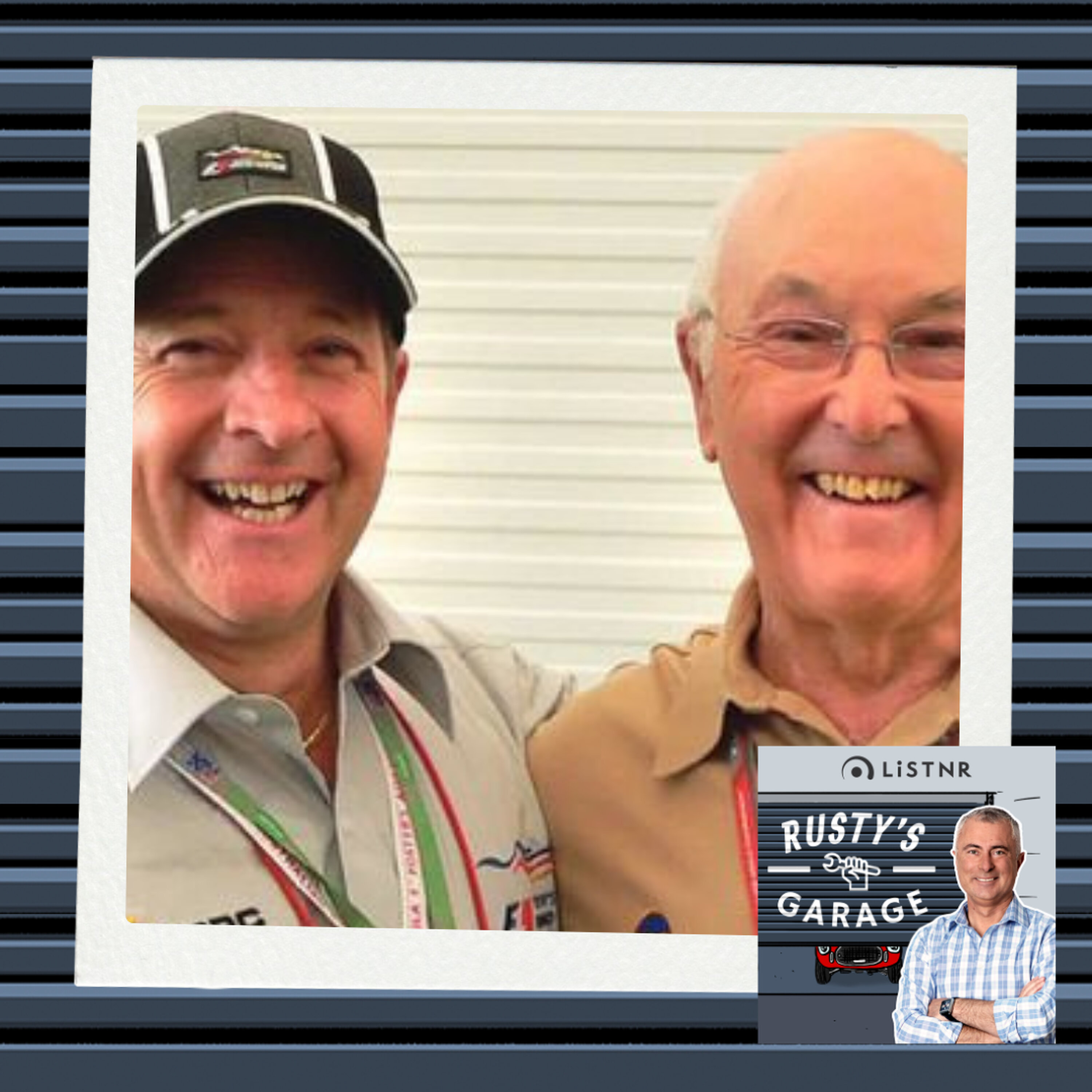
G'day it's Rusty here all set for part two of my feature episode with Craig Denier.
If you've somehow found yourself landing, arriving here before giving part one a run
you are missing out on some fantastic chat.
Growing up in the country and the lasting impact that racing at the hume we're had on him
and the legend that he saw racing there back in the day.
How his personality was tailor made for some commentary moonlighting as a teenager.
His first race car for Speedway where the inspiration for its colours came from.
Jumping into the media and why it seemed like a perfect fit.
Plus the connection it created with a famous rally on the New South Wales Central Coast
and the A-Listers that he would help to draft into the starting line up.
And playing PR and commercial manager for a bathest winning campaign in the 80s
which was almost derailed by a bombscare.
We begin this second part with a focus on category admin
and the classes that would perfectly fill some voids in the Aussie offering.
When did the whole idea of category management for you really shift into gear
and you talked about Billy West there a moment ago.
Around the turn of the century I think it's 2001.
There's this idea that comes to fruition around iconic V8 Aussie youths holding V Ford
and we're going to put them on a racetrack battling each other with some drivers
with fun nicknames and so on.
Look it was again it came out of a very very simple conversation
and I was looking for a category for Granter Racing.
It raced in the GDP 3R in the Mazda 626 with Tom Watkinson
and I was looking for a category to race in but we couldn't afford anything.
There was nothing affordable.
This was before Aussie racing cars, touring car masters,
even the supercar development series, even before Carrera Cup.
So there wasn't a lot of choices and I was looking for kind of something
that I thought we could afford for him to compete in.
That's kind of what stimulated the conversation.
Ian McAllister was a Ford dealer and a good mate
and Paul Ryan who now works in the US doing media PR for motorsport
was doing PR then for Ross Palmer
and we were just kicking around having a beer one day
and we were talking about these fantastic new sports suits,
the new Holden SS Commodore and the Falcon AU XR8 that just came out
and we thought what a great idea for a low cost series
and so I put the idea to Ross Palmer.
I said what do you think about this?
Ian McAllister said I can get help from Ford
and we thought well we've only got to approach Holden.
We should be able to get some support from them
because V8 Utes were very much part of their marketing budget at the time
and my idea was to basically have a stock standard Ute
with no real modifications and so I went and saw Wayne Park
who was looking after the Ferrari that John Bauer had been racing
along with a few other people
and we decided that Wayne should build a prototype
which basically I funded so I painted and built
the very, very first V8 Ute prototype
and that was kind of how the series started
and of course it came out of the blocks so quickly.
It was at the right time.
Ford and Holden's Ute marketing spend was huge.
Everybody loved them.
With you a Ford or a Holden man you either love the blue or the red
and it just took off.
We launched with nine cars at the Clipstall 500 in late in 2001
and that was where Grant had his biggest crash
and we rode off the very, very first Ute that was ever built
but that started what was a fantastic series
that we thought we might get two or three years out of
but in essence it lasted 17 years
and I think was probably some of the most
enjoyable motor racing entertainment
as opposed from pure motorsport because we positioned it
as the world championship wrestling in motorsport
and that was how it was basically sold
and that's how our guys got sponsors.
They were very, very popular, extremely popular.
One of the most popular support categories on the Supercar program
all the drivers had nicknames so we had to create
our own personalities because we didn't really have any name drivers
so we had Grant, Mad Dog, Denia, Damien, Ice White,
Charlie, Handelbars, Kovacs that had a big Handelbars moustache
and created these personalities in their own right
and then turned on some fantastic racing for the next 17 years.
I love the parallel there with world championship wrestling
and standing out from the motorsport offering at the time
in a different fashion.
Plus they moved around a lot.
The cars were spectacular to watch in that sense, weren't they?
They were.
They were pretty much stock standard.
They had a Motec so we could see the ECUs.
They had a suspension package but they did race
on basically R-Spec tyres
and after Grant's big accident at the Clipsoil 500
we upgraded the great package because I didn't want good brakes.
I wanted lots of passing.
I want brakes fading, drivers to take advantage of that.
Not thinking for one minute my son would be the R&D dummy
that put the whole category through it.
So what happened was it was a night race at the Clipsoil 500.
I think that was the second or third race of the weekend
for the V8 Brutes and I was watching on a television monitor
and I was watching Grant and I saw, as he came out,
it might have been turn 13 or 14,
I saw the left hand front brake pad fall out of the car.
I physically saw it on television
and I knew before he knew that he had no brakes
and so he's arrived at the last corner
before they turn on to the main straight at the Adelaide 500,
absolutely no brakes, warp speed, flat out in fourth gear
and to slow the car down he's actually lined up
Rod Wilson's Commodore and gone straight into the back of it
and they both spun off
and anyhow the car was totally destroyed
and what had happened is that Wayne Park had not disconnected
the airbag, so the airbag had gone off
so Grant had thought he'd gone to heaven
because all of a sudden the vehicle had stopped
and there's just this white cloud all around him
and he had no idea where he was, if I'd died or what's happened
Rod Wilson to his credit had stocked his car,
jumped out, raced back to Grant's car,
pulled down the net to make sure the kid was okay
and he's peeled the airbag off Grant's helmet and face
and there's Rod Wilson staring at him in the window
and Grant said, well I knew I hadn't gone to heaven
because I didn't figure Rod Wilson was God
You talked about Billy West there before,
when does he arrive on the scene
and the peer review in this category administrative capacity
were kind of great, Yin and Yang weren't you mate,
it worked so well together
It did, I mean Westy had been working for,
he was involved in the original Gold Coast Indie syndicate
with a guy called Terry Robertson on the Gold Coast
and Westy had come back from New Guinea
and was working full time for Terry
and in the end I think Terry realised that as an entity
they needed government support
so they basically moved the entity into Queensland Events Corps
a government funded thing
so Westy and I met when he was running Indie lunches and stuff
to get money to keep seeding and funding the development of the event
and so he went then to work for Ross Palmer full time
and so when I basically had left CFM and had nothing to do
he said, oh why don't you come and do some work for me
do some commentary and help me find some sponsors
which basically started our long friendship right through
to this very very day
and so that was Procar then
I think Westy left Procar at the end of 2000
and he moved to Adelaide for the race of a thousand years
and he was the marketing director for that event over there
along with Liam Kirkpatrick's father
and so I continued to run Procar
Nations Cup came along, four out of three was part of it
V8 Brutes became part of it
and then of course the two 24 hour races as well
and then when Procar withdrew from motorsport
and the V8 Ute series was hanging with nowhere to race
I went and saw Wayne Caddock and said
tried to patch up the relationship that Ross had kind of fractured along the way
with Tony Cochran and Supercars and I said we've got this great category
you know can we come and race with you guys
and to their credit they welcomed us with over arms
and we signed a three year deal for V8 Brutes to support Supercars
and Tony Cochran said you can come with us
but just remember you've got to stay down the shallow end of the pool
so meaning that you do what you're told
you stay out of trouble, you don't create any waves
and we'll all get on happily ever after
and that's exactly what happened
and so at that stage then there was no running V8 Brutes
but I had invested in it
Alan Grice had bought a Ute, there was a heap of other guys
and we decided to put together a syndicate
to start the V8 Brute Company if you like
as shareholders the 32 guys that owned the Utes
and we set up a board which included Ian McAllister, Dennis Criven
and a few other guys, Kimmy Jane of course
and then I brought Westie in
we started a company called Spherex
to basically manage the V8 Utes series on the shareholders behalf
and it was at that point I said to Grant
you can't really continue to race in the series while we're running it
because of perceived conflict of interest
and so at that stage I knew Dick Johnson
I gave Dick a call and said is there any chance
you'll give him a supercar test
which they did
but we did run one year as a two car team with Alan Grice
which was great fun with less more preparing
both Grant and Grice's Utes
and they debuted at Iron Park with a team 1-2
and that was pretty special as well
Absolutely, I won't have the duration right here
what did the category live for?
It was like 17 years or something wasn't it?
17 years it was
and look it was only killed in the end
because basically Australia
I guess motorsport Australia at that stage
wanted to have a more of an eco-friendly position
V8 Utes stopped being manufactured in Australia of course
with the seizing of Ford and Holden manufacturing
supercars under John Casey at the time
who was their marketing manager wanted to get into the SUV type world
diesel SUVs
Westie and I didn't believe that that was a commercial success
or a business case at all
and so at that stage we said
well if there's no position for V8 Utes
then there's nothing for us to really do anything with
so we basically handed the Ute franchise to supercars
and they ran it as it was for a year with Kim Jane
winning the championship
and then they converted to diesel Utes
and we all know how spectacularly successful that became
and of course now they're back to V8 Utes
with reasonable fields and good racing
So what's the zenith moment for you?
I mean that's an incredible chapter really
anything longer than sort of 15 years like that
what's the sort of highlight do you reckon in that
Utes Brutes chapter?
There's so many of them
so many of them Rusty when you think that like Alan Jones
raced a V8 Ute
you know say then with us
Brad Jones raced a V8 Ute
Peter Brock raced a V8 Ute
some James Brock raced a V8 Ute
Alan Grice raced a V8 Ute
and thoroughly enjoyed it
back by Akubra who was his longstanding sponsor
we took V8 Utes to New Zealand
and we did a wonderful event over at Manfield
which was a two driver event
we had Graham Crosby who was a world superbike champion
or driver at that stage
Racer and all his other wonderful names from New Zealand
that became part of it
which led to the launch of the New Zealand V8 Ute series as well
we did a street race at Hamilton which Chris Pither won
it led to so many more moments I guess
and when you look at the talent that came through Utes
Damien White was a quick driver
Chris Pither won a New Zealand Championship
and an Australian Championship
there was so much talent that came through
Dean Cando, Warren Lough won two V8 Ute championships
I mean we didn't need a driving standards advisor
until Warren Lough joined the field
but Warren found out the quickest way to the front
was the bump and run
and he used it on everybody
so that changed the driving dynamics quite radically
on how we had to handle that moving forward
Fantastic, before we come to TA2
can I ask you just around Grant's own career
you mentioned about having that conversation with him
so that there was no perceived conflict of interest
to move into supercars and contacting Dick Johnson and so on
he went on, Craig, from top 10 finishes at Bathurst
to Mike Cable, Young Gun Awards and more
Yeah, look Grant was always interested in the sport
and probably because I dragged him around
when I was doing commentary, the Sand Down 500 commentary
and other events like that, Gold Coast in the event
he was always there as part of it
so I guess he got the hook because of being exposed to it
through what I was doing at the time
he was living in Melbourne with his mother
and I said to him, look, he was struggling a bit
with his grades at school
and I said, if you pick up your grades
I'll buy you a go kart
and we'll go go kart racing
and to his credit he did
and so I bought him a kart off Drew Price
we ran the Australian National Series
he raced against Wind Cup
Will Davison or Oakley in Melbourne
as they were growing up as young kids as well
and then I took him to the Dubbo Nationals
and he raced in the National Series at Dubbo
and then he ended up winning in the New South Wales
what was called the New South Wales Country Series
so that was kind of his entree into the sport
and then he kind of wanted to develop that and move forward
so he was lucky enough that he was in a business at the time
his television career was going very very well
and he had to balance the two
he had, as most people know
it probably got to the crossroads where
he had to make a decision in TV or racing
and I think he probably knew he was not the next
the next Rick Kelly or the next Brock Feeney
but he was a good steerer
but what did happen, he broke his back in a monster truck crash
and that put him out of motor racing for 12 months
because he was racing development series at the time
and then it took a while for him to come back
from that physically
but when he came back he again won races in the DVS series
and I think in his last year he finished fourth outright
so that was probably the moment where he had to make a decision
about what career was going to pay the bills
and what career he had to let go
so the kind of idea of a full-time motor racing career
at that stage fell away
but he continued to race where he could
and he finished second in the Bathurst 12 hour to Damien White
when it was a production car event
he won the Australian Manufacturers' Championship with McLaren
with the final round at Highlands Park
he's had a 22 year association with Tony Quinn
and they still race together now
like they rest together in the Bathurst 6 hour last year
in the game over Camaro
he's racing again in the Bathurst 12 hour
with Tony Dalberto
in the Adrian Deetz Lamborghini again in two or three weeks time
so he's had some great opportunities
out of everything he's done he went and raced Mini Challenge
in Europe against Alex Zanardi
and he was leading the Mini Challenge series in Australia
from Paul Stockel when he had the monster truck crash
so for a guy that's one would say only races as a weekend warrior
I think he's very very competitive and very very good
and you know to jump in a Lamborghini once a year
which is about how often he races
and do a 206 around Bathurst is not a bad effort
he's been to Suzuka in more recent time
he went with the Queens to Nürburgring
he's picked some bucket list stuff along the way
what about though when he wins a thing called a Gold Logie
and he's fronting primetime game shows
and things like that is there kind of a little surreal moment
for you as a dad and all that I mean he's done it
you know off his own bat through his own personality
and hard work and so on what that mean?
Yeah yeah look that's always a special moment
when you're recognised
but it all comes down to hard work
and what Grant did and still does he works very very hard
yes he's got some natural ability
he's got nice teeth which I paid for
he's got the hair that I didn't have
and you know he looks good on television
and so but he's made the best of it Rusty
and what you see with Grant is what you get
and you I mean you've worked with him you know him as well
but I think you know it's a special kind of person
that can jump off television at one moment
and then jump into a 280 kilometre an hour
run down Conrad straight in another car
and be on the pace and competitive and safe
and do it you know not every weekend
like everybody around him does it
but does it as a once or twice a year
you know it's quite an exceptional ability
Importantly he loves it
and he the you know that infectious
love of the game rubs off on everybody
because he's always having such a good time
when he does this stuff
now he's a proud dad with kids
are you pop are you granddad
what are you in all of that
I'm Yoda
I'm Yoda
that's in fact you'll probably find as a
yeah there we are
I never wanted to be called grand
grandfather or granddad
because I was far too young
so Grant said well what do you want to be called
and I said one of the kids just call me Yoda
and so Yoda has stuck
so to everybody around here
kids and grandkids yeah I'm Yoda
great stuff let's talk to you
let's talk to you now and how that all
came together
that that class on both sides of the ditch
is doing some fabulous things at the moment
Craig and you were there as it as it
properly kind of shifted into gear weren't you
yeah it it had it had exploded
and and it and it will continue to
to grow I think and it started by
there's a guy called Peter Robinson
who is a New Zealander
that moved to Australia with his wife
and won $10,000 in lotto
and they had no money
and so Peter said well I've either
go on a holiday or start a business
you know he did the smart thing
and he started a hydraulic business in
Queensland that ultimately ended up
servicing major pumps and oil rigs
and major hydraulic facilities
you know all around Australia quite a
unique business and yeah Peter
decided at 50 plus years of age
that you know he always was
interested in Speedway when it was in New Zealand
and had a lot of mates in that that he'd go racing
so he bought an Oz truck
and he raced around with Freddie Willis
and a few other blokes Steve Calder
that had Oz trucks at the time
and then he decided that he wanted
to replace his Oz truck with something else
but he had no idea what category he wanted
to race in so he went to
America to a
motorsport show over there called the PRI show
and he ran into Chaz How
and Chaz How through How Motorsports
big Speedway family
in the US had built a lot of cars for over
55 years and at
this show there was this magnificent
essentially TA2 car
and Chaz had built it
for the American
Trans Am owners
to have a look at this as an option for a
one make style Trans Am
type series and Peter
thought what a beautiful looking car
and anyhow the deal with
Chaz and Trans Am didn't move the way
Chaz wanted to go so
the car was for sale so Peter bought it
brought it back and you know for
damn near under $100,000
landed this 550 horsepower
V8 four speed gearbox
old school 15 inch
rag tire car
arrived in Queensland
and then of course two or three of these mates
were all in one of those so
Craig Harris bought one
Ian McAllister bought one
Freddie Willis bought one and they had
five or six cars within a short period of time
just basically doing local events
in Queensland and that's how
TA2 started and
I got involved with Ian McAllister
rang me and said you should meet
this guy he's got this series that I think
he's got some legs you might be
interested in helping him with it so
I went and had a meeting with Peter
and Mo at Main Beach we had a coffee
and for a guy that had not
been heavily involved in motorsport
he was so onto it and he had
picked such a gap in the market
that no one in the business
had even thought about or seen
and he made it happen and that's basically how
TA2 grew from that
one original car that he brought into
over 130 in the country now
and now moving to New Zealand
this year to its own standalone series
as well. It's got
some grunt over here
Craig it's like
you can tell what has transpired
in Australia with all of you there
is very quickly rubbing off
here and they're starved of a
kind of Premiere V8 class
and that you will fill that void I genuinely
believe that. Yeah we did two rounds
in New Zealand a couple of years ago as you know
and I believe then that the time
was right for this series to become the Premiere
V8 touring car series and
even look at when you see what's
happened in Australia now with
guys like Brody Kostecki
that have had a drive in TA2
Van Gisburgens had a drive
in TA2 even though it was
a test. You've got Todd Haselwood in there
James Moffat, Tim Slade
a heap of guns that are now
at the Tram Dam level
that have made the series
a super competitive series but
less than half the price of doing a Super 2
development series
drive and then you've got
TA2 which is I guess
the more gentlemanly spect of the category
so you've got Trans Am which is morphed out of
TA2 and TA2 offering
two distinct positionings in the business
but you can cross over at any time and race
in either because the specs of both cars
are the same as they are in New Zealand
so it yeah I mean
full credit to Pete, to Cam Sendil
who was his technical manager to his
daughter Dana that put all the nuts and bolts together
and they brought me on board to help
take it on to a national level
and you know eight years down
the road we're extremely happy with
where the series now sits. Both series
are back under the one ownership of
H double C which is Mark Crutcher, Graham
Cheney and Paul Hadley, three very very
dedicated competitors
and they've got some fantastic vision to take it
even bigger and better.
Music
Craig's love of Gold Coast Indy
and working at that event is echoed by some
international stars in our garage library too
including Max Pappas
who fondly recalls those cars
when they were at the peak of his special chapter
Chemcar was a dream car
fastest car
driver could make a big difference
manual gearbox
no power steering
1000 horsepower
check out Max's feature EP
if you haven't already
his passion for the sport is infectious
Craig might be scaling back but he still loves it too
keep an ear out for a special
project he's working on as we get back
to the Convo
I love the fact that you've embraced
my good friend in Matt Nolte
who's doing a superb job around commentary
for you guys because as you've
come to do so well
in your career you realise
that old line about
the sizzle in the cell don't you
so having someone like him who A
goes and
he's a great custodian of all your statistics
around the racing itself
but then he's got this zing in the way
that he commentates it as well so
it adds to the showcase doesn't it
it's all part of the growth factor
Rusty I mean we started with
when we started TA2
we started with a little guy called Dewey Jones
who was out of basically
a high school and 18 year old kid
and he loved motor racing and his father
raced Historic Trans Am
and so he started to shoot stuff on a weekend
on a handy cam basically or an iPhone
and showing my age there handy cam
so he started shooting it
on an iPhone and so
we would put together
after each race meeting a little video package
now what would happen over the weekend
Dewey would move from corner to corner
and shoot the vision
and then basically edit it all together
I would do the voiceover and we'd end up with a 5 minute
package that basically covered
every corner of the track lots of interviews
in between and a storyline
now that was how TA2 started
to get some commercial legs
amongst you know
and also exposure amongst drivers
and stuff like that but to think now
the series has 8 hours
every round
live free to wear on SBS
similar cast on Fox Sports
and KO
is fantastic it's one of the best domestic
motorsport TV packages
around and of course Trans Am
as well now this year
is doing 5 rounds on the supercar platform
as well so they were their own media platform
as part of the supercar world so you've gone
from basically guy with an iPhone
and an old worn out radio bloke
doing the voiceover stitching it all together
with lots of nice graphics and interviews
to this national television coverage
now which has allowed both series
to expand quite dramatically
also goes to air on MAV TV
and the US as well Sky Sports in New Zealand
so it's a great package
it's a fantastic media package
with as you say
Matt Nolte leads that
and he's lifted it
just his intensity, his knowledge
his professionalism has lifted it
immensely in the past year
that he's done it which is fantastic
and all of those things
collectively are great for the health
and shape of it all but I know there's still
immense potential in it but it's doing
it's doing terrific things
Matty McKeldin's moved in there now
in a managerial role
what does that mean for you because I gather
you're still very much
in a mentoring capacity for the
for the business are you?
Matty and I go back a long way because
he was around in the V8 youth days
as promotions manager for Freddie
Willis when he was running
the Grow Fruit You
Racing team
Matt and I always got on well together
we sparred a lot, we liked each other
and then when Bill West and I
had Sphirics we brought Matt in
as a commercial manager if you like
and he developed partnerships
with Armourall
and with many challenge pizza capers
and a number of high profile clients
as part of the
the V8 Youth and Sphirics days
we ran GT series
for Tony Quinn for a year as well as
as many challenge and then
Matt moved as general manager of Speed
Cafe
then when we got
involved with Trans Am and TA2
he'd moved on to
real estate and had the white shoes
and the gold chain was doing very very well
in the Gold Coast real estate market
and
then he said to me one day
when are you going to retire
and I said oh look
you know we don't want to do it anymore
when I've had enough or when I think there's someone
that can do the job a bit better than I can
and so we started the conversation
and I had said to Peter Robinson
and these delightful daughter Dana
that there was coming a time
then I probably wanted to whine back
and so Matt came in
and
basically what happened at that time
was TA2 was run by Peter
and Dana Robinson and of course
Trans Am through their association
with Motorsport Australia was run by
Gary Rogers through ARG
and
while it could have been quite acrimonious
when the two series divided
originally
all heads
kept calm and cool
and we all worked together to build both
Trans Am and TA2 without
necessarily crossing paths
and running on two separate programs
Double ASA sanction for
TA2 and Motorsport Australia
for Trans Am
so that was going very very well
and then I think Gary and Barry Rogers
found that running five cars
in Trans Am and being
the series owner was creating
some perceived issues of conflict
and favoritism which they
weren't comfortable with and at that stage
Peter Robinson
who started this as a hobby for three or four
his mates just to go racing had decided
this thing is bigger than what I can
you know I ever believed
it would be perhaps it's time to hand it over
to someone that can take it to the next level
because I want Dana and the family to focus on
our real estate
our property development arm
and so Crutcher, Cheney
and Hadley bought the series and then very
quickly did a deal with Gary and Barry
to buy Trans Am and bring it back all under
the one roof which is now fantastic because
anybody can cross
Ender and Polite for either series
which has always been the case anyhow
but both series now can grow in their own right
and serve two very very different
pools. At that
stage it was good to bring in Matt
and Matt came in and we spent
the last 12 months together
he very much put his own stamp on the series
which is great and he's done
you know he's even impressed me with the way
he's gone and done a far better
job than I ever hoped he would
so both series are in extremely good
shape I think it's time for me
to take a step back and let some of the
young guns have a go
and I think probably the time is right
for Matt to have his head
and I'll always be there to
help them if they need it but they're
big boys now quite capable of doing it on their own.
Love it.
55 incredible years
around motor racing. Can we
kind of wrap this up with
a couple of things. Firstly
it can be a brutal
and a very tough business be it
be it politics, be it how expensive it is
whatever
before I come to
a moment you're most proud of
what do you reckon is the toughest one that you've had
to deal with along the way?
A couple of deaths.
Stewie McColl at Phillip Island
was a tough one because I was
running GTP at that time
and I wasn't actually at that event because
I'd come down with a nasty virus so
Mark Bereta
was down there
and covered a lot of the legwork for that
and that was a tough time.
I think
anything that involves the driver's health
or potential
fatality
hits its mark and there's been
a few of those along the way
in terms of
difficulties. I mean
motorsport is tough. You've always got changing rules
you've always got strong personalities to deal with.
I think Ross Palmer
should be given an enormous amount of credit
for what he did for the sport
and in the end
he said
we've got all these categories
we can run a great Bathurst event
and I said well there's no point
doing what they're doing
we should do something different.
He said well what do you have in mind?
I said well you've just come back from Nebergring
the 24 hour race, you do 24 hour races over there
I said why don't we do a Bathurst 24 hour race
he said great idea
go and make it happen
and so
without a word of a lie
and there was a pilot strike
for whatever reason there was no planes flying
and so I had to charter
a plane to fly Ross and I
from Brisbane to Bathurst to meet with Ian McIntosh
who was the mayor
and I think David Shirley at that stage might have been
the assistant mayor or something
and so we pitched this idea of a 24 hour race
and I thought this will take
three years to happen
this will take red tape, OH&S
this won't happen
and now three months later
they came back and said yeah it's on
we're happy to do that
it's on
and so that started it
and of course then we had to make it happen
and
we rightly or wrongly
Ross decided to hold a press conference at the Adelaide 500
and announce it
and of course that's Tony Cochran's pet event
and I remember
Cocker standing down the back
of the press conference
with tears streaming down his face
because Ross had the audacity
to launch this 24 hour
Bathurst race at a supercar event
and yeah
it all moved on
and moved forward
and the two events happened
they were great races in their own right
the Tuvenaro 427s were born
unfortunately it needed
one more year of consolidation
and then it would have flown
but I think Ross realised he couldn't
fund it for another year
but we had live television coverage
on Seven
and I remember doing the deal with Kerry Stokes
he was the owner of Seven at the time
we bought John Cowley on to
help run the event
John had been a former chairman of the Gold Coast Indie event
was Ken Cowley's brother
had a great association with Kerry Stokes
I said we need live TV
so he said I'll set up a meeting with Kerry Stokes
so Ross Palmer
John Cowley and myself met with Kerry
pitched the idea of a 24 hour race to him
because at that stage Seven had no motorsport
they'd let it all go
and Ten had all the motorsport
and within a week
Kerry had come back and said yep
we'll do it and we'll contribute some money to
the production costs
but there's a young bloke called Mark Beretta
we think he's got a bit of potential
we'd like him to host it and be part of it
can that happen
and that's how it did happen
and so those two 24 hour races were really
quite special in their own right
and as I said one more year
and that would have continued on
and been one of the great races of the world
thankfully the 12 hour race came back
which Westie and I brought back with James O'Brien
when we were with Sphyrix back in
2009 or whatever it was
and that's grown to become
a world class international event
in its own right now
there's been plenty of lows
but there's been lots of highs along the way
Rusty and it's been a great ride
it really really has
and it's been a massive
I guess there's been one of the key things about it
I talk about you know it's time to move on
and let the young guard have a go
and I think some of the things that make me
happy along the way are some of the people
that I've met and been able to help
you know like Mark Scafe as a 14 year old kid
he and I raced in the same karting team
and then you know Tugio sponsored
his first ever Tarana XU1 drive
at Amory Park when he got his license
Neil Crompton I said earlier
we sponsored his Mitsubishi
Coria
Chris Piver lived with me here in this very house
for 18 months when he first
came across from New Zealand as an 18 year old
and I rang Gary Rogers and said
I've got this kid here you should have a look at him
and of course he got some drives with
GRM out of that
I remember
Wade Ornger you know auditioning for the first V8
you'd call it at AVE
where obviously you started your
commentary career as well
Wade and I are still great mates
he's still one of the world's greatest motorsport commentators
Young Craig Nader who runs
some Porsche Carrera Cup these days
he'd live with me in this house
when he first came across from Adelaide
and then of course he went on to run
Toyota 86 with Neil Crompton and now
is head of Carrera Cup and the Mitsula
Sport Challenge Matt McKilden
I remember introducing Richard Krell
to Murray Lomax saying here's this commentator
I think it's got a bit of potential
have a listen that's been as probably
as much of a bonus of seeing these young kids
get a break and move through the sport
as it has been part of it myself
I think you realise at a point
I'm 73 years of age now
and as I said I've had a long climb
from the bottom to the middle
but I think you get to the point where you know it's time
and it's best to go out gracefully
knowing that you've achieved as much
if you possibly could
still connected through the sport
through your own son still racing
and still being involved
when great mates with Matt McKilden
and Mark Crutch and all those people that you met along the way
Dick Johnson and Alan Grice
and all those kind of guys
so it was never
a path rusty that I
I firmly set myself on
but motorsport was a passion
and I'm lucky that I've been able to blend that into
more or less a career which is at least
paid for a house and brought up some kids
and can still put
three meals and some dog biscuits on the floor
for the dog
I love that you went after it mate
and that you are still as passionate about it all these years on
can I finish
Grant I know
has had a Mustang in the garage
he loves a bit of two wheel stuff
have you got a guilty pleasure car of some kind
a resto project
or is there something now that you'd like to get your teeth into
if you don't
well funnily you should say that
because about five years ago I decided
probably just before
TA2 came along not a bit more
that I needed a retirement project
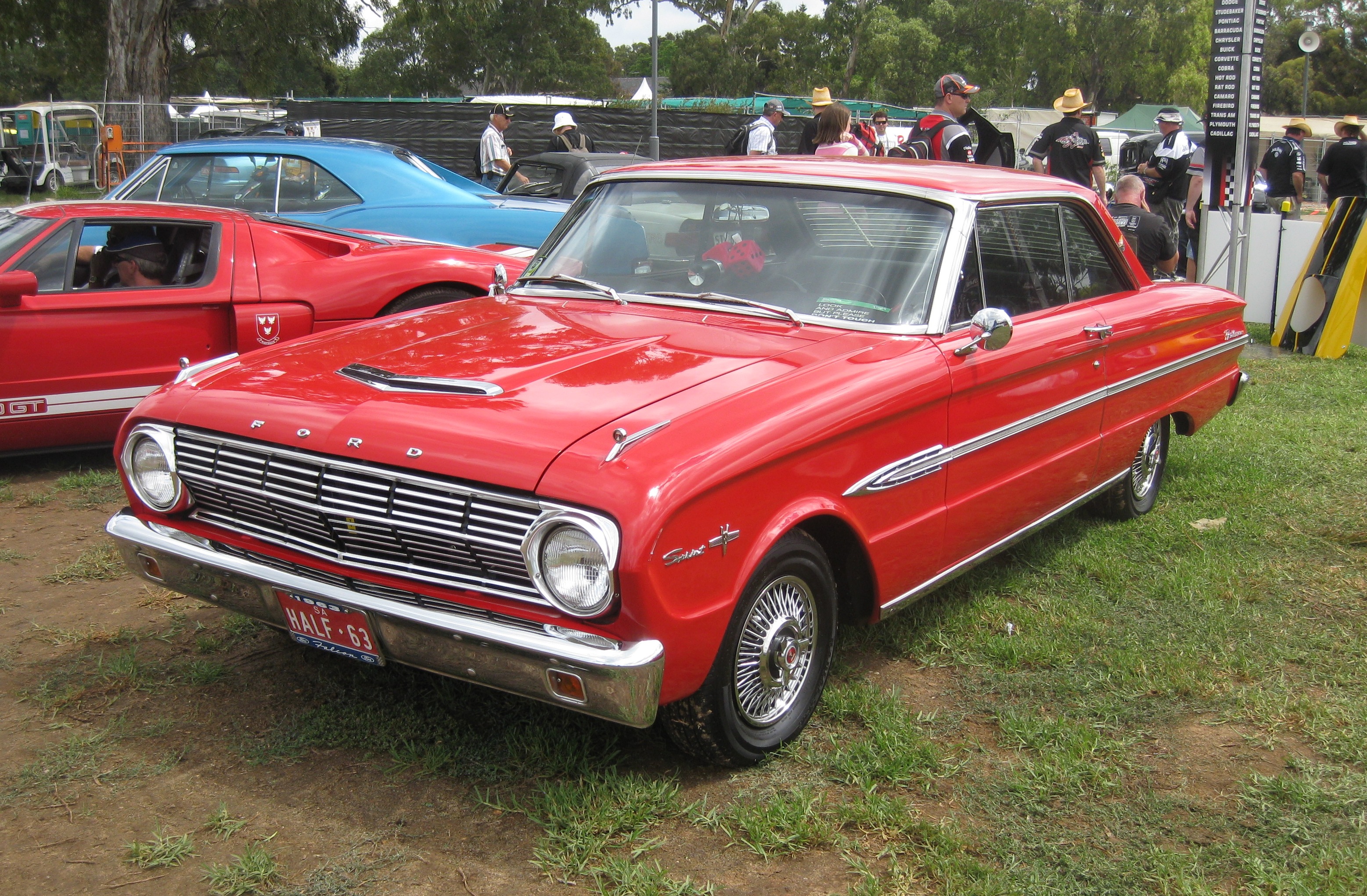
and I'd always wanted a T-Model Ford
so I decided that I would
build
buy or make a T-Model Ford
and so
I didn't know much about them so I
I knew a guy called Doug
Huntington or his son Bruce who raced NASCAR
in Australia and I knew he was
associated with T-Model Fords so I rang
Bruce he said you need to talk to my dad Doug
he's at Allera now Doug
has Australia's oldest racing car
it's a 1922 Wichner
raced at the first ever Maribra Speedway
race meeting he still has it today
and it is
logbooked as Australia's oldest racing car
with a T-Model Ford engine
transmission and diff
in fact I've got a picture of it
right there
he says spinning around amazing
I went and met with Doug up at Allera
and we formed
a bond very very quickly because he'd been
involved with Dick Johnson racing
doing all the shell merchandise for years
his son Bruce raced Formula Ford and NASCAR
we formed a bond and I told him what I wanted
I said I want to build a Ford
speedster that will do 100 mile an hour
and he said
I love you he said
you're my man
and so anyhow
I knew nothing about T-Model Fords but anyhow we ended up
buying a rolling chassis
of Bob Travane at Lismore who was a Ford dealer
down there and Doug
said you've got to have if you want to go fast
you've got to have what's called a frontenac head
and I said well what's a frontenac head
and he said it was a head made in
1919 by the Chevrolet brothers
for T-Model Fords to race
in the Indianapolis 500
you've got to have one cross-flow overhead
valve head so for 12 months
I searched the world for one
Model T forums eBay
everywhere I finally found one on
Gumtree in Victoria
bought it
brought it up here put it on the T-Model
and so now we've got the basis of
100 mile an hour T-Model Ford
the fastest ever recorded
official recorded time for a T-Model
is 91 mile an hour set by
Henry Ford himself in 1909
but that was not a production T-Model
it was a race special so my plan
is to take our T-Model
which is a 1915 car
to the Lake Gardner Speed Week
in South Australia on the Salt Flats
and try and do 100 mile an hour
in it and become
the world's fastest idiot
I love that
that is a great story
and I know there will be a bit of traction
around that in our industry
thank you for sharing it mate
this 90 minutes has flown by Craig
it's been a joy for me along the way
just little moments along the way to have
called some stuff and worked with you
to see what you've done in category
management to see
grants, career
flourish congratulations
55 amazing years
thrilled to have had this chat with you
and to try and tell a little bit of your
story and some of the fun stuff along the way
thank you for coming on the garage today
good on Russie and well done to you too mate
I mean we started together calling Super Touring
all those years ago we worked
together at AVE and it's great to see that your career
has taken you where you are
and now happily living their life in New Zealand
which is fantastic but still very much
a part of Australian Motorsport
you deserve it mate well done
Rusty's garage
is written and presented by me
Greg Rust
series editor and producer
is Joel Harrison
audio production by Link Kelly
if you've got a guest suggestion
get in touch with me on social media
the garage
it's where a journey begins
with a tank full of passion fuelled stories
music
About this episode
Craig Denyer shares the evolution of the V8 Ute series, highlighting its origins, unique appeal, and memorable moments over its 17-year run. He discusses the challenges of category management, the fun personalities created within the series, and the impact of marketing strategies from Ford and Holden. Denyer recounts thrilling stories, including a dramatic crash involving his son and the series' eventual transition to diesel Utes. The episode captures the spirit of grassroots motorsport and the camaraderie that defined the V8 Ute community.