
About this episode
Navigating your car's owner's manual can seem daunting, but it's a crucial resource for every driver, especially new ones. This episode breaks down how to effectively use the manual, covering key sections like vehicle specifications, maintenance schedules, warranty information, and troubleshooting tips. With practical examples and personal anecdotes, hosts Krista and Greg emphasize the importance of understanding your car's features and maintenance needs to avoid costly mistakes and enhance safety. Perfect for anyone looking to boost their confidence as a car owner.
Cruising Through Culture
See Privacy Policy at https://art19.com/privacy and California Privacy Notice at https://art19.com/privacy#do-not-sell-my-info.
engine size
"Knowing your engine size is crucial for tasks like purchasing the correct oil and oil filter."
Engine size is how big the engine is, which affects how powerful the car is and how much fuel it uses.
Engine size refers to the total volume of all the cylinders in an engine, typically measured in liters or cubic centimeters. It influences the power output and fuel efficiency of the vehicle.
transmission type
"Understanding your transmission type will help you know how to properly shift gears if it's a manual or diagnose potential issues with automatic transmission."
Transmission type tells you how the car shifts gears, either by yourself (manual) or automatically (automatic).
Transmission type indicates how the vehicle changes gears, with common types being manual and automatic. Understanding this helps in driving and maintenance.
fuel type
"The fuel type is obvious but vital. Using the wrong fuel can seriously damage your engine."
Fuel type is what kind of gas or energy your car needs to run. Using the wrong kind can break the engine.
Fuel type refers to the kind of fuel the engine requires, such as gasoline, diesel, or electric. Using the correct fuel is essential for engine performance and longevity.
diesel
"...He goes, it's a diesel. I was like, oh my god."
Diesel is a special kind of fuel that powers certain types of engines. These engines are different from the ones that run on regular gasoline and are often used in trucks and some cars because they can go farther on less fuel.
Diesel is a type of fuel used in diesel engines, which operate differently than gasoline engines. Diesel engines are known for their fuel efficiency and torque, making them popular in heavy-duty vehicles and some passenger cars.
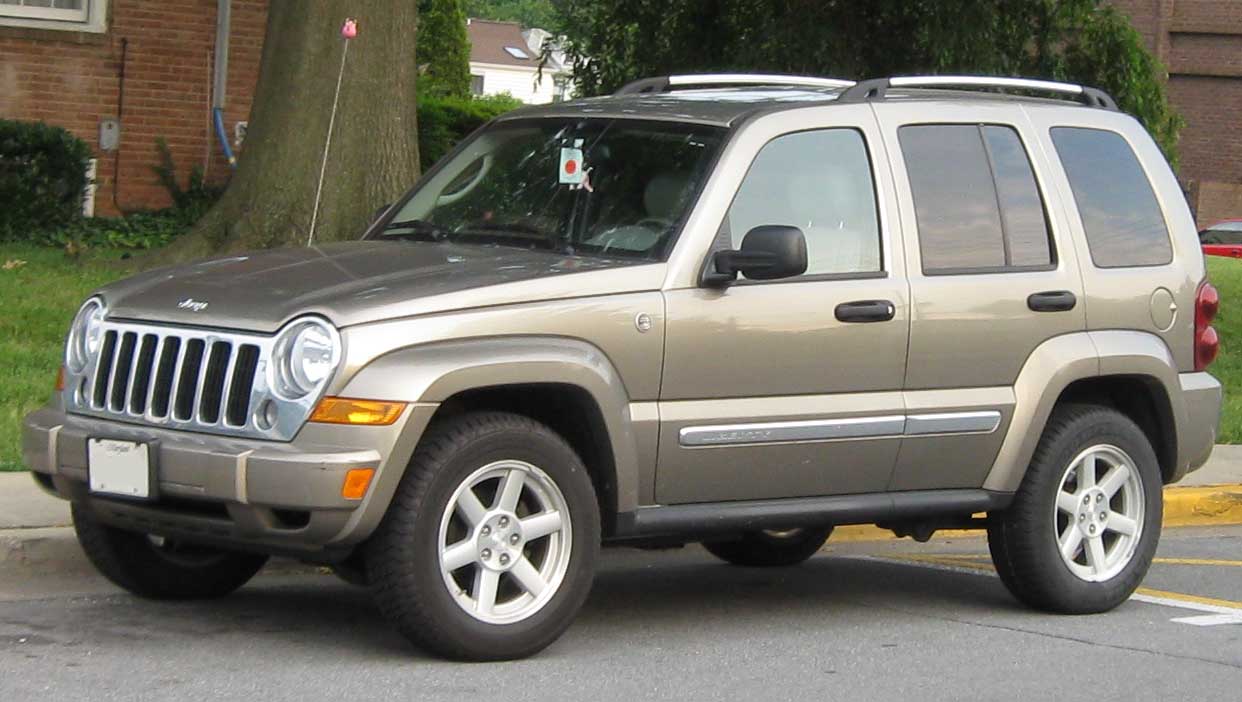
Jeep Liberty
"I had no idea Jeep Liberty had a diesel alternative or made that."
The Jeep Liberty is a small SUV that Jeep made from 2002 to 2012. It could be used for off-roading and had different engine choices, including a diesel option that not everyone knows about.
The Jeep Liberty is a compact SUV that was produced by Jeep from 2002 to 2012. It is known for its off-road capabilities and was available with various engine options, including a diesel variant in some markets.
gas tank
"because I had to pay to have this whole gas tank drained and cleaned out and all that kind of stuff."
The gas tank is where the fuel is stored in a car. It's important because the engine needs fuel to run.
The gas tank is a component of a vehicle that stores fuel for the engine. It is essential for the vehicle's operation, as it supplies the necessary fuel for combustion.
maintenance schedule
"So maintenance schedule, this is arguably the most important section of your owner's manual. It outlines a recommended schedule for routine maintenance, tasks like oil changes, tire rotations, fluid top offs and filter replacement."
A maintenance schedule tells you when to take your car in for check-ups and repairs. It helps keep your car running well and can prevent bigger problems later.
A maintenance schedule is a guideline provided by the manufacturer that outlines when specific maintenance tasks should be performed on a vehicle. This can include oil changes, tire rotations, and other routine checks to ensure the vehicle operates efficiently and safely.
oil changes
"...for routine maintenance, tasks like oil changes, tire rotations, fluid top offs and filter replacement."
An oil change is when you replace the old oil in your car with new oil. This helps keep the engine running smoothly and prevents damage.
An oil change is a routine maintenance task where the old engine oil is replaced with new oil. This is crucial for keeping the engine lubricated and running smoothly, as old oil can become contaminated and lose its effectiveness.
tire rotations
"...for routine maintenance, tasks like oil changes, tire rotations, fluid top offs and filter replacement."
Tire rotations involve switching the tires around on your car to help them wear evenly. This can make your tires last longer and keep your car handling well.
Tire rotation is the practice of moving tires from one position on the vehicle to another to promote even tire wear. This helps extend the life of the tires and improve vehicle handling.
anti-lock brakes (ABS)
"...features like your airbags, seatbelts, anti-lock brakes, ABS, traction control, electronic stability, control ESC is essential for safe driving."
Anti-lock brakes help your car stop without the wheels locking up, which means you can still steer while braking hard. This makes it safer, especially in slippery conditions.
Anti-lock brakes (ABS) prevent the wheels from locking up during braking, allowing the driver to maintain steering control. This technology enhances safety by reducing the risk of skidding and loss of control during emergency stops.
traction control
"...brakes, ABS, traction control, electronic stability, control ESC is essential for safe driving."
Traction control helps your car avoid spinning its wheels when you accelerate, especially on wet or icy roads. It keeps you from losing control by managing how much power goes to the wheels.
Traction control is a safety feature that helps prevent wheel spin during acceleration by adjusting engine power or applying brakes to specific wheels. This is particularly useful in slippery conditions to maintain grip and stability.
electronic stability control (ESC)
"...control, electronic stability, control ESC is essential for safe driving."
Electronic stability control helps keep your car steady and prevents it from sliding or tipping over when you make sharp turns or drive on slippery roads. It does this by braking specific wheels when needed.
Electronic Stability Control (ESC) is a safety feature that helps drivers maintain control of their vehicle during slippery conditions or sudden turns. It works by automatically applying brakes to individual wheels to prevent skidding and loss of control.
Request an Explanation
Heard something you'd like explained? We'll add it to this episode.
Sign in to request explanations for terms you heard.
Want to learn more?
Browse our glossary for plain-English explanations of automotive terms, jargon, and concepts.
Help improve this episode
See something that's not quite right? Our annotations are AI-generated and can sometimes miss the mark. Click the flag icon on any annotation to suggest a correction.