Ford versus Ferrari is a famous story about how Ford tried to win a big car race against Ferrari in the 1960s. It shows the competition between these two car companies.
A cam is a part of the engine that helps control how air and fuel enter and exit. Changing it can make the engine run differently, often improving power or efficiency.
Drag racing is a race where two cars go straight down a track to see who can get to the finish line the fastest. It's all about speed and quick acceleration.
Le Mans is a famous car race that lasts for 24 hours, held in France. It's known for being one of the toughest tests for cars and drivers, as they race continuously for a whole day.
Car
Ford Ferrari
Ford Ferrari refers to the competition between Ford and Ferrari in car racing, especially notable in the 1960s when they raced against each other.
The Mercedes-Benz 300 TE is a luxury station wagon that offers plenty of space and comfort, making it a good option for families or anyone needing extra room.
The Porsche Cayman is a sporty car that has its engine in the middle, which helps it handle really well. It's designed to be fun to drive while still being practical for everyday use.
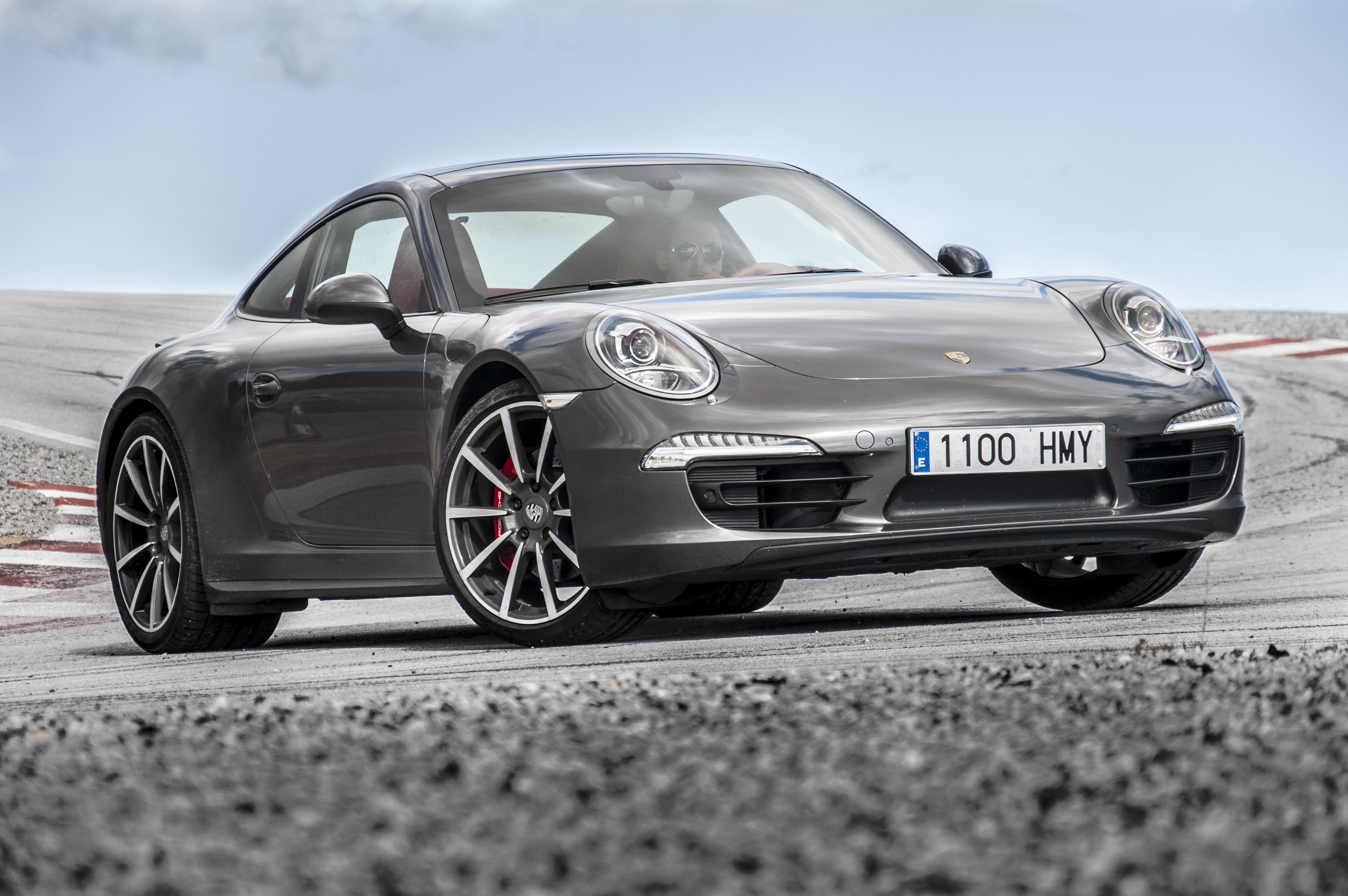
The Porsche 911 is a famous sports car that looks really cool and drives fast. It's been around for a long time and is loved by many people because it handles well and is fun to drive.
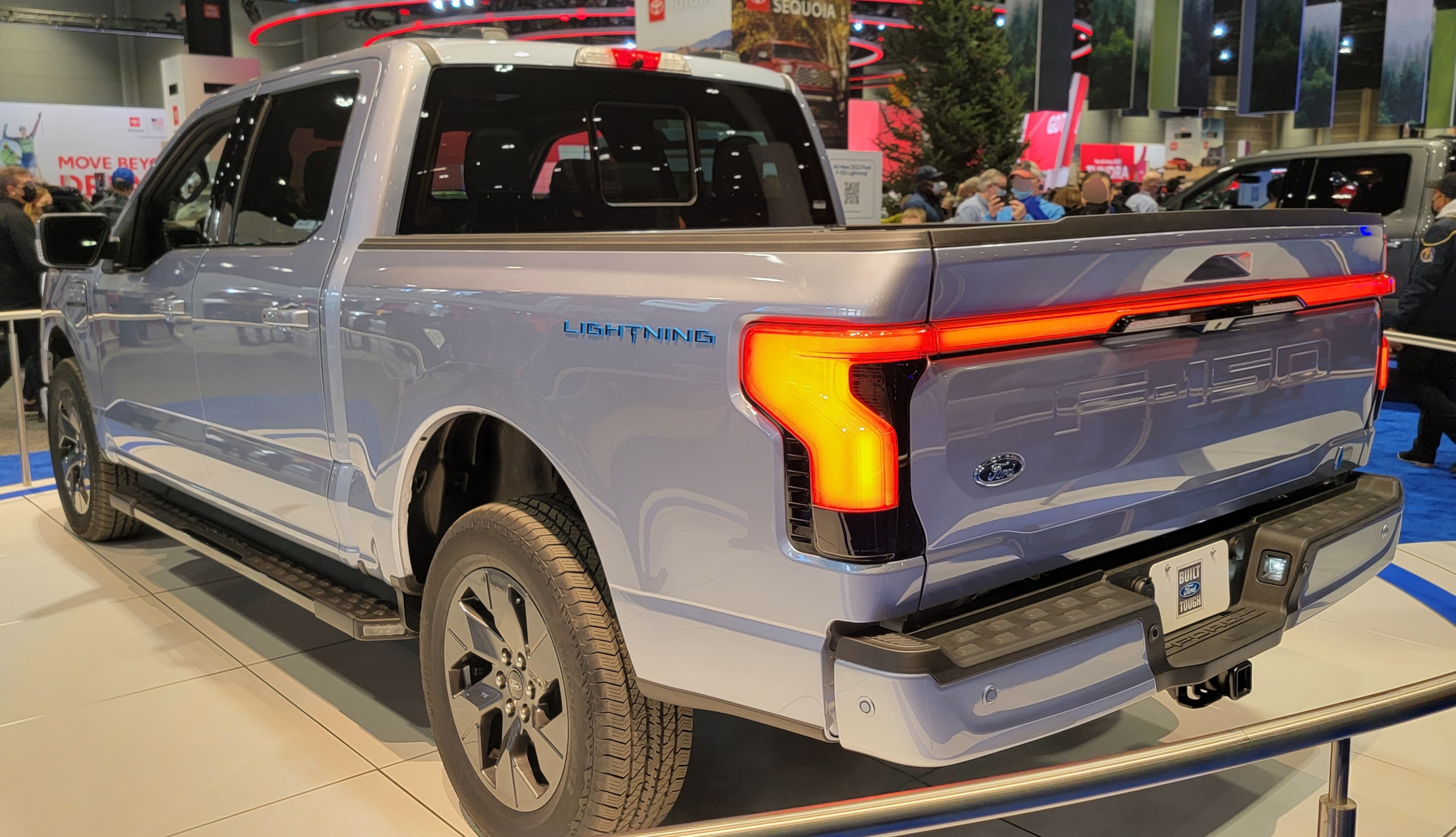
The Ford F-150 is a very popular pickup truck that many people use for work and everyday driving. It's known for being tough and able to carry heavy loads.
The Chevrolet Corvette is a fast sports car that many people love. It's known for being powerful and stylish, making it a popular choice among car enthusiasts.
Carbon fiber wheels are made from a strong, lightweight material that helps cars go faster and handle better. They are often found on expensive sports cars.
A drift brake is a special brake that helps drivers slide their cars sideways, especially during racing or drifting. It lets them control the car better when making sharp turns.
The Ford Mustang is a popular car that many people think of when they imagine a fast, sporty vehicle. It has a long history and is known for being powerful and fun to drive.
The Shelby Cobra is a very fast sports car that was made in the 1960s. It's known for being lightweight and having a strong engine, which makes it great for racing.
The Lamborghini 350 GT is a fancy sports car that was made in the 1960s. It has a powerful engine and a stylish design, which helped Lamborghini become famous for making fast and luxurious cars.
The Nissan Altima is a car that many people use for daily driving. It's known for being comfortable and good on gas, making it a popular choice for families.
Pacific Raceways is a racetrack in Washington State where people can go to watch races or drive cars on the track. It's a popular spot for car enthusiasts.
The 24 Hours of Daytona is a long car race that lasts for 24 hours straight. Teams of drivers take turns racing their cars around the track, and it's a big event in the world of motorsports.
LIVE
and the whole theater went dead silent holding their breath.
And I was like, got it.
Academy Award-winning stunt coordinator, driver,
and action writer Robert Nagel is the man
behind some of our favorite car movies,
including Ford versus Ferrari, baby driver, Ferrari,
Miami Vice, Mission Impossible,
and the Fast and Furious franchise.
He gives us a peek behind the Hollywood curtain
and he's got stories galore.
They could definitely make a movie about the man himself.
It's That Car Show.
That car show is brought to you by Sheffield Watches.
The Sheffield Watch brand has a long and storied history,
but it was revived a couple years back
by our good friend and true car guy, Jay Turquoise.
Jay was gifted a Sheffield Watch by his parents
when he was a kid and he still has it to this day.
Jay wanted to make the same experience available
to all of us, a reasonably priced, high quality watch
that endures and that we enjoy sharing
with our fellow watch enthusiasts and car people.
From Divers Watches to Watches designed for travel,
to collaboration with automotive pals
like Spike Ferris than Jay Leno,
Sheffield has a watch for you.
Find your own Sheffield Watch at SheffieldWatches.com
and at Sheffield All Sport,
underscore watches on Instagram
and let Jay know you heard about Sheffield Watches
from That Car Show.
Thank you so much to everyone who entered
our recent Sheffield Watch giveaway.
We loved hearing your thoughts
and what you're enjoying about the show.
We're having fun putting it together
and we love having you with us.
Hey Matt, hey is our lucky winner, congratulations to Matt.
Please send us a DM with your mailing address
and the watch of your choice and congratulations again.
We're excited to have you join the Sheffield family.
We've got some interesting guests,
fun giveaways and great shows ahead for you.
Thank you all for listening
and please keep those comments coming.
Welcome back to That Car Show.
I'm Lindsay and I'm here with Ryan
and this week we have a very special guest
who I'm really excited to talk to,
particularly because as we logged in,
we discovered that we're wearing the same outfit
which is pretty amazing.
We have Robert Nagel with us.
He's an Academy Award-winning stunt coordinator
and driver.
Hi Robert.
Hi, good morning, thank you for having me on.
Thank you so much for joining us
and I appreciate that you got the memo
and you wore the right shirt for those that are just listening.
Robert was the stunt coordinator on Ford v Ferrari
and I am very lucky to have a version
of one of the shirts that was made for the stunt crew.
So Robert is wearing the real one
and I am wearing one that was part of the official run
but yeah, we're wearing matching shirts today
from Ford v Ferrari.
So that's gonna set the tone.
We're obviously gonna talk about that movie
because it's very close to my heart.
But Robert's work includes obviously Ford versus Ferrari
and Ferrari as well.
You've definitely seen his work
as he's been the stunt driver and coordinator
and action writer and director
in more than 100 films in television series
including Gran Turismo, Mission Impossible Rogue Nation,
five films in the Fast and Furious series
which is another thing I'm very curious to hear about
because I love those.
The Hangover, The Dark Knight Rises, Total Recall,
Captain America, The Winter Soldier,
Collateral, Miami Vice, Talladega Nights,
The Ballad of Ricky Bobby
and Drive as well as Baby Driver I believe, is that correct?
Yes, Baby Drivers, we have the big ones.
I love that one.
I wish you listened to the movies
you haven't been involved with
because your IMDB page is really mind boggling.
It's amazing all you've been involved with.
Thank you.
Now I'm very fortunate
and been able to be involved with some really great projects.
Well, one of the other things that I find so fascinating
and I would love to hear about
is that you have, in addition to being a stunt coordinator
and driver and action writer,
you've also trained a lot of the stars
that were involved in these movies
and the list is pretty impressive.
It includes obviously director Michael Mann,
actors Christian Bale, Colin Farrell, Jamie Foxx,
Ryan Gosling, Jake Gyllenhaal, Maggie Grace
and Stephen Graham.
So you have had quite a life
and I'm very excited to hear about it.
One thing that I thought was so interesting
in prepping to chat with you,
you were on our friend Maurice Merrick's podcast
Horsepower Heritage.
And you mentioned that you had started in drag racing,
but you had gotten bored of it.
And drag racing to me feels like the very opposite of boring.
So I was curious if you can talk about that experience
and what it was that ultimately led you to say,
this isn't it for me and I'm bored.
I'm moving on.
I mean, ultimately it came down to,
it served me well,
meaning I learned how to make horsepower,
I learned how to get the horsepower to the ground,
make a chassis really hook up.
The problem was you line up,
you eventually get to the start line,
you make a 10 second run,
three or four hours later, you might be able to go again.
Oh, okay.
So it's sort of the process around it.
Just thought, yeah.
And after a while I was like,
okay, it just doesn't have,
it's not grabbing my attention anymore.
Maybe I have a touch of ADD
and it just wasn't kicking it off the right way.
But those 10 seconds must be absolutely amazing.
Right?
Oddly enough, I'm criticizing the car the whole time.
Yeah, okay.
Not doing this right.
Yeah, yeah, yeah.
Interesting.
Because you were building your drag cars, is that correct?
Yeah.
So you're critiquing your own work the whole time.
Yes, but I'm actually mad at the car.
Like, oh, this should be doing this better,
but you're doing that better.
And obviously we're talking about just tiny little things.
Right, but that's a good point.
I mean, it would definitely take you out of the experience.
And like you said, if it's really just a few seconds
in the car for hours and hours of waiting,
that makes sense.
And then there were times like the Friday night before
I get home from work and like,
I want to try a different cam,
rip the motor apart, put a new cam in,
degree it, put it back together,
load it on a trailer the next morning and off we go.
So did you ever have where you go,
okay, it's a simple, I'm going to swap this out
and then you end up, you're up all night
because something will work or something like that.
I didn't know if I had it down to a science.
So I could swap the cam in probably an hour.
Well, that helps.
Yes.
So how did we get from there to here?
I'm sure that was a journey.
But it was like you finally found
where you probably should have been all along.
I started studying race car engineering,
which is an off-shed mechanical engineering.
And they had a road race car and I took it out.
And I'm like, this is effing awesome.
I like this.
We're out here for 45 minutes
and it just from there just exploded
and road racing became my passion
for driving and building cars equally
and taking what I've learned from drag racing
to make horsepower, get the chassis to hook up.
I was able to put together some pretty quick cars.
So what was the most surprising thing
when you were studying race car engineering?
Because coming from drag racing,
I would imagine you knew a fair amount
that would have translated or at least you're familiar.
So what was the thing that you went,
oh, I didn't see that coming.
It was more about chassis design that I learned the most.
Because I mean, drag racing is a pretty simple chassis.
You know, just dealing with forward acceleration.
And a lot of this, I mean, I was a voracious reader.
So I would just read all kinds of stuff
to pertain to what I wanted to learn.
So probably just really chassis design for a road race car.
It's probably the biggest, but it clicked very quickly with me.
That makes sense.
So one of the things when I was reading about
all of the work that you've done,
I've never heard of action writing and directing.
And I know you've talked about that
on a couple of the other podcasts that you've been on.
But can you explain what that is and what the process is like?
And were you aware that that was an option
when you got into the movie business?
Not really.
It's just one of those things that progresses
and evolves into that.
And there was a minor evolution in Baby Driver,
where myself and Darren Prescott, who was the second year director,
we sat with Edgar Wright once a month for almost a year,
coming up with all different ideas for the action sequences.
That then evolved to when I got hired for Ford Ferrari,
James Mangold, the director, kind of looked at me and says,
I know nothing about cars. This is up to you.
Really?
So I literally wrote the action for all the races.
And then he came back to me.
He goes, I need some cool dialogue.
Write some cool dialogue for this technical stuff.
So it just became this unforeseen evolution.
And to his credit, he really encouraged me to continue to write
and really loved what I had given him.
So that was, you know, that felt really good.
No pressure, right? I mean, in a movie like that,
you're going to have all the car nerds picking every little thing apart, right?
But yet that movie really is held up, you know, to such a, you know,
in high regard, right?
As being just a movie that did get everything right.
It's just a good film.
Yes.
Yeah.
Yeah.
And you can't say that about every car movie I was thinking about it this morning.
And I think it's one of the few movies like it's near and dear to my heart
for a lot of reasons.
Like I grew up in a Ford and Shelby family and I've driven at Willow Springs
for a long time.
And so there were a lot of elements of it that connected for me personally.
But I think one of the pieces of high praise for that movie is that you don't,
you don't have to be a car person to watch it and enjoy it and appreciate the
story because you all did such a good job of telling the human side of it as well as
the cars.
Like there really is something for everybody in that movie.
And, you know, that's not always the case.
So kudos to all of you.
I appreciate you.
No, thank you.
I so appreciate hearing that.
And to kind of build on what you just said and what I said prior.
When I did design the three races, Willow Springs, Daytona, which we shot at California
Speedway.
Nice.
And in Le Mans, there's a progression in the storyline.
And they kind of mirror what's going on in the narrative.
So when we're cutting back and forth, it kind of feels natural.
We don't really, what I said, get pulled out of the story.
And that was important to me.
And one doesn't live without the other.
I mean, you can't have it was cool action and ridiculous narrative.
You can't have great narratives and action.
That's just whatever.
So I felt it really came together quite well.
Close very well.
Thank you.
And Lindsay, as funny as Fox slash Disney, because they bought Fox hired me to go around
for the DVD release of Ford Ferrari.
They flew me out to Daytona, Shelby Museum and whatnot.
So I got to meet all these people that were just enamored with the film.
And the number one comment was from women that would say, I went to this movie and I
was like, oh my God, I was on the edge of my seat this whole time.
It was fantastic.
And then they look at me go, but why did you have to kill him?
Oh, my gosh.
Oh, no.
That's like that joke.
I mean, it was like the joke, not joke when Titanic came out and the older
couples in line ahead of the younger couple and the younger couple storms off.
What do you mean the boat sinks?
Oh my God.
What's the secret to making racing on screen realistic?
Because as we've alluded to, we've seen poor examples so often.
And yet when you're involved, it seems to be done just right.
What is it that's different?
It's real racing action.
Yeah.
From my experience in years of being on a road course, showing story wise how it really
works and then also knowing how to make that look dynamic.
Because oddly enough, sometimes you've got to drive a car through a different line for
camera to make it look right.
Okay.
Interesting.
But it's having all these little pieces of the competition and the pressure and whatnot,
but not going over the top with it.
Yeah.
Keep it grounded in reality for me.
It was always keep it grounded in reality.
Yeah.
And I think it's served me well.
That was another thing that caught my attention in your conversation with Maurice was the
focus on authenticity because I know you and he discussed CGI and how that can be a resource
if you use it intelligently.
Correct.
Absolutely.
Like I really thought it was real.
I thought it was really interesting your point about if what your eye is looking at is
real, then it gives you the freedom to play with the margins.
But if the what you're focused on isn't real, again, like you mentioned, taking the viewer
out of the story.
100%.
I think there are a few things that do that more quickly than when you're like, is that
an outline?
And you start looking like screen and then you realize you're not in the story anymore.
But one of the other things that I thought was so interesting, I'd love to hear a little
more about because I loved the way you described it was sometimes where you have to maybe overdrive
the car to get the movement that you want on the screen.
And you described it as making the cars act.
And I loved that image.
And I wondered if you could sort of share a little bit more about that and how you do
that, like how you accomplish that safely.
And also, is that something that you anticipate?
Is it something where like when you start filming, you go, okay, we need a little more because
it's not translating the way we thought or just I would love to hear about that process.
When I'm able to have my hands on that deep with it, I'll like try and set the cars up
sort of bit softer suspension so that now you kind of see that body movement more when
if it were set up for a proper race, it would barely move.
And it really wouldn't translate on the film.
So if we can see that role and you can see the dive and breaking and it just it adds
that extra element of feel to it.
Yeah, you get it's a lot more dynamic on the film and you get the visual interest.
How, how does that change?
Because, like you said, that's not the ideal setup for the type of driving that you're doing.
So how does that change your thought process and what you tell the actors and the stunt
drivers or whoever is going to be driving?
How do you adjust for that in the car?
We're just the whole action.
Here we go.
No, I mean, we there's obviously this all every bit you see on cameras, you know, absolutely choreographed.
Right.
But they get everybody gets seat time in their car before we do that so that they're accustomed
to it.
If there's something they don't like, we can make some changes because I do want to be
able to run the cars pretty much at their limit.
So when you are training stunt drivers and you've also trained like the actual actors,
how do you decide who's driving, like when to have the actor drive and when to have a stunt
driver or precision driver step in and how do you, how do you figure that out?
So rarely do we ever actually have the actor driving and something that's that dynamic.
A full you and you'll think they're driving.
Right.
But to go back to the training aspect of it.
Right.
So my goal is to get them to understand what being a race car driver and sticking with
Ford Ferrari being what a race car driver is.
So with Christian, we went to was then Bob Vonderant school in Arizona.
Right.
And we spent a week out there and just training and training and training and the beautiful
side piece and one of the reasons I took them there because I wanted him to meet Bob Vonderant.
Right.
Who I didn't know at the time was a very close friend to Ken Miles.
Oh, really?
Right.
He was one of the drivers.
Yeah.
He's Shelby Drivers.
Yeah.
So we would spend six, seven hours in the morning training.
You would get too hot.
So that's done.
Arizona.
We then spend the next, yeah, we then spend the next three to four hours just sitting
and chatting with Bob about that era and everything.
And it was so beautiful and so valuable for Christian.
I mean, it was just fantastic.
But anyway, going back to the training, the actual physical training, I need him at this
level of training, but he only needs to be here on camera because on the day there's
so much going on.
There's so much pressure.
Now he's in the car with absolute confidence and you will see it if he's not.
Oh, interesting.
And then to build on that.
So then most of the racing sequences, there are times he did drive.
There were times we had him pull into the pits, get out of the car or get in the car and
take off.
And I felt completely comfortable with that.
But the majority of the stuff, he was on a rig that I co-invented with Annalympid
Alfred, the Biscuit Rig.
Yes.
We're all about that.
Yeah.
And we can get into that.
But going back to the training, Christian knew what to do, going into a corner, the
eye movement, the hands, what he should be doing so that it matches seamlessly and you
don't know he's not driving.
And I fooled you all.
Right.
Exactly.
Well, and again, that speaks to the flow of the movie.
Excuse me.
My little recording buddy is having a moment.
Again, everything flowed so seamlessly that you stay in the story completely, which is
what you were hearing from a lot of the viewers, too.
It sounds like.
Tell us about this biscuit rig, if you would.
Biscuit rig.
Where do I start?
Begin at the beginning.
Probably with the name, because that's the most curious question I get.
Yeah.
So, before we designed the one we have today, Alan Bedalford had built this rig for this
little movie called Sea Biscuit.
And it was this massive platform that they mounted mechanical horses on that they could
move for an aft along the camera looking profile at the actors with real horses in the background
running around the racetrack.
And because of the size of this thing, the crew affectionately named it the USS Sea Biscuit.
That's amazing.
And so it worked beautifully for the film.
Yeah.
It then went on to Aviator where they used it to mount an aircraft fuselage on for Leo
to taxi around and for one of the crash sequences.
And while they were filming, a brush fire came through their base camp, burnt everything
to the ground, including his rig, just completely destroyed.
It was about two years after that, he calls me and said, hey, I want to revisit this.
Let's see how we can make it better.
And so we built a smaller version.
I designed a steering system that allows the driver's pod where we can move it anywhere
onto the platform so that wherever the director wants to point the camera, you can't see
moi driving it.
And we didn't know what to call it.
So we just jokingly called it the Biscuit Junior.
But at the end of the day, it's a better name than the super whammy rig, you know,
because of the story that's attached to the name.
And what's funny is if I'm on set with it, I'll often get somebody asked me why is it
called a biscuit?
And I'll tell them the story.
Somewhere in the middle of the day or the end of the day, I'll see another crew member
going, hey, you know why it's called a biscuit?
And they'll tell the story.
And it's like that.
I love that.
Yeah.
Oh, fun.
So have you perfected?
You're like, huh, you don't say.
So we stuck with the name.
I mean, it's appropriate.
So is there only one?
Is there only one Biscuit Junior?
No, we have three.
We have three.
So can you talk about what the differences are and like advantages, disadvantages, different
scenarios?
So you've seen the one in action on Baby Driver and Ford Ferrari, which is what I call our
sports car version.
It's got an LS that's been born and stroked to be as big as you can make an LS, makes
over 650 horsepower and will go 150 miles an hour.
And when people look at it, like, there's no way this thing's that fast.
And then they're like, oh, my God, when I throttle up.
So it's really for the dynamic stuff where we can slide it, spin it, do some really actiony
stuff where we used it on drive.
And then we have another one that we built after that, which is a little bit bigger,
more heavy duty for higher loads.
It's not as fast, which is fine.
And then we have a third one that the bed is actually modular where we can add or subtract
pieces to change the length and width of the bed.
And it was specifically designed to help when they want to do mechanical horses like they
did on their original C Biscuits.
It's a nice flat surface that everybody can mount their gap to.
And is that a request that you get fairly often, like mechanical horses are involved?
Surprise.
I mean, you'd be amazed.
They use them a lot because really you're focused tight on the actor.
And all you see is like sort of part of the horse's neck and mane kind of moving through
frame and it works.
Well, and again, I think you fooled us because I think I always just assume it's a real horse.
Yeah.
Yeah.
What's it like sitting at a premiere, seeing your work on the screen and taking in the
responses of the audience and all that?
It must be the most satisfying thing in the world.
It's pretty great to be honest.
And I am there to kind of feel the environment and the atmosphere and response.
And so when you get these moments, you're like, yes, we did it.
In the movie Ferrari at the end with this massive wreck, I was waiting for it.
My date was next to me and I'm watching her because I know it's coming.
She doesn't.
Right.
And then it kicks off and this car just tumbles through people and she was just like, and
the whole theater went dead silent holding their breath.
And I was like, got it.
You've jumped up.
You're the only one in the theater cheering.
We nailed it.
I should have done that.
Right.
It's okay, guys.
I was involved in the film.
Carry on.
Don't mind me.
Yeah.
Right.
But that is, I was going to ask you about that scene because it's such an iconic scene.
And I believe that was, if not the reason, a big part of the reason that they actually
paused the milia, milia for.
No, it is.
It is the reason.
That's the reason.
And you did such a good job of conveying, like you just said, the feeling of it in the
film.
And I had heard that too, that like when people watched in the theaters and didn't know was
coming that you could have heard a pin drop.
Talk about the process of putting that scene together and knowing that it's going to be
maybe more emotionally impactful than some other crash scenes because of the spectators
that are involved in it.
What was the process of putting that together?
Well, that was a big back and forth with Michael and myself and obviously he's dealing
with the actors and the crowd and setting the emotional scene for like, oh, this family,
they're out here to watch the, you know, and then, you know, it's my job to make a wreck.
Right.
And one of the things I conveyed to him, I said, Michael, you know, I understand when
this car gets airborne from the driver's perspective and even the audience or not the audience,
but the people on the side of the road, it goes dead silent and he's like, I love that.
So you get this and there's that moment of silence and you don't know what's and I think
that's what helped draw it all together.
Yeah.
It was so powerful.
Yeah.
Thank you.
Yeah.
Well, and I agree about the sound.
And again, I think that speaks to your skill because the attention to detail like that.
I think when you think about a car crash, you don't necessarily think about like, okay,
but what role does sound play in it?
And yeah, the experience of watching that scene when it goes silent, it's like makes
you snap to attention.
You're like, wait, what?
Yeah.
And up to that, like there was so much visceral sound from the cars and whatnot.
So you up here and then wham, nothing.
Yeah.
Yeah.
Well, and again, you talk about people saying like, why did Ken die at the end of the movie?
I think if you know the story, it changes your watching experience or the viewing experience
because you know it's coming.
And so with the scene with the family, you know, you see the little boy run out and it's
like, oh, don't go.
But it tells you how authentic the film is.
And yeah, I mean, it was a phenomenal scene.
Yeah.
And well, I mean, maybe it just, it helps memorialize, you know, those who lost their
lives in it.
Yeah.
So obviously, preparation is the key, right, to a good result with anything.
I'm really fascinated just with the process of putting a movie together because it seems
overwhelming, right?
What do you start?
How do you organize?
I mean, from what cars you need to like what it just seems, it seems overwhelming.
It seems like something that would be almost impossible to wrap your head around.
Where do you start?
Do you sketch it out?
Do you do spreadsheets?
I mean, what's what are the logistics behind what you do?
I write a lot.
Yeah.
Yeah.
I'll go through the script and break down the action scenes and kind of start picking
it apart.
How can I make it better?
How can I make it more interesting?
And I'll overwrite the scene and then start and then start condensing that back down
into something that's usable.
But I try to be very, very detailed in my writing when I do that because I want somebody
to read it and really feel what I'm trying to convey.
So was that a part of your process anyway before you were officially an action writer
and director?
Like, were you already writing things out for yourself?
Yeah.
That was my methodology.
Then it makes sense.
And just kind of fell together.
Yeah.
So I have to ask, you know, other movies that have done it right, have done what you do
right.
And Ronan comes to mind.
Right?
That's the one we always point to.
Are you a fan of Ronan?
Is that on your list?
Early, early in my career, that was my target to beat.
It was always been my favorite car chase.
They did it so well.
Frankenheimer killed it.
I mean, it's just so beautifully done.
And like, you know, where I've always strived, I want that feeling you're in the car.
I want you to feel that jeopardy.
I want you to feel all that.
And he absolutely nailed it.
And early on, I would get that question that you just asked, and they said, well, what
about Bullet?
What about this?
Yeah.
But Ronan's way more dynamic.
It really is.
I remember seeing that movie in the theaters and I didn't know what I was getting into.
I think it just went with the body or whatever.
I had to see a movie, you know.
And just being so thrilled that it was a car movie, right?
You know, there's other things too.
And then seeing that scene and just being completely blown away, right?
And then the cars, like car casting is such a part of what you do, right?
And they nailed that as well, which I think was a big, a big part.
Yeah.
So glad to hear that.
That's a favorite of yours as well.
Yeah.
No, it's definitely top of the list.
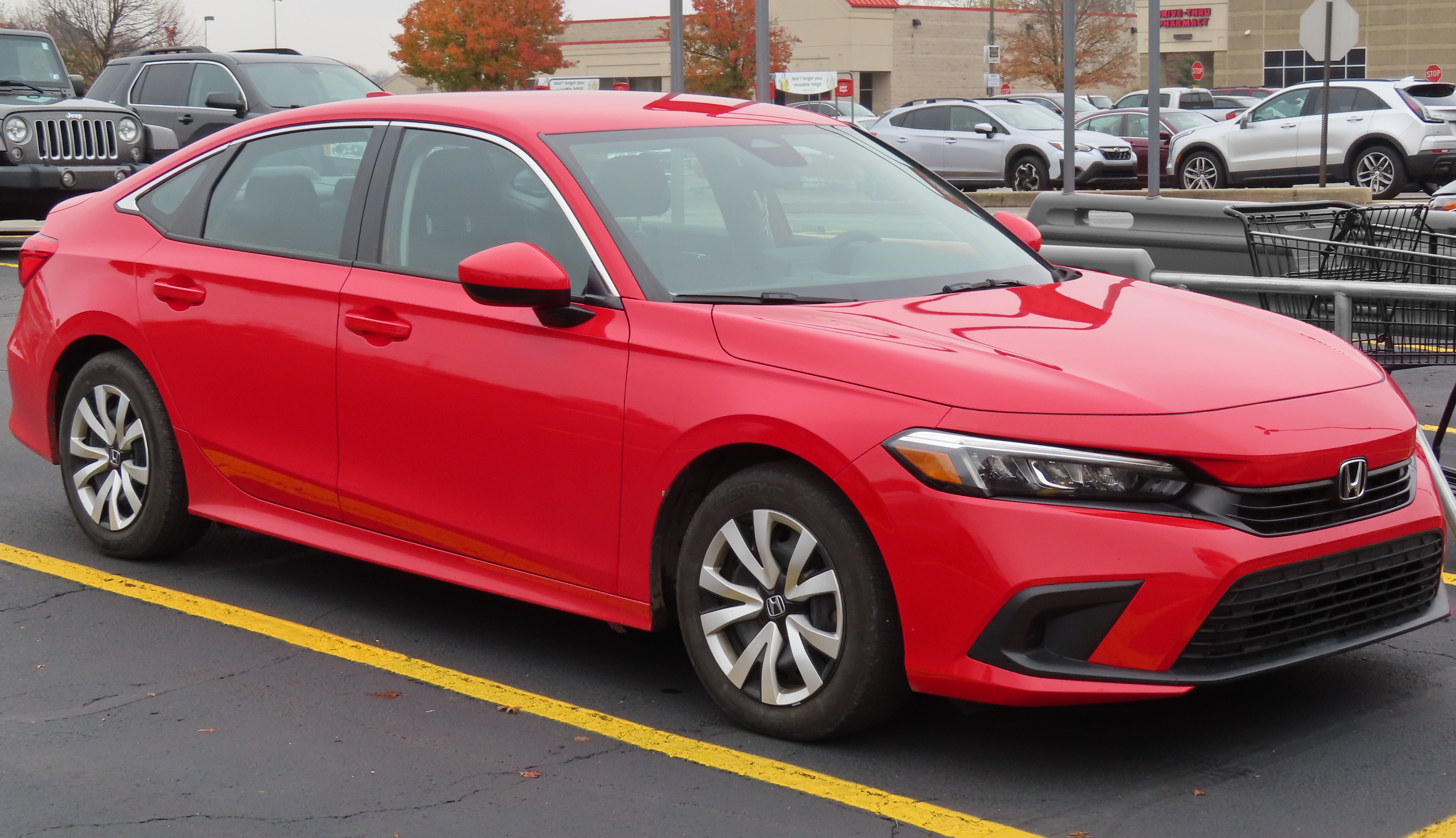
And speaking of car casting, originally baby driver, the opening scene was a Honda Civic.
Really?
And I was like, Edgar, there's a better option here.
My time I could put Subaru WRX.
Yeah.
And there was so much buzz around that amongst enthusiasts, right?
Like, I mean, people picked up on that, right?
And that's it.
And, you know, bad car casting like anything else will take you out of a movie.
You know, Wes Anderson is a guy who I think always does it right, you know.
Yes, the 300 TE Mercedes wagon for the teacher and Rushmore or whatever.
It's just like, you know, that car like that represents so much.
But if you know, you know, and yeah, I think an unsung sort of aspect
of what you do is getting that car casting, right?
Cool.
Thank you.
So Robert, that Ryan's question ties in with something I was going to ask you.
And this is your work is included as possible answers.
But what are your top favorite, top five favorite car movies?
Oh, I mean, obviously mine.
It's only right.
And the list is full, we're done.
Next question.
Next, even though I was involved with it, I still find it a fun movie.
It was Talladega Nights was just so, you know, the whole premise of it was just
hilarious and I thought it was pulled off so well.
Yeah.
And that's that's a tough sort of proposition when you think about it,
because you've got car people are going to watch it because it's a car movie.
But it was so absurd by design to have it to have it succeed
and have them enjoy it, even though it's like poking fun at the culture.
I think that tells you the level of the film it is.
I mean, I thought it was so funny.
Yeah.
And I was just I was just a hired gun driver, if you will, for that film.
OK.
But when I heard the premise of the story, I was like, oh, my God,
this is brilliant.
Yeah. I mean, and some of the lines in that movie, I quote them constantly.
So today, you hear them somewhere.
I mean, think about like Shake and Bake has, you know, is a
like permanent part of the culture, you know, in the zeitgeist.
Like it's jacked up a mountain.
Do I'm going to come at you like a spider monkey or like, dear,
you know, what is it, eight pound nine ounce baby Jesus?
Like. Yeah.
What was that crew like to work with?
Because that must have just been every day must have just been a blast.
Well, I mean, we're we're off doing all the action.
So I wasn't involved with a lot of that.
We were out wrecking cars.
Yeah, which was so.
You know, fun.
It was fun.
Yes. Yeah.
Yeah.
So talk a little bit about that, because I was thinking this
when I was watching the Ferrari sequence, you've got a car flying through the air.
And I know you've talked about this, like the pressure that that adds
when you're crashing something, you have maybe two takes.
Like, what is that one like you had what?
Yeah, and that one, I figured that's a that's a one shot deal.
But so talk about like what considerations
you take into account when you're planning and driver safety.
And can you share what that's like?
I get drivers all day long.
That's fine.
We have more.
It's fine. Yeah.
Next, bring the next guy.
We're up to those guys.
Yeah.
So this crash was very, obviously, very crucial.
I spent weeks digging through report after report of the actual crash
to figure out how it actually went down,
because some of the stuff made no sense physics wise, what they thought the car did.
OK. Oh, interesting.
So I won't go into a lot of detail, but I'll just say
because of the speed of the car, it did something that they weren't used to seeing.
And the fact you didn't have cameras all over the road course.
Nobody really understood it.
And that is the car got sideways and it's a wing and it went airborne.
That's what happened.
And we've seen it with NASCAR in the early days before all the flaps
and everything that they've added.
Yeah, it's cargo sideways, one hundred fifty miles an hour plus.
It's in the air.
Yeah. Yeah, just long time.
So but it was also me building a timeline from where the car landed
to where the first contact happened and just kind of playing that back
and breaking that down into microseconds.
This happened here, this happened here, this happened there.
And then stitching that together.
From my part, which is the physical crash
and then handing off the CG, which I have no control over.
No.
Oh, so it's a bit of a marriage.
I wasn't 100 percent happy with the CG.
But the physical crash was spot on.
Yeah, yeah, yeah.
Are you a film guy, a digital guy, like a traditionalist?
Like, what's where do you sit with technology?
They both have their mark.
I mean, there's I mean, film just has a nice feel to it.
Um, digital is kind of.
You can you have less constraints.
I think maybe you have to be far more disciplined with film.
So I think digital, not to offshoot it too much,
but I think digital has made some people lazy.
Interesting.
I was going to say, you don't have the constraint.
And so is it the economics of it?
Because you're using it's just the discipline, you know,
actual film, you had to be very disciplined in planning everything
because it all revolved around the mag can only run for so long.
Now you got to stop and reload the mag.
That's all built into it versus digital.
Just keep rolling.
Yeah, right.
Yeah, it's an endless resource, but yeah, it forces you with film.
You have to be you have to be efficient.
So it's kind of nice to show up on a set and see film mags on a.
Yeah, yeah, yeah, yeah.
Speaking of that, I think Paul Thomas Anderson, is he a film guy?
All film.
He's great.
Yeah, and your licorice pizza, if I'm not mistaken, to come to.
Yeah, I was only on for a couple.
Yeah, just a couple days.
But yeah, his latest one, I was there for gosh, almost a month.
Even he was such a such a delight to work with.
That's awesome.
I mean, you hear of you hear about him being this this auteur,
you know, and in the kinds of movies he does.
So to hear that that that he's a nice guy is always good to hear too.
Yeah, absolutely.
Boogie Nights is still one of my favorite.
So great, although, right?
Isn't that like the greatest movie?
And I was going to say, it's not a car movie, but it is.
Because you talk about car casting and the Z car, right?
And I mean, just so well done, so well done.
So how has Hollywood changed in your career?
You know, talk about racing has changed.
Next question.
Yeah.
I mean, what were the glory days for you?
Or what? Where do we sit now?
Um, I don't know what I would call glory days.
It's just right now, it's it's going through a massive transition
that nobody knows where it's headed.
Yeah, it's it's really sad.
There's so many people being put out of work.
I've only worked a handful of days in the last four months.
Really?
And is that because things are being filmed in different countries?
Or just it's it's a myriad of reasons.
Yeah, it's not just one.
Yeah.
What do you think it'll go?
What's what's your your take?
I mean, Hollywood is this thing, you know, it's the state of mind.
It's there's so much more to it than just making movies, right?
It's it is.
But it's it's taken on this odd life.
I don't know where it's going.
I don't think anybody knows.
Um, because when it's busy, it's just it's this mad.
Schedule of, you know, are you available this day available that day?
And it goes on and on and on versus now.
And like, is my phone even working?
Wow, yeah, that's a big change.
Yeah, yeah.
Yeah, sounds like watch this space and fingers crossed.
Yeah, yeah.
It's strange days for sure.
But not 100 percent sure.
But I think you may be our only Academy Award winner.
That's been on the show, which is very, very cool.
How did winning an Oscar change things for you?
Um, didn't change much.
I mean, I stopped, you know, go to Starbucks.
Still cost me five dollars for a cup of coffee.
You know, whip that out and get like a 20 percent gas coat.
Oh, Academy Award winners, your coffee is free.
Yeah, yeah, yeah, that's amazing.
I mean, it's a it's a nice it's a nice feather in the cap for sure.
And it looks looks great on a resume.
I don't know that it's actually gained me anything other than I'm that guy.
Oh, he won one of those.
Cool. Yeah. Yeah.
What was it like?
I'm assuming you went to the awards ceremony.
Yeah, so we had a different awards
is because it's technical achievement award.
Um, it was, you know, beautifully well done.
And Margo Robbie was the one that gave me my award.
Oh, my gosh.
And she's so so sweet.
And to this day, she shows up on set
and she sees that she's going to be on the biscuit rig
because it was about the biscuit rig.
She's just like, oh, my God, I can't wait.
And then, you know, we'll get together and talk a little bit and off we go.
But yeah, it's really cool.
I love that.
Well, and you talk about car casting
and it makes me think of like even, you know, the Wolf of Wall Street
was not a car movie per se, but they had that very iconic scene
with the car and obviously she wasn't driving it.
But again, it's like that's that's such a, you know, moment in time
and it's cited so often in the culture,
especially in the car community, right, you know, so iconic.
But so can you talk about like car casting
kind of is an art to me?
And like you said, your influence with Baby Driver, what is that like?
And do you is that pretty standard that you get to be involved
and make suggestions or like, how does that all work?
It, you know, honestly, it really depends on what level
I'm brought in creatively to help out.
And that runs the whole spectrum.
Also, you have some directors that are open to that input.
You have some directors that aren't so open to the input.
So it's it's it's it's a bit of a balancing game.
Yeah, depends on the team, I would think.
Talk a little bit more about Baby Driver.
It's just really a feast for the eyes.
The story really hooks you in, which is, again, another,
I think it's a hallmark of a good car movie.
When the story is just as engaging as the action.
And, you know, I think you really feel for the characters.
But some of those action sequences are second to none,
like the driving sequences.
Can you talk about what that was like to be involved,
like what it felt like to see the finished film?
I love it. I would love to hear all the stories.
So my involvement part of it, so I was running first,
first and second unit, coordinating both,
along with driving the biscuit ride.
So I kind of had my hands full.
Yeah.
But it speaks to the detailed planning
that Darren Prescott and I did, leading up to going to camera
so that we knew pretty much what we were shooting every day,
every hour, every minute, and just bang, bang, bang,
getting the shots crossed off.
And then Jeremy Fry, who was the double for Ansel.
He worked with Ansel to get some of the sequences for him.
But he really worked hard to get the cars to work the way he needed them to work
so that when we showed up on the day and we get exactly what we needed,
then he nailed it.
You've made a career of cars and driving all that.
You're obviously an enthusiast.
Do you get out for drives still? Is that still a thrill for you?
What do you drive? What's in your garage?
Tell me about the enthusiast side of Robert Nagel.
So I'll do track day every now and again.
OK.
I can't get an race car because I can't do it for fun.
Like that's competitive switch comes on.
Yeah. Yeah.
So I have to have long talks with myself before I do that.
Yeah. Yeah.
But let me let me turn the question back in.
What do you think my daily driver is?
So, OK, I'm going to get I'm going to break this down.
I see a lot of camera cars that are Porsche Cayans, right?
That seems to be a very popular was a boom car or a camera car or whatever.
Yeah, our car cars. OK.
OK, so I'm thinking you are a Porsche guy.
Just I'm looking at you.
I see you behind the wheel of a Porsche.
And I may be way off here.
I'm going to say she's driving a 911 Turbo.
Lindsay, you have any any any any guesses?
Yeah, I'm going to go totally the opposite direction.
The first thing that popped into my head was an F-150.
I'm just thinking, I don't know, like daily
and with everything that you do for work, you go in that direction.
So all right, so what's the real answer?
So let me just I'll work into it.
So I am a huge Porsche fan.
One of my favorite cars I've driven was a GT3 around Willow Springs.
And I was just blown away.
Yes, how great that car worked.
I mean, it just was glued to the track.
The best.
And yes, the Cayans are very, very popular for our cars.
They've driven plenty of those. Yeah.
I do drive a German car, but it's not a Porsche.
OK, it's an Audi S8.
Oh, that's speaking of her own.
Right. Right.
That tracks just perfectly, Robert.
And I love that she's driving an S8.
And I love the fact that most people don't even know what the car is.
It's just this big, beautiful four door sedan that is a rocket.
Right. Yeah. Yeah.
Yeah, it's it's a if you know, you know, but it's kind of along the lines
of the what was at the Holden SS, where people are like,
nice and Paula, you're like, watch this.
And that's the best thing you could have answered with.
I mean, yeah, it's amazing.
Thank you.
So I might upset some of your fans,
but I actively hiked Corvettes with it.
OK, nice.
My man, that's one good.
Yeah. Yeah.
So you're in LA, obviously.
Are you an Angeles Crest guy?
Like, where do you go for a fun drive?
I really on the on the street.
I don't really do that. Yeah. OK.
Just yeah, it's just that's yeah.
That's what I'll go to the track for that.
So the other car I have is basically a one of one dark horse.
One of the early ones.
Really? Yeah.
Well, what makes it a one of one?
I'm not 100 percent sure, but I know it's at least one of 20.
So I can't tell you I could tell you that I have to tell you.
Yeah, I'm very fortunate to be brought into Ford's VIP program.
So when these cars come out, they just send me an email slash menu.
They're like, do you want one?
And then I can go through and click off all the options I want. Nice.
Apparently, the options I put together, a dealership can't get it that way.
And it did. It was almost a year to get the car built.
So what? Break the car down.
What's the spend?
I mean, it's got it's got the competition suspension, the wheels and tires.
The wheels are carbon fiber, and that's my understanding.
They only produce two or they only produce 20 with the carbon fiber wheels.
The color combo.
Like one of the options is to take the strike, run it all the way over the car
and it's painted instead of vinyl.
And that having seen some of the vinyl ones, I mean, that looks horrible.
Who thought that was a good idea? Come on.
Yeah, it's a great car.
Ford killed it with this chassis. Absolutely killed it.
That's I think.
Had one, right, right?
Yeah, that's right.
He went on and on about it.
I mean, in fact, it comes with a drift break. Come on.
Does it really? Yes.
Because you've had Mustangs before this one, correct?
Oh, yeah, I've had a lot of Mustangs.
Yeah, yeah, yeah.
So for the throw bone to the Ford people.
So which Mustangs have you had?
That is 65, a 67, a 69 Cobra Jet, a 70 Mach 1.
From there, we can now get in the Fox bodies.
Oh, yeah.
We had a couple, you know, mid 80s.
My first real road race car was a 93 Cobra, our body that had gotten from Ford.
And we turned into a race car.
And then from there to SM95 Cobras that we built in the race cars.
Wow.
And so where?
I don't know how often you get to the track, but do you have a favorite track
either in Southern California or in the U.S.?
Anyone I don't have to pay for.
I like that answer.
Yeah, that's.
Anyway, the hands me keys and says take my car out around the track.
I want to see what it can do.
Let's go.
Yeah.
No, I mean, there's.
Oh, go ahead.
Sorry.
I mean, you know, obviously the iconic tracks.
I love Laguna Seca, some of the tracks out on the East Coast.
You know, they're just, yeah, but they're all fun.
Yeah.
Right.
You mentioned Fox bodies and I like that Fox bodies are kind of having a
moment now.
Yeah.
And I think back to high school and I thought the coolest thing in the world
that that wasn't German was a was a was an LX 50 manual like cloth seats,
kind of like that CHP spec.
Like I just thought that.
Yes.
Yeah, yeah, yeah.
The little notch.
Yeah, right.
Yeah.
There's just something about there.
They're just pure that tires stick out a little bit and any reason someone like
me, you know, midlife crisis kind of guy wouldn't want a Fox body LX 5.0 or
they're pretty great.
I can't think, especially now with everything that you can get after
market wise, like they're fun.
They're just fun cars.
Yeah.
Yeah.
They are.
Okay.
Well, you're not talking me out of it.
No, I tried, you know, sorry, not sorry.
Lindsay's our resident Ford person on the show, but I'm coming around.
I'm coming.
Yeah.
Yeah.
You'll see the light.
Yeah.
So I had a GT 350 are one of the newer ones and nice boy.
Those were just intoxicating and yeah, Ryan, you need to drive one of those
actually that will fully convert you.
Yeah.
Yeah.
Right on.
So just as someone who drives, you know, regular roads, freeways in California
and all that.
What are some mistakes you see even those of us who think we're pretty good
drivers make?
Like what are things you see again and again?
How much time do we have?
All the time in the world.
The stage is yours.
We might need it.
But I think we're getting worse.
I swear people are getting worse.
Oh yeah.
Absolutely.
I would agree with that.
They drive around with their high beams on, you know, they tailgate.
They can't move out of the left lane.
But yeah, you take this one.
Now, my biggest pet peeve is just parking your car in the number one lane in the
you know, which is the fast lane.
When I say parking, you know, going under the speed limit won't move over.
It's like, and then you get other cars clustered around them.
And so, you know, it's like, yeah, I lose my mind.
That's the thing I wish they would enforce.
You know, speeding is not the issue, right?
I mean, it's those people because in your passing, you know all this.
I mean, it's just it drives me up the wall.
Here in Colorado, the big thing is Canyon etiquette.
And you're obviously out with a group of friends and you want to have a spirited
drive and there's someone with a Nebraska license plate or whatever that's
sitting doing 10 under and there are places to pull out, you know, and they
don't.
But it's, I think it all comes down to just sort of, I don't know,
situational awareness and just respect for your fellow driver.
Like it's just we're getting away from that, you know, in my own lifetime,
it's changed so much and it drives me up the wall.
I'm glad.
Situational awareness is such a proper term for that.
Absolutely.
Yeah, I think you get so many people who just don't pay attention.
Yeah, I'm sure the phones have played into this, you know,
certainly hasn't helped.
Yeah.
Well, and I think it's, I think it people, car people or people that enjoy
driving, your awareness is heightened.
And so the contrast is even bigger.
We've got somebody that's not aware.
You're maybe more aware than the average person.
And, you know, like I find myself constantly managing like the traffic
behind me in front of me on the side, you're watching behind, you know,
and constantly scanning.
It's that's a proper situational awareness.
Yeah.
Right.
Like that's the ideal situation.
Yeah.
I mean, in the number of times you can, it's like, it's always striking
to me when you see somebody in the rear view mirror and you can already
tell they're, you know, a half a mile behind you and you can already
tell it's an issue and you're going to need to manage that.
Yeah.
Yeah.
Usually they're in an Ultima, but that's a whole other.
Hey, I missed a question before I wanted to ask you people that you
worked with and I don't want to say, hey, you know, who did you like?
Who didn't you not, you know, who did you not like?
But who surprised you as being a shoe?
Like, have there ever been any actors, you know, that just like, oh man,
that guy or gal, really drive.
No, that's actually a great question.
And I can expand on it a little bit.
Christian Bale was phenomenal.
He really, he really got it and was very enthusiastic about it.
But, and I think a lot of that skill set came from, he would, he used
to track motorcycles.
Oh, okay.
That's right.
So, and I find the guys that are competent on bikes, on a track,
translate into a car because they understand balance and weight,
weight transfer and all of that.
It just clicks with them.
He was phenomenal.
On Ferrari, Patrick Dempsey, I let him do all of his own driving.
No kidding.
He was amazing.
And he's actually one of the few actors that has ever been
listed as a stunt performer.
Really?
He's listed.
No, he used to race Porsches.
Yeah.
I think he got back into it.
Yeah.
Yeah.
He's getting back into it now.
Yeah.
Very, very competent driver.
Yeah.
Right on, okay.
Yeah.
He was involved in, it's called the heart of racing now,
but it was Team Seattle and they were affiliated with the driving
school at Pacific Raceways up here, which is where I drive.
Oh, wow.
In Seattle.
And so I actually had the opportunity to travel like with the team
when it was Patrick Dempsey and Joe Foster and Don and Donna Kitch
to Daytona for the 24 hours a couple of times.
Nice.
Yeah.
Yeah.
So yeah, he's, he's the real deal.
Yeah.
Supposedly a hell of a nice guy too.
Oh, he's fantastic.
Yeah.
Just, you know, he just became one of the guys.
You know, here we go.
Yeah.
Right on.
Right on.
Well, I love it.
I think it was on, was it, I think it was with Maurice when you were talking
about it and you said he would come to, you know, when you were prepping the cars
or whatever and he just looked like a kid in a candy store.
Yeah.
No, he was literally like, are we testing today?
Are we testing?
I want to go out and test.
Nice.
Nice.
That's amazing.
Are you a car week guy at all?
Do you, or do you go to Looft or do you, I mean, find the time?
I've been the car week.
I've been the car week.
It just, it seems like my schedule gets full or it's, my schedule is actually so unpredictable
because of film.
I was supposed to go this year and I couldn't make it.
I went the year prior.
Yes.
It was, you know, fantastic.
Yeah.
A friend of mine got me to take us for quail.
So to see all of that was just spectacular.
Yeah.
I'm hoping to do it again next year.
Well, if you're there, we all have to meet up in person.
100%.
Yeah.
The, that car show team is a, and a car week.
It's under ours.
It's under our skin.
You know, we just, we just, yeah.
I, my first time was a couple of years ago and it was, it just blew my mind.
You know, it's, it's, it's like finding your tribe or whatever.
And, you know, car weeks got a lot of, a lot of grief lately for just kind of getting,
you know, having gotten too big for its bridges or whatever.
But I don't know, I love it.
I'm a fan.
Yeah.
Yeah.
Yeah.
You know, I'm, that's the shadow of our own.
Yeah.
It is.
I know.
Well, so you mentioned having the opportunity for Christian to spend time with Bob Bondurant,
which is, I mean, that's not something you can manufacture.
Obviously.
No, no, I never saw that coming to the extent that it did.
Well, and for Bob to still be alive and just Christian to be able to basically pick his
brain and hear the stories.
And really, I can't, I can't imagine how valuable that would be as an actor to really be able
to just steep in the real stories from somebody that lived it.
That feels like it would be such a gift.
And I was going to ask you, because there are a lot of reasons that the film is very
special to me and, you know, I connected with it.
But one of the things when I first watched it, I kept going like, wait, I know that person.
Like, I know that person, you know, like Alex Gurney driving as Dan.
That's amazing.
Like Alex went to high school with a family friend of mine.
So I was like, wait, I know.
And I'm like, and it was, I know, I know who that is.
And knowing that it was the real, that it was a Gurney driving as Dan Gurney was just amazing.
And then Derek Hill was involved and is the son of Phil Hill, who was integral to the
whole story.
I don't know if there's been another movie like that where you've been able to have the
people that lived it or the children of the people whose story you're telling are in the
project.
What was that like?
And there's more to it.
Yeah.
So tell me more.
I want to hear all of it.
So we'll start with Alex.
I was connected to Alex through a friend of mine.
I reached out to him and thought, you know, would you be interested?
And he says, yeah.
So I had him send me a headshot.
And when you look at him and his father, he's like a spitting image.
And I went to, I went to Mangold.
I said, can we please cast him as his father?
His father passed six months ago.
This would be so fitting.
He said, I'll have him read.
Absolutely.
And a couple of days later.
Yeah.
And so a couple of days later, Mangold let me know that they cast him for it.
And the hair on my arm stood up.
I was like, that is so beautiful.
And I love that I could do that.
Truly.
And Derek Hill was so valuable in his information and help.
And so the other, there's another one, Jeff Bucknham.
His father Ronnie, Ronnie Bucknham drove the gold GT 40 that finished third.
Right.
When that car showed up on set, Jeff broke down emotionally.
And we just made fun of him for the rest of the film.
No, I'm so glad you mentioned that.
I knew I was like, there's, there's one other guy that I'm blanking on.
And it was Jeff.
So, and I actually put him in the car.
Unfortunately, we had already cast Tanner Faust as Ronnie Bucknham before I got
connected with Jeff.
But what I did in the final sequence when it crosses to start finish line,
Jeff is actually driving the car on camera.
That's amazing.
That's cool.
Well, our shirts actually have a little Easter egg because the
shirts are in what would have been the correct winning order.
Correct.
We talked a little bit about that.
So yeah, I did, we, you know, Sean, who designed this and owns Johnson Motors,
we talked about it and I said, I want the Ken Miles car in front.
That's the proper order.
Yeah.
I need to agree that that's how it should be portrayed.
And it's, I love that very few people have picked up on that.
So thank you.
Of course.
Well, that was, you know, my, my dad is a huge Shelby fan and that was a story.
Honestly, I heard that story throughout my life because we would go to these events
and we, we would, when Carol was still alive, we got to meet him.
We got to meet Bob.
My dad actually was, had the chance to become friends with them.
And I think those were the stories of his kind of teenage years and early 20s
and becoming a budding car guy.
So it really stuck in his head.
So then to get to meet those people in real life is amazing.
But just the, the unfixable injustice of the way that was handled is just one of those
things that's in our world lore of just like, what, and like even this many years on,
it's still just like, man, like that is so frustrating.
So it's really nice to have it corrected on the shirts at least.
Thank you.
I love, I just love that you, you picked that up.
Yeah.
What would your father think of the film?
Oh, he loved it.
We, I mean, and I think probably between like, Tori's probably watched a hundred times.
I think my family and I are probably like close seconds to that.
But I mean, like he and I have marveled about it's one of those films where I have yet to
get sick of it because there was so much detail and the story is so involved even outside
of the cars that there's like, I noticed something new every time.
And I think it's like with anything, once you've seen something a few times and you
sort of understand the main story, it frees you up to sort of look in the background and
just like all of the little touches that you all put so much effort into just, it's such
a rich viewing experience that, yeah, I mean, definitely my favorite movie.
Thank you for that.
That means, that means the world to me.
Thank you.
Yeah, of course.
I appreciate all of your hard work.
It definitely paid off.
Well, for those that don't know the story of the, what we're talking about with the cars
and the order, can you quickly share like what we're saying, what we're talking about?
Yeah, I mean, you know, Ken Miles was obviously leading the race at the end.
Right.
And he was asked, ordered to slow down because they wanted a one, two, three finish photo
finish of the three cars crossing the star finish line.
And ultimately, the officials came back and said because the number five black GT 40 started
further back, they said he covered more ground than Ken's car.
Therefore, he was in first place.
They wouldn't, they wouldn't agree to a photo finish of, you know, everybody crossing at
the same moment.
Right.
So Ken had been ordered first and then it was taken away from him.
Yeah.
Yeah.
As far as he knew he'd won.
Yeah.
Right.
And then they, I think, and I don't know if this is correct, but I think there was some
like, well, we'll get him again next year.
And then unfortunately,
Well, I think that was the intention.
I think that was the intention.
And unfortunately he died testing the next year's car.
Yeah.
So that was, yeah, very, very sad.
So I think it's really beautiful that you did the tribute the way you did on the shirt.
Thank you for that.
Robert, one of the neat things about doing this is we get to meet people like you who
are really, you know, top of their game, but really people who are living their best lives,
people who are doing exactly what they were born to do, you know, and your passion is
evident.
And it's just been a real honor to talk with you.
It's been great.
I have some viewing to do now.
Watching up to do.
I know.
Well, before we let you go, I would love to hear like a story or two from Fast and Furious.
I know that has been like those are some of my favorite car movies.
Probably my favorite is when we did Fast Five with the scene with the safe and just literally
crushing cars left.
And I think we destroyed like 300 cars for that sequence.
But I thought it was so visually was a great story point because you got this time just
tumbling, most of the time to sliding around and just sending cars was like a childhood
dream.
Like let's just wreck everything.
You just get to go in and break everything and you're being told to do it.
Yeah, that's fantastic.
So where do you get the cars?
Like, you know, you're going to just ruin them, but they have to look good to start.
Where do you get the cars you're going to destroy?
So they put up no parking signs.
If you leave your car there, you're like, this is great.
We don't have to pay for any of them.
Yeah.
You know, I'm not, I wasn't involved at that level.
You know, you got guys that run a picture car department.
That's their thing.
I don't, I'm not sure where they sourced them.
I think a lot of them came out of junkyards and then we just crushed them.
Made it official.
Yeah.
Did you ever think the franchise would, would be the thing that it is?
Like it's this cultural phenomenon.
There's a certain generation, especially where this is, this is like sacred, right?
The franchise.
It's, did it feel like it when you were making it?
I mean, is it?
It, it did when I feel like five brought it back because it was so well done.
And I think, you know, like I said, that action sequence with the safe.
And that's when I was like, okay, I can get behind us.
Yeah.
Yeah.
This is a real thing.
Yeah.
Yeah.
That's awesome.
Well, there, those are other movies that I rewatch regularly.
They're just so fun.
You know, it's just, it's such a.
No, you have, yeah, you just have to go along for the ride.
Unintended.
Yeah.
Love it.
Yeah.
Well, Robert, this has really been a treat.
I mean, I could probably talk to you all day and ask for more and more stories.
So any time.
Hopefully you'll come back, but we really appreciate it.
Yeah.
Sharing like kind of a peek behind the curtain into an area of movies,
especially about really life that most of us never get to experience or hear about.
It's been fascinating.
And I think our audience is really going to enjoy the kind of sneak peek,
you know, tidbits that you've shared.
Sure.
But before we let you go, where can people find you on social media?
So you can find me on Instagram, rpnagle, very simple.
Check it out.
I'll share it with you guys.
So when this goes up, you can tag me in that.
That's really it.
Instagram is really my thing for work.
I do post a lot of behind the scenes stuff when it's appropriate.
And it seems, you know, it seems to be well received.
Yeah.
Yeah.
Yeah, I can, I can attest.
You're a good follow for sure.
So thank you.
Rpnagle on Instagram.
Thank you so much for joining us.
And for those of us at that car show.
Remember always be driving and we'll see you next week.
Thank you so, so much.
It's wonderful.
About this episode
Robert Nagle, an Academy Award-winning stunt coordinator and action writer, shares captivating stories from his extensive career in Hollywood, including work on iconic films like 'Ford vs Ferrari' and 'Baby Driver.' He discusses the intricacies of car stunts, the evolution of his role in action writing, and the importance of authenticity in racing scenes. Nagle also reflects on his experiences training actors, the challenges of filming realistic car crashes, and the unique dynamics of working with legendary figures in the automotive world. His insights provide a fascinating glimpse into the intersection of film and automotive passion.
Academy Award-winning stunt coordinator, driver and action writer Robert Nagle is the man behind some of our favorite car movies: Ford v Ferrari, Baby Driver, Miami Vice, Mission Impossible - Rogue Nation, Ferrari and the Fast and Furious franchise, among many others. What more is there to say? Robert's the man. And it's That Car Show.
Sheffield Watches: sheffieldwatches.com and @sheffield_allsport_watches
Drake Motorcars: drakemotorcars.com and @drakemotorcars