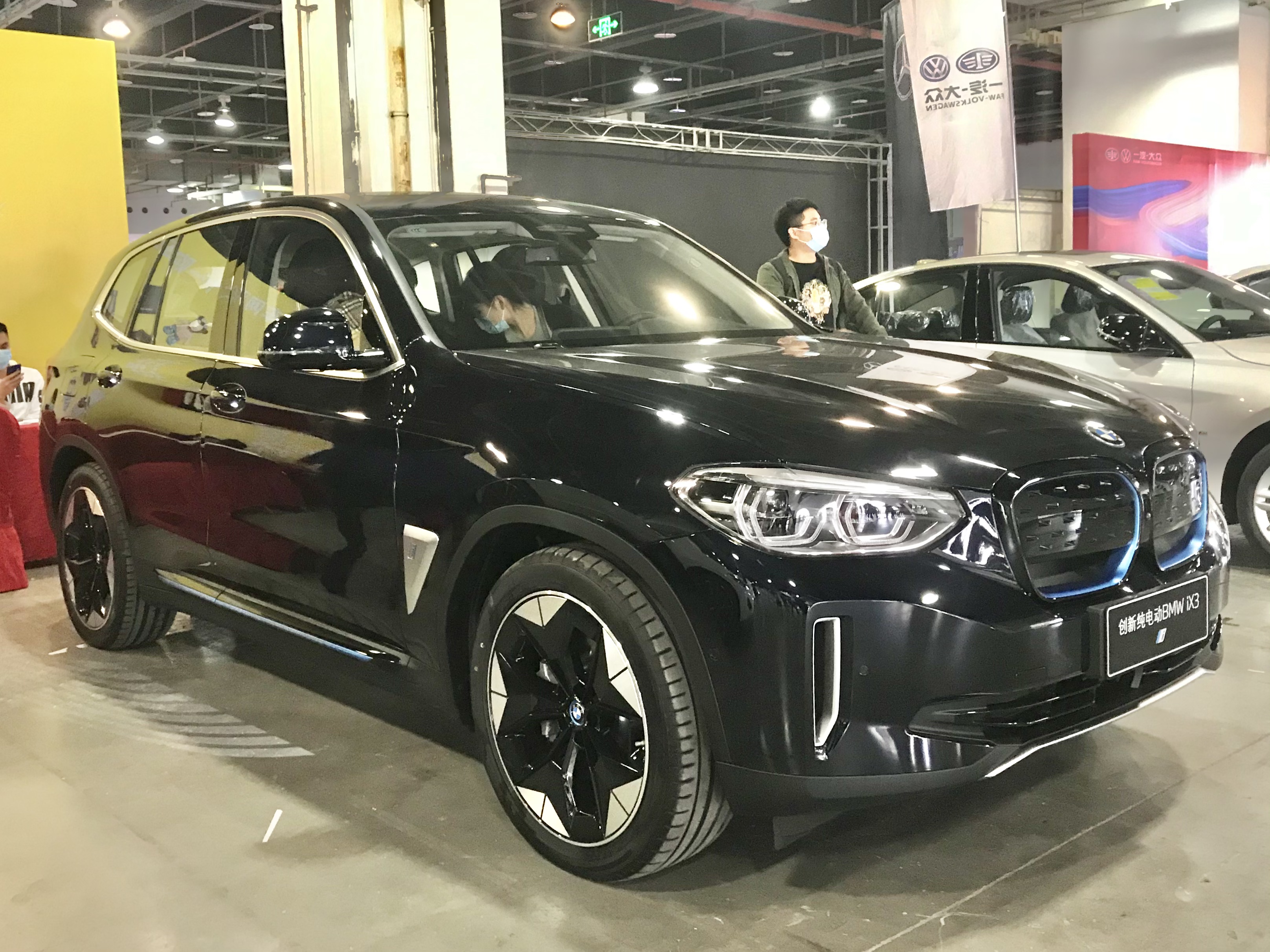
Bmws Ix3
BMW’s iX3 is an electric SUV based on the X3. The episode says BMW is improving it with more range, meaning you should be able to drive farther on a charge.
megawatt charging
Megawatt charging means charging an EV using extremely high power—much faster than typical public chargers. To do it, the car and the charging station both have to be built for that level of power.
Huawei
Huawei is a big tech company mentioned here because it’s involved in very fast EV charging. The episode is focusing on the charging systems and the supporting energy infrastructure.
grid integration
Grid integration is about making sure EV charging works smoothly with the power system. Instead of charging randomly, the charging demand is managed so it doesn’t overload the grid and can work well with renewable energy.
BYD
BYD is a major Chinese company that makes electric cars and batteries. The hosts mention it because it has a new top model coming out.

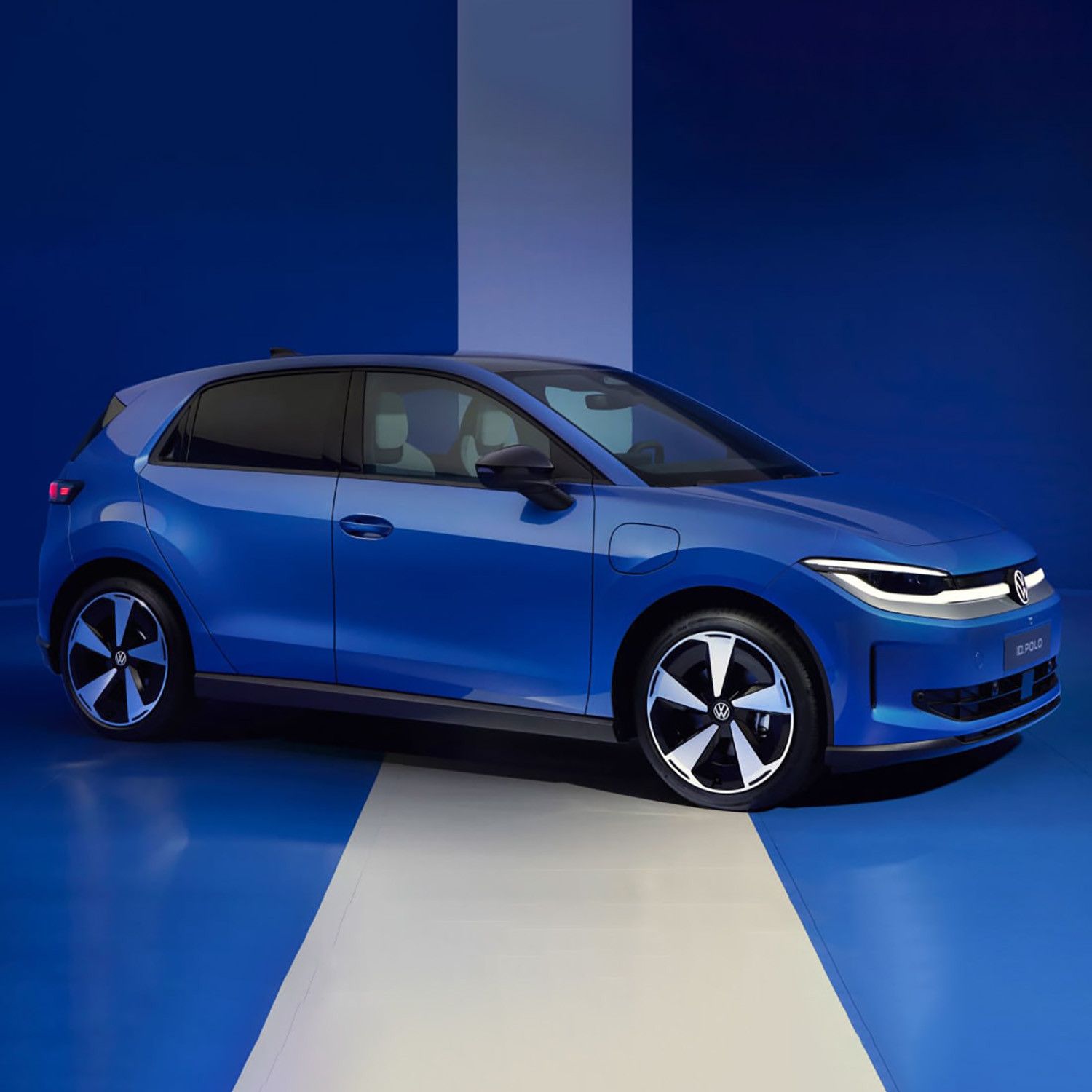
Volkswagen ID Polo
Volkswagen is launching an all-electric version of its Polo-sized car called the ID Polo. It’s part of Volkswagen’s EV lineup, so it’s designed to be electric from the start rather than converted from a gas car.
order books
“Order books” means the company has started taking customer orders for a new car. It’s the step where people can actually place an order instead of just hearing about the car.

BYD Dolphin
The BYD Dolphin is an EV model from BYD. The hosts mention it to show the kind of cheaper Chinese electric cars Volkswagen is trying to beat in Europe.

Citroën ë-C3
The C3 mentioned here is an electric car model from BYD. The podcast groups it with other small, lower-cost EVs to talk about what’s becoming available. It’s mainly discussed as part of the expanding EV lineup.
MEB Plus platform
An EV platform is the shared design and engineering underneath an electric car. Volkswagen’s MEB Plus is an updated version that helps make room inside the car.
LFP pack
LFP is a type of EV battery chemistry. In this case, the smaller ID Polo trims use LFP batteries, which are generally selected to help keep costs down.
WLTP range
WLTP is a standardized test used in Europe to estimate EV range. It’s a consistent way to compare cars, even though real-world range can differ.
DC charging at 90 kilowatts
DC fast charging is the quicker way to charge an EV at public chargers. The segment says this version can charge at up to about 90 kilowatts.
10 to 80 in 27 minutes
This is a charging-time comparison. It tells you how long it takes to go from a low battery level (10%) to a fairly full one (80%).
NMC chemistry
NMC is another type of EV battery chemistry. It’s typically used when you want more energy stored in the battery for longer driving range.
11 kilowatt, three phase AC on board charging
This describes how fast the car can charge using regular AC power (like many home wall boxes). “Three-phase” usually means you can charge faster than with basic single-phase power.
ID. Id2
The ID. Polo is an upcoming small electric car concept mentioned in the podcast. It’s discussed with details about how charging works and how the doors are designed. The point is to show what features and design ideas could make it into a real EV.
digital instrument cluster
Instead of regular gauges with needles, the car uses a screen to show things like speed and battery/range info. It can be easier to read and can show more information.
13 inch tablet style touchscreen
This is the car’s big screen for controlling things like media and settings. The host says it also keeps big physical buttons, which can be easier than only using touch.
ADAS system
ADAS is a set of safety and convenience features that help the driver. It uses sensors to assist with things like staying in the lane or reducing the chance of a crash.
boot space
Boot space is how much stuff the car’s trunk can hold. They’re quoting the liters you get with the seats up and then more when you fold the seats down.
vehicle to load
Vehicle-to-load means the car can act like a power source for things outside the car, like tools or appliances. In this case, they say it can provide up to 3.6 kW.
3.6 kilowatts
3.6 kilowatts is how much power the car can send out to something plugged in. More kW usually means you can run bigger or more power-hungry devices.
EPA range
EPA range is the official U.S. test estimate for how far an EV can go on a full charge. Your real range may be different depending on how you drive and the weather.
Deborah Sen plant
This refers to BMW’s production facility in Hungary where early iX3 production began. The plant name is tied to where the vehicles are built, which can matter for supply timing and production ramp-up.
European import tariff to the US
A tariff is a tax the government adds to imported products. If the US adds a tariff to EVs coming from Europe, it can make those cars more expensive to sell in the US.
Model E
Model E is Ford’s EV team. The hosts are talking about how much money that EV division lost and what that means for EV pricing and profits.

Ford Puma
The Ford Puma is a small SUV/crossover made by Ford. It’s designed for normal daily driving, especially in smaller cities. The podcast mentions it because Ford is changing its lineup and pricing as it expands EVs.

Ford Capri
The Ford Capri is a smaller SUV/crossover type of car from Ford. It’s meant for everyday driving and people who want something more compact. It’s mentioned because Ford’s EV plans can affect how these models are sold and priced.

Ford Explorer
The Ford Explorer is a family-sized SUV made by Ford. It’s the kind of vehicle people use for everyday driving and road trips. The podcast brings it up because Ford’s EV plans can influence how the Explorer is priced and updated.

Ford Mustang
The Mustang Mach-E is Ford’s electric SUV/crossover. The hosts mention it to show which cars are included in Ford’s EV business.
average selling price per vehicle
Average selling price is basically the average price of each car sold. If the company sells more cars but makes the same total revenue, it usually means the average price per car went down.

Ford F-150 Lightning
The F-150 Lightning is Ford’s electric pickup truck. The hosts are saying that because it costs more, fewer people may be able to buy it, which can hurt sales volume.

Ford Etransit
The Ford E-Transit is an electric delivery van made by Ford. It’s meant for businesses that drive routes every day. The podcast mentions it because it doesn’t sell as much as some other EVs, so it’s part of the business conversation about what’s working.
Citroën
Citroën is a car brand that the hosts say is planning a very low-cost electric city car. They connect the plan to new rules that could help small EVs be cheaper.
sub-15K electric city car
“Sub-15K” means the goal is to sell an electric city car for under about $15,000. The hosts are saying this kind of low price is the big challenge—and the new rules may help make it possible.
K-Car legislation
K-Car legislation refers to Japan’s rules that allow small, low-power vehicles to qualify for favorable tax and regulatory treatment. The segment compares upcoming “e-car” rules to this model, implying that limits on size/power can come with benefits that make tiny EVs more viable.
e-car legislation
The “e-car legislation” is new government rules for small electric cars. The idea is to set limits on size and power, and then give benefits so these cars can be sold at lower prices.
Autobahns
Autobahns are Germany’s highways, known for high-speed driving. The hosts are saying small city cars don’t need the same high-speed capability as bigger cars used on those roads.
speed-limited small city car
This means the car is intentionally limited in how fast it can go. The idea is that for city driving, a lower top speed can help keep the car safer and cheaper.

Citroen 2CV
The Citroën 2CV is an older, simple small car that became famous for being practical. The podcast compares it to a “new 2CV” idea to explain what a modern version could try to achieve. The focus is on making a car that works well for everyday life.

Citroën 2CV
The Citroën 2CV was a famous, low-cost French car from the post-war era. The hosts are comparing a new cheap car idea to the original 2CV’s goal of getting cars back into everyday life.

Volkswagen Beetle
The VW Beetle is a famous, long-running Volkswagen model. The hosts mention it as a historical example of an affordable car that helped many people start driving.

Fiat 500
The Fiat 500 is a well-known small city car. In this discussion, it’s used as an example of a cheap car that helped more people get access to driving after World War II.
Paris Motor Show
The Paris Motor Show is a big car event in France where companies show off new cars. Here, it’s where they plan to reveal the new car preview.

Jeep Avenger
The Jeep Avenger is Jeep’s small electric car. They’re talking about a refresh to its look (like the front grille) and Jeep’s plans to keep pushing it in Europe.

Dodge Avenger
The Dodge Avenger is a car model from Dodge. The podcast mentions it because it’s getting a major styling update. That means the outside look is being changed to feel newer.
seven-slot grille
The grille is the front opening area of the car. A “seven-slot” grille means it has seven vertical sections, and here it’s part of the Avenger’s refreshed front-end look.

Jeep Compass
The Jeep Compass is another Jeep SUV. They’re using it as a comparison to say the Avenger’s new front lighting looks similar to the Compass.
mid-life refresh
Carmakers often update a model partway through its life. It’s usually small changes—like new front styling or updated features—to keep it feeling current.
MG
MG is a car brand. Here they’re talking about putting advanced self-driving technology into lower-cost electric cars.
EVs on the road in the UK and Sweden
They’re talking about how many electric cars are actually being driven in the UK and Sweden. That helps show how popular EVs are and how far the market has progressed.
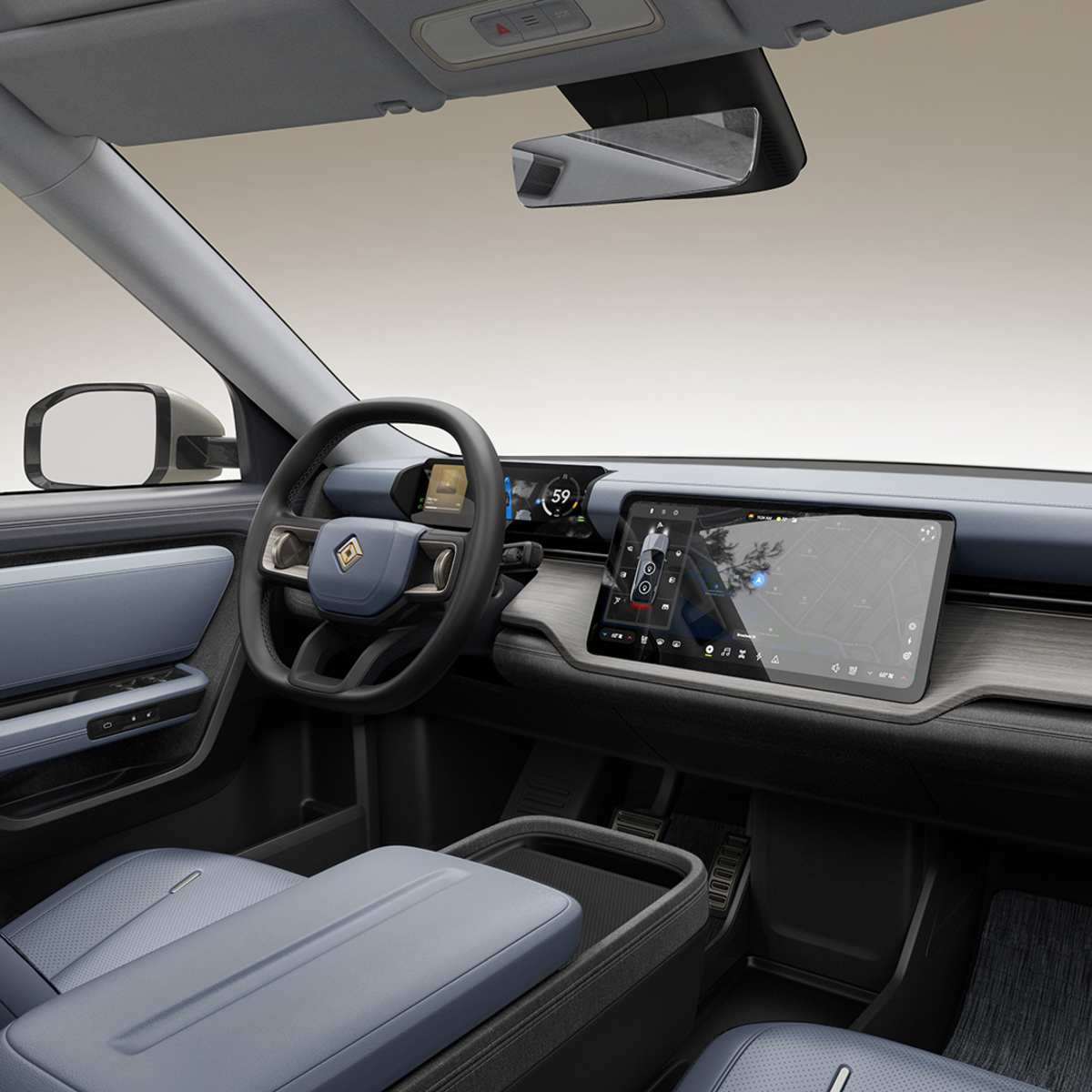
Rivian R2
The Rivian R2 is an electric car that Rivian is planning to build in larger numbers. The podcast mentions it because Rivian is adjusting its factory schedule to increase production. That usually means they expect more buyers for the model.
South by Southwest
South by Southwest is a big event where tech companies make announcements. In this segment, it’s where Rivian’s software chief talked about how employees will keep the cars for testing.
over-the-air updates
Over-the-air (OTA) updates let a car receive software changes via a wireless connection, similar to how phones update apps. This matters for EVs because features, bug fixes, and even driving-assistance behavior can be improved after the car is sold.
SAIC
SAIC is a major Chinese automaker group that owns the MG brand. In this segment, SAIC is mentioned in the context of putting advanced autonomy hardware into lower-cost cars.
self-driving hardware
Self-driving hardware is the set of sensors and compute components used for advanced driver-assistance and autonomous driving functions. It typically includes cameras, radar, lidar (if used), and an onboard computer that processes sensor data in real time.
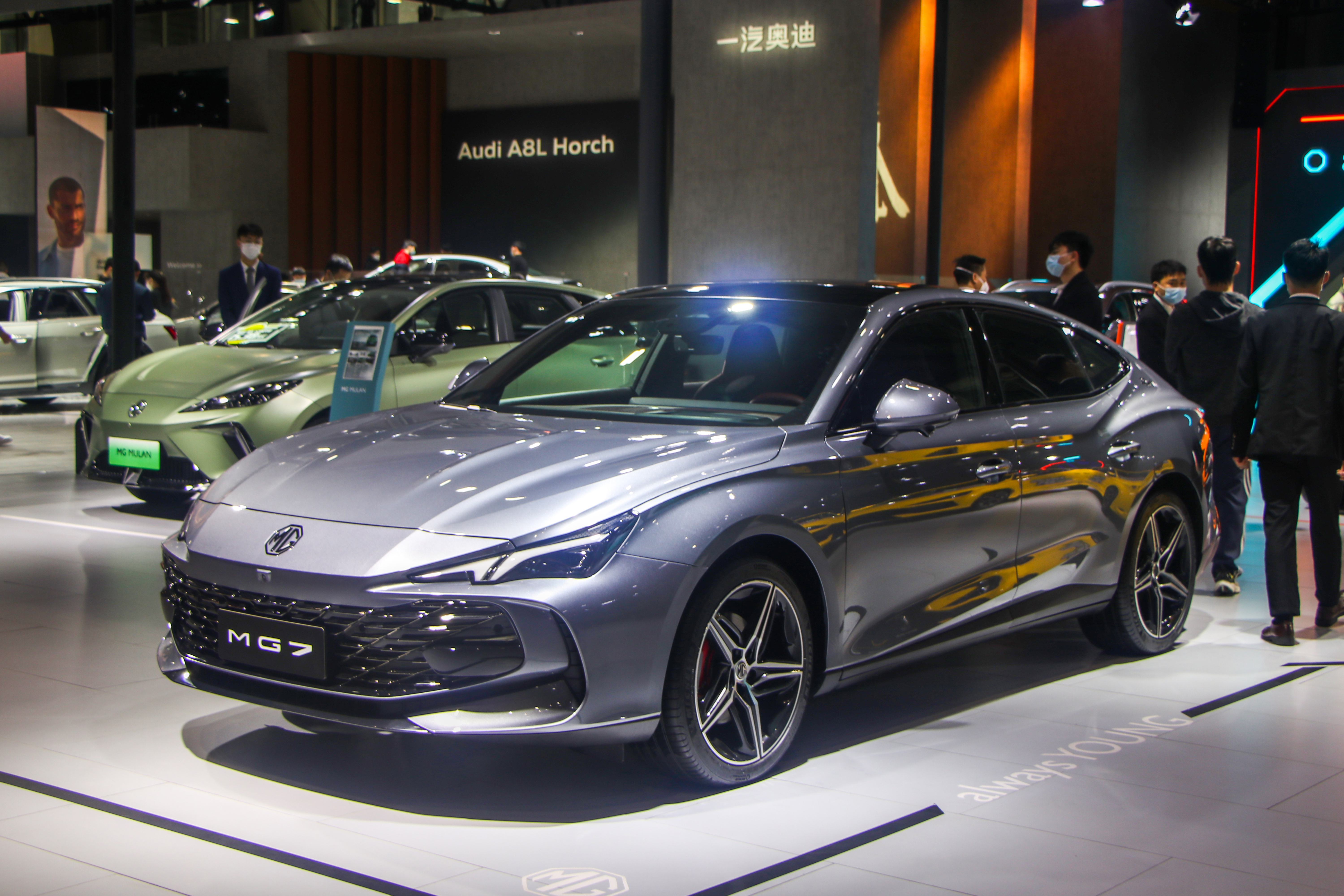
MG MG7
R7 Autonomy
R7 Autonomy is Momenta’s advanced driving software. It’s meant to help the car handle driving tasks more automatically, and the hosts compare it to Tesla’s top self-driving option.
Momenta
Momenta is a company that makes software for advanced driving automation. They’re saying MG07 will use Momenta’s autonomy system to help the car drive more intelligently.
full self-driving
“Full self-driving” is Tesla’s name for its most advanced driver-assist feature. It’s meant to take over more of the driving, but you still usually have to stay alert and ready to take control.
post-training iterations
Post-training iterations are follow-up improvements made after the main training is done. The idea is that some tweaks can be tested and updated much faster than starting training from scratch.
fleet
A fleet here means many cars operating in the real world. The company can use those cars to gather experience and send software updates to all of them.
robo-taxi
A robo-taxi is a self-driving taxi. Instead of a person driving, the car’s computer handles the driving.
Tesla FSD
Tesla FSD is Tesla’s software that tries to make the car drive more on its own. People compare it to other self-driving systems to judge how good the technology is.
zero emission vehicles
“Zero emission vehicles” are vehicles that don’t emit exhaust fumes while they’re driving. The UK government counts not just cars, but also other vehicle types like vans and buses.
electric car grant
An electric car grant is money from the government to help lower the cost of buying an EV. In this case, it’s described as a £4,000 discount for eligible new EVs.
Plug-in EVs
Plug-in EVs are cars you can charge by plugging them into electricity. That group can include fully electric cars and some hybrid cars that also plug in.
BEVs
BEV means a fully electric car. It uses a battery for power and doesn’t burn gasoline while driving.

Volvo EX30
Volvo EX30 is a small electric SUV from Volvo. The hosts are saying it sold the most EVs in Sweden during the period they’re discussing.

EX60
Volvo EX60 is Volvo’s electric model mentioned here. The hosts are talking about when it launched and why it matters for EV sales in Sweden.
cylindrical cells
Cylindrical cells are EV battery cells that look like small round tubes. They’re made in specific sizes so manufacturers can build battery packs more consistently.
46 series
The “46 series” is a named type of EV battery cell. It’s basically a particular size of cylindrical battery cell designed to store energy efficiently.
Tesla 4680s
“4680” is Tesla’s name for a bigger battery cell size. The numbers describe the cell’s diameter and height, and the idea is that bigger cells can help the battery store more energy efficiently.
4695 battery
“4695” is another battery cell size name. It means the cell is 46 mm wide and 95 mm tall, aiming to pack in more energy and work efficiently.
lithium ion cell
A lithium-ion cell is the basic battery unit that powers an EV. It’s the part that stores electricity and then releases it to run the motor.
lithium ion technology
EVs usually use lithium-ion batteries. This is the battery type that stores energy and powers the electric motor, and its design affects how long it lasts and how well it performs.
cycle life
Cycle life means how many times the battery can be charged and used before it starts to wear out. Higher cycle life generally means the battery will last longer.

BMW i3s
The BMW i3s is an electric car from BMW. It’s a more performance-focused version of the i3, meant to drive a bit more enthusiastically. The podcast mentions it while discussing BMW’s EV lineup and how the cars are built.

Cullinan
The Cullinan is Rolls-Royce’s big luxury SUV. The segment says the next electric Rolls-Royce SUV may look similar, but it might not be called “Cullinan” and may not be a direct replacement.

Spectre
The Spectre is Rolls-Royce’s electric car. The segment is basically saying Rolls-Royce isn’t stopping with that one EV.