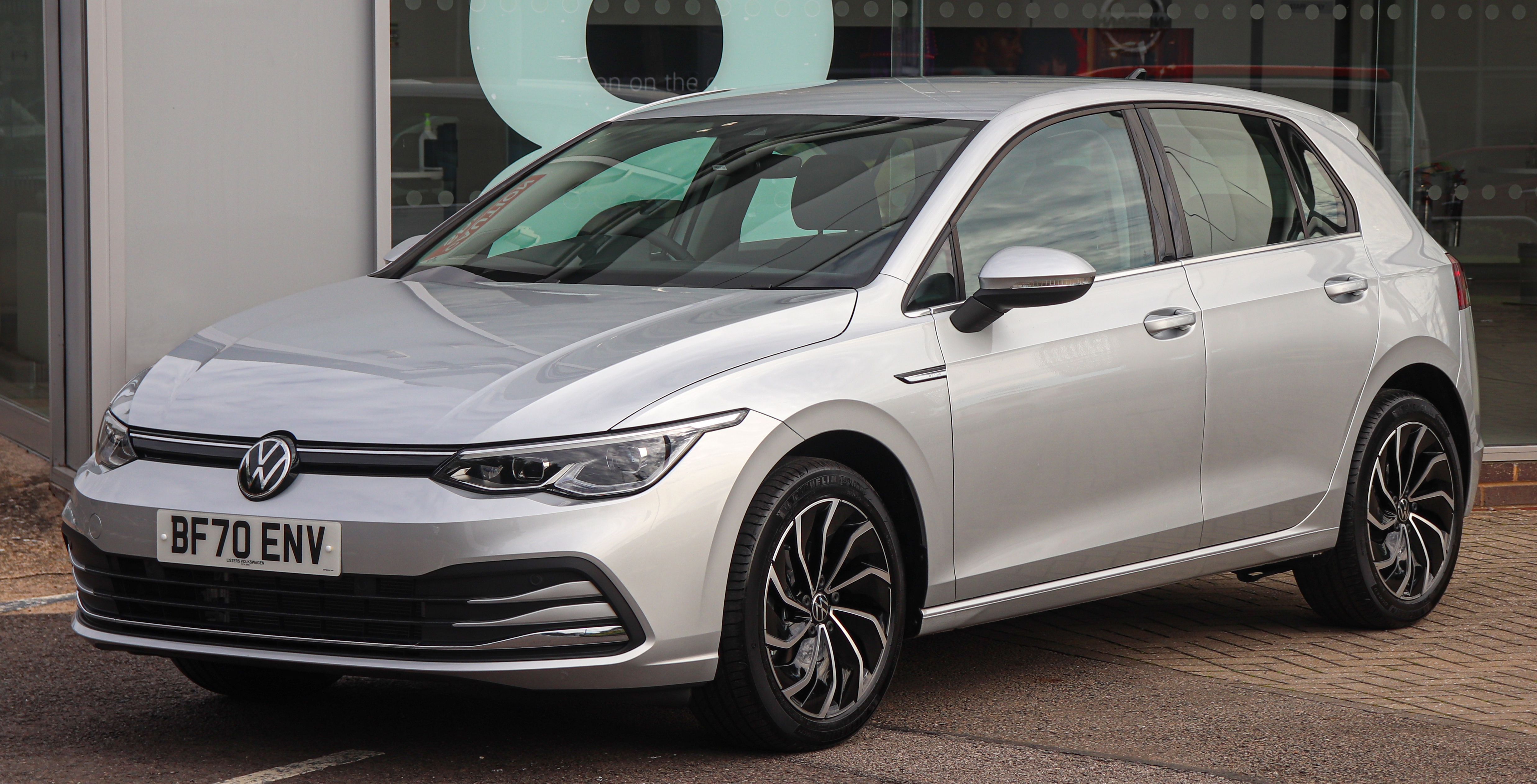
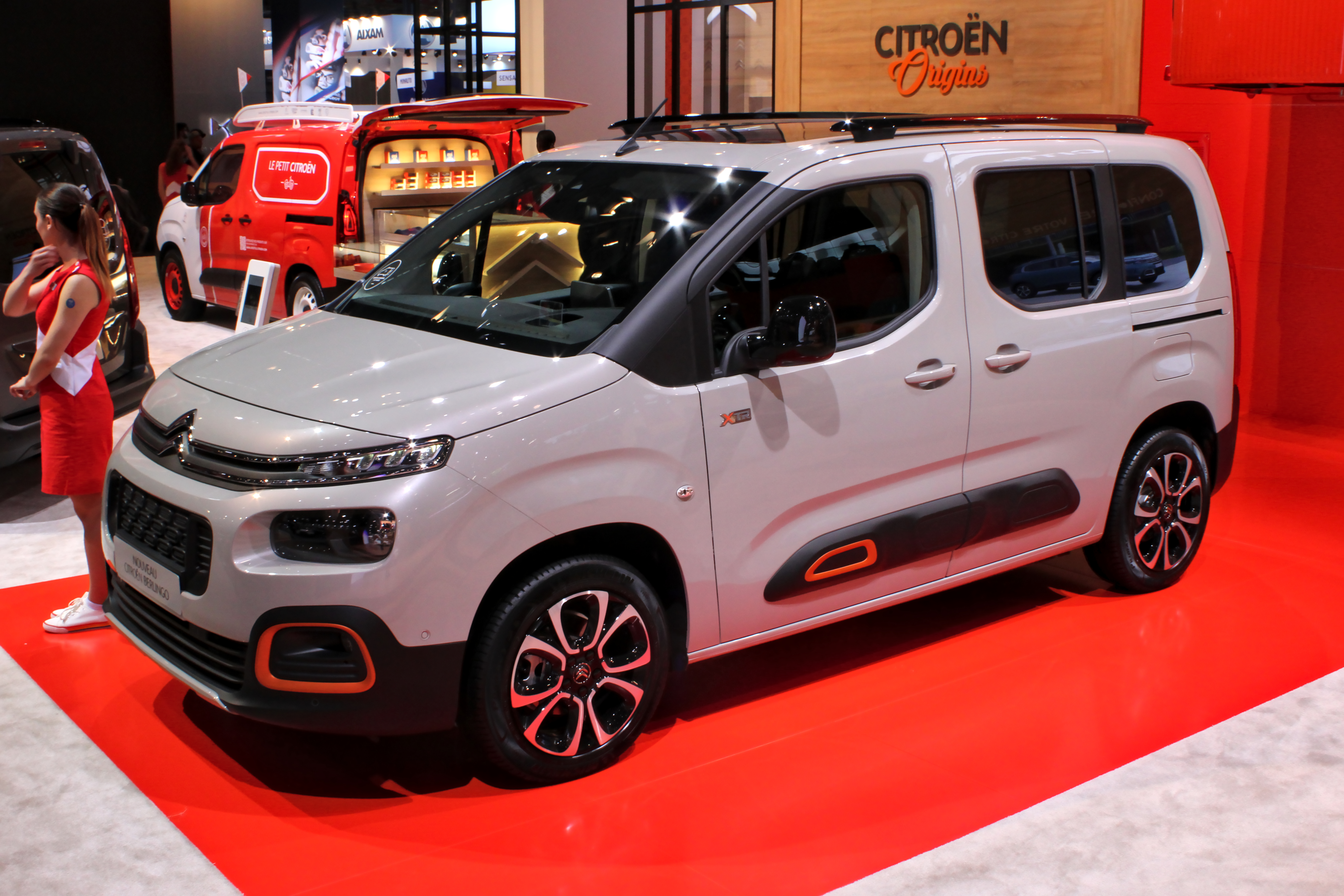
The Volkswagen Golf is a popular small car that many people like because it's reliable and easy to drive. The newer ID Golf is an electric version, which means it runs on batteries instead of gas, and it's priced to be affordable compared to other electric vans. This shows Volkswagen is making more electric cars for everyday drivers.
A combustion engine is the kind of engine that uses gas to make the car go. Volkswagen will make these gas cars in Mexico and focus on electric cars in Germany.
A battery electric vehicle is a car that runs only on electricity stored in big batteries. It doesn't use gas and doesn't pollute the air when you drive it.
The SSP is a special design that Volkswagen uses to build many different electric cars using the same parts and systems. This helps make the cars cheaper and easier to build.
Car
Volkswagen T-Roc
The T-Roc is a small SUV made by Volkswagen. They will make a new electric version of it to go with the electric Golf.
The Volkswagen Tiguan is a small SUV, which means it’s a car with more space inside for people and things. It’s comfortable to drive and good for families who want a reliable car that can handle everyday needs.
The Vivaro is a type of van used mostly by businesses to carry tools, equipment, or goods. It’s one of several similar vans made by different companies, and many businesses use it because it’s practical and reliable for work.
Total cost of ownership means all the money you spend on a car, not just the price you pay to buy it, but also things like fuel, repairs, and insurance.
A home charging subscription means you can get an electric car charger installed at your home and pay for it little by little each month instead of all at once.
The Kia EV3 is an electric car that’s good for families because it has enough space and runs on batteries instead of gas. It’s made to be affordable and easy to use, similar to other electric cars like the Volkswagen ID.3.
The Polestar 2 is an electric car that looks stylish and is made by a company connected to Volvo. It’s similar to the Tesla Model 3 and is known for being a nice, high-quality electric car that many people like.
The Tesla Model Y is an electric car that looks like a small SUV, which means it has more room for people and stuff than a regular car. It runs on batteries and can go far without needing to recharge, making it a favorite for people who want a modern, roomy electric car.
The Tesla Model 3 is a small electric car that runs on batteries instead of gas. It's popular because it can go a long way on a single charge and is more affordable than some other electric cars, making it easier for many people to own an electric vehicle.
Electric vehicle subsidies are money or discounts that governments give to help people buy electric cars or help companies make them. This makes electric cars cheaper and more popular.
An e-bike is a bike that has a small motor to help you pedal and go faster. Some are very powerful and can look like small motorcycles.
LIVE
Welcome back to EV news daily. Coming up today, workers get a first look at the VW ID golf price
parity for EV vans and a 400 stall Tesla supercharger site plus stay tuned because later
in the show I'll tell you why Australia is taking electric mobility seriously following injuries
to children riding illegal high power scooters and e-bikes. No EV news China at the weekend
none today on Saturday we only do the weekdays but plenty in the feed if you haven't caught up
with some China news lately then check it out it's a little spin-off show that we do highlighting
what happens in the east and how fast moving developments in the world's biggest EV market
affect the global EV landscape. It's fascinating to learn I'm by no means an expert on China
but I'm learning I guess as you do as well and I certainly enjoy that little spin-off series
that we do I think we'll keep it going for a little while longer yet there's plenty to talk
about and it frees up room as well on the main show for us to maybe do some stories that wouldn't
always have time for because I want to keep this around 20 minutes to respect your time.
Volkswagen has given workers at their headquarters a first look at the ninth generation golf this
week the move comes with the clear factory plan from summer 2027 Volkswagen will shift production
of the current combustion golf to Mexico that frees up the plant in Germany to retool for the
battery electric version of the golf. Volkswagen will build these electric models on VW Group's
scalable systems platform SSP the ninth generation golf fully expected to be called ID Golf will
sit at the center of the shift. Volkswagen plans to build the car in Wolfsburg alongside the
electric successor to the VWT Rock. Mexico gets stuck with the old combustion stuff but
either way going electric with the golf nameplate on is one of the most defining things that's
going to happen in the move to EV this decade really and maybe you want to criticize the move
for Volkswagen going ID number I certainly have many times I'll stick to that argument as well
but I have every sympathy for why Volkswagen did it but they have spent so much money and years
building up names like polo golf for sat Tiguan etc etc you know ID three means nothing to nobody but
there we go I'm delighted to see them using the names they have in their locker because it moves
EV I mean I don't care about Volkswagen by the way so let me make clear I'm delighted for the
consumers I'm delighted for the move to EV I'm delighted for the everyday person who in three
or four years time thinks oh maybe it's time to go and have a look at one of those electric cars
the mainstream buyer and there's an electric golf just sitting there next to a plug-in hybrid
golf and so that's why I love the the the naming of these new cars now let's move on Stalantis Pro
has launched a campaign in Europe that matches the purchase price of its bevs battery electric
vehicle vans to their diesel equivalents in those markets the campaign runs until the end of June
covering eight models in two segments the Citroën Bellingo Fiat Professional Doblo Opel Vauxhall
Combo Peugeot partner in the compact van and the midsize vans the Citroën Jumpy the Fiat
Professional Scudo Opel Vauxhall Vivaro and Peugeot Expert Stalantis says fleets still look at up front
price even though any fleet manager worth their salt is looking at total cost of ownership and
things like installing charging and hardware and infrastructure and how it all shakes out and
according to Stalantis many still look at the upfront list price where the obvious move is to go
BEV where it saves you money if you can in Germany the Opel I'd call it the Vauxhall but in
mainland Europe it's Opel combo cargo electric is 31,500 euros and for the diesel version it's 24,500
and so that's 7,000 euros gap which Stalantis are going to eliminate on the larger side take
for instance the Citroën E Jumpy with its 49 kilowatt hour battery that lists at 38,000 euros
and it's 31,000 for the diesel version so the difference of again 7,000 euros Stalantis are
going to make you good on that the Citroën E Jumpy with the 75 kilowatt hour pack lists at 43,000
euros the offer testing the idea that if price tag does match to fleet owners and I'm not as
convinced from all the fleet experts that I've spoken to an interview over the years Stalantis
just trying that out okay well now price parity people have long said I'll go I'll buy an EV when
it's price parity okay well Stalantis said there you go fill your boots price parity now so what
stops you buying an EV so we'll wait and see we'll wait and see now this is amazing news next Tesla
is building a 400 wants to build a 400 stall supercharger site in California it's at least in
the planning stage on interstate 15 the main route between LA and Vegas if it lands it would drop
it would top the current record holder which is the Oasis supercharger which is 164 stalls the sites
plans which were found on x linked to a wider commercial scheme in the area with retail hub
restaurants convenient services and parking Tesla would build it in six different phases the first
172 stations but they're all v4s by the way true v4s according to the planning v4 brings higher
charging power and not only broader vehicle compatibility but the longer cables so the
third party vehicles can use the j3 400 connectors the plans point to a new kind of roadside stop
less a charging stop and more a charging town or village this thing's going to be absolutely
enormous I'll tell you what outside of china because there are some enormous charging sites in china
and the local competitors do it better than Tesla outside of china no one does it like Tesla this
is just one of the things that they are so famous for and it just it must be so expensive for them
to do but they have got their costs down lower according to all the reports than their competitors
in terms of the hardware cost and they're just really really good at putting charging hardware in
the ground they had to be in the early days to survive and they're still good at it and where
would we be without the supercharger network at least in north america I know so it's so so impressive
uber has partnered with energy tech firm podpoints to offer UK drivers a home charging subscription
with no one for upfront cost the scheme is called pod drive and you pay 25 pounds a month over three
years that includes installation of charging at home and a lifetime warranty plus some cash
rewards and more money saving as well upfront cost can be a barrier to an uber driver going EV
and so 25 pounds a month great innovative finance schemes I know it's not necessarily the sexiest
topic in the world because I'd rather be talking about 400 store superchargers but if we are going
to have an honest conversation about how to get more EVs and home charging into more places we
are going to get smart with finance and have some interesting schemes like this one where somebody
else fronts the cost and you pay him back over three years and so that goes alongside uber's
plan to roll out to eight new cities including Birmingham Manchester Leeds and more as well
passengers can select an EV for no extra cost BYD are doing well in Europe surging in Germany and
the UK BYD registrations jumping 1500 percent year-over-year in Germany last month in February
but that's perhaps unfair because they didn't sell many vehicles a year ago but now they sold
over 3000 vehicles in fact in the first two months of this year more than Tesla in Germany
and that's a car company that built a factory on the in the country and uh yeah so last year BYD
sold 185 vehicles in February so that's why the percentage is so high um it's BYD's fifth strongest
month ever in Germany the wider BEV market was up as well Germany registered over 46,000 BEVs in
February that's a 22% share of the entire German car market pure BEV add anything with a plug
on the side and you get to 40% in Germany it's a really big number in February BYD's registrations
also rising in the UK rising up 83% year-over-year over 2150 BYD's now sold in the UK and there's
because there's loads of choice there's tons of BYD's you can buy here now and I've gone down
this podcast cul-de-sac of probably wanting to list out the BYD's that I can get in this country
and I haven't put them in my notes so let's try and let's try and do this from memory
there are nine BYD's that they sell in the UK if you hadn't realized or looked at the line
up in a while there's now nine you can get starting with a little ATTO 3 at the cheaper end you can
get those for maybe 20 grand I think and that is a nice alternative to a Kia EV3 or an ID3 for
instance a half decent family car the ATTO 3 despite being a bigger number than that is I think
probably the same size vehicle that's a pure bear for the 60 kilowatt hour battery been out a little
longer here in the UK and actually even though it's only three years older than the more modern
BYD's I think they've made really big strides on their interior not massively keen on the ATTO 3
interior just looks kind of almost dated already then there's the dolphin with its 45 kilowatt hour
battery smaller car and again a little bit older now coming up to date on the new 2025 plates so
only been out a few months is the dolphin surf now the dolphin surf is a small car by the way
but it's a small car with a 30 kilowatt hour pack and it's like 12 grand now if you get one that's
got delivery mileage or maybe a pre-reg one or something so 12,000 pounds for 30 kilowatt hour
brand new or almost new BYD dolphin surf loaded with technology much more more established brand
than perhaps you might think leap motor if you don't know that slantus is behind it
but also BYD's the world's biggest EV maker and also just the car feels a lot more together
than a dachier spring or a leap motor and it's the same price that's the dolphin surf then you've
got the seal that's all electric 82 and a half kilowatt hour pack again been out a long time here
so prices are coming down not crazy cheap here you can get them for maybe 25,000 pounds I really
like the the seal as a as a Polestar 2 competitor as a Tesla Model 3 competitor but even then I
think the earliest one's on a 74 plate so still feeling very very new and not really cheap then
you get into the plug-in hybrids like the BYD seal 6 and the estate version of that car as well
which looks like an MG5 estate but it's a it's a plug-in hybrid with a small 10 kilowatt hour
battery pack then there's the sea lion 5 that's a family mid-size SUV and that's got a a bigger
battery 12.9 13 13 kilowatt hour pack in that and it's a much more of a reasonable sized family
order like an MG ZS size vehicle is the sea lion 5 then there's the sea lion 7 which is the all
electric kind of equivalent but newer and again even there's any newer by a couple of years I
think the interior of the sea lion 7 big battery as well 82 and a half kilowatt hour pack on that
just the interior feels less cluttered more grown up in a way more premium and that's just the the
kind of what I would call the first gen BYDs that we had and the second gen BYDs if they feel like
a really big step in terms of being feeling a lot more German inside that's so that's the sea
lion 7 and then finally we've got the SEAL U DMI which is a almost 20 kilowatt hour pack in a mid-size
SUV and so not surprised UK sales are rising here because there's just tons of choice the
pricing isn't bargain basement hasn't been hit by the massive depreciation that like a great
wall motor funky cat has which is you know you can get them for you know just over 10 grand now
nearly new like a third of the price they were asking so BYD are holding their value a little
more but still really really big choice on offer okay let's go to Spain where BYD also had a bright
spot as well with triple the year ago figures so BYD having some success in Europe we'll take
a break we'll come back how is there a Chinese competitor Neo doing I'll tell you and we'll
talk about megawatt truck charging as well stick around back in a bit
all right welcome back to the podcast Neo is going to overhaul its European operations
I think it's fair to say Neo will be very disappointed in their lack of success in Europe
so far they're going to move from direct sales to distributor led approach they arrived in October
2021 starting with Norway did Germany Netherlands and Sweden they've added Neo houses they've
added battery swapping and just no one's really buying neos in the numbers that they would want
an internal memo which was circulating before Chinese New Year shows that Neo scrapped its
country led structure for a function led structure they say and so splitting out the car business
and the battery business and battery swapping and things like that just trying to shake up the
management the people doing it to try and get some success in Europe because it really hasn't
despite being an excellent brand with great products on offer cut through here yeah
Milance has opened its fourth Belgian charging hub for heavy goods vehicles at the Volvo trucks
plant in Ghent the joint venture counts Volvo Daimler and Trayton amongst the backers of
Milance it's on the R4 ring road puts it within reach of the Volvo trucks plant and the Volvo
factory which makes the EX 30 and the trucks can use one of four CCS charging points which are
400 kilowatt units reserved for trucks I've been seeing more and more on do you watch the YouTuber
Björn Newland the Tesla Björn and or Neo Björn whatever it calls himself depending on what
what car he's driving more of his videos he's been talking about the truck charging in Norway
and obviously Norway's more mature more advanced they do things before others
truck chargers in Norway are now being ring fenced just for trucks you can't just pull in
and charge a passenger car on one I think they have separate terminals and need activating
only by truck drivers which is interesting I've not seen that here in the UK and the
Milance in Belgium site though will then move to MCS megawatt charging system for 30 minute
charges on massive truck batteries and again we have pretty strict driver time laws in Europe so
you're gonna have to stop anyway for 45 minutes to avoid tiredness and things like that so it
makes perfect sense the UK has been added to the European plans for this new subsidy plan
so the Guardian UK newspaper wrote on Thursday this week that Nissan has said it would close its
plant in the UK well that's huge because it's one of two places that makes the new leaf so
that would be a massive threat that it would be would be forced to close its Nissan Leaf Factory
if the new made in Europe manufacturing rules didn't also include the United Kingdom now we're
to Brexit the EU wants to have some links to access to subsidy money as it were and part
of that is building the cars in Europe under the EU plans public subsidies to speed up the
development of EVs would only be available to EVs made in EU plants well a couple of days later
the lobbying worked the European Commission unveiled the new act to open up EU manufacturing
subsidies to the UK and Japan as well so even electric vehicles made in UK or Japanese plants
there are going to be some rules around it but I think that's a really big deal would still be
able to access things like subsidies in Europe of course the EU European Union is a collection of
countries and different politics it's not like the US although you have all your states in the
federal government so over here you're pulling together lots of countries under the EU and
to access country level subsidies you do have to sometimes ask permission of the EU so it's not
unfair you know prioritizing some countries just by France can't say oh we're going to give away
a ton of money to a company that wants to build a battery factory here you know you have to get
some things signed off to make sure that it's a level playing field and so it's a it's a massively
complex thing to do and there'll be different countries lobbying for different things but
it does look like that moves forward as well it's very harmful to United States companies
they'll miss out because American public procurement restrictions on European firms
mean US partners won't qualify so we wouldn't get cheaper American EVs in Europe and the UK
as well welcoming the output outcome today after we lobbied to Brussels to include British made
EVs to get access to money off cars and subsidies and things like that it's also with local content
in terms of the amount of bits in an EV coming from Europe okay moving on Ethiopia banned the
import of gas guzzlers two years ago and also cut the import duties on EVs well two years later
EVs have risen from one percent to six percent of all vehicles being imported and the shift
matters because Ethiopia doesn't build cars domestic vehicle manufacturing is minimal
so you have to import vehicles car ownership is low 13 vehicles per 1000 against the African
average of 73 vehicles per 1000 the government is also targeting fuel Ethiopia is a fuel importer
and cutting gasoline and diesel use shields the economy from currency shortages and global price
swings and so they're going EV another reason why electric vehicles are just better and so power
prices help as well Ethiopian customers pay very very low rates for electricity and so roughly half
their neighbors and a fraction of what we would pay here for instance and so again it makes sense
you want an EV electric car electric bike you can run it very cheaply and and so Ethiopia setting a
clear course forward we don't talk a lot about African EVs on this podcast it's always on my
radar because we always want to talk about things that won't get reported anywhere else because
that might be why you tune into this show I'm not sure but anyway I can tell you about what's happening
with politics and electric vehicles so Victor Orban in Hungary pushed really big into EV battery
manufacturing got a bunch of investment into Hungary but those battery factories after 16 years in
power and a big pivot to EV haven't been built and come online at the speed which was promised in
cases there's been issues such as the Samsung factory that had to be investigated into health and
safety violations that made national news Hungary's pulled in about 26 billion euros or 28 billion
dollars in foreign investment for EV batteries from South Korean and Chinese firms but they haven't
really exploded in the way that's he kind of pinned his hopes and so now with long-term demand for
EV batteries in no doubt but the short-term demand in a little bit of flux with a political
campaign to fight an elections around the corner um Hungarians could voice their
displeasure at the polls and finally a Queensland parliamentary inquiry into e-mobility safety
has tabled recommendations including a ban on under-16s riding these high-powered imported
Chinese e-bikes and e-scooters the package would set a new national standard for managing
e-mobility it began in May a year ago after a rise of crashes injuries and even fatalities
and we've seen children in Australia whose parents buy these illegal devices from Chinese
marketplaces they ride them there's no rules around them well there are actually many places
there are rules but the police are too busy to stop a kid on a bike not wearing a helmet because
how do you check how powerful the motor is you know it's obvious to my eyes sometimes these big
fat tire bikes with the massive hub motors and stuff well of course they're not going to be a
low-powered pedal like e-bike and of course they've got a twist grip or a throttle grip and
you know they go faster than the cars are traveling in at rush hour and so
there's been a spate of injuries and sadly worse as well with young people in Australia so
the headline recommendation would require riders to hold a Queensland Class C learner
license gained through a learning program the requirement would not only apply to
e-bikes but e-scooters as well the report comes from the case of an eight-year-old boy
who was cycling home last October he wasn't on an e-bike by the way but this eight-year-old
was cycling home on the Sunshine Coast in October last year when one of these high-powered
e-bikes or e-bicycles that looks like a motorcycle frankly because they're never peddled are they
hit him as he rode home from school and since then his mother's been campaigning for either age
limits on these high-powered ones or in a ban on the import of them as well so you know an
e-mobility topic that I've been touching on a little bit more lately and I think is really
interesting to talk about because there's no doubt a place for these a lot of people use them for
higher schemes for food delivery and all those kind of things but you know an age limit wouldn't
hurt any of those things and also licensing and training and things like that all all seem like
sensible pragmatic solutions rather than trying to hold back the technology which
history shows doesn't particularly work very well and that's your podcast for today
thanks to our premium partners National Car Charging on the US mainland and Loha Charge in
Hawaii and Test EV have a loose trusted partner for independent EV battery health testing
in Australia and New Zealand have a good and see you tomorrow and remember there's no such thing
as a self-charging hybrid
About this episode
Volkswagen reveals plans for the ID Golf, marking a major shift to electric with production moving to Germany by 2027. Stellantis launches a price parity campaign in Europe to make EV vans as affordable as diesel models, targeting fleet buyers. Tesla plans a massive 400-stall V4 supercharger site on the LA-Vegas route, creating a new kind of charging hub. Uber partners with Pod Point for a UK home charging subscription to ease EV adoption for drivers. BYD sees rapid growth in Europe, especially Germany and the UK, with a diverse lineup appealing to various buyers. The episode also touches on Australia’s focus on electric mobility safety.