“Taped solid” means they block airflow to the brakes. That helps the brakes stay hotter instead of cooling down too much, which can change how strong and consistent braking feels.
Brake coolant is anything a car uses to help keep the brakes from getting too hot. In racing, teams sometimes run with little or no cooling to change how the brakes behave under hard use.
The rotor is the metal disc the brake pads squeeze against to slow the car down. If it gets too hot, braking can fade; if it stays cooler, it can behave differently.
Brake pads are the parts that press against the rotor to create the stopping force. Their temperature matters because it affects how well they keep braking consistently.
The master cylinder is the part that turns your brake pedal push into hydraulic pressure. That pressure is what makes the brakes clamp the pads onto the disc.
This is talking about how quickly the brakes heat up during a hard stop. If they jump from a few hundred degrees to around a thousand fast, it can change how well they keep stopping lap after lap.
Shocks and springs are parts of the suspension that help the car handle bumps and stay stable. Changing them can change how the car feels and grips the road.
“Setup” is how the race car is adjusted to match the track and the driver. Two drivers on the same team can have different setups even if the car is similar.
Ignition boxes are electronic parts that help the engine spark at the right time. If they malfunction, the engine can misfire or run badly, which is a big problem when you’re trying to race.
Valve springs are small parts inside an engine that help the engine’s valves move correctly. If they break or get weak, the valves can stop working right, and the engine can fail—often after lots of hard running.
Soft tires are a tire compound designed to grip more aggressively, which can improve traction and lap times. The tradeoff is that they typically wear faster and can be more sensitive to tire pressure and track conditions—so teams may adjust pressures and driving to manage them.
“Low air” refers to running tires at lower-than-normal pressure. Lower pressure can increase the tire’s contact patch and compliance, which may improve grip and feel, but it can also increase heat buildup and risk tire damage or uneven wear.
“Lifted” means the driver backed off the gas before the crash. That usually slows the car down so the hit is less violent and helps avoid breaking the front end.
They’re arguing about whether the crash was on purpose. “Intentional” means the driver meant to hit the other car, not just misjudged it or reacted to traffic.
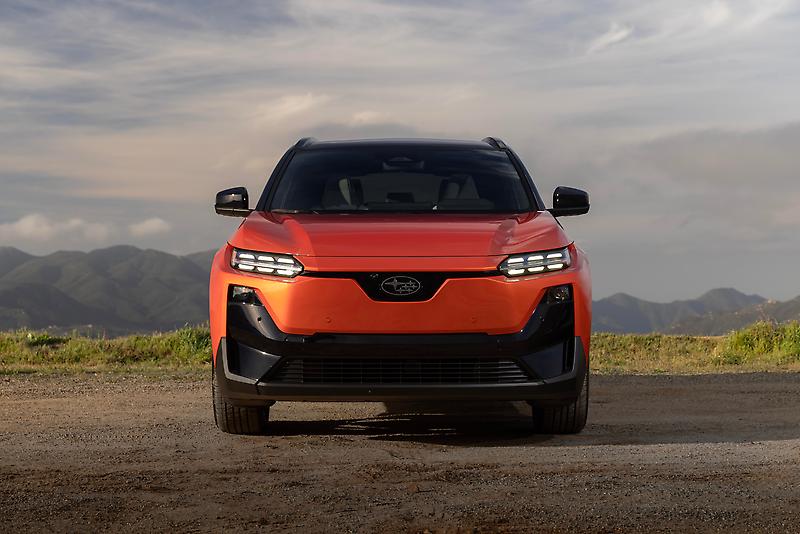
“Subaru Uncharted” isn’t a normal car you’d find in a showroom with a model name. It’s a Subaru project or theme that’s meant to represent exploring new places, like going off the usual path. That’s why it shows up when people talk about “uncharted” adventures.
This is Bristol Motor Speedway, a famous NASCAR track. Because it’s an oval with steep turns, cars can get very close to the wall, so wrecks and contact are common when drivers misjudge a corner.
Brake issues mean the car’s brakes aren’t working right. If a driver can’t slow down or modulate braking properly, it’s easier to make a mistake and crash.
A bias ply tire is an older tire design where the internal layers are angled. Because it flexes differently than modern tires, it can make a race car easier to slide around instead of sticking tightly to the track.
Yaw is the car turning sideways while still moving forward—like the body rotates left or right. When they say “yaw it out,” they mean getting the car rotated so the rear slips and the car goes sideways.
“Short profile” usually means the tire has a shorter sidewall. That makes the tire feel more immediate, but it can also make the car less forgiving when it starts to slide.
In a race, brakes are a big deal because they control how well you can slow down and turn into a corner. If someone “guessed correctly on brakes,” they likely made the right call about braking setup or strategy.
“Three wide” means three race cars are driving next to each other at the same time. It’s exciting because it shows confidence, but it’s also risky because there’s less space to avoid mistakes.
Downforce is the “suction” effect from the car’s shape that pushes it down onto the track. When you have more of it, the tires can grip better, especially in turns. That’s why race teams keep trying to add more downforce.
Here, “terminal velocity” means the point where the car feels like it’s getting close to its top limit. After that, it’s harder to keep making it faster. They’re saying they haven’t reached that hard ceiling yet.
Michigan is a famous NASCAR race track in Michigan. Different tracks change how passing works and how cars behave at speed. They’re talking about the next race at that track.
Side drafting is when you line up next to another car so the air resistance is reduced. That can help you gain speed without using as much engine power. It only works if you can stay close and in the right spot.
Optimum lap time is basically the best possible “fastest lap” you can do. When you’re racing door-to-door, you might not be able to drive perfectly, so your lap time won’t be the absolute fastest. They’re saying the situation forced them to back off from perfect speed.
LIVE
Thursday night, we'll go all night and we went up when I say all night.
I'm talking about Dale Jr. at the household nights.
See the sun come up. So that was, that was Thursday.
The following is a production of Dirty Mo media.
This is the most fun I've had in this chair in the last hour and a half.
I don't know if we've ever argued that pitch off over the weekend or I'm still
sour that I want the best man at your wedding. Who was your best man, Dale?
TJ. You don't need a cool
best for that race. What are you thinking?
Get him, TJ. That's the way it's starting to show.
All right then. All right, everyone.
We're back again for another episode of the Dale Jr.
Download here in the Arby's studio.
Don't forget about Arby's new meat and three box.
Get more meal for your money at Arby's. We have the meats.
It started off kind of slow, but it always kind of brings it to the end.
You probably miss part of it.
Definitely miss a little bit of it on the plane a little early.
Definitely got out of there a little early.
Yeah, which times you get home, TJ, like 10?
No, it was, I mean, it's still one o'clock.
Yeah, probably. Yeah.
Yeah, I got, we got home 345 in the morning.
No, it was late. It was late. Way late.
All right. So the battle for the win.
Pretty incredible, three wide down the front, straightaway into turn one.
For everything that we say is wrong with the next gen car.
Put on hail of a race.
There was a Larson spun on the inside.
Yeah, I was going to ask you about that.
I never saw what could tell what happened right there.
He had a left rear tire or right rear tire cut go down. Yeah.
I forget what it was.
There was some contact for him.
It's already done there.
He's got the right rear tire.
Oh, I know it was break road
of parts from the exploded break rotor.
I guess it was the crash that happened before this.
Oh, the Ryan priests.
That's right.
Ryan priests. No, no.
But sure. Yeah, that is.
So the bush or blows the break rotor into turn three.
Apparently, the five must have ran over something.
And when they get to restart, he's got the flat tire.
There's a lot of smoke.
Well, he spun.
He spun and he spun it out full throttle.
So he's got the issue right there.
He knows it.
He's like, oh, man, what are we going to do here?
So he's hurting right here.
So he's coming down.
He's slowed down in complete control of the car.
You know, it's coming, TJ.
A little more speed going into turn three
on the apron and let's throttle up.
Go back to a second one, like real quick.
Oh, we went from look at this.
You see the RPMs?
What? Watch the RPMs.
OK.
The just watch goes like 767
Well, hey, listen,
can't blame him trying to get himself a yellow there
so he can get to Pit road quickly, maybe only lose.
He would sit on the lead lap.
I don't know.
Man, caution comes out.
It was coming to Pit road change.
No, not there.
They're already by him right here.
They would have.
They would have laughed at that.
He got laughed at.
He laughed him.
He spins out.
It's worth it.
I mean, never know what happens.
Yeah, yeah, where's a try?
Thank you, I don't I don't condone intentional spinning.
But hey, I've tried it.
Good job, NASCAR, not throwing it right there, not reacting quick
and being like, oh, car spinning.
Yeah. So well, we had a hell of a battle for the win.
And yeah, I mean,
what do we what are we missing?
It was just an incredible race.
You know, what was interesting is when you're a broadcaster,
you got to try to everybody does a different.
This is what I do.
I got notes for days and days and days.
And I have a filing cabinet at my house and every race,
every file, every folder is the race track.
And so I get out that weekend's race track.
I go through all of the notes, everything that I've written down.
That was an issue or an interesting thing
that happened in every race is in those notes.
It's just pages and pages of handwritten notes.
And I start I kind of cherry pick out of that
from the years before what I think is important.
There's a bump in this corner.
There's a bump here.
The drivers didn't like this.
They do some guys spun out doing this and some guys had break problems
at lap, you know, started hearing about break problems at lap 60 last year.
And that was one thing that I wrote down on my notes.
I was like, I had some guys talk about break problems.
And we're going with less drag and more horsepower,
so you probably cut more mile an hour faster at the end of the straightaway.
A little more break pressure, a little more break issue.
So we get to the race track and garage going to open up at eight o'clock
in the morning on Friday, go down in there and I'm wondering around.
I'm trying to find a crew chief to talk to.
And I was looking at all the teams, breakducks and man, they're all so different.
Typically, everybody's kind of close.
Guy might have a little more opening less, you know, than the others,
but not vast, not vast differences, right?
And a lot of forwards were sealed solid.
A lot of a lot of Chevrolet's solid, like 75% of the garage didn't have any opening.
And I was like, OK, that's interesting.
No brake coolant whatsoever.
So there was a couple of guys that had little slits, like a quarter inch opening.
And then I saw the 45, the 23, the 19, maybe one or two other cars wide open on top.
And I'm like, oh, what are what that's all about?
Like, surely they're they're going to tape up more
after, you know, during practice or they're, I don't know, you know,
so I start talking to some crew chiefs and they're like, no, man,
this is how we're going to run it.
We got this rotor, we got this pad, master cylinder,
we're doing this, we're doing that and wide opens the way we want to be.
And there's other people like, yeah, we can't we can't get them hot enough.
You know, the guys that are taped solid, they're like, we can't keep
the temperature in the in the rotor.
We don't want it to cool down.
So the rotor is so efficient.
Like everything on the next gen car is over done.
And the rotor blows so much air through it that it spikes up to
a 1200 degrees or whatever when used in the corner.
Like you master break, go down the corner, master break.
The temperature goes fast from like 600 to a thousand degrees,
like quick.
And then you let off and you go down the next straight away.
And it's so efficient in cooling.
Air comes from the inside of rotor around the hub,
around the spindle and out toward the wheel through the veins of the rotor.
And that works so well, it's kind of like a turbine engine or whatever.
Right. And the thing cools down 400 to 600 degrees
on the next straight away.
So that's a big rubber band and temperature up, up 400 down four
hundred, up 400 down 400 twice every lap, twice lap.
So not good, not good.
That's why it cracks.
It cracks right around where it's bolted to the hat and it and it comes apart.
And so the.
The thing is, is like, man, we got to keep the temperature in it.
We don't want it to cool down that much.
So they put these pieces on the inside of the hub to restrict the air
that can go through it.
Same way you're seeing them tape up the grill, they're restricting the air.
That's they do that as well with the with the rotor.
Sorry. So it's technical, man.
And it was fun to talk to these crew chiefs about what they thought
was the best way to do it.
We talk about the next gen car being this kick car.
You can't change and that's true in a lot of ways.
There's not a lot of things they can do with the track in terms of shocks
and springs and fun they used to do years ago.
But the rotor break situation, there are many ways to do it.
And for the most part, everybody that raced
the other night didn't have a failure.
There was a couple of cars, a few cars that did two teammates at Trackhouse.
Yeah, there was you guys had a failure on RFK.
Yeah, SVG, when he saw those was freaking out in there.
Like, don't worry, your setup is totally different.
Right. Yeah, which I love.
I went to a couple teams to that said, yep, my teammates, not the same as me.
And what do you think that means?
Well, well, I went to one team and one was tape solid, one was light open
and one had different brake pads, different, different, you know,
the brake pads, some run hotter than others.
You maybe want that.
You may want less temperature in your pad.
And so they were, you know, they were just their tape was completely different.
111 Toyota was wide open and one Toyota was tape solid.
And I'm like, man, why are y'all so different?
You come out of the same shop.
You have the same information, same data.
Different ideas.
Yep. And so I love that.
I thought that was interesting.
I I don't think we need to.
I don't think we're putting the drivers in in a in a dangerous situation.
I think that it's it's a there's a balance of I don't think it's.
Yeah, no, no, no, I know people are going to well, there are people on the internet
that'll say all these crappy parts, you know, this is all self-inflicted.
Well, I think that there needs to be some, you know,
this needs to be a test of man and machine and the machine was tested.
Nashville brings it.
And so, you know, I I I think I I miss the days where,
you know, you get in a car and you're like, man, I hope the engine can make it.
Let's not run a lot of laps on it and practice.
You know, let's, you know, let's let's take, you know,
we, you know, motors for the most part are bulletproof for the most part.
Wire and there's never, you know, we years and years ago used to have coils go bad,
ignition boxes, wiring, wiring, gremlins and motors breaking valve springs and boy,
we got a bad batch of valve springs. We keep breaking valve spring.
You know, we used to go out to make a run and practice and Steve would be like,
oh, we can only run five laps here or a limit.
Yeah. It just, you know, I miss that because that was you always kind of need that suspense
or that fear to is a nice ingredient to the, to the whole thing.
Yeah. You're pushing things to the limit.
Yeah. And that was what the break issue brought was this sense of, you know,
this ain't going to be just a walk in the park. So
tires are similar. I mean, we have soft tires and that people run them low air and
exactly. Yes, TJ. Yes. So I'm, while I, I mean, good, good year is building great tires and
they're doing a good job trying to give us softer tires. I'm not sure we had the exact
tire we needed this weekend. It didn't really rub the track in as well as we'd like, but still
lasted a long time. It did last a long time too long. They could have been a little more aggressive.
Right side tires should bring the Dover tire. They brought a Charlotte
tire. I guess there's a little difference there, but you could see it on the racetrack.
It never really rubbered in. Not big. Like, Oh, wow. You know, there's a ton of rubber on the
track like we saw in the Arale race. Arale race rubbered up. It did. So that's something they
can gain on, but you're right. The teams can get aggressive on, on the air pressure and,
and put themselves in a bad spot with tires and failed tires and so forth.
And it's not just the, you know, the drivers, how drivers drive to a lot of drivers use a
lot more break than others. I love all of this because it gives me that kind of stuff's going
to be in my notes. When we come back here next year, we're going to go, Hey, we're going to still
have this issue. You're going to walk around the garage. You're going to talk to guys. You're
going to feel like, all right, we got it under control or no, we're not sure. Next year, I think
it'll be a little, one thing I've liked about this year is with the added horsepower teams are
having to deal with similar, they're kind of guessing and then they're going to the track
and they're, some teams are missing. And so let me tell you, mark this down. St. Louis. We run
the same package. St. Louis is harder on breaks than Nashville. St. Louis, you're going to have
some guys that fail. All right. You're going to have some people there. If they don't fail, it's
because everybody, you know, got a bigger bit of a reality check this weekend. Yeah. I think
everybody goes bigger. Like I, I feel like they go more short track stuff there, but everybody had
it there. Everybody had it in Nashville. Yeah. It's going so much to me. You're going so much
faster at Nashville, but I mean, I like Nashville. It's a trot. I'm going to tell you
the, the track at St. Louis is harder on breaks. Is that a daytime race or nighttime race?
Daytime. Oh yeah. That's that's 200 degrees. It'll be harder on break. There's more break
pressure. They're lying on straight away. Tight corners. And then you, you don't, you know,
the problem is, is like it at that track, if, if the, if the cooling down of the breaks
is kind of your nemesis, because you want to keep the temperature in them,
if the cool to a point, right? You don't want to deal, but you want to keep them glowing. You
want to keep them warm. You don't know. Glowing is probably the wrong thing to say there. You
want to keep them hot. You would rather them not rubber band in temperature. And when you go to
St. Louis, you got this really tiny one and two, you use a ton of break pressure getting into term
one. And then you have a big three and four where you don't use as much break. So you really get
that break rotor hot. And then it cools all the way around the race track the rest of the way.
You use a little bit of break into turn three, but you know, that the temperature is going to come
out of that rotor round. That's, it's a, that's going to be interesting to watch. We won't be
broadcasting that one, but I'll be tuned in. Um, they didn't have a lot of break problems there
last time. So, but again, less drag, more power. I think the bigger issue there might be low air.
We'll see, but we'll see. Yeah. Who knows? Um, Austin Dillon, Brad Kosolowski. So
Brad and Austin had a couple of bang, bang run ins ends up, uh, getting Brad wrecked like hell
here on the front straightaway. And you come over the radio, you said it was intentional. Brad
watched a replay at the outside of the infield care center said, man, that looked intentional to
me. Um, you guys have had a chance to kind of look at the SMT data and go over everything. I've
got your opinion. I'm still the same way. I still feel like Austin was looking for him. I don't
think he, I don't know if Austin meant to turn him like that, but I do think Austin was mad from
earlier. He obviously was. Why would he not be mad at the 17 trying to find him? 17's the one that's
spun him out. I don't, I don't know why, but it's always, they've had run ins member Loudon when
he just got mad under caution started Michigan. Yeah. But that's what I'm saying though. So,
and then Loudon happens and maybe he's got over that. Maybe y'all are the ones hanging on to that.
Maybe it didn't. I don't know. But what did you see from the actual, you, you got some guilt in
your heart from wrecking Austin. So you think next time he runs into you, he's, he's mad. He's done
it on purpose. Well, when he gets dozen years and he, and he calls them out and then calls me out
too. I mean, he called you out after this. Yeah. And he said my name on his radio. I was listening
during this race. Yes. What'd he say? It broke up a little bit, but I heard him say something.
I mean, I, like, I don't know what he said. He said, what the hell is TJ thinking there?
But he might have. I don't know. Yeah. But yeah, I don't know. I mean, well,
I just watching it to me, like you're, he's just tracking him like out of the corner. He's just
like, Oh, I'm going where he goes. Like, like he's looking for him. Like when you come out of the
corner, like, I, and, you know, and his guys down there, like, you know, Brad saying anything,
you know, for about what, for about wrecking everybody. I'm like, what are you talking about?
You got bumped by the 17, not us. And I mean, like, I mean, he's not going for a hole right there.
Well, everybody's checking up. Brad checked up. Look, the force goes up track. Everybody's like,
Oh, I don't know. I, I know when I hear you, man. I mean, if he says on the radio, I'm done with
his guy, what happens before that? If he says on the radio, how's that look? Well, everybody says
that I'm just saying I get it. I'm no, I know what you're saying, but he lifted before they hit.
So priests, priests lifted. I mean, priests lifted when they hit.
No, in Texas, he lifted before he hit you. Why would you be wrecking a guy? Well,
you don't want to knock your nose off. He said that earlier, whenever he, in the first wrecked
there, he said he lifted Chris got him because he didn't want to hurt the nose. So my opinion is
that you, he does, did he try to wreck you on purpose? I don't think he did. Did he give
that you got wrecked? No. But I don't think considering everything that they've had to go
through the last couple of weeks that they want to be out there wrecking people. I don't think he
meant for that wreck to happen like that. I don't think he did. He didn't go into there saying,
well, this is how I want it to happen. I want to get him. I want to end his night.
Do I think he wasn't going to cut any brakes right there? Absolutely. That's different.
That's different than being intentional. Well, driving in is driving to somebody on purpose
is intentional. Well, I think everybody was checking up. I don't think he was
trying to, I don't think he drove into you on purpose. I think every, like the 10, you and
the 10 make a little contact. That wasn't intentional. If everybody's checking up, I usually go to the
path that's more clear than to the one in front of you. I mean, he sees the four slide up the
track. He's getting down the track just like you are. I mean, there's a, there's a gap on the
10. He also sees a, yeah, the 10 is coming. Yeah. The 10 comes down, checks y'all up.
Everything was kind of like all messed up. We're sure he'd be gone, TJ.
TJ said he should have went where the six wasn't. I would have lifted. I mean, like to me, he's
just tracking Brad right there the entire time. I didn't like, is he not? Well, all right, he is,
but so the two's tracking the 48. Other people are tracking other people. They aren't allowed to do
that. Like when you come off the corner, the momentum, watch again, look at the two and the
48. Okay. You've got your mind made up. It's one way. Like, Oh, two's tracking the 48 must be
trying to wreck him. I don't know, man. I'm just saying that he doesn't do it. Well, he didn't
lift. And you know, after it happens, there is no, oh man, Hey, I'm sorry. I didn't mean to do that.
Like if you don't mean to do it, then yeah, well, I'm sure he's not sorry.
Considering the history. I didn't even know about, I didn't think about all the history
from Michigan and all that stuff. So I'm sure he's not like, Oh, I'm so regretful.
He's probably like, Yeah, that guy. Yeah. I mean, he said,
Kirk, I'm rolling into the Daytona 500 at one time too. I mean, right? Yeah.
Through a big block. I mean, it's Daytona 500. What are we talking about? That's
ain't the Daytona 500. This ain't the last lap turn three Daytona. Does it matter what race it is?
Yes. Oh, on a 500. TJ, you're telling me you're going to compare this. I mean, I'm not
driving. I'm not going to drive you head under the wall at Daytona.
He's driving me on the wall. He threw a block and he said, you're not blocking me.
That's totally different. I disagree with that. But well,
listen, I don't think he meant for this big wreck to happen in the two car. I hate that
the two car got tore up in it because he's been awesome has been having a really good year and
stuff. But I do think like you said, there was like, if it happens, it happens. I think that's
kind of what it was. So if it happens, it happens. But yeah, it's racing. We'll go on
racing next week too. Yeah. I did talk to Austin. Austin told me that I was dead on.
But I mean, that's his, you know, I mean, he's never, he's not going to tell you that he did it.
Why wouldn't he? If me and him talking in a personal conversation, he would tell me he
done it on purpose. It's a f*****g f*****g that guy. Yeah. Cause Dale's not going to take that
to the show then. Yeah. We're f*****g buddies. I mean, he didn't, he didn't
call me on a conference call. What a zoom. What is this texting? I think it was
awesome was fired up at the time when everything, I think he was pissed off in the race
and it lined up right for it to happen like that. And like I said, I mean, I get along
with Austin. Great. Like I get along with Austin fine. I got a lot of respect for Austin too. I
mean, I always, if I see Austin have good runs, I, you know, him and I love Boswell over there too.
I think Boswell is doing a great job. I think Boswell did a really good job after the stuff
managing setting themselves up for later, because immediately when they got lapped,
he was like setting up for fuel runs at the end of the race, like trying to stretch it,
things like that. So. Hey everybody, the 2026 season is in full swing and we've already had
some really incredible moments while we love this sport. And when it comes to capturing those
historical NASCAR moments, nobody does it better than Lionel Racing, the official
diecast of NASCAR. Their race win diecasts are some of my absolute favorites in my collection.
The scuffs, scrapes, confetti, the damage, every detail that tells the story of that win.
It's in these diecasts. These things look like they were pulled straight out of Victory Lane.
And right now Lionel Racing is offering free domestic shipping just for Dale Jenner download
listeners. You can use this promo code download26 at checkout. Head over to LionelRacing.com
to lock in your favorite NASCAR moments into your collection today.
Well, uh, moving on the point situation, Denny Hamlin chops into the big lead that
Chyleretic had and now it's 97 points. Um, Denny's got two wins, uh, 44 stage wins.
Reddick has not gotten a stage win, but he has those five wins from earlier in the season.
And I'm telling you, man, I started to see, I might, people are, I don't know how people feel
about this. So maybe I'm, maybe I'm going into some, some uncharted waters here, but Chyleretic
wins the five races. Incredible. No doubt. Fantastic. We had him on the show. Awesome.
Forever. It seemed like he was, he was the part of it. Yeah. Cool deal. Right. Awesome. But
when you look at, you know, you got Daytona, that, that was like a last lap, sort of being in the
right place, getting the right run Atlanta. You know, they worked all day to put themselves in
position, but again, Atlanta and Daytona, kind of similar. Good job. But I don't think you leave
Daytona and Atlanta with wins going, man, we're good. You know, I'm looking forward to the mile
and a half. You know what I'm saying? Yeah, a hundred percent. Right. Well, they did get some
other wins, uh, but they weren't, were they really like dominating races? Were they, are they,
were they Denny Hamlin style, you know, speed? And what I'm asking her, what I'm saying is,
is like, all right, we go to this race track this weekend. Last weekend is 600 as well. Two,
two pretty good examples of what, you know, what kind of race tracks we're going to run
out predominantly throughout the season. And all of the JGR cars were a little bit better than 2311.
A little bit. I've not a tiny bit yet. Right. Just a tiny bit. You know what I mean?
Don't have that edge. Sorry. Over a 10 race stretch at the end of the season,
I got to give the advantage to 20 to, uh, JGR over 2311. And I've, I've got to say,
instead of just, can Reddick beat Denny? My question is, can Reddick compete with
Briscoe with Bell when Bell gets his together? He's going to be all right. He's going to be tough.
So while Reddick's sitting out here with his giant lead, I'm not sure that they're the best
team in the garage. You do, you look at this sheet of paper with the points and go, well,
gets things dominating the series. Be look at lap sled. Yeah. Well, if we started looking
at these sheets, that number is getting smaller. A little bit fewer looking at the graph right now.
Yeah. But do you think then I don't think, and Denny's basically said that he doesn't think he
can get him. I don't know if you'll get him. I'm not really worried about that. I'm just trying
to handicap the field. So I would say right now, Denny Hamlin's a clear favorite to win the championship.
If he keeps jumping the start, he's not going to get him. He just done it the first time in his
life. Can't make races hard on yourself. He did it first time in his life. He got, he got excited.
And hey, there is a rule that's written in ink in the rulebook that says the starts,
all of them have to be in the zone. Yeah. It's not the green flag people. It's not. No,
this is the same thing that happened at the All Star race. We're on the front row of Denny and I
told Brad, I said, Brad, if he does not go by the end of the restart zone, hammer down, we are
legal to go. What's then he do? He waits for the end of the zone and we go and we beat him on the
start. Yeah. So yeah, it's in the, it's in the rulebook. If you, if you read it, you'll see it.
Fagment throws it on the leader winner with the poll setter. All starts have to happen in that box.
Denny went before the line. Then he went and like he went, he went like road of outlaw style.
Some people feel like that it, it's the starter waves the green flag is.
Yeah. No, that's the rule. No, it's not. He throws it when the leader takes off.
And plus sometimes you have some Yahoo CEO up there waving the thing.
Might drop it or some retired race car driver. You've done it. Yeah. So I would say that Denny's
the clear favorite to win a championship behind him. Do we have another JGR guy? Do we have
an HMS guy? I mean, who is the next? I don't think it's Tyler Reddick. It's Bell to me.
You think it's Christopher Bell? I think it's Chris. I think that's fair. Fair. What do you
think there? That's a problem. I still think I would take Reddick over bell. Yeah, but I don't
know, man. I'm looking at the standings like Bell's only 10 back of Larson.
My question is, is like, I know that the Toyota has been great, but looking like,
Larson found a little speed. He's gotten a little bit better.
They didn't, they didn't put together the best sort of race the other night. They had,
you know, they had it in control at one point, but they lost a little track position and some stuff.
You got to be able to, you know, you got to be able to maximize track position and they just
weren't where they probably wanted to be late in the race. Like the 20 makes moves. Like he passes
a lot more car. Tyler just maintains. Yeah. I thought the 20 is going to win the race. I
thought he was the best car the other night. Oh, he was better. Yeah, better than Denny. So
I, I like Christopher Bell. That's a good, that's a good one to say who's, who's second,
who's, who's, who's the guy that's probably behind Denny behind thirds.
Right. I mean, I think you could say, you can make an argument that Chase Elliott, Kyle Larson.
Yep. I would say,
yeah, I would say the 12. I mean, not, not lately. I am going to, I'm going to predict,
as we've said, that the champions coming out of the top six. And I would say that
you know, Christopher Bell may leapfrog into the top six.
I don't know. Let's say it's the top seven.
I think that I would say, I would handicap it like this. I would, I would say Denny,
the 20. Christopher Bell is too far back for me. Like if he was third, fourth, I would say him.
But I mean, if we said, hey, you're going to start, start like this. Tyler
Reddick is going to be first, Denny, Ryan, Chase Elliott, Ty Gibbs, Kyle Larson, Christopher Bell.
I would say that I think Bell will get a couple of wins though before like in the next
couple of months or so. I think you'll have a couple of wins. All right. I know. I think,
I don't think you're wrong, but I'm saying if we're starting like we are right here.
Anyhow, I like Denny and then I like,
it's Kyle Larson or Chase Elliott for me. Blaney,
C Bell, Reddick. Like, I would put Reddick fourth, fifth or sixth.
What makes me nervous about like Larson is he can hit it and go on a run, but also
you know that he's some DNFs and some things like he's sometimes, you know, home runner bust.
And it's, I don't, I don't disagree with that, but what is your con? Where's your,
what has given you all this confidence in Reddick? They didn't win a race last year.
He just has speed. His cars are fast. They found something.
Yeah, they did. Their cars are fast. What scares me about Chase is I looked in the
beginning of that race and Chase is legit running like 23rd or 24th and not moving.
Like he's maybe not even that high. And then the pit, the thing flips. He's really good.
Chase is really good at putting together a race, but to me, sometimes they lack that
speed to get, you know what I mean, to be up front. And sometimes you get caught up.
They don't, the Chevy's don't have it right now. Yeah. And it's harder to get there. He can do
it, but you can get caught up and have it and the fours don't have it, but they're starting to show
some of it. There's like, they're starting to, you're starting to see just a little bit of it.
Don't be surprised, man. I'm telling you in three or four races, don't be surprised if
the Toyota's aren't leading as many laps anymore. I think Denny Hamlin is Denny Hamlin. He's going
to do exactly what he's doing right now all year long. No question. But I'm just curious as to
what people's opinions are. I read it could snap back, but I just don't see, I don't see the speed
and they're not maximizing races like they were at the start of year. They did incredible things
with strategy, restarts, reddit, just being reddit. It was just working. Yep. Working, working,
working and just getting everything right. And that's what apparently they need for these race
wins to happen. I mean, how the last couple weeks, I just feel like some other guys have a little
more pace. SVG has been like a fifth place average guy here the last couple of weeks.
All right. So that's another thing too. I wanted to look at big, big losers in the points.
Brackas Lasky, Bubba Wallace and both dropping two spots, Brad, the 13th, Bubba, the 15th.
Prece four spot or was that one nice one? Yeah. A.J. Almendinger had he dropped three.
A.J. Almendinger had a bit of a chance to try to race for that sixth thing spot.
He did a good job, but they lost three spots in the points to 22nd. Yeah. Ross Chastain lost
three as well down to 26th. A big drop for those guys and he's extremely frustrated.
Bubba Wallace's interview boy is he frustrated. He is down, down in the dumps about how his season
is going. Do you think the averages that they're posting right now of like the last three race
finishes are really because you leave the Glen's in an anomaly that's a road course. So of course,
that's going to, you're going to have a couple different guys at the front and that then you go
to Charlotte or was it Charlotte, a Walkins Glen? What else is in there? The also race,
which doesn't count. So, and then we ran out qualifying. So the finishes are just carrying
over for two weeks in a row. You know what I mean? Once you have track position in these cars,
a lot of times it's easier to keep that through to me in the last 23 races,
you've seen the same guys in the top 10. Yeah. You know what I mean? Like qualifying,
being rained out really, really doesn't give a chance to mix it up. The metric. Yes.
Yeah. Like Ross would have probably been higher 100%. 100%. Like a lot of guys, you look at the
starting, starting grid for Nashville. It was like weird looking. It was. So.
Milder nature. She's undefeated. Undefeated. Ever since you came back, you brought it with you.
Yep. I asked you about if you got content to fill in here. Now you need it.
Shane Van Gisburgen up two spots to 12th. Incredible. He's doing it on the ovals.
Racing the heck out of the guys too. Yeah, he should. Yeah. He's doing good.
And I think they enjoy it, honestly. I mean, they're, you know,
they race the s*** out of him right back. Yeah. Yeah. 100%.
Hey, everybody. It's Dale Jr. And we are here for another Ask Jr. segment for the Dale Jr.
downloaded with TJ majors. My cohost. We're in the Arby's studio. Don't forget about Arby's
new meeting three bucks. And also, don't forget about Xfinity. They're waving the red flag on
internet price hikes and raising the green flag on savings. And you get the speed reliable Wi-Fi
that you need locked in the same price for five whole years. That's a long time. No surprises,
no yet. Late yellows, right to victory lane, Xfinity. Imagine that. Let's get to the questions.
First question comes from Twitter. Guy want to know what prompted you to ask Danny Hamlin
about starting from the back? Well, oh, you know, you get, so when we sit down in the morning and
we have our meeting for the production, they say, all right, we're going to have a driver talk to,
that's what they call it, right after or during the grid, the starting grid. I like to do the
whole starting grid. I like that's very nostalgic for me. So I like Adam or a mixture of all of us
to read the starting grid, but which we did the first race. This race, we put starting grid on
the screen. And then we're going to do driver talk to because there's a lot going on, like to get
done during the payslaps in the broadcast booth. And it was kind of rushed to, wasn't it, with the
weather? The weather was kind of messing up. You got to get down to the pits. You got to do all
kinds of stuff before we take the green flag. So I was thinking, you know, you're always tasked
to come up with something good and hey, how's the car is fine, but that's not normal question.
The guys, you know, the guy's sitting in that car and he's like, I don't, you know, I really don't
want to do this. I'm trying to, you know, trying to get everything right in here. I'm talking to
my crew chief. We're going to come down pit road, check speeds. We're going to do, I'm trying to get
my head wrapped around like firing off into turn one and leading this race and keeping it, you
know, keeping control of it. That's like, you know, you're not, so I recognize that the driver's doing
us a favor. And I was like, you know, Denny might appreciate this because he's a gambler.
And so I thought, wonder what he would, I really wanted to know the answer to that question.
I was like, I wonder what he would take to give up, you know, this first place on the,
on the grid and start shotgun and, uh, you risk the, you really, you take a risk of them
like scoffing at your question, which sucks because they're laughing at it. Well, most of
these guys know you're trying to do a job and to like play, you know, kind of play alone. And I
think then he, then he's, then he's one of those guys. So I was thankful that he, uh, he, he, he
paused for a second and I'm like, he's like, should I grill him or should I play on this?
But, uh, no, he answered it and, um, come up with a good answer, double the purse. And you know
what's funny is some, some people on social media thought that I'm the one that's responsible for
paying that. Like at the end of the race, people were like, all right, pay up. Like I didn't make
a bet with the guy. I just asked him what it would take. Like at the dirt races, they do this all
the time, you know, they do it at Millbridge. They're like, Hey man, sounds like a verbal contract.
You're fast. You know, if you want to start in the back, we'll pay you this much more incentive
if you win the race. And I'm like, man, what, what, that would be kind of cool. Cause listen,
Denny, if he, if he's the best car and he's starting on the pole and we throw the green
flag and he drives away and leads every lap, um, I'm trying to avoid that, right? As a promoter,
broadcaster, as a fan. And so I'm like, man, I want to put the best car to back of the field,
make him have to drive through it. Um, and I don't think that's ever going to happen in NASCAR
at a couple level, but, uh, it, maybe they need to do that at the all star race, right?
Denny talks about how that million bucks isn't enough anymore because it's been the same forever.
He thinks that we ought to be paying more money for the all star win. Maybe you could do that by
saying, all right, man, you want, you know, you want $2 million go to the rear of the field.
Um, way to get him amped up on the restart. Yeah. Oh, is that what it was? I made him jump
the start. No, he, no, he's, he blamed himself in our bet that we had as the reason. Yeah. So
anyhow, I wasn't, um, I wasn't suggesting that I was making a bet with him. It was just more
like, Hey man, what would it take? Yeah. Uh, next question, people will know, uh, what did you
think of a Cletus's performance? Well, you know, it was a lot of mistakes. Um, listen,
everybody in racing that gets into it is going to bust their ass underneath somebody. Um,
that place, especially that place, especially. And so, you know, he's getting pushed to try to
get the lucky dog there when he spun out, trying coming to the stage in, uh, Jesse was trying his
ass off to help him waiting on him to kind of, you know, either stay on the lap or pass this guy
or whatever, uh, which was kind of funny, but, uh, he's out there running laps. He's not, you know,
I don't think that he, that he made or ruined anybody else's race. No, I don't think so. Yeah.
So he almost got caught up in some other people's messes at times, which you know what I mean? So
yeah, I, I thought he did fine. My whole feeling about his deal is if he could get himself two
full seasons or a couple years in ARCA running all the ARCA races, all of them short tracks
everywhere, if he could go do that, um, man, I think he would be way better off to try to
tackle this a rally stuff. He probably wouldn't have his, the solo spins. Right. Yeah. So, um,
while I don't mind him running the one off a rally race every now and then, I just think he's going
to be frustrated because the results won't, you know, he, the race started, he passed a couple
cars, but it's like Joey Gase and those guys and he's like in a way better car than they are. And
he called a few people. Um, and, and that's how he's going to hit. That's, that's great. He was
excited about that, but that's eventually he's going to go, all right, man. I'm starting, I know
I need to take this car and I need to be running up here. And when he starts to have that happen,
he's going to get frustrated. He's going to get try harder, try harder. He's going to make more
mistakes. He's going to get miserable. I just feel like he's, if he's in, if he's in it to have fun,
run good and still learn at the same rate, you can go do that in the Arca series and then run some,
he's got a pro-late model that he built. Go run that. I mean, he's got a racetrack. I would be
at that racetrack running laps. I know he's got all the tools to work on it. Like right now,
on a Tuesday, he could, he could be just running tire, running sets of tires at his track in his
pro, you know, just spending hours running. Do you think he hire, like if you're him, do you hire,
I don't know what his budget for all that, do you hire like a crew chief or someone to come in and
coach you in these situations? I mean, I feel like he needs somebody to go down there and
help the adjustments, you know what I mean? And, and work with him, go look at data after the runs
and things like that. Do you in his pro? Yeah, or anything that he runs, you know what I mean?
Well, I mean, I'll, when he's run, when he runs the RCR stuff, they're, they're,
Oh, they got tons. Yeah, filling him up with information. He's, he's doing great.
And RCR is a great place, great place for him. Absolutely. And I think in the Arca series,
he probably doesn't get as much information and as much schooling and tutoring as he probably needs.
Um, but I mean, I think, I think that's probably going to get fixed. But I think he should drive
the pro race. I think he should test the pro a lot before he goes and races it because he's
going to make these same mistakes at the pro level. And that will be, that'll be worse because
there'll be more, there'll be crashes then. I feel like it'll be crashes. Yeah.
The rally car in Nashville, man, that's tough. It is tough. Like that's a slick place. Like
really hard. Yep. He's picked a few challenging tracks between rocking him and like Nashville.
Yeah, I agree. Yeah. Next question. Next question. We were talking about him right for
asked junior here. Do you think SVG is now a lock to make the playoffs? No, not a lot,
but he's going, he's going to, um, I don't, I mean, there's,
let's see. Uh, he's sitting there.
No, he's not a lot. I mean, well, he's got about almost 30 some points between him. He's got almost
a race between him and Ryan priests and 17th. Um, man, I don't know. It's tight. He could,
he could have a couple of bad days and, uh, be, be in, be in a bad spot, but he's also got the
road courses. If he gets another win or two at a road course, that's going to, that's going to
put him about 50 points out. Oh, I agree. And so if not more. So I think if he gets another
win at a road course, yes, that's what's probably going to lock him in. It seems like every week
and he should smoke their ass at San Diego. It's over. Yeah. He should. I bet it. Like,
I feel like we talk about people that win on here and then like two weeks later, we're like,
where'd they go? You know, it doesn't seem like, I mean, and he's on a hot streak right now, but
like saying that he's a lock would be a stretch. Yeah, I agree. Uh, next question. I think he
makes it though. Yeah, I do too. Next question comes from Glenn in the chat. He said that he
saw you tweet that the race felt like eighties Bristol. He said, what specific moment during
the race made you feel like it was a old school race? Um, we used to sit on top of a minute. We
used to sit on top of a 15 past your van in the turns at Bristol and I'm from me to you from the
apron and they'd be a little guard rail and you literally could see the eyes of the drivers. You
could see their hands in there moving and carrying on as they go and they go into the corner and the
car would hit the bank and you could just see right through the window,
pasture window and or the driver window. And so it was just amazing, man. We were right on top of
it and you could see the cracks in the nose and the dents in the fender and you could see all of
the damage just up close and they would come into the corner and wipe out and you'd see guys
blowing up smoke. You'd see guys having problems. Um, it seemed like back then the cars were so
brittle. Uh, the engines and parts of pieces, uh, and the drivers were so mistake prone.
Uh, they ran over each other and into they'd get so mad and angry. All the
battling back in the pack was just intense. Attrition was high. And so while, yeah, you're
sitting there watching that race at Bristol back then, there was never a long green flag run with
nothing going on. Never. Every lap there was something to see or something going on and the
cameras rarely called it. You know, the cameras are mainly on, on the guys up front back then,
even in those races. And, uh, it was just, um, entertainment as a kid. You were always, uh,
you know, there was always somebody arguing with somebody else in the back of the pack and
they would beat on each other for three or four laps. Not agreeing. Yep. And that was,
that was as close to, I guess, as I've, we've gotten back to that. The other night, you know,
you had, you had the brake issues that really, um, that was the, you know, the attrition and the,
and the, the imperfection of the car and all of that. So you had some guys make mistakes running
over each other in the corner and wrecking each other. And, you know, we don't see that that
often. We don't. And, you know, our, our cup guys rarely make mistakes. They rarely spin out by
themselves. They rarely run over each other. Do you feel like the cars then were much more of a
handful to drive? Like not saying a cup car is easy to drive out because it's definitely a,
a difficult, I think it was about the same because back then the tires were a little
way different and it was a bias ply tire and you could really yaw it out and run sideways.
Yeah. There's a, they're probably harder to drive in some sense today.
I mean, I think it's harder. I think the harder, hard part nowadays is just the,
the gap from the guys up there are so good. Yeah. You know what I mean? To me, like the guys like
isn't, they're all really good. They can put them cars within a six inches every corner where they
were. Yeah. I think the difference is, is today's cars are harder to drive. You got to drive them
on the edge and there's a small window when you bust your ass, the little bi, the little short
profile tire we have on here. You're either, you know, you don't, rarely save it
when it steps out. Back in the day, you had the bias ply tire and you could damn near drive the
sun, but it's like a dirt car. If you wanted to be out of the tire and blister it, you could,
but you could drive, you know, you got guys sideways as hell all the time, big window of
getting out of shape and saving it. But in the eighties, your car drove worse. Like your car,
your car drove worse. If that makes sense, like your car didn't do anything good. It didn't turn
good. The back wasn't hooked up. So a lot of horsepower too. Yeah. More power. Well, back in
the eighties, honestly, TJ, the power is about as much. Could you, could you wear them out and
spin them easier though? I'm just saying like, like would you have seen three drivers stay out on
tires and restart and wrap it like Denny did old school? Yes. Okay. Yeah. I mean, tires were pretty
hard back then. Pretty conservative. Um, and when they started doing the tire, it's a long story
where you're kind of getting in the weeds here, but today's cars are harder to drive. The eighties
cars drove worse. Makes sense. That's two different things. So
yeah, I, uh, but it was just entertaining. There was, you know, so here's, here's what, here's
the moment where, where, where I, where I, I thought we were maybe in trouble
toward the end of stage two or the beginning of stage three. I'm looking out at the racetrack
at the whole picture and there's not one car running off the bottom of the track. And I'm like,
man, it is three, it's two thirds of the way through this race and we're all pinned on the
bottom. That is a bad sign. So usually, you know, you want people by that point in the race, moving
up the race track, everybody's chasing grip and turn their way up the track and you got guys all
over the place and we weren't doing that. And that's a sign that, man, we might get a long,
boring, can't pass green flag run because nobody can move up and make speed. So everybody's
running the bottom and nobody can catch anybody because they're all running in the same line.
But, you know, we kept having the break failures. We, you know, things like that were
breaking up the race, creating cautions. And every time you have a caution at Nashville,
you're 30% likely to have another yellow in the next five laps. Well, so we'd have caution after
caution there. We'd have things that would kind of keep the race from becoming a bit of a snooze
fest. And so that's kind of what Bristol was like. There was never a boring segment
or a long run where nothing was going on. It's always entertaining. Awesome. Yeah. That race
kind of got, and it kind of had, at the end of the race, people, that race, if you get a caution
near the end, it's going to be one after another there. I mean, it's just going to happen. It's
hard to hold the bottom. I did like at the end of the O'Reilly race, how high the groove was
getting. Well, they had different tire. I know, but I was like, they were, I just need to say that.
I need to say that to the world. Oh yeah. The world needs to hear that. Their tire was better.
Did you hear it world? Yeah. All right. Well, that's it for us to do this week. All right. Y'all
appreciate y'all tuning in. Xfinity is waving the red flag on internet price sikes and waving the
green flag. Can y'all guess on what they're waving the green flag on savings? I bet everybody that's
on here could recite this as good as me. Now you get the speed and the reliable Wi-Fi that you need
locked in at one price for five years. No surprises and no late yellows straight to victory. Xfinity.
Imagine that. Dirty Mo Media has a new show coming out, This Cowboy Life. It's featuring Tiffany
and Jerome Davis. They are the PBR's royal couple, and you won't want to miss it. Here's the trailer.
Bring the energy. Wake up. I can tell that through all these stories, through all your,
you know, your world championship. I know that in your head, you've always said, I'm going to be a
podcast. You know, I hope that at the end of the day that it'll bring somebody that hasn't really
been around this life that we live, and it brings them to a whole new world. And somebody'll say,
dang, I think Cowboys ain't so bad after all. I think if you bring some smiles, I love to hear
Jerome's stories and just how he carries himself. So I'm all about if people can get a grin out of
it, if they can smile a little bit. What's it going to be like Jerome to have Tiffany as a co-host to
a podcast? Whoa, man. See this gift of gab I have, maybe it'll come in a little handy on this deal.
If I keep Tiffany quiet every now and then, so she'll let me talk, we'll be in good shape.
The only bad thing is I'm going to have to hear your stories that I've heard 100 million times.
I'm going to have to hear them another time. They just get better every time. Yeah, they do get a
little more added into them every time. I don't know why she puts up with me and why she helps
live in this life that we go through, but she does and she's awesome.
As far as 14, 1998, from when they opened the gate to when you get hit, what do you remember from that?
The boy I had that night was knocking about John and I'd been on him before
and he had hit me in the face in Vegas one time. So I knew that I had to really stay over the front
in and try not to let him hit me in the face. As it worked that night, he got me rocked back
and hit me in the face and knocked me out. When he did, I dove in the ground, broke my neck,
went from being at the top of my game to the worst part of my life. You know,
all happened within a gate opening at a bull riding.
I was as mad at God because I was like, why did you do this to drone? He's a good guy.
You needed him on your team out here. We were supposed to be getting married in May.
Right after I got hurt, I was at the hospital and I told T.F. I said, I don't think this is
going to work. You need to, we need to regroup. This is not the trail you need to be going down.
If she would have left that day, I wouldn't have blamed her. You know what I mean? I never would
have said a bad word about her. I never gave thought about leaving. That wasn't an option
because I still had drone. I couldn't talk her into it. So I was kind of glad she hung around,
I'll be honest. I lived through it and it just made me tougher and I was able to
to make a pretty good living at the sport. It's been good to me. When I look around and see
everything that's here today, it all comes from the love of the sport. I mean, everything I wanted
to do had to do with being a cowboy. What is going on with your birds over there?
You just missed this whole shot. I'm going to redo it, but I could the birds miss the whole shot
up. Not me. I thought we'd get rid of attacks. You're like that dog bit. I thought the birds
were coming after us. There were so many of them. Just stay focused.
It's going to really bring a new light to what this cowboy life's really about.
All right, we've got Denny Hamlin calling in to the Delta to download and yeah,
celebration right now for the winner at Nashville Super Speedway.
Denny got his guitar and Denny is happy. Hell of a race, man. I was telling everybody and I think
I saw a lot of people say the same thing. I don't know if you've had a chance yet to really kind of
look back at the night, but that was a fantastic race. Super entertaining. It had a lot of things
going on. You had guys having some issues with their cars, which you love to see the machine
sort of get tested and some people guessed correctly on brakes. Some didn't and you had
really good racing. I know we get on the next gen car at a lot of different racetracks and for a
lot of different reasons, valid at times, but it was an entertaining show. Couldn't complain,
having the leaders three wide down into turn one last lap. That's all you can ask for.
It was a classic and I know you are a big student of it and you love being the guy that
wins the big moments and you won an instant classic and I know you're probably not the
first one you've won, but you got to feel good not only getting your guitar, but also just winning
a race that had such a very popular finish. Yeah. And not only that, I mean, I talked about it
earlier in the week during my presser that there are some weeks that mean more personally for
different reasons. One is, okay, this would be a new racetrack for me that I haven't won at.
I've been dominant there before, haven't won it. I got the Denny Bros there for a guys weekend,
so you want to win because they're like, we're going to win, right? How are we going to do?
Pressure's on. The pressure's on and so I just, there's more motivation when you have all that
stuff going on. And so I just kind of resigned to the fact with about 30, 40 to go. I'm like,
yeah, we're just going to be a little short here. We just don't have quite enough
to race those guys. And then the final 10 minutes happens and it changes everything. So
again, like you, I thought that while Nashville is a very tough racetrack when it comes to dirty
air and stuff like that, you still got some exciting restarts. You got a little taste of
some long run there in stage three, and then you get a shootout with four laps to go. And
like you said, three wide at the white. So not much more you could ask for.
That's right. I got to ask you, man. I was, I was not great at going into these race weekends and
getting out of the bus and enjoying, you know, the areas that we would go visit across the country.
You talk about having your friends there. And I know you got out a little bit with the guys.
How do you manage that? Cause they're going to go hard. It's Nashville. It's Broadway.
There's a lot to do. You can't go downtown without, without ripping and tearing. So
how do you manage that to be able to spend time with your friends, but also, you know,
remain focused on what you got to do that weekend. You got to prioritize your job.
Well, I, well, you got to go earlier because I told them, those guys, I says, you got me on
Thursday night, Thursday night, we'll go all night. And we went, when I say all night,
I'm talking about Dale Jr. at the household nights.
See the sun come up. So that was, that was Thursday, Friday back at, back at way down.
Was it Friday? Uh, Travis, that mean you Irish goodbye the boys? Yeah. Yeah. Travis.
Yeah. I was, I had enough. I mean, Travis actually was the one saying,
then he got to go to bed. It's time to go to bed. So he was the one pushing me.
He really wanted this win really badly. I saw his whoops corn Friday at lunch. And I was like,
give me your margarita. You can't have that. We got to get you good. But you need a guy.
I had one. And so I just put self-imposed, you know, bed times for myself at,
at, uh, at midnight from, you know, Friday on. So that, that was super helpful because,
and again, the schedule was one where we didn't even hit the racetrack, you know,
to late Saturday. We didn't, it's a late, it was a late Sunday start. So it actually,
people were crapping on the night race from like, man, it was rather convenient for me
in my going out schedule. Yeah, for sure. Um, so, uh, we, uh, we talked about this during
Ash asked a junior segment on YouTube, but, um, during the, you've, you've been in the broadcast
booth. You kind of know what the job is up there. And every, uh, we're lucky to be able to talk to
the drivers on payslaps before the race. And that's kind of the, the time where you're trying to
buckle in and trying to do what you're trying to do. You're trying to think about all the things
you got to get right in the car and talk to your crew chief and there's a lot to do. And we're,
we're lucky to get a chance to ask a question or two. And I know you're a gambling guy, so I
thought it'd be fun to ask you about what it might take for you to drop shotgun on the field.
Do you feel like double the purse? I didn't, I was surprised that you shot shot so low. I thought
double the purse, man. That's not a lot. Um, and I was thinking not so much. Do you, do you,
want to rethink your answer? But maybe that's how we get the money in the all-star race. What if,
yeah, what if you said, Hey, instead of a million, you're $2 million to start last on the field.
I think it's an absolute fantastic idea. And I, and I think that, um,
I think personally you should ask the, the poll winner that every single week and say,
you know, you get 10 extra points, 15 extra points or something just to, because what a storyline,
right? It's like getting that person come from the dead last and, and I know it seemed like easy.
Well, we did it, right? We came from last to come back, but we had to have work out just right.
I mean, cautious came at the right time. I got the restarts that I needed to at the right time.
Our strategy flipped probably five to seven cars that I'd never had to pass, never even
saw them all day just because I never, you know, I never had to go through them.
So things worked out. And so it's, it's very, very against the odds for, for it to happen.
So I think it would be a fantastic challenge every week to, to offer some sort of care for
someone to, to go to the back and give up their number one starting position. And I bet you
some people would not do it because yeah, cause they know that it's just, you know,
they're not going to be good enough in traffic or what have you, but
if you take points or money, what would be more incentive points? Probably for sure.
Points, points, definitely, definitely. Yeah. So going to Michigan, um, is that a track where
you feel like y'all can continue the advantage that the Toyota's have? I'm starting to see,
you know, it's, it's odd because we, we talk about how good the Toyota's looked at Charlotte.
We go to Nashville, Toyota's look good again, but there was a moment where the 12 got the lead and
drove away. The five got the lead drove away. So there's some speed in those cars given the
right opportunity. When you go to Michigan, is it a track that, um, you know, where the,
you know, I feel like you're not, you're not maybe going to agree with this, but I feel like
y'all have a little bit more of a handle on the body of your car versus the other teams.
I think the Fords are at max velocity. I don't know they got much more, um,
but the Chevrolets probably have a little bit to figure out on their balance. And once they hit
that, it'll be good, but it looks like they're getting closer. What do you think?
I would agree with that. I mean, I think that, you know, do I think our cars have more speed than
the other manufacturers? I would, I would tell you no doubt. Um, I don't think there's any doubts
in that. Uh, I think our box is a little bit bigger. Um, and, and you know that and we know
that because it's not like me and C bell and Briscoe and Ty Gibbs are on the same setups. We're,
you know, we're all over the board, but if we're all running in the top five that tells you that,
that our box is a little bit bigger that we're working in, right? So, um, I think that that is
the case. I mean, I think that there's, there's, it's always been a manufacturer's just been a
little bit more. I think it's a little more prevalent now right now than it has been in a while.
Um, but I also know that, you know, the Chevrolet guys are, are getting there. Um, it seems like
Blaney and then probably the RFK cars are like the, the next, you know, the order, the pecking
order of speed when it comes to the Fords. So it's, um, yeah, I, I still think that teams are
making gains. I really feel confident that, um, you know, and, and for us it was, I, I don't know,
I don't think anyone regressed this year. I think our jump in the off season just was slightly more
than, than the other manufacturers or the other teams. And so, um, everyone's still making gains.
We haven't reached terminal velocity like you talked about with the speed of our cars. We're
always still getting a quarter more, a half more of downforce or whatever it might be.
And so I agree with you that the other manufacturers still have more to gain. I know they do.
They will gain. It's just, can we continue to hold our advantage by gaining at the rate that they are?
The, the, the law of averages would say no, like we're, we're getting close to our peak and you
would think that they've got the room to go, but we just don't know how this is going to turn out
until a few months from now. Yep. Well, we're looking forward to the next one at Michigan man.
I got a question for you real quick. Go ahead. As a driver, your mindset down the front stretch,
did your mindset change into turn one whenever you heard you were three wide? Because to me,
that's a little bit more, doesn't that make it easier for you as a driver? Because, you know,
you know, the 20 has got to keep the 19 from getting on his outside. So that lets you kind of
free roll the bottom. So that I, we had made contact twice. Once was off turn two where, I mean,
it was almost like our damn wheel wells got stuck together. Like it was, we weren't bouncing. It was
just like a, we were glued together. And then we did it again off a turn four. And a lot of that
came from, I was on the inside and I'm thinking, all right, let me side draft, pull down and clear,
you know, slide them. And I realized pretty quickly, there ain't no way he's going to let me clear
him. Like, no, you were, were nose to nose with him. He was driving in so deep to
keep me from clearing him. I says, okay, I, we're not running optimum lap time at this time. So
it's almost like match, play and golf. You know, if I shoot a 10 on the whole, it doesn't matter,
as long as my competition shoots to 11. Like we're not, it ain't about the lowest score.
So on the last lap, I'm thinking, okay, I'm not going to be able to clear him at best. What I can
do is stay beside him. I'm going to run the fastest lap I can on the last lap. And the best way to do
that is carve the bottom and don't worry about where he is, where he's at. And I think if I run
the optimum corner, the best of my ability, that will give me the best shot to win. And it just
so happens, 19 gets to the outside, Christopher drives in so deep to make sure he clears 19.
It's, I just run a good corner and I'm clear. So it was game over after that.
Yeah. He shifted his focus from you to the 19 and then that was it from there. Yep.
Yep. Fantastic stuff, man. Thanks for the insight. Look forward to this weekend in Michigan and we'll
see you out there. All right guys, see you. Hey, this is Dale Hart Jr. And for all the latest
Dale Jr. download gear, including the I'm old drinks and beer t-shirt that we've been talking
about here around the office, head over to shop.dirtymomedia.com for all the latest merch.
Lace your bets, ladies and gentlemen. Lace your bets.
All right. It's time for dirty mode dough brought to you by fan duel.
And the big question I suppose is there any reason to bet on anybody but Denny handling or
any other Toyota that you like? Pick your flavor. We're going into Michigan
and, uh, let's see what the, what the line is, what the odds are for race winner. Obviously
TJ, uh, they have Denny at plus 400 Christopher Bell, Tyler Reddick, Kyle Larson, Blaney,
Briscoe Byron, Ty Gibbs, Chase Elliott, Shane Van Gizburgen. Well, I think that's the books
freak it like what in the world? Um, listen, I love Shane, but, uh, they got him, uh,
they got him as the same odds as busher and host of R. Oh, better odds than host of R.
I think the book, that's the book saying people are, he's going to win one soon,
maybe, and they don't want to take a big hit. Yeah. Well, um, it's valid. Yeah. In terms of top five
finish. Let's see if we can find some good ones here. That's top 10. I think you're looking at.
Ah, you're right. Top 10 finish. So for top 10 finish, um, Denny's at minus 500. You don't want
to do that. Um, I don't know. You could probably do that. Denny Hamlin. Does Denny get a top five
at Michigan? What do you think? Or a top 10? Uh, if he gets a top 10, he gets a top five.
He keeps saying top five. I think he's going to be raising for the win. I don't, I don't
know how Denny could probably drive the race backwards and finish top 10 at Michigan.
Well, at minus 500, I might throw that in a parlay. In a parlay. Well, that's the only way you're
going to do this. If you did Bell Hamlin, Redick, you'd get plus money. Yeah. I like it. I mean,
those are the best three. Um, all right. Who does this track fit other than Denny? Uh, I'm here
lately. Mine kind of being overshadowed by SVG. Eric Jones has been pretty good lately. I mean,
he's been in the top, I was in the top 10 there at Nashville for a while too. Yeah. I think he's
found something here lately. Eric Jones plus 300 for a top 10.
Uh, I honestly, man, I feel like thinking about thinking about Michigan and how this track
feels, how it drives. I like the Chevrolets. I think we're going to keep seeing progress.
Mark my words. I know y'all think I'm a Hendrick fan boy and yes, I've driven Chevrolets my whole
life, but Larson was looking better at Charlotte. Um, I thought I saw even more improvement in that
car speed at Nashville and, um, does William bounce back? I don't know, man. They're struggling.
It is. Yeah. They're struggling. He's the biggest surprise to me this year and they're,
I can't, I'm surprised it's, it's not good. I would have said he would be top three or four
right now and points at the start of the, if you asked me to start a season, I think Blaney will
be up there. Yeah. Listen, um, I think, you know, Danny is going to run good.
Christopher Bale, this could be the weekend where he's the, he's the JGR driver that pops off the win.
I think it's got a hit for Bell soon. Like I feel like he's just kind of,
been right there. I feel the same way. Yeah, I agree. And he's got speed. He's passing race cars.
Yeah. So I don't know, man. I think Larson wins it. I'm going Larson. I mean, we could sit here
and just tic-tac back and forth between Denny and Bell all day long, but somebody, you know,
we got to get off this island eventually and Larson's too good to go as long as he's gone without
I got Larson to win. I like Larson for a top five at 275 minus 275 for a top 10. Sorry,
I keep saying top fives. I don't know why we're doing top 10 finishes because we always talk top
10. I know. Um, I'm missing that top five column, man. So, uh, I'm going to go Larson to win.
I'm going to put a three driver top 10 parlay together with Larson. Christopher Bell
and how do you feel about Chris Bush or TJ?
How are you guys? I feel like, I feel like Chris puts a good race together there. Yeah,
I feel like he does. I mean, if I were, to me, my, I would take maybe Bush or
host of our Jones would be kind of like my, the, I can't put all three of them in the top 10.
I got to, I'm just going to pick one of them. Well, host of our, if you like host of our Jones,
I would just bet them straight up top 10 plus money. Yeah. I know, but I want more greedy.
But if you, if you wanted host of our busher and Jones, I don't, I'm just telling, yeah,
you bet him straight up. No, I'm telling it'd be plus 1500. It'd be a good day if it hit. Right.
So when Denny went to the back, he, his odds were like plus 1200. I know some people jumped on
that. I had a dream last night that I made a bet on an app and won several 100000000 dollars.
Wasn't that crazy? I did. I literally had that dream last night.
That'd be a hell of a, what'd you bet? I don't remember. Dang. It's probably like a 50 Lake
Parley. It was a weird dream. It was a very weird dream. I did, I, it was a single obscure, like
wouldn't happen in a million years bet. And it actually hit by some golf clubs for the kids.
We're set. Man, we need them by the way. Golf clubs. Yeah. Our kids are in golf. Yeah.
TJ and my kids are going to golf school this week. Yeah. They're in golf camp. Interesting. Yeah.
So that comes back. It's like, yeah, you know, the sticks, she calls them sticks.
Like, you mean the clubs? Yeah. I just call them sticks. I don't know.
That's what people call the sticks. Get your sticks. Amy, Amy's like,
ours are the only kids that don't have their own clubs. And I'm like, oh, well, yeah,
because it's their first week. You're not buying clubs. 100%. That's right.
She into it. Well, they're golf is Amy's sending me a picture and it's like all these boys
and they're the only girls in that was, yeah, they were all lined up. Yep. So it's,
it's all these little 878 year old boys where their dads are trying to make them
next tiger woods. And then we got our three little girls out there that never, never,
never held a golf ball. Just putters. They've never even seen. Yeah.
They don't even know what a golf ball looks like. No. That's right. They liked it though. I mean,
yeah, they did have fun. They play tic-tac toe chip, chipping toe. Yeah. They were playing.
Yeah. That's what Stella said. That's fun. Anything else here? Well, again, I'm going to do
busher, uh, Christopher Bell, Kyle Larson for top 10. Parley, Kyle Larson to win.
Thank you for tuning in to the dirty mode. Oh, segment. It is brought to you by fan dual and
they are the premier gaming destination in the entire United States of America. All right.
Thanks for joining us here in the Arby studio. Don't forget about Arby's new meat and three
box. You get more meal for your money at Arby's. We have the meats.
Check out dirty mode media on Instagram, Facebook, X and Tik Tok.
About this episode
Dale Jr. and TJ kick off with a Nashville race recap, including Denny Hamlin’s win and the chaos that can follow cautions. The conversation then zooms into restart and caution moments, plus a bigger debate over whether Brad Keselowski and Austin Dillon’s contact felt intentional. A long stretch gets technical on brake reliability: rotor heat cycling, cooling airflow, pad and tire choices, and why tracks like St. Louis can be harder on brakes than Nashville. They wrap with rules, odds, and driver development talk.
Despite a late Sunday night in Nashville, Dale Earnhardt Jr. is back in the studio this week for a new edition of Dirty Air. He joins co-host TJ Majors to chat about NASCAR’s big weekend in Music City:
Dale knew that brakes were going to be an issue
There is a lot of variance in how Cup teams run their brakes
Austin Dillon and Brad Keselowski’s on-track incident
Denny Hamlin chops into Tyler Reddick’s points lead
How is the championship picture shaping up?
Race winner Denny Hamlin joins the show
During the Ask Jr. portion of the episode, listeners sent in questions regarding:
Dale asking Denny about starting from the back on the pre-race interview
Cleetus’ O’Reilly performance at Nashville
Shane Van Gisbergen making the Chase
Comparing the Nashville race to 1980s Bristol
For more content head to our YouTube page
https://www.youtube.com/@DirtyMoMedia
Check out Dirty Mo Media on YouTube: https://www.youtube.com/@DirtyMoMedia
Hosted by Simplecast, an AdsWizz company. See pcm.adswizz.com for information about our collection and use of personal data for advertising.