EVs stand for electric vehicles, which are cars that run on electricity instead of gas. They are better for the environment and can save you money on fuel.
The Chevrolet Equinox EV is an electric SUV that runs on batteries instead of gasoline. It's part of a trend where car manufacturers are making more electric vehicles to help the environment.
Automotive empires are big car businesses, usually run by families. They can be very successful but also have to deal with family issues when passing the business to the next generation.
Harold Ziegler is the founder of a group of car dealerships. His family is still involved in running the business today, showing how family can play a big role in car dealerships.
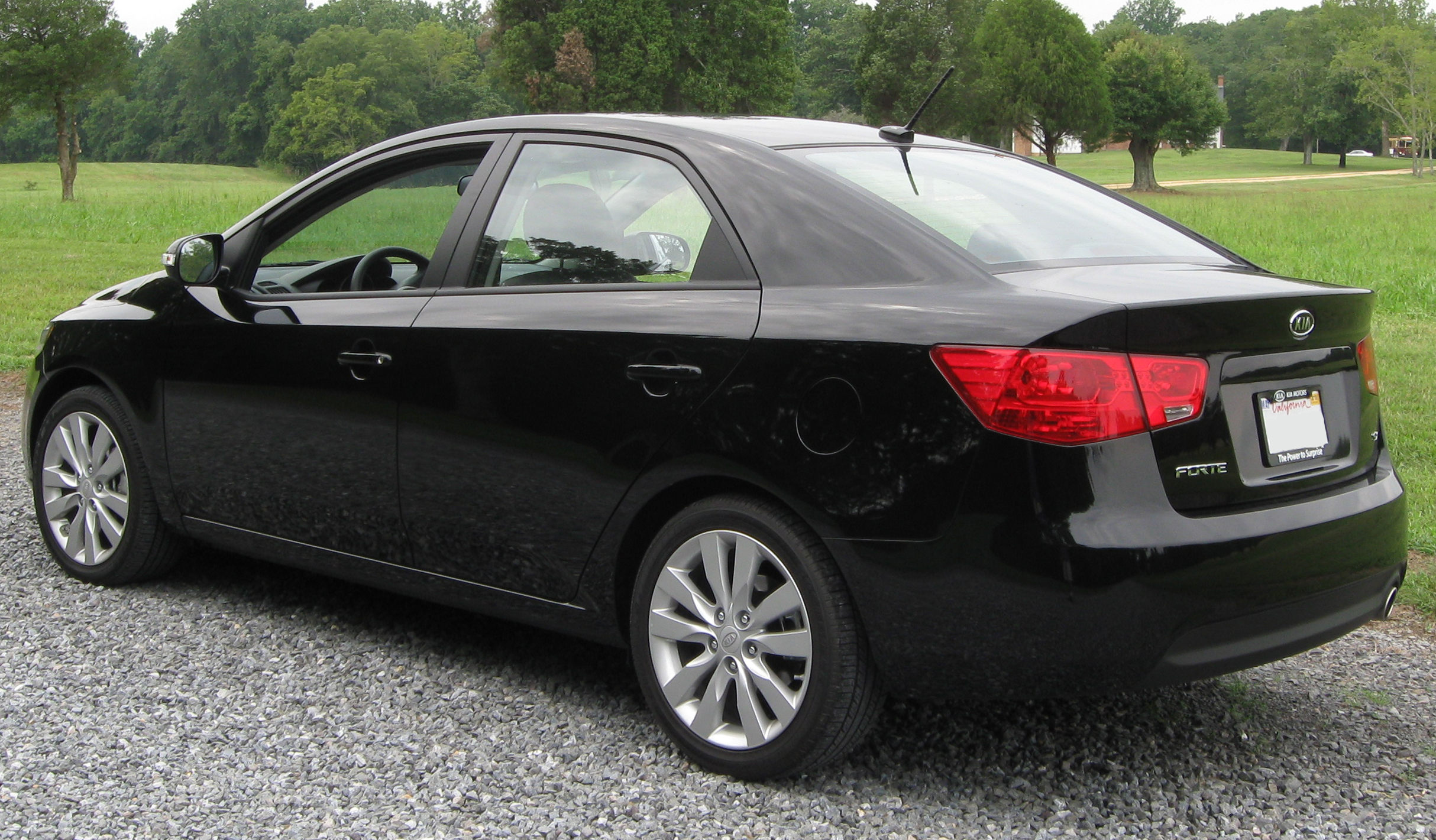
The Kia Forte is a small car that is easy to drive and doesn't cost a lot of money. It's a good option for people who want a dependable vehicle without spending too much.
The Volkswagen Eos is a car that can be both a regular car and a convertible, meaning you can take the roof off when it's nice outside. It's known for being stylish and comfortable, making it a fun choice for driving in good weather.
LIVE
We're doing better as a result of social media presence.
It doesn't do those three things then it's on the chopping block.
It's in return on investment discussion.
Hey, everybody. Welcome back to another episode of the Daily Dealer Live. I'm your host, Sam
Darker. Welcome to the Space Automotive. It comes together to learn, to share and most importantly,
to execute. Thanks for choosing to be here on this Monday, January 19th. As you can see,
I'm not in my usual location. I'm in the hole of a boat and today I'm broadcasting live thanks to
Starlink, Prop Steal on Musk and his company. Coming up today, we tackle the oftentimes uncomfortable
topic, one that every dealer deals with at some point, whether in life or beyond. That of succession
planning and automotive. Joining us today will be Fred Beans, owner of Fred Beans Family of
Dealership plus Beth Beans, Gilbert vice president and Hugh Roberts, partner at the Rawls group to
talk about that and more. But first up, let's cover today's industry headlines.
First up under a new agreement with China, Canada slash tariffs on Chinese EVs from 100% down to
6.1%. That's a big break. The deal only applies to lower priced EVs. Vehicles under $33,000 and
it's capped at 49,000 units in the first year, gradually rising to 70,000 vehicles by year five.
Though the initial volume is small in the context of Canada's total market, it roughly matches the
number of Chinese EVs the country imported in 2023 and 2024 combined. It's still unclear which Chinese
automaker will capitalize, but BYD is the most likely candidate with low cost models like the
Segal or Dolphin fitting squarely within the price and volume limits. What's the bottom line here?
Well, Canada has created a nearby low tariff entry point for cheap Chinese EVs as the US heads into
a high stakes USMCA review. Speaking of BYD up next, Ford is exploring a potential battery partnership
with the Chinese automaker, focusing on supplying batteries for some of its hybrid vehicles per
report from the Wall Street Journal. The talks are still early and loosely defined, but one option
on the table is using BYD batteries for Ford vehicles sold outside the United States as the
company looks to lower electrification costs. Ford expects about half of its global volume by 2030
to come from hybrids, extended range EVs and EVs, but battery pricing remains one of the biggest
profitability hurdles. However, the idea is already drawing political fire. White House
trade advisor Peter Navarro criticized the move, framing it as increasing US exposure to a Chinese
supply train. Big picture, Ford is signaling that battery costs matter as much as battery origin.
If a BYD deal moves forward, it could unlock cheaper hybrids and EVs abroad if not here at home
and in the US. Next up today, executives from Dutch chip maker Nexperia were in court last week
battling its Chinese owner Wingtec over who should control the company. Nexperia's European
leadership is asking the court to take a closer look at Wingtec's management, arguing the owner
is putting the business and its technology at risk. Wingtec denies any wrongdoing and says it
needs control of the company restored in order to keep chip production running. While the ownership
fight drags on, automakers are already feeling the fallout scrambling to reroute chip protection,
production and stretch limited supply. But until this dispute is resolved, chip availability remains
uncertain and certainly could lead to higher inventory, tighter inventory at the dealer level
depending on brand. So that chip issue is not over. We hoped it was resolved. And finally up
today, General Motors is recalling about 81,000 Chevrolet Equinox EVs from 2025 to 2026 model years
over an issue with the pedestrian alert sound. The problem centers around
the vehicle's alert sound, which can drop below federally required volume when the vehicle pulls
away from a stop at low speeds. That means pedestrians may not be able to tell whether the
vehicle is accelerating or if it's slowing down, which raises safety concerns to fix the vehicle's
GM will issue an over the air software update for the eligible units to see more recall alerts.
Head over to the CDG recall tracker powered by Busycar at CDGrecalls.com. And that's a wrap on
today's industry headlines. Yuli, what's up? I'm loving, you know, I'm loving Starlink. So I'm
coming to you by that. And it'll be fun to see, you know, technology always plays out on this
show. And in automotive, we always find a way to win and continue to execute regardless. Today's
topic is going to be a heck of a lot of fun. It's something that a lot of dealers think about a
lot of challenges. So we're excited to jump right into the topic. Joining the show today, a panel,
Fred Beans, owner of Fred Beans family of dealerships, Beth Beans Gilbert, Vice President of
Fred Beans family of dealerships and Hugh Roberts, partner at the Rawls Group. Folks, welcome to the
show. We appreciate having you here. Did we? There they are. Greetings.
Just got to do a little unmute here. Yeah. Well, you look good and sound good. I can't
believe the Starlink is, you know, just allows you to broadcast as if you're in the studio. It's
really remarkable. You know, here's the crazy thing, Yuli. And we talk about this a lot, no matter
where we are, no matter what happens, this show must go on. This is a great thing, not only for
automotive, I feel I learn a ton. I love the exposure to the ideas and topics we talk about.
It makes me better every day in the role in my own role here at Ziggler. And many of you,
so many of you have reached out to us and said, hey, the show, the content, everything we do here
also makes you better in your roles, in your positions, wherever you are. So let's turn to
the Beans Group. Mr. Beans, are you there? Can you hear us? Right here. Right here. Fantastic. Very
good to see you. And Hugh Roberts, partner at the Rawls Group. I see you as well, Hugh.
Good to be here. Thanks for having us. Thanks for joining us, gentlemen. And then we'll have
Beth join us momentarily, but we may be working through a couple of items there. So we'll come
back to a five box here momentarily. You know, it's interesting. I have been involved in automotive
for decades now. And the one topic that people ultimately have to deal with, but make very
nervous talking about as you approach the time when it's important to deal with,
Hugh, what's the topic? And why is it so tough to talk about succession planning and automotive?
Well, succession planning is something that most people would just soon put off. I think most
dealers see it as something I'm going to deal with when I'm in the over time of my life, etc.
Not before. And it brings up all kinds of subjects that they worry about, etc. And so as a result,
it's easy to kick the can and say, I'll deal with this later. I don't want to deal with it now.
And besides, I don't know what I want to do. And until I do know what I want to do,
I'm not going to deal with it. And so as a result, vast majority dealers have not addressed it.
Mr. Fred Beans, you have built an automotive empire, a privately owned dealer group
on the eastern east coast. You began over 50 years ago as a dealer and you've built this empire
over these past five decades. From your perspective, Mr. Beans, why is it so hard for so many dealers
to approach succession planning and that ultimate goal or that ultimate end, which is transferring
the business to either the next generation or selling? I really think it's probably the most
difficult because it's difficult to deal with the truth. I think I just looked back a minute ago,
and I think actually seven of the dealerships we bought were bought because they had family
independence and they hadn't they hadn't came up with a plan or did they have the right family
members to operate the business. So the extremely difficult thing to prepare for.
And it's difficult, though, everyone ends up being faced with it. We've got Huon, he wrote a book,
Mr. Beans, called Help. I've got a family in the business. What does that book have to do with
succession planning for car dealerships, Mr. Beans, and how did that help you as you
thought about succession planning? Well, first, I'd prefer if you addressed me as Fred.
But I think Hu's book hits a nail right on the head. I think anybody that has a family in the
business and are thinking about the business continuing should get a copy of that book and
read it because it addresses the issues that maybe people that are living with them don't want to
address. Yeah, so I bring some of the full vision, full focus. Yeah. What are some of the issues?
And by the way, we're going to make the book available, I believe, to our entire audience.
If they want a copy of the book, they'll actually get a signed copy at help at RawlsGroup.com,
H-E-L-P-A-T-R-A-W-L-S-G-R-O-U-P.com. So you can go to that to get it.
What are some of the biggest issues in succession planning that the book addresses and helped you
as you approach that time yourself? Well, I think number one, if I had it to do all over again,
and I knew our business was going to be this successful, the biggest thing is how do you
pass this on? How do you not put such a burden on your family that they can't inherit this business?
I sort of think it's fundamentally wrong if a son or daughter stays home and takes care of mom and
dad on a family farm that they just can't pass it on. These estate taxes are very
burdensome, as you know, and I wish that I hooked up with a RawlsGroup earlier in life,
knew we were going to have 30 dealerships in a rather large business and a estate plan to deal
with because it brings to light the things that need to be addressed in our case. I'm glad we did.
Do I wish we had done it sooner? We'd have a lot less of a tax burden. And fundamentally,
I don't think I'm 86 years old and I pay you a good bit of taxes every day. I wonder what
HDF tax amnesty? I guess never. It could be a little bit better plan here on how to pass things
along in a family. And I think that's what Hughes Book did. It recognizes how do you pass this
estate on? And number two, do you have the right people in the right seat to operate your business
when you leave? So Hugh, that's a great question. At what age or at what part, at what stage of
business development and automotive should a dealer be considering that succession planning
and should they begin planning for this inevitable event?
That's a great question. I think most importantly today, and I don't care what age you are,
the tendency is to think that I'm going to wait until I'm old enough, quote unquote. And usually
by that they mean 70, 80, whatever, etc. And in truth, succession planning builds value today.
It's preparing your business to be as successful as possible today. The stronger it is today,
the more it can handle anything in the future. And it takes time to develop people. It takes time
to address the state taxes. It takes time to prepare your management team, etc. There's all
kinds of things that take time to deal with. The sooner you start addressing it, the better chance
we have of being successful in achieving your goals. Yeah. But Beth Beans Gilbert, your vice
president of Fred Beans family of dealerships, I believe your Fred Beans daughter, is that correct?
So you're the benefactor of the succession planning. Talk to us. What does it mean to you that
your dad engaged in this process? And how much anxiety do you think about what happens? Does
it create not having a plan, Beth? I just kind of add on what the two of them said too. I think
that the longer you wait, the riskier it gets. And I think it's really about how to protect your
business now. It's how to prepare for the next generation, which is super important. And also
what's really important with us is the perception the team has as well as the OEM. So
I think that it's been a very long, difficult process because I think one of the things
about my father is he's very focused on the day to day. And you have to make time to do this. And
I think that's probably been the biggest challenge for us because I forgot to look how many years
we've been working with Hugh and his team. But I will tell you the first few years. I mean, these
were really intense meetings. I have two sisters in the business. I have a husband in the business.
And I now have a son in the business. So it's a lot of things to unpack. And it's very, very
difficult. And you're trying to run your business and deal with this. But again, you have to do it.
And the sooner, the better. So many of these automotive empires are built within a family.
So the group I work with started by Harold Ziegler 50 years ago in 1975 as a four-dealer
in Lowell, Michigan. And his son, Aaron, is now strongly at the helm and has just exponentially
grown this organization. Tell us, Hugh, why do family issues often blow up succession plans?
Beth talks a little bit about the family elements of it. How can family issues blow up succession
planning? Well, first of all, most dealers think it's just about wills and trusts and
buy-sell agreements and so forth. But in fact, it's all these family things that come into play.
And so in my book, I talked about 10 time bombs that blow up family business. And just to give you
a little bit of an idea about that conversation might be something like this. Why won't my kids
work as hard as I do? I work Saturdays. Why don't they work Saturdays? And the kids are saying,
wait, wait, wait, wait, Dad. I work harder, not harder. Work-life balance is important to me.
It's a different world we live in besides, your people aren't going to work the way you do.
It's a different world we're living in. And then the other one, you had it easy, Dad.
Easy. Easy, you little jerk. What do you talk about easy? I grew up with no money. My dad died
when I was young. I had to work for every single thing I got. I mean, what do you talk about easy?
Dad, you had it easy as you started the bottom. My brothers and sisters and I, we have to start
at the top. Everything you did was a success. For us, we're starting way up here trying to
emulate you is really tough. And those are just examples of the kinds of family issues that develop.
And so often in that kind of situation, people stop doing the kind of planning they need to do.
Another example would be this one dealer I'd worked with for many years, and he said,
my son's coming along. He's doing really well. I want him to get the business.
And what do we need to do next? And I said, we're going to some point here,
we got to transfer some stock to him and begin that process. He said, you're right,
we're going to do it. And he kept saying that, and we're going to do it. And then he procrastinated
some more in the year or two went by and so forth. And finally one day he calls me up and he says,
we got talk. And you can just tell by his voice, something's wrong. Okay. So we get together and
he says, you're not going to believe this, but my son and I, we haven't talked in nine months.
And their offices are 20 feet apart. I said, well, it's pretty clear you're not going to transfer
stock to somebody you're not even talking to. We got to dig in and find out what's going on.
The truth was there was some family issues going on that had nothing to do directly with the business,
but the two guys weren't great about talking about them. They were letting that spill over into
the business. And as a result, they were all of a sudden had gone sideways and it was affecting
the business. And clearly dad was not going to transfer or move it forward until he did.
Fred, when you hear this story, huge story of a relationship gone bad on the heels or on the,
I guess, on the platform of the business, how does that make you feel as a longtime business
owner or somebody that's built up something that you want to pass along? Well, I think what advice
would you give the kids to avoid reaching that critical point that he was talking about?
I think what you just said hits it right on the head. But I think that's a matter of making a
truthful decision. Does this family member have what it takes to be successful? And can they take
this business and grow it? I don't think it's something for every family member. And I think
Hugh helped us recognize that and come up with a plan to how to deal with it. So we didn't kill
the business. The main thing is we don't want to kill the business, okay? We don't want to kill the
ghost, the goose that laid the golden egg. And I think that Hugh's guidance, we decided in my
family have three daughters, who would be best to succeed in running it? And how do we deal with
the other family members? And this is where I've seen other dealers that I've purchased have a
serious mistake. And having uncomfortable conversations, it sounds like, to all is part
of success in this succession planning. Beth, was that a tough conversation when your dad
presumably approached you and said, hey, you're the person that is best suited to lead. And then
your sisters, though no less, you had to have a difficult conversation, Beth. What was that like?
I mean, it's a difficult conversation. And it was several conversations, because you have to come
to a point where either the business is going to go on, you're going to sell the business,
or you're going to keep it in the family. So once we were able to identify that we wanted to keep
the business in the family, it was how's it going to run. And the nice thing is my sisters and I
all have different parts in the business. So we don't get into each other's way too much,
but it was extremely emotional. It really took months and months and coming up with the right
agreement. And obviously, it had to be everyone's decision, because at the end of the day,
someone can anoint someone to be in charge, but someday my dad's not going to be here.
And we all have to be able to sit down with each other at the Thanksgiving table and get
along. And that was really, really important to me. And I think you did a great job helping us
with that, because at the end of the day, that's what's all that's important. And I think the
resolution that we came up with, I think everybody understands it. It's made it very clear. And the
neat thing that I think happened with us is now my sister's children, my children, et cetera,
we have a good plan that Roz helped us with for people to come into the business now. So that
is not going to ever happen really again, at least I hope not. I mean, we've got an employment
agreement, per se, for a family member. And then we have a successor agreement. So if there's a
grandchild or great grandchild for whatever that wants to become a successor, there's a straight
plan specifically built for that. So hopefully we went through a lot of the hard part.
So part of what I'm hearing, Fred, is that as the creator of this organization and this
automotive empire, part of your job is as father and creator of this business, it's to have those
tough conversations, put those agreements into place to ensure the continuation of the business,
Fred. What was it that caused you to say, hey, I need to think about this business in succession?
And at what point in the growth of the business did you decide to do that?
I think, I don't know if that's directed at Fred, but I do think that people, your employees want
to know what's happening. You have to constantly be putting the vision out there of where the
company's going. But I'll let Fred answer that. But I think that was a big piece of it, is what's
happening. Fred's aging, what's going to happen to the company, especially people that you have
long-term relationships with, that you want to stay with the company and be your team.
I think what Beth said is important. I think that all companies have to have a vision.
And we have a three-year plan and a five-year plan of where we want to be as a company.
And I think our employees have to know that, even though there's a high turnover,
I think that we need to assure them that when they take a job with our company,
that our goal is to be here today in the morning in the future and continue to grow.
So I think from the Rawls Group and Hugh Roberts, they helped us establish that now.
If you went back and said, hindsight has 20-20 vision, what did I do wrong?
I think we didn't start soon enough. I don't think anybody,
young guy goes in business to grow something and build something,
thinks about how am I going to dismantle it? My idea has always been to grow, grow, grow,
and build and build and build and not spend time dismantling. But I think we've come up with a
plan where we could continue to grow. We've satisfied the other family members that they're
not going to run the business. And I think one of the things is a little difficult, but just being
truthful. Sam, one of the things that Fred and Beth, they committed to being involved, etc.,
even when it was difficult. Fred, succession playing to some degree is a distraction from
his primary goal of growing the business, etc. You're not operating the business
when you're talking about succession, right? Yes. That's right. Well, that's what he feels like,
okay? And yet at the same time, the stronger we've made the business, the better chance there is
of succession happening. So it's a little bit of both. I mean, it's not just about handing the ball
off. We look at succession, success. We define it as the continuation of success through the next
generations, not just handing the ball off. This is not just passing the baton. So 30 years from now,
we want to make sure we are really strong. Well, most people see it as a transaction that's just
one and done, okay? So to their credit, they committed to being involved and engaging with us
regularly. We've been involved with them now for a little over eight years. And we expect to be
involved for many, many years to come because most of our relationships with clients last 20 years
or more as we develop things and deal with the issues that keep coming up that will affect
adversity or not. It's like doing tune-ups. If you don't tune up your car, you've got problems.
Sorry, Beth. No, go ahead, Beth, please. That's just another key, too, with the generations, too,
because when I grew up, you worked seven days a week. You answered every phone call yourself.
You did all that. And that's the generation I grew up in. And now I see the next generation,
how do you adapt for that, too? Because that generation is a lot different, too. I mean,
they might use data. They might use technology, things that we're not even familiar with. So
I think that's another really key piece in this is adapting the business to keep the other generations
intact and let them grow the business in their way as well. And that's where I do envision this
partnership going on for a lot more than just the one generation.
Beth, as you talked about the transition, you talked about a lot of agreements that were put
into place. And Hugh supported, I suppose, the creation of those agreements, how additional
family members would come in, how they would exit, like lots of agreements. What would you say to
a dealer that says, look, this is a family business. We all get along. I don't need all these agreements.
I just need to run this business. It's a family business. We've grown it. Everybody will get
along in the end of the day. Hugh, what do you say to that? That's a lot of agreements, but binding
the family. Well, every situation is a little different, clearly. And there are situations
where people get along expectedly well, and that's great. However, it's been our experience that
environments change. I think of one situation right now that I'm dealing with where the
owner, the primary owner, et cetera, the senior is, I would call him the benevolent dictator.
He's a wonderful guy. He's highly effective. Everybody loves him. They respect him. Everything's
great, but they literally wait for him to speak before acting. And they carry out everything
very effectively, et cetera. And now we're talking about how are we going to have life after dad?
And life after dad is going to be different because all of their personalities are different.
None of them already do it my way or the highway, which is where he does it. And he does it in a
good way, not a bad way, but just by temperament, they're not going to function that way. And
they're clearly going to have to work as a team. Also, it was a one-man show in that regard.
We're now talking about multiple cousins being involved. It's going to be a whole different
ballgame. So as much as they say we're going to get along, it's going to be different.
I love that term benevolent dictatorship. Like that is, if that's not, you know, kind of automotive
as a family-run business, in many cases, certainly not the beans group. You're different, but so many
are that way. It brings up the question of Beth. Beth hit on a little bit with multiple generations,
and you set this up a little bit, Hugh. Each generation has its strengths and its weaknesses
in terms of commitment to ours worked, in terms of strength on technology, or just manually selling
and whatnot. What are some of the challenges do this multiple generations running an organization
like a family dealership together? What are some of the challenges that are created by
those multiple generations, Hugh? Well, let's just start with one little story. I remember
talking with the senior member of the greatest generation, and I asked him the question,
help me understand this. Your son flies in your corporate jet, and you fly coach. Why? He looked
at me like I was stupid, because it's cheaper. His whole approach was not spend money. His son
was just the opposite. His son was a big time spender. Yet his son was one of the best dealers,
is today one of the best dealers in the country. He's a phenomenal dealer, but to his dad,
his dad thought he was going to spend them right into oblivion. He had all kinds of problems dealing
with this transfer. That generational difference in the way they saw money, spent money, etc.
was a big, big deal. That's just one example. Sometimes it's a matter of they see things through
there's only one way to do things, the way I learned how to do it, and you've got to follow
the way I did. And if you don't, and I think of this one dealer where we went and we interviewed
all the managers, the managers said that the successor is going to be tremendous. He is
proven. At the time, he was in his late 40s. He'd been 20 years. He was great. We went and said that
to the dad and the dad said, they're wrong. They're wrong. Yes, they're wrong. Why? Why? They're wrong
because he doesn't do it my way. He doesn't follow process procedures. He's going to be a mess,
etc. And he was much more creative. He was outside the box. He was more relational, etc.
But he was really good. But dad couldn't live with that difference.
Fred, as you look at Beth as the next generation, the succeeding generation, are there strengths
that Beth and her generation have that maybe aren't your strengths where you've had to kind of let go
and say, look, I'm okay trusting because I have a belief that even though it's not my strength,
her strength is going to help us lead into the next era of business better than I could, Fred.
Well, my generation is a generation that maybe had less flexibility, more rules,
more stringent. I think that we've learned how to adapt to those things. And I think that we're
in a good position. Am I short on technology? I think if you're 40 years old, you're short on
technology. If you're 30 years old, you're probably close. But if you're 18, you're probably there.
So I think I'm okay with technology. But I think it's where we're moving. But we still have to
have that relationship with people and with employees. And we do a lot in our company. Beth
does a lot in our company. And I think we've recognized this more than most of our competitors.
How important it is, I joke around and I say, if 50% Americans are in divorce, then you have
another 50% preparing for it, right? So you need to be in a functional family. In case we're the
only functional place where somebody could come to work and we're functional eight hours a day,
and we give them some structure. I know for myself, I was only in the US Coast Guard for
six months active duty. But I really, I really feel that we're missing that structure today in
America at the level of respect and things that need to be built. But I think that huge helped
us recognize the importance of our team members. And we do an awful lot for the people to work
for us. I think we do more than we got how many years in a row now best place to work, Beth and
Tully? Seven. Seven years. Congratulations. That's a huge accomplishment. Because we have
healthy living, much and learn, an employee hardship committee. I think we're trying to
demonstrate that a business has a social obligation to the community it serves.
Yeah. So great question online from Paul Salisman to Hugh. Hugh, how many
succession consulting meetings end up in selling the entire auto group where a first generation
gets together with the second, maybe the third just says, you know what, continuing to operate
just isn't our best plan. Let me put it this way. Most of the time when people hire us, they are
intentional about trying to keep it in the business. And sometimes wishful thinking,
let me put it that way. Say more times than not, we are able to come to a conclusion that
they can keep the business, but they may have to work through some very significant challenges,
etc. Selling is a succession option. It is an option that some should use because they really
don't have a plan or they don't have anybody who wants to make the commitment, who has the
ability, etc, to continue the business. So it's a matter of trying to figure out, is the dream that
most dealers had that someday they could pass along their legacy to their family? Is that a
realistic dream or is that going to be a nightmare? And then we have to figure out, can we say to them
that there is a result of working with them that we can have a high percentage of belief that they
are going to succeed through the next generation? Or if we can't come to that conclusion, we'll
tell them, no, it's time to sell. And you're making a mistake trying to believe that your son or
daughter you've put in that position is going to get there. And for instance, the belief is that
they can give the business to their kids. That's not true. Only the manufacturer can. Ultimately,
you've got to convince the manufacturer that your succession plan is going to work. And if you don't,
the manufacturers have talked to us a lot about the fact, they've got situations where
the dealer is living in La La Land thinking that his son or daughter is capable and they're going
to get turned down. And so having a strong operator in place at time of succession is key. We mentioned
divorce earlier with divorce at 50% or more. Curious, most dealers have blended families,
many do. What succession challenges does divorce and blended families create in these situations?
Well, first of all, blended families can take on a lot of different forms, etc. I think one of the
most important things in a blended family is to recognize that trying to bring together people
who aren't necessarily compatible and just hoping it'll work. I mean, remember at one
conversation I had with a dealer, he was the first phone call before going out to meet with him. And
he said, my wife is wanting to get involved in our dealership if something were to happen to me.
And she wants to work with my kids. And I said, okay, how do they get along? He said,
fine. I said, just fine. He said, well, you know, they don't spend a lot of time together. I said,
because he said, well, it's awkward. Yeah, it's a little awkward. I said, okay, so let me see if
I got this straight. You want these people who don't get along really well and it's awkward being
together to somehow come into the business and work together. I don't think that's going to work.
And so when we got together, we're having dinner with he and his wife and I said to her, I understand
that you'd like to be involved in the dealership if something were to happen. And we can make that
happen. You want one dealership, you want three, you want five, he had about 25 dealerships. And I
said, we can do that. What you can't do is work with his kids. And she said, oh, I have no intention
of working in the business. I don't want to do that. And he went, you know, it was like somehow
crisis avoided. Somehow he had this impression that she that she wanted to be involved in the
business. And even though he was this very strong personality, trying to deal with this family issue
was driving him crazy. He didn't want how to deal with it. And so we were we were popping the balloon
by asking the question and digging in. So blended families to me. And one of the things that Fred
did that he made sure that his wife was taken care of. That's critically important in any marriage
situation. It's always critical. But he did the one thing he separated what she's going to receive
from what the rest of the family is going to receive. That's a big deal. You know, so she's
taking care of she's happy with her situation. The business can continue. His family can continue.
And the situations where it becomes a real problem is where there's somehow they try and blend it
together. And in a blended situation, you know, usually is not going to work. One other example
was was with Henry Ford, the second, he made the front page of the Wall Street Journal with his
estate plan. And I guarantee you, it's not where you want to end up. And it was the whole thing
involved. Basically, according to the article in 1989, it basically said
that he had he had gotten advice to transfer everything to his wife upon upon death. Okay,
sounded great. What most most dealers do the very same thing. The only problem was his wife was not
the mother of his children. She was in her 40s. So are they. So are they. So effectively what he
did was to disinherit his kids because they if they're going to get anything they had to help
deliver. Yeah, because the unintended consequence of that situation is individuals who are part of
the family who you have a relationship end up getting written out. And if it's not well thought
through, they may unintentionally be written out. So props to you, Mr. Fred beans for being
intentional about making sure you're protecting all parties in that situation. Now we mentioned
generations. We mentioned strength and weakness. Before we continue on, I've got to do a quick
sponsor segment on impel. So we're going to talk technology for just a moment. We'll be right
back. Today's episode is brought to you by impel. Stop wasting your best reps on low intent leads
and impel sales AI quality qualifies responds and book showroom appointments 24 seven. So your team
talks only to buyers ready to move. Learn more by clicking the link in the show notes below.
And you can scan the QR code there props to impel for supporting today's content. This
phenomenal conversation on all things succession with partner at Rawls group Hugh Roberts with
owner of Fred beans family of dealership Fred beans and vice president of family.
Fred beans family dealerships. Beth beans. Thanks impel props to you.
So, so as the succession planning happens, how much of a challenge is that when Beth's
generation says, Hey, I want to take a different growth mindset, or I have different goals for
growing the organization than the first generation had. Beth is your vision different from your
dads. And if so, how and how did you deal with some of those uncomfortable conversations? If
yes, you're smiling. So I'm going to see maybe that's probably one of the hardest because both of us
come from a different obviously a different viewpoint coming into it. I mean, Fred's a
huge vision. He's a huge visionary and I'm an implementer. I'm the one who's like, Okay, we
got to make this happen. So and Fred likes to buy stores. It's one of his favorite things to do.
I would imagine he's got many. And I'm always sort of behind the scenes like, Wait, we don't
have the manpower. We don't have this. We're not we're not ready. We're not structured, etc. So
one of the things that we created, I know it's a lot of things that we created. But listen,
we're a highly for those who don't know us, we're a highly organized, structured organization. We
have everything we do in writing. So I mean, I know that might sound funny on the podcast, but
we really are very highly structured. So we created something called a buy box. And we use that now
when we have our board meetings, when we know something's coming for sale, when we know something
that we want to go after, it looks at the market areas, the franchises, different platforms, we
have what we call platforms, which are different areas now, you know, throughout Pennsylvania,
New Jersey, where we really want to develop the actual dealerships, collision centers, we want
to be able to have a few dealerships in an area so that we can do a couple things, we can promote
people from within, we can get back to the community, we do much better when we're visible in a platform
versus a onesie and twosie store. So we sort of outlined the franchises that we would want to add
to our buy box, we've identified areas that we would be willing to grow in if a dealership or
a collision center or something else in our automotive realm came for sale. That would be
amazing. So that's one of the things that has helped us stop us from arguing about maybe a
particular thing because you just kind of come back and look at the basics, it doesn't fit our
buy box. And being cognizant of what the team can handle and things like that, because we have a
lot of structure and that structures able to support the areas that we do business in.
One of the things we haven't, I mean, Fred's a huge real estate guy, that's been always one of
his fortes, but we really don't divert out of the business either. A lot of dealers buy restaurants
and teams and all kinds of things like that. We really stay true to our core, we know what we can
do and we understand the guardrails that are up for us and where we do well and where we don't do
well. Do you sometimes, Beth, have to call each other from the first to the second generation
back to that document, your core values? Has Fred ever said, hey, I'm going to go buy an airport
or I'd like to go buy a racing team? No, he stays courted dealerships, but oh yes, oh yes.
What's an example of that that you could share that's not private?
It's heated. I mean, sometimes, well, there was a dealership in a, I'm not going to say the town,
but in a town of Pennsylvania, that's pretty far from here, that shockingly he went to look at and
luckily he sort of decided on his own that it wasn't the right fit for us, it wasn't the right
town, et cetera. I mean, Fred has another role. He wants to do business and build a business,
wait a minute, let me say this correctly, build a business in a place where he can plan a tree,
you know, a place that we really like. He went to visit this dealership and didn't like it. I had
already made up my mind. I didn't need to go visit the dealership, but he went through his due diligence,
but, you know, it was very far from our core, from where we are and I knew we couldn't support it.
I know our team's not going to visit the store enough, it's not going to be the right fit, but
I don't want to say that distance has an issue because just in this last year we did purchase
three dealerships in Mechanicsburg, which is very far. It's two and a half hours from where we are,
but we already had two dealerships there and the cool thing that happened when we, and I think I
threw Fred for a loop because I don't think he thought I would support Mechanicsburg because
it was two and a half hours away, but I think what it did for us was we were able to promote a lot
of people out there that had been with us for 20 plus years. So we have different managers now
in different positions that wouldn't have really probably been able to grow and we're, you know,
we're definitely able to give back to the food, to the communities. Just this last holiday,
we did a huge food donation at Christmas. Just things we could never give back in that kind of
way when we only had one or two dealerships out there. So the buy box has been very, very helpful
for us. Mid succession with this buy box, I'm curious because I think this is something that
happens often in family-run organizations. Mid succession, if you both disagree on something,
who wins the argument? I think I would know, but if the buy box doesn't solve it as you go back to
it Fred, how do you resolve a difference in operational? I mean my husband's in the business,
he's on our board of directors, our CFO and then obviously our board of directors. I mean it kind
of go, if it has to go to that level it does, but it's not pretty. Yeah, yeah, but these conversations,
the real conversations, go ahead. I was going to add to that is that we've talked through
several occasions, what's important to you? What are you really trying to accomplish?
Where are you at odds and where can we find a way to work a way through that?
Because, and we also said, how is this going to work in terms of your next generation? Because
they very much are looking ahead to Christopher, the grandson who's involved, and is this going to
fit in? And so it's not just a matter of saying, what do we feel like doing right now? How does
it fit in terms of our long-term view of the business? Hugh, I think this is an important
lesson for everyone in automotive because the process Beth and Fred are describing,
it's not overnight, it's decades in the making and it is built on the platform of
having these conversations, getting agreement, figuring out what's most important in terms
of that North Star. And then Hugh, am I wrong? Sometimes you're not only a little bit of a
consultant, but you're a little bit of a counselor. Have you thought about this? Have you thought about
that? Yeah, the longer someone like you is involved in the process, the more stable the
succession planning is. Fred, would you agree with that? This is long-term, long time in the making.
Well, I think it has a lot to do with your personal upbringing, how I was brought up.
I think it has a lot to do with that. There's an old saying, you know, there's a story about
planting a tree and a tree dying, no roots, no fruit. I want us to be in communities where
we can make a contribution and it can mean something. One of the things I see in public
companies, for example, is they never become part of a community. I want us to be a value story of a
community and I think that's been important to me and having a path for people to work for us.
Now, it's not that simple because the automobile business, it is more and more difficult today.
I think the higher people that want a career path or have the same work ethic that this
business requires. Hugh, Fred makes a great point. Are family-owned businesses that have gone through
the crucible of succession planning, are they more profitable? Are they more successful and do
they connect better to the community than a publicly held or something that just transitions from
one ownership to the next generation to generation? Hugh?
Well, you know, obviously we're talking generalities and there are certainly circumstances where
that's the case. I think one dealer said it beautifully when he said, you know, we're working
with my money and we're dealing with my money. I'm going to watch it a lot more closely than if
somebody is operating a public company. It's a little bit of a different environment. So
this particular dealer felt he could compete all day long with the public companies for that reason.
I think the foundation strength of a family business when it's operating effectively
is phenomenal. I think that allegiance, that loyalty, that commitment, I think of one
dealer who said, we're going through a tough time right now, but we know what grandpa's vision was
and we're following it and we're going to get through this because of that. That's rooting.
It roots you. Yeah. Yeah. Yeah. Yeah. Beth, who is the third generation at the Fred Beans
Automotive Group? So Fred is first, you're second. Tell us about the third and what you're
doing today to prepare for that. So I have a son, Christopher, who just came into the business
last year and he came from the banking industry in New York and he always worked in the business.
I mean, when he was a little kid, I mean, he changed oil. He worked in our parts distribution
center and actually during COVID, he had a short stint actually selling cars and really always had
a taste for it, had a great relationship with my dad. So it always seemed natural. So for the best
year we've been handling him, when are you coming back? When are you coming back? So he came in last
year and we just so happened to buy a dealer group out in Abington and he went there and started as
a service advisor. Now he also came in as an employee as well as a successor. So what's really
cool about what we did with him was he actually is a mentor group and you can probably touch on
that even better, but we said of him reporting to Fred and I, I mean, I told, you know, my goal
was for him to hopefully be running a store in the next three to five years. That would be my goal,
but maybe three years, not five, but you know, listen, running a store is the funnest part of
the business, right? But I wanted him to learn everything from the ground up like we did. So
he actually has a mentor team that he reports to right now. He, you know, did his year and doing
that right now. He's setting up mobile service for us and traveling around to our different
dealerships. He has three or four of our stores installed now. He's going to be going to dealer
Academy. I mean, they're really structuring what classes he takes, what he gets involved in, etc.
But it's so much fun. Beth, is that part of your succession agreement? You had mentioned the
agreements earlier on. I don't remember the other one, but when was the succession agreement? Is
that structure that you're talking about right now? Is that all outlined in the succession agreement?
Yeah. I mean, I say it's like an agreement. I mean, it's a one pager. It's basically, you know,
letting them, letting them know, you know, you're not entitled to anything just because of your last
name. You don't, you know, you have the same vacations as everybody else. You agree to a
certain behavior. You agree to agree to go to certain courses and classes because that's challenging
too. I mean, we've had family members who don't want to take things that are that are available.
You know, you agree to X amount of training and doing X amount of jobs and things like that.
You're not calling your own shots. So to that point, Hugh, how important is it and what are
tips and strategies to create credibility in that next generation, whatever that generation is?
We all know, and Beth, you said earlier, you can't just knight or crown someone a leader and expect
people to follow them. If they don't have the credibility, they don't have the experience,
they don't have the wisdom and wisdom is born of experience and a little bit of street smarts.
And title is true. You have to be so careful of entitlement. That's another whole ugly monster
that, you know, I don't think I have that, but it's a tough one. That'll kill your ability to
be a leader down into the future regardless of any type of plan for succession. Hugh, what tips,
and actually, you know what, Fred, let's start with you. What tips do you give to that third
generation to gain credibility as they get that experience? I think in a case that is a, we're
also EOS, that's an employee entrepreneurial operating system. We're pretty big into that.
And it's, have we selected the right person for the right seat? Or can we have the right seat
with the wrong person? Or the wrong seat? I'll tell you about some of the things you did with
Christopher. Wrong seat for the right person. Anyway, we think that Christopher is got it,
wants it and can do it. And one of the things that we failed that was, he went to Abington and
he wrote services and did a really good job. And his next step was mobile service. So we failed
with mobile service, okay? We failed, we don't fail at many things, but we failed at that.
And right now, I suspect I would think by March, there's 118 dealers in the Philly region. We have
seven Ford stores in the Philly region. I think we'll have seven in the top 12 in mobile service.
And I want to see, I know it won't be number one, because I know what number one does.
I know what number two does, okay? And we're not going to do what they do. But I think the rest
of it's up for grabs for us. And I think that Christopher will get us there. I think he,
having a family member do that with passion will help us achieve our rightful spot in that,
that ranking with the manufacturer. So that's a, that's a key strategy to developing leadership
of that rising generation, Beth, right? Giving them an area of responsibility that they can go
in, figure out, and fix. And it sounds like he's done that. Paul Salisman online says,
can we get the URL again for the book? You can hit help at RawlsGroup.com, help at R-A-W-L-S-G-R-O-U-P.com.
Send an email to that email address and you can get a copy of the book. Beth, last question.
Actually, so we've just got a couple minutes left. I'm getting pushed by the producers to make sure
we can't go too crazy over time. I'd love to ask Fred, as you think about this business that you've
built and you think about the legacy you want to leave the world, what is the legacy that
Fred Beans wants to leave when you think about the Fred Beans Automotive Group and the family
group that you've created, Fred? Well, I'd like to think having come to work here at Fred Beans,
I'm a better person. I want to build a better you or a better me. So what would I like the
legacy to be? I like the legacy to be that we were good stewards of our community,
good stewards to our family, and we help people build and grow and put structure in life, even
if it's eating healthy or exercising. I want a person who I've left here to feel good about
their time here. And Beth, as Jen too, and the next generation, what do you see your legacy as?
I see us absolutely mirroring that. Just to be like top of mind for a customer in the market
areas that if I need anything automotive, I'm going to go to Fred Beans and the community-minded
and also just to Fred's point, helping our employees be all they can be, whether it's through
training, wellness, etc. So we're definitely on the same path that way. Somehow, I'd like to comment
on that, because I don't think it's so hard today with the internet, bringing customers,
we don't sell more cars, we sell the same amount of cars all over the place, okay? So how do we get
that local customer to believe in us? How do we be, you know, I think if you think of a hotel chain,
you might think of a Ritz-Carlton, the Breakers Hotel in Florida, the Four Seasons,
all car dealers seem to run in the same pack, okay? How do we take the name Beans and make it
different than just the rest of us, okay? But if you ask me, I think all dealers say sort of run
in the same pack and it's none of the same. Hey, we're in the North Streams in the Carter
Venice or the Ritz-Carlton. We don't sell luxury brands, but our name should be a brand promise,
okay? And the customers should see the name Beans and think of a brand promise. Is that a
difficult thing to do? For me, it's been extremely difficult. Well, Fred Beans, as we talked about,
the legacy you want to leave, you want your employees and yourself and your family to be
better as a result of their interaction with the group. I tell you this, our entire Daily
Deal Live audience today has proved that you have made a reality of that. We're all better for the
advice, for the perspective and the authentic insight you've given us into this succession
planning. And as we think, Hugh Roberts, as we go out, what advice, having been involved in this
process with the Fred Beans Group for so long, what advice would you give as closing to other
dealers thinking about going through this process or thinking about engaging in this process? Hugh
Roberts. I think first and foremost, succession success means preparing your business, your family
for the long haul. It's not a short, quick deal. And I believe that from my perspective that you
want both family success and business success. And so often that's really hard to accommodate.
It's really hard to pull that one off. So if that's what you want, then I think first of all,
you've got to make sure that everybody who's in the business has gained respect. They're not just
there because their name's on the door. Second of all, that they have a commitment to the family
vision. They're following that vision and they're working together, pulling their orders in the
same direction. Third, they know how to deal with conflict. It's not just about having some type of
artificial harmony that they're going, but they really do know how to work through those things.
Then there's clarity of what they expect from each other. They spend time together and they're
committed to the same process together. If you're willing to do those things, and for a lot of people,
they got to pray about it too because man, he can get tough at times in the trenches. But if you're
willing to do that, hopefully you will be able to say, like one dealer said to us, to watch my
children succeed in my business is the great joy of my life. And that's what we hope will happen
with each of the people who are listening. To all of you, thanks for joining this panel today.
Fred Beans owner of Fred Beans family dealerships, Beth Beans Gilbert vice president of Fred Beans
family dealerships, and Hugh Roberts, partner at Rawls Group, where if you want a copy of the
book, you can go to help at RawlsGroup.com for more information. Appreciate you all being here
as part of the panel and providing your insights. Thanks all. Thank you. Thanks for having us.
What kind of boat's that? That's the great question. I'll get back to you on that one.
So, Yuli, what a great show. What a great conversation as we think about everything
that we've gone through. Tough. Some of it very tough and it's just to see how much regard and
love and care that Fred and Beth have for each other and then that third generation just crushing
it in mobile as well. Well, we're back on Wednesday this week. Thanks everybody for watching Daily
Deal Live where you break down the biggest moves in the car business as they happen. Don't forget
we're live here every Monday, Wednesday, and Friday, 1 p.m. Eastern. So, if this is your world,
hit like, hit subscribe, turn on those notifications so you never ever miss a beat.
And we'll see you next episode, everybody. Thanks for being here. Thanks, guys.
About this episode
Navigating the complex world of succession planning in automotive dealerships takes center stage with Fred Beans and his family. Joined by Hugh Roberts from the Rawls Group, they discuss the emotional and strategic challenges of transferring leadership to the next generation. Key insights include the importance of early planning, the need for clear agreements, and the balance between family dynamics and business operations. The conversation also touches on adapting to generational differences and the significance of community involvement, making this episode a rich resource for dealers contemplating their future.
Today's show features:
- Fred Beans, Owner of Fred Beans Family of Dealerships
- Beth Beans Gilbert, Vice President of Fred Beans Family of Dealerships
- Hugh Roberts, Partner at The Rawls Group
This episode is brought to you by:
Impel – Your sales team should be selling—not answering the same questions after hours or chasing low-intent leads. Impel Sales AI works the inbox 24/7, qualifying every lead, responding with intent-aware, personalized answers, and booking showroom appointments automatically. With Agentic Response, Impel interprets context in real time and hands off only ready-to-buy customers—complete with full conversation history and smart summaries—so your reps can step in at exactly the right moment. See how we turn your BDC into a powerhouse at NADA 2026, Booth #4331W and at https://impel.ai/sales-ai
The Rawls Group – For over 50 years Rawls Succession Planners have advised high-net-worth dealer groups on leadership, alignment, and growth strategy - long before succession becomes urgent. Our work helps owners build organizations that perform today, develop future leaders, and stay strong whether they're expanding, transitioning leadership, or planning what's next. Visit our website at seekingsucccession.com. To receive a complimentary signed copy of “Help! I’ve Got Family in the Business,” email Hugh Roberts at [email protected]
Check out Car Dealership Guy’s stuff:
CDG Circles ➤ https://cdgcircles.com/
CDG News ➤ https://news.dealershipguy.com/
CDG Jobs ➤ https://jobs.dealershipguy.com/
CDG Recruiting ➤ https://www.cdgrecruiting.com/
My Socials:
X ➤ https://www.twitter.com/GuyDealership
Instagram ➤ https://www.instagram.com/cardealershipguy/
TikTok ➤ https://www.tiktok.com/@guydealership
LinkedIn ➤ https://www.linkedin.com/company/cardealershipguy/
Threads ➤ https://www.threads.net/@cardealershipguy
Facebook ➤ https://www.facebook.com/profile.php?id=100077402857683