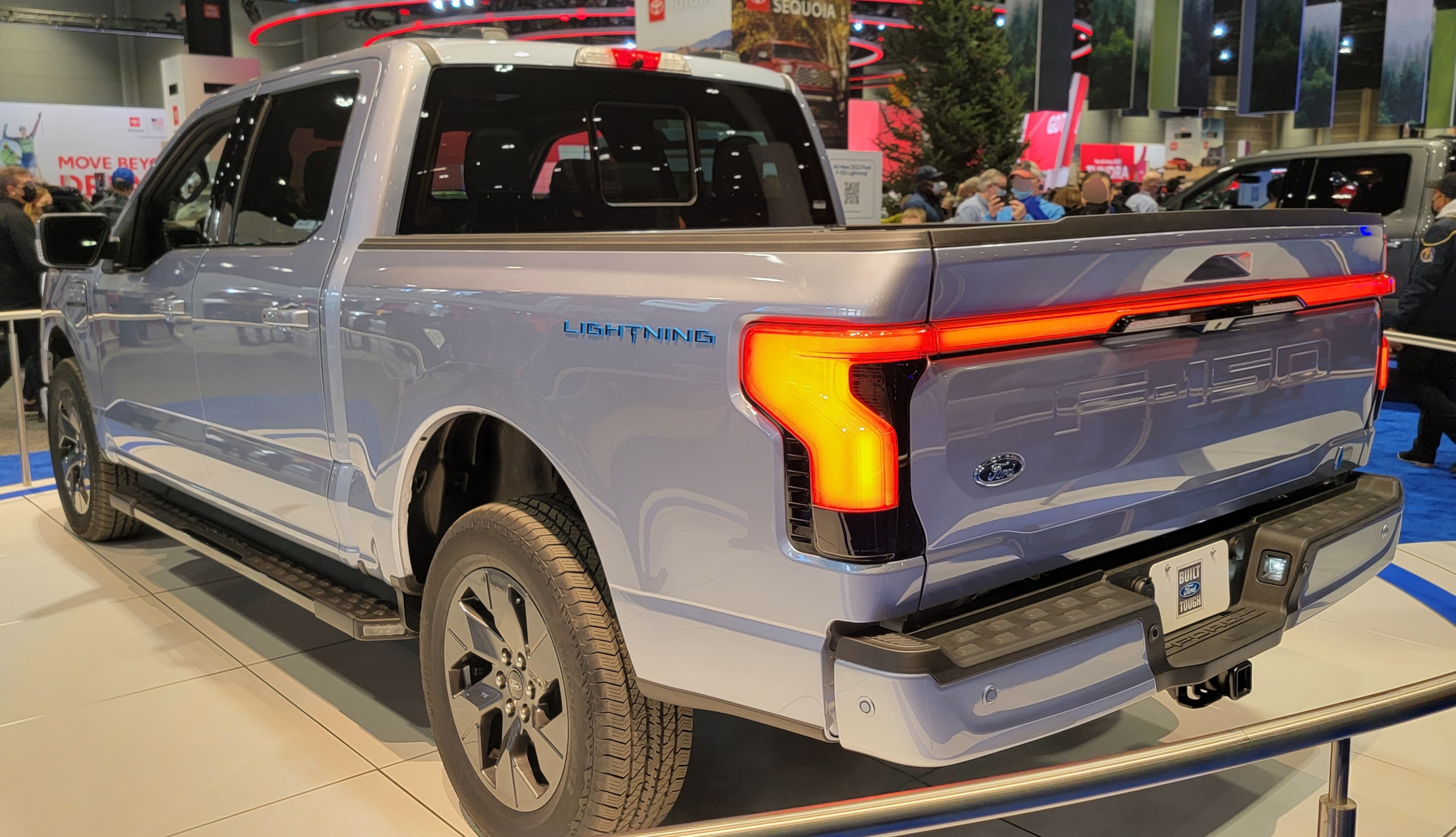
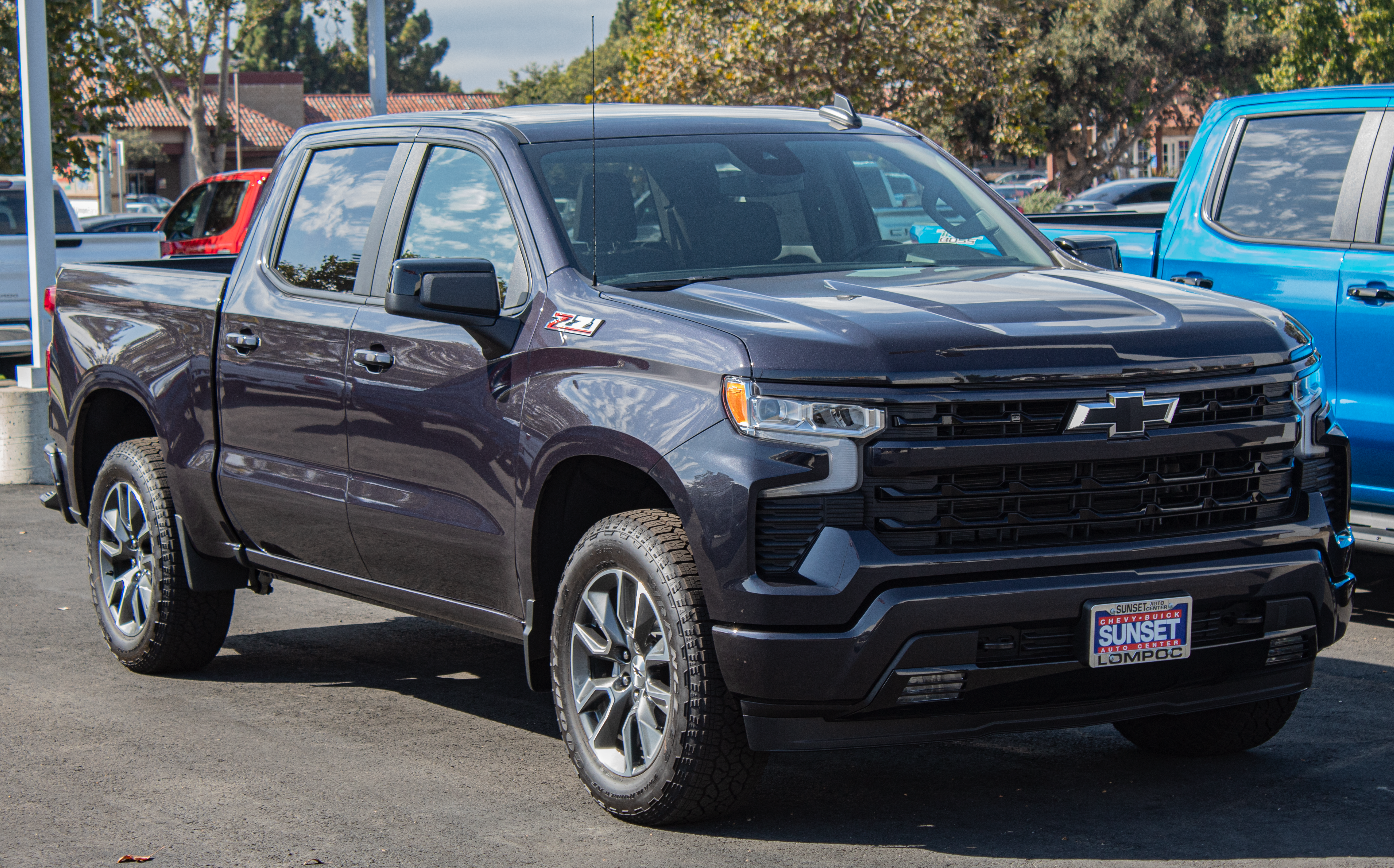
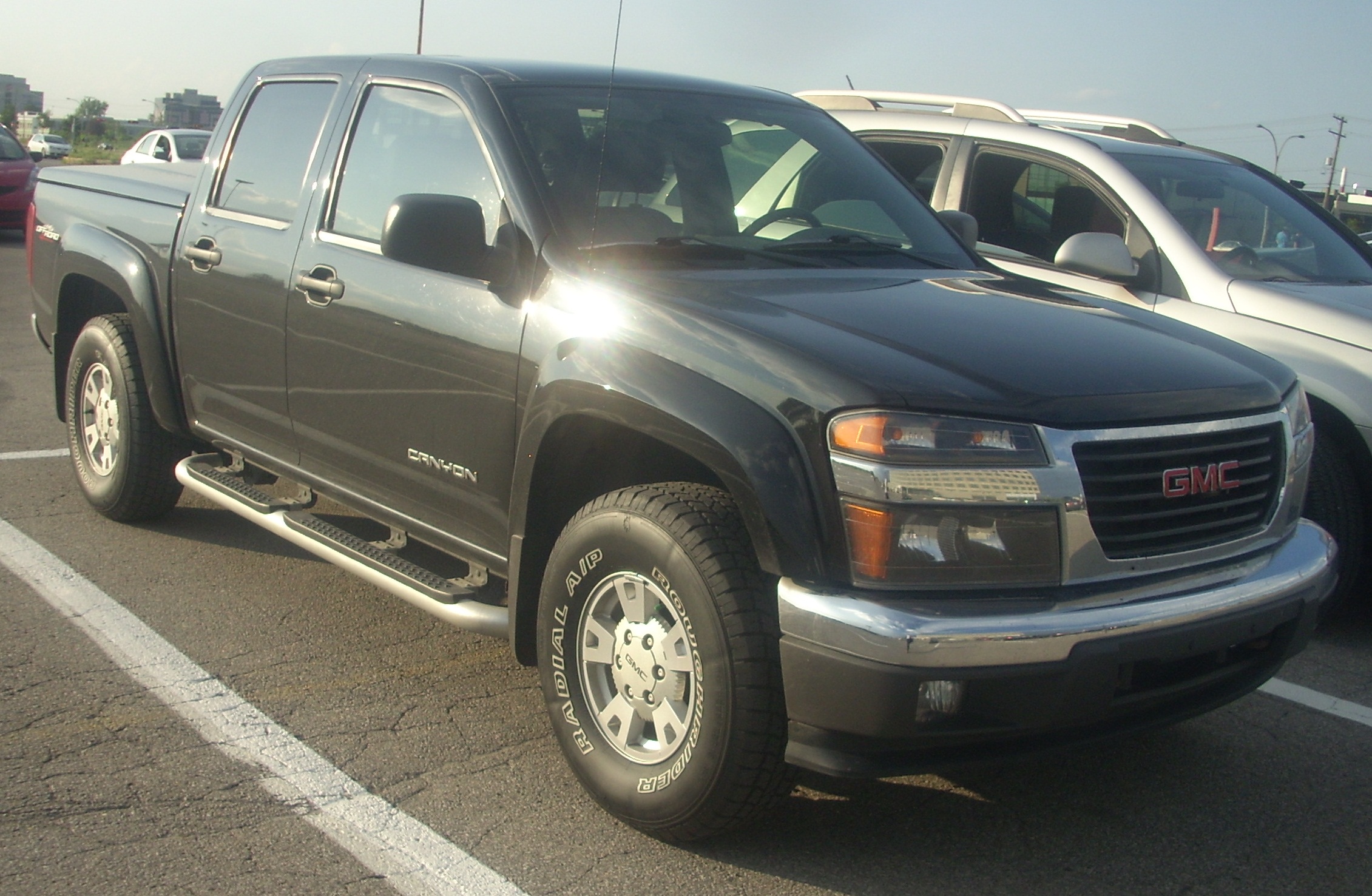
Thanks very much for listening and don't forget you can subscribe to our YouTube page
every week Thursday morning from 9 to 11 central and we do have some podcast sponsors.
Berkeley One Classics.
Berkeley Classics is now Berkeley One Classics.
RoadReadyWheels.com and by car-parts.com now here is the Under the Hood Show podcast.
This is Under the Hood.
Welcome to the Under the Hood Show.
We are glad to have you with us.
Russ Evans is here to answer your automotive questions.
Thanks for joining us under the hood.
Shannon Nordstrom is not here to answer your automotive questions but I, Chris Carter,
am here to answer your calls at 866-594-4150.
We've got calls coming in from all over the country.
Let's talk to Bob.
You're under the Hood Show.
Bob, what can we do for you?
I got a golden oldie for you.
Bought a 2000 Lexus RX 300.
Perfect condition except an overdrive.
Pulled a pan on it, found pieces and remnants of a snap ring, blah blah, so it's like okay, toast.
One got another transmission that was verified good when it came out of the car.
Put that in.
I still have no overdrive.
It shifts nicely.
It's got two VSSs on the bell housing there.
Good continuity checks all the way back to the computer.
They're good.
They're reading good.
If you know this car, if you throw a knock sensor code, it will not shift into overdrive.
And to try and trick that, I pulled the knock sensors, remounted them remotely.
I'm still getting a knock sensor code and so I therefore will not get overdrive.
But the speedometer works.
Everything else is fine but no overdrive.
That car computer knows the knock sensor pattern.
There's no way to trick it.
If you move them to a different location, it sees a different waveform and says somebody's moved me.
It wants them in the original location and it wants to see a good waveform,
a good knock pattern with nothing because there's a minimal knock even on a brand new engine.
But it knows what that waveform is and is looking for that.
If it doesn't see that waveform and the waveform change when it knows it should be working like
under a large load with low octane fuel, it says, oh, we should change to this.
It throws the code.
So you're going to have to fix that part, whatever it is.
And you know where the next sensors are on there.
Yeah, you got to pull it and taking all that.
So that under the intake buried.
Yeah.
So it may be as simple as replacing.
We don't see a lot of things that will cause a knock sensor code on that car other than
the failed sensors and wiring for those.
Well, I got two new knock sensors, but like I said, I just kind of moved them.
I thought, okay, we'll just move them attached into a bracket right attached to the engine.
But you get an A for effort because sometimes that'll work.
There are kits available to move knock sensors relocation kits.
They don't always work.
I mean, some cars, it works better than others.
But you know, the best place, they put them in that intake valley for a reason,
because that's the best place to pick up the knock.
They were putting on the outside of the block on each side,
sometimes exhaust and things would get in the way and they couldn't do it because of the heat.
So they started putting them down the center.
It makes it really difficult for us that work on those mechanics.
They're like, well, I got this sensor.
It should be pretty easy.
It's just one screw.
And it's great.
Once you get to the one screw, there's no way around it really.
Yeah.
Right.
There's no way for him to like somebody made a good point yesterday.
They said, well, how hard is it to put in a rack?
There's only four bolts, two nuts on the tie, each one on each tie rod,
and then two bolts that hold the rack down.
Well, don't forget about the two lines.
Well, they're two.
How hard is it?
About eight hours.
What?
It's like, what do you got to do to get to those four bolts and two hoses?
Thanks very much for the call.
Good luck.
866-594-4150.
Let's go to Alexandria, Louisiana, and talk to Kelly.
You're on the end of the hood show.
Kelly, what can we do for you?
I got a 20-22 Toyota Tacoma, 28,000 miles on it.
I've got a squeak in the front end.
It sounds like a spring, a big spring.
When you're sitting still, it does not make the sound, but just driving down the road,
particularly if you have the windows down and you hit a little bump,
you can hear it squeaking back and forth.
If I get out of the vehicle and get in the front fender well and lock it back and forth,
and it takes pretty good effort to do it when it's sitting still, I can hear that squeak.
Just wanted your opinion on that and to see if that's more of a safety issue or just an annoyance.
Does this thing, does it have a sway bar on the front of it?
Do you know?
I don't.
Take a look and see if it's a two-wheel drive.
Two-wheel drive, it's probably got a sway bar up there, a stabilizer bar.
See if it does because that stabilizer bar could have some bushings in it that are starting to dry out.
That's pretty common.
We'll get them to stick and cause an issue with it.
A lot of times you get high humidity and then it dries out and then rain and humidity.
Everything you've got in your climate can cause this.
So it's very likely that's what's squeaking up front.
It could be a bushing, a ball joint, something like that, but what we do is we have somebody
shake the vehicle while we crawl around and see if we can find the squeak,
you know, where it's at.
Sometimes we'll open the door and you shouldn't pull on the door hinges,
but sometimes we'll open the door and use that as leverage and just
rock it gently back and forth until we can hear it and make that noise and track it down.
Yeah, something in there is squeaking, you know, something you should be able to see that's squeaking.
I've gotten another 2,000 miles before I go in for oil change at the dealership.
Is that something I should have checked out before then?
I mean, it may be December before I get those 2,000 miles.
If it's been doing it this whole time and hasn't gotten any worse, probably not.
It's probably just a clunk that you can feel in the wheel or a shake or vibration you need to do
right away, but if it's got a little squeak, usually not.
I mean, you've got to use your own judgment on that, but usually it's,
squeaks will go a long time before there's an issue.
One other thing, what about fuel additives for a vehicle like this?
2,800 miles and it'll be four years old in December.
You know, where you're at, one of the fuel additives that would be good for that, you could use the
CRC G2P, the guaranteed to pass. It's an emission system cleaner. It works really well at cleaning
up carbon buildup and sludge and varnish and stuff like that in the systems, even the catalytic
converter to a point. So that would be something you could pick up off the shelf running there
that would really clean that up. But with fuel system cleanings, a regular schedule of them
is very important. They don't have to be done, you know, every single fuel fill up or anything
like that, but you keep on a regular schedule to keep it clean. I mean, the manufacturers
are even branding some of these themselves because they've had such an issue with
carbon in their new engines that they're suggesting to run the additives in their vehicles now.
What's the CRC and there was the numbers behind? Yeah, G2P guaranteed to pass.
Kelly, thanks very much for the call. Good luck. 866-594-4150. Let's talk to Chad.
You're on the end of the hood show, Chad. What can we do for you?
Hey guys, just to decide to start, I'm with Chris. I'm the guy that watches the first
two minutes of a YouTube video and think I got it and then inevitably have to go back
and watch the whole video. Yep, for sure. Make sure you press the like button.
Yeah, exactly. But yeah, I got 2011 F-150. It bought $150,000 that developed this
rattling buzz and noise in the left front that just started driving me nuts. And so I pulled
the wheel off and was looking at it and I thought, hmm, that doesn't look so good.
And I convinced myself that it was the hub assembly that something's wrong with that.
I pulled the other side off and I thought, well, boy, these struts look terrible.
So I'm going to do the hub assemblies and the struts. Well, okay, great idea.
That would not come apart. Somebody had tried to take them struts out before because there
was no nut on the bottom bolt of the left front strut. I had a three-quarter air drive impact
on there and could not budget, couldn't budget anything under there. Nothing. It was just rusted,
locked solid. So long story longer, I wind up cutting the control arms to get everything out
of there just so that I could get in there and cut the bolts and heat them up and drive them out.
And so finally got all that done. I'll save the gory details of that battle, but
well, I got all new control arms, all new struts and hub assemblies.
Everything worked. The only thing I didn't replace was the steering knuckles.
And everything worked fine. It drove fine before I did all this. Put all that in,
took it up to the local Ford dealer. They did a really good job of getting it aligned.
Drives fine down the road and I went down to my fishing hole. I got down in a little muddy spot,
clicked it into four-wheel drive and four-wheel, all of a sudden my left front isn't engaging.
It'll just sit there and like that little gear isn't getting engaged. And I looked at that vacuum
line that goes down to the knuckle. Can't find anything wrong with that.
I'm kind of at a loss as to where to go from here. Did I just get a bad hub assembly or?
Maybe. Well, you got to replace the hub and the bearing behind it, the lock behind it.
If you don't replace both those together, you're replacing one sprocket and not the other one.
So they will strip, but no vacuum puts them into gear. Vacuum takes them out. So if you can unplug
it and it works, then the hub is good. But sometimes with them plugged in, you put it in four-wheel
drive. Instead of the vacuum going away, the solenoid will leak a little bit and provide a
little bit of suction on there and it will lift one side of the other off a little bit and they'll
slip, they'll spin. So if it's, you know, if I was out stuck in the mud and it wasn't going,
I would go down there and you could turn the wheel all the way to one side and just unplug the
vacuum line. I don't plug it and see if it would move. If it goes into gear then and goes, I'd
get out of where I was and then I'd go back and find out what's going on with my solenoid there,
keeping it, keeping a little vacuum to that side when there shouldn't be. But that's either you
got a vacuum issue where it's dragging a little suction that shouldn't be there. There's dimensions
of vacuum or you've got a hub that's worn out because you need to replace both pieces, the
inside with the teeth and the outside vacuum hub itself that has the outer teeth on it. Real common.
Yeah, this all came as one piece, the all the teeth and everything were in there.
You got both pieces, the outside with the vacuum with the teeth and then the inside piece that
slips over the axle. Yeah, it all came in one piece. Sometimes they're separate,
you got to buy both pieces separate. But yeah, if you got, if it came all in one thing,
you want to find out when you take the vacuum off, it doesn't engage. That's probably what
you got going on because it's not likely that that part is bad. They just, if the teeth look nice,
they're usually fine. That one seems like an easy test. Yeah, you might not be able to get it out
of four-wheel drive. It may stay locked, but as far as what you're having with it slipping,
that's not normal unless it's got vacuum being applied when it shouldn't down there.
Chad, thanks very much for the call. Good luck. 866-594-4150. Let's go to Georgia and talk to
Tim. You're on the end of the hood show. Tim, what can we do for you?
Hey, two questions for our 2009 Ram for four cylinder 160,000 miles. First question,
can I change out the transmission fluid? I've done it once in the past,
but in the past, I drained it filled, but it didn't change out. They pulled the pan and changed
the filter. Do you all recommend that when you do that, that you pull that pan and change the filter?
No, we just drain and refill them. Should be just fine. I'm just, Tim, you're not on until I tell
you you're on because you sound terrible. So I have you off. I thought he was on a board ship or
something. So he should just drain and fill. That's what we would suggest. I don't think you
need to pull the filter. It's just screen set up basically in there. I just drain and fill it.
All right, Tim, now I'm putting you back on the air. Be quick because you sound terrible.
Okay, second question. In the mornings, when we crank it up, put it reverse back out of the
garage. It'll have us clattering in it that I can hear from the outside, but it can't be heard
from the inside. When it neutral, clattering goes away. Drive, clattering goes away. If it's
warmed up, there is no clattering when you put it reverse. Any ideas? I have no clue. I could be
anything. Could be something very simple. Yeah, heat shield. Yeah, it could be. Yeah, exactly.
It could be something like this. Can can in the wheel. If somebody puts a pop bottle here, do this.
Yeah, so if he brings that in to a tech, they'll listen and go,
that's weird. Let's look. Let's look under it. Have you looked under it, Tim? Have you crawled
under there and taken a look? No, because it only happens when it's cold and I haven't crawled
up under it when she's cranked it up and it's in rumors. Will that tell him anything? No.
Okay, don't do that then, Tim. That was a dumb idea. Get it on a hoist, check it out when it's cold.
Oh, yeah, yeah. And see if it goes without when it's moving, when it's physically,
when the wheels are turning, right? Right, exactly. Tim, I'm kind of in with you on this one. I feel
like we could do this. At least it's reverse and not drive. Yeah, no kidding. Get where you're going.
Good luck, Tim. Sorry, we couldn't help you out a little more. 866-594-4150. Let's go to
Nebraska and talk to Brad. You're on the Under the Hood Show, Brad. What can we do for you?
Hello, gentlemen. I need some help with an old farm truck. We use it for water and cattle.
It's a 1982 Ford F-700. It's got a 370 V8 gas burner in it. And what it does,
if I water cattle every day, I'm great. If I leave it set for three or four days,
you have to dump gas in the carburetor to get it to start. It's losing its fuel.
What do I need to replace? Well, it might be going right out the bottom of the bowl on that. A lot
of times when you take those apart and rebuild them, we would have to, you know, we take them apart
and we would epoxy the bottom. There's a couple little plugs down there that they would just leak
and you'd lose that prime. Okay. So there's a couple things you can do to that. I mean,
you could either keep pouring something in there, you could take it apart and rebuild it
and fix it. Or I've seen some people even on the fuel line, the rubber fuel line going
to it, not the part by the engine, because that gets real hot. But up underneath there,
I've seen, I saw one guy ran the fuel line up inside and they put a fuel bulb on it,
like from a boat and just to prime it every time. Oh, you know, I mean, so I don't want to do that.
That's kind of a nightmare. But they do make very low pressure fuel pumps that are available at most
auto parts stores. I got one I bought the other day. It was a one PSI electric fuel pump made by
Edelbrock. It was about 40 bucks, bought it to test a Shannon's Land Rover. We were working on it.
And you put that in line and it only, it's made for a carburetor. It puts out a pound and that's
it. It just fills it up. It does its job and makes it work. You know, that's that's
entertaining. Yeah, that was a thought, but I was scared, like said, to put a regular electric
fuel pump on they pumped it aren't much pressure too much. You can't do that. You need something
that's like one PSI that can't overcome the pressure because a normal fuel pump a mechanical
one is about that, you know, one to two, sometimes three. Okay, you want something that's very low
with a regulator sending it back to the tank when it gets over that.
Should a guy, should a guy wire that up like with just like a starter button switch and you
just hold it to prime it or should you just let it run all the time? You most of the time they're
going to run all the time because if you you may not be able to pump you can try it just hook it up
and you could have your switch just to prime it like a push button doorbell button prime it
started up and then see if your factory fuel pump will be able to suck fuel through that electric
one. Usually they can with that type of pump, but not always. You may not be able to pull draw
fuel through it and it may cause it to run, you know, start running bad, but if it runs good,
yeah, just use it for a primer. That's cheaper than pulling the carb off and trying to rebuild it.
Brad, thanks very much for the call. What's an F 700 like a that's like a well, they go 150, 250,
350, 450, 550, 650, 750, 700 is a big like a green truck. Okay. Big truck got water in the back for
the shuttle. Okay. It's a big, it's a big one. Yo cattle. I mean, I can imagine. I mean, I understand
that the 150 fill them up, fill them up, get a little dry. 866-594-4150. Let's talk to Nate.
You're on the end of the hood show. Nate, what can we do for you?
Yeah, I'm calling. I have a old 95 Chevy G 20 van with a 350 on it. And I've been having issues.
You'd be driving down the road at highway speeds and it acts like it's missing.
So I've replaced the plugs and the cap and rotor didn't change anything.
All right, hold on. We're gonna, I'm going to stop him right there for a second. We'll come
back to this one. Okay. We're going to take a quick break. Nate, stay where you are.
Russell worked through this problem in his head and then he'll come back to you.
The end of the hood show podcast is brought to you by exclusive sponsors like Berkeley One
Classics, celebrating 50 years, your key to collector car insurance. And by car-part.com,
with over 200 million parts, find them online at car-part.com. And by road ready wheels, OEM
replica wheels at a huge savings roadreadywheels.com. Thanks for listening to the under the hood show podcast.
Go to roadreadywheels.com and use their online vehicle selection tool to help you
find the wheels that fit your vehicle. Mercedes, Cadillac, Ford, Chevy, Chrysler,
and many more with the OEM fit and look that you want. Save 10% at checkout when you use the
code hoodie for being a loyal under the hood show listener. New OEM wheels can be expensive with
some wheels that cost 500 or more from the dealer. Many of those from road ready wheels are about
half of that saving you some serious cash. Use your factory TPMS sensors and caps too.
Go to roadreadywheels.com to find out more. That's roadreadywheels.com. When I got my first special
decar, I called up my agent and had him put it under my regular auto policy and had very minimal
coverage, even dropping coverage in the storage months to keep the cost down. That was before I
met the professionals at Berkeley One Classics. I'm Shannon Nordstrom, host of the under the hood
show with Russ Evans and Chris Carter. Berkeley One Classics ensured me with an agreed value
policy. That means if you suffer a loss, there's no haggle over the value of your vehicle. They
also show me that I could ensure my vehicle for what it was really worth and keep my coverage year
round and still save money. I did not know that my homeowners policy did not cover my car when it
was stored in my garage for the winter. For 50 years, Berkeley One Classics has ensured a wide
range of vehicles from sports cars and rare exotic cars to antique vehicles, including cars,
trucks, tractors and motorcycles. Berkeley One Classics makes it easy to get a quote. Just visit
them on the web at BerkeleyClassics.com and use their online quote tool or give them a call
1-800-603-3330. That's 1-800-603-3330. When you need parts for your car, finding them is half the
battle and we have a great source for you to find those parts you need at great prices.
If you need parts, whether it be for a brand new car or going back about 20 years, it doesn't matter,
check out car-part.com. It's fast and it's easy. Over 200 million parts strong all across North
America. Over 4,000 recyclers to choose from, giving you the largest selection available.
Whether it's an engine, transmission, doors, seats or wheels, you can find them on car-part.com.
We even let you know what parts from other models and years fit your car. Many recyclers supply
pictures of their parts too. We even have a mobile app. Search US and Canada or buy from
your local independent recycler. Whichever you choose, buying recycled is good for the environment
and good for your wallet. If you're a repair shop, there is a professional version available for you
at no charge. That's car-part.com. Car-part.com. Check it out today. Welcome back everybody.
It's time to get back under the hood with our motor medics. 866-594-4150. Don't forget,
you can watch the show on our social media channels and if you subscribe to the YouTube
channel and join the Hoodie Fan Club at underthehoodshow.com, you could win a hoodie.
Like Brittany Keller, congratulations from everybody here under the hood and our friends
over at Berkeley won classics celebrating 50 years of collector car coverage and Universal
Technical Institute, UTI.edu. All right, let's go back, talk to Nate. He's got a G20 van. It's
got, what's going on with it, Russ? G20, he'll miss on the highway maybe there. Check plugs,
wires, cap rotors, you've got all that replaced, still misses. Well, you got a couple options.
If it's, you know, if it's bogging down, we usually call that a fuel issue. I mean, that's what we see.
But if it's actually jerking like somebody turning the key on and off rapidly,
misfire, a lot of times we find the distributor has got issues. The distributors on those were
horrible as they aged. They would lose their magnetism and the dwell would get off inside of
there and they just wouldn't fire. So you got to replace the whole thing, but finding a good
distributor for one of those is very difficult. They're just, they're all made in China and
not very good. So sometimes you need two or three or four or five or 10 before you get a really good
one. We have, we have, when we replace an engine, we do a lot of remanufactured engines and transmissions
in our shop. And when we do those, we either just try to replace the module and the pickup coil,
if the distributor base is good and has good magnetism. In the worst case, we get a whole
distributor and we've had a lot of problems with distributors lately trying to get a good
aftermarket one. So we save those factory ones, if they still have a strong magnet at the bottom
of them and just put a new pickup coil and module on them. But that could be what's going on.
Hopefully, hopefully that's what's going on electrically. The oddest thing,
yeah, I know it's electrical because we've replaced the filter. Okay. And I've tried
C foam and Berrymans and everything else that thought, well, maybe it's just dirty carburetor
though. It's electrical or something. And you did replace the filter in that carburetor, right?
The one right where the feed, okay, good. Cause that's the one that plugs up a lot.
And that's not, you're not going to find an old one. You're not going to find a used one that's
working. No, they're so hard to find those because they haven't made them in years.
Yeah. And GM doesn't make a good new one anymore. I wish they did.
Nate, good luck. 866-594-4150. Let's talk to John. You're on the end of the hood show. John,
what can we do for you? Thanks for taking my call. 1975 Caprice Classic,
and that recently had some exhaust work done on it. When I pull up to a stop sign, stop light,
when I'm exercising the car, it vibrates pretty noticeably. When I pop it in neutral,
the vibration goes away. What are your thoughts, guys?
It's got a cylinder missing more than likely. Shaking. Might just need a tune-up.
Yeah. Might be time for a good tune-up. First, we got to find out which cylinder it is.
Okay. Cause I work at a dealership in town part time and they looked at it and it was suggested
I could have a flat spot on my cam. That's very possible too. They could find that with a
couple ways. I mean, they do a compression test, see what the compression looks like,
then look at the weak cylinders, pull the rocker arms off, and watch and see if the
rockers are moving. If they're not, you can measure them with a measuring device and see
how far they open. If they don't open all the way and then close all the way, yeah,
you've got a cam that's worn out and it's possible. That car is old enough. You need to
be putting an additive in the oil every single time you change the oil or the cam will destroy
itself. Cam lifters will be gone very quickly. They've removed all the zinc. Even with low miles?
Doesn't matter. That's a brand new engine. I've seen a brand new engine destroyed within two
hours of running by not having the additive in the oil. The oil does not protect under the high
pressure that that cam has. That's the highest pressure in that engine that cam rolling on there.
It just can't do it. And if it's already worn, you can't do anything about it other than put a
cam lifters in it and then put the right oil in it. You've either got to run some kind of oil
like a Joe Gibbs racing oil or something like that, you know, red line racing oil or put an
additive in there. We use, we've got the Justice Brothers, the heavy duty vehicle product. It is
a metal conditioner. That's what I use in my brand new vehicles to try to prevent wear. But in my
old ones, definitely every single one because they've taken the zinc, the ZDDP out of there.
One of my guys at my shop that used to be there.
No, if it's already missing, the additive is not going to fix it. It'll just prevent
further wear of the good stuff that's still there. Once something's worn, you can figure this out first.
Are we going to guess the color of this one? This is a classic, right? Oh, for sure.
John, don't say what color it is. We're going to guess. I'm going to just go, I'm going to go white.
Green. It's green, baby. John, what color is your Caprice classic?
Guys, it's that dark maroon red. Oh, yeah. All right. With a white interior and a white
red top. There you go. Oh, it is. Still got factory air on it?
Yes, but I have to get some trim. Okay. We were just talking about this off the air. I was going
to say Chris, I bet it still works. R12 and it probably still works. John, thanks very much
for the call. Good luck. 866-594-41. I can smell that car in my head. You know, the original,
what those cars smelled like new. Even this old, a lot of those still have that. They were so strong
and they're like, we should do that. Next time we're at Barrett Jackson and we blindfold you.
Blindfold some, yeah, all three of us. We could try it and then pick an original car that hasn't
been restored and say, okay, sit down. Just, y'all, you can do is touch and smell. What is this?
It's like a beetle. You'd know exactly what it was. You could just have me without a blindfold
and sit, go look at this car. I wouldn't know. Let's talk to JR. You're on the end of the hood
show JR. What can we do for you? I've got a 2010 Silverado. It has 180,000 miles on it,
but it's in doodle shape. I got all the service records from previous owner,
so I know what the history is. Here's my problem. When I first started up in the morning, you know,
I had this problem when I first got it. I ran a strong injection cleaner through it and it seemed
like it straightened out and I put on about 1500 miles since then. But just recently, when I started
cold in the morning and go to back out of a garage, it'll have a little jerking.
I don't know if it's transmission or if it's the engine, but after it's run for, you know,
three, four minutes, it's just fine. I can drive it the rest of the day and no issues,
but it's that initial cold startup. I'm just wondering if you have any idea if there's something
I could do to remedy that or if that's an issue that's a concern. It might just be a dirty fuel
system if it's only on a cold startup. Okay. And if it starts, does it start right up, but it misses
a little bit? It starts right up and it doesn't miss, it doesn't jerk until I put it in drive.
I can start it right up and it'll still idle right away. It has new plugs, new wires, that sort of thing.
Yeah, it might just be a little bit fuel system. Go ahead. I think it might just be a little bit
fuel system. The pump sounds like it's probably good because it fires up right away. And then in
gear or out of gear, it's going to be high idle, so it's going to kind of overcome. But when you
put it in gear and it drops down when it's cold until it warms up and then it goes away, it's,
that sounds likely like it could be a fuel system thing. And you could try some
fuel system cleaner in there. Try the CRC guaranteed to pass fuel system cleaner.
That's one that, one I would, I would suggest using. You could pick up at home off the
auto parts shelf, put that in there, run it for a couple of tanks, see if that cleans it up.
If that does not do it, you'll need to get it in a shop where they can look and do a little
further diagnostic and possibly do a professional fuel system cleaning to it. If it's, they find
out it's got, you know, carbon buildup and sludge in the fuel system. Could he do that just right
off the bat if he wants to? Is that a good, that's going to be a good move no matter what?
Tune up stuff. You go in and have them look at it, do a tune up. If it needs, you know,
he said they put spark plugs and stuff in there. Check those things, see what they look like.
Just make sure everything looks like it's in good shape. Get the scanner out.
Look and see what the scanner says. That can give you a lot of info too.
Because that'll show you live data, what's going on in there.
For sure. Jared, thanks very much for the call. Good luck. 866-594-4150.
Let's go to Wisconsin and talk to Jason. You're on the end of the hood show. Jason,
what can we do for you? Hey, I've got a 2013 Nissan Titan and, you know,
it runs and drives fine, but every so often while I'm driving it, I'll be driving it for a distance
and then I'll pull in somewhere and it'll just die. And it'll, so I'll pull in somewhere,
I'll put it in park and it'll idle down and just, you know, it's just like I shut it off,
but it didn't, but I didn't shut the key off. It'll, sometimes it'll let me start it right back
up like nothing happened. Sometimes I'll start it and it'll die again and it'll do that,
you know, four, five, six times. And then it won't, then it'll be fine and go away and I won't
have any issues for a couple of months. And I'm just not sure where to start with it. It's got
about 113,000 miles on it, so it's not crazy for mileage, but just trying to see what kind of a
idea or starting point I should have to look at for that.
I think a shop should take a look and see, you know, look at your general tune-up stuff on those,
but we've seen a few of those that have had some fuel pressure issues that were causing that,
but if it doesn't have a, any sluggishness out on the highway and the mileage and everything's good,
it might have a throttle body problem. We've had some of those that could not keep
the idle where they should with the throttle body, so it would, it would die and they, they
wouldn't read, they wouldn't learn their idle position. They would keep failing and going back
to default, so they would, they would relearn work for a while, but then other times they would
just shut off because it would just choke the air off. It would close completely. That's one
possibility that could be going on here is that we don't, the throttle body's not working. What you
could try, maybe verify that a little bit while it's warmed up and idling and you're in a parking
lot where you think that it might die. With it in park, just go out there and tap on that throttle
body with your hand a little bit. If it dies or if you move the wiring on a little bit and it dies,
then that throttle body is definitely bad, but sometimes just giving a little light tap like
you're knocking on a front door and say, hey, anybody home? If that kills it, then it's definitely
got a problem inside with the potentiometers and it just can't, can't work, can't go. This is a,
this is an issue with these parts.
Okay. Is there anything from a preventive standpoint other than the throttle body?
Is there like, I don't hear much about the titans for like coil packs or anything like that. Is
that a possibility that sometimes with these they could do that or? For sure. Our partner over at
standards makes coil packs because they, they, they're a huge issue on these. We do a lot of coil
packs, spark plugs, general tutop items. It, it happens. Yeah. You don't see a lot. You know,
there's, there's not maybe a ton of people that are posting out there about the problems with them,
but they're doing them. I think a lot of times since they, they either fail or they fail at an
irregular number. And if it's just normal failure, they're like, oh, it's just a two notes. I'm not
I'm not going to go complain to people about it because it's got 150,000 miles on it.
Like in this case, if it is those, it could just be a tune up. It could be just a wear item at this
point. You will see him if it's like a Ford Escape and they fail at 40 or 50,000 miles,
people are like really frustrated. And then they happen again at 40 or 50 and they're like, what is
going on? So those you'll see, but with the Nissan, it's regular 150, 160,000 is really common. We
replace them all. Does that help you out there, Jason? Do you usually replace them as a set? Oh,
yeah. Yeah. Do you usually replace those as a set? Yeah, I do, because if we do one, we're going to
have another one shortly and then another one shortly. So we just do the set because it's a,
it's a wear age thing. Yeah. Even if you, if you don't need to, you're going to need to eventually.
That'll just be the way it goes. Jason, thanks very much for the call. Good luck.
866-594-4150. Going to Colorado. Talk to Brian. You're on the end of the hood show. Brian, what
can we do for you? Hey, guys, I love the show. Thanks.
So I've got a 2006, you've got that five, seven handy in it. And I'm having a little AC troubles
whenever I'm, whenever I'm driving, you know, it seems a little cold, just fine.
Come to a stop, you know, top light or whatever your island.
Compressor just kind of seems like you just want to shut off on you.
Are you being attacked by a bobcat right now? What's going on in the background there?
I might be. Okay. Oh, I'm at the stop right now. So you might have a little bit of noise here.
Oh, it sounds good. Cover your neck.
Yeah. Does it compress? Can you see the compressor turning or is it stopping turning?
Oh, it seems to be stopping turning. It just kind of like acts like the end is going to stall on it.
Okay. But you know, it doesn't, it doesn't fully stall. It kind of stops the compressor.
It might not be getting any airflow down the highway. You got wind blowing through there to
keep it cool. But if it's, if you're stopped and you've just even got a dirty condenser between
the condenser and the radiator, you don't have enough airflow, the pressure is going to go way
high. And when that happens, it's going to cause more load on the compressor and it's going to stop
turning. So that, and it'll burn that clutch up and kill the whole AC system be very expensive
pretty quick. So first step, I would make sure the cooling fan is working properly when you're
parked at idle, when that fan, when the AC is on, that fan should be roaring and you make sure
there's complete airflow between that radiator and the condenser. It's got to be completely
clean. A lot of times the people look on the outside, they'll be spotless. But when you take
the cover off and look between the two, it's completely blocked with like cottonwood trees,
helicopters, those things from the trees, yeah, all that stuff. Yeah, make sure that's got a good
airflow because that'll raise the pressures in the AC and not only destroy it, but first symptom is
what you're having. Oh, okay, that makes sense. We actually have a new condenser. I think they
replace just about everything in that AC system. Make sure the fan's working. I'm just wondering if
there's anything I might have missed. Yeah, if they replaced all of it, make sure the fan's working
good. You got to have good airflow at idle when you're stopped. Yeah, and there's all the things
we just said and we, all the things you just said and also the fan might not be working correctly.
Yeah, so it's just, it should be clean if they just put a condenser in it. It better be.
Brian, thanks very much for the call. Good luck. 866-594-4150. Go into Massachusetts and talk to
John. You're on the end of the hood show. John, what can we do for you?
How you doing? I just got to take you off the speaker here.
All right, you take the time. Yeah, I've got a 1997 Mustang V6. It's got 250,000 miles on it.
It doesn't owe me a penny, but anyways, I've got a flashing OD light. Overdrive.
I can feel when it happens. I can feel the clutches or whatever it is in the transmission,
give a little bit of a little bit of a jerk when it shifts gears, but it doesn't happen all the time.
Is this something that you think of a transmission filter and fluid change would help?
I doubt it. I would get a scanner and find out why that's on. Check it. When it's flashing,
look at it. That's a check engine light for your transmission. It's a service transmission soon.
It's telling you what's wrong with it. It's telling you, hey, we got a code in here, scan it,
and then find out what that code is. It could be a solenoid that's failing or something like that.
That's what you want because then you can just replace the solenoid. At that point,
I would also flush it. If you are changing the solenoid, always flush the transmission,
put a new filter in it, but I don't think just changing the filter and fluid is going to help
without finding out what that code is first. Okay.
All right. Do you need a professional style scanner for the transmission codes or would
that come up? No. Should pop up on an OBD2 reader for a transmission power. Yeah, I've got one.
I've got one pretty mid-range. Yeah, that should do it.
There you go. John, thanks very much for the call. What year did the retro... I ask this all the
time. What year did the retro Mustang come back? It always surprises me at how long ago it was.
Is that like a... 96? No. Really? No. No. I'm going to picture the Mustangs in my head. Okay,
we got 80. 99, 90. I think it's 96. 95. Look it up. Can't be four. Let's go to
Oklahoma and talk to Mike. Four. I'm saying four. I'm sticking with four. 94? Yeah. No way.
That can't be. All right. All right. Enough of that. Oh, wait. You're looking
at earlier than that. Mike, let's go back. No, it's not. Yeah, I know somebody who bought one.
I got to put some things together here. We're going to... You stop doing that because you
have to pay attention. The 94 and it came out in 93. Let's talk to Mike in Oklahoma. Mike,
you're on the end of the hood show. What can we do for you? Hi, Chris. Thanks for taking my call.
I was back to back weeks for me. I appreciate you and the show a lot. This time, we're going to
nephew's 2012 GMC Canyon with a 5.3 engine light was on, but the scanner on it had a P0523
old pressure sensor circuit high voltage. I got a GM pressure sensor and a little
filter that goes below it. I pulled it out last night and surprisingly, it was easy to get to.
That was a blessing on that. I had more trouble just getting the connector,
electrical connector off, but I of course got that. I pulled it off and there was not that
screen, that filter below the sensor. I went ahead and put it back on, but I thought,
I'll just call you guys today. Should I put the screen back? Because it was like that.
I think someone pulled it out sometime. I don't know if I mentioned it has 181,000 miles on,
but he got it a couple of years ago. You give thumbs up on putting a screen back in.
Yeah, the screen is important to keep the junk out of it and try to make that thing last longer.
So get it all cleaned out, passage cleaned out really good, and then put the screen in it,
put it together. Okay, that is exactly what I'll do. I appreciate that.
Standard or partner that makes those units, they make them with a screen and they're very
adamant about putting the screen in there. Think of how much that screen is pretty cheap,
right? Maybe it costs a buck, but they're making hundreds of thousands of those.
They wouldn't put them in there and spend that money if they didn't think it was going to prevent
warranty failures. Warranty failure is just as an easy way of saying it might break when you
put it in. You don't want that. So if you want it to last longer, use the screen.
Okay, we'll do. There you go. Mike, thanks very much for the call. I think you, I think we might
both be right. So did it come out in 93, but it's a 94 model? The fourth generation was 94,
and it came out in 93, right? It just says 1994. I'm just looking at the model years,
and I think you might think that is different than I do. For me, I think I'm thinking of the
fifth generation, which was 05. That makes more sense. They did change. What they put in the 94
model was like the Mach 169 tail lights. It does say that that's when they started going back to
the first generation styling, but I think I'm thinking of the 05. You're thinking of the newer
where they really, yeah, they really made a jump. That first one, I didn't, I wasn't as fine to that
as the newer ones. Let's go to Mark real quick. We got just a couple minutes left. Mark, what can
we do for you? Hello, guys. I've got a 2010 Acura MDX that I've got a couple issues with.
Got a hundred and 49,000 miles on it. I've got a DLR check system, and we had the light replaced.
It worked for about two weeks, and it went out again. The funny thing about it is, is that
it comes on when we turn the lights on, but if you're just running DRL, the daylight running
lights, it doesn't come on, but it does come on when you turn the lights on.
Something's shorted in there. I mean, the first thing I would do is check all the light bulbs,
make sure every single light bulb on the exterior of that car works properly.
If it doesn't, that can cause weird issues like that. But if they're all perfect and they all
work high, low beam, DRLs, everything is operating like it should, it's going to need to go into a
repair shop and be looked at because something bigger is going on in that system electrically,
and I'd have no idea where to start without scanning it and watching it and seeing what's
going on. But we do often find something as simple as a light bulb that is failing. Like,
though we're on low beam and I do have high and low, separate, the bulb might be shorted inside
causing that. And it can happen in the, it can happen where you wouldn't even know where it's
doing it. Oh yeah, just a short and a bulb resistance has changed. Yeah, and it's given you
a warning inside like a check engine light for your headlights. Yeah, kind of, right? Yeah,
that's exactly. It's a service system warning light. Mark, thanks very much for the call.
Good luck. All right, that's going to do it for the Under the Hood show. Until next time,
you can find us at Underthehoodshow.com. Next week is Shannon back. Shannon's back next week.
Okay. And then we're, yeah, we're here. We're here all weeks. That's right. I think so. Yep.
Except for we got one coming up that we won't. You might. We won't. Oh, no. You know what?
We're going to do a, we're going to do a best of show. All right, we got to go. Bye.
Yeah. All right. There you go. We're ready. That's it. That's it for the show. We got,
right? We got nothing to. It's October. We're gone, right? Yeah. That's the best of show.
16th, I think. I think it's the 16th. Yeah. Because we all got, we all have stuff we can't
get out of or don't want to get out of. That's it. That's right. Because I'm, we're,
Shannon's going to be inducted as the president of the ARA, Automotive Cycle Association. Yeah.
And he'll already be down there for that. And I, you're, you're going to something really cool.
I got cool stuff to do. And, and I'll be going down there for something cool. So I'll be leaving
about the same time the show is like, I, I know it's, I don't know if I'd make it. If I try to
rush out of here, I'm not going to do a Shannon and try to rush out of here at the last minute
and get to the airport 30 minutes before my flight. I'm a two hour before a guy. Well he,
because he's not good at the two hours even. No. And then he goes, I have an hour, but it's not
an hour when it's his hour. No, you have a his hour or you have a regular hour. All right. That'll
do it. Thanks everybody. Hit subscribe and like and do all the stuff. We would appreciate it very
much. Yeah. With Russ Evans, this is Shannon Nortz from thanking you for tuning into the Nortz
was under the hood show. Have a great day and remember PTLA. The opinions heard on this program
based on the many years of experience of Russ and Shannon are offered for entertainment value only
and as a guide to your repair needs. No claim to repair or cause is given or implied. Always
consult with your own certified technician and follow all safety procedures before attempting
any repair to be a part of the show. Call 866-594-4150 find out more by visiting under the hood show
under the hood is produced by Prairie House Productions. All content is the property of
Nordstrom's Automotive Incorporated and may not be used without our permission.
Copyright Nordstrom's Automotive Inc.
About this episode
Fuel additives are a hot topic in automotive care, especially for modern vehicles. The hosts discuss whether they are necessary for today's cars, diving into the science behind fuel systems and emissions. They take listener calls, addressing specific car issues, including transmission problems, engine misfires, and the importance of maintaining fuel systems. The episode features practical advice on using additives effectively and highlights the significance of regular maintenance to prevent costly repairs. The hosts also share personal anecdotes and insights, making the discussion relatable and informative.
Why does my Lexus have no overdrive? What's the squeak in my Tacoma front end? Using fuel additives or not? 11 F150 slipping 4x4 hubs Transmission fluid change or not? 09 Rav 4 Why does my carburetor lose prime overnight? 82 Ford F700 95 G20 Chevy Van misfire on highway only 75 Caprice could it be cam failure? Cold start only mis 10 Silverado 13 Titan should I do coils and plugs? 06 Jeep Commander ac won't work at idle 97 Mustang flashing OD light Acura MDX warning light