A low rider is a car that sits lower to the ground than usual, often with special wheels and paint. It's a style that started in certain communities and focuses on how the car looks while driving slowly.
Craggers are a brand of wheels that people put on cars to make them look cooler and perform better. They are especially popular with muscle cars and custom vehicles.
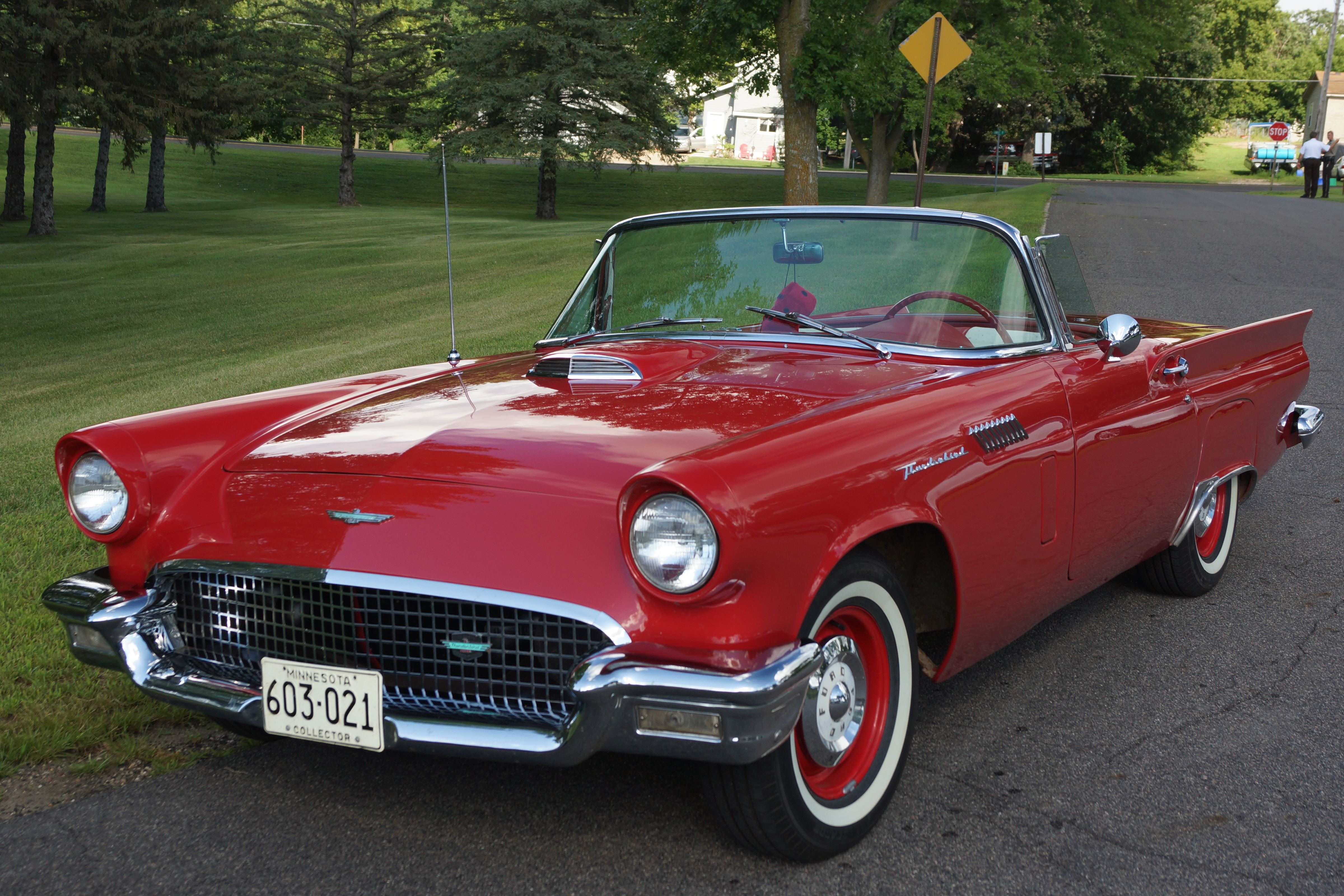
The Thunderbird is a car made by Ford that has been around for a long time. It's known for being stylish and is often considered a classic car.
Car
Harley Heritage
The Harley Heritage is a type of motorcycle made by Harley-Davidson. It's designed for comfortable long rides and has a classic look that many people love.
Body work is the process of fixing the outside of a car, like repairing dents or scratches. It's important to keep the car looking good and safe to drive.
A V12 is a powerful engine that has twelve cylinders. It's known for being very smooth and providing a lot of power, which is why it's often used in luxury cars.
Velocity means how fast something is going, especially when talking about cars and how quickly they can speed up.
Car
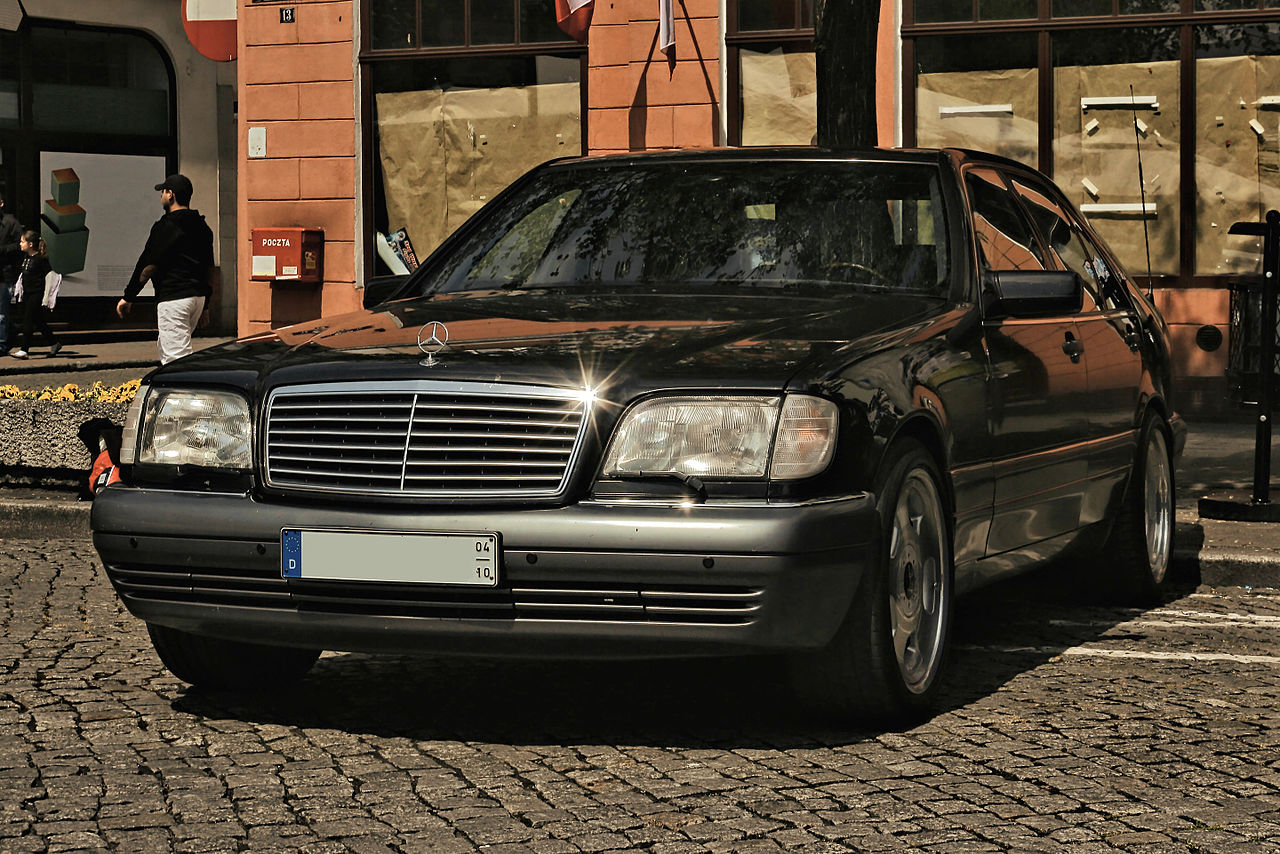
Mercedes-Benz W140 S600
The W140 S600 is a high-end Mercedes sedan from the 1990s. It has a big V12 engine, making it very powerful and luxurious, often considered a top choice for those wanting a premium car.
The Mercedes-Benz S500 is a fancy car that's part of the S-Class series, which is known for being very luxurious. The W220 is just the name for the specific version of this model made between 1998 and 2005.
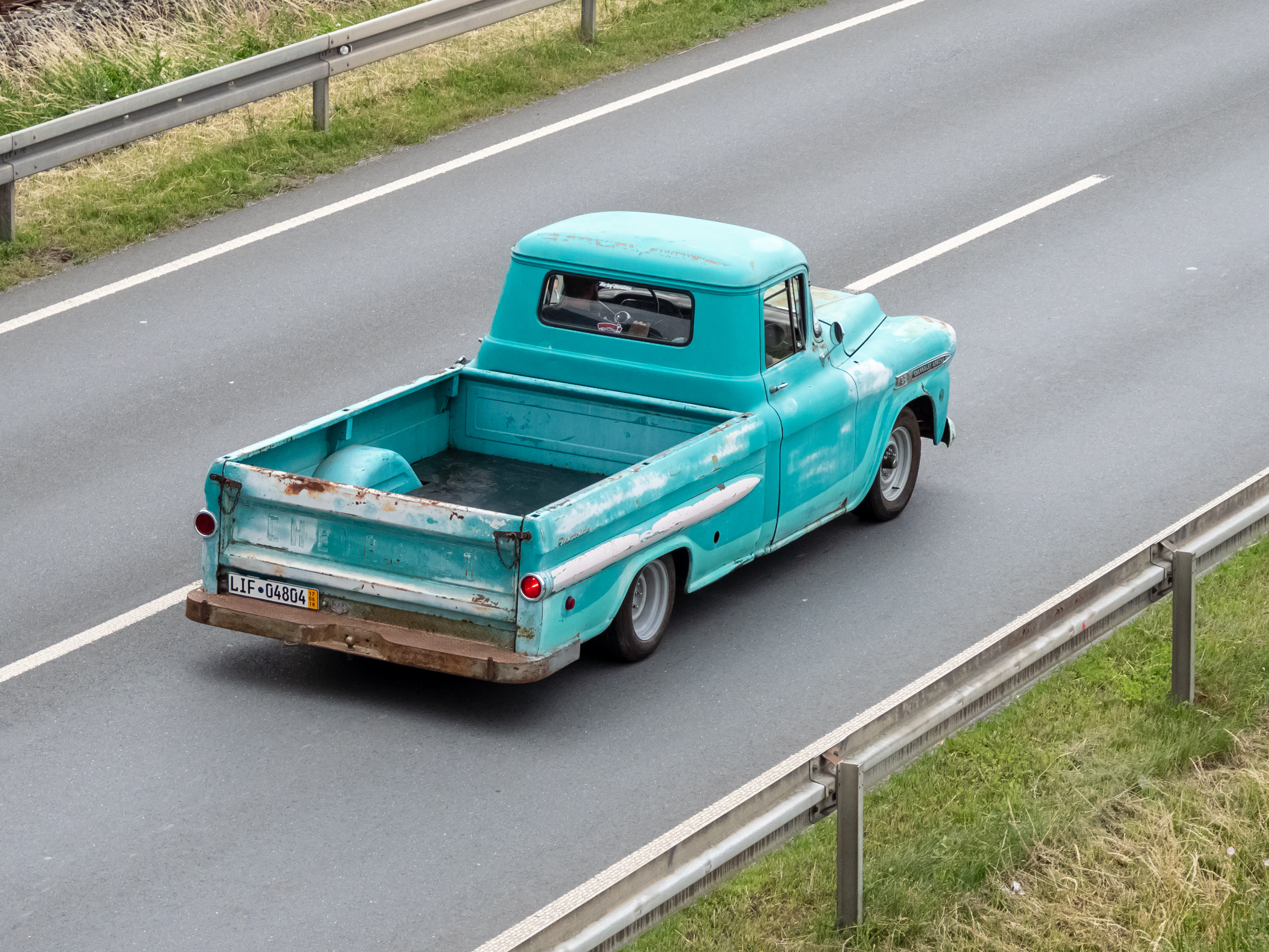
The 1955 Chevrolet Pickup Truck is an old-style truck that many people love for its classic look and strong build. It's often used for both work and fun activities.
'Fast and the Furious' is a movie series that focuses on cars and racing. It's famous for its exciting car chases and has made many cars popular among fans.
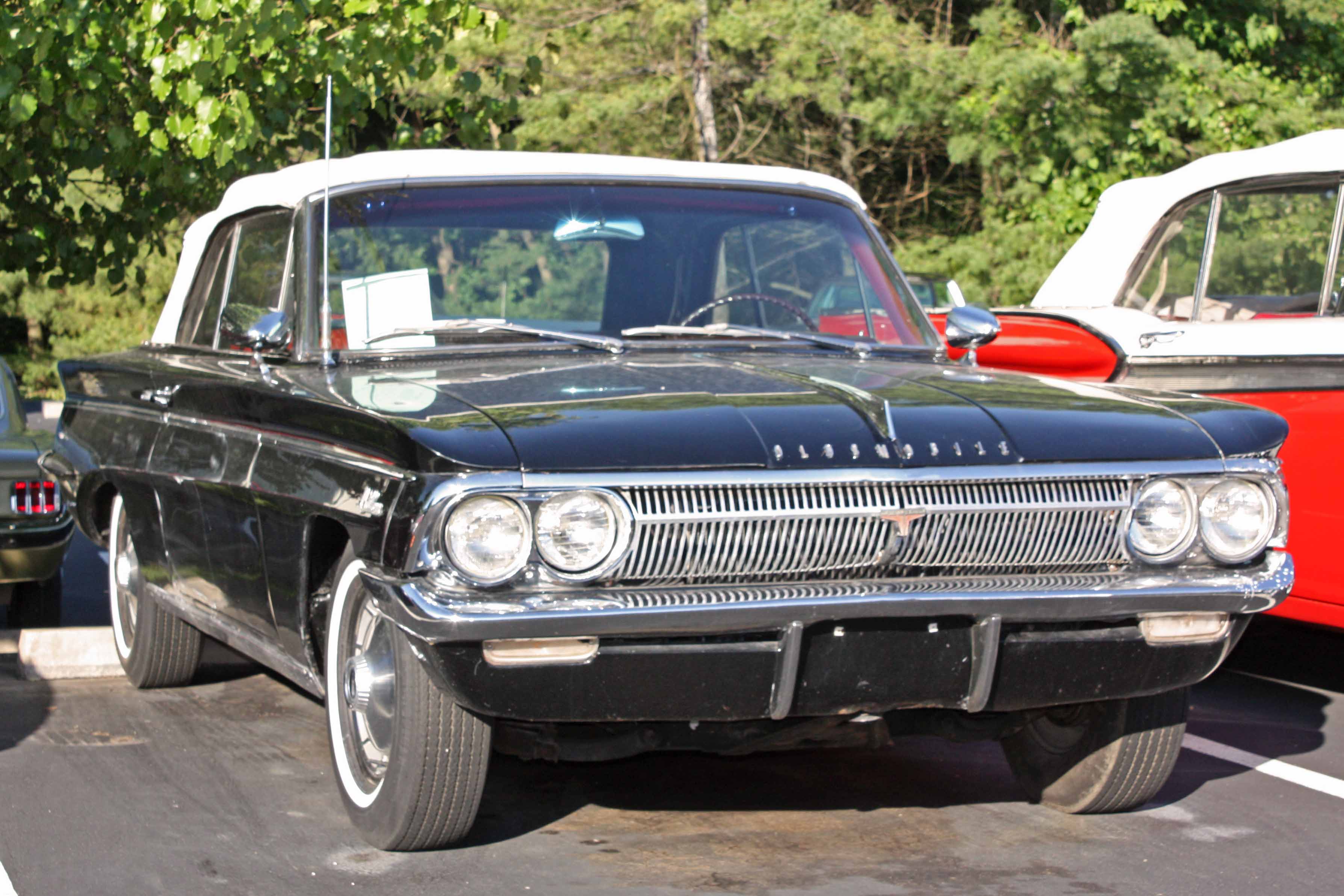
The Oldsmobile F-85 Jetfire is a car from 1966 that was special because it had a turbocharged engine, which was rare back then. It was a compact car with a distinctive look.
He'll get you taken care of 913-831-3613 Ossopic Automotive.
And now back to more Driven Radio Show.
We're here with Ted Termina of Termina Motorsports.
You can find him online at www.Termina-Imports.com and www.TerminaMotorsports.com.
So that Cobra build is coming up for auction at Barrett, Jackson, Scottsdale.
And like we were discussing in the break, people ask you how you can sell that and you say it's so
I can build another one. You also have, is it your white car or your silver car?
Which one is the, is your super fast car?
The world's fastest Cobra is my white one called the Italian job.
And that car was, was my childhood dream to build the fastest one in the world.
Okay.
When I learned how to build stuff and then I learned how to do some things at
fabrication and stuff like this when I was working for Albert Tony.
My first trip to the Bonneville Salt Flats in 1991 was like life changing moment for me.
Watching these guys go out there and run their cars that fast and working with the guys that I
worked with that had no fear and there were no limits. I knew when I got home, I wanted to build
world's fastest Cobra. So I immediately looked up to find out who went the fastest because we were
out there running Osemobiles like the AeroTech car with AJ Foyt, you know he ran 287 miles an hour.
So I've seen what that looks like. I've been in a few cars out there over 200 miles an hour,
a Lamborghini Qutosh and I was hooked. I was hooked on going fast.
So when I got home from that trip, I knew I wanted to build the world's fastest Cobra. I looked up
who went the fastest. It was 198 miles an hour by Dick Smith and that was my that was my benchmark.
So once I got my own business going, I called up Lance and I said, I want the car this color white.
I want one green stripe and I want one red stripe.
And he said, are you kidding me? And I said no. And I said, and I'll send you the leather for the
interior and a friend of mine is a shoemaker, Michael Toskey. And he ordered these bright red
hides from Italy and I shipped them to South Africa and cost me 400 bucks to ship that.
And I had him do I had him do the whole car in red leather. And they called me up and they said,
what color do you want the carpet? I said, I didn't say anything about carpet. I want the floors
leather. So we did the whole thing that way. And when it was finished, Lance sent me pictures of it
when it was in South Africa on the on the rollers. And he goes, everybody is in love with this car.
And I said, you know what? You ain't seen nothing yet. I was building a I was building a special
427 for that car. So I could go fast. So we built it. We're in the car arrived home. There was a
guy also trying to break the record name. Oh gosh, I can't remember his name, but he was out at Mojave.
And he ran a continuation Cobra at 199 miles an hour. And that's a big deal guys. It's a big,
big, big. No, that's Holland. Yeah, I mean, it's it's Holland. And in a car like that,
it doesn't feel that great. No, no, it does not. Well, those and that's what I was wanting to ask
you about. Those things are not real aerodynamically stable. No. So how do you prep one to go that
fast? After driving a few other Cobras I built, I hadn't finished my Italian job yet. The reason
we called it the Italian job is that when parts would come in for it, my guys would say, Hey,
what are these parts for? Like it's for the Italian job. It's for the Italian job. That's what it's
that's what that's how it got its name. All my cars have a female's name. So that car's real
name is Stephanie. But the Italian job car at high speed was all over the place. It felt like
a breeze from the side or the front made it want to move. So of course, I was in my car and I took
a square piece of wood, which is just a little two by four. And I held it out in the wind out the
window. And I just kind of tilted it moved it certain ways. And every time it would turn one way,
it would push back the other way. It was awful. And I'm like, this has got to be what these guys
are feeling while they're driving these cars at high speed. And when I'm driving them high speed,
I don't feel any better. So I'm like, I got to get this car to plant itself a little bit better.
So I started off with removing the windshield and putting a helmet on. And it felt great. It
felt really good. The car didn't want to push around as much. So removing that big windshield,
and it's quite big. That made the car feel pretty good. And then I felt all this wind in the passenger
side of the car. So I built an aluminum panel that covered that half of the car. Then the car
started getting smoother. Then I said, Okay, let's create a little downforce. I put some little
canards on the front. And the front felt a little bit better. It felt pushed down and it didn't go
left and it didn't go right. It felt pretty good. But the back, the back of the car felt terrible.
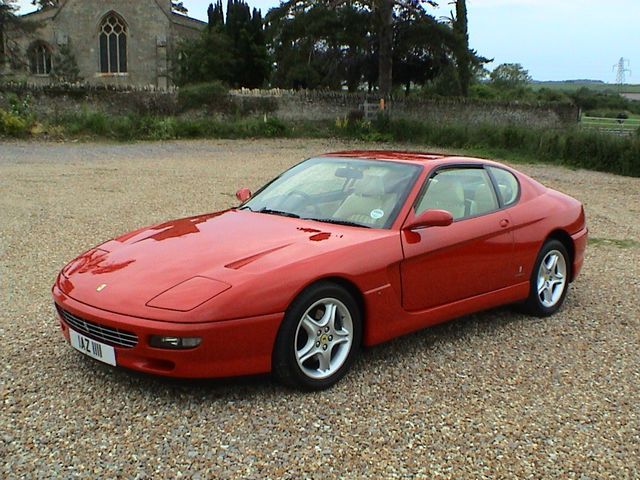
It got really, really, really light. So working on a 456 Ferrari, in the back of that car, there's
no wing on that car. So a car had come in one time and it had a check light on for the rear
spoiler. And I'm laughing. I'm like, there's no spoiler on this car. So the spoiler is underneath
the car in the back. So at 80 miles an hour, just below the mufflers, there's this long body panel.
And at 80 miles an hour, it drops and catches the wind from under the car and pulls it down.
And I thought, Wow, that's super cool. That's easy. I could make one of those and not have to make
some body part. So I took some aluminum and made a tray that caught the air and I'd put a little
kick on it underneath. And I put little diffuser, diffuser panels underneath it. So I had a spoiler
on the top side and a diffuser on the bottom side. I took it out and ran on the San Mateo
Bridge 170 miles an hour and this car felt great. I could be sipping coffee right now.
So I went back and I'm trying to figure out how much downforce I had. So I stuck a GoPro
on the fender to see how much downforce the body would go over the tire. And it squished out about
three and a half inches to where the body was past the rim. I'm like, Holy shit, I got to take some
angle out of this. So I took out some wing angle and got it down to squat, maybe two inches at a
high speed. Same with the front canards. Before I knew it, I was out doing 200 miles an hour in
the middle of the night on the San Mateo Bridge because it's flat and it's quiet. There's no
inlets and there's no traffic cameras. Are you waiting for the cops to show up and say,
you lunatic? What the hell are you doing? Yeah, so there was one night where I was doing a few
runs and then I go back to my shop and do some work and then I go back out for one more run and
then I put it away for the night and, you know, think about it. So I was coming back to my shop
and a highway patrol was following me and I'm like, oh, so he follows me in and he goes,
what you doing? I said, I'm just doing some last minute tuning and stuff like that. He says, you
know, my beat is the San Mateo Bridge. And I said, Oh, really? He says, yeah, he goes, you wouldn't
happen to know anybody running a really loud NASCAR on the San Mateo Bridge this hour, would you?
But I laughed at him and I said, well, it's not a NASCAR, but it might be something else.
I don't want to know what you were doing. I don't know how you were doing it. And I don't even
want to know how fast you were going. But all I know is I don't want to see this car on my bridge
again. So then I started tracking down other places to go, which was like the Mojave Air
and Spaceport. They had these, these had these little competition things out there. So I went
out to those a few times. It was only a mile. And I was running, you know, 180, 175 in a mile.
And the car felt great. So I decided I needed more road. Jesus Christ. So Mojave opened up to a
mile and a half to another group of guys. So I signed up for that. And I went out, man, all I could
get out of that car guys was 186, 187. And I'm like, something's wrong. So I went back and I put
the car on the dyno and it made lots of power. And I said, let me ask you something. Can I run this
thing for 30 seconds with the Eddie Curb brake on the dyno? He goes, I don't know, never ran a car
that long. So usually they'll make a horsepower pull, make a measurement and they back off the
throttle. Well, I needed to hold throttle longer because I felt like something was happening when
I'm wide open throttle for so long, 30 seconds, a long time. So we did it for like 20 seconds.
And I lost fuel pressure. Oh, so I needed to get more fuel volume from the tank to the carburetors.
They were Webbers, six Webbers. So new fuel pump or what did you do? I ran a two separate fuel
systems like Ferrari did one for one bank and one for the other bank. So now I was delivering enough
fuel. So I went out there and I ran 191, 198 and then 201 and 202 the other direction. So I got the
world record in 2017. And then I got really excited because I knew I just had more meat on the bones
somewhere. So I went back and dyno the engine and got maybe a little more power out of it, maybe about
15, 16 horsepower. But if I want to do anything near 210, I needed another 100. So pulled the engine
out, changed the camshaft, changed valves, gave it a little bit more compression, went to 12 to 1
and went out to the Sun Valley Tour de Force. And I didn't run, I was on the dyno with the Webbers
and I wasn't sure I was limited to power. I talked to a bunch of Weber guys and I'm just like limited
to 650, 670 horsepower. It's all I was going to get. So just for fun, I put this giant carburetor on
there, a big Holley 1150 and a modified intake plannum for that 427. And this thing made 740
and 730 torque. Now we're talking. Now it's somewhere. Coincidentally, a lot of cars that run at the
salt flats, they run a big 4 barrel. They need that big tall manifold to scavenge air while it's
below the carburetor in order for it to deliver all the potential it could possibly have. So
doing that, I put that same engine, the same timing, same everything. I dropped that thing in the car
and I went to Sun Valley Tour de Force. No, sorry, I went to Spaceport America in New Mexico.
And in one mile, I was hit 200 and I had way more to go. I was running out of runway. So I ran out
there and then left Spaceport America. I got out on the open highway. I pulled the car out of the
trailer the same weekend and I got two miles a road. I went down the road maybe six, seven times
to feel how smooth it was. And I said, guys, I'm coming back. I'll see what it runs. And I ran
211 three times. I was so excited. On the open road. Yeah. So I said, I got to find some place
that's got more than a mile and a half for me to really unleash the beast. So Sun Valley Tour de
Force opened up their little run that they do in Sun Valley and it was $2,500 a pass for charity.
I paid for three passes. So my first pass was $194 and I was a little bummed out because I
thought I would do faster, obviously. I came to the guy that was done at many times. I said,
where am I going to find 30 miles an hour? And he says, you're going to find it before the turn.
The turn is not a turn. As you come into it, don't psych yourself out. You're going to find your
extra speed there. So I said, okay, so I went back up the hill. My next pass, I was looking at my
speedometer. I watched the video from the GoPro from the first run and I was at 130. So I'm like,
okay, I got to be 30 more miles an hour faster in the turn than I was on the last run. So
approaching my turn at Sun Valley Tour de Force, which is just before Phantom Hill,
I looked at my speedometer and it was sweeping past 155. And I'm like, this feels great. It's
not it's not a turn. Like he said, it's just the bend. So I just dropped the hammer. I came around
the bend and pulled it into fifth. And just before the, just before the, the speed trap,
I hit 223.2. Good God. Holy. That was, that was, that was all in the mail. So that day,
McLaren's, Ferrari's, Pagani's, one Bugatti, and a lot of Porsches, that little super performance
car was the fastest car out of 65 exotics. Jesus. I can't even imagine going that fast.
Fastest car of the day. You can see that on YouTube. Yeah, it's something.
When you're going over 200 miles an hour in a car, in an open car, no less, does the same thing happen
as when you're north of 150 on a bike, does your field of vision tend to tunnel and you're just
watching a little spot in front of you and everything else is a blur.
Everything's a blur, which actually makes things feel slower, believe it or not.
So the blur takes place. Everything kind of feels slower and you're so in tune with every heartbeat
of the road, of the engine. If there's anything that just like a misfire or, you know,
a burnt valve or something like that, you're going to know. Yeah.
You know, it's not like you're listening to your radio or anything. You're so dialed in.
Your ass is in the seat. Your body's connected with this machine and the wind and the sound
and everything just becomes a blur. It's like this hyper-sensitive moment where you hear and
feel every little thing that happens, believe it or not. Through all that noise, you feel the most
in tune when things get to that moment. That's the amazing thing and that's when I was at the
salt flats, the same thing happened in the Lamborghini. Everything just got kind of slow
and peaceful for a second and all you're thinking about is getting that RPM needle because, you
know, speedometers and all that stuff never makes sense. So it's that RPM needle versus your
gear and your transmission. That's your calculation. And then when that needle sweeps past your goal,
you know, you know you're hitting your numbers. You know it. And the other thing, and this is
just my personal experience, it may be different. It seems like if everything is right on the car
or on the bike, north of about 120 or 130, everything seems to settle and it gets smooth.
And like you said, the wind noise, it's just, it's almost like white noise on a TV. You're
not really paying attention to it. Everything around you tends to blur and you're just focused
on that spot in front of you. And if you have the guts enough, you occasionally glance down to
see what's going on on your tack or, you know, if you, if you waste the time, look at the spot.
The tack and it's your finish line flags. That's it.
Yeah. Oh, and like you and I discussed earlier today, hey, Dad, I'm sorry I know this.
I mean, you know, my parents, God bless them both and they're still here. Don't really like
that part. But I told my dad, I told my mom, I said, look, this is what gets me out of bed in the
morning. This is what makes me think and dream about the next piece of cool technology or
modification that I'm doing to a car. This is what gets me out of bed in the morning. And that's
my reward, breaking a world record, proving that what I'm doing is worth it. And it's not worth
it to anybody but me, you know, and as long as I can pay my bills and live my passion and have
fun at it and make a living on it, I think I'm living the dream. I really feel that way. I think
it's a good thing and no, they don't like it. You know, I mean, my mom's old school Sicilian
Catholic. So I mean, I must have a, I can't tell you how many church services my mom was paid for
before I go to a thing. This is, you know, you go to a Catholic church and they say,
oh, this sermon is dedicated to Tetra Amina, you know, I'm like, mom, you know, I'm going to walk
in and everyone's going to ask me if I'm okay if I survive cancer or something. I'm just going to
the runway, I mean, break. Yeah, that's why you tell her after the fact, you know?
You know, I've got three other brothers and, you know, the cat got out of the bag one year
and my mom's phone calls and rose three beads and all this stuff I need to put in my pocket.
My pocket, you're going to slow me down. I'm not going to end my records. So,
but, you know, it's, they know it's what I love and they know it's what I do and I enjoy it,
you know, and if I can share that with somebody or inspire somebody and to go outside of the box,
yeah, go outside of the box. It's a great place. So you've run on runways and open roadways and
everything else and that's where you set your record. But you've also run at Bonneville.
I mean, other than the obvious, you know, the difference between asphalt and salt,
what are the differences between running high speed on pavement and running at the salt flats?
The salt flats you don't feel is planted. Okay, so you're not really locked in with
tire adhesion like you have on a runway. So that's a great feeling. The tire adhesion that you have
on the runway is very secure feeling where the salt's a whole another animal. The beauty about
the salt is, is that just endless space. Also, with a Bonneville car like the, like the Cobra,
you know, I'm required to put an 800 pound steel plate underneath that car. They said,
look, we don't want anyone taking off. We don't want anyone airborne. You've got plenty of track
to run your car. It's not a quarter mile time. It's not a zero to 60 time. It's to get that car
up to speed safely and keep you on the salt and not taking off in the air. So that's really the
bottom line. I've seen some guys run out at the Mojave Desert, the dry lake beds, and they start
floating on the dirt and some of those cars that don't have enough weight
start floating and they get out of control and they just tumble and tumble and tumble. So
my next car, my next super car that I'm building is going to have an NHRA nice roll bar set up.
It'll have a plate for those long five mile track at Bonneville. It'll have Bonneville wheels and
tires and it'll have 568 inches and the shape of it isn't quite cobra. So I don't even know if
it'll be considered a cobra class, but it's more personal for me. It's more personal for me to go
this fast in the car and that's it. No windshield, just a helmet, helmet diffuser, a little windshield
brake around the steering wheel and that's it. So how much time do you have to spend in the gym
working on your core to drive a 220 mile an hour car with no windshield?
Three days a week, one hour a day. So I'm 59 years old and I'm keep up with most kids that are in
their late 30s or early 40s, so it's okay. I'm fine with that. Health is wealth of course and
if there's any kind of handicap that's ever going to slow me down from doing what I love,
I think I'll be devastated. So the answer is to stay in shape. I know exactly what you're talking
about. We'll be right back with Ted Taramina to discuss the difference between working on classic
cars and late models and how we're going to transfer all the knowledge that these people have to the
next generation. Let's take a break for some commercials about cool car people stuff. Driven
some classical gas, Hagerty.com can get you a real-time insurance quote based on your zip code
right there online. Have a classic 1964 Dodge Custom 880 with a tank full of oxide?
Maybe. I think you may have. Yeah. Does fuel move in it like grape nuts through your grandpa?
Yes, it does. You're going to need roadside services and you do and Hagerty's Driver's Club
offers emergency roadside services. Check it out. Hagerty.com. We're proud and honored to have Dave
Kenny and Greg Engold as repeat offenders on the show and that's the honest God truth. I love
those guys and they always know what they're talking about. Thank you, Hagerty, for lending them to us.
Hagerty.com, the best of car culture right at your fingertips. Welcome to the House of Hell,
yes. Casamigos at 159th and Merlin serves up some of the best Mexican food this side of Mexico.
It's a Driven Radio show favorite for after the show and before. Yeah. And something during if
we can get away with it. Not wrong. Order online at CasamigosKC.com. Remember that tacos are just
another way to say I love you and fajitas never disappoint. Never. Ask about the El Jefe Burrito
Grande. I indeed celebrate with your amigos Casamigos 913-397-0633 or find them at 16-521 West
159th Terrace in Olathe, Kansas 66062. Authentically awesome. And now back to more Driven Radio show.
I'm Art Groves. He's Brett Hatfield and we're talking with Ted Termina of Termina Motorsports
which you can find at Termina-Imports.com and TerminaMotorsports.com.
God, everybody should hear all the cool stuff we were talking about during the break. Yeah. And
let's just put a cap on it real quick or put a bow on it. Ted, repeat what you just said about
what you got to get from the car. Like I said before, it was something that Enzo Ferrari said
when somebody asked him about his favorite car. It didn't matter how fast it was. It was whatever
car gives you the emotional transition of being happy and having fun and enjoying yourself in
the drive. And that just means forget anything else that makes you fall asleep. Forget what's
boring. Forget all the automated everything. Let's go back to analog. Let's go back to three
pedals and send that person out in a car whether it's a Cobra, an E-Type, a Qantas, a BMW 2002,
whatever it is, grab the stick shift, push the third pedal to the floor and go out and have fun.
And that emotional transition is something that we want to try and bottle. We want to capture.
Oh, absolutely. I think that the emotional transition of happiness and driving a car like
that will make anybody fall in love with cars the way we have. Every single day when I was able to
sit in that modern day Cobraari that I built and stick that car in the first gear and just run
that revs to 8000 RPM, I'm like, there's no car today that will give you this experience at all.
Nobody makes one that'll do it. No one makes a stick shift V12 that'll run like this,
a 2400 pound car that pulls the 8000 RPM. Oh, wow, that thing only weighs 2400 pounds.
You don't even have time to change your mind, let alone change gears. So you grab the next gear
and you're off to the moon again. I mean, you'll be blowing past Mars before you know it.
But that emotional experience that you get of the sound, the feel, the engagement of the third
pedal and grabbing the stick shift and making all these things happen as if you're playing this huge
organ and church, that feeling, that emotion is like beyond words. It's beyond words. Yeah. And
it's why we fall in love with this stuff. That's why everybody falls in love with this stuff.
It's 100% visceral feeling everything that's going on in the car. Not just what the car is doing, but
it's feeling everything around you and smelling, you know, you can smell the gas, you can smell
the exhaust, you can smell the leather, all the cool things that are going on all at once.
Like you said, you can't find that in a bottle anywhere. It's just the best feeling.
How many people have you heard when you start up an old car go, wow, I love that smell. Yes.
I can't tell you how many times I've heard that statement, whether it's a Cobra, a Cobra or any
other hot rod that I'm building, you know, Ford GT40 or I've got a Daytona Coupe over there. You
know, these are all fun cars and these people are just like, wow, I love that smell. You know,
it's great. It's great. Yeah. Aside from the McPherson auto restoration grads,
who is going to be working on the old classic cars and classic exotics? Do you have anybody working
for you who reminds you of you? Have you found a way to pass on your knowledge to younger mechanics
and fabricators? I have one potential gentleman and his eagerness to find that edge, that trick,
that piece of old school knowledge of where it started and where it is now. And you could kind
of try and find the in between of diagnosing the problem that you're having or how to blank it or
how to fix or whatever it is, the problem that you're having. And I bring that up. I've got a 3.0
CSI BMW here and the guy brought it in with these two big Xenith carburetors and he goes,
hey, I want Wevers on here. I'm like, yeah, no problem. So we're putting the Wevers on and I
just kind of turn them loose and he's that one guy that wakes up in the morning and he goes,
I just want to do this perfect. So all of his carburetion, the hose routing, the arms, the bolts
are all facing the right direction. I mean, he's the guy that really pays attention to detail.
But you've got to find that guy that's got that feel. And I have to say it goes to my old boss.
He goes, look, I got one of the most accurate ass dinos in the world. And he can tell you whether
something's wrong or right when he's driving it. And I got to tell you, you know, when we would go
off for a ride, you know, I was that kid that was hungry. I didn't make a lot of money. But you
I was trying to feel what he felt. And eventually, I don't know if it was sooner than later,
but I really understood the language he was speaking to me. And I'm trying to pass that
on to him. And, and, you know, he's a young kid, right? So I when I was around, it went from
carburetors to Kjetronic to Posh, you know, you watch the felt the transition between
carburetion and injection, you know, I know where it started and I know where we're at.
And they don't know that they don't understand that a Weber is not sucking in fuel. It's works on
pulse. It's not a pulse. It's not a vacuum carburetor like a Holly. It's completely different.
They don't really comprehend that, you know, they don't understand how that is. And passing that
torch on is is going to be hard. I want to I mean, you know, if I'm in this 15 more years,
I mean, I'll be lucky to bend over a car and start tuning the screws, you know, that, you know,
my, my guys come in and they'll do a cobra insulation and I got, I got four twos to tune.
So they get it close. And then they just go over to my toolbox and hand me my magical screwdriver.
I said, it's not Disneyland. It's just common sense, you know, this does this, this does that.
And I try and explain to them what all these components physically do. And I'll say now,
give the engine what it wants. And that's the part they don't understand. I even got to the point
to where, okay, well, let's see what the engine wants. Well, how do we know that? Well, pull the
spark plug and find out if it's happy. If it's brown, if it's white, if it's this, is that black,
corroded, wet, foul, let's, let's see what it wants. So you can pull plug and go, well, that ain't
what it wants. You know, I said, if I get a car right, I can get the jetting and the
carburetion, the timing so good that you can go up for a 10 mile drive, pull that spark plug,
and it doesn't even look like it's fire. It's brand new stuff. And I'm like, now you're given
the car what it wants. There's no, there's no magic here, guys. It's, you've got to feel it.
It's like driving the stick shift. You push the clutch in, you put it in gear, you start to release
the clutch pedal and you start to feel the car move. And then you know, if you're going to
dump it off or give it more gas or whatever, it's all feeling, feeling out, feeling out.
And he's getting close. He finished this job and I really didn't have to do too much to it,
but I was chasing one funny idle problem. And so was he, even though the carburetor was brand
new, it was screwed up. So I got a new carburetor coming in. So he's on the right track. So I would
love to pass the torch on to somebody. No one passed it on to me, but I think that if I'm in this
10, 12 more years, which I will be tuning old Ferraris, Lamborghini Muros, you know, all these
cars with, you know, three, three Venturi Webbers and stuff like that, I could pass that on to
somebody and they could pass it on to somebody. I don't even need to sell them my shop. Guys,
you can have it. What am I going to do with all this equipment? Sell it? Forget it. Put it to use,
make a living out of it, have as much fun as me, number one rule, have as much fun as I did,
and do something you really enjoy doing and make a living out of it. So you can have it. I'll give
it to them. I honestly will. Honestly, honest to God, I'll give it my shot. I think I might have
to contradict you on one thing. You said nobody passed it on to you, but wouldn't you, wouldn't
you say that Al kind of passed it on to you? You know, I'll tell you about one tough SOB.
Nothing was good enough for him, but the funny thing is that after he passed away in 2014,
I couldn't tell you how many people showed up to his celebration of life that told me,
you know, we all thought you were his son because he was so hard on me. We all thought this and we
when it came to passing the torch, right, which he said he was going to do, he wanted a million
dollars for it. And I laughed at him. I go, I worked for you. I don't have a million dollars.
How the hell am I going to do that? And one of the guys I worked with, Steve Leener, another great
guy, and he's got his own Lamborghini shop and he's very successful at it. He and I were both
waiting for this moment to happen so we could just take it to a new level.
Old school Sicilian just cabasched it, you know, he just didn't throw it out. He wanted the money
and maybe he didn't feel like we deserved it. So Steve and I eventually won our own ways. And
so he did pass on the excitement. He exposed me to absolutely no limits. You take a guy like
his best friend, Jim Fueling, who developed the three valve heads for Mercedes, three valve heads
for Ford. He created and developed the V10 for Ford. The guy was an engineering marvel. He did
the Harley Davidson W3, which was unique about the Harley Davidson. It took all Harley cylinder heads,
took a Harley crankshaft and a Harley transmission. All the bolts bolted up to it. So all you had to
do with these big baggers that weigh like 900 pounds is put a W3 in it and you won't blow the
engine up trying to get it to the next bar. Being around these guys, they exposed me to no limits.
That felt kind of personal. Well, you got no limits. So when they both passed, I thought to
myself, you know what, if I don't know what to do or how to do it, what the exposure that I've had,
I know who will tell me what to do and how to do it. I grabbed that torch and in 2010,
I opened up my Tarmini Motorsports shop and then I started pursuing things that I wanted to do
and do it my way. Here I am 16, 17 years later and I'm having a blast. I met again,
met some amazing people along the way and yeah, I'm still learning every single day.
You know, we don't know it all. But if I get everything on to somebody and give them a life
and a lifestyle that they absolutely love, that's reward enough for me. I just forgot.
I think Mark's ready to come be an acolyte of yours. I know. I'm just in here and from Team America,
the light's going through my head, you've got balls. I like balls. I'm like, damn, dude.
Yeah, I want to work in your footsteps. I got projects here that people scratch their head and
go, where do you even begin? And it's like, I'll tell you where to begin and this is what we're
going to do this week and this is what we'll do next week. And after about 10 weeks, you're going
to be like, holy shit, we're almost done. This is great. And you know, you start to see that,
you know, when you're talking to guys like Jim Feuling and he says, hey, well, forget the
two cylinder shit. We're going to make it three cylinders and I'm looking at them like, are you
going to crack? So yeah, he went over, he went over and he took these connecting rods, cut them,
welded them, bolted them into a Harley, bored a hole into a stock Harley case. And I'm there for
a month, getting all this stuff rigged up, literally rigged up. And he ran it on the Harley dyno
and made like, I can't remember what it was, like 170 horsepower. It blew up and he goes,
this is great. It's going to work. And I'm holding my head like, there's oil all over the dyno
room. But he knew it worked. And he went to his guys that had boundaries. He cast his own case.
He made his own gear driven third camshaft for the third cylinder. And everything else drove off
off of the Harley engine. Everything else was stock components. And Harley's ego was so big
that when he went to sell it to him for like, I think it was a lousy nine million bucks,
they could be the only three cylinder dealer in the world that would put S and S out. That would
put all these guys out of business because they're the only ones with a three cylinder.
And they said, nah, we're good enough. We're selling enough Harleys. We don't need it. And then,
S and S and all that stuff. They're selling engine like crazy at that time. This was the
early 2000s. I bet they'd like to have that engine now. Oh my God. Well, 17 years later,
the patent's over. So you watch. It's going to pop up somewhere. You watch. I'm sure. It's always
going to pop that thing up because it's got the sound that we love. It's got that funky misfire
that we love. And it's got torque. And it's got all the magic that you could possibly want
instead of an inline four or some funky Indian thing and stuff like that. No, this thing has got
sky's the limit. I mean, you get a three cylinder that's 150 inches. That's two and a half liters.
If you build that right, you could make easily 210 horsepower and another 280 foot pounds of torque.
And they're selling that road glide, that super duper road glide for $110,000 now,
and it doesn't have that power. Yeah. But that's an old bike that Jimmy had built in one of Jim
Fueling's frames that the employees, they took like four bikes, I think. And that's one of them.
That was done by Jim a long time ago. Those boys that are doing that out in Mojave don't have
the brains or the balls to produce more blocks and build the cylinder heads with
extra long cooling fins and stuff like that. They don't have the finance to do it.
Somebody's going to do it. And it should be Harley. It should be. It should be.
But they're hardly right now is focused on the wrong stuff to do that. They're not going to do
it. It'll be somebody else. And when they do, they'll, they'll open up a whole new world.
You work on vintage stuff. You work on some of the coolest vintage stuff.
You also work on new stuff. In your mind, what's the biggest difference between working on classics
and working on new stuff, aside from the obvious plug and play diagnosis, the OBD2 and all that
garbage? I mean, what's what's the real difference between working on the two?
I would say the the neat thing about the new technology, and we're getting a lot of horsepower
per cubic inch, and just about all the manufacturers in the world. Some of these high
performance Ferraris and Lamborghinis, the arrow, the active arrow and stuff like that.
Seeing all of that in play is very fascinating to me. But it's so refined. Like let's take a
McLaren, for example, you got the 720 s and you've got nannies, babysitters, aunts and uncles and
grandpas looking after you and keeping that car on the road and stable. You got everything possible
to keep you from being a bad driver. So you could take that car to Laguna Seca and you could be
rated at a number eight and a half driver around the track. Well, you shut all those systems down
and get back to a two driver that you were when you started. What that means to me is the cars are
so highly technological that people are starting to separate themselves from the machine and the
reality of what's happening. They have no feel. You take that guy out of a Lamborghini Aventador
and you stick him in a go kart and he's going to be scared to death. Scared to death because
that go kart is going through your body. You're shifting. You're doing all the mechanical things
that his car is doing for him automatically. So then you take him out of that. You put him back
in his Aventador and you send them around the racetrack and they won't even get out of second
gear because they're afraid of what's going to happen and the go kart is going to happen in their
Lamborghini. Now they have a reality of what the car is doing for them that they're not doing and
they don't have a feel for. So let's look at another picture. You take a McLaren 720S and the
guy is out breaking all the rules in the world on the road and all of a sudden he loses control
because the reality and the laws of physics take over and you got a 140 mile an hour car going around
a corner that's never going to make it. But for some reason the driver thought he was going to make
it because that's how the car makes him feel. Yeah. And also the accident is catastrophic.
The car's in two pieces. The engine's over there. The front end's over there. The guy,
you know, God forbid something happened to him. But some of these high tech car accidents are
catastrophic. Yes. To where we were in our little Datsun 240Z and we slid off the road and we screwed
up the upper and lower control arm or something like that. Like, oh shit, we got to fix that.
Imagine having all of that at four times the speed you were going. It's really, really bad.
Somehow we have to take the old school and connect them with the new school so these people
have a reality of what they're driving and doing. The technological car advances are fantastic. I
fortunately have taken some of those advances and applied them to a 65 Cobra and broke the world record.
So those technological things that advances that we've made, if we can apply them to old school,
our old school cars will be more fun. But we need to have people learn about what they're actually
doing and what they're actually driving because I think there's a huge separation there of the
reality of it. Well, there is because most of them haven't driven any of those old school cars. They
haven't driven anything with any visceral feel to it. They haven't had to decipher what the car is
doing from their butt. They don't know how to read what's going on in that car. Whereas you take,
you know, I'll use an example that's near and dear to my heart. You take a 65 Stingray. You're
listening to everything. You're feeling everything. You're learning everything that goes on in that
car. To that end, I drove that car home to Kansas City from Monterey. I got 2,400 miles to learn
everything that car was telling me. And so by the time I got home, I had a pretty fair idea. You
know, I'd spent enough time in that seat that I knew what was going on in the car. New cars
separate you from all that. You don't feel what's going on underneath you and, you know, you don't
hear anything because the car's so muffled and you're so isolated from what's happening.
There's no way to know what's going on. And that's also the way, I mean, all the nannies
are the way they can sell these cars with 500, 600, 700. Take the new Corvette ZR1,
that's 1,064 horsepower, or the ZR1X that's 1250. If you didn't have those nannies there,
that car would be instant lawsuits. Yeah, can't control it. Cannot control it. There's no way
performance driving. Oh, there are several like our friends. Before you get your car registered,
well, your insurance company insures you. How about that? New Corvettes, I think all of them,
except for the Stingray, they come with a free driving school that goes along with them. I could
be wrong about that. But I think it should be mandatory. It should be. But did you see the
video they had this week? Chevy put it out. It's a ZR1X. They've got it at a drag strip
and they got the thing to run an 867 quarter at 159 and change. Oh, wow, that's fast. That's a car
that if you got enough money, you can buy it. You do not have to be qualified and that's terrifying
to me. That's terrifying. Sure it is. And you know, the guys, my customers, 99% of them that have
a La Ferrari, Enzo, the new SP3 Daytona, these are all super, super, super cars. You know,
and the funny thing is, is none of them, none of them have the experience to take that car to
20% of its limits. Oh, no, of course not. It needs to be mandatory for the dealer to send them
somewhere for a course. So when they get into that car, they have respect for it. Yeah, at least
have respect, not take it to its limit. Just be respectful and understand what you're driving.
And I think that would increase the sales and increase the desirability of an exotic car because
now they're, they're getting more in touch than they were when they just wanted the ego boost of
buying a expensive car. Sure. What would you like people to know about Tarmina Motorsports
that we haven't covered or isn't on your website or social media?
Well, first of all, my business was built on passion. And I think that I just want people to
know that, look, if you think you want to be a part of something like the car culture, classic
cars, exotic cars, stuff like that, feel free to come down, have a cappuccino, and I'll have a chat
with you about what you think you want. I'll talk about what experiences you have, the most
impressionable car you've ever been in, and kind of take it from there. I'll try and feel you out
and fit you into something that you want to get, whether it's a Cobra, a Daytona GT40, a BMW 2002,
Lamborghini Diablo, something like that. I'll try and suit you into something to where you get
into your first experience of a car that you think you want. I want it to be as close to the right
car for you as possible. And that's kind of my goal. When I build a custom Cobra for somebody,
we paint panels for them. I give them interior samples. Tell me your favorite colors. Tell me
your most impressionable car. Would it feel like to you? I could describe to them my most
impressionable cars. If they tell me about a most impressionable experience, and it was in a Porsche
928, I think, okay, well, maybe I'll get them into a Cobra or a Daytona Coupe that's got that V8
torque feel in the seat of your pants that they fell in love with at the first time. And then just
suit it up for them and give them a car that they don't even not sure what they want, but get them
in a car that they absolutely love. When I go to work and I love to do what I do and drive what I
drive, that's great. I want my customers to get into whatever we built for them, get into their
car, and just get out of it and say, man, I love driving that car. Not afraid of that car, not the
guy that puts 500 miles on a custom Cobra that I built and sells it back to me because it's just
too much. I don't want that response. I want someone who's using it. It's like that favorite pair of
jeans or that favorite leather jacket. Yeah, wear it out, wear it out, drive it. That's what I
want them to know. That's what we do. And that's what I want to do for them, really. Nice. What's
in your personal stable right now? What's in your garage? Boxer, Daytona, Coupe, two Cobras,
a Super Cobra project that I'm working on, 66 pickup, 57 Cadillac with a fueling V8,
454 in it, an engine that I built with Jimmy when I was a kid. I helped him out for a month,
and this guy came in and said, I want a 57 Cadillac that'll do 100 so I could visit my parents
from Palo Alto to Hollywood. And he came in my shop six months ago and he says, hey, I want to
liquidate this Cadillac. I don't know what to do with it. And he gave me pictures and I was eating
my lunch looking at the pictures. And the engine I built with Jim fueling with these fueling special
heads for a 454 was in the car and I knew what car it went in. And I pulled them up and I said,
I was with Jimmy when we built that engine. And it was a pretty nice car, 40,000 miles. But the
tranny and engine were not stock, you know. And he goes, man, this car belongs to you. He gave it
to me for $5,000. Super nice guy. So that's another car on my table. I've got a W3 all-copper
plated Arlen S Y2K chopper with a fueling W3 in it. Yeah, that you're going to send me pictures of.
66 Corvette. That was belonged to a gentleman that bought his dream car
restored. He bought a restored 66 red Corvette with five miles on it. He drove it 500 miles.
And his son called me up and said, I don't know what to do with my dad's cars. He sent me the cars
full of dust to store them. And I said, what do you want to do with them? I want to buy the 66.
I put the 66 up in the air and it's a 454 car sidepipes, but it's not the big
tripower and all that. It's just their, what the heck is it? 390 horse car. Everything's brand new.
Brand new. So I called them up. I go, what's the story with the red Corvette? First of all,
it's the wrong red, but who cares? And he says, I don't know. I just know that my mom and dad
fought about it all the time. And he wanted that car and he finally got that car and it was in the
garage. And all he did was put 500 miles on it before he passed away for a guy. So
that's in the stable. And that's it. So I'm looking to sell the Cobraari, obviously, and build another
V8 Cobraari. And then my personal car will be a black version of that Cobraari. And it'll have a
Ferrari FF V12 in it. So that'll be super fun because the Ferrari FF cylinder heads have the
injector right behind the intake valve. So I'll run real Weber carburetors on top, but they'll
only be used for the butterflies. That's it. The injectors will be underneath those directly.
It's direct injected into the cylinder head and I'll run a Ferrari FF engine, which has 730 horsepower.
So I'll put a Ferrari FF and my own personal Cobraari if everyone's afraid of V12. And that'll
be my personal ultimate car for me. Well, 700 horsepower and 2,400 pounds. That makes sense.
Yeah. Oh, yeah. That's legit. Yeah. All the V12 music you could possibly wish for.
And then in my Super Cobra, the one I'm going to take the Salt Plats is a whole other beast.
That's 900 horsepower. And that car will be, I don't know, I think it's going to be,
it'll be driven by me on the street for sure, but it's going to mostly travel the world
as an iconic super fast car. There's one sponsor that's going to sponsor it. So he gets to
ship it to whatever show he wants to do and put it on display and stuff like that. But
the Cobraari will be more of my daily personal driver and fun car. I don't care if I put 1,000,
100,000 miles on it. I don't care. It sounds like a fun time. Yeah. The final question we ask
everybody and, man, we get some of the best stories out of this. What is the dumbest thing
you've ever done in a car? And make sure you give us all the details. You know, hooking up GoPro
cameras on Defender of a Cobra to find out how much downforce I'm making and running the car out
of the bridge in the middle of the night at over 200 miles an hour is probably the dumbest thing I
ever did. And when I kept driving through the toll booth with my helmet on, the guy collecting the
toll leads out the window. He goes, what are you doing with a helmet on? And I said, it's kind of
cold outside, so I just want to stay warm. Running over 200 miles an hour on public road on the
San Mateo Bridge, probably the dumbest thing I've ever done. Christ outrun the cops one time, but
it's not too tough to do it to bills. I don't think they're going to chase you very far.
Yeah, it's like a guy on a high abusa, right? The cops are back there and he just rolls on the
throttle and disappears and the cops are like, he'll either kill himself or wreck somewhere.
This will solve it. So I may be guilty of doing something quite similar to that.
We will discuss it when I'm not on here. Again, my dad listens to the show.
Yeah, I don't need him knowing just how dumb I really am. So we've been speaking with Ted
Tarmina of Tarmina Motorsports. Ted, please tell us where we can find you online and on social media.
Social media on Instagram and Facebook. You can find me at Tarmina Motorsports. Just go to that.
And then you can find me in Northern California, Redwood City. Visit any time. I've always got
a cappuccino for new friends and visitors. In Northern California, Redwood City, you can also
find my address on Tarmina dash imports.com and Tarmina Motorsports.com. That's T A O R M I N A
Motorsports. Please check him out, folks. It's a really cool website and boy, you're going to be
hard pressed to find more neat stuff in one place. Ted, thank you so much for being with us.
Appreciate you guys. I appreciate you. All you do. Thank you.
Alrighty, so the show ran long, but I'm starting to enjoy them when they run long. I also
am starting to enjoy it when we get away from the list of questions that I have for the
because I kind of like steering into the weeds anymore. Yeah, it's just going four wheeling
in conversation, you know. Well, you've got the you've got the road that gets you where you need
to go. But sometimes you see that track over there and you're like, yeah, let's go. Let's see
it's like the show we did with Hot Rod Holly and Mike Wallen. Oh, yeah.
When we wound up talking about the Eolene's Testicle Festival. I couldn't even believe that
went there for the show. I think it was with David Nions. Didn't we wind up talking about
vintage men's colognes? I remember something about that. Yeah, because it was probably some
stupid thing. You said something about high karate. I think it was my dad with high karate
and British Sterling and well, and my dad wore English leather and my grandpa wore Aramis when
we wound up talking about it. And I enjoy that I just because you find out really weird crap about
people. Ted, I was excited to talk to him because I knew the Cobraari. I had seen it in pictures
before. I'm very smitten with that thing. I'd have to sell my house to buy it. Yeah. Yeah.
But it's God is that a cool piece of hardware. And before tonight, I'd never seen the interior
and the interior with that distress buffalo that is as beautiful as it can be. He did an amazing
job on that. And it sounds like he really knows his stuff. And I got to have a conversation with
somebody else who knows all the weird crap that happens to you north of about 130 or so in a car
or on a bike. And you can certainly tell he's been there. And he brought back a lot of memories
of really dumb stuff I've done. And, man, this was even more fun than I thought it was going to be.
And I figured it'd be a pretty cool show. So, Ted, thank you so much. We really appreciate it. Very,
very cool stuff. And part of the things when you guys were chatting about some of the vehicles,
and I'm like, I got no idea what the hell you're talking about. I jumped onto
tarminas-imports.com. T-A-O-R-M-I-N-A. And clicked on the sales tab. Jesus. There's a, you know,
and I love corvettes, but they're not my, like, chosen one. No, but there's a black corvette that
is so ridiculous. Black 57. Oh, my God, the meat on the back of it. There's a blower sticking out
of the hood. Tell them what that blower's attached to. It's Mopar, baby. When he said that, I'm like,
okay, I am in- Freakin' sacrilege. Yeah, it's blasphemy that's so fun. Oh, absolutely. And I
can't remember what did he say it was, a 303, 383? No, it's a 383, I think he said 383 Hemi.
Yes. With dual quads, a tunnel ram, and it's sitting on top of a pretty healthy blower. Jesus,
it looks so stupid sticking out of the hood, and I'm like, I am in. It looks like one of the money.
It looks like one of the MPC models you would have gotten when you were a kid.
That's what he was talking about during the commercial break. I was chatting with him.
Yeah. Well, I had to run off to the bathroom. I wasn't going to say that.
Because Dr. Pepper does what Dr. Pepper does. He needed an appointment.
This car, actually, he built for a customer who literally brought in a model car.
He had a car that he's like, I want it to look like this.
What? I wanted to have this, and I wanted to have this. And one of the things was
having the Mopar power in it. And Termina talked about it and said, you know,
I tried to talk him out of it. And the guy was like, no, no, I got, no, let's do this.
Alrighty then. And they put it all together and made it beautiful. And now it's for sale.
It is beautiful. And I would drive it. My only hope is they didn't butcher a numbers car to get
there. And I don't think Ted would have done that. No, the body panels they bought. And they bought
the basic, the whole body with a slightly thicker fiberglass so that it wouldn't crack as quickly.
Yeah. So when it's rattling and shaking and making a racket twist in that frame,
man, it's a custom frame, et cetera. It's pretty much custom from the ground up.
Can you imagine the torque on that coming off the line sticker footing in it?
And you know, it's pulling the passenger front tire up.
This is a three quarter shot. You can see the meat it's got on the back of it.
Well, furthermore, slotted mags, really? It's a 57 Corvette convertible.
It's got the structural rigidity of one of those Yankee clipper runner sleds.
And structural rigidity of a bowl of cold oatmeal. And you know, the thing is going to twist and all
that, but hell, I'd drive it. It looks like fun. It looks like a ton of fun.
Well, that was also the cool thing that he talked about. But if you take it to NCRS,
expect to have your nuts tacked to your forehead.
Not the only thing you could fit into it is, you know, a bag of groceries and a gallon of milk.
Maybe. But you could drive it there. So, you know, with all the toys on top of it,
he said it could be driven in traffic or taken out a little faster.
Although I will say this in a very similar car, my 60 Corvette, Ronda and I brought home a,
is it eight by 11? A big ass area rug rolled up, put the top down,
stuff it in a passenger foot well, hang it out the back of the car.
And fortunately it had one of those cardboard tubes in the middle, so it was slightly rigid
enough that it wasn't laying on the bodywork. It was just sticking up in the air. But man,
did we get looks in traffic and people honking and waving and all kinds of crap?
It's, you've never seen a prettier moving truck.
Now to go get the two by fours for the porch.
I have done, in the blue Corvette, I've done a half a dozen studs, two rolls of insulation,
and a couple boxes of deck screws. Sometimes a man's got to do what a man's got to do
in a little blue Corvette. You grow up in a lumber yard,
and whatever you're driving that day is a truck. And it doesn't matter if it's a Harley or a Honda
or a Corvette, that can be a truck. And that is something I learned from my dad. So thanks for
that dad. Hey, as long as we're thanking people, and I did this last week and I was trained to be
as sincere as I possibly could be at the end of the show every week when I thank you all for
listening to the show. We really mean it. Yeah. This is not some prerecorded thing. I do it,
you know, we do it live every week. But we really do appreciate everybody who listens to the show,
everybody who downloads the show, please. I haven't said this in about a year or anything, but
download the sucker. Let's see the numbers, because our podcast provider doesn't count
streaming numbers. Yeah. So if you're streaming it off the website or, you know, from iTunes or
anything, iTunes doesn't count any numbers. But please download it for us. We'd really appreciate
that. We really appreciate you spending time with Driven Radio. We honestly got to do. We love what
we do. God, I love doing this. It's too stupidly fun. We wouldn't be able to do it without the
support of our listeners, and that's you. You can find us online at drivenradioshow.com,
follow us on Facebook, Twitter and Instagram at Driven Radio Show, and on LinkedIn as Driven
Radio Show podcast. If you have a story you would like to tell or someone you would like us to
interview, and yeah, the gentleman who sent in a suggestion a couple weeks. I'm damn sure working
on that. I haven't got an answer back yet. But if you got somebody you would like us to interview,
please contact me at Brett. That's B-R-E-T-T at drivenradioshow.com. I am Brett Hatfield
from Mark L. Groves. Yo. Thank you for listening, and we'll see you next time here on Driven Radio.
All right, all right, all right. Be a lot cooler if it was exactly what you wanted. That's what
they do at Hot Rod Express at 5105 West 40 Highway in Blue Springs, Missouri. They listen
to what customers want. It's kind of cool because you can go to Hot Rod Express, talk to any of them
there. You can go to their parts department. They have a speed shop. You can stop in and talk parts,
and they will help guide you to the ones that you really, really need. And the stuff, they only
work with top notch components. They listen to what you want. They don't just try to turn your car
into something that they like. They make your car, your truck, your SUV, become the dream vehicle
you've always wanted. At Hot Rod Express, they listen. They figure out how to make it happen.
And the coolest part, you drive a home happy. Now, that's why they've been in business for 30 years.
Hot Rod Express in Blue Springs, Missouri, call 816-224-9597 online at hotrodexpress.com.
Hot Rod Express, they make friends fast.
About this episode
Brett and Mark welcome Ted Taormina, founder of Taormina Motorsports, to discuss his passion for high-performance and exotic cars. Ted shares his journey from a young car enthusiast to a V12 specialist, detailing his experiences with iconic brands like Ferrari and Lamborghini. The conversation dives into his unique projects, including the stunning Cobraari, a custom Cobra with a Ferrari V12 engine. Ted emphasizes the importance of driving engagement and the emotional connection to cars, contrasting classic vehicles with modern technology. Listeners will enjoy his insights on automotive culture and the thrill of speed.
Brett and Mark welcome Taormina Motorsports owner Ted Taormina to discuss how he started working for Al Bertoni at a young age, learning how to tune and sync multiple Weber carbs, building the Cobrari, and driving through San Francisco at 200mph! All this and much more on Driven Radio Show.