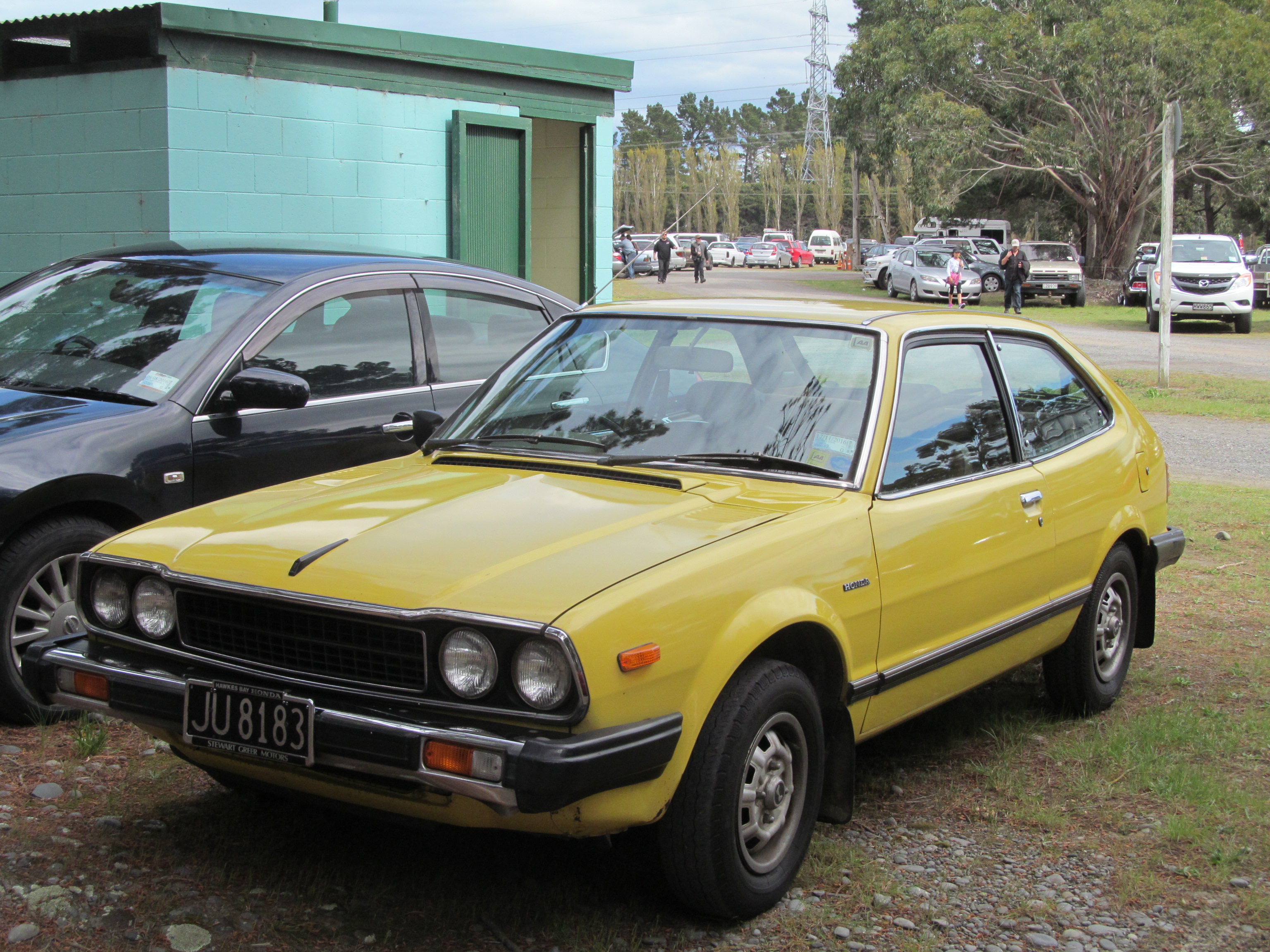
This is a Honda Integra GSR from the late 1990s. It’s the “sporty” version people liked to modify, and the conversation is about whether this one had a turbo.
The Acura Integra is a smaller car that was made to feel sporty to drive. The “GSR” is a higher-performance version, and the 1999 model is one that some people talk about specifically. It’s often mentioned because it’s known for being fun and responsive.
The 993 is a specific generation of the Porsche 911. The point here is that older Porsches can get pricey to fix because fewer mechanics are familiar with them.
The Honda NSX is a famous sports car from Honda. The host is saying they bought one as a dream car, and they’re comparing it to what it’s like to own and service a Porsche.
PDK is Porsche’s automatic transmission system that uses two clutches. It helps the car shift gears quickly, so the ride feels smooth but still responsive. It’s different from a normal automatic and also different from driving a manual.
The Touring package is a Porsche option meant to make the 911 feel more comfortable and usable for everyday driving and long trips. In this conversation, the host says people expected the Touring version to be manual, but his is automatic (PDK). That mismatch is what makes it confusing.
The Dodge Ram is a large pickup truck. People use it for tasks like hauling cargo or towing trailers, and it can also be driven like a regular vehicle day to day. It may come up because it’s a common choice for practical, heavy-use needs.
LIVE
If a great alien walks in the room and starts talking, am I going to punch it?
Probably.
This is hard parking.
Brought to you by right on and right Toyota out of Scottsdale, Arizona.
I'm your host Jay Fitting recording for my home studio here in Gilbert, Arizona.
On the prior episode, if you haven't watched it or haven't listened to it,
you're going to want to do that.
But we did talk when I say we, it's myself and my guest in studio,
Nate Robertson of Arcus Foundry Sparkforge.
We did talk about some major AI controversy here in the Phoenix area and Phoenix car scene.
We have a local personality that we had talked about that took it upon themselves to use AI to
generate some women in the area posing next to his car.
And he has since removed those posts and has issued a formal statement,
a public statement to those people who are still following him and who have not blocked him.
He did reach out and say that he had not blocked anybody.
That kind of contradicts what I've heard, but nobody that I personally know has been blocked.
I do know people that have blocked him or no longer following him.
I am not one of those people I have continued to follow because I don't,
even though I didn't really agree with what this person was doing and the way they were doing it,
as I stated in the previous episode, it is their right to make these, I guess, public
experimentations is what he called it.
But, you know, he said some of this stuff was done to him and maybe he just thinks that
it was his job to teach everybody else that this could be done to them.
I don't know.
It's kind of a weird mentality.
I don't agree with it, but he has since removed that stuff.
Coming up on today's show, Dwayne Johnson, no, not the rock, but my longtime friends stopped by
in studio and we talked about Beek House, which you heard at the end of every episode,
Beek House, my home design, find out exactly what that means and what they do.
And we have a great, great conversation about AI, about aliens and other things.
And we talk about cars, believe it or not, at least a little bit.
So all that and more coming up after this word from Arcus Foundry, Sparkforge.
If you're on a business and you're tired of juggling tools, chasing logins,
and constantly feeling like the tech side of things is heavier than it should be,
this might hit close to home.
That tech fatigue usually shows up as an outdated website,
reviews slipping through the cracks, missed calls when you're busy,
or social media that's always on the back burner.
Most business owners know something's off, but fixing it feels like a bigger project
than they have time for.
Sparkforge is just to take that weight off.
It handles the tech behind the scenes, helps clean up how your business shows up online,
makes sure calls and messages don't get mixed, keeps reviews from slipping through the cracks,
and wrangles social marketing so you don't disappear for weeks.
If you're curious as a short discovery session, and it comes with 90 days free to
actually see if it makes things easier, no pitch, no pressure,
just a real conversation about what's working, what's broken, and what you can simplify.
So head over to getsparkforge.ai forward slash hard parking to get started.
So back on the podcast is my dearest friend.
One of my dearest friends, I don't want to get in trouble,
but he knows a lot of my dirty secrets in life.
Dwayne Johnson of big house, small home design, and other stuff.
But you are back on the pod.
It's been a while, first time on video.
Yeah, yeah.
Last time I think I was here was Monterey Car Week, the recap afterwards.
Still an amazing trip.
Obviously, it was one of those trips that, you know, we just made it.
We're just those type of people that you could drop us off in the middle of Texas for
going to have a good time.
You know what I mean?
Yeah.
I think that was the last time I've been.
Did they release the Type S that time?
Yeah.
Yeah, that was it.
That's the last time because we got, they hooked us up with like awesome parking.
Yep.
Yeah.
Unreal parking.
Unreal parking, yeah.
And that's the most videos I've taken and the last time I think I've done, I've been to Monterey.
So it's a good trip.
Let's get the boring stuff out of the way.
How's Beak House going?
Good.
Ten years this year and, you know, I thought COVID was like, okay, we're kind of going to
slow down and complete opposite.
Everybody in Chicago and New York wanted to move to Traverse City and fortunately,
we were one of the premier kind of home builders up there, designers up there.
And so we picked up a lot of clients through COVID and then from the strength of those projects
and photos and photography, we've just been promoting.
And so it's going pretty good.
We probably do 10 houses, 10 to 15 houses a year.
And so as a secondary job is not my primary job.
I mean, that's great.
That's all I need.
So tell people what it is because I mentioned it obviously in the closing of every episode
and people are like, what, what does it even mean?
So Beak is Norwegian for small.
And so yeah, so that's where that kind of weird word came from.
But it all started a couple of friends that I grew up with.
We do like an annual fly fishing trip.
So we went out to Salt Lake City and Park City and we stayed at a smaller Airbnb,
one because the prices are crazy out there.
But it was a well designed kind of small house.
It had some unique features to it.
And my business partner who's also an architect said, he's like, dude, we can do this.
And so we kind of committed while they're sitting on the couch.
It was a, there was a home show in Traverse City.
And so in a couple of weeks and I said, why don't we just do this?
I'm going to pay the 150 bucks to get us in there.
It'll force us to kind of put some stuff together.
So we designed a bunch of boards and models and went to the show and talked to a lot of people
and everybody was excited about it and sold nothing.
We got a bunch of, yeah, man, I got 500 acres.
This would be great.
And I'm like, all right, cool.
We'll give us a call and never got a call.
But that weekend we went to a coffee shop in the morning and we had these posters
made up that had our company on it and kind of the little mission statement.
And we hung one up in the coffee shop and an attorney grabbed it a couple of weeks later
and called us.
And that was the first project we did.
So that was the Cedar house.
And then that house made it to Dwell Magazine and kind of took off from there.
So that's your secondary venture?
Secondary venture.
Yeah.
So primary primary jobs, project management.
I do some development with some other people in the Grand Rapids, Michigan area.
You've been an architect pretty much the whole time I've known you, which is a long time.
Yeah.
20.
I have to go back in the pictures.
Oh, six, 25, 26 years.
Yeah.
Like you were one of the first people I met when I moved to Michigan in 99.
So yeah, I'm just looking, you know, the pause for those of you who aren't watching
is I'm kind of looking at the date of us recording this in June.
God, that's wild, isn't it?
Fast and furious date night with all the guys on the carship forums.
Yeah.
The Honda forums.
Monty Williams.
Still around.
Is he really?
I see him every, well, I'll say this.
I see him at least twice a month.
My friend Marcus, who you met is there's a hangout in Grand Rapids called Joe's,
where all the kind of car people go on the weekends.
And it's more of a, it's a pizza place and they just kind of hang out and people do some
nefarious drag racing or something in the nights, but every weekend he's there.
It's funny.
Well, we could tell the story again about when he first pulled up, what did he say to you?
So I had my 99 Integra GSR and I think at the time, I don't think it was turboed.
I don't remember.
And you had your Accord troop with the white wheels.
White, black car, white wheels and the Honda Accord.
The first two doors, like a 98?
Yeah, it was a 98 or 99 until we both had the black cars.
Black guys and black cars.
Absolutely.
Yeah.
And then Yomani has had a black Eclipse and he was a leader of a local car club, FFR.
Is that what the name was?
Oh my gosh.
It was written across there, the window decal, right?
The windshield FFR.
And what did he say to you?
He said, well, first of all, it was like fast and furious.
It just came out like two months before this or whatever.
Everybody was clicking up like it was LA or whatever.
We're in Michigan, so it's like there's no car scene at all.
And so Jay and I were hanging out and I remember he rolled up and he's like,
hey, I want you to join our club.
We said something like that.
He said, what did he say?
He said, hey, I want you two to join or come join us.
He did like the Dom thing.
You know, like, this is family, come join us.
And we're like, what?
We were laughing and we followed him around.
Remember, we had the walkie talkies.
We followed him around.
We're just zipping around Grand Rapids, which again, has zero car scene at the time.
And yeah, I mean, we did some stuff with them, had fun, a couple trips.
But yeah, he's still around, still doing car stuff.
Still, he's big into infinities.
So like G35s or whatever the new ones are called.
What the hell?
Blows them up every three months.
He's blowing up a motor.
Drag racing people trying to get 10,000 horsepower out of whatever they're putting in their cars.
And then you bought the 993.
Yeah, bought the 993 before.
And then I bought the NSX.
Yeah, it was dream car days.
Yeah.
Yeah, I mean, that 993 was before anybody.
I mean, they're obviously cuckoo now pricing wise, but
that people are throwing those cars away because one, nobody knew how to work on them.
And it was way more expensive than any other car to work on, Hondas or whatever.
So I got a good deal, good car from a really good guy at a great price.
And hung on to that for 10 years.
And eventually it just got so expensive and small.
Yeah, it's weird, right?
Looking at the Porsches over time where they just get bigger, bigger and bigger.
And the GT3 now that I have a 991.2 touring is so comfortable.
My wife and I did a rally with a guy out of Detroit, really good dude.
And we drove from Detroit all the way to the UP in like three days, like to the tippy top.
And it was perfectly fine.
I'm almost to the point where it was slightly annoying because it's a PDK,
at least this version is PDK.
And that's a different story, but because touring's in that 991.2 only came in stick.
This car that I have is a PDK with a full touring package on it
that the dealer ordered or somehow got it.
And so it's pretty rare in itself, but causes a lot of confusion.
But I mean, you can drive that car 80 miles an hour, 90 miles an hour.
My wife's, you know, reading her nook, sitting in the seat and listening to music.
It's got a nice stereo.
It's just, and it's big.
I'm 6'3 and I fit in there just fine and comfortable, which is, which is kind of weird.
Because the 993 was none of that.
I mean, it was, but also that car, you can drive it 120 and, you know, not being.
You drive 120.
What's wrong with you?
Yeah.
Well, it's in a rally.
That was that rally.
Don't let them flock cameras to you.
Yeah.
Yeah.
No, I don't have any in the UP.
So yeah, so safe there.
But before anybody corrects me, I know they're not speed cameras.
I just talked about it on the last episode.
Go ahead.
But technically they could be.
I know I'm missing it.
It's a big thing.
They can't grab things over like 75.
So if you're going down like a regular road, if the speed limit's like 40 and you're zipping
by at like 80, it might be able to get a picture of you, but they're not really used for that.
The last thing I heard is that they were, there's so many of them, at least in Grand Rapids and
Michigan, where I'm at, that they can calculate how long it takes you to get from morning to
camera to be.
So in theory, if you zoom by and all of a sudden you're zoom by on another one in theory,
they could calculate.
And again, this ties into the whole.
Well, that's like the, for decades, right?
At least 30, 40 years when you're on the interstate speed controlled by airplane.
Right.
It's essentially the same thing.
How long does it take you to get from this white line to this white line?
I don't know anyone who's been pulled over that way, but it's there.
And maybe it's just there to mess with you.
I don't know.
But anyway, it kind of, you were seeing that kind of wraps up into the whole.
Well, you know, what are we doing with all this information?
You know, the data that leads in the data centers.
And, you know, we were talking earlier about that and, you know, what,
I think the biggest thing and not to go on a tangent from cars, but
it all, I guess it all kind of goes together.
Like, you know, nobody, everybody's selling these data centers and saying,
we got to have, but nobody's really explaining, what are you doing with all this computing power?
Nobody talks about that.
What do you think they're doing?
I was just talking to a friend about data centers.
Yeah.
I don't think they're helping me correct emails.
So she sent me this email of this guy and I can't help but to always be a little
cautious when it's just some random person.
So they're not sitting, you know, they're just some tick tocker who's got the green screen
behind them and they're shaking like this as they're talking, you know, about,
you know, the data centers, you know, and so the whole video is like
this, right?
But he's talking about how part of it is kind of like a, some new municipality,
talking about their water shortage and, you know, things that they have to do and this guy's talking
that, you know, you can't do laundry, this, that.
And so, you know, what my friend likes to do is send me this stuff because they know I like
to data dive and I go, well, yes and no.
Right.
So I'll tell you what I know, and I'm not an expert at any of this stuff,
but what do you think is going on with them?
I think, I think, well,
do you think there's zapping up all the water?
I think that in order to cool, and you and I have a computer background, I think to cool
all those graphics cards or whatever they use and SD cards and computing chips or whatever.
Yeah, you're going to have to have some way of cooling that and if it's water,
then yeah, it's going to come out of the ground.
It's not going to come out of an eight inch water main that's out in the street,
like I would do a subdivision or something like that.
So the amount of water that's required, clean water, can't be gray water,
has to come from somewhere.
And I think a lot of times if they're putting them out in rural areas,
the infrastructure is not there to, to, to obviously supply that.
So I think the biggest challenge is if you dig a well and you go down and, you know,
this has happened in, you know, places overseas in the deserts and dry areas that you can
potentially take enough water out to lower the groundwater level.
So let's say you're, you're a neighbor that lives, you know, a half a mile down the road
and your well is to 400 feet and you're getting 75 pounds of water pressure, 200 or whatever.
And then all of a sudden a data center moves in and they dig a well and it,
it's 10 times the size and they start sucking all the groundwater.
Well, your potential for your water pressure to go down, which affects your groundwater,
which means that either you need to dig deeper or you're just going to have lower pressure or
the municipality is going to have to come in and put one of those goofy water towers in,
you know, to supplement that.
And so I think what we're seeing is, is a big push for data centers, but we're not fully understanding
the amount of utilities, whether it's electric or water that's required to power these things.
And then the flip side of that is, is you're not explaining to me what you're doing with it.
For every data center that pops up and all you hear about is, you know, what do you use AI for?
You know, efficiency, people are losing jobs.
And I don't hear anybody saying, Hey, you know what, we figured out how to cure cancer because
this AI, we're not getting any of those types of gifts to humanity from this new technology.
All we're getting is the efficiency, which technically is people losing jobs.
And more people are making profit.
So from somebody that is not on the ownership side of a business, it's hard to sell them that.
Right.
Or if it's going to affect your groundwater, it's a hard sell.
But if you said, Hey, we're trying to eradicate diseases and cancer and all this stuff.
And that's what we're doing with these data centers.
You think that would matter though?
Do you think that would matter?
I think it would be an easier sell to the people that are, there's a lot of people,
I think that are protesting and pushing back in status centers, because like you said,
they have limited, they watch a TikTok and ask their level of information.
They're going to take your groundwater, your kids aren't going to have a job.
And, you know, that, you know, other rich people are going to get richer.
So if I have a warehouse of 10,000 people working and I get AI involved and all of a sudden I have
12, that's a lot of displaced jobs.
So that's the hard sell for the middle class, so-called middle class, what's left of it.
And the upper middle class, which usually are people managing that lower middle class,
that their job's going to go away too.
So that that median to high income person that might be managing 35 people,
now all of a sudden AI takes it down to three.
Well, guess what?
I don't need you either.
So it's not just the people that are physically doing things that the Tesla robots are going
to take over, but it's a lot of middle management people that are the bread and butter of buying
things and paying for groceries and going on vacation and all this stuff.
So nobody's really talking about how when we get all this AI and all this efficiency
and all this stuff, there's going to be a lot of people that make money from it.
There's a lot of people that just aren't going to buy your products either.
So I know we're racing against China and we don't want China to have it first.
But at the end of the day, if I have to choose between paying rent, gas for my car and food,
you're not getting the GI Joe with the Kung Fu grip.
Sorry, Christmas has canceled all that.
Did you see that Nvidia, I believe, is the company offering around new data center areas,
projected data center areas for people to kind of house their own little mini generator?
I don't know, pay them $27,000, $30,000 a year to have that.
Yeah, hanging off the side of their house.
Yeah, I saw that.
And that's interesting because they sold it as like, hey, we'll pay your electric bill
and we'll hang this little note off the side of your house and then we'll pay for your internet.
It's like, that's cool.
But at the end of the day, what if I just built a computer and did that myself?
Like again, like I said, I mean, there's only so many people that are using AI
up to its potential now.
So what's the advantage for me from hanging this thing off the side of my house besides,
you know, you're paying my rent?
How would you think that would be different as far as having solar on your house?
Because that was a hard sell too.
And I think in some areas, it's actually working out.
It kind of contributes back to the grid and, you know, you get the Tesla solar panels.
We don't have solar on our house.
We have neighbors that have solar.
We almost bought solar once, but then the guy gave my wife like,
she was freaked out about something he said he did.
She was like, fuck it, no solar ever.
I go, well, it's probably a good idea at some point,
especially in this region of the country,
just because some guy came out here and freaked you out doesn't mean that solar is bad.
But how do you think that would be different if at all from the proposition of solar?
Or maybe we don't know yet.
Well, I think the potential is, is that, you know, let's say I'm going to come in
and I'm going to pay your electric bill and blah, blah, blah, and all this.
And people sign up for it and they put this note inside your house
and your electric goes through the roof and you're paying it.
Or maybe you're paying a percentage because when you think about it,
if I came in and said, I'm going to pay your whole electric bill.
And it's like, okay, we're great.
Let me, you know, run the heat up or, you know, whatever.
Let me put 600, I'll put 600 servers in here if you're really going to pay for it.
So they're going to have to cap it at something.
There's going to be people who try to work the system.
That's always the case.
Always the case.
So if you got the people that are going to try to work the system,
you have to be able to say, what's just like internet?
You know, when, when fiber came in their neighborhood,
yeah, you're going to get throttled or you're going to be capped
or we're going to start you off an introductory offer.
We pay 50% of any bill, but over the course of three years,
it's going to go down to 5%.
You know, so it'll be something like that.
But I think the early adopters will reap the benefits of that.
But at the end, it's always going to favor.
I think there's talk of data centers, especially newer design ones,
because I think you're right in a sense that
they don't do a good enough job of telling us everything that we should know.
You know, because I do know,
we do know that they are out there using them for medical purposes.
They are out there using them to solve world hunger.
They are using them to whatever,
but nobody on the social media thread is nobody on the local news.
All you see is what it's going to take away from you,
whether it's jobs, whether it's your water, you know, doom and gloom.
Dumerism is a term that's really popular right now.
Absolutely.
Sounds like a new term, but I looked it up earlier.
Apparently it's been around since like 2010-ish.
The whole Dumerism thing.
And there are some data centers from my limited research
that are running very inefficiently because they were built,
like data centers have been around for a long time.
Right, right.
And people don't realize that.
But a lot of these newer ones are talking about
being able to regenerate the usage of water
or their own supply versus zapping.
And so it sounds like a lot of these issues
where they say they're taking our water supply
is isolated and it's not as common.
So now the shift has kind of turned to these things
are just making too much noise.
Right, we have that in Michigan.
Yeah, I think I fall on the side of believing
more in them just being too damn loud than zapping water
because you can only zap people's water for so long before you're done.
But I'm sure that's happening in places.
But as far as my friend was saying that they heard that
Arizona just had no water.
I go, no, we have water.
Our water has been slowly dwindling,
but it has nothing to do with these data centers.
It's the shift in the climate.
Climate shift is real or climate change is real,
but it's not real because we're doing it.
It's just kind of the natural evolution of shit
that's happening in the world.
Right, the planet's pretty big.
Yeah, the planet's pretty big.
But yeah, I mean, who knows?
I think it comes down to there's not a lot of education out there
and we just don't know.
And a big part of it too,
I know at least in Michigan where they're getting pushed
or some of these rural areas and those,
and I've built houses in places in Michigan
that don't have zoning or doesn't have a zoning administrator.
So when you go to call like, hey, how do I get a permit?
Call Steve, you know, he's working at the mechanic shop.
He'll be home between six and 10.
Just give him a call and he'll get your permit.
And it's like, really?
So a lot of these companies that are coming in
are coming with lawyers and attorneys and all this stuff
and they're trying to stick this data center in.
The people say, yeah, we don't want it.
It's like the fracking thing.
Yeah, same thing.
It's the new age fracking because data centers
are the new fracking because now they're putting them in anyway.
And they're like, all right, well, sue us.
And that happened in Michigan.
There was a town that said no.
And then the data center's attorney said,
okay, we're going to sue you guys.
And it's going to take 10 to $15 million worth of litigation.
They don't have that type of budget in this little township
to fight this.
So they gave in and the data center
and they let the data center get built.
Now people are pissed off because you've got people on a board
that, you know, work at the grocery store during the week
that meet once a month to have a board community board meeting.
And they're tasked with trying to fight a data center that
wants to move into town.
And they don't know anything about this.
They don't have the resources to fight that.
So I think you're seeing a lot of people that are up in arms
because they're forcing their way in.
And then now you're also, but the counties that are being proactive
are putting moratoriums to say, hey,
we're not going to talk about data centers
or do anything with data centers for two years
until we figure out what's going on.
And so even, and again, I keep going back to Michigan where I'm at,
but the governor has been a big proponent of data centers.
I don't know why.
I don't know what she would get out of it.
It's not like there's jobs in there.
Yeah. So somebody's getting back.
Yeah. Somebody's got to get paid.
Yeah. Federal kickbacks.
Yeah. So funding.
So, but yeah, it's, it's hard to fight a monster like that
coming into the neighborhood.
And then when you do get them in there,
you're starting to see, like you said earlier,
you know, the, the noise or the pollution
or their skirting permits or we're giving them tax breaks,
which makes no sense to give a billion dollar company
that's going to put a data center and tax break to build a building.
And then all of a sudden they're skirting the permits
or the EPA is not getting involved
because they're doing pollution or in Elon's case,
there was a show us watching when they were talking about
one of the data centers and something to do with Elon
or maybe they're just blaming him,
but they had put temporary power centers in.
So they didn't build like ground mounted generators.
They brought them in on semis and because they did that,
the noise pollution and the, there's a bunch of permits
they got around to say this is temporary power,
but the temporary party, the temporary power permit
was, it didn't have an end date.
So they're just running this whole data center temporary.
Yes. So they're running this and then of course it's,
you know, got exhaust and all this stuff.
So there's a lot of unfortunately negative information
and also the data center people are not doing a very good job
at promoting these things as something that, you know,
is going to benefit mankind outside of people are going to get rich
and then people are going to lose jobs.
But I think a lot of people are finding out now
and you're starting to see that, you know,
as news articles come out that this AI is not,
everything is cracked up to be, you know,
people don't realize you got to pay tokens and all the stuff
that have a cost.
So you're not replacing a human with three AI agents that are free.
These agents have to pay for this computing power
and it's usually costing more than the human that it replaced.
And so now people are ownership is pushing back
on some of these things, but it's still,
they're still trying to ram it down your throat.
So you think the data centers are for compute
or do you think they're for storage only?
Because my understanding of them is we do need them for compute
and it's kind of the same pushback that if we were allowed,
and this is the other side of it, right?
I'm not pushing for them or against them,
but the other side of it is if we let these people who get out there
and they boycott without having any idea what they're boycotting,
you know, we wouldn't even have the internet today.
Right. There's a lot of stuff we wouldn't have.
There's a lot of stuff we wouldn't have.
And so subdivisions, all types of stuff.
They don't want anything.
Nimbus. Yeah. And I forgot, I forgot what my,
how my friend Nathan put it in the last episode.
Oh, the paint rollers.
He said the painter's union boycott the paint rollers at first.
Because the efficiency of it?
Because of the painters. Yeah.
You know, and I work in an industry where we used to have transcriptionists.
I mean, you were there when I first got my job
at Metro Health Hospital in Grand Rapids in 2008.
We had transcriptionists and what they would do
is they would listen to what the radiologists would say on a phone
and they would type it out.
Transcription AI has been around for decades now.
And so there's a lot fewer transcriptionists than there was before.
Far more efficient, far more accurate.
Unfortunately, people lost jobs and were displaced.
But that unfortunately, and fortunately,
that's a natural progression of technology.
But I think that there's going to be a lot more careers
and independence things, creators like us.
Not everybody can do that.
But I think there's going to be a place for a lot of people.
I think there's going to be mass displacement a little bit at first.
But one thing we know is nothing AI truly runs on its own.
It still needs our input, our oversight,
and we push the final button.
And that's one thing I think a lot of people don't necessarily realize.
It's not a...
I was watching an Instagram, a guy was talking about it and he said,
yeah, artificial intelligence is not the right word.
It's more of an adaptation of your thought process.
Maybe it's a cleaning up.
Maybe the way I use it is on Mondays,
sometimes I don't want to write long emails.
So I'll drop an email in there and say,
hey, I just need a response to this.
And it'll spit it out and I'll go back and proofread it
because I don't trust it.
And it's like, yeah, that's great.
Well-written email, boom, send it out.
Looks great.
Now, whether or not the person that received it was like,
I did this in AI or it doesn't really matter.
I'm conveying the information as a project manager.
It's clear and concise.
And I might have dumped five or six emails in there to get to that point.
Would I have came up with that email on my own?
Yes.
Would I have written it the way the AI did it?
Probably not.
I know you.
You wouldn't have been.
Yeah, no.
As I said, the older I get, the less words I want to use.
So if you get a word of email from me, it's definitely AI.
But outside of that, it's not really...
It's a lot of middleman work, you know what I mean?
It is.
And that's an excellent thing.
That's a good example, right?
Because I talk about this.
We talk about AI a lot on this podcast.
That's productivity.
And if everybody in every office is doing that, that takes compute power.
And so all the compute is all shared, just like an internet connection,
just like electricity in your house, right?
You have the breaker and the breaker blocks.
You only get so much feed.
All these outlets can only handle so much load before you pop the breaker.
I just changed out a breaker in my mother-in-law's room the other day.
And so all that power has to come from somewhere.
And so you think about it from a virtual standpoint, it's computing power.
So how fast can something process something else, right?
And so that's, for my understanding, for the most part, that's why we need these data centers
because compute right now is at such a high demand.
I listen to a lot of stuff between Anthropic and OpenAI and Gemini and all this other stuff.
Essentially, you have these different companies that are the backbone to all this AI,
but they all still use the same compute and it has come from somewhere.
People talk about NVIDIA.
Everybody wants a share of NVIDIA because it's a record outside of SpaceX.
It's a record thing.
But guess what, guys?
NVIDIA makes these chips.
And the chip isn't as small as my video card.
The chip could be as big as this room.
You have to cool that chip.
So you want to invest in NVIDIA and you want to make all this money
for your stocks and your retirement, but at the same time you want to get out there
and you want to boycott what NVIDIA is making for better compute, for better efficiency.
So it's like this weird thing and there's no right or wrong, but I understand that people are scared.
People aren't as educated or maybe we're not getting as much information as we need.
But it's human nature.
It's human nature to boycott, unfortunately, whether you're paid to do it or you really feel that way.
And a lot of it, you know, sometimes I'll think like,
what if this technology came out in the 80s?
It would be huge.
But in the 80s, we didn't have the infrastructure to create fear like we do now.
So social media, you know, it doesn't, I mean, if I was trying to be an influencer
and I had a lot of people and I just wanted to put out some weird,
the aliens are coming or whatever, you can push that agenda pretty hard.
Now, especially if you have money behind you, you can buy influencers,
you can buy it and have it showing up on your feed and all this stuff.
Back in the 80s, you didn't have that.
So if you were to talk about AI, where do you think people are getting their information in the 80s?
Word of mouth, friends, and we trusted the news.
Newspapers and news, yeah.
But it was seems silly knowing what we know now.
Yeah, it's a sad thing.
Because yeah, do you listen to, do you watch the news now?
I don't watch the news.
I watch news clips knowing that it could be skewed.
Yeah.
You know, my mother-in-law, she watches a telemundo or whatever the station down there is.
And I've even noticed in their coverage, even though it's in Spanish where they kind of skew,
I'm like, yeah, you know, but you already know.
It's like people don't, they think we're crazy.
Every news network is in the pocket of somebody because it's ran by people with agendas and people
who could be paid.
I don't run this story, run this story.
Right.
And when you think about affiliates and Murdoch news media or whatever,
if he owns 70% of news, he wakes up one day and is like, you know what?
I don't like Cheerios.
Let's put something out there that the grain has messed up.
I mean, it's not that hard to do.
And then you've got a bunch of people now all of a sudden kind of lending into that.
I think you're getting-
Well, it's like the food pyramid, right?
Yeah, that's a whole number.
I think they, well, the Rogan, do they sound Rogan?
That General Mills created the food pyramid?
Based on selling stuff.
It wasn't a science.
No.
It wasn't a scientist.
It was a fucking company that makes shit.
It's always been, humans have always been the ultimate product, you know?
Yep.
I mean, and so whether we were less aware of it in the 80s growing up and the cartoons and all
this stuff and the food and all this stuff now, as we get into, it's so easy now to get,
like, just the food in general.
Like, you know, when we had a Whole Foods move into our town and we're like,
oh, Whole Foods, all the food's good.
I guarantee there's people there that did not want Whole Foods there.
Oh, yeah.
Yeah.
They thought it was going to drive the local farmers out.
And that's just like, you can still buy your food and farm stuff.
But when you go to Whole Foods, it's like, okay, I'm aware that it's owned by Amazon.
And I'm aware that-
Oh, yeah, one coming in right up the street.
I'm excited.
Yeah, it's good stuff.
I mean, I like the products-
I'm excited for their breakfast buffet or whatever.
I used to have that before 2020, man.
But it's like, you still have to read the labels.
Like, I mean, I have to look for genetically modified.
If, you know, when you get into your 50s, you start caring about what you're eating a little more.
Maybe you do as a young person, but definitely not hitting the taco bell up anymore.
But, you know, even that, when you start looking into, oh, I like this little bunny brand
or whatever, and then you realize the parent company is Pepsi and you're like, oh, shit.
You know?
Oh, damn.
I can't eat these because they probably got aspartame in them or whatever.
So it's just, it's getting harder and harder to, you know, it just forces you right back into,
I guess I'm going to go to the farmer and get where I knew he grew his stuff.
But yeah, it's just-
Full of pesticides or pests.
Yeah.
Pick your poison.
Yeah.
It's getting to the point now, at least for me, as a person that has the ability to do research
into things, and I'm sure you feel the same way.
You're, you can only dig, you used to be, you could dig 10 feet before you found like, oh,
geez, this is genetically modified corn and these chips.
Now it's just like one scoop of dirt and you already find it stuff.
So it's like, oh, this is owned by General Mills, which is owned by this company that now does this.
Then you decide what do you want to do with that information.
That's what I said.
It's almost like you're getting to the point now where you don't want to look for certain things.
Yeah.
Do you replace every piece of plastic in your house with glass?
Or do you just-
We've been doing that.
Yeah.
But I got glasses at the house if we don't do water bottles.
Are you judging us because we have plastic?
That's a plastic canister.
No, no, I'm saying, I take my micro plastics, you know, just like anybody else.
I mean, even these aluminum cans are lined with plastic on the inside.
Yeah, that's what I'm saying.
So I mean, it's like, I think you get to a point where if you start digging below the surface,
you just kind of want to stop because it seems like everything's against you kind of being here.
And you don't want to be the crazy person in the group.
Or you don't want it to steal your joy either, especially if you're in a situation where
you have the ability to do things.
You have grandkids.
So it's like, it's hard to look at them and just be like, you guys are so fucked, you know.
So I have the Yucca app.
Do you have that app?
Oh, yeah, yeah.
We use it too.
To scan the food at 90% of it is-
And it's like zero out of 100, right?
So I was going through and I was scanning everything.
I went through and scanned everything in the pantry, fridge.
And I'm like, oh, you bought that at Angry Joe's, what I call it, you know, Trader Joe's?
Trader Joe's is terrible.
She got a one out of 100.
Really?
I'm like, yeah, it's terrible.
But when I go, I'll buy the good ketchup.
I'll buy the good whatever, just because.
And then, because the number one ingredient in most ketchup that isn't good is corn syrup.
My fruit is corn syrup, right?
Everything's got corn.
It's got corn syrup in it.
But I've tried to push that on my wife.
I've tried to push that on my daughter.
And they're like, oh, that's messed up.
But they keep doing it the next day, right?
So like we, you know, we grew up in the age of flaming hot Cheetos.
Yeah.
And I used to tear those up.
And I could still tear them up, but we just never buy them anymore.
Yeah, there's a lot of dye.
Because I got that red five or whatever.
That's a lot of red dye, man.
You know?
Yeah.
But I mean, I've been eating those since I was like 19.
But if you compare that flaming hot Cheeto to.
There's a reason why you can't stop eating it.
Right.
A funyan from the 80 or whatever we was eating, a corn chip or Dorito.
It's a Dorito from the 80s.
The same as a Dorito today.
Just regular straight Dorito flavor.
I would love to.
That'd be interesting.
Yeah.
I would love to try those back to back because you're damn right.
Because if they slowly change shit over time, you would never notice.
Right.
And going almost back to the whole AI thing,
more efficient, cheaper cost, more money.
It's corporate.
It's America, the corporation, man.
But we can't live in fear.
But yeah, that's a, that's a very interesting, interesting thing.
So what are you doing in town?
Where are you here?
I do some project management for a development company in Grand Rapids.
And I flew out to Phoenix and then drove three hours to Yuma, Arizona,
which I love.
There's a great coffee shop called Cafe Cito downtown.
They have amazing, I see.
How many times have you been there?
Two times.
Did you stop here last time?
No, I flew out to San Diego last time and drove from San Diego.
Don't make me cut you.
But yeah, Yuma's a great little place and it's hot as hell.
But yeah, it was a good time.
It was a good time down there.
And I said, oh, let me go see Jay this time.
Swing through Phoenix.
You didn't get pulled out of your car by ICE or anything?
No.
Actually, I have a person at my job that is very Ronald Reagan.
And she was a little bit nervous to come down here to Yuma.
And I said, why?
And she was like, yeah, well, it's close to the border.
I said, yes, probably great tacos.
Have you not been watching TikTok?
I said, what are you missing out on great tacos?
Are you scared of great tacos and food and all this stuff?
But it's an amazing place.
People are amazing.
And I don't think she realizes that there's a lot of snow birds
from Michigan that end up there for the winter time.
And I understand the fear given what people are fed.
Right.
Yeah.
And there's real stuff going on for sure.
But man.
The world is not as scary as they make it sound.
When I said I was going to cut you, it made me think about something.
So this is going to be like another squirrel.
Four.
Switch off.
What do you think about?
Well, let me ask you this because I assume that you're in the know
because we kind of look at the same things at times.
The Carmelo Anthony case.
Do you know what happened with that in Texas?
Like recently?
Yeah.
Oh, not the basketball player.
I was just going to say, I'm like, doesn't he got a podcast?
Not Carmelo?
Carmelo.
Okay.
Yeah.
So I saw that.
I saw the outrage.
I'm on Reddit a lot now because I can kind of choose what I'm looking at.
In Reddit kind of the Wild West too, from my understanding.
You know, I stay on the Drake forums, you know.
Okay.
Big up Drizzy.
But I did see that on Black Twitter has their own little thing on Reddit.
And a lot of people were outraged.
And so I remember when it happened, I didn't really know the basis of the case.
But then I didn't realize that a similar situation had happened with a white person.
And, you know, he might have got two years where this guy got 14 years or something like that.
So I'm at the point in my life.
I don't know about that other case, by the way, but I believe.
Yeah, somebody had it up and compared it and said,
this happened a year and a half before somebody got stabbed or whatever.
But I didn't understand.
I know it happened at like a track meet, right?
Do they aligned?
They tried to say, you know, obviously on Black Twitter,
it's going to have a little skew to it.
But they had, they were trying to compare the two and saying this guy got railroaded.
And then I saw 50 Cent was paying for funeral service or something.
I don't know, something prison lawyers or whatever.
But it was at 50, it's a Black man in America.
I don't, I don't, I'm not surprised.
It's kind of that old Chris Rock adage.
Like, you know, shame on me for being surprised that they threw the book at this guy.
That tends to be the standard, especially nowadays in today's times.
It seems like having a huge gap between what happens to one group and another group is very
acceptable and people are willing to go to sleep and be fine with it.
Well, not everybody, but I think I, I'm not surprised by it.
And I don't really know the history of the case because I, I thought it was.
Yeah. What do you think it is?
I'll tell you, I thought it was somebody, he had stabbed somebody
because they got in a fight or something like that.
But it sounded like it was more of a self-defense thing.
And I hadn't seen that angle before.
So I don't really know the merits of the case and what happened.
I just know that people were very outraged by the 14 or 15 years that he got.
Then you got 30 something or something like that.
Okay. So even more.
Yeah. So.
So were people outraged because he got so much time or people outraged because he was found guilty?
Because in my social media feeds, I see a lot of people outraged because he was found guilty
or that, you know, it's, it's, it's a racial thing.
Like everything's a racial thing, you know.
But here's what happened because I've been following it.
They're at a track meet, Carmelo Anthony finds himself on the opposite end,
you know, the other, other team and they're in the bleachers and they're underneath the tent.
And they get into an altercation with Austin Metcalfe and Carmelo Anthony says,
they tell him to leave a few times.
He doesn't want to leave, right?
And so it's, you know, don't touch me.
And so Austin Metcalfe pushed him and Carmelo Anthony took a knife out of his bag and
punctured Austin Metcalfe, which went punctured his heart and he died.
And then he ended up dying and Carmelo Anthony kind of fled, but he stayed there.
You know, he didn't like run away and they didn't have to like go out and find him.
But that's, that's what happened.
Now, when the police first showed up, he said, it wasn't alleged.
I did it.
Like I did it.
And it's on video.
He did it.
So for some, for that to have happened, it's basically, if you touch me, I'm going to kill you.
So he got touched.
Yeah.
Stab punctured.
Yeah, I did it.
So then in knowing that,
what does that change a little bit, if anything, of nothing?
Unfortunately, we just don't get the benefit of the doubt.
We just don't.
I mean, it's on video with witnesses.
They could have jumped him.
Well, that's what, that was what the defense was.
I got jumped, but the video is clear.
He never got jumped.
And then he has one of his homies, another brother, even like testify like, yeah, this is what happened.
It was probably an extreme reaction to a situation, but you don't.
That's the problem.
I don't understand.
I guess it's impossible in today's climate to feel sorry for somebody of color.
I'm sorry.
It is what it is.
If you have police that are scared.
If they, if they, if I get pulled over, driving a $200,000 sports car with my 19 year old son,
and the cop is afraid of me at 52, I ain't got no guns on me.
I don't have a, you know, in a year and you're put walking up to the car and you have the ability to say that
I was intimidated because this guy's 63 and 200 pounds or whatever and not a shape.
But if you have that defense, you're always, whatever you do is, is technically you might get away with it.
And unfortunately, black people are just never going to get the benefit of the doubt
in this lifetime.
I just don't see it.
And so when I hear stuff like this, it hurts me because I understand-
But that had nothing to do with the police, just so we're clear.
No, I'm just saying, but I'm just saying we live in a climate where police and ice officers can use deadly force
because you're scared of me sitting in the car.
So when, when I see, and I have a 19 year old and I have to unfortunately tell him,
and he's light-skinned, so I have to tell him like, bro,
your friends are going to be able to get away with stuff that you're not going to be able to get away with.
Like I need you to be perfect.
It sucks.
But that's what society, today's society requires of you to not be a threat or not feel like a threat.
Or so when it comes to girlfriends, you can't argue with them in public.
I don't care what color they are.
When it comes to police officers, you can't ask too many questions.
When it comes to getting in fights, I need, unfortunately, I need you to run.
Unless you're to the point where you're backs up against the wall and you have to defend yourself
and something like that happens.
But it can't be somebody pushing me or trying to take my shoes.
You can't use deadly force in that situation.
I feel the same way.
I'm a gun owner.
And unless somebody runs up in my house and does something, I don't really,
maybe a little hesitation if I could shoot somebody in my, in my living room.
I don't, I don't know, you know, I'm going to go through,
I'm going to have to go through a lot more to explain it than the average person would.
I'll say that.
But given that situation, because I don't know what this other
thing that supposedly happened, I'm not going to say supposedly,
obviously some other situation happened a year and a half because someone presented it as evidence.
Right.
And I don't know what was missing from that or if everything was the same.
I think they were trying to say that in a similar situation, somebody who was white
was able to use the self-defense.
And it wasn't like he got jumped to, you know, it's not like you got stomped out
by 30 gang members and you shot one of them.
It was a similar situation.
Yeah.
I mean, it's, it's possible depending on when it happened, where it happened,
right, the town.
I think it's, I think it's hard for people to get to that point where they're saying,
well, if this was a white kid who touched a black kid or if a black kid touched the white
kid and the white kid pulled a knife out of his gym bag, opened it up and stabbed him in the
chest for that, then he would be okay.
I just don't think that would ever happen in today's world.
I think that the majority of the jury witnesses and videos,
I think still the majority of the jury, the people that are in the jury,
the, the, the average American, I'll say walking around in America would look at it and be like,
well, you know, maybe the guy was bigger than, they'll find a reason to say he was probably
scared.
It's just, it's just the easier defense to say, if you're scared and you do something out of fear,
then it's okay.
But as a black person, I'm not allowed to be in that same situation.
I can't fear two white guys or a cop or whatever.
You know what I mean?
Like, and it's, it's unfortunate that that divide is there.
We've seen examples of that over and over and over.
Historically, that's, that's always been the case.
Rodney King or whatever, whatever you want to historically pull.
No, Rodney King.
Well, Rodney was beating, but.
Yeah, you keep, he's still deserved to get his ass beat.
That's a, that's a, that's an, that's an extreme extreme of a.
But I'm just saying.
I'm not worried about the police.
Yeah, me either.
I'm not, I'm not either.
I have to give them the benefit of the doubt.
Like I would assume they would give me the benefit of the doubt.
But I also know you, if you get pulled over there, you gave the example, but they're not
walking up worried about what you're going to do to them because you present yourself a certain
way.
Now you can get pulled over by an asshole cop, right?
Been there, done that.
I'll give you a prime example.
I got pulled over.
Don't let it be a black cop.
I got pulled over with my cousin Tay's son in the car and my friend Marcus and some
other people with some expensive cars were getting on the highway at like nine o'clock
at night and they took off and there was like five of us and I was in the back.
I don't drive that fast.
So I pulled out, we got on the highway.
I got over to at like 75, 80 and a police officer almost ran to the back of me.
Like he must have been waiting and he was chasing the other cars that were in front of
me, my friends.
So I immediately pulled over.
And so I, you know, do the standard 10 and two, keep my hand on there, roll the window
down and do what Brendan did, just stick your hands out.
Yeah, yeah.
And so I'm sitting there and he comes up to the car quickly.
He's like, Hey, thanks for not fleeing license registration.
I'm like, so I give him my stuff and I'm like, did he say thanks for not fleeing?
Like, do you think I was going to run or, you know, so I was like, it's interesting.
He ended up giving me five over a yellow billy swamp runner.
Yeah, yeah, yeah, exactly.
So I was like, he ended up giving me five over and it was fine.
But, you know, the fact that he said, thanks for not fleeing, I'm thinking myself like,
well, he thought you were them.
Right.
Well, I was with the group.
Yeah.
But that to me meant that he thought they were all fleeing.
Yeah.
And actually we were just driving down the road.
We even thinking about police pulling up on him behind us.
But, but yeah.
So yeah, I mean, I'm always respectful.
I'm not, I'm not presenting myself in a, in a threatening manner.
And I'm not going to get into a piss conversation with a police officer about anything.
And it's unfortunate to try to explain that to your child that, you know, just because
your friends are yelling at cops, you can't do that, you know, so, but that's, you know,
that's surviving.
I mean, that's all we do.
We have to survive in the world that's presented to us.
If we lived on a molten rock and had to wear a lava suit, that's what you got to do is survive.
So that's how I'd look at situations, you know, living here in America.
It's, it's different.
And when you go overseas, you travel a lot, it feels different.
You let your guard down maybe a little more.
Unless you're in Paris with Rolex or something.
If I'm in Paris with a Rolex, it's probably going to be in a dream.
Yeah.
So we had food.
Food's great.
We did one drink Wednesday.
One drink.
With Wes.
And we decided we're going to talk about all this crazy UFO shit.
Do you have any opinions on all this stuff?
I have a lot of opinions.
And it's supposed to be Dennis, but he has yet to come on the podcast.
Okay.
He'll call me and we'll talk about, I forgot to turn the light on.
He'll call me and we'll talk about fucking UFOs for an hour,
but I can't get to seem to get him scheduled for the podcast.
There's a lot of stuff that's coming out, government.
There's a lot of stuff that's coming out on YouTube and all the other places.
And I don't know.
I don't know.
I think it's, to be honest with you, I think it's all ruined.
I think AI ruined it all.
I think if UFOs would have been disclosed in the 70s or 80s, it would hit different,
but nobody believes anything anymore.
I agree, but we're also heavily desensitized and overstimulated.
Exactly.
And earlier you had mentioned, we had talked about how people got their news.
Right?
True.
Yeah.
So it's through magazines and the news.
I mean, there's a reason why Orson Welles, World of the Worlds.
Worked so well.
Worked so well.
Everybody was terrified because they thought it was real.
Literally ready to commit suicide.
Radio broadcast.
But you're right.
I think, so they've said there's like four species, right?
There's the traditional grays from every movie.
The little green men, which are grays.
Like literally could walk in this room.
There's the lizard people.
Reptilians.
Yep.
Yep.
There's the Nordics, which are supposed to be like nine foot tall.
And there's some Swedish-looking people, tall whites.
There's tall people in this world.
There are definitely people over eight foot tall, which is crazy.
Like giants?
Or are you talking about just real humans?
I'm talking about, well, I don't know.
How do we know, right?
Yeah, that's true.
I mean, Wimby is 74
And I saw a picture of him standing next to a dude that's like 83
Yeah, there's two like African dudes that are really tall and with weight.
Not like Wimby is like a slender man.
He's a slender man.
Yeah, there's people that haven't been recorded in Guinness Book of World Records
that are probably nine foot tall.
It's not beyond the realm.
Yeah, yeah.
And then the fourth one, there's four of them, right?
So you've got Reptilians.
You've got the giants.
The insectoids.
That's what it is, the insectoids.
They look like praying mantises.
Yeah, which I don't know.
I mean, I guess.
So it's those four, right?
And so it wasn't Tim Burchett, but somebody in Congress was saying that they were briefed
on them trying to crossbreed.
And it's funny because when you take a look at some of our high intelligent people that look
kind of awkward and weird, like the Zuckerbergs of the world, who looks like data from Star Trek.
It makes you wonder.
Musks of the world, like people have such high intelligence.
It makes you wonder.
Like, I don't know what I would say to all that because I used to watch the Wi-Files.
Yeah, I still watch Wi-Files.
I don't watch it, but it's not because I don't like it.
I just don't like fish.
Oh, I love hecklefish.
I used to wear shirts of hecklefish.
He's funny as shit.
It just fell out of my algorithm.
I just got too busy doing so many other things.
And I would only watch the shorter ones that were like 30 minutes to an hour.
He said some pretty detailed ones.
He has one that's something like four or five hours.
Like, I don't have time to watch this shit.
I don't have time to watch that, yeah.
Yeah.
And they talked about the lizard people before on the dark side of the moon.
And my thought to all that is if it's true, I just want to know just so I know.
Yeah.
But it's not, I don't think it's going to change anything for me other than, wow, that's crazy.
Yeah.
I mean, it's kind of like, I take a lot of that stuff and even you look at the information that
the US government's showing black and white images of UAPs and all this stuff.
And I always kind of in my brain say, well, do I have to go to work tomorrow?
Like, that's really, is it that, you know, if there's a hole in the center of the earth
and there's the aliens.
What does that mean to me?
Right.
It is aliens living in Antarctica and UFOs are flying around and they got Nazi symbols on
whatever.
At the end of the day, do I have to go to work tomorrow?
Like, like that's the, you know, we're not at the war of the world's point,
you know, with Tom Cruise version.
Where, you know, they're blowing up New York City, whatever.
So I kind of have to go to work.
So at the end of the day, if there's reptilians and they come out and say it, you know,
if a great alien walks in the room and starts talking, am I going to punch it?
Probably.
But I think that's just a natural reaction.
But, you know, at the end of the day, I still got to go to work.
I still have, you know, our monetary system on this planet has not changed, you know.
So it's interesting.
You know, maybe it's the thing that I don't, I don't know.
I just don't know what the disclosure does for us today.
Yeah.
I think, I think they do it because they feel like they have to or maybe something
big is coming.
But to your point, and this is what I always say, I don't talk about it on the
podcast, but anybody who knows me that we've had these weird, fun conversations.
What does that change to your point?
I still have to go to work.
I still have to pay my rent, pay my mortgage, still have a car note.
It's not going to, but some people can get obsessed and become lost in themselves.
But you have to be careful not to do that.
And if you're, let's say you're super deep, like you're super religious,
it might make you question your belief structure.
Yeah.
But beyond that, and if that's everything you live for, maybe you feel internally
crushed, I don't know, but.
Or that's your way of being compliant.
Right.
But to me, if they're, if they're mining humans, if we're, if we are just a
peat judice, if we are just an experiment, that doesn't change my tomorrow.
Or eating us.
Yeah.
If they're eating us, like that doesn't change my tomorrow.
Correct.
I mean it.
I mean, I hope I don't get abducted and eaten.
Yeah.
But other than that, it's.
I think there's some people that might not like the idea that they still feel, I don't
know why you feel this nowadays, but that the government is protecting us.
And, you know, they're the, you know, if something were to happen, you know,
the government's got us and they're going to protect us, but I guess many people probably
don't feel like that now after what's happened recently.
But if there was an alien invasion, I don't, you know, okay, yeah, the government might
shoot back, but I don't think it is to the point where I feel like, yeah, they're going
to protect us.
Like, I just don't see that.
So, and then to your point, the religious part of it too, it's like, you know, all of a sudden,
we're not the supreme being on the planet, you know, all that stuff.
But at the end of the day, if that makes you go nuts and shoot up a grocery store,
probably shouldn't tell you, you know, there's going to be that certain percentage.
Excellent point.
Yeah.
And I want to say this because I firmly believe this.
So, you know how a month ago we just had these giant meteors just crashing
Houston, Ohio, I think there's three or four and everyone's like, what the hell is that?
Here's my theory on that.
Do you remember, it was in, I think 2024 or early 2025, they were saying that NASA
and astrologists were thinking by November, there was a giant asteroid that was on a crash
course with the United, with the world, and there was like a 6% chance it would hit us
and then it moved down to like a 2% chance.
Right.
I think they stopped updating us because what happens if you're thinking about,
people can't handle information.
Oh, absolutely not.
And so I kind of, not to be a bootlicker, which is a terrible term, but I kind of
understand the control aspect when you have to sit back and it's a really dark conversation
to have, right?
It's like, if you had to take out this person, but it would save this many millions of people,
would you do it?
I will say, yeah, they do it all the time, you know, they do it all the time.
They're like, well, you're morally corrupt.
Well, then I'm going to hell morally corrupt.
But to me, life is valuable, but one versus many.
So I say that to say that you have to make those tough decisions when you're in the
position to make those decisions and people have to go to the grave with those decisions
or that information or they disappear, right?
Right.
So, coincidence isn't a thing, right?
So you can't tell us that we're about to die because everybody will lose their
shit.
And then what happens if the meteorite misses?
Right.
You can't put all that back in the bottle.
You can't put it back in the tube.
People aren't going back to work.
These movies, like Greenland, right?
Yeah, yeah.
You've seen that movie?
I've seen enough of it to understand the concept.
Where everybody has to go to this secret place and only the people who are selected
are allowed to go and everybody else to the fuck with you.
That sounds like every other day.
I posted a story the other day where there's a rumor that they, you know, the best of the
best have this underground, whatever.
I'm like, yeah, they probably do.
Oh, I guarantee they do.
I'm not on the list.
I can't worry about it.
Nobody's contacted me either.
Yeah, you haven't been contacted either?
I haven't got an email or anything.
All I can do at that time is you can either go to the point and be angry and die there,
or you can spend the rest of your time with your family and friends.
Right.
Yeah.
And it is what it is.
Yeah, I don't think, I think there's a lot of people that think that's true now.
I mean, what are you hearing on the news, even if you just brush up against the news?
All these billionaires are building their own bunkers and private, and it's like, okay.
Mark Zuckerberg called me and said, hey, shit's going down tomorrow.
You want to come to the bunker and live there for the next 300 years?
I'm not sure if I'm going to go.
Can I ruin my family?
Right.
I mean, who are you going to bring?
I mean, I feel bad, but yeah, you're right.
Because I don't know if I want to live without them.
Correct.
You know, it's a funny thing, but I used to say, back before I met Yvette, back before
we got married and now grandkids, like having grandkids has kind of changed my viewpoints
on some things.
Yeah.
Or my, I always say, I don't want to get old and senile.
I said, Yvette, if I get old, just tell me to look at the flowers, which is a walking dead
reference, you know.
Got you.
Look at the flowers and why she kills me, right?
Oh, it puts me on my misery.
But now it's like, all right, I won't, I don't mind getting old because those things
running around downstairs right now, eventually, you know, right, right.
But I used to say that if I had an opportunity to go and outer space, see another planet,
see a space cafe like Star Wars, right?
Right.
Some inter intergalactical thing where all these different beings are together.
If it meant that I could never come back when I go, and I would always say, absolutely.
Now the reality is, because when you die, you would die at least knowing, right?
Yeah.
The reality is, sure, you would miss Earth.
You would miss your friends.
But one thing we've learned through evolution of just people, you can go to a beautiful
planet, it'll be dead in like a week because it probably has all
sorts of shit there that's going to kill you if it's not the air itself.
You're really not ready to survive.
You suck in a spore and you're done.
You have no idea.
And when you watch these science fiction movies, like, oh, cute flower and puffs in
your face and all of a sudden you're blind and you're puking out your guts and you die
five minutes later.
That's probably the reality out there somewhere.
Yeah, it's definitely not the romanticize, you know, Elon Musk is big on Mars and going
to Mars and you had to set up Mars.
It's like, when you really think about it, if it is exactly what they're telling us,
if you truly believe that it's a dead planet and all this stuff and you're going to have
to live in a bubble or even if you go to the moon, would you really want to do that?
What would you have to bring with you to, you know, including family, you know, you know,
phone call, video call, whatever, okay, but I'm living in this bubble on the moon.
I'm eating whatever food they can give me.
I can't.
Would you want to live in Antarctica?
No.
No, absolutely not.
Would you like to visit Antarctica?
Sure.
I don't want to live on this planet without the internet, so I can't imagine going anywhere else.
But yeah, it's interesting that we're having these type of conversations because
the reality is that it's getting closer to being
reality and impossible and I think there's a lot of people based on today's
somewhat lonely society and social media and all that, that would definitely go.
I think if you did a game show where you said, hey, we're going to get 50 people to line up to
go, there's no problem finding people, that would actually go and that's interesting because I
didn't, like you said, as I get older, I definitely wouldn't, you know.
It is an interesting thing to think about and they would somehow find a way to make money with it.
What?
So it would become a reality show on the moon.
Exactly.
Right.
Or Mars or on the moon.
Yeah, a violent moon.
Imagine watching these people just go crazy.
Like, it's a weird thing, right?
I mean, it's fun to think about because it's weird and different.
Like, what would you do?
What would you do if, like, I don't know to your point, if I open the door and there's
an insectoid or whatever they're called, I would probably kick it in the teeth.
That would definitely get jumped, for sure.
A little gradient might get a little chance.
I might try to.
Have you seen Get Out?
No, not Get Out, I'm sorry.
Have you seen Nope?
Oh yeah.
Yeah.
All right, so I watched Nope and I actually had no idea what it was about.
I don't remember watching trailers or nothing.
And I'm glad.
What did you think?
I actually liked it a lot.
When you figured out the ending, yeah.
No, I think I liked it more because I didn't know anything about it.
But there's a scene early on where, um, what's his face?
I forgot his name right now.
The, our main character, he's in the barn, horse barn, and those kids are dressed up as
aliens and they're fucking with him.
And you thought it was an alien movie for a second, like, oh, here we go.
And as soon as the one came down, the first thing he did was he jumped and punched it.
That's, that's what I would do.
Yeah.
I think that's, I would just, you know, I think there's probably a bunch of aliens
that are getting the shit kicked out of them at first contact in New York City.
And it just don't, that just doesn't make it to the news.
But yeah.
So there was a guy when we were in Seattle last weekend and we were at a club.
I told you we went to an eighties thing, a night wave, shout out the night wave,
great music, great eighties band.
But he was walking around and he looked a lot like a synthetic,
like an android from aliens.
He was super pale.
He kind of looked like the first one.
He looked like he was maybe like a former bouncer or something, but he was super pale.
He was kind of ripped.
He was older looking, had a weird nose.
He was super weird and everybody noticed him.
Everybody in my group noticed him like, dude, what's up with that dude?
Yeah.
And he's drinking some weird drink.
You could tell it wasn't alcohol and he just kept walking around the place all night.
Now he could have been a co-owner.
I don't know, a silent owner, because nobody talked to him all night and he talked to nobody.
But he's super pale and weird looking.
And I had a thought when I was looking at him and Alex said, that dude's an alien.
I go, dude, I was thinking the same fucking thing.
He could be a crossbreed gray.
Like that was a weird looking dude.
And there's probably people like that walking around who might actually be.
I know I sound crazy.
I don't think it's that crazy.
I mean, how weird would you have to look with all the ideas of humans?
Like his hair was super weird and stringy, like a raggedy-and-all, like a raggedy-andy.
Like he was just not.
That'd be a good test to see how weird you would have to look to really stand out.
No, I've-
It's not even the look too.
It's like everything about this guy.
Well, when we went to New York for the first time, I was with my family and we were in Manhattan
and walking around and just grabbing stuff to eat and going time square and doing all that stuff.
The majority of people are walking around looking at their phones with headphones.
Like I'm talking full-size headphones.
Some Drays.
Yeah, like completely oblivious to what's going on.
Almost to the point where they're walking into you.
And I'm like-
That's where you taught Zeke to never do that, right?
Yeah, yeah.
Recognize people's shoes and what they're wearing and all that stuff.
So he stayed off his phone all weekend.
But yeah, but it's like, you know, I mean, it's unfortunate, but you have to keep-
I was like, you're going to be the man that's going to have to be the sentinel in your relationship.
So you might as well learn now.
Put your phone down when you go to New City and be able to walk around and look at people in the face
and say, hey, what's that guy doing?
And why is the trash can tipped upside down and who's this lurking behind us?
Like that's going to be your job, bro.
Your wife is not going to do that.
Your girlfriend's not going to do that.
You're just going to be you.
And if you're not doing it, guess what?
You're going to get robbed or jumped or beat or walk into a manhole.
Right, right.
Yeah, it's too much, too much shit going on.
That manhole shit's weird too.
The girl walked on a manhole, you know, the people that came out the manhole.
That wasn't the first one, but it's not only the woman who
opened her Mercedes and walked into a manhole and died,
but the people coming out of manholes.
And that's happening around the world too.
Wasn't just New York City.
Yeah, New York had their own little cuckoo thing where they had the guys coming out.
And there's a guy that I follow on.
It pops up on YouTube.
I watch a lot of aliens and Bigfoot and all that stuff.
So I'm always getting random stuff.
But some guy was zooming in on the people coming out with like an HD camera
and their faces were looking all weird.
Like again, like you said, they had a weird ear.
Something was off.
The ear was the wrong size or their nose was really flat.
And you know, beyond your standard human physics or physically the way they looked.
And he was trying to say like, oh, these people went down this thing.
They came out.
I don't know what they're doing down there.
But I mean, who knows?
The world is crazy.
Well, that's crazy, dude.
Yeah, but that's the soul.
I mean, I think, like I said, I think if we find out that it's real,
I wouldn't say it's exonerating or it's validating.
But I mean, like, oh, I always thought that.
Now I know.
But again, I think in the dawn, in the age of AI that we're in now, that comes.
No one's going to believe it.
That's what I said.
You have to see it.
You have to physically be there.
So we went from when we were growing up that if you heard something,
you always had to fact check it as best you could.
And then the internet came and it's like, okay,
not only do you have to fact check, you need three sources of four sources.
You can't just go to one page and that's it.
So now I got to find it on 35
So you're kind of double checking the news.
But now in the AI world, I mean, it's almost to the point where it's like,
I'm not going to say I don't care.
But unless I physically have to interact with it,
I mean, there's AI stuff that we see now that, I mean, if it's not obvious.
A lot of shit now isn't.
Yeah.
And it's, what are we, a year into AI really truly being open to the public?
Well, it's like we're designers.
We're creators.
We have a trained eye.
To look through.
There's still shit.
You know, me, I'm an illustrator by trade, right?
Right, right.
So I'm, I focus in on these crazy details that nobody ever notices.
And even then I'll watch a video.
I'm like, oh, later on I'll find out it was AI.
I'm like, fuck.
Yeah, right.
I mean, and so here's the thing that's kind of on another tangent.
So these are all squirrels, right?
What, what are they doing in Hollywood right now?
When's the last time you saw an advertising for a movie?
You know, what, what are these?
I don't see them on TV, but no one watches TV.
Everyone watches streaming.
So I now, now all the movies stuff I see in Netflix or movie trailers,
I see movie trailers on X all the time.
That's the only reason why I know that stuff's coming out.
Are movies really getting made anymore?
Are these people just waiting in line to sell their likeness to an AI bot
where I can, you know, stick you all over the place?
Like Cabby.
Yeah.
That's Senegal dude, Cabby.
Yeah.
He sold his shit for like a billion dollars.
And then you can use him wherever you want.
I can use him.
I mean, we're not that far from having those interactive actors
in as part of a Photoshop pack, you know what I mean?
For some reason, Will Smith, I'm not Will Smith, by the way.
For some reason, Will Smith has been used all throughout AI
to kind of show the progress of AI.
Will Smith eating spaghetti.
Eating spaghetti.
And the latest iterations.
Looks real.
You can't tell me that's not Will Smith.
Right.
The first ones are pretty obvious.
Right.
And even when Sora too came out a year ago, that was pretty fucking good.
Yeah, but there was.
But that was a year ago.
Right.
So where are we going to be a year from now?
That's I'm saying like, why do I need,
I could take old school Steven Seagal and stick him in a movie
with Tupac and a real actor.
I mean, you know, we laughed about it when we watched
Running Man back right on Schwarzenegger.
And they took the faces and they took the,
and oh, we're going to do face mapping.
Remember that?
Yeah.
He took it and made it look like he died when he didn't.
But I mean, we're already here.
That's today.
Yeah.
Can't believe anything.
Mr. Johnson, I want to thank you for coming by hard park
and let's go get some food real quick.
Yeah, it's a barbecue.
Thanks dad.
Thanks for having me.
I know.
And thank you for being a strong supporter of the show from day one.
Yeah, man.
I mean, this is quite the studio and I know this is your passion too.
So we talk about some crazy shit sometimes.
Hope you guys enjoyed that conversation with my dear friend,
Dwayne, not the Rock Johnson.
You know, gosh, we've been friends for a long time.
And we've told this story before on the podcast,
but I know many of you have not been with this podcast that long,
but we actually met, and this is a joke, right?
How did you guys meet?
We met online through car forums.
Car forums used to be a huge deal.
They're not nearly as big of a deal anymore as they used to be,
but it was, I think it was Honda Accure.net or Honda Accure.com.
And we met up and that's when we went and watched Fast and Furious together.
So pretty crazy.
As I said, he was one of my first really good friends that I met
when I moved to Grand Rapids, Michigan in the fall of 1999.
He was also one of the original founders of one auto.
Yes, he was one of the original three since moved on, obviously.
But, you know, having friends like that for so long.
And, you know, I would imagine anything I'm going to do,
he's going to support, which is great.
That's true friendship.
And, you know, you guys support just by watching the show.
But, you know, where do you fall on some of the stuff we talked about?
Where do you fall on Carmelo Anthony?
You know, where do you fall on the rumored four different types of extra terrestrials
that could be very well walking among us?
Do you think we're alone in the galaxy?
I think it's a fun thing to talk about.
You can't go crazy obsessing over it because at the end of the day,
what does it change, right?
What does it change?
Does it change how you approach your next day?
It might.
But to what end?
You know, what's the end game for you?
If you decide that your entire world has been thrown upside down.
If, if an insectoid comes up to you and says, Hey man,
could I borrow a cigarette?
Like, what are you going to do?
Or is that just another crazy story that you have in your
notched in your, in your belt buckle, whatever, however they say it,
notched in your belt for the rest of your life.
We can't obsess over stuff.
We can't control some things.
We can't control some things.
We just can't.
But nevertheless, it's always fun to have a conversation like that with him.
I have a few other friends like that where we can just sit there and talk about
stuff that people would think we're otherwise crazy for.
You know, he's also one of my old school fishing buddies.
And you guys know what that means.
If you've listened to the podcast long enough.
With that being said, I want to thank right Honda, right Toyota,
Arcus Foundry, AutoCannon officially licensed Honda and Acura Gear for being the four
big show sponsors year after year after year.
Also want to thank our Patreon business supporters.
Kuiya Automotive out of Winter Garden, Florida.
Automotive specialty tool out of Owings Mills, Maryland.
The Shaping Success Treasure Valley out of, um, out of Boise, Idaho.
The Lucky Break Sportsbreakers out of Caledonia, Michigan.
And of course, Beacow Small Home Design out of Ashburg, Virginia and Traverse City, Michigan.
Want to become one of those type of sponsors?
Go to patreon.com for its hard parking podcast.
It's going to be a business supporter.
$10 a month.
Get you a shout out.
It will always be a part of the podcast.
You want to be a regular supporter.
You can also join from the same link.
People like Mark Stolman, Katherine Cox, Eddie Rommelist, Richard Greaves,
Byron Jones, Drew Bunkley, Bo Jung, Alice Gamina, Andre Mullins.
Thank you guys for your support.
When you email the show, questions, comments, or concerns, info at hardparking.com,
I promise I will check that email more often.
I checked it the other day and realized someone emailed me a month and a half ago.
You can just jump in.
So for that, I apologize, but that's how you reach me.
Follow the show at hardparkingpod on Instagram.
You can follow my personal page at Jay Finning.
Otherwise, I will talk to you all next week.
Shut up!
About this episode
A conversation that braids car-scene history with big-picture tech and belief systems. They revisit an AI image controversy in the Phoenix car scene, then pivot into Beag Haus origins—Norwegian naming and COVID-driven growth—before trading stories about early Honda meetups and Porsche ownership details. Midway, the talk turns to data centers, AI compute, and misinformation, then lands on UFO/UAP and extra-terrestrials, weighing how (or whether) such claims change day-to-day life.
EP331: Dwayne Johnson of BeagHaus on AI, Aliens, UAPs
Jhae Pfenning welcomes longtime friend Dwayne Johnson of beag+haus for a great conversation covering AI's rapid evolution and deepfakes, aliens/extraterrestrials/UAPs, the 10-year journey of his small home design business, and old friendship stories.
Includes Traverse City design origins, Monterey Car Week memories, and a recap of the recent Phoenix car scene AI controversy. Relaxed real talk with tech, design, cars, and conspiracy vibes.
Main Show Sponsors:Right Honda: https://righthonda.com/Right Toyota: https://www.righttoyota.com/Arcus Foundry: https://arcusfoundry.comAutocannon Official Gear: https://shop.autocannon.com/