
Annotations will appear as you listen
0:00
40:02
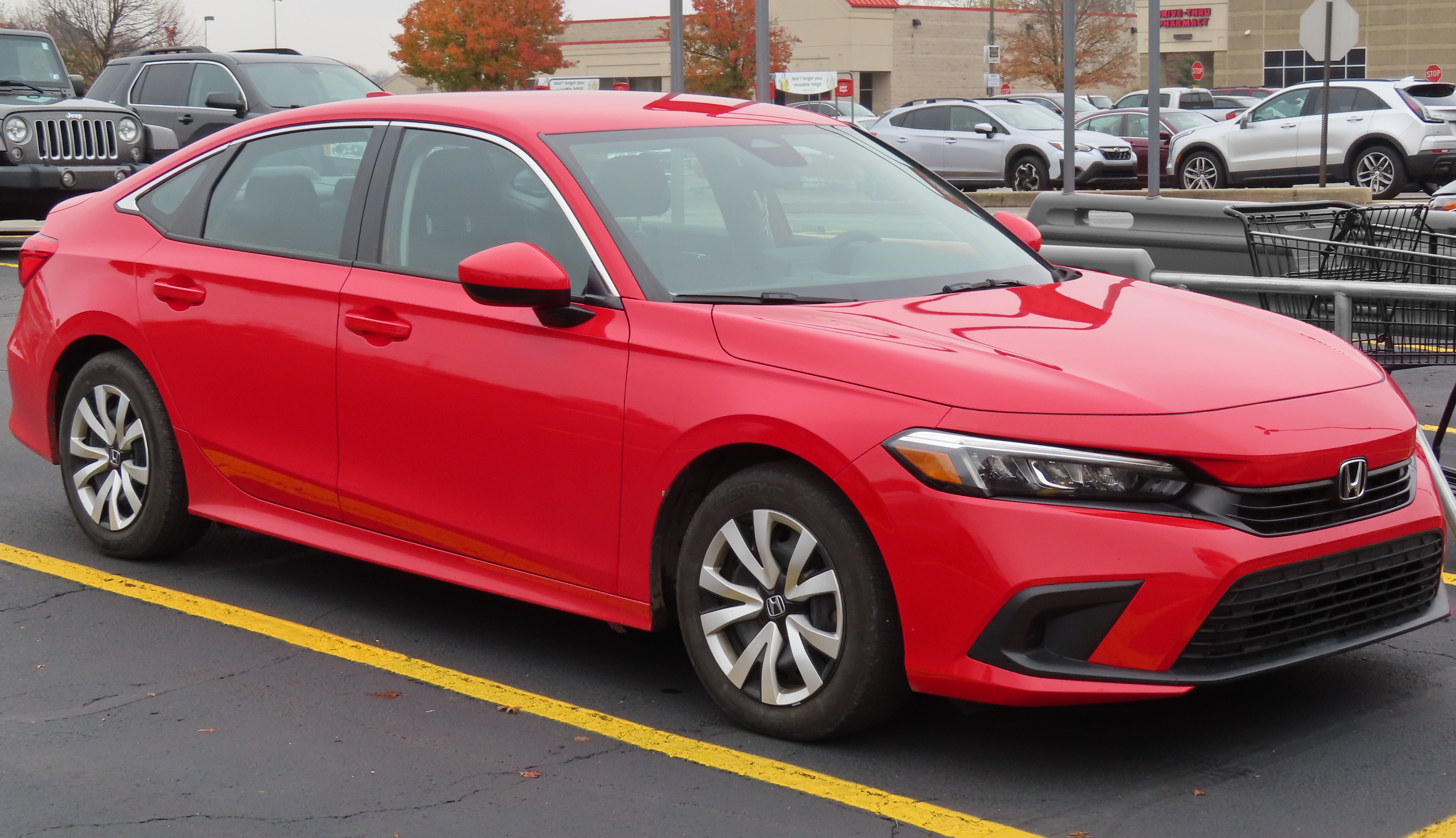
Car
Honda Civic
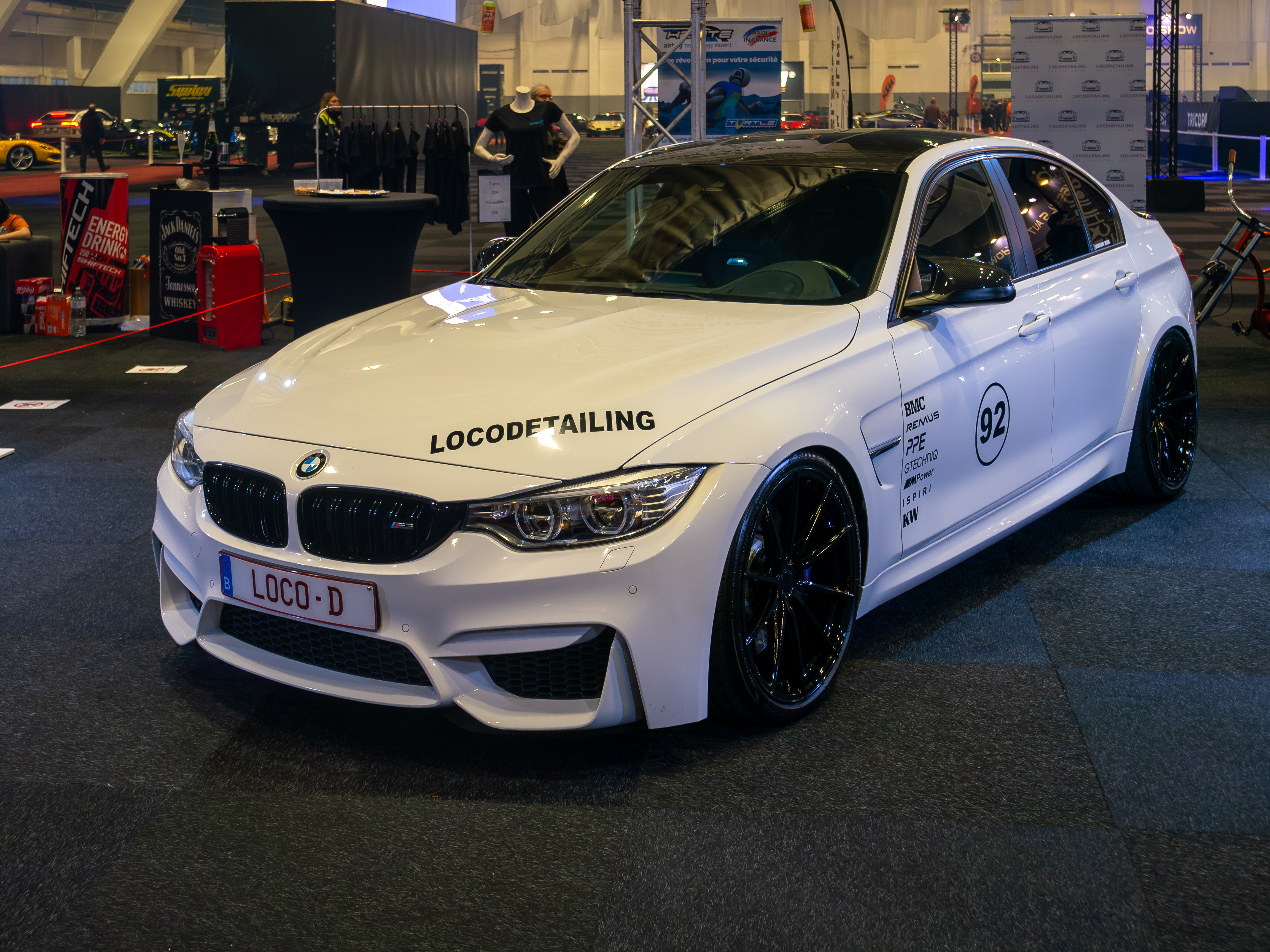
Car
BMW M3

Car
BMW E90


Car
Acura RSX

Car
Subaru Wrx

Car
Nissan Gtr

Car
Scion Frs

Car
Mazda Rx7
LIVE
All right, so if you're a real Canadian,
where do you stand on letter, Kenny?
Oh, come on.
It's the greatest TV show ever made.
How could you just have to do that?
We're going to be just fine here.
We're going to be just fine.
And now, Dinner Bites, a new spinoff of Dinner with Racers,
presented by Hot Nenil Tire, with your host, Ryan Eversley
and Sean Heckman.
Hey, Ryan, it's Dinner Bites again.
Hey, welcome back to Dinner Bites with Racers.
Racer.
That's right.
Dinner Bites, as we've said, every time
is a special offshoot of Dinner with Racers series.
Dinner with Racers, of course, is still going.
And we will have more episodes coming out
later this year, like we always do.
But here's some short form, remote episodes,
just kind of focus on people, not just in racing, but beyond,
such as people who like to find speed in their street cars.
Yeah, we talked to Peter Karak and David Pratt
from Speed Academy, who are a couple of really lovely
Canadian guys, but also spoke about some of the things
that they've built, some of the differences
between our show and their show,
how we all have to kind of produce content.
And I think my favorite thing was discussing
some of the, quote, feedback that we've gotten in the past.
Exactly.
So Speed Academy is a very popular YouTube series.
They basically do builds.
They do something unique to other shows
where they don't stop until they finish the build
and they move on to the next one in their series.
But basically, you can go onto their YouTube channel
at any time and see whatever the latest project car is
to make it go faster, have a better exhaust,
find more torque, find better lap time, whatever it is.
They got all kinds of projects making their cars go faster.
Now, full disclosure, they're also sponsored by Continental Tire,
which means they're lovely, lovely people.
But they got some cool projects going on again.
Check them out because of our sponsors, Ryan.
Continental Tire!
Again, was it?
Continental Tire!
And again, you can post on Instagram
and use hashtag dinner with Conti
to let them know that you appreciate
what we do on the series.
Continental Tire!
Speed Academy!
Meow!
All right, we're gonna start in five, four, three, two...
In the first 20 seconds of hitting record,
I heard, oh, look at that.
Like, this is the most Canadian thing we could have done.
What are you talking about, eh?
You hold it.
A couple of Hoosers.
Hey, Sean, do you know why they're called Hoosers?
Why are they called Hoosers, Ryan?
Because the loser of the hockey game
has to hose down the rink afterwards.
Is that right?
That's right.
I mean, I've never heard of that.
Sounds legit.
I'm not gonna...
And I'm a real Canadian.
I don't even know.
All right, so if you're a real Canadian,
where do you stand on letter, Kenny?
Oh, come on.
It's the greatest TV show ever made.
How can you...
Okay, we're gonna be just fine here.
We're gonna be just fine.
Allegedly, allegedly, yeah.
So, Ryan and I were just in Bowmanville, what,
last week for a Canadian Tire Motorsport Park.
Do you guys call it that
or do you call it the real name?
I mean, I still call it Mostport Animal,
but we are sponsored by Canadian Tire,
so I think we're contract obligated to call it Canadian Tire.
Of course, part of that.
I think it's because of my love for Mostport
that I make sure to tag Canadian Tire in it
because there's not too many sponsors of that size
sponsoring road courses these days.
And a lot of times it's something that's way inside,
but that's a real big company up there.
So I try to always give them love
because we need more corporate stuff like that
sponsoring sports car racing or road racing in general.
No, that's a great point.
Yeah, I mean,
they seem to have a pretty strong ownership group now,
but each time you get a sponsor like that,
you gotta treat them right for sure.
Yeah, for sure.
So welcome.
That's funny, because we've, I mean,
you guys are obviously,
not only do we share a sponsor,
but you guys are definitely in the performance realm
of cars and obviously we're in the pro racing side.
So there's a lot of crossover,
but yeah, I think this is the first time we've all met.
Yeah.
I think so, yeah.
I might've bumped into Ryan like 10 or more years ago
because I was good buddies with the Compass 360 guys
and I grew with them a few times,
but I didn't have a gray beard.
Coffee.
Ryan was still young and chasing women.
So we might, we might not have crossed paths.
I'm not sure.
Yeah.
And now I'm just old.
I'm just old.
Chasing women.
Yeah.
That's cool.
Back in those days,
it was still called the Continental Tire Series.
That's right.
Which is now moved on to another sponsor,
but yeah, those are like the good old days
where some of these hats and trophies are from back there
because Compass 360 Racing is a very big part of my career.
I was with those guys for about five years.
Some of the best Honda Civic race cars
I've ever driven, you know, sent before since
and a really good group of guys.
And also kind of started my love for Canada to begin
because I never really worked with anyone from there,
but what I always tell the fans up at Mossport,
AKA Canadian Tire Motorsports Park,
some of the most passionate automotive
and racing people I've ever met in my life.
So it's clearly something in the water up there
because you guys are all nuts about
going fast and making a lot of noise.
It's because we have such a short season up here.
Yeah, yeah.
Two months and we're done, so.
Right, gotta get it all in.
Exactly.
There is a real passion for motorsports here
and there always has been as long as I've been alive.
I don't really know what the, you know,
what the genesis of all that is,
but yeah, maybe it's just,
we're trapped in our garages all winter,
so we like to build stuff.
And then in the spring, we just go drive,
go crash into each other and start all over again.
So for some of our fans,
I'd say majority of them are gonna be road racing based
and not necessarily in the tuner world
or even the import stuff,
but you guys kinda do a lot of neat things.
Give us the background on where Speed Academy started.
Man, well, it's kinda started with Modified Magazine
where Peter and I were both editors.
Yeah, he was the big boss editor
and I was his lackey doing all the actual work,
writing stories.
But I was also a racer,
so I started at Modified Magazine
because I was competing in grassroots motor sports,
a lot of autocross, time attack, club racing,
and went to work at the magazine
because I'd been freelancing for other magazines prior to that.
And just to be clear,
since we do a lot of stock car fans,
Modified Magazine was about street car mods.
Yes, yes, yes, that's a great point.
Yeah, it was a tuner magazine,
so it was focused on the sport compact tuner scene.
So very similar to like sport compact car
or super street or import tuner.
Same genre basically.
Just weird more towards the performance side of things
rather than the show side.
The style side, sure.
Yes, and as part of our job
where we could cover some time attack events,
some pro drift events.
So there was a motor sports angle
to the content from time to time.
And occasionally we'd also go and compete
in like a red line time attack
or what's now called global time attack,
that kinda stuff.
And I was sort of club racing on the side as a hobby really
and slowly trying to sneak some of that content
into the magazine too.
But yeah, that magazine got shuttered in 2014.
Yes, yeah.
And that's when Pete and I decided
we wanted to keep doing what we were doing
and try this whole internet thing out,
see if that was gonna catch on or not.
Turns out YouTube was pretty popular.
It's just a lot more than a magazine
when we originally started it,
the magazine felt daunting now.
YouTube is like just on another level, right?
Right.
We're now on that treadmill
where we have to publish constantly to stay relevant.
So it's definitely a more hectic pace of life
than the magazine days were.
The magazine was, in a lot of ways, the good old days.
But you know, we wrote it to the very end
until it died, clung to the page
and all of that, how do we reboot?
So that was our reboot basically to start speedy.
I mean, and my career started in video production
so I was always kind of aware
but Ryan and I started this as a podcast
and eventually transitioned to a video series
a few years ago with Amazon and Motor Trend.
And I think Ryan, you probably learned this firsthand
but I think a lot of our fans are like,
why don't they just set up cameras?
And just thinking like, it's not that much more work
and I don't think people understand
it's like a 10-fold increase
in terms of complication and work effort
to just have cameras rolling in the edits
and make sure you're phrasing things right, et cetera, et cetera.
Yeah, yeah.
And then add to the fact that I think automobiles,
it's like one of the hardest genres to work in, right?
Everything's expensive from assets and all that
and then just so much stuff goes wrong.
It's not like we're cooking a meal,
you know, you just mush the tomato,
you fill in the garbage and blow an engine out.
You know, that's our big thing with the racetrack stuff
is like when something goes wrong,
it goes wrong catastrophically
and it just sets you back.
Scheduling is our Achilles tendon, your heel, you know?
Yeah, and Peter Siles got PTSD from blowing up
a pretty pricey E90 M3 engine at the Wavescrack.
He got about three or four laps in
and all of a sudden he noticed a dramatic change in tone.
Everybody told me it goes BMW,
that was the halo engine from BMW,
nothing was wrong, but they all lie, they all lie.
Yeah, I mean, you got a good point there,
I haven't thought about this before,
but like if it's like, for example, a cooking show
and they're throwing ingredients in,
they could lie to you and tell you that it tastes good.
Or it could be subjective, like, well, no, I like bitter.
So that's why, but like if an engine explodes
or you're saying things that are scientifically not factual,
which are easy to look up in an automotive world,
and you're frauds and you have to be able to back it up.
So not only are you producing content,
it has to be the right quality level
that your fans are expecting,
but you also can't be full of shit.
Yeah, yeah.
Sometimes we get called out when we get things wrong
and that's okay, we actually get a lot of great feedback
in the comment section about things
that might have done wrong.
Or did in, but people think we did.
Sure, yeah, you get a lot of keyboard warriors
who want to correct you that, you know,
you just have to shrug and have a laugh about that.
It's just great, it's a great resource to have, right?
Ultimately, the audience is amazing in that sense,
but yeah.
This is the most Canadian way to talk about haters
I've ever heard.
Like this is like, haters are like,
it's a great resource.
Meanwhile, Sean's like,
did you see what this guy wrote about us?
Well, but that's an interesting point.
I'm curious on the parallels.
So, you know, with our show,
it's more about the person than it is the vehicle, right?
So it's about us having lunch or dinner with somebody
and learning about their story.
We genuinely are very lucky that our fans
are generally positive,
but I would say even with positive fans,
the number one kind of cringe comment
that Ryan and I get is, I know something.
So I'm gonna make sure they know it
by saying, why didn't you ask this?
Yeah, right.
But I'm trying to think of what's the parallel
when it comes to sort of doing a mod build
or something like that?
Like what's the, why didn't you use this muffler?
Well, yeah.
Or you know, like we just built a Honda engine
and it was too noisy, right?
And you guys, like one of my favorite comments there
was like, I can hear that that motor is off.
It's not gonna last long.
And he wrote, and he just wrote it.
I could feel the confidence in that.
Right.
Oh, yes.
Yes.
Oh, I can hear it through my speakers
through the microphone that you recorded this.
I could hear it.
Something's off.
And this was after this car I had already run
through the dyno, you know, made the power
that it was supposed to make.
Like it wasn't smoking.
So, but we had a long build up to it.
So there was a lot of errors.
So this guy was just like so convinced, you know?
And that's the kind of stuff you get.
That's like, oh, that sounds wrong
or oh, you didn't do it this way.
This is the way you should have done it.
The guy took the card and do it right
or your suspension setup, you should be putting
three degrees instead of three and a half.
Yeah.
Right.
There's a huge spectrum to your point with automobiles, right?
Where the tomato, what's a guy gonna say about the tomato?
It didn't look like the right shade of red, you know?
Right, exactly.
Now it tastes good.
Oh, I guess it worked.
Meanwhile, you got a hole in the side of the block.
You're like, oh, we shouldn't have done that.
Yeah.
You know what I mean?
You know what's funny is if we had a chef with us,
they'd probably be saying the same thing.
Oh, yeah, they're like, it's gonna be talking about.
No, trust me, we actually get that guy.
Yeah, comment below if you're a chef, let us know.
But that's the other thing is like,
what I like about what you guys do is you're honest,
including if you make mistakes,
you're happy to put those out there
because that keeps the authenticity
of you being two real human beings doing the work.
Does that work against you though?
Do people immediately think you're an idiot
for showing your mistakes?
I don't think so.
I think for the most part
our audience really appreciates it
because they know it's real life.
Like any real guy who's worked on a car
knows that this stuff just happens on a daily basis.
And we share it because it's real
and it's often funny.
Yeah.
Or it's just, you know, it's got value
both educationally and entertainment perspective.
So, you know, you get some people that are naive
who think, oh, you shouldn't be making these mistakes
therefore you don't know what you're doing.
But the real, our true fans
and the real car guys understand and appreciate it.
Yeah, and I think our fringe guys,
what you get is a lot of guys
that don't necessarily watch our content
through and through, don't know who we are.
Copy.
We get the guys that come in and go like,
whoa, this kind of mistake you just made here,
you should not be building an engine.
You should not be driving the car.
Yeah.
You know, that kind of stuff.
So you do have, and what we've learned is, you know,
the scale of like true enthusiasts
on the internet that are into like automotive,
you know, even motor sports, right?
It's just like the sliver
when you look at how big the automotive world is.
So that sliver of people, you know,
there's a lot of other people
that are watching your content
that aren't true enthusiasts
or don't really have the knowledge base
that we think, you know, everybody naturally would have.
So you make a mistake and someone's like,
whoa, this guy, he's,
why is he even holding a wrench, right?
Meanwhile, at any time,
at like a professional mechanics shop
and you watch those guys,
you realize we're doing pretty well here.
We're not so bad.
We're all humans.
Yeah, everybody's trying their best.
Yeah.
We actually, I won't say the name of the person
because I don't want them to be self-conscious,
but Sean and I have an inside,
not a joke necessarily,
but it's almost like a little like scale
that we don't want to over-explain something
or make something so difficult to follow
that the specific fan that we use as a reference
won't understand what we're talking about.
Yeah.
And I can see that.
And I don't understand this.
Yeah, would they get what we're trying to explain here
because if they would, then we've done a good job.
If not, they might zone out and not be,
you know, as interested.
And with what you're doing,
because we're just telling stories a lot of the time,
but what you're doing,
you're actually doing nuts and bolts
and could easily get into the science
and everything to make it so difficult to follow.
Do you have a way that you keep yourselves in check
so you don't like basically nerd out too much
and they're like,
oh, they don't even know what we're talking about anymore.
We've actually been,
we're looking to scale that back.
That's been our like, you know, 25 model
is just to start simplifying things
and really explaining things more.
Like maybe the person doesn't understand engine timing.
Right.
And we always have come from a world
where we do kind of get too far
into nerding out sometimes.
Yeah.
So you kind of have to reel it back.
Yeah.
You know, I think it's a tough balance.
Yeah, it is.
And humor and comedy, you know,
having that is always really, really, I think critical
because even if you're losing someone,
if it's, you know, joking
or if me and him are chatting
and having a conversation
rather than just like, you know,
staring at a camera,
talking in a monotone fashion.
Yeah, we did try to throw some nerdy stuff in
because we know we've got lots of nerdy guys who love that.
For sure. For sure.
We also try to explain things as succinctly as we can
when it might be a more technical concept
that we think, okay,
a lot of guys might not really understand this.
So let's try to break it down.
Yeah.
You know, sometimes we don't understand it.
So we have to like go to an expert
and sort of figure it out that way
before we talk about it ourselves.
Yeah.
And then the experts in the comment section
will straighten us out anyway.
So it all worked.
Then you got the feedback.
Yeah.
Imagine you could, before you could shoot a video,
you could have this resource of experts
and then you could go back and...
That's not how that works.
That's awesome.
On the flip side of that though,
I imagine you guys have gotten some really strong feedback
from people that are like very happy to have the outlet
of watching what you're creating
and have that kind of time to disconnect from life
and just listen to you guys do what you do.
Because we get that feedback a lot from people
that are like it's just nice to be able to
not think about life for a minute
and listen to a story about a racer or somebody like that.
So while we all will always have haters
because we're putting ourselves out there,
we also get the option,
we get the really fortunate opportunity
to get feedback like that from people
which I'm sure you guys get a lot of.
For sure we do.
Yeah, I mean we publish every Saturday morning
and our fans call it Saturday morning cartoons.
So they watch their car guys stuff
like they used to watch their cartoons as kids.
That's cool.
There's another channel that publishes
like an hour before us
and then they do similar content to us.
So they get like two uploads every Saturday morning
that they now call Saturday morning cartoons.
So we certainly get a lot of feedback
that those guys love that sort of, like you said,
sort of just going in a way of being a child again
and watching your cartoons on a Saturday mornings.
Yeah.
It's our power block.
Yeah.
Yeah.
Remember the good old days of Power Block TV?
Yeah, we're very well.
I put a toupee on, I'd really be a power block guy
but not there yet.
What is, what would you say
is the hardest thing you guys have to overcome
putting your show together?
Man, just the scheduling and like,
yeah, there's so much planning behind the scenes
that a fan or a viewer would never really know goes on.
Right.
There's so much work to like,
we do, I don't know, 10 builds a year maybe on Irish
and a wow, wow builds a year.
There's so much work that goes into the behind the scene
stuff and that can get a little overwhelming.
Sure.
It's currently overwhelmed
because we're kind of far behind right now.
We moved shops this year, which set us back a month
and of course now, the sponsorship stuff,
everybody wants it all at once.
It's never spread out evenly during the year.
Yeah.
So we've got a lot on our plate.
And to that point, it's just like,
what we thought was gonna be a simple engine build
on a Honda engine turned into six weeks
rather than being three weeks or two weeks.
Today's what I originally said.
Yeah, Dave has this idealistic,
oh, it's a Honda motor, how hard can it be and easy?
Right.
Well, correct me if I'm wrong,
but you're typically your builds are sponsored, correct?
Yeah.
So not knowing how your income is made,
I assume those are built in milestones, right?
So you get this far into a build
or this completion or whatever.
So I assume you go into something,
you're one part being delayed
from this all of a sudden become three months of a project
but this is all your income on the milestone sense.
Exactly.
And our trouble is we don't necessarily,
we're not a vlog automotive vlog channel.
So we don't jank around.
So if we have like a cargo down or something,
we need to, we kind of wanna do a start to finish
a very chronological publishing schedule.
So we try to publish the videos of that
then move on to the next car, move on to the next car.
We don't have like five cars in rotation
back and forth, jumping back and forth to.
So that's where a lot of the scheduling troubles happen.
So if we go down, then it's a scramble
to try to get, you know, an engine
or try to get a part right away to keep on schedule.
So have you done an episode about just waiting for UPS?
Not yet, but there's been a few episodes
where we were waiting for UPS to finish it
before the Friday when Peter needs to run home
and edit it for the Saturday morning.
We've been in that situation more than we would like
in the last year or two.
And it's really, really just been the last year or two
where we've struggled a bit more with it
because we've been sort of rejigging things
around here.
Typically we try to have, you know,
at least two or three episodes in the queue
so that we're not rushing to publish.
But right now we're trapped in this rushing to publish phase
which is not a deal.
You can trap, you know.
How would you say it properly?
Edit on Friday, publish on Saturday or something?
You know what I mean?
Like, yeah, yeah.
Is that my live stream?
We've never worked like that at all.
No, not at all.
Good, good.
I think anyone in this business
can relate to that struggle.
It's, if you're publishing frequently,
it's just, it can be hard to keep up at times.
We're still doing it 10 years, 11 years later.
So we're surviving somehow.
Yeah.
Well, once you build the fan base that you guys have built,
it's easy to keep that motivation
because like Sean and I know the sense of responsibility
we have to our fans now.
Yes.
You know, where it's like, okay, like they're waiting.
They're hoping for some more entertainment.
We got to like kind of do this.
And it's not at all really about what we get to do this.
And about our sponsor agreement, yeah.
It's literally about like,
I don't want to let these people down.
They really seem to like what we're doing.
Yeah, it's a good way to put it.
We feel the same way we just,
so we just missed the Saturday,
this past Saturday and you do feel very let down, right?
Like, or you're like letting people down
or your fans and all that.
So just like the grind to get that out every week is real.
Yeah.
We're always understanding that though.
So just talk a little bit more about Speed Academy.
So you guys focus on performance tuning
and what I like about what you focus on
because, you know, Ryan and I are racers.
I would argue Ryan is way more of a streetcar person
than me.
But in addition to what we do on the podcast,
I do a kind of a marketing PR group out here in LA.
And I've got a automotive client who,
they do a lot of aftermarket tuning,
but a lot of their aftermarket tuning is
for that Orange County crowd who likes the fact
that the car is louder or has flames or whatever.
And the racer and me can't wrap my head around
but it doesn't go faster.
You guys are in the, it only goes faster category.
For the most part, our focus has been performance first,
although we still want our cars to look cool.
We're not verbal tuned, shoot flames at no place.
I mean, we're kind of too old for that in a way.
That's kind of a younger man's game to be,
but we take a, I think a very restrained approach
to how we set our cars up for the street.
We don't, we don't want to necessarily draw unwanted attention
with loud exhaust or like crazy low or crazy camber.
Yeah, we've always, I think our philosophy has always been,
you know, we want the car to look OEM plus,
so a little bit better than what, you know,
that the true enthusiast would notice the vehicle.
Right.
Performance aspect of the car really speaks for itself.
And that's where, you know, someone would be like,
whoa, that something's going on with that car, right?
Yeah.
So rather than just like running around to your point
with, with verbal tunes and big wings and wraps
that have a million colors on them to,
hey, I'm here, I'm here with my Instagram handle
on the back, right?
Yeah, exactly.
Wait, how are the Canadian police
when you start doing tunes?
We're pretty laid back in Ontario where we're based.
You have to really be way too low
or way too loud before they start to look.
Dave, you have to remember though,
we don't go to meets anymore.
So they're, they are cracking down a lot
because things have, I'm sure, you know, like in LA too,
things have gotten out of hand with the takeover stuff.
So the rules here are pretty strict.
And if you, you know, you get caught,
they impound cars now, they do a lot of stuff.
So if you're out at night doing things,
you're getting in trouble.
Our big thing is like we, the tickets are pretty insane now.
If you get caught doing, what would it be?
I think like 25 or 30 miles over,
they impound your car, they like suspend your license
for 30 days.
Right, right.
I mean, of course these days are so fast.
Like you squeeze on it and you're going
double the speed limit, so.
Nuts, yeah.
But I mean, at least amongst our friend group,
we're not running into any of those issues
because we're not going to takeovers
and we're not making top speed runs on the highway.
So, you know, if you have a modified car here
but you drive like an adult, you'll be fine.
But if you are out there doing things
you probably shouldn't be doing,
then you might run into some trouble for sure.
But I think that's true most places.
When you guys first started working together
at Modified Magazine, how many people worked
at that magazine?
Man, maybe 30 people?
Yeah, that ran, that basically did like, yeah.
So that was about, there was three magazines
being run there.
So that was in Toronto.
And then Modify got bought out by Primedia,
which then turned to Source Interlink,
which then turned to Motor Trend Group.
So I actually spent some time in California.
And we basically had a team of like,
I would say seven people, eight people
that worked like.
Dedicated to the magazine.
Dedicated to the magazine.
Yeah, right.
The reason I ask is because Sean and I,
we didn't work on the same program necessarily
but we worked around a lot of the same people
and I would have never imagined at any point
in that first, you know,
couple of years of knowing him
that I ended up spending the amount of time
that I've spent with him in a car
driving across the country,
just like YouTube might not have before
but now you're in the shop every day together.
Is that fair to say?
Yeah. Oh yeah.
No, I'm sick of this guy.
I want to get it.
You got where I was going.
Oh yeah.
I mean, we, luckily we knew each other
for about a decade before we started Speed Academy.
So we already knew that we got along well
and that we worked out together.
So, you know, it wasn't the difficult transition
for us that way,
but starting your own business
and trying to figure out how to make money was,
wasn't easy.
No.
And so, you know, there was some lessons
to be learned along the way
and we had to kind of figure out
what our strengths and weaknesses were that way
and sort of, you know, streamline things in that sense.
But yeah, somehow we made it work.
And for me personally,
like coming to work is actually a nice escape
from the family.
So, you know, it's kind of a snictuary here for me
if I'm going to be honest.
Got it.
Got it.
Is everything okay?
You know, it's like it's happening fellas,
what can I say?
Yeah.
All right.
What's quiet?
It's just, it's two of us.
So you just get that good reprieve.
You're not dealing with.
Anyone telling me to mow the lawn
or deal a laundry or get the kids out?
So, you know, this is coming here in the middle of cars.
Where does the initial interest in cars come from?
Like my dad was a crew chief in racing
so I followed in his footsteps.
That was my big influence.
But for you guys, where does it all start?
Fathers too.
Yeah.
Like, you know, my dad was always out tinkering on cars
and I kind of just like naturally fell into that.
So it's been, it always started with that.
And like my fascination, you know, with, I guess,
going fast was also there from the beginning.
Like as a moment that I got off, I was 16 years old.
I was so convinced I was gonna, you know,
ride mountain bikes for the rest of my life
when I was like 14, oh, this is so awesome.
You go in the trails and then you get into a car
and you see, wow.
And then instantly I was like, gone.
The mountain bikes were just too slow
and auto were it, right?
And it was same for me.
My dad was a car guy.
He was always restoring like old MGs
and then Corvettes in the garage.
And he was an autocrosser
and like an occasional like lapping day guy.
So I would go to those events with him as a kid.
And then I started autocrossing with him
once I got my driver's license
and then kind of cut the bug from there
and I started doing like local time attack events
and then that sort of progressed into club racing
and then I did a couple of years in Canadian touring car
and did some racing down in the States.
Really all just because my dad ruined my life
by getting me into cars.
Yeah, understood.
I get it.
I completely get it.
Well, so on that level, you guys,
I mean, I think for all intents and purposes
you guys are racers.
You're obviously doing a lot of your own builds
or doing track days.
You're very much in the grassroots scene.
One of the things that Ryan and I constantly kind of
second guess with the sport that we're in
is the fact that the kind of racing we're involved in
is even though it's considered sort of the premiere
in sports car, it's so homologated and it's so regulated
that it's almost lost touch
with what grassroots racing really is.
On your end, do you read about our stuff
and get frustrated by that?
I mean, I follow it pretty closely.
I still have friends that are involved in the series
either as drivers or crew chiefs or crew.
And it's interesting to me to see how homologated
it's become over time and how locked down the cars are now
and how unrelated they are to street cars.
It's kind of a shame to me that that's happened
because I think it is less relatable to the everyday
car guy or the casual enthusiast
or the street tuner guys.
Those cars just seem like something else.
They don't seem, they might as well be Formula One cars
in a sense.
They're that different.
I still go back and watch like 90s era racing
from that point, like touring car stuff.
It was so, to me, that like sparked my interest
in fast sedans because it was relatable, you know?
And those cars, the series were so competitive
where now it's more robotic to that point, right?
Everyone's got traction control.
You've got your ABS on,
it's just taken a lot of what I think was the excitement
out of it, right?
And I think that's where it does lose the audience
that you want people to come in and get excited about.
It's hard to bring those people in
because these cars are the way they are.
Yeah.
I mean, I love watching the Goodwood, the historic cars.
Is there?
Yeah.
Hiding around on these narrow low grip tires
and the racing's amazing.
I mean, they have literally the best drivers
in the world in those cars too, which doesn't hurt.
But watching those cars at slip angle is really exciting
where like modern race cars are so locked down,
you never really see them sliding around.
So you don't necessarily get the same sensation
of speed as a viewer either.
You don't even hear the tires really anymore.
So like it is, it's somehow visually less impactful
even though they're going much faster.
I think if you're track side,
you certainly get a sensation of speed.
But if you're watching it on the internet,
I think you lose some of that
versus say watching the vintage stuff,
which I'm on a bit of a kick these days with.
But yeah, for me, I think it was like
speed vision, world challenge series,
you know, with the real time racing,
I was a Honda nerd and watching those guys,
that's really what made me fall in love
with turn car racing,
maybe really want to go and do tour and car racing.
And if you're from my age group,
you'll probably feel the same way about that racing
was just so cool.
And they were really just
pretty lightly modified street cars.
Yeah, exactly.
Well, that was the whole, yeah.
Yeah, even when they were, you know,
Compass was running RSXs and stuff,
like they still had that appeal, right?
For sure.
Like the last year I drove for them
was still a stock Civic SI gearbox.
And we were blowing one up every weekend.
We literally budgeted one a weekend
because it was like at the end,
this thing's going to be destroyed.
But it was still a stock gearbox,
and there was technique that required you
to be able to finish the race.
So I think, I have a story that just came to mind
thinking about this that I don't know if I've,
I think Sean started this before,
but actually, no, the Subaru.
So I, Compass bought a Subaru WRX GT4 style car
that they were going to run for a bunch of races
and they had a guy bail at the racetrack in Birmingham.
He couldn't make the event.
And that's only two hours from me away.
So at the last second, Carl Thompson calls me.
He's like, hey, can you drive over here?
It's like Friday at like 6pm.
Can you come over tonight,
tomorrow morning, qualify and then race on Sunday?
I was like, yeah, I'll be there, you know?
So I get there.
I don't know anything about this car
other than that's a WRX Subaru
and we're going to go race it, you know?
And by Sunday, I've now driven it for a couple of days
and it's cool.
We're not very competitive, but you know,
it's just what it is.
And this fan comes up to the trailer
and he's like, hey, one of the crew guys is like,
hey, there's a fan who wants to talk to you about the car.
And I'm like, I don't know anything about the car.
I just saw it for the first time too.
He's like, I just talked to him.
Okay, okay.
So the guy comes up and we're talking
and he's like, oh man, this thing's so cool.
He might, if I look under the hood,
I'm like, yeah, sure, we can open that up.
So I'm popping it up.
And he's like, slowly like losing interest
and enthusiasm the more we're discussing it.
And he's like, with that wastegate
and how much boost do you think you run?
I go ask Ray.
I'm like, what kind of boosts this much?
He's like, you're probably making like 475 horsepower.
And I was like, yeah, like, mine's got 900
and it's in the parking lot.
I was like, oh, he's like, yeah, all my guys
we're making 700 horsepower in our street cars
that we drive to the racetrack.
So he was just so let down that it had been neutered
to like no real like exciting performance numbers
that these street cars can have on pump gas.
Yeah.
And so that was one of those moments where I was like,
oh, okay.
So from the enthusiast side,
we're kind of giving up something here.
But and that is also a sign of the times, right?
Where like, this is what we struggle with too.
We build very modest, like true street cars
that you want to enjoy.
And, you know, like anything over 500 horsepower
these days, like 500 horsepower is already ridiculous
on these streets.
But these guys, like, have you seen what a 700?
Like I remember the first time I went for a ride
in a 900 horsepower GTR and an Evo in like 2004
that AMS performance had built.
It was ridiculous.
Like it was, you just, you held on
and it was just like, oh my God, you know,
to that point I'm tripling the speed limit.
But now it's like, if you're not
from a video perspective, YouTube perspective,
a car me perspective, you show up and you're like,
yeah, I got 500 horsepower.
Like, bro, I got a 900 horsepower super.
Oh man, that guy over there, he's making 1200.
Yeah.
Right.
It's a threshold, but like in racing,
can you imagine trying to drive a 900 horsepower?
Like, you know, let alone holding together
of course you're making that kind of power.
But even then, like a 900 horsepower race,
there's a reason why these cars aren't 900 horsepower
because it was going to be dying on the racetrack.
Right.
Like the motors that can do that
cost like $100,000 for one race in NASCAR.
You know what I mean?
Like literally one race
and they have to rebuild the thing after four hours.
But also, they're not fun.
Like at a certain point, like my favorite videos to watch
are the YouTuber, the guy,
guy takes his girlfriend in a 900 horsepower vehicle
or whatever and you watch, it's the same video
over time where the guy smashed the throttle
and after two seconds you can see that like,
he just lifts off because he's terrified.
Yes.
He's like, bro, oh God, oh God, oh God.
It's like, that's not fun.
Why would we want that?
It's not usable.
It's not driving.
Except the girls in a bikini.
So we watch it and it takes like five minutes
and we sit there.
I wouldn't, I wouldn't do that, Peter.
I wouldn't watch that five times.
I'm not saying you would.
Yeah.
The common people, they get suckered by that stuff.
Not us.
I, yeah.
My eyes are focused.
So you guys do something which I find cool,
which is like you said, you go build by build.
You're not doing a lot of mixing
so it's easier to follow as you go through the chronology.
What chooses to build?
Man, Peter's whims his Facebook shopping habits,
which is just like closing his eyes
and picking another BMW.
I try to do a little bit of research
by looking at what's trending on YouTube.
So if we know a certain type of car
or a certain like price point is trending,
we might look at that and say, okay,
what can we do that might fit that trend well?
But at other times, it's just like,
what do we want to build?
What are we into, you know?
And you set a different goal every time.
Like this is about finding more time on the track.
This is about getting X amount of torque out of it.
Yeah, we try to have a purpose to the build.
Otherwise it can seem kind of pointless if you don't.
So sometimes we do build off.
So it's like all build a car alongside Peter
and then we'll take them to the track together
and see which one's faster
or sometimes we'll build it for a specific event.
Like early on we built an FRS to take to Target,
Newfoundland and then the following year
we did the Ontario 1500 in it,
which is like one lap of America
but with Maple Syrup instead.
And kilometers, I'm guessing.
Kilometers, that's right, a lot of kilometers.
And we won the big jug of Maple Syrup
at the end of that one, which was,
and it was as all the 700 horsepower Subaru's broke.
That's right.
Liable, low hard drive.
My guy, yeah.
Made it to the finish.
That's right.
That apparently is a thing,
but yeah, we try to have a story to tell basically.
And I think what people kind of don't really understand is
we, so for example,
you go to a shop that specializes in BMWs.
The guy there is working on BMWs every single day.
So he knows the motor, like the back of his hand.
We go through a lot of projects
because we can't build the same car over and over.
So we buy a Mazda RX7
and we decide to build a rotary engine.
So we bring a guy in,
he helps us build it, we put it together.
But then you go put it back into the car
and then it's like,
okay, well, I don't remember how we did this.
How do you do this?
Oh, this part doesn't fit properly.
Oh, that guy forgot to tell us
about these little o-rings that you're supposed to put on.
So now the whole engine's leaking, right?
Oh, somebody forgot,
and machine shop forgot to plug this hole.
So like we're always building new cars, right?
Sure, yeah, new car owner.
New to the market.
Right, right.
But like, so we don't,
we're basically starting from zero most of the time.
And then, you know, we spend what?
Like two to three hours researching
and then you go out basically.
So there is this like massive learning curve,
but you're trying to be an expert at the same time.
So we have a lot of builds that, you know,
not necessarily go wrong,
but just take longer than expected
or have headaches that come up
that a seasoned veteran would be like,
no, no, no, no, no, no.
Whoa, whoa, whoa.
Right?
The RX7 definitely stressed him out a lot
because it was the first rotary build we've done.
And there was a law,
it's just, rotaries are so different
than a typical engine that there was a lot of stuff like,
well, what are we doing?
What does this year triangle do?
You know?
And I guess with us, the, you know, full transparency,
like it's stressful too, because we're on a schedule.
You're trying to maintain it.
And the cost of the stuff is so high that, you know,
like if you put this engine together, it explodes.
Like our revenue stream is not big enough
where you just go, ah, whatever.
We just run 15,000, $3,000 engine, no big deal.
We're like, you know,
some of these larger YouTube channels,
they blow off a GT3 motor.
It's like, oh, no problem.
I'll make that revenue up in the next video.
It makes sense to build off that.
So it is a bit of, you know, for us,
it's a little bit more nerve-wracking
with some of the things.
You can, yeah.
Well, probably similar to us,
when you're sponsored on a build,
they're not getting the receipts and sending you money back.
They're saying, this is how much we're gonna give you
and it's up to you to figure out how to make that work.
Yeah.
So if Paul Tracy orders thousands of dollars in wine,
it's gonna come out of your budget.
It's gonna happen to you?
Nah, nah.
Nah, nah.
That's not a sore subject.
Yeah, yeah.
The mistake was having wine with Paul Tracy.
Yeah, yeah, yeah, yeah.
Yeah, yeah.
I was actually just in Hamilton,
I went to the Canadian Warplane Heritage Museum.
Oh, cool.
Last week.
That pays us.
You can stay at my house next time.
I will, I'm definitely going back.
That was a really cool spot.
It is a cool spot.
Yeah, and that's a pretty neat museum.
And you're not far from
where we shoot all our track test videos,
Toronto Motorsports Park, which is down in.
That's how you know.
You go like half an hour from that stuff.
Yeah, it's very cool.
Yeah, we call that our home away from home.
That's where we spend a lot of time
finding out if the changes we've made to our cars
actually work or not.
Cause most port now is too far
with traffic and congestion.
Oh yeah.
Yeah.
We rival LA for traffic now.
Actually, I think we're technically worse.
It's pretty bad.
It's horrible.
Yeah, it is horrible.
Yeah.
More happy things to talk about Canada.
Yeah.
Awesome.
Well, we have another recording coming up,
but really nice getting to meet you guys.
I'd love to come see at the shop or something sometime,
but I'll be there hopefully next year as will Sean
for our races.
So hopefully we can meet up.
Yeah, sounds great.
Yeah.
Thanks for the time, guys.
We appreciate it.
Meows.
Meows.
Meows.
Meows.
Meows.
Meows.
I'm finished.
Thank you very much for watching, and I'll see you in the next video.
About this episode
Ryan Eversley and Sean Heckman chat with Dave Pratte and Peter Tarach from Speed Academy, a popular YouTube series focused on performance tuning and project builds. The conversation dives into the differences between their content creation processes, the challenges of automotive builds, and the importance of authenticity in their work. They discuss the evolution of car culture, the impact of sponsorships, and the balance between performance and aesthetics in tuning. Listeners will appreciate the humor and camaraderie as they explore the passion for cars and racing from a Canadian perspective.
Original notes
One of the most authentic YouTube channels dedicated to streetcar mods, Speed Academy hosts Dave Pratte and Peter Tarach bring a wealth of knowledge and enthusiasm to add true authenticity to the medium. Long-time writer and journalists in the automotive, and specifically sport compact / tuner world, the Canadian duo decided to start their own […]
Dinner with Racers
Dinner with Racers
0:00
40:02