Continental Tire makes tires for cars and trucks. They are known for making good quality tires that help vehicles perform better and stay safe on the road.
IndyCar is a racing series where cars have open wheels and race on different types of tracks, including ovals. It's famous for the Indianapolis 500 race.
NASCAR is a type of car racing that takes place on oval tracks. It's very popular in the U.S. and features cars that look like regular cars but are specially built for racing.
A development driver contract is a deal that helps new drivers learn and improve their skills with a racing team, which can help them get better racing jobs in the future.
The Chevrolet Corvette is a fast and stylish sports car that many people love. It's famous for being fun to drive and has been around for a long time, making it a popular choice for car enthusiasts.
The off season is the time when there are no races happening. It's when drivers take a break but often still have a lot to do to get ready for the next racing season.
The Daytona 24 Hour is a famous car race that lasts for 24 hours straight. Teams of drivers take turns racing their cars around a track, and it's a big event in the motorsport world.
The Rolex 24 is a famous car race that lasts for 24 hours. It takes place at a big racetrack in Daytona, and teams of drivers take turns racing their cars during that time.
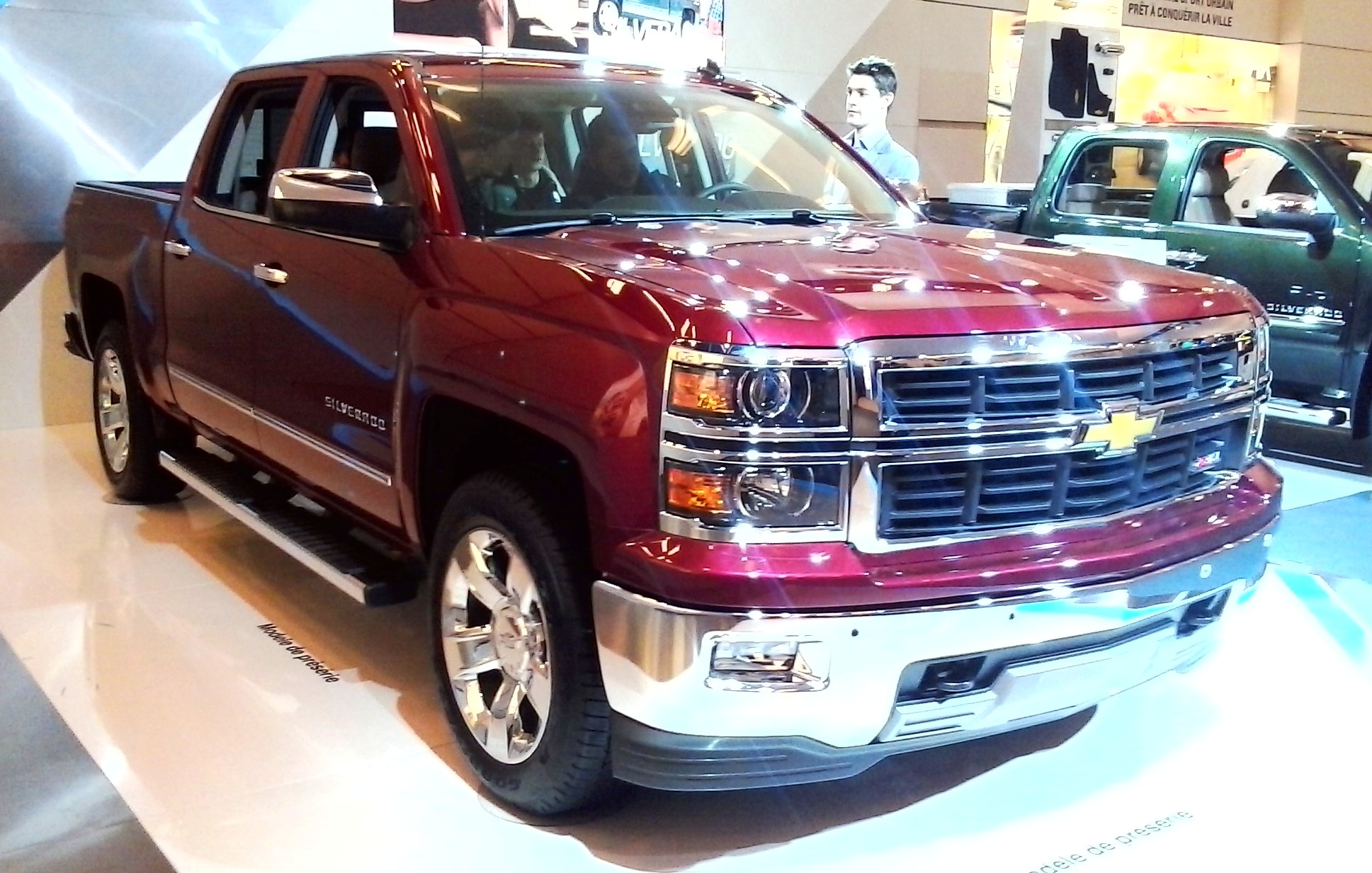
The Chevy Silverado is a large truck made by Chevrolet. It's often used for carrying heavy loads and is popular among people who need a reliable vehicle for work or recreation.
The Mercedes Sprinter Van is a large van that can be used for many things, like carrying cargo or being converted into a camper or a go-kart transporter.
Fuel mileage is how far a car can go on a certain amount of fuel. If a car has bad fuel mileage, it means it uses a lot of fuel and costs more to drive.
Aerodynamic means how well a car can move through the air. If a car isn't aerodynamic, it can use more fuel because it has to push against the air more.
A trailer is something that is pulled behind a vehicle to carry things. It doesn't have its own engine and is used for transporting items or other vehicles.
The MG Midget is a small and fun car that was made in Britain a long time ago. It's loved by many for being easy to drive and is often used in racing events, making it a classic choice for car fans.
The 'next gen car' is the newest type of race car used in NASCAR. It's built with better technology and safety features than older models, making it faster and safer on the track.
The crew chief is like the boss of the racing team. They make important decisions about how the car should be set up and what strategy to use during the race.
The Daytona 500 is a major car race that happens every year in Daytona Beach, Florida. It's one of the biggest events in NASCAR racing and is known for its exciting atmosphere and competition.
American Racer tires are a type of tire made for racing that usually cost less than some other brands. They're popular among racers looking for good performance at a lower price.
Formula 1 is a type of car racing that features very fast cars and is considered the top level of motorsport. Races take place in different countries, and the cars are designed for speed and performance.
Max Verstappen is a famous race car driver in Formula One, known for being very skilled and winning many races. He drives for a team called Red Bull Racing.
LIVE
So, former Mercedes owner, I don't know if this is the right term, but sweet family therapist,
and regular at Said's, back in the day, back in the day. Kyle Larson, if you could describe
this lunch we just had in one word, what would it be? Nope. And now for Dinner with Racers presented
by Continental Tire. With your hosts, Ryan Eversly and Sean Heckman.
Welcome to Dinner with Racers. I am Sean Heckman. And I am Ryan Eversly.
And we are sitting in Johnny Rockets in Hollywood, California. That's right.
Wrapping up 10 years, Ryan. Yes. 10 years of this podcast. We've been doing it.
Long years. And I don't know if I'd call this a celebratory lunch, but it's a convenient lunch
because we're basically in projects right now. Correct. And so we're wrapping up all,
looking back at all seasons worth of long form podcasts that we've done. A lot of cool ones we
got to do, but this one was definitely high on the list of cool episodes we were part of.
Yeah. And it's actually a second time that this young man has been on our show, but
we had lunch with Kyle Larson. Kyle Larson. Now you mentioned the second one because he was in
fact on our episode back in like 2016, nine years ago with Ricky Stenhouse Jr. That's right.
But he was more, it was a Ricky episode and he just happened to be there joining us for a few
minutes. Yeah. This was about Kyle. And a lot's happened in nine years. Yeah. He's had a lot of
things going on, but we were able to sit down with him. And if you don't know anything about
Kyle Larson, then you shouldn't be listening to this show. But he is a extremely celebrated NASCAR
driver. He is one of the best dirt racers probably of all time. He will be in the Hall of Fame of
NASCAR. He will be in the Hall of Fame of dirt racing and has even made a couple of starts now
in the Indy 500. He's the Indianapolis 500 rookie of the year Brian. Correct. Suck it, Rasmussen.
That's right, Rasmussen. Check his episode out too. But we met up with him at 44 Mills in Concord,
North Carolina, where we actually did an episode before with Corey LaJoy and sat down with Kyle.
And honestly, I didn't know what we were getting. You know, when you get these high profile guys
like that, especially on the NASCAR side, they can be very buttoned up. But Kyle was pretty open
with us. He was pretty honest and we learned a lot. And honestly, part of that is having a group
like Hendrick Motorsports being so willing to let him tell his story fairly unsupervised. Right.
Huge shout out to Colby at Hendrick Motorsports who completely gets what we do. Absolutely.
He's very supportive and just let Kyle do his thing without feeling the need to sort of
lure over it. So that that kind of stuff goes a long, long way. Yeah. Some of the things you're
going to hear about in the Kyle Larson episode include dinners with the sweet family. How many
people have to look at his schedule? And yes, he talks about the incident. Now, like I said,
we went down to 44 Mills, which we've been to before. And I did not have the nuggets,
you did not, which you're going to bleep. But I, Ryan, had the chicken sandwich.
If you're new to the Dinner with Racers podcast, we also have a Patreon account,
which is patreon.com forward slash DWR show where we're doing behind the scenes content.
We're adding a little bit more from some of these episodes that could make the final edit,
as well as giving you some of the inside jokes that we've had going for about 10 years.
And basically we're just having a lot of fun with it. We're doing our own personal race previews
and reviews and also a monthly catch up where we just kind of, you know, talk trash and talk about
racing. And it's been a lot of fun. Exactly. So if you go to patreon.com forward slash DWR show,
you'll see there's a couple of different tiers, but dinner club is the membership that'll get you
all the behind the scenes, even lets you ask questions of guests like Kyle Larson. And while
the Patreon is nice, being a member is nice. Honestly, I kind of like that we can provide
this show for free, Ryan. That's right. If it wasn't for our sponsor, God, not old tire,
then we wouldn't be able to do this. And if it wasn't for the fans being so supportive by using
the hashtag dinner with Conti when they post on social media, or by going to our website,
dinnerwithracers.com or our Instagram DWR show.com and clicking on those trackable links,
this show would not exist. So please keep up that awesome support and buy Continentals whenever you
can. And I know we say it all the time, Ryan, but that hashtag dinner with Conti goes a long way.
So if you're on Instagram and you buy a set of Continental Tires, you buy any sort of Continental
product, if you tag Continental Tire on Instagram, use that hashtag dinner with Conti. That goes
a long way to sort of providing verifiable data that our sponsorship works. But also even if
you're not sort of an Instagram person or a social media person, if you go to dinnerwithracers.com,
click on that Continental Tire link, you go to our Instagram profile, do the same thing,
click on that Continental Tire link. Those links are specifically tuned to provide Continental
the data that we are the ones who sent you there. And that data goes a long way to keeping us sponsored,
keeping these free episodes like with Kyle Larson on the road. So please keep doing that.
And you know who raced against Kyle Larson this year?
Well, it's like 40 other guys. Sure. But who drove us and drove against Kyle Larson this year?
It's Shane Beckett. Oh, yeah, I've heard of Shane Beckett.
SPG. SPG. SPG. Kangaroo is a bulls***. Kiwi's a cool though.
Thanks, Shane. And yeah, I guess take it away, Kyle Larson.
Meow. All right, we're gonna start in five, four, three, two.
Plaza del Sol. You ever been there? Are they your parents or a fan?
Yeah, is that the one at Elk Grove? It is an Elk Grove. Yeah, I mean, I haven't been and
it's gotta be at least five years. But yeah, that was our go-to spot for Mexican food.
Yeah, we did one of these there with Joey Hand. And then we actually drove through there,
I think, for something else and we stopped right there again because we liked it so much.
We did. Was that Brad Sweet? Yeah, yeah, yeah.
Yeah, the Mexican food out west is just not the same as how terrible out here.
Yeah, that's probably in and out burger and Mexican food. It's like the only, and I mean,
my friends obviously, but those are the only reasons why I miss California times. But
yeah, still searching for a Mexican restaurant out here on the east coast if anybody knows
of one. Let me say, what is the Charlotte Mexican place? We know like...
I've never even heard. Yeah. So like when I, I mean, I haven't been in a while because I'm trying
to be a little healthier, but there's like a gas station right here in Concord.
It's a... I'm in. Takaria Roberto is like the little, you know, authentic Mexican in it. And
it's really good. That's like where a lot of the race teams go for lunch and stuff. Yeah,
really, really good. Like carne asada, burrito and stuff. Yeah, nice.
The good news is you're getting younger. Yeah, yeah.
So you say you don't go back to California that much. When did you first move out here?
So I moved. So 2011, so I was living in California, racing out there. I got called up to run
USAC stuff with Keith Coons in 2011. So split time between Indiana and California a lot in 2011,
racing just a bunch. And then had a great year in the Midwest, racing USAC, and then got picked
up by Chip Canasi at the real tail end of that year. So I moved here in 2012, but I still didn't
spend a lot of time here in 2012 because I was racing. I ran 100 in almost 30 races that year.
So I was gone a lot, but that's kind of like the official year. I would say I moved to North
Carolina, got an apartment here. But then, yeah, then I went nationwide racing in 13. So I lived
here full time. But as soon as the Gnasi deal came together, was it obvious like you got to come
out here if this didn't work? Yeah, yeah. I mean, it was obvious even before, like Indiana was where
you had to go for the next step. I was just locally racing then in California. And Indiana was the
next step that I believed you needed to get to if you wanted to go anywhere, whether that was
NASCAR, IndyCar, World Outlaws, whatever. You had to get out of California. So
was grateful to get to race with Keith Coons. And then, yeah, when the stuff came together with Chip,
yeah, I mean, everybody in NASCAR lives here. So that was like the natural move.
There's a generational thing that kind of stopped with what I would consider like your class of
age drivers that came in at that time with the development driver contracts.
Because nowadays, how many development drivers does Hendrick have?
We have one, actually, Corey Day. But that's the first since Chase Elliott was that guy back
when we came in at the same time. Yeah. And how many do you think they would have had back when
you first started out or the previous five years? Oh, I mean, I think at race teams had a lot.
So moving out here, there was like this generation of kids that were coming to
live in the Moresville area to race cars. And on this, I hope that they'll be the next Kyle
Larson or Chase Elliott or whatever you know what I mean. And so it seemed like a really fun
time to be a young race car driver with hopes and dreams of coming out here. And obviously,
it went really well for you. Did you do the Burkdale thing? Yeah. So it's like exactly where you
lived. Yeah. But like, there's a mall area here if you're not familiar with NASCAR.
It's way nicer now than it used to be. Yeah, it's really blown up. But it was kind of like the spot
that you had to go to because there's like all these restaurants right there. It's close to the
shops. And it was like a fun hang. It was fun. I loved it. Right. Yeah. And, you know, Brad Sweet,
he was racing some nationwide stuff, but also dirt stuff for Casey Kane. So, you know, I would
hang out with him. So like, yeah, I knew this is where I or Burkdale was where I had to go. He had
to live. And yeah, I had a great time there. Live there for three years or so. And then we
started a family and got a house. Yeah, right. Was it straight into your own place or were you
living on somebody's couch? I was the first. No, no, I yeah, I had my own apartment. I had lived
in a couple different there. The first one I lived in was it was above like Banana Republic at the
time. And it was like a two story one bedroom, probably apartment, maybe two, I think it was
just one. It was like small, but tall. Right. And then then then when I started dating Caitlin,
we moved into a different apartment above what used to be like the Fox and Hound,
the bar there. Yeah, kind of right in the center roundabout area. And that one was awesome. It was
it was like, I don't know, 2400 square feet, two bedrooms, maybe three. Yeah, had like a nice living
room. It was fun. I loved it. You know, and in your young back then, so like, you know, you're going
out on the weekends and having parties and stuff. And it was fun. I really looked back at that time
and you know, really enjoyed it. You know, I miss it a little bit. But also there was like a crew
of you who were all coming in that same area at the same time. So it's like everyone's in a one
bedroom apartment roughly at the time. So it's a different deal. Who's in your in your run around
crew back then? So it'd been Brad, Casey, Cody, it's like the KKR kind of grew. Sure. I hung out
with Jeb Burton a lot back then. You'd have dinner in Burkdale and then go to Saeed's. There it is.
I knew we were going to get a Saeed's conversation going. And the schedules were awesome back then.
You know, I was just running Xfinity or nationwide into like, you know, we'd get home at dinner time
Saturday night, go to dinner and go to Saeed's. And then, you know, come back and then, you know,
Brad would have the after party in his apartment. And it was fun. We'd bring the karaoke from Saeed's
to his apartment. So it was fun. What's the go to song at Saeed's back then for you? Oh man.
It was, we all kind of had our own, but mine at the time was Afro Man. Dude, I was listening. I know
we're going to have to bleep it, but was it the signature song from Afro Man? Yeah. Crazy rap.
That whole album's awesome. Yeah, that was fun. I don't do anymore, but no, it was fun. Now I go
to Saeed's and it's like, it's just, there's like not many, I don't say go to Saeed's. I go there
maybe. I try to get there like once a year. Yeah, right. And it's hardly any, you know,
racing people. It's all like college kids, which is cool too. Yeah, yeah, no, that place is so
cool because it's okay. So we have talked about it a lot on this episode, but you might draw more
viewers than normal. So set up Saeed's. What is it like? Okay. So also back then, back then it was
like a hole in the wall bar, you know, like not a dump by any means, but definitely like under
the radar, not that fancy. It was fun. It'd be packed. Like it's small. I don't know. I mean,
it's small, really small bar, but it's got a karaoke machine. Saeed is the bar owner,
I think his name's Saeed. Yeah, that's my understanding. Brad always call him John,
John Saeed, but I doubt that was his name. But anyways, yeah, small bar, whatever. Then they
kind of upgraded the outdoor area, you know, develop like an outdoor bar brought in, you know,
like beach volleyball and stuff. And I always joke, it got too nice. Like it got too fancy and
like now there's yeah, yeah, yeah. And now there's a different crowd there. But man, it was just fun.
I mean, I'd still think a lot of people go there from the racing side, but, but I think before
my generation was like the rusty rudder. Yeah, yeah, that's what I've heard too. I've been there.
Yeah, I never got to go there. So just before my time, I heard that place was, you know, raging.
So I went to the rusty rudder once and it was probably like at the end of that era because
it was rough. Like the crowd was out of hand. Like too much. You're like, we should probably leave.
Like there's going to be police here. Yeah, still a good time though.
Yeah, Saeed's though. It was fun. I always remember your Brad. He's so small, right? Like you've met
him. But man, I feel like every time I went there, he would be getting in a fight or, you know,
like starting something. You know, I mean, I remember one time, there was a few times. But yeah,
after Lefler had passed away, we went there and like some guy was singing karaoke and he didn't
like it. He just walked up and yanked the mic out of his hand. Oh yeah, he caused a fight. One night,
you know, we were kind of, you know, like out on the dance floor and, and he had my back this night,
but I must have like bumped into this old guy and he like fairly spilled his wine or something.
He had, which he drinks wine and Saeed's. Right. Anyways, that guy went and bought a full glass
and just walked over and dumped it all over me. This old guy. So Brad wanted to fight him. It was,
it was fun. It was fun there. When was the first, okay. So again, you're married to his sister.
Yeah. When was the first time you and Brad met? I have known, known Brad. I mean, as long as I
can remember, like before I started racing. Okay. Cause you're both NorCal guys. Yeah, we're both
born in California and he was like the guy in Outlaw Cards, you know, before I was getting started.
And so I would always, I don't remember like the first time I necessarily met him per se,
but I knew who he was racing Outlaw Cards. I mean, going back to as long as I can remember
anything, you know, I was probably four or five when my parents would take me to
Cyclan and I remember, you know, hearing about Brad's suite. He was, you know,
tiny like me and, and whatever. And so then, yeah, I mean, I, you'll follow his career path a little
bit. And I think you ran some like lightning instrument stuff. So I always kind of followed
him around. And then as he moved to Indiana, you're obviously keeping an eye on him because
that's where you want to end up someday. But then, yeah, I remember, so I started racing
sprint cars when I was 14 and I struggled in the beginning and he gifted me or loaned me a 17 inch
steering wheel. So I think that's probably the first time I maybe met him, but I still have that
steering wheel. I don't run it anymore, but no, it's cool. My, so it was my steering wheel for
like, you know, a decade of racing before I went back to like a standard steering wheel,
what everybody uses. But my first world of outlaw win car, the 99 sprint car that
Cating's owned, Paul Silva had gotten it and restored it for me for my birthday a few years
ago. And that's steering wheel I had in that race in that car. So it's in it. You hear my shop in
town. Yeah. Now, was it important because he's Brad's suite at that time or was it just because
it was nice to give you? No, I mean, he was a, he was always kind of been a mentor, like an
idol in a way, you know, because he's older than me and, you know, was racing for Casey Kane and
race for Keith Coons and was, yeah, just had gone through the path that I wanted. Yeah, it was,
yeah, that's cool. But yeah, and he was just, he was a little guy like me and he's like, man,
the steering wheel really helped me and, you know, because I wasn't strong. So,
yeah, no, I thought that was really nice of him. Yeah, that's cool. And so
now you're married to a sister. You guys have a beautiful family. How do you tell your best buddy
that you want to date his sister? I don't know. I can't remember. I do remember him given,
giving him crap, you know, one night we were racing like the Gold Crown Midget Nationals in
Illinois and, you know, we're all out partying. I had just started like talking to her, I think.
And, you know, you're getting kind of buzzed up. So, I was starting to talk some s***.
Get a little liquid courage. Yeah, but no, we were all having a good time. But,
yeah, then, I don't know, they were always all supportive of it. There was never,
I never felt like, you know, I had to earn their respect or anything. I think they knew I was a
good kid and, you know, obviously in racing probably helps too. Yeah, I mean, like it seems like
that particular kind of racing, like the dirt scene, it's like a traveling circus, you know,
because you guys will run so many nights in a row at different places. So, you're seeing each other
at the same rest stops and hotels and at the campsites and all that stuff. So, it's not like
you're just some random dude trying to date. Yeah, but normally there's a timeline, like if you're
sort of dating somebody in the family, so to speak, there's normally a timeline where maybe the dating
starts but no one knows about it. And then it's like s***, how do we bring this up? Yeah, I'm
thinking this was a thing. Yeah, I don't know. I don't remember. I've never really had like,
she's the only, like, legit girlfriend I've had. So, I don't know, just kind of all happened,
I guess, and I didn't really know right away. Yeah, I think you just, I don't know, for me, we just,
like, we're hanging out and it just kind of, you start hanging out more. Wait, did it turn into the,
did it turn into the, wait, what is this conversation? I eventually, I was like, yeah,
eventually it was like, okay, like, if we're gonna be a thing, let's be a thing.
That's her initiative or yours? I think it was me. Okay. Yeah, yeah. All right, but then you
got to tell Brad or did he already know you guys were kind of hanging out? I think yeah, he knew.
He's not a dumb guy. Big cats watching. Yeah, big cats always watching. Now, you mentioned something
about Brad that, that we didn't see this side of him, but we definitely saw the potential. Like,
my read on Brad was that dude does not suffer fools. Like, he wants things done a certain way
and it's gonna be done right. And I could see the look of murder in his eyes. There's range behind
those eyes. There's range behind those eyes, for sure. It's the red hair. Yeah, definitely,
definitely. Short man syndrome, whatever you want to call it. How does that work with you?
Because my read on you is you're very laid back. I am. He does not strike me as a laid back guy
at all. He's not. No, yeah, yeah. So, no, he's not. He's, it's kind of crazy, you know, like how
literally is. Like, he's barely five feet tall, but he's, you know, he's, he's wired and, and
yeah, he, he demands, you know, authority and respect and all that. And, you know,
at Hendrick Motorsports, we take the, it's called the MBS test. It's like, yeah, so it basically
figures out your personality through this like 60 questions. Oh, yeah. Yeah, probably very similar
to that. Yeah. So I'm, I'm a blue. So I'm, I'm, uh, sure. Yeah. So I'm, I'm, yeah,
paced, level headed, whatever, you know, calm, you know, take time with things. Time is important
to me, whatever. I had Brad take it just because I knew what he was going to be.
It's going to be wildly different. And yeah, he was, yeah, he was direct. So his is red and
yeah, like wants results now, like doesn't have time to waste, like in a conversation,
like it's got to be like now, now, now. And, you know, just no time for chit chat.
It's pretty cool. And presumably red and blue are complete opposite ends.
Yes. They would be complete opposites, but with MBS, you know, that kind of teaches you how to
work with each other and communicate with different personalities and stuff. But regardless,
I just wanted to take the test because I thought that he was a red and he was, but, um, no, it's
pretty, he's, uh, he's, he's, yeah, he just works really hard and he's super passionate about
everything that he's into. And especially right now, you know, running the series and running
the track and all that stuff. So it's cool to see him, you know, in that role.
Yeah. We didn't really know him at all, you know, at all at all, not really sure what to expect.
And that dude, similar to Justin Marks in terms of like the thought process that he's already got
in his head, and like he's going to go after a goal and it's going to work. And we picked that
up just hanging out with him that one afternoon is like, oh, this dude's got a s*** together.
Like he's really, yeah. No, I agree. I, I, those two people are very similar. Justin's
probably a little bit more like, yeah, a little bit more laid back, but as far as like vision
and being driven and goals and going after those goals and accomplishing them, very similar.
Yeah. Yeah. That's cool to see. And you've been business partners with both of them,
actually. Yeah. Yeah. Exactly. Yeah. But like with the, with the new series with high limit,
you guys are partners. Obviously your name goes a long way and help that series grow.
Are you involved in all the calls and all the, all the stuff? I would say, I don't have the time
to be involved, you know, in the day to day stuff, like they or like Brad is or whatever.
But I am involved, you know, I'll get on a lot of the board meeting calls or, you know,
different decision making things. And it's always on my mind and I'm always, you know,
communicating with them. And a part of, I would say, most all the conversation and decision,
but as far as like talking to different tracks and different, you know, you know, team owners and
whatnot and building schedules and things, I'm not as heavily involved in that. I just don't have
the capacity for it. You know, when I'm trying to take, to me right now where I'm at my life,
the NASCAR stuff is the most important thing. And I can't have anything, you know,
take priority over that. But I try to balance it all as best I can.
But that's, that's kind of where I'm going on the Brad side. So that, that dude's got to have
things done his way. It's got to be done now. Have you ever had to pull him aside and be like,
dude, just let it go. Let it go. Let it go. It's fine.
Maybe a little bit. I have. I've gotten to the point like where I'm like, man, you know,
if he feels a certain way, I trust it because usually he's, I would say, correct on, on his
vision of path and things like that. So I would say in the beginning, I'm like, man, like,
I'm way more reserved, you know, and he's pretty aggressive.
In terms of speaking your mind on well, just anything, you know, decision making or speaking
my mind or whatever. But, you know, he's, he's more of a risk taker. And I would say it pays off.
So I've kind of learned to trust him. Or how does the high limit conversations start? Is it
just something you guys are kicking around over the years while you're doing the other series? Or
is it like him coming to you going, Hey, we can do this. Yeah. Well, I think initially, yeah,
it was more of like a, we had a midweek series, right? If we were on like 11 midweek races,
I think in 2022, his idea was like, man, you got all this opportunity to like, you could make so
much money racing these races. Like we need to build schedule. I was like, man, I don't like,
I want to be more about everybody else making money and having more opportunity to race and whatnot.
But so then, yeah, the midweek things kind of started there. And we were pretty content with
just having a midweek thing, you know, but the, the world of outlaws didn't want to let their
drivers compete in our races. So then that kind of rubbed us the wrong way. And we're like, well,
shoot, if we're ever going to grow or grow the sport, you know, we need to do things on our own
and have our own, you know, fingerprint on, on how we believe the sport can grow, which, you know,
I feel like we have a lot of experience, obviously racing and being in the sport and seeing, you
know, the team owners and what they spend and whatnot. And you have a great relationship with
flow racing. So, and it just kind of all happened to come together. You know, Tony Stewart was on
his like way out of wanting to own a series. And he approached us about purchasing the All Stars.
So it kind of all just fell into place way quicker than we ever would have, you know,
thought or even wanted it probably to. But it's been great. It's been really successful. It's
been a lot of fun. I think it's been stressful for, especially for Brad and even myself at times.
But no, we have a great team of people and I love it. It's really rewarding. It is
truly rewarding to see the growth that we've had in, you know, almost two years now and
the positivity and all that's been fun. Is it a sense of pride when you decide to take on
the world of outlaws or is it a sense of anxiety because now you're taking on?
Yeah. I would say in the beginning, at least through the first year, anxiety. Yeah. I mean,
because it's a huge gamble and not only is it a gamble, but it's like our reputation is at stake,
you know? Is it a money thing or a face thing? It doesn't matter. The money at all does not
matter to me for that side of things. It's more of, and I think Brad as well, is just like,
man, like we love this sport and we want to take it the right way and
going up against the world of outlaws is a huge risk and gamble. And yeah, you just, you know,
you aren't really accepted at first and then it starts to turn. And I feel like, you know,
after the summer months of last year, I think people will start to realize like, okay, yeah,
high limit is really good and they're really innovative and there's a place for them in the
sport and it's just continued to kind of go the right trajectory. So yeah, it's a lot of fun.
It is still stressful at times, but yeah, in the very beginning, it was like, man,
are we doing the right thing here? You just don't know. What's the fear that it fails or that it's
somehow like in our world, there's definitely a problem of too many racing series that sort of
just kill the market as a whole. Was it a little bit of that or was it just that you guys just don't
look like you look like you don't know what you're doing? I would say, yeah, that is, you know,
and then, you know, if we fail and we don't survive and then what does it do down the road?
Do we, you don't want everyone to take the sport backwards? So that's kind of where
you guys fail to make a series is that it somehow implodes the sport at a time when
you're already struggling. You look at like IndyCar and Kart, you know. What do you mean?
Yeah, like similar to that, you know. The thread just went off like, he doesn't know. Yeah, I don't,
real problems. Yeah, that was just the example I read a lot.
Well, the good thing is in sports car racing, we egos, egos are not a problem at all.
Everybody thinks it's done exactly the same. We know what we're doing. Yeah, the BOP.
I mean, yeah, I just remember running 24 hour and like, you go there for the roar and it's like,
yes, we can't really, you know, can't really go as fast as we want to. So you have to lift here
down the straightaway and coast the sharp finish line and like, this is just dumb. Like, I don't
get it. Correct. Just to be clear, Kyle Larson here in 2025, there's no rule that says you can't do
that. So we don't, we don't do that. There's a rule. There's a rule. We don't, we don't do it just
to be clear. Yeah. Yeah. If you got a call from Trevor to say, hey, come do the Corvette or a
Caddy or something like that, is that something you would look at? I think at this stage in my
career, yeah, I would do it again. You know, I had fun those three years. I did it and,
you know, didn't want to keep doing it every year. Yeah. I mean, with the, yeah,
it's like in one month you have off. Yes. Yeah. And off seasons have only gotten busier. There's
more races and stuff and I go to Australia now. Yeah. I would say with you, especially because
of all the stuff you do, yeah. Yeah. West Coast Ninja races and stuff. It's just a lot, you know,
and I kind of want time off, but it's been so long since I ran it that you almost get to a point
where you forget a little bit about it, right? Yeah. And I just remember having a blast doing
that race. I kind of just want to go there and relive it and have my family there with me again
because, you know, Owen, I think, was just born the year we won it and he's going to be 11.
Oh, do you share? Okay. Yeah. He'll share. Yeah. So just have my kids a part of it would be cool.
It's an hour from Disney World. Yes. Yeah. That too. Yeah. So yeah, I would, I would probably do it
again, but I don't know. I don't know anybody in that, you know, you don't know anyone connected
to AMSA. Hendrick Motorsport Driver. I don't know. Maybe. I guess I don't know. I would like to do
this. Yeah. And tomorrow they'd have. But I want to be in the best car. I want to be with the team.
I'm Kyle Larson. I want to do Daytona. And maybe that's just tomorrow they'll be like done. Maybe
in naive. I just don't. Done. Yeah. I don't think I don't know. All right. Well, this isn't going
out until December. But we just made a headline. Yeah. Yeah. Yeah. Maybe. Maybe. I definitely
want to do it again in the future. So I guess we can go right from that into it. Because like you
did, you know, three years of the Daytona 24 hour, but you were, you've been successful in all these
different things that you've hopped into. And I remember, I want to say it was night practice
or something where you were the fastest Daytona prototype guy and you'd never done that before.
Well, he never driven. He got the like the golden hour on race weekend. Yeah. The fast lap. I know
Yeah. Yeah. And it's like to set the set the tone that that race brings out so much more
star power for the endurance seats. You know, it's not just the short races with the two full
time guys. So you get all these Indy car guys, including your car and Cup guys and Australian
VA guys and all like people from all over the world and F1 guys now, you know, it's like really
gotten crazy. So for a kid that runs a lot of dirt stuff and stock car racing to get into a
prototype and then run faster than your own teammates, which are Scott Dickson, right? You
know, on a road course of Daytona, I was like, this is impressive. Like so cool to me. Where's
your watch? My watch is in my closet. I think I have a display case now with my watches. I don't
own many watches, but my watch is in like rings. Yeah. But the trophy, the trophy is we just moved
into a new house a year ago and it's got a nice trophy case wall. So it's got all my crown jewel
wins on one side. So yeah, I mean, it's got the NASCAR championship, Brickyard 400, Southern 500,
Bristol, All-Star win. And then, yeah, Rolex 24 hour trophies there too. So yeah, I know it is,
it is a really, really special and it ranks really high on my list of wins for sure.
It's such a unique win too. Like I'm the four string guy on the team probably back then,
but like it's still cool. I don't know, but it's still like, it's, you know, I just remember like
I've never won a race like with a teammate. Like it's really, it's a really special,
unique sort of win. Yeah. You know, yeah, you guys are joined for life at that. Yeah. That's the
biggest one we have here. You know, it's a big, big 500, you know. I'll wear that Rolex though
about once a year. Okay. Okay. So you can find it. Yeah, you can find it if you have one of these
boxes. Yeah. It's either in my backpack or my closet. I literally know nothing about IMSA. So
I think that probably keeps me from, that keeps me from really appreciating at the time, really
appreciating like how, and I knew it was a big moment, but like how big of a moment and how
difficult it is to win this race and stuff like that. You know what I mean? If it helps people in
IMSA, don't understand IMSA. Yeah. So you're all right. I just, there's, I do so much other racing.
It's hard for me to follow along with everything. So actually I think that's a good question on the
dirt track side. Do the rules change from track to track or from event to event that you're like,
oh, I don't remember how many sessions or no, no, no, it's super basic and simple. Pretty much every,
yeah, pretty much every dirt race you go to would be, you get three laps of practice. Okay. You're
rolling in two laps of qualifying and then, you know, eight lap heat race, you finish top four in
that or five depending on the field and then you run your dash. It's not promoter to promoter. It's
a different thing. There's some events, you know, like Knoxville Nationals has got a special, you
know, format King's Royals. Usually you're big, your major events will have like a funky format.
Yeah. You kind of got to follow along, but really, I mean, it's all the same thing. If you're just
the fastest on the track every time you hit it, you're going to be pretty good. So what,
when do they add weight to the car? I'm going to write this down one second.
Yeah, exactly. They don't have, what about the restrictors? Yeah. No, wait. There's not many
rules to do. We're not ranking. Yeah. No, yeah, we're not going to sidetrack. Do you have your
affordable contact? Yeah, affordable contact. What a track limits. Yeah. Yeah. I mean, SVG,
he should have a BOP for road courses with us. Everybody else, no, I mean, yeah. Well,
the internet, he's cheating. Have you seen that? Really? Yeah. No, I just came across,
somebody sent me this. He is cheating. He's just way better than us.
Said Kyle Larson. Yeah. No. Yeah. I would, I'd like him to have about 80 more pounds on his car.
Well, we're going to dinner with him. Yeah. Yeah. We talking, are we talking? Yeah.
Put a price per pound. Yeah. Yeah. No, obviously, Caitlin grew up in a racing family, but you
talk about racing all the time. And I'm sure you've heard this question a bunch, but is,
is she hitting a point where she's, she's asking to slow down because I mean, when you're not
racing going to fucking New Zealand or yeah, exactly, exactly. No, I would honestly, I feel
like less of that. Like I would say a few years ago, it was getting kind of crazy. And you could
tell I could tell that she was, you know, getting over me racing a lot. How much you're gone? Yeah.
But no, I think, I think as our kids have gotten older now, like their activities keep her, you
know, occupied and stuff. So which also probably stresses her out. But, but I think it keeps her
mind off of me just being gone and racing while she's taking care of, you know, babies at the
house. So no, it's not bad. I've tried to, you know, like I said, balance it a little bit better.
And with that, I mean, I'm spending more money trying to balance it, you know, but
so like the kids of my oldest son, Owen and my daughter, Audrey, have been racing and they'll
go to race in the Midwest. So, you know, I'm chartering planes for them and stuff like that,
just like you. Yeah, I know. I hate to admit it, but I just feel like it's what I have to do to keep
you things balanced and keep, you know, her happy, the kids happy, you know, where I,
you know, because they all, we all sacrifice a lot for my occupation. And I do feel guilty about
that. So I try to, you know, spend the money, you know, and make it to where their lives are
a little bit easier and they can go experience their own things that they want to do when I'm
racing on the weekends. I watched that, that flow background series where they did a
bunch of profile pieces a few years ago and you had said, this was, I don't know,
three or four years ago when they made that, but you had said at that time that like Audrey's
personality was fit for like a proper dirt race. Absolutely. How she came along. Still the same.
Yeah. Yeah. She's, she's awesome. Yeah, they're, they're very different personalities. Owen and
Audrey, um, Owen's pretty laid back with his racing and in sure he gets upset and bummed out and
stuff when he doesn't do good. Um, but I wouldn't say he's as like motivated and driven as I was
when I was young or what Audrey is, you know, so she gets fired up. Yeah. She gets fired up. Like
this weekend in California, we were just out there and, uh, she was hanging out with my mom at,
you know, some point during the night and, uh, you know, we're never out there. So like these
kids, like when they see Owen and Audrey, they're like, Oh wow, you know, like, and they want to
play with them. And this one little girl, I guess asked Audrey like, Hey, do you want to go play?
And she's like, No, I didn't come here to play. I came here to race.
So she's a product of Uncle Brad. Yeah, right. There's sweet family jeans and Larson family
jeans you're making serial killers. Like, like if they don't win everything, I don't know what
we're doing here. So Audrey's all business. Yeah. She throwing helmets when it's a bad day.
She wants to fight kids. Yeah. She is Uncle Brad. No, she is. Yeah, for sure. But no, but she's like,
my mom, um, Caitlin doesn't really do to me sporting activities because she is so competitive.
I think, you know, she knows she can't get that competitive or, or she'll see red. But
yeah. No, Audrey, that she'll, you know, she wants to like watch her videos and stuff like that and
learn. And uh, oh, and, oh, and just doesn't really feel like, I don't feel like he doesn't have the
time for that. You know, so, but it's, it's kind of whatever. You know, Audrey, though, she's just,
she wants, you know, plays baseball. She's, we signed up for ice hockey. So she's about to start
ice hockey. So she's just athletic and competitive. Now grandma Janet seems like she's fairly calm
from what I've read. She's very much behind the scenes kind of person. Yeah. Yeah. She's very
much behind the scenes. Um, yeah, I would say she's pretty calm. Both my parents, I would say, are
pretty calm. Um, my dad probably more calm than my dad or sorry, than my mom. I would be, I would,
I don't know. I feel like I'm a good mix of both of them. But uh, yeah, no, they've, they've done a
lot for my career and, um, and, and continue to do that with my kids too. Are the sweets more volatile?
What's that? Are the sweets more volatile? No, no, no, Jen, uh, Caitlin's and Brad's mom, she's
awesome. Like the greatest, you know, grandma ever, like super active and has the energy for the
kids. Like where we don't sometimes. Um, yeah. So no, they're great. And Don, uh, their, their dad is,
is awesome too. You know, he's more of a hard ass than, than the rest of us, but, uh, he can do
everything. He can fix everything. Oh, yeah. Yeah. Yeah. Yeah. No loves, uh, he's like your
perfect retired guy too. Like loves drive his motor home up around the other country and
following races and, you know, grilling out and drinking beer and all that. The articles I read
on your dad, Mike, sounds like he's just kind of a get done guy. So he was an electrician. Is that
right? Yeah. He worked for SMUD, which would, I don't know, be like, I guess, I don't know, would
that be like Duke Energy or something out here? Yeah. And I think, yeah, he was just like the
meter reader. So like if you didn't pay your bill, he'd check your electricity off. Okay. Yeah. Yeah.
Yeah. I did that forever though. Okay. Yeah. But no, he's, I mean, the kind of, the kind of job
that can pay for an Xfinity ride. Yeah. Yeah. Yeah. No, very, uh, very middle class. Like they
just kind of funded my go-kart stuff. And I knew all along too, as I was racing go-karts, I remember
my dad told me many times like, Hey, this is, this is as far as I can take you. So if you're
going to make it someday, you're going to have to, you know, do a good job, work hard and, and
you know, treat people right away, all that. So that was instilled in me, you know, at a young
age, which was good. Yeah. And the story was that you guys were eyeing a neighbor who had
sort of a dirt cart. Yeah. We bought our original house. So my parents are huge race fans. That's
what I was wanting. Yeah. So they've been around the sport for a long time. Your mom too? Well,
yeah, they started dating and they were like 14. So, um, yeah, she would go to the racetrack with
my dad and all that as teenagers. But yeah, our original house that I grew up in, um, we were
pretty close neighbors to the Hearst family. Um, and Kyle Hearst was racing go-karts also at the
time. And, uh, but he's five years older than me, something. So he had been like a division or two
ahead of me. I hadn't started racing yet, but my dad, yeah, he bought their old go-kart. So that was
my first go-kart. Okay. So because it sounds like you snuck this around mom, but if she went to
the racetrack, this couldn't have been too much of a surprise. Yeah. Yeah. I think, yeah, he, he knew
not to tell her that he wanted to buy this. He just bought it and then it was like, hey, we got this
cart and, uh, yeah. So we had it and then she had to go to the racetrack. Thanks for forgiveness.
Yeah. Yeah. Okay. But she, my mom's the type that's, you know, I'm sure that conversation was like,
no, you didn't, you needed, you know, you can't be doing that. But then she was probably like low
key, you know, prompt. Yeah. This is happening. Yeah. Um, it's been pretty well documented that you,
like who you followed in the NASCAR side of things. Who were some of the heroes on the dirt
side that we might not know as not being major dirt people? Yeah. Uh, so I, yeah, when we were young,
my dad, my parents were good friends with a Crockett family who had, uh, there was like, I don't
know, a group of however many, you know, 10, 12, whatever families that would, they would run fun
carts and, uh, or, and my dad also built slot cars. We would have like slot car races at our house
and stuff. Um, but yeah, we were good friends. The Crockett's and Roger Crockett, Brian Crockett's
son was racing. He's, I don't know. He's probably 10 years older than me, maybe. Um, so I, yeah,
I looked up to him, um, a lot growing up. He still races a little bit. He was at the Knoxville
Nationals this year. Um, so he would have been like the local guy. I feel like that I'd cheered for.
Um, and then like on the world outlaw stuff, Joey Saldana, Jack Hanchel, yeah, Jack Hanchel,
just, you know, they were aggressive, wild, very similar to, to my style. So, um, they were fun
to watch. So I liked, I liked them. Yeah. That's cool. So Keith Coons, it sounds like it was really
what kind of put you on the map in terms of really elevating you as like the guy. How did that even,
how did you get there to Keith Coons? Yeah. I mean, I think there's always been a person, you know,
everybody's mattered along the way, right? So, you know, I was racing go carts and then, um,
yeah, I'm only 14 and Dave and Debbie Virtulo actually put me in their sprint car
that I ran, which Brad, he started in their car as well. So a lot of young guys started
in his car at California, but North Cal folks. Yeah. So he was the team owner that would take
shots on young guys, but I ran for him for three years and then, um, we met Rich Staddlehoffer
through, uh, the Abru family. Um, and then he's a construction worker, a lot of money, whatever,
got me connected with the Cating family, had a good year, 2010, racing for Brent Cating.
And then, uh, yeah, that's when I think Keith must have recognized me. And, um, and then,
yeah, you called me to run their USAC midget stuff in Indiana and jumped on that. And, um,
who knows where life would have taken me, but ultimately, you know, if once you get in Keith
Coons car and everybody knows that you're not paying for the ride. So that's like the known
pro car to be in. Yeah. Got it. Yeah. Well, he always has like rental rides, but then he has
like, he always has one that is funded, you know, by, you gotta have the house car to make the
elements look good. Yeah. We kind of use the same thing in sports car racing car often with the
multi-car team. Yeah. Okay. Yeah. So I was the house car driver and then we had a great, you know,
year and, um, and then their connections, you know, Pete Willoughby, who's the co-owner with
Keith Coons, you know, he's, he's good friends with Mike Hall at Ganassi. So yeah, then that's kind
of how that connection started. Good guy to know. Yeah. And I mean, obviously we know Mike Hall
more on the IndyCar side, but was that a, when you first get introduced to Michael, was that with
IndyCar as an eye or is that just a sake? I'll just look at anything right now. Yeah. I think,
you know, the initial, um, you know, meeting that Pete set up with me and Mike Hall was,
I felt like geared to like get me the IndyCar path. Yeah. Um, but deep down that's not really
what I wanted to do. You know, I was, I had looked up to Casey Kane, Jeff Gordon, Tony Stewart,
you know, and they were all racing in NASCAR. There was an established path at that point.
There was. Yeah. And I knew though, or I thought I knew that NASCAR guys made more money than IndyCar
drivers. So I just, I wanted to go that direction. I thought you knew. So yeah, I do remember meeting
Mike Hall and, uh, you go into Ganassi, the IndyCar shop. And at some point in the meeting,
I think they asked, or he asked like, what do I want to do? You know, what direction? I was like,
well, I want to go NASCAR racing. This is cool. Yeah. And I remember Pete will be, you know,
in some interviews and stuff later was like, man, I thought he screwed up, you know, like,
I was like, I can't believe Kyle Larson just told Mike Hall. He doesn't want to race IndyCar. Pass.
And then yeah. So then I, then we had a great end of the year and I came to Charlotte, uh,
with Jeff Dickerson. Um, he was running in my, I think it was still in my at the time. I don't
know if they changed it to Spire at that point. Right. Um, but yeah, we went to every race shop,
you know, Pinsky, Gibbs, Hendrick, Michael Walsh of racing. Yeah.
But he's kind of got to get these doors open at least at the meeting. Yeah. Yeah. Yeah. He's a
top agent. Absolutely. He's owned Spire Motorsports now. But yeah. And every, every team was like,
Oh yeah. Yeah. You know, we just need money and this and that. But I just remember being like
super let down and like depressed every, you know, meeting because I know I don't have money to bring.
Well, you're that's collecting some meter. Yeah. Yeah. But then anyways, we, we stopped at Chip's
shop. You know, it was the final stop of the day, which is now Trackhouse here. Um, in, you know,
Chip, literally like it was like a five minute, you know, conversation or meetings like, Hey,
Oh, yeah. Okay. Yeah. Dickerson. How do we, how do we sign him? You know, that was it. And yeah,
then I signed with Psycannassie like right after and that's crazy. Yeah. And it was cup racing in
like two years. Yeah. Wow. That's not what I was expecting. Well, that sucks. Yeah. I just
never mean like, can we stop by Trackhouse after this? Yeah. All right. I was just super like,
I was like, I don't even want to go to another race shop. This is just dumb. Like it's all the
same. Everybody's telling me, no, basically. Yeah. And then so yeah, I was just like kind of over
it. I remember by the time I got to chips and then I was like, Oh, wow. Okay. Yeah, it was cool.
What's the first dumb thing you bought when you got your, your development driver money?
I mean, it wasn't much money. Yeah. Stop. Yeah. You're about to make a lot of sports car drivers
say. Yeah. How much was it? We'll believe it. We'll believe it. My, my, remember my development
deal was like, not even development deal. I don't think I got paid anything probably in the beginning.
Okay. So for the first year in 2012, I probably didn't get paid. I don't remember getting paid
much of anything. 2013, when I was full time, XFINITY, I got paid. Okay. And I had to finish top 10
to get any percentage. Okay. That's less than I would have thought you would say. Yeah. So yeah,
now when I hear kids say like, Oh my God, I want to make this a Mike. Yeah, right. So and I wasn't,
dirt races didn't pay much back then. I wasn't a bunch of dirt races. Yeah. So
the first like legit purchase I made was, yeah, at the end of 2011, when I was making money for
the first time, I bought a Chevy Silverado. That's a good purchase. That's that dumb. Yeah, that's
useful. I've definitely had plenty of dumb purchases along the way. I have a or had. I don't think it's
that dumb, but my friends and Caitlin and everybody thought it was pretty dumb. I had a Mercedes
Sprinter Van that I converted into a my go-kart van. So I had my, I bought a race car, a go-kart.
I'll race at Millbridge here and I've like outfitted it like sick. Wait, what's the, no, hold on.
The Sprinter Van as a Sprinter Van, if you make sense, if you're going to haul, like that is what
most carts are transporting now and outside of hollers for some reason. Well, dirt racing carts
aren't really hauled on those. So I had McMurray had one. Okay. So I kind of copied his a little bit.
He had one for his, you know, road course carts and I was like, man, this mine would fit perfect
in something like this. Was it the Sprinter Van purchase or was it the outfitting? It was. How
big did you go on the outfitting? Oh, I mean, I probably spent a hundred grand on this thing. So,
yeah. Okay. But I mean, I got my money back. I ended up selling it a few years ago, my money
back, but I wish I still had it. Yeah. Yeah. I was literally looking at him last night online.
Sprinter Van? Yeah. Well, no, no, no. There's this company that's doing them out.
There's a company out of, I think, Phoenix that's renting them for like months at a time. I was
like, I just want to take one over the off season and then give it back when I'm done.
That's what I should do. Yeah. That's the way to go. So I had so much fun with that,
that we built a, we got another Mercedes Sprinter Van, but we built this for my merchandise.
Okay. Yeah. We built a custom box. So I bought it with like just the cab and built our own box
on the backside. Yeah. It was huge, but it like. Is this the one that goes all the sprint car races?
Yeah. So, yeah. I mean, it went everywhere and so when I lost my job in 2020, it went everywhere.
Oh, you had it all the way for a while. Yeah. We had it for a couple of years and made a lot of
money out of it, but he got such bad fuel mileage, like you'd have to be wide open on the interstate
because it was so heavy and like not aerodynamic. You'd be going like 71 miles per hour just wide
open. Yeah. Washing the fuel wages. Just dollars burned away. What does everyone else use for a
Merch trailer on the dirt side now at that time? Usually like 18 foot Intek trailers. Yeah. And
they'll tow it with their truck or with their motorhome. So now I have, yeah, I have a Dually with
a 30 foot T&E trailer. So when you were using a Mercedes Sprinter, it's like this. Well,
and it's for those guys, like we did our first year of doing it, we did one with Clausen and
like that was a big money make for him to actually like that was a big part of his income.
Yeah. Especially. Yeah. For sure. I mean, it definitely helps get drivers up and down the road
for sure. Yeah. And if you're a big deal, I mean, like, yeah, we sell a lot, but like Rico sells a
ton, you know, Sheldon, you know, guys make a lot. Yeah. Yeah. That's not really a thing on our side
of the sport. Yeah. At all. Really? Yeah. Yeah. I mean, some guys, I bet they make more, you know,
so much nicer racing probably. That's awesome. That's so cool. Some nights for sure. Yeah.
Is that something that you put a lot of time into or do you have people that do that for you? Like
just make it look cool. Yeah. So that was Caitlyn's kind of gig. Okay. It was my mom's,
my mom's kind of deal at first and I was just getting started. And then I started dating Caitlyn
and that's kind of where it transit, you know, all the wives and girlfriends kind of driver's
stuff. So then Caitlyn got really into it. And then I just started getting too big where it was
too much to handle and we were having kids and all that. So now a girl, Lexi, she runs my whole
store and merchandise online. And then you have the track and everything. But yeah.
That's crazy. Like when you see the amount of stuff, like you go to these local tracks and you
just see so many people wearing these. It's awesome. So cool. Like also as much at a dirt race as I
will at a NASCAR. Yeah, that's incredible. That's so cool. And it's your money, you know,
NASCAR is great to you. NASCAR, you don't get anything. So yeah. So like in the music world,
you know, you make your money doing the big concert venues, doing the whole thing.
But a lot of musicians, when they, you know, when they hit a certain point in their career,
they kind of enjoy going back to the small bars and doing like the little intimate venues.
That, was there any of that for you in that 2020 season when you started just kind of
doing the dirt track thing? I mean, it's not like you'd slowed down doing dirt track races.
But I was still doing a lot of it kind of before. But no, I just, you know,
being a full time sprint car guy was always like a dream of mine. And so I always remember like
telling friends and stuff like, man, I wish I could take like a year off a NASCAR and just go
run dirt full time and then come back. And it just wasn't planned, obviously. But it,
yeah, that's kind of what happened. And it was like so fun that year. You know,
I wish it never would have happened, obviously, but it was also so much fun. And just, you know,
kids were young and they weren't really, you know, COVID, it was a terrible thing. But
man, we became so much closer as a family that year. And we were having a lot of success on the
track. And, you know, dirt track races really just thriving, I feel like at that point,
because they were the only thing that wasn't really shut down. Right. So I loved it. I just,
I had a blast that year, probably the most fun year of just being together as a family, you know,
I've ever had. April of 2020, COVID hits, everybody's doing iRacing and different types of online
content to try to get something to the sponsors and the fans who are sitting at home. And like,
you're doing an NASCAR iRacing gig, I think, is that what it was? Yeah, yeah, same thing.
Yeah, it was landed. Yeah, based on ours. Yeah. And so
it sounds like the situation was you're trying to get a hold of somebody. I came over to
Stenhouse or whatever. No, yeah, it was, uh, yeah. So like, I had never had a spotter right on there.
I've always used like the whatever. And I was like, Oh, it'll be fun, you know, have my friend
have your buddy talking spot for me. And he was literally sitting right next to me on another
Sim that I had. And yeah, I was just like, Can you hear me? Yeah, right. Yeah. And so, yeah,
stupid. I'm not speaking for you or anything, but my takeaway on the entire situation was that
you're literally using a shock word to get your buddy's attention because he's not responding.
Is that somewhat in the realm of yeah, and also being a dumbass, which has been young and stupid
and immature and yeah, just dumb. So within moments of that happening, it's going around the
internet because everybody's got to spread what they just heard somebody say that they should have
said. How quickly do you realize what's instantly I knew I was like the degree of how you were.
Yeah, oh, yeah, like within it, like, dude, wrong channel. Yeah, you're like, I mean, you know,
like, yeah, oh, yeah, like, I remember like, all done probably stuff and like, you have this like
rush of like, oh my God, blood flow and like, Oh my God, are you a I don't think that you are,
but maybe I'm wrong. Are you an anxious guy is falling kind of guy? Like, I'm I can be that way.
So in other words, like, if something's the wrong way, I immediately predict like it's going to be
this way the rest of my life. That instance, yeah, I mean, a little bit, but you're not naturally
my point. No, no. But yeah, and I just remember coming home and like, you know, telling Caitlin,
I'm like, I'm like, I'm crying, apologizing, like, I'm so screwed. And they're like, no,
you're not like, you're fine, whatever, like it'll be fine. It'll be fine. I'm like, no,
you don't understand, like this is bad. And yeah, I mean, yeah, the next morning it just started.
And yeah, it was wild. Yeah, I couldn't sleep when he couldn't. Yeah, it was bad.
The internet can be a great place to grandstand. I don't know if you're familiar.
But behind closed doors, you started hearing from people to sort of say like,
you know, looking into your future things like that, that you started to realize you're probably
going to be okay in time. How, how soon were you starting to get reassuring calls that like,
dude, this will blow over from people within the paddock? I mean, right away, I would say, you know,
not, I guess I didn't really know what it meant. And I don't think they probably knew or like,
we're saying like, you'll be fine, you'll get back to NASCAR. But like, dude, you're young,
you're fine, you're going to, you know, this isn't the end of your life, like sort of thing.
But, um, no, I mean, I just, I remember too, like, I was having so much fun on the road with my
family and racing sprint cars 90, sometimes, you know, that year that I was like, I was perfectly
content with where I was at, like, man, I'm making good enough money, like we're gonna be fine, you
know, winning big races and selling merchandise and all that, like we're gonna be fine, you know,
like you just think your life is going to be instantly like over and you got to change everything,
you know, and you get fired like that. And we were selling stuff and like, like, you know, code red.
But then, yeah, soon after, like, oh man, like it's life's okay. And then, yeah, I mean, I was
super content with where I was at. I was totally fine, just going to race sprint cars, that's my
life. And then, uh, you were trying to like figure out how to get back into NASCAR. Tony
Stewart was actually, you know, really big supporter and like trying what he could within
Stewart Haas. And it just wasn't going to work out there, which, which I understood and I was okay
with. But then, yeah, then Jeff Gordon had called me, we were racing in Port Royal, Pennsylvania.
He's like, Hey, I don't know what this is about, but Rick wants to meet with us. So like, how soon
can you get here? So yeah, so we were racing, I won, you know, Friday and Saturday, and I was like,
I can be there Sunday, you know, so I'd check a flag, whatever, Saturday night, drove our motor home,
you know, slept in a Walmart parking lot, somewhere, and then drove the rest away,
showered, went straight to Charlotte. And yeah, met with Jeff and Rick and the rest is history.
So yeah, it was cool. It's kind of cool for sure. How does the, how does the call come that you're
letting go from Genasi? Is it Chip himself or do you even get a call?
Honestly, like that, that time it's like almost a blur. Like it was so like, stressful.
I don't remember the order of everything. I think it was Chip that ultimately, I mean,
I knew it was coming. Like I, it was all inevitable. Like I knew it was.
You see the name on the cell phone, you're like, this is it.
Well, yeah, I mean, yeah, we just, I think, I don't even know if it was like the very first
day that it happened that I, you know, got fired, I guess, but I knew it was coming.
Like I said, I knew, yeah, I just knew everything. I think it was mainstream media. Like I knew it was,
they have to. Well, that's, I think that we've always had this kind of private opinion that
I imagine within teams themselves, it was never the problem. It was the fact that everybody's,
like at a NASCAR level, you're dealing with massive sponsors with not just tons of money
that they have to be careful to, but tons of middle managers. Yeah.
And middle managers are going to be the ones that are going to be the problem to, to that kind
of an incident. And so like, I'm sure with Tony Stewart, I'm sure he would have loved to have
had you, but you can't justify that to a sponsor. I'm assuming this is what was always communicated
to you. Yeah. Yeah. And like I said, I, I, I completely understood all that. So I never felt
like a victim to anything. So, um, no, I mean, at all, it all worked out and, uh,
Did you ever blame Landon? No, not at all. I didn't blame anybody but myself. So
I just remember thinking like, I wasn't even going to do it that night. I was like, I don't
like getting on a computer anymore and racing. Yeah. But I was like, it was late, you know,
it was late nine. I'm like, whatever. Like all the, like the fun guys were doing. Yeah,
like, I'm sorry, like here, who's doing it? I think they had said that I was doing it,
even though I, I hadn't yet. So I'm like, okay. So whatever, I'll just say you're going to show
up and you'll show up. Yeah. I was like, I'll just go do it. And then, and then yeah,
it was crazy, crazy, crazy few weeks for sure. We asked a similar question to somebody else that
went through traumatic experience. I'm curious, is there anybody that stayed in your corner or, or
came to support you that you would have never expected? Like a wow, like I thought you could
use this against me or, you know, that you wouldn't care about me at all. Um,
I would just say anybody I talked to from like the African American community was so
great to me. And I was like, I was so embarrassed and scared to like even look any of them in the
eye, you know, Anthony and Michelle Martin with Urban Youth Racing School, like they were great,
supporters still are. So I tried to give back, you know, as much as I can. But yeah, I would say
that was surprising to me. You know, I thought I was just going to be hated, you know, by
everybody. And that was like the complete opposite. I feel like I have
way more friends, way more fans that are, you know, African American these days than I ever did
before. And yeah, that that sort of stuff made me feel really good and probably helped me get over
things a lot quicker personally and emotionally. Yeah. Well, it sounds like face is a big thing
to you, especially when we're talking about, say, the high limit, knowing that like your
peers still appreciate you in whatever community that's still, it sounds like that's almost more
important than necessarily what the, what the internet's saying. Yeah. And yeah, I think,
I think the internet mattered back then, but I think, you know, but I've grown from that where
now it's like, I don't even give a what people say on the internet. Like I've deleted Twitter off
my phone, you know, I try to just, you know, look at the things that my friends are saying on, you
know, Instagram or Facebook evens, like people that I want to follow and I'm friends with, I can.
And yeah, I think that helped me grow from all of that, you know. Yeah, right. I'm much more
emotionally strong than I was back then because it hurt. Yeah, absolutely. I could not, you know
what I mean? And I think that's probably what led you to get the opportunities you've had since
because someone like Rick Hendrick wouldn't be like, we don't give a we just want to win.
They're going to get someone to win no matter what, they're going to sit down, they're going to
look into your character and they're going to decide, yeah, we should take a risk on this
by going this direction or not. And they did. And you're still here. Yeah. And I think, you know,
Rick's been through his own kind of personal, you know, troubles along the way. So I think he's,
he's the type of person that can see past, you know, things that have maybe transpired throughout
others lives and be willing to give opportunities to. So yeah, I'm super grateful and just,
yeah, happy to be in the position I am in now, for sure. But like I said, I would have, I would
have been just fine, you know, doing that, doing that. Yeah. Weird question. If it had happened
one year earlier, 2019, when people didn't have lots of time to sit on the internet and
watch iRacing streams, do you think the reaction would have been the same?
I would imagine, yeah, but maybe not to the magnitude, you know, I would, I would assume,
yeah, I would, I would hope, I would hope, yeah, I would hope that it would have, you know,
that's, you know, because yeah, just, there's no place for that, you know. Yeah, I got you.
All right. So then that year you're touring around. So it's not like you had the right
attitude. I don't know that I would have been the same. If somebody said you can take a year to go
do short track racing, just go enjoy it. You're going to come back in a year and be with, you
know, the best team in NASCAR. You know, if I had that peace of mind that I'm going to come back to
the best team, I would have loved a season like that. But if you've got this black cloud over you
of just like, this is based on a f**k up and this could be the rest of my career. Was that,
did that limit your enjoyment at all? Or was this just sort of you adjusting to what you
thought was going to be the rest of your life? The 2020 sprint car season. Yeah.
Yeah, I don't know. I just, again, I remember in the beginning just being like embarrassed,
like just to show my face really, because I didn't know, well, I would say like I didn't,
I just didn't want that to be the one thing that I was known for. Yeah, yeah, absolutely.
And in the beginning, you think that that's all you're going to be known for. It doesn't
matter how many races you win or championships or family you have or whatever, you think that,
you know, that's going to be the thing. So, yeah, I don't, I don't know. It's again,
like that whole year and everything was kind of a blur at this point now, just because it was so
wild and crazy and, and just life for everybody was kind of weird at that point, you know, COVID
going on. So, you're also in a pretty influential part of your life raising kids. Yeah. You know
what I mean? Like you're still a dad with two young ones at that point, I think. Yeah. And I'm
part of me is glad that they were that young, you know, when it all happened, because it'd be,
you know, now I think we can explain things, you know, as they get older and find out on their
own, you know, and we can teach them better than we could have maybe, you know, if they were the
age they are now back then. Or with their friends. Yeah. Yeah. Yeah. Going to school. Yeah. Good
point. Anyway, so on to better things. Um, Cliff Daniels, I love hearing the radio interchange
between you two, because I don't know anything about Caitlyn, but it sounds to me like you
can have your meltdowns and he's just so on the nose about his opinions and like shut the
up. We're going to be fine. Yeah. Is this home life too? Or like is Cliff and Caitlyn,
do they have similarities? Or is this just like what you needed to track with Cliff?
I would say I'm Cliff at home. Oh, I'm the one having to calm Caitlyn down. Because you're married
to a sweep. Yeah. Right. Yeah. I'm the one calming Caitlyn down. So Cliff probably helped. I learned,
I learned off of Cliff, you know, how to handle things at home. So Cliff Daniels saved your
marriage. Yeah. He gave you a championship and saved your marriage. Yeah. But no, I really,
really love Cliff, you know, as our leader, um, you know, and he's, we've all grown a lot over the
last, you know, five years or whatever, like his leadership qualities of he's always working on
that stuff, you know, so he's also come a long way, probably come longer way than anybody has on
on our team or in the sport as far as leadership goes. So, um, yeah, he's awesome though. He's,
he's really good at keeping us all focused and, and motivated and driven and, um, you know,
like I said, he's had to work on himself a lot too. So yeah, it's, it's awesome though. Like I
never thought that I would want a crew chief like that or need a crew chief that's, you know,
and, and, you know, whatnot on the radio. But quickly, once I got to work with him, like, man,
I really like this. And he brings out a, you know, he enhances a lot of my qualities I feel like,
and, um, that's important for sure. And I don't know, because it's not like I listen to all the radio
transitions, but it seems like his cheerleading isn't like, but you're great. We love you. But more
like matter of fact, you're going to be okay. Just set yourself straight. Yeah. Yeah, for sure. And
he's just, yeah, he's just very matter of fact about, you know, everything. And
that's important for me and really helps me kind of, he does a great job of like painting the picture
of a race. And I have a lot of questions during the race and what's going on with,
you know, this team and what strategy they on and all that sort of stuff really helps me
know how to race them or see where the race is kind of going leading. And you can be patient
or aggressive or whatever the case may be. So yeah, there's that. But then there's also times
when I'm frustrated and I just need to vent real quick. And, and he, you know, allows me to do that
and, and, you know, gets me back focused. And that's really good. You end up coming back and
winning Vegas, right? Was our first one. Yeah. Was that a relief of I can do this again, not
necessarily from a talent side, but putting it all together. Yeah, it was, it was just a,
that was just a really emotional win for me. More like, I always felt like I could do it,
right? You know, I always had the confidence that I could, you know, compete at the Cup
Series level. I just didn't know. But I thought, you know, us just being at Chip and S Racing,
we just didn't have the resources and funding that a team like Kendrick would.
But then yeah, when we won Vegas, it was just a massive relief like, man, like, you know, I can do
it. I'm, you know, felt like in a way like I'm repaying Rick Hendrick and taking a risk on
you and like Jeff Gordon and, and just in my fans and friends and family and anybody who stuck
behind me, it was just like, thank you everybody. You know, that that's kind of what that win felt
like. I had no idea that we would go on a run like we did that year at all. So yeah, it just was
that 2021 season was just unreal and just really cool. As much as we're racing show, we're not
because we don't like to get into the specifics of this race and that race, but 2021 was like no
other. Obviously, you've still been competitive. You're heading to the playoffs as we record this
now. But that switch to the new car and the way you guys are now, you're right there with it,
but it's not nearly as dominant as you were in 2021. What's the, what's the key difference you
think? Well, I think we all just have the same car now pretty much or much tighter. I think
back then you have less cliff Daniels now. Yeah. Okay. Yeah. Exactly. Yeah. Back then. I mean,
you know, you could, a team could hit on a path or something and like actually have a difference
on the track, um, which there's good and good and not good or however you want to look at it from
that. You know, I think now, yeah, the sport's cool because we have more winners than we ever
have before and the parody is much, you know, better. But at the same point, it's like,
it's made the racing a little bit worse. I feel like it's harder to pass. It's harder to stand out
as a team. I won't say as a team. I actually feel like your team is more important now than it was
pit crew involved. You know, everybody is like the development one race is yes, but on the development
side. Um, so I don't know. It's just, it's just a different, it's just a different race car and
it's a different style of race and you have to adapt to it. And we still, I would say, you know,
stats would say that we're still the best team over the course of the next generation. We've won
the most races, probably the most top fives, top tens, most DNFs probably do, but, um, no, it's,
it's just gotten tougher for sure. I came into a team that was fresh off a championship with
Chase Elliott. So yeah, like I knew we would do a good job and have an opportunity, but yeah, to win
10 races plus the off race, I don't see that happening for a while. Yeah, with it is tight.
I won't say never, but I just don't see it happening. We got six wins last year, which was
great. I think anymore, if you can get three wins in a season, that's really, really good. Yeah.
Well, if you do end up having 10 road courses, yeah, you could have a 10 race winner. Yes, no
doubt. Paul Silva does all your stuff now. Yeah, I've been with Paul Silva since 2012 in
sprint cars. And, and is it his own team? Yeah. Okay. So you want to run, how does that, how does
that work? Cause I don't know how, I don't know enough to know how organized you are. Cause you
show up at all kinds of races between NASCAR races. Paul's your guy to basically support that.
Is that like, Hey, I feel like doing this on Wednesday, or are you planning months in advance?
So typically how it works for us. And to all say this, like everybody assumes I own that car.
I don't own anything. I guess I own the midgets that I race at the end of the year.
But yeah, this 57 sprint car is owned by Paul Silva. And yeah, basically how it goes is, you know,
once the schedules get released, you know, sometime late in the year, and I've got nothing going on
in the off season. I love, I love, you know, just sitting on the couch and like, you know,
get my calendar all organized and I get on Excel and I kind of like organize, you know,
all the different options I could race on every day of the year and whatnot. And then, yeah,
and then I just, yeah, I just start kind of logistically working through like what makes
the most sense. Obviously, I'm going to go to all the big races I can get to. So those are priority
but yeah, then I'll come up with a schedule and send it to him. And yeah, we just, he gets that on
his schedule. And then yeah, I mean, there's things that come and go, you know, throughout the year
that I'll make adjustments to, you know, like a meeting comes up or a test or something that's
important. I can't make it to race or there's rainouts. And then they rescheduled, then I can
add some of those. Then yeah, we don't really like, I think people laugh when I'm like,
I don't really talk to Paul that much. I give him the schedule, he trusts that I'm going to
be there. He trusts it. It's not some 48 hours prior like, Hey, dude. Have you
missed something just like, because you got the date wrong or something?
And are you managing your own schedule or do you have something to do in a 40?
I've managed it. Yeah. But then my manager JP, you know, if I need to fly like a,
if I need to charter something, he's lining that up. But typically,
I would say until this year, this year I've chartered a lot more. But in the years past,
like I'm flying commercial and, and yeah, you know, get an early morning flight to the next place.
Yeah. I didn't know that. That's pretty brutal. Yeah. Yeah. But my miles are pretty good.
But yeah, I know it's, I, I really enjoy like building my schedule. I get too carried away
with it, you know, and because what do you mean? I usually have way too many races on my schedule.
Yeah. And then, then I, you know, and that's how like, I've, you know, the more I race that
57, the more money Paul is making. And then so like, once I'm committed, I feel like I'm
committed, you know, and I can't, I hate to pull out of races. Yeah. So I just need to like,
get more disciplined of like not putting as many races on, being a little bit more flexible
with my schedule, I think during the year. When it comes to laying out your schedule,
so you're doing this in like November, December, when the season's coming to an end.
Where does the very volatile Caitlyn sweet stand in the approval?
Uh, that's a no. No, I mean, honestly, though, my schedule is pretty much the same year to year.
Okay. Right. Like your, your Knox international is always going to the same time. Your big races
are always going to be the same time. There might be like a midweek race here or there that might
change. But yeah, yeah, that'll be quick. We'll throw that in. It may, right? But then, yeah,
now it's like, now that the kids are racing, you know, and traveling racing, like that's
where it becomes logistically. Cause I assume you're expected when you can to be supportive
dad at races. Yeah. Yeah. Oh yeah. Yeah. For sure. For sure. But yeah, I mean, I was surprised
actually. So they're going to Tulsa, uh, Thursday, Friday, Saturday this weekend. And I was,
you know, I'm not on track until Saturday morning. So I was like, well, I can go, you know, Thursday
and Friday and fly to Darlington. And she's like, why? I mean, I didn't expect you're going to go.
So I'm like, I don't have to go. I would love to not go because we had 90 in practice on Saturday.
So, um, so yeah, I think I'm going to skip this weekend. But yeah, no, I actually like to go.
I want to go. I wish I could go, you know, more often. You are the sponsor though,
and the sponsor gets to decide. Yeah. Really? Yeah. Yeah. Yeah. No. No, it's, it's fun though.
I love, I love building the schedules. Traditionally, Hendrick didn't like when his
drivers would do other stuff, right? And then you get the contract and you're doing all sorts
of stuff. Was that something that was a, I imagine not a deal breaker for you because you
want to have the Hendrick opportunity. But how'd that, how'd that even come about?
Yeah. So, um, in that meeting that, you know, the initial meeting with Jeff and Rick, um,
yeah, I remember it was going well, right? And then your Rick was like, you know,
is there anything important to you that, you know, you want? Yeah. And I was like,
fuck you. I came ahead and like, here we go. Like I'm saying it, but because I was like,
now or never. Yeah. It's like, I mean, I'd still really like to race sprint cars,
you know, while I can expect them to be like, yeah, no, we're not sure. Yeah. Yeah. No problem.
Like, you know, we used to be that way, but you know, we're changing our, you know,
how we are as a team. And I was like, oh, good. Cause honestly, like I was,
like I said, I was so content with this race and sprint cars. If they said no, I might have
just said, sorry, I won't take the Hendrick deal. Yeah. Like I was that content with where I was
at in my life. And I didn't know if I wanted to, you know, go through any trouble.
Yeah. How soon did that come from, from the incident?
I think I met with him, met with them.
Or do you mean the clarity that you'd stick to the meeting or the meeting?
Yeah. Oh, I think it was like in the June or so.
Oh, this is only like two or three months. Yeah.
And you're already kind of at peace with where you are.
Yeah. Yeah. I was really happy. Yeah. Yeah. Yeah. But no, they were, they were cool and
let me run and they've literally never said no to any race that I've, you know, requested to run.
And now you're two times Indy 500 racer, which directly has a, has a potential to affect one
of their events. You know what I mean? Like when you're doing a dirt race, it's done an off day
or an off night or whatever, doesn't matter, but like it's the same day. And with weather this year,
that played a role or whatever. But also those cars hit walls really hard, you know, so it's
potential that you could have a small spin there and still be enough to keep you out of the race
later that night. And they're letting you do that, which to me is shocking and awesome.
I love it. Yeah. No, I think it just, yeah, they've kind of changed like completely 180
of what they used to be because yeah, they didn't let their guys do anything, you know.
So yeah, no, it's, it's pretty cool. You know, obviously I think Rick would love if I didn't,
you know, race, all this dirt stuff, but I think there's the sports different than it used to be.
You know, we used to, back when they weren't letting guys run extracurricular stuff, like,
you know, you're practicing Friday, two sessions, you know, qualify, you got two practice sessions
Saturday, the race Sunday, like they didn't really have time to do it. And they were testing more
back then. Now like we get 20 minutes of practice, and then we race the next day. And so I think,
I think the teams and team owners have recognized a little bit like C times important, whatever
you're getting C time in is important. So yeah, I think that's why you see a lot of teams now kind
of let their guys go do some other stuff and drivers racing micros at Millbridge on a Wednesday
night. And like, they're just taking advantage of any opportunity they get behind the wheel. So
yeah, no, I think it's, it's more used as a tool nowadays, right? Yeah. Yeah.
Were you on the Sim stuff? I don't Sim. I don't, I don't, it just, I think it's gotten a little bit
better. But I think you have to do it a lot to like, you know, have it kind of correlate to real
life a little bit and trauma from video games. No, that's probably what people think. But
um, I don't know, it just, I don't get the feel from it. I don't, it just doesn't match what goes
works well for me. Well, you're racing, you know, 18 times a week, in an actual car, it's not going
to be the same. It's just hard. I just, I can't mentally buy into the fact that this is going to
be real, like, you know, and I'm spinning out every corner. But even like the big Sims, that's a,
that's still a problem. No, I don't get in enough. So I don't really have like a fair opinion, but
um, I don't mind doing the post session stuff, like where I feel like I'm helped. Like so every,
like right now, which I'm not in it, but at like three, three to five, they'll get like two drivers
and every two of the key partners. So one of us sport from Hendrick or the RCR guys or trackhouse
guys will go in, or do we just race? We wouldn't do Daytona, but um, Darlington this week. Yeah,
yeah. Correlation stuff. So then I like that because I'm like, okay, I know it real felt like
yesterday. And I can kind of help get you closer to real. That's to develop the sim that you do,
the correlation. But I don't use it for the tool though. Yeah. Road course stuff. Yeah, I'll get
in. And I feel like that, that, that has helped me a little bit. Like we always struggle at the
roval. I feel like in the next gen car here in Charlotte, and I was just over at my and like,
I feel like I'm going to crash every lap around this place. And it's like, let's just try the sim.
And the sim felt like what, you know, I'm crashing. Yeah. So then, you know, we worked on our setup
a lot. And then we went there and we were the best car last year and easily won the race. And so I
was, you know, proud of that and whatnot. But as far as the ovals go, I just, I feel like I've got a
good enough feel for the real life stuff that I just don't want to, I don't want to trick my mind
into thinking it some way. And then you only have 20 minutes of practice and you waste half of that
trying to adapt. We just talked to Cole Pern about on a side project we're doing about him
crew chiefing at the Indy 500. And his thing was the amount of, he did a couple years ago. Okay.
Show them how much I follow stuff. Yes. When you say crew chief, was it like lead engineer or like,
because the terminology is different. Like the crew chief is like the car chief. Yeah. We think
it was kind of like a hybrid position they gave him. Like a team, like a car director. Gotcha.
He's not going to engineer a car that he didn't have the experience with. Yeah. But like running
the program for one car for Connor Daly. Yeah. And he was, he was the guy. Yeah. He was the guy
basically. And he was explained to us that he couldn't believe the amount of track time that they
get. You know what I mean? He would rather be on the sim to him because that's what he works with
so well and things like that. And so it's pretty interesting to hear him talk about that. But for
you, obviously not getting as much time around that speedway in those cars as these other guys,
that was probably a pretty big help. It was. I liked, yeah, for me, you know, not being familiar
with the cockpit of Indy car or just anything. Yeah. More laps was good. So, yeah, I never,
yeah. I mean, on paper you look at it and like, man, that's a, we're on track eight hours a day
or something, six hours, whatever it is. I asked a lot. Yeah. But it's really not that much.
And, and yeah, I just felt like every chance I got out there to get behind cars or in front of
cars was a good opportunity for, for me to feel different things and hopefully learn something,
you know, every day. So, and yeah, I mean, you're making car changes and setup changes. And, and
I feel like, you know, we got our stuff better every time too, which is good. Right. Yeah.
You're going to do that again? I don't plan on it while I'm a full-time, you know,
NASCAR guy, but, you know, I would love to do it, like put a, you know, full effort into running it
maybe again someday when I'm done full-time racing, but I don't know. You know, I'm already 33 and
Yeah, you're ancient. Well, I just, I look at, you know, if I run cup for another at least 10 years,
you know, then I am getting ancient and. So you're seeing over 40 as an ancient Kyle Larson?
As a guy who really wants to go like, and I know Elio and guys, you know, there's, there's definitely
guys, you know, in their mid 40s that are super competitive, but that's what they've grown up
doing. You know, so I just don't think that, I don't know, we'll see what my mentality is like
then, but I just don't, I want to do it right and do it legit. And I don't know if in your mid 40s,
you can do it legit. What is something that IndyCar is doing right that you were surprised by?
Well, I think what the Indy500 does right is the, you know, I get to compete in the Daytona 500 and
Indy 500 and whatever, but just the prestige of like everything there. I mean, the drivers meeting,
the gifts that they give the driver, just all the little details that they do to make it feel big
is incredible. You know, Daytona does a good job. They try, you know, and, you know, I think,
I think a lot of the NASCAR executives were at the Indy500 this year, so I hope that they,
you know, I know that they looked around and saw different things, so hopefully they can
add some elements to at least the Daytona 500, but yeah, I don't know. I don't know the examples
really, but I mean, you just walk there, you can walk around the garage and it's, or the paddock,
and yeah, and um, and yeah, it's just, I don't know, it just feels different. Yeah, everything,
I mean, just yeah, carb day, like the pit crew challenge, like we used to have cool pit crew
challenges for the All-Star race here and like now it's just, it's not, it's not, it's, we still
honor them a little bit, but like, you know, they used to do the pit crew challenge, like in the
arena here locally and like had it on live television and stuff like that was cool, but
I would say that sort of stuff. I'm not, I'm not around enough to know what IndyCar specifically
is doing good right now. You know, if I was going to other races, I would maybe recognize that, but
in terms of the 500, they're doing a good job with the prestige of it and celebrating it for it is.
Yeah, I thought they're, I think they're like driver's meetings or actually, well, the fan
driver's meeting is different than the real driver's meeting for Indy 500, but the real one is like
an actual driver's meeting, which is good. You know, the NASCAR ones are all just kind of for
show and whatnot, but you know, yeah, it's, I don't know, it's just, it's similar, it's similar
series, you know, and how it's ran, I feel like, but different. So we do a pass-on question and
this one's actually pretty funny because we asked this guest for a pass-on question four months ago,
three months ago. Something like that. Yeah, so we didn't know you'd be the next guest, but it's
Corey Kruseman. Oh really? Yeah, yeah. Wow. So Corey's question and not knowing it'd be you was,
if you were to go back to the beginning of your career, what was your biggest thing that you
succeeded at and what would you tell someone at the beginning of their career to be better at?
Oh man, I don't know. I think just, I just think being able to compete at a high level and be
competitive in all the different types of cars that I do is something that I'm proud of. Doesn't
necessarily mean you have to like win in it, but like being thought of as a guy that's very versatile
is something that I've wanted to be, you know, thought of about and I feel like I am, but still
feel like I have a long ways to go too. So yeah, I would say that. That would be something I'm proud
of. And then what would you tell someone at the beginning of their career to be better at?
To be better at, to be better at. I think just enjoying it, you know, enjoying racing. I think
in the beginning, you know, that's kind of where I was like, you know, questioning what the question
was, where I was supposed to go with it. Because yeah, I feel like in the beginning, your career
when you're racing, it's fun and not that it's not fun now, but like you don't really like have a
an ultimate, ultimate goal. I feel like in the beginning, you know, you're just,
it's just a hobby. You love it. You get emotion, you know, all that. And I would love to feel that
feeling, you know, again, beginner spirit. Yeah, I think that, you know, that's what I,
so I would tell somebody to, you know, take it serious, have your success, but try not to lose
that, you know, feeling of desire and all that, you know, along the way.
So our next guest is Brian Barwaltis, who, you know, he's with a company that isn't
fun involved in your program. But he's sort of the main questions, but I don't know if it'd be too
controversial. Actually, we can always decide. Or believe everything. They own Hoosier, right?
Yeah, yeah, yeah, yeah. This is a good one. No, I do it. He's the guy. Yeah, he really is.
He's not so cool. He's genuinely like a racer. No, I just think a big topic in
racing right now is the cost. And a lot of that comes down to the cost of the tire. So
I guess I don't really have a question, more of a concern of like, yeah, like how, how,
why did we get to this point where tires have, you know, in the last five years,
raised as much as they have and whatnot? Because I love Hoosier tire. I love, you know,
I love the product that they put on the racetrack. It's just, I feel like it's getting to the point
where a lot of different major series are concerned about cost. And I think they're,
you know, open to the fact of other tire brands. You see it now with the Gateway Dirt Nationals.
They're allowing an open tire rule with American racers and whatnot. And I'm not sure if the
competition is the best thing for our sport or not. But I know the price of the tire is too high.
Yeah. What's the set of tires costs? Well, because what do you guys put on a,
on like a high limit car per week? Well, I mean, you would, I think in a night you would run
two right rears and at least two left rears. Okay. So you're going through that many a night.
What's one of those costs? Close to 500 bucks a tire. Yeah. And American racers like
$150 less or so a tire. Sure. Yeah. Yeah, that, that does definitely add them. I didn't realize
you guys. Yeah. I know they have their, their business they have to run and whatnot. So I,
I'm not saying that we're right, right? But I just hear a lot of the talk,
you know, because we just had like our owners meeting and then I heard, you know,
same conversation going on in the outlaw meeting. It's like these, you know, Hoosier or whatever,
you know, they just keep raising, raising, raising their price and, and giving out less deals. And
it's just, I don't know, I think series and events are getting to a point where they're
going to have to do something, you know, opening up a tire roll. And that's the universal thing.
Like that's not, I mean, sports car, NASCAR, like it doesn't matter what tire brand,
that is a recurring conversation. Yeah. Anyway, they have no competition right now either. So
like they don't have a reason to lower their price. All right. Well, I know you got to get going
soon here, but a dumb question. I know you're not on the internet as much, but you had one quote that
got, yeah. No, no, no, it's not bad. It's really not. And I think we defend you in a heartbeat.
The internet loves to blow things out of proportion. So drive to survive created sort of a new generation
of F1 fan, which I'm a big believer that any race fan, I don't care what category, any race fan
is a good thing to have, whether you're an F1 fanboy or whatever, but it has developed a new
culture of people that are experts on F1 and there is no other form of motorsport. Yeah. And
you said that, that, you know, you jumped into an F1 car for stopping, jumping into, you know,
some of the stuff we have out here, who knows how anybody would do, but you would probably be
closer than he might be out here, which I thought was a fair statement. But of course, the F1 fan
boys who believe that there is no other form of racing outside of F1 thought there's no f***ing
way he could do that, not knowing anything about your pedigree. Have you gotten any flak from that
comment? Do you even know that's a thing? Yeah, I mean, yeah, yeah, yeah, the whole I'm better
than Max Verstappen thing. But that's not what you said. I know that's not what I said. Yeah,
right. That's what always bothers me. It was like it was a very fair comment that we all have.
Yeah. Yeah, I don't know. I mean, I think I would have really thought that until SVG got
you know, but I think he's a freak. But Max Verstappen in an F1 car?
I have no answer because I don't feel like getting roasted again. We tried. He's too big, I think.
He won't fit there. Yeah, I don't know. I mean, I think I don't really know what to say or think,
but no, I think it's just yeah, there's so much racing out there and I get the chance to race,
although not Formula One or whatever. I don't know if you can name another person who's gotten a
race with as many professional race car drivers as I have, you know, throughout my short career,
it's getting mad like Tony Stewart. You know, we're talking about A-list legend names that are
the ones that have had the opportunities that have also done well. There are people that kind
of journey through that stuff, but you won a lot of stuff. And I guess where I'm going with it,
though, is that like there is phenomenal drivers in every form of racing. It's yeah, it's not just
Formula One. Like sure, yeah, Max Verstappen is one of the greatest of all time, probably in all
different types of form of racing, but yeah, for fans and whatever to think that the best race car
drivers in the world are in Formula One is crazy. So I mean, look at Alex Palo. Like Alex Palo
should be in Formula One, but the doors just didn't open at the right time for him. So yeah,
so yeah, I just think there's great, great, great drivers in all forms of racing, whether even down
to go-karts, like even down to go-karts. But to that level, I guess my question is how frustrating,
it's not the comment itself, it's how out of context it got taken. And that's the part of me
that I find infuriating is because to your point, you didn't say what the world wants to hear.
Does that out of context drive you nuts? That you almost like don't want to say anything anymore
because who knows? I don't know. I mean, I think the, I don't really remember that. I feel like
the latest Max Verstappen one was when last year I was a, you know, I just got done one in
Oxford Nationals and it was right before, after the Olympics were going on. And one of the interviewers
like, you know, what do you think about racing being in the Olympics? Like, do you think any
has been there? And I was like, no, I don't think racing should be in the Olympics because,
you know, all the Olympic sports are purely athlete talent. And, you know, in the Olympics,
is you have the element of equipment. And I was like, I don't need the Olympics to,
you know, feel like I could compete with Max Verstappen, you know, because everybody always
wants to compare it. Like I'm content to know that I'm a great race car driver and he is too, but
people took that as like, oh, I said, I'm better than Max Verstappen in a Formula One car too.
I'm like, come on, you guys are crazy. No, it's fine. Fans are going to spin it however they
want to spin it. Kind of on that same thing. This just this morning, I was kind of looking
through some of my notes and I just looked you up on YouTube and I didn't realize it was from
like two days ago, but you made a comment about, it was Daytona, Eric Jones or like,
not even a comment really, but they're asking you the question about you guys running together
in your bumper and like seven people ask you basically the same question. And I'm like, that's
probably every time you drive that thing, practice qualifying in the race, like how was it today?
And you guys have to sit there and answer this thing for how many races a year?
I was just super annoyed. Well, no, it's not even about that response. Yeah, I was just like,
Jesus, they have to do this all the time where people come in and ask you the same thing. If
you have the slightest little incident with somebody, it's like, hey, we need our take for
our publication. How do you continue to not lose your **** with this?
I know. I was trying not to, but no, I, yeah. And then I think too, like, I really don't do
a good job of like my words, obviously. So I do, yeah, I do say things or like it's easy to,
yeah, just take things out of context a lot of times. But yeah, yeah. And then yeah,
you throw in like you just got done with the race and for this specific instance,
which really was not a big deal at all. But then they're like, come, everybody's coming at me like,
man, I didn't even know I did anything wrong. Like I didn't know this guy is frustrated with me or
mad at me. And then, then I like made it, they made me feel like he was mad. And then I watched
his interview later. I'm like, it wasn't nothing. I said the same thing. I was like, I got to figure
this out. I got to talk to Carl. Yeah. Like I'm getting like defensive, you know, in my response.
I'm like, yeah, I just, yeah, I don't know. It's just what you're saying is the media sucks.
I'm not even going to say that because then I get in trouble.
Yeah. But like, I just see the monotony that you guys go through on, on the same questions pretty
much weekend week out about the same thing. Everybody's always trying to spin their question
to get a, get the answer that they want, you know, get the defensive response or, you know,
whatever the case may be. I get, I get what people are trying to do. Like how you earlier said,
you're better than Max for stuff. Right. That's what I heard. That's what I heard.
That word for word. Yeah. I just, I give you guys a lot of credit because we don't get interviewed
to a tenth of what you guys do. And I don't think most racers do not even have one guys, right?
Really? But you guys are just constantly getting the same questions over and over and over again.
And you guys do a really good job of not being like, can everybody off? Like, can everybody just
leave me on? Kurt Busch used to be that guy. Kyle Busch used to be that guy. Yeah. Well,
NASCAR is the only, like compared to the CF one, they corral their drivers. Right. Like,
you're not allowed to just come to somebody on the grid and do that. That's one thing IndyCar does
better. Okay. There we go. And I don't know if it's an Indy, I think it's an IndyCar thing,
but yeah, they're media like bullpen thing and way more organized than what we deal with. Okay.
That's, yeah, like, because basically you get out and anyone could just walk up to you. Exactly.
Yeah. Like in IndyCar, we went to, they have this, you know, little station and it's like,
you know, you go here, you talk to print, you go here, you talk to TV, you go here, you talk to
radio and whatever. And it's like organized and like, okay, I know I'm going to get the same
question over here that I just got over here. And it's like, not like, you know, it's just a free
for all NASCAR and like media memory, I feel bad for them. They're trying to get interviews and
answers from 12 different guys all within a 10 minute span. And they're like sprinting. Yeah.
Yeah. One guy's like, sorry, I missed it. Yeah. You know, it's like, I just thought I was done.
I got to answer this question again. Yeah. So that's something NASCAR should do better. I feel
like with you guys, it could be, they pick, they should do like, like, like the NBA or whatever.
Like there's going to be a quick press conference. They have, you know,
pre practice, they'll have, yeah, three guys will do like a desk availability. Yeah. But then
the top 30 and points, I think it's 30 before after qualifying, have to go into the media center
for the media bullpen. Well, some weeks, it's like, everybody goes in at the same time. Sure.
And then you know, I feel back as there's the 30th place guy in points are just standing there by
himself. You know, nobody want to talk to them. Yep. So yeah, they just, yeah, they need to,
they need to have like, they need to, you know, pull their media guys and like, hey, this is the
10 drivers that people want questions from this week and they can come in. But yeah, it's a free
for all and it's just super unorganized and messy. We could tell. Yeah. Yeah. Yeah. Came right up.
Awesome. All right. We know you got it going. Where's Kyle Larson in 10 years? In 10 years?
10 years, 10 years. I don't know. I don't know. I think my next, my next like goal to get to
in racing would be, you know, race cup until I'm 40. Yeah. And then, you know, I could maybe go
longer after that. So I really don't know. I haven't looked past 40. Neither did I. Yeah,
I haven't looked past 40. So 10 years, I couldn't tell you, I could still be strapping up to go to
Darlington, you know, or, or I could be, you know, in Europe somewhere, just sitting on a beach
or yeah, or, or, you know, dirt tracking my kids somewhere. I really don't know past 40.
And where are the kids in 10 years? So I want to be pushing 21. Audrey would be 17. Cooper would be
almost 13. So yeah, I don't know. They'd be in it. Yeah. But if they want to continue to pursue this.
Yeah, whatever they want to do, honestly, yeah, I, yeah, I mean, I would like one of them at least
to be, you know, into racing and racing down the road, because it would give me a purpose to go to
the racetrack and whatnot. But they don't have to, you know, so I know there's a lot of pressure
that comes along with having a dad who races and uncle who races as well, who's both successful.
I know there's a lot of pressure that comes with that. So yeah, I don't know. Yeah, you did it
without funding, which is harder and harder every year. There's going to be an expectation
you're going to have to write checks for some of this. What point does that stop?
Yeah. And that's what's, that's what's, I think a lot of times, you know, I'm, I'm blessed to have,
you know, the money or whatever you want to call it now that I have. But at the same point,
I feel bad for kids who have a parent who's successful racing wise, successful, because now
it's just going to be expected of them their whole lives that, you know, oh, I know your dad's got
money. So yeah, you got to bring money. So it doesn't matter how good they are, unless they're
like extremely, extremely good, they're going to be expected to bring money. So yeah, I don't know.
I don't know. But it's, it's, uh, yeah, I'm definitely not paying for no payment,
late model ride or anything like that. Because those are expensive. So yeah, yeah. No.
Dad. I mean, I think your daughter might force you to. Yeah, if she told me she would. Yeah, exactly.
But no, uh, I don't know. Yeah. Yeah. This is where the cutoff two or three racing. Yeah.
I just want them to, I want them, I don't, I feel like where I'm at right now, I don't mind
like, I obviously don't want to fun, you know, getting a cup series or nothing like that. But
I don't mind like spending a little bit because I feel like they deserve it and they sacrifice,
sacrifice a lot for me to do what I'm doing right now. But I also want them to like have some work
ethic along the way. And, you know, like I've made Owen go to the race shop here. He raced for
Chad boats. I've made him go and like help them, you know, on Mondays, wash and clean and, you
know, stuff like that. So like, and still a little bit of like, Hey, it's not just completely given
to you. Like I still want you to show me and show your team that you want to do this. You know,
I'll support you. So yeah, it's, it's a tough, it's, it's a tough balance. Yeah. What's the
vacation that you're Caitlin? Yeah. Well, I mean, it's not like a fancy one, but we're going to
Cabo at the end of the season. You know, the schedule just came out. So I really want, we went
to Europe last year for the Olympic break, the two week break we had, which was my first time,
well, I guess we had to Paris, whatever, but first vacation in Europe. And it was awesome. So
for next year's off week, I would love to go back to Europe and go somewhere else,
you know, Greece. I would love to go to Greece, went to Italy. I'd like to go to Greece, but
she's not like marking the retirement plans that when you get three weeks, we're going here.
There's no nothing like that. No, no, I always, yeah, I always say like, someday, you know, every
every time it's like, someday I'll do this or someday we'll do that. And she's like, yeah,
all right. So, but no, honestly, I do, I do look forward to the day where I can like
go and drive across the United States or I've never been to like Montana or that, you know,
region or anything. So, yes, there's just, yeah, there's a lot of things that I see, you know,
drivers that I've raced with who are now retired doing all sorts of fun things that I,
I'm getting to the stage of my life where I really look forward to those days someday down the road.
Final thing we always, as a whole of our guests is anybody hitting plays going to know who you are.
But we always ask sort of legacy question of somebody who gets play,
hopefully they learn something about you here that they wouldn't have learned otherwise.
What's what's the takeaway you'd want from somebody here?
I don't know. It doesn't matter to me. That is a perfect answer.
Yeah. Well, with that, I hope their opinions good, but it really doesn't matter.
I think I've grown a lot since 2020. So your opinion doesn't matter.
I'm finished.
I feel young and free, baby, I'm done
So turn up my song, and feel free to stare
I, I don't care
I, I don't care
Talk about me like you know me
You're not a damn thing
I, I really don't care
Tell me I'm weird, tell me I'll never get it
I guess I'm past the point of trying to fit in
Nobody told you that you had to like it
So carry on, but feel free to stare
I, I don't care
I, I don't care
Talk about me like you know me
You don't matter a damn thing
I, I really don't care
Oh, oh, oh
Oh, oh, oh
Oh, oh, oh
I don't think you're here with me
I, I don't care
I really, really, really don't care
I, I don't care
I, I don't care
Talk about me like you know me
I don't care
You don't know a damn thing about me
I really don't care
About this episode
Kyle Larson joins Ryan Eversly and Sean Heckman for a reflective lunch as they celebrate 10 years of the Dinner with Racers podcast. Larson, a celebrated NASCAR and dirt racer, shares insights about his journey, including his experiences in the Indy 500 and the challenges of balancing family life with a demanding racing schedule. The conversation touches on the evolution of racing, the pressures of being a successful driver, and the importance of enjoying the sport. Larson's candidness about his career and personal life offers a unique perspective on the world of motorsports.
Chances are you already know who Kyle Larson is, this is truly a pointless description… unless you’ve never heard of NASCAR, USAC, World of Outlaws, the Rolex 24 at Daytona, or the Indianapolis 500. It’s Kyle Larson. Seriously, what do you want from us? Lunch was served at 44 Mills Kitchen & Tap in Mooresville, […]