Continental Tire makes tires for cars and trucks. They are well-known in the racing world for providing tires that help cars perform better on the track.
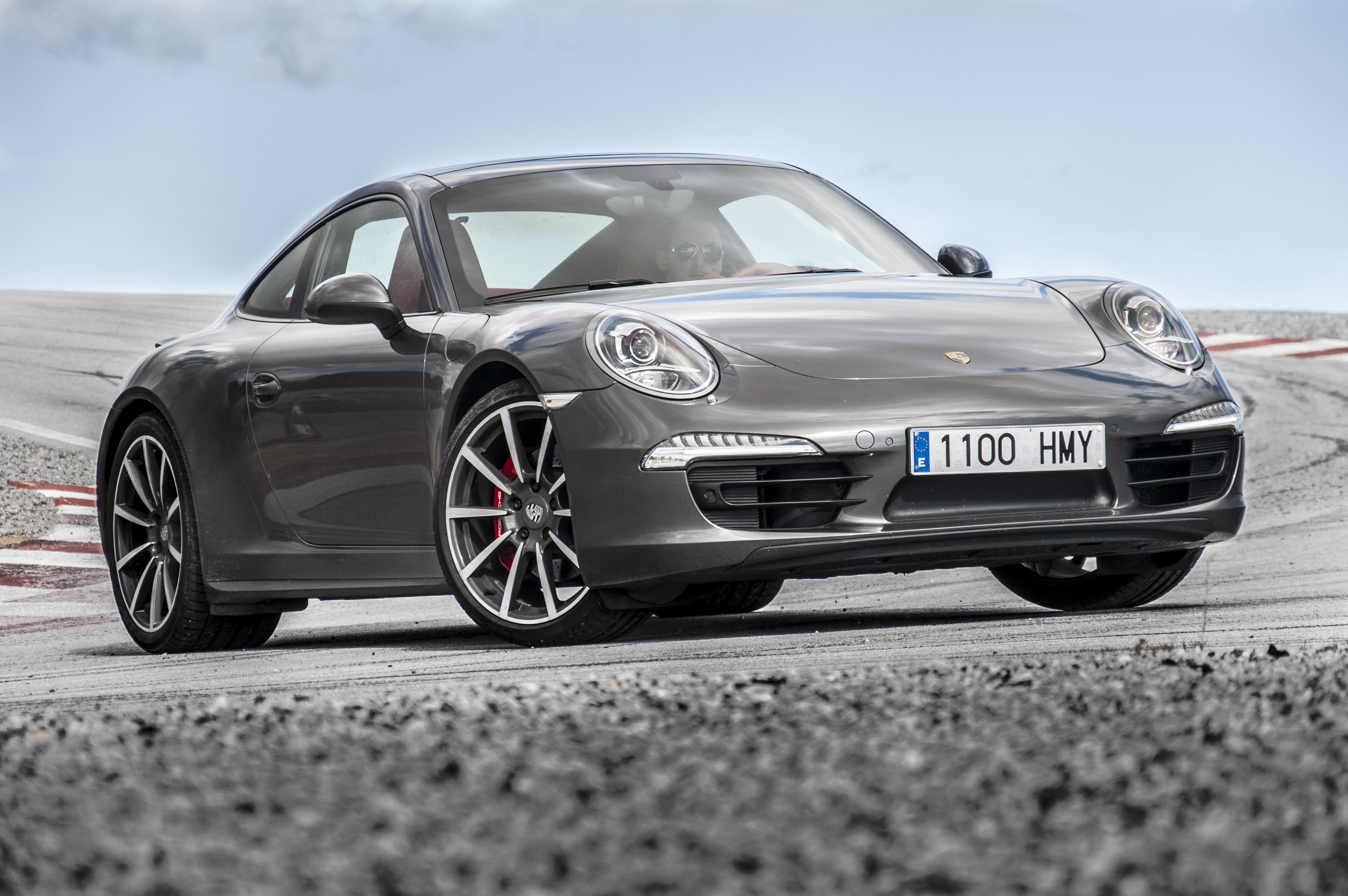
The Porsche 911 SC Cabriolet is a type of sports car that has a soft top you can fold down. It's known for being fast and fun to drive, and it's part of the famous 911 family of cars made by Porsche.
Autocross is a type of racing where drivers take turns driving through a course marked by cones. It's usually done in parking lots and focuses on skill rather than speed, as each car runs one at a time.
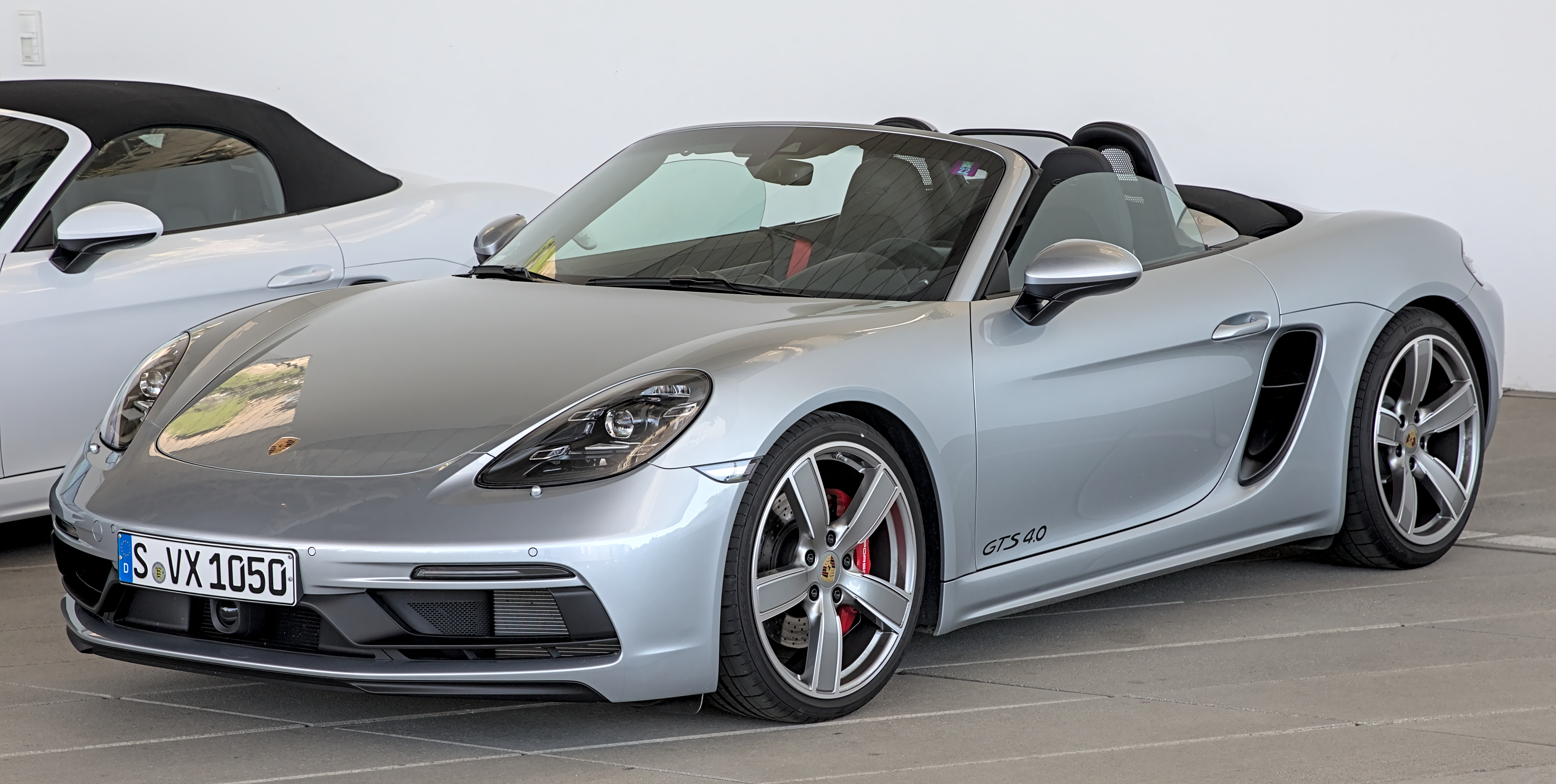
The Porsche Boxster is a sporty convertible car that is fun to drive. It's designed to be lightweight and has a powerful engine, making it a favorite for people who love fast cars.
DE days are events where you can learn how to drive better on a racetrack. You get to practice driving in a safe environment with instructors who help you improve your skills.
Club racing is a type of car racing that is organized by car clubs for amateur drivers. It's a way for car enthusiasts to compete against each other in a fun and friendly setting.
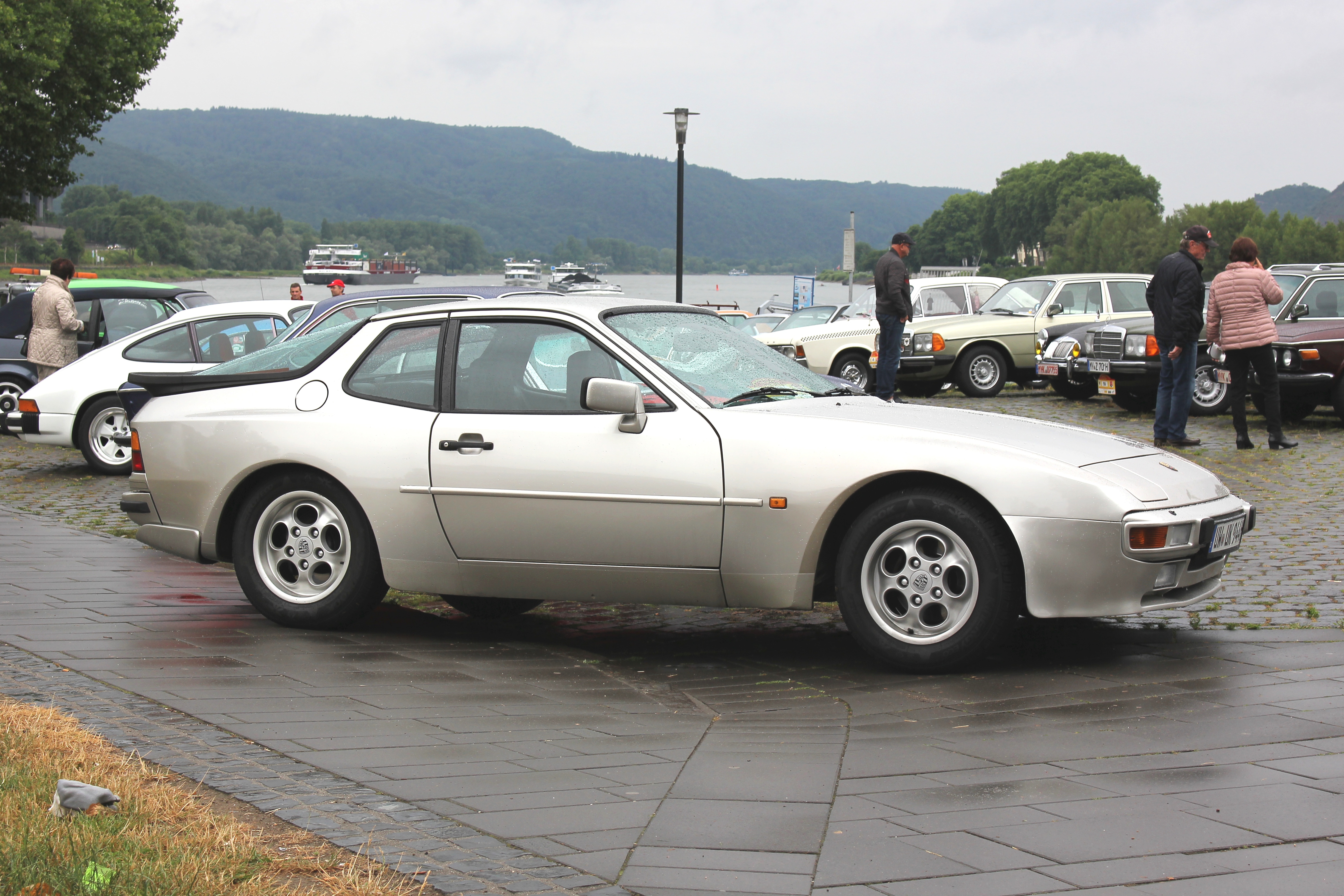
The Porsche 944 is a sports car that was made by the car company Porsche. It was popular because it was fun to drive and less expensive than some of their other models, like the 911.
The Mercedes-Benz G-Class is a fancy SUV that looks a bit like a big box on wheels. It's known for being very tough and can drive on rough roads, but it's also super luxurious inside. People like it because it combines being fancy with being able to handle tough conditions.
G-Class and G-Stock are categories used in Porsche racing events to group cars that are similar in terms of performance and modifications. This helps make races fairer by ensuring that cars compete against others with similar abilities.
Oil sump issues are problems that can happen with the part of the engine that holds oil. If there's not enough oil or if it gets too hot, it can cause the engine to break down.
Connecting rods are parts inside an engine that help move the pistons up and down. They connect the pistons to another part called the crankshaft, which helps turn the engine's power into movement.
Road America is a famous racetrack in Wisconsin where many car races take place. It's known for its long track and challenging turns, making it exciting for both drivers and spectators.
NASCAR is a big organization that runs car races in the U.S., mostly with cars that look like regular cars but are built for racing. They often race on oval tracks.
A gentleman driver is someone who races cars for fun and has enough money to do it, but they aren't professional racers. They often join races to enjoy the experience and meet other car enthusiasts.
The Rolex 24 is a famous car race that lasts an entire day. Teams of drivers take turns racing their cars to see who can go the farthest in 24 hours. It's a big event in the racing world.
The Chevrolet Avalanche is a type of vehicle that works like a mix between a truck and an SUV. It has a special feature that lets you make the back area bigger, so you can carry larger things. People talk about it because it's really useful for both driving around with friends and hauling stuff.
The Tudor Championship was the former name of a sports car racing series that is now called the WeatherTech Championship. It was named after a watch brand that sponsored the races.
The WeatherTech Championship is a top sports car racing series in the U.S. It includes different types of races and cars, making it exciting for fans of motorsports.
SEMA is a big car show in Las Vegas where companies show off their custom cars and parts. It's a place for car fans to see the latest in car modifications and accessories.
LIVE
so professional bingo designer Porsche engine specialist who and unbeknownst
late-night web programmer Brian fire Walt is if you could describe this lunch
we just had in one word what would it be entertaining and not one word one word
yeah and now for dinner with racers presented by continental tire with your
host Ryan ever's Lee and Shawn heckman
and welcome to yet another episode of dinner with racers I am Shawn heckman
and I'm Ryan ever's Lee and 10 years 10 years we've been doing this so we're
pretending like we're having a celebratory late lunch here at the
Johnny Rockets in Hollywood California that's right it has nothing to do with
convenience as we're working on other projects and we are here putting together
all the hosting for a full season's worth of dinner with racers episodes we've
got mascot stars usax stars Indy car folks drag racers and well the boss yeah
so this one's a pretty special episode for us because the name Brian Byer
Walt this might not be a household name for you but it's a name that should be
if you're a fan of dinner with racers because without this guy's support and
enthusiasm about what we do this wouldn't still be here absolutely wouldn't
ten years in continental tire has been a partner since day one ten years on
they're still going maybe they'll be here even ten years from now if we're
still alive and that comes down to people like Brian Byer Walt yeah now full
disclosure Brian works for continental tire full disclosure Shawn did he ask
for this no no he didn't he did not we actually had to kind of say hey man we
want to do this with you not only do we want to tell his story because he's
an interesting guy but we wanted to learn more about him ourselves because he
has been a huge proponent of this show and making it exist he loves the things
that we come up with and honestly I was walked away from this episode like pretty
surprised because he's a he's not a storyteller up front you know he's not a
public persona guy this is a great episode so Brian just like us is not a
big titles guy but basically he's the big boss for us at continental yeah he's
actually came to continental tire after our show had started yeah but he came
there from IMSA so we'd known him prior to his continental tire times where he
was also a big marketing guy at IMSA so we've we've kind of been with Brian for
a very very long time in different sports car and now continental tire
capacities and he's always had the understanding of just kind of letting us
do our thing but this is about him and his career so what are some of the
stories we're gonna hear about Ryan you learn about starting a series almost
some scratch when no one realizes it with said series staying up all night to
make sure the Internet's working and reminding our fans how we keep this show
going yeah honestly a lot of other stuff he's a really cool story teller yeah
and again he didn't ask for this we kind of had to force it on him but we drove
down to farmhouse in Fort Mill South Carolina which is very close to where
continental is based and we sat down and had some barbecue and I believe I had
jalapeno cheddar sausage and I had a barbecue chicken sandwich sure you did
chicken sandwich with barbecue yeah yeah sure was barbecue place but none of
this would be possible without the company that Brian works for which is
continental tire that's right that's right so continental tire they're what
keeps this show free this series free and will hopefully continue to do so we
have no intention on ever changing that if we don't have to and that happens by
you giving continental the data that they seek so if you're on Instagram and
you use that hashtag dinner with Conti that tells them that what we're doing is
working so please put dinner with Conti on your posts all about whatever you
feel like or simply go to our website go to our Instagram profile page look for
them continental links and click on those links those links tell continental
tire that we sent you yeah now again Brian works at continental tire so this
one's special to us so please take a listen to him and just learn his story
a little bit because like we said without him this show might not exist you
know who's also a fan of Brian Shane bank is the guy that drove him that's
right I wouldn't be here if Justin didn't like me okay thanks Shane all right
Shane here's Brian Byer Waltis all right we're gonna start in 5 4 3 2 man there he
is there is wow early yeah early place you come here two or three times I do a
week I do it's like a lunch spot or is this is just this is how you escape from
the family this is the aftergolf okay so it's just giving from fans absolutely
okay yeah this is the we have some late nights here okay okay so I guess for you
because you are not a face of you know you're technically role is behind the
brand yep you know so let's start at the very very beginning where were you
born where'd you grow up so I grew up in Rolling Meadows Illinois in Arlington
Heights Illinois so I've been kind of outside of Chicago you know got a you
know sister my dad my mom passed away when I was 10 so you know kind of grew
up in a single-family household for a while my dad got remarried and for me
growing up you know baseball was the thing so I played baseball for a while
but then I actually got into BMX so I started off racing there for a while
and then got into the skate park side of things okay and like that like on bike
still okay normal BMX bikes yeah I look at what the kids are doing nowadays and
I'm like I can't believe that like it's like acrobatics and gymnastics and I'm
like what we did is like nothing yeah I got into the skate park thing and I
lived I lived at skate parks I worked at a bike shop like that's what I did and
my dad always had a rule to me is I could travel whenever I wanted yeah and I
could take off so like I used to travel around before it was the X-gems I go
it was
I never actually got to do that.
But, you know, it's not like we grew up
while being in that stuff,
just normal middle class family and all that.
And he was like, you know, I was fortunate.
My dad, you know, sacrificed a ton.
I, he would make whatever, you know,
we needed for me and my sister.
And when we got remarried,
I got just step sister and step brother and all that.
But it was, you know, the, the whole like growing up
in the, you know, in the bike thing
was just a foreign thing to everybody.
But it was again, it was, I look at like,
look back of where I am now.
I've always like had these like, I get,
I'm very like into something.
All my friends live and breathe that.
And then like, when eventually we go,
and then now it's something else.
But yeah, he was like, what do you want to do?
I'm like, I want to do a bike shop.
And so I'm like, all right, well, you know,
you should go to college.
And I'm like, okay, I guess I'm going to college.
And so he went and found, he's like, oh, here's a school.
I went to Millican University in Decatur, Illinois,
middle of nowhere.
And I had no idea what I was getting myself into.
I could have cared less about school.
I was going, because my dad told me I had to.
I wasn't like the, oh my God,
I want the college experience person.
To be honest with you, like, I never had a sip of alcohol
until the last day I graduated in high school.
You should be a full-blown alcoholic by that point.
I should, exactly, yeah, this is really weird.
So I, you know, he goes and finds
this entrepreneurship program and he's like,
all right, you should go do that
if you want to own a bike shop.
And I got to school, started like,
you know, just doing my normal grade stuff
because school's always come fairly easy to me
for some reason.
Let's be nice.
And so, I don't know what that means.
So I just, you know, I got in, I joined a fraternity
because I'm like, well, that's what you're supposed to do
in college and you meet your group of friends
and all that stuff.
And then I finally got to like my sophomore year
and I was sitting there and I'm like,
I'm paying a crap load of money for this
because I'm coming out with all this debt and stuff.
I should probably take it seriously.
So then I'm like, then I went in like, again,
all into it, you know, and I'm like, I want to sit there
and I'm going to try and, you know,
I want to graduate at the top of my class.
I want to win every award.
I just wanted to win school.
Yes, I wanted to win school.
And I ended up graduating with two degrees
and came out of school and like most likely to succeed,
voted by our senior class and all that.
And from there, I went in and I was like,
well, you know, what do I want to do now?
And bike shops were no longer interesting.
I was going to say, okay,
because the bike shop had faded, but it went okay.
And I had stopped, I rode for a little while
being focused in school.
Yeah, sort of.
I mean, I rode for a little while,
but I didn't have my friend group around me anymore.
Yeah, that makes sense for me.
And there was only one guy at school named Matt Wilhelm
who's like a really famous Flatland pro.
He was the only other BMX guy around.
So like, and I'm living in Decatur,
there's nothing to do in Decatur.
The movie, Rad, was like 15 years old by his point.
So I kind of became a fan.
Josh Brolin's got kids.
Exactly.
Crew Jones right there, baby.
Rollerblades just came out.
You won't believe these things.
It's like skates, but they're in a straight line.
So it was, you know, the BMX thing had kind of fallen away.
And you know, the other part too is you beat the crap
out of your body.
Oh yeah, that's a lot of use.
I mean, all the bones I broke in
and all that kind of stuff, so.
So I was like, what do I want to do?
And, you know, I was sitting there and I'm like,
advertising seems like it'd be pretty cool.
Like everyone, you know, this is,
I think this had to have been before Mad Men.
But like you're sitting there going like,
you've heard about the world of advertising
and you're like, oh yeah, you have martini watches
and you just sit there and creative and all that stuff.
Well, but also like probably similar to me,
if you're somebody who,
something keeps your attention, but then it shifts.
Advertising's really good for that.
Yes.
Because you know, you're like, okay, I'm into this.
Oh, now you're like every new client
or every new product is a new focus of attention.
Yeah.
Which is like, absolutely.
Believe me, I understand that.
It's great, because it's, you know,
your mind kind of goes all over the place.
Yeah, yeah.
But yeah, so I went and I found
that there was an internship at Leo Bernat in Chicago.
Okay.
Which was one of the biggest agencies.
Yeah, yeah.
It's basically Mad Men.
Yeah.
It was.
Yeah.
But then, and I didn't know what I was getting myself into.
I'm like, oh, you know, here I'm a senior.
They don't usually don't take seniors.
And I ended up being the first graduated person
that they brought on as an intern
as part of the internship program.
And I was sitting there like advertising
supposed to be one of these things
that's impossible to break into.
And so they brought me on as an intern.
I was an intern on Disney Cruise Line,
which I'm like, this is super cool.
And did this whole project about,
this was back when blackberries were a new thing
and word of mouth and all that stuff.
And so I did this whole project on word of mouth.
And we ended up selling in this idea
for like half a million dollars to them.
And they were like, oh, maybe this kid
has some potential or whatever.
And they offered me a full time job.
But it was on Philip Morris working on Marlboro.
Oh, wow.
And, you know, and so I'm sitting there,
like my mom died from breast cancer.
I've got a real moral dilemma with cancer as it is.
And I'm like, Marlboro, like, I don't know
if I can do this.
And so I declined it the first time.
Right, right.
And I'm like, well, let's see what else comes up.
One year into a job.
Not even.
No, no, no, I'm in my internship.
OK, you're 22 years old.
Yeah, I'm stupid.
Yeah, and like, what is probably their biggest account.
Yeah, oh, yeah, it pays for that whole building.
I mean.
In the industry that you can't get into at 22 years old,
you're like, eh.
Yeah, that's just, I mean.
I get it, though.
It's, I'm like, but you know, I'm a person of like principle.
I'm like, you know, like, maybe not in this case
as much as where the story goes.
Right.
I was a man of principle, yeah, yeah, yeah.
I'm normally very much a man of principle.
Working, raising, so we can't, we can't.
We want to go to a sponsor show.
We think we can fix racing.
Exactly.
I mean, still.
Marvel's still contributing to Ferrari, right?
Allegedly.
Allegedly, yes, yes, yes.
So no, I did the Philip Moore.
I ended up, they offered me the job again after my internship,
because I turned it down during the internship.
And it was the only way I could stay in the agency world.
And so I was like, you know what?
They kept you on despite that.
They were like, kid doesn't have the moxie.
Yeah, they wanted me to, I don't know what they saw in me.
I mean, I'm just some normal dope from Rolling Meadows.
Sure.
And so I went on the Marlboro account.
And interestingly, what I learned
is despite all the issues that people have with tobacco
and tobacco marketing and all that stuff,
I actually learned there's very much an ethical side
to how they market.
Now, despite the laws and all that stuff,
but how they do it and how they try
to take proactive things, like, sure, I'm sure,
some of this PR and all of that.
But being on the inside of it, I didn't feel great about it.
And I sat there and I'm like, how quickly can I get out of this?
But at least I've done it.
And so ironically, about a year later,
I remember this, my Disney colleagues called me up
and they said, hey, we got an open job
for an account executive.
Do you want to come back?
And I'm like, hell yes.
And then I'm like, how do I navigate this politically,
because I'm a year into this job.
And I remember walking into our vice president's office.
And this is, again, stupid, arrogant 22-year-old kid.
And I said, I think I want to go look
for a different opportunity within Leo Burnett.
I think there's an opportunity with Disney where it's open,
because I think I've learned everything I can learn here.
I got it.
I'm like, kids, there's another way to say that.
I'd like to learn more.
Yeah, dumb, I'm stupid, dumb and ignorant.
And so it was more of what I had to say.
I couldn't say that Disney came and tried to poach me.
Yeah, right, right, right.
You just can't do that politically in there.
Yeah, within your own group.
And so I had to come up with something,
and that was the best thing I could come up with.
I got it all.
So we're good to go.
Yeah, yeah.
Yeah, so I did the Disney thing.
I went back there, worked on a little Disney world,
and yeah, it did.
It all played out.
I mean, it can't be like, no, you can't.
And as long as you're not giving an excuse of being poached,
they can't really rebuttal all any of it.
So it ended up working out.
And I went back to Disney and worked there for a couple of years,
and then I was like, the only way to make money in the agency
world is to bounce around.
And so I was like, well, here at that point,
I was making $38,500, and I'm like,
you know, there's actually decent money back in 2002.
Yeah, and you're in the agency world where you're typically
not getting paid crap.
So I was like, all right, I'm doing decent.
It seemed like that was wealthy at that time.
Yeah, and also you're just starting out.
Yeah, you got a lot of growth.
Absolutely.
You're sharing rooms with everybody, all that stuff.
But then I went to another agency
and worked on a variety of accounts there,
and then had the opportunity to go to DDB,
worked on McDonald's there.
DDB was an interesting experience.
And I still tell people about this because we're moving
into a new building at Conti.
We're like, how do we make this more fun?
I'm like, you know what we used to do on Friday as a DDB?
We had a cart that would come around and serve you beer
on Friday afternoons.
Say less.
Say less.
I'm like, how cool is that?
Here I'm like early 20s, going to the bars is expensive,
and I could sit there and be given drink.
Yeah, exactly.
You drink beer at work.
And even the middle agency, the smaller agency before that
I went to, we had a full bar in there.
It had kegs, it had everything.
Because in the agency world, they just want to keep you there.
And they don't want you to go home.
And you just want to keep working.
You got to be creative, bro.
Yeah, yeah, yeah, yeah.
So it was super cool.
And at that point, when I was at DDB,
is when I got into like racing.
And actually, I got more into cars.
So I was living in Oak Park, Illinois.
And I was like, you know what?
My buddy owns a 9-11.
He had a 9-11 SC Cabriolet, and he used to go autocross.
And I'm like, I love cars.
And I had gotten into car stereos and all that stuff
when I was younger and built all that stuff.
So I was like, I'm going to go buy my first car.
And again, stupid, making $40,000 something a year.
I'm like, I'm going to go buy a Porsche Boxster.
Absolutely.
I mean, why would you not?
If you can figure out a way to finance the hell out
of the thing, go ahead.
So I went and bought one.
It's a little more dead.
I'm living in an apartment with multiple people.
And actually, no, I owned a condo at that time.
Totally stupid.
Yeah, so it makes less sense.
Building up credit card debt.
Hold on.
This is like 2004, 2005.
This was probably 2006.
Yeah.
Something like that, maybe 2007.
Yeah, the economy is great.
Everyone gets a mortgage.
Everyone gets a mortgage.
Yes.
Only a year or two later.
What happened?
So yeah, so I bought that first car.
And that's kind of what turned me, like, I became a car guy.
I'm complete into cars.
Back here, way of being fully focused on whatever it is.
I'm all in on it.
But I also started autocrossing it.
And for me, I actually enjoy working on stuff more than I
actually do driving stuff.
So I would sit there and I just like to get in my hands dirty.
And so I started autocrossing.
I'd do a couple DE days.
And then I was like, well, I want to start doing club racing.
And it's all Porsche stuff.
I'm a Porsche guy.
And so I sold my Boxster.
And I was like, I'll take a break for a little bit.
I flew out to San Diego for the International Boat Show there.
And I'm sitting there.
Like, my clients were Maximum Bayliner boats at that time.
And Meridian Yachts was the other one.
But I just happened to be in my hotel room looking around
online.
And I'm like, oh, here's this 944.
And it's kind of built a little bit.
This would be kind of a fun car.
It's cheaper than the Boxster.
I knew nothing about the, like, horridness of the history
of the 944 at the time.
And I'm like, well, it's pretty cheap.
And so I call up my buddy.
I'm like, hey, dude, if I buy this car,
you want to drive it back from San Diego to Chicago?
And he's like, absolutely.
So I'm like, OK, well, how do I figure this out?
So I go and buy the car from the guy.
And I'm like, all right, I'll have a shop take a look at it.
And they're like, oh, the water pump is fine.
And I'm like, well, why are you telling me about the water pump?
And the timing belt.
Like, why would I care about that?
The carriers of problems look to be OK right now.
Yeah.
So all the red flags are currently not red.
Yeah.
And I knew, again, knew nothing.
So my buddy flies out from Chicago.
He shows up with his bag of tools.
And we jump in the car.
And the whole idea is we're going to drive.
We drive from San Diego to Vegas.
We spend a night in Vegas.
Then we go from there.
We meet up with my friend in Winter Park out in Colorado.
And then we're going to stop in Nebraska and then back to Illinois.
And we're going through the desert, like, where there's
nothing for God knows how long.
And I'm like, in hindsight, I would have never done this
as a responsible adult.
Like, I'm like, this is the stupidest thing I've ever done,
especially not knowing anything about how to fix that car,
not knowing about the problems with the car.
And we somehow, we got home.
And within three weeks, I had turned that car
into a full blown clout bracing car with no intent of doing it.
I mean, it was stupid.
And then I started clout bracing.
And, you know, but of course, then I had to go buy a trailer.
And then I had to go buy a truck.
And my life up until I met my wife was like,
how do I just finance this stuff so I can go have fun?
And so none of this is cash.
Oh, God, no.
OK.
Yeah, yeah, yeah.
Got you.
Got you.
Absolutely.
Yeah, yeah, yeah.
I mean, if I could pay the minimum some of my credit cards,
I was happy.
Yeah.
You know?
So what I'm hearing, like, we get the question all the time,
how do I get into racing?
It sounds like good credit.
Yeah, yeah.
I know, that's how you start in racing.
Yeah, yeah, yeah.
Exactly, that's how you start.
Yeah, yeah.
It'll also be how you end.
Yeah, yeah, yeah.
Yeah.
So I started clout bracing.
I was actually pretty decent at it.
And, you know, I'd be able to stay able to go get a few wins.
And then I was like, well, I want to go faster.
Yeah, right.
And like everybody.
And so all of us got into what was called G-Class, G-Stock in PCA.
And so I was like, all right, I'm going to sell this car.
And I found a 944 Turbo S that was, it was built into a race car.
And I'm like, OK, I got all the paperwork with it.
I can see the history.
I had learned all the faults because when I turned my,
when I took the original 944, I went out to Road America.
Yeah.
And coming out of turn three, all of a sudden, boom,
blew the motor.
Oh, cool.
And this was my first weekend on track.
So I had no idea about the oil sump issues and all that stuff.
And so if you don't, if you don't put the.
You have to have a baffle on it.
You have to have a baffle on it.
Yeah.
And so, yeah, blew the motor.
I had a trailer.
So I ended up, I had the truck and trailer at that point.
But that was, that was like, I had started building a car.
But that was how I learned to build an engine.
Because I couldn't afford to pay someone to build an engine.
You want to go again, you've got to figure it out.
Yeah, I mean, you know this.
So like, I go to build the engine.
And I'm not paying attention to every rule.
But I'm not reading a book about how to do this.
But I'm paying, I get a decent idea.
So I go and I'm putting the connecting rods.
And I have the caps on the connecting rods.
I'm sitting there looking at these things.
And I'm like, well, there's two points there.
Like, they got to go together to get oil into the rings, right?
So I put them together, not realizing that they were flipped.
And so I then proceeded to put the whole motor together.
And if you've ever put a motor in a 944,
it is not an easy job.
Because you've got to deal with the torque tube and all that.
And I get the thing in.
I go to start the thing.
It runs for about 30 seconds before it seizes.
And valuable lesson, this is how I learned.
Learned through mistakes.
But I built that motor up.
And the motor lasted perfectly.
The car was great.
And then I went and bought this Turbo S.
And that car was in great condition, much faster,
running with my buddies in G-Class.
And I remember, at the same time, I got married.
And so we had.
She'd signed up knowing you were like this.
Oh, she knows exactly.
She knew 1,000% what I am.
I'm a person, like I have to.
At one point, when we were, I'm trying to think if we were,
it was before we had kids, but after we had gotten married.
I mean, I had an F-250.
I had my race car.
I had convinced her that we should go buy a 911 Carrera S.
And the whole point of it was to teach her how to drive stick.
And that would be her car, because I would drive the F-250.
That lasted one day in the Harper College parking lot,
which turned into tears, which that proceeded to that night
go to the Mini Cooper dealer to buy a Mini Cooper,
so that she had a car.
So we have four cars for the two of us.
Now, when you say tears, was it like a pain,
or are you screaming at her and her crying?
No, no, no, no, the other way.
Her screaming at me like, what the hell are you thinking?
Was this you yelling or?
No, no, no, no.
And she's one of these, she's a very linear thinker.
She's in the banking business and stuff.
And I'm sitting there giving her things like,
you got to feel the clutch.
Yeah, right.
And she's like, what the?
No, tell me the percentage that I need to let it out.
I'm like, no, that's not how this works.
So yeah, so going back to the race thing, I got the turbo S
and we're at Road America for the Club Race Weekend there.
And I proceed to come out of Canada Corner
and put it into the wall.
Like a dropped wheel over kind of thing?
Yeah, I come through and drop the wheel
and it just sends me into a spin.
And it wasn't really, like it's not a terrible wreck,
but here my friends are on the radio.
I'm like, do not go tell my wife,
but here we got a safety car and she's wondering where I'm at.
So what did my friends go and do?
First thing they do is go tell her
that I put the car into the wall.
So at that point, I'm like, all right, well,
we're going to go turn this thing into an amazing car.
Again, not thinking about what this is going to cost.
So I had, I probably built what would be the best 944.
And I turned it into a turbo cup car at that time.
This car was, I mean, the fastest thing in G-Class,
but I probably put $100,000 into this thing.
But it was great for the fans that don't know it.
What would you say the average cost for one of these cars
would be, like build-wise, like that they put into theirs?
Oh, into theirs, they're probably in the $50,000.
Because I'm racing against 911s and stuff like that.
No, no, no, I mean, specifically 944s.
Oh, 944 is not a whole lot.
No, no, no, no, no.
And we'd be like, wow, that's a great car.
Exactly, and you did five times that.
From there, again, going back to the B2B side of the racing
stuff, I was sitting there watching an IMSA race,
well, Grand Am at that time, going,
god, it'd be cool to work in racing.
Like, how fun would this be?
And so I go on NASCAR's website, and I happen to see
that they're hiring for a director of brand for Grand Am.
And I'm like, I should look at, how can I do this thing?
And this is where a name that will come up
that you guys will laugh about.
But there was a guy that I used to do club racing with
named Steve Berthau.
And we both know Steve very well.
So Steve, being a Chicago guy, we'd go, you know,
the track together and everything.
And so I'm like, oh, reach out to Steve.
And Steve was racing for the lovely Kevin Buckler
at that time.
You know him, right, Sean?
Yeah, well, I know Steve very well.
Like, to Steve Berthau, Illinois guy, the three of us
know him because he's sort of in that gentleman driver
ilk of the late 2000s in Grand Am GT.
But before he had gotten into Grand Am, I mean,
he had an old TRG car that he would show up at the track.
And he was just one of us, the normal guys
that show up at the track.
And we'd hang out at the track and have fun together.
And nobody had any idea that he had the cash that he does.
And then one day he's like, oh, I'm going to the Rolex 24.
And we're like, you're doing what?
Really?
And then they end up fricking winning with Spencer.
And I'm like, holy, what the hell?
Who have we been hanging out?
We had no concept of it because he shows up.
He's got this avalanche truck that he's driving.
And it's not like it's some big, huge diesel, 2,500.
He's got this kind of beat up trailer.
And he's got this old TRG car.
And I'm like, we have no concept at all.
And then he's like, oh, that was always my dream to run the 24.
And so we're like, oh, cool.
You've done your dream now.
And then it's like, next thing he's running full season.
And it was all until I remember being up at Road America.
When it was essentially his last race.
And we're all up there.
And we're like, what the hell happened?
And that was the end of the season.
And the weird part was, I remember before he went out,
I went up to him, I'm like, oh, Steve, you're going to get a new car for next year.
And he's like, no, I think we're going to run this one.
And then literally, boom, that car's done.
Roof's cut off of it and everything.
And so it was, I mean, I felt terrible for him.
But yeah, I think he ran some Conti races after that, like one or two or whatever.
But it definitely faded away.
Yeah, he's unfortunately, and I say this with love,
because I'm a big fan of him, but he's a classic case.
And sort of if you work in our sport in the arrive and drive side of life,
that any customer, no matter how committed they are,
are one big crash away from just sort of saying, I can't do this.
Especially when they get to be older, you know, and there's like that.
It's a lot easier to get hurt.
Yeah, to be honest.
Well, every now and then we get one that'll have one that you're like,
maybe I don't need to be doing this.
But oftentimes, in my experience, it's been the spouse.
Yeah, exactly.
I don't want to lose you to this.
Yeah, it actually paints a realistic picture that maybe wasn't painted before.
Because you sit in the car and you're like, I'm wrapped by all this metal.
Like, there's no way I can get hurt.
You think you're indestructible.
And, you know, I was fortunate.
Like, yes, I had some wrecks, but I never had anything that was like really bad
to the point where I either had to, you know, I got hurt or anything.
So, you know, I was lucky in it.
But I saw, you know, a seeing friends have stuff happen.
But then also being in, you know, the racing world, you know, for the time
that I was and you see some really bad stuff and you really can get hurt.
It's now you're not as indestructible as you think, even with all the safety
devices that exist nowadays.
So, so they they actually Kevin sent my resume to Steve Harrison at the time.
Kevin, who was Kevin Buckler.
What do you realize what this means?
Yeah.
Do you realize what this means?
Kevin Buckler is now controlled, like it's him, the continental,
continental sponsors us.
Shows canceled.
Or every time, just to be clear, any time if the racers
group were ever to sort of return on social media, we could say
the people that started dinner with racers
said that they never don't get tagged by dinner with racers.
So just saying.
So, Buckler is the buckler.
So Steve said, because Steve said you should do this.
He said, can you go do this for me?
I was not doing anything for nothing.
So I'm sure.
I mean, again, Steve helping people out, right?
Yeah. Yeah.
So yeah.
So he gets in the Harrison gives it to Dave Pettit.
And so it was a little while later, I got called for an interview.
They put it sort of the who's still still kind of the head of
senior vice president, head of marketing, yeah.
And so Pettit, yes.
And so Pettit sets up an interview with me and then I go down there
and I interview with him and Kim Brink, who was the CMO of NASCAR at the time,
or VP of Mark, whatever the title was.
And so, you know, here I hadn't been on like the brand side of things.
And I thought that would be interesting to go to the brand side
versus being always on the agency side of things.
Yeah, sure.
And I'm like, I'm going to work in racing.
Like, how cool is this?
Like, I'm going to mix my hobby with my, you know, with my thing.
I'll eat half as much, but I'll be happy.
And so like, we're like, all right.
And Pettit reaches out to me and he goes, you know, yeah,
we're going to offer you the job and we start getting into negotiations.
And I come back and it's my last call where we're like going to finalize it.
And I'm going to accept the offer.
He calls me, he's like, I got good news for you and I got bad news for you.
And I'm like, what is that?
He goes, the good news is you're our guy.
The bad news is, is I can't hire you right now.
And I'm like, well, why?
He's like, I can't tell you.
And I'm like, OK, it left in limbo.
So I just go on with my life.
And this was like 2012?
Yeah, 2012. Yeah, yeah.
I'm understanding the timing of why he can't be hired here.
So a minute.
So because you're this is for Grand Am.
This is for Grand Am. Yes, 2012.
And 20. Yes. Yeah.
And so he finally calls me back and he eventually explains to me why.
Yeah. So at the time, there were two sports car series.
There's Grand Am and sort of a former version of him.
So the American Lamar series, yes, kind of like the Carton IRL stuff.
He had two competing sports car series,
slightly different philosophies that were kind of taking the whole sport down
a little bit by doing it that way. Yeah. Yeah.
Yeah, 2012.
2012. And so he so we eventually kind of get through.
I'd learn about why and I'm holding on.
And so I'm at the time because I knew I was negotiating the job offer.
My wife and I are like, oh, well, this is probably still going to happen soon.
So we're like, you know what?
Let's sell our house and planning to move down because I got to move today.
I got to move to Daytona, Florida.
And so we're like, we put our house up for sale.
And I finally like we sell it.
Yeah.
And I still hadn't finalized things with Pettit.
And so he, you know, I go out and I'm like, well,
I got this date that I got to close on my house and I got to have a new house
to live in. So we start looking for houses in Illinois.
And we were OK.
We were actually OK with either way that it went because we were like,
it worked. We're ready to move into something like we were at a point
where we had progressed in our career, we could move into a nicer house
and stuff like that.
And so I remember calling Pettit and I said, you know, hey, Pettit,
here's my deadline.
If you can't offer me the job by the it was literally like a 5 p.m.
on this day, I'm signing a lease here and we're done.
I'm not accepting the job.
So 5 p.m. rolls around.
I hadn't got my call from Pettit and I'm a man of my word.
So I go and go and sign my lease.
And, you know, because we're going to at that point, we were like,
let's rent for a little bit and then go and go and buy something.
And it's literally like two hours later, I get a call from Pettit.
And he's like, we got it done.
And I go, dude, I already signed my lease.
And he's like, what do you mean you signed your lease?
I said, dude, I'm a man of my word.
I told you what the deadline was.
And he's like, can you call him and see if you can cancel it?
Like, can we figure something out?
And I got lucky.
I called the realtor and fortunately she was willing to cancel the lease on it.
Yeah. And next thing I know, a couple of weeks later,
I'm moving into a house in Daytona Beach, Florida.
And they basically hired me to develop the brand for what was what became
Imsa and now the WeatherTech Championship and Tudor and all that stuff.
And so it was for me, super cool.
And it's to this day, super cool.
I haven't been there for, you know, a little over eight years now.
But, you know, the Imsa logo, I sat in a room with a guy named George Burgess
and we recreated that we created the new Imsa logo, you know,
the WeatherTech Championship logo, previously the Tudor Championship logo.
Like I sat in a room and we drew that together.
Like so seeing like this ability to have to make a mark on something that year.
I'm still love it. I still am passionate about it.
I just don't follow it the way I used to.
Yeah. And so it's like one of those things in your career
that you're super, super proud of because you made your mark.
Yeah. You know, you made a difference.
You made it better and built it into what it is
and helped contribute to what it what it ended up becoming.
So, yeah, that was, you know, we went we went down, moved down to Florida
and did not realize what we had gotten ourselves into whatsoever.
Oh, for sure. But that's that's anyone who commits to this sport.
It was Ed Triolo from ALMS there and had it and all three of us were there.
And Ed kind of finally decided, like, you know,
hey, I'm going to go move on to something else.
And then he was he was from the ALMS side.
Oh, so he was like, yeah, yeah, yeah, yeah.
And and it was from the Grand Ames.
Yeah, had it was on the Grand Ames.
That's right, because I would get in trouble with Grand Ames.
So, yeah, it's I mean, then I had, you know, four years of of working at Imsa
at the time. And, you know, it was it was super cool being involved
with not only, you know, the at track stuff, but I ran not just all the brand
stuff, but I was in charge of television.
You know, I'd sit there and be part of the negotiation deals.
I remember flying up and ironically, and Helton's playing up to Connecticut
to go meet with NBC at the time when we were with Fox and having the negotiations
with those guys. And, you know, I learned a ton.
And it was it was awesome from that standpoint, from like a career,
you know, just from yeah, because on the agency side, you're doing brand development.
You're doing maybe ad buys, but you're not you're not part of the partnership deal.
Yeah, but you're also not the decision maker.
Yeah, right. You know, I think that to me is like, that's what I like about being
on the side that I'm on is like, I get to be the one steering things.
I get to be the one saying yes to it and and not having to be the person
who just sits there and is like, OK, let me do this for you.
Right. And sort of the perfect point of the ideal in an ideal like a startup
because you're you're with an organization that's already funded
and it's a big organization.
Yeah, now it's not the startup thing where like, I don't know if we're going to be here in a month.
Yes. But you can start behind it, too.
Right, exactly. So you've got some stability, but also you get the chance to start something.
I don't want to say from scratch, but start something new.
Yeah, but with all this heritage that you at least have a base line.
Like it's like kind of a perfect scenario to deal with.
And I remember looking at it like we were trying to decide, like, do we stick with
Grand Am? Do we stick? Do we go down with IMSA?
Like, do we keep ALMS? Do we come up with something new?
And, you know, we had worked with we hired an agency, you know, to work with.
And we came up with before when it was the United Sportscar Championship.
And I still remember this like what seemed like a great idea until Bob Varsha turned it into.
And like we went that it was at Sebring and we did the reveal.
But when you put the two together, it's their veil.
And Bob loved to joke about that.
I still see pictures of it.
But, you know, it was it was super like just working through that whole entire process of like,
OK, what are we going to do with? Is it going to be IMSA?
Is it going to, you know, I still remember sitting in a room.
So in Daytona, the France family has this, you know, place where they they've got a warehouse
and they keep they have some boats there and stuff like that.
But then they have this like conference room and it's near where Jim's office is,
which isn't in the headquarters.
And so we had an offsite there and it's like Scott Atherton,
Don Panos, you know, Jim France, myself, Dave Pettit,
you know, Ed Bennett.
It's like, yeah, everyone like in here I am like, you know, I'm in my 30s,
a sports car geek, and I'm like, I'm sitting in a room with Jim France and Don
Panos and all these people that like, you know, to me are these like, you know,
iconic legendary people.
This is like if it was like a 1930s movie, it'd be like the two heads of family.
Yeah, yeah, absolutely.
Sitting together, figuring out how to do this.
Yeah, and we're just we're having all these discussions.
We're talking about like, we got to kill off this one family.
We got to carry these bodies over here.
Yeah, we got to work on some B.O.P. stuff.
Yeah, but you know, normal sports cars.
Don Panos definitely had people kiss his ring.
Yeah, but yeah, I mean, it just it was it was super cool to be involved
in those discussions and then, you know, even stuff like that, you know,
I got to be, you know, help make decisions of like, all right,
how many classes are we going to end up having?
Well, how are we going to delineate between classes and stuff
that you're thinking about?
Because I was a fan.
I mean, and I'm thinking about it from the fans perspective,
whereas all these guys are typical competition people.
And there's so I brought that fan aspect.
Yeah, it's actually a problem for me.
Yeah, you need the fans.
It's exactly the passion.
And I will say, like to his credit, like, I know, you know,
people have a lot of different opinions about Scott Atherton, but he is a fan.
And like, that was one thing that I agree.
I had a lot of respect for him.
He always, he would always think about the person who's paying for the ticket,
putting a button to seat, just, you know, and yes, he has the business
side of it and all this stuff.
But, you know, that I never realized until I got to know Scott a little better
and just that, you know, the passion he has for racing.
And, you know, that's which I think is super cool.
And I honestly think it led to American Lamar series, you know,
being a very, you know, a fan friendly, you know, thing and help to interject that.
And it actually helps provide a lot of support for me as I was I was developing
a lot of this stuff because, you know, Scott would look at it from the same
kind of viewpoint that I did versus just the business standpoint.
So it was, you know, it was, it was, it was a super cool experience.
You know, I still, you know, I absolutely love and I'm super proud of what we created.
The group that I worked with, you know, are kind of on the boots ground
because I was at every race weekend sitting in the, you know, TV trailers
and all that kind of stuff.
But like, you know, Rebecca Roskey and Brandon Huddleston and Emily Nash.
Taylor. All three who are, I still see every weekend.
Yeah, you still see them every weekend.
Like we had such a great crew.
I mean, I literally did.
It was probably, I don't know, maybe a month ago, like Brandon or Rebecca
came over to my house and we sat around and like I still keep in touch
with all these people and we just, I mean, I think we were lucky to have
the group that we did at that time that we just, we got along and it was family.
You know, I've never thought about it from that side of it before
because there are times in my career where I was a part of teams
that were specifically like this core nucleus that were so successful
and so powerful together because we just all understood each other.
But I've never thought about it from the series side,
but there's got to be eras of that too, where you have like a great group
of tech guys or group of marketing guys or whatever.
Yeah, that's funny to hear it from your side, actually.
Yeah, it's anyway, but we went through this thing of like creation.
And, you know, we got to create what is now, you know, Imsa in the series
that it is. And, you know, I will say, I don't think I've ever worked
as hard as I have during that time.
Yeah, well, it's a lot of travel.
Yeah, it's just not even just the travel part.
I mean, the travel is the thing that ultimately got me out of it.
It burnt that burnt me out.
You know, I'm here. I'm probably gone 90 days a year.
I've got two, you know, I've got two young kids.
My wife's in Daytona Beach doesn't, you know, we got no family there.
Like it just, I mean, she looks back and she's like, what the hell?
But you know, the great part was like we went through this building period.
And I still like, you know, I was because I was in charge of the television side of it.
I also was the person who introduced all the streaming into it.
And how can we rebuild the websites?
And we were separate from NASCAR digital at that time.
And there was a guy, you know, Chris Whitmire from NASCAR,
who's just a complete tech geek.
And he and I just gelled really well together.
And we always just wanted to, you know, we wanted to be kind of the people
who made an evolution in the digital space before NASCAR could do it.
And so we would just try all this and sometimes it would fail.
And sometimes it wouldn't.
We understand this.
We understand it was awesome.
Let's do something a little different that we can think of before someone else does.
Yeah, yeah.
And that is such a such a great drug to have in your system.
Oh, yeah, he makes it passionate.
Like loving what you're doing.
Yeah, it's really fun when it doesn't work.
Well, I will tell you this.
So this is like, I remember we were going and we're like,
we're going to stream the Rolex 24 because we had certain TV rights
and stuff like that that we could stream it.
And so here, going into the Rolex 24, we're going to stream it.
We're promoting the stream and everything
because we're still with Fox at this time.
So it was, I would say television wasn't as good.
This was 13 years.
I think it was the first year.
I think it was our first year together.
The very first year together.
The very first year together.
We're going in the Rolex 24.
And because we were working with what was ALMS's digital agency.
And which was owned by Chris McMurray, who raised an ALMS.
Weird how that all works.
And in here, we're going into the Rolex 24.
And the night before the Rolex 24, our website completely melts down and crashes.
Cool. It was awesome.
I mean, and I'm like, literally, you can't you get a 404 on it.
And I'm sitting there going like, what like, what is going on?
I said, it's not fun when it fails.
No, I know this was this was one of these moments where I'm like, oh, my God,
we're going to get absolutely blistered for this.
Everyone we've been promoting the stream and all that stuff.
And I literally, I mean, I never pulled more all-nighters than I have at IMSA.
Even more than in college.
A of the website in the digital streaming was a huge portion of it.
Because we did like that night, we took what was an entire website platform.
And if you know about websites like migrating to a completely different
platform overnight is virtually impossible.
We stayed up the entire night and were able to migrate over to a completely
different system. Fortunately, Chris knew some people, Chris Whitmire,
and it pulled in some of his like skunk, you know, skunk works in the basement
friends. And we got this thing put up and we had it ready for the start of the
Rolex 24, was able to stream.
And the ironic part is his friends that we pulled over, like we ended up moving
everything over from an agency standpoint to them.
Because these guys came in, I was paying them nothing to do any of this.
And they did it as a favor to Chris.
And it was just one of these moments where like, yeah, what do you do?
But again, just, you know, going back to the I've never worked so hard,
like the number of nights I do that.
I mean, at nights at IMSA, when we were building it, I'd be there.
I'd work, you know, I'd probably get there at seven in the morning.
I'd go until seven at night.
I'd go home, I'd eat dinner with my family, put my kids to bed.
I'd go back at nine o'clock till four a.m.
I'd go home, I'd sleep for three hours and be back there at seven a.m.
And that was like, I never lived a life like this.
I've never worked so hard like this, more than the agency world.
Sure. But for me, it was, you know, I enjoyed it.
Well, to say you have a passion for it. Yeah.
And so what I what I'm getting from you, I already have this opinion that we both
do is that because you're passionate about it, you go all in.
And also you don't want to.
Well, you just can't fail.
You don't want to do a disservice to what you're what you're working on.
I want the fans because you're so proud of it.
Yeah, I want because it would break your heart.
Yeah, I let people like me down a hundred percent.
So that's where that drive comes from.
Because we've both been in that same situation where you're like,
I care about this so much, I need it to work.
Yeah, you know, a hundred percent.
Yeah, but you think about it through a completely different lens.
Yeah, next thing you know, it's five a.m. and you're rendering.
So well, and I think but I think that's I think it's great to know that there's
people like that exist in things that are like that.
And I can say like, even at Conti, you know, like we have we have some people
like there are people that are passionate about what they do.
Absolutely passionate in the same way that I was passionate about, you know,
sports car racing in IMSA, because we don't want to let, you know,
and it's not it's not me trying to like pitch the Conti thing.
But like there's people that are to take such pride in their work
that they want it to be, you know, they want it to be successful.
And it's, you know, I think there's a lot of, you know, being in corporate America,
there's people that come in and they do their job and they just they're doing it
for the paycheck and stuff.
But it's great to know that in certain things, there are people that are
passionate about stuff and want to do it for the end person.
And that that, you know, that was a realization for me as I kind of went
through life and grew up and all that stuff from a from a business standpoint.
So you're working at IMSA and you're handling all sorts of marketing stuff.
Yep. One of the things that I wanted to talk or ask you about was like during
your time there or with any sport, there's going to be problematic
situations that you don't want that press being bad press or getting out.
And while you were there, no race number one, let's say Meebo Giddly.
Yeah. Yeah. And we were we were doing a live stream for Magnus and we're
not able per the rules to show anything on track, but we can discuss it.
And we're just doing like play by play, mostly talking about the Magnus stuff.
It'll be in just this, but the Meebo thing happens and it's like all these
people are now in our chat room, like, what have you guys heard and what's
going on? And we had to kind of like in the moment, just be professional.
Yeah. We don't know, guys.
And whatever, like on your side of things, now you have to control like how
it gets handled, how it gets out and like to a certain degree.
So like I didn't have to get involved in kind of the PR communication side.
So like, you know, we did that part, it reported into Pettit, but it wasn't part
of my responsibility made at that time, handled all the stuff from a PR standpoint
or even, I don't know if you remember Herb.
Oh yeah. Yeah. That's my first call to the trailer.
Going back to the Herb is one of two frame emails I have in my office.
I have two frame emails.
One is from Herb Branham. Herb, Herb, actually like Herb, genuinely.
I do too.
Every interaction, every in-person interaction I've had was always kind of like,
he understood he was Herb, but he never understood me.
Everything I ever do, like every call I'd ever get would always start with a sigh,
like, hey, it's Herb.
Well, because you guys would go do stuff, especially on the Magna side, that was just like
different. And he'd never seen anything like this.
You know, and he's coming from the NASCAR world where that never, like that's not
understood. It was never contentious. It was just funny.
Yeah. Yeah. Absolutely.
The funny part is, though, is it makes you realize the power of social media.
Oh, yeah, for sure.
And honestly, like it's, I mean, one of the things that we sit there like
in my current role, like we pay attention to that because you've got to in today's
day and age and it's the, you know, things can go really bad.
I mean, look at fricking Cracker Barrel changing their logo like a couple of days
ago, like who the hell 15 years ago would have given a crap that someone changed
their logo, but now it becomes something that someone cares about.
And a lot of people that don't care about it just want to go talk about it.
But I think I think it's changed a lot of that stuff.
And, you know, as I talk to our team, you know, I can't say I say like the old
world of PR, like the core aspects of it are still very relevant today,
but the world's changed and it's in a digital space.
It's the same exact philosophies, the same exact approaches.
It's just done in a different manner.
And so it makes you kind of think about that.
And so like for our team, they spent a ton of time looking at, you know, OK,
the old world was how do I get someone from a traditional press
publication to go do something or write something about me?
Now it's how do I find some YouTube influencer that I can work with or
someone on TikTok or whatever?
Same exact thing.
Same exact principles.
Just the medium has changed.
Yeah. Or highly successful podcast. Exactly.
You're basically there for the first several years of IMSA on this whole
ALMS Grand Emerger, which is it's, you know, on a technical and regulatory
level, very difficult because you've got wildly different categories trying
to merge together. But then on the branding side, you have kind of a similar
problem because they're very different philosophies between the different
marks, but also like how on earth do you market how a prototype, a Daytona
prototype versus a, you know, LMP car merge?
It's a whole thing.
But anyway, so this is, but they all have one with the exception of one of the GT
categories, they all have one common component with their tires, which is it
was continental at the time. It was continental at the time.
And I assume this is sort of how you ended up where you are now.
Yeah.
Brandon and I, like he and I were tied at the hip because we were
Brandon Holston, who's very much on the commercial side.
First society's review of sales and marketing there.
So he and I, like he was in charge of partnership management.
I was in charge of the brand and marketing.
Yeah. And we both reported into Pettit.
Yeah. And so like we would sit there and there was just certain partners
you got along with that you hung out with kind of personally, you know,
more than others like Chris Ward at Lamborghini was a guy that we got along
with really well. And like, so we're like, we'd go out after races and stuff
and like hang out with him and in some of the other, you know, Conti crew.
Yeah. Now, currently Ford performance.
And, and I was, I mentioned to you earlier, Sean, like, you know,
I've been fortunate to have these people that I feel like I can learn from.
Dave Pettit was one of them.
I will still say to this day, like I learned more from Dave Pettit
than anybody else in my career, you know, and, and, you know,
I still have things that I call Pettitism that are statements that are
sayings that he used to do.
Like it's just, you know, he took a genuine interest in making me a better
person in teaching me and giving me opportunities,
which was, which has just been awesome.
So like I had, I admire him like beyond belief, you know, if the head of marketing,
you know, the head of communications is what we call it at the time ever opened
up a continental, I'd love to go work there, you know, and so I learned
that the job was open. And so I reached out and I said, hey,
I'd really be interested in doing this.
I think this would be cool.
Like I think I could bring something to it.
You know, clearly you guys are involved in IMSA.
I got a lot of experience there.
And we ended up, you know, I came up, I went through the assessment center
and I go home and I was, you know, I was sitting there.
I'm like, I think I did pretty well or whatever.
And I, I ended up going on a trip with my family to Disney for the weekend
and I get a phone call and they're like, Hey, we're going to offer you the job.
And so expect an offer.
And I'm like, OK, this is cool.
This is like, this is my first like brand, brand role.
Yeah, right. Like different than IMSA.
Like different, IMSA was client side, IMSA was brand development.
And when you were, yeah, when you're doing it for a multi-billion dollar brand.
Yeah. And I assume your wife is way on board.
They had to have moving up here in a place where you're not going to travel.
Yeah. So it started with one of the things kind of matched together
for whatever reasons, but my wife's in banking.
She had lived in Charlotte for about 10 years.
I say lived, but she was a consultant.
So she had a corporate apartment here, Charlotte, being a huge banking city.
Yes. Yeah. Absolutely.
And so we just said, Hey, guys, to each other, hey, like what we want to move.
We know we don't want to be in Daytona anymore. This isn't for us.
I'm not going to work in this racing thing forever.
Do we go back to Chicago or do we go to Charlotte?
And neither of us wanted to go back to Chicago.
Like we just the financial part of it.
And so we decided on Charlotte.
And then the whole thing with Conti came together.
And it's just like, it's one of those things we go like, it's kind of meant to be, maybe.
And so, you know, we got, we got the whole thing put together.
I still remember sitting in the conference room with Pettit.
And I go, Pettit, I got some news for you.
And here we are like, you know, Pettit and I are really good friends and everything.
And I'm like, I've accepted another job.
I wasn't and I wasn't really looking. That was the thing.
It was one of these opportunistic things like we had talked about doing this.
I had applied to no other jobs.
Right. And so it ended up working out and we ended up, you know,
we moved up here and, you know, ended up settling down here in Marvin.
And, you know, I've had, I had, you know, the, I think it's for me,
it's been super cool because I've been able to change a lot of things at Conti.
You know, I've been able to, to kind of redevelop both of the brands,
like a lot more, a lot different responsibility than I've ever had previously.
And to be fair, like I had done a lot of the marketing side of things,
like what most people consider marketing, but like also underneath my responsibilities now are
pricing, product development, the event side of things.
Like they were one of the few companies that still respects most of the four Ps of marketing.
And, and so, so it's been cool.
So since October, I've taken over as a head of marketing now.
We don't, it's funny because we don't use like all these like fancy titles and stuff.
And I, I still like, you know, it used to be director of marketing,
but like director of marketing doesn't like state now.
Now it's like, it doesn't state like what my true responsibilities are.
Right. Yeah.
You know, so, so we ended up, you know, renaming the job,
head of marketing, and I've been in it since, since last October.
Yeah.
It's super cool.
It's been super cool.
Like I, I love, you know, I love what I get to do.
And, you know, I get to do fun stuff and we get to, you know, there's things
that we get to go partner on.
Like I use this as an example all the time.
Dinner with racists.
Oh, yeah.
Yeah, you guys, yeah.
Sorry.
Like dinner or lunch.
No, I, it's, it's funny because I sit there and like, I still remember this.
Like, you know, Sean, you had sent us a binder of all the social posts of people
that sit there and go, Hey, I bought Conti tires because of your sponsorship with this.
And, you know, for us, and I am, you know, I know you have talked about the story of how
this all came to be over the years with Conti.
And, you know, when you guys really had this hair brain idea of going and doing this thing.
And, and I look at this, you know, it's the same way I approach major league soccer.
It's the same way I approach any of our sponsorships, which is how do we go in
and try and make something better for the end, for the fan.
And I know that sounds cliche from a marketing standpoint because, yes, my ultimate,
you know, at the end of the day, I want people to buy our products.
But I was talking about this.
I met with the BMW car club when I was out in Monterey and I said, you know,
Hey, we're, you know, we're your official, we're your official tire partner.
You know, I don't want to just show up at events and put my logo all over the place
and all that stuff.
I said, how do I give back to the community?
How do I provide value to them so that their membership experience actually
like has more value because Conti's involved.
And, and that to me, like that's how you begin to make connections.
And I, and I really learned that honestly through you guys, because you see it where,
you know, you guys are very clear that like, you know, look, yeah, we're responsible.
You want this show, you have to participate.
You got to help us.
Painfully not subtle.
But it works.
Yeah.
I mean, look, we do it.
People, people love it.
They, they'll, they'll give us a chance.
And if we can get that chance, then it's my, it's my job and my team's job to
prove it from a product's perspective, prove it from a service perspective.
It's not your guys' job to keep, you know, keep bringing them back.
But for us, you know, we, because we haven't been here since the 80s,
we need that opportunity to go prove it.
And so that's how I look at a lot of these is how do we get our shot?
Give me a shot.
I'll prove myself and then continue to prove myself.
And I say me, but it's not me.
It's, it's constantly our team.
I, I do very little with it.
Like I said, I'm just fortunate that I get to lead the team from that standpoint.
But it's a, it's a philosophy that I have and I do it, you know,
it's the same way within Major League Soccer.
You know, that's a huge sponsorship for us.
We spent a ton, you know, a lot of money investing in that.
One of the things that's near and dear to my heart there is the supporters groups.
So the people are chanting, beating drums, all that stuff.
Absolutely.
Because I'm like, you know, those people, they do this out of their own,
you know, their own passion.
They want this.
They, they are not there because some corporate sponsor is there.
They don't want corporate sponsors to be honest with you.
Because it's, it's their, it's their thing.
But we've, we've been successful in working with them.
And it's because our approach has been guys, we just want to help you as it,
we want to give back to this and we will go to them.
We did this, a good example is during COVID.
We put a hundred thousand dollars up and we said, all right,
we're going to go give it to the supporters.
What do you guys want to go do during COVID?
Some people went through watch parties, all kinds of stuff.
And we, we had no conditions on it.
There was nothing to us saying like, we completely believe that though,
because of like that, that you let us get away with it, you know?
I mean, I think, I think it's a good idea.
No, I mean, it's, it's, you let the, you let the passion be what it is,
but it's, it draw, it makes people like care more.
And now the supporters are willing to help support us.
And they're the most passionate people.
They become, you know, advocates for you.
And, you know, I don't, I know there's,
it ends up being a business reason,
but for me, that's a core philosophy and what I'm in charge of
from the marketing standpoint is if, you know,
I think if you can make that kind of genuine connection,
and if people feel that you're genuine with it,
and know that you're genuine with it,
they're more likely to believe you.
So like, and, and I say that with all sincerity,
not just some corporate fluff that I'm throwing out.
Like it, that's, that's true.
And so that's what I try and encourage our team with.
And I do, we do it with, you know,
other influencers that we work with.
It's a, like, don't let us tell you what we want.
Why don't you guys, like, come up with and tell us,
you know, what you guys want to do?
I mean, I remember sitting in our office,
and we, you know, we're sitting there talking about,
all right, what do we want to do?
What's next, what's in our business?
You guys are like, let's go create some video stuff.
All right, let's go try it.
Like, and, and that, that to me is like, let's go.
Yeah, yeah.
Sean's happy about it.
Wait to hear our next idea.
I just remember a year later, we were like,
we love everything you do except for one thing.
Did we stop it from happening?
You did not.
I give you full credit because you still let it happen.
We didn't really get any real trouble.
Quite popular episode.
Yeah, yeah, yeah.
Quite popular.
Even, even still, like, you know,
when we were looking at distribution things,
I, you know, my thing was, is I called up Mototrend and said,
hey, like, can we figure out a way to make this thing happen?
Yeah, right.
To me, it's just, it, it, it's a genuine interest
in trying to make it successful.
Right, right.
And so that, that's important to me versus just, you know,
Brian Beierwaltes, a key figure at Continental Tire, shares his journey from a BMX enthusiast to a marketing leader in motorsports. Over a celebratory lunch, he discusses his pivotal role in the evolution of IMSA, the challenges of merging racing series, and his passion for creating genuine connections with fans. The conversation highlights his commitment to authenticity in marketing and the importance of community engagement. Beierwaltes reflects on his career, the lessons learned, and the value of hard work in achieving success in the automotive industry.
Put simply, Brian Beierwaltes is the boss! His technical title is Head of Marketing at Continental Tire, but as far as DwR is concerned, he’s the guy. Don’t be fooled though, Brian is also a racer. A club racer way before he ever joined Continental, Brian eventually went to IMSA and their marketing department, ultimately […]