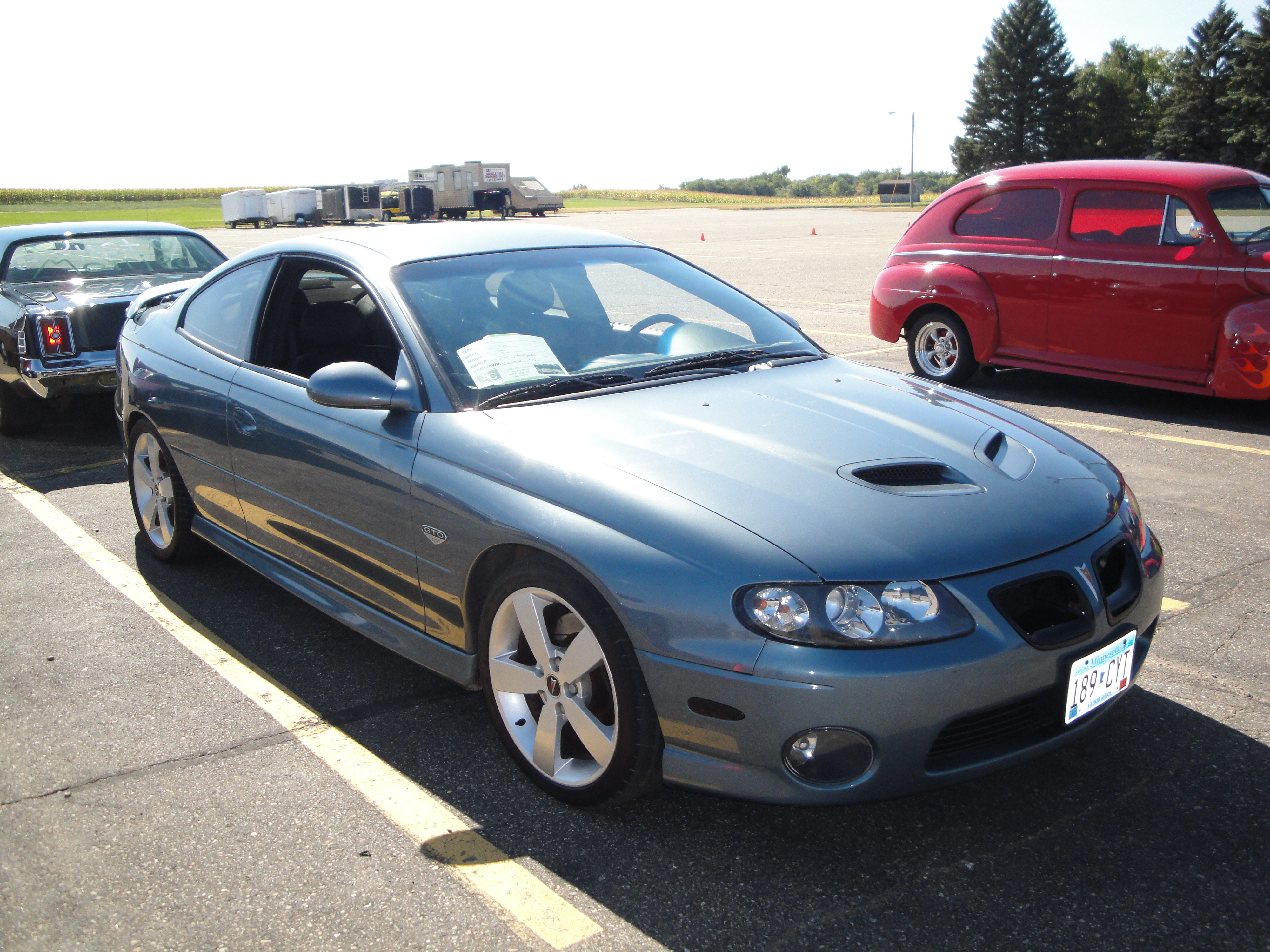
Hey, everybody, welcome back to another episode of Car Stories.
With Son King and Amelia Hartford.
And today we have a living legend, mister John Oates, not only as a great musician, but he is a true lover of cars.
We don't talk about music very much. I mean we
talk about him touring in a gto and he just has beautiful stories around cars. Who would have known you
such a car guy.
Just a wonderful young spirit about him one and it's great to learn from him what it takes to be successful.
And now he approaches life daily.
He's lived an incredible life and it was such a blessing to get to hear it. So, without further ado,
John Oates.
John, could you take us back and give us context on how you found your passion because obviously your first passion is music and then cars we'll talk about cars. Yeah, sure,
But where did you discover that?
Well, if you're talking about music, I guess I was born into being a musician. I was born to be
a musician. I started singing as a baby. Literally, my
mom would take me in a baby carriage in New York City when we lived in New York City and take me up to up the block to where there was a garage, and there was a bunch of guys who worked at the garage, and they would sit out in front of the garage and she would and they would ask me to sing, and I would sing like little children's songs. So I just sang. I don't know
why or how. And then you know, I have a
recording of me singing at four years old at Coney Island Amusement Park. You know, one of those those recording
booths that like the kind of Jack White has where you know, you put a coin in and you sing and a little record comes out. So I actually have
a few of those. And I took singing lessons at five.
I began playing guitar at six. Never looked back, and
my mom was a bit of a stage mom, you know.
She pushed me, she you know, which some sometimes I look back and regret it, but other times I appreciate it.
But I was one of those kids, you know, I sang in little kiddie shows. And she used to dress
me up in a red blazer with white bucks. And
to this day, I can't wear red. I have a
phobia about it. But you know, it was just one
of the things I was. I was performing from the
time I was like literally five and six years old.
So you were born to do this.
Yeah, I think so. I mean I never you know,
if someone ever would have said you suck or stop or start booing, I probably would have quit. But that
never never quite happened. Happened a few times, but not
to the point where I would would reconsidered it. I
never really considered anything else, even though I went to college for journalism, but I just that was just you know, get a degree. Yeah.
Really basically, is that what your mom wanted you to do?
You know she wanted she didn't want me to do anything.
I did it too, because I wanted to go to the city. I grew up in a small town in
Pennsylvania after we moved from New York, and I knew the city was where it was at, that was where you know, the music was, that's where you know, other people were. So I began to go to Philadelphia me
almost immediately in high school, and then I went to Temple University because it was a city school. It was
right in the middle of the city and I could be close to the music scene, and writing and journalism always came easy. To me, So I just did it
just to kind of pass the time.
Really, well, were the dudes driving in high school back then in your small town.
Well.
One of the reasons I've developed a passion for sports cars was I had a very good friend when I was in tenth grade who had a TR three t R three Triumph Tortl. Yeah, and I thought that was
the coolest thing. And then this exchange student came over
from England and he's father was was I guess transferred to a job in America, and he had a Mini Cooper and I had never seen one of those. And
I drove as Mini Cooper and it was the greatest thing.
It could spin its front tires, it was front wheel drive.
It was so exotic to me, you know. And then
I started going to the local road races, the reading road races. There were hill climbs. There was a place
in Pennsylvania called the Giant Despair Hills Climb. It was
a sports car, you know, SCCA kind of thing. There
was even midgets and stock car racing on dirt, you know, on Saturday nights in a local speedway. So I saw,
you know, I saw all that stuff as a little kid, and I just began to love it. And then as
soon as I got old enough to drive, I started driving.
What was the first car.
The first car that I had was a Renault Dauphin.
I don't know if you know even what that is. Yeah,
a little tiny Renaut and one of the things they advertised it had a city horn and a country horn.
Had this little tiny switch under the steering wheel and one went peepeep boop poop, peepee poop poop, and that was like, that was very exotic. And then I graduated
immediately to an MGB. MGB was my first sports car.
And I've a lot of cars, so I don't know where you want to go with this. An Alpha Romeo
Spider ooh, which I saw at the New York Auto Show in the seventies. I was seventy two, and I
thought that was the sexiest, coolest, you know. It was
like I can't afford a Ferrari, but I can maybe afford this. And it was black with a saddle interior.
It was absolutely beautiful, and to this day, the Alpha Spider is still one of my favorite cars to drive.
The real change for me was right here in California, about a mile or two away Beverly Hills Portie on Wilshire Boulevard. It's not there anymore, obviously.
It's an auto body shop now, is it. Yeah.
Well, one day I was driving down Wiltshire and in the corner of the showroom was a red nine thirty turbo.
They had just come out in seventy six, and this was seventy seven. And I knew what it was because
I was reading all the magazines and I saw it and I went, oh, boy, I said, I've got to just look at this thing, because I've never seen one real, you know. And so I went in and the salesman
and told me that Rod Stewart had a deposit on it.
It had gold BBS wheels by the way, and was car mine red. So I went back and I talked
to my manager and I said, hey, I saw this car, and I said, man, I said, it's too bad, it's spoken for. He goes, let's go down and take a look.
So my manager was a pretty tough Italian guy from.
New York, swelling, I love where this is going, yes, exactly.
And so we went in and Sonny Bono had a three fifty six convertible and my manager really liked that, and he told this salesman he said, he said, we can make a deal. He says, I'll buy the Blackie
three fifty six, but we need to get this nine thirty turbo for this guy over here. And so the
last thing I saw was my manager with his arm around the salesman taking him into the back room and came out. He said, if you want the car, it's yours.
And then red became her favorite color again after that.
Well, yeah, it was okay in the car. It was
okay in the car, but that that turbo. That one
of the greatest things I had ever done was drive that from the East coast back to LA and I took the southern route on I ten through and it stopped at the Grand Canyon and went through the desert through Texas and that was that was unreal.
Was it easy to just pick up and drive? I mean, yeah,
that was Those turbos very well.
It was dangerous because it was like an on and off switch. You know. I had a giant turbo and
didn't have much power really, And it's funny to think back at that car. That car had two hundred and
seven horsepower freaking hondas you know, blow it away, right, But in those days it was so light, and when the turbo kicked in, if it was kicked in in a corner, you were in trouble because it was going to spin. It was very dangerous. But you know, driving
across the desert, and I remember getting it up to about one hundred and forty five in one of those stretches across the desert. That was one of the greatest
trips I've ever taken. So I had that for a
while and then got rid of it.
But two hundred and seven horsepower, that's nothing.
I know.
The European version had like two fifteen and it was toned down for America two hundred and seven horse power, and yet it was a supercar.
At the time. That was a lot of horsepower, and
that was a pretty light and nimble car exactly.
But you know, you think about it in modern terms. You know, yeah,
you've got two hundred horse power in the trunk of your car.
Yeah, how much horsepower is the car that you drove five?
It's like six something, six six something. My sedan is
like seven something? What I have a few cars?
Okay, here we go.
No, we're not going to take turns stowhere. I want
to hear more about your collection. But I did recently
just buy a CT five E Black Wing, which is a.
Really yeah, oh my god, the Cadillact.
Yeah, it's the last manual that they'll make, so I had to get it. Yeah. Oh, it's fun, turn off
trash control. It's another car.
Well you are, I'm scared of you. That's great.
Every passenger in my car is as well.
Okay, I can see what So that that era people who were into European cars like Porschas and you know, and mini Coopers, were they a different type of mindset because that was very like American Iron era, right, like the Mustangs and the Chapelles.
Yeah, I never got into the muscle car era thing.
I think it had to do a lot with my parents when my mother's side of the family, being Italian, always had a I was always oriented toward Europe. You
know a lot of ways the stories that my family told and you know about about about Italy in particular, So I just seemed to have that connection. And then
I started to one of the things that really kind of took me on that you know, the more the imported European track was I found a collection of road and track magazines in a trash, in a box that someone had discarded, and they were went all the way back to nineteen forty eight and I still have them.
I have an amazing collection of these vintage road and track magazines. And they were in a box. Someone had
put them on the side of the street, and I picked it up, took them home, and I started pouring through them, and all of us sudden there was this exotic world opened up to me. You know, one Manuel Fangio,
Stirling Moss, you know these names Ascari, you know, Tasio, Nuvolari, and all these exotic circuits, you know, like Manza, the Nuremberg Ring, Silverstone, And I was like, Wow, there's a whole world out there, and I didn't. I began to
learn about it, and you know, all about the pre war you know, or pre war and the post war Grand Prix cars that developed, you know, and things like that, and so that really just I just went down a rabbit hole studying about the history of a motorsport, really and I got into it. And I love history in general. Anyway.
I'm kind of a you know, a armchair historian, So I really enjoyed all that stuff, and you know, and then of course that that just took me down the road and it just seemed to be where I was going.
But you did participate in American Iron because you did race the Pontiac Vierira.
Talk about that, Well, we're jumping way ahead now. And
I did have I didn't talk air right well. My father.
My father had a fifty fifty six bel Air. But
I convinced my parents to buy a Pontiac Gto in nineteen sixty eight. I told them it was just like
a Tempest, except it was a little more expensive and it was yellow with a black vinyl top. And then
Darryl and I bought it from them and went on tour in the Pontiac Gto. The first car we went
on tour with the whole band, So Darryl and I sat in the front and the three guys in the band sat in the back, and they'd have to draw straws for the hump, who got the hump? And we
toured all over the East coast, all the way from Florida to New York and a Pontiac Gto And that was during the gas crisis. I don't know if you
remember the gas crisis.
I don't.
I don't remember the guest. You remember hearing about the
guest crisis? Okay, Well, the gas crisis happened was bullshit.
It was a complete fabricated thing that they decided that there wasn't enough gas to go around. So based on
the last number of your license plate would determine whether you could buy gas on odd or even day.
Really, yes, So when we were on tour, my decade was this.
Was seventies, early seventies, around seven, I would say, seventy two seventy three.
Oh, that's fascinating.
Yeah, So we would tour, but of course we were playing almost every night and we had to get to the next city. So our road manager, while we were
on stage before midnight were the cutoff of our gas day, she would go fill up the gto so that the next day we could drive to the next city.
Could you get to the next city on one tank?
Well, yeah, because we were playing all little like working our way from like Philadelphia down through Delaware.
And did you ever run into an instance where you guys ran out of gas?
No, we didn't. We made it. We made it through
the whole time. But it was kind of crazy, and
so we did that for a while, and then of course we graduated to a Chevy suburban and a van and a bus, et cetera, et cetera. But no, that
was so I did have a muscle car, you know, and that was pretty.
Cool, touring in style at eto.
That's right, right, Yes, that was so cool. That's why
the seventies were so cool because it was such a crazy Everything was an adventure.
I don't think a lot of people know that you were serious, like go Carter Aga.
You started with carts like so many drivers do. What
happened was I was just hanging out in the Hamptons in the in the late seventies, you know, going at the beach. We had a lot of friends who would
go there in the summer. We just hang out and
I stumbled upon a sign that said go kart races at Bridge Hampton Track. I had never seen a go
kart race, so I just went in there and there were all these families and kids and older people zipping around the track on these little carts and I was like wow, and I just introduced myself. I said how
do you do this? And I said, buy a cart,
we'll show you and so I bought a cart and made some friends with local engine builders and local guys, and I began. I joined the go kart club and
I raced go carts for two years, went to the Nationals down in Florida. Didn't do that well, but I went,
and then I wanted to move up and I started to I was on tour in England and I had a good friend who was a professional driver and also a musician, and he introduced he said, and I said, well, how do I do this? You know, how do I
get started? He said, well, You've got to take a
racing school. So I went to Crystal Palace and did
a skid school, learned how to you know, slide the car around, and then I went to Brand's Hatch and I took my first racing school at Brand's Hatch and driving a Formula forward and did pretty well. You know,
when you start racing, you test yourself immediately because it's all about you know, if there's ten people in the racing school and you're near the top, then you know that you're okay. And so I was always close to
the fastest and I thought, well okay, yeah, so far, so good. Then I went back to America. I had
to get an SECA license, you know. And I went
to the bertle Ruth School in Pocono, and Michael Andretti had just finished the school the year before me, and his cousin John Andretti was in the school with me, and we became friends because we lived in Pennsylvania together.
And I drove the same car that Michael drove. Michael
drove the Formula Forward the year before me. Then I
drove that same car and got my SECA license and drove some Formula Forward races. And then I moved into
the Sports two thousand category, which was an enclosed body two thousand cc similar to a Formula Forward, but a little bit faster and especially because of the aerodynamics. And
I did the Professional Sports two thousand series for two years.
Did okay, didn't do that well but all right. And
then I got a chance to do some IMSA racing.
It's a long distance racing. And my friend who got
me started in England, uh, he came over with a nine twenty four gtr and I raced at Daytona. I
raced at Limerock.
I love Limerock, you know, Limerock. Yeah, yeah, I've done
on that track. Yeah, I love it. It's a fun one.
From Connecticut, yep. Yeah. Are you originally from Connecticut?
No, I'm not. I'm from Indiana. But I actually got
my racing license after that Lime Rock.
Yeah, oh good. The dreaded West Bend. You come out
and then you go down under the bridge and you go down.
Oh yeah, yeah, that's a that's a fun turn.
But uh anyway, so yeah, so that's that's how that started.
And that leads us to the Pontiac Fierro. So Daryl
and I got a sponsorship for our tour. Pontiac had
just introduced the Fierro, and because we were popular and you know with you know, yeah, they wanted a young vibe, right, So we did the deal. We did a commercial deal
with Pontiac Fierro, and I met a guy named Mike Joy who's one of the lead announcers for NASCAR. He's
been doing that as car for years and years, and Mike was working for Pontiac at the time, and he was the coordinator for the sponsorship. And so Mike asked
me if I wanted to drive the Fierro in IMSE and was built by Joe Hoffaker up in northern California and bober Earl, who was a really good driver, was the Lee driver and in the insurance races they needed a co driver, so I got to drive the Fiera.
I went and tested it did okay, and then I went to Elkhart Lake and things didn't turn out so good.
The transmission locked up in a turn called the kink.
I was worried. You're going to say the car caught
on fire.
It was almost that bad. I don't know if you
know anything about Elkartt Lake. It's an amazing track. It's
got a carousel and after the carousel there's a very fast, flat out turn called the kink, and if your car is good, you can go through it flat. And it
was near the end of my stint. Actually I was
about to bring it in so he could take over, and I heard a popping sound and the rear end locked up and I don't remember anything. I woke up
in the ambulance on the way to the hospital.
So you went to a wall.
I went. I hit the dirt on the right and
then kreened over, went over the guardrail, over the arm cooat and luckily didn't hit a tree. The Armco stopped
the car.
But did you feel anything?
No, I just remember saying shit, that was it. And
then I woke up in the ambulance on the way to the hospital and they said I had a mild concussion and I was like okay, and then they let me go and I got my rent a car and drove back to Milwaukee and flew home. So it wasn't
that bad. But it could have been really bad, but
it was really It made me realize that I was racing professionally but not giving it a professional effort. I
wasn't testing, you know, I was in a recording studio.
I was touring, and so I thought, you know, it's probably better if I stopped doing this for a while.
So I stopped.
Did you ever go back to it? Like spiritedly?
Yeah, I still drive. I do track days and things
like that. I don't I don't race, though I won't race.
I did drive the Porscha tractor in the tractor race, so but the fastest speed was twenty three miles an hour, So I think I was okay for I could jump out if I needed to.
I mean, I think the Fierro gets a bad rap when I.
Saw it was a cool little car. It was when
it came out. It was like, there's a cult around
the coolest car.
I would I remember, I would see it parked on the street and I would just stare at it.
Well, think about it. I mean, American mid engine car
with a movable top, like a target top. That was
pretty cool.
Yeah, and you never saw like a Ferrari parked in the street. So I mean, to see a Fierro, I
was like, oh, this is like baby Ferrari as a cue.
That's what everyone compared them to.
Look a little like that. Yeah, Vie.
It was cool, and the GT model was like it was sweet. Okay, it didn't age well no, right, true.
But I think there's going to be a resurgence.
I'd like to say, I think you should.
I should you should lead the resurgence. I think you
need to go get yourself a fear. I could do that.
I mean we could probably get a few for a couple of grands.
Probably get a few. Yeah, exactly.
He had a mutual friend of ours, Rod Emory here, Yes, great Rod Emory. Yeah, so let's talk about your love
affair for his three five sixes.
Right, Well, it all happened, right, here in Hollywood. I
was on tour seven about seven eight, seven, eight years ago, and I was just surfing the internet, you know, as we all do, looking at car stuff, right, And I came upon Rod's website. Didn't know anything about him at all,
and I started looking at the cars and I was like, wow, I sat there so beautiful. So I was staying in
a hotel here in West Hollywood and I had a day off, so my drummer and I went got an a rental car and we drove out there and I said, oh my god. And I looked around and I remember
my drummer saying, he said, where you are in trouble?
And I said, yeah, I think I am. And so
we talked and Rod was, you know, obviously very friendly and fun, and he said, do you want to go for a ride? So you let me drive. He drove
the car down. We went down toward Burbank Airport a
little bit just on the street, and then turned around he said you can drive it back. And I drove
it back and I was like, oh my god. I said, okay,
what is this going to take? And he started telling
me the reality of what it was going to take.
How many years and the price and all you know, we're close to the price. And so I told him
I had a fifty six Speedster back in the eighties.
I had a silver Speedster, and of all the cars that I got rid of, that was the only car I ever regretted. And he said, so you want a
Speedster to replace it? And I said, well, not really,
because I already had one. I said, but I want
that feeling. I want what the feeling of that speedster.
But not, And so that's why we came up with this version of the three fifty six.
How long did it take to find the body of the car?
Not long at all. He found it in Texas and
it was a true barn find. It was actually in
a bar and I have pictures of that, and it was full of hornets nests. Oh there are bees nests
inside it. And the front was completely crushed in on
a telephone pole. So he got a pretty good deal.
And this was the Beak that's right with a removable hardtop.
And so they trucked it back to California and Rod said, I found the right car for you. And he said,
and the cool thing is it's got this removable heardtop.
And I want to do something special with it, because I thought, well, it'll be a convertible end up being a real caberlet, right, And I do have the soft top for it, and I've never put it on the car.
There's just no reason for it.
And you replace the front end of that right with a different style, that's.
Right, because it was a B caballet that in Porsche.
You know, in those days, as federal regulations require different safety things, Porsche was forced to raise the angle and the height of the the pontoons that they call them, and Porsche speak right, the the fenders raised those up a little bit. So from the A model to the
B model, the front end got a little bit more upright and a little less sexy and a little less sleek.
You know, still look good, of course, but the A model was much more elegant. It had like a more
you know, cooler look.
Yeah.
And so when Rod was going to have to fix the entire front end of the car, basically cut it off and start over. So I said, if you're going
to do that, I said, let's put an a nose on it. Why, you know, why bother, We're not We're
not trying for originality here. We know what this is
going to be, and he said, yeah, and not only is it an a nose, but it's the headlights a rake back even further about three degrees back. You know.
Of course, he took the trunk lid thing off and just put a little emblem.
You're talking that long like strip.
The strip strip that's on the front, and it's just a little antique Porsche of badge.
You were probably the first to do to combine the two bodies at the time.
Yeah, well, I don't know if he had done that before.
Probably not. And that's what makes him so great is
that he he has a he has ah, he has a respect and a reverence for the history. But he
has a Southern California hot rod background. You know. You
know his father and his grandfather. His grandfather in particular
was one of the early hot rodders in Southern California right after World War Two. So Rob learned from his grandfather,
you know, the Southern California hot rod mentality, and he carries that. But with the history of Porsche and being
and wanting to be you know, I guess you'd say reverential to the brand.
He talks about. When he was eight years old, he
was assembling engines. Just to show how deep rooted his
love of cars is.
His dad helped him build his first car when he's fourteen, so you know he and he's a master craftsman when it comes to metalworking, and that's an old school technique, really old school craftsmanship, you know, which is a dying art, lost art.
Really, John, do you see any parallels with a I would call Rod like a master builder, master artistan within cars and the masters you met and had the privilege to work with in music, do you see parallels and personality?
That's a good question. Yes, It's about passion. It's about
passion and dedication. It's about the people who are really
committed to their craft, whatever that might be. They're there.
There's i think, I think, very single minded in a lot of ways. And they're they they they've kind of realized,
i think at some point in their life that they're going to that's what they're going to do, and that you're going to do it as as best as they can, as well as they can. And you know, you find
out with instrumentalists, musicians, players, singers, you know, producers, engineers.
You know, once once they they they say they know that that's where their life is going to take them.
Then they, you know, the good ones really, you know, dive in, jump in with both feet, and that's it, you know. I think that's to me, that's the the parallel.
I would say, do you have advice for people listening seeking to find a passion who maybe haven't found it yet.
I don't know how you find it. I think it
finds you.
You know, i'd agree with that.
Yeah, yeah, you know what I mean. You have to
be open to it, and you have to be open minded to to see the possibilities. And I think having
a mentor, you know, having aligning yourself with a teacher or a mentor, I think is very important. And you
know the old cliche, you know, when you're ready, the teacher would be found, you know, he'll find you or whatever.
I think it's true. I had a mentor, you know,
I had a guitar mentor in Philadelphia and back in the sixties, a guy named Jerry Rix who he really taught me. Not only did he teach me, you know,
about how to use my fingers and the kind of mechanical side of things, but he taught me how to listen, and he taught me, you know, how to critically listen, you know, which is a hallmark of a great musician.
Is even to this day, you know, the best musicians are the ones that knew how to listen, because by listening, they're they're not only they're they're able to bring out the best of themselves, but they can bring out the best in the people around them, because it's like a team. So,
you know, I think finding a mentor and and finding something that you know that just turns you on, you know, and then you want to take that road and just take it as far as you can.
I mean, I think it's harder today to find mentors for your generation, for younger folks, you know.
I believe mentors are out there. I think, you know,
and this is my own perceived belief that maybe it's harder to ask for help today. Why, I don't know.
I would probably relate it to mental health and social media issues in constantly comparing yourself. To use an example
for myself, when I first heard of mentorship, because as you know, and people listening, I didn't really have a father growing up, so I didn't have the guidance I needed.
So when I started learning about mentorship, I thought this was like this huge thing, like I had to ask someone and like present something like please, will you be my mentor and we'll take these weekly meetings. But it's
not really like that, And I don't know that a lot of people know that. You know, in ways, a
lot of your peers could be mentors to you in different ways, whether it's easy or not. I think it's
are you open to listening and to hearing advice as it's given to you? Do you respect the person whose
advice you're taking it from? Are you willing to do
anything with the advice or do you just want to hear it?
I don't know how you feel, John, but you know, with with social media today, I feel like information is less precious before, you know, growing up, if I wanted to go learn how to change oil in a car, I had to go find the mentor. Had somebody had to.
Sure, you can't just YouTube it anymore?
Right, Well, so that relationship was super precious.
Yeah, well then how about we talk about chat GPT And now we're in a whole other level of that, right, I mean, is there really going to be a society where kids don't go to school anymore because there's no reason to because if you want information, you can immediately have it to teach it to you anymore, you just access it. I'm taking a lot of deep dives into AI,
so don't get me started.
I think you're right in a degree where I think it's at the end of the day too, it's how well are you going to apply yourself to learning these techniques because say like chat GPT could teach you what chords are, but are you going to take the time to practice them and learn them?
True? True, But what if you if you only have
a very specific interest and that's all you want to know?
What happens to the rest of your life? What happens
to your ability to understand anything else other than the thing that you've decided to just focus on as a well rounded human being, as someone who understands the perspective of history, that there's a whole you know, multiple multiple levels of of you know, kind of this being force fed information or having this information you know, so easily accessible.
It's an interesting it's an interesting place in the world we're going.
Recently, I heard this argument about AI saying that it'll never really take over because I mean someone like yourself, who is an artist who makes music. Do you think
that AI could actually duplicate, you know, and create new music?
I mean I replicate.
Well, I'll give you an example. I was with a
friend who had chat GPT and he said, let's have some fun with this. He said, let's he put in
write a song. A John Oates song has to do
with a girl on the beach in a summer, blah blah blah, just some random images. Right three seconds later,
there were five verses and I looked at it and it was it was an amalgamation of stuff from other songs that I had written combined and it really could have been I could have written it.
Did that trip you out?
It tripped me out. I don't think it was as
good as something I might have written, but it was close.
See it was close.
But without you there would be no verse. So there
has to be a human to that that noweah.
Or it can just replicate humans of the past. The
thing is is that I'm what I'm really afraid of is that songwriting as an art and a craft will disappear because everyone will be able to write a song, but a good song, it's all subjective, isn't it. Do
you think the songs on TikTok Now are good? I don't,
but some people think they're great.
Do you think your music or your career would have been different in some way if there was social media when you were in the seventies?
Oh yeah, I mean, I don't think you can even compare the times. You know, it's just completely different. You know,
when I was in my twenties, if you wanted to call someone, you call them at their house, and if they weren't home, they didn't answer the phone. There wasn't
even an answering machine, and so you had to wait until someone picked up the phone. I mean, it's like weird.
I mean to even think about how did anyone even get anything done? Right? But life moved on and people
were able to function.
I do remember a time of having to look in phone books for numbers and pre area codes when you didn't have to type in an area code.
You can't possibly remember pre area.
I do remember that. I do remember that, really, Yeah,
I remember preis.
That's what's pre what's that.
Beginning of number?
There was only seven numbers?
Oh they didn't it?
Really? God, I'm not older than you.
That's that's surprising that you remember that. Well, so I'll
just I'll just wave the flag for my old ags.
I remember when the three numbers were letters letters. Yes,
in New York, the numbers were murray Hill six eight five zero zero, and it was murray Hill, like murray Hill was an area in New York, and the first two numbers were MU and so you type, you know, you go m U six and.
Then you I just thought they were always numbers.
No, they were they were letters.
Who.
Yeah, I remember I grew up with the area in the house that had phone furniture.
What.
Yeah, there was like a table for the phone. Then yeah,
there was like furniture for the phone, and there was like linen. There's like this, you know, like linen for
the for the for the furniture, and you my mom would clean it because she's like, this is expensive. This
is expensive merchandise.
We have phone in the kitchen with a really long corner, or you were.
Around the corner so you could have some privacy.
Yeah, yeah, I don't know. I don't like the fact
that anybody could contact me. There's like a level of
stress and expectation today, like if if if I say you a text, or you send me a text.
And if I don't answer immediately, you could assume that maybe there's a.
Problem or yeah, right, yeah, one hundred person.
It's weird. I know. I agree.
It's almost too much communication today.
Yeah, it's way too much.
I mean, I have over twelve hundred on red text messages on my phone.
It's a hundred. Yeah, so you're just ignoring people.
I wouldn't say ignore ill these.
Are people, you know.
I Yeah, maybe you shouldn't be telling people this.
It's hard. It's hard to keep up with the day
to day communications when everyone's trying to trying to reach out about something.
Yeah. Yes, the world is accelerating very quickly.
Yeah.
Well, speaking of accelerating, how do you feel about EV cars taking over the world?
Now, I think there's a problem. I didn't the president
of Toyota just say he's going to back off now on building EV's.
Oh I didn't hear that.
Yeah, he announced it at an auto show. Because there's
a I think there's going to be a backlash because the electric grid cannot necessarily handle the amount of If the world goes completely EV. I think that I personally,
I am a real fan of the mild hybrid. I
think the mild hybrid is the way to go. I
love an efficient gasoline engine that charges a battery without a separate auxiliary, you know, electrical port. I just think
where our world is right now. I think it's a
more efficient ice engines. And they're developing artificial gasoline plant
based gasoline too, which is porstious involved in that as well down in South America. So for me, that's the
way to go for now. The hybrids in general are
pretty cool.
Did you see the new Lamborghinia of walto No's that's a hybrid, Yeah, the first V twelve hybrid that they've produced, And I mean there's there's benefits to it as well.
To have something like that, which is.
That car three million.
Dollars a lot, it's a prettysh That new Contash is pretty sweet.
I haven't seen that are making a revie.
It is two million?
Is it a retro feeld So it's got the Quintash kind of design language, but not really.
Yeah, it's like if Kuntash had a baby.
Yeah yeah, it is.
Like. I'm not a big Lambeau fan like modern day lamps,
but when I saw this, I was like, and I saw.
I was like, oh wow, well I remember I remember in the eighties when the Kuntash was the ship thing.
I still want one of those.
That was the thing. I mean, if you were like
in La especially like all the big rock stars had quintush, that was like a big deal. Yeah. Were they reliable?
The people cares just cares. You couldn't even see out
of them much less, you know. But I remember going
to the recording studio and you'd see a Kantush sitting there, you know, you know, somebody heavy duty was in there.
Was there her dream car that you wish to own that didn't get a chance to.
Yeah. The only car that I ever really wanted to
own was a five was a Mercedes three hundred SL sure yeah, Goldwin Coop or or or the Roadster. Yesl R.
You never doing.
I always thought that just something about them is just perfect.
Beautiful huh pieces of art. You know what's amazing? John
is Wait, how old are you? I'm sorry, I don't know.
Seventies obviously, because you were saying you got your I just.
Turned seventy five to five.
But I feel like I'm talking to a seventeen year old because I.
Have a young sir, I was pretty dumb when I was seventeen. Thanks for the company.
In terms of intellect, No, I'm talking about like the light behind your eyes, And this is something that I'm always in search of because at least in Hollywood in my business, like you meet people and they're so jaded that light behind their eyes is damned how and if you could give some advice, like how do you preserve that?
Like how did you stay this way?
I had no idea. I don't know. I like people,
I like life, I like what I do. I'm I'm
you know, I don't know. I don't know why I'm
who I am. I just am. But you know, thank
you as a compliment. I appreciate that. I try to be.
I try to, you know, enjoy interaction. I love I
love talking to people, and I love talking about myself. Now,
this is the greatest thing that ever happened.
No, I've been talking.
About myself all day long. And it's funny because I
always make a joke about it. If you'll say, well,
what did you do this?
I talked about myself so well, how do you stay grounded?
I had great parents. I was really lucky, you know,
good solid parents, and very lower middle class, you know, immigrant parents, you know, came My mom was born in America, but her mother was born in Italy. My father's mother
and father were born in Europe. They were just you know,
my grandfather was a fruit vendor. He went down the
street in New York City with a donkey and a sold fruit. So you know, it's only up from there,
you know. And I just it's the kind of people
I came from, and you know, and I was just lucky to have them and have them support me. And
I just felt, you know, I always felt like I had to prove myself in a way.
Do you feel that you've proved yourself or do you still feel that today in different areas.
Always, I mean, I know I proved myself, but I don't feel that way. I feel like I really I'm
still working at being better. I practice guitar all the time.
I've always want to do a better show. I would.
I think I can still write a better song. I don't,
you know, I don't know if I can, but I think I can, and that's what I try to do.
One thing I think is that I am very appreciative of where I am, and you know, a lot of people, I think when they achieve something, you know, they want to.
They just want to, you know that they want that to be the reflection of who they are. I don't
want achievements to be a reflection who you are. I
want the essence of who I am as a person be the reflection of who I am. I think that's
more important to me. But at the same time, I
push myself, you know, professionally to be as good as I can be. The other thing is and you know,
and I know I'm probably going off on some weird grant here, but you know, the commercial success of Hall and Oates has given me this incredible opportunity to do whatever I want in life, not only in life personally, but as a musician. Not many musicians get that. You know,
a lot of musicians strive thetimate. The ultimate goal for
any creative person is creative freedom. That's what everyone wants,
whether they say it or not, That's what they want.
They want to be able to do anything they want and not be concerned that they can make a living doing it or you know that anyone is going to criticize them blah blah blah. So I have achieved that
and it's a very rare thing to achieve, to be able to do anything you want, and it's it's you can squander it, and you can waste it, you know.
But to do that would be a real crime, and it would be really you know, I think it would just be it would cast a bad, you know, spell on your on your actual achievements. So I'm very I'm
very conscious of that, and I want to be I'd rather be an example of someone who has that and could stop and could rest on his laurels, so to speak, but instead make the most of it, make the most of this unique opportunity that very it's very rarely people get to have. But in the end, you know, I
just I just want to. I want to I want
to go out walking.
Yeah, I mean that's that's that's it. That's words of
wisdom because it's and I needed to hear that because, you know, lately I've been questioning like, like, you know, why am I so result oriented in terms of my career, Like, you know, I'm in the process of going out there and trying to direct film now, and I'm out there pitching to studios and most of the time it's no you know, this is a business of knows, right, and I get so down and like it's third are days where like I just feel like, oh man, I don't know if I can keep going. But then as I
get older, John, like, you know, the other day, I had this epiphany. And I've heard it before, but I
never believed it and I never applied it to my life.
I was like, hey, you get the opportunity to try to do this, Like, it's pretty awesome that you got to you know, collaborate with people and you know, you got to write a script and then you got to build this crew and then you get to actually pitch your idea that you just pull out of your ass.
To a bunch of them. I'm going to mother bear
a little bit and say you shouldn't say try because you are directing, and you did direct a film, and you are incredibly successful and great and you've had great meetings and people would love and dream to work with you, you or a director. Just to think put that out there.
Yeah, but you know, I mean for the next project, right, that's a good team. Yeah yeah, right, yeah, yeah, thank
you though, but yeah, I it's I mean, I I do feel like that's something I needed to hear. Is
that the process, right is if for those folks out there that get to even try to, you know, to accomplish your dream, that's pretty much. That's a that's a
big feat within itself, right.
There's a lot of people never even get close to it.
So yeah, it's also scary just to do it sometimes and that can de tear people, but it's worth it at least try.
You have to try.
Yeah.
Yeah, well this is quite a conversation, folks.
This has been amazing.
Yeah, thank you so much for your time.
Yeah, this is great. Thanks for having me. I didn't
know what we were going to do, but this is like.
We did it.
We did it.
Yeah, I think it's a it's a real blessing to have you here, and thanks as someone of your stature and your accomplished mints to be able to share not only your love affair for cars, but you know, the wisdom that you've been able to garner through your life.
You know, so my wife doesn't call it wisdom.
Thank you, John.
You
About this episode
John Oates—Hall & Oates’ living legend—swaps music talk for a deep dive into his lifelong car obsession and the mindset behind creative success. He traces his passion from early singing to European sports cars, road-racing magazines, and touring in a Pontiac GTO during the gas-crisis era. Oates also recounts karting, racing schools in England, and a serious IMSA moment in a Pontiac Fiero. The conversation then broadens to mentorship, AI songwriting, EV grid concerns, and how he stays grounded while chasing artistic freedom.
Sung and Emelia talk with John about his biggest passion outside of music - cars. John shares stories from his incredible career, including touring in a GTO, racing karts and snaking Rod Stewart's 930 Turbo. They also dive into the parallels of craftsmanship between musicians and car builders, and discuss the rapid acceleration of technology from area codes to AI.
Follow on Instagram and YouTube @CarStoriesPodcast