Episode 107: The comeback kids: Citigo and 2CV!The Kilowatt Half Hour · May 26, 2026
Annotations will appear as you listen
0:00
49:34
Car
Mercedes-Benz e-Actros 600
This is Mercedes-Benz’s electric big truck for hauling goods. Instead of a diesel engine that needs lots of gear changes, it runs on batteries and feels smoother because it doesn’t have to shift gears the same way.
Kilowatt-hours (kWh) tell you how much energy is stored in the battery. A bigger number usually means more potential range, but the actual distance depends on how you drive and the conditions.
Horsepower is a way to describe how much power the vehicle can produce. Higher horsepower generally means stronger acceleration, though EVs can feel fast in a different way than gas trucks.
Gear changes are when a vehicle switches between different gears to keep the engine in the right operating range. Electric trucks don’t need the same kind of shifting, so they can feel smoother.
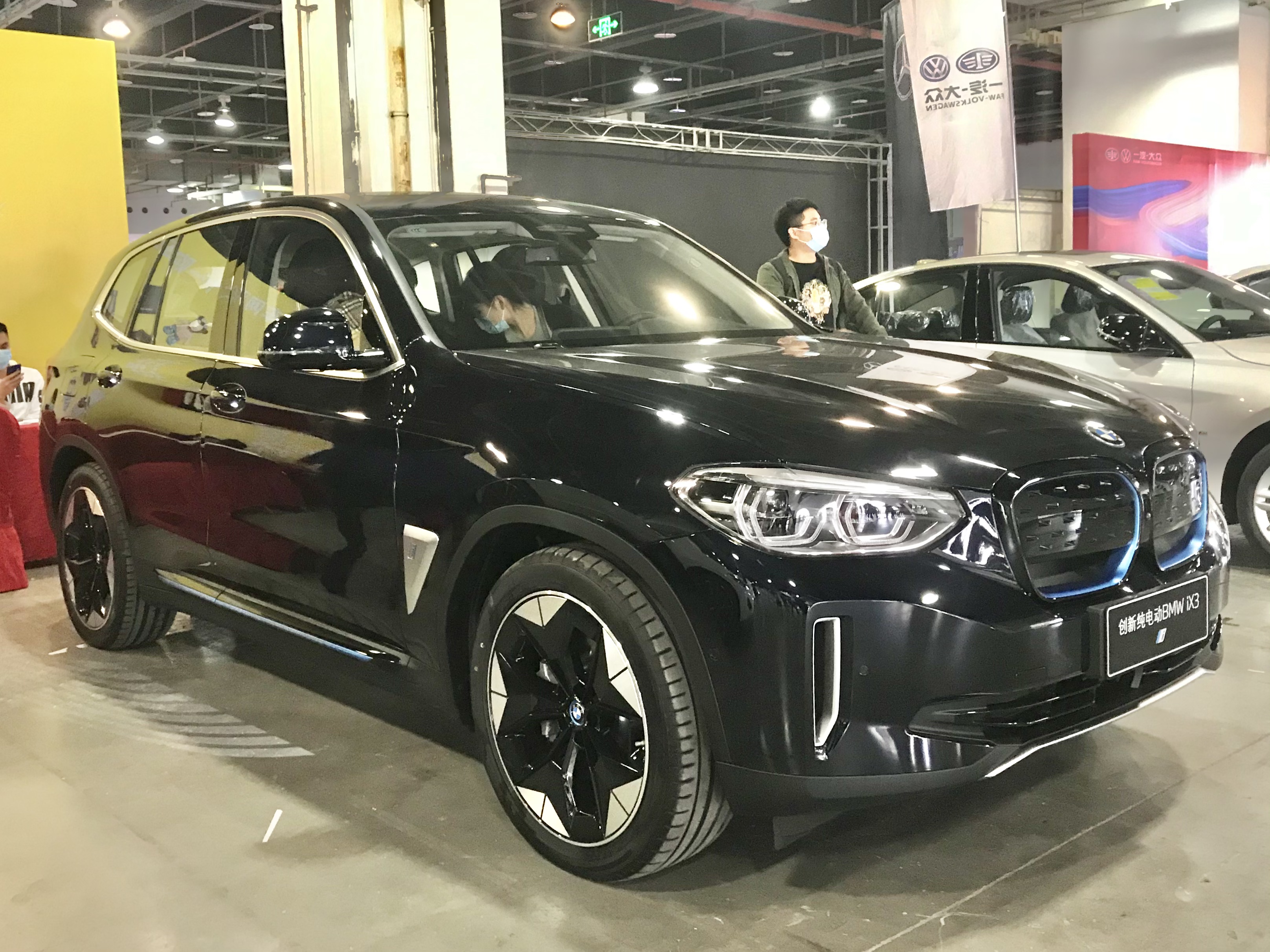
The BMW iX3 is an electric SUV. It can help with parking automatically, and the discussion here is about whether that kind of parking assist actually works well in normal real-world situations.
“Auto parking” is a driver-assistance feature that takes over steering (and sometimes speed control) to park the car in a marked space. The key point here is that the system’s performance can vary between perfect demo conditions and real parking situations.
Car
Skoda Epic
The Skoda Epic is Skoda’s upcoming electric crossover. It’s part of the same big EV “family” as other Volkswagen Group electric cars, and the discussion here is about what it costs and what battery options you’ll likely see.
The ID.Cross is an electric Volkswagen model that’s described as being bigger. The podcast says Skoda has a similar version, meaning different brands are selling closely related electric cars. The focus is on how the models relate to each other and what size/class you’re getting.
The Volkswagen ID. Buzz is an electric van designed to carry people. In the podcast, it’s mentioned because there are similar electric versions sold under different brand names. The main point is that it’s part of a family of related electric vehicles.
An EV platform is the shared “underlying design” that lots of electric cars use. MEB plus is Volkswagen Group’s newer electric-car foundation that helps different models be built more efficiently.
WLTP range is the official test-based estimate of how far an EV can go on a full charge. It’s useful for comparing cars, but your real-world range may be different.
The Kia EV3 is an electric car from Kia. The podcast is basically asking whether it’s enough for your needs, depending on how you drive and what range you require. It’s being considered as a practical EV option rather than a top-end one.
On an electric car, the battery size affects how far you can drive and how much the car costs. A smaller battery can be cheaper if you don’t need the longest range all the time.
Porto is a city in Portugal. The host says they drove a prototype there, so their impressions come from an actual drive, not just looking at the car.
Person
Klaus Zelma
Klaus Zelma is described as a top leader at Skoda. The host brings him up because he shared information that shapes the discussion about Skoda’s plans.
Car
Skoda Citigo
The Skoda Citigo is a tiny, inexpensive city car. Here, the host is saying Skoda is likely to bring it back as an electric car so it stays cheap and practical for city driving.
The Renault Twingo is a small car made for city driving. The host is basically saying the electric Skoda Citigo would compete with cars like the Twingo.
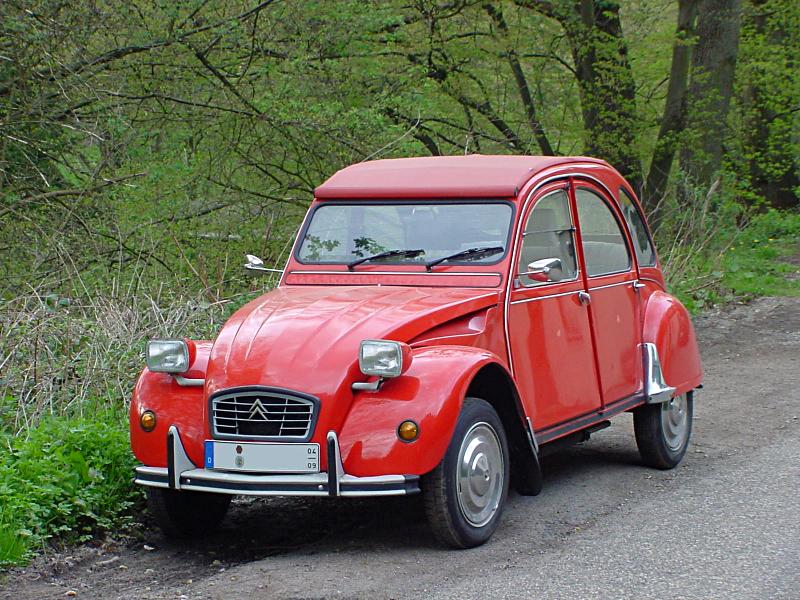
The Citroen 2CV is a famous old-school Citroen that was built to be affordable and practical. The host says Citroen is bringing it back, but they want it to feel like the original in purpose, not just in looks.
The Volkswagen Beetle is a classic car that’s been brought back with a retro look. The host is saying Citroen wants to do something different with the new 2CV—more about the idea than copying the old design.
Car
Citroen Oli concept
The Citroen Oli concept was a show car meant to prove you can make a very cheap, lightweight vehicle. The host brings it up because it showed creative ways to cut costs and weight.
Term
recyclable
“Recyclable” means the materials can be processed and reused later instead of just ending up as trash. The host is saying these concept cars were designed with that in mind.
Car
Citroen EC5 Aircross
The Citroën EC5 Aircross is a newer Citroën model the host mentions as having good long-range capability and nice looks. They’re using it as an example of Citroën doing things right recently.
A “retro pastiche” is when a new car mostly just copies the old car’s styling. The host wants the new 2CV to feel like the original in purpose, not just look like it.
A conversion kit is an aftermarket package that changes a vehicle’s powertrain—here, turning a classic 2CV into an electric vehicle. The host describes a specific kit concept that uses an electric motorbike power unit to achieve an EV-style drivetrain.
In this conversion idea, they’re using the electric drive parts from a motorbike to power a car. That’s a clever shortcut, but it also limits how fast or powerful the converted car can be.
“Zero” is the name the host gives for the electric motorbike the conversion kit uses as the parts source. It’s basically the donor bike for the electric power system.
The C3 mentioned here is a small car model being discussed in relation to the EC3. The host seems unsure why the C3 is being considered when the EC3 is described as new and good value. The conversation is about which one makes more sense for the money.
Car
2CV
The Citroën 2CV is an old, quirky French car known for being simple and tough. Here, they’re talking about a newer version of that idea and whether it will be priced and positioned like a modern car.
Car
Citroen
Citroën is the French car brand that made the original 2CV. The hosts are wondering where a new version would sit in the brand’s lineup.
The Citroën AMI is a tiny electric car meant mainly for short, local trips. The host hopes a new version won’t repeat problems that the original AMI had. So the focus is on whether it’s a practical choice and whether earlier issues were fixed.
A three-point seatbelt is the kind of seatbelt most cars use today. It holds you at your hips and shoulder so you’re less likely to be thrown around during a crash.
Sensors are electronic “eyes and ears” in the car. They measure things like where you’re sitting and how hard a crash is, so the safety systems can react correctly.
“Seatbelt reacts” means the seatbelt can change how it tightens or locks during a crash. The idea is to restrain you in a way that matches how serious the crash is.
Here “throttle back” means the seatbelt would act less aggressively in a minor crash. It’s trying to keep you safely in place without locking you down too violently.
Seat belts are what keep you from being thrown forward in a crash. They’re talking about a feature where the belt tightens slightly when you start moving, so it holds you snugly.
A manual gearbox is the kind of car where you choose the gears yourself. You usually use a clutch pedal and a gear stick, which can feel tricky at first.
Diesel engines are a type of engine that runs on diesel fuel and works differently from gasoline engines. Here, they’re mentioned as one of the older engine types that may be phased out as EVs become more common.
EVs means electric vehicles—cars powered primarily by electric motors and a battery. The hosts connect the expected decline of manual gearboxes and diesel engines to the industry shift toward EVs and hybrid powertrains.
A hybrid car uses two kinds of power—an engine plus an electric motor. Here, they’re saying hybrids (along with fully electric cars) could reduce the need for older gearbox and engine setups.
A nine-speed gearbox means the car has more gear ratios than older automatics. That can help the engine run in the “right” spot more often, making the car feel smoother and quicker.
A three-speed automatic is an older style of automatic with just three gears. It can make the engine feel like it’s revving more and the car doesn’t feel as quick or smooth as newer gearboxes.
Car
AMG GT
The AMG GT is Mercedes-AMG’s performance car. In this discussion, they’re talking about a new four-door “coupe” version that’s electric and meant to be a supercar-level performer.
Hyundai is the car brand mentioned as an example of performance EVs that use simulated gear-change behavior. It’s being used to compare how different makers handle the “feel” of shifting.
Brand
Lamborghini kuntashes
This is a reference to the Lamborghini Countach, one of the most iconic supercars ever made. The point is that some people see it as a poster-worthy, instantly recognizable “cool” car.
Some electric cars can make it feel like you’re shifting gears, even though there’s no real gear change happening the same way as in a gas car. It’s basically a simulated “gear shift” effect for the driver’s senses.
The Hyundai Ioniq 6N is Hyundai’s performance electric sedan. It’s brought up because it also uses a simulated gear-shift feel, and people have reacted positively to that kind of “make it feel sporty” trick.
The Hyundai Ioniq 5N is Hyundai’s performance electric car. In this discussion, it’s mentioned because it uses an artificial effect that mimics gear changes to make driving feel more exciting.
Ferrari is a famous performance car brand. In this discussion, it’s mentioned as one of the traditional “performance-first” brands that now has to adapt to electric cars.
Some electric cars use a gearbox with two “gears” (two different gear ratios) instead of only one. That helps the car accelerate better, and it’s what makes people wonder whether the simulated gear-shift feel is actually changing gears or just faking it.
A rev limiter is like a safety limit for how fast the engine can spin. When you get close to the limit, the car reduces power so the engine doesn’t get damaged.
“Pops and bangs” are those crackly, popping sounds people associate with sporty exhausts. On an EV, the car can fake those sounds using speakers so it still feels exciting.
“Fake sounds” are sounds a car creates on purpose, usually through speakers. EVs use this to imitate the engine/exhaust noise people expect from sporty cars.
The Ford Focus ST is a sporty version of the Focus hatchback. The hosts mention it because people got upset when Ford added artificial/synthesized sound to make it feel more exciting.
Electrically assisted steering uses a motor to help you turn the wheel. Some drivers feel the steering “feel” isn’t the same as older hydraulic systems, even though it can be accurate and easy to use.
The UK electric car grant is money-off (or subsidy) support that makes eligible EVs cheaper to buy. The hosts are saying more EV models have recently been added to qualify.
The Ford Explorer is mentioned as one of the EVs that now qualifies for the UK electric car grant. In this part of the show, it’s mainly about eligibility, not specs.
Brand
Jeep Compass
The Jeep Compass is mentioned because the host says it’s basically built on the same underlying design as other cars. That’s why it’s brought up in a discussion about which EVs are similar under the skin.
Brand
Cooper of Rival
This sounds like a mis-transcription of a MINI Cooper reference. The host is saying that different brand cars can share the same basic design underneath.
The Ford Capri is brought up as qualifying for the UK electric car grant. The host’s point is that it shares the same basic “bones” with other cars from different brands.
The Volkswagen ID.4 is an electric SUV. The podcast mentions it because it was one of the earlier electric models in Volkswagen’s lineup, and that timing matters for things like eligibility rules. The focus is on how early it arrived and what that means for incentives.
The Volkswagen ID.3 is an electric hatchback. The podcast brings it up because it was released early in Volkswagen’s electric lineup, and that can matter for incentive or eligibility rules. The focus is on timing and qualification, not just performance.
The Volkswagen ID.5 is an electric car in the ID lineup. The podcast mentions it because it arrived early and may qualify for certain incentives or rules. The key point is whether it meets eligibility requirements based on when it was released.
The Mercedes GLC is a luxury SUV. Here, the host is saying it sits in the middle—more comfortable than the sportier option, but not as focused on sport as the BMW iX3.
The Volvo ES90 is discussed as an upcoming saloon-style EV option if you like the “character” of the EX60 but want a more traditional sedan package. The speaker also frames it against the BMW i5, suggesting the i5 may be better overall while the ES90 still offers a similar vibe.
The BMW i5 is another electric saloon option the host compares against the Volvo ES90. They also point out it’s very large—over five meters long—which may matter if you’re shopping for something more compact.
A “leasing deal” is when you pay to drive a car for a fixed time, usually with a set mileage limit. The monthly payment and the allowed miles per year are the big numbers that determine whether the deal is good.
“Single motor” means the electric car has one electric motor doing the work. The host is comparing it to a version with two motors, which is usually quicker.
“Twin motor” means the electric car uses two electric motors instead of one. The host says this version is much quicker and can come with longer range.
“Battery tech” means the way the EV battery is built and what type it is. Better battery design can help it last longer and keep range more consistently over time.
In EV context, efficiency is how effectively the car turns stored electrical energy into motion. Higher efficiency can stretch range, which matters when the battery’s usable capacity declines due to degradation.
Battery degradation is how an EV battery slowly gets worse over time. That can mean less usable energy, so the car can’t go as far as it used to—though the drop often slows down after the early years.
This is how they’re measuring EV efficiency: how many miles you can drive using one unit of electricity from the battery. Going downhill can boost the number because the car can recover more energy.
Place
M6
They’re talking about driving on the M6 motorway when they measured EV efficiency. Motorways can be a big factor in how much battery energy you use.
The BMW M6 is a sporty, high-performance BMW. The host mentions being on the M6 and talks about how it’s doing in real use, like how far it can go. The discussion is about everyday driving experience and numbers, not just specs.
Place
M40
The M40 is another UK motorway used here to explain why efficiency can change with terrain. The host specifically mentions a big downhill section, which can improve EV efficiency by allowing more regenerative energy recovery.
The Audi e-tron is an electric SUV. The podcast mentions it because the host remembers how it felt when it first came out and says it didn’t stay that exciting for them. The point is about how the car’s appeal compared to newer EVs.
They’re switching to the topic of how much it costs to run an EV. That includes what you pay for charging, not just how far the car can go on a charge.
They’re talking about a charging cost model that charges you based on how many miles you drive. That can change how expensive EV trips feel compared with other pricing setups.
This is a specific brand/model of EV charger. The important bit here is the cable length—longer cables make it easier to charge from your driveway or garage.
A tethered cable is a charging cable that’s built into the charger and stays attached. That matters because a longer cable lets you reach your car more easily.
They’re saying you should fully unroll the charging cable while charging. Coiled cables can get hotter than you’d expect, so unwinding it is the safer choice.
A “15 amp” outlet is a standard kind of power socket with a limit on how much electricity it can provide. That limit affects how quickly your EV can charge.
A “32 amp” outlet can supply more electricity than a 15 amp one. More electricity usually means faster charging for an EV (depending on the car and charger).
“110 kilowatts” is how fast the charger can put energy into the electric car. Faster charging usually means higher cost, especially if the campsite charges based on usage.
“32 amps” is a measure of how much electricity the charger is pushing into the car. More current typically means more energy use, which can raise the cost for the campsite.
They talk about how campsites should handle charging electric cars fairly. The idea is that people who use more electricity to charge should pay for that extra usage.
A “charging point” is a specific place/station for charging an electric car. It helps track who used how much electricity so the cost can be charged fairly.
The Hyundai Ioniq 9 is an electric car with a very large battery. The host mentions charging one during a trip, which suggests it handled longer-distance use well. The main takeaway is that the battery size and charging experience were notable.
“Public rapid charging fees” are what you pay at public fast-charging stations. The host is saying the price was not too bad for the convenience.
LIVE
Hello and welcome to the Kilowatt Half Hour, a podcast about the world of EVs brought to
you by the team at electrifying.com.
Hello and welcome to the Kilowatt Half Hour, your weekly fix of news, views and complaints
obviously about the world of electric cars and once again, it has been quite a mad week
I suppose for news and reveals and road tests and all of that.
So to help me deliver all the latest gossip and news I'm joined by the one and only Mr
James Bachelor and the also one and only, Mr Tom Barnard. How are we guys? Are we all good?
Good, thank you. Warm. Very warm. I know we've gone from central heating on. I've refused to put
the central heating on until it got to about 15 degrees in my house last week and now it's about
30 something degrees and I'm in my work sauna which truly is a work sauna today by the way.
So it's all good but yeah I know it's a bit mad isn't it? What have you been up to then Batch?
Well I had a totally new experience yesterday which is slightly slightly old way to begin a
podcast I admit but I drove a type of EV which I've never driven before which was an electric
lorry. It was an HGV. It was a Mercedes-Benz e-Actros 600 and so that is absolutely one of
those enormous I think Amazon you may see the Amazon lorries belting up and down the nation's
motorways because Amazon used them and it is Mercedes electric flagship truck and my goodness
me what an impressive thing. It's got it's got three batteries 621 kilowatt hours in total
which gives a range of around 310 miles but that's just the claimed figure I think I would
imagine the word of lorries that figure is probably very arbitrary but anyway over 800 horsepower
and the thing I love the most about it was it was just so smooth and so comfortable you know
I was talking to my instructor afterwards and he said look it's such an improvement from diesel
HGVs because of course diesel HGVs they've got massive gearboxes like 18 or 20 gears or something
and it can take like 23 as much as four seconds sometimes for the gears to change whereas
in this electric lorry estate no gear changes whatsoever just effortless speed and the only
downside to it was I got rather sunburned particularly on my arm I had my arm hanging
out of the window and I've got truckers sunburned so if if I lose my job at electrifying I know
where I'm going to go become an electric lorry driver I love it. Now Batch I wish
to pull you up on one of the technical things oh yes I think that truck does have a gearbox
well it's my gearbox well it probably does knowing knowing Mercedes they probably is a
two-stage gearbox now but I didn't have to touch any of it which was just lovely and it just
did everything itself and it was seamless now I I did that probably a couple of years ago and
Mercedes trucks and I think it is still the most enjoyable and challenging thing I've done
behind the wheel of anything so in all my 30 years it was like I mean it gave me a new
family respect for lorry drivers because it's getting your head round how to get the thing
around corners but by the end of the day I said to the instructor can I reverse it and he kind of
don't even try oh I said exactly the same thing to my instructor
and he did say oh you're taking these corners very well and I said thank you very much I am a
tow car the year drudge um but uh going a white plastic box on the back of a uh you know a vw
twarig is quite different to a 40 ton lorry isn't it so uh but yeah I did you get like me
did you get to park the the actros that did you get to park the the actros then or no I just drove
it round in circles and in a straight line um what's your parking like then batch I want to know
are you a good parker or not um I regard myself to be a very good parker um vicky but um I don't
your parking is like um but I bet it's not as bad as the uh the volunteers who
signed up to uh feature in our problem parkers video um which is now live on our channel um
basically we wanted to see the segway that we got there seamless seamless segway there batch I love
it basically oh it's just wonderful isn't it um well basically the whole premise of the videos
we wondered if the latest parking tech fitted to the new mg im 5 and mg im 6 could fix the UK's
worst parkers now I won't spoil the results for you but it is a fascinating watch so head over to
our youtube channel and find out whether whether well whether people can use the latest technology
to fix their parking problems I do find this quite interesting because I have used I've used the I
mentioned it on the pod actually I use the auto parking function in the bmw ix3 which I think is
the first time I've ever used one in a sort of in the wild in an actual car park with real
normal people around me rather than being forced to buy a press officer who's going it's a really
good system sort of thing and I'm going but I prefer just parking myself I can park I don't
need the system um and uh and I sort of thought I'd have a go with my daughter in the car who's
nine and she was uh uh she didn't like it at all she was like she found it really unsettling the
steering wheel's doing it so that you know the whole thing I mean they are getting a lot better
these systems so it is interesting to watch people react to them actually function I thought it was
interesting because I watched the video and I remember those systems probably more than 10
years ago now when they first came out and thinking oh they're great and as you say you
watch a demonstration in these perfect conditions and then the first car I had with it and it's like
right watch this everyone and you get it and it kind of doesn't do it or you have to press a button
and then press another button and put your elbow on the headrest or something to get it to work
it's so slow won't it yeah I know by which time there's traffic behind you yeah and you just think
oh I'm not gonna bother but but now the system on that mg was was great especially that there's
there's one where they back up did you see that one where they reversed down a multi-story car
yeah oh we need to river I thought that was good can you see yeah that was good around here on
country lanes not able to reverse I thought yeah that will be handy um well something I have not
been parking this week is the Skoda Epic but I did go to the reveal of it and actually I saw you
there batch as well of the of the new Skoda Epic now this is obviously the Skoda version of the
Volkswagen ID Cross so it's Skoda's version of the um it's a bigger ID Polo so it's on that MEB
plus platform so the new affordable car they've confirmed it's going to cost from under £25,000
the bigger battery one costs from around about it's just under 30 I think the big battery one
starts at I reckon most people are going to go for the higher spec trim so I reckon we're going
to see most Skoda Epic's sort of higher spec big battery ones which is a it's a WLTP range of it's
over 270 miles so it's pretty good um it's going to be 32 33 I think most people paying for it for
you know for most Skoda Epic's which sounds like a lot doesn't it but I did sit in it and had a
really good look around it and it does feel it doesn't feel that junior even compared to the
L-Rock which I've got a long termer of at the moment so I spent a lot of time in the L-Rock
and I really like and it's still really big and practical and so I don't know on the one hand I
was sort of pulling apart the numbers and thinking maybe that's a bit pricey for a small sort of polo
based Skoda and then on the other hand I was like but actually if you were considering an EV3 or an
L-Rock and you figure you could manage with because it's got quite a big boot there's decent space in
the back seats you know you could really live with it as a family car the epic but maybe if you
look at it from that perspective it actually is really good value so especially if you go for
the smaller battery it's great yeah is it going to leave a space for the L-Rock though or do you
think there'll be people that go well why don't I want an L-Rock? Well that's what I was thinking
because I did the same thing I had a good look around it and looking at the prices and unless
you really need a bit of a bigger range it kind of I had the big question in my mind whether you
ever choose the L-Rock I think it's such a and like you say Vicki you've got inside it
and the quality is really nice and I like the new kind of dashboard with physical controls and what
have you and it just made it made a lot of sense that car to me yeah I agree I think it was I was
really I was just really impressed with how mature it felt and we did drive the prototype one out in
Porto earlier this year I went and had a drive and it feels exactly like you know as you'd expect
a sort of you know a Skoda SUV to feel it's very very calm very serene very confident so I think
it'll be really popular but like you say whether it will squeeze the L-Rock a bit I'm not sure I
think a lot of people will prefer the L-Rock slightly chunkier sort of lurks and and you know
it just being a slightly bigger car but yeah be interesting to see how that how that goes I think
it will be really popular I have to say and in other news while I was there I was chatting to
Klaus Zelma who is the big boss of Skoda and he told me well two things so first of all he said
probably no electric version of the Fabia so no direct Skoda version of the ID Polo basically
but they are rather more interested in a smaller even more affordable electric Skoda beneath that
so effectively a new Skoda Citigo so this would actually be the Skoda variant of the Volkswagen
everyone ID everyone that we saw a couple of years ago which I thought was excellent news because
I think Skoda does small you know no-nonsense cars really well so if they can bring the Skoda
Citigo back in electric form I am all for it I think it could be brilliant and they've done a
few concepts haven't they which are a bit retro and a bit sort of really cool so um so I'm hoping
that it might be if you know if if or when I mean they haven't confirmed this there is no sort of
like we're definitely doing this and it's arriving then but the boss has said that they are looking
at it they're very interested and it's it's much more likely that they'll do that than a than a
sort of Fabia size thing so I'm all for it I think it'd be really cool so basically Skoda's
rival to the Twingo yeah would be really good I think so yeah um what else has been happening
in the news Tom you've been very excited by something else I've been very excited yes talking
of cheap cars because Citroen have said officially they are bringing back a 2CV
now I have owned six 2CVs so I'm very excited about this but what is interesting and I think
more exciting from my point of view is they're not going to do something that's the shape of
the old 2CV in the same way I've run over done with the five or Mini do or um who else does retro
stuff um you know the old Volkswagen Beetle and things they're not going to do that this is going
to be Citroen say we have to look forward but it's the spirit of the 2CV which is going to be
inexpensive innovative car for the future needs of everyone now as long as everyone buys it because
that's a very exciting thought having a lightweight cheap 2CV type car that's exciting and interesting
like I suppose the what was the concept was it the Oli concept yeah yes yes that was really clever
and had lots of interesting ways of keeping costs down and keeping weight down and being
recyclable and things so Citroen did too didn't they so they did the Oli and then they also more
recently did the ELO or the ELO um which we've got videos in both and they're but ELO but I think
I think the general theory is that the ELO might end up becoming the Bollingo as I understand it
which I don't think has been confirmed but I but both were very much about being very clever for
practicality and very forward thinking and lots of renewable materials and all of that stuff
I mean Citroen's fantastic at doing concepts I really like the the styling of Citroen as well
these days I saw a um EC5 Aircross the other day which is also brilliant finally for the long
range one I really like it and I think it looks pretty cool I think they're doing all right
actually Citroen for styling and stuff so yeah the the surprising thing I found about the 2CV
announcement was you know you read the press release and yeah that you can it's it's blatantly
obvious that the that Citroen don't want to just do a retro pastiche because I seem to remember
I think auto express runners this this this kind of story's been running for like 20 odd years
hasn't it that the Citroen were always going to do have their mini moment and bring back a
retro design and they've always put it off haven't they and and when you read the release today or
this week um it was interesting they said they they don't want it just to be a pastiche they
want it to represent the same things that the original car did in the 1940s and yet you look
at the sort of the grainy image that's appeared and it does there are a few design queues there
aren't they so it's going to be interesting to see what what comes from this apparently we're
going to hear more at the Paris Motor Show in October but I hope I really do hope they do stick
to what they say in the press release and it's not going to be some dreadful retro pastiche
because I think it would be a real big shame if they do that if you do want a retro 2CV you can
buy a conversion there's a 2CV city company do a conversion kit which uses a electric motorbike
engine I think it's from an electric motorbike called the Zero but it still has even though it's
from quite quite a cheap inexpensive not particularly fast electric motorbike it still has twice the
horsepower of the original and it's hilarious I think it's like 30 grand though I don't know I'm
I think it'll be cool but I do wonder where does it fit in the in the Citroen range this is what
I'm a bit puzzled by I don't quite know because the EC3 is very new and very good great value
practical it kind of does all the things that that 2CV modern 2CV might do you know what I mean
I'm a little bit puzzled because they can't make a new 2CV too expensive so I don't know
I think it's a great idea and I look forward to seeing what comes of it I'm just a bit a little
bit uncertain where it fits in the Citroen range if you know what I mean but yeah in my head it's
kind of going to be like the slate you know that pickup in America that's very very basic one
specification you can change the panels on it you can put wraps on it you can do various things
there's an electric window kit that would be how I see it except with the European thing because
we obviously don't really do pickups and if they did that it would be I certainly would think it
would be in the spirit of the original 2CV I have said before I worry about that car and if people
that's actually what they want or if they want a proper car I mean yeah it will be interesting
because the slate was designed for the ground up wasn't it so you could virtually choose the body
that went on it sort of thing it was that kind of configure what it is I should say
it's completely configurable and all that so that was it is a really interesting concept yeah
I don't know I mean go Citroen yeah let's see what they do the the only thing I would add to that
before we move on is I hope it doesn't have the AMI's problem which I know the AMI is is more of a
European centric car than the UK market but again that car you know you you when you know when it
launched when it launched you could see the concept couldn't you could see the idea and what
they're trying to do but but but people don't really in the real world actually want it do they so
I hope the 2CV doesn't fall down that same you know that that same trap really but let's see
so interesting yeah it does depend a bit you do see you see a lot of AMIs out in mainland Europe
so hot parts of Europe some France and that kind of thing you do see them but but yeah I know
that what you mean anyway what else has been happening in the news batch I think you've got
something for us yeah yeah a bit of an interesting one this actually because Ginny was out on the
Volvo EX60 launch recently and she got talking to the various bosses out there as you'd expect
and a bit of an interesting line came from it which was that Volvo reckons that if somebody
suggested a car as an invention so if the car didn't actually exist if somebody actually
suggested inventing the car in 2026 it would never happen so Thomas Broberg said I have this
fantastic sorry he said imagine introducing the car to society today and saying I have this fantastic
invention for personal transportation but 30 000 Europeans will be killed every year
it probably wouldn't be accepted I mean it's quite a quite a profound thing to come out with
isn't it I mean obviously Volvo have got a bit of history here of course you know famously
they designed the three-point seatbelt in 1959 and of course they didn't own the patent did they
made it available to everybody to improve safety for everybody and but this this kind of they've
been looking at seatbelt technology and they've come up with a new form of a seatbelt and it would
unsurprisingly it would involve lots of tech lots of sensors and the data gathered from all of
these sensors inside and outside the car the EX-60 would assess factors like a person's height
body shape and seating position along with the severity of an impending collision and then
adjust how the seatbelt actually reacts so in it and like a low speed accident perhaps it wouldn't
it would throttle back and not not kind of you know sort of keep the person in their seat
quite so violently and then and then the the the opposite in a high speed accident so yeah
some interesting tech that Volvo is working on but the really interesting thing is this statement
from the from this from this Volvo executive which is quite a profound thing to say isn't it
yeah definitely I think it is I mean yeah I yeah I'm it's probably right I don't know it's a
funny one isn't it I mean granted Ginny wouldn't know about this if she hadn't been on the launch
of a vehicle talking to the manufacturer of a vehicle but yes yeah I don't know it is mad
when you put it like that um yeah I mean I don't know I I think I think you could probably market
that idea better than sort of going forwards and saying I've got this great idea it's got four wheels
and and you can go anywhere in it but you know just I think maybe work on the marketing I think
propelling it propelling it with a petrol engine or a diesel engine now would seem completely
ridiculous because they weren't in the first situation although they're all electric because
it just a manual gearbox as well I know it's so complicated um but talking of seat belts that
my um Cooper born when you sit in it and you you start to driving off it just does that thing
where it just tightens the belt slightly yes and it's ever so nice it's like getting a little
hug from your car is he everybody's like oh thank you car it's just like oh just I've just I've got you
I've got you he's safe and secure with me yes was it the same news that started doing that first
because I remember when that started happening in modern cars and I found it really unsettling
initially and you were like I don't it I'm being kind of like constrained but
yeah right what else then in the news at the moment yes well talking of manual gearboxes and
diesel engines and things there's an automotive data firm called VDG who says that manual gearbox
and diesel engines will be gone by 2030 just because the the investment that manufacturers
are putting into it is drying up because they don't see any future for it and they're going to move
away from those traditional technologies and just embrace EVs and I suppose hybrid powertrains that
will make a manual gearbox irrelevant uh which I can see perfectly well it's um you know manual
gearboxes are quite fun if you've learned them but if you were learning to drive a car now I think
a lot of young people are like why am I going to bother that looks complicated and it is it is
complicated isn't it yeah well it is back that same concept isn't it that if you introduce the
idea of of the car now the idea of manually changing the gears does seem complete like almost
quite crass doesn't it you think well why would you do that if you could have an automatic gearbox
it's um uh yeah it does seem like like just such a sensible thing to do it's just it's just the
obvious thing but um having said that as you say I mean I do love a manual gearbox you know you
know you know in a proper petrol car and a manual gearbox yeah I don't know and also I think the
figures from learner drivers shows don't they that more and more people are just learning
automatics or indeed in EVs because they just don't feel the need to learn in manuals yeah I don't
know I I wonder if 2030 I would say that's probably realistic I'm not sure yeah yeah I think I think
I think the different thing is for for people of sort of our age and I'm stretching it in the case
of Tom obviously because he's considerably older than me and Vicky um but mature I think
but automatic gearbox they've got so much better over the last 10 years haven't they
things like DSG and nine speed boxes and what have you whereas you know there was a time not
that long ago as you'd have a three speed automatic in a in a mini metro or something wouldn't you or
it's something it'd be absolutely dreadful and it was something that was just kind of reserved
for for old ladies go popping down to the post office wasn't it whereas now I mean it automatic
is the just the default choice because they are just so good and it does even with me when I love
a manual gearbox sometimes you do think gosh why just go for the automatic it's easier isn't it you
know but yeah interesting times this reminded me while we're on the subject of manual gearboxes
and performance cars what do we think of the new AMG GT the four door coupe we have seen revealed
this week so it's all over the electrifying homepage at the moment I'm quite intrigued by it so this is
it's basically you know it's the new electric supercar from Mercedes AMG it's the first all
electric car from Mercedes AMG which is obviously the performance arm you're talking supercar
and stuff here so over a thousand horsepower not to 62 in just over two seconds it is rapid
and it's also got the fake gear shifts like we've seen on the Hyundai performance cars as well
what do we think does the AMG GT coupe I think we should all have if you haven't seen it check it
out because it's I can't decide whether it's fantastic or really not fantastic I'm really on
the fence about it what do you guys think it's quite divisive I think it might be a
I love it or hate it car I think it's a bit bling a bit too bling for me a bit too bling
interesting yeah it's like that back end what's going on there yeah the back ends that's what I
can't decide if I quite like that with it because it's quite retro isn't it with the sort of black
panel stuff it reminds me a bit of sort of night rider it's got that it's because there's a little
bit of kind of a really kind of you're showing your age yeah I'm really showing my age it reminds
yeah there's so there's something about about it that if I'm honest I sort of think it's so ugly
that I quite like it I think it's one of those cars because there's something about the droopy
nose and the rear end of it and the way it's quite brash and an unashamed and it there's
something about it that I really like but I mean Nicky in the video she loves it she's like oh it's
a pin-up poster car all this kind of stuff it's you know Lamborghini kuntashes and McLaren F1s
and I'm like oh I don't know if I agree with that but it is cool in yellow especially
yeah I think I think it looks horrendous and I think the interior is absolutely vile but the
interesting thing for me about it is it's fun isn't it like you said it's got the same similar
kind of technology the fake gear shifts that the Hyundai Ioniq 5N and 6N have I think the Mercedes
is slightly different because when when you put it in the specific mode like the seat vibrates and
you get this real sensation that there's a v8 under the bonnet but it's funny isn't it because
when Hyundai made this this similar kind of system it got universal praise didn't it and and I found
that you know for for many people that was it even surprised the true petrol heads that this car
could actually yeah and yet when Mercedes do something very similar it gets I mean I've been
looking at a lot of the stories and other forms and you know the comments on our video as well
and there are a lot of people who hate it and I just wonder whether it's because you know AMG
have got this wonderful history of a v8 engines and v12 engines and you know is it is it just a bit
too bit too soon for it I don't know and but you know the AMG in a tricky place aren't they they're
damned if they do embrace electric technology and they're damned if they don't really it's kind of
it's a very and it highlights the the tricky position that all of these performance brands have
moving moving forwards you know Hyundai Hyundai okay their their end brand is um is is is a
performance brand but it's got less to lose hasn't it AMG and Ferrari and McLaren and Bentley etc
all of these brands they're they're facing a very tricky future in the electric age aren't they
now presumably that car does actually have as we were talking earlier about the truck
probably does have a two-speed gearbox doesn't it it does yeah so I wonder if they
the fake gear change actually does change the gear at that point or whether it doesn't
it's not it's just completely artificial yeah I doubt it but I mean it frustrates me how some
there does seem to be kind of an there's a sort of a knee jerk instant kind of dislike for it from
the from the you know from the real hardcore enthusiast community I mean all all of us here
love cars we got you know we love petrol cars and EVs and all you know I'm open to all of this but
I mean I thought the Hyundai system was fantastic because it's just so much fun and it was really
convincing I don't care that it's fake I like the fact that it's there because I mean this system
in the Hyundai and in the AMG you can't it does it has a rev limiter of course it doesn't have a
rev limiter because it's an EV but it has a fake rev limiter and it pops and bangs and I really
really enjoyed it but I also really enjoyed the fact that I can switch it all off and drive it
like a normal EV and isn't that the best of both worlds do you know what I mean and yet everybody
seems to be so kind of like oh no it's not a real gearbox is it I get it but let's not forget that
you can turn this tech off as well as having it on and that's the joy of EVs is there's such a
breadth of possibility all in one car that you can you can have that real breadth of being you
know super intense and hardcore and fun and noisy and blah blah blah and then it's a fantastic
refined lovely EV for the drive home right I think a lot of performance petrol cars these days also
have fake sounds don't they yeah most of them yeah I'd say so there is some real stuff but
I remember the outrage that happened when the Ford introduced on the Focus ST and it was just
the horror but you know but who really cares as long you're getting enjoyment from it
it doesn't matter does it really let's face it I mean personally I've never recovered from Porsche
going to electrically assisted steering but we'll move on from that so there you go there's a
really niche enthusiast remark for you right what else is happening something more what's
happening in the world of EVs batch I think we've got more cars on the grant haven't we
we have there are four new additions this week to the UK government electric car grant
they are the Ford Explorer which is one of those cars which I I'm ashamed to say I kind of
forget about sometimes the Ford Explorer the Ford Capri because they are they are right you know
identical underneath the Jeep Compass and the Cooper of Rival so all four of those get the
the the 1500 pounds discount so if my maths is correct and I fear as though Tom is going to
leap onto this because I'm probably wrong but I think we've now got 58 cars
in total just under 60 that come with a grant of one form or the other so we've got 10 of those
get the full whopper you know the 3750 and then the 48 get the 1500 grant so
a huge amount of choice available for people now and you get a bit of money off as well so
that's really good nice well there you go I mean sorry Tom go on so the the Cooper Rival's got it
have the other little has the not confirmed but I mean you would most of them have said it's very
likely but they're not confirmed yet which I was going to say what's Ford been up to why is it taking
them so long to confirm that the Capri and the Explorer get the grant I don't really know what's
or have they changed something about the production to make it eligible I don't know
because the ID4 and the ID5 were one of the first to sort of get it well then the ID3 was pretty
early on as well I don't know but yeah just going back to that other point I think there were rumors
on the epic scour epic reveal that it will get the £1,500 discount but of course they can't
confirm anything yet the the Rival is slightly ahead of the other the other VW group cars to arrive
in the UK isn't it yeah exactly right I'm going to move this on because we're nearly at the in fact
we are at the kilowatt half hour we're at risk of we had so many comments last week saying how
disappointed you were that the podcast ended at half an hour we look like we might now be doing a
full hour at this rate so so we'll move on right a quick question from a reader who emailed us in
to say I'm a big fan of electrifying and I need your advice in August I get a new company car
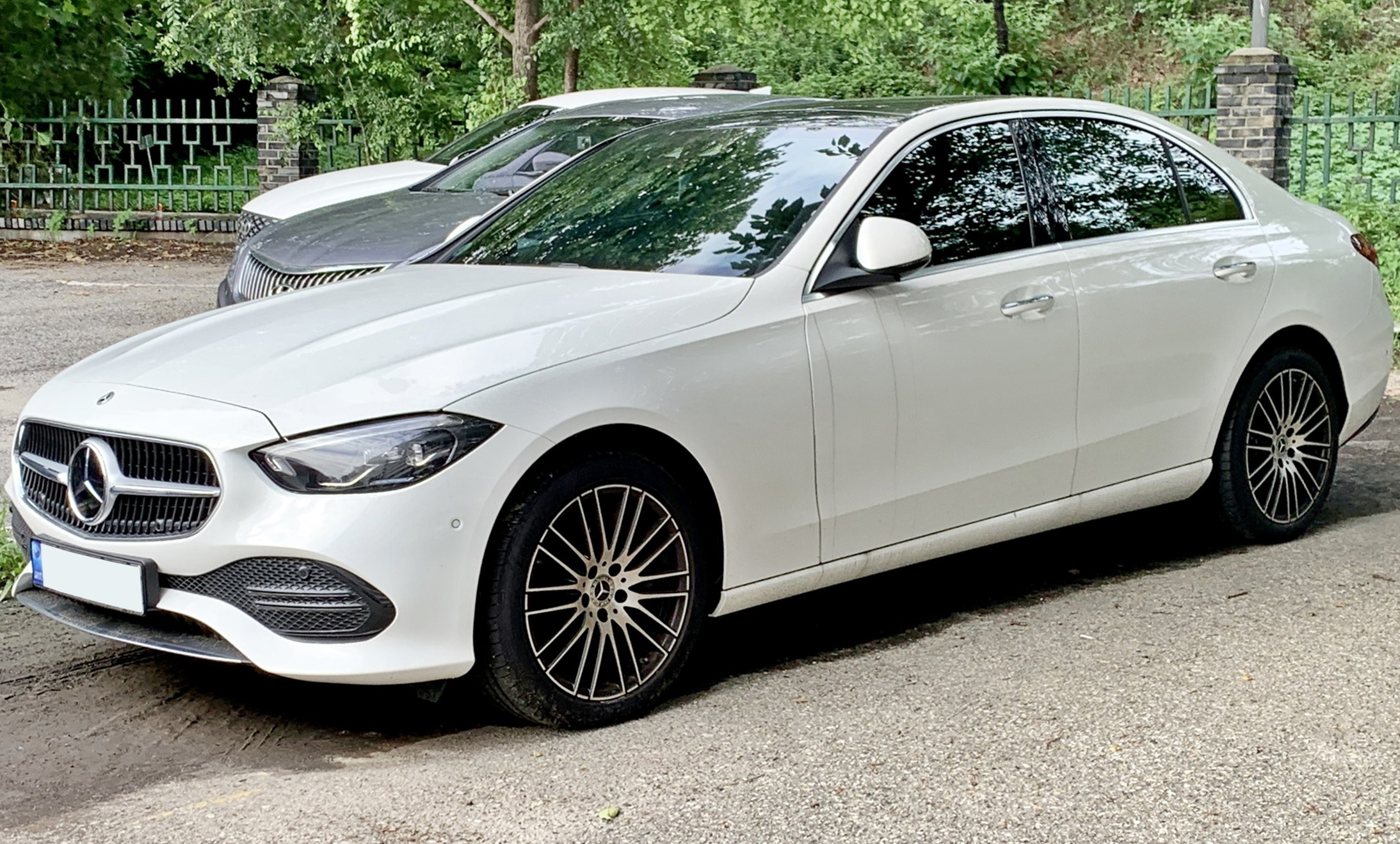
I have a budget of around £60,000 and have narrowed my choice down to the Volvo EX60,
BMW iX3 and the new Mercedes C-Class electric interesting that it's got the C-Class not the
JLC if this was your choice and you were happy in either a saloon or SUV what would your choice be
or is there an option I haven't considered for reference I currently drive an Audi Q4
while I'm an EV fan I don't like the Audi enough said there then fair enough Lee so um so this is
Lee in Doncaster who's got this conundrum and a nice conundrum to have I have to say um I'll put
my I I haven't driven the EX60 yet I've driven nor have I driven the Mercedes C-Class I have driven
the Mercedes GLC to be honest there is not a bad car out of that lot I personally would go for the
iX3 because I do really like the way it drives I like the sportiness of it and I like the range
and the efficiency and I like the tech and I just it just gels well with me but I've not driven the
EX60 and I know that Ginny was absolutely really really taken with it when she drove it out in
I think she was at in Barcelona wasn't she I don't know what would you two do um well there's
there's another there's another option as well which you know chimes with the C-Class electric
kind of the saloon kind of thing I personally I would like to wait for the BMW i3 but that's not
going to be here until August I mean there is another car you can consider which is the Volvo
ES90 so um you know if you like your saloon cars that is rather good although on most levels I think
probably the BMW i5 is better than the ES90 but it offers something not that I've driven the EX60
but I would imagine the ES90 has a lot of the the character and the things that we like about the
the 60 in a in a more of a saloon car package what about a Polestar 3 which I really really like
I think the Polestar 3 is a really lovely car so that might be worth checking out um especially
if you're considering the EX60 the 3 is um it's very nice I like the 3 quite a bit more than the
4 and I like the 4 as well but I do think that the 3's just got a bit more to it so that and it's
got that real kind of plush scandy kind of feel so you might like that so it could be worth checking
that out too um yeah it might be a bit big that's my only thought on those uh the Polestar and and
the Volvo that's true a bit bigger than those aren't they and even the i5 I mean I
was amazed to see that an i5 is over five meters long it's huge it's huge so yeah I mean I haven't
driven any of those yet but uh that that EX60 does look quite spectacular doesn't it I think
that's the really comfy plush option and the ix3 is the slightly sportier one isn't it effectively
and I drove the glc and I think actually it's quite a happy medium between those two I know the
range isn't up there currently with the EX60 and the ix3 so um so I know that might be why you've
not included it in that in your uh in your sort of rundown of options but I did enjoy the glc
and you know it's it's it's quite a convincing thing but yeah I'd I'd still say probably for me
BMW ix3 I was really taken with that um okay moving on talking about for us yeah talking
as volvers as we will we have an exclusive so these this is one deal which are our chums um
who do our leasing deals came up and said this is only for you it's not on any of the comparison
sites and they've got some Volvo EX30 deals um and they start if you want the single motor
one at 294 pounds a month um for 8000 miles a year which is fine but there's also you can
have some twin motor versions and there's the inevitable black edition which everybody seems
to have on their range these days and uh that one's pretty cheap as well I think that's kind of
313 a month off the top of my head so that's a really nice nice the equipped car
with those two motors which makes it stupidly fast as well yeah and it's the longer range as well
isn't it if you go for the dual motor so that's kind of so that would be really really a good deal
if you get it for that sort of money that's really yeah I mean I loved the x30 long-termer I had
were it not for the locking system everything else and aspects of the infotainment everything else
I really really liked it's great to drive so yeah really nice um and if you want to go used uh
Hyundai Ioniq 5 with uh less than 10 000 miles on it on a 22 plate for 16 277
properly cheap isn't it shocking value I mean I mean what was that there must have been a 50
grand car mustn't it um in 2022 must have been so um that is amazing value for money isn't it
yeah it's a great car there the Hyundai I'd be sorely tempted by use one of those I think I do
really really like them um yeah no definitely I mean it's quite it's often one of the ones that
people write in and talk to us about whether they should get the Ioniq 5 isn't it it's one I think
it's one of the more popular used EVs and I can see why because it just looks so cool as well
brilliant right should we move on to comments and questions that have landed this week
I will start with one from at patty the geek you say only a little over half an hour like
that's a good thing here we go batch you warned me about this I feel I feel shorted at least 12
minutes please I'm in America and this show is one of my only joys in life right now oh surely not
well um we think we're making up for it today to be honest so uh listen listen right okay can I just
defend myself here the one and only time I was hosting this podcast I thought I would try and
keep to what it says on the tin and then what do I get endless abuse because there's a whole list of
of outraged comments about the fact that we we kept it to a half an hour so I'm quite upset to
be honest with you quite upset anyway we've had quite a few comments in all along the same all
along the same sort of thing at tom newton 440 sorry batch but that was too short at uh
kevin aided batch you can't break tradition and be proud of yourself the episode feels
incomplete the half hour is supposed to at least last at least 43 minutes so that's you
well I'm truly told though I think that's fine I'll never come back
uh so on the subject of range battery tech and efficiency uh US average guy says you discuss
the pros and cons of a bigger battery I keep my cast for 12 to 15 years to me the biggest benefit
of a large battery is useful range after the battery has 10 years of driving load a lonic 5 with 20%
degradation will still go 240 miles which is fine for local driving it's a it's a very good point
although I would be surprised if after 10 years you've got 20% degradation looking at the the
batteries out there I mean other than the leaf which is a very early battery the ones that I've
seen with 100,000 miles on I've only got like 10% degradation so yeah hopefully there wouldn't be
and I think it then tails off doesn't it after you get down to kind of 90% the degradation slows
down quite a lot yes it does yeah there's initial hit isn't there and then like you say it gets
it levels out um you know further into the future yeah um yeah it's an interesting one isn't it I
agree I just I mean I had that 180,000 mile tesla um and that only lost uh 9% of its battery
after all that mileage it was an exo so yeah we are we are seeing a lot of it's interesting I think
the battery tech because I do love all this sort of battery tech geekery but I think we're seeing
increasingly like you say less and less um sort of battery degradation over the years but it's
hard to say because it really varies doesn't it but yeah it's an interesting thought though buying
a bigger battery just to make sure that you can still live with the car after that length of time
I don't think that's a silly idea I do get it but it would be interesting to see yeah
uh I like the idea go on then Batch what were you going to say um no it's just another another
comment about efficient cars we really like to hear your your stories of the efficiency figures
you're getting from your EVs uh Andrew Robinson uh 94 97 uh has a message saying uh I love my
McGann uh Renault McGann I was on the M6 yesterday on my way home and I was getting six miles per
kilowatt hour unbelievable exclamation mark from Andrew Robinson there I mean that is pretty
extraordinary isn't it on the motorway um so uh I think Andrew you might have set a new target for
all of us there um I haven't driven the McGann for a long time but I mean there's that big downhill
section there's that big downhill section on the M40 isn't there going to when we do our filming I
come off of that junction so if you go down there I could probably get six miles per kilowatt hour I
reckon on the downhill bit not going uphill the challenge is on there Andrew Robinson say
at the other end of the efficiency scale we've also had at nil 300 zx 300 zx I know that's not
efficient at all um it was a sad week last week as I had to let my company ID buzz cargo go I love
those things they look so cool as I was moving to a new company really disappointed with the new van
a smelly old diesel oh no so I had to cheer myself up so I bought a Mercedes EQC 400 premium plus
what a lovely car not very efficient but I don't care I think that's pretty cool do you know what
I quite like the EQC I think it has you know got old quite quickly because I remember when it felt
like such a kind of you know when it was it was that and the eyepace and the e-tron wasn't it and
they were you know the real kind of flag bearers for the EV era and I suspect that they sort of
dated fairly quickly but they still look cool and you see them and the price you can get them for
so yeah that's cool fair play I like that that one which I think the premium plus has the loveliest
wheels until you have to try and clean them you know the ones I mean ones that got like a hundred
spokes the multi spokes yeah they look so cool though just don't clean it don't be fine
right should we stay with the subject of EV costs and all that kind of thing we have got a message
in from at Malcolm Fowler 8972 three pence per mile charge for EVs isn't being introduced next
year it's planned for 2028 and it might be abandoned or pushed back as has happened in
Australia yeah so I think this might have been a bit of an error on the previous pod that we
mentioned it was going to come next year but obviously it is 2028 that the paper mile tax is
coming in or you know proposed to come in from in the UK so apologies if we if we got that wrong
on the previous pod but yeah so as you say proposed for 2028 and who knows if it might change before
then you know the UK government has never backtracked on anything so I'm sure that what could possibly
change should I mention Cox Joel who's been in touch they say my son recently bought into a shared
ownership flat in a block on a new estate which came with a charge point next to his parking space
trouble is it isn't connected to his meter and home tariff but instead is run through a service
provider it's not a public fast charger pricing nor is it at sub 10p tariff but somewhere in between
inevitably with full VAT applied I think the adjacent houses charge points are connected to
their meters it feels a bit like box ticking on new builds and someone looking to make
money out of it worth looking into as part of Tom's research a bit of homework there for you
Tom what do you think yeah it is I mean I suppose from their point of view it's just
if they're going to have to maintain it and get some sort of supply to it then they want to get
paid for it somehow so it is a shame I'd want to look at rewiring it to come from my meter if I was
them but if it's if it's miles away from the building then I don't suppose they want to spend
all that money yeah yeah I mean it's it is interesting isn't it I mean it's it's tricky
because I think for flat for flats I suspect that having a sort of public publicly accessible
charger may be the only solution to some so I mean you know it's better to have that than to not
have any chargers at all I suppose although obviously the ideal would be to have chargers
for that you know individual flat owners could use but I don't know how realistic that is
um but yeah maybe maybe this is one that we need to get you on Tom and you can get your
magic calculator calculator out and do some those figures in some councils I think Barnett
especially they were doing a trial with these have you seen these removable charge points in
the pavement so they've got a hole in the pavement with like a socket and you come you're given
like miniature charge point and you come out and you plug that in and twist it and then that
becomes like a charge point which you can then plug your car into which is quite a clever thing
if you're a local resident because it means there aren't lots of charge points clattering up the
place but inevitably it means that unlike the the kind of the gully things across the pavement to
do it from your house it means that you have to pay a higher charge per kilowatt hour but I don't
know it's probably better than to plug into a lamppost or something yeah exactly um all right
we've got a couple more comments to go through and then we're going to wrap this up about the
obligatory uh well over 45 minutes I think I think for the kilowatt hour just ticked over 45
minutes so yes yeah perfect so still on the subject of charging infrastructure uh from at
oh Roya GYE 1099 it's very catchy hello all we've recently had installed an Anderson A2 EV charger
which I'm very jealous of because I do like the Anderson chargers with an eight and a half
meter tethered cable we don't have EVs yet but wanted to be ready when we do we've got the longer
cable five and a half meter is the standard length so they've paid to upgrade to the eight and a half
meter so that we can charge either in our garage or on our driveway in front of the garage my question
is will I need to unwind the cable fully or is it safe to only unwind what amount of cable I need
when charging any advice gratefully received well I can tell you right now that you should always
unwind the whole cable don't leave it wound just because it can get hot um I mean they are obviously
fully um you know insulated proper EV charging cables and they're fine but still always unwind
the cable yeah don't don't leave it wound up um just because it is the safer thing always the safer
thing to do um yeah go on then Tom do you want to finish off we've got one more I think haven't
made oh yes from the campsites so Tassie EV said sorry campsites don't need dedicated charges
a 15 amp outlet is all you need or a 32 amp one Australian campsites do it for those in EVs who
car camp or set up a tent pay for powered sites seems the way the UK isn't the same well I suppose
a 32 amp socket is basically a charge point isn't it so that kind of is giving them a charge point
I can understand though if you're a campsite owner you don't want somebody turning up in a
BMW ix with 110 kilowatt thing and charging because that's quite expensive yes so they just want
some way of paying it and that's quite a lot of money compared to somebody who's boiling a kettle
occasionally so I think they probably do need dedicated charges just to be able to pay for it
and supplying something at 32 amps is has a cost attached to it so yeah well you need a way of being
able to to split up who is on the campsite and who's using the most energy because all campsites
you know part of the pitch fee is you know everybody pays generally the same pitch fee
and it within included within that is an average energy use and like you say if you've got somebody
else who's paying the same pitch fee and yet they're charging up their you know BMW ix then it's not
particularly fair is it so it does need to be separated so hence why a charging point a proper
charging point would get around that yeah or maybe I don't know maybe for fairness maybe the
maybe the campsite owners can sort of levy a levy a fee for people who are charging an EV so that you
can still have the convenience of charging on your pitch without having to move the car around the
campsite um I think that would be very fair I wouldn't quibble with that if I were charging an EV
at a campsite um you know so yeah and I mean to be fair I stayed at a campsite in France last year
and I charged an Ioniq 9 which has got an enormous battery um and I stuck it into a charger and to
be honest I was just so pleased that everything works and it was all fine and it was so convenient
I was more than happy just to pay the sort of it was kind of a you know middling public rapid
charging fees to be honest I just didn't think that was unfair so yeah maybe but nonetheless I think
it's just you know I think I think the more infrastructure we've got to help people use EVs
for all those kind of lifestyle things it's always good isn't it one way or another but
yeah we have to expect to pay for it and that I think is today's kilowatt 45 minutes isn't it
48 minutes now yes 48 minutes
just a quick reminder that as ever this podcast is also available to watch on the youtube channel
which you should obviously check out anyway because we've got so many cool videos and
we do love to read your comments after every episode so do leave a comment on the pod on
youtube or you can also reach us at podcast at electrifying.com if you've got a question or
query and as ever thanks for listening and see you next time later bye
About this episode
From an electric Mercedes e-Actros 600’s 621 kWh battery and “around 310 miles” range to real-world auto-parking in a BMW iX3, the chat bounces between EV tech and everyday practicality. Skoda Epic details follow—built on MEB plus, with value especially “if you go for the smaller battery.” Citroen’s 2CV comeback is framed as “spirit” over shape, while Volvo EX60 safety tech and EV charging realities keep the momentum going.
This week on the Kilowatt Half Hour, Vicky, Batch and Tom tackle another packed week in the world of EVs, from rumours of a cut-price electric Škoda Citigo revival to Volvo’s bold claim that cars “wouldn’t be accepted” if invented today.
There’s chat about the stunning new Volvo EX60, the tiny Škoda Epiq, and whether the AMG GT Coupe is actually… good looking? Plus, the team discuss manual gearboxes and diesel engines potentially disappearing by 2030, and the latest cars added to the UK government’s EV grant scheme.
Also this week:
⚡ Could MG’s new parking tech cure Britain’s worst parkers?
⚡ Lee from Doncaster needs help choosing his next company EV
⚡ Barnard’s Bargain returns with a tempting Volvo EX30 lease deal
⚡ Your comments on battery degradation, charging, terminology nitpicks — and complaints that the podcast STILL isn’t long enough…
As always, expect news, views, gentle arguing and questionable tangents from the Electrifying.com team.