In autocross, the tires are what actually provide grip. When the surface is wet, the tire has to clear water to get back to better contact and traction.
Time attack is when you try to set the quickest lap time on a track, usually without direct racing side-by-side. It’s all about getting one or more very fast, clean laps.
Qualifying is the part of a race weekend where drivers try to set the fastest lap to earn a better starting spot. It can feel especially stressful because it affects your whole race.
Term
GLTC race
GLTC is the name of a specific racing series. The host is saying they won their first race in that series, and another driver stayed right behind them the whole time.
Sim racing means racing in a video game with a steering wheel and pedals. The host is saying it can make them nervous in a way that’s similar to real driving.
“B-spec” is a kind of racing class where the rules keep the cars more similar. That way, it’s less about having the most expensive setup and more about driving and preparation.
A damage clause is the part of the agreement that says what happens if you crash or damage the car. It usually determines how much you personally have to pay for repairs.
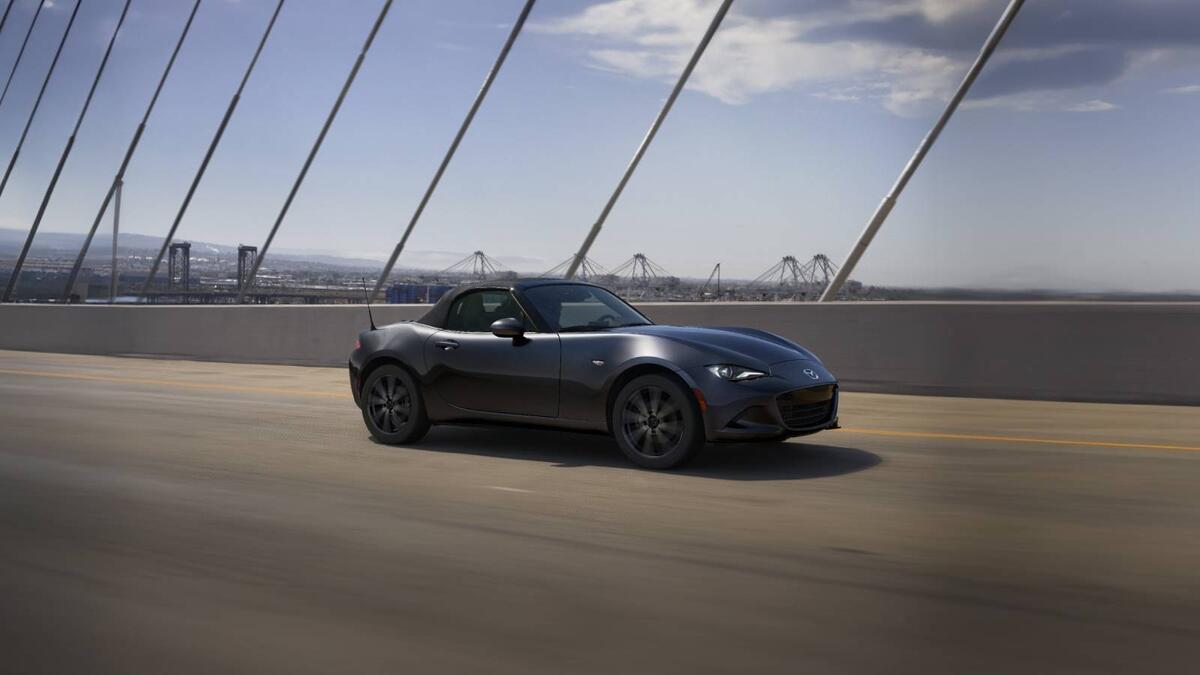
The Miata is a small two-seat sports car made by Mazda. People like it because it’s light and usually costs less than many other sports cars, so it can be a good way to start driving for fun. It’s also commonly used for track days and autocross.
The Mazda MX-5 is the Miata—an affordable, lightweight sports car that’s famous for being fun to drive and popular in racing. Here, they’re talking about a spec racing version of it.
“NC” refers to the generation code of the Mazda MX-5 platform (the NC-generation Miata). A “spec” car means the series limits modifications so cars are closer in performance and the competition focuses more on driving and setup within the rules.
Brake testing means checking how well the brakes work when they’re used hard and repeatedly. The goal is to see if they overheat, lose stopping power, or wear out parts like seals.
This refers to the brake caliper design. A single-piston caliper uses one piston to squeeze the brake pads, and on track it can be more prone to overheating or uneven wear than bigger multi-piston designs.
In a brake caliper, seals are the rubber parts that keep brake fluid from leaking and help the caliper move properly. If they get too hot, they can wear out and lead to leaks or brakes that don’t fully release.
OEM parts are the original factory parts that came on the car. Here, they’re implying the brakes are still the stock version, not an aftermarket upgrade.
Term
autocross approach
Autocross is a timed driving event on a marked course. Your “approach” is your game plan—how you study the course and decide when to slow down and speed up so you can drive it the same way every run.
Term
walk it 10 times
Before you drive an autocross course, you can walk it on foot. That helps you remember where the turns are and where you’ll need to slow down, so you’re not guessing while you’re racing.
Reference points are things you use to judge what to do next while driving. For example, you might use a specific spot to decide when to brake, so you don’t have to guess every time.
A brake reference is a clear spot you use to decide when to start slowing down. If you pick the same spot each run, you can focus on improving your driving instead of guessing.
Steering angle means how turned the wheels are. If you’re still turning a lot while you start accelerating, the tires have to do more work to stay hooked up.
“Data behind it” refers to using objective evidence—like telemetry, lap/course timing, and driver inputs—to justify where and how to drive faster. The idea is that seat-of-the-pants guesses (“my gut”) can be wrong unless they’re supported by what the car and timing data show.
The throttle is the pedal that tells the engine how much power to make. If you press it before the car is pointed the right way, you can end up going too soon or in the wrong direction.
Turn-in is the moment you start steering into a corner. The transcript criticizes a common mistake: hitting the brakes, turning in, and then getting on the throttle a split second too early—before the car is properly set up for acceleration.
Trail braking means you keep a little brake on as you start turning, then gradually let off and go to the gas. The goal is to help the car rotate and stay stable.
A brake marker is a spot on the track you use to remember when to start slowing down for a turn. It helps you brake at the same time every lap instead of guessing.
“Brake later” means you wait longer before slowing down for a corner. It can make you faster because you keep more speed, but you have to do it consistently and safely.
A road course is a track with lots of turns and braking, more like driving on roads than a simple oval. Your lap time depends on how well you handle many corners.
Target fixation means you stare at one thing—like the car in front—too intensely. That can make you miss what’s happening around it, so your steering and braking aren’t as good.
Term
individual elements in each corner
This is about not treating a corner like one big move. Instead, you focus on smaller parts—like when you slow down, when you start turning, and when you start accelerating—so each part is done correctly.
They’re talking about the exact spot where you start slowing down before turning. If you brake earlier or later, it changes how fast you enter the corner and how well the car can turn.
Term
drag the nose of the car through the grass
This means the front of the car hits the grass at the side of the track. Grass has much less grip than pavement, so it slows you down and usually means your corner setup was a bit wrong.
They mean paying close attention to what actually happens during your driving. Then you use that real feedback to decide what to change next time, instead of just trying random things.
Concept
if this, then that statement
It’s a simple rule for learning: if you do X, then you should get Y. In driving, that helps you make changes in a controlled way instead of just pushing harder and hoping it works.
Here “breaking” means braking—how you slow the car for a turn. The point is that braking too aggressively (or at the wrong time) can make the car harder to control instead of helping you set up the corner.
ABS is a safety system that stops your wheels from locking up when you brake hard. If you’re “pushing into ABS,” it usually means you’re braking so hard that the car has to intervene to keep the wheels rolling and maintain control.
Lithium-ion batteries are rechargeable batteries that store electricity for a car’s systems. They’re common in modern tech because they pack a lot of energy into a relatively small, light package.
Autocross is a timed motorsport where cars navigate a course of cones, usually on a closed track or parking-lot-style surface. “Runs” refers to each timed attempt, where reliability matters because a failure ends your session.
Motocross is off-road motorcycle racing on a bumpy track with jumps. They’re comparing that kind of “losing a run” to losing a single timed car run due to a battery issue.
Topic
trying too hard in autocross prep
They’re talking about how some people bring too much gear and do too many extra steps at autocross events. The argument is that it can distract you and make you less consistent instead of faster.
Leaf blowers are being used like a big fan to cool car parts between runs. The host’s point is that some people bring extreme gadgets and it can turn into overkill instead of smart driving.
Dry ice is a very cold material people can use to cool things quickly. In this context, it’s being used to cool tires between runs, and the host thinks it’s often unnecessary overkill.
GST is a competition class name that groups cars by rules. The host is basically talking about how people prepare differently depending on which class they’re in.
Coilovers are upgraded suspension parts that let you adjust how high the car sits and how it absorbs bumps. The host is basically saying some people go way too far with track-style suspension gear.
Gamesmanship means using strategy to get an edge, not just driving harder. Here it’s about whether tire-cooling tricks are legitimate performance help or more about outsmarting the situation.
Autocross is a timed driving event on a cone-marked course, often in a parking lot. Since you do many short runs back-to-back, things like tire temperature can change how the car feels each time.
The NSX is a sports car from Acura that’s meant to be fast and handle well. In the podcast, it’s brought up in connection with autocross, which is a timed driving event with tight turns. That’s a good match for a car designed for precise control.
Heat soak means the engine and engine bay stay hot even after you stop pushing. That extra heat can make the car less efficient or less responsive until things cool down.
Battery recharge is when the car’s battery gets refilled with energy. In some cars, that only happens while the car is running or through specific driving/regen moments—so turning it off at the wrong time can leave you with less battery for the next run.
iRacing is a realistic racing video game/simulator. It models things like tire temperature, so cooling or managing tires can make you faster—just like in real driving.
Countersteer is when you turn the wheel the opposite way to help the car stop sliding out of control. If you have to do a lot of it, you’re probably pushing harder than the tires can handle.
“Rolling over” is what happens when the tire shifts and flexes during driving, especially in turns. Watching where the tire “rolls” can tell you if it’s behaving the way you want.
The intake plenum is a chamber that collects air and then sends it to the engine. People sometimes change it to help the engine get cooler, denser air or to improve how the engine breathes.
A go-kart track is a small racing venue where karts are driven on short circuits, often with tight corners and frequent braking/acceleration. Tire wear and tire behavior can be very noticeable there, which is why people talk about tire condition and setup habits at karting events.
The tire sidewall is the outer rubber edge of the tire. If you see unusual white marks there, it can mean the tire is flexing or rubbing in a way that’s not ideal.
A USB cord is the cable you use to connect devices and move data. In this story, it’s being used like a “plug in and change the kart” idea, similar to updating settings or software.
A “flash” is when someone updates the computer settings that control the engine. “Stage three” usually means a more aggressive tune than earlier stages, intended to make the kart feel quicker.
Tires can only do so much at once. The “lateral” limit is how hard you can turn before you start sliding, and the “longitudinal” limit is how hard you can brake or accelerate before traction runs out. Chasing those limits all the time can make you less accurate.
When you turn, your tires have to do a lot of work to keep the car on the road. “Cornering load” is basically how hard the tires are working in the turn. If you overdo it, you can waste grip and not accelerate as well afterward.
On a race track, there are certain spots where you want to start accelerating hard. If you’re using too much tire grip in the wrong places, you might not be able to accelerate as strongly when you reach those spots.
Term
distance cutting distance
“Distance cutting” refers to reducing the path length the car travels through a corner or sequence—typically by choosing a tighter line or better entry/exit. Doing it excessively or at the wrong time can conflict with maximizing traction, so it may not actually produce the fastest lap.
Term
maximize every tire at every moment
The idea here is trying to keep the tires working as hard as possible all the time. That can make the car feel great in the corner, but it can also waste grip and make it harder to accelerate when you need to.
Term
arcs that weren't necessary
“Arcs” is just the curved path the car takes. If you’re making bigger curves than you need, you can end up spending time and grip in a way that doesn’t help your lap time.
They’re talking about driving so the car feels balanced and uses grip well. But the key idea is that “feels optimized” doesn’t automatically mean “fastest lap,” because speed depends on timing—especially when you’re turning versus accelerating.
Tire contingency is basically a tire company paying racers extra (or giving support) when they do well. If you win or place in the right way, the tire brand helps out because you’re proving their tires work.
The Ford Falcon is a car model from Ford that people have used for performance and racing. In the podcast, it’s brought up because it’s still supported by certain racing or build communities. That means it can be a popular starting point for people who want to modify and compete.
Hoosier is a tire company that makes race tires. The episode mentions they may give discounts or rewards to drivers who do well, which helps racers afford tires.
A track day is when regular people bring their cars to a race track to drive them hard in a controlled setting. It’s more about practice and learning than racing for points.
A time trial is a driving format where the focus is on completing laps (or a course) as quickly as possible, with timing being the main metric. Compared to casual track driving, the emphasis is on repeatable runs and chasing measurable improvement.
How much gas is in the car changes the car’s weight and also how long you can drive before you need more. Teams plan it so they don’t carry extra weight or run out.
A lithium-ion battery is the rechargeable battery used in most electric cars. It can be affected by how hard you drive and how it’s managed, and it also has safety limits.
Term
solo nationals
“Solo Nationals” is a big competition event for autocross-style driving. It’s more rule-focused than a casual track day, so small prep choices can matter.
Concept
weigh the options
It means thinking through the trade-offs before deciding. Here, they’re comparing saving weight versus getting enough sleep to drive well.
They’re talking about how to lay out a driving course for autocross. The main advice is to keep it simple: plan a good path through the lot and avoid making the course too complicated with too many obstacles.
A satellite image is an overhead map view used to understand the layout of the autocross site before placing cones and defining the route. It helps the course designer visualize available space, obstacles, and flow through the lot.
They’re saying the course should be simpler. If you add too many things, it gets confusing and people hit cones more, so a cleaner route usually feels better to drive.
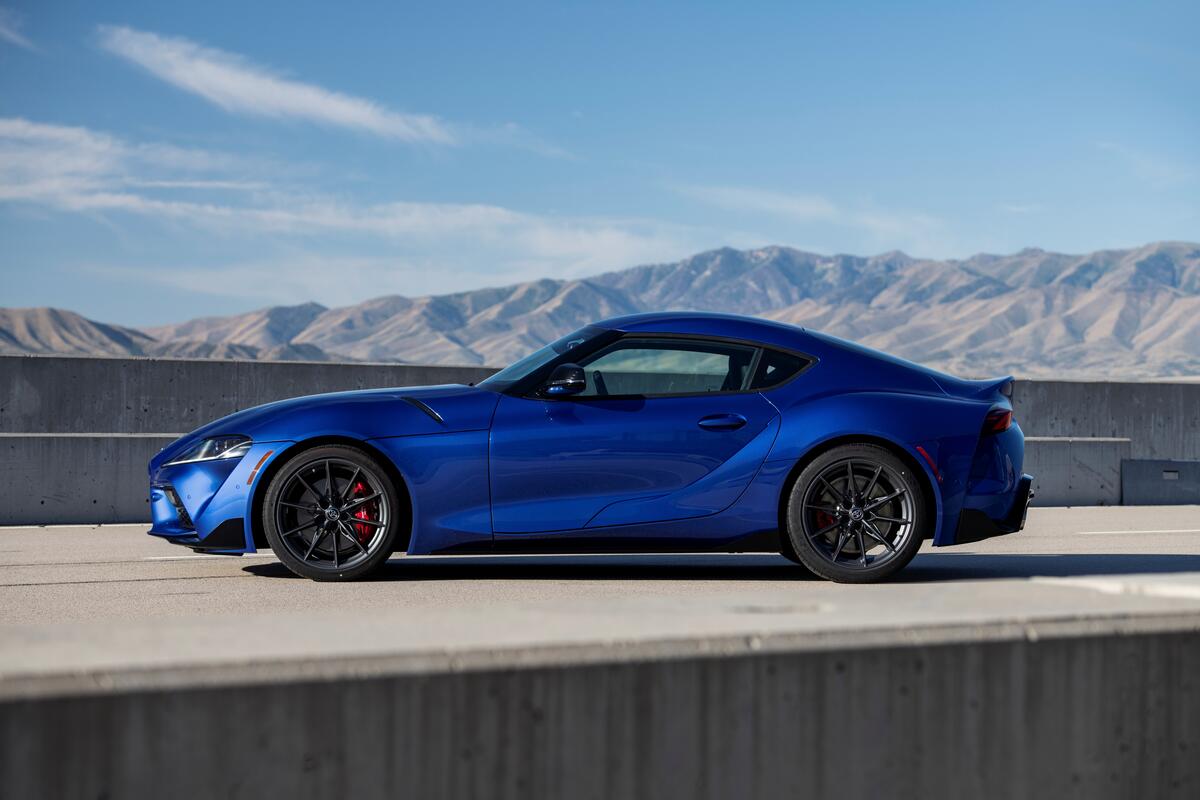
The Supra is a sports car from Toyota that’s built for performance. In the podcast, it’s mentioned while talking about driving a long course with lots of speed and turns. That’s the kind of situation where a performance car like the Supra is meant to do well.
Road America is a famous race track where endurance races are held. Because it has lots of long, flowing corners, it can be tough on tires and brakes and tests driver consistency.
An endurance series is racing that lasts a long time. Instead of only going fast, teams also have to manage tires, brakes, and driver changes to finish strong.
“Detuned” means the car is adjusted to be less powerful or less extreme than it could be. Race series do this so different cars can compete more fairly in the same class.
Term
zp2
“ZP2” is a label for a specific racing class in that series. It’s basically how the organizers sort cars into groups so they race against similar performance cars.
“ZR2” is a class name in the racing series. It tells you which group of cars this entry belongs to for fair competition.
Term
zr3
“ZR3” is another group label for cars in that endurance series. It’s part of how the organizers keep different cars racing in the right competition buckets.
Term
zr4
“ZR4” is a class label for a group of cars in the series. It helps organize the race so cars with similar speed/eligibility compete against each other.
The C8 Corvette is a Corvette where the engine is behind the driver (mid-engine), not in the front. That changes how the car feels and handles, especially over long races.
Gamemanship means playing the strategy game in racing. Instead of just trying to be fastest, you may adjust things to make sure the car finishes the whole event.
A fuel tank is the onboard reservoir that determines how long a race car can run before needing to refuel. In endurance racing, fuel capacity and consumption directly affect pit strategy and how many stints you can complete.
LIVE
Hello, everyone, and welcome to the Lizard Brains podcast.
I'm your host, DJ Alice Andrini.
I'm joined by my co-host, Tom Agarman.
Tom?
How's it going?
I'm pretty good.
How are you?
I'm okay.
I'm okay.
You know what?
You know it's crazy.
I didn't really have a hangover from the autocross this weekend, and I don't know why.
Interesting.
I don't know what I did differently.
It wasn't like an eight-hour drive both ways.
Yeah, and it was like 90 degrees and like 80% humidity and all that.
I should have had a terrible hangover on Monday.
I felt fine.
I don't know what I did differently.
You didn't miss being there or what?
I don't know.
Well, no.
I mean, look, my second run.
All right, let's back up a little bit.
I did the Bristol National Tour this last weekend, but my second run, day two, having
completely flubbed the first one, and the whole event was on the line on this one run,
and it's like challenging conditions.
They made it from a three-run to a two-run format because there was a bunch of delays
because of flooding.
That was a freaking intense ass autocross run.
I felt it.
I literally would have been dead last or first.
Those were the two options.
I felt all the pressure dealing with coping mechanisms that I've developed over the years,
which is mostly just breathing.
I went for it.
I remember around this time last year, I talked about a drying conditions run on day two,
where I had a lead in day one, and I was bummed that I didn't just go for it,
and I was worried about losing.
Remember this?
When I was going up against James Yom in D Street at the Chicago Tour?
I don't actually remember.
I remember it very vividly because I lived it, but I remember being in situations where
it's like the only run that matters is the last run, and it's like a very challenging
pressure cooker situation when it literally comes down to one run or you lose.
It all comes down to this one thing, and you just have to execute on whatever it is.
I had a situation like that at Chicago last year where I had a pretty good size day one
lead, but everything's just practiced for Nationals.
In the Chicago National Tour, there was like 10 people in class or whatever, and it was
just me and James Yom and then everyone else.
I had enough of a lead where I could cash it in, but I wanted to get over the mental hurdle
of because at Nationals, if I came into that situation, you can't just rely on your day
one lead.
Somebody else will get you.
If there's enough people in your class, unless you had just this killer day one lead, but
honestly, that hardly ever happens if the class is big enough.
I don't know if ashamed of myself as the right word, but I was not very happy with my day
two run because I cashed in on my day one lead and was just like, okay, that's enough.
Yup, I won, but I didn't go for it.
Does that make sense?
Yeah, it does for sure.
Okay, because everything's practiced for Nationals, right?
And to get over that mental hurdle, like not relying on the lead and the scenario or whatever,
blah, blah, blah, blah.
Like if that was the only event, then you rely on the lead, you drive smart, you do what
you need to do, right?
But in my mind, I was like, this is practice for Nationals.
Like you can't just sit on like some margin because somebody else will get you.
And this event, probably like the same situation, even more pressure.
And I went for it.
And I'm proud of that I was completely fine with losing or winning.
And it allowed me to do like a pretty good last run.
And I like, I think I measured the aggression correctly, but I didn't like cash in on a
day one lead.
I just did the run that I wanted to do.
Basically.
It all boils down to every run is the same.
Yeah, kind of.
It doesn't matter what the event is for.
It doesn't matter what your car.
You're just trying to extract.
Yeah, you're just trying to do your best, right?
I think I've gotten pretty good at that with circumstances.
You know, like the circumstance was you had one less run than you were expecting.
There was water all over the course.
There was a first, did you, did you spin?
I was watching live timing and I saw the time was like, whoa, what happened there?
So I hit a cone like right in the beginning.
And then I was like, okay, let's, let's experiment and like see what works.
Right.
Because obviously this won't be the one that I sit on.
And then every experiment went terribly.
And it was like, I, Tom, I, I must have looked like a freaking novice out there.
Cause I'm like, can I break this light?
Oh no, absolutely not.
I missed the whole corner.
Okay.
Uh, like, can I break after this puddle or like, and it was like, oh, nope, nope.
I'm going through the whole freaking wall.
Okay.
Like, um, uh, it was like, I just looked like a fucking disaster.
So anybody working course, I'm sorry.
All those cones you had to clean up.
Uh, anybody who was like, who's in that car?
Uh, it was me.
I'm the problem.
Uh, it was not, uh, I felt like, uh, unfortunately in that first run where I, like,
as soon as I hit that cone, I'm like, I'm going to learn some stuff.
I did learn some stuff.
I learned what not to do, but I learned zero of what to do, uh, which made going
into the final run like way harder, right?
Cause I had no bearing of like what I could do because I like overshot everything.
Thankfully, I like stressed to Peter.
I'm like, Peter, go out there.
You have to execute a good first run.
I got to see what it looks like.
And Peter did a great first run and I got to watch the video and have some kind
of basis of what you can get away with and what you can't because what was happening
is we'd run through the water.
The water was no problem.
You just drive through the water.
It was immediately after the water, like how long does the course stay slippery?
How long are the tires wet?
Because it was just this river that was like flowing through the middle of the lot.
So you would see it twice in the course and the way the car behaved afterwards.
Like I got no bearing on that because I completely flubbed like both of those times
through it to the point where I didn't even know.
I'm like, I'm going in blind and everyone else like that, you know, that was remotely
close to me after day one.
They like they did it.
They had clean runs on the first one.
Like they're looking, they're looking sweet.
Like they're going to go drop a time on the second one and I'm going in freaking blind.
So I just have to like go for it.
Right.
Um, yeah, that was, that was, uh, I felt the pressure.
I was breathing.
Like I just got into, uh, like a fight afterwards.
I was like, huh, huh.
Like I was like, like growling, like in the car, like going at the mouth.
Yeah.
It was so intense, Tom.
Um, and like I was happy with how the run went.
Um, like I think if I got a third run, I could have probably definitely dropped some more
time.
Um, just with just like having another shot at it, seeing where I messed up and where
I could clean up and smooth things out and like getting a better feel for when the tires
actually start to like have the water fall off of them.
Yeah.
Uh, but in like that situation, like that was a freaking, that's, that's what autocross
is to me is like nothing makes that intensity except autocross.
And yeah, that was, that was intense.
Um, and you know, by the time I call myself down by the time I like get out of the car
and was like, Oh yeah.
Oh, no problem or whatever.
But I'm telling you, Tom, I'm telling the audience right now.
It felt fucking intense in the car.
Like when I got out of that, like when I finished up the run and I'm looking around, I'm like,
is there a cone?
Is there a cone?
I couldn't hear the announcer.
Peter holds up a finger, like, like pointer finger into the thought.
And then he realized what he was doing.
And then he put a thumbs up and I was like, Oh, thank God.
1111
Yeah.
111
Me number one or one cone.
I don't know.
Um, but thankfully, thank I was so grateful for Peter for putting together that really
good first run that he did.
Uh, so I had some bearing, like looking at his video to understand what I could do because
after my first run, I was like, Oh my God, where do I even start like after that?
Cause I was so far off.
Yeah.
Yeah.
So I wanted to, uh, when I said, I got good at handling the circumstance.
I want to finish the thought on that because that only came, that only came after I won
my first championship for autocross.
I'm pretty good at it for everything now, but you know, it took a long time with mental
game stuff.
And that's that part of it.
I wish I could bottle that I always talk about like that, that sense of like, it doesn't
matter what run it is.
It doesn't matter what event it is.
It doesn't matter if it's nationals or the littlest locally you've ever been to, like
the activity is the same.
And if you do, if you do the, the, the steps that you know, you need to do like it sounds
like you nailed that, right?
Uh, I don't know if that's maybe not focusing on the result as much, whatever it is.
Like if you can, if you can work on that part of the mentality listener and kind of like
make that part of your, you know, whenever I feel the pressure, I do just focus on breathing.
I do just like, I make sure that I'm focused on just like really chill, relaxed breaths.
Um, I'm sure there's some studies about or, uh, you know, some science behind, if you
do some box breathing or you do some breathing exercises that may calm you down,
maybe there's an optimal breathing, but I just, I breathe in deep and let it out and
breathe in deep.
I'm just trying to get like as much oxygen to my body as possible.
And I know I like my trigger to do that is when I feel like the physical side effects
of feeling pressure.
So like maybe you feel it like in the back of your neck or like you feel like tightness
in your elbows or maybe your hands or wrist or something like you just feel like you feel,
I don't know what that is.
That might like be blood pressure.
I have no idea.
Adrenaline something.
I don't, I don't know what the physical feeling actually manifests from.
Um, but everyone will feel that differently.
And when that happens to me, that's like a cue that I need to breathe.
Like the same thing will happen if I haven't driven a car on track in a while.
Uh, my legs will shake like as I'm driving and that, that to me is an indication that
I just need to like get a bunch of like oxygen in my body.
Um, to like stop the, the shaky legs.
I like mostly feel it on the clutch.
Like if I push the clutch in, I'll feel like my leg like kind of doing like a, uh, um,
it's not like I'm like driving down in my like, like throttle is like, though if I,
if I'm real, if I'm feeling like way too excited, then like maybe that will happen,
but it's been a while since I've been that rusty in driving on track.
Uh, but yeah, I take that also as a cue.
Like I just need to really just get some oxygen into this body.
So I've brought that up to other people.
So I know that that's not just a me thing of like the shaky legs.
Like while on a racetrack, I think you're just an animal, Tom.
Uh, but like the, the breathing, like it helps, it helps calm that.
And then, uh, then you, like you're, you know, you don't have to have, cause what that is,
is it's a symptom that adrenaline or blood pressure or something is impacting your body
and in, in a competition or on track or whatever, that's, that's not a great state to be in.
So if we can breathe to alleviate those like physical side effects,
you're also, uh, alleviating like the things that we aren't noticing about ourselves.
The other thing I try really hard.
So if I notice I'm feeling since it's sensation of pressure or, uh, you know, whatever,
whatever that feeling is, I said breathing.
And then I also try really hard to not think of things not to do like,
especially if it's say it's, say it's this situation.
Like if you were thinking about that next run for the, after the mistake covered run with like,
okay, don't do that, that.
Yeah. That would never work.
Horrible thought process like that.
And I do, I fall into that thing.
It's like, as long as I don't do that, you have to like, it's just shifting the word slightly
or it's shifting to a different part.
Like I don't have to do anything different except that one.
And all I have to do there is instead of, don't do this.
You know, I, those are the two things I definitely do plenty and it,
it's mostly at autocross.
I don't think you get pressure in the same way with any sort of road course competition.
Just cause it's a little more extended.
Like the timeframe is a little more extended.
So the, the pressure or the intensity isn't as I remember maybe,
maybe the getting set up for your, for your flying lap,
if you're like in qualifying or time attack or something,
I just can't think of an equivalent.
I remember one time, it was, it was my first time winning a GLTC race
and Coutil was right behind me and he was behind me the whole race.
And I felt the pressure from that.
And I think my legs were shaking at some point during that.
So I just like, just, I just was doing the breathing on the straightaways.
I was just huffing oxygen as much as I could and then like it went away,
but I noticed that like physical side effect and then I was able to like,
like calm it down.
I noticed it.
Um, I get, I honestly, I get more nervous, uh, sim racing than, uh,
than ever in a real car, um, except autocross.
Uh, and that like the nervousness on the sim rig has helped me a lot with
like dealing with the, like the physical side effects of nerves and like just
figuring out a way past that.
And like we've covered, you know, now for 14 minutes, breathing, like just
breathe, uh, that, that literally does 90% of it.
And then you're like in a nice stable place and you can like relax.
Um, but I remember when I was doing the, the spec MX five thing,
like before the finals, I felt it.
I felt it like in my eyeballs, like I felt like so nervous.
Um, that I was just like, just breathing super hard before like each green flag.
Um, cause I wanted to win that thing so bad.
Uh, and, uh, sometimes that when I feel pressure so much, uh, my pinky goes numb.
Just my pinky though.
So I've had that happen in some races.
So, but these are all like side effects of like when I know that like my body
feels a lot of stress.
Um, and then always it's like, Oh crap.
Like I feel that.
And I'm not like, Oh no, I'm stressed.
I'm like, Oh, I got to breathe.
I got to breathe.
Like, like I got, I got to really just bring it in some oxygen.
And then these, these physical side effects will go away because I think,
and here's the point that I want the listeners to take away is when we
feel those things, we might not necessarily know that it's affecting us.
But if there are any physical side effects, it's definitely affecting our
clarity of mind, uh, the, the, the, you know, the muscle mind connection,
the, the fluidity, the, the relying on instincts, all that stuff's affected
because you're too stressed.
You're, you're RPM, you're like metaphorical, like what RPM you need to run
at is too high.
Uh, so that's why we need to do the breathing to, to bring it down into
our optimal state to, to compete.
Yep.
Definitely.
Uh, speaking of intense, how was camping?
Oh, I did not camp.
Are you kidding me?
I thought you said you were camping.
No, I would have, I would have got swept away in the flood.
If you know, I could have sworn you said you were going down and camping this
week. I was like, no, you're not.
And I was like, no, that sucks.
If I was camping, it would have been where the flood happened.
So fucking good thing.
I keep dropping up.
I'm sorry.
Sorry, children.
Um, uh, I am so glad I didn't.
I would have been like, I'm like, wow, it's really raining outside.
Am I floating?
That's funny.
Um, well, I'm glad you had fun and congrats on your win.
Thanks.
And good job on your mental game.
Uh, I didn't do, like I said, I had no motor sports this weekend.
I was fine with that, but I am itching now.
I have the itch.
I did have a couple of little things for the rest of the year that popped up
like opportunities that I'm just going to share because I'm your,
you're my friend and I want to tell you about them.
Um, so I got an email from SCCA, the new, um, the new lead for track night,
like the, the, the national manager for track night emailed me and they're
trying to put together a two event track night at mid Ohio in October on a Friday.
I don't think the registration is open yet.
I don't know if that means it's not confirmed yet, but if it is confirmed,
I'll be there and I'll be the, the lead.
Yeah, Allison, she's amazing.
I'll also be there.
Tom, I was asked to come help.
Oh, you were perfect.
Yeah.
All right.
Well, I'm your boss for that day.
Well, I'm only going to be there for the afternoon cause I don't have any
vacation time, but I literally said, Oh, sorry.
I can't help it.
I would love to.
I don't have any vacation time, but like if you need somebody in the afternoon,
like let me know.
And they're like, sweet, see you there.
And I was like, okay, I guess I'm going.
That'll be, I was literally going to be like, you should bring your car down
and do it, do one of the morning or afternoon sessions.
Uh, so I'll be at middle high out that's October 9th.
And then I was like, that's gotta be right before a road race weekend cause
they wouldn't just have one on a Friday for no reason.
And sure enough, it's like the last Ohio Valley region club race weekend.
And I was thinking about like, maybe there's a way to get in a car,
but you know, I don't have the money to, to rent a car.
I actually emailed a BSPEC person about renting a car and it's like three grand
plus a $15,000 damage clause, which is completely reasonable.
And also I can't afford that.
But, uh, I had the thought of actually my dad had the thought like,
you should email, uh, the guy you work with John Fippen at the runoffs.
He's like the voice of mid Ohio.
He commentates all the events at mid Ohio track side.
And he's like the voice I grew up listening to and whatever.
He's like, you should see if they'll have you commentate that weekend.
So I texted John and he's like, yeah, come on up.
We can get you in one of the booths around the track or you can just be in
the booth with me.
So I think I'm going to hang out that whole weekend and then work track
night, Friday and like commentate with like the voice of my childhood at
mid Ohio at, at one of the club races.
And I'm so unreasonably excited.
It's not a big opportunity, but it's like one of the coolest things I could
think of.
So I'm really excited about that.
I should do a B-spec race.
If you can afford that.
I mean, I'm not like, I'm terrified of the damage clause.
Huh?
It's three grand for the whole weekend.
Yeah.
That includes tires and track side service and everything.
I mean, I could just take some recent coaching money and just go right
into, but I don't know.
It's a B-spec.
Nevermind.
I got changed my mind.
You would have so much fun.
There's actually like 12 cars entered already.
There's a lot of cars too, but this is going to be the, the quickest I've
ever spent three grand.
The part that I'm scared of is the damage clause.
I don't, if there's a damage clause, I have never accepted a damage
clause in any car I've ever driven.
And if I've driven someone's car and they were planning on charging me,
I got away with one, but like that's just like, I will not put myself
in a financial state of burden for the sake of a rental or a car or whatever.
I hear you, but 15 grand could be a sold Miata and then I'm good.
Like I don't have to.
So it would be basically the same as me crashing my Miata on track.
And to me, that car is completely disposable.
Okay.
Damn rich.
No.
I'm willing to be broke.
You would have fun.
I've honestly been, I've been missing club racing just from all the
commentating I've been doing.
I'm like, man, that looks fun.
Like specifically the old like SCCA weekends that I used to get to do.
But anyway, if you race, what, what if we, what if we make it like
a lizard brains meetup, get a, anyone who wants to come out,
we could like hang out on the hill for the day.
How many races are there?
I think you get two.
I think it's four sessions with two races.
What if we split it?
Only if you pay for it.
If I crash it.
Okay.
We'll talk about this after we'll talk about this after I will have
plenty of fun commentating.
So I don't need to do it.
I agree with you, but I'm thinking for like literally just for the
podcast, that would be pretty fun.
So it would be fun.
You did say yes after I said that, or you said okay.
I don't know the context of my okay.
I might have been like in my own head, okay, but yeah, we'll,
we'll figure it out.
Maybe, maybe we do the smallest crowd crowd fund me for DJ and Tom
to go race a beast back for the lizard brands podcast ever.
Nope.
You're not catching on that.
No, I already, I burned by my crowd funding.
I haven't burned mine.
You do it.
You do it.
Yes.
A $3,000 go fund.
You do the go fund me only if the car gets damaged.
Oh, okay.
Okay.
And the guy did say that he has it built into the clause that other
than parts, you can like pay off the damage by going and fixing it
yourself.
Okay.
Like at his place with supervision.
Yeah.
Anyway, so that's, that's the October nine, 10, 11 weekend, the
OVR autumn classic plus a track night.
If anybody wants to come DMS or whatever, but it sounds like we'll
both be working Friday and maybe be there for the weekend.
I don't know.
And then I'm dreaming right now.
Let's, let's not hold anything to stone, but I'm thinking if we could
find a way like that would be, that would be a, I, I would really
enjoy that next podcast episode.
Ken also has some ideas in the live chat here.
Can I see that?
But we'll chat.
The other fun thing that popped up was I got a connected for through
the SCCA road race guy, Eric prill to the development manager for
Mazda motor sports via email, kind of out of the blue.
And he just wanted to chat on the phone.
The guy named Josh and we chatted on the phone.
He's like, so we've been, you know, promoting SMX, the new NC
spec MX five car.
And we have been obviously hearing your commentary on that
class for the year.
And we know you have like racing background and whatever.
What would you think of racing one of our cars in one of these weekends?
Oh hell yeah.
Like your promotion to like tie the commentary driver person to the,
to like promote the class and like have some more hands on with it.
What?
Yeah.
I was like holy, like something like that hasn't popped up in years
for me.
So I'm so excited.
And I don't know when it'll happen.
I don't know if it'll happen.
He said that they would love for it to be the barber super tour.
The problem is I commentate that weekend.
So I got to go back to SCCA and ask permission to race and screw
around instead of.
I think they would a lot.
Or like being covered.
Yeah, we'll see.
Otherwise they have other test days and stuff.
They said they need some break testing.
I immediately thought it was like that's DJ's job.
DJ should go to the track and test MX five break break breaks.
What's wrong with the package?
I like the package they normally run on.
I think it's because of heat issues with other hardware, not the pat.
Oh, they're like going to do like a kit or whatever.
I bet they're blowing through seals all the time because I think
they're still on like the OEM like single piston caliber.
So probably yeah.
I didn't ask a ton of information, but I'm super like I'm super
flattered that they reached out.
I never share stuff like this before it.
I what it did or is it happening?
I don't know if this is going to happen, but I feel like I was just
excited.
I was like, I want to tell DJ about any time like stuff like this
comes about.
I feel like it's like a 10% hit rate.
Like you'll have like 10 really cool like like people reach out to
me and that's like, oh yeah, that would be cool that like let's do
that.
Let's figure out the details and only like 10% of it like it
actually ever happens.
So yes, I also very rarely share it.
I might like, I might like share like, oh yeah, somebody reached
out for that, but like think about it like all these things that
have been excited over the years Tom, how many of it like actually
happened?
It's probably like a 10% hit rate.
It's very small, but I'm at the same time.
I'm kind of the point where like, you know what?
Life's too short.
Talk about it.
Be excited if it doesn't happen.
I'll tell you about how it didn't happen later.
Yeah.
Yeah.
And I mean, I think that's what's interesting about this podcast is
that we're kind of like sharing like our journey.
So I'm sure the listeners appreciate you sharing something that has a
10% chance of happening.
Yeah.
Right.
The last thing before we get into our topic because we have a real
topic today.
Whoa.
Is we have two things of promo to do.
We have a sim race next week, next Wednesday.
We're calling it the king of the curve.
It's in I racing.
And we had the idea to have three different disciplines in one
night, a sports car race, an open wheel race and an oval race.
And it's going to be streamed.
Kyle higher seemed actually excited to stream it.
He was like, yeah, sure.
Why not?
Let's do it.
So it's going to be on broadcast and everything.
DJ is going to be racing.
I'm going to be commentating.
If you want to join just in the discord, be active and join that
night.
Not that super serious.
And then we also have two new merch items out and we have a sale
coming up on our spread shirt shop with 20% off from July 13th to
the July 17th.
So there's now two extra designs.
One of them is DJs.
Can you give us a ding it?
Yep.
Dang it.
Sure.
And then we had, what was the other one?
Oh, the ego button.
We talked about that probably two years ago with either about
having a little button guys.
It was in the smelter or whatever the furnace.
It was getting forged.
The idea was being.
Slaved over.
It's a two year cook time on this one, but it's finally out.
So there you go.
You can go buy merch.
All right.
The nice part about the sales is it doesn't affect our margin.
It is just cheaper for you.
I recommend all the pying when it's on sale.
And we'll do our best to let you know when it's on sale.
And if you've been thinking about it, then yeah, go ahead and do it so
that we can take as much of SpreadShop's margin as possible.
Yeah.
Who's our merch supplier?
So thanks, SpreadShop.
They're not a sponsor, but I think they run a really nice store front for us.
So I appreciate them for being a thing that exists.
All right.
You want to do our topic?
Yeah.
Tell me how this popped up in your head because you sent me a couple ideas.
Yeah.
So I was doing a course walk with Dave Marcus and he's like, I got some, I got some podcast
ideas for you.
And the idea that we're exploring first is when people try too hard and kind of what,
like basically if you've ever seen anybody in like grid or paddock or whatever, and they're
just trying so hard or like on course walks or like at the racetrack, they're trying so
hard.
It's almost like the detriment of their actual performance.
So like my first one, for example, is when I see somebody doing like 20 course walks,
I'm like, at some point, this has to hurt you.
You know what I mean?
Yeah.
Like just, it's, how many, are you not remembering where to go?
Like what are we even looking at at like some point?
You know what I mean?
Like it's like, get off your feet, save some energy, like go eat some food, drink some water.
Like at some point, like your course walks are like actually hurting your tomorrow's performance.
But I get it because people like effort equals results in some level, but at some point,
the effort like goes too far.
So that's kind of, that's kind of like what we're, what we're talking about.
Tom might have taken the topic a different way, but that's how, that's how I'm taking
it.
I try to think of it in a bunch of different ways, but I think the point of the topic for
everything we talk about is things that you can use as a point of observation to then
analyze and realize maybe if you're trying too hard in any of these ways.
Yep.
That works for me.
Okay.
So too many course walks is your number one.
You think, you don't think the person who'd fight you on this is Mark Dadio.
I know.
And I still haven't had the conversation with him in a really, really like nuts and bolts
way about why he likes to walk the course so much, but he's my data point for it.
Obviously it doesn't hurt everybody, but I do think that defaulting to thinking that
that's what you have to do for autocross is walk until you're blue in the face or you
run out of time.
I, that's, that doesn't work for me either.
Like that's not the default to go to.
That's like a, you realize over the years that you're, you know, your approach is walking
all the time.
Do you agree with that?
Yeah.
Well, it might be a crutch in some way.
Like if you feel like you have to walk the course 15 times or whatever, then maybe instead
of walking the course, we try to address some like other weakness, right?
Like maybe, uh, like, if you, if you get extra performance out of these like into the double
digit course walks, take that as a note that there's some other low hanging fruit other
than your like memorization of where all the cones are.
Yeah.
Yeah.
I try to only have it.
I mean, I, we don't need to get into the bolts of a course walk, but I try to be strategic
and I do a analysis of the course layout in my brain, like a mental, a mental route through
the space.
That's all I want to know.
I only like, if I can do a mental route through the space after one walk, that's great.
And if I can do another walk and pick up a couple more details and just like really
lock in on finding those exit cones or some like, I just literally like stare down the
place that I'm going to be thinking about or looking at while I walk.
Yeah.
And if I, that, that, you know, the, the vague route through the course, I think is way more
powerful to most people than knowing where every single thing is all the way through
the entire thing.
Yeah.
I like the route.
You, you, you showed me that like that makes a lot of sense.
You literally just be like, yeah, and then we have a couple back and forth here and then
we go over there and then there's a degree seeing whatever.
And then like, it's like wherever the cones are, that doesn't matter like for like the
route exploration.
And then I cheat.
I literally, I walked, I will stand on the side of the course and I will follow it with
my eyes.
Like I'm not even closed eyes trying to picture it.
I'm literally just like, am I following the right route?
Okay.
It goes over there.
It goes over here.
And it goes, it's like, I, I'm getting lefts and rights down.
And that's about it.
Yeah.
Kelsey says the vague route through the course, uh, walk is my, my beer, drink and course
walk.
Yeah.
That's the social walk.
That's the social walk.
Uh, and then for the not social walk, I'm trying to pick up on when I look at stuff is mostly,
so when I drive it in my head, I can, cause I'm still working on that.
Um, I worked on it a lot last year.
It's not automatic yet.
I want it to be more automatic where I use my like Tomo time when I'm kind of just driving
there.
I get to run my eyes through the course like as far as I can before Tomo time is up.
Um, and if you're not sure what Tomo time is up or is then check out one of our, check
out one of our, uh, like after lizard brain school, uh, episodes.
Um, and yeah.
And then, and then maybe the third one, I just like, like maybe just notice something else
and then after that, like I'm, I'm pretty good.
If I walk it anymore after that, I'm just like hanging out with people really.
Yep.
Get your steps in.
Yeah, exactly.
I walk, I walk course for steps often at this point.
I remember I walked with you at, um, when you were doing F street at solo nationals
and you like, I think you only walked it once and you were like, Oh, I got it.
And it was like, Oh, you, you don't want to, to walk it again.
And you're like, Oh, I think I got it.
And I was like, okay.
And then sure enough, the next day comes by, you had it.
It was like first run was fricking like only like a 10th faster than like your
fastest run, if I'm remembering correctly.
Uh, so like, yeah, you had it to be fair, that was Thursday.
So I'd watched two days straight of people driving those courses.
I had a pretty good idea.
That's true.
It's like, I just need to find a couple of details and then, but again,
that's my style.
So if this, if you're, you're approached, you've built into your
autocross approach, uh, that you have to walk it 10 times and draw it on a map.
I can't challenge anybody that that's wrong.
Yeah, just think that that's a sign.
You might be trying a little too hard, hard.
Um, the first one I thought of is trying to go faster without reference points,
which this is the, this is the broadest one, but this can apply to autocross and
track driving both.
If you're just trying to go faster and you think, I just need to try to go faster.
I think that's a really bad thought.
I need to go faster there without a, you know, a breakdown of why, and that's
obviously the easiest thing is like a break reference.
I want to break later, but you don't know where you're breaking.
Okay.
Let's think about this.
Why do you think you need to break later?
Let's like, you need to have like a really good, you need to sell a case to
yourself basically, or if you can't sell it to yourself, talk to someone else about
it, talk to a coach, talk to someone more experienced and make sure that you're
making the right case for going faster.
Um, because just trying to go faster and this can manifest in a bunch of ways
we'll talk about, I think is where some people go wrong.
And, you know, when I think about autocross, the first one is that they get
on the throttle too early because they know, maybe you've over slowed.
Maybe you know that the course opens up after this.
It's just time to go.
It's time to go.
It's time to go, but you still have a ton of steering angle in the car.
You still are, you like the cars underneath you.
Oh, but I have to go faster now.
I need to go faster.
I saw you, you feed the throttle.
I feel that all the time when I ride with people and it's like, Oh,
you were so close.
If you had given it just like, just wait, just a second, 10,000 smore,
whatever that you just a little bit.
And then you would have been able to go, but you wanted to go faster.
Cause your gut told you it's time to go faster.
And you hadn't made the case really for it.
I think that there is a good and bad way to have this thought though, because
if you have made the case and you can think back to my autocross nationals
recap from last year when I drove the Lotus, after my two runs, I was
realizing that there were places I could literally just go faster, but that had
data behind it.
I had made the case really in my brain.
Like I know that the car will go faster through those.
And in that case, I didn't need to think about reference points much.
I didn't need to think about like how I'm going to do it.
That one did rely on but dyno to just quote unquote, go faster.
You guys all gave me shit about it, but it worked.
And that's like, that's a really like, I think that's a
scientifically backed way to go faster.
Even though I did just try to go faster.
That's a rare scenario though.
Sorry, I'm rambling.
Go ahead.
Yeah, no, I think, well, I see that a lot where people are like, they have
this impatience of I need to go.
And to them, like the throttle is how they go, right?
And to me, like if we just shift that focus of an impatience of I need to
get this car pointed, so then I can go, like we just add like a filter.
We add a filter in between like, like actually getting on throttle because
the throttle doesn't go.
It just like, it accelerates, but it like, if we can accelerate the
pointing of the car, whether it's like using the brake or whatever, then we
can actually go.
So like, if we just throw like this one layer in front of it, then we can use
that like, I need to go, go.
And it can actually like be beneficial.
But yeah, I see too often where it's hit the brakes, turn in, we're on neither
of the pedals and we get into the throttle, like a split second too early.
And it just delays the actual leaving of the corner.
And these things add up over the course of the entire run.
And this is like that, the poor execution on that is like the last like two
seconds, one second, whatever, depending on like your, you know, the gradient that
you're messing this up in, that's separating you from the times where you
go, whoa, how did that happen?
That's how, because they're not delaying the exit with this like incessant
need to touch the throttle before you're actually ready to leave.
Yep.
I love that urgency to get the car pointed, not urgency to get back to
throttle.
That's such a good mantra.
T-shirt.
License that one.
I think on, I said like the road course, of course, trying to break later when
you like either, you know, you're breaking at the two, or you think you can break
later and whatever, if you put a break marker to it, doesn't really matter.
I think that that's the first place people try to go faster is just break later.
Um, yeah.
The other thing I see on track a ton is like target fixation slash like trying
to follow someone slash keep up with them.
Yeah.
And then that's like, I'm just going to go faster to keep up with them or I'm
like following this person.
I want to keep up with them.
It can kind of work opposite where they're behind you and you see, they're
maybe catching you or a little, like you want to stay in front.
So you just try to go faster.
Yep.
Um, but that's the, the immediate first, if you're trying too hard, you're, you're
trick, you're just trying to go faster without, without, uh, without the fundamentals,
whatever word you want to put that.
I find myself falling into that sometimes, but like I, I, at this point, I
like catch myself and I'm like, whoa, whoa, whoa, hold on.
That's not how like going, going faster works.
Like I can't just like want to go faster more.
Like that's not, not actually like, oh, I just
didn't want to go faster hard enough.
Like, no, that's literally not how it works.
Uh, yeah, it's, um, you have to clean up the execution of individual elements in
each corner, uh, you know, part of the course, whatever it, the execution has
to be cleaner, has to be more accurate, right?
That's how we go faster.
So noticing if it's like, hmm, when I break here, I kind of have to get out
of the breaks a little bit earlier.
I'm going to drag the nose of the car through the grass.
It's like, well, in that case, we can break a little bit later, but we took
that, like what Tom was saying, that like the, you know, quote unquote
scientific approach, like with like this direct observation, it's like a, if this,
then that statement, we're not just trying it because we want to go faster.
We're trying it because things have indicated that that will net a better
execution of that corner or the element or whatever.
So I'm reading Anthony.
What do you mean?
It's important to separate that from a novice while you type that.
The last thing, uh, by the way, Taylor Wargo in the, in the discord of when
you asked this question, I think we could have literally just stolen his
buck is his bullet list and made it this topic because he nailed every single
part of it, but he made a really good point there when he said, trying to break
too late is a, is a sign that you're trying too hard, but also turning into
early, which is so true.
Cause you're think like the combination of when you, when you're carrying
more speed into the corner than you can actually do to be able to extend the
opportunity to like make the corner, you tend to turn in early to give yourself
more time to like, then figure out the exit, you know, maybe a, maybe some
people will trend towards like they just wait to turn in until they can, but
most people will turn in too early if they're trying too hard.
I thought that was a really good one.
Yeah.
I like the, the breaking I feel like that is like a go to without like any
kind of like evidence that like you're just, you're just breaking too hard.
I see that also like people like literally input more, if that makes sense,
like the, like they'll push the throttle into the firewall harder.
They'll, they'll push the break into ABS more like they'll just like try
harder with like muscle and the car doesn't care how strong you are.
No.
So I got kind of a little bit of a change of gear of one.
If you're done with no references, okay.
Uh, lithium ion batteries, I think you're all trying too hard.
I've seen hell.
Does that mean when people put lithium batteries in like instead of
like a glass mat or you're trying too hard.
Like, look, I know it saves like 20, 30 pounds, but I've seen three
different cars burn down at tracks and I've seen a lot of autocross runs
not happen because the battery fails.
And like, I would rather have the 30 pounds and know that like my car's
never going to one burn down to the ground and two, just like conk out right
as I'm pulling up to the line and like ready to compete.
I would rather lose by a couple of thousands, like a couple of times ever
while motocrossing than lose a single run due to lithium ion battery.
Okay.
Yeah.
You sold me on that.
I totally.
Okay.
I don't know that I thought about car prep stuff very much.
Are there any other car prep things that you think people are trying too hard?
Uh, yes.
Um, uh, when people bring their tires into the hotel room so they don't
get cold overnight.
Okay.
That's a thing.
People do that.
Look, if you're guilty, you're trying too hard.
Like what do we do and just go for a drive or something before you pull in the
grid, like think about like all the transport and then like you put them on
the car and then yeah, I just look, you're trying too hard.
If the tires go into the hotel, if your hotel room smells remotely like
tire, when you leave that place, you're trying too hard.
I like that one.
I'm curious what people think of that.
I mean, especially people in the North.
Uh, I did write down some event stuff that I thought is a sign you're trying
too hard.
Um, wait, say that again.
I missed.
It's like event related stuff, like not driving, but
you're at the event and signs that you're trying too hard.
Kind of like what you're talking about.
Yeah.
Um, I think what are the, my notes are a mess.
Uh, uh, I think missing flags and missing point buys.
Yeah, massive sign you're trying too hard, massive.
Yeah.
And that, that happens to everybody at every level.
It's obviously more new driver focused, but you are.
You are you are trying way too hard to drive if you can't remember
To look at flags and see your mirrors
The other thing is I kind of think there's an element of trying too hard to people who like
They're scattered and they forget stuff between runs and I forget stuff between sessions. Yeah, yeah
Yeah, and so if you have too many steps in between each run or you're doing this or I got to do that
I got it and then you'd like miss something crucial
That's like basic because you're trying to do all this extra stuff
Like I see people with like dry ice and blowers and like just go through the STH which is like the
The owner of GST now, sorry. Oh my god
Forgot that they named all these things different. It's like a bunch of like hot hatches on coilovers basically
go through that grid when
When they're running at nationals and you just see dry ice and leaf blowers and all this stuff
And you know what all that stuff's fine
Like I've been joking with Tamara that I'm gonna like rig up a tire sprayer to an
To a leaf blower and we're gonna shoot it through the front of her car just cuz I think it will be more funny than anything
But like
That's I mean that's literally an example of me trying too hard like that's that's that's overkill like what am I doing?
I still think it's gonna be funny. I'm gonna do it but like
And really cuz I think it'd be funny if I saw other people doing it like after I'm like, yeah, I just like
Tape the sprayer open and I just pump it up after each run and I like turn the leaf blower on I
Want to push back on you on that one a little bit because I feel like that's just gamesmanship
That does have some science behind it
Okay, for example that when I had the NSX when I had that NSX on loan and I was autocrossing it at the king of the
Mountain I did everything wrong for what that car needed in the process of spraying tires to cool them down
The tires would stay way too hot anyway
So it was like literally every bit of degree every temp that I every degree
I could take the temp down was making the car faster both on the tires and the heat soak on the engine was so bad and
The battery recharge when you shut the car off. It's not recharging
I was trying to think like I'll shut the engine off then the battery can recharge right before the run
But I should have left the car running so that the engine was cooling itself off and the battery is recharging itself
And then shut the car off like I basically had that whole thing backwards. Is it incredibly dorky and not cool?
Yes, it's like so lame and like nerdy and it's really dumb, but it's the same as
In iRacing when your tires cooled down in the grass. It's like that's a gamesmanship
Yeah, genuinely does work and make you faster. So I I will never shame anybody for icing their in cool in
intakes and
Let me anything like that. I think you're a little let me practice your little judge
Let me save some face here
If you're forgetting other stuff because you've added in so many of those things. Yes, then you're trying too hard
That one I totally agree with like if you didn't even look at your video or think about the run and that because you're so fixated on
Your hook to the leaf blower, then yeah, I'm trying too hard
But if it's like a like a practice thing and it's like ready to go and it works
Flawlessly and if it's not I don't spend too much time on it and I focus on the stuff. That's important. I'm trying the appropriate amount of hard
Yep, the last one I had for event stuff. This is kind of driving related, but like anytime you go off
Anytime you spin and actually I would say anytime you have a long slide that takes like a significant amount of countersteer
That is an indicator immediately that you're trying too hard
Yeah
And if it happens more than once in like a short
Period of time like you really need to check yourself because I just think that all those things are like we've talked plenty about it in past episodes
I also think if you're watching somebody is kind of ties back to this type of stuff
if you're doing stuff that you've watched other people do and it's
Part of your process because that's what other people do, but it's not necessarily natural to your part of the process
Those are signs that you're maybe trying a little too hard as well, you know, like if I
Didn't think of great examples for this one, but you watch everybody else
Chalk the sidewall of their tires. This was a big thing 20 years ago and out across
They would put chalk on the sidewalls to see how far the tire was rolling over. Yep
Crazy diabolical behavior, but if you just see someone else do that and that becomes part of your process
That's not like part of the process that matters first of all, but it's not part of the process
It's natural to you because what are you doing it for you like you'd need to
Have your own process that's natural to you is kind of what I thought about
Yeah, I could see that like yeah, you're like, oh so-and-so is doing it
So like I should do it too unless you see Taylor Wargo here in the chat
Putting freakin bags of ice on his intake plenum on his SSC car and you're like ding that's genius
I need to do that
But then he literally put in a comment right after just a mess with everyone in grid which I kind of I appreciate
I appreciate that like if you're doing some try hard stuff just to like
Kind of screw with people a little bit. I
Can appreciate that. I think that's kind of fun. I think it is kind of funny
We used to get complaints at the go-kart track all the time about
Employees getting the best carts if they notice somebody was an employer like a friend or a buddy or whatever
They would get the best carts
We had one that complained when the tires were getting older sometimes they would I don't know if this was from stretch or what they
Would show like white
Marks on the sidewall of the tire okay kind of like stretch stretch marks stretch mark looking things
but I don't know if it was stretch marks and
One person left a review on Google that said they only give the carts with the whitewall tires with the best grip to the
To their favorite people or something like that
And we all had the idea like we should just get little spray bottles and like pretend to spray stuff on the tire and the engine and stuff
Just a mess of people I
Like that. It would have been funny. Yeah, yeah
Or like bring a laptop over and then just like look like and like just take a USB cord and wedging in somewhere
Yeah, and then just be like and then to like exchange some thumbs up to each other and then pull the USB cord away
And then like send them out like
Stratton like friggin lawnmower engine on this go-kart, but people will be like
They uploaded the good tune on that car
You got the flash stage three. Oh, I like that like the classic mechanic the driver asks for something to be better
He just clangs the wrench around in the trunk
All right, it's better go for it go enjoy
Another one that I thought of and Taylor also hit on it as well. Good job Taylor is losing track of
So driving the car at the limit becomes the priority at the expense of precision or placement and
I think this is probably more of an autocross thing although I do think you can fall a trap with this with with road course driving as well
Your goal becomes to keep the car at the lateral or longitudinal limit so much the tire the vis like the physics of the car
You're driving the car hard
At the expense of let's say urgency to get the car pointed to where you actually want to go or you're moving within a car
With than a half
side-to-side rather than like kind of driving within the car with of the car and
Yes, you're driving fast. You're driving hard and you might be driving very well
But are you using that to the advantage of the task at hand with whether it's a certain element certain course a certain track?
I
Still I remember talking to you about this at Chicago when we drove the sse car together
I remember watching you you were you were within like a car with plus a tire with on either end of the car
And I asked if you felt that and I remember at the time you kind of said no
But I also don't think you drive like that very often now and I did see that more at the time
Do you feel that at all? Am I calling you out in a weird way?
No, I I remember you saying something at Chicago that
I would I think I initially fought I was like what no, I'm not doing that and then I thought about it
I was like I should Tom's right
Which is like basically how me and Tom operate with each other
I'll point something out for Tom and Tom's like no no no and then like later
He'll be like yeah, that was right and it's this way. So it's like we're not over here being humans
So
We're not we're not perfect and we don't like always accept criticism
But yeah, I remember I remember like fighting you on it initially and then mean like oh
Okay, I kind of see what he's saying. He does have a point here
Do you remember exactly what you said though because I don't remember the specifics of it. I
Only remember I don't remember how I said it what I said
I remember at the time thinking that you were trying to drive like the cornering load of the car so much
That you were losing efficiency and like acceleration zones or like distance cutting distance. Yes, that's what it was
Yeah, yeah, I was trying to maximize every tire at every moment to the point where it was
Making me like I was just having arcs that weren't necessary
Like yeah, the car was optimized cool
But like why like if if if my goal was to have the car optimized
I did a great job, but if my goal was to set a fast time
I lost the plot at some point, right? Sure and that was that I remember now
That was my takeaway is that like having the car optimized is a good indicator that you're doing a good job
But we have to keep like the overall goal of the timer
At play in our heads and you have to go like cool
I had the car optimized, but did I get to this point from this point like as fast as I could have right? Yeah
Yeah, that was my takeaway from it. I was like, okay. Yep Tom Tom's on to something here. I need to like clean that up. I
think that's a pretty
That's that's not a novice concept back to Anthony's point
I actually forgot to read what he said novice related
Something will you guys chat a lot? It's true for you, but it's important to separate that from a novice
They just need to want to drive faster a lot of the time, but if you are already at the limit it becomes more nuanced
Yeah, perfectly said. So what we're talking about right now is you're driving the car at the limit
But you're not necessarily using it to go as fast as possible. Yeah, definitely not a novice concept with like getting getting towards the limit
I wrote more stuff. Do you have anything else on your list? Yeah people who run the
RRE 71 RZ tire stickers on the front fenders
Because even though there's no contingency. Why what are we doing?
You can thank all of our friends at Bridgestone USA for that they walk around hand them out
You can put them on the car if you want to friendly smile. Yeah, or they just put them on your car
It's um
Raul says is it a crime to be a fan? No, I guess okay. I guess but like
Here's where I'm at
tire contingency used to be a very healthy part of the sport and
Tire manufacturers have kind of moved away from it
So if they want support for competitors in any capacity has diminished in every capacity
Yeah, except like Mazda's so like I'm wearing this shirt
Thank thanks to Mazda for doing that. They still pay out for autocross wins and stuff
Like they used to and then and then Falcon still like supports like SSC and I think CSX
Or maybe it's just SSC
But like that's basically it Hoosier will give you like half off on tires
Essentially, I know there's like it's a little bit more complicated than that
But basically you get like half off Hoosiers if you're winning so
Like
That the perk that they got is that they would get all these pictures with like their tire
Sticker on the car and they could like use that for their like marketing material or you know
You could go to the local with your like national stickered up car and all the novices go like oh look
He had those tires on his car. That's the perk of like the stickers
Like that's that's part of like the selling point if the if they have no contingency then like why run the stickers? I
Think stickers look cool. Okay, fine. My first auto-cross car had all the stickers on it
Okay, for no reason well then put stickers of things of like your friends and like stuff that like you think is
I guess if you think the tires cool then put the freaking tire sticker on whatever
But y'all trying too hard with the tire stickers. I
Like that one. Okay, I
Did write down taking two big of bites trying to fix all the things at once
Yeah, it could be for both but tracking auto-cross, but
This also ties into sort of trying to memorize I think that's like all everything all
Everything all at once too much. What am I trying to say? I don't even know I'm having a stroke
but basically trying to like if you have a run say you had your run from
This event where everything went wrong and you go through it and you're like I have to fix that
I have to fix that I have to fix that I have to fix that I have to fix that and if I don't fix this also
Then I'm not gonna be as fast as I need to be yeah
That's like you're trying way too hard to do too many things all that's like no one can do that all at once no
So to me that's too big of a bite that example
I just wanted to not completely flub the wet spots and then the rest of the course whatever like that's literally
I was just like there's two wet spots
I'm gonna execute on those things and then the rest of the course whatever and like cuz that's that is a bite sized
Bite that I was actually able to go into
Perfect
That's that to me is the right approach to lowest hanging fruit and even if you're wrong who cares whatever you're gonna get better at
Identifying the low hanging fruit over time. You will yeah
Even if you pick the highest hanging fruit and you do that one thing better and you don't think about the rest
I do think you will drive better in all the other places naturally
Especially I mean if you're if you're experienced for sure
But if you're learning still likely because you're not putting too much pressure on yourself to do all the things at once
Yep, I agree all the changes at once. I should say I
Have I have one more?
How many more do you have?
Mmm-hmm to to okay? Why don't why don't you do another one?
And then I I kind of wanted to end on mine cuz I kind of it's just it's just an opportunity for me to make fun of Peter
That's that's like
Okay, so changing the car without a goal or an AB test
You're thinking about it too much. You're trying too hard probably yep
meaning if you if you
If you don't know what you want, but you want to find out if there's a way to make it better
It has to be an AB test in my opinion make make the one change make another change test it back-to-back
Understand both and go with the one that's better if you kind of get it and you kind of know your car
You kind of know the tools you can use you're pretty good at this like here's what I think I want to train change
But you change the one thing and you'd like process it out and you have a goal
Because you understand the physics at play and the nuts and bolts and what your goal is
But the if you ever find yourself asking what can I change on my car to make it faster and then there's no
There's no further reflection other than like I want to change the car to make it faster. Yeah, you're trying too hard
I think yeah, that's trying too hard in the wrong direction at least
yep, and then
The funny ones I thought of we're chalking tires, and I also think it's kind of funny for people who buy like brand new tires
Regularly for track days. Oh Yeah, that yeah, I think that's trying too hard
Yeah, that's a little funny like don't I don't want to shame anybody
Fine, whatever. Yeah, and that's we're using the track day to like do some tire testing or something
Then like what whatever we should just be there with takeoffs like
Like run yeah, yeah run those things to the courts unless it looks like it's gonna rain
And you need some tread or whatever then okay
Maybe maybe we'll make an exception and only because you're gonna go out there and party in the rain, right?
That's why we're making the exception is because
Like you're you're being a true lizard by going out in the racetrack in the rain, but besides that. Yeah, what is
Like like can you imagine like running a set of tires and then like taking off the car and selling them and then buying another set for
Like your next track day for what what lap time are we like going for like are we?
Yeah, I don't like if you're if you're chasing a lap time then go do some like time trial or like time attack or something like
Do go do something where the time actually matters?
Yeah, I wrote down a couple things that are not trying too hard, but might seem like it as well
I forgot I wrote these. Oh, okay notes. I
Think going out of your way to have video or data and data
That might seem like trying too hard it is never trying too hard to make sure that you have that
Rotating tires. I think that's a wildly underdone thing in the motorsports world, especially on track
Yeah, that you should basically be rotating your tires
I think session by session to keep wear off of whatever one's getting more in the heaviest
Yep, and then working out if you're come in competition like working hard to make sure that your minimum weight and your fuel levels are
Optimal I think that comes off as try hard, but that's kind of like back to the gamesmanship
Like you I don't think it's lame to try to get within 10 pounds of your minimum weight versus 50. Yeah, is this some
Is this in conflict with the lithium ion battery a
Little bit little bit, but that one yours is backed up with good like reasons. Why not to yeah
I agree with you. I will take a car that makes the run and is 20 pounds heavier
Makes the lap finishes the session whatever
Versus not and doesn't burn to the ground. Yeah, the burning down to the ground thing
At least look at least on like a track look and all these cars that I saw burned out on the ground
We're like we're getting track days
Like but that's trying too hard like because there's no minimum weight at a track day
Like just we have a regular battery and have your car not burned down to the ground like what are we doing? Yep
All right my last one about Peter all right
So if you accidentally put an extra two gallons of gas in your car
And then you go around and drive in the middle of the night before day two at solo nationals
You're trying too hard. Just run the gas. It doesn't matter
16 that's the opposite of what I just said
Oh, but like at the own detriment if you have to drive around in the middle of the night to get the gas out of the car
Look, I'm telling you an extra like hour or two hours of sleep is gonna be worth way more than 16 pounds coming out of the car
We have to like we have to weigh the options like would we would we take the 16 pounds out of the car if we could yeah sure
We would would I lose two hours of sleep over it?
Absolutely not. I would get that sleep all hundred percent of the time
I like that. I think that ties perfectly to the last two things that Taylor put on his list that I don't think we thought of
Losing sight of what makes a fun and successful event
Yep, I agree with that anything anything including you know opposite of what you just said about sleep
but like I have never made decisions at events based on
Not having fun or having fun. I make decisions to hang out at the end
I don't I don't give myself a bedtime or a curfew or a like I
Can't drink I got a drive tomorrow like I'm gonna have the beer
I'm gonna hang out with my friends
I'm gonna stay up because that's part of what makes even fun for me
And I think his point of losing sight of things that can make things fun whether it's social whether it's the way
Driving whatever great point and then not having fun with the process was his other point
So if those two things aren't present at your event, you might be trying too hard
Yep
All right
So we think we accomplished the topic should we send it to Dave Marcus and see how we did I think Dave Marcus would be happy with that
So thanks Dave for and if anybody else has like topic ideas like please reach out and
We'll we'll put it together. We'll we'll throw our brains at it and come up with something that
Hopefully helps people
So all of you guys with lithium ion batteries. You're trying too hard
We make fun of you a DJ will mock you and judge you I will and then I will I will just
Keep my fingers crossed that your car doesn't burn down to the ground. Yep. Yep
So, all right, do you want to answer like an email or two? Yeah, sure. Okay. Let me play the jingle
All right, we have
Do-do-do looking for it. I
Have lost track of oh here it is. I had to scroll up
Is
There any question in particular that you're hunting for here Tom I like Liam's okay, go ahead
Liam asked what advice would you give to someone designing their first autocross course?
I'll be the event chair for my local club at the next event and as the event chair
I get to help design and set up the course. I have a satellite image of the lot
I've been playing with some designs using that as a reference
What are some important fundamentals? I should keep in mind. I
Love designing courses. This is part of stuff like motorsports. I think I weirdly enjoy more than most people
I don't like you could do your entire autocross career and not care about ever designing a course
I'm pretty sure I like was chomping at the bit when I learned that someone gets to design it like I want to do that
That sounds so fun
For me the best advice I think of two things
Having a satellite image is great having the measurements is great to give some like you can work it
But I you can work like the math of it and the measurements and everything but I think just
Planning a route through the site and less is more
I always design a little bit too much in like a little too busy a little bit too many things not enough downtime
That's definitely a trend that I fall into and I think
Trying to plan element by element is way harder than like plan a route through the course and then build something around it
And then if you really want to get advanced something that I like to do is think about like what's the car gonna feel like or what what?
Do I want to create for people to drive? Like do I want to create a?
Moment where the car is in this state and the challenge is to like still make the next thing and link these two together
Like there are times where I think of that
But it's really like I think I just plan the the route through the place through the space and then less is more
Like people are always happy with shorter runs higher speeds
less busy less cones to hit
that's like
Five pounds of ten pounds of shit a five pound bag kind of course design. Yeah, the I think
the most common thing I see with like more
Like beginner course designers is too many cones
It should it should almost be like each series of cones is like the next place to go
With the route so if there's gates or cones or stuff
That's like not affecting the route then get rid of those gates and cones and like they don't need to be there
Just have the cones in the places that affect what you wanted the initial route to be
and then
The other thing I was thinking that might not necessarily help Liam
But if you're like gonna design a course at some point try to take note when you drive something
That's particularly fun on a course like why why was it fun and what created that?
like that scenario that made it fun and
Maybe you could like recreate that on some other course that you make at one point for instance
There was this
Gigantic
Decreasing radius turn at a Cleveland local that if I ever designed a course would have this like huge fast like
Decreate it that was like it was like top a second and it decreased so slowly to the point where like it was a lift
The whole way down to have the car optimized and the car like was like like really well balanced through the whole thing
It felt great, and I don't know if they did that on purpose
But the happy accident that made the element I'm like if I ever make a course like I'm gonna have this like
Huge maybe at the detriment of the rest of the course
But like this huge like decreasing radius sweeper where it decreases at a rate that like
To keep the weight on the nose. It has to be like this super long lift into it. It was like oddly satisfying
Yeah
Can I tell you two course design stories that came to mind? Yeah, go ahead
I used to use you live for speed for designing courses
They have like a big expanse of pavement in that game and I built this like 25 by 25 put grid in the game with like the chalk
Object you could paint
Anyway, so when I designed
One of the first courses I did I had just bought my B-spec car
So it wasn't one of my first courses actually
But I just bought my B-spec car and I knew I was racing it and I tried to figure out like what road course
Can I fake into an autocross course?
So that I can test my B-spec car at an autocross
But like it's a road race and I ended up coming up with pit races short course the first 34 corners where you go
Like oh, yeah, right and then like bend right and then you go 90 right again. Yeah
I literally copied that from Google Maps
I copied it over to the at the time we had this Wilmington Airport lot that was massive like like Lincoln size massive
I put it over top and then I
Designed elements of the course around that sequence of corners on the road course and then when I got to the event
I set everything up and I told them like just I'm gonna be DNFing like I'm gonna be skipping stuff or whatever
And I drove the course that I wanted to drive to make it the road course while everyone else did the autocross version of it
That's funny. It worked really well
And then the other one was I did the course for one of those Wilmington tours and I mean there was so much space
I I built a like
82nd course and I wasn't there was my first pro racing weekend
So someone else set it up and I built this really cool a rhythmic slalom that was like a like a 122122
122 you go to different sides of like a rhythmic type thing
They put all the all the pointers backwards and they made a straightaway
So I started getting messages from people the first day at first runs
I'm at my pro race and I'm starting to get messages like this course is crazy like
Unbelief like it's so hard. It's so long and then it ends like a 90 mile an hour run to the finish
Did the corners wrong the entire course not just the end. No, just that a rhythmic slalom. Okay. Okay. Okay. I
Was like, whoa, that'd be such a weird like brain
I'm trying to imagine a course that I've driven with all the pointers in the other direction like what what even would that course be?
Right, that would actually be pretty funny if they did do that. No, it's just this section
There I guarantee you there are many people listening to this episode who remember that course and think that I still like
Design something crazy, but it's just that mistake. So then the next day
They were like it was just too hard too long too much
They cut a third of the course off and it was still like a 60-second course for the day, too
And I was really offended. I was like, I worked hard all that. I want it to be long and hard
What do we take trying to make it easy for yeah, yeah, yeah
That's what I learned. Maybe I do a little too much. I
You know what one of the best courses I've ever driven. I think was Alex Jones
Nationals
2022 I think and it was like a mid-70s
second course on the plain side and I
Wish I I wish I could get some more runs on that course because like it was great. It literally it was like
Imagine like the sample platter
Applebee's
But autocross form it was literally it was the whole menu
It was the whole menu and you got a little bite of all of it
And it was like every autocross element you've ever seen and then there's slight variations all in one course
And I just loved it because it was like a combination of all the things I've learned over the years
And I got to like put it together all on one course and I'd be oh this is like that one time
Oh, this is like that other time
And it's like I was seeing all these elements that I've seen before but they were all combined into like one thing
And I thought it was super cool. That is cool
I think there's it's there's two things that come to mind with this
There's these complements or something so it can say something to you that is kind of a throwaway comment
But it becomes like a massive
Compliment and it's when someone likes your music or a song you're playing like you get that like you're just playing a song and someone
Goes hey, what what song is this? Yeah, they pull out their phone and they look it up and save it
That I love that feeling and I love it's exactly the same feeling when someone walks up. They're like this course is awesome
I love this course. You did a great job with this course. Whatever when you when you get to design it. Yeah
It's like such a personal win validation moment. It makes you feel good. Maybe I should design a course some point
Yeah, you got to try it once
Anyway, Liam to oh go ahead. Sorry. Probably not a national but I'll do a local first
Definitely start with a little yes. Yes
Liam to your what I would do with your spot, you know, the course space you have I would take the aerial map
I would draw my route through it from the start point to the finish point and then I would just start filling in whatever
Cones you want around that line
The line the car is going to drive through the route of the map or the core of space
And then just draw cones around them
And good luck. Yeah, have fun and good luck. Yep
Uh, I kind of have to do some prep for some coaching Tom. So I think that might be it for the episode
Sure. What are you doing this weekend?
I am uh going to a northwestern Ohio region event on sunday
Uh to do some more autocrossing because that's what season it is for dj
Is I drive around a bunch of cones right now, which is great. I'm loving it. Um, and on uh on saturday
Uh, not I'm doing anything. I might actually like work on saturday
Um, which is a bike
Um, oh, yeah, I took the mountain bike out tom
I saw that. How is it? Yeah, uh, it was awesome. I didn't realize how much of a difference
So I used to have like an entry-level mountain bike and had like tube tires, which is like how most bikes are they have
You know tire tubes and you like hit a curb or whatever and then you get a flat tire, right?
This is the first bike I've ever rode on with tubeless tires
And oh my god, what a difference of like the amount of grip you have on the trail
Like the speed I was able to confidently carry through stuff
Was so much higher than I've ever been used to on a bike before
Uh, it like it felt
More intense than I thought it could feel like like the the forces
On dirt on a bicycle was like more than I expected and it was super cool and fun
and uh adam
from uh shed built
Like that I'm I'm so grateful to adam because he like he like hooked it up
So because he reached out and he's like I can help you find a bike and he found me one
And he did like a full restore on it and he sent me a bunch of gear
He sent me these like this weird looking singlet
So like if you look up a wrestling singlet, but it's for like mountain bike riding
And then obviously I put like clothes on top of her. I would look freaking ridiculous tom
um, but it has like a bam like a uh, uh, baboon, but like padding on it
Okay, uh, oh my god, no soreness after riding
I feel like should I should have had this a while ago
And you know, we talked about like, you know the first time you jump on a bike after a while like you you have like
Uh, whatever like bone that the uh is in your hip that sits on the seat
Uh, normally you have like a bunch of soreness and stuff there. Nothing. It was great
Uh, it was so good
Um, but yeah, I had a ton of fun. I breathed heavy with my heart rate at 160 beats per minute like on average
For 35 minutes and I only felt tired like twice and the rest of the time I just was having a blast
So it's literally doing its job
Super cool. That sounds so fun. Be safe. It was I was I
I only clanked my pedal into the ground once but the car the the bike held on to it. So it's all good
Okay, that's good. Yeah. Yeah
Uh, I'm racing the zenith endurance series at road america. Oh, that's fun with camber and performance
So I leave to what's today. Yeah, I leave tomorrow and then we're on we have a practice in qualifying friday and then a
I think a seven hour race
27 hour races. I'm pretty sure. Okay
I don't know who I'm co-driving with all I heard was a couple of renters and I'm driving the slower of the two cars
So it's a janetta g 56 gt4 car
All right, and I think that means it's probably detuned to be in the class
I do have to say I have my first complaint with this year
I'll have a full review of so far of this of this series next week
But okay my first complaint the classes are zp2
zr2
zr3 and zr4
What so they don't even have a one and two of them are z
There's literally like the stick of the r difference. What's the difference?
What's like one of these classes makes no sense terrible thoughts. What's what is the what's the difference between like
I mean all the are they all just sports cars or is there prototypes is zp a prototype?
He is prototype. Yeah, they're it's all powered away. So the the zp1 zp2 is
Designed for those like nasa npo1. Yep single seat prototypes and then the rest there's like a gt4 ish class. There's like a
Think it's like gp1 and gp2. Yeah, they got buckets to grab like popular endurance racing cars
Yeah, but I think the slowest class is like gltc power to weight and then I think the next one is
glgt ish
Okay somewhere in the middle maybe and then there's like a full on gt4 class and then there's the prototypes
Yeah, okay, it's kind of a fast class. I mean it seems so far to me like
the closest to imsa pro racing level stuff
Even more so than wrl, but I'll have a full review next week. I'm sure people will be interested
Do you know what the numbers look like because I know that this this series just started so
I'm just curious like how many people they got. I know you sent me
Uh a screenshot actually now that I'm thinking about it and it seemed like there's going to be a decent amount of people there
Yeah, it's not bad. It's um
Um
There's at least 10 cars in every class. I would say
Maybe uh, maybe 30 cars total. Okay. I don't feel like counting it right now
Unfortunately, we're not in the same class the winning formula guys are doing one of their c8s that same one that erin raced in gltc
Yeah
Andy smetagard and emil tab and erin are racing that but they're racing it in the slowest class the most detune they can get it
A c8 so I can't wait to blow their doors off. Yeah, but they're dude
They're I almost wanted to say they're trying too hard, but nope. That's uh, that's gamemanship
Yeah, I'm sure it's just to make sure the car makes it through the whole weekend
Yeah, that too. Also like probably like fuel tank and stuff. How about big is a fuel tank in a c8 corvette?
I don't know I should know this because I just helped dallas fill it up once
It's it's close to 20. It's like 18 ish. Okay. All right. That's actually that's actually pretty good
So yeah, I'm looking forward to it. All right before the race. I'm looking forward to hearing about it tom
Uh
You ready to end?
Yeah, all right. Well, thanks for tuning in everyone and tom will take us. Uh, hold on. Yes, tom will take you so
always remember
There are no tough times, but tough people
Always last
Love your hair. Hope you win
Oh
About this episode
Bristol National Tour autocross chaos sets the stage: flooding cut the event to two runs, and one brutal, cone-smashing first run left DJ Alice Andrini “going in blind” for the final. Pressure spikes, but breathing and mental routines keep her executing. She credits watching a teammate’s clean run and video for course feel, then reflects on a broader mindset shift—stop “cashing in” on leads and focus on each run’s process. The hosts also discuss recognizing physical adrenaline cues and using controlled breathing to reset.