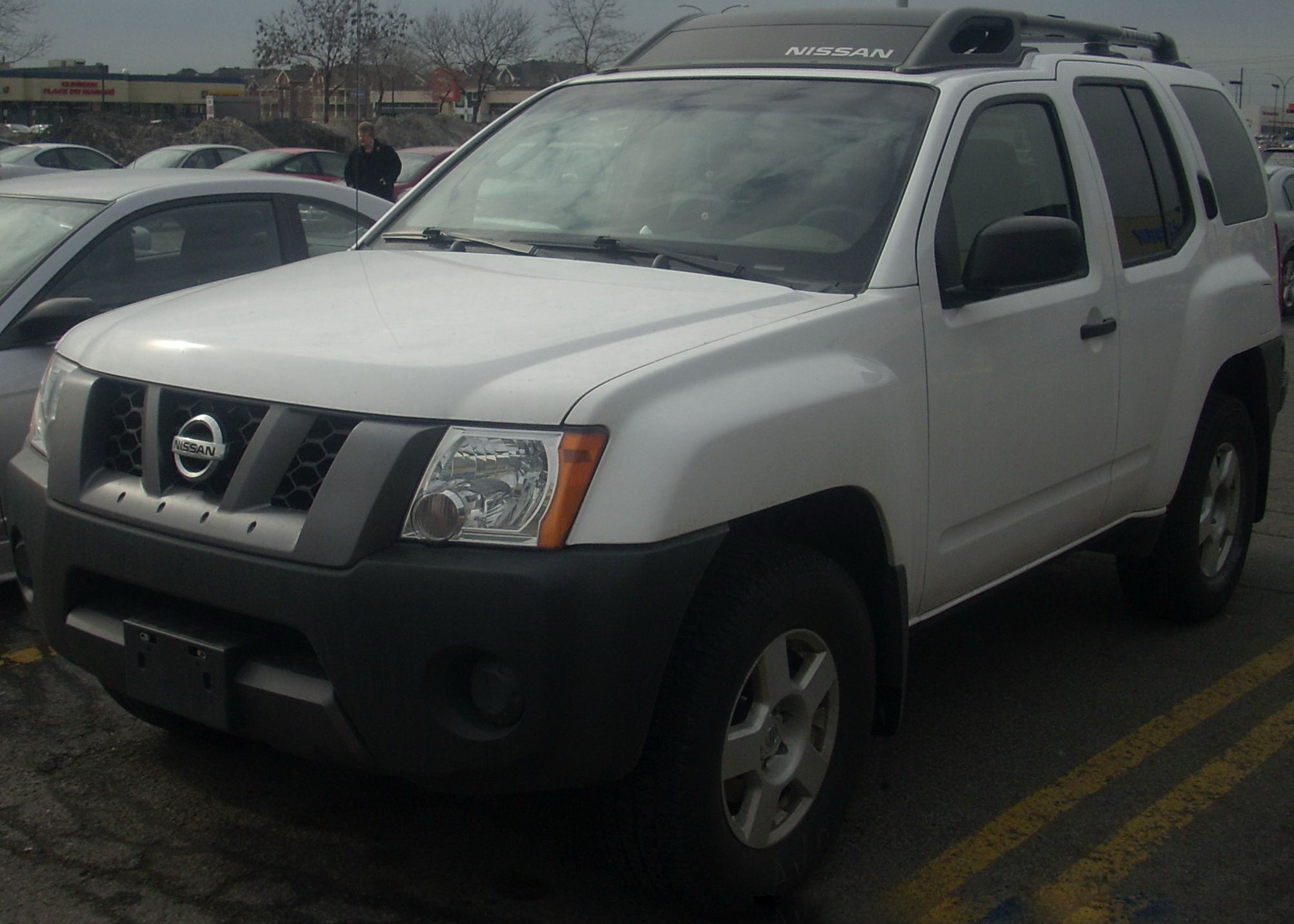
The XTerra is an SUV that’s built to handle rough roads and outdoor use. It’s not always great on fuel compared with smaller cars. The podcast brings it up because fuel costs can make it painful to drive regularly.
A Prius is a car that uses a gas engine and an electric motor together. That combination helps it use less fuel than many regular cars. People bring it up when they want something efficient that you can often find used.
A “fuel economy penalty” just means you get worse gas mileage. The hosts are saying heavier cars (often because they have more stuff) tend to burn more fuel.
Here, “accoutrements” means extra features you get in a normal daily car. The hosts are saying those extras can make the car heavier, which can cost you gas mileage.
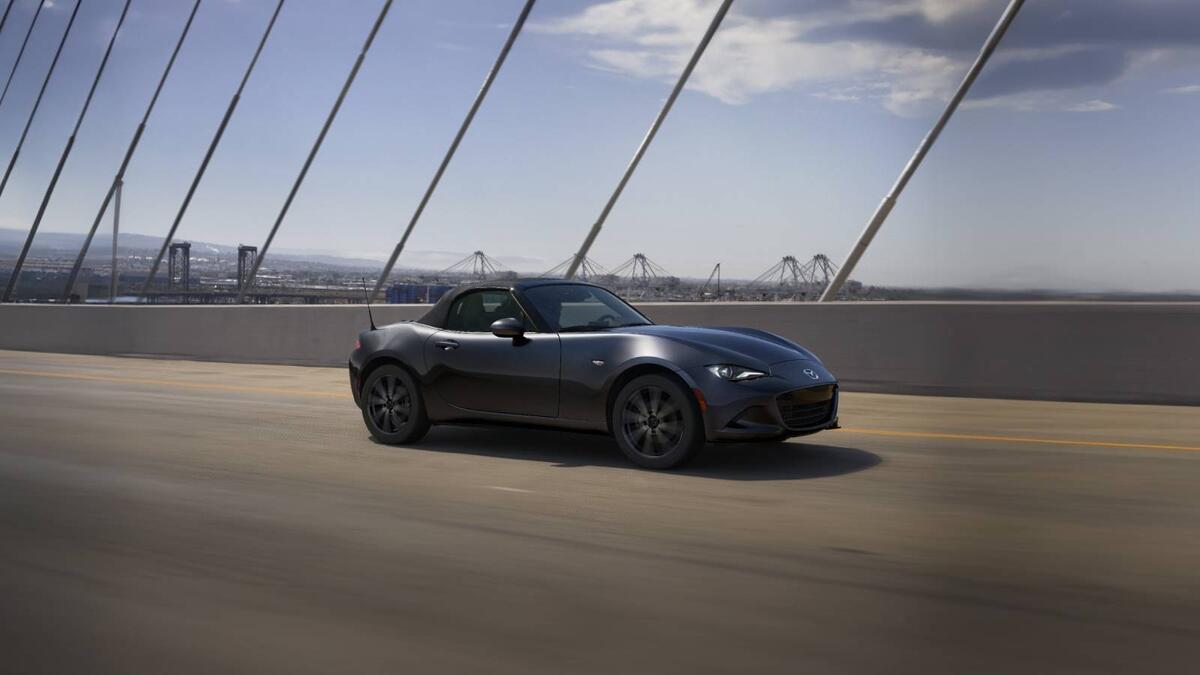
The Miata is a small two-seat sports car made for fun driving. It’s usually light and easy to handle, so it feels lively even without huge power. People often recommend it when someone wants a fun car without complexity.
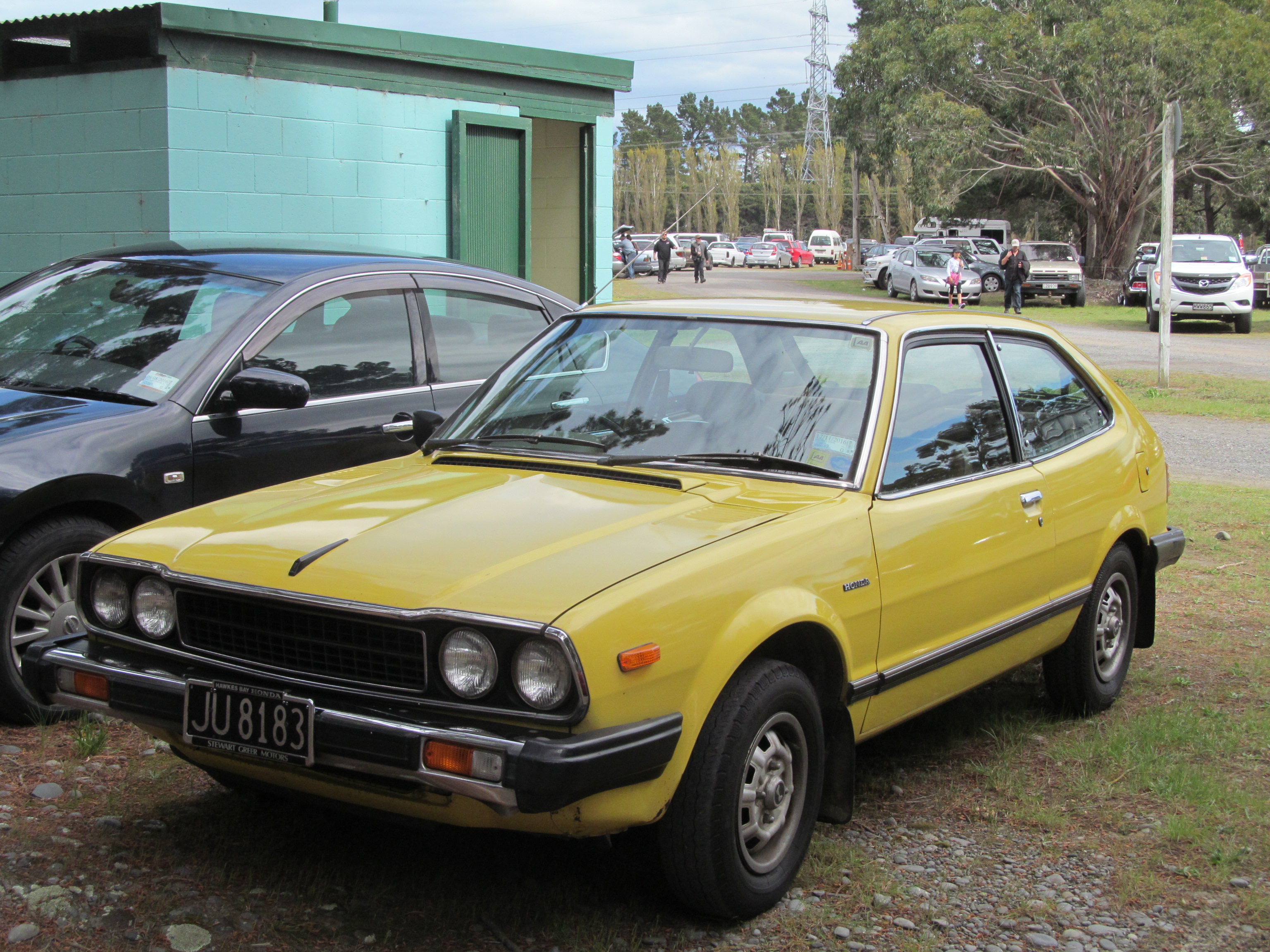
The Honda Civic VX is a special Civic version made to sip fuel. The host says that with careful driving, it can get about 50 miles per gallon, even though it’s pretty stripped down.
A five-speed manual is a gearbox with five forward gears operated by a clutch and gear lever. In fuel-economy builds, manuals can help drivers keep the engine in efficient RPM/load ranges, which supports high mpg results—especially when combined with careful driving.
Car
H22 swaps
An H22 swap is when someone takes a Honda engine called the H22 and puts it into a different Honda car. People do it to make the car faster or more fun. The hosts are saying that many of these lightweight cars got modified this way, so finding one still stock is hard.
Hyper-miling is a driving style focused on getting the best possible gas mileage. Instead of driving normally, you try to waste as little fuel as you can—smooth acceleration, steady speed, and planning ahead. The point here is that the car can be made to do that while still being fun.
JDM means “Japanese-market” style parts—like wheels you’d commonly see on cars from Japan. The hosts are saying you can pick a cool wheel style and still keep the car’s fuel-economy advantage. The key is not going too heavy or too inefficient.
Sway bars help keep the car from leaning too much when you turn. They connect the left and right sides of the suspension so the car feels more stable. Here, they’re suggesting upgrades that improve control while keeping the car’s simple, efficient feel.
Coilovers are aftermarket suspension parts that let you change how high the car sits and how firm it rides. Some people install them to improve handling or the look. The hosts are saying many cars have been modified this way, so finding one that’s still stock is tough.
ABS is a safety system that helps prevent the wheels from locking up when you brake hard. Without ABS, you have to be more careful with braking to avoid skidding. The hosts are saying these older lightweight cars didn’t have that kind of electronic help.
The Honda CRX HF is an older Honda hatchback that was built to be light and efficient. It’s simpler than most modern cars, so it feels more old-school. The hosts are comparing that old vibe to the newer/other car they’re talking about.
A carbureted engine uses a carburetor to blend fuel and air before it goes into the engine. It’s an older system than modern fuel injection, so it can feel more old-school. The hosts are saying that’s part of why the car feels more “archaic.”
The host is saying the old fuel-economy test results weren’t always a fair real-world measure. Cars could be set up or tested in ways that made the MPG look better than what you’d see in everyday driving.
Ethanol is a type of fuel that can be mixed into gasoline. The host is saying older gas didn’t include it, and that can change how efficiently a car burns fuel.
Term
higher sulfur
Gasoline can contain different amounts of sulfur. The host is saying older gas had more sulfur, and that could affect how the car runs and how efficiently it burns fuel.
The Honda Passport is an SUV, meaning it’s a taller vehicle meant for more space and easier family use. It’s designed for normal driving, not just off-road. The podcast brings it up as a specific Honda SUV model.
The Honda Prelude is a Honda coupe that’s known for being fun to drive. The host is pointing out that even the simpler base versions—like certain generations—can give you the old-school vibe without paying for the top trims.
The Honda Accord is a very common, practical Honda sedan. In this discussion, the host is using it as an example of a simple, fuel-efficient option—especially with a base four-cylinder setup.
Term
HF, HX and VX
HF, HX, and VX are Honda trim names that usually point to more fuel-saver versions. The host is saying these specific trims were built more for efficiency than for sporty performance.
Concept
fuel economy versus sporty aspirations
The host is basically saying these cars were designed to be efficient first, not fast or aggressive. It’s a trade-off: you get better fuel economy and simpler ownership instead of sporty performance focus.
“Hybrid complexity” refers to the extra systems a hybrid car uses—like the electric motor, battery pack, and hybrid control electronics—compared with a conventional gasoline-only car. The host’s point is that these older, fuel-economy-focused Hondas could be efficient without needing hybrid hardware.
Concept
mid century MPG club
They’re joking about a group of drivers who get extremely high gas mileage—like “over 100 MPG” territory. The idea is that with the right car and gentle driving, you can hit those numbers more often.
Term
G10
The G10 refers to a specific small 1.0-liter three-cylinder engine family used in the Geo Metro. The hosts highlight that it uses inexpensive, widely available parts and a relatively simple design, which they argue helps keep maintenance costs down.
Throttle body injection is a way the engine gets fuel. Instead of injecting fuel separately into each cylinder, it sprays fuel into the throttle area first, which can make the system simpler and cheaper to maintain.
EFI means the engine uses electronics to control how much fuel it injects. Here, they’re saying the Metro has electronic fuel injection, but it’s done in a simpler way than port injection.
Port injection is when fuel is sprayed into the intake passages for each cylinder. It usually gives the engine more precise fuel control than simpler systems, which is why the hosts are pointing out the Metro’s setup is less complex.
Term
one fuel injector
They’re talking about how many fuel injectors the engine uses. Here, the point is that the Metro’s setup is very simple—less complex than systems that have separate injectors for each cylinder.
They’re talking about a Volkswagen Rabbit from the early “Mark 1” generation, but with a diesel engine. Diesel cars can go a long way on a tank, which is why they’re suggesting it as a way to deal with high gas prices.
NVH is a car-industry way of talking about how loud, shaky, or rough the ride feels. Even if a car gets great gas mileage, it might still feel less smooth because of NVH.
“Spartan” just means the car feels very basic—less comfortable and less refined. They’re saying the efficient car might not feel as nice as newer ones.
Miles per gallon (MPG) tells you how far the car can go on one gallon of gas. They’re comparing MPG trade-offs between super-efficient cars and more interesting older models.
The MR2 is a small sports car made to feel fun and nimble. Older versions can be relatively affordable compared to newer sports cars. The podcast mentions it in the context of finding one for a certain price and getting decent real-world results.
“Cool factor” just means how much you like the car—how stylish or fun it feels. They’re saying you might accept worse fuel economy if the car is more enjoyable to live with.
The NX is a small car model that some people choose because it can be both practical and fun to drive. The podcast also mentions that some versions have a digital-style dashboard. It comes up as an option for someone looking for a good everyday balance.
Miles per gallon (MPG) tells you how far a car can go on one gallon of gas. Higher MPG generally means you spend less on fuel, which is why they’re using it as the main filter.
The Acura Integra is a small sporty car that many enthusiasts like. In this discussion, “first gen” just means the earliest version of that Integra, mentioned as a possible option for better gas mileage.
The Geo Metro was a very small, very cheap-to-run car. They’re using it as an example of how, in the late-2000s, even budget cars could become scarce and expensive.
A hybrid car uses both a gas engine and an electric motor. The electric help can make the car use less fuel, which is why hybrids are central to the conversation about high gas prices.
The Toyota Corolla hybrid is a regular Corolla that uses a hybrid powertrain to get better gas mileage. They’re using it as the modern “best available” option for people trying to reduce fuel costs, and they mention its starting price.
All-wheel drive means the car can send power to all four tires. That can help with traction, but it can also make the car a bit heavier and less efficient.
The Duster is a small SUV that’s meant to be practical for everyday driving. It’s typically positioned as a lower-cost option compared with many other SUVs. The podcast brings it up as a specific SUV model people might consider.
The Plymouth Duster was a compact car from Plymouth in the mid-1970s. The idea was to make something lighter and more fuel-efficient when gas prices were high.
This is a reference to the 1970s oil crisis, when fuel got much more expensive. Car makers responded by building and selling cars focused on saving gas.
Overdrive is a gear that lets the car cruise at highway speed without the engine revving as high. That can make the car quieter and often more efficient.
Chrome bumpers are the shiny bumpers you often see on older cars. If they’re replaced with simpler painted metal, it’s usually cheaper and lighter.
Term
rear diffs got thrown in the dumpster
The rear differential is part of the rear axle that helps the wheels work together when you turn. Changing it can dramatically change how the car grips and drives.
This is talking about the late 1970s when gas got expensive. Car makers had to change their approach, including making some cars much more stripped-down to save money and weight.
The Chevrolet Vega is an older compact car that the podcast references as being from the same era as another mentioned model. It’s brought up in passing, likely as a comparison point for what was available at the time. That makes it relevant as part of a broader discussion about older cars and their quirks.
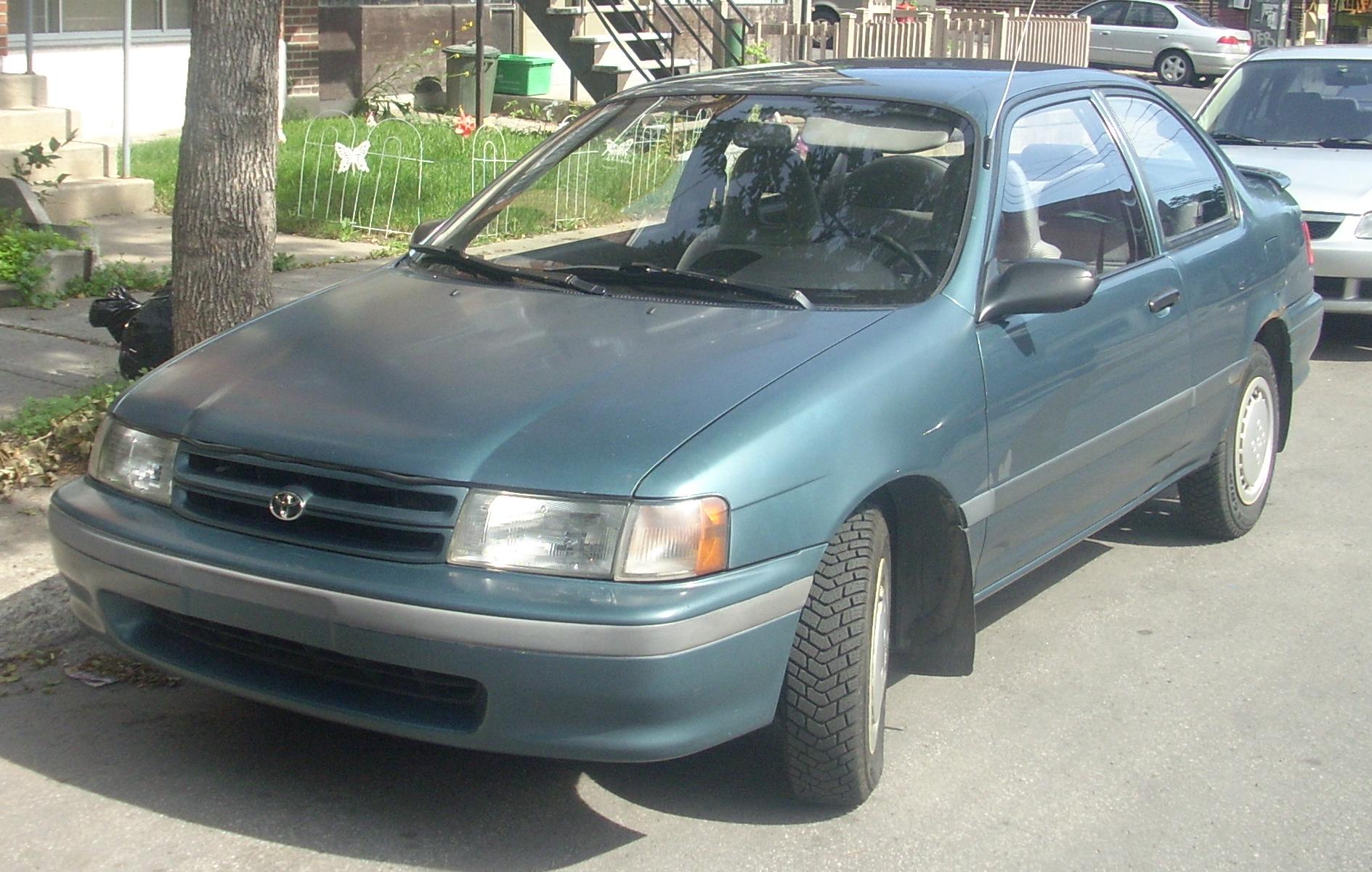
The Tercel is a small car designed to be affordable and efficient. It’s meant for basic transportation rather than luxury or performance. The podcast mentions it because it’s a simple, economical model with a particular design background.
The Honda Fit is a small hatchback that’s built to be efficient and practical. Here, the hosts say people hype it up like it’s a sporty car, but they think it’s really an economy car. They also talk about how it can still be fun while staying fuel-sipping.
Drum brakes are a type of brake where pads press against the inside of a spinning drum. They’re an older design compared with disc brakes. In this conversation, it’s mentioned to help explain why some cars don’t feel as sporty as people expect.
The Fiesta is a small Ford car. The Fiesta ST is a sportier version meant to feel quicker and more fun. The podcast also mentions that some versions may have simpler brake setups depending on the trim.
The CT 200h is a small Lexus hatchback that uses a hybrid system. It’s meant to be a daily driver—something you can use every day. The podcast mentions it because it can be both practical and enjoyable to drive.
The Toyota Yaris is a small, efficient hatchback. Here it’s mentioned as a cheaper alternative that can give you the same basic idea without overpaying.
The Matrix XRS is a sportier version of the Toyota Matrix. The point being made is that if you want the Toyota badge/identity but still want a more fun setup, this is the kind of trim to look at.
The Honda Insight is a hybrid that’s famous for getting great gas mileage. The hosts are saying the first generation was especially efficient, but it’s also set up as a two-seat car, so it won’t work for everyone.
Car
Lexus GS450h
The Lexus GS450h is a luxury sedan that uses a hybrid system to feel powerful while still saving fuel. The battery takes up some trunk space, but the hosts say it’s not crazy expensive if you find a good one.
A plug-in hybrid is a hybrid car you can charge like an electric car. It can run on electricity for a while, and then it switches to gas when the battery is lower.
The ELR is a Cadillac coupe that uses both electricity and gasoline. It’s a hybrid, meaning it can run on electric power and also use gas when needed. The podcast mentions it because it’s a rare model and can sometimes be found at surprising prices.
The Chevrolet Volt is a hybrid that can drive on electricity for a while, then uses gas. Here, the hosts are basically saying they don’t like the Volt’s ownership experience and prefer the Cadillac ELR instead.
The Lexus ES 300h is a luxury sedan that uses a hybrid powertrain to get better gas mileage. In the episode, they’re recommending it as a sensible, comfortable choice if you care about fuel economy.
The Jetta is a small sedan for everyday driving. Some versions use a diesel engine, which can help with fuel economy. The podcast mentions it as another possible used option similar to the Golf and Passat.
The Golf is a small hatchback that’s meant for everyday driving. Some versions use a diesel engine, which can be efficient on fuel. The podcast brings it up as a possible used option for better mileage.
The Passat is a bigger Volkswagen car, often offered as a sedan or wagon. Some versions use diesel engines that can be efficient with fuel. The podcast mentions it as another option in the same “older diesel wagon” category.
The Cruze is a compact Chevrolet car. Some versions can be diesel and can come with a manual transmission. The podcast mentions it because the specific diesel manual hatchback version is difficult to find.
A manual transmission is the kind of car where you change gears yourself using a clutch pedal and a gear lever. They’re saying the manual diesel version they want is uncommon, which affects availability and pricing.
The cooling system is how a car prevents its engine from getting too hot. It uses a liquid (coolant) that circulates through the engine and radiator to carry heat away.
The transmission is what lets the engine’s power get to the wheels through different gears. If it fails, the car may need expensive repairs or replacement.
The Lexus LC 500h is a luxury coupe that uses both a gas engine and an electric/hybrid system. The host is saying it’s uncommon and that the hybrid version feels and costs different from the regular LC 500.
The Lexus LC is a luxury two-door car designed for comfortable, high-end driving. Some versions are powered differently, including hybrid models. The podcast brings it up because they’re talking about how the different versions can affect what it’s like to own.
The Lexus LC 500 is the gas-only version of the LC coupe. In this discussion, the host says it’s noticeably different (and faster-feeling) compared with the LC 500h hybrid.
MSRP is the price the manufacturer lists for the car, kind of like the starting sticker price. It doesn’t include taxes or what a dealer might add on top.
“Made to order” means the car is built after someone places a specific request, not just mass-produced for lots of lots on dealer lots. That can make the car rarer and harder to service if parts are uncommon.
Suzuki is a Japanese automaker known for small cars and motorcycles. In this segment, the hosts are using it as part of an “automotive print ad quiz,” so it’s being referenced as a brand guess rather than a specific model being reviewed.
“Dual airbags” means there are two airbags in the front—one for the driver and one for the passenger. In a crash, they inflate to help protect people from hitting hard surfaces.
Torque is the engine’s “pulling power.” Higher torque usually means the car feels more responsive when you start moving or speed up from slower speeds.
Double wishbone is a type of car suspension that uses two shaped arms to guide the wheel. It helps the tire stay planted on the road when you hit bumps or turn, so the ride feels smoother and the car handles better.
Honeycomb floor panels use a lightweight, rigid internal structure shaped like a honeycomb. In cars, this kind of structure can reduce vibration and noise while maintaining stiffness, which helps the cabin feel quieter and more solid.
LIVE
I think I think we're officially recording. Hey everybody, I think so. Let's see if anybody
responds. If you can hear us wave both hands over your head in a furious manner, especially
if you're operating a motor vehicle, welcome back to who the hell it says is going to be
another pointless automotive podcast. And we're back at it with some pointless shenanigans
as always. Frank, how are you doing this wonderful evening?
Oh, I'm doing good. I am. Well, I don't know. I'm having what I was going to potentially
save for late night confidential recordings. But I'm out of beer. And I don't want to go
buy more. Okay, when I have some here, even though it's it's terrible, it's leftover from
the camping while awesome rally. Nice. And that is some bush light that I picked up a 30 pack of
in my travels. Between the both of us, we've got bushlight and Miller light, which we're
going to be hydrated to this thing, which we will be very hydrated, fantastic, and related to an
off air conversation we were just having. And yeah, so, you know, I like to enjoy some bush
on the on the it's on the pause. It's coming back. It's been it's been since the 90s, really,
since I've encountered such a such an offering. Yeah, it's good good for bush. But anyway, back
to the era even. Oh, junior senior. Oh, it's did stage W. We're 90s. It's h dub. Okay, we'll go
with it. I do like a broccoli barfing. But true. We'll keep it with the youth for one.
He's very old now. So today, guys, more topical than W or senior bush is the high fuel prices we
are all facing at the pumps and we're not blame a bush for that. I still blame Obama for everything.
I don't know what you guys Obama. Yeah, thanks, man. Or the Joe Biden. I did this. I mean,
you could just we should have like a Velcro president's head because you can just swap it for
every presidency lately. What if we just what if we make merch that's like two different versions
of us that same sticker except it's like my face or your face and it's like I did this and then
you just put it on whatever right like a clogged toilet. I don't know. Usually I do a super
responsibility for that 98% of the time. But so high prices gas prices and I was just going to
comment on we're not very topical as a podcast, I'd say overall. No, we're going to get there
tonight. So fuel prices are probably pretty close to all time highs that we've experienced in the
past. I don't know decade. So it's it's horrible as car enthusiasts to suffer through this because a
lot of not that we drive like big horsepower power thirsty gas drinking machines. It's just
we drive shitty cars that aren't fuel efficient most of the time. Right. So, you know, you got
to pay the price there, especially for our off road bills that we're doing. This is this is
a nightmare for me with the XTERRA. But fuel prices fuel prices are fucking gross. So yeah,
we could always go, Hey, go get a used Tesla. Hey, go get a Prius. But I kind of wanted to explore
some fuel efficient vehicles that are maybe like under represented in the marketplace. And
hopefully that don't suck. Yeah. And yes, must not suck definitely doesn't suck down fuel,
but it has to be somewhat cool, kind of obscure and fun. I think this would be something we could
run with because I think I think we both probably know a few of these examples that we're going to
we're going to rattle off. Yeah. I think it's a fun little exercise, man. I mean,
I think it's what's interesting is because I feel like people have gotten spoiled when it comes to
just like accoutrements in a daily driver. And with a lot of those accoutrements comes weight.
And with weight comes both a fun penalty and a fuel economy penalty. So, you know,
I think a lot of this is just comes down to interesting stuff that doesn't suck. That isn't
massive, right? Right. I don't know about you. I don't mentally have a whole lot of SUVs
in my solutions list here. But should we just start off with the obvious answer?
Oh, lay it on me because I have a few obvious answers. Well, I mean, what is always the answer?
Oh, you think it's Miata in this case? I think it could be Miata. If you can stomach
dry, like effectively dailying a Miata, which like anything newer than NB.
Okay, it's not super difficult to do. Sure. And A and B, it's like in today's traffic,
it could be a little hazardous. It could be a little daunting, a little uncomfortable. But like,
God, NBs feel like 30 years newer than NAs having owned. They do.
Examples of both. They really do. Especially the later runs.
Yeah, but just like going up to your NA and like opening one finger, opening the little door.
But yeah, NC, okay, even NA and NB, but like NC and D decently good daily.
Yeah, pretty damn good at the pump. Not like, I mean, it's not something you're really gonna
hypermile because they're not really geared for it. But you know, if you want something that's
interesting and fun, that's a reasonably good commuter, checks all the boxes outside of
raw comfort and safety. I don't know. I think that could be a pretty decent solution
in a way that's not gonna absolutely just undress you at the pump.
Yeah, that's a good one, dude. Yours is way more.
Unless you want dress to pump. In which case?
Well, Swedish type of pump. Oh, it's not my bag, baby. It's not my thing. Remember when
Austin Powers got busted for the penis pump? Yes, the Swedish.
And it had his name on it or something. Exactly. That's your name right here.
Yeah, no, you went way more sporty than anything on my list. And I appreciate that.
That's like, I want to start at the sporty end of the spectrum and kind of go the other way.
Absolutely. Because the first one I'm going to name is very different than that. I do love
Amiata something much. The only time Amiata really sucks is if you have to haul like other
people, right? Like you have a one passenger limit, really. But besides that, I think the
truck space is really good. The ergonomics aren't horrible. If you stay away like from the early
NAs, which I love the NAs, but yeah, you get into a later NB or an NC modern, super modern fuel.
I'm going to throw back a little older. Something I've actually owned.
Honda Civic VX. Yeah. So EG Civic hatchback, no power at all. Lean burn if you get outside
of California with a federal one. I could hit 50 miles per gallon all day with mine.
Now you want to talk about a Spartan experience. These things are pretty stripped out.
It's a five-speed manual. A lot of engine off to get that fuel economy. All kinds of fun,
little hypermiling tricks. I think they're cool. I love the EG Civic. Talk about a functional car,
full-back seat, hatchback set up, small, probably crash test for negative two.
I think they're cool. I think that's a good alternative and still enthusiastic because
they're super lightweight. I think it's like a 2000 pound car on its heaviest day,
little 1.5 liter IV tech. I think it was called at the time. So pretty interesting motor in there.
I liked it. I liked it a lot. No, they're cool. And they're hard to find in unruined shape because
so many of them, it was like, oh, it's the lightweight one. And so people would buy them and do H22
swaps and all kinds of crazy shit, which is cool in its own right. But it's beyond the scoop of
the conversation we're having today. So finding a clean, unbasterdized one is pretty tough.
Yeah, real tough. But the good news is, if you want to have something that gets really good gas
mileage, you can kind of borderline hypermile, if not outright hypermile, but want it to be cool,
you can put insert JDM wheel of choice on it and you won't take a massive penalty.
You could put sway bars and suspension on it and just build the most pure momentum car,
like commuter. But I don't know, there's something really appealing about that.
If you can find a good one. When's the last time you've seen a good clean stock one?
Dude, yeah.
With under 300,000 miles and like.
They don't exist. Or they'll be coil over it or something horrible.
But yeah, big engine swap candidate because you said the lightweight, they had no power steering,
no ABS, none of the aids. So they were, they were super light. That motor had a lot of personality.
Yeah, no, you have so much of the aids carry in all the aids. I do it for the, I was gonna say,
I do it for the children, but that makes it somehow. I made it worse. I'll walk that one back.
Perhaps it's because your Johnston is magic. I don't know.
But the, like, and it really throws to that car's, you know, grandpappy, which is the CRX-HF.
Yep, on the list too. Definitely. It feels even more archaic because it's carbureted, right?
Oh, for sure. It really carbureated. You only two seats, even smaller. And then if you go back
a step further to an OG, you know, 1.3 liter original CRX. Yeah, that's even more antiquated,
extreme death trap. They're very cool. Very cool car. Less functional than the EX.
Really pushing the limit, right? Like, because you lose the back seat and the extra space.
But yeah, the HF is on there because I think that was the original one that hit over 50 MPGs.
I think to the original, like, if you got like an 84 or 85 with the 1.3,
I believe those are also 50 plus mile per gallon cars.
They were kind of by design and kind of by lack of power. Was that?
It's interesting, and it's always really difficult to compare cars early to mid 80s
to anything remotely modern for fuel economy, because the numbers were heavily gamed.
And we're talking a 55 mile an hour speed limit. So it gets really tough, but fuel didn't have
ethanol in it. There's probably all these factors, right? Like the SE adjustments that you mentioned.
Yeah, there's a lot of things that higher sulfur is a whole bunch of weird shit.
But also to talk about like a fucking death trap, like, rolling around like an early,
early base, base, base CRV. Super cool. But like one of those makes, that would make an NA feel
just fat and luxurious. Yeah, there's something. So I will say this, man. I'm getting super
amped about this because I love there's something just as much as like an efficient
like sports car that's got a good weight balance and good amount of horsepower.
There's something about a fuel efficient car that's designed that way that really fires me up,
dude. There is something like driving one of them trying to eke out that extra mile per gallon
is something I actually really enjoy. And I do appreciate the engineering that goes into these
things, even though we are talking about like deeply 30 plus year old cars at this point, right?
Yeah. There is a newer, there's even a newer if you go eke, there's the Civic HX, which was
kind of like the modern take. Of course, the fuel economy took a hit because you did add like
some crash test worthiness and modern amenities. And we're in a lot of the, we're in a lot of those
automatics. They were available in an auto. That was a big difference too. But you could
switch them with a stick. Yeah, dude, same. They had it while there were 14s. The VX had the 13s,
the light ones, which was epic on mine because you couldn't, you couldn't buy those if you had to.
Those things were bought up and hoarded away, but super cool. I think I would put the HX
if you need something a little more modern, that's going to be your mid 90s, 96, 97.
We'll get stolen, but that's fine. Absolutely. Well, keep that, keep that HX badge on there.
Bro, so I looked it up a base, an ERP, like an 84 CRX base with the 13. Guess, guess its weight.
It's got to be like 1,820 pounds. 17, 19. The 15 the 15 with some
niceties was, was 18, 19. Still incredibly light. Yeah, that's, there's no crash test worthiness
there. But no, these, I really dig on any of those, those three. If you want to get something cool
and like feel efficient minded and like still, I dare you say like kind of an enthusiast car
because they are pretty cool and they're on rides. I say either those three Honda project
products are just a really cool option. I mean, that was, it was kind of Honda's bread and butter
in, in period was like, oh, Hey, here's this like quirky foreign motorcycle
company that made this 1980 passport behind me. It was just, you meet the nicest people on a Honda
and it's like they're, they're, they're fun and they're lightweight and they're economical.
And, and that was, that was their existence. And so they were really doing that to, to an
extreme degree in the 80s and into the 90s. And so there's a lot, like there's a lot of stuff
if you don't want the hot fancy thing. And even if you do, right, let's go, go get a third gen
prelude, four gen prelude base model, true, get a base four cylinder Accord, you know,
you'll be getting 30 miles a gallon, which is nothing extreme, but if you want the quirk
and the age, then that's a really good way to do it. Yeah, because for sure, because these three
cars definitely were slanted way towards fuel economy versus any kind of sporty aspirations,
100% with the HF, HX and VX, which is cool, because you don't have to worry about hybrid
complexity. It was just, and parts are available, parts are cheap, maintenance is easy. I think
it's cool that these things existed. Let's go something possibly even more spartan than the
Civic VX. How about, how about a Geometro XFI? Sure. I mean, that's kind of, jeez, that's,
that's going to get you there. That's going to get you to that mid century MPG club every time
you drive it. It absolutely will. You have to plan ahead when it comes to accelerating,
braking, merging, yeah, yeah, yeah. Really cheap to run, not just fuel-wise, but like
maintenance, right? Because you know these motors, the G10, one liter, three cylinder
parts are available and they're inexpensive and these are very simple machines.
XFI, that's just, it's not even EFI. I mean, it's throttle body injected. I guess it is EFI,
but it's throttle body injected. Yep. Not port injected. It's got one fuel injector,
I think it might have 21 to two in the throttle body. Potentially two. It has three
intake valves, three exhaust valves, three plug wires. It's a very rudimentary thing. So just to
keep it fat and fed and happy is very simple to do. Your medical bills, when you get in an accident,
won't be inexpensive, but otherwise. They'll be zero because you won't have,
like your, your funeral arrangements will cost. Well, that's what you do. It's, it's, it's like,
it's like if you, there's a couple different ways to plan it. If you're going to go like on like a
road trip in, in a, in a questionable car and one of them is like, well, I'm just going to get like
a AAA car with 150 miles of tow. And that's my, that's my backup plan. And that's one way to do it.
Similar is if you're dailying a Metro, you just take out a really nice life insurance policy.
So instead of burdening your family with your exist, your continued presence,
um, you reward your, your, um, violent vehicular death, uh, with a windfall of cash.
I love it. Uh, you know, a lot of insurance companies too, when you call to expand your
coverage, well, you'll be like, well, I just, uh, you know, it came into my hands. I got a Metro
XFI and they're like, say no more. No, they didn't say no more. We'll sign you up. Yeah,
the Metro package. It's $1,900 a week. It's no, and I'm naming a lot of vintage cars. I know a
lot of folks don't want to get out there and pedal around in a vintage vehicle like we're talking
about, but these are still available, which is cool. Uh, I do have another vintage one. I do
want to mention Frank. I want to buy it. Keep coming. How about a Mark one rabbit TDI?
You're going to get, you're going to get 50 MPGs. So like a, like a Mark one rabbit diesel,
like early 80s diesel. Yeah, absolutely. First off, I'd rather do a caddy diesel.
Um, I mean, I vote for like a caddy diesel, not a Cadillac diesel, although that would be
sick too. They don't really get that kind of. Yeah. And it's probably not going to run as long,
but uh, good night. I mean, you could do that deep. The problem is the problem. And I thought
about diesel stuff. Mm hmm. Diesel is spendy right now here in California. Uh, you know,
we're eight dollars a gallon. Um, and so I like it. And those are cool. Very cool. But you want
to talk about take a play out of the, out of that CR, the 1.3 liter CRX, but then make it slower.
Um, boy, cool. 50 MPGs. No problem. I mean, except for the rest of the driving experience,
it's, it's super cool, but that's a really tough sell on today's roads, you know,
comes, comes packaged with the extra NVH. Um, yeah, they're, they're really rough. That's
the probably the most Spartan vehicle I named. I think a Metro XFI feels incredibly modern
versus a, oh, it's definitely, it's definitely more sprightly. Yeah. Yeah. So less cool,
but you can make those cool. I do, but I do like this period of car, like, because they are, well,
the pluses, right? Let's go to the plus obviously unbeatable fuel economy, safety stuff cast the
side to get some of that, but easy to maintain too. I think we could safely say for each of
you, these are cheap running vehicles. Also, none of these trip any high price tags, right?
These are all, if you can find them, right? That's the challenge, but if you can find a
decent clean one, you're probably around five or like a runner. Um, it's not going to be pretty.
Just get over that fact. It's going to run pretty decent. And I think that's a lot of value right
now when we're talking $6 for regular a gallon. I think, I think these are things to look at.
Now I did prepare a modern list too. Um, but I kind of, I like the vintage stuff,
dude. I just want to say, I think these, the cars we named, all of them are awesome.
Yeah. No, for sure. And I think kind of for the vintagey stuff, I do think you can strike a balance
between, because my thought is if you're going to bite the bullet and do something,
something vintage, like 80s, 90s vintage, you kind of can, you can, you can take a little bit of a
MPG penalty and get something that's not a pure penalty box, like a, like a diesel
rabbit, um, or, or a metro, which are great. Like they totally fit the bill. They're like
the pinnacle of fuel economy, fuel economy. But if you're already skewing vintage, I feel
like you're already willing to make some sacrifices. Sure. Against pure miles per gallon,
because if you're doing pure miles per gallon, you're just going to get yourself a,
well, my daily, a CTV 100 H or a second gen Prius or something and, and not worry about
any cool factor. If you want a little bit of cool factor, I think if you do something like
get yourself an early, you know, an 85 MR2, okay, which you're going to get low 30s,
which is an extreme, but compared to vintage coolness, general coolness, fun to drive,
NIS, um, you know, I think you can strike that balance. Same with like a third gen prelude
or, or something like a, um, NX, an NX 2000 or get an NX 1600.
Right. With the digital dash, which is literally, literally tripping over them in the marketplace.
Yeah. Well, no, but I mean, I mean, the same with a decent Civic VX.
True. Or CRX or diesel rabbit. You're going from 50 to 30, which is the same delta is 30 to 10,
which is a significant by percentage. No, but it's the same, the same.
Right. But your likelihood of dying because it takes you 48 seconds to get to the speed limit
is a lot lower, right? So there is, there's no arguing that there's not some sort of a penalty.
But my thought is if you're, if you're going to make the panel, if you're going to trade
pure miles per gallon to for coolness, or I should say, if you want, let's say you're targeting
at least 45 miles a gallon and you say, well, I can get a second gen Prius for four grand or I can get
a diesel rabbit with no paint on it for four grand. And I'd rather have the diesel rabbit
with no paint on it because it's far more cool, which I agree is the case. And great,
like you're already, like you're making sacrifices. And if you want to make a little
bit of sacrifice, I don't want 45 miles a gallon, I want 32. Then you can do that. Or like a first
gen Integra would fit that bill too. So I don't know, there's a lot to consider. I think anything
that's under 30 miles a gallon should not be in the conversation. Period. Yeah. And I think,
especially for this exercise, because it is combating high fuel costs. So I'm assuming the
person doesn't have like super expendable income and every penny they can save with fuel cost is
absolutely money back in the bank. And I want to remind folks, like, you go back to the 0708
time error with a real estate market collapse is you guys remember how GeoMetro's like triple
cordupled in price, and they would all be gone today if it wasn't for that. Yeah, yeah, things
like that. So like, I think the market's there for these guys. And for this exercise, especially,
we're getting a little overzealous and just targeting that one attribute of fuel economy.
But it's a big one, man. I mean, the fact that these cars existed, like we're trying to like
finagle hybrids now to get those kind of numbers and back of the day, they could package it all
in a $5,000 to $6,000 MSRP car, right? So it's kind of magical. Yeah, without sacrifices. Yeah.
And what sucks though is, you know, as much as I'm sitting here bemoaning the sacrifices that
someone's going to have to make to get that 48 mile per gallon CRX to function in today's world.
Yep. What kind of a shitty, and we've discussed this many a time in the past and not to sit here
and try and workshop the reasons why. But what shitty is like, that's kind of almost not a thing
in the marketplace today. Like, it's so difficult just like, oh, let me go buy the brand new 2026
high mile per gallon penalty box. Right. I mean, the closest thing to that is probably a base
Corolla hybrid, which I think is like 22 23. God, is the hybrid that cheap? I would argue.
I think I think it is. I think it's more than that. I don't even get a base. A base Corolla is
like low 20s. I don't know about that, man. But yeah, it just sucks that there's like
buying the penalty box is a hard thing to do. Yeah. Yeah. I mean, you're right. Like there's
been a lot of advances in safety and right. I mean, there's a lot of reasons why. But okay,
Corolla hybrid starting MSRP basis 24 575. Okay. And that's going to be a window of 24 and a half.
Yeah. For an LE, which you can add for $1400, you can add all wheel drive, which is kind of
funny to be like, oh, it's stripper at all wheel drive. Take the hit on that one. Yeah. And you get
NPG. You get a combined 50. There we go. Pretty good. But yeah, that's
the cheap. That's like the cheapest closest thing you get to a penalty box. Yeah. And if you put
my absolute, absolute painful penalty box to come back on the market. Damn it. Bring it back. Which
one's that? Yeah. Any. Bring it. Give me a mirage. I want to know. I was going to say a mirage,
like manual, probably, probably right there for speed manual versus note. Yeah. Yeah. They actually,
they actually specifically install recalled Takata airbags to keep the price down. Yeah.
They actually, I'll take the no airbag option, please. That's a $2,500 increase actually. Sir,
you have to take the shrapnel airbag. It's in the package deal. Okay. So those, those are like,
if you're going to go all in, which I'm always team all in, if I'm heading towards like an objective,
like true economy, I'm like, okay, that's, that's immediately pops into my head. Like I said, I've
owned the VX and it was a super fun project to restore that car, keep it efficient, get super
low rolling resistant tires, all the fun things you can do, like take the goddamn spare out,
all that kind of fun stuff to save, like eke out those, that is fun to me. Can I,
can I just quick throw one vintage honorable mention here? Oh, absolutely.
Are you familiar with the concept of the Plymouth feather duster?
Yes, but I want to hear this vaguely. Okay. I know it's not, I'm not just like unveiling my
French made kink. It's the, it's been revealed. That's old news confirmed. I think it was 1976
only or it might have been 75 and 76. So the end run Plymouth a body, that's like the classic
Plymouth duster, where you can get it with there. It was called the feather duster and it was
that what it was called because it was they, they made it as lightweight and fuel economy.
I mean, this is the late mid to late 70s. So this was like OPEC shenanigans.
And so like, okay, how quickly can we bring something to market as a quote unquote economy
car? So it was 225 slant 64 speed, but it was, it was not a, you know, traditional four
speed where fourth is a one to one ratio was a three speed with fourth as an overdrive gear.
Right. So you had, and I believe it was a 245 final drive ratio.
And also, I think it had aluminum hood and deck lid.
So I think there was like thin and like really thin instead of chrome bumpers,
they like thin them out. And so it was like a thin, thin, just stamped painted bumpers
front and rear. So it was lighter. I read an article about this, like maybe two years ago
about how, how they, all the cost cutting they did to make that car happen. And it was,
you could see the actual flex in the vehicle on a windy day, like something about I'm not even
joking, like they talked about it. And yeah, I do those. Do you think there's any of those left?
Ooh, probably not. Well, that like, you know, just like I was talking about the, the VX, right?
They betray the one to hot rod because like, oh my God, like factory aluminum body panels
and lightweight bumpers and this and that. Now the, the, the rear diffs got thrown in the dumpster,
but the rest of it, oh, a hundred percent. Yeah. Got, they got, they got salvage. So there's
probably one left on the globe and it's probably been sitting in a field for 200 years, but yeah,
absolutely. Yeah. Yeah. I'm going to try, now I want to find that article. Yeah. Somebody sent
that to me and they were like, have you heard of this thing? And I was like, this is the scariest
thing I've ever, I love to drive it. Yeah. There's some, there's some weird, like early,
like gas price and malaise era stuff where it was like, uh-oh, like we're getting our ass
handed to us as a manufacturer. We need to push. I think there was like a super stripper Chevy Vega
that was in the same era as well where like it came with like, I think it was like even like
fixed windows or something, something absolutely insane. Um, just like rear seat,
delete, um, just the absolute most bare bones version. I mean, that's cool. I, I do like that
stuff. Uh, probably not the best daily box. No, no, it wasn't then. Like they, they came and they
went because it was like, oh, we, we took this cost coming thing too far, which is a wonderful
concept to have one of those now, which is like so extreme stripper.
Yeah, it is cool. That is a cool car. Um, should we even do the modern, the modern stuff? Yeah.
I mean, obviously you already named it. Lexus CT owned a couple of them, like zero penalty box,
right? Like nice interior look nice. You're going to get a low to mid forties killer cars. Those
are great. Good reliability, all that fun stuff. Uh, Prius, we don't even need to name, right?
That's foolish. Um, how about Toyota Echo? Something to that effect. That's modern ish.
Kind of a kind of a modern penalty box, right? Yeah. I mean, it's basically a tercel by it,
by another name, except designed by Calty and it, I would say the, the two door
pre facelift Toyota Echo has maybe the worst side profile of any vehicle produced.
It's so disgusting. In the last 50 years. It's just, it's taller than it is wide. It's the weirdest
thing. It's, it's childish, if you will. It's, no, they're so, they're so bizarre. Just like
the quarter panels look weird. The aperture panel, like the door opening looks weird.
All of it is just like an absolute head scratcher design case. If, if you squint though, modern WRX
hints across the wheel wells. Uh, well, less cladding, but, uh, but yeah, no, those are,
those are interesting. Impossibly cheap to run. Good on fuel. Simple. We're talking simple cars,
right? Like that's a good option. And they're plentiful. You get out there and you get in
in a man while. I don't think that's a, it's not a great way to live, but, uh, it's a great way to
live. You know, um, I think if you're going to do that, like you might as well do something
like a CRZ unless you need a backseat. Yeah. I would say longevity, like no hybrid worries.
Like you can get a high mileage. Sure. You get a high mileage echo for like 2000 bucks, right?
You can get a low mileage echo for like 2000 bucks. They're out there. They are. Yeah. They
might be one of the single hand, like the single most overlooked Toyotas ever, maybe not ever,
but close to it. Maybe some of the Yaris variants, but yeah, I think Yaris is more known and more
desirable. There's some shitty ones, but yeah, yeah. It's kind of the same recipe, right? I put
Yaris on my list here. You can get like a base Yaris will get you a pretty good fuel economy.
Again, very simple, very simple car. Uh, how about you said Honda Insight, the first gen
manual, that's going to be the MPG champ, right? Like as far as fuel economy goes. Yeah, like
that's another one that if you can find a good low mile manual one, it's actually going to come in.
Maybe not a surprising premium, but they do command a fair amount of money similar to,
can I, I throw out a name of a car and then also claim that it's wildly overrated?
And this, I might, I might, this is going to be hot, hot take alert. Yeah.
I know so many people that claim that the Honda Fit is the single greatest modern car ever made.
No. And they're not without merit. They are kind of fun,
but they're not that like, they're not, they are absolutely an economy car. And the fact that
people treat them as like a desirable sporting thing and like, Oh no, it's a four door Miata.
I think is absolutely not the case. Yeah. I, if you're looking for an economy car,
they are a, they are a very good economy car. They're fine.
Yes, they're fine. But people are like, Oh yeah, like there's a whole spec series for them. That
means they're incredible. And I, I push back against that. I've driven a handful of them.
And all of them are like, Oh, this is a sprightly little
economy box and, and nothing more. Now it would have been dope if they made like,
you know, a go fast one. If they made an SI or a type R, God forbid. I agree. So my take has
always been on the fit. So the fit, first off, I've never seen a Miata with drum brakes. Here's
the every fit ever made. The Fiesta ST, which is, I don't know, infinitesimally faster.
I mean, it's better. But listen, but the Fiesta ST gets better fuel economy average.
That's the craziest part of that comparison. Like you can come in with this. We're talking
about fuel economy today. You come in here and say, Oh, I have a Honda fit. I can
crack 30 miles per gallon. My average was like almost 32 with my fist. And I beat the shit out
of that car. So it's like, I had it. Yeah. And I had all the fun. It looked way better. It was
way more feature laden and maybe not probably less reliable. Yeah. Yeah. Probably long term.
I mean, I had no mileage on it, but it was like the same price as a fit too. So when you really
compare the two, it's like, that's not a hard choice to make. I get the fit, but yeah, I think
they're way too vaunted. They're over vaunted for what they are. And they're not sporty as like,
even if we get a sport one, I don't think it's a sports car. No. And I think most people would
say, well, no, it isn't a sports car, but it's a fun daily. And I don't think they're that
fun. Yeah. That'd be like me calling my CT 200H a fun daily. And it's a good daily. I don't know
that it's especially fun. I think for what it is, it can be. But it gets like 50% better fuel
economy. Yes. Yes. Correct. Also, the the fits are like super pricey, though, right? Yeah. That's
what I mean. I think they're over, they're overappreciated in the marketplace and in like
enthusiasm, enthusiast spheres. What's the Toyota version, the Yaris, right? Get a Yaris hatch and
have the same thing. If you want an actual sporty one, go get that Vibe GT I was bouncing around in.
True. Yeah. Even a Matrix XRS, if you want that like brand recognition. Yeah. Yeah. Honda set,
the insight though, that first gen, no one's going to touch you on fuel economy. Again,
two-seater, purely a two-seater experience. So if you need more than two seats, that one's out.
I think they look cool. I like the digital instrumentation. It's cool. I've always dug
that. You can get a manual. Really dug on that one. Question. What if you're a baddie?
What if you're a bad bitch? What if you are bougie? Done. And strategically bleached.
And you want something opulent with lots of room, but you don't want to spend too much. You
want a ball on a budget. Uh-huh. How about a car that I know you've personally got a little bit of
seat time in? Fuel economy minded? Ish. Because you're a baddie. GS450H. Fuck, it's a cool car.
You're talking a bit over 300 horsepower, about 330, something like that?
Yeah, it's wild. All the torque, all the torques, all the looks, all the comfort,
all of the space and room. You lose a little bit of the trunk because of the battery, but
not crazy expensive if you can find a good one. Hard to find, yep. They are hard to find. They
combine miles per gallon. What about the GS450H? I love those, and they are cool. My buddies,
I reviewed back in the day, he still loves that car and loves it. It has all these
Tom's Japan parts on it, and it's so fast, dude. I think we knocked off a 5.7, 0 to 60,
which on my scale- That's the real fucking deal. That's V8 muscle. It was faster than the,
what was it, the 430? My car, my LS430? Didn't they have the GS430?
They had a GS430 and then a GS460, and it was probably faster. I think it was faster in the
460, which was the big shock of the time, but they were super pricey new. I know they have
some advanced systems that can be pricey if they fail, but killer car. Yeah, that's a good one,
are you talking about the, why am I blanking on the name? What was the Cadillac Volt again that
you can get from that thing now? Oh, the ELR. You get an ELR, which was $100.
It's a weird two-year only, 2014 and 2016. There's a gap year, and the 16 is the one you want,
because you just got better economy, better range. But they were like 100 and something
thousand new, right? Yeah. And you can get them now for $10. I saw one yesterday. I saw a red one.
I was like, oh, shit. I saw one for sale for 10 and I wanted to buy it, but I know the Volt is
fucking abysmal. The build quality is so bad. That's why you need an ELR. Dude, if you want to be a
bougie bitch with good fuel economy, can you do any better? I don't know. That's a good question.
Maybe not. That might be it. ELR, are you just finding one that's... That's where my mind went
when you said that. I have to imagine that. I don't know. I haven't done ELR homework, although
shout out to... I want to say one of our very first episodes. I was like singing the... I think
I was defending the ELR. Go back to episode three or four or don't. Yeah, if you want to hear the
absolute worst production value. So just behind what you're hearing right now, as far as quality.
The ELRs are cool, but also, though, just like if you get an ES300H, Lexus ES is a
really nice fucking machine. Right now, those are like 15K, 20K for older ones. So you're
getting a little more spendy. You get what you pay for there. Toyota Lexus Hybrid Technology
can't be touched. We can all say that. I like that choice, though, because that
really probably is the most functional fuel economy car you can grab right now that can
still be luxurious, comfortable, safety, modern, all that fun stuff. I think ES Hybrid is good.
Already a CT 200 too, but we talked about that a bunch.
Oh, anything with a 1.9 TDI, like whether it be a Jetta wagon, a Golf TDI,
you know, go older Passat wagon. I think those can... You can get a modern-ish version. You get
like a 2010 or something, and it would still be good enough. Modernity for you would also be
reliable enough. Those 1.9s are pretty stout and dirt cheap for the most part.
Yeah, and what's really good about those is if you have like a bunch of kids in your neighborhood
that you hate, and you really want to potentially give them asthma and whatnot due to pollutants,
as you should, just get yourself an untouched diesel gate car and just, you know,
burn them, smoke them. Do they exist? I don't know. I actually think they
logged them all because if they either got turned in and if they didn't, you had to do this thing
where it says you acknowledged everything. There's got to be a couple out there. Some dirty
ask 1.9 TDI cruising around. I like it. Yeah. But these can be had. You're going to get like
around 40 miles per gallon, which isn't like groundbreaking, but it is a modern car. No hybrid
technology to worry about. They drive well. They drive very well. Yeah. I mean, diesel costs are
expensive, but still you're getting that 40 MPGs. So I think I put that on the list. Yeah, and you
can get them. It's something cool about a Jetta like TDI wagon. There's something cool about that.
It's the dream, right? The diesel manual wagon. Yeah. I mean, I want my Chevy Cruze
manual diesel hatchback, but no one will sell me one less than 17K. So fuck you guys.
There's probably like 12 ever made, but they did make them, which is funny. Like you can't find them
and I guarantee somebody who has like, I know what I have. I'm holding onto it and it's like,
Oh, well, I'll just get the Jetta and it's a better product all the way around.
There is something about that Cruze diesel manual hatchback. So the thing is, I saw one for 19,
not too long ago with like 160,000 miles and I was like, what the fuck? If that was a non diesel,
if that was even a gas manual hatchback cruise, it would be 3500. Yeah. But the manual transmission,
it might be on the crux of those cars was the automatic, right? It was even worse than the
I think the entire cooling system and the yeah, plastic coolant system brought to you by cheap
plastic, but the transmissions failed all the time. I think I had 25 K was a transmission out
service. Right. It's swapping a new one. But if you get a manual, you don't have to worry about
that. But even then it's still going to be like a $3,500 car tops. It was the diesel markup was
insane, but it's still cool, man. It's still on my list, Frank. I'll own a diesel manual hatchback
cruise one of these days. One day. And I'll hate every moment of it, but I, you know, I want it.
It's okay. It's all right. It's all is forgiven. I'm trying to think if there was a Ford equivalent.
I mean, there really wasn't. Did we, did we ever get any Ford
diesel boxes? I don't think they didn't lean in. Yeah, they didn't lean in on diesel. They did
hybrid diesel tempo out there or something. What was it? The Ford something max something?
What was that weird? Well, let's get hatchback C max. The counterfeit the counterfeit Prius.
Yeah, that's what they leaned in on. I think that hybrid technology instead of
yeah, getting the diesel going. Yeah, I know, I know what the C and C max stands for, but, you know,
it's far too offensive to discuss here on the pot. So that's never been said before.
That's how spicy it is. Are we missing anything, dude? Are we missing anything? I'm sure, I'm sure
we have. There's got to be, there's got to be something in there. I do like that, that
the the first Accord hybrid. Oh, okay. That was that would have been like an O5.
IMA, right? Yeah. Yeah. And it was like similar to the GS450H where it was like,
it does give you better fuel economy, but we're also like, we're leaning into the concept of it
adding performance as well. Cool. Yeah, that's cool. Which is fun. I think those are those are cool.
Yeah, a few and far between, but I think we had some good stuff. I like the vintage stuff. I
lean towards that, but we did name some cheap and cheap too. Like everything on our list,
ELR, low mileage bar, barred from the conversation, but right. Is the answer ELR?
Answer answer might be ELR, but if you if you want to go not cheap, but fuel economy in modern,
I have a soft spot and I know it's dumb. She's not cheap. Yes. Okay. Hear me out.
Real quick. It's the wrong answer. And there's a reason why I think I looked it up. I think they
sold under 250 of these for its entire production run and they've been making this since 2018.
LC500H. So I have a lot of experience with these. To tell you the truth. LC500H? Correct.
So I worked in the transportation industry quite a while back and one of our clients,
a large tech company that we all have profiles on, wanted a fleet of nice vehicles to haul
around the sea level execs and other visiting execs. They wanted their green authenticated
badges on their vehicles. So hybrid it was. But then we all they hated the hybrid performance.
So we actually got some regular LC500s and debadged them. But the hybrids were fucking nice
though, dude. Bro, that's what I'm saying. The interiors are on. I looked the other day.
I think there's like five for sale nationwide. Oh, because I oversaw the purchase of 10 of them
for that fleet. So perfect. There was a dope one where it was, it's like blue, like a dark blue
exterior with a medium blue, like light gray and orange, like almost nautical interior.
That is sick, dude. I think with like 20,000 miles, I think the Asconn was like
68K, 69K. Oh my God. This is too spicy for me. But what a cool thing. And yeah,
you're getting low 30s combined. So nice. But the performance Delta was massive
between that and a regular LC500. Just the regular 500 is like almost 500 more time.
Thing. And what I worry about us on the LC500H is, yes, it's very cool. It's like
it's like the cool hybrid luxury coupe. So much of that actually is completely bespoke to that car.
The transmission is completely bespoke to that car. All the hybrid componentries,
I think a lot of the braking is... I want to say they were 135K MSRP.
And I think they were only made to order. I don't think they had them. You had to be like,
oh, I want this, but give me the hybrid one. And then they made them to order.
And so yeah, I think under 300 global production. And so it's just like, oh, it needs a transmission.
It's like probably... They were pretty though. They were very pretty. Yeah.
Yeah. Good call.
Fair and bounce.
Or get an ELR. Or make the adult choice. Get an ELR.
Get an ELR at the end of the day. Or I would definitely target, because I know we threw around
that fuel economy challenge, I would definitely greatly enjoy any of those vintage cars we named.
So that's what I'd be targeting my friend. But I think we've been labored the fuel economy.
So there's options, guys. Get out there, beat this, beat the fuel crunch and beat the heat.
Do the right thing. Is it time to get quizzical, my friend?
Let's get quizzical, quizzical.
I think I have something for you.
I think, no, I think I'm supposed to get to have something for you this time.
Is this true?
Yeah. I went and checked and you threw...
I don't know if I trust that.
Like a... Was it a Mazda Prodigy 5? It was something like that at me.
I remember we talked about the Spectre 5 and then it wasn't a Prodigy 5.
No. Yes. I threw a Suzuki.
You got into Suzuki.
Yeah. You're right.
You re-node me.
Oh, shit. So it's my turn to guess?
Yeah. So you get to guess.
Okay.
Get to read. Tell them what we're doing while I try and scramble real quick to find an ad.
Guys, this is the automotive print ad quiz game show aptly named.
We read a magazine printed. What's on the internet now?
Article about a car. It's an advertisement about a car from the 80s, 90s to mid 2000s omitting
anything that gives it away. Frank's pulling up something really nasty.
We try not to do the same car, but I get three guesses to figure out what the heck he's describing.
These ads can be all over the place. If you've ever watched the program before, you know that.
10 minutes on the clock. Every time I fail, I can ask for a little assistance.
I think we can get there. Let's see what's the spicy index of this one, Frank.
Oh, um, boy, it's, um, there's some hints in here. And it's either you hit,
you grab the hint and you kind of, you, you figure it out pretty quickly or you don't. So
we're going to say, I'm going to, I'm going to give it a seven.
Yeah, that seems pretty spicy. Let's go with it. Okay.
So here we go. Spicy meatball or you'll, or you'll just, or it won't be it. I don't know.
Either way. So here it is. It's a, it's a two page spread.
We have the vehicle in question here. We're looking at, it's actually not a particularly
good photo for a lot of reasons. The vehicle is in black. It is on a, like a brick driveway.
There's leaves on the ground. It's a stately looking thing. And then there's some script around it.
It's like, it's in like its own letter box and around the picture is this like cream letter box
with the script in it. Um, and it's, it's in like a, it's a fancy font. And it says luxury
doesn't have to be boring. The new blank 3.5 liter 210 horsepower V six engine
dual their bags standard, analog braking system, automatic climate control system,
power moonroof with tilt feature, heated front seats with memory feature.
And then it's got some, some, some actual scripting here. Okay.
There are those who seem to believe that one's desire for exhilaration must be
sacrificed in order to satisfy their need for luxury. We suggest they drive the new blank.
This automobile is anything but boring. It's lightweight 3.5 liter V six turns out 210 horsepower
and the most torque in its class. That means unlike many luxury cars,
the blank delivers its power immediately upon request. All this power, however,
does not come at the expense of smoothness or comfort. Thanks to a four wheel double wishbone
geometrically enhanced suspension and the longest wheelbase in its class,
the blank has the ability to tame corners and smooth the road. The interior surprisingly spacious
with burlwood and astonishingly soft leather. It's also exceedingly quiet, thanks to honeycomb
floor panels and exceptionally solid body rigidity. The result of all these details is an impressive
new flagship top of the line blank. The new blank is one luxury automobile that is
absolutely everything you need yet depraves you of absolutely nothing your soul requires.
And after all, isn't that what a true, isn't that what true luxury is all about?
For more information, call 1-800-BLANK-BLANK.
Chadwick. Okay. Interesting. What you think it?
Luxury 3.5 liter. Well, I need more water.
Get it. 3.5 liter. I didn't say what wheels were driven, did it? Oh, I don't think it did.
Okay. Nor do I think I saw a door count, did I? Did I hear Sedan or Coop? I don't know if I did.
I'm operating with limited factors here. And horsepower, need for luxury unlike many cars.
Long wheelbase, lots of torque. The longest wheelbase in its class. Yeah, it doesn't give you,
actually does not give you a door count. It does not appear so. A astonishingly soft leather.
Yes. Honeycomb floor. Exactly. Unethically soft leather. People leather.
3.5 liter. Interesting displacement. 3.5 liter making 210 is, this has got to be older.
It definitely, so immediately I thought like Lexus, but that 3.5 and Lexus didn't come out would be
outside the range of our quizzes. So that kind of gets rid of that. Other notable 3.5s. I don't
think we're dealing with a dodge and trepid here. That's where my mind goes. Luxury, so.
It's got Burlwood. Oh, there wasn't asterisks next to the Burlwood. Although I don't see
the asterisks. So it doesn't, it could be stimulated. I don't know. I kind of feel like I know what it
is, but I thought they would have mentioned, but then again, maybe it was optional. This would be
the first generation of this car, which was not a sales success. Let's just do it. Let's try 1998
Accura RL. Final answer. The real luxury. Let's see. We suggest they drive the new
Accura 3.5 RL. Where was the drive? They were all wheel drive. No, not, no, these were all,
the second gen. This is a 96. So the ZOG. This is the OG one. That's what I didn't know. Yeah,
you got all wheel drive in 2005. But they were all wheel drive. Which was like the third
gen, I believe. Was it? I thought that was the second. No, in between. Unless it was like a,
it might have been like a heavily face lifted. Okay. Second gen. But let me send you, it's funny
because it's like, it talks about, you know, being anything but boring and churning out the most
torque in its class and geologically, geometrically enhanced suspension.
Incredibly boring looking. I would say maybe the most boring car, not even in its class,
but maybe the most boring car of its era. But that 3.5 would later be like manipulated and
brought into other Accuracy products. Yeah, it's a J series. But these things, like you said,
if you look up the silhouette, like the perfect side profile, I don't know what it shows in the
advertisement, but the side profile of a first gen RL looks like sedan in the dictionary. If you
So that's where I was tripping up. Okay. Well, I knew that trivia that they all did go to all
wheel drive, but they did later. Yeah. I'm pretty confident it was 05. Those things got pretty quick.
I know those, those ones when they did do all wheel drive was a pretty quick big heavy car though.
Yes, big. It, you know, longest wheel. It's funny. It's like longest wheelbase in its class
driving a luxury car. It doesn't have to be boring. It's like, wait, it's the longest
wheelbase in its class with 210 horsepower. That's so bad. Does not compute. Yeah. Hold on.
I'm trying to send you a link, but like somehow eBay, this fucking link is like beyond its character
limit for the chat here. Oh, wow. Share. Is this going to work? Let me try this. Yeah. It gives me
like a truncated. Here we go. This makes some good listening. I thought the old wheel
the all wheel drive ones were interesting to me. Oh yeah, dude. Yeah, those are sick,
but those are way later. Those are 05, which would technically fit. Okay. Yep. This is exact.
It's so fucking pedestrian. There's like, but this, at least they have a like a three-quarter
angle. You look at a side profile of this car. It's fucking you. The entire car, you will fall
asleep. Just like the interiors too. There's not a single interesting point on this entire vehicle
other than like general build quality, which is an exciting. Yeah. But like the wheels are like
like a combination of a Honda Accord and like a Mercedes Benz, gooey duckle. You know what this is?
This is out of the playbook of the Volkswagen Phaeton. Take a facade, make it look like a Phaeton.
They took an Accord and opted to an RL. Yeah. I think it's pretty similar. I think that's why
the Phaeton failed, right? The looks were so fucking similar to like a Passat, but just over
exaggerated in size. Yeah. What's crazy is like you look at this car and like it's,
it replaced this. This was built to replace the legend. Legend, yep. Which was such a more
interesting, exciting vehicle in every aspect. Way better dimensions, longer hood, less,
like I feel like I had better overhang perspective. I don't know. I don't know, man.
A final year of production for the RL 2012, roughly 400 units is what they sold. Oh dude,
and they were super expensive too. I remember that thing. Yeah. Those were like 2001,
which was before the redesign. They sold like 1200 units. O5, which is the all-wheel drive one you
were talking about. They redesigned it had their best year ever, over 17,000. Yeah. I feel like
that's the one to buy too. Yeah. Those are cool. I think they are cool. I think
it's a lot of bang for your buck. And I think, I think the horsepower, all the drive. Yep. Huge
difference. Yeah. Yeah. It's funny. I was just looking the other night about what replaced the RL,
which is a car that even less people remember, the RLX, which is just like a complete,
also ran. I hated that design. There's all those generations in there. The TL, everything got
ugly with the Optimus Prime kind of like front grille. Yeah. Barf. Even the TL. The TL took
the biggest step, dude. The TL originally looked so good. Like the Type S's looked fucking stellar.
And you can get those with a 3.2 and a six-speed manual. You got the 3.7 in a manual. At the very
end. Yeah. At the very end. Yeah. Like that's a car that... God, they look good.
You look like a Pasha. Yeah. Those RLs get 16 for sure. They all will drive 300 horsepower.
But that'd be a killer, like Comfy Cruiser. That's right. If there were like, that's what you
probably go to battle with like an LS430 with, right? That's gotta be the Comparo. I would say
more... It's like a... It's somewhere between an ES and a GS. Because they're not nearly as big
and luxurious as an LS. But they're front wheel drive architecture based. Yeah. They're all wheel
drive. So they're, I don't know. But they're bigger than a GS. That third gen one is certainly bigger.
I don't think they are. I don't think they are. Dude, I feel like they weighed like 4,500 pounds.
I really do. They might, I don't know. I thought they were fucking huge slabs. You know what?
I bet you it's probably closer to an ES. Really? ES is a pretty big actually.
Get the fuck out of here. Yeah. Because they went for this.
Okay. Okay. What am I looking for? ES. We're looking for...
ES what? What year? 2005. Oh, five? Or what?
One second later. I was thinking like the 37 with the manual versions.
Oh, I was doing the RL. Okay. You look up... Okay, fine. 2020-10.
Oh, okay. We'll do 2010. 2010.
What are we going? This is good interneting, guys. It is. It's probably 350. We're going
length. No, I'm going for just weight. So just for the mass of it all,
this is the top that the SHL wheel drive was 4,110 pounds.
Okay. ES 350. Don't be doing the hybrid all wheel drive.
You going base? I just went, yeah, RL.
3,605. That's significant. But what about length? I was thinking the length, not girth.
I always do. Put in the comments if you... Exactly. Do you prefer length or girth?
191.7. 195.7. So the RL is a B-feet. I remember that.
4 inches longer. Yeah, huge. But all that all wheel drive.
In some places that counts. That's true. That's true.
Like 5 to 600 pounds heavier and 4 inches longer. That's significant. Come on, bro.
All right. LS460, base is 199. The L is 204.
Or depending on drivetrain, whatever, 4740 is the weight. Disgusting.
Anyways, cool. Have you turned any wrenches, my friend? I still see a Mopar product in your
background. There's a Mopar product. So yes and no.
I've been busy as all hell, but that's life. Okay. So let's pivot back real quick to
the trials and tribulations of the Focus SVT. Oh, God.
So where we last left off was I was like, God damn it, I'm just going to buy a fucking valve cover
for a bolt. So good news, bad news, and good news. Good news, bad news, good news.
And I don't... Shit sandwich. Shit sandwich. Yeah, which is the review, also the review of
SpinalTap's newest album. Okay. So I think we last discussed, I messaged the guy who was selling
a valve cover on eBay like, bro, can I just send you $15 instead of $115 and you just send me
one fucking bolt out of this valve cover that nobody's going to care about? Okay, cool. He's
like, I'll send you a custom listing and I was waiting and waiting and waiting. And I think the
last time we talked, I was like, fuck, he hasn't sent it to me. I'm just going to buy it or whatever.
But I waited him out. He sent me the custom listing, right? Sick. So I order it. Great.
And I go, okay, cool, I've got it coming. Let me get my shit together. So I go in my garage
and I fucking realize that I... So I took one of the bolts out to then take... When I went to go
toward... Because I had a busted one. I was like, well, let me take one of the other good ones out
so I can take with me to match up and figure out, I can't for the fucking life when we find it.
Just buy the whole valve cover, dude. So now I can't for the fucking life if we find it.
Because I'm an idiot. That's an expensive bolt to lose. Because I'm a complete moron.
So I ordered the one... I needed the one bolt because I'm an idiot and I broke one.
I ordered a one bolt, which took a month to do between searching and back and forth and
communication. And then I lost another bolt. So now I have two. So I... Good thing was I noticed
this like an hour and a half after I placed the order for the bolt, right? So I sent the guy a
message. I'm like, hey, man, I'm a fucking idiot. It would be really helpful if you actually sent
me two instead of one. If you need me to send you more money for that, great. If you want to
tell me to eat shit, great. You do you. But just know you would really be doing me a solid
if instead of sending one of these bolts out of this valve cover that you're selling,
you send me two. Never got a reply. Like, fuck. All right, well, bolt will show up and then I'll
just turn my entire garage and my life upside down searching for this one that I... I know I was
like, oh, I'll put it this place where I won't lose it. And then I promptly lost it. Package
shows up. There's two fucking bolts in it. Killer, dude. Let's go. So I left them like a glowing
reserve. You didn't even send me a message. It just showed up with two bolts in it. He just does.
So I have the two bolts. I have yet to lose them. I also have yet to install them. I've been busy.
Life goes on. But moral of the story is I'm an idiot. And I keep managing to find a way
to step on my dick and then unstep on my dick. And currently, my current situation is my dick
is unstepped on. Okay, good. Yeah. How about you? Good Lord. I've been knocking at a little bit of
stuff here and there. I almost bought another car. Came very close. I was like one message away.
Not getting into that right now. But I almost bought another Volvo V50 T5 all-wheel drive manual.
No way. Guy had it listed for like $2,500. It was pretty rough. But it was lower mileage
than mine and completely stock. He ended up, a guy came through that said he wasn't going to buy it
and turned around and bought it that same day. It had some rust issues, which I was really worried
about in a big dent. So I'm kind of glad I dodged that one. But I know what the value is. What are
the odds of seeing another one? It was for sale for odd day. You did so well on that other one.
Dude, so good. But in there, so such cool cars. But yeah, just like you can't,
retire on a super rare car popping up for sale. Sold the car. Tracker did very well on that one.
You did well on that. Yes. Put a lot of work into that truck though and had it. Yeah, thanks,
man. Like had it for like a year and a half, almost two years. I really liked that truck.
And I did like all the big stuff like time about water pump, obviously new roof, new windshield.
I put the effort in, right? And it's a low mileage example that drives great, runs great,
all of the above. And it had like an awesome bidding war at the end, which is like what we're
all after. Is it gone? Is it down the road yet? Dude, dude, like was epic, dude. He was like a,
he was a big car buyer guy. So he like, Oh, just send it to your account. Just give me your routing
number and account information. Sent me the money over that night. And then I picked up the car that
Monday. So the shitty thing is, I'm in the middle of my leadership operations meeting that we have
every day. And I see this number keep calling. So I'm like, Holy fuck, let me go pick this up.
I'm busy at the Catalina wine mixer. I get out the fucking Catalina wine mixer. I get out and go,
Hey, what's up? This Chadwick. He goes, Hey, this is the truck driver. I've been at your house for
three hours and I've been knocking at the door. And I'm like, well, I'm not going to answer because
I'm at work right now. And he's like, Oh, usually they tell you. And I'm like, no one told me anything.
Like I had no, totally vehicles in the garage, blocked in with three other cars. Like I didn't
have the paperwork together, anything like out of the blue, nothing. This is that Monday after
it sold, right? So I'm like, Ah, fuck. So I got back, we finally got loaded on the truck. I felt
bad because he had like five other cars to pick up, you know, but dude didn't have my contact.
Hey, he's got a yellow dispatcher. Yeah. Oh, I would light up the dispatcher. But anyway,
so that's there. I also overhauled the entire interior of our XTERRA that's part of our
overlanding challenge. Dude, it was so gnarly in there, dude. Like it had seat covers. And I was
like, why does it have seat covers? The seats are in good shape stains, just like coffee, butt
sauce, like just absolutely pint after pint of semen. Just human, like byproduct. It's,
I mean, it might not all be human. No, most of it tasted pretty human. Yeah, it's a,
those seats are very durable fabric. So they absorb a lot of shit. Yeah. So it just was,
it was a, it was a stench. It had a smell in there. So it got rid of that. It was a big part
of it. I got rid of the clicking blend door actuator. I did all kinds of stuff, cabin filter,
got rid of the limo tint, which I fucking hate limo tint, dude. Like at night, you couldn't see,
that thing was a death trap. Did you imagine traversing a trail at night? I wouldn't, if I had
to back up, I would just like, I'd cover my face and just like steer one handed. Jesus, take the
wheel. Whole new vehicle. It came out so good inside, bro, for like the cheapest fucking off-road
XTERRA in the world. But yeah. Did you, did you do some light testing? Did you
get it off-road? Oh, I have not taken it really off-roading yet, but everything works. I went
in some dirt and tested the, the diff locks and unlocks perfectly. No issues at all. He'll climb
assist and descent works good. It's, it's square, dude. Are you like one dollar under budget? I'm
like, I think I'm like, I don't want to spoil too much. I think I'm right up against the budget,
but I'm also like letting a timing chain whine at me a little bit, but whatever, dude. It's all,
it's the name of the game, but that's it, man. That's what I've gotten done. So I almost bought
a car, sold a car. I gotta do some work on mine. Yeah, it felt good. And it's, I've been driving,
it's killer. Yeah. Take us home, man. Oh boy. Where is home? You're here. You're home. Thank you
for coming to your home or our home and listening to our humble podcast. Another pointless
podcast. If you want, if you'd love to continue to support us in ways other than just listening,
you can watch us do more of this bullshit and drink more of this bullshit. Just really bad
beverages far worse actually than, than what we've got going on here. If you want to see a
sloppy and ungrateful podcast, you can watch us do more of this bullshit and drink more of this
the interwebs. There's this website. I don't know if you've heard of it. It's called YouTube.
The videos are there. Otherwise, you can ignore me on my other handle. That's
active photographers garage. Chadwick, how about you? Equally ignorable. A lot of people do believe
or not on YouTube by auto obscure garage. Yeah. Check it out. There's some extra content on there
and some really cool Lexus content about a certain ES 300 coming up. But yeah, we do appreciate it
guys. Again, subscribe to the YouTube, jump in the comments. It's fucking crazy. I love it.
And it's a good time and we appreciate everything and we'll see you guys in like a week. See you
in a week or take give and or take later. Bye
About this episode
High gas prices kick off the conversation, and the hosts brainstorm “solution” cars that balance mpg with fun and practicality. They start with fuel-efficient Miata and Miata-generation talk, then zoom into lean-burn and hypermiling techniques in the Honda Civic VX. The discussion widens to older Honda efficiency trims, Geo Metro XFI, and diesel options—while debating how old mpg numbers were “heavily gamed.” They also weigh hybrid and used-car realities, from Lexus CT/GS450h to the Cadillac ELR, plus some side quests in ownership and repairs.
The pumps got you pumping out all your cash to fill up your super thirsty sports car or gigantic SUV? Well, the fellas are here to present to you a plethora of fuel sipping cars that somehow manage to still be cool. Hypermilers unite!