NASCAR is a type of car racing that features cars designed to look like regular cars but are built for high-speed competition. It started in the U.S. and is very popular, especially in the South.
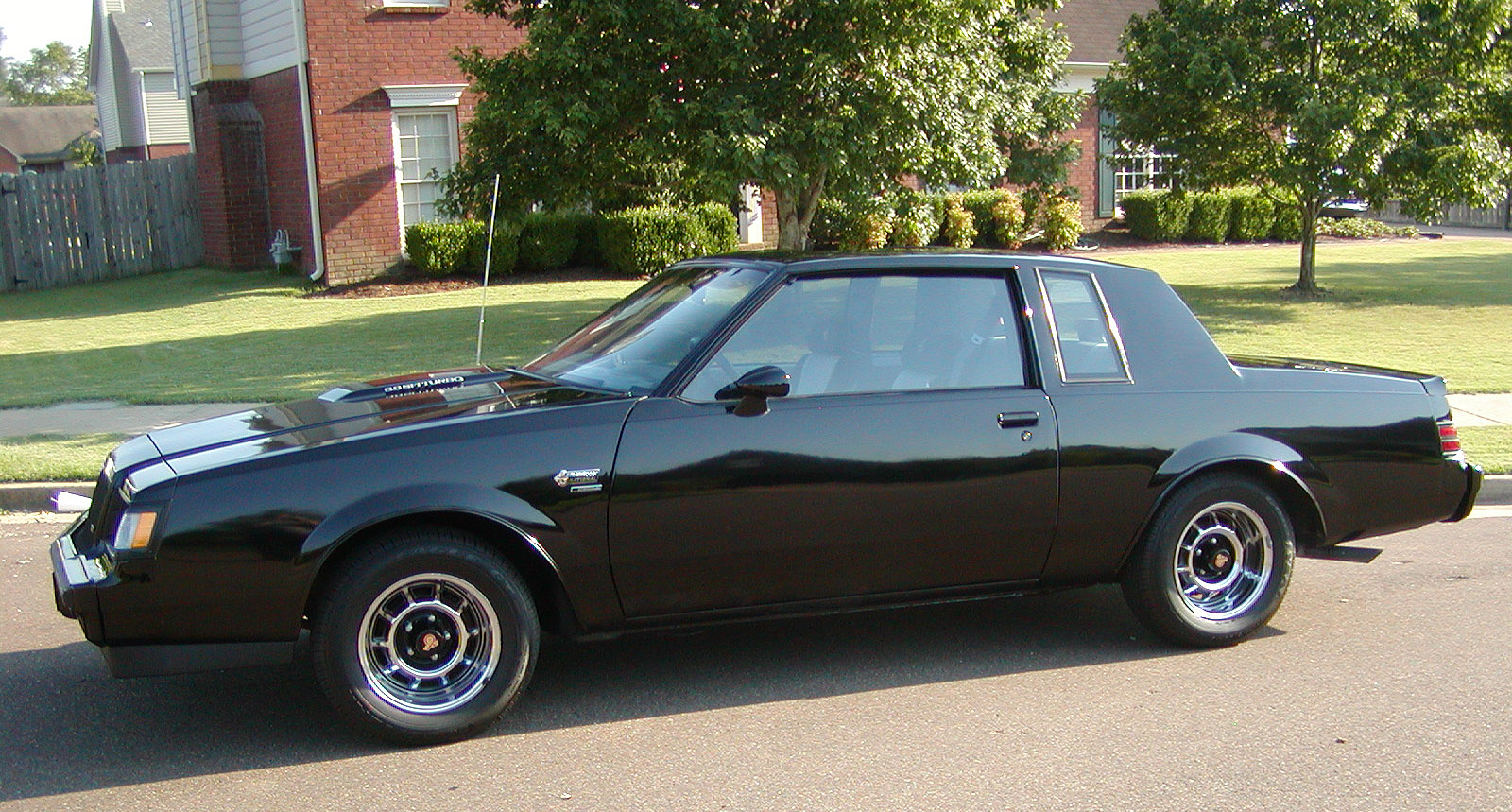
The Buick Grand National is a special version of the Buick Regal that was made in the 1980s. It was known for being really fast and had a cool black design. People talk about it because it was one of the fastest cars of its time and is still loved by car fans today.
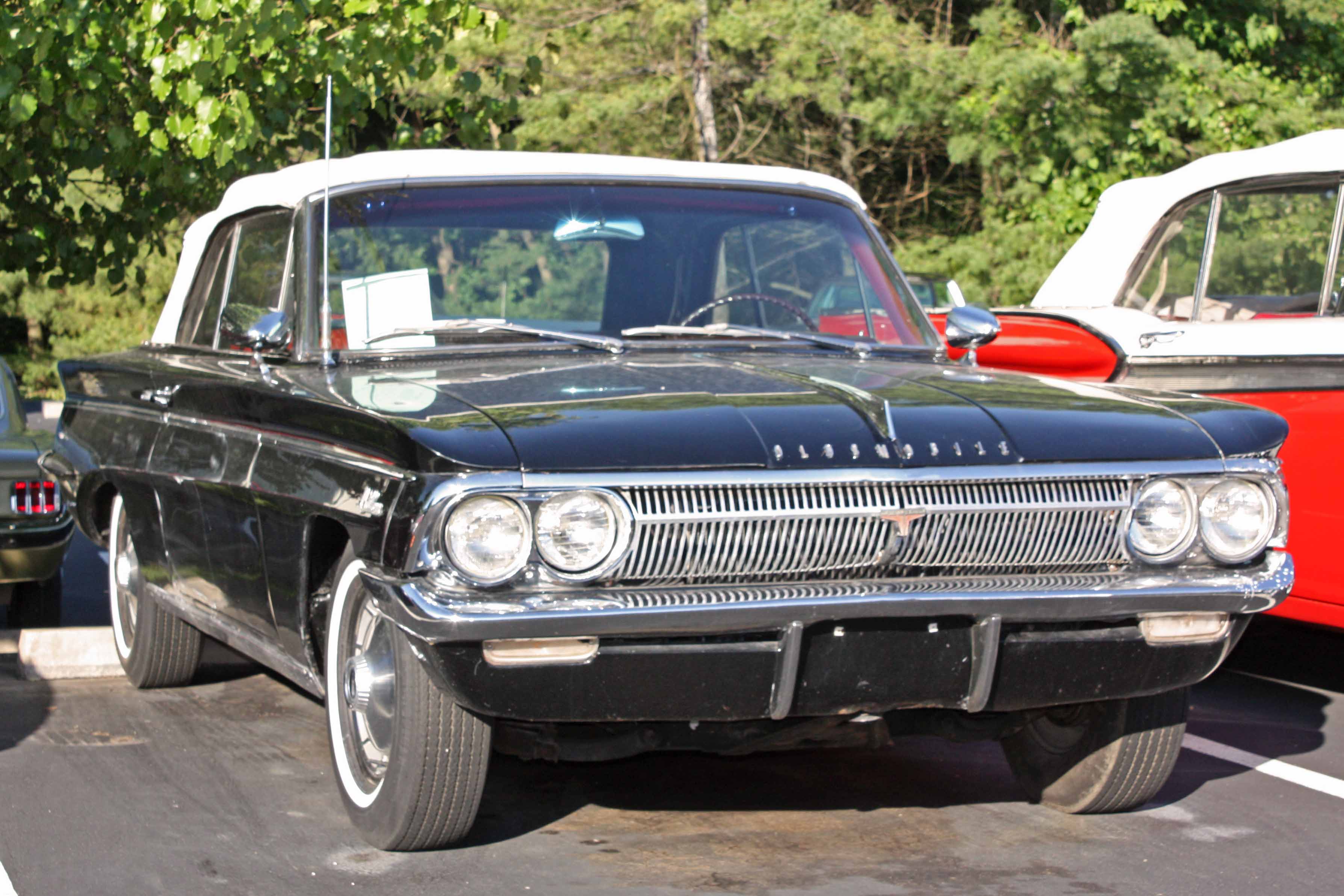
The Oldsmobile F85 is a smaller car that was made in the 1960s and early 1970s. It was one of the first cars built in a way that made it lighter and more efficient. People remember it because it was a big step towards making cars that used less gas.
The 'supplier side' means the part of the car industry that makes and sells parts to the companies that build cars. They provide everything needed to make a car work.
Grassroots racing is a way for regular people to get involved in racing without needing a lot of money. It's often organized by local groups and allows anyone to compete in races.
Short track racing is a type of car racing that happens on smaller tracks. These races are usually very close and exciting because the cars are often right next to each other.
The Buick Regal is a type of car that has been around for a long time, starting in the 1970s. It's known for being comfortable and reliable, making it a popular choice for families. People talk about it because it represents a classic style of American cars.
Street circuits are special race tracks that are made on regular city streets. They can be tricky because of the tight turns and buildings around them.
Road courses are special racetracks that have a mix of straight paths and turns. They are different from oval tracks and are designed to challenge drivers and their cars.
IndyCar is a racing series where special cars race on different types of tracks, like city streets and regular roads. It's famous for fast cars and exciting races.
Formula One is a top-level car racing series where teams compete in races called Grands Prix. It's known for fast cars and advanced technology, and races happen on tracks around the world.
Drive to Survive is a Netflix show that gives viewers a behind-the-scenes look at Formula One racing. It shows the lives of the drivers and teams, making the sport more exciting and accessible to fans.
Automated driver assist systems are features in cars that help drivers with tasks like steering, braking, and maintaining speed. They make driving easier and safer by using technology to assist the driver.
Software defined vehicles are cars that use a lot of computer software to run their features. This means they can be updated and improved over time, just like apps on your phone.
ADAS refers to systems in cars that help drivers by providing warnings or taking control in certain situations. Examples include alerts if you drift out of your lane or automatic brakes to prevent collisions.
Automatic braking is a feature in some cars that can stop the car by itself if it senses that a crash is about to happen. This can help avoid accidents or reduce their severity.
Lane departure warning is a system that tells you if you're starting to leave your lane while driving. It helps keep you safe by warning you before you drift too far.
LIVE
The automobile is one of the most important inventions that revolutionize the modern world.
In America, the rich history of car culture runs deep.
Technology continues to shape the future of the industry.
Jason Stein is here to share the stories of people passionate about cars,
from industry leaders and innovators to car obsessed celebrities.
Buckle up as Jason takes you inside the boardroom, onto the track,
and around the bend on Cars and Culture on SiriusXM Business Radio.
We welcome you into episode 237 of Cars and Culture with Jason Stein on SiriusXM Business
Channel 132. Great to have you along for the ride again this week.
Motorsports at its best is more than speed. It's a system, a system of rules and risk of
innovation and restraint, and of course of competition and cooperation. It's where engineering
meets spectacle, where business meets culture, and where tradition constantly negotiates with
change. And very few people have lived inside that system and helped shape it as closely or as
thoughtfully as my guest today, Bill Long. Over the course of his career, Bill has helped lead
two of the most important institutions in American motorsport, NASCAR and IndyCar.
He's been in the room when rules were written, when teams were frustrated, when fans were skeptical,
and when manufacturers were pushing. It's also where he gained perspective from inside the machine,
a rare feat, and a valuable one, because motorsports today is once again in the middle of change,
with new ownership models, new technologies, and new fan expectations. So today, this isn't a
conversation about lap times or horsepower. It's a conversation about stewardship and how you protect
the integrity of a sport while allowing it to evolve, and how you balance competition with
fairness, how you serve fans, teams, manufacturers, and sponsors at the same time. It's also about
what leadership looks like when the product is not a car or a company, but a culture.
Bill Long has spent his career navigating exactly those tensions. And today, we're going to talk
about what he's learned, not only in his racing career, but also in his career leading MEMA,
the largest trade association for suppliers in the world. We'll hear what he got right,
what he would do differently, and what he thinks the next generation of leaders in motorsport
or the supplier industry or the auto industry in general need to understand. So if you care about
racing, about leadership, about institutions, or about complex supplier systems and how they work,
this is a conversation for you. It's Cars and Culture. Welcome in to another episode.
Hi, I'm Bill Long. This is Cars and Culture with Jason Stein.
Fresh off a trip to Indianapolis, where they not only celebrated his wonderful career,
but they gave him a brick, which, I mean, I don't know. There aren't that many people in this world
that have a brick from the original Indy 500 track sitting here in Washington, D.C. and
Sirius XM Studios with him. Bill, thank you for being on the program. It's great to see you.
Yeah, it's great to see you. It's great to be here. And the brick weighs, I don't know,
37 pounds or something, according to Doug Bowles. He said it's great to work on your abs and your...
Right. Well, hard to get home in the luggage compartment.
Kind of tough. What a remarkable thing for you. They wanted to do something for you that was
emblematic of your time within the racing industry. And of course, we're going to talk a lot about
that. We'll talk about your auto industry background too. But to honor you in such a way
that would give you a piece of what you were a part of, quite literally, what did that mean to you?
It was incredibly humbling, as you can imagine. You just think of what Indianapolis represents,
where innovation and technology was founded. The first track was built as a proving ground,
a testing ground for budding automotive car manufacturers and things. And so, to have a
career celebrated and to have the people in the room that participated in that, it was an emotional
night. And then to have Doug Bowles show up and say some very nice kind words. And then out of
nowhere, this brick appears. They were recently doing a renovation in turn two. There was a bump
that had developed in turn two, and they decided they were going to see what was going on underneath
the asphalt. And sure enough, they found the original Speedway. And Doug handed me one of the
pretty emotional night again. Paul Fanner, the founder of Racer Magazine, was there as well.
And we worked together at IndyCar on a number of projects, and it was a great night.
Thanks for asking. Yeah, sure. They unearthed the bump in turn two, and now it'll sit in your home.
They also gave you a helmet too, that you showed me just before we went on the air here,
that sort of had the ghosting, the shadowing of all of the different places that you've been
working within your career. A beautiful piece, but a full helmet for you, Bill Long.
Yeah, I've seen a lot of helmets, and I've never seen one that is more beautiful than this one.
The design person that they found, and the work that he did, and the themes of the companies
that I've worked with, it was just breathtaking. You're hitting the checker flag on your automotive
career. As you reflect back now, the decades through their motorsports history, supplier
leadership, you've influenced a culture, you have a legacy, what are you reflecting on the most here
as an outgoing MIMA CEO, longtime racing executive? I used, during the retirement ceremony at the
Speedway, a metaphor, and I said, it's nice to make it to the finish under your own power.
So, you know, there's obviously a lot of fond memories, and I would say along the way,
just like in anyone's career, there's a bit of unfinished business as well. But the racing
part of my career runs deep, as you and I have talked about. And I think at least the comments
from that night and the people that spoke, the thing that hit me most that you never really
understand until you get to this point in your career, is how you affected people's lives.
And, you know, as they said, the mentorship and the lessons that they learned, and just helping
people achieve their goals, that's what I reflect on the most. Yeah, so much history in more than 40
years, unbelievably, from Dana to Eklund and NASCAR and IndyCar and MIMA leading up the Suppliers
Association, all of it automotive. Before the boardrooms, before the sanctioning bodies,
where did the love of cars and racing start for you?
You know, it goes back a few generations even. My father ended up as a NASCAR official on
short tracks, started in 1948 when NASCAR was founded. Where was that? In, actually in the
Northeast, where a lot of short track racing was happening, there were just hundreds of tracks in
the Northeast. I know NASCAR is certainly recognized at the time as a Southern sport, but it was a very
healthy environment up in the Northeast. A lot of the tracks don't exist anymore, but
all the Grand National races at the time, including, you know, the Petties and Pearsons and things
raced up in New England. But he was a NASCAR official or an official number of different
sanctioning bodies, 1948 until 1975. So I started going to races when I was four.
And, hold the flag here for dad here. Yeah, well, yeah. And so, you know, when you're around it that
much and back in those days, they had races seven days a week. So he was sometimes two different
races on a Saturday or a Sunday. So seven or eight races a week, traveling all over the
Northeast and other places. So I was the guy selling Speedway scene newspapers up and down the
Grandstand Isles and then worked, you know, in the Pett area and ultimately moved to the
starter stand. I flagged my first race when I was 16. It was known as the 500 lap championship.
So on a short track, 500 laps. And then that was the first race that was on the flag stand. And then
the triple crown, which was a 200 and 200 lap, the following week, 250. And then the final race
was a 300 lap. And these are guys that, you know, might be in the NASCAR Hall of Fame today, names
like Richie Evans and things. So some pretty prominent, pretty prominent guys. So having been
around it, I remember my, my dad and I rebuilt, I rebuilt my first engine when I was 14 with my dad
in 1962 Oldsmobile f 85 of all things. So so it ran deep and then right out of high school
for the summer, I ended up working in a Napa auto parts store as a delivery driver where
all people start until I crashed the boss's delivery truck and I was immediately promoted
to the counter. And that led me to the supplier side. And, and then ultimately because of my
background in motor sports for all those years. And then on the manufacturing and supplier side,
those two things collided, which led me then to a job at NASCAR and then Indy car and then back
to the supplier side. And she started as a supplier without even knowing you were a supplier.
Right? Yeah, exactly. Exactly. So you could serve their interests well, you know, 30 years later,
right? You understood it. And I've never, even, even when I left motor sports in Indy car, I never
got too far away from grassroots racing. So even today, I still moonlight as, you know, as a race
official, even at tracks like Jack Roots, Stafford Motor Speedway up in Connecticut, and, you know,
other racing series that are the modified, short track modified cars. That's where the passion
really exists, doesn't it on those short tracks? You know, we've had Dicky Regal on this program
before. And it runs through, it doesn't get talked about a ton. Like you said, there's a,
feeling a notion that especially NASCAR racing is predominantly in the South, but it really,
the roots of it do originate. It all does originate in the Northeast. And it, and it runs
through the blood of every individual that's at one of those short tracks. Were you ever
contemplating a career of racing? Was that ever in the cards? I raced a quarter midgets. Okay.
When I was a kid, found out I was a better official than I was a driver.
And I've driven two Indy cars, which, which was kind of fun. And, you know, of course,
I thought I was doing at least 225. And they told me, you know, I just crested 180, which I was
I did have the aspirations of quote, making it to the big time, you know,
being involved in a senior position or executive position in professional motorsports was a dream
that I actually never thought I would achieve when I detoured to, to the manufacturing and
supplier side. But, you know, fortunately, I had that opportunity and it's, it's just been great.
What did racing teach you early that stayed with you throughout your career?
You know, there's, there's a lot of a lot of things that come to mind when you ask that question.
And it's always kind of been the business side that's drawn me to the sport. I found that I'm
a lousy spectator. I like to be involved. And I found, particularly when I, I moved to, to Indy car.
I was hired to kind of help reinvent open wheel racing right after a few years after the split
with cart and the formation of the Indy racing league.
That, you know, at the time, Indy car and open wheel racing certainly was going through
a transformation, trying to regain its relevance. And they had great drivers and close competition
and high speed and, and things. But what, what struck me most is that wasn't enough to regain
the affinity and attention of the sport, particularly when NASCAR was, was rising.
And so we created some or identified some, some key pillars that were necessary. And certainly
one was fans don't come to watch, they come to cheer. So you need to make that connection,
which is kind of obvious, but also they want to be part of, of the event. They want to be in the
know, they want to be an insider. They want to have a shared experience with their friends.
And the big event atmosphere is critical. So the Indianapolis Motor Speedway and the Indy 500
is a big event. But at the time, if you went to the race in Chicago, the big event wasn't present.
And as a result, the drivers were the same, the cars were fast, the competition was great.
But the big event atmosphere was missing. So we went about trying to recreate that
at events. And certainly now, when Indy car kind of spread out from just ovals, now to
street circuits and, and road courses, they, they bring a little of that back.
Well, yeah, you would have been dealing with the greatest spectacle in racing on one end of it.
And then something that was in Milwaukee, as an example, right. And at a time, as you said,
Indy car was already going through its own issues with the split.
Um, cart in the Indy racing league. And NASCAR had Jeff Gordon, and it had, you know,
all of these superstars that were Jimmy Johnson, I mean, they were just ascending at a certain stage.
You had a pretty tall task there to try to help reinvent Indy car.
It, uh, it was, that's, that's a little bit of the unfinished business. But, um, we went about
looking at, uh, what is the product? And, uh, the product was more than just the 13 or 15 races
and trying to, um, you know, help, uh, draw attention to it. When I started, so we only
have two problems with Indy car. One, people don't know about Indy car. And two, people don't care.
Hmm. So the people don't know part was easy. Um, it's going to be on TV and the state,
it's going to be, you know, at this track, this time and, and the marketing and awareness and
promotion and, uh, and things was, was simple. The tougher part is then about having people care.
So how do you create relevance and make it important? And at the time Indy car was, uh,
was really more positioned as new school, trying to shift it from the wine and cheese group that,
that open wheel racing, uh, had more of a top of mind feel to it to, it was about new school and
it was about access. Um, so we went about, uh, broadening the product from 13 races to 13 races
and 30 drivers. So we built, um, responsible for creating brand architectures for the drivers.
Um, so if we could take, uh, Elio Castroneves, for example, define who he is,
uh, is an individual and then help connect him to an audience that he could own. Then we're promoting
not 14 products, but, you know, 44 products. And, uh, you know, we got Elio Castroneves on
dancing with the stars and one and then brought in the audience a little bit and, uh, we did brand
architectures again, defining who these individuals are is, is, is people. Danica Patrick, Dario,
Frank Keady, Tony Kanan, Scott Dixon, Scott Dixon and others. And you know, they say, um,
everything matters when it comes to a brand. And we'd go to tracks that were mostly, uh,
IMS or, um, owned by, you know, NASCAR foundation, um, or Speedway Corp. And, uh, so the music that
was being played is, you know, Southern country, Western music, and it's got a NASCAR feel to it
while we're trying to create a brand that's a little bit different. So that was, uh, you know,
that was a challenge. So we hired a creative artists association to help elevate the
entertainment value of the broadcast, talk more about the drivers. And, uh, we had, uh, one of my
marketing people actually sitting in the booth with the broadcast, um, sharing information
about, uh, about the drivers and, and such. So, um, but I think if you look at that time,
um, the numbers were heading in the right direction. So the TV ratings were growing,
attendance was, uh, was strong. We hired, uh, an organization called Ignition.
And, uh, the person that leads that was, uh, has been called the father of experiential marketing.
And he and his company actually, uh, did the Olympic torch relay around the world.
So we hired him to help create an experiential marketing platform for us. So we did, uh,
downtown street races, um, with, uh, codemaster racing games and, and you could actually get
into an, an Indy car, race a, a codemaster game with a driver, qualify for the 500, those kinds
of things. We had downtown, uh, concerts, drivers with all access and things. We did the pit stop
challenge in partnership with 7-Eleven. Um, we had, uh, a kids, uh, area as well that,
that was kind of fun. So we actually opened up the sport. Yeah. You know, it's kind of like
even the NFL that, you know, during the Super Bowl, they have those experiential punt pass kick,
things. So we took that around the country to every market before the race weekend and did, uh,
downtown street parties and, and things. So I think that helped great, greater access and
awareness top of mind of, of what the sport was really about. Where is it today in your estimation?
I think they've got momentum. And, uh, you know, people always ask me, what was the greatest
Indy 500 you've ever been to? And I've always said the same. It's the next one. Right. And I think,
um, what, uh, Doug Bowles as now not only president of the Indianapolis Motor Speedway,
but also the Indy car series and what they're, you know, what they're focused on and trying to
achieve. And, and again, uh, trying to create greater engagement and awareness, uh, greater access,
um, I think, I think they've got, uh, got some great momentum and potential.
After the break, I'll continue my conversation with Bill Long to see more cars and culture
interviews. Visit the cars and culture YouTube channel, subscribe, comment, or check out hundreds
of conversations with the creators, collectors and culture makers who are driving the industry
forward. The automobile is one of the most important inventions that revolutionized the modern world
in America. The rich history of car culture runs deep as technology continues to shape the future
of the industry. Jason Stein is here to share the stories of people passionate about cars
from industry leaders and innovators to car obsessed celebrities. Buckle up as Jason takes
you inside the boardroom onto the track and around the bend on cars and culture on SiriusXM
business radio. Welcome back to cars and culture here on SiriusXM. Now the continuation of my
conversation with Bill Long to see more cars and culture interviews, visit the cars and culture
YouTube channel, subscribe, comment, and check out hundreds of conversations with the creators,
collectors, and culture makers who are driving the industry forward. Do you watch with amazement?
I think the way that, you know, most of us do that, uh, the opportunity to create experiential, um,
fan engagements like at formula one now is just, um, a remarkable change for the sport of racing
that it used to all be so closed off, right? I mean, if you take F1 as an example, uh, Bernie
Ecclestone didn't let drivers have social media accounts or find them if they had posted anything
on social media. And now, um, now there, there's, there's access as, as much as you want to pay,
there is, there is access. But there's also behind the scenes stuff too. And I think that,
you know, the development NASCAR of some Netflix series that mirrors drive to survive,
what's happened in IndyCar, even in golf and other, you know, tennis and in other sports,
that's a different kind of marketing, isn't it, Bill? It is. And, um, you know, when you, uh,
when you have a media company that buys the sports property, that's what happens.
People begin to think about the sport and, uh, and, and what's possible differently.
Um, and, and it, it's probably true in business and, and, uh, uh, you know, and, any, uh,
you know, any system in life, um, where you've got, uh, the way it's always been done,
I guess is the words I'm looking for. And even at the time when I was at IndyCar,
and we're searching for, uh, how do you create relevance and affinity for the sport?
People were still, uh, thinking about it the old way. Um, so even, even when, uh, we made the
investment, I think it was one of the largest capital investments in IndyCar at that time
when we created this experiential platform. And now just to see how it's all evolved.
And formula one, like you said, is a great example in what they've done with drive to survive and,
even just paddock access and, uh, fan, I think they call F1 experiences where you can get on the
back of a, of a trailer and go around the course before the race starts. Yeah. Um, just didn't
exist. Yeah. And even, um, you know, 20 years ago, IndyCar created the IndyCar two-seater.
Oh, right. Yeah, of course. You know, you could, you could sit in a back seat.
Mario Andretti would be driving. Yeah. Um, you could become part of the 200 mile an hour club.
Mario would drive you around the Indianapolis Motor Speedway at 200 miles an hour. You get a
certificate and a ring and, uh, and, uh, you know, enjoy the ride. Yeah. Let's turn to Mima, uh,
where you've spent, um, the last number of years as a president and CEO, you are, uh, stepping down
as of December 31st, turning over the, passing the torch, uh, and, um, and you are leaving behind
an incredible legacy, but the industry was already facing disruption when you stepped into the CEO
role. What, what did you see as your biggest priorities and maybe how have you spent this
last year trying to handle disruption for the car industry?
You know, um, I've been with Mima and Mima is a 121 year old trade association that represents
suppliers to the automotive industry. And suppliers are the ones that manufacture the
innovation technology for new car manufacturers as well as the aftermarket. And I think
two thirds of the value of a new car actually is provided by the companies that are creating
and building the components and not to take anything away from the car manufacturers,
but, um, a lot of that work, they have passed off the suppliers and, and they become to a large
degree, um, an assembly plant. And over that 120 years, of course they've been through the
industry has been through a lot of change, but, um, since I've been at Mima the past 13 years,
it's been said that the rate of change in that period is greater than the change that the industry
has gone through in the last 120 years. Um, along came COVID that shut down the entire industry and
just think about all the car companies shutting down production and the ripple effect to the
thousands of component manufacturers. And then we had to learn how to restart the industry.
And if we don't restart together, then, uh, the disruption just becomes chaos.
And then we went through the computer chip crisis supply chain chaos, supply chain chaos.
And, uh, the industry then was facing, uh, tariffs that, uh, that continue to create
somewhat of a headwind about global competitiveness for us manufacturers.
So, um, to say the industry is fragile would be an understatement today.
But what Mima went, uh, went through was, uh, a pretty courageous transformation to reposition
Mima for the future. And we looked at what are the, what are the key areas that the industry
will be facing in the future? And then how can a trade association help advance the
business interests of suppliers in the wake of those? And the headwinds that suppliers will
be facing in the future is one, the, the rate of change, the speed of change in technology
before, um, you know, suppliers would work with an original equipment manufacturer.
They'd come with some new technology, but the platforms would be four, five, six, seven years
out. Now they're two years out. And the race to electrification EVs and, uh, automated,
driver assist systems, emergency braking, all, all the technologies that in many cases
today we, we take for granted. Software defined vehicles, software defined vehicles.
Um, and, and the race to electrification. And now, instead of maybe racing to, uh, electrify,
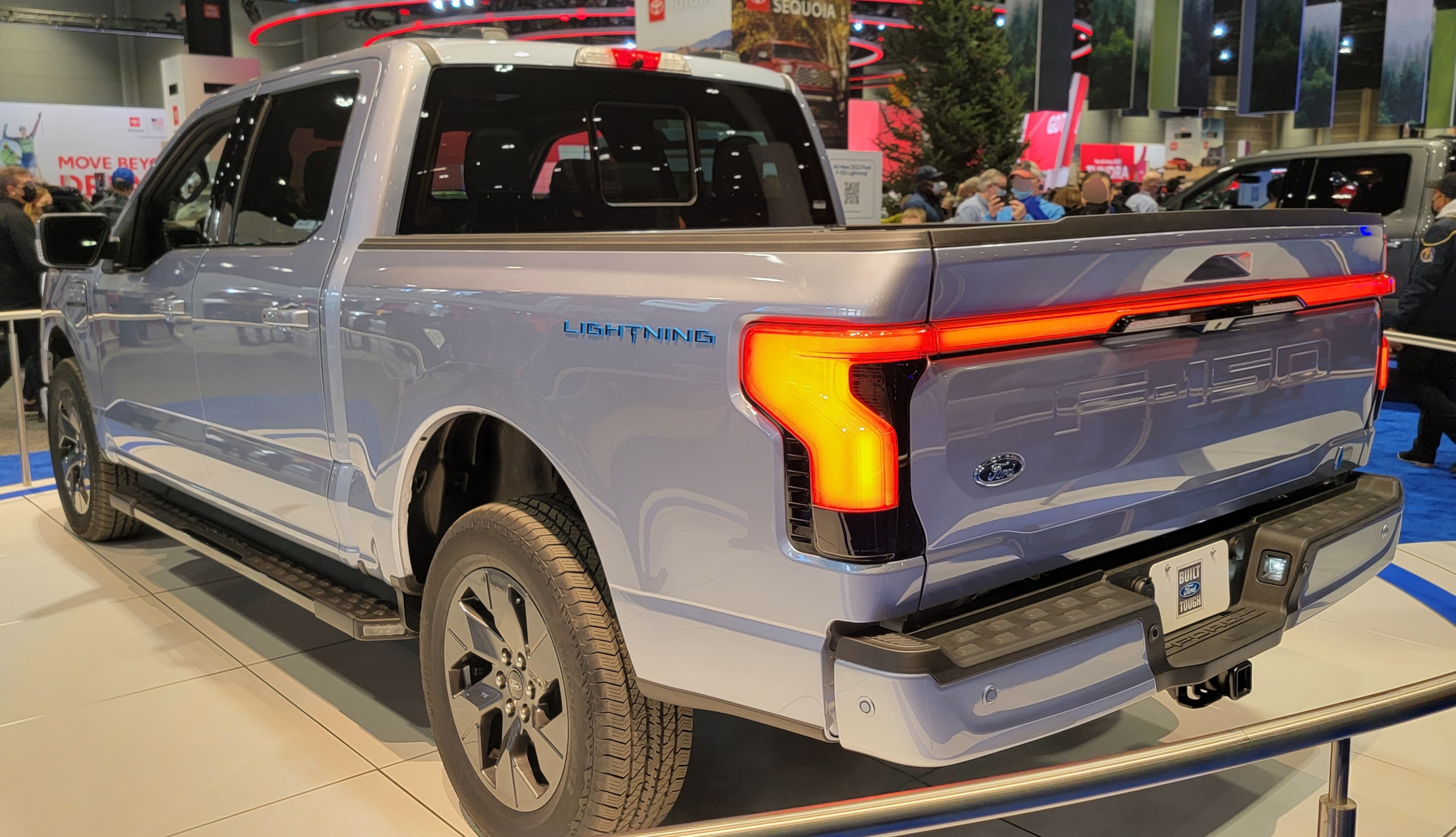
or electric vehicles, we're shifting to coexisting with electric vehicles. I saw Ford
recently announced, uh, you know, they're transitioning away from the electric, uh, F-150.
Yeah. 20 billion dollar write down.
A 20 billion dollar write down. So, um, you know, the workforce issues that the industry
has faced, uh, trying to find, um, and train available workers for the growth that is, uh,
predicted in the industry and, and things. So it, it had been a turbulent time. And
two years ago, again, we undertook a transition to, uh, to position for the future, which we
are now in our sophomore year of that transition to give members greater access to the platforms,
to help bring some clarity around what I, we, we refer to as the broad range of possibilities
that could exist in the industry, regulatory, uh, headwinds and, and so forth. So, yes, it's been
turbulent. How did you help suppliers balance short-term survival? And there's been a lot of
questions, Bill, about short-term survival. And for those who don't know, the smallest part can
disrupt an entire industry. Uh, we think about, um, tsunamis in Japan that knocked, um, uh,
certain, uh, systems offline, the micro micro chip issues, supply chain chaos, as we mentioned,
you're balancing supply short-term survival and long-term transformation. How do you do that?
Well, one way is, uh, is certainly to identify where the opportunities are.
And it's interesting that about 65% of MIMAs members are what we would call small businesses.
These are companies that are $150 million in size or smaller.
And you're right, it only takes one part that isn't available to shut down an entire production
line, which impacts all suppliers then. So what we tried to do, again, is identify where those
opportunities are. And right now in, uh, the technology area, it's, it's ADAS related components,
automated driver assist systems, um, lane departure, automatic braking, and so forth.
And then we create, as I mentioned just a minute ago, these platforms for industry dialogue,
where we can bring clarity around all of the noise that you hear in the industry, um, to really
say, here's, here's what this means, whether it's regulatory, uh, or not, what the policies are
that the industry is facing, and then how to navigate, uh, those challenges. And certainly
we spend a lot of time here in Washington, D.C. on Capitol Hill, letting, uh, the administration
know how important the supplier community is to America. Um, vehicle suppliers represent the
largest sector of manufacturing jobs in the United States. Said differently, there isn't
anything else manufactured in this country that employs more people than those that make
systems and parts for automobiles. And again, I know we've talked a lot about original equipment,
car manufacturers, but the aftermarket, uh, also sustains the life of the vehicle
and the affordability and, uh, and so forth. So all those components and, uh,
technologies are, are also part of what we do. Yeah. Said in a different way, as vehicles become,
uh, more expensive and less affordable, fewer people can afford new cars now,
they're hanging onto their cars. And that's where the aftermarket comes into effect.
That's where the, the parts and the parts companies that you've worked so closely
with are so vital to, uh, so much of this. Let me go back to what you just said,
spending time in D.C. You've spent a lot of time here over the course of the last year especially.
Do they get it? Do they understand what you just said?
Uh, good question. I would say, uh, uh, to some degree,
you know, we've been at this a long time and MIMA has been successful in all, uh,
I characterize as being a respected partner with the administration and having a seat
at the table where those decisions on policy are made. Um, but the challenges are, uh,
are complex. We can talk about, uh, President Trump's, uh, desire to reshore manufacturing
back to the U S, but we have somewhat of a headwind of finding the available workers
to fill those jobs. And a lot of the raw materials that are required to, uh,
to complete a component aren't available in the United States and, uh, those become tariffed
and raise the, the overall price of the component, which might make a U S manufacturer
less competitive or uncompetitive. So, um, I think my takeaway personally is,
I think they're trying to help. I don't think we've had a barrier to, uh, uh, or, or a pushback
that, uh, the administration doesn't want to support or doesn't want to help the industry.
I think they do. Um, so usually the, uh, the conversations are productive,
but the results never happen fast enough. Right. Not, not, not for an industry that's
changing at the speed of light. Yeah. Um, now there's conversation around,
perhaps in the new US MCA, the trade agreement, uh, that's shared among Canada, the United
States and Mexico, NAFTA before that, um, of splitting it, of having, uh, bilateral, uh,
agreements between, uh, two countries. Where does all that lead? Where does,
what's the future? What's the short term future based on the conversations that you've had thus far?
On things like trade agreements, even in, even within North America.
We've seen in the automotive industry that US MCA has been good for the industry.
Um, supplier jobs have increased, uh, since pre COVID levels. So the number of US manufacturing
jobs in 2019 has grown, uh, to, you know, over that, that, uh, period to today,
which says that, um, we have been continuing to invest in new technology and innovation.
A lot of those new jobs are, are, uh, are high paying new technology jobs like software
defined vehicles and, and so forth. And it's allowed the relationship with
US MCA has allowed US manufacturers to be more competitive globally, particularly against China.
So a bilateral agreement, it's, it's hard to tell what that might look like.
Um, I think our members have made it clear to us how important continuing US MCA is.
And I think a lot of the feedback that, uh, is being signaled by the administration has been
positive in understanding the critical, uh, component that US MCA plays. So we're,
we're hopeful that, um, the agreement will stay as is, but we anticipate that there may be some
tweaks and change to it. And, uh, a bilateral agreement, it's hard to tell sitting here today
what that might look like. It'll be an interesting 26 to see where that all shakes out. You mentioned,
uh, one topic that's been hot on, on this program, certainly in, and in other places we had Michael
Dunn on to talk about it as a guest, but China, what's your level of, well, what's your perspective
on China, on Chinese vehicles, on Chinese parts, on the future of, um, the car park in North America
based on the sheer will and determination that Chinese car companies have to move into regions
of the world. In fact, Michael said, uh, if you look at a map, a global map, there are only two
places that the Chinese don't exist. And it is Canada and it is the United States.
How long does that last? What does it mean when it's, when it changes?
Well, that's why US manufacturing competitiveness globally is so important. And historically in
the car business, uh, we have been, um, the ones that have developed the new technology and the
innovation and, uh, and the speed in which that happened. And now China is a very, uh, strong
competitor. Uh, it's probably an understatement. The vehicles that they make are very high quality.
And, uh, the technology that is incorporated in, in their new EV vehicles is, is pretty impressive.
And the price points are certainly attractive. So the Chinese government has invested heavily to
support, use the word maybe subsidize, uh, component manufacturers and the way that they've
been able to shift the policy and vehicle standards landscape have allowed them to move with great
speed. And, uh, I think, uh, the US landscape is playing catch up now for that, uh, that rate of
speed and technology. Um, so it, it, uh, we, we can have tariffs that will make importers less
competitive, but it doesn't necessarily make us manufacturers more competitive globally.
And the largest markets are outside of our, our borders. So I think we need to find a path forward
that allows us to address the barriers to us competitiveness globally. If we're really going
to compete with China, because as you mentioned, they're, uh, they're in every market, which gives
the efficiency and cost efficiencies, uh, if you will, for any manufacturer.
So we need access to those markets, uh, just like China.
The final few minutes, I want to go back to a couple of subjects, uh, motorsports.
When you look back, Bill, what decision or maybe what initiative in motorsports are you most proud
of as you think back? I think, uh, you know, I, I was really proud of my time at IndyCar. And
the foundational pillars that we, that we said in motion at that time, and it was kind of
humbling to hear Doug Bowles, uh, comments and even Paul Fanner, the founder of Racer Magazine,
his, his interpretation of the impact that, uh, IndyCar made at that time and,
and humbly he, uh, he gave me a lot of that credit. So that, that, uh, that was a pretty,
you know, a pretty important time. And when I think back over my entire career,
just what we achieved at IndyCar at that time. Same question for Mima and the, in the industry,
whether it was at, um, whether it's Mima, Dana, Eklund, what are you most proud of in,
in, in what you've been able to do within the industry? Yeah, that's, uh, that's an easier
answer. It's, it's really helping people achieve their, uh, their potential and their dreams and
their goals. Um, you don't get to this position on your own and, uh, the team that has surrounded you
is, uh, is the key differentiator. And I've, I've really been blessed to have great people around
me and, uh, they'll continue to mean the world to me, uh, long after, uh, January 1.
What are you doing next? I know you, you have grandchildren that play hockey. Is that right?
We have, uh, four grandchildren. And one of them is, uh, is place for the Yale youth hockey
travel team. And I, I've already become the designated Uber driver for door operator early
morning hockey games and, uh, and things. So I'm looking forward to, uh, spending that time and
being with the family and, uh, not on the 150 flights each year that I've been on for probably
the past, uh, 30 years or more. But you do have a big idea. You've told me about this big idea
before. I don't know if you want to share it now. Probably not. But, but I know that you want to be
associated with the industry in a, in, in some way going forward, right? You want to, you want to help
the industry at least maybe from the sidelines. Yeah. You know, this, this topic of global
competitiveness is certainly important. And I think, uh, we have an, an opportunity and I'll
say an obligation to help create a roadmap that would allow the industry to achieve, uh, US
manufacturing competitiveness globally and how we can partner with the administration and with
industry as a whole to realize that, uh, that potential in that dream. So it's on my unfinished
business list. See, yeah. And this is a list that's rather lengthy, I'm sure. There are a few. Yeah,
exactly. Bill Long, what a pleasure to have you, uh, in studio here in Washington, DC with me to
talk about, um, your, your, uh, various accomplishments, your numerous accomplishments.
Um, it, it's just been a thrill to listen to all of the things that you were, where you've had
your hands. It goes back a long way to 16 years old, waving the flags when the cars went around
the track now to what you've accomplished here. Congratulations on an enormously successful
career. And, uh, thanks for being a great partner of mine too. It's been great to be here. Thanks
for having me. Great. Thank you. Thanks again to my guest today, Bill Long. To see more cars
and culture interviews, visit the cars and culture YouTube channel, subscribe, comment,
and check out hundreds of conversations with the creators, collectors, and culture makers who are
driving the industry forward. That's episode 237 of cars and culture. I'm your host, Jason Stein.
We'll see you down the road.
About this episode
Bill Long, the President and CEO of MEMA, shares his extensive experience in motorsports and the automotive industry with Jason Stein. Discussing his journey from a young racing enthusiast to a key figure in NASCAR and IndyCar, Long reflects on the challenges of evolving motorsports amidst changing technologies and fan expectations. The conversation delves into leadership, the importance of supplier relationships, and the future of the automotive industry, particularly in light of electrification and global competition. Long's insights provide a unique perspective on balancing tradition with innovation.