Motorsport is a term for all kinds of racing that involves vehicles like cars and motorcycles. It includes many different types of races and competitions.
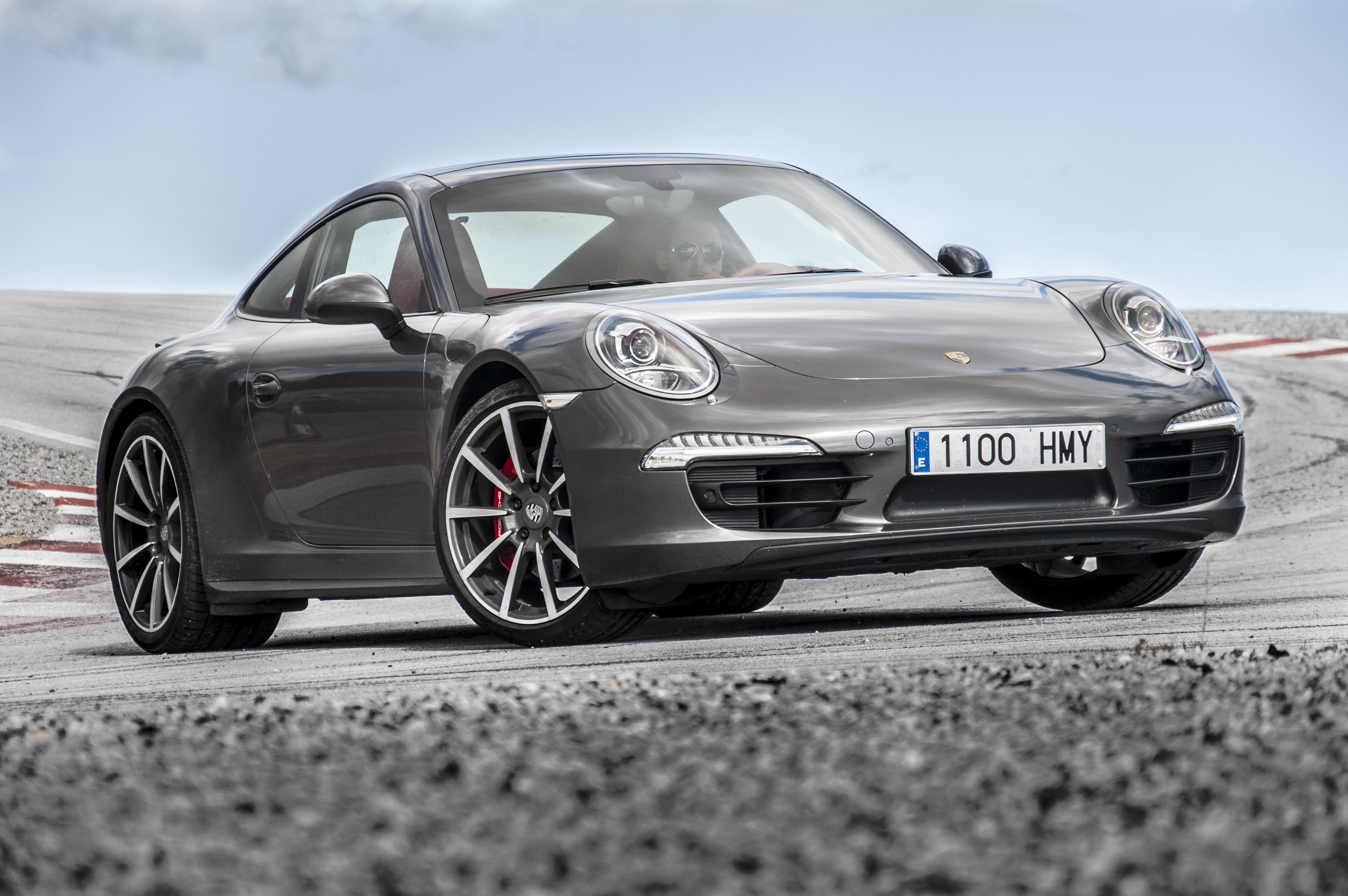
The Porsche 911, especially the turbo version from the early years, is a powerful sports car that many people admire. It was one of the first cars to use a turbocharger, which makes it go really fast. Car enthusiasts love to talk about it because it's a big part of car history.
The Porsche 356 is an early sports car made by Porsche. It's famous for being lightweight and fun to drive, and many people love it for its classic design.
Car
Porsche 912
The Porsche 912 is a car made by Porsche in the 1960s. It looks a lot like the 911 but has a smaller engine, making it less expensive.
The Porsche 930 Turbo is a special version of the 911 that has a turbocharger, giving it more power. It also has a unique rear spoiler that makes it look different.
A restomod is when someone takes an old car and fixes it up, adding modern features and technology to make it better while keeping its classic look. It's a way to enjoy the style of vintage cars with the benefits of newer ones.
A project car is an old or damaged car that someone buys to fix up and make better. It's a fun way for car lovers to work on something they enjoy and turn it into something special.
Automotive culture is all about people who love cars and enjoy sharing that passion with others. It includes things like car shows, racing events, and clubs where car lovers can meet and talk about their favorite vehicles.
IndyCar is a racing series where cars with open wheels compete, and it's famous for the Indianapolis 500 race. These cars are designed for high speeds and can race on different types of tracks.
Formula One is a top-level racing series where very fast cars compete in races around the world. These cars are highly advanced and use the latest technology to achieve high speeds.
IMSA is an organization that oversees sports car racing in North America. They organize races where different types of cars compete against each other, including some very fast and advanced models.
Track days let people drive their cars fast on a racetrack. It's a safe place to learn how to handle a car better and enjoy driving without worrying about traffic.
The Goodwood Festival of Speed is a big car event in England where people come to see and celebrate cars, including both old and new models. It's a fun gathering for car lovers.
WEC is a racing series where cars compete in long races, testing how well they can perform over many hours. It's known for events like the 24 Hours of Le Mans.
The FIA safety committee makes sure that car racing is safe for everyone involved, including drivers and fans. They set rules to keep things safe on the track.
Singer Vehicle Design is a company that takes old Porsche 911 cars and makes them look and perform like new, while still keeping their classic style. They are very popular among car enthusiasts.
FIA II compliance means that a racetrack meets certain safety rules set by an international racing organization. This is important to keep everyone safe during races.
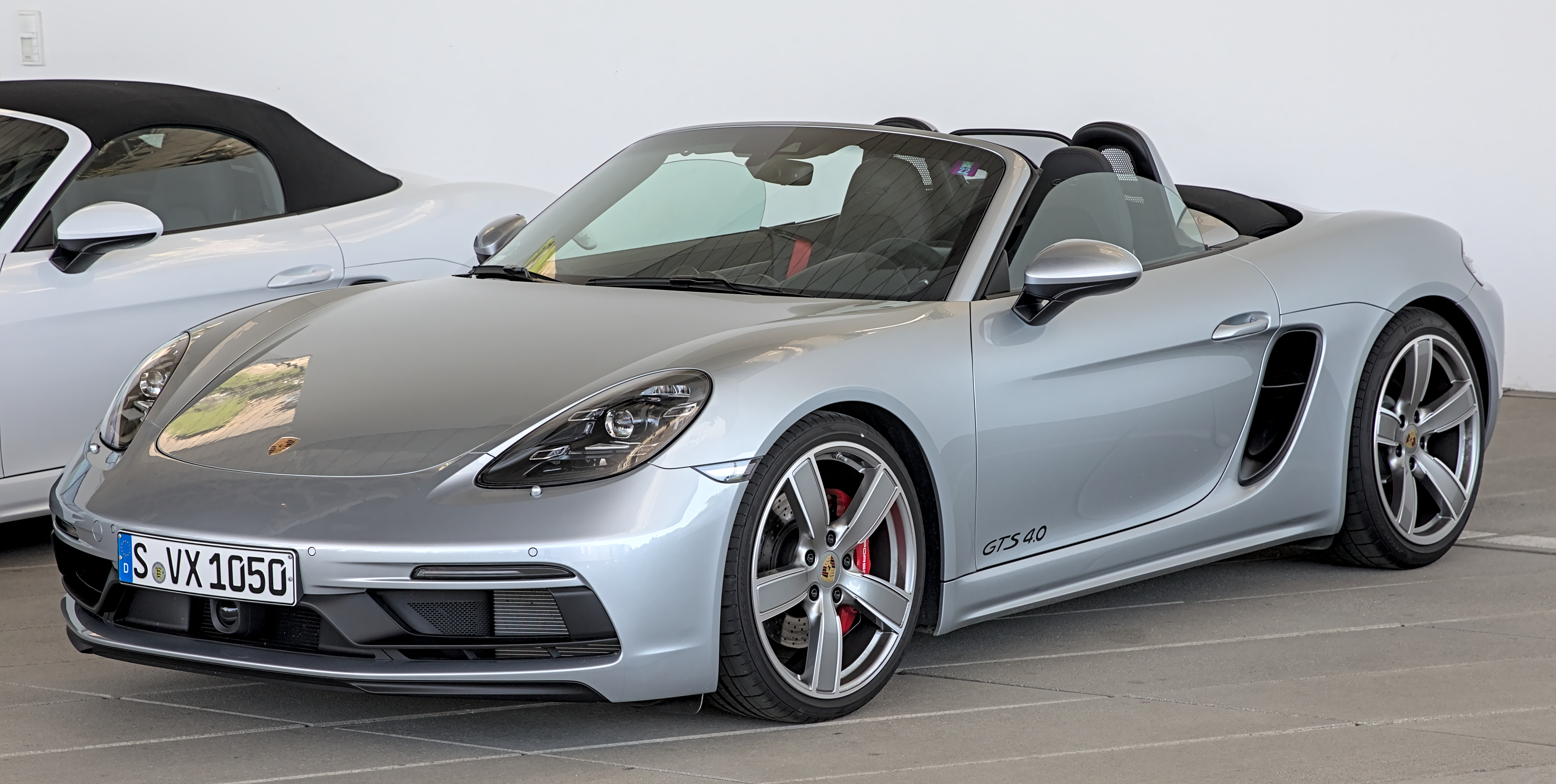
The Porsche 718 Club Sport is a special version of the Porsche 718 made for racing. It's lighter and has better handling, which helps drivers perform better on the track.
The BMW M2 is a sporty version of the BMW 2 Series. It's built for performance, meaning it has a powerful engine and is fun to drive, especially on a racetrack.
Karting is a type of racing where people drive small go-kart vehicles. It's important because many professional race car drivers start their careers in karting, learning the basics of racing.
LIVE
The automobile is one of the most important inventions that revolutionize the modern world.
In America, the rich history of car culture runs deep.
Technology continues to shape the future of the industry.
Jason Stein is here to share the stories of people passionate about cars,
from industry leaders and innovators to car obsessed celebrities.
Buckle up as Jason takes you inside the boardroom, onto the track,
and around the bend on Cars and Culture on SiriusXM Business Radio.
Welcome into episode 239 of Cars and Culture with Jason Stein,
here on SiriusXM Business Channel 132.
It's great to have you along for the ride again this week with us.
There are places in motorsport that are more than tracks.
They're touchstones. They're memories.
There were generations of drivers, engineers, fans, and builders first fell in love with racing.
Willow Springs is one of those places.
For more than 70 years, Willow Springs has been a proving ground for drivers,
a laboratory for engineers, and a cultural landmark for American motorsport.
But like many historical institutions, it reached a moment where preservation and progress
had to be reconciled.
Where the question wasn't whether it should change,
but how to evolve without losing what made it matter in the first place.
That's where today's guest enters the story,
not only at Willow Springs, but also on the ice.
Sam Byrne is the co-founder of Cross Harbor Capital Partners
and the lead steward behind the new chapter of Willow Springs,
as well as the FAT Ice Race in Montana.
He's not there as a speculator, nor is he a developer chasing yield,
but he's there as a long-term owner committed to preserving the soul of Willow Springs
while investing in its future,
and while also investing in a concept on ice in Montana.
The future for both Willow Springs and the Ice Race
is all about a new experience for people
and those who want to participate and love motorsport.
Leadership in this space is rare.
It does require capital,
but also patience, taste, restraint, and a respect for history.
So what is it about car culture that impacts both Willow Springs as well
as the FAT Ice Race that takes place later this month in Big Sky?
Sam knows, he knows about the future,
and he knows what it means to be a caretaker of all things.
This is Cars and Culture.
Welcome in to Sam Byrne.
Good morning, Jason. It's Sam Byrne from Cross Harbor Capital
and Willow Springs International Raceway,
and this is Cars and Culture with Jason Stein.
Today's guest bridges the worlds of investment,
automotive culture, motorsports, stewardship.
He's not just a collector, he's an investor who's taken a bold step,
and we're going to talk about that today.
It is great to have you on the program.
Sam, welcome in.
Thank you. Great to be here, Jason.
Before we get into Willow Springs and your vision,
take us back a little bit.
Are you a car guy? Were you a car guy?
Have you always been a car guy?
I guess I've always been a car guy,
having had to keep them running when I was a kid
to be able to have one to drive around.
But Cars sort of came later in life to me the last decade.
I've become an avid collector and motorsport enthusiast
through a whole bunch of different venues,
and that's what ultimately led me to Willow Springs.
But largely right now, I'm a collector a little bit by default.
I always loved Porsches and found my way to collecting
a few of those that have become more than a few over the last decade,
and ended up buying a warehouse where I'm sort of trying to create
the ultimate man cave of Porsche culture.
Oh, well, let's hear about that.
What did you start with? What do you have now?
So I started with 993s because I was always a huge 993 fan
and have run the spectrum now from stuff as early as the mid-1950s.
1957 Wilhoit Speedster 59, traditional 356, 62 and 64, 356s and 911s.
Mid-60, late 60s, 912.
Really cool car that I have at John Wilhoit's right now being restored.
A couple of early 70s cars, a first year 930 turbo,
and then working my way all the way up into much more modern stuff,
including a bunch of off-the-press Porsches that I've had built over the last couple of years.
Wonderful. That passion was always there, wasn't it, for you?
It was. The poster on my wall was the 930 speaker poster when I was a kid,
and obviously it was an aspirational thing for me,
and they've always been sort of dream cars for me.
So even in my 50s, that passion was still there, and I wanted to exercise it a little bit.
Did the early passion lean more towards the emotional experience,
the design, the sound, the feel, or the competitive side of cars and racing?
I'd say the former, I'm more into the art and design,
been a photography collector all my life, and was always fascinated with car photography.
For me, it was more the artistic design, the lines, the beauty of the execution.
I'm a big RestoMod fan, so I have some stuff that's classic.
For me, the project cars are the most fun and most interesting,
and so I've always got one or two builds going at any particular time.
For me, I love the process of building and putting them back together,
and I spend way too much time of my day looking at videos and photographs of things that we have in progress.
Wonderful. You're a business leader and a car enthusiast.
How do those two sides of you inform each other?
I don't know a business leader, but I've been running a private equity and investment business
for more than 30 years, and we haven't intersected frequently with automotive or auto sports
until really the last decade, when a number of times people have asked us to look at financing
private clubs or racetrack operations that they have wanted to develop,
and have basically been underwriting business plans in that space for almost a decade,
trying to come up with something that we think made it a lot of sense,
and really in the last five years started getting more interested in doing something ourselves,
if we could find the right property under the right circumstances,
and that was something that really we found very, very difficult.
I had sort of given up on the idea that we would ultimately be a principal in the space
until Willow Springs came along.
And that's that explosion of those automotive places, tracks, clubs, museums,
they have a certain value in the cultural sense, but how do you think about them as an investor?
And maybe what was it that switched? Because we've had many guests on this program talk about
this notion, whether it's the Concourse Club or it's a collection of
folks gathering to share those cultural experiences, but you looked at it from a business perspective,
too. Absolutely. And I think most people sort of have to at some level,
unless they're purely an avid collector and they're trying to create maybe the tax advantages of
having a museum or something along those lines. I think most of these deals need a business case.
I couldn't underwrite many of them in terms of being a pure investor, but it's unclear to me
whether all of them will work well. I think you have to have deep pockets to be able to undertake
any of these business ventures because it's a long ramp up relative to either a membership model
or to build out a facility that is capable of holding large scale public events and finding
a place to do that. I think there's a lot of challenges with the industry in that regard.
There are a number of enthusiast-oriented ideas that I think hold a lot of water in terms of
clubs and storage that there's tremendous demand for. In the last decade, there's been more
million-dollar cars sold than in all of history combined prior to that. And we can look at the
great reflation of the economy both after the GFC and then also what happened during COVID as
something that drove a lot of demand in the high-end markets of the world. But it's an undisputed
fact that there's a tremendous amount of interest in high-value motor sports and in the enthusiast
collector of high-value cars. And so there's clearly a lot of demand for storage and for people
that want to get together and share that passion with other like-minded enthusiasts.
But where was the tipping point in it? Because people have been collecting cars, Sam, for decades
and decades and decades. But all of a sudden now it became cool to collect cars, store them in a
location, create a man cave, run them on a track, have lavish parties in the middle of nowhere.
And all of a sudden you have the thermals of the world. And all of a sudden,
why didn't this happen earlier? Well, there's been a tremendous explosion in wealth
in the economy that has people spending money on things that maybe in earlier times they wouldn't
have. I mean, thermal has been on the, I think thermal was founded more than 15 years ago.
That's not necessarily a nascent business plan there. And there certainly have been track operators
all over the country historically going back into the 1950s that have leaned into the culture,
mostly around racing, less so than culture. I don't know about lavish parties. Certainly
people who are more urban have less opportunity and less availability of space to store. Not
everybody can buy a warehouse and create their own car storage. So I think there's just demand
generally for storage for people that have collected multiple vehicles and they want to use them
at any given time and need a place to store them effectively. So the storage piece is one thing.
Certainly part of the storage thing that is going on is this idea that you want to be around other
people that are like-minded and want to share in their passion for the automotive culture.
And that's very much a big part of our overall business plan at Willow, but certainly in smaller
formats with anything from, you know, in California there's any number of places that you can store
at different levels. I spend a lot of time during the winter in Montana and it's remarkable how much
car storage at the very high end there is in Bozeman and Missoula, Montana. Obviously because
of the tax advantages of having cars there, but there's a lot of demand for high-end storage in
the car space. And I think naturally coming with that is the idea that people that want to gather
want to get together and talk about motorsports, their cars, and their general passion for the
industry. Yeah, let's dive into really one of the most important stories in the United States
this year, the acquisition reimagining of Willow Springs International Raceway. Walk us through
how that all came about. What drew you to Willow Springs? A track that's been around since 1953,
one of the oldest, if not the oldest, permanent road course in the U.S.
Why did it resonate with you and Cross Harbor?
As I shared earlier, we've been looking at business plans for various iterations of different types
of track developments in the country and there are several that have gotten off the ground.
We talked about the Concourse Club, we talked about thermal, there are others. Some are pure
real estate driven, some have no real estate, some are a combination of real estate membership and some
OEM activity. And in all of those cases, I sort of developed a thesis that to be successful,
you needed to have a very large facility. To be successful in the way we want to be successful,
all of those are successful in their own right. But we didn't want to necessarily have a real
estate driven model. And when looking at other business plans, it was clear to me that you needed
someplace, if you were going to do this thoughtfully, that was around a large MSA. So you had at least
12 or 15 million people within a three hour drive. You had to have more than 300 days a year of high
quality driving weather. So the temperature had to be right, you didn't want to have too much rain.
And you needed the scale of something that had multiple tracks. So at least two
significant road courses, plus the ability to have carting and then land to be able to create
amenitization and event space as well. And so that limited you, if you think about all those
criterias to a pretty small window of places within the United States that it would work
effectively, where you had great weather and you had a lot of people and you had a large
piece of land that could be developed into a racetrack and the zoning would allow for it.
I had sort of given up on being able to find such a place. We had looked in South Florida and we
looked in Southern California and nothing really met the bill. It's very difficult to get a new
motorsports facility permitted in most places to the extent that you can. It's probably in a place
that's pretty remote and doesn't have a lot of people. And largely I had given up on the idea
that we'd be able to do something to Nova or ground up, particularly given if you did find
that piece of land, say it's 500 plus acres in an urban area like that, it would probably be
exorbitantly expensive and there would be much more valuable to somebody to build an Amazon
warehouse or housing on. So when Willow Springs came to market, it was somewhat surprising to me.
I think people looked at it as the location being fairly remote, but there are 23 million people
within a three hour drive of Willow and there are 18 million people within a two hour drive.
Those numbers don't exist anywhere from what we can tell in terms of a place where you already
had a big existing facility. It's more than 600 acres, had multiple tracks, had protected zoning
based upon its use, was a California historic landmark and comes with some protections,
does not have any operating restrictions because of where it's located and had a unique history,
storied history from a motorsports perspective. So that's really, when Willow came on the market
from my perspective, it met all of the things that we thought would be required to ultimately
be successful. We still have to execute, of course, but that was what drove us to Willow
when it came to market and had not been on the market, had not traded hands since 1961 when
Bill Hooth purchased the property. And so that's a long time, it's before I was born.
And we were super excited by the possibility from the day it came on the market and we flew out there
and met with Chris Hooth and the family. Deep history, once hosted IndyCar, IMSA testing,
even an occasional Formula One usage at one stage, but its appeal faded. Why is that once you dug
into it? So underinvestment is the simplest thing. I think Bill Hooth was a tremendous character
and had big ideas, got older, didn't invest in the track and then after he passed,
I think the family's interest in it was, you know, there was some disputes within the family
about the property and there was a lawsuit, I understand. And I think people's interest in it
from an operating perspective faded and it really became pretty tarnished in terms of what was there.
There was a little bit of money put into it here and there, but it certainly wasn't
in the standard that it would have needed to be for modern, thoughtful operation and for cars to
be safe and for drivers to be safe out there. Many enthusiasts were concerned that a private
equity acquisition could lead to the track being closed off or turned into something exclusive.
Excuse me, you have been extremely clear that's not the direction that you want.
Maybe you could talk a little bit about that and why public access to Willow matters to you so much.
So I'll take the question in two parts. The first will be about private equity.
I think it's really important to note that this property doesn't sit in one of our
private equity funds. So it's not a three to five year make money proposition.
It is owned with permanent capital, ours and a group of enthusiasts that understand that they
put money into an investment that's permanent. So there is no end of life fund that drives
decision making here. It's not necessarily IRR driven. So that's the first point is that we're
in it for the long haul and it doesn't sit in a traditional private equity fund model.
And a lot of our investments now are in that case. They just simply require
more than the traditional five to seven year hold for an investment to be successful.
And if you look at our club business, that's very much been the case. We've owned
the Yellowstone Club for 18 years now and we'll continue to own it for another decade
as we build it out. And that's like much of our business in Southwest Montana.
The second part of your question about why public access is important,
from my perspective, it's important from a business standpoint. So actually
running public access track days and the utility of the track is fundamental to being able to
generate reasonable cash flow to support the business. And so one of the three legs of the
stool for us is that there would be meaningful public access, which would include track days,
driver education, driving schools. Ultimately, we'd love to see some hospitality out there
so that people could spend the night out there and events like Willow Springs Reimagine,
that was a kickoff event that was put together on very short notice. I think it was
a remarkable success considering that we started working on it less than four months prior to the
event. And I think it proved that there is a big demand in Southern California for the motorsport
enthusiasts to get together and have shared experiences. And so from that perspective,
public access is very important to us. Our partnership with the Peterson,
their intent to build a significant amount of car storage out there and be able to jointly
sponsor events with us is very important. And there is a whole host of different public access
programming that we intend to roll out over the course of the next few years. There's no place
in the U.S. where we see the high-quality motorsport gathering that you see in Europe.
And we think some of that can be brought to the U.S. very successfully and no better place than
Southern California where we have great weather and an amazing history of car culture.
And there's a balance there that you have to maintain. You've got grassroots culture
and you have higher-profile racing opportunities. Your vision includes a broad appeal,
supporting car clubs, public carding, potentially reengaging with professional
racing series. So how do you make that all work? Because it is two distinctly different things,
right? Grassroots versus high-profile. Yeah, I don't know how different it is. I sort of use
the analogy that if I meet somebody else who owns a 73 RS Lightway and that's the only thing that
that person owns, I view that as a sort of grassroots conversation, but I'm just as interested in
spending three hours talking to that guy as I am talking to the CEO of Porsche if I get that
opportunity. So I don't know that there is far apart as some on the internet sphere would like
to make it. In terms of those groups coming together, I think it's perfectly normal. We
saw some of that with Reimagined. You had Bruce Meyer there with two of the most valuable cars in
the world. You had probably a dozen singers there that cost over a million bucks and you had people
that paid 20 bucks to come and see all that and found it fascinating and wanted to get close to
that experience and much beyond that. We had two-liter racing going on that was
something that's accessible to a lot of different people and I think we've proven that
those two things are not mutually exclusive. The grassroots car culture can certainly get
along. We've seen if you consider what goes on at Goodwood where they put 300,000 people
in a weekend together with the highest end automotive manufacturers and everybody's fascinated
with the whole experience, I think that proves that the two don't need to be separate.
Yeah, agreed. In some of the reporting, I believe it was in Racer, you highlighted the challenge
of maintaining what makes Willow great while making it safe and fun. What are some of the
concrete changes that you're most committed to, safety upgrades, preserving character?
I think in that order. It has to be safe and you'll have different opinions about what's the
safest both for personal safety as well as protecting the value of whatever you're riding
or driving on the track, but we're working with Alex Wertz who is a Formula One pass
driver who's in charge of the FIA safety committee and is very involved in WEC and Formula One and
as a track designer. First and foremost, we need a place that people feel that can be safe.
We want all of our tracks to be FIA II compliant from a safety perspective. We're already there
on the streets and we're there on the carting track that we put in as an interim fix to carting
there. Ultimately, the big Willow in all its configurations needs to be FIA II compliant and
so that's where we start. We start with making sure that we keep people safe. Secondarily, we
make it safe for your equipment and so if you're going to run off, you're going to run off in a
place that's not going to rip the bottom of your car out. I was talking at a mutual friend of ours,
Zach Brown had a dinner during Monterey car week and I was sitting with Danny Sullivan two years,
talking about Willow, and he said, we didn't leave Willow testing because it was necessarily
unsafe for an IndyCar driver. We left because we were ripping the bottoms out of the cars every
time we went off the track and fixing things like that seems like an obvious one from our
perspective. In terms of preserving the character of the place, that's probably a little bit more
challenging. What's so cool about it is that it still exists in the 1960s, but that's also one
of its challenges. We want it to look and feel like a facility that leans into its history and
the culture of the 1960s, 50s, 60s, and 70s, but it also needs to operate as a modern place and
have modern conveniences. Balancing those, I think, is our biggest challenge and biggest
opportunity. If we can create buildings that fit into that environment, that fit into the California
car culture, architecture, and have a nod to the 1950s and 60s, but provide a modern experience,
I think that will be success for us. After the break, I'll continue my conversation with Sam
Byrne, who is co-founder of Cross Harbor Capital Partners and also co-host of the FAT Ice Race.
To see more cars and culture interviews, visit the Cars and Culture YouTube channel.
Subscribe, comment, check out hundreds of conversations with the creators, collectors,
and culture makers who are driving the industry forward.
to share the stories of people passionate about cars from industry leaders and innovators to car
obsessed celebrities. Buckle up as Jason takes you inside the boardroom onto the track and around
the bend on Cars and Culture on SiriusXM Business Radio. Welcome back to the program. I'm your host
Jason Stein. Great to have you back listening to Cars and Culture. Now the continuation of my
conversation with Sam Byrne, FAT Ice Race co-host. To see more cars and culture interviews, visit
the Cars and Culture YouTube channel. Subscribe, comment, check out hundreds of conversations
with the creators, collectors, and culture makers who are driving the industry forward.
Sam, a key part of this story is your partnership with Singer, Singer Vehicle Design. We've had Rob
on, we've had Mazon, we've had Raj Nair. It is known worldwide for its reinterpretation of 9-11s.
How did that collaboration come together? What does Singer bring to the table?
Sure. Well, I'm a huge Singer fan and I have a Singer and I have two Singers
presently being built and I just loved the whole idea about it. I spoke earlier about my passion
for sort of rest-o-mod and for the process of builds and I think nobody does it better than
then what Rob envisioned and what Maz and Raj have executed on. And so as a partner, I think they
fit into sort of my philosophy around car culture and their pursuit of excellence. What they bring
to the table is they have 700 plus unique customers who have all committed to or invested over a
million dollars and have something that they all are passionate about and they share the same culture
and so they have a unique audience for us to tap into, to hit one of the veins of what we're
trying to accomplish out there which is to do very cool public events and so Singer will be
deeply involved in our public event programming like we had them at reimagined earlier this year
and we will again next year. They'll also be branding the public club and they've made a
material investment towards that and so I'm sorry the private club. There will be a component
of a private club there where people can go and gather with club members and always have a track
available to them. It won't sit on top of the the need to continue to have public access so these
are two distinct legs of the stool but that will be there and Singer's brand and the quality of what
they do will be associated with the private club and there are partners in it and so in those two
areas alone they're also going to build a delivery facility out there. I would always you know sort
of razz, maz about the fact that I you know you spend a million dollars or a million and a quarter
or or up and you go pick up your car in a parking lot in Torrance, California. Yeah yeah
I mean at least we know it's not going to rain that much although that hasn't been the case
recently. They're going to throw you the keys in there. And we're actually talking to other OEMs
about the idea of you really should have your if you're going to have a what is effectively a modern
supercar or hypercar or an amazing rest of mod you really should get to pick it up someplace
where you can experience the car safely and with instruction so in a perfect world you'll go to a
Singer facility at Willow Springs along our what we're going to call our OEM row. We have eight
parcels of land designated for manufacturers and industry members to have permanent facilities
out there and so here we'll have a facility out there where they do testing out of they host
customer events they do deliveries they do service and repair work on on their own cars and so that
will be something that will happen early in the life cycle of of Willow Springs. It's amazing
and a very European concept actually to go through the whole pickup whether it's in Wolfsburg or in
or in Munich to make it part of the fabric of what that OEM is doing. Do you have other
potential ideas around even major racing series returning to Willow Springs someday say an IMSA
or an indie level event how realistic is that Sam? I think it's realistic we're going to have to
decide you know how it fits into programming. I'd love to see one or two real events there.
I also think that maybe something that is a little bit more novel like you know would it be
really fun to have a NASCAR legends race there you know where you brought out
you know 70s and 60s cars if you were at reimagined you would have seen that I own a 1951
very winning NASCAR race car and I used it as the pace car for our our our our celebratory race
that we did during reimagined. I think it would be a lot of fun to to deliver on something that
leaned into the cultural history of NASCAR as an example. I do think we'll also be doing
probably more classic racing out there than maybe you know an IMSA or series but the question is
it remains to be seen if there's demand and if we can service that demand appropriately out there
and make it work economically but we'd love to see it. I don't think we want to build a racetrack
that's solely focused around racing. Our goal is to create the great car enthusiast location the car
uses a tagline and that does certainly include having some racing but it doesn't mean that that's
what our our our first and foremost focus is. There it is there's the tagline perfect you've
hired a lot of experienced partners from track operations to design in order to support this
reimagination. What are some of the key milestones you're targeting in the next 12 to 24 months?
The first was to get operating with a safe track so we are presently we're still running the schedule
that the Hoots had previously committed to and we're booking new track days on both streets
and on on the Big Willow. The big milestone was to it was to renovate some of those facilities so
that we could start to host operators out there that had certain requirements and and we've done
that we built a significant temporary clubhouse at streets. Streets has been completely renovated
and made safe you know we spent north of 10 million dollars on streets over the course of the summer
getting that to FIA II compliance and and it's a great track. People have loved the experience
out there. We have a fleet of 718 club sports out there that people can go out and utilize.
We're going to be adding BMW M2 race cars to that fleet. I think they've been held up in the
US Mexico tariff challenges but hopefully we'll see those cars fairly soon and then we have
some more advanced cars that people can go out and use and those will be both for people that
choose to join as club members but also will be running the ability for people to do public events
and go out and have for example a corporate outing you know a bachelor party something like that and
get in a fleet of 718 club sports and have proper instruction and a safe track. So that was the
first thing we needed to get done. We wanted to get the track operating for the various business
verticals. I'd say the next big achievements are going to be the starting on the renovation
and the expansion of Big Willow. So the big track it's a it's a pretty significant build if we were
going to do it all at once we would have to shut the the Big Willow down for at least 15 months.
I think where we're leaning right now is we're going to shut it down each summer for the next
three years and do it as a progressive build and it's a it's quite extensive if you've seen the
plans for what's going to be built there there'll be multiple configurations the track will be able
to be run in both directions there's a tunnel that goes into the infield and we'll actually be able
to actually run it in two configurations simultaneously as well in a smaller format for
for various different purposes and needs in the future. We are keeping the original Big Willow
layout there will be some slightly different cambering and things in some of the turns to
make them safer but we will continue to have the original layout that will be run. I don't
know that it will be run that often because it's a pretty high performance track but
but but it will be still it's it will still be there. So I'd say that's a big one getting a larger
temporary clubhouse and event space built probably on the up at the balcony building.
It was surprising to find out that the balcony building has no permanent power
which is something that you know is all being done right now and the improvements going in there.
Getting the carding track open and getting a viable carding program out there for us was a
was a big accomplishment this summer improving the quality of the food and beverage experience.
In fact I think the food the food's remarkably good at the diner out there but the building was
suffering a little bit and cleaning that all up and making it a little bit of a better experience
was important as well and so yeah those are the those are the big plans in the works. We need
car storage badly. We were planning on building temporary buildings for car storage but given
the timeline of getting them up of seven to nine months and the ability to put up
permanent buildings for car storage of 12 to 15 months we're we're leaning towards the ladder
and so we'll start on that fairly quickly so that we can have conditioned space that people can
store cars in and we'll be building similar space for Peterson who who needs space for their collection
as well. It's a real balance isn't it of heritage with modernization. You want to keep the soul of
the track but make it 21st century compliant and and a motorsport destination. Yeah it's it's
those two things at the same time. Yeah I think we can get there. We won't you know when we first
looked at this in terms of like putting up some you know four bedroom cabin product where people
can come and spend the night. I'm now leaning more towards everything being generally single story
kind of preserving the view where we'll soon announce with a prominent artist
a very cool sculptural add to the facility which we think will become something that's
quite iconic out there. I think we've got the right the right vibe. We've certainly got great
planners in Hart Howerton and Alex Wurz and his family in terms of figuring out how to make the
track work with the various amenetization and buildings that have to go around it. So we feel
pretty good about having the right people. Wonderful. You mentioned karting for a moment
and youth programs. What is that side of the plan look like and why is it important for the future
of the sport? Well I mean clearly it's where so many drivers that and you know eye racing get
their start that it's it's sort of fundamental that we have an entry point for young people young
boys and girls to get involved in motorsports. So karting is that is fundamental I believe to the
success long term success of the sport and to creating more people that are enthusiasts to all
automotive culture. So can't understate that and so we needed to get something up quickly. We
ultimately will build a larger karting facility there but we've basically taken the old design
which was a good design but had been in tremendous disrepair and completely redone that. We've had
a number of events out there. We're working with Mike Manning out there presently to basically run
open karting and we can book people for events. Beyond that we we brought out the FAT series
which we are I think it's this week having the world championships out there for the FAT
karting league which is a collaboration between Ferdy Porsche some investors and Williams to create
electric carts that are a rental cart effectively where you buy a license for the season and you
all get the exact same cart and then they have Williams racing level telemetry that feeds back
to every cart around the world that's in the league and they can assess the quality of people's
driving with that and they hadn't they had a full day of karting going on with the reimagined it
was fascinating to see and that's meant to be to be able to provide people with more affordable
access to karting. I think the subscriptions start as low as five or six thousand dollars a year
and so FAT has got events booked out there and we'll build a whole karting program like you've
seen with you know some of the larger operators out there we're going to we're going to run it
independently for ourselves for the time being but you'll you'll see more opportunity to do
karting on the Jensen Button Karting Circus circuit wow yeah which Jensen European Karting
Champion F1 Champion recently signed on with us now that he's retired he was on a close friend of
ours his wet team driving you know for Team Joda for the last four years and now that he's retired
he's going to be working with us being a track ambassador and we've renamed the Karting Circuit
after him wonderful wonderful final thing when you look at your the vision of Willow Springs and
how Willow Springs will function in Southern California's automotive culture how does it
compare to maybe some other venues or some other week-long festival environments we've had a couple
of those folks on this program too but yeah well you step back and you say okay well how is Willow
Springs different well I think it's it's it's different because of where it is you know the
California car culture is just it's it's unique and it has its own personality when I think about
some of the places where I've had great experiences Le Mans the you know the sort of crowd experience
there the the energy and the enthusiasm good wood for festival of speed for revival for
members meeting I think they all have different personalities but if we if I envision success
it would be creating that type of experience a few times of a few times of the year at Willow
but anchored in the California car culture the the 1950s 60s and 70s where you know there was
there was a tremendous amount of innovation and enthusiasm around motorsport in SoCal
and right now I don't think there's a place where people can kind of express that that
enthusiasm there's so many so many places have shut down some people have done amazing
cultural events if you look at you know what Pat Long has done and with Luft and and some of these
other events around Porsche culture what the PCA does with their various events during the course
year and at Monterey I think that type of experience would be would be success for us
if we can create a mixture of of some of those experiences with the energy that you see at a
place like Le Mans classics or the energy that you get from the festival of speed at Goodwood
I think we'd be I'd be ecstatic with with with that result
and what does it mean to you personally Sam?
Well I want to be successful I want it to be successful as a business I want to create a culture
of you know 300 or so club members that all have the same level of passion as I do for the sport
and for the industry and so success for me is something that works as a business but we also
create a lasting place that you know it's been there for 70 years let's let's hope that in 70
years from now it'll still be a place that people look to and can be proud of and continues to
celebrate automotive culture and the enthusiast. Wow this show is called Cars and Culture you're
creating cars and culture in one location we greatly look forward to what you have coming up
with this facility all of your plans I know this is this is not easy and a lot of moving parts
probably a little more than you bargained for if you take it in its totality. You know it has been
it has been a little bit but I also would tell you that since we closed the amount of people that
have come out of the woodwork that are excited about what we're doing there and are supporting us
both with investment and with ideas has been extraordinary and so there's a lot of people
that believe in what we're trying to do there and I think that will only you know only make our
success happen more quickly and and with more vibrancy. Open in 1953 and an hour north of Los
Angeles it has a new life what was once a popular venue for amateur racing and even filming of TV
shows now will have a wider appeal for decades to come and we thank you for coming on explaining the
story and under your direction I think not only Californians but folks around the world will get
a taste of what Willow is all about. Well thank you Jason it's been a real pleasure to be on the
show and I'm sure I'll I'm sure we'll have opportunities to speak more about some of the
events and things that we're going to be doing in the future out there and I'm super excited about
it. Thank you so much Sam. You're welcome. Thanks again to my guest today Sam Byrne. To see more
Cars and Culture interviews visit the Cars and Culture YouTube channel, subscribe, comment,
check out hundreds of conversations with the creators, collectors and culture makers who
are driving the industry forward. That's Cars and Culture Episode 239. I'm your host Jason Stein.
We'll see you down the road.
About this episode
Sam Byrne, co-founder of Cross Harbor Capital Partners, shares his vision for preserving and evolving Willow Springs International Raceway, a historic motorsport venue. He discusses his journey from car enthusiast to investor, highlighting his passion for Porsches and project cars. The conversation delves into the changing landscape of car culture, the growing demand for high-end car storage, and the significance of community among automotive enthusiasts. Byrne also introduces the FAT Ice Race in Montana, emphasizing the importance of creating new experiences in motorsport while respecting tradition.