The Toyota Land Cruiser is a tough SUV that can handle rough terrain and is often used for off-roading. It's also known for being comfortable and luxurious inside.
The Toyota FJ Cruiser is a unique-looking SUV that was made for off-roading. It has a boxy shape and is designed to be tough and durable, similar to the Jeep Wrangler.
The Jeep Wrangler is a tough-looking vehicle that's great for driving on rough terrain, like mountains or trails. People love it because it can handle adventures and has a classic design that many recognize.
The ID. Buzz is a new electric van from Volkswagen that looks like the old VW buses. It's designed to be eco-friendly and has a lot of modern features.
An electric vehicle is a type of car that runs on electricity instead of gasoline. This means it doesn't produce exhaust fumes and is often better for the environment.
Range is how far an electric car can go before it needs to be recharged. It's important to know this so you can plan trips without running out of battery.
Real world numbers are the actual results you get from using a car, which can be different from what the company says. This includes things like how far you can drive on a charge in everyday situations.
The Dodge Viper is a fast sports car made by Dodge. It has a really powerful engine and is designed for people who love to drive quickly and enjoy racing.
The average transaction price is how much people usually pay for new cars. It shows what most cars are costing these days and helps understand car prices better.
Car
Rivian
Rivian makes electric trucks and SUVs that are built for outdoor adventures. They are cool but might not be the easiest cars to use every day, especially for families.
The Toyota GX is a fancy SUV made for both off-road driving and comfort. It's part of the Land Cruiser family and is known for being tough and reliable.
The Volkswagen Beetle is a small car that became very popular around the world. It's known for its unique round shape and has a long history, being made since the 1930s.
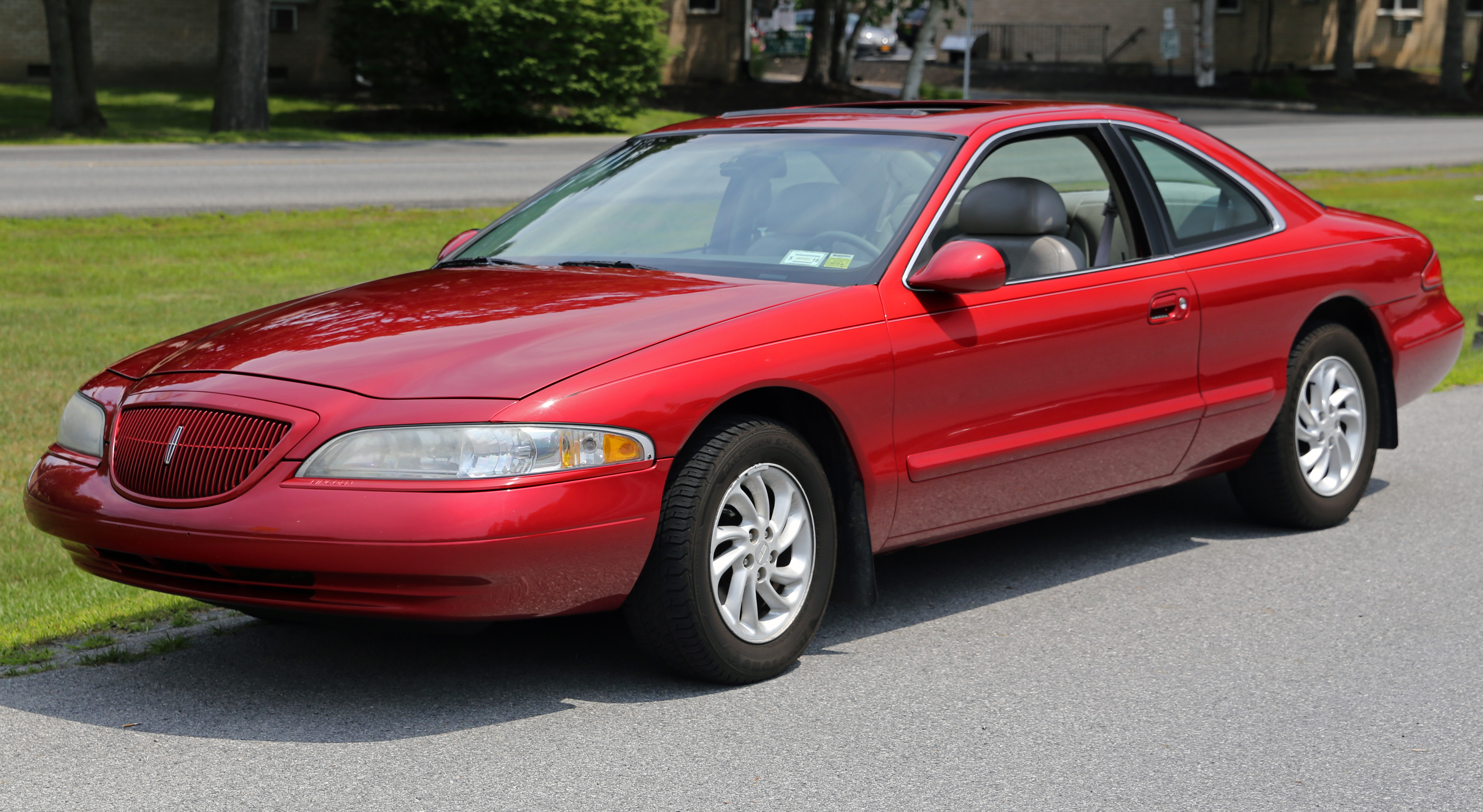
The Lincoln Mark 8 is a luxury car that was made in the 1990s. It was often seen as a car for older people, like dentists, because of its comfort and style.
The Porsche 911 GT3 RS is a special version of the Porsche 911 that is built for racing and high performance. It’s lighter and faster than regular models, making it very popular among car lovers.
Inflation means that prices go up over time, so money doesn't buy as much as it used to. This affects how much cars cost and how affordable they are for people.
The Pontiac Firebird is a type of sports car that was made in the United States. It's famous for being fast and stylish, especially popular in the late 20th century.
A halo car is a special car that a company makes to show off how good they can be. It's usually really fast or luxurious and helps make the brand look better.
Car
Cadillac Blackwing
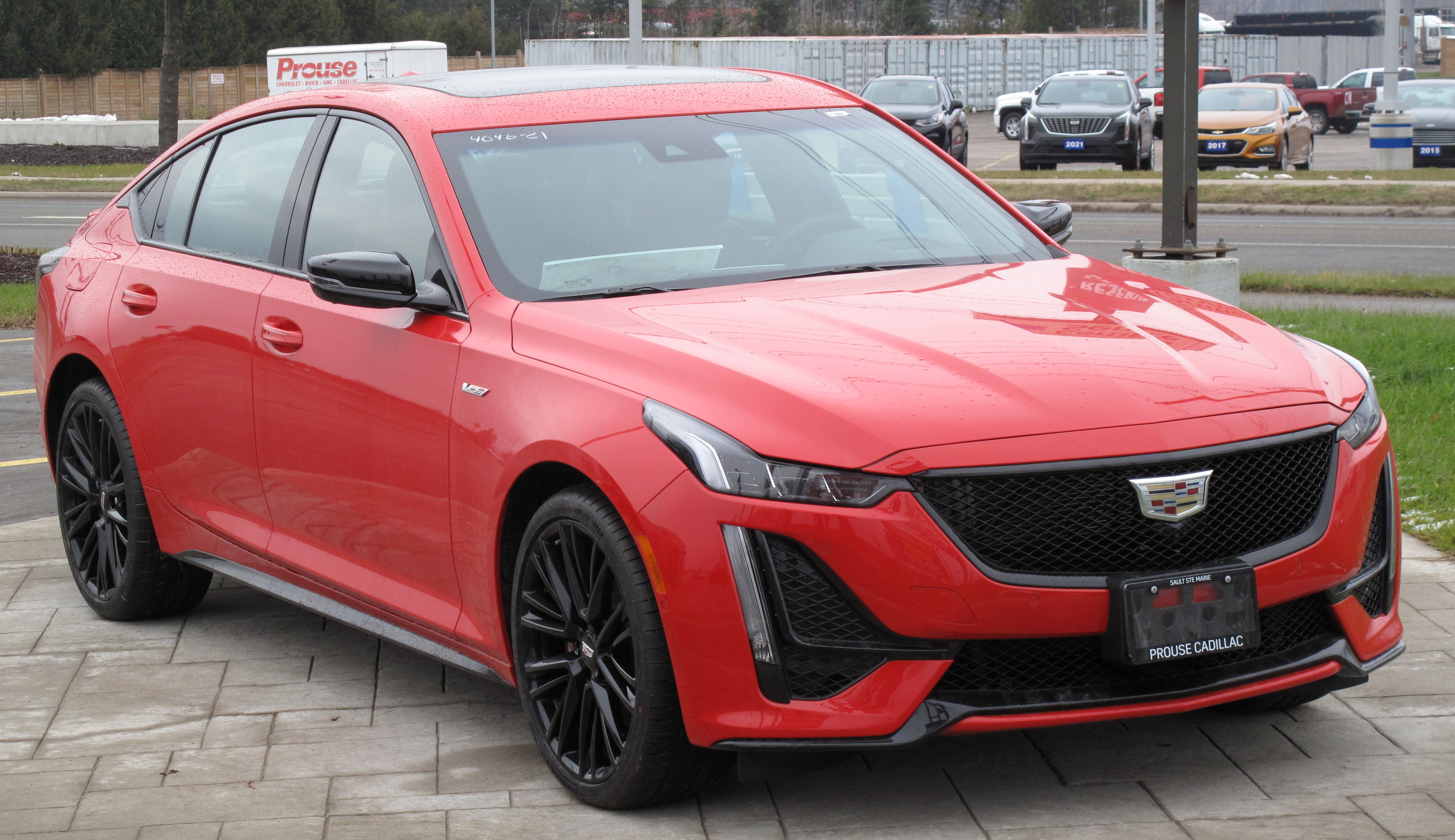
The Cadillac Blackwing is a fast and powerful version of Cadillac's cars, designed for people who want a luxury car that can also perform well on the road. It's part of Cadillac's effort to make more exciting vehicles.
The Cadillac Escalade is a large luxury SUV that offers a lot of space and comfort. It's popular among those looking for a high-end vehicle with plenty of features.
The Cadillac Celestiq is a new electric car from Cadillac that focuses on luxury and high-tech features. It's part of Cadillac's efforts to create more electric vehicles.
Le Mans is a famous car race that lasts 24 hours. Cars compete to see which can go the farthest in that time, making it a big test of speed and endurance.
3000 horsepower means the car has a lot of power, which helps it go really fast. It's much more than what most cars have and is usually found in race cars.
The automotive supply chain is like a big team of companies that work together to make cars. It includes everyone from those who provide the materials to those who build and sell the cars.
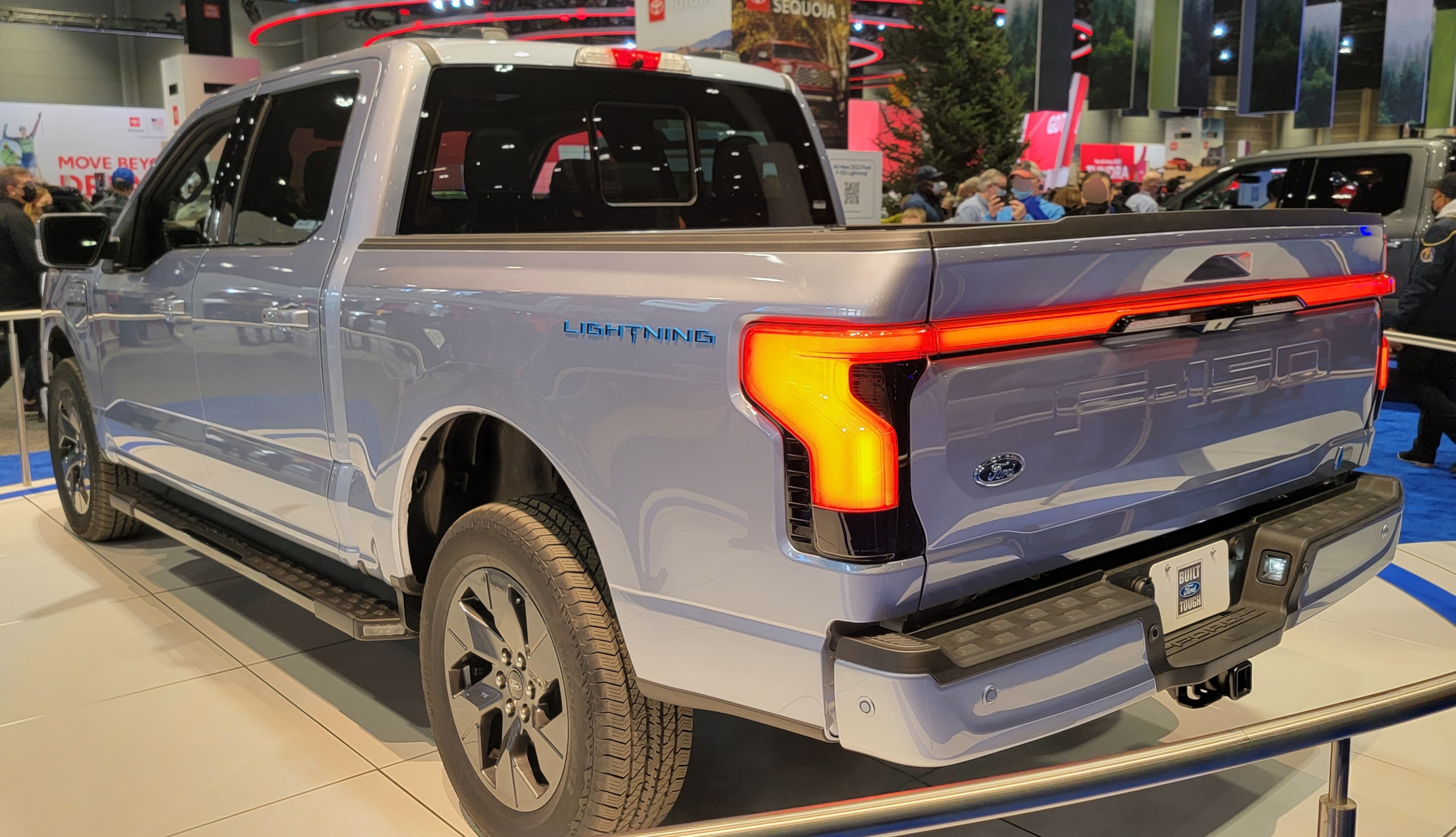
The Ford F-150 is a popular truck that many people use for work and everyday tasks. It's known for being strong and reliable, and it's often talked about because so many people own one and love it.
The Chevy Suburban is a large SUV that can carry many passengers and cargo. It's often used by families or for work because of its size.
LIVE
Uh, what's the name of this pod?
Oh yeah, what's our show?
The podcast is tired.
The car podcast for people who understand that cars are bad.
With your friends, Rory Carroll, Matthew Riley, and me, Peter Hughes.
I feel like there's more car news up there.
There's been a lot.
And I do have, I do have, I mean, there's been some big,
I mean, did we just, did you have stuff in mind, Rory?
No, my mind is totally blank and has been for weeks.
So I don't know anything.
I'm happy to react to things.
I know that there's the new little Land Cruiser thing,
the little baby Land Cruiser.
Do you see that?
Oh, the Toyota, the FJ or whatever?
Yeah, it's like a Wrangler size, yeah.
That we don't get.
We're not gonna get.
No, probably not.
But it looks cool, yeah.
I did see that.
Did you see, there was that, there was,
did you see they stopped producing
the ID buzz, Volkswagen?
Yeah.
The little van.
I saw that.
I did see that, sagging demand.
Yeah, it's tough.
People are shocker that nobody wants a $70,000 electric
mini van that would be a great road trip family vehicle
except that the range is like less than 200 miles.
No, it's like 222.50 or something like that.
I mean, I honestly like.
I think officially, I think that's the claim.
I think the real world numbers
are considerably lower.
It honestly like the price thing is,
it's tough but I always like,
I always, my initial response is always like 70 grand,
like that's a lot of fucking money.
Cause like, you know, in my head,
it's like, that's like a Dodge Viper.
But, you know, I always also have to look like
the average transaction price in the US is like over 50.
So like the average car in the US is over 50.
It's now 50.
It's officially above 50.
Yeah, so it's like.
Fucking crazy to me.
Yeah.
So it's like, I don't know, is that crazy
or does it just seem like a lot to me?
Cause I'm cheap.
I don't know.
I think the consensus does seem to be
that it's too expensive.
But I think about like the way that we use
a car in town and like the ID buzz
would actually be perfect for us
as far as like, you know,
like if we had a whatever wagon
or whatever to do trips out to New York
or like a longer road trip stuff
and then had an ID buzz for like our day to day car,
like it would be much better at day to day stuff
than the Rivian is.
Easier to get in and out of,
easier to load kids in and out of.
There's more seating and it like is not,
you know, it's like less car.
You know what I mean?
It's not as fast.
It's not like, it's crazy.
Yeah, yeah, yeah.
And it like, it would actually make a ton of sense
in our lives, but at that point
it would be a third modern car,
like a third grown up car,
which is just like, I don't have 70 grand to spend.
In fact, I don't have,
I think I literally have negative dollars
in my bank account currently.
So I don't, you know what I mean?
Like it just doesn't enter into,
but that was like our original plan.
Like before we bought the Rivian,
my plan was to buy an ID buzz,
like a base ID buzz and keep the GX.
So keep the GX for like a road trip car,
but the ID buzz was gonna take forever.
And the Rivian I was offering as leases.
So we got the Rivian.
But I think like that to me is like,
that kind of is the use case for an EV
is like a in town, super practical runabout.
That's the thing.
No, perfect.
I mean, if, especially if you're a homeowner
or if you, if your situation is such
that you have a place to plug it in routinely,
whether you can charge at work or whatever.
Yeah, it makes all the sense in the world.
Fucking everybody should have EVs.
But if you don't have those things,
then it's a much more difficult proposition.
Totally.
And I just, yeah, the price,
it's another one of those classic like EV things
where it's like, if one aspect of the product offering
is slightly off, it doesn't work at all.
So it's like, oh, the price.
You know what I mean?
Like in a lot of cases, it's like,
it's like the classic thing
is like the EV pickup truck thing,
or it's like it does so much.
They're so practical for so many reasons,
but like the fundamental thing is like the full size
pickup truck buyer does not want an electric car.
The electric car buyer does not want a pickup truck.
Full size pickup truck.
Yeah, and like that's like, that's it.
And it's like, it doesn't matter
how technically impressive the car is,
what it can do, like all the different,
you know, the advantages versus a gas car or whatever.
It's like, if there's one thing that's off,
it kind of fucks the whole deal.
And I think like that's kind of the ID buzz thing too.
It's like, there's also any kind of gimmicky car
like that where there's like, oddball styling.
I think like the ID buzz is really successful.
Styling-wise, I think it's a really pretty car.
Oh yeah.
But.
No, people love it.
I mean, you know, I see him around town.
There's, you know, a handful of him around town.
And, you know, it always like, yeah, it's fun.
Yeah.
But like they have real colors.
It's a quirky shape.
It's like, yeah.
I think the average person though,
like the average car buyer
is very hesitant to have fun
when it comes to that kind of stuff.
Like it's like, they might like the idea of it
and they might like seeing them,
but it's like the idea of like,
ooh, can I step out and have a car that's not a Rev 4?
Like, ooh, I don't know if I could do that.
You know, it's like.
There's like extra performance tax
on something that has novelty value
where like it really has to prove itself.
Or else you start thinking that like maybe the,
maybe the novelty strikes you as kind of a threat
where it's like, well, why do they need to make it silly?
Like, what am I missing?
Is it, is this quite a trick me?
Is there novelty because it's not good?
Well, and you're also just kind of like,
you know, you're making yourself
a visible, you know?
Yeah, it's like you now become,
I'm not saying that like you're seeking attention,
but you become the center of attention
whether you want it or not.
Whereas like,
unless it gets like adopted on such like a wide scale,
you know, like the original Volkswagen Beetle
was very much that to begin with,
but then just became this ubiquitous thing.
And so it, nobody was, you know,
yeah, there's just so many of them around that.
I think now too, it's just like,
if you look at the way Americans live by and large,
like there's just a real hesitancy to
step out.
Attract attention to yourself?
I don't think that's the case.
I mean, I think there's a lot of,
there's a lot of attention seeking happening.
But as far as like cultural,
like kind of like signifiers, I think,
and like items that people purchase
as cultural signifiers, I think it's like a real-
Yeah, I can speak to your consumption stuff.
It's not even, like people like to consume,
but they'd like to consume,
like they like to buy a very expensive SUV
that 20 other people in their town also have.
You know what I mean?
But it's like, there is a,
it's like a hyper self-conscious sense of expression
where it's like, I want to attain the signifier,
but I want to attain the one that everyone agrees
is the good one.
You know what I mean?
It's like-
You can't be them.
You don't want, no, everyone's afraid to be the weird kid.
You're Lexus or you're Mercedes.
Yeah, and it's like, you think about like the,
you know, like that we talked earlier
about like this personal luxury coupe thing or whatever,
and it's like even something as kind of tepid
as like a Lincoln Mark 8,
which was like a dentist's car 10 years ago
or whatever, 20 years ago.
It's like, that'd be a big swing for most people.
You know what I mean?
Like that-
Totally.
Yeah, or like-
Like now I see that, that's just like
a fucking swashbuckling car, you know?
Yeah, it's like Batman.
Yeah.
But it's like, it is very interesting though,
because it's, you know, it's like on the other end of that,
there is like the Lamborghini buyer,
the, you know, the, that kind of like hyper expressive,
whatever, but even, I would say, even like in that world,
there is a tepidness about how those cars are specced
and like, I'm gonna buy a GT3 RS,
it's gonna be black with gray,
you know what I mean?
Or like, I'm gonna buy a,
because you gotta protect the resale,
you gotta make sure that when you resell it,
this is gonna be a market for or whatever.
It's a very strange, I mean, I, I mean,
that in a different, like we structured this differently,
it could be a really interesting episode,
is that now that I'm like kind of unpacking it,
it's a really strange problem
and it's a really strange problem for car makers to have too.
It's like, how do you hit that balance of like,
signifier that kind of like identifies you
as someone who has the money or whatever,
or like the environmental credit
or whatever that, whatever you wanna get,
but doesn't, you don't stand out too much.
You don't, I mean, like you don't,
it's a really interesting puzzle.
I think it maybe ties into what we were talking about,
we were just talking about like optimization
and how like everybody's hitting,
you know, it's not weird anymore
to hit 61 homers in your season or whatever.
Like there's something we said about the atmosphere
of optimizing and a sort of hitting
kind of an exact spec of like,
it's like how TikTok people will do like the trends
where it's like, oh, I'm doing clean girl now
or whatever, where it's like there's a specific set
of signifiers that you pick up
that people really zero in on
and will put together in these really specific arrays
so that by having all of those,
the collective effect gives you what you need
to be in that mode that you're trying to hit,
but it's also the same mode
that 20 other people are trying to hit around you
and so you're all sort of fit,
but nobody has to bear the burden
of being like the non-conformist or whatever
where like doing all those things you wanna do
is seen as weird.
There's enough people in your niche
because your niche is in some way about optimizing, you know?
And it's, yeah, there's like a vernacular around like,
yeah, like, you know, like this is all within
the common vernacular or whatever it's understood,
but it is interesting too.
It's like, you know, I hadn't thought about
like the tic-tac part of it,
but like there are all these
hyper-niche, very online driven examples of that,
and it's like in my head,
I'm thinking about like my neighbors
who are like the houses up here,
the modern farmhouses that are like white
with black shutters and have like the Ford and Batten,
and it's like, I started noticing this.
The rustic farmhouse, what's the couple
that does the-
Chip and Joanna Gaines.
Yeah, that shit.
But it's like-
Everything's gray.
I started noticing that years and years ago,
and it was like such an interesting thing
because like, you know, it's like all these trends too.
It's like when those came out,
like when that first hit, it was like,
oh, that's a very unusual looking house
to do like white and black.
Like no one was really doing that.
Like it was all topes and you know, whatever, grays.
And then there's like this, you know, very striking.
And then it's like now they're everywhere,
now everyone has one.
And it's like everyone's looking for their way
to have like this individual expression
of who they are within a hyper-tight set of,
you know what I mean, set of mores or whatever.
But yeah, too bad about the ID buzz.
Yeah, too bad about the ID buzz.
I mean, it's like-
I wonder if, I mean, like, I wonder if just,
and obviously this doesn't apply to like people
with like, you know, GT3 RS money or whatever,
but just the, as cars have kind of got,
I mean, and you know, and they have gotten more expensive.
They've outstripped inflation, you know?
It's like, it's, you know-
The bigger part of your income.
Yeah, and I wonder if just like,
because it is so much bigger an investment for most families,
it just makes more consumers like that much more conservative
about their choices, you know?
I think that's-
Like you say, like resale stuff, you know,
like picking like the safest colors or whatever.
I think that's a big part of it.
I think, and I think too, like,
it does apply to people with GT3 RS money
because it's like, no matter what anyone's buying,
in most cases, they're stretching for it.
So like, even someone who's a GT3 RS,
you know, you might think of 20 years ago,
those people being like, you know, like the fuck you,
this is a toy, like this is just for me.
But it's like, I think everyone's kind of self-conscious
about like the fact that they're spending more money
than they probably would like to on the stuff.
And I also think-
Which makes like the parallel to like those,
those, you know, rustic identical farmhouses
or whatever, like that much more apt
because it is, it is more on the order
of an investment like a fucking house.
Yeah, yeah.
I think too, the other parallel thing that's happening
is probably driven by a lot of these factors too,
is like the car companies,
so like the special order car
is an extremely rare thing now, you know,
it's like car companies are specing cars
and then even in the case where like you try
to do a building price on a website or whatever,
like you're getting pushed into a car that already exists
and mostly car companies, because everything's optimized
because they know what's gonna sell,
like car companies have built the identical gray
middle package, like that's what they're selling.
And it's like, that's, I think most people,
the process of buying a car is so exhausting
to think about in the first place,
I would guess something like 95% of people
are just like going to the dealership
and like having the guy get a car, it's like.
Just going to a few states.
Yeah, totally.
Yeah, and like, all right.
Yeah, it's like going to a restaurant
where the menu is just way too big,
you know, it's like my favorite kind of restaurant
is the kind where you just fucking walk in
and they just start bringing you food
that you don't even get to ask, you know?
It's like, yeah, you just choose for me,
tell me what I want.
Yeah, I think that's a pretty common,
it's fun, it is funny too, because it's like,
you know, even as a kid, like I don't think
my parents ever bought a new car when I was a kid,
but I remember like neighbors going
and like ordering a car.
Oh, my dad did for sure.
Yeah, when he bought his Firebird,
I mean, he went and he specbed that out
exactly how he fucking wanted it.
Yeah, that's not, I don't,
I mean, that's very rare.
Like down to the rear end, you know,
the axle ratio or whatever.
Yeah, it just doesn't happen like that anymore.
And I think like it's,
that also ties back into that, like,
there's a degree too, this is like,
this is becoming a book level discussion
about the ID buzz, but there's a level of it too
where it's like people are so beat down
where it's like the joy of choosing
and the joy of building
and kind of like, you know, self-expression
of making those types of choices
is just gone for most people where it's like,
you know what, fuck this, like, just build me the house.
I don't care what it looks like.
Just like how many bedrooms?
Okay, great.
And it's like, you know,
people are so mentally exhausted by their day to day life
that I think the idea of like sitting down
with a spec sheet, even for me,
like the idea of sitting down with a spec sheet
and like trying to choose an axle ratio,
it's like, I don't fucking know.
Just like, you know what I mean?
It's like, just do it the way you want to do it.
I don't fucking care.
Yeah.
Question though, like, I mean,
something that has become,
I feel like increasingly popular
just online over the last, you know, 10 years.
It's just the online configurator, you know,
where like, as soon as a new car is introduced,
you know, it's like, it seems like a big part of it.
Like how people, you know, it's like this gamified thing
of just like, yeah, go to the configurator
and you can spec out, you know,
and all the car nerds go and, you know,
pick their colors and wheels and whatever.
But it's never occurred to me that like,
is that a way for manufacturers to gauge,
like what, I mean, because nobody's actually
specking those cars out and then ordering them.
You know, it's always just like,
you do the configurator thing and then like,
they show you like within 500 miles,
like the cars that are closest to what you picked
and that you can go to the dealer
and buy or whatever the availability.
It's not like, you know, you press, you know, order
and they build it to your specs.
So is that just a way for manufacturers to gather data
about what like consumer preferences?
No, I think at that point,
like I'm sure that is being stored somewhere,
but by the time the configurator comes out,
those decisions have kind of been made.
Like those cars are built,
like the suppliers are ordered, you know what I mean?
Like everything's kind of set.
It really is just a marketing scam
to get leads for dealers.
So it's like, you know, it's like,
send your wife or whatever your spec
or whatever, send your friend or whatever.
It's like, okay, then they have your email
then they can continue to kind of harangue.
The funny thing about that is though,
is like, luckily dealers being like
the maybe laziest type of people in the country
don't ever follow up on leads, obviously.
Like they have your phone number,
they have your email, they have all your information,
but it's like, fuck, I'm not gonna call somebody.
Like some old lady's gonna come in here today
and I will sign her up for a 20% interest rate loan.
And that'll be my week.
Like I'm not gonna call somebody.
It is too bad about the ID buzz, I wanted that to work.
Yeah, the other thing that makes me think about
is just something I noticed in myself recently.
And I wonder if either of you guys share this
or if this is a wider signals.
Like it feels to me like a little bit of a vibe shift.
I saw a story the other day about Cadillac
committing to like a next generation of ICE sedan,
like internal combustion engine sedan,
which is kind of a little bit of a surprise.
And what I noticed was my reaction to that
was a little bit surprising to me because like,
I mean, on the one hand, I welcome that,
that's great news, that's cool, those are cool cars.
But like on a deeper level,
like almost like a subconscious kind of gut level,
the way I registered it was like,
it feels like willfully almost reactionary,
like old fashioned.
Like to me at this point,
any manufacturer announcing a new,
like a new car or a new product line or whatever,
that isn't like, that has like no electrical component
that isn't like even like a hybrid.
It seems almost reactionary to me.
I don't, I mean, there's like a bigger thing to that.
I think like, I think in the specific case of the CT5,
they still sell pretty well
and the Blackwing is still kind of their halo car.
Those sell very well for what they are.
And I think that's the decision there.
For what they are, I mean, they're not like,
I mean, it's not a volume leader.
The Blackwing is not like a volume car.
No, but for a $100,000 performance car,
like they sell pretty well
and like they're probably making money on them.
And I think like it's well liked within the building
as far as that GM, like they like having that car,
gets great press, like it's a good relation,
it's a good, you know, halo effect for the brand overall.
And I also think like there's not another path
for them to do that.
Like there's not another car in their immediate future
that does all that stuff for them.
You know what I mean?
Like, if they killed CT5, they have a bunch of EV stuff,
they have Escalade, but there's no like real performance car
that anyone's excited about from Cadillac.
If they kill it.
They got to make a Celesta Q V-Series mini.
Oh yeah.
Like Maxi, like fucking, I want a Celestix at Le Mans.
3000 horsepower, yeah.
But I think in that specific, I do think there is...
Like a Le Mans stair Celesta.
Like it's impossible to pass
because it takes up the entire length of the corner.
Yeah.
Put your cap on and just whip it out.
Come on.
I have thought about this too, the kind of reaction.
I don't feel like it's reactionary
more than in the sense of like it's business.
You know what I mean?
It's like the...
Yeah, I don't mean like reactionary in the political sense.
Yeah.
Yeah, yeah.
No, but I think...
But still kind of like in the sense of just like being
like kind of willfully just old fashioned, you know?
Yeah, I don't.
So I think what's happening is like there was a ton of...
This is my read on the whole EV thing.
And this is like what I've been saying about it for years.
But in the early aughts, like the teens I think,
people on boards at big companies
were looking at Tesla's share price.
And they were like,
these guys cannot manufacture a car to save their lives.
They're not profitable.
Why is their share price $600 and ours is $50 or $40 or whatever?
We made $12 billion last year.
It's like why do we not have this number?
And I think like there was a period
where US auto executives would try to explain
executives of bigger companies would try to explain
to their boards like, oh, this is fake stock.
This is like not priced in the traditional way.
This is not a rational response to earnings
or future earnings or whatever.
It's a meme stuff.
Yeah, and then there was a period after that
where the boards are like, okay,
but we still want to have that number.
You know what I mean?
Like you can see like car companies that are publicly owned
and are very responsive to their boards
are the ones generally that made big pronouncements
about like, oh, we're gonna be all EV by whatever.
And there was kind of like a class
of more independent minded automakers.
So like Toyota is my example or whatever
who was like, this market's not here.
We're never gonna make money doing this.
What's the deal?
And then I think there was kind of a tepid
and kind of like what you could interpret as an automaker
as like some support federally for this.
Like, hey, if this starts to take off,
like we feel good about it.
Like, you know, we're gonna be behind you
in these couple of tepid little ways or whatever.
And I think like as the market,
because the federal federal support for it was too little,
the market never gel, they're materialized.
You can never really incentivize Americans enough
to make that switch.
And then it started to fizzle
over the last four or five years, maybe two or three years.
And then when Trump came in,
it was like, you have permission to not do this now.
And it's like, it's not about,
but it's like a car company.
The talk goes from EVs potentially becoming mandatory
to EVs potentially becoming banned.
Well, and we've talked so much
about the infrastructure part too.
Like, if you don't believe there's gonna be
any top-down support for that, it's jover.
Like, give up.
The average American can't even,
like the average American is putting their groceries
on a pay-in for.
They can't buy EV charging infrastructure themselves in no way.
Yeah, I think there was a time when it was like,
as a car maker, you felt like for your investors
and for kind of currying favor with the Feds or whatever,
like EVs were kind of like a thing that you had to do.
Like everyone kind of felt good around,
like not necessarily a currying favor,
but just like having like, it was like what we were doing.
You know what I mean?
Like, it's what everyone's gonna do.
And like, if you give automakers permission to,
to regress to a more profitable product,
they will regress to a more profitable product.
Like that's like, you know, there's a lot,
there's a big thing in auto journalism
where it's like, his car companies are doing evil stuff
and they're bad companies or whatever.
And it's like, no, it's like the Nietzsche thing
where it's like, you can't get mad at the hawk
for eating the rabbit.
It's like, the hawk eats the rabbit.
That's what he does.
It's like, this is not, you know what I mean?
It's in his nature.
Yeah.
It's an immoral versus amoral situation, right?
Yeah, but it's like, it's like a corporation
of any kind, I'm sorry.
Like it's like, it is a very liberal understanding
of the world to believe that there are corporations
that have some kind of like moral framework
that like directs their actions.
Like this whole thing is about making money.
And if you are the CEO or whatever,
no matter how good of a person you are or are not,
if you go to your board and say,
hey, we lost a bunch of money, that's it.
You're gone.
They'll find somebody who's gonna make the money.
It's like.
No, that's capitalism.
Ultimately, you are beholden to the shareholder
above all else, all of these corporations,
whether you can make fucking cars or medicine
or weapons or fucking computers or whatever.
Ultimately, what your business is,
is making money for shareholders.
Exactly.
And it's like, that's like, and there's like,
like I said, there's like a lib brain thing
in automotive journalism where it's like,
oh, this is evil or this is bad.
And it's like, no, dog.
No, like, it's efficient.
The problem is there's just a good company.
They're all bad because they are companies.
They're just companies.
That's the thing is like placing a moral judgment
on a thing that is fundamentally incapable
of having, of making moral judgments itself is crazy.
Like it's like, it's not good or bad.
It's a hawk.
It's eating the rabbit.
It's like, that's what the hawk does.
It's like-
Hate the game.
And that's why, like, that's the liberal part of this too,
is like the solution to that is to regulate
and place guidelines around like what they are able to do.
Like very specific guidelines about what they're able to do.
And like, that's like to be in charge of,
and to have control over the behavior
of these big amoral entities.
But it's like the lib brain thing is like,
well, no, we just need a good CEO who's nice.
We just need a good president who's cool like me.
And it's like, wrong.
Right, exactly.
You're incorrect.
Yeah, no, the only stimulus
that a corporation responds to is some sort of like,
like the only way you get results
is by attacking them in the profit-generating part
of the brain, which is like,
if you have a very,
if you have a very organized and very targeted
and very disciplined movement for, say, a boycott,
you can, it may be in some way,
influence the behavior of that corporation
to do one degree less evil
in a way that is really significant to you,
but it takes something at the scope
and level of diligence that like BDS has
to even make a fraction of an impact
on a corporation like that.
And even then you're hoping for the best, but like.
Yeah, and I think like the real answer is not like,
it's, you know, it's like the,
listen, the company or the country
who has successfully done their EV conversion
and who has successfully done their solar conversion
is the country that is not asking corporations
what they think they need to do to make money.
They are telling them you are going to make electric cars.
You are going to make solar panels.
And that's the thing.
It's like, yeah, gotta have those guardrails.
Otherwise it's impossible.
It's like, again, what do you expect?
It's like, I love, I love people getting mad
at car companies.
I love people getting mad at drug companies
or whatever.
And it's like, this is what it is.
Like this is what the thing is, you know what I mean?
Like you can't, you can't get mad at it for being the thing.
This is the whole order of our universe is set up
to make this thing the thing.
And you can't get mad now.
No, it's this, it's the system.
I mean, the companies are the product of the system
in which they exist.
And that doesn't mean it can't be different.
Doesn't mean it can't be better.
Doesn't mean it can't be something else.
Yes, you can have a different system.
Yeah, it is not, the CEO of this company
is along for the ride, just like everybody else.
It's like they're not, they're not a rational,
or not, they're not a rational,
they are a hyper-rational actor in this exact scenario.
Highly optimized actor in the system.
Well, and of course you have the other problem
that by, it's like the classic live maneuver is to be,
like you said, described like,
well, if this company had a better,
more morally upright CEO, it would solve problems
which pulls people away from recognizing
the actual issue at hand,
which is that the whole fucking system is bad and wrong
and we have to tear it apart with our bare hands.
But anyway, we can all see the,
did everybody see all the living out
that happened last weekend
and how the world is totally and materially better now?
My conditions have changed for sure.
I was on Mackinac Island.
Nice.
Oh.
A world without cars.
Actually, they do have some cars on the island.
True.
Do you guys want to talk about the,
some troubles going on in the auto industry?
New ones?
More of them?
Not really.
Now who's in trouble?
There's some, there's some,
there's kind of a lot of these stories
that have been in the news.
Rout row.
Kind of touching a lot of different bases,
but this is from just from a couple of,
a few days ago in the Wall Street Journal.
And this is just a fun article
because it taps on a number of these things
that have been going on.
The auto industry's bruising year
of back-to-back supply chain snafus.
It says assembly lines inside a Michigan factory.
And Maddie, you can go to the droney doom music
for this.
Our article reading music is Sarangas by Frugivore
from the album Void,
which I will link to you on Bandcamp.
Yeah, thanks Ben.
Assembly lines inside a Michigan factory
that turns out high-end Jeep SUVs
ground to a halt last week
and won't resume production until early next month.
The cause according to an official
for the United Auto Workers
is a shortage of aluminum.
Ford has paused production at three plants
for the same reason between the two automakers.
Thousands of workers in Michigan and Kentucky
are now collecting unemployment.
The automotive supply chain,
a sprawling web of companies across the world
is in focus in a way it hasn't been
since the early 2020s
when a severe shortfall of semiconductor chips
hobbled the industry.
The early 2020s, mind you, this is 2025.
So we're just talking about like the...
A couple years ago.
Yeah.
So I mean, you could just say it's been ongoing since then.
Auto executives routinely tout a lesson from that moment.
Don't rely too heavily on any one supplier.
Now supplies of multiple items
are gummed up at the same time.
The confluence of issues is once in a lifetime,
said Sam Fiorani,
an analyst with consulting firm Auto Forkast Solutions.
I feel like anytime we're talking about
once in a lifetime things
at this kind of juncture in history,
it's like...
Yeah.
We haven't seen this happen before.
The lessons learned from semiconductors
should have prepared the manufacturer
for some problems in the supply chain,
but all of these at once are unforeseen
and very difficult to navigate.
All of this is rattling an industry
that has already been hampered by billions of dollars
in tariff payments and costly pivot away
from electric vehicles.
Last week, General Motors said the EV pullback
would cost it $1.6 billion.
Stalantis unveiled a $13 billion U.S. investment plan
that will help defray its tariff bill.
So I'm not clicking it.
I mean, that's a link.
I'm not clicking on that link.
13 billion seems like a lot of money
to invest in order to defray a bill.
U.S. car sales are on pace this year
to end slightly above the $15.9 million sold in 2024,
according to S&P Global Mobility.
Next year doesn't look too promising.
However, total production and sales are expected to dip
with tariffs weighing more on automakers
and the average price of a vehicle remaining elevated.
Now around $50,000.
Talks a bit about the tariffs.
Industry-wide, the cost exceeds $12 billion.
And then apparently this aluminum shortage
is because of a plant in Oswego, New York,
which is just an hour or two east of here
up on Lake Ontario, a town that I've driven through
and that my buddy Herman likes to go.
He knows, he has some friends with bars there
that he likes to go and hang out in Oswego.
But yeah, they had a big fire a few weeks ago and,
yeah, Ford obviously, I mean, their big seller, the F-150,
is made entirely out of aluminum, so they're kind of fucked.
But also, Toyota, Hyundai, Volkswagen,
Stalantis all rely on aluminum from this factory.
Three-alarm fire on September 16th brought down
part of the factory's roof,
requiring 26 area fire departments to extinguish.
Cause remains under investigation.
Anyway, yeah, at the same time,
at the same time, a strange and ongoing geopolitical dispute
is causing more concern that car production
around the world could be upended in a matter of weeks.
Have you guys been following this story about Nexperia?
No.
Nexperia is a Netherlands-based chipmaker
that, based in the Netherlands,
but all of their manufacturing is in China.
And at some point, a few years back,
they were in some trouble,
and so Nexperia got bought out by a Chinese parent company.
So this big Dutch chipmaker that makes all of their stuff
in China and is actually owned by the Chinese,
basically they trump like, basically threaten the Dutch
and said that we have security concerns about these chips
and we need you to expropriate this company
from its Chinese parent company, and so they did.
So the Dutch have taken over the Netherlands, the country,
has basically stolen this company from its Chinese owners
despite the fact that all of their manufacturing is in China.
And so what China has done, it kind of tit for tat,
I mean, the way that China has been kind of responding
to all of these tariff and industrial threats coming from the US
has been not to escalate, but just to kind of map
the match, it's like, okay, well, if you're doing that,
then we'll do this.
And so the Chinese response to this
is basically just to stop exporting like these chips.
And which is potentially having some big consequences.
This is a tweet from a woman named Kathleen Tyson
who points out the most dependent companies in Europe
for components from frozen and sanctioned Nexperia
are Volkswagen, BMW, Stellantis, Bosch,
ASML, which is another Dutch chip maker,
Siemens and Airbus.
Germany wasn't deindustrializing fast enough
to please the Trump administration.
Substitution of alternatives will take 12 to 18 months,
just in time sourcing means production shut down
in the interim are inevitable.
Nexperia was efficiently delivering
more than 90 billion components a year.
The scale of Netherlands sabotaging of Europe
is massive and likely permanent.
And then she quotes, I don't know where this quote comes from,
but she says, if Europe steals Russian sovereign reserves
while going around stealing Chinese businesses
because the Americans told them to,
then Europe becomes uninvestable
and the Euro and Sterling become unusable,
not just for China and Russia,
but for anybody that is not the US or under US control.
Think about what that means for European prosperity.
So, so yeah, that's fun.
Back to the Wall Street Journal.
John Bozella, chief executive of the Alliance
for Automotive Innovation,
says, which is the top US car industry group,
warned that the Nexperia situation could deteriorate
quickly and affect the global economy.
If the shipment of automotive chips doesn't resume quickly,
it's going to disrupt auto production in the US
and many other countries
and have a spillover effect in other industries.
It's that significant.
So yeah, that's all happening.
Meantime, this is from a recent report
that Financial Times story German industrial output
falls to 2005 levels as auto sector craters.
This is based on August data that is just in,
overall industrial production fell 4.3% in August
compared with the previous month,
but output in the all important car industry in Germany
is down 18.5% over the previous month.
Dropping like a stone says global head of macro,
Karsten Brzezinski wrote in a note to clients.
Yeah, I mean, I think that, you know,
a lot of these indicators are out there
in the economy saying like, all this is fake,
it's going to blow up,
we're headed towards an irrecoverable recession or whatever,
but the corollary, the other part of that is,
what if AI fixes it?
Or just what if it doesn't just doesn't happen?
I mean, that is honestly like that.
I've been in doom and gloom mode
on the broadest economy since like 2014 or 15.
Cause it's like, you look at stuff
and you're like durable goods orders are way down.
This is no one's buying equipment
for their factories anymore, yada, yada.
And then it's just like, you know, years past,
you'd be like, oh, with the next six months
we're going to have a major like correction or whatever.
And then it's like, what if we just don't?
What if we just don't?
Listen, sometimes you're in high school physics
and then you're making that toothpick bridge
and you just keep putting more weight on it
and everyone's like, this could go forever.
We're out of weight.
We made the perfect bridge.
We're out of weight.
Yeah, I remember, I was telling this story the night
but I remember I met this guy from,
did I tell you the Black Rock story?
Okay, did I say this on the pod?
Yeah.
Okay, anyway, yeah, that, again,
we're just like, yeah, this doesn't seem good or right.
And then it's like, I don't know, maybe it is.
We're all on a lose-franchic tip
where it's like, no, the market will crash.
Just wait, it will, but I don't know when, but it will.
Yeah, yeah, I mean, that's true.
If you keep predicting that, it will eventually happen.
I would have been wrong so many times predicting it.
But I think, look, I think AI has this.
I think someone, someone is at the Fed right now
is trying to find the right prompt to put into chat,
GTP, GPT or whatever.
That's like, how fix economy?
Economy bad fix, like those types of things.
And like, eventually it will come back
with the correct answer and then we're good.
Yeah.
I think.
It's gonna say, that's a great insight.
No, it's not only great, it's fantastic.
And we're gonna walk you through the steps
to fix the economy.
You could say, okay, chat, GTP or whatever.
Give me a solution for this aluminum bottleneck
that's happening over here.
And they'll be like, have you Googled?
The aluminum, the aluminum thing seems,
that's kind of like an old school supply chain thing.
I mean, that's just, you know, okay, there was a fire.
We understand.
The other stuff, the trade war,
tariff, expropriation of Chinese companies
whose factories you don't actually have control over.
Yeah.
These feel like larger and more systemic
and maybe unnavigable things.
There's also the, this is from the telegraph
from a couple of days ago.
Americans can't afford their cars anymore
and Wall Street is worried.
Goldman Sachs president warns
it's not going to be pretty as default fears mount.
This conversation has been happening though too.
Like, that's the thing is like, we've been,
I remember thinking like eight years ago,
it's like, oh man, this feels a lot like the housing crisis
where it's like everybody has these assets.
Yep.
The graphs should look funny.
They should look similar.
It's funny that everything looks the same as it did then.
Well, and it's operating the exact same way
where they're pooling these kind of securities together
and selling them are basically like betting on them.
But I mean, there's a Jacobin story about this too.
Tri-color holdings, a large subprime auto lender
and used car dealer filed for chapter seven,
bankruptcy on September 10th.
First Brands, a major auto parts supplier
followed suit on September 29th,
falling for chapter 11.
These firms financial intertwinement with Wall Street
is exposing something structural
beyond the decline of two companies.
UBS holds over $500 million in debt exposure
to first brands while Investment Bank,
Jeffries last week revealed its $715 million
involvement with the company's invoice financing scheme.
JP Morgan, BlackRock and Fifth Third Bank
all stand eludes hundreds of millions of dollars
in the collapse of Tri-Color,
a company once hailed as a progressive ESG certified
that's environmental, social and governance investment.
Tri-Color bankruptcy proceedings estimated
total liabilities between one and 10 billion.
Two stories can be told here.
One concerns a four-fold increase
in non-depository financial institutions like Tri-Color
with funding from commercial banks
with which now totals $1.7 trillion
according to Barron's second story feels like a flashback
to the foreclosure crisis, tranches, tranches,
triple-a rated asset tax securities
are going belly up after vulnerable consumers
were extended credit, some more predatory lending stuff.
Yeah, I mean, it is exactly what you said, Rory.
Yeah, it's like the signs are all there.
And it's like, you know,
that we've talked about this in the pod before too,
but it's like, hey, I can't afford my Chevy Suburban
or whatever.
And I was like, well, we'll just,
you can just roll it into another one.
It's like, just keep it going.
And it's like, it's kind of like
a modern monetary theory thing
because it's like, you know, it's like, I guess,
I guess, yeah, you can just do that.
You know what I mean?
It's like, what's the difference?
The bank keeps approving your credit.
They keep putting you in a new car.
You keep making the payment kind of.
It's like, can we just do that forever?
It's like, yeah, I guess we can.
It's like, never mind the fact
that you owe half a million dollars
on a 10-year-old Chevy Suburban
or whatever that you haven't driven.
That's like on its fourth owner now.
You know what I mean?
But it's like, as long as the jig's never up,
as long as like it never gets called.
Well, the thing is, can you just do it forever?
I mean, it's, I mean, no, but the fact that all of Western capitalism
the entire global economic structure
of the planet depends on it continuing.
That's what I mean.
It's like, I think the big lesson
from the housing crisis was just don't let that happen.
And it's like, so it's like, whatever needs to happen,
bail out wise, whatever needs to happen,
like kind of safety net wise is what'll happen.
I think that's like, you know, people are like,
oh, no one learned a lesson from the housing crisis
or whatever, like people are still behaving recklessly
with their investing behavior
or whatever packaging the stuff up.
And it's like, I think the lesson is that politically
it's impossible to imagine anybody letting that happen again.
So it's like, these behaviors aren't,
we didn't learn a lesson.
I think the people who are doing that.
The lesson is we can get away with this forever.
Exactly, that's the lesson.
Yeah, that's the lesson.
And it's like, not only that,
but like the risk of the government
being kind of late to intervene
and like intervening at a point
where like things have already gone very bad.
Like I think the lesson here is like
the government will be very proactive.
Like not just the US government,
but like governments globally,
like nobody wants to see that happen again
and no one can afford to have that happen again.
So it's like, that's the-
Well, I mean, it is, I mean, that is true in one sense,
but the countervailing factor
is that we are no longer talking,
you can't talk about the global economy
as being a monolithic thing anymore
because increasingly it is becoming
two distinct things.
And with this kind of East West divide
or global South divide,
however you want to frame it.
And I mean, and this tweet,
there's that Walter Bloomberg guy posted this thing yesterday,
Trump administration considering plan
to restrict globally produced exports to China
made with or containing US software sources say.
And that guy Arnold Bertrand replied to this
and says, and this is great.
And it kind of, it speaks to what I'm talking about.
This is easily the most suicidal idea
that Trump administration has cooked up in its trade war.
And that's a high bar.
In effect, this would make American technology radioactive.
Any company touching US software, Microsoft, AWS, et cetera,
becomes ineligible to do business
with the world's largest economy and PPP terms,
meaning China of course,
a German auto supplier using windows
can't sell to Chinese car makers.
A Japanese manufacturer using Amazon, too bad,
you lost the Chinese market.
If those goes forward, we're likely to see global companies
rushing to purge every trace of US software
from their tech stacks.
God, I wish that were me.
Wang Yi said recently that if the US seeks
to decouple from China, it will achieve,
all it will achieve is to decouple itself from the world.
This policy would vastly accelerate exactly that outcome.
And I do see that that, I feel like that decoupling
is becoming increasingly inevitable,
whether you're talking about it in industrial terms,
whether you're talking about it in monetary terms
with dollar being the global reserve currency.
That is increasingly not something that can be counted on.
Not something that can be counted on.
And yeah, I mean, it's just like the geopolitical currents
I feel like are moving in a direction that
that could make that ability to perpetually forestall
the house of cards falling, collapsing upon itself.
I feel like that's our ability to forestall that forever.
Yeah, I mean, yeah, I don't know.
I mean, yeah, it's like.
Could be waning.
Yeah, I would agree with that totally, except
for the fact that like everything that I understood
about what is real in the world
and what is like cause and effect, you know,
turns out to not be real.
And it's like, at some point, it's like, I don't know.
Like, you know, it's like, it's like,
it's all of the economics as a study,
as a pursuit is not really fixed to anything.
You know what I mean?
Like it's not like gravity.
Oh yeah, fake science.
Yeah, yeah.
Fake degree.
So it's like, I don't know.
I'm very interested to see like, how far can you push it?
You know what I mean?
And it's like, it's like, do you end up in some kind of like.
I think you'll get to find out.
Some kind of like Kim Stanley Robinson,
like a techno futurist, you know,
where it's like, actually there is no money anymore.
And we don't, you know what I mean?
It's like, that could happen.
Sure, you know what I mean?
Like it probably not in a good, like logical reasoned way,
but it's like, I guess, and I think like,
I've said this on the pod before,
but I think like, in a way that it has not.
I think that could, I mean, the thing is,
I think that could happen.
I don't think that could happen here.
Stand in front and blow us up.
And then we can get to the head of things.
But that's the thing is like,
everything feels on the table
in a way that it never has in my lifetime.
And I think like, you know,
whether that's a product of like some
self-induced economic catastrophe
or like an evolution towards something else
or whatever the thing is, it just feels like,
like I said, everything feels totally unmoored
where it's like, and it's like, too,
like the assumptions about what is conservative,
what is progressive, what is like pro-business,
anti-business, all that, like,
that stuff's totally out the window.
It's all just vibes.
It's like, you know what I mean?
Like that, like the traditional kind of like understanding
of like how we operate this big machine, gone.
You know what I mean?
Like it's like, I don't know.
I think like, I think probably the reality is
we will be isolated and things will crash
and get really bad.
But it's also like, I don't know, maybe it won't.
You know what I mean?
Like maybe something else will happen.
Who knows?
I just can't, like I said, I can't count on
or I feel like I can count on any like cause and effect.
You know what I mean?
We talked about this last week.
Yeah, you can't, nothing can be assumed to be a meritocracy.
And in fact, you probably get better results
by assuming that the more fake the thing is you're doing,
the better results you get from it.
But this is why economics is fake
and there is only one true discipline,
which is the immortal science of Marxism.
Thank you.
I thought you were gonna say kung fu.
But yeah, also kung fu.
That's true.
You have both, you're unstoppable.
That's true, everyone says that.
Can you imagine if you were the kung fu Marxist?
That's a good lane.
You could do that.
Someone's out there doing that.
We gotta figure out, we gotta find out.
Not very well.
If listen, if they were doing it well,
you'd know about them.
Well, it could be happening in China.
I don't speak, I don't know.
I don't know how to look at Chinese internet.
That's true.
Actually, a bunch of those guys.
That's a good point.
It's probably happening quite a lot in China.
I know.
Probably like a pretty common type of guy in China, actually.
God, I wish that were us.
Okay, so we have to, step one,
we're all moving to Australia.
Step two, we have to start a new pod
where we just find kung fu Marxists and interview them.
Yep, I think that's safe too,
because Australia eventually is just going
to be part of China, I think.
That's what we're gonna get there now.
We gotta get in before it becomes
like the Chinese protectorate of culture,
where it's like, okay, well,
we're in Australia, in special economic zone.
I gotta get there, I gotta go, I gotta bail.
We're performing kung fu Marxism research.
I gotta hop off in a second here.
Oh, you're fine, we've got tons of stuff.
Yeah, I feel like that might be a good place to call it.
Wonderful, excellent one.
Professor of kung fu Marxist studies.
The kung fu Marxist.
That's gotta be somebody's Twitter handle.
University of Sydney, kung fu Marxist.
Perfect.
I'm actually head of the kung fu Marxism department.
And I will be until someone can defeat me.
That's how it works, yeah.
No, you only give me the kung fu Marxist online
if you beat the last guy who had that URL.
It's a canon URL, you gotta get in there.
It's like being the president.
Yeah, God, I wish that were how that worked.
I think it'd probably be a little better, man.
It'd be like a black belt in Marxism.
I'm a yellow belt in kung fu,
but I'm a black belt in Marxism.
That's when you've read like everything,
like they do a spine check on your bookshelf
and they upgrade your belt.
Yep.
No used books, no cheating.
That's right.
All right.
Stay tired.
Let's work that way.
Stay tired.
All right.
Good one.
That's the weird one.
All right.
We've been weird.
Yes.
Yeah, I liked it.
Perfect.
All right.
There you go.
Peace.
Bye-bye.
About this episode
A lively discussion on the current state of the automotive industry, focusing on the challenges posed by supply chain issues, particularly an aluminum shortage affecting major manufacturers like Ford and GM. The hosts delve into the implications of rising vehicle prices, the hesitancy of consumers to embrace electric vehicles, and the broader economic landscape shaped by geopolitical tensions. They also explore the cultural dynamics of car ownership and consumer behavior, questioning how societal pressures influence purchasing decisions. The episode wraps up with a humorous take on the absurdities of the automotive market and a nod to the idea of a 'kung-fu Marxist' approach to understanding these complexities.
Today on Tired, we offer our eulogies for the ID. Buzz and speculate about what went wrong. Peter also brings news of more (MORE) troubles ahead for the German automotive industry, and Rory reminds us all that no corporation is your friend, your ally, or really even capable of moral good at all due to the system in which it operates.
As ever, our Peter Article Reading Music is "sarin gas" by Frugivore: https://frugivore.bandcamp.com/track/sarin-gas
Look forward to the Alloy launch soon to keep up with Rory & Fernando, who are here to fix your internet!
Get Peter's new record Half-Staff Blues here: https://peterpeterhughes.bandcamp.com/album/half-staff-blues
(And check out the guys he made it with: https://popfilter.bandcamp.com/album/trade-place-tape / https://snowynasdaq.bandcamp.com/album/the-apartment )
Your producer pal Matty, who writes these, has nothing to plug except of course, our Patreon paid tier where all our extra-fun episodes go. support my wonderful co-hosts ty ty ty ˖⁺‧₊˚ ♡ ˚₊‧⁺˖ BONUS BITS FROM THIS EPISODE coming in ep.95 for subscribers this week, because we had some very funny very long digressions. Apologies that these eps didn't both get out over the weekend due to technical difficulties, but look forward to ep. 95 and I hope you all enjoy ep. 94! Thank you for listening to the show!