Geely Motors is a car company from China that makes various types of vehicles, including electric ones. They have been growing by buying other car brands.
A fast charging station is a place where you can quickly charge your electric car's battery. It works much faster than regular chargers, so you don't have to wait long to get back on the road.
An EV, or Electric Vehicle, runs on electricity instead of gas. This means it doesn't produce exhaust fumes and can be cheaper to run because you don't have to buy gas.
An ICE vehicle is a car that runs on gasoline or diesel fuel. Most cars on the road today are ICE vehicles, which use an engine that burns fuel to create power.
The Pontiac Vibe is a small car that looks like a hatchback. It was made by Pontiac and is similar to a Toyota car called the Matrix, which means it uses some of the same parts and technology.
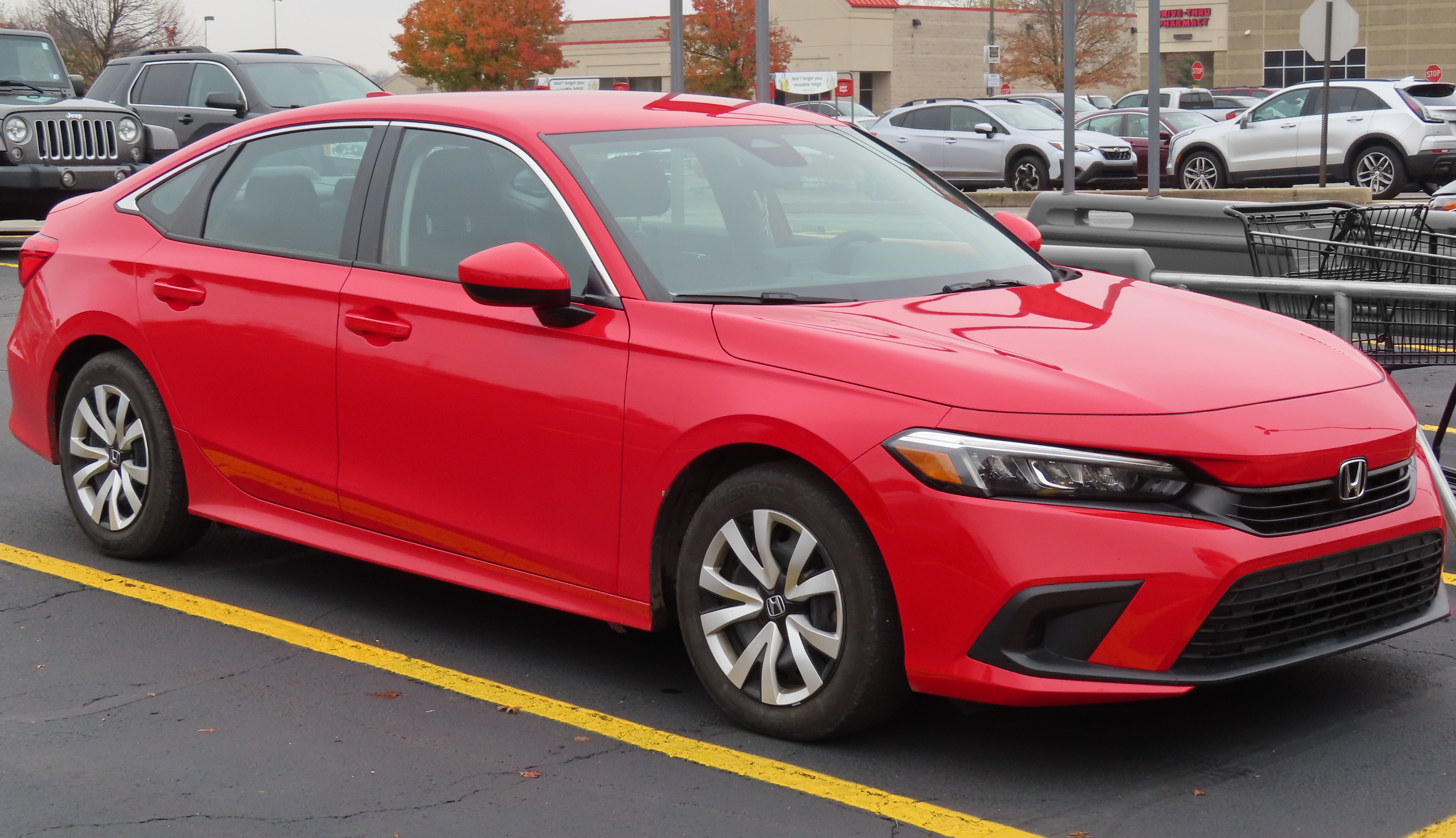
The Honda Civic is a small car that many people like because it's dependable and gets good gas mileage. It's been around for a long time and is very popular.
The Subaru Impreza is a small car that is good for all types of weather because it has all-wheel drive. It's a favorite for people who live in areas with snow or rain.
The Chevrolet Bolt is a small electric car that is affordable and can go a long distance on a single charge. It's a good option for people looking to switch to electric driving.
EVs stand for electric vehicles. These are cars that run on electricity instead of gasoline, which can be better for the environment and cheaper to fuel.
Home chargers are special plugs you can install at your house to charge your electric car. They make it easy to charge your car overnight while you're at home.
Commercial charging stations are places you can go to charge your electric car, like at a shopping center or gas station. They usually charge your car faster than a home charger.
An 80-inch sleeper is a part of a truck that allows drivers to sleep comfortably while on the road. It's important for long trips so drivers can rest well.
Fuel efficiency is how well a vehicle uses fuel to go a distance. Better fuel efficiency means the vehicle can go further on less fuel, which saves money.
Sleepers are small sleeping areas in big trucks where drivers can rest. They are usually separate from the front part of the truck where the driver sits.
Car
Freightliner Cascadia
The Freightliner Cascadia is a big truck used for transporting goods over long distances. It's built to be comfortable for drivers and to save fuel, which is important for businesses.
Fleet efficiency is how well a group of vehicles works together, especially in saving fuel and money. The better the efficiency, the less it costs to run them.
Safety features are special technologies in vehicles that help prevent accidents and keep people safe inside. They can include things like automatic brakes and warnings if you drift out of your lane.
Car
VNL series
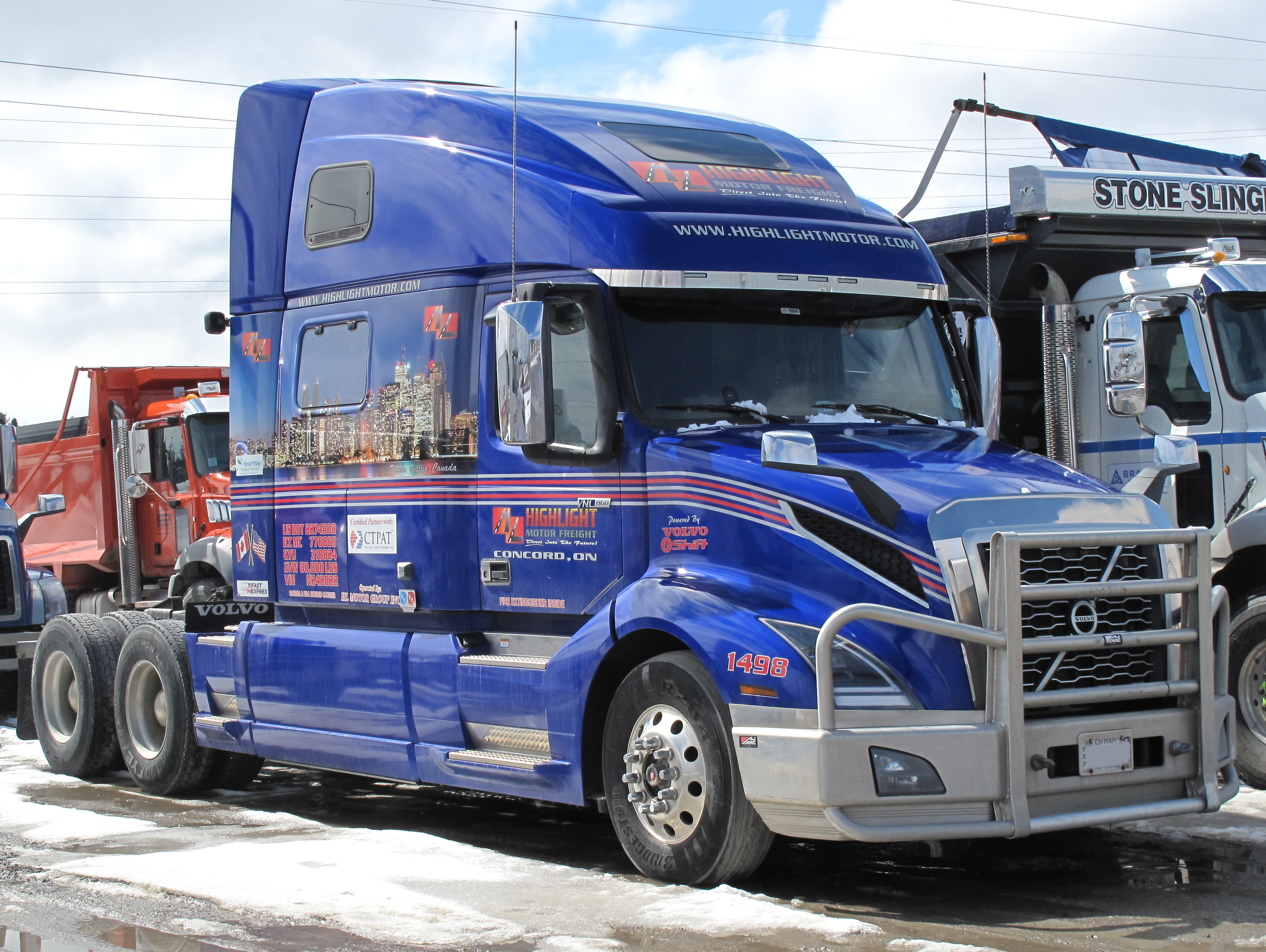
The VNL series is a type of truck made by Volvo, designed to be comfortable for drivers who spend a lot of time on the road.
Gulf Coast Auto Shield is a business that helps keep your car looking new. They offer services like fixing paint, adding protective coatings, and more to make your car shine.
Ceramic coating is a special liquid that you put on your car's paint to protect it and make it shiny. It helps keep dirt and water from sticking to the surface.
Paint protection film is a clear layer that you can put on your car to keep the paint safe from scratches and damage. It helps your car look good for longer.
A radar detector is a gadget that helps you know when police are using radar to check how fast you're going. It beeps or alerts you so you can slow down if needed.
A deep dive into the cost comparisons between electric vehicles (EVs) and internal combustion engine (ICE) vehicles, featuring insights from Aiden Bergsman of Anderson Economics. The discussion highlights surprising findings, such as how luxury EVs can be cheaper to fuel than their gasoline counterparts, especially when charged at home. The episode also touches on the complexities of charging costs, the impact of tax credits on EV sales, and personal anecdotes about driving experiences. Listeners will gain a clearer understanding of the financial implications of owning an EV versus a traditional vehicle.
Ever wondered why your first fast-charging session felt so pricey? We dig into the real numbers behind fueling an electric vehicle versus a gas car and show where the savings actually live. With Anderson Economic Group’s data in hand, we focus on fuel-only costs per 100 miles, stripping away purchase price and repairs to reveal a clean comparison that helps you decide based on your daily reality, not marketing claims.
We break down how pricing shifts with your charging mix. Rely on commercial DC fast chargers with flat session fees and layered rates, and your EV can get expensive fast. Charge mostly at home on residential electricity, and the story flips—especially for luxury models that would otherwise drink premium gas. You’ll hear concrete figures from Michigan: entry-level gas cars near $9.10 per 100 miles, comparable EVs around $13.40 with mostly home charging and roughly $16.16 with mostly commercial. In the luxury segment, premium-fuel ICE averages around $17, while a luxury EV charged at home lands near $14.43. We also cover what a Level 2 setup really costs, why installation matters, and who should think twice before skipping home charging.
Policy and market context matter too. EV sales jumped when tax credits neared expiration, while tariffs cooled overall vehicle sales even as EV share grew. That push-pull dynamic shapes lineups, charging business models, and the rate structures utilities design for off-peak charging. To round things out, we take a practical detour into big rig sleeper cabs—comparing comfort, tech, and costs across Peterbilt, Kenworth, Freightliner, Volvo, and International—to highlight how real-world use cases drive smart equipment choices at every scale.
If you’re deciding between gas and electric, this guide will help you map your commute, your charging access, and your local rates to your actual costs. Subscribe, share this episode with a friend who’s shopping, and leave a review with your biggest EV or gas cost surprise.
---- ----- Want more In Wheel Time car talk any time?
In Wheel Time is now available on Audacy!
Just go to Audacy.com/InWheelTime where ever you are. ----- ----- Be sure to subscribe on your favorite podcast provider for the next episode of In Wheel Time Podcast and check out our live multiplatform broadcast every Saturday, 10a - 12nCT simulcasting on Audacy, YouTube, Facebook, Twitter, Twitch and InWheelTime.com.
In Wheel Time Podcast can be heard on you mobile device from providers such as:
Apple Podcasts, Amazon Music Podcast, Spotify, SiriusXM Podcast, iHeartRadio podcast, TuneIn + Alexa, Podcast Addict, Castro, Castbox, YouTube Podcast and more on your mobile device.
Follow InWheelTime.com for the latest updates!
Twitter: https://twitter.com/InWheelTime
Instagram: https://www.instagram.com/inwheeltime/
https://www.youtube.com/inwheeltime
https://www.Facebook.com/InWheelTime
For more information about In Wheel Time Podcast, email us at