00:06
We're doing better as a result of social media presence.
00:09
If it doesn't do those three things, then it's on the chopping block.
00:12
It's in return on investment discussion.
00:26
Hey, everybody, welcome back to another episode of The Daily Dealer Live.
00:30
I'm your host, Sam Darkin.
00:31
Thank you for choosing to be here on this Friday, the 20th of February.
00:36
So, hey, everybody, dealers are losing service customers.
00:39
Surprised to hear that?
00:41
But we're posting record service revenue.
00:45
Let that thing sink in.
00:46
According to Cox Automotive, dealerships have lost roughly 10% to 12% of service visits to
00:52
independence since 2018.
00:55
And much of that decline is hidden by the increase in revenue related to increased repair costs,
01:02
increased parts costs, which have both hit records in the past year.
01:07
So what's happening?
01:07
Well, cars are aging.
01:09
Customers need more repairs, but the loyalty is slipping.
01:12
And here's the real question for operators today on this Monday or on this Friday, the 20th.
01:17
Are you growing or are you just riding the wave of increasing revenue?
01:23
Today on Fixed Ops Friday, we're talking about how elite operators are taking control of the
01:28
service drive again.
01:29
And we've got an audience poll for you as we come into our show today as we post across
01:34
all social media platforms.
01:36
What's your biggest service drive challenge today?
01:40
February, 2026 retention, staffing, pricing, pushback, throughput, advisor, accountability,
01:48
Post it into the social media platforms all across CDG where we're streaming today.
01:53
We'll bring your comments into the show today.
01:57
All this and more coming up.
01:58
But first, let's dive into today's auto industry headlines.
02:05
First up today, we have breaking news, and I'm going to give you that breaking news.
02:11
Right now, the Supreme Court has struck down President Trump's sweeping global tariffs
02:16
imposed under the International Emergency Economic Powers Act,
02:20
ruling 6-3 that the Constitution clearly gives Congress,
02:24
not the executive branch, the power to levy taxes, including tariffs.
02:28
Justices Alito, Thomas, and Kavanaugh descended, arguing the tariffs were lawful
02:33
under existing precedent, reports the Associated Press.
02:37
The ruling wipes out the so-called reciprocal tariffs applied to a broad range of imports.
02:42
However, it doesn't touch duties imposed under other statutes,
02:45
including Section 232 tariffs on auto parts and metals, which remain in place.
02:51
The court also didn't address whether companies will receive refunds
02:55
for the more than $133 billion collected under the Emergency Powers Act.
02:59
Several businesses are already pursuing payments in lower courts,
03:04
which could further complicate the refund process.
03:07
Still, the decision could ease some pricing pressure for automakers and consumers.
03:12
Economists estimated the IEEPA tariffs were adding roughly $1,000 to $1,300 per household annually.
03:19
With those levies struck down, that burden could drop by about half according to Yale
03:23
Budget Lab estimates, though the broader trade picture remains far from unsettled.
03:29
We'll be following this and more in the coming days and weeks.
03:33
Next up today, Christian Munier, Nissan's chairman of North America,
03:37
said competition from Chinese brands ultimately strengthens the market
03:41
and benefits customers, reports Bloomberg.
03:44
Speaking in Sao Paulo, Munier noted that Nissan's responsibility is simple.
03:48
Deliver a better product, a better service, and a better experience.
03:52
If the company does that, he said it will remain competitive.
03:57
His comments come as Chinese EV makers deepen their presence across Latin America,
04:01
including Brazil and Mexico, two markets that are especially important to Nissan,
04:07
which holds roughly 18% share of passenger car sales in Mexico.
04:13
Meanwhile, Brazil and Mexico have raised tariffs to slow the surge of Chinese imports,
04:17
prompting some manufacturers to localize production.
04:21
Canada, however, has lowered tariffs as it looks to diversify trade relationships.
04:27
Next up in other news, dealership profits are still running at nearly double
04:31
pre-pandemic levels. Blue sky values have more than doubled,
04:34
and public groups are actively buying now.
04:37
AI is starting to factor into how stores are valued.
04:41
At a recent Hague Partners webinar following the 26th NATO show,
04:45
advisors said buyers are increasingly asking about technology during acquisitions,
04:49
viewing AI adoption as a signal of operational strength and scalability.
04:54
Alan Hague noted that dealers don't need to master AI overnight,
04:59
but starting early creates a compounding advantage.
05:02
Even small gains in efficiency can meaningfully lift margins in a business,
05:07
where a net profit typically sits around 2% to 2.5%.
05:12
AI tools are already being used to prioritize higher value leads,
05:15
streamline service scheduling, reduce labor strain, and improve online reputation scores,
05:20
all of which make earnings more predictable and operations easier to scale.
05:26
The takeaway is buy-sell activity stays active.
05:29
Integrated AI systems are becoming a part of the value conversation.
05:33
Dealers who build those capabilities now may not only improve current profitability,
05:37
but also position their stores as more attractive assets when it's time to sell.
05:41
As an editorial aside jumping from the news from the Ziggler Auto Group,
05:45
yesterday we gathered our GMs together and we had an AI best practice session.
05:49
We asked each store to bring an AI best practice.
05:51
We had the CEO of Impel in-house, Devon, who gave us a great kind of state of AI in automotive.
05:59
Absolutely astonishing how quickly AI is developing,
06:04
how quickly these tools to help us in our business are evolving,
06:08
and I am absolutely convinced after yesterday,
06:11
going through all of those presentations and seeing all of those different ideas,
06:14
that AI adoption and understanding is going to be a separator in the days ahead.
06:20
The other thing he said, Devon,
06:22
and it's interesting because we talk a lot about AI on the show.
06:24
We sometimes take hits on it.
06:26
Hey, stop talking about it.
06:28
Devon said, look at the stock market this past week, post Superbowl.
06:33
Look at companies' stock value like Salesforce and others.
06:37
They're challenged and the reason they're challenged,
06:40
open AI advertised at the Superbowl, Claude advertised at the Superbowl.
06:45
Claude actually showed an ad that demonstrated in a commercial on the Superbowl
06:51
how easy it is to develop an app and it has upended SaaS and valuations of large companies
06:57
as they proved AI can develop an app to solve a problem in a dealership, for example,
07:04
far easier than a room full of developers.
07:07
And that is astonishing speed to development, and that will change the course of app development
07:15
and tech implementation and automotive.
07:18
It'll be fascinating to see in the coming weeks and months,
07:20
and we'll continue to stay on top of that here at CDG.
07:22
Back in the news, keeping with the theme of AI,
07:24
a new report from Spine argues that today's dealership pressures aren't cyclical,
07:29
they're structural.
07:30
Margin compression, rising labor costs, 50k new car averages,
07:33
and 30k used car price tags are colliding with customers who expect instant responses.
07:39
About 76% of dealers say they plan to increase AI spending,
07:43
but the report warns that simply layering on more tools isn't enough, I agree.
07:48
Many stores are still running a patchwork of AI for pricing,
07:51
chat, and merchandising without tying it together operationally.
07:56
As another aside, that's old thinking, right?
07:58
We used to patch systems together, I agree.
08:01
Spine says the real divide now is between dealers using AI tactically,
08:05
those embedding it into their core operating model.
08:08
Fragmented systems also create data silos, break customer context,
08:12
and ultimately deliver diminishing returns.
08:15
Over the next five to six years, the report expects AI to evolve
08:18
from handling repeat tasks like follow-up and scheduling,
08:21
to orchestrating cross-functional workflows and eventually participating
08:25
in trade evaluations, incentive comparisons, and inventory discovery within guardrails.
08:30
Bottom line, the competitive edge won't come from having the most AI tools,
08:35
it will come from unifying the data, upskilling the workforce,
08:39
and making AI part of the dealership's operating backbone
08:41
before the digital skills gap widens further.
08:45
Props to Brian Benstock on a prior episode of Daily Deal Alive
08:48
for proving just that, bringing four companies together on one solution,
08:53
asking them to work together and integrate together.
08:55
And last up today, lease maturities are finally rebuilding after several uneven years,
09:00
with roughly 420,000 projected across major brands in 26,
09:05
and volume expected to peak between May and September.
09:08
That's creating one of the cleanest use car acquisition windows
09:11
dealers have seen in a while, but not all of those units are staying home.
09:15
A meaningful share will head straight to auction,
09:18
and when supply builds that quickly, pricing pressure won't stay contained to one rooftop
09:24
or one brand, it will ripple across competing brands.
09:27
The smarter move is starting retention outreach at 90 to 120 days.
09:31
Are you doing that?
09:32
Before maturity and deciding early which models are worth buying out versus letting go,
09:36
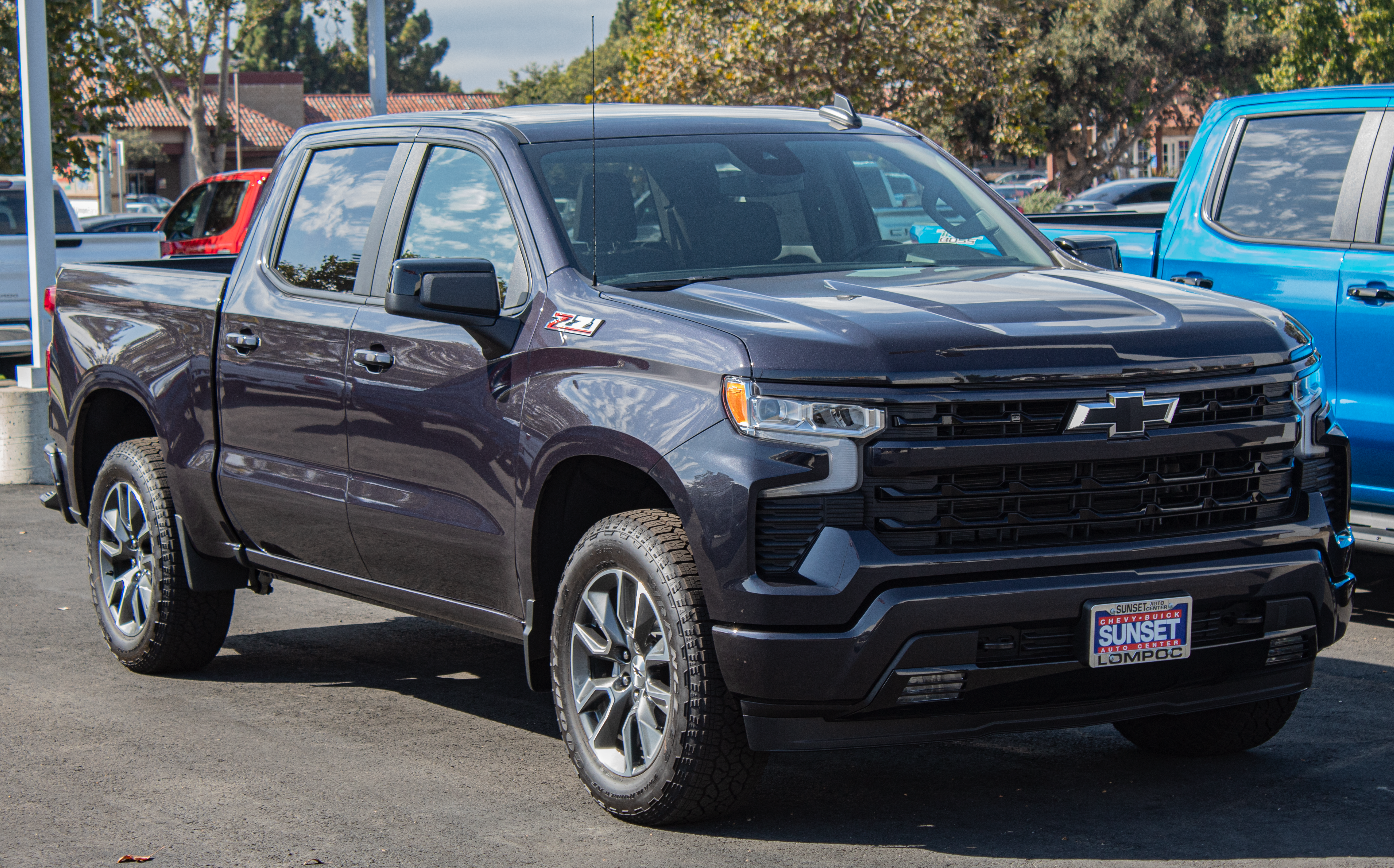
residual spreads are wide, some high volume returns like the Nissan Road Pathfinder,
09:41
Silverado and Sierra are holding mid to high 60% of MSRP.
09:46
Others, including certain crossovers and luxury models,
09:49
are coming back barely above 50 on a $30,000 original MSRP.
09:57
That gap can mean a $4,500 to $5,000 swing and retain value before recon and transport.
10:02
In other words, discipline selection matters more now than raw volume.
10:06
As dealers like Mike McVeigh at Dave Dodge, Chrysler Jeep,
10:09
are leaning into long runway engagement, contacting customers
10:12
months before lease end, working trim level math and owning the relationship personally.
10:18
His store reports that nearly 9 out of 10 customers,
10:22
well, they don't shop elsewhere at least turn in.
10:25
He owns that retention.
10:27
Well, that's a wrap on today's industry headlines.
10:40
Welcome, everybody.
10:42
It is Fixed Ops Friday.
10:43
We're super excited to be here on Fixed Ops Friday going to the comments in the field.
10:48
Thanks, Sean Hopper, for saying what's up, Sam.
10:51
Kevin Stuckey, Fixed Ops Friday.
10:56
Sean Hopper says, what was the best, the top best practice in the group?
11:01
By the way, you know what is fascinating?
11:03
So we asked the GMs go to your teams and see who's using the most innovative AI.
11:08
And here it was the surprising thing for me is to see how many sales consultants,
11:14
marketing people, BDC and managers are using AI to learn, to overcome customer objections,
11:22
and to better their own personal brand.
11:25
Simple tools like chat, GPT, Gemini and others.
11:29
It is awesome to see how salespeople have become entrepreneurial and they're applying
11:36
Others that we saw and Pell stood out, Busy Car, LotLinks and some others as tools that are AI
11:45
But here's my other thought.
11:47
The other thing I learned is it's still early and there's a lag between where AI currently
11:53
is and how quickly it's evolving and adoption and automotive.
11:58
And ultimately, I think that's better for the customer.
12:00
So Kevin Stuckey, is it a separator?
12:03
It is a separator and game changer in all departments and all departments if it's embraced.
12:09
And Paul Salisman says AI by itself is not a do all end all because it requires proper
12:13
thinking and implementation, just like Ben Stock proved.
12:17
And Paul, I agree 100% for now until what will be the big game changer.
12:22
And I actually read a memo, we'll talk about it more on Monday's show,
12:25
when AI can start developing itself, growing itself and kind of going to that next level
12:33
Going into CDG circles this morning as we jump into Fixed Up Friday, talking about AI, tech stack,
12:40
ton of conversations in CDG circles this morning, hundreds of comments from dealers all across,
12:46
vendors, vendor selection, ways of overcoming issues, still a ton of conversation on the news
12:51
we reported from Stellanus earlier this week about the limit on number of stores that can be
12:55
bought, vigorous debate on whether or not that will help or hurt Carvana and whether maybe
13:00
Carvana is set to engage in even a bigger, broader relationship with the Stellanus brand
13:05
rather than trying to separate them out.
13:08
So all right, let's turn to today's show.
13:10
First up today, Dave Rogers, Fixed Operations Director at the Piazza Group.
13:14
Dave, welcome to the show.
13:17
Thanks for having me.
13:17
Appreciate being here.
13:20
It's exciting to have you back.
13:21
So Dave, for those that don't know you, you've been on the show before,
13:25
just tell us a little bit about yourself and what you do out there at Piazza.
13:29
Been in the car business 43 years now, an old guy.
13:34
Worked for the Piazza Auto Group, a Fixed Ops Director for the 31 stores we have here
13:39
in New Jersey, Pennsylvania and Delaware.
13:41
And like most Fixed Ops guys, they do a little bit of anything they ask you to do.
13:45
So, you know, some IT and some AI stuff and whatever they ask us to do.
13:52
But typical Fixed Ops.
13:54
Yeah, you follow the breadcrumbs of problems and issues where you can
13:59
deliver value and whatnot, right?
14:01
So you have how many stores did you say that you work with?
14:07
All right, you know what?
14:08
I'm going to allow the audience to take the first question.
14:10
Usually, I love that.
14:11
But Mustafa comes in with a great question for you, Dave.
14:14
Mustafa says, what's the career path that you lay out for porters and lot attendants?
14:18
I love that question because in automotive, we want to start people out on a career trajectory
14:23
early and we would love to have them stay with the group so we don't have to
14:26
reteach culture and process.
14:28
So how do you career path for those porters and lot attendants earlier on?
14:33
Well, obviously, it depends on the person.
14:35
I mean, I came into this business as an apprentice tech and walked in $5 an hour,
14:42
$300 toolbox from Sears.
14:44
So I appreciate that.
14:45
Anybody getting their foot in the door, which is there's a lot of entry level in porters,
14:54
If we have somebody that's maybe their summer vacation or in between school,
14:59
they're just looking for a summer job.
15:02
But yeah, my store is all of my departments, managers, general managers,
15:07
they'll grab somebody, they'll find out what they want to do for a living and what they
15:09
want to do when they grow up and we'll place them where we need to do.
15:13
I've taken these valets and porters and turned them into parts personnel,
15:20
turned them into PDI technicians.
15:23
Myself personally, I did valet cars and I was a greeter for a while to dealership.
15:27
So I'm a living example of what can happen if you get lucky and work hard.
15:32
All right, so you've had success in 2025.
15:35
We see a lot of dealers are focused on fixed ops.
15:37
You heard my read at the very beginning, right?
15:40
We're losing some customers in fixed.
15:42
And that's kind of masked to independence.
15:45
And it's sort of masked by the increase of revenue, right?
15:48
So dollars are going up.
15:49
We feel pretty good about it.
15:50
When you walked into your 2026 planning, what did you discover that isn't working,
15:55
that you're looking to solve this year?
15:57
Well, I think we're losing some of the customers, the higher end, higher mileage.
16:02
The average mile is in the shops since 19.
16:06
I mean, if you look at the average miles of the cars we're servicing,
16:09
they've gone from the low 40s to almost 73, 74,000 miles in a lot of the stores.
16:16
So we're doing a good job keeping some of those customers.
16:19
Obviously a good percentage of them.
16:20
We wouldn't have high mileage of that way.
16:22
Again, that's the average.
16:23
So we know we have a bunch above and below.
16:27
Yeah, I just, I think the RO count's been dwindling a little bit.
16:31
But a lot of that's because sales volume's down.
16:34
I mean, you've been selling 30, 40, 50% of what we did in 19, right?
16:37
In some cases, some stores, you have less new cars coming in the door.
16:41
You have less chances to capture a brand new customer that bought a new car.
16:47
So we've been circling the wagons a little bit and going back to basics.
16:51
You know, some advisor training, making sure that we're doing things the right way from the very beginning.
16:57
So it's interesting, I actually was talking to our head of fixed ops in our group,
17:01
which we'll have on at some point, Bob Keel yesterday about one of our stores.
17:04
And that was his instant response.
17:06
He's like, well, look, variable, UIO units in operation are down.
17:10
What are you doing in your group to solve for the UIO decline?
17:15
How are you making up for that?
17:17
How are you bringing customers in that may not have existed
17:20
because traditionally they didn't buy a new car three years ago?
17:24
I mean, we've been using some outside marketing, you know, different companies to go after
17:29
cars in your UIO and in your backyard.
17:32
We don't turn anybody away.
17:33
I mean, there's some dealers out there still that are from the 1970s and 1980s,
17:38
and they won't service a car if it wasn't sold at their store.
17:41
It doesn't matter to us.
17:43
We do some mobile service.
17:45
I have four vans on the road and in my Mercedes store.
17:48
So, you know, we're trying to pick away at it.
17:50
I don't think there's one carp launch answer for that question.
17:53
You just treat every customer the right way.
17:56
You take care of them from the beginning sales, you know, like other guests have been on here.
18:00
You know, retention is not a new thing, but it's a new buzzword, right?
18:04
We've been trying to do that for 30, 40 years.
18:07
But you got to be, you know, keeping every single customer.
18:10
You just can't lose anybody for stupid reasons.
18:12
So, yeah, so you talk about going back to the basics and that being your focus for this year.
18:17
What are you doing to go back to the basics?
18:20
Give us three things that you at the Piazza Group are doing to get back to basics in 2026.
18:26
Well, the initial thing we started doing in December was we actually made all of our
18:30
manager's stores, look at every technician in their store,
18:33
look at the hours that they turn for the entire year.
18:36
We go from December to November.
18:38
And let's get these, all the techs up to a standard of what I think and what we think is reasonable.
18:45
You work roughly 2000 hours a year.
18:48
We want every technician making at least 2000 hours or above.
18:52
And we have them put together game plans to make sure that we have, you know,
18:56
all the techs making the money they need to make, because we all know without the techs,
19:00
we're not going to be doing anything.
19:03
The second thing we started working on was selling skills.
19:06
You know, we see a lot of, let's just say, variation in closing percentages.
19:11
And, you know, you look at some of the tools out there and you have some advisors in the 20s,
19:15
you have some advisors in the 50s for closing.
19:17
So, you know, we have the managers and we had all the service managers in and took like the best
19:23
ideas, almost like you said, and took a couple of them there and said, hey, what are you doing?
19:27
Because they had success last year.
19:28
And, you know, they've talked about how they're getting involved right away.
19:32
If they see somebody that, you know, red tires are not going to buy.
19:36
They jump in, they grab the phone, they start talking to the customers.
19:39
You know, they make sure that we're mentioning road hazards, buy three, get one free, whatever it takes.
19:44
So early intervention and the TO process is what we've been doing.
19:48
David, how do you, what is the training process for service advisors?
19:51
This is something that's astonishing to be an automotive.
19:54
A service advisor is an absolute critical selling position.
19:59
Like it is critical.
20:00
In 2026, it's critical more than ever before.
20:03
And yet there's certain steps to the sale in front end sales.
20:08
There are steps to the sale in FNI.
20:10
They're not as equally broken out in fixed ops.
20:14
What's your system or process?
20:15
I know you're using Steve Shaw for a while, but anything different or interesting that you're doing there in training?
20:20
We're still using Steve.
20:22
We still use the, you know, the Piazza University, as we call it.
20:26
We started doing like a little 20 minute podcast to just try to get the message out and work back on the basics.
20:32
Yeah, I kind of stole it from you guys and, you know.
20:34
Yeah. So wait, you're doing a podcast.
20:37
Do you, who pushes this out?
20:38
Steve and I are doing it.
20:39
We just, we started, his brother does the software.
20:42
He just put it out like a little 20 minute fixed ops focus.
20:45
Try to train the new managers, the new advisors.
20:49
Is it publicly available or is it closed?
20:52
It's not on Spotify and stuff.
20:54
Where can you go find it?
20:56
Spotify, YouTube, Apple.
20:58
It's called fixed ops focus.
21:00
Dave Rogers, Steve Shaw.
21:03
And, you know, we're trying to stay simple.
21:06
Not trying to be flashy.
21:07
Not looking for, you know, we're not looking for anything big.
21:10
We stay starting, trying to, our audience is going to be new service managers, advisors that want to move up.
21:16
And, you know, we all know GM's.
21:18
Most of them, 90% of them come from sales.
21:21
So, you know, we put in a tip for the day for those,
21:23
those GM's that want to learn a little bit about fixed ops.
21:26
So we try to bring them into, into the fold and teach them a little bit about, you know, parts of service.
21:31
So, so are you able to see what number of your technicians, service advisors,
21:36
whoever are, are listening to the podcast?
21:39
Are you able to, not yet, not yet.
21:41
They're looking at it for me, but I'm getting feedback.
21:42
You know, if I, if I mention a store and I mentioned somebody that's not doing what I want them to do,
21:47
I'm getting the text message and say, okay, I got your hint.
21:50
I'll get, I'll get, you know, I'll start selling more alignments or whatever the case may be.
21:54
And so we're getting good feedback from it.
21:57
You know, there's a, there's a lot of, there's a lot of people out there that really want to learn something.
22:01
And I think you alluded to it.
22:02
There's not a lot of training out there that, that teaches them how to do things.
22:06
How are you solving for one of the big problems in fixed ops today when we think about training for advisors?
22:12
So if, if I ever go back into fixed ops and say, hey, let's provide you some training,
22:16
one of the biggest objections is we don't have time.
22:19
So I go back to CDK stat.
22:21
The average hold time in most service departments is 10 minutes.
22:24
So they're busy back there and they're busy selling.
22:28
They're busy overcoming problems.
22:29
They're busy helping customers.
22:31
How do you free up a service advisor to train,
22:34
given the constraints and the challenges that are time based there in that part?
22:40
It's, it's one on one.
22:41
I mean, we, we unfortunately have to rely on the manager and the, and again,
22:45
the general manager to get, to get in there, hands on.
22:48
We're trying not to, we're making sure that we're not understaffed.
22:52
That's the biggest thing.
22:53
If you, if you have three advisors, 15 texts, phones going crazy, you're not going to train them.
22:58
You can't teach them to do anything.
23:00
And that's where it came up with kind of the idea of the podcast.
23:02
Give them 20 minutes.
23:03
They can listen to it on the way to work and, and you know, maybe help them a little bit that way.
23:08
I would love to hear the success that you have with that in tracking it and then being able to
23:13
like hold, like see what the impact is because I can tell you, I hear often, oh, hey, in service,
23:19
they don't listen to podcasts.
23:20
They're not going to be on a podcast.
23:21
I actually don't think that's true.
23:23
I think we've proved that that is not, not factual, but I'd be interested to hear, like,
23:28
once you're further down the road, what the actual quantified impact is, or are you able to
23:35
We just started in January.
23:36
So yeah, 17 episodes out.
23:40
I mean, listen, CDG is a, is a big inspiration.
23:42
I mean, I, you know, talking to some of the real experts out there, the Dave Speciax and,
23:48
and, you know, I'm with the, the run-offs or run-offs guys and, and, and NADA and, you know,
23:53
like I hear what they're doing internally, they're using podcasts constantly.
23:57
I don't have this support team and the technical team they do, but, you know, it's just,
24:00
it makes us think we're going down the right road and help out with that.
24:03
So yeah, that's great.
24:04
Well, hey, by the way, to that point, if you're a fixed ops director, if you're a service
24:08
rider, if you're a technician listening to this show, post it up in the comments, we'll
24:12
read it out and then actually come back next Friday for the, for another fixed ops Friday.
24:16
Because I think you're right.
24:17
Fixed ops is such a crucial department.
24:19
It's such an important area.
24:21
We would love to be to a place where every Friday everybody tunes in live.
24:25
So let me ask you this.
24:26
What's your service advisor accountability cadence?
24:30
So when you think about sell through, when you think about hours per RO, what,
24:36
And then how do you hold accountable to that result in the advisor role?
24:39
You know, I'm not a big one to beat people over the head with the hours per row and stuff
24:44
I mean, I think brand by brand it varies.
24:47
You know, if I was a California dealer that I had a Porsche and BMW and I was in, you know,
24:52
Napa Valley or, you know, and with the high tech, you know, I could sit there and maybe
24:57
look at my effective labor rate, my hours per road, you know, fix that stuff.
25:01
We, you know, we got volume brand cars, Philadelphia, rural areas.
25:05
So we look at store by store and we look at, you know, if I have four advisors,
25:10
I want to see that they're close by each other, right?
25:12
We look at the advisor numbers and the KPIs that way.
25:15
I'm not going to compare a Hyundai guy store in, you know, in Westchester to a Mercedes Benz
25:22
store, you know, out, you know, whatever.
25:25
They're totally two different animals, right?
25:29
We look at consistency within the store.
25:31
So I have a one person at 1.3 hours, one person at 1.7, 1.8.
25:35
Hey, we'll get them together and say, Hey, what are you doing different?
25:38
You know, same, same with effective labor rate.
25:41
I mean, you hear the experts out there telling everybody, you know, you need to be 10% of
25:46
Well, yeah, if you don't do maintenance in your store and you don't have a good customer
25:50
database and you have a customer base and bringing them back for oil changes.
25:53
Yeah, you could be at 90% of your door rate.
25:55
But to me, you're doing a terrible job if that's what your effective labor rate is,
26:00
So you would say ELR and you would say hours per hour are deceiving KPIs.
26:05
And by the way, Tully would, Tully would agree with you.
26:08
What is your number one KPI or metric that you drive towards the Piazza Group and fixed
26:12
So I'm looking at the advisors and I want to make sure that, you know, more than 60%
26:17
of the gross is generated by customer pay work.
26:19
I want to make sure that they're doing that.
26:21
And then we started really dialing in on the, on the surface metrics, you know,
26:26
what is the percentage of inspection?
26:28
What is the percentage of ASR?
26:29
And then obviously the closing ratio by line.
26:32
You know, we want to see what's going on.
26:33
I don't look at the app by hours.
26:35
I look at by line and, you know, we're trying to get as high, you know, 40, 45%.
26:40
That metric was a mystery for years.
26:42
We didn't know what closing ratios were.
26:44
You know, back in the old days, we used to guess 30% like sales.
26:48
How are you tracking that now?
26:50
We went through the tools through CDK service or, or, you know,
26:53
dealer logics or one of the, you know, one of the service tools.
26:56
I mean, you know, those, those metrics are vital to, you know,
27:00
making sure that people are doing what they're supposed to do.
27:02
Are all your stores on the same tool or are there different systems across your group?
27:06
Do you think one day they will be all on the same system?
27:10
Is there an advantage group your size to having everybody on the same thing?
27:13
So you can all row same direction or is it better to allow each store to make
27:16
their own decision based on OEM, geography and personal preference?
27:20
My ownership doesn't like to put all their eggs in one basket.
27:23
We have CDK and Reynolds and Reynolds.
27:26
They like the competition between them when it comes contract time.
27:29
We do the same thing with some of their service tools.
27:32
I do like having everybody, you know, on a similar tool because it makes reporting easier.
27:36
But I got to be honest with you, you learn something new.
27:39
Like if you're in dealer logics or you're in CDK or you're in X time,
27:43
you know, they all have their pluses and minuses.
27:45
And, you know, I like the competition that way too to see what kind of tools we have.
27:50
And it makes me sharper.
27:51
I don't want to get bored either just by looking at an email report.
27:54
You know, I like diving in and learning.
27:57
Well, and they seemed like genius geniuses.
27:59
If one of those systems goes out and you have still part of your group able to be up and running.
28:03
So no shade to CDK or anybody else.
28:06
Well, yeah, I don't and I'm not going to beat anybody.
28:08
But dealer logics really saved the stores that were on that one.
28:10
The CDK, they can still write repair orders.
28:13
It was like nothing happened in those stores.
28:16
David Rogers, Fixed Operations Director of Piazza Auto Group.
28:19
Will you hang tight?
28:20
We're going to come back to you as part of the roundtable at the very end.
28:24
Thanks for thanks for being here.
28:25
Thanks for sharing your perspectives on what it means in 2026 to get back to the basics,
28:29
including that focus on advisors and the focus on some of those core key metrics
28:34
and helping us service technicians win in 2026.
28:38
Thanks for being here.
28:39
We'll get back with you in just a moment.
28:42
So we're going to talk for just a second about Stream Companies.
28:45
This episode is brought to you by Stream Companies.
28:47
How much revenue is slipping through the cracks at your dealership?
28:51
Well, Stream Companies missed Opportunities Report analyzes your strategy
28:55
and highlights where you can drive more sales faster.
28:58
Request your free report today at streamcompanies.com.
29:01
We appreciate Streams Company for supporting today's content,
29:07
including that cool conversation we just had with the Piazza Auto Group
29:11
learning how they're getting back to the basics in 2026.
29:15
I love this concept that some of the volume is declining.
29:20
I don't like the idea of it or the reality of it.
29:23
We're losing some business to independence.
29:26
Vehicles are getting older and we're getting some defection.
29:29
But to those service departments that aren't watching,
29:32
they're not seeing the decline because revenues are up.
29:35
Revenues are up on labor rates, parts, cost of repair, warranty reimbursements,
29:41
We look like rock stars on the increase,
29:43
but when you actually look at the number of lives coming through departments,
29:46
some of us are seeing a decline.
29:48
Some are seeing a decline.
29:49
And today is about figuring out how do we get that back?
29:53
So next up today, Bill Damari,
29:56
Corporate Director at Fixed Operations at Tom Wood Automotive.
30:00
Bill, welcome to the show.
30:01
Hey, thanks for having me.
30:02
I'm excited to be here.
30:03
Bill, did I just butcher your last name?
30:05
I apologize if I did.
30:06
You did, but that's OK.
30:07
All right, give it to me.
30:12
All right, you know what?
30:12
My last name, D-Apostrophe, ARC Dark, is French.
30:16
And I heard so many variations on that, Dark,
30:18
and much worse when I was in junior high school.
30:20
So sorry, I should not butch anything French.
30:24
So tell us about the Tom Wood group.
30:26
Tell us about yourself and what you do out there.
30:29
Yeah, so we have a great group.
30:30
We're based out of Indianapolis, Indiana.
30:32
We have stores in Indiana and Minnesota.
30:35
Those are two locations.
30:36
We have 13 rooftops in our group on the automotive side.
30:41
We're pretty diverse in the power, sports,
30:43
collision, mobile service, standalone, oil centers,
30:47
So all things fixed ops, that's what I focus on.
30:52
Wait, so you have standalone like a Jiffy Lube type deal?
30:57
Yeah, we opened at the Indianapolis International
31:01
We own the sixth rental agency there.
31:04
And six used to service at a little oil center that's
31:07
And I heard rumor it had become available.
31:10
And at the time I had a Spiffy franchise as well
31:12
that was running from the north side down to there.
31:15
So we took over the sublease of that facility.
31:18
So it's a five bay oil center put in a car wash.
31:21
So we're in the car wash business there as well.
31:23
And we service all the rental vehicles at the airport.
31:28
What kind of volume do you look at?
31:30
So all oil changes for any rental car facility?
31:35
We started with oil changes.
31:37
And we got into washing the vehicles
31:39
as they're trying to hand wash them.
31:41
They can't keep up.
31:42
They got a VIP code.
31:44
They can run through our car wash system
31:45
and clean the vehicle.
31:47
And now we get into oil changes, tires.
31:50
We're also using it as a kind of a center where my Ford mobile
31:55
can go down and handle recalls and kind of stage up
31:58
in the parking lot and do some mobile service out
32:00
of our property there.
32:03
Do you offer any services to retail customers coming in
32:06
and out of the airport at all?
32:08
And we'll offer, if you want to drop your vehicle off
32:11
for service, we'll valet you.
32:13
So you don't have to pay for parking.
32:14
We'll valet you up to the center.
32:17
It's just right out the street and pick you up
32:19
and get you back down and pick your vehicle
32:21
when you fly back home.
32:22
That's fascinating.
32:23
Does it sit on one of the dealership
32:24
financials or does it have its own financial statements?
32:29
Whose idea was that?
32:30
I mean, obviously it was tied to the rental operations
32:32
initially, but that's a unique operation.
32:35
Well, when we were in the Spiffy mobile side,
32:39
I needed space into that area.
32:42
So when it came available, it just made sense.
32:44
So we're so fortunate.
32:46
We have an owner like Jeff Wood that's very visionary.
32:50
He wants to do whatever we can do to get capitalized
32:54
on itself in this city and just get better.
32:56
So it was a pretty easy conversation to say,
32:59
I want to sublease this facility and get into the carware systems
33:03
and kind of subsidize our Spiffy franchise.
33:07
Well, thanks for sharing that about us.
33:08
I think that separates you in the marketplace
33:11
I would be a hand raiser on the valet piece.
33:15
What a great way to drop off cars
33:16
as you're headed to a busy flight.
33:17
Bill, Dave just talked about discipline at scale.
33:21
They're getting back to the basics 2026.
33:23
You built the playbook.
33:25
You launched something called the Service Advisor Handbook in 2026.
33:30
Tell us a little bit about what is that
33:31
and what caused a need for that in February.
33:35
It's interesting because I've been in this business a long time
33:38
and when I was younger, I always wanted to publish a book.
33:42
And I did a long time ago on how to become a service advisor.
33:45
How does a guy like me that stumbled into the business
33:49
right out of our trade school as a technician helper
33:51
and quickly saw the service advisors?
33:56
So I wrote this little book.
33:58
I used to publish it, send it out, mail it out.
34:01
And then it kind of got locked away in a briefcase for years.
34:04
And then when I came to the Tom Wood Group 15 years ago,
34:07
I took this role about 10 years ago and I said,
34:10
we need to do our own training.
34:11
We need a Tom Wood way.
34:13
We need a kind of a template of how we want to do business.
34:16
So if Jeff Wood walks in a store,
34:18
he should see the same results, the same process in every store.
34:24
So we started about 10 years ago and I'm going to be honest,
34:27
I couldn't get this thing across the finish line.
34:29
We would get so far and I don't like it.
34:34
The words don't work.
34:35
And then I had a fixed ops coach that was on my team.
34:39
I gave him all the training materials that I had.
34:41
And so let's put this thing together.
34:43
We almost got it done.
34:44
I'm like, no, it's too wordy.
34:46
It's just, I don't like it.
34:49
And then chat GBT came along.
34:52
You had it co-author it.
34:54
I took everything we had and I dumped it in there and said,
34:59
tell me how the generation A's and how will they comprehend this handbook?
35:07
And what it spit out, it still kept a lot of what we put in there,
35:11
but it reorganized it in a way that made sense.
35:15
And immediately when I printed these 46 pages, I'm staring at it.
35:20
I'm like, that's it.
35:21
That is what I've been after.
35:23
So it took us a couple more months to kind of tweak things and get it isolated in to print it.
35:30
So what broken in the service department world across the country,
35:35
what broken does this service advisor handbook solve?
35:38
What answers does it provide?
35:41
It solves, what does a good job look like?
35:43
You know, earlier you were talking about getting back to the basics.
35:47
This will bullet point what those basics are.
35:50
And in the middle, it'll go into the full detail process of exactly what am I struggling with?
35:56
What does my CSI results say is happening?
35:59
I can go back to this handbook and read exactly how should I be greeting this guest?
36:05
Why am I getting complaints on this?
36:06
So it's very detailed, but it's also sections that aren't so detailed.
36:11
They're bullet point and sections, which we're filming,
36:13
starting in the next 60 days for Rocket.
36:16
It will be our training curriculum inside Rocket.
36:19
So service advisors can go to that.
36:21
That's a training curriculum on how to sell, on how to engage with customers.
36:26
Are you going to make that Rocket training available nationwide?
36:29
Or is it proprietary?
36:31
Talking to Rocket, they would like to make it part of their curriculum.
36:35
So we're discussing what that would look like.
36:37
I'm very happy, because I think if it makes the industry better,
36:41
when I was at NADA, a lot of people heard I had this handbook in my backpack
36:45
and I wasn't sharing it, but I was showing it.
36:47
And I have a list of people I promised I would send it to.
36:51
And I want to add me to the list.
36:54
Well, I think everybody needs it because we tend to hold our team accountable
37:00
for something they don't know that they're doing bad,
37:02
because we don't have the process in place to show them what a good job looks like.
37:07
Why do you think the service advisor world is so less defined than a salesperson
37:14
So many, or even a BDC manager, why are there less training?
37:18
Why is there less resources?
37:19
Yeah, it's a great question.
37:21
And I've struggled with that my whole career.
37:23
I came through being a service advisor and I think we outsource.
37:27
And I think the problem is everybody has their own way,
37:31
and their own way is the best way.
37:33
And then if you've got...
37:35
Yeah, but I want to challenge that though,
37:37
because everybody had their own way in sales up front,
37:41
and everybody kind of consolidated that into a five step,
37:45
a variation on five step.
37:47
Why didn't that happen in the service department?
37:49
Because in service, we've been the kids at the little kids table at Thanksgiving.
37:55
I think you are right.
37:55
We've gotten invited to the Thanksgiving table now.
37:59
And we are seeing...
38:00
By the way, you don't want to be at the big kid table at Thanksgiving.
38:03
It's better to be at the kid table.
38:06
But I think we're serious now.
38:08
And I used to ask our general managers,
38:11
what is your closing ratio and your PBR coming out F and I?
38:15
And you all know exactly what that number is.
38:18
And then I would ask, then I would say,
38:20
what is your closing percent on every ASR that comes out of your shop
38:24
on brakes, tires, filters?
38:26
What's your closing percent?
38:28
And some of it, we didn't have the tools to really track it.
38:31
And what does a good job look like?
38:33
Our goal was to get to 40% ASR.
38:37
Because we were able to put a process together,
38:39
train the process, coach it around our group,
38:42
and get our numbers up.
38:43
So having a documented process is the key to our success in service.
38:49
And it's been missing for years.
38:51
So talk to us about that then.
38:52
So you've got the manual.
38:53
You've got the training guide.
38:54
You're creating the videos.
38:56
What behaviors will you incentivize as part of pay plans?
39:00
We just talked a misleading metric according to Piazza is ELR.
39:08
It's some of these others.
39:10
Average hours per RO.
39:12
What are you targeting and driving towards?
39:14
What do you see as the key metrics that you're putting in pay plans in 2026?
39:18
26, 100% video MPIs on the technician.
39:24
Now, it is not just a video.
39:26
It is a well-documented.
39:28
I went to a breakout session at NADA, and true video was putting on a session.
39:33
I took a picture of their well-documented process.
39:37
I threw it through chats.
39:38
It put me a checklist together.
39:40
We put a process together.
39:41
We locked into a store.
39:43
We had a shop meeting starting tomorrow.
39:46
We will follow this video every customer, every time, every day.
39:50
What are you at today?
39:53
Now, I'm testing it at our Nissan store.
39:57
We have been for two weeks at this store.
40:01
These guys locked into it.
40:02
What I found was our advisors were falling short.
40:06
So I brought our fixed ops coach in and the customers were not viewing the video at a high enough percent,
40:14
which means they're getting the text, but they're not looking at the video.
40:18
So we're not telling them.
40:19
It's a communication problem with us.
40:21
So we retrained the advisors to say,
40:23
You're going to get a video.
40:25
And it's your technician video and your inspection on your vehicle.
40:29
And one of the things I learned at NADA was we don't just shoot a video.
40:35
Filters are laid out.
40:36
Batteries hooked up.
40:37
We've staged everything.
40:38
And then we do the video.
40:40
And it's a minute and a half to two and a half minutes every time.
40:43
And I'm telling you, it's a game changer for us.
40:46
And we didn't have the tools to do it, but we signed deals at NADA and now we have them.
40:50
What do you anticipate will be the impact once fully functional at 100% percent?
40:55
A, first of all, is 100% even realistic?
40:58
And then what will be the economic impact of having that at 100% in your group?
41:02
The reason I say 100% is because if it has an MPI on it, it has to have a video.
41:09
My service providers will reject the repair order.
41:12
We will not continue with the ASR until the video is on there.
41:15
And the technicians, all of our technicians are on tiered bonus plans.
41:20
They lose their tiered bonus plan if they're not 100% in that video.
41:25
So it's worth a lot of money for them to get it right.
41:29
Now we're running contests.
41:30
I'm giving away lots of really amazing door prizes starting in March
41:35
of the best videos around the group, which will be judged around the group.
41:39
So we're going to really make, I have a lot of fun with it, right?
41:42
But the economic side of it, think about a customer that drives in.
41:48
I'm a UVI fan, I have 13 of them.
41:50
So you as a customer, very transparent, you are scanning your own vehicle when you come in.
41:56
And now I have a technician that's scanning everything else about your vehicle.
42:00
And you're going to receive all this.
42:01
There's no underlying stuff that's happening because of the deception and stuff with what
42:07
I'm full transparent and I'm going to put it in front.
42:10
And by that, I can look at a video and tell you, yes, I mean, I don't want to do the brakes.
42:14
I want to do the tires or whatever because there's no questions.
42:16
Somebody's not telling me.
42:21
So UVI, that's fascinating.
42:22
I saw at NADA, I saw Viper by ACV takes photographs as well.
42:27
How long have you had the UVI tool in place?
42:29
We've been with UVI for three and a half years.
42:33
What's the impact of UVI in service?
42:35
Like, what is the benefit?
42:37
Why do you continue to use it?
42:38
It's not an inexpensive tool.
42:41
But if you put UVI in, all those wheels you've been accused of damaging, all the scratches,
42:47
the broken windshield, all the stuff that the customer walks and walks around in the back
42:52
and points in a dent so that wasn't there, the UVI just solved our policy problem across the group.
42:57
Do you tie UVI into use car trade appraisals?
43:01
We do acquisition UVI through Venn or Viotto that runs through our UVI system.
43:08
So we have buyers now on every service drive that is communicating with the guests on every car
43:16
So I want to transition a little bit, not completely off of fix, but the intersection
43:19
between fixed and used cars.
43:21
You know, you're guiding a process that's helping the store and the group acquire
43:25
used cars into the organization.
43:27
What do you believe to be the role of a good fixed ops director in 2026 with used car acquisition?
43:33
How should you be and others be thinking about it?
43:36
You know, it's paramount for our success.
43:39
As we know, our accounts have fallen.
43:41
So it's up to us to continue feeding the system and getting some of the vehicles because
43:46
if the vehicle is in for service, it needs service repair.
43:50
So we get the repair where the customer pays or used car pays.
43:53
It's the same price.
43:54
So why not get them in a new car if we can?
43:56
We lock that guest and especially with our group because we have lifetime power train.
44:01
We have subscription oil changes, all this stuff for the retention
44:04
to bring them back and continue to hold them within our group environment.
44:09
So if we can get more cars purchased off the drive, we're just going to continue feeding
44:13
our system and rebuilding the our accounts as they come through.
44:17
What do you say to one of your service managers?
44:19
It just goes through my head as you mentioned that.
44:21
What do you say to one of your service managers that says,
44:23
hey, don't put pressure on me like you.
44:26
Yes, but revenue is up.
44:29
And really it's a sales problem.
44:31
They should have sold more vehicles.
44:32
I mean, they're responsible for that at the end of the day.
44:35
What do you say to them in February of 2026?
44:38
I say we've dropped the ball in the fixed upside because we had it so well.
44:42
I call it the COVID hangover.
44:45
We just accepted everything that came in and we lost how we handle our processes.
44:49
So we're getting back to the basics as well and just handling all these service advisor handbooks.
44:55
I have a service manager handbook.
44:56
I have a parts manager handbook in the works.
44:59
Everything is documented with KPIs all the way from service advisors all the way to the top.
45:04
So you mentioned that you've got a trainer.
45:06
He said you brought a trainer in.
45:08
That clicked in my mind.
45:09
Who is the trainer?
45:10
Where'd you find this person?
45:11
What are they training on?
45:12
And is it a role in the group or is it an external partner?
45:15
Well, it's in the group.
45:16
I have a fixed ops trainer.
45:18
He was a 20-year Audi high-end service advisor that just is very process-oriented.
45:25
Every Monday we have a level 10.
45:28
We have a level 10 meeting.
45:30
And we identify service advisors that are struggling, whether it's from an ASR problem.
45:35
And then that's where he goes.
45:37
He will spend his time with the ones that are really struggling.
45:40
And then he will coach them along.
45:42
We bring the handbook and we just really focus one-on-one with them.
45:45
My second I have is an automotive technician instructor.
45:51
A higher amount of Lincoln Tech.
45:52
We have 20 high school students that come through our store, facilitated here.
45:57
It is a dual core credit.
45:58
We are now state certified as of December of 25.
46:01
They're receiving dual core credits.
46:03
Juniors and seniors and I have 20 of them.
46:06
And we have a waiting list for 50 more for next year to come through our program,
46:09
to start bringing in our own techs and raising our technician from within.
46:15
Props to you for that.
46:16
That is a great commitment to the department.
46:18
I love your commitment to that 100% video MPI.
46:21
Did you watch the CDG?
46:22
Did you watch our dealer competition where we had folks go against each other?
46:27
Cavender, Rob Cavender's group one.
46:29
We want to do that again next year or even sooner.
46:33
I'm astonished at the variation or the levels of different abilities as it comes to video.
46:40
It's something that if we know, why aren't we doing?
46:43
And then there are such a wide variant.
46:46
So I love that you're doing a similar competition.
46:49
When are you going to run the competition?
46:51
And will you share the results with us?
46:52
Maybe we can highlight that on the show.
46:54
So during NADA, as you know, you get a lot of these awards and stuff.
46:58
And we want a Sonos speaker and a Nintendo Switch 2, right?
47:04
So I'm allocating both of those winnings toward technician contests for video.
47:10
And that will go up in March.
47:11
So I'm excited for it.
47:14
Well, Bill, we appreciate you being on the show.
47:16
We're going to actually bring Dave back in for kind of a lightning round here at the end.
47:20
Both the conversations were so good.
47:22
So let's bring Dave back into the conversation.
47:25
And by the way, before we go full and Dave, welcome back.
47:28
Thanks for continuing to be here.
47:30
Sean Hopper jumped into the comments here.
47:33
He says, hey, ask Bill about the Jersey swap with Rocket.
47:37
You may have already covered that.
47:38
But tell us what Sean's talking about there.
47:41
So I'm on the advisory board for Rocket.
47:44
I love Rocket, by the way.
47:45
What a great training tool.
47:48
And so I was one of the first one to bring a Tom Wood shirt and present it to them at a conference.
47:53
And now I have a Rocket shirt that they want me to wear around, which I do.
47:57
I'll bring, I'll wear it.
47:59
So yeah, it is a Jersey side.
48:00
I think it's a great idea to swap.
48:04
Just Jordan Cox also comes into the comments.
48:05
Good fixed ops leaders focus on selling 100% of today's time.
48:10
Great ones do it through next month.
48:12
Excellent fixed ops leaders like Bill build systems to sell time for years to come.
48:18
So I love that quote from a gladiator, right?
48:21
What we do now echoes in the future, right?
48:24
And you're proving that.
48:26
Tell us a little or talk to us a little bit about how you look at that in terms of a long term investment.
48:30
So then we'll go into our lightning round here.
48:34
You're doing things today.
48:35
They're a long term investment.
48:37
Question for both of you.
48:39
Whoever wants to take this.
48:41
If I gave you, so I fixed, I saw I'm COO 41 stores.
48:46
If I gave you a struggling service department today,
48:48
what are the first three moves as you walk into that struggling service department
48:52
in the next 30 days?
48:55
Who wants to take it first?
49:00
Find a struggling store.
49:01
I'm living in a Nissan store right now that was struggling.
49:05
The very first thing I do is I grab the first customer and I follow it
49:08
from A to Z all the way through the process.
49:11
I will follow it through the systems.
49:13
I'll follow it with my eyes and just take mental notes of what happened.
49:19
Anything to add, Dave?
49:21
My first thing is, is I'm in the shop talking to the technicians,
49:25
getting the dirt on what's going on.
49:27
And then I, what I like to do is I like to dispatch.
49:29
I like to get in the middle of it so I can see every repair order coming out of the desk
49:33
and every repair order that comes back from the shop.
49:36
So that's my first.
49:37
So why do you think some service directors in 2026 are less likely to be seen turning
49:45
ROs, following customers in the drive?
49:48
What's pulling people into the office more in 2026?
49:52
I think it's too much working.
49:57
They get stuck in their office.
50:00
Emails, phone calls, stuff that just makes no difference.
50:04
And if you're operating on an EOS platform, you understand,
50:07
delegate and elevate, and we're going to move stuff away from us
50:09
so I can get out of this business when I need to get out.
50:12
I have an 80-20 rule.
50:14
You cannot be in your office more than 20% of the day.
50:17
The other 80% you are out in the drive.
50:19
I want to see you in the shop.
50:20
I want to see you out and about.
50:21
And if I come in, I better not work for harder than you.
50:24
And I, I moved pretty fast.
50:26
What is the biggest misconception about fixed absorption?
50:30
I quoted it to my fixed ops director yesterday,
50:32
and he gave me an earful after I did it.
50:36
What's the biggest misconception about fixed absorption in 2020?
50:39
Well, I think the biggest thing about it is that,
50:41
you know, all your variable guys just learn how to spell it when times are rough.
50:44
That's the biggest thing.
50:48
We want you to pay for everything.
50:50
We want you to pay for everything.
50:52
Listen, I think that, you know, it's, it's, uh,
50:56
it's a necessary part of the business and something everybody should know.
50:59
It should be, it should be, you know,
51:01
talk during the good times and bad times.
51:03
But, you know, Sam, you know, before 2020, before COVID happened,
51:07
there wasn't many people in variable that knew how to spell absorption.
51:11
So it just needs to become an everyday term.
51:13
It needs to become what it is.
51:14
It's about over 100%.
51:19
My premium group, it was 125% last year on my premium stores.
51:25
So what do you say to a GM?
51:26
What do you say to a GM or a fixed obstrector that says,
51:28
Hey, you know what?
51:29
I don't like a fixed absorption because I can't control overall expense.
51:32
I don't control it.
51:33
So I'm not going to be held to it.
51:36
That's part of the deal.
51:38
You know, and that's, and, you know, you have a lot of folks out there that
51:40
are telling you, you know, hours are the only thing, you know,
51:43
hours are a great indicator, but gross profit is what pays the bills.
51:46
And, and you need to be focused on growing that every single day.
51:50
And your expense structure.
51:52
So we started about four years ago heavily focused on fixed operations because we saw
51:57
this coming and we have a goal as a group.
52:00
Groupwide, we want to be at 100%.
52:04
We finish a year at 90.3 as a group.
52:06
And what I did is I took the stores that are 120.
52:11
I'm going to leave you alone.
52:12
The stores that were at 69.
52:13
I'm coming and I will be there and we will get this up to
52:18
So I took the bottom ones.
52:19
Had these guys keep pushing here and we met in the middle.
52:22
We finished just over 90 for the year.
52:23
We'll hit 100 this year.
52:25
What separates, what separates 70% absorption stores from 100% plus?
52:32
What are the behaviors or the culture indicators?
52:36
And we'll start on this one with Bill between the 70 and 100.
52:40
It's usually a lack of a selling process or gross is down.
52:43
We're not selling 25% alignment.
52:46
We're not closing or I find the ASR closing percent low.
52:49
So our opportunity is in the sales.
52:52
Sometimes the volume is down and that's fine.
52:54
We have some smaller stores, but you can control your expense.
52:57
They say they want to hire more techs.
52:59
I look at gross per tech.
53:00
You really need more tech and we need our technicians to do more of what's in the shop.
53:05
So once we close that gap a little bit, we can get them a little bit higher.
53:09
It didn't have to be a lot if it's a small, small store and a small,
53:12
like a little rural area.
53:14
Maybe we can get them 100, but we can get them at 75.
53:17
So thinking about advisor comp, we talked a lot about the advisor role, training,
53:23
Should advisors be paid more base or more variable incentive?
53:28
We pay probably roughly 40%, 50% base just to keep the top end in line.
53:37
If you have big months and you have big gross months, I don't need the expenses to get out of
53:42
line, but we're looking generally to keep it at 10% or under of what they gross per year.
53:47
That's the benchmark we use.
53:49
And I've found that 40, 45% salary and then commissionable gross, CSI incentives,
53:55
and then spiffs like William said before, I think that's how we keep it in check.
54:01
Bill, what would you say?
54:05
We do about the same.
54:06
I cut the percent of the gross down and I add you can get 1% at 25% alignment closed.
54:11
You can get 1% here, 1% here.
54:14
So we take 2% to 3% on very specific KPIs that we want them to hit.
54:21
What a great concept.
54:23
So Dave, 100% at video MPI, what do you think about that?
54:29
Listen, that's the goal.
54:30
Or is it unrealistic?
54:32
It's, listen, that's the goal.
54:34
I think you have to have a goal.
54:35
Why would you shoot for anything less?
54:37
I mean, I think when I look at it, if they're at 90, 95%, I know they're doing a good job.
54:43
There's probably times where is, you know, okay, not to do a video, but, you know,
54:48
What are those times, Dave?
54:50
I mean, you know, car was in last week, had a part ordered for it.
54:54
And even then, I'd like to see the video done.
54:56
I think it's always there.
54:57
I'm curious, Bill, what do you, how do you respond to that?
54:59
Is that a legitimate response?
55:01
It's a hundred percent.
55:03
And I say that because they could hit a chuck hole, they could have ran over a deer.
55:08
And the most important thing about a video is pointing out seven great things to one bad.
55:14
So even if you're doing a video two days later, your car still looks great.
55:19
The tires still look great.
55:21
However, I noticed you ran over something.
55:23
You just got a nail on the right side.
55:25
I think you still got to pick it up.
55:26
Dave, your response?
55:28
No, I'm just, I think you're doing fine here.
55:33
And I agree 100% with him, but I'm a realist and I know there's exceptions to every rule.
55:40
So, you know, I got some stores at 90, 95%, 98% and I'm thrilled with that.
55:45
You know what I mean?
55:46
But yeah, you know, I'm going to just tell them William says it's not acceptable.
55:49
We're just going to start beating that 100% in their heads.
55:52
By the way, can I just tell you something?
55:54
I'm going to clip these sound bites and I'm going to play them back to our own teams
55:58
because I love that standard of 100%.
56:00
I always tell people if you had a house inspector that would come by two times a year
56:04
and do a video inspection of your house and give you a report,
56:07
that would be worth its weight in gold.
56:09
Why not for a car in a time when cars are, for some,
56:13
the most expensive purchase they're going to ever make?
56:15
It's touching base and checking in on that expensive.
56:18
Even as they grow, as they age, we talked about defection to Jiffy Lube
56:23
and some of these other competitors.
56:24
They don't keep the records like we do.
56:26
That's value, fair?
56:28
Bill, any thoughts on that?
56:29
I am so committed to it.
56:31
We're about to shoot a commercial about transparency,
56:34
including the MPI videos that we're going to post,
56:38
how to contact me if you do not receive a video inspection on your car.
56:45
And with that, to both of you, we appreciate you being here on Fixedops Friday.
56:48
Thank you so much for wrapping out today's episode with this roundtable.
56:52
Thank you both for being here.
56:54
Thanks for having me.
56:56
And to our Daily Deal Live audience, what a fun show.
57:00
Truly, as we see front end margins normalizing,
57:03
as we see used vehicle sales stabilizing,
57:06
our conversation today has proved, if you want predictable earnings in 2026,
57:11
Service Lane is that lever.
57:14
Excited for next week's episode.
57:16
And to our Daily Deal Live audience,
57:18
thanks for watching Daily Deal Live,
57:20
where you break down the biggest moves in the car business.
57:22
As they happen, don't forget, we're here live every Monday, Wednesday, Friday,
57:29
That means we'll be back this Monday.
57:31
So if this is your world, hit like, hit subscribe,
57:34
turn on those notifications so you never ever miss a beat.
57:37
And we'll see you next episode, everybody.
57:39
Thanks for being here.