David Rogers and Kevin Stuckey join host Sam Dark to discuss the evolving landscape of fixed operations in the automotive industry. They delve into the impact of social media on dealership performance, the challenges posed by rising loan rates, and the importance of customer retention. The conversation highlights innovative strategies, such as the use of AI and new DMS systems, to enhance service efficiency and customer experience. They also explore the shift towards mobile service and the need for dealerships to adapt to changing consumer expectations and OEM pressures.
Today's show features:
David Rogers, Fixed Operations Director at Piazza Auto Group
Kevin Stuckey, Platform Director - Fixed Operations at Parkway Family Auto Group
This episode is brought to you by:
KPA – Escalating fines and enforcement actions are hitting dealers hard across safety, privacy, and F&I compliance. KPA's Complete Compliance Suite is the only all-in-one solution that protects your dealership from every compliance risk. Our integrated software, expert consulting, and award-winning training help you reduce insurance premiums, mitigate liability exposure, and protect your reputation. Learn more at https://kpa.io/automotive/
CDG Circles – A modern peer group for auto dealers. Private dealer chats. Real insights — confidential, compliant, no travel required. Visit https://cdgcircles.com/ to learn more.
Car Dealership Guy is back with our second annual NADA Party—happening in Las Vegas on Thursday, February 5th. It’s the hottest ticket at NADA 2026. Spots are limited and unfortunately we can't invite everyone —so RSVP today at https://carguymedia.com/cdglive and we hope to see you in Vegas!
—
Check out Car Dealership Guy’s stuff:
CDG News ➤ https://news.dealershipguy.com/
CDG Jobs ➤ https://jobs.dealershipguy.com/
CDG Recruiting ➤ https://www.cdgrecruiting.com/
My Socials:
X ➤ https://www.twitter.com/GuyDealership
Instagram ➤ https://www.instagram.com/cardealershipguy/
TikTok ➤ https://www.tiktok.com/@guydealership
LinkedIn ➤ https://www.linkedin.com/company/cardealershipguy/
Threads ➤ https://www.threads.net/@cardealershipguy
Facebook ➤ https://www.facebook.com/profile.php?id=100077402857683
Everything else ➤ dealershipguy.com
"...Kelly Bluebook says the average new car APR hit 9.41% in September, and then climbed another 19 basis points in October."
APR means how much extra you pay on a loan each year, including interest and fees. It's important to know because it helps you understand how much your car loan will really cost you over time.
APR stands for Annual Percentage Rate, which represents the annual cost of borrowing money, including interest and fees. It is a critical factor for consumers when evaluating auto loans, as it affects the total cost of financing a vehicle.
"...Lenders also pulled back on sub-vented programs, so the, quote, rate relief buyers keep hearing about in the headlines just isn't showing up yet in the dealership."
Sub-vented programs are special offers from car makers or dealers that help lower the interest rates on car loans. They make it cheaper for you to borrow money to buy a car.
Sub-vented programs refer to financing offers where manufacturers or dealers provide incentives to lower the interest rates on auto loans. These programs are designed to make vehicles more affordable for consumers, especially during times of high interest rates.
"...JD Power's latest financing study shows nearly 29% of borrowers now fall into the, quote, financially vulnerable category, scary, as JD Power's Patrick Rosenberg puts it..."
The financially vulnerable category includes people who might have a hard time paying back loans because they don't make enough money or have too much debt. Lenders use this to decide how to help or offer loans.
The financially vulnerable category refers to a group of borrowers who may struggle to meet their financial obligations, often due to high debt levels or low income. This classification is important for lenders as it helps them assess risk and tailor financing options accordingly.
"Carvana just quietly bought San Diego Chrysler Dodge Jeep Ram store in Mission Valley, California."
Chrysler Dodge Jeep Ram is a group of car brands that make different types of vehicles, like trucks and SUVs. They are well-known in the United States.
Chrysler Dodge Jeep Ram is a brand that encompasses several American automotive manufacturers known for producing a range of vehicles, including trucks, SUVs, and sedans. They are part of Stellantis, a multinational automotive manufacturer.
"Next up today, and this is interesting, continues our interesting news for today, Carvana just quietly bought San Diego Chrysler Dodge Jeep Ram store in Mission Valley, California."
Carvana is a company that sells used cars online. You can browse their inventory, buy a car, and have it delivered to your home, or pick it up from a special vending machine.
Carvana is an online used car retailer that allows customers to buy, sell, and trade cars through its website. They have gained attention for their unique car vending machine concept and home delivery services.
"It's Carvana's first new dealership in the city and its third franchise acquisition since February, all Stellana stores, by the way."
Franchise acquisition means buying a store that is part of a larger brand. This lets the new owner sell the brand's cars or products while following the brand's rules.
Franchise acquisition refers to the process of purchasing a franchise location of a particular brand or company. This allows the acquiring company to operate under the brand's name and sell its products or services.
"...all Stellana stores, by the way. They picked up a CDJR store in Casa Grande, Arizona in June..."
Stellantis is a big car company that owns many brands, like Chrysler and Jeep. They make a lot of different types of cars and trucks.
Stellantis is a multinational automotive manufacturer formed from the merger of Fiat Chrysler Automobiles and PSA Group. It encompasses a wide range of automotive brands, including Chrysler, Dodge, Jeep, and Ram.
"... on the SMS side of things and that was utilizing Matador. And their platform has been fantastic"
The AMC Matador is a car that was made in the 1970s and is known for its unique look and different styles, like being a two-door or four-door. It was made for families and competed with other cars of its time. People talk about it because it's a bit different and has an interesting history.
The AMC Matador was a midsize car produced by American Motors Corporation in the 1970s, known for its distinctive styling and versatility. It was available in various body styles, including coupe and sedan, and was aimed at the family market during a time of increasing competition among American automakers. The Matador is often discussed for its unique design and place in automotive history.
"You've got Stilanus. You've got Ford. What are you doing out?"
The Ford GT is a super-fast sports car that looks really cool and is built for speed. It's inspired by a famous race car from the 1960s and is known for being very powerful and unique. People often talk about it because it's a special car that showcases Ford's best engineering.
The Ford GT is a high-performance sports car that pays homage to the legendary Ford GT40, which dominated the 24 Hours of Le Mans in the 1960s. Known for its striking design and powerful engine, the Ford GT represents Ford's engineering prowess and commitment to performance. Discussions about the GT often center around its exclusivity and technological advancements.
Mazda is a car company from Japan known for making fun-to-drive cars, like the Mazda3 and MX-5 Miata.
Mazda is a Japanese automaker recognized for its sporty vehicles and innovative technologies, including the use of rotary engines in models like the RX-7.
"Well, we're fortunate. We have three JLR stores and one standalone Land Rover store."
JLR is a company that makes luxury cars, including the brands Jaguar and Land Rover. They are known for high-quality vehicles.
JLR stands for Jaguar Land Rover, a British multinational automotive company that specializes in luxury vehicles. It encompasses the Jaguar and Land Rover brands, known for their premium cars and SUVs.
"...take apart this power steering rack. The guy in your ear is going to tell you what to do and they put it back together."
The power steering rack is a part of the car that helps you turn the steering wheel more easily. It makes driving smoother and less tiring, especially when parking or going slow.
A power steering rack is a component of a vehicle's steering system that helps reduce the effort needed to steer the vehicle. It uses hydraulic or electric assistance to make steering easier, especially at low speeds.
"...are you offering any kind of you know you putting people in loners or are you driving them home we use loners we use lift we use..."
Loaners are cars that you can borrow from a dealership while your own car is being fixed. It makes it easier for you to get around while you wait for your car to be ready.
Loaners are vehicles provided by a dealership or service center to customers while their own vehicle is being serviced. This helps minimize inconvenience for the customer during the repair or maintenance period.
A lift is a machine that raises cars up so mechanics can work on them more easily. It helps them see and reach the parts underneath the car.
In automotive contexts, a lift refers to a hydraulic or mechanical device used to raise vehicles off the ground for maintenance or repair work. This allows technicians to easily access the undercarriage of the vehicle.
"that fine line but if we know that every e-class that comes in the door needs an update"
The Mercedes-Benz E-Class is a fancy car that many people think of when they want something nice and comfortable. It's known for being high-quality and has lots of cool features that make driving enjoyable. People often talk about it because it gets updated regularly to keep it modern and appealing.
The Mercedes-Benz E-Class is a line of executive cars known for their luxury, performance, and advanced technology. It has been a significant model in the Mercedes lineup, often representing the brand's commitment to quality and innovation. Discussions around the E-Class often focus on its updates and improvements, reflecting its importance in the competitive luxury sedan market.
"...I'm going to use one of my Mercedes Sprinters and they're like oh you know they give you a hard time I'm like no no no I'm going to use a Sprinter"
The Mercedes Sprinter is a large van that many businesses use for transporting goods or people. It's popular because it has a lot of space and can be customized for different needs.
The Mercedes Sprinter is a versatile van known for its spacious interior and strong performance, often used for commercial purposes or as a base for camper conversions.
"...$450 for an alternator on a Honda right 250..."
An alternator helps keep your car's battery charged and powers things like the lights and radio while you're driving. If it fails, your car might not start or could lose power.
An alternator is a crucial component in a vehicle's electrical system, responsible for converting mechanical energy into electrical energy to charge the battery and power the electrical systems when the engine is running.
"...for an aftermarket I mean we got to give customers an option..."
Aftermarket parts are made by other companies, not the car maker. They can be cheaper or different from the original parts that came with the car.
Aftermarket refers to parts and accessories that are made by companies other than the original manufacturer. These parts can vary in quality and price, often providing more options for customization.
"...explain that price difference between the aftermarket and the OEM is that just profit to the OEM or is it just different quality..."
OEM means parts that come directly from the car's manufacturer. They are made to fit and work just like the original parts in your car.
OEM stands for Original Equipment Manufacturer, which refers to parts made by the vehicle's manufacturer. These parts are typically designed to meet the original specifications and quality standards of the vehicle.
"store and you got a 7 year old Honda Accord and I tell you it's going to be $900 for an alter..."
The Honda Accord is a popular car that many people choose because it's dependable and gets good gas mileage. It's known for having a lot of space inside, making it comfortable for families. Sometimes, older models can have higher repair costs, so it's good to know what to expect if you buy one.
The Honda Accord is a midsize sedan that has gained a reputation for reliability, practicality, and fuel efficiency over the years. It is one of Honda's best-selling models and is often praised for its spacious interior and strong resale value. Discussions about the Accord often highlight its affordability and the cost of maintenance, which can be a concern for older models.
"...hikes in parts is also getting out of control tariffs are killing it..."
Tariffs are extra charges that the government puts on products coming from other countries. This can make car parts more expensive, which might raise the price of cars.
Tariffs are taxes imposed on imported goods, which can increase the cost of parts and materials for car manufacturers. This can lead to higher prices for consumers as manufacturers pass on these costs.
"OEMs have better margins on parts but total gross on the vehicles I would say"
Margins are how much money a company makes after paying for the cost of making something. In cars, it shows how much profit they make on parts compared to the whole vehicle.
Margins refer to the difference between the cost to produce a product and the price at which it is sold. In automotive, this can indicate how profitable a company is on parts versus complete vehicles.
Select text to request an explanation
We're doing better as a result of social media presence.
If it doesn't do those three things, then it's on the chopping block.
It's in return on investment discussion.
Hey everybody, welcome back to another episode of The Daily Dealer Live.
I'm your host, Sam Dark.
And welcome to the space where automotive comes together to learn, to share, to grow.
Thanks for choosing to be here on this Friday, November 21st.
And guess what?
It's Fixed Ops Friday.
I'm so excited to get going today.
But first off, let's jump into industry headlines on this Friday, the 21st.
First up today, prestige financial services, this is big news, is exiting the auto loan
origination business and shifting fully into service-only model, this according to a dealer
memo obtained by CDG News.
The lender, owned by Larry H. Miller Company, says it will fund any contracts already submitted
or in transit through the end of the month, but all new applications stop this week.
There's also unconfirmed chatter online that prestige carried out a sizable layoff
on November 3rd, reportedly close to 100 employees across multiple departments, including
some tenured staff, which would make sense if they're stopping taking apps.
However, prestige hasn't responded to requests for comment.
However, in the memo, prestige thank dealers for more than 30 years of partnership and
said the decision came after, quote, careful consideration, emphasizing that servicing
for existing customers will continue.
What's the bottom line here?
Well, another regional lender stepping back from originations adds to an already uneasy
picture with multiple non-bake lenders suspending operations are shutting down entirely this year.
Dealers are becoming more exposed to private sector credit instability, so fascinating
and more reliant on a shrinking pool of active financing partners.
Next up today, dealers are still seeing some good buying activity, strong lead volume,
steady showroom tax traffic, but the sticking point continues to be affordability.
Even though the Fed cut rates by 25 basis points at the end of October, auto loan rates
actually moved higher, and most consumers don't know that this isn't a one-to-one translation.
Kelly Bluebook says the average new car APR hit 9.41% in September, and then climbed
another 19 basis points in October.
Lenders also pulled back on sub-vented programs, so the, quote, rate relief buyers
keep hearing about in the headlines just isn't showing up yet in the dealership.
Consumers are reacting.
JD Power's latest financing study shows nearly 29% of borrowers now fall into the, quote,
financially vulnerable category, scary, as JD Power's Patrick Rosenberg puts it,
communication and clarity are where lenders and dealers can move the needle most right now.
What's the bottom line here?
Well, a few lenders loosened credit standards in October, but with APR still ticking up,
affordability remains the number one break on sales.
Next up today, and this is interesting, continues our interesting news for today,
Carvana just quietly bought San Diego Chrysler Dodge Jeep Ram store in Mission Valley, California.
It's Carvana's first new dealership in the city and its third franchise acquisition
since February, all Stellana stores, by the way.
They picked up a CDJR store in Casa Grande, Arizona in June, and another one in
Dallas this past September.
CDG News reached out to Carvana to understand the acquisition strategy,
but spokespeople for the company declined to provide any more information.
What comes next?
Where will they acquire next?
Obviously, it's part of a pattern in my own personal opinion.
And finally up today, dealer service retention, because it is fixed up Friday,
is slipping and independents appear to be scooping up the business.
A new Cox Automotive report shows more drivers are drifting towards local repair shops,
quick-loop chains and mobile techs.
And a lot of that defection is happening with vehicles that are five years old and newer.
Dealership still pulled in more than $156 billion in 2024,
with service in parts making up about 13% of that.
But they're now handling 12% fewer service visits than they did in 2018.
And in 2025, only 54% of owners with cars two years old or newer went back to the store
where they bought the vehicle.
That's down sharply from 72% just two years ago.
And as we all know, owners who service at the dealership are far more likely
to buy their next car there.
But more than half of customers who need a major repair are open to trading in,
never get an appraisal conversation at all,
which makes me crazy from a operation standpoint.
Bottom line, service retention won't rebound on its own.
Dealers win when every service visit is treated as a relationship moment,
not just a repair order.
And interestingly enough, these are all topics we're about to have.
And that's a wrap on today's industry news.
And everybody, we're going to talk about it today.
It's Fixed Offs Friday.
All right, Yuli, what's up?
Sam, I got to say, man, I am excited to be here and not only excited to be here
because it's Fixed Offs Friday, but also because it's your birthday.
Oh, my gosh.
That's crazy.
It is guilty, guilty, guilty, guilty.
Oh, my gosh.
There we go.
I love it.
This is that famous photo from way back when I was a kid.
Thank you, Yuli, for remembering my trip around the sun or whatever it works to.
51, can you believe it?
Is that OK to say on this show?
Can I say that?
You look 21.
We were talking in the green room before the show started.
I remember being the youngest guy in the room, both in car sales and finance and
leadership and then in insurance.
At some point, we all pivoted.
How did that happen?
Yuli, I don't know.
I don't know.
It's one of those things I don't have the answer for.
Yeah, you're still the youngest guy in the room.
All right.
As a reminder to everybody out there, everybody joining the live stream.
We're live across all CDG social media platforms.
Post your comments in on this Fixed Offs Friday.
We'll bring them into today's show and what a day and what a show we have in
store.
We're going to talk about all things Fixed Offs.
So let's dive into it.
I just got a note.
Who are we starting with, Yuli?
Kevin.
Kevin.
So let's go down.
Kevin, welcome to the show.
Thanks for joining us.
I'm honored to be able to share the limelight with you on your birthday.
Perfect.
Hey, thank you.
Yeah, it's a fun thing.
Kevin, tell us a little bit about yourself while I'm working to get
that part of the spreadsheet up here.
I'm having a little bit of a technical difficulty.
I guess I don't know what the deal is, but tell us a little bit about
yourself and what you do.
Yeah, absolutely.
Going on 32 years and Fixed Operations ran as many as 14 stores at
once.
Right now we're doing five, getting ready to build six.
But in Florida, my entire life, up until the last year here, we moved
to the Houston area back here in January and couldn't be happier.
Got a beautiful family that has been supportive of me, a life as
a controller that has retired after 27 years and allowed us to make
this move.
That's awesome.
We're in Florida.
It's in Florida, Orlando area.
Okay, Orlando.
Okay.
Very good.
Very good.
Well, how is Biz in your dealership there?
How is business in Fixed Ops?
It's been absolutely amazing.
This market is so untapped compared to the Florida market for more
wrap with a lot of these manufacturers that we're with.
And we have seen anywhere in the last seven to eight months that
we've been doing is increases anywhere from 12% to 33% month
over month on everything that we're doing.
And it's using the same people that we have right now just
training and teaching different cultures is all it is.
So for the audience watching as key takeaways, what are a couple
of the things that today are working to drive that increase
that you're experiencing today?
I think leadership is number one for that, right?
Utilizing the staff that we have and arming them with
the opportunities to succeed with the staff that we have
implementing new tools.
We have gone away from the old DMS sites and switched over to
Techian over the past two to three weeks for their forward
and future thinking and then also implementing AI across the
board for all of our stores.
Increasing that I think has been the two biggest areas for
us.
So Kevin, who did you switch from and where did you go to
in the DMS change?
We switched from Reynolds and it was a tough situation here
because they've been on it for 30 years and this is my third
DMS switch in 15 years.
So this is easy for me but not for everybody else and you
have to understand that.
And this team and this group here has done a fantastic job
owning this and learning it and it's been great.
And we're going to take you on right now.
I would tell you Kevin, I think the DMS change is one
of the most terrifying changes for a GM, for a dealer
principal, for the office and for folks back in fixed
ops because so much all of your data resides in that DMS and
transitioning from one platform to the next is a big lift.
What's one thing that surprised you that you didn't know
during the transition and then one big benefit that you
walked away with now that you're on the other side of
it?
I think the biggest thing that I would take away from it is
not understanding the impact it's going to have on every
single employee in every single department, right?
As much again, this is my third and this is their first
after 30 years.
A lot of these people have been here for 30 years.
So it's all they've known.
But the big takeaway that is going to be crucial is the
amount of data that is available for us now that we
didn't have before in live time and easier to get to.
Yeah.
What was there one particular component of the
techie on platform that made you say, hey, we want
this, we see the benefit of it, the value you mentioned
AI.
Is it AI?
Is it a capability that you gained with that?
100%.
I think it's the AI portion that techie on is building
in their background also of what we're doing.
So a lot of the changes that we wanted to create
with inside the company, we wanted to form it around
whatever DMS provider we were going to be going with.
So once we figure that out, we started to move
everything else along the line to encompass that
entire DMS platform.
And then what we're going to be doing over the
next few years is going to be fantastic.
One thing we've done.
Oh, go ahead, Yuli.
Sorry.
Kevin, you mentioned culture, you mentioned training,
and you mentioned the buzzword everyone's talking
about right now.
You've also implemented AI.
Walk us through that.
What tools are you using first?
And then how is that with your team and what
results are you seeing?
I think first we'll go back to what we talked
about earlier.
One of your conversations you had the other day
with Zach, I think with his sports mentality
and what he brings to the table.
He's fantastic in that interview.
Who has not seen it needs to absolutely look
at that and watch it.
He's very powerful for what he's able to do.
But the sports mentality of coaching that and teaching
that and training that with your staff that you're
doing, but also bringing the hospitality.
And I think that's where this auto industry has
missed the vote over the past 15 years.
It's not automotive.
It is hospitality at its finest.
And I was very fortunate in Florida to work
and be able to train under a lot of companies.
And the two biggest ones that we had was the
Disney culture, right?
And then the Ritz Carlton, right?
So those two encompassing that and teaching everybody
here to stop worrying about all the automotive
industry things that we have done in the past
and move it more towards hospitality and
everything else will fall in line.
And then you have bringing the AI function
of that, which is what I've been working
with with some of these vendors.
And I'm able to help build these systems to
the way that I want it to act for our guests
and create that guest experience that they've
never had before.
Yeah.
So it's interesting.
We talked with Zach on the show about the CDK
stat about hold times in service departments.
And it's we talked with Don Hall about it too
last week somewhere between five and 10 minutes
is the average wait time was eight or nine.
I think customers calling in, which is
crazy to me, right?
What do you think of that stat?
Is that something that holds true in your group?
And what are you doing to fix that?
It seems to me a crazy long time for any customer
to wait.
And for that to be an average in the automotive
industry is astonishing to me.
Agree 100%.
And I think that's one of the reasons why I
think companies and dealers need to be
focusing more on the function of it.
Not to replace people because that's not
what is designed to do.
But the people and my owner brought this
back with one of his 20 groups that
was saying it is not meant to replace
you, right?
But people that are using AI will be replacing
those type of things, right?
Because they're going to be more productive
and more efficient, which is what we're
doing.
So I can now I'm averaging anywhere from
five to 700 calls a day between the
rooftops that we have.
And I can see those live time for what
we're doing just in the two and a half
weeks.
We've implemented the IVR and looking at
7900 calls and 485 total appointments
we've generated from that.
And then listening and spot checking about
200 plus calls a day between the
rooftops, we're getting it to the right
people were able to adapt and adjust
to those in live time.
So what are you using?
So as the director of fixed ops, are
you the guy that's doing that vetting
of those calls?
Are you doing that on a regular basis?
Are you training your leadership team
to do that?
Well, for right now I've taken on the
task of implementing the AI for the
company to get it to where it needs
to go.
And then slowly we'll start dismantling
that out to the department heads for
the rapper right now.
So what are you using?
So what is the tech that you're using
to record and then monitor and listen
to those calls to ensure they're
handled well?
So we started off about seven months
ago on the SMS side of things and that
was utilizing Matador.
And their platform has been fantastic
for the SMS side of it, right?
And then once we knew we were going
to Tech Yon, I wanted to find that
actually fully undergrades with
Tech Yon.
And that's what we're going to
do.
So what is the tech that you're
using with Tech Yon?
And Pam brought that to the table.
So Pam HQ.
Oh, no.
We lost him.
Just us for your birthday, my friend.
He's getting good right there.
We'll have to bring him back so we can
talk about this stuff.
Well, but let's, you know, let's pull
the thread for just a minute and
we'll move on to the next guest
if he doesn't come back here in a
minute.
But that amount of time waited
according to CDK is just crazy to
me because it's based on stat.
It's based on information that
they've gathered.
And it's something we've got to fix
in automotive.
And I agree.
I think AI is going to be a solution
to that.
You look at Gen Z.
And a lot of Gen Z just doesn't
know how to have a great conversation
on the phone.
Call me out if I'm wrong in the
comments.
Tell me if I'm wrong on this.
But I don't think Gen Z is not
used to having a conversation on the
phone.
I don't think Gen Z is going to
do that.
But this is a great place where
AI can help multiply our efforts
without costing people jobs without
it.
You just said the key word I think
to the customer.
It's a force multiplier if you
utilize it correctly.
I think the most frustrating part
of that is that six minute wait
time.
A lot of times you don't get
connected to the right person
that can actually answer your
questions.
So I think the utilization of
AI is going to speed up that
process and get those
softball questions
answered without having to sit
there and wait.
Kevin, welcome back.
Thanks, guys.
We missed you.
Yeah.
So you said you're using
Matador as your tech to
monitor those.
And you've been super thoughtful
as you've gone over to
Techion.
So call recording, call
monitoring, making sure that
the customer has a great
experience.
What's another area of folks
as you go through this transition
tech or AI related that you're
focusing on?
I guess one of the other
biggest focus we're going to be
talking about is tech training,
right?
Everybody has the biggest tech
shortage and everything else
they've got going on.
Here, we've got a different
vision of what we're going to
be building in 2026 and 2027
is we have our own
facility over here, which is a
scrubway car wash and loop, and
we're building two more with
stores that we're building and
what we currently have.
I'm going to start using those
as our training platform and
training against all of our
different brands that we have
and then getting them fully
up to speed for when we need
technicians.
We're pulling from there and
then pulling people off the
streets that are looking for
jobs to help them on the
entry level and then help
grow them up as we need it
as well.
What are some of the best
qualifications for a great tech
in your mind?
Who are you looking for and
how are you bringing them
into automotive?
It really depends.
You have two different sides.
You have the entry level
that is coming in.
So I love those UTI guys that
are going in with the programs
and then the GMA set students
when we were down in Florida,
I was one of the largest
providers for them to
offer them an opportunity to
come in and they're still
students to this day that
have graduated that are
becoming master techs and
GM world class techs coming
out of those programs.
So I think that's a key
portion of it and then
another portion of it is
trying to, what are you
going to do to attract all the
season texts that are looking
for better opportunities
and that's where the culture
comes into play and what sets
you apart from everybody
else, right?
Because every dealership
sells cars.
Every dealership can
service cars.
The only difference
between you and everybody
else is your frontline staff
and how well are they
equipped to handle that?
Yeah, Igor Kay agrees with
you on social.
He says every dealership is
experiencing shortages and
quality tech personnel right
now.
So the winners are finding
interesting and unique ways
to recruit.
Mustafa says, correct Gen Z
here.
We grew up using apps and
websites.
So that phone training to
that conversation is super
important.
And then Mustafa says, how do
you manage your capacity
in parts inventory as you
scale throughput throughout
with demand?
How do you manage your
capacity in parts inventory?
How would you answer that?
I'll tell you, that's
another main reason why
we switched to Tech Yacht
because it is fully
customizable to how we
want our store to run
and not these vendors
trying to tell you in a box,
this is how you should be
running, which is the same
portion of why we have
switched over to Pan HQ for
all of our IVR and our
foicing because it's fully
customizable.
I can do it the way that I
want to do it.
Same thing with the
Tech Yacht.
So if I want to set my skill
levels up, it starts from
the appointment side for it
where it's going to go in.
My capacity is inside
where I kind of allow for
it.
And then when my guys are
off, we just adjust those
back so we can hit.
Yeah.
So you mentioned your
background with Disney and
your focus on culture.
You often are quoted out there
as talking about the
difference between a guest
and a customer.
Talk to us in fixed
ops and in your service
department world.
What's the importance of
guest versus customer?
And why do you lean so
heavily into the guest
instead of customer?
It's just it's a better
combination for our guests,
right?
Instead of saying customer
and you have customers
in the world, right?
Guest sounds more elaborate.
It's elevated into their
game.
The same thing with people
still call their porters
porters, their valets, right?
They're constantly moving.
So it is going to be
ambassadors.
You can make all these
different changes where it's
at.
But at the end of the
result is are they taking
that title or that role
and actually doing something
with it?
Are they opening doors
for the guests, right?
What is that guest
experience?
It's not coming in and
doing your day-to-day job.
Everybody's doing that.
When you're pulling a car
up, is the car open?
Is the AC on?
Is there a water bottle
landed?
We replaced the radio,
the customer.
Please have a seat.
Pull out your phone.
Let's go ahead and reconnect
your phone to make sure
everything's good.
Those are the guest
experiences.
What sets us apart
from everyone else?
Yeah.
You know, it's
interesting.
Words matter, right?
And so the difference
between guest and customer
elevates our team's
engagement, I think,
is what you're saying
and I'm hearing you say.
And words matter
as we engage with
our employees and
customers.
In automotive,
we have so much slang
for customers
and ups and laydowns
and pounders.
And it's that like
slang and that crazy.
Yeah.
And it's not helpful
when we're trying to
create a culture.
So props to you
for engaging with your teams
to do that, in particular
in the fixed ops world.
So you've got Chevy.
You've got Kia.
You've got Stilanus.
You've got Ford.
What are you doing out?
And what?
And Mazda?
And you have Matt Mazda?
Yep.
Is there an OEM
that's helping you
more than another with
not only delivering this
different experience
to your customer,
but engaging with your teams
on training?
Is there anybody
that's ahead in that?
I think the two
biggest ones we have right
now is Chevy and Kia.
I think they're at the
forefront of being
able to focus on
what is most important
for the guests.
I think they bring
a lot more tools
that they have at
their disposal.
Inside their OEMs
like Global Connect
we have service views.
All the data
that's in there
is great,
but if you don't know how
to extract it
and use it properly
it's just another tool.
And that's
where these dealers
have got to go in.
I think that's what we
do extremely well
because we're
absolutely looking
at data all day long.
Yeah.
Christian Meyer says
what systems do you
have in play
to cover your
after-hours traffic?
So phone calls,
emails,
text messages,
conversations that way.
100%
Pam HQ right now.
Dua and Sammy
and the team over there
have been amazing.
We have built this
and it is
fully integrated
with Techion.
So anything after-hours
it's scheduling it
directly into our
Techion scheduler.
If it can't take it
it's taking that message
and alerting our team
depending on the department
sends it out
and then we're getting it
either in live time
if they're up on it
or they're getting it
first thing in the morning
in their box.
So recalls
are a huge issue
right now in the world.
You've got Ford
which is the highest
recalled OEM
for this year
but you've also got others
that are just experiencing
higher recalls
than normal.
How are you addressing
recalls
and servicing customers
with that using technology?
Are you using anything
interesting or special there?
Tell you what
it is 100%.
When I took over these
we went ahead
and got rid of
all these
third-party vendors
that were spending
on marketing, right?
And I focused everything
into AI
and we're sending out
anywhere from
five to eight
email or text message
blasts all day long
to recalls
and Chevy store alone
we're at 83%
completion rate
so I'm running out of recalls
in my area
from what I'm getting to
and I'm waiting for these
ones to come in, right?
Taking that same approach
to the rest of the
manufacturer we have
but it's downloading
those lists from the OEM
pulling it out
and just communicating
and these customers
are responding
like wildfire
when they get a text message.
Yeah.
All right.
Last question up
you totally has been on
in the past
and it stops Friday.
Julie, we've had some great
conversations with him
from the NELO group.
He leans into retention
as being one of the most
important metrics
in his world
and he actually tries
to get their sales department
and variable
to not sell customers
outside their area
because he wants
to own every single customer
they sell
and take care of them
in their own geography.
So that's him
in his world.
What's the number one
or two most important metrics
in your world?
Guest experience
is going to be number one
but that falls right
with what he was discussing
to with retention.
I think retention
is where all these OEMs
should be going towards
instead of CSI.
So retention is really
what you're looking at
and again I'll pick
on our Chevy store right now
we're pushing the envelope
but almost getting
to 90% retention
on our service
few numbers from what we're
at for retaining
the customers for their
first service visit
and we're sitting
we're close to 70,
71% is what
we're trying to get to
on our 18 to 72 months.
So it's constantly
hammering that.
And the AI has been
a major portion of that.
That's awesome.
That's awesome.
Well, we absolutely
appreciate you being
on the show.
Kevin Stuckey,
Platform Director,
Fixed Operations,
Parkway Family Auto Group.
Thanks for being
on the show
and sharing your perspectives
and giving us an education
on all the things
you're doing here.
Pleasure guys.
Absolutely an honor.
Thank you
and happy birthday again.
Thank you.
Appreciate it.
Hey, what a great way
to, what a great way
to spend a birthday.
Yeah, I agree.
With all our
all our friends
for 5,000 watching live
and then whoever
will watch in overtime.
But before we get too excited
on that,
let's talk about escalating
fines and enforcement actions.
Escalating fines
and enforcement actions
are hitting dealers hard.
KPA's Complete Compliance Suite
protects you
from every compliance risk
while helping to reduce
insurance premiums
and liability exposure.
Learn more at
kpaa.io
forward slash automotive.
You can scan the QR code
as well.
Or if you're
in the podcast recording
post live,
you can go down into the
show notes, click on it.
But we absolutely appreciate
KPA
supporting today's content
including that incredible
conversation just now
with Kevin
learning about all things
AI
and techie on in his world
and a bunch of other tools
that he's using
not only to increase
retention,
but guest experience.
So props to you.
You know,
Julie, it's interesting.
He's in Orlando.
Like, that's the home of Disney.
He moved.
He started in Orlando
in Texas now.
Yeah.
But in Orlando,
do you think the expectation
is higher because of Disney
and because of all the
schools that they do teaching
and training with dealers?
I know GM has the program
where they go and they learn
at Disney.
It's got to be.
I mean, they literally
created an underground city.
So nothing we used to have
in our meetings every morning.
I'll never forget this
20 years ago.
21 years ago when I started,
we had a sign as you were
leaving the conference room
and said, smile, you're on stage.
And I would imagine it's the same
thing at every door behind
closed doors in Disney
where it's like, hey, listen,
you're going out.
You're going to be guest facing.
Smile, put on a show.
It's time.
I would definitely
imagine being in Orlando.
There's a big emphasis
on that type of training
and culture.
Yeah.
And then how do we,
you know, when I think
about those words,
social media right now
is just a light with
everybody's giving everybody's
giving their own version
of some of the slang we see
out there.
So as an example,
eager K super fan,
he says, tire kicker,
waste my time.
Lots of labels
for customers.
And there's,
and that's only the beginning.
We're seeing a ton of it
on social.
I'm not so nice ones.
Unfortunately.
Yeah.
And listen,
those words hurt our industry.
We have got to eradicate it.
I think one of the things
Subaru does great as an OEM,
we're going to have Jeff
Walters on in a future episode.
Subaru is super intentional
about avoiding those words.
And I think some of the
best dealerships in the
country are intentional
about the words they use
with customers
and with their own employees.
You can't be one way
with a customer on the
showroom floor
and then go behind
a closed door
and talk another way.
You've got to be authentic
and you've got to be
transparent start to finish.
You know,
that's one of the biggest
things you took the words out
of my mouth.
So customers are there
once every few years
where they're every day
and you love the camaraderie
and a dealership, right?
I mean, it's a guys
and gals club.
You're having a lot of fun.
But the issue is
if you walk into a sales
tower or an office
and you rip a joke
with someone
and it's totally harmless,
totally meaningless,
has nothing to do
with the customer.
You might be dealing
with a customer
who might be credit
challenged and here's laughter
after you walk
into the room
and now they might think
are they laughing at me?
You know, it's really so important
that we treat everyone
with an elevated experience.
I know.
So you've got to help
the customer be more comfortable.
But I would also argue
that it's equally as important
with our employees
because how we talk
with our employees
and our teams
filters down
to the end customer
and like having that
consistent start to finish.
I would love somewhere
we should do like this movement,
right?
Getting rid of all
every sling, you know,
and finding a way to make it
better, more authentic
forward-facing.
And Guess Where is a great place
to start that conversation.
We talked about it yesterday
or last time on the show
Wednesday.
Cardiola Ship Guy is back
with our second annual
NADA party.
That'll be the place
where this could start
happening in Las Vegas
Thursday, February 5th
and it's the hottest ticket
at NADA 2026
with special guests
and top automotive
personalities.
To be considered
for that formal invite,
hit the link in the show
and join
and fill out a questionnaire
spots are limited
and unfortunately
we can't invite everyone.
So RSVP today
as we hope to see you in Vegas,
we talked Wednesday
with Yossi on the show,
the Cardiola Ship Guy
about it's the conversations
we'll have there at NADA.
They're going to
ultimately help our
businesses
and maybe that's one
we could start there
as well.
Eagercase Superfan says
100% agreeing with
changing the way we talk
in automotive
and the verbiage we use.
So fun, interesting conversation.
All right, let's go to next.
Fixed Ops Friday continues.
The March rolls on Dave Rogers,
director of fixed operations,
Piazza Auto Group.
Dave, welcome to the show.
Hey, Dave.
Hey, great.
Thanks for having me today
and happy birthday, Sam.
Thank you.
Thank you.
It's super nice getting everybody.
A real Fixed Ops Friday.
Two guests, both Fixed Ops.
Who would have thunk?
By the way,
that is the definition
of Fixed Ops Friday.
And some people are like,
why are you guys so focused on
Fixed Ops on Friday?
Listen, Fixed Ops is one of the
most overlooked profit centers
in all of automotive.
And it baffles me how it
happened.
So we're like,
Fixed Ops, we're going to do it
on Fridays as much as we can
because it makes us happy
and we want to.
So, Julie, first question.
What's our first question for Dave?
Dave, how's Biz?
Yeah, Biz has been good.
October, a new record month
for Fixed Ops all around.
Thrilled to death with the
progress the teams made
and all the stores we have made.
We had a little bit of a challenge,
a hiccup with, you know,
the JLR hack outage.
In fact, there's some parts and stuff,
but, you know,
I think you can't,
you can't expect perfection.
I got 30 stores,
17 franchises.
They're not all going to be
perfect at the same time, right?
It's just not going to
fire that way.
So, but how is the team
record break a month?
How's the JLR thing
working out for you?
Like any impact still?
There's an impact with vehicles.
They're not getting there.
They don't have any orders
go through for the last couple of months.
Parts are starting to trickle in.
Most of the systems are online.
I think they're going to just
start doing CSI surveys again.
So, you know,
we don't miss that part.
Obviously we don't care about that
as much as we care about parts and parts.
Yeah.
Yeah.
How are you guys navigating that
with the customers?
I mean,
if you weren't able to get parts
to service their vehicles,
you're dealing with a pretty,
I mean, not pretty,
you're dealing with a luxury clientele.
So how does that play out?
Well, we're fortunate.
We have three JLR stores
and one standalone Land Rover store.
So we have that inner,
you know,
we can transfer by parts from each other,
which was very helpful.
They did a pretty good job.
I'm going to give JLR some credit.
They had, you know,
they brought out the old phones,
faxes, emails.
I mean, they did,
they did old school to get parts
deliveries.
And so we accomplished
what we need to accomplish.
But there's a couple, you know,
there was a couple of backorder parts and stuff.
Customers I think understood
we didn't have really too much of a problem.
I love it.
We see that you're a CDG circles member.
So thank you for that.
You're an early adopter.
We need to make sure that everyone else signs up
so they don't have to wait
until the end of the first quarter
in 2026.
So you say...
I heard Sam
talking about the circles thing.
So I sent a message to Yoshi.
I'm like, yo, what's this message thing?
And he's, you know, mad at me.
It's for owners, deal of principles.
I'm like, oh man, that's cold.
But yeah, now they open it up to us.
Lowly fixed ops guys.
It's great to hear.
Lowly fixed ops guys run at 30 stores.
So you say you're always perfecting the basics.
And obviously it's not your first time around here,
but when you say perfecting the basics,
what did you actually change
on the day to day in the service drive?
I think sometimes we get,
we get caught up in new stuff.
You know, you get caught up in some technology.
You caught up in, you know,
just chasing the shiny object.
And, you know, you forget, right?
Basics.
Make sure we set appointments.
Make sure we have a good, you know,
make sure we have our appointment systems is,
everyone's using the same platform.
Make sure we're confirming the appointments, right?
Calling the no shows.
One of the things I circled back around recently is
how about making the next appointment for the customer?
That just does the doctor does.
Like guys forgot, like we used to do that years ago.
And now we have the technology,
you have the tools to do it.
I mean, we use CDK service and a lot of my stores.
There's actually a big button on the screen.
Next appointment takes you out six months.
Make that next appointment.
So, you know, we've been,
we've been chasing that really for the last year
when just honing back in on the basics
and doing a good multipoint,
making sure it gets presented to the customer,
you know, tracking that, you know,
tracking the videos,
make sure they get sent to customers.
So, you know, I think it's making a big difference.
Cause I think we just, we lose sight of it.
You know, you start chasing stuff.
You start doing things and yeah, it drives, right?
You know, the store blindness thing.
You forget about doing the basics.
Are you doing anything on the MPI side with videos,
technician videos?
Yeah, we use videos.
Most of our stores have a video platform
or more of the other CDK,
true video, deal of logics.
So one thing in mentioning the CDG circles
and the circle I'm in with,
to your point, right, with other principles,
dealers are using metaglasses to do that experience,
which I never thought of that,
but how cool is that?
You put that, you put the sunglasses on,
you hit record,
and then it automatically syncs back to the device.
It goes over to the customer
and allows the technician to be completely hands-free
and perform their work
and it lets the customer see the technician's perspective.
So you're doing something like that.
What's your standard
or what's your percent of completion
that you're requiring?
Right now we're at around 70%.
I mean, obviously we want to be 100,
but 90, I think the other day when I looked
we're at 97% percent,
which was the best percentage we've ever had.
You know, so the take into the videos
isn't where I want it to be,
but at least we're sending them to the customers
because you don't have that filter
and going on too much.
As far as the metaglasses,
we have a couple of guys,
the technicians that actually put in orders
to get their own.
I've talked to some of the service managers
about getting them.
I think it's a great idea.
I really do think it's a great idea.
So that's technology that I really think
it's going to be a game changer for the techs
because they're playing with their phones
and you get a lot of stuff
with the manufacturers now having your technicians
take pictures of the Vin plate,
take pictures of the bad part.
They're doing all this stuff.
We should have sent them to FIT
to get a photography degree.
The almost pictures are taken, right?
But if you think about it,
if they can have the glasses, that'd be great.
The pictures don't really matter
at the end of the day.
You're dealing with 97%, 98% of customers
have never seen underneath their car.
So it's a whole new world.
So it's that dry eyes theory again.
Just show them what it should look like
and what you see now.
Let me propose something as a next step
with the Meta glasses.
So the Meta glasses are great, I think,
because they will record, they'll take pictures.
Next step though, Meta, I think,
just announced a version
where there's actually kind of a display
on the inside of the glass
and you can actually see things.
I think there'll be a world where you could connect
with the service contract provider
or the OEM show
and then they could show you back.
Like if there's an intricate repair
or something you're supposed to do,
you're trying to diffuse a bomb
and they're like, do not clip the red wire,
clip the blue wire.
They can see it.
Right, and then they can give it back to you.
I mean, that's an exciting sort of evolution
for a technician
to provide assistance and also feedback, right?
That's been out there.
I saw that years ago.
It was either at one of the European manufacturers,
BMW, Mercedes, Porsche,
and they had the guys with the glasses
and then technical assistants
could see what they were doing.
Actually, at one of the conferences,
it wasn't an idea, but it was like the BMW
or Mercedes national thing
where they had the glasses run
and they just took a passerby
and they said, here, take apart this power steering rack.
The guy in your ear is going to tell you
what to do and they put it back together.
And it was just some lady walking by.
It was really awesome to watch.
Yeah, it worked.
But I don't think it ever really took any traction.
I haven't seen it since that,
a few years ago, but maybe the metaglass,
maybe that's the problem.
There was goggles at the time.
Well, and the rate at which technology evolves,
it's interesting.
There are moments where it's right to introduce a technology
and then there's moments where it's a little too early.
And it seems to me one of the challenges
is figuring out like,
has the technology evolved enough to lean into it
or is it still too much work?
And maybe back then it was too much work,
but I think as rapidly as some of that's evolving today,
it probably makes sense to relook at.
I have a question for you.
You do have an interesting background
because you were a general manager, right?
And we talk about that.
A fixed ops director who was a GM
is a little bit of a unicorn
because you've had that variable operations background.
What are one or two things,
what are two messages you would give to a GM
watching the show today on November 21st
that might help them better
work alongside fixed ops,
better lean into fixed ops,
get better net production
out of fixed ops?
Well, I think the one thing is
try being,
I think a lot of times the guys in the back
don't know the general manager.
General managers aren't,
they're not comfortable being in the shop.
They just don't feel like they're part of the guys.
We have a couple GMs that are real good at this.
How about you park in the back of the building
and walk in through the shop
and say good morning to the guys
or walk in through shipping and receiving a part
and say good morning to the guys.
Simple, not a complicated thing,
but it will
put you at the same level
which is I think what you have to do
with the guys in service.
And then the other thing is look at KPIs
and look at the store like you do look at sales.
You look at your CRM, right?
You're going to look at your lead, your appointments,
your shows, and your closing, right?
So how about when you're talking to your service manager
and your writers, how many appointments do you have today?
How many showed up?
How many no shows do we call?
How many hours did the shop turn today?
I think GMs just
like you're looking at how many cars you sold yesterday
new and used.
You're looking at your gross profit per your finance.
Usually every day you should know
how much did we do, how much had your advisors do
yesterday, each one.
How'd your tech production do?
I think the biggest thing is
and I know most GMs care
but their people don't know they care, right?
And you got to show your texts.
You really just have to show your texts.
You just can't go back there
to that mad man, the crazy guy
after a 20 group meeting
and start screaming that one online RO
is in the depth of our repair of the service department
or your hours per RO out.
You know what I mean?
That kind of stuff isn't going to make you
the most popular guy.
And I think a lot of GMs are afraid of service.
They really are.
Why are they afraid?
Because I think it's
probably because we've bamboozled them for years
and we make it think like it's too complicated
and I just
you know
in sales
most of the time the customer comes in
and they're happy, right?
They're coming in to look to buy a car.
In service that's not always the case, right?
So
you're dealing with
you mentioned before with Disney.
The people are at Disney
they're trying to be happy.
Customers at what kind of dealership
a lot of times in service they're pissed.
So you know and that
mindset sometimes for the sales
mentality
they just don't embrace it.
I know it's tough.
There was things in sales I had to learn
that I got to be honest with you
some of the stuff aggravated me too.
The divas in finance they just aggravated
the crap out of me someday.
You got to learn how to deal with it.
Well it is interesting because
a lot of dealerships don't treat those service
riders as salespeople
similar to or the same as
your front
salespeople selling the cars.
Service riders are actually
technically more valuable.
From a dollar standpoint could be more valuable employees
talking away more people.
They're talking to more customers
they're dealing with to your point more complaints
more issues
and they're retaining customers to the dealership
and the dealer group in a way that
salespeople selling that car are not, right Dave?
Yeah I mean I got
a lot of advisors that are doing
over $100,000
in gross profit a month
and that's not just the high launch stores
I got one guy that does $3 million a year
in gross as a premium
highline service advisor
you got to look at the gross profit
they're generating.
They're just not
they're probably more
income per advisor than any of your salespeople
and they're right up there with your F&I people.
So to that point though
why don't more people
train their advisors who spend so much time
on the sales side making sure
that you got the right word tracks
the right word tracks for the phone the scripts
but on the service side
you're talking to 10x the amount
of customers there should be a tremendous
amount of emphasis on
how to handle the customers
and how to care how to convey that message along
why don't you think the industry embraces that?
I don't know
they don't pay attention to service
they really need it
I tease everybody
they can't spell absorption until there's a crisis
in the front end
now they want to know what you're at every day
but last time I was on we talked about
we do training we've been doing training
since I joined the group almost nine years ago
I think it's key you have to spend the money
teaching them how to sell
listen they sell you have to teach them how to close
but it is a weakness
and that's where I think these general managers
that have sales background
could be an asset
come in the back
how about you walk around during rush hour
help move some cars help answer some phones
and then maybe say you know maybe we do need
an extra valet back here
listen to the writers maybe they don't know how to sell
maybe get them some sales training
you would do the same thing with the sales person
that wasn't following the road to the sale
so
that's where I think you have to do
you do have to focus on the service advisors
and their selling skills
good comments online
supporting this commentary
and obviously this isn't a beat down session on GM's
this is a great opportunity for us to learn
to grow and take away to figure out how to engage
Eager says GM's need to be more encouraging
show it more often
shop
personal
usually gets no attention from dealer principals and GM's
and I would also say I think in some stores
not all I think part of that disconnect
is you know
you're doing the suit up front
right and I think sometimes
I know sometimes
sometimes when some people go back into the shop
you know you just naturally feel a disconnect
because it's just a different experience
right and I think
some of that can be perceived and some of that can be
real
next comment and when you're
let's see service writers do the hardest
job and are closest to the most customers
unfortunately
they're never retained long enough
so I know we've talked about this in the past
what when you engage with the service
writers and you're doing training that are
that is sales based is there
a system or a process that you're using
the others might replicate
any training that you're finding
is really good really beneficial
right again we started
the Piazza Auto University
we partnered up with Steve Shaw training
and that's right we talked about that
yeah we talked about that yeah Steve's
and we still do it I mean we keep doing it with the online
training I mean the biggest thing is
you know presenting the multi-point
we talk about pass or fail that's our
thing we don't talk about the yellow
we think the yellow is a cop out
you know the only measurements on a multi-point
are tires and brakes and they could be
marginal right you could be five
millimeters on brakes or five thirty
seconds on tires and that's the yellow
but everything else on a car
either passes or fails right and that's
part of one of the things we I've
always noticed and probably more so in the
last few years is the service
advisors will back up well
you know it's yellow you can
wait till the next visit well wait a second
if the manufacturers pushing maintenance
out no no you need it now you need it
before your next maintenance is due right
and I think that that's one of the
biggest things that you have to do and
you know the other thing is is you
have a lot of service advisors
now that are young maybe don't have the technical
experience you got to let them embrace
chat GPT you got to let them
embrace some of this stuff because
they don't they don't know they don't know
what you know a tie rod is they don't know
what suspension is you know
and I think the videos help them to
we encourage them to look at the video
from the technician so they know what
they're talking about so you know I
think there's a lot of little pieces that
go into it I think advisors it is
a tough job
but you know if they're not
producing or not selling you know we're
wasting we're wasting a lot of money
I think a lot of that pushback also
when you're trying to I don't want to call it up
sell but recommend a service that
they're going to need between now and their
next service a lot of that pushback is always
the time right you get people that are frustrated
they're like no I've been here too long I'll
just do it next time what are you doing
to attack that you know are you
offering any any kind of you know you
putting people in loners or are you
driving them home
we use loners we use lift we use
we have some stores that still have
some shuttle vans I mean one of the
things the manufacturer all of all the
you know volume ones always
push express right
and you know you have separate lanes
let me tell you customers
get used to going to that express lane
because they generally don't
upsell right because they're in a rush
to try to turn you in an hour right
so you have to slow it down
a little bit you got to get that
multi-point done in the first 15 minutes
quarter time as they call it right you got
to get in front of that customer because they give you an hour
that's the rule the customer gives you an hour
so if you get to them in the first 15 minutes
and say hey Julie cars in the shop
just so you know we did the multi-point
it's gonna need brakes gonna need
tires you're red we got to get that
done today
and they look at you with this look
let me get your car let me get you out of here
you have a much better chance of selling that
now than if you took the whole
hour and hit them up after the hours up
oh yeah you ran out of time you ran out of time
so yeah it's all in the timing
when you do it and it's a challenge
I mean I think that that burden that's put
on the staff and express
makes it a challenge and a lot of that
just outside influence you know so
we use all the tools
you have to use all the tools
but it's not easy it's every
day you're out there just trying to get a little bit better
incremental growth is all you can do
so I got a question kind of going
to some of the news and industry trends
that we see right now so
OEMs are pushing hard
into direct customer relationships
and they're doing that right now through
their updates for things
like recalls and whatnot and even
subscription based maintenance alerts all that
what threats or what
opportunities do you see for
dealers in 2026
and the rest of this year is OEMs
pull more of that service
communication upstream
I think you have to own your data
right I mean you know
one of the challenges we have with
traditional DMS is
is getting the data
and you have to be out there in front of the customers
one of the reasons why I say to my
guys and girls is make
that next appointment so that we're ahead of the curve
like I don't care what that light says
you need to change the oil twice a year
right so I'm not
such a battle it's such a battle
it's crazy it's been a long battle
yeah because because
of the brainwashing I mean if you think about
what's been happening for 20 years
is everybody's been getting
under pressure to not
to follow the light follow the light follow
the light and the problem is
is that you know it's now hard to turn
that Titanic ship right to get that thing
back but I think you had to take the initiative
you got to take the first step
I think the other thing is is try
try to take
care of everything when the car is there if that car
has an update do it
right you know if you know like if you
know there's like the manufacturer gets you
like we're not supposed to do work
upsell warranty right
so it's supposed to be that if the customer
comes in complains about this then you could do this
TSB right so you have to walk
that fine line but if we know
that every e-class that comes in the door
needs an update
you got to start talking to the customer because
who looks like an idiot we look like idiots
because we didn't do the update right so
know your product know what's out there
and again since you are extending the maintenance
even for six months you want to try
to pick up as much of this stuff as possible because
to your point though Sam
the dealership is left
looking like the bad guy nine out of ten
times from the narrative
from the OEs from the public
from all these experts out there
and we're not necessarily the bad guys and we didn't
necessarily cause most of these problems so
you know you guys know you're in a dealer
world and we keep our mouths shut most of the time
that's why I love the show by the way
it's getting out there
but it's a positive for the business you know
it's a positive for the business is what you
need in this car business
we talk about a lot of the things that
others are uncomfortable talking about
so when you think about
next year 2026
and your role as director
of fixed ops in such a large group
what's a profit center
that you see is emerging in fixed ops
that maybe other groups aren't seeing
or aren't capitalizing on
I think mobile service we're going to
expand on it we have three trucks going
four trucks actually
we have one store has two trucks
out I think we need to bring it to some
of the other brands I think you know
there's always been this thing like when you
go to the BMW show
the NAC you know they got a four transit
they use a four transit right so
I'm like well I want to use one of my Mercedes
Sprinters and they're like oh you know
they give you a hard time I'm like no no no
I'm going to use a Sprinter
so we have to overcome some of those obstacles
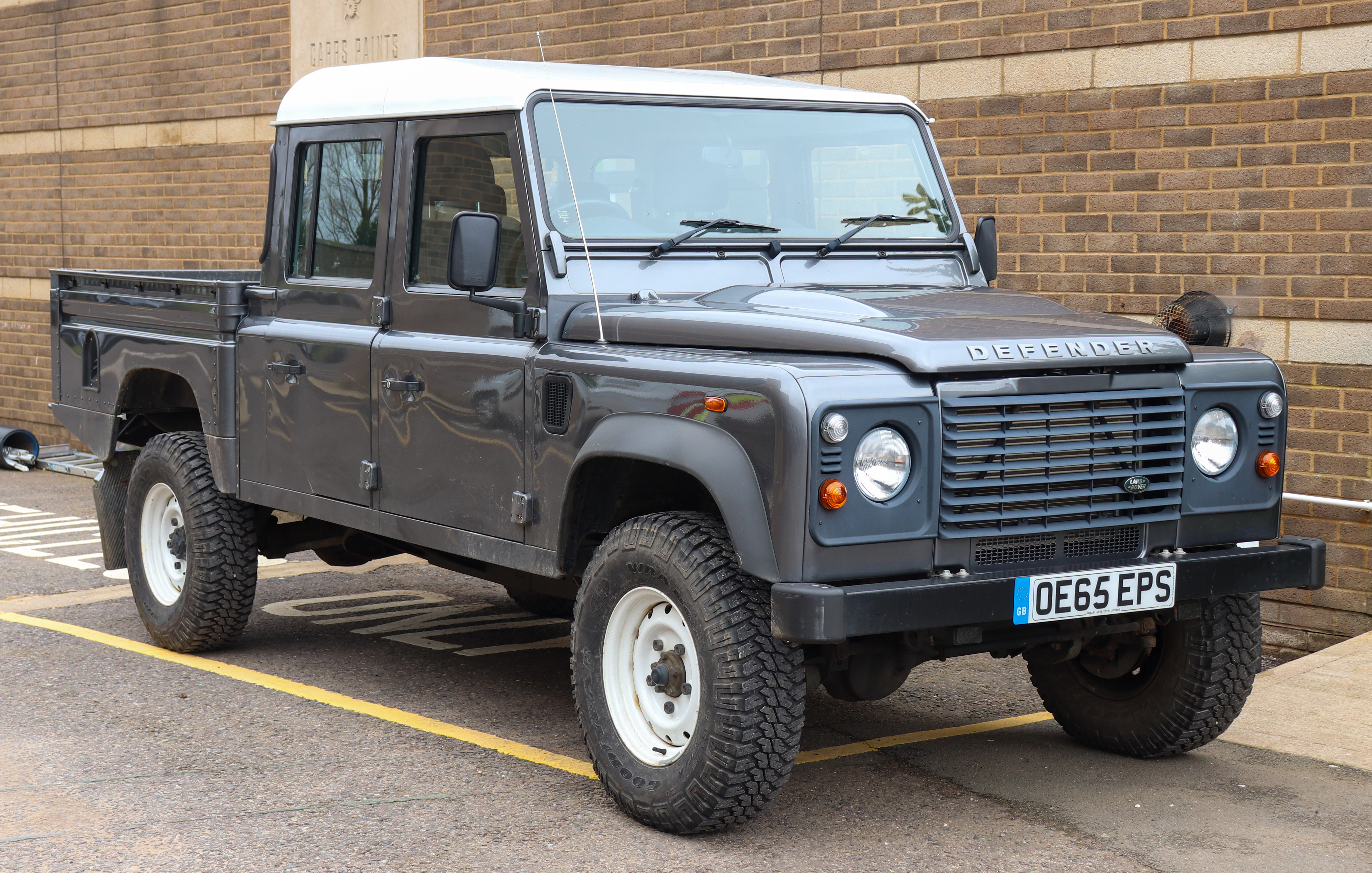
about using a different truck
we could use a Defender you know we could use
some of that stuff
so they don't want the Sprinter
well if Ford is telling you they won't pay for the Sprinter
interesting
no the BMW store
the BMW NAC they want me to use a Ford
I'm like I'm not using a Ford and I'll use a Sprinter
but I think that's a big opportunity
I think that you know
obviously you want to make sure you run
your business in store the best way
but the one thing we've noticed with the mobile
that I don't really hear being talked about
a lot is if you can pick off those
one one and a half hour jobs
and not have the customer
come into the service department
it makes the rest of your shop a little more productive
and they're not dealing with some of that
you know it takes the same amount of time to write that RL up
the same time the road test at bar all those other
you know back end operation things
so you know that's been working in our
Mercedes stores that use it and use it good
and it's I think it's at next level
next year
as you're growing your remote service business
there's a certain type of technician
that is better
at remote service than another
like it's a different it takes a different approach
to the business to be in a vehicle
to drive around
to go from site to site
you're not sitting there waiting for jobs
talking with the customer face to face
right you know
that's probably the biggest challenge
you need to have a champion in the service department
to book the appointments and steer that work
towards the mobile
but that technician I mean we've had roadside
techs for a while but you got to be
like the you know the pool guy
that comes to your house you know the long guy
that you know you talk to you know it's
got to be that kind of guy
and or girl they have to be
you know they have to be can't be afraid
to talk and they probably can't
be over technical so it is a challenge
we've gone through a few people to get the right
person but you know if you keep looking
like anything else in this business
if you make your focus on it
like Kevin said before he's taking ownership
on the on the AI right
you got to take you got to be the champion
you got to take ownership and
and you got to find the right person for the job
yeah yeah so last
up last question up you know Honda
is famously stopped production
of vehicles for a little while due to the next
period chip shortage and
it seems to be that all things
chips impact
automotive right both from
sub part and supply
component availability
but then also just the vehicles themselves
have you seen any supply disruptions
any of the OEMs as a result of the
chip shortage or even overall part
shortage or
are things getting better Dave
I think things are getting better we have
there's periodic outages and
shortages as it goes along but
nothing in particular that I've heard
for the chips
you know I think
one thing that people haven't talked about a lot
is the amount of price increases that the manufacturers
have been dumping on
and has been going on for years now
and it seems like every quarter
you're getting you know appreciation on your parts
tape you're getting prices increasing
you know I don't know if it's tariff
driven I don't know if it's greed but
you know this has been going on since 2021
and you know when they talk about the
affordability issue
it's not I know there's some dealers out there
at $450 an hour I get it
but you know we don't
we don't dictate the price increases that are
coming through the parts and
you know I think that's one of the biggest challenges going forward
it's you know we started looking at after
market parts we started looking at giving people alternatives
you know and and trying to work
with an app or trying to work with the local
the local parts people because
$450 for an alternator
on a Honda right 250
for an aftermarket I mean
we got to give customers an option and
you hate to say it but
you know I'm not losing a job just because
I can't I can't be competitive and so
we can so do you
explain that price difference between the
aftermarket and the OEM
is that just profit to the OEM
or is it just different quality
material or what is the pricing difference
because that is a little
it's a little above but you know if you do
research and you look every
manufacturer out there
parts is one of the most profitable divisions
they don't announce it but if you read through
their pub their statements if you look at their public
their quarterly returns
or issue you know their stock their quarterly
what do they call it earnings calls
and you listen parts is one of the most
profitable centers for all the manufacturers
they don't have a problem
marking up parts and
I'm just using an example I mean I'm sure I could
find a billion other examples
on prices but
there's times when a customer has a car that's
10 years old and you hear about a little time
how much we stink
at retaining customers right after they go
back to warranty but again if you come into my
store and you got a 7 year old
Honda Accord and I tell you it's going to be
$900 for an alternator
and maybe I'm charging $152
an hour but you know
you're priced out of the market right
you got to give up $2000
you might have to offer the option
you know what I mean and a lot of times unfortunately
they have better warranties
they got lifetime warranties or free year
warranties so you know I think that
we got to start digging our heels in a little bit
looking out for ourselves
I'm there to sell parts I'm there to sell service
but it's going to be a
challenge with some of the and the higher mileage
of the cars coming in the more of that you get
yeah well and on that
we appreciate Dave Rogers you being on the
show being back
again for a repeat performance we
enjoy the topics you bring in the conversation
Dave Rogers director
of Fixed Ops Piazza Auto Group
thanks for being on the show today
thanks for having me guys again happy birthday
thank you
that is fun
I love the conversations with him and the different
things he's thinking about a lot
of comments on social
from superfan
hikes in MSRP are getting out
of control hikes in parts is also getting
out of control tariffs
are killing it
I hate it or I hate when the economy
is being driven by politics no more
political comment but I had to say this one
and then yoga car says OEMs have
better margins on parts but total gross
on the vehicles I would say
our own wholesale parts operation it's super tight
margins like nobody
nobody in automotive I should
ask him this but like nobody's crushing
it on parts margin from
OEM to retail
and then
Dan C says love
the fixed ops Friday shows thanks for giving
visibility to an underappreciated portion
of the retail automotive industry
and by the way that's what we're here for
we want to shed
pass light in every part of automotive
and bring it to all of us
happy birthday Sam
and Michelle thank you
look at all that
looks 35 I agree
by the way I like that 35
that's awesome I'll own that
and I'm gonna stick with it
I like that Prince of St.
Darkness that's awesome
well to our loyal listening audience thanks for being here
hope to see as many of you as we can
we'll see you back
on Monday thanks for watching Daily Deal Life
where we break down the biggest moves
in the car business as they
happen don't forget we're here live every Monday
Wednesday and Friday 1pm
Eastern so if this is your world
as always hit like, subscribe
turn on those notifications so you never
ever miss a beat
and we'll see you next episode everybody thanks
thanks guys
you
Request an explanation for:
6 cars
6 cars featured
Request an Explanation
Heard something you'd like explained? We'll add it to this episode.
Sign in to request explanations for terms you heard.
Want to learn more?
Browse our glossary for plain-English explanations of automotive terms, jargon, and concepts.
See something that's not quite right? Our annotations are AI-generated and can sometimes miss the mark.
Click the flag icon on any annotation to suggest a correction.