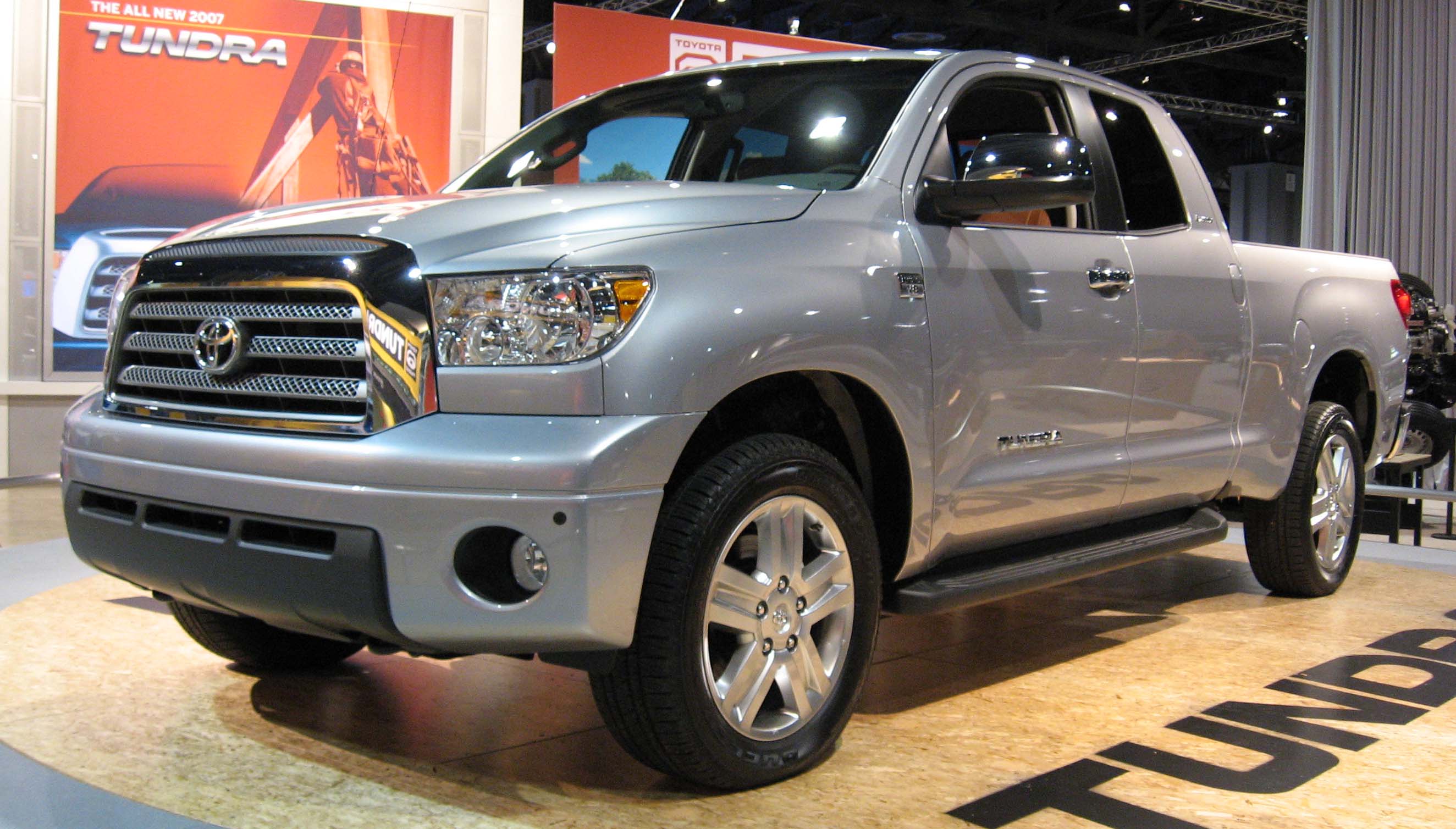
Exploring the dominance of the Toyota Land Cruiser, this episode features John Veloria from Flex Automotive, discussing the brand's history, its unique offerings in the Japanese market, and the growing interest in retro-modified vehicles. The conversation delves into the challenges of off-roading in Japan, the evolution of Toyota's SUVs, and the impact of COVID-19 on the Land Cruiser market. With insights into Flex's operations and the appeal of JDM imports, the episode highlights the enduring legacy of the Land Cruiser and its place in the off-road community.
John Valoria from FLEX motors (@Flex.motor_us) joins the podcast along with mainstay Dylan to talk “refreshed” Land Cruisers. Flex San Diego is the U.S. flagship store, that is your one stop shop for JDM imports and refreshed Off-roaders. The overbuilt Land Cruiser is their bread and butter and we discuss why it’s so good and not comparable to the new one. Is there even a competitor to the Land Cruisers out there?
"So Flex Automotive is a Japanese corporation. We've been around since 1967, which, you know, talking cars, that was actually the first year that Japan actually had auto auctions."
Flex Automotive is a company in Japan that sells cars, especially used ones. They started in 1967 and are known for selling four-wheel drive vehicles, which are great for off-road adventures.
Flex Automotive is a Japanese corporation that specializes in the automotive industry, particularly in used cars and four-wheel drive vehicles. Founded in 1967, it has grown significantly and is known for its focus on Toyota and Lexus vehicles.
"...specifically putting ourselves up into the area of Toyota and Lexus centric vehicles, four wheel drives in particular."
Four-wheel drive means that all four wheels of a car can get power from the engine at the same time. This helps the car drive better on rough roads or in bad weather.
Four-wheel drive (4WD) is a drivetrain system that allows all four wheels of a vehicle to receive power from the engine simultaneously. This system is particularly useful for off-road driving and in challenging weather conditions, providing better traction and stability.
"...our big claim to fame in Japan is that we do occupy the top spot in the four wheel drive overlanding camping kind of outdoors segment of the car population in Japan."
Overlanding is a type of travel where people go to faraway places, usually camping along the way. It often involves driving on rough roads, so special vehicles are needed for this kind of adventure.
Overlanding refers to self-reliant travel to remote destinations where the journey is the primary goal. It often involves camping and requires vehicles that can handle off-road conditions, making four-wheel drive vehicles particularly popular in this segment.
"which is a JDM Japanese domestic model that is only available in Japan."
JDM means cars and parts made for Japan that you might not find in other countries.
JDM stands for Japanese Domestic Market, referring to vehicles and parts that are produced specifically for the Japanese market and may not be available elsewhere.
"But yet they have a lot of off-roaders in Japan, you know, obviously clearly what let's just say the Land Cruiser, the forerunner, the GX, the Prado, you know, platform."
The Toyota Prado is a smaller SUV that is part of the Land Cruiser family. It's good for driving on rough roads and is known for being reliable.
The Toyota Prado is a mid-size SUV that is part of the Land Cruiser family. It is known for its off-road capabilities and is popular in various markets for its versatility and reliability.
Car
Toyota GX
"But yet they have a lot of off-roaders in Japan, you know, obviously clearly what let's just say the Land Cruiser, the forerunner, the GX, the Prado, you know, platform."
The Toyota GX is a fancy SUV that can handle rough roads while also being comfortable inside. It's good for both tough driving and everyday use.
The Toyota GX is a luxury mid-size SUV that combines off-road capability with premium features. It's designed for both comfort and performance in various driving conditions.
"But yet they have a lot of off-roaders in Japan, you know, obviously clearly what let's just say the Land Cruiser, the forerunner, the GX, the Prado, you know, platform."
The Toyota Land Cruiser is a big SUV that can handle rough roads and is built to last. It's great for driving in tough conditions, like mountains or bad weather.
The Toyota Land Cruiser is a full-size SUV known for its off-road capability and durability. It's designed for both rugged terrain and everyday usability, making it a popular choice in regions with challenging landscapes.
"...if you find them, are going to be commercial vehicles. Or they're going to be those small little key trucks, which, you know, aren't even legal here in the U.S."
Kei trucks are tiny trucks made in Japan that are great for delivering goods in crowded cities. They are smaller than regular trucks and have special rules about their size.
Kei trucks are small, lightweight commercial vehicles in Japan, designed to meet specific size and engine displacement regulations. They are commonly used for deliveries and in urban areas due to their compact size.
"...d things like that. They don't market Tacomas or Tundras or anything like that because the vehicles are so..."
The Toyota Tundra is a big truck that can carry heavy loads and is great for driving on rough roads. People like it because it's tough and lasts a long time, making it a favorite for work and adventure.
The Toyota Tundra is a full-size pickup truck known for its reliability and durability. It has a strong reputation in the truck market, often discussed for its towing capacity and off-road capabilities, making it a popular choice among truck enthusiasts.
"Well, because here they always say K cars. But like, those have boomed, you know, just for, I mean, people use them just for content like the Honda Acti, you know, you see everywhere."
K cars are tiny cars that are very popular in Japan. They are small and use less fuel, making them good for city driving.
K cars refer to a category of small, lightweight vehicles that are popular in Japan, known for their compact size and efficiency. They often have smaller engines and are designed for urban environments.
Car
Honda Acti
"...just for content like the Honda Acti, you know, you see everywhere. But like, I get it, they're usually are, they're kind of like Europe, like they take more liking to cars with smaller engines, right?"
The Honda Acti is a small truck made by Honda that is very useful for carrying things around. It's popular in Japan because it's easy to drive and park.
The Honda Acti is a kei truck produced by Honda, known for its compact size and versatility. It is commonly used for light commercial purposes and is popular in Japan for its efficiency and maneuverability.
"...rather than a big, robust V8 pickup truck. Well, and you know, there's come out recently that, you know, the presidents wanting to get those legalized for the U.S."
A V8 is an engine with eight cylinders that are arranged in a V shape. These engines are powerful and are often found in big cars and trucks.
A V8 is a type of engine configuration that has eight cylinders arranged in a V shape. It's known for producing high power and torque, making it popular in performance and larger vehicles like trucks.
"...when you look at vehicles that we have here, you know, that's not much bigger than like a Gator or Polaris or something like that. True."
A Gator is a type of small vehicle made by John Deere that can go off-road. It's often used on farms to carry things around.
Gator is a colloquial term often used to refer to the John Deere Gator, a utility vehicle designed for off-road use. It's commonly used in agricultural and recreational settings for transporting goods and people.
"... have looks like 81 total dealerships, right, for Flex and is San Diego the only one in the U.S.? What ..."
The Ford Flex is a roomy SUV that has a different shape than most cars, which makes it stand out. It's great for families because it has a lot of space for passengers and cargo.
The Ford Flex is a unique crossover SUV known for its boxy design and spacious interior. It is often discussed for its practicality and versatility, making it a good option for families or those needing extra room.
"And that was when Ford was talking about bringing the Bronco back, making a retro."
The Ford Bronco is a tough SUV that can go off-road and handle rough conditions. It was originally made in the 1960s and has a lot of fans.
The Ford Bronco is an iconic SUV that was reintroduced in 2020, known for its rugged design and off-road capabilities. It has a strong heritage dating back to the 1960s.
"a lot of the rest of the parts are actually Toyota OEM Land Cruiser parts..."
OEM parts are original parts made by the car's manufacturer, in this case, Toyota. They are designed to fit perfectly and work well with the vehicle.
OEM stands for Original Equipment Manufacturer, meaning these parts are made by Toyota specifically for the Land Cruiser. Using OEM parts ensures compatibility and quality.
"sent it back here and Flex showed it at SEMA, the specialty auto show in Las Vegas."
SEMA is a big car show in Las Vegas where people show off custom cars and parts. It's a place for car lovers to see the latest trends and products in the automotive world.
SEMA stands for the Specialty Equipment Market Association, which hosts an annual trade show in Las Vegas showcasing aftermarket automotive products and custom vehicles. It's a major event for car enthusiasts and industry professionals.
"...just like here, you know, auto auctions, it can be real hit and miss on what kind of a vehicle you're going to get. And it's even more so there when you're talking about trying to do it at a distance..."
An auto auction is a place where people can bid on cars to buy them. It's like an auction for art or antiques, but for vehicles instead. Sometimes, it can be hard to know what you're getting until you see it in person.
Auto auctions are events where vehicles are sold to the highest bidder, often involving dealers and private buyers. In Japan, these auctions can be particularly competitive and may require local knowledge to navigate effectively.
"...sometimes the provenance of the vehicles are in question,..."
Provenance is like a car's history. It tells you who owned it before and if it has any important documents that prove its value.
Provenance refers to the history of ownership and documentation of a vehicle, which can affect its value and desirability in the market. In the context of auctions, understanding a car's provenance helps buyers assess its authenticity and condition.
"...they have what they call a shaken inspection...."
Shaken inspection is a safety check for cars in Japan that happens every two years. If a car doesn't pass, it needs to be fixed and checked again before it can be driven.
The shaken inspection is a mandatory vehicle inspection in Japan that occurs every two years. It ensures that vehicles meet safety and environmental standards, and if a vehicle fails, it must be repaired and retested to be roadworthy.
"...I've seen you driving that Land Cruiser Prado, right? And I even got a chance to peek inside it."
The Toyota Land Cruiser Prado is a tough SUV that's great for driving off-road. It's built to handle rough conditions and is popular in many countries.
The Toyota Land Cruiser Prado is a mid-size SUV known for its off-road capabilities and durability. It's popular in various markets, especially in regions where rugged terrain is common.
"...wasn't like a restomod. So it's not like you're just taking these 80 series Land Cruisers..."
A restomod is when you take an old car and fix it up with new parts to make it work better, but you still keep its classic look.
A restomod is a vehicle that has been restored to a like-new condition but also upgraded with modern components and technology. This approach allows classic cars to have improved performance and comfort while retaining their original appearance.
"...so he drove, you know, stick skylines and Supras and then he got older..."
The Nissan Skyline is a car made by Nissan that is known for being fast and popular in racing. There are different versions, and some are very special and powerful.
The Nissan Skyline is a line of cars produced by Nissan, known for its performance and popularity in motorsports. The Skyline GT-R variant is particularly famous for its advanced technology and racing pedigree.
An SUV is a big car that can carry more people and things. It's often used for driving on different types of roads, including rough ones.
An SUV, or Sport Utility Vehicle, is a larger vehicle designed for both passenger comfort and off-road capability. They typically have higher ground clearance and can accommodate more passengers and cargo than standard cars.
"the vehicle was like 5,000 miles away from having the timing belt and water pump change, some other preventative maintenance,..."
The timing belt helps the engine parts move in sync. If it breaks, the engine can stop working or get damaged.
The timing belt is a crucial component in an internal combustion engine that synchronizes the rotation of the crankshaft and camshaft. It ensures that the engine's valves open and close at the proper times during each cylinder's intake and exhaust strokes.
"but, you know, I'd like to have something a little more budget friendly. So we started selling, you know, Toyota trucks, SUVs, 4-Runners, Tacomas, Tundras, and some stock because that's what people want and some with, you know, our upgrades on it, our styling cues."
The Toyota 4Runner is a sturdy SUV that can handle rough terrains and is great for family trips or outdoor adventures. It's known for being reliable, which means it can last a long time without many problems.
The Toyota 4Runner is a mid-size SUV that is well-regarded for its off-road capabilities and rugged design. It's often discussed for its reliability and versatility, appealing to both families and outdoor enthusiasts.
"...I actually have two customers right now, one that has a 100 series Land Cruiser and one that has 100 series Lexus LX470..."
The Lexus LX470 is a fancy SUV that is similar to the Toyota Land Cruiser but has more luxury features. It's great for both off-road driving and comfortable rides.
The Lexus LX470 is a luxury SUV that shares its platform with the Toyota Land Cruiser, offering a more upscale interior and features. It's known for its off-road capabilities and comfort.
"But before the GX, and I'm glad you brought up the GX because it's kind of an interesting model, right? Right in the U.S."
The Lexus GX is a fancy SUV that can handle rough terrain. It's popular among people who want something tough but also luxurious.
The Lexus GX is a luxury midsize SUV known for its off-road capabilities and body-on-frame construction. It appeals to buyers looking for a rugged yet upscale vehicle.
"...ou look at something like, say, a Chevy Tach or a Suburban, think about how a Suburban used to be pretty mu..."
The Chevrolet Suburban is a big SUV that can fit a lot of people and stuff inside. It's popular for families because it has plenty of room and is good for long trips.
The Chevrolet Suburban is a large SUV that has been a staple in American automotive history for decades. Known for its spacious interior and towing capacity, it is often discussed for its suitability for families and those needing ample cargo space.
"...trusted ones like the Chevy Tahoe that's having the big engine recall and people are turning to those older Land Cruisers..."
The Chevrolet Tahoe is a large SUV that can carry many passengers and is often used for family trips or towing things like boats.
The Chevrolet Tahoe is a full-size SUV known for its spacious interior and strong towing capacity. It has been popular among families and for off-road use.
"...un BMW convertible, I'd go for the 135 versus the 335. Because it's literally the same drivetrain in a..."
The BMW 335 is a luxury car that is fun to drive and feels nice inside. It's known for being fast and having a smooth ride, making it a popular choice for people who enjoy driving.
The BMW 335 is part of the 3 Series lineup, known for its sporty performance and luxury features. It is often discussed for its driving dynamics and the balance it strikes between comfort and sportiness.
"...ller cars that would compete with a forerunner, a highlander, not a Land Cruiser. Yeah, I know."
The Toyota Highlander is a medium-sized SUV that's great for families because it has lots of space and is easy to drive. It's also known for being safe and not using too much gas.
The Toyota Highlander is a midsize SUV that combines family-friendly features with a comfortable ride. It is often mentioned for its spacious interior, safety ratings, and fuel efficiency compared to other SUVs.
Select text to request an explanation
You are listening to the analog and grit podcast. I'm your host, Victor Troyer.
Who do we have on today's episode?
Dylan returning for yet another episode.
Nice.
Good to be back.
Who else?
It's John Veloria with Flex Automotive.
John Veloria. Welcome. Welcome, analog and grit.
All right. Thank you, guys.
So I appreciate you coming down from wherever you live down here in what is this neighborhood again?
Logan Heights?
Yeah, yeah.
Right? To record a podcast.
Yeah, no, absolutely. My pleasure.
We've actually been on a little hiatus for about, what, two weeks?
So we are back, hopefully, every week, right?
Pretty good at doing every week.
Yeah, yeah. We're pretty good at that.
With podcasts, you have to kind of record in advance.
Right.
You can't just like, oh, you know, with everyone scheduled these days.
So in other words, we're doing our Christmas show 2026.
Yeah, we did the Christmas show at the end of the year one.
But no, but this time, yeah, we, we, you got to have consistency.
Yeah. Right.
So, but today we're going to talk about Flex, what you do and located out in Kearney Mesa area of San Diego.
Yes, that's correct.
Right.
You guys want a little background on, on the company?
Yeah.
So why don't you start, start us off with telling us what Flex is and what you do there.
Okay.
So Flex Automotive is a Japanese corporation.
We've been around since 1967, which, you know, talking cars, that was actually the first year that Japan actually had auto auctions.
So Flex started out in the, in the used car space and specifically putting ourselves up into the area of Toyota and Lexus centric vehicles, four wheel drives in particular.
And since that time, humble beginnings, Flex has grown to be almost a billion dollar corporation.
We've got multiple divisions aside from used cars, we're doing medical loans, hospitality, a lot of other things like that.
But of, I think our big claim to fame in Japan is that we do occupy the top spot in the four wheel drive overlanding camping kind of outdoors segment of the car population in Japan.
We have over 81 dealerships.
We, like I said, focus exclusively on Toyota and Lexus products, four wheel drive SUVs and trucks.
We are branching out in some other four wheel drives and things like that.
But we are tops in that space.
We are, I would say that our relationship with Toyota is like big brother, little brother.
Because we do sell a lot of Toyota product to people in their 20s and 30s.
But even more so that, you know, we do the four wheel drives, we also do the Toyota high ace fans, which is a JDM Japanese domestic model that is only available in Japan.
But in Japan, we get them out like very much like how we do Sprinter Vans here to the Mercedes Vans and for camping and things like that.
But flex occupy such a large space in that market that we actually have our own campground two hours outside of Tokyo that is only available to flex owners.
So yeah, very cool.
You know, has a restaurant and a general store, you know, very much a Japanese aesthetic.
It's in a forest, really beautiful fountains and bamboo fountains like you'd find in Japan, sauna bath house.
Any off road trails?
Well, you know, the off road thing in Japan, so the outdoor market in Japan is a lot different than here.
If you're talking about what we do here, like in California, I mean, look, you pretty much can go 20 minutes outside of San Diego.
And the next thing you know, you can get off pavement and do a little bit of wheeling or whatever.
And then you've got, you know, the desert and Baja mountains out to the beach, you know, multiple, multiple state and national parks.
Right. Exactly.
And in Japan, though, most land is either private or it's government.
And there's not a lot of free open space.
Japan, you know, people think, well, yeah, it's a country, but Japan is literally the size of California, lengthwise north to south with less square miles.
So there is such a thing actually where if you want to go out and wheel, they actually have four wheel drive parks.
So it's not much different than, you know, the BMX bike riding parks where, you know, kids can practice jumps and doing a circuit or skateboard parks.
There is actually a four wheel drive parks where you can go out and test your four wheel drive against different kind of obstacles, you know, because it takes up less land.
I see.
Yeah.
Okay. Interesting.
Kind of like the four by four testing area they have in Akatiyo Wells.
Right. Exactly.
Where they have different obstacles and there's signs with ratings and is it kind of similar like that?
Yeah, actually, if you want to check out on YouTube, there's a couple of videos.
So a lot of people are familiar with PewDiePie from Twitch and streaming and stuff like that.
When he relocated to Japan, Flex had partnered with him and let him have one of our Renoka retro mod four wheel drives.
And so there's a video of him trying that out at one of the four wheel drive parks, which is kind of interesting just to see.
So you can check that out on YouTube.
So that's interesting that there's not that much, you know, land for people to off-road, right?
But yet they have a lot of off-roaders in Japan, you know, obviously clearly what let's just say the Land Cruiser, the forerunner, the GX, the Prado, you know, platform.
All those are capable SUVs that aren't meant for fun.
They're meant for usability for just getting through daily life because of the mountainous terrain, maybe the inclement weather, right?
That's the purpose, not, you know, for recreational use.
Yeah, that and but the interesting thing about Japan is there's very much that going on.
But also at the same time, a lot of the things that you see on movies and TV and videos and things like that, as far as like mass transit, you know, because, you know, if you take some place like Tokyo, which is like the most densely populated city in the world,
and people, you know, having to travel to and from work, you know, stuff like the bullet train and everything is a very real thing.
So in Japan, when people are driving, they're driving with purpose.
But the other part about it, which is kind of interesting considering that it's, you know, the land of Toyota, they generally don't sell trucks in Japan.
Most of the trucks that are in Japan, if you find them, are going to be commercial vehicles.
Or they're going to be those small little key trucks, which, you know, aren't even legal here in the U.S.
And they're the small for deliveries and things like that.
They don't market Tacomas or Tundras or anything like that because the vehicles are so large.
Is that the proper pronunciation? Key cars?
Well, because here they always say K cars.
Yeah, it just depends on.
But like, those have boomed, you know, just for, I mean, people use them just for content like the Honda Acti, you know, you see everywhere.
But like, I get it, they're usually are, they're kind of like Europe, like they take more liking to cars with smaller engines, right?
I imagine there's some kind of tax and, you know, it's more affordable to have a car with a small little tiny engine rather than a big, robust V8 pickup truck.
Well, and you know, there's come out recently that, you know, the presidents wanting to get those legalized for the U.S.
But here in the U.S., a lot of times, people that are using them are like on what they're sort of designed for, for in Japan, like on farms and things like that.
Private property use.
Well, exactly. Because if you think about it, when you look at vehicles that we have here, you know, that's not much bigger than like a Gator or Polaris or something like that.
True.
You know, so a lot of people, I think the big thing with the government is safety and all that.
Because, you know, you put that up against a big lifted four-wheel drive Tundra, it's going to lose.
Yeah, no doubt.
But yeah, they definitely serve a practical purpose for like farm and private property use because their four-wheel drive and they're capable and being, well, just taking the Acti, for example, a good reputation for reliability.
Yep.
Well, exactly.
You said that you have looks like 81 total dealerships, right, for Flex and is San Diego the only one in the U.S.?
What happened with that was probably about 10 years or so ago when vintage and retro got to be a vibe.
And that was when Ford was talking about bringing the Bronco back, making a retro.
You know, Toyota was talking about revamping the Land Cruiser and taking it back to like its FJ 40 roots, that kind of thing.
Flex was trying to figure out how we could do that for our customers in Japan because we weren't a manufacturer.
And the model that everybody loved was the FJ 60 series Land Cruisers from the 80s.
And so, but the thing is, is that even in Japan where they maintain their cars really pretty well, there are fewer and fewer examples of that.
A lot of them were no different than here.
Rust buckets.
And so Flex hit on the idea that there were a lot of 80 series Land Cruisers from the 90s, 100 series Land Cruisers and Lexus models and versions of from the early 2000s that were available.
And so they took about 18 months, two years to design a front end clip and a method to slim the vehicle down and rehab it.
So they constructed and engineered a front end that paid tribute to the 60 series Land Cruisers.
The best way, I mean, literally from the windshield forward, all of the fenders, the hood, everything are pulled off.
They're replaced with with products that Flex design, the hood, the fenders, so that they would go ahead and join up seamlessly with the rest of the body.
But then a lot of the rest of the parts are actually Toyota OEM Land Cruiser parts or Toyota aftermarket.
And then went through slim down, you know, pulled off the fender flares, a lot of the plastic body cladding and things like that.
And then refreshed and went with retro paint colors, refreshed interiors, whatever the customer wanted.
And it took off like crazy.
And so they were getting a lot of demand from people in the U.S. to, hey, export these to us.
You know, how can we get our hands on one of these?
And so they actually bought an 80 series Land Cruiser here in the U.S., shipped it back to Japan, did that Renoka RetroMod treatment on it,
sent it back here and Flex showed it at SEMA, the specialty auto show in Las Vegas.
And people went nuts for it.
And then so that was kind of like, hey, we might have something with people being interested.
Unfortunately, COVID sort of slowed the roll on that.
Yeah, sure.
But then also the market boomed after COVID due to the like six feet, you know, what were we calling it?
Social distancing, right?
And now people are out off-roading.
They're doing things in nature, you know, because they couldn't, you know, interact with people.
So they were out in the woods off-roading and overlanding became this new term that pretty much blew up.
Well, yeah.
And that's the thing is, I mean, it was one of the few things that people could actually do.
And, you know, people felt better being able to get out in the fresh air and being able to actively do something.
And it actually caused the Land Cruiser market to just boom.
Prices went up, like, astronomically.
And so, you know, but with that being said, as things started to ease down,
Flex decided, well, let's open up our first U.S. location and try the market out.
And they looked up and down the West Coast, all the major cities,
settled on San Diego just because, you know, Southern California,
we've got, you know, probably the best of all worlds.
I mean, it is a car-centric culture.
We're close to Mexico and Baja, close to Anzabarago and the deserts,
and then again, still the reach to the beach and then all the mountains,
Sierra Nevada's and the state and national parks.
So when it hadn't opened up there, but it was kind of interesting.
So we started building out some models.
And, you know, it's very much we were selling turnkey models of these retro mods
and doing also custom work for people that wanted to build their own,
either on vehicles that we sourced for them or that they brought in and had themselves.
And so once people, though, started learning more about who Flex was,
they were going, well, you guys have these dealerships in Japan.
There's a huge interest in the diesel Land Cruisers that Toyota never,
and the U.S. never allowed here.
And, you know, can you import those?
So that started to be a very big market and is still kind of booming now
because the vehicles that we have on our inventory compared to how U.S. vehicles are,
are really very well maintained.
A lot of the JDM Land Cruisers that you see at our showroom
that we brought over from our inventory in Japan have clean original interiors
as they were put into the vehicles in the 90s, you know,
and, you know, relatively speaking, low mileage.
Another interesting thing about that too is that,
and it's not the casus versions on anybody that's bringing these over,
but a lot of the companies, I'd say the majority of the companies that are selling those in the U.S.,
they may be buy a couple and then rehab them and then sell them,
or they import them and then just kind of let it be, hey, okay customer, we brought it over here,
you know, it's at the port, go pick it up, you know, it's all on you.
Whereas the vehicles that Flex is bringing over are the same vehicles that we sell to Japanese customers in Japan.
And so one of the things that's different is a lot of brokers or people that are bringing those vehicles over from Japan
are buying them at auction.
And just like here, you know, auto auctions, it can be real hit and miss on what kind of a vehicle you're going to get.
And it's even more so there when you're talking about trying to do it at a distance
unless one of those companies has got somebody on the ground there.
But the thing about the auto auction in Japan is...
You have like a representative there for you, right?
Right, but the thing that's interesting about the auction in Japan and probably no different than here
is that, you know, sometimes the provenance of the vehicles are in question,
sometimes the mechanical state of the vehicles are in question.
There is something that Japan does, which kind of speaks to the level of what the vehicles are,
is they have what they call a shock in inspection.
So the federal government in Japan requires that every vehicle, commercial or personal,
goes through this inspection every other year.
It's for maintenance and roadworthiness and safety and things like that.
If you don't pass that inspection, you're going to have to fix it
and then have it retested to see if it passes.
For some people, the cost is too high.
Or they don't want to deal with it or, you know, whatever.
Car gets old, this and that.
Exactly, and so those are a lot of the cars that end up at auction
versus what Flex is even bringing over is their front lot front line cars.
They are the exact same cars that we would sell to a customer in Japan.
And so you're already talking about us, you know, a step up higher than that.
And so pretty much when customers are getting them here, it's a term key.
Yeah, I've seen you driving that Land Cruiser Prado, right?
And I even got a chance to peek inside it.
And it was a pretty bone stock example, clean interior, looked original,
wasn't like a restal mod.
So it's not like you're just taking these 80 series Land Cruisers
and making them look like FJ or even 100 series Land Cruisers
and making them look like FJ62s or FJ60s.
You're also selling like bone stock examples of Prados
and like Japanese spec Land Cruisers that we didn't get here.
Right, exactly.
And the thing about that too is to the benefit of our customers as well,
you know, pretty much vehicles that are bought at auction are just shipped over,
you know, maybe side unseen or, you know, maybe with some light stuff done to it.
And then, you know, brokers will get it here to the port
and then it's on the customer for anything else.
With our customers, since it is a dealer network there in Japan,
they also have the availability of doing any kind of upgrades
or proactive mechanical work on it.
So for instance, had a customer here that was a JDM performance guy,
so he drove, you know, stick skylines and Supras
and then he got older, got married, had a baby on the way,
thought, well, I better move up to an SUV,
but he still wanted to be in a JDM and he still wanted to be stick.
So we found him a beautiful example, gorgeous paint,
but again, the advantage is that right now the exchange rate with the yen to the dollar
is about 67 to 70 yen to a dollar.
So that means anything that you wanted to add
or any work you wanted to do in Japan before the vehicle came over,
you're already automatically paying a third less than what you would in the US.
So like in this case, the customer, the vehicle was like 5,000 miles away
from having the timing belt and water pump change,
some other preventative maintenance, you said, no, let's have that done there.
In Japan, spare tires aren't required, I think probably because of the size of the country
and things like an auto club or whatever.
And so he wanted the rear spare tire mount that goes on the ample and stores in the back
with a matching tire and ram.
And he had some other things done, but the beautiful part about that is he's paying a third less
than he would have done if he'd done the same work here on this side.
I see, yeah.
I want to talk about the cars you mentioned you use or you restore.
So you said Toyotas and Lexus, right?
Obviously the same brand.
So that means you're taking GXs, Land Cruisers, LXs, right?
What else?
Like Tundras and forerunners, other body and frame SUVs as well and pickups?
Yeah.
Is it mainly just body on frame, right?
More or less, right?
If you think about each of the models.
And are you taking those cars and then you're making them Land Cruisers or you're taking them,
like for example, let's say you got a forerunner, right?
Forerunner obviously is not a Land Cruiser, doesn't have the V8 in it.
Well, some did, but let's just say you got a forerunner, like a third gen.
What would you guys, how would you restore that particular model?
So the one thing I do want to make an emphasis on is that we don't do what in our business
and industry and what your listeners are used to.
It's not a restoration.
And we'll never say it's a restoration because that really involves body off or like completely
every single part of the vehicle is touched.
Where Flex stakes out our ground, I think is sort of in the middle.
I mean, as you all know, it's California.
So you can have four wheel drive Toyotas that are at one end of the spectrum,
which are fairly rust buckets, you know, patina instead of paint with like about, you know,
$30, $40,000 worth of overlanding and four wheel drive gear on it, right?
And then the other end of the spectrum is somebody where it's a complete restoration.
It's a garage queen of pavement princess never sees a lighted day except for a couple hours on Sunday.
And then, you know, you'll take it out for a drive.
You know, take the wife or the girlfriend out and have some lunch and cruise a little bit back in the garage.
You know, our relationship with Toyotas that, you know, hey, look,
we believe the Toyota made a really great product and obviously it tells by what they still sell cars,
trucks and everything like that.
And it's a vehicle that's meant to be driven meant to be used as as Toyota intended when they designed it and manufactured it.
So for us, we can do those kinds of, you know, style upgrades and refreshes that people want to keep driving their vehicles
and keep using it the way it's supposed to be.
So, you know, a lot of the things that we do.
So like I was saying, you know, we started with the retro mods and we still do fair amount of those.
And then people started getting interested in us bringing over the JDM's from our own inventory.
And then other people, too, for budget reasons, you know, say, hey, you know, I, I'd like the flex style,
but, you know, I'd like to have something a little more budget friendly.
So we started selling, you know, Toyota trucks, SUVs, 4-Runners, Tacomas, Tundras,
and some stock because that's what people want and some with, you know, our upgrades on it, our styling cues.
And if they have their own vehicle, we've also started really getting into sort of, you know, refreshing.
I think that's probably the best.
Would it be like this Renault type of refreshing?
No, that's actually.
Or is that just limited to Land Cruisers?
That's really limited for those two.
There is a version called the Winnonsie that's the 2016, 2017 Tacoma.
And then there's the Renokas, the Land Cruisers, the Wunderer Phoenix, which is based on the 80 series,
and the 106, which is based on the 100 series.
But a lot of these are also ones where people like, well, I like how it generally looks style wise when it came out OEM,
but I want to have some upgrades or it's a vehicle that they've had.
So we've sourced some of those for people and we sell them.
Or what I'm getting a lot of lately is that we also have customers.
Well, I've had this car.
I love it, you know, the economy and the way things are going now, tariffs and things like that.
People are looking, well, you know, I'd like to just bring this more up to current time, current standards and, you know, refresh it.
So no different than people deciding, well, I'll remodel the house I'm living in now versus going out and buying a brand new one.
And so it's interesting that, you know, once people are learning who we are, we've gained a lot of traction.
I actually have two customers right now, one that has a 100 series Land Cruiser and one that has 100 series Lexus LX470.
One of them is in Monterey Carmel.
The other one is in Sun Valley, Idaho.
And they're both talking to me about, well, what can I do to, you know, bring these up to current standards?
You know, maybe they haven't been taken care of as well.
One of them is a car that lived most of its life in New York outside.
So there's rust and other things going on.
But it's the vehicle, you know, for some of these people, it's the vehicle that they brought their kids home from the hospital in when they were born.
It's the vehicle that the kids learned to drive in, you know, and it's a Toyota product.
So they maybe maintained it well mechanically, but, you know, the interiors get worn out, there's rust or other issues going on on the outside.
And it looks sort of dated and tired.
And so like with both of those customers, they want to fix the things that are deficits with the body, maybe take care of some of the rust.
And hey, what can we do, you know, maybe a lift kit and brand new tires and rims, you know, my TRD style grill, you know, we can do the interior.
So a lot of them are like, well, redo the whole interior or, well, it's pretty good.
But, you know, the seat bottoms as usual in any car are worn out.
And so doing those kinds of things or upgrading the, you know, a lot of the Lexus and the Land Cruisers from the 100 series.
It's the beginning of all the touch screen, you know, on cars, but that's a very dated thing.
It's like looking at a black and white TV versus a high def flat screw.
Not very intuitive.
No, not very intuitive.
And it looks old and tired.
Yeah.
So, I mean, a lot of cases, that's one of the first asks we get is, well, can you upgrade this to one that has now Bluetooth and Apple CarPlay and Android Auto and a rear view camera.
And so like for some of those, it might cost 10,000, it might cost 20,000, but they look at it as it's an investment in a vehicle that they already love and that they have and can keep, continue to keep driving.
Yeah.
Versus, okay, now I'm going to go out and spend, you know, the Lexus, the GX 550.
I mean, I saw one of those at one of the auto shows and it was in a booth across, you know, or space across from where we were showing.
And that thing was 125, 130.
The new one?
Yes.
Yeah, I actually just sat in one two days ago because I keep looking at him and I'm like, they're growing on me.
Yeah.
And I always think like, what's going to be like my dad car, you know, and I have kids and I want an SUV that's obviously practical, but I want something that I can use to go, you know, off-roading if that, you know, time came.
Because like you said, in San Diego, you have so many options, right?
You could even go down a Baja if you wanted to, right?
You could go to Glamis in East County or you could even go to Otai Truck Trail 20 minutes away.
So I was looking at it and I'm sitting in it and it just, it was pretty much brand new.
I love it.
It was an over trail.
So I didn't have the third row, but it had the air compressor kit in the back.
Like you would never think this car was an off-roader.
You just see it as a nice luxury boxy SUV.
Which it is.
Yeah, right.
But before the GX, and I'm glad you brought up the GX because it's kind of an interesting model, right?
Right in the U.S.
No one really kind of understood it, where it fit, right?
For the longest time, the GX was just a Lexus, right?
And people bought it as, a lot of women bought it, right?
As a grocery getter or a car to take their kids in that they didn't want to crossover or minivan.
So they wanted a body on frame SUV, obviously luxury.
And all of a sudden after COVID, people were buying old GXs like from the early 2000s and driving the prices up because they were like,
I'm not going to pay, you know, 60 grand for an 80 series or even 40 grand for an 100 series.
I'm going to get a $10,000 GX, right?
And the aftermarket supported it.
Well, and that's the thing is so like I said, when COVID hit and people were wanting to get outdoors,
you know, when you start thinking about four wheel drives, you know, they're obviously like, there are all different kinds.
I grew up as a, you know, American heavy, heavy duty muscle kid, you know, growing up and, you know, rebuilt my first engine when I was 12.
And it just, you know, grew up in that area.
But I just love cars, period.
But when people were starting to think, how can I get out and do this and be outdoors?
You know, what's the first word that comes to mind when they're thinking about Land Cruiser, you know?
And so whether rightfully so.
Overbuilt.
Yes.
So whether, you know, rightfully so or not, people were going out to Land Cruisers.
I mean, and prices jumped.
I kid you not, probably 100 to 200%.
And then that's when also people started figuring out, well, gee, the Lexus is the exact same vehicle.
And actually in some regards, a little more luxury and, you know, maybe a little easier to live with.
Yeah, a little more comfortable.
And so people were being able to buy those for, you know, thousands less than a comparable Land Cruiser.
So people started doing that.
And I think the rise on the GXs was sort of the same thing.
Because when you think about something else that's not full size, like a Land Cruiser or an LX, you think of a forerunner, right?
Well, you know, forerunner is a great vehicle, but it kind of has its limitations.
And a lot of people started pivoting to, well, look at Lexus GX is still a Toyota four wheel drive.
It does have, you know, for the most part, three rows of seats, so I can use it as a grocery getter or a carpool car.
It has a V8 in all of them.
And people were going and actually, you know, frankly, a lot of people were figuring out that, you know, the forerunner is a great vehicle, but it's narrow.
The ceiling is low.
So as far as like even without, with utilizing the whole cargo area without the third row of seats, you're still only limited to X amount of space in a forerunner.
Whereas if you take this, you know, don't use the third row seats in a GX, all of a sudden you got something that's taller and wider and then a little bit more capable and the pricing were great.
So then that I think started the whole evolution of people upgrading their GX is, you know, with overlanding or off road type capabilities, you know, aftermarket bumpers and lifts and tires and rims and things like that.
Yeah.
So I mean, and that's still a strong market.
A lot of a lot of people love that because, you know, for all intents and purposes to, you know, going back to what we were saying, it's still a vehicle that you can use as a daily driver.
But then, you know, even in stock form, you could still fully take off the pavement on the weekend.
And then if you do some upgrades, but then during the week, hey, it's easy enough that I can park this thing like a car because the size is not that big.
I want to talk Land Cruisers in like not Prado like obviously the because they're just as a distinction real quick.
There is a Prado or a like you have 100 series, 200 series, 300 series, which we never got the 300 series Land Cruiser.
We have the LX Lexus, which is currently the 300 series.
But the new Land Cruiser, right, that just came out.
And obviously there's which we'll never get here.
No, no, not the not the 300 the Land Cruiser Toyota that is the hybrid.
Oh, right.
So we do have it here.
It's a four cylinder hybrid.
Yes.
So obviously body on frame, it's it's kind of like in between a, you know, a Land Cruiser and a forerunner.
Right.
It's kind of like, like you said, like I wouldn't say full size because it doesn't doesn't have the big, you know, wheelbase.
But I see him.
I'm seeing him on the roads.
Obviously people are buying him the, you know, 55,000 was the starting price.
I don't know who's paying that much.
They're probably all paying over 60.
But do you feel like I'll actually ask you because, you know, this is a car that you obviously see on the roads today.
Do you feel like that car, like diluted or maybe dumbed down the Land Cruiser brand?
Or do you feel like it actually helped it?
Because now more people maybe can afford it.
It's hard to say.
I mean, the Land Cruiser, I think for me and for people who are looking for a serious off-roader lost a little bit of its appeal when it
dropped the solid axle because the 100 series is the first independent, right?
Yeah.
So that's one thing to me.
I think that the people who are going to buy the new one are not going to actually use it for as much serious off-roading as somebody who bought a
Land Cruiser new in 97.
Yeah.
I mean, when you think about the Land Cruiser in the US, it was a luxury car, right?
But it was a luxury car that like the person that bought it didn't want to show off that they had money, right?
And if they did want to show off it by the Lexus, you know, LX, but they still weren't selling, right?
Like, remember when we saw the 200 series that Nick was detailing like a few weeks ago in the Bay?
And we looked at it like, damn, like we never see these, the 200 series, right?
And I mean, who knows, they were maybe selling 2000 a year maybe in the US.
I don't know the numbers, but they were so rare, like no one bought them.
So obviously they discontinued the Land Cruiser in the US because no one's buying them.
You know, they didn't have a cheaper version that people could buy because in the worldwide, the Land Cruiser is pretty bare bones.
You can get them with cloth seats and things like that.
Well, and that's the thing is, you know, when you look at, you know, even the 70 series, Prados and things like that that we're bringing over from our inventory in Japan,
that is still rolling around the world, you know, probably in about 90 or 95%.
I mean, it's the vehicle that refuses to die and for good reason.
I mean, they're overbuilt.
Yeah, they would.
They were designed to last over 300,000 miles in like rigorous like desert, like terrain, you know.
Well, yeah, and I won't even bring up the other example, but you know, it's one of those things where you can take them in any harsh environment.
And a lot of times you will see if you have even military.
I mean, Venezuela still uses Land Cruisers 80 series and 100 series still to this day.
And a lot of times there are military forces around the world where that's their go to because they can take it anywhere.
They far exceeded their expected service life and they're still going.
Yeah, I mean, you see them religiously over 400,000 miles.
Well, look, it's like it's like that old cliche people always say, well, if you want to get anywhere, drive whatever if you want, you know, if you want to get back, drive a Toyota.
Yeah, and the Land Cruiser like today, like I see the new one.
And at first I was kind of like a snob to it because it had a four cylinder hybrid, which essentially is the only powertrain offered.
And I look at them and they look great, right, really well designed.
But the question is, is it diluting the brand, the nameplate, right?
Because when you think of Land Cruiser, you think of V8 overbuilt, you know, this thing is indestructible.
And now we see this new Land Cruiser and that four cylinder screaming, you know,
I think time will have to be the tell because I was talking with somebody, a friend who recently bought a brand new Tacoma.
And I expressed my hesitation about a turbo four cylinder powertrain.
But then he went ahead and made the argument that what if it's like the next 2JZ?
You know what I mean?
So so there could be a case maybe we'll see.
I'm not sure how they're standing the test of time currently, but over the course of 10 years, maybe they'll be OK.
And if they are, then it's not going to hurt the brand.
So I just drove a six gen four runner for the first time just two days ago, actually.
And same engine, right? Four cylinder hybrid in the four runners similar to the Land Cruiser.
And it had power.
Like I wanted I wanted to see because I remember watching Jason Kamise's video and he was like this thing.
I feel like I'm hurting it, you know, because it's a little four cylinder and I'm taking it uphill and, you know,
I'm doing what it should be doing, you know, up, you know, in an off road course.
And I was just on the freeway, you know, and I punched it and I was like, OK, you know what, I get it.
Like it has more power.
It seems even somewhat smoother because the old four runner was like a five speed automatic, right?
So obviously it's now up to date, right? And they need to sell the Land Cruiser.
So you're not going to keep a name plate in the US selling 2000 units a year, you know?
So it makes sense.
I get it from like a business standpoint, why Toyota offered the Land Cruiser at its price point with the four cylinder and all that.
My fear, though, is that it's going to water down the name plate because we're so used to saying how the V8 is overbuilt.
And and it should, you know, it's not a Land Cruiser unless it has a V8 in it.
So we'll see.
Test of time.
Well, that's what I think to think about that, too, though.
I mean, I think part of it is the same thing that you see in anything auto as far as like evolution goes and what people are demanding.
You know, that's the thing is it's kind of interesting.
Even on the older ones, almost one of the first asks almost always is, can you upgrade the audio unit to be Bluetooth, Apple CarPlay, Android Auto and our rear view camera?
Because those are all things that people find worthwhile.
And so I'm, you know, I'm sure that argument was probably even being made when Toyota went from the straight six to the V8 in the hundred series and people are like, and it got bigger.
You know what I mean?
And so that's the thing is, you know, there was the wagon concept in a station wagon concept with the FJ, you know, 55, then the 60 series and then the 80 series.
And then all of a sudden it went to this thing, which is much larger, can hold more people.
But, you know, as far as what consumer demand was, well, we want that, you know, I mean, it's the same thing where even if you look at something like, say, a Chevy Tach or a Suburban, think about how a
Suburban used to be pretty much almost like a long bed Chevy truck that they all of a sudden had a full roof on and three rows of seats.
Then it started evolving into what it is now.
And so I think that it's, you know, it's always going to be a test of what the consumers want.
How can we meet that?
And you're not going to always please everybody.
And, you know, my thing is, is that for somebody that I've always been very tech heavy in my whole career.
I mean, I was in banking and finance for a lot of years.
I welcome it and I understand it in like the newer versions of the Land Cruisers and like the Lexus and stuff like that.
But at the same time, it's like, you know, if you if you take any of the modern vehicles, what's the first thing you do when you pull into service?
They're plugging the computer into the thing.
And it's kind of like, OK, is this stuff robust enough for what we want to use it for and beat on it?
You know, there is something to be said for I love that any vehicle, you know, that I would be using off the pavement, I can turn a ranch on.
If I need to get something fixed, you know, the analog, you know, part of an off-roader is just as great as a sports car, right?
Like and that's the draw of those older cars and a big part of their growing popularity recently because new cars across the board in many cases are just proving to be not as good.
I mean, I can think of many examples starting with trusted ones like the Chevy Tahoe that's having the big engine recall and people are turning to those older Land Cruisers,
four runners, OBS pickup trucks, that kind of thing, because they feel like they're tried and true.
They're tried and true and they're not going to have a better chance with reliability on a new car.
Yeah.
Yeah. So for example, those two customers I was talking about with 100 series that they want to have revamp, it's not going to be, you know, a small amount.
But when you look at it in context of what it would be to flip into a similar car, yes, granted with zero miles or, you know, a couple thousand miles and more amenities.
A lot of these people, even if they upgraded everything they wanted to, say, cost them 10,000, 15,000, 20,000, but it's a vehicle they already know.
It's a vehicle they've maintained.
And okay, so great 20,000, but it looks like a million bucks.
It looks like a brand new car.
And that thing will go and roll on for another couple hundred thousand miles.
Yep.
And that's the thing with everything that we do as, you know, much as far as like the aesthetics and the looks, the first thing that Flix does, excuse me, with anything that we are selling or even when we're doing rehabs for customers on their own vehicles,
we start with giving it a thorough inspection and baselining all the mechanicals for safety and longevity.
And so, you know, the whole thing with that, even on a customer's vehicle is like, okay, we're going to tell you about your own vehicle.
And there may be things that, you know, maybe you're taking it to your neighborhood garage and it's nothing against them, but they're not like Land Cruiser or LX Specialists or attuned to Toyota, you know, four-wheel drives.
And so we'll tell you these things and, you know, break it down to, hey, look, this is what you've got to fix.
This is a complete safety thing and maybe you weren't aware.
And then some other things with, okay, well, this is like, you could do it now or, you know, but this is definitely something to keep an eye on three months, six months down the road.
And the whole reason for that too, you know, and trying to explain this to customers is like, look, we want you to be in as good and solid and safe a car as possible.
Because what good is it to do all of these upgrades to make it look good and feel good and, you know, a better audio system and a rear-view camera if the thing is just going to come to a grinding halt in a couple of months.
Right.
You know, so no different than, yeah, no different than, hey, you got termites.
Let's take care of the foundation before we paint the house and do all this remodeling.
Right, of course.
So I imagine a lot of suspension work and things like that.
Well, yeah.
I mean, the thing is, is we'll just go through and say, okay, this, this and this, and then identify things if it's the customer's own vehicle and say, okay, look, these have to, have to be fixed.
Somebody comes in and they want to spend 20 grand on wheels, tires, racks and equipment and their rear mainsail is leaking like a sieve.
Right.
Exactly.
And some people, like I said, aren't necessarily aware.
I mean, one of the upgrade customers was like that.
I, you know, she had a good neighborhood garage and she just moved recently to, to, I know.
And, you know, she found a good garage there, but they were a jack of all trades, you know, garage and there's nothing wrong with that.
But sometimes there are very specific things with vehicles, you know, that need to be looked at and addressed.
I want to ask you guys a personal opinion.
What is your favorite Land Cruiser?
Let's just stick to US spec.
Something we know.
I'm going to say the 90.
The 1990s one.
Like the 90 series or 80 series.
80 series.
Yeah.
Yeah.
Cause it came out in early 90s.
Right.
Straight six.
90 through 97.
That's my favorite one right there.
Because I personally experienced it growing up like in one with my closest childhood neighborhood friend.
And there's now, they still have it today and it has over 400,000 miles on.
Oh yeah.
And it has a solid axle.
Solid front axle.
Yeah.
We have two friends that have one.
I was driving to one with my one of my friends and you know, it has a little fake wood grain in there and you know, it's kind of, it looks dated.
Yes.
But the special thing about the 80 series besides the fact that it has the front solid axle is that car like it just so robust and it feels like nothing against 100 and the 200, but it just feels like an older analog car that just stood the test of time.
It is one of my favorites as well.
I mean, I think the thing about that too is it was, you know, at looking at all of these different series, it's the sweet spot.
I mean, it, especially when you're talking about 93 to 97 when it jumped up right to the four and a half four and a half liter, you know, which was a far which is a much better engine.
Right.
Exactly.
And then the thing is, is that, you know, 96 97 they started having airbags of that's a safety thing a lot of people look at.
But it still was room enough to hold people hold gear, but not so big.
I mean, I like I like the 100 series, but it's a good size car.
Yeah.
And then the triple locked ones.
Oh, yeah.
The values of triple locked 80 series aren't seen.
Yeah, we've sold a couple and we just sold one now to a customer that if I'm not mistaken is actually shipping it out of the country.
Oh, wow.
I mean, I get it because, you know, you get the capability, you know, some people say with the front axle solid and without the IFS, it's, you know, it's going to be like a Jeep.
Right.
More truck like truck like it's already going to have body roll since it's body on frame.
But the people that want triple locked obviously want a car that they can take off road and feel like they can do anything in it.
Right.
Now, you know, I agree with you, by the way, 80 series is definitely my favorite.
I think it's the, like you said, the sweet spot generation Land Cruiser.
Also, you see them kicking around all the time beat up with deferred maintenance and still going.
Right.
And I think that's pretty telling.
Yeah.
I mean, a straight six.
I don't see as many beat up ragged out 100 series.
Yeah.
I mean, look, the straight six, we've talked about it that just that platform alone, like there's less friction.
It's usually going to I mean, nothing against their V8.
The V8 are exceptional.
Right.
But I just love the fact that it has a straight six.
And I imagine it's lighter too.
Right.
The 80 series has to be lighter than 100 series.
I mean, right off the bat, it's got a V6 instead of a V8.
And it reminds me of something one of my favorite automotive journalists said a long time ago that you'd be hard pressed to find a bad in line six.
Yeah.
And if you really think about it across the board, for the most part, of course, there's exceptions, but in line sixes are usually pretty good engines.
Regardless of who makes them.
Well, and the thing is, is that that model was just eminently very much something that you can upgrade.
I mean, I put in one probably this last summer, I put in a supercharger.
Mm hmm.
In an 80 series?
In an 80 series.
And it was, I mean, and the customer was rolling on bigger tires, so they needed a little bit more power.
But I'm telling you, when I was sort of testing it out after the it had a supercharger in it before, but it just like burned out.
And so put in a brand new one in.
And you're familiar with that grade from like crony Mesa to Santi up the 52 freeway.
Right.
It's a good steady grade.
It's not like climbing mountains, but it's a good steady grade.
And so when testing this thing out, I took that on that grade hit 70 and never had to back down a gear or mash the pedal to the floor.
And it just kept going at 70 all the way up that grade.
Yeah.
That's that's the knock, right?
Like they're not powerful enough, right?
Well, that's always been the Achilles heel.
Do you agree to 80 series is your favorite?
Oh, yeah.
No, absolutely.
But definitely though, with the 4.5, the 4.0, you know, repurposed Toyota tractor engine.
It I mean, it's solid.
I mean, you have to go out of your way to try and it's an iron block.
Yeah.
It's it's it's one of those things you have to really work hard to kill that engine, probably 30% less than like a 93 or better.
There's some value there.
But it is.
But it is one of those things because it's it's a carry over the same engine from the 60 series.
And you know, with those, it's their great vehicles and they will run forever if they're maintained.
But it is still one of those things where it's pulling a fair amount of weight where, you know, the best example I give to customers is like, OK, if you do want this, you have to be aware that for daily driving purposes, you pretty much.
If you're going onto the on ramp of the five, mash the pedal to the floor and hope and pray that nobody is in the slow lane and that you're hit 55 by the time you got to the top of the on.
Yeah.
Because otherwise it was just going to be right.
Yeah.
So that makes sense.
So power, like as the, you know, generations continued improved, right?
Right.
Now I drove 100 200 series for a little bit, kind of as, you know, personal car.
And I remember taking it on the freeway, like going, you know, freeway speeds, right?
So let's just say the speed limit.
And it cruised fine, right?
It's when you need to stop and then reaccelerate again.
You can feel the weight, right?
And I remember thinking like, damn, like this, this car is not quick.
Like it doesn't feel like a V8, you know, so you get the robust, you know, like overbuilt quality and the reliability, but the power is definitely it's Achilles heel.
Yeah, it is, it is tough on that because, but again, that's what the market demanded.
I mean, and I wanted that.
I bring it up because I want to kind of talk about the 100 series real quick because like you said sweet spot for 80 series.
A lot of people enthusiast, and I could even quote Doug DeMuro, he said the 100 series is the best Land Cruiser because it's, it's got this, you know, better power than the 80 series.
It's not as maybe heavy as the 200 and it's powerful enough where you don't have to worry about, you know, punching the accelerator when you get on a freeway.
Exactly.
I mean, but that's the thing.
I mean, that's a more, you know, it's a personal preference for me on the 80 series just because, you know, it's maybe a little nostalgia and little styling and size.
I mean, you know, that says a lot.
That's a big thing for me, size and the solid axle.
Yeah, no, that says a lot.
I think the 80 series is better.
And in the market, you know, I think is dictating that the 100 series will see what time if they continue to go up, but it's going to age well.
It will.
Well, and that's the thing, though, is I mean, and Doug is right in that, in that standpoint.
And I think I've talked to him about it before, too, is and it, the sweet spot, even on those on the hundreds is that 0607 where it's the V8, but then it goes to the VVTI engine.
And then all of a sudden it's like, okay.
And so I've got a couple of customers that I'm actively looking for that car for.
But the thing is, is because that is the tail end of the 100 Jarrett 100 series generation and the, you know, from a lot of people, the best version of the 100 100 series.
Now, nobody gets rid of them.
You hardly.
The later like the later years of the 100 series, right?
You said 0606.
Now those didn't come with rear lockers, right?
They didn't.
They had a track, I think only.
I think so.
I, you know, honestly, I have not seen enough of them to really, you know, it is kind of like even for that, for that generation.
It's kind of a unicorn because the people that have them know what they are.
They don't get rid of them.
Was it like just sales just were dwindling at that point on those?
And that's why everyone that wanted one already bought one.
So maybe they're just not as common.
But yet the VVTI.
It's because it's because more power of things.
Yeah.
You know, VVTI, five speed transmission.
Okay.
There were a couple of minor upgrades, though, that made it like the sweet spot for that generation.
And so people didn't want to get rid of them.
I mean, it's, it's rare.
I think in the three years I've been with Flex, we've had one.
Okay.
And I'm actively looking for at least two, two, maybe three customers that want those.
One of them wants to make it into a Renault car retro mod, but they want as the base,
that particular drivetrain.
Nice.
All right.
Well, before we wrap up, I do want to talk about some other models.
Okay.
So I wanted to get you guys's opinions on what you feel like is the best budget off-roader
that could be closest in comparison to a Land Cruiser or a GX.
Crickets.
What do you got?
Well, I mean, the first one that pops into my head is, is the one that I know that you're
going to say.
Go ahead.
Say it.
Which is the Montero.
Because you just bought one.
Well, particularly, yeah, recently.
Yeah.
Particularly the, what generation would that one be?
The third generation.
Oh, 106.
Specifically that one and getting behind the wheel of one and driving one, it felt very
like Land Cruiser like, like comfortable, plush, decently modern, but still like rugged
and usable and cool.
Big four-wheel drive indicator on it and all these little like Easter eggs that show you
that it's like an off-road SUV.
And I see them listed, you know, with pretty high miles for sale.
And I think it's a cheap alternative.
Yeah, I posted.
I don't have any personal experience with it, but it's a cheaper alternative.
Well, you drove it right on the freeway after he bought it.
No long-term experience, I guess.
Never lived with one.
So one just sold.
I posted it on the Instagram channel for 19-7, I want to say.
It actually was a really nice spec.
It had a very unique front bumper, which he said was factory.
I've never seen that front bumper kit, but then it also had like 50 or 60,000 miles,
really low miles, and it was an 01.
So it was like the first years of the third gen.
What would you say, John?
I would say hold out for Toyota.
And the only reason, but the only reason.
Come on, John, you can't think of any SUV that's comparable somewhat like I say budget.
Yeah, but the thing about budget is you have to think long term.
The hard part about any of these and it's true in a lot of parts of the world,
which is why they're still keeping like 70 series and Prado's running is because they can.
Hard part about any of the Mitsubishi's, even the Monterra, which is a great vehicle,
is parts and being able to fix them.
I would say, look, if you don't have to buy a car right now,
if you aren't in a position where I have to buy a car this week, then wait a little while.
I mean, look, I grew up making a lot of trips down into Mexico.
You used to surf rapidly.
And the thing is, is that if you're going anywhere down the peninsula,
you pretty much either need to drive a GM product or a Toyota.
Because if you got past Tijuana, the odds of getting parts or anything fixed start dwindling rapidly.
And so that's the thing is again, going back to that cliche,
if you want to get somewhere, drive whatever you want.
If you want to get back, drive a Toyota.
And there's a reason why they're still rolling around the world,
because they literally almost could be fixed with chewing gum and a piece of wire.
There's a lot of things and how many times have you seen,
there's stuff like that Mythbusters one where they dropped the Toyota truck off of the building
and it still was able to drive away.
Wasn't there like a video that just surfaced in the Philippines where a guy just gets out and he RPGs a Toyota?
That was in the Philippines.
It was a mayor in a 200 series Land Cruiser.
They hop out of, and I think it was a Mitsubishi van,
fire an RPG in this 200 series and you see it hit.
And they still drove away.
Dude, tank. It's a tank.
Well, the thing is, I mean, it's, you know, you have to, and that's also why, look,
think that's why there is still such a market for the Toyota trucks with the 22 of our engines.
Because you have to work to kill that four cylinder engine.
They'll just go and go and go.
It's pretty funny.
Now that you say that they have Toyota has a legacy engine for each like cylinder for,
you know, obviously multiple displacements.
But right off top of my head, 22 are probably the best four cylinder they have, right?
Six cylinder, maybe the 4.5 or the 3.4 liter in the forerunner in the Tacoma and the third gen forerunner in the first gen Tacoma.
That 3.4 liter, the four cam v6.
Well, I think that was also part of one of those things where it was at the time well matched to what model it went into.
Yeah.
You know, it wasn't underpowered.
And that's, that's the, you know, what you get sometimes like the 4.0 liter.
Well, the 4.0 liter in the forerunner.
In the forerunner?
Well, no, in the 80 series.
The original one, yeah.
Was a, you know, a workhorse engine, but it just wasn't made it well to what it was pulling.
Right.
You know, whereas the 4.5 was.
Right.
That made sense.
Because yeah, it was, it was carried over from the FJ62 or whatever.
Yeah.
60s and 62s.
And I would say, and correct me if I'm wrong, I would say the 4.7 liter v8 would be probably the best v8.
Absolutely.
You know, and it's funny because you look at the forerunners, the 4 gens that had the v8 in it, like those are sky.
You get a v8 forerunner four by four.
Look at the values on those things.
But, you know, speaking of the 4.7 liter drivetrain, think about this though, there is another reason why the GX is so popular.
It's no different than what you see in the, in the BMWs.
Like if I was going to buy a, you know, a little fun BMW convertible, I'd go for the 135 versus the 335.
Because it's literally the same drivetrain in about two thirds of the weight.
Think about the 4.7 LX GX.
Okay.
You're pushing a lot less weight.
So there's a heck of a lot more power, but you still have pretty much a good amount of space and people hauling capability.
So why wouldn't you go for that?
Cause, you know, that's kind of in some ways the sweet spot for that drivetrain, even more so than the LX.
Cause it just, okay, I can do all everything with this car.
So John, if, you know, cause you said it yourself, right?
What's the term that there's no better time to own a classic car today?
Right?
Yeah. Yeah.
I mean, there's no better time to own an older car because of the capability we have today.
Just in terms like reproducing parts and like making stuff and the internet, of course.
So parts availability is not an issue, right?
What would be your budget off-roader?
We're going to pull it out of them.
Well, I want to say something too while John thinks about that because this whole time I said the Montero earlier,
the only other good budget alternatives to a Land Cruiser I can think of are smaller vehicles,
which puts them in a different class against like the forerunner.
Right.
But from like the Land Cruiser, there's, I mean, there's really not much.
And that's the thing is, I mean, if you're, because it comes down to,
it's the same question that I ask people when they're coming to us for either buying a car
or they're refurbishing their car or something like that.
It's like, my whole thing is, and you know, me, I've always, I've been saying this for years.
It's like, what are your top, you know, one, what are you going to use this car for?
And then two, what are the top five things that are important to you and prioritize those,
you know, with number one, obviously being the most sought after down to five,
because for every single person, it's going to be different.
So, you know, like even going back to what you say, I mean, like, yes, the Montero is a great vehicle,
but the more I'm thinking about it, you could really on a budget get a decent GX.
Yeah. Still. Yeah. Still.
But I mean, like a, like a early 2000s GX, which would be really capable, which would have that 4.7.
So maybe it's got some rough spots, but it's one of those things where you can build on that.
And so it's even the same thing with customers that come, come to us about wanting to get their vehicles refurbished
and things like that, you know, it's not an all or nothing proposition.
So, yes, it would be nice to do everything all at once.
Sure, it makes it easier.
But, you know, I've had customers come come to me and say, well, you know, we're on a budget and things like that.
OK, well, great.
So again, what do you want to use the vehicle for?
What are the top five things that you want to have in the vehicle?
OK, what's your budget?
And it's not so much to soak up all the money in the budget, but it's to, OK, well, how many of these things in your top five?
Can we fit into that budget?
And if it's, you know, this, if we, if it's even only that we take care of number one on your list, then we take care of the most important thing.
And then the rest we can do in phases.
OK, well, then, you know, save a little bit, come back and let's take care of two and three.
You can add a Bluetooth head unit anytime.
Right. But I mean, but the thing is, is that we can chunk things.
And like I said, you know, that's why we have customers that are willing to ship vehicles to us to do work for them because of the care and the styling and what we do.
And also why we have people that are coming to us, you know, either shopping online and we're shipping vehicles all over the country.
Actually, we even shipped a JDM 70 series to a customer that was relocating with their business to Africa.
Yeah.
And I said, you know, hey, love that you're coming to us.
But, you know, it is Africa.
There is a lot of, you know, 70 series rolling around there.
She goes, yes.
But with Flex's reputation and what I know what you guys have done to the car.
I can trust that and I'm willing to pay to get it there rather than getting there.
Even if I buy something that may look good, but am I going to get stuck in the bush, you know, a week or two weeks, you know, into it.
And so, you know, we just had a customer that literally came in from Colorado and picked up a 200 series that was kitted out and drove it back.
You know, speaking of the 70 series that you I saw you driving.
I drove in one of those when I did a Mount Etna tour in Sicily because they take you up the mountain to view the volcano.
And that was the tour guide car like 70 series.
What year is the 70 again?
Well, it's like that.
Well, they did, you know, so but the majority of them are like in the 90s.
Yeah.
They still made them worldwide until like 2019 or something.
Well, in different things.
Look, in Brazil, they were still making the beetle.
Yeah.
The original, you know, things like that.
So, you know, it and it just depends on the markets are all different.
But, you know, that's the thing is and, you know, I'm proud to say that I mean, flex is the only Japanese company in the U.S.
As far as I know, that's occupying in this space.
And it's awesome.
Yeah.
And so, you know, I think there's a lot to be said for the expertise that we have from Japan.
And then also the way that we deal with customers.
I think it's a very, very different kind of style of doing business because, you know, it's not uncommon for people to say to us.
It's like, wow, I can't believe you guys are like transparent about this or telling me about this.
Or, you know, I've had circumstances where I tell a customer, well, look, you know, this is not going to suit your needs.
But let's pivot and look at this or whatever.
And people are like, well, wait a minute.
That's not generally how a car dealer is.
And I said, well, look, yes, it's a business.
You know, we're in it to make money, but we're in it also to satisfy what a customer needs.
Not going to beat you over the head to buy a car just because.
Yeah, of course.
And I mean, it proves it out.
I mean, our Google reviews are, you know, I think almost all fives.
You want to get repeat customers.
That's how you get repeat customers.
Well, and that's the thing is, you know, you know, it's an old adage in like business 101.
If, you know, if you treat a customer right, they'll tell a handful of people, you know, maybe three, four, you don't treat a customer right.
They'll tell seven to 10.
Yeah, exactly.
It's a referral business.
And the thing is, is that it is now starting to be that we've been in the US for a couple of years that people are referring people over.
Or I saw you on this or somebody said that about us.
And, you know, and a lot of times those people are coming from a distance because they want to be treated fairly and want some expertise behind, you know, what they're looking for and, you know, some guidance.
Right.
Well, John, I appreciate you sharing everything you know about flex.
And what was your, your title there again?
I'm the operations and finance manager.
Gotcha.
Yeah.
Well, appreciate it, man.
Because what they do is really cool, you know, especially in a day and age today where everyone wants to kind of harken back, you know, to the times where things were more analog, but still have a modern vehicle that is still road worthy.
Right.
To answer my question, doesn't sound like there is an alternative to the Land Cruiser, at least on a budget sense, other than another Toyota or Lexus.
Again, like I said, the only other good, good ones are smaller cars that would compete with a forerunner, a highlander, not a Land Cruiser.
Yeah, I know.
It's in a league of its own.
Let's just say that we can end this podcast knowing that the Land Cruiser is in a league of its own.
And that's the reason why Flex is, you know, refreshing, you know, older cars, older Land Cruisers, older body on frame Toyota, you know, platforms to keep these, you know, special SUVs on the road for years and decades to go.
Well, and that's the same thing to what we're even trying to bring to some of the newer models as well as kind of like an old school feel an aesthetic to it, you know, maybe some doing some things that Toyota should have done, but you know, they're marketing to the masses.
So but with that being said, you guys should keep an eye out and listeners keep an eye out. Flex has got a very special event where we're going to be showing casing some great vehicles.
That's going to be coming up, I think at the end of March, maybe the beginning of April.
Okay.
Just follow our socials and just check in. And we'd love to see you there.
Where can we find you on Instagram?
So on Instagram, we're at flex dot motor underscore us.
Okay.
And then our website is flex motor.com. We always have our current inventory up there. And then the other thing for customers that are looking for a JDM Land Cruiser.
You know, there's a 25 year rule as far as importation goes, but our it with our corporate headquarters in Tokyo. They're great in that once something hits the threshold for the 25 year, any flex vehicle in in the Japan inventory will automatically populate.
Nice.
So if you're looking for something like that, you can just click the filter for import from Japan.
And it'll show you, but it'll show you the price. And then the only things after that are, you know, if there was anything additional you want done, the shipping across the US and then the tariffs. That's it.
Awesome.
Yeah, that's great.
Well, John, thanks again, man. Dylan mainstay Dylan is what we like to call him Mr. consistency.
All right, guys, until next week on the analog and grit podcast.
Thank you.
Request an explanation for:
15 cars
Scroll for more
15 cars featured
Request an Explanation
Heard something you'd like explained? We'll add it to this episode.
Sign in to request explanations for terms you heard.
Want to learn more?
Browse our glossary for plain-English explanations of automotive terms, jargon, and concepts.
See something that's not quite right? Our annotations are AI-generated and can sometimes miss the mark.
Click the flag icon on any annotation to suggest a correction.