

Ford Mustang Mach-E GT
This is Ford’s electric “Mustang” crossover, and the GT version is the faster one. It’s powered by electric motors (not a gas V8) and is tuned for sharper driving, not just commuting.
all-wheel drive
All-wheel drive means the car can send power to all four wheels. That usually helps it grip better, especially in rain or snow.

Ford F-150 Lightning
The Ford F-150 Lightning is an electric pickup truck. It’s meant to do truck jobs like hauling and towing, but using an electric powertrain. The podcast brings it up when talking about how Ford’s electric truck plans have gone.

Ford Mustang
The Ford Mustang is a sporty car made by Ford. People talk about it a lot because it’s been around for a long time and is known for performance. It also gets mentioned when Ford discusses newer electric cars.

Volkswagen Id4
The Volkswagen ID.4 is an electric SUV. It’s designed to be a practical, everyday EV option. The podcast mentions it because it’s compared with other electric SUVs in the same general class.

Hyundai Ioniq
The Hyundai Ioniq 5 is an electric SUV from Hyundai. It’s designed to be practical for everyday driving while still being fully electric. The podcast brings it up because it’s compared with other electric SUVs you might shop for at the same time.

Chevrolet Equinox
The Chevrolet Equinox is a small SUV meant for everyday use. The podcast is also talking about the electric version, the Equinox EV. It’s compared to other electric SUVs that are similar in size and purpose.

Tesla Model
The Tesla Model Y is an electric SUV. It’s built for regular driving and is known for having a lot of technology. The podcast mentions it because it’s often compared to other electric SUVs.
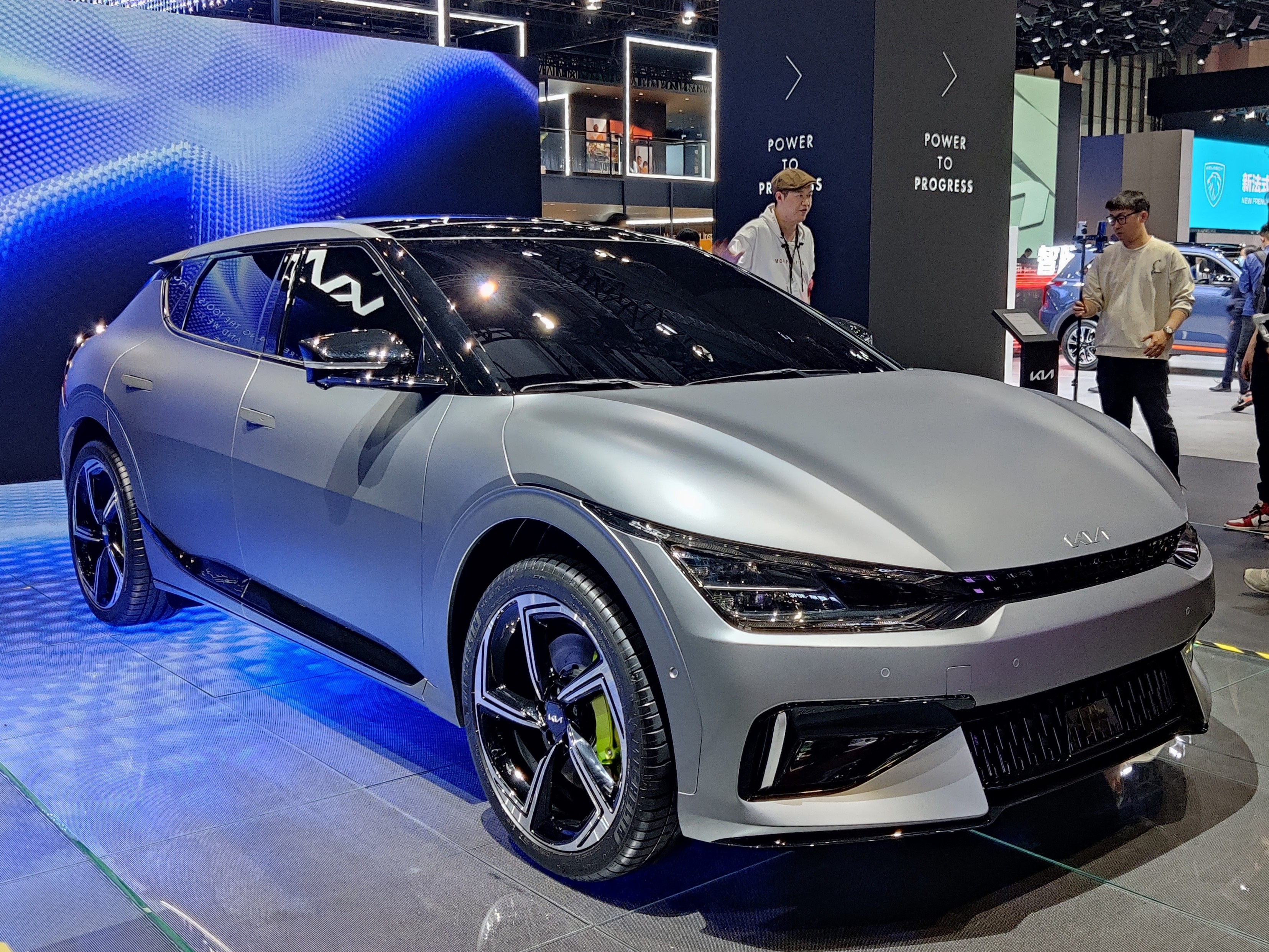
Kia EV6
The Kia EV6 is an electric SUV. It’s made for normal daily driving, but it’s fully powered by electricity. The podcast includes it because it’s one of the EVs people compare when shopping for this type of car.
dual-motor
Dual-motor means the EV has two electric motors working together. Often one handles the front wheels and one handles the rear, which helps with grip and quick launches.
transmission selector
This is the lever or button you use to put the car in Drive, Reverse, or Park. On EVs, it’s not about shifting like a gas car—more about choosing what direction the car moves.
heat pump HVAC system
A heat pump is a more efficient way to heat the cabin. In cold weather it can use less battery energy than simple electric heaters.
frunk
A frunk is the storage compartment in the front of the car. It’s basically the EV’s “front trunk.”
single speed
EVs often use a single-speed setup, meaning there aren’t multiple gear ratios like in a typical gas car. The motor’s power curve does the work that gears would normally handle.
MagnaRide adaptive dampers
These are shocks that can adjust themselves while you drive. They help the car feel more controlled without being overly harsh.
lithium-ion battery pack
This is the big rechargeable battery that powers the electric motors. A larger battery usually means more driving range.
kilowatt hours
Kilowatt-hours (kWh) tell you how big the battery is. Bigger usually means you can drive farther, but weather and driving habits matter too.
EPA estimated rated range
This is the government test estimate for how far the EV should go on a full charge. Your real range can be higher or lower depending on how you drive and the weather.
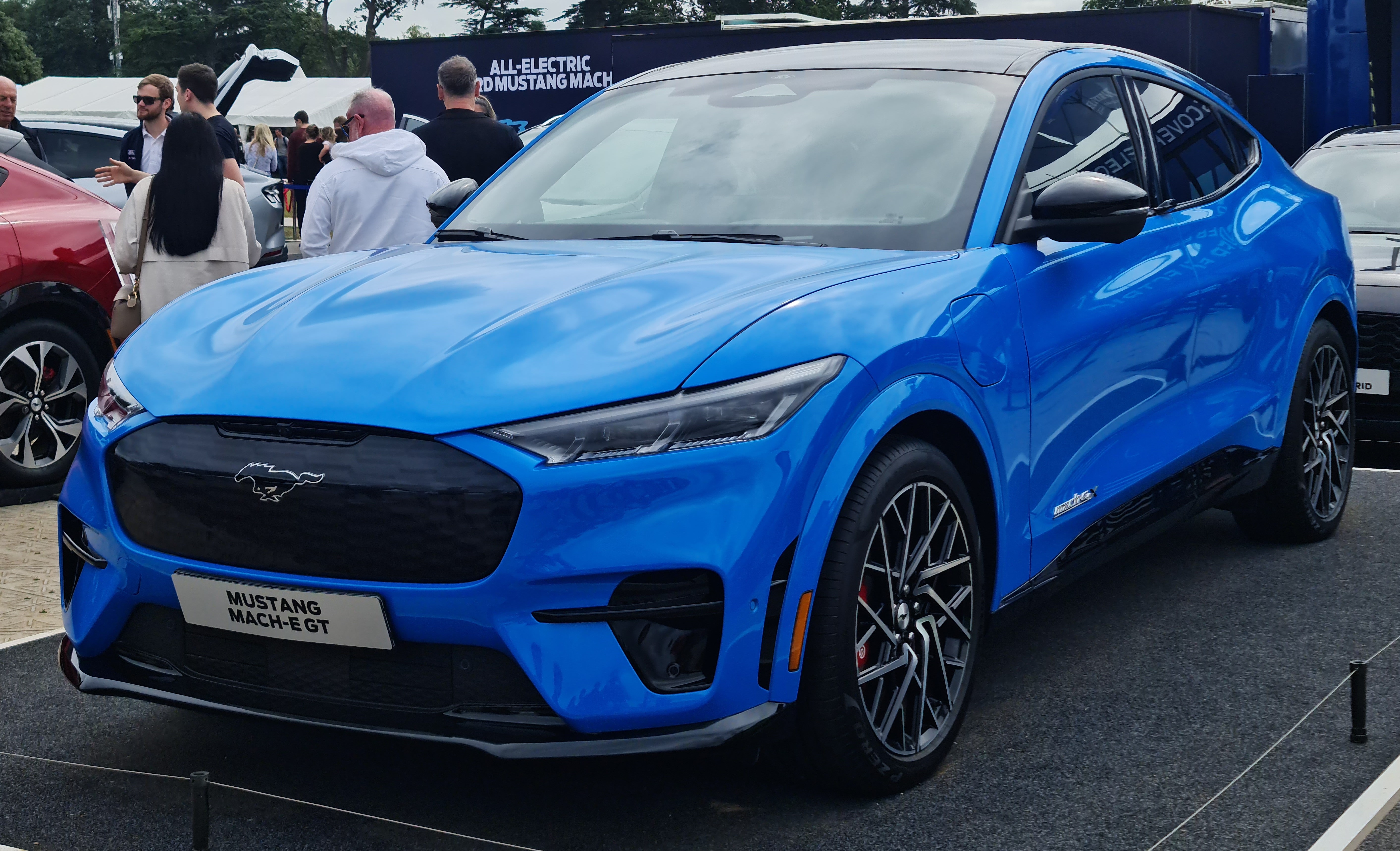
Ford Mach-E GT
This is the electric “GT” version of the Ford Mach-E. It’s built to feel fast like a Mustang, but it uses electric motors instead of a gas V8. The host is saying it’s one of the quickest “Mustang” options you can buy without spending extreme money.

Hyundai IONIQ 5N
This is Hyundai’s performance electric model, the IONIQ 5N. The host brings it up to compare how fast and how “fun” it feels versus the Ford Mach-E GT.

Ford Mustang GTD
The Ford Mustang GTD is a very expensive, high-performance version of the Mustang. It’s built for maximum speed and track-style driving rather than everyday comfort. The podcast mentions it to show how much money the top Mustang can cost.
0-60-dash
It’s a common speed test: how fast the car can go from standing still to 60 mph. The host is using it to show how quickly this electric Ford gets moving.
low-end torque
Torque is the force that makes the car pull. “Low-end torque” means it feels strong right away when you start moving, which helps with quick launches.
power reduction
Sometimes EVs slow down their power if things get too hot or the system needs protection. The host is saying the 2024 Mach-E GT reduces that “power gets dialed back” effect compared to earlier versions.
extended mode
This is a driving mode meant to keep the car performing consistently for longer. Instead of giving you the absolute maximum power for a short time, it dials it back a little so it doesn’t fade.
autocrossing
Autocross is a timed driving event on a course made of cones. It’s less about top speed and more about how quickly the car can accelerate and change direction.
stability and traction control
These are the car’s “assist” systems. Traction control reduces wheelspin, and stability control helps keep the car from sliding out when you push it—especially on slippery surfaces.
summer performance tires
These tires are made for warm weather and usually grip better when it’s hot. The host is saying the car he’s in has all-season tires instead of the warmer-weather summer performance kind.
low center of gravity
This is about how high (or low) the car’s weight sits. When it’s lower, the car tends to feel steadier and less “tippy” in turns.
MagneRide suspension
This is a suspension system that can adjust how firm or soft the ride feels. The host is saying it helps the car stay controlled over bumps without feeling harsh.
performance tone
Because EVs are so quiet, some cars add fake engine or driving sounds. The host is talking about how much sound the car makes to feel more “performance-like.”
simulated gearbox dynamics
Since EVs don’t shift like gas cars, some of them add fake shift behavior and sounds. The host is saying Hyundai simulates that feeling in a more detailed way than just pretending the car is shifting.
Ford Mach-E GT
The Ford Mach-E GT is an electric Ford that’s meant to feel like a Mustang, but it’s not gas—it’s battery-powered. Here they’re talking about how far it can drive on a charge, how that changes in colder weather, and how the car slows down using electricity.
EPA rates
The EPA is a U.S. agency that tests cars in a standardized way to estimate how far they can go on a charge. Your real range can be different, especially in colder weather or if you drive faster.
recuperation
In an EV, the car can slow down using the motor instead of only using the brake pads. That slowing process also helps put some energy back into the battery.
Brembo calipers
Brembo makes performance brake parts. Saying it has Brembo calipers usually means the brakes are designed to feel stronger and handle harder stops better than cheaper brake setups.
regen drag
When regen is turned up, the car slows down more even when you’re not pressing the brake. That extra slowing can feel like drag, and some people like it while others prefer a lighter touch.
one pedal driving
One-pedal driving means you can slow the car mostly by lifting your foot off the accelerator. It can feel smooth for some people, but it can also make the car slow more abruptly than you expect.
Blue Cruise
Blue Cruise is Ford’s system that helps you drive on certain highways with steering and lane keeping. You still need to follow the rules, but it can reduce how much you have to do while driving.
supercruise
Super Cruise is GM’s driver-assistance feature that can help on highways. The point of mentioning it here is to compare how capable it is compared with Ford’s Blue Cruise.
Tesla's full self-driving supervised
Tesla has a driver-assistance software package that’s meant to help, but it still expects the driver to stay alert and supervise. Here they’re saying Tesla changed how you pay for it—now it’s a monthly subscription.
plug-in charge
Plug-in charge means you plug the car in and it can start charging automatically. Instead of tapping a card or using an app, the car and charger communicate to begin.
Electrify America
Electrify America runs public fast-charging stations for EVs. The host is saying Ford’s charging network can work with stations from Electrify America too.
NAX adapter
An adapter is used so the car can plug into a charger type it doesn’t directly support. Here, they’re saying you need an adapter to use Tesla’s charging stations.
DC fast charging
DC fast charging is the quickest way to charge most EVs at public stations. It’s great when you’re traveling, but the host says home charging is easier and often costs less.
150 kW
150 kW is how powerful the fast charger can be. More power usually means you can add more charge faster, but the exact time still depends on conditions.
240 volt level 2
Level 2 charging is the typical EV charger you install at home. It uses 240 volts, so it charges faster than a regular outlet and is usually good for overnight charging.
rotary dial
A rotary dial is a round knob you turn to control the car’s screen and settings. The host is saying the new layout is easier to use because that knob isn’t there anymore.
active X material
Active X is a type of seat covering Ford uses instead of real leather. The host is saying it’s not leather, but it still feels supportive.
Sync 4A
Sync 4A is Ford’s in-car screen system that runs apps and controls like music and navigation. The host says it’s easy to use and even has karaoke.
wireless Apple CarPlay
Wireless Apple CarPlay is how you connect your iPhone to the car so you can use apps on the car’s screen without a USB cable. The host is listing it as a convenience feature.
Bang and Olufsen
Bang and Olufsen makes high-end car audio systems. The host is saying the Mach-E’s 10-speaker setup sounds strong, but not perfect.

Toyota RAV4
The Toyota RAV4 is a compact SUV that many people use for everyday driving. The podcast mentions it as a reference point for typical SUV space. If you’re comparing vehicles, it helps you understand what “normal SUV room” usually means.

Honda Crv
CR-V is a common Honda SUV used here as a comparison. The host is basically saying the Mach-E doesn’t have the same roomy back-seat feel.
hatchback
A hatchback is a car where the back door lifts up and opens the cargo area. The host thinks the Mach-E fits that idea better than a typical SUV.
travel charge cord
This is the portable charging cable the car includes so you can plug in to charge. The host is saying it’s stored under the floor and calling out what else is or isn’t included.
tire inflator in sealant kit
Instead of a spare tire, the car may come with a kit that can inflate the tire and add sealant to help you get going after a puncture. The host is noting that this kit costs money and replaces the spare.
cubic feet
Cubic feet is a way to measure how much stuff a space can hold. The host is using it to compare cargo room in the Mach-E with the seats up and down.
Louisville, Kentucky
Louisville, Kentucky is where Ford plans to build a future electric vehicle. The host is mentioning it to explain what EVs Ford is making in the U.S. right now versus later.
V8
A V8 is a type of gas engine with eight cylinders. The host is emphasizing that this car is fast and performance-focused even though it doesn’t use a V8 engine.
max take rate
Max take rate is how fast your electric car can pull power from a fast charger. If the charger is capable of more than the car can accept, you won’t charge as quickly as you might expect.
DC fast charge
DC fast charging is the quickest way to recharge an electric car at public stations. It uses a special kind of electricity so the car can take in power faster than at home.
