The NASCAR Craftsman Truck Series is a type of racing where drivers race pickup trucks instead of regular cars. It's a fun and exciting way to see how fast these trucks can go on a track.
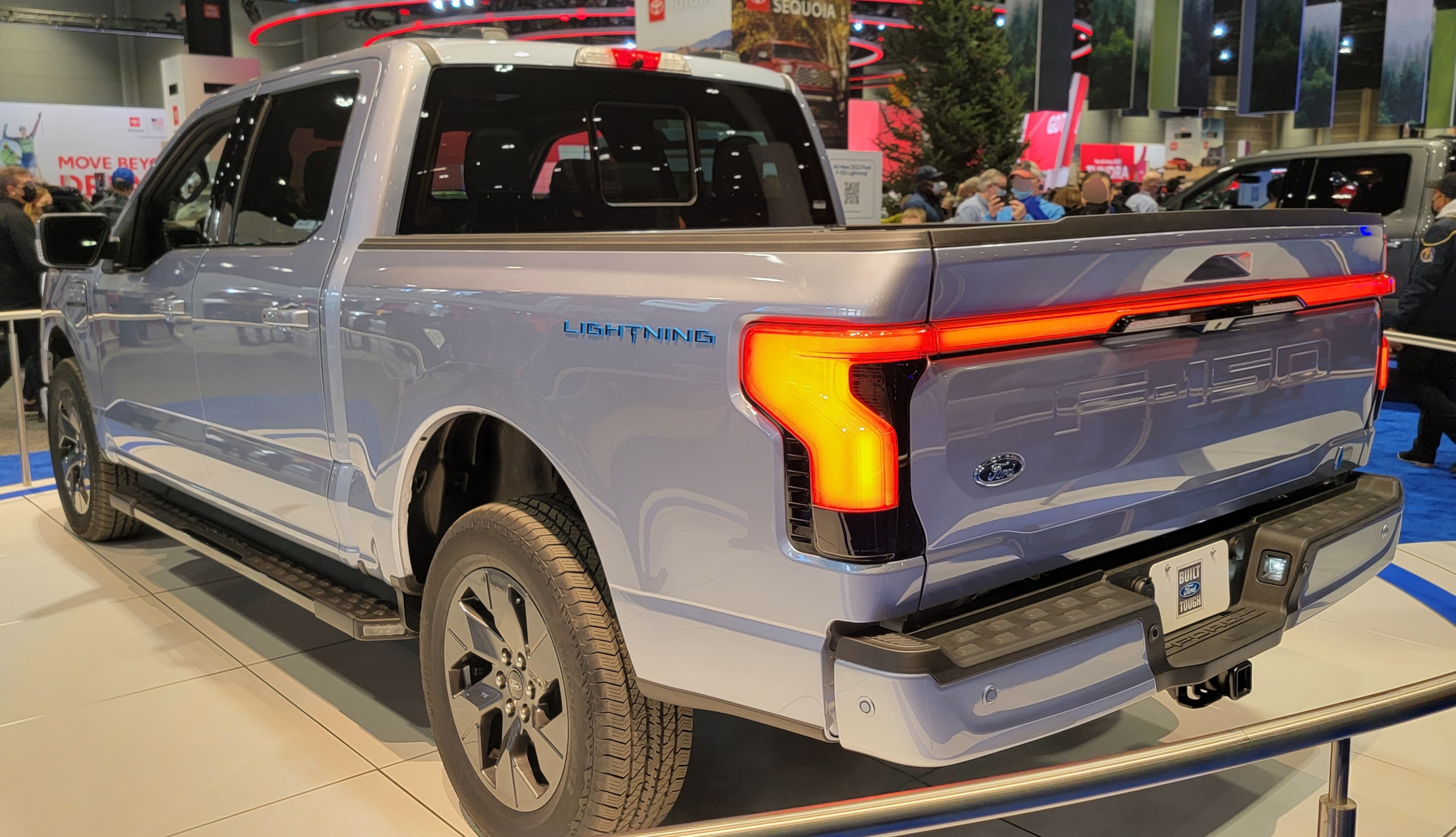
The Ford F-150 is a big truck that many people use for work and everyday driving. It's known for being tough and can carry a lot of weight, which is why it's so popular.
Formula One is a type of car racing where specially designed cars compete in races around the world. It's known for being very fast and using the latest technology in cars.
IndyCar is another form of car racing, mostly popular in the U.S., where cars with open wheels race on different types of tracks, including ovals. The Indianapolis 500 is one of its biggest events.
Endurance racing involves racing for a long time, often several hours. It's about how fast the cars can go and how long they can last without breaking down.
Formula BMW is a type of car racing for beginners. It uses small, fast cars that help young drivers learn how to race before moving on to bigger competitions.
Atlantic is a type of car racing that helps drivers get ready for bigger races. The cars used in Atlantic are faster and more advanced than those in Formula BMW, making it a good next step for drivers.
A sequential gearbox is a special kind of transmission that lets you shift gears one after the other in a set order. It's faster than regular gear systems, which is why it's popular in race cars.
RPM means how many times the engine spins around in one minute. When the number is high, it usually means the engine is working really hard and going fast, but it can also wear the engine out faster.
The 24 Hours of Daytona is a long car race that lasts for a full day. Teams of drivers take turns racing their cars to see who can cover the most distance in that time.
Road courses are types of racetracks that have many turns and curves, unlike oval tracks that are just circles. They require different driving skills to navigate effectively.
Daniel Ricciardo is a famous race car driver from Australia who competes in Formula 1. He is well-liked for his fun personality and has won many races.
Sebastian Vettel is a well-known race car driver from Germany who has won many championships in Formula 1. He is famous for being very fast and skilled on the track.
ARCA is a group that organizes car races in America. They help drivers compete at big racetracks like Talladega and Daytona, which are famous for racing.
Mid-Ohio is a famous racetrack in Ohio where many car races take place. It's known for its tricky turns and hills, which make it exciting for both drivers and spectators.
A standing start means that cars start the race from a complete stop instead of moving. This can make the start exciting as everyone tries to speed off at the same time.
A Hans device is a special piece of safety gear that helps protect a driver's head and neck in case of an accident. It keeps the head from moving too much, which can prevent serious injuries.
The Chrysler Daytona is a sporty car that was made in the 1980s and is known for being fast and having a unique shape that helps it cut through the air. It was designed to compete with other fun cars of its time and is sometimes talked about because of its link to racing at famous tracks like Daytona.
A V8 is a kind of engine that has eight cylinders. It's known for being powerful and is often used in sports cars and trucks to give them better performance.
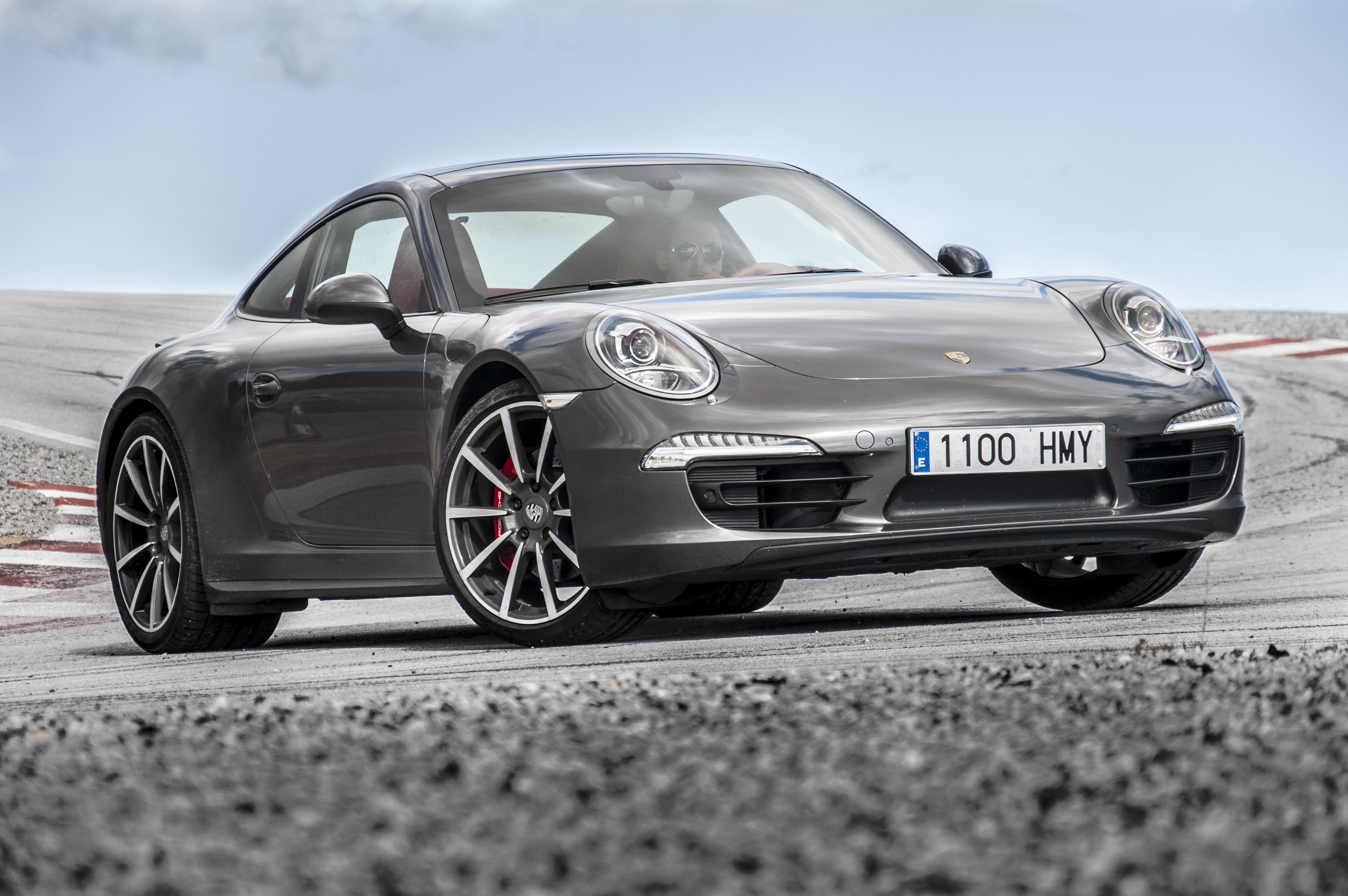
The Porsche 911 GT3 is a special version of the 911 sports car that is built for racing and high performance. It has features that make it faster and more fun to drive on a track.
Le Mans is a big car race in France that lasts for 24 hours. Cars drive as fast as they can for a whole day, testing how well they can last and perform.
LIVE
I have to prove to them that I belong, but I feel like they don't give me credit until
I beat them, right?
Because then you can't say that I don't belong in the series if I'm fascinating.
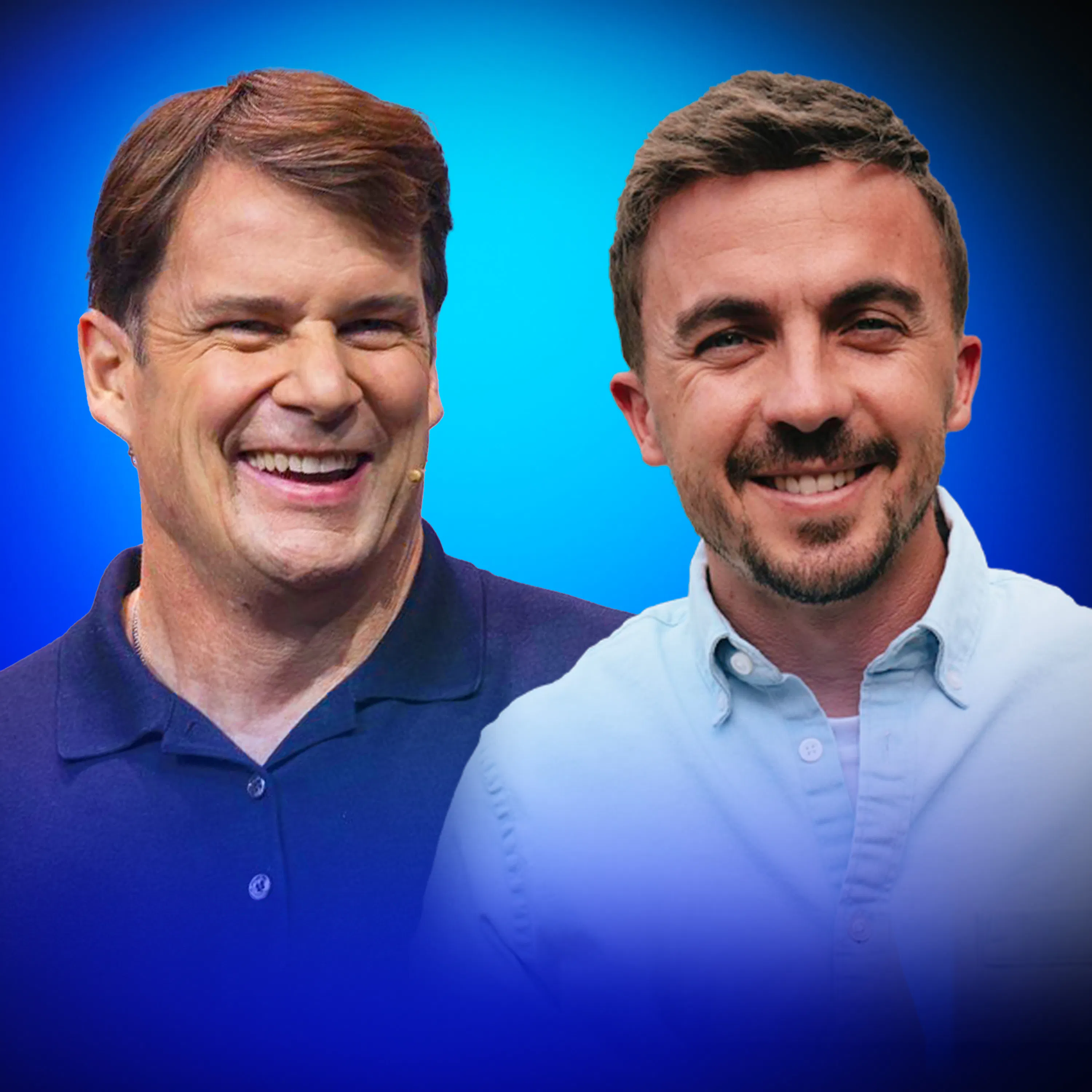
I'm Jim Farley and this is Drive.
Frankie Munez is an American actor that would all remember Malcolm from the TV series, Malcolm
in the middle.
He told me, though, he wasn't a kid who ever said out loud he wanted to be an actor.
It kind of just happened for him.
But now as a father, Frankie is on a new path.
Frankie, this season, is driving an F-150 in the NASCAR Craftsman Truck series.
And we caught up a little bit before the season started.
So, Frankie, why don't you tell the audience is listening more about you, what they know
and what they don't know, especially what they don't know about you.
Oh, man.
Growing up, your family.
Yeah.
Were you a good student?
I was born in a small town in New Jersey called Woodridge.
Really was one of the type of kids that did a little bit of everything, right?
I never liked to sit still.
I woke up at 5 a.m. every morning, which my mom and my parents hated.
But I just always felt like I wanted to try a new thing.
So I would go from like baseball to football to tap in jazz to tennis, golf, like whatever
it was, like I just kind of dove in 100% and was waiting to see what I don't want to say
took over because I was so young, but I just wanted to do an experience as much as I could.
So that's kind of what happened with the acting.
To be honest, my sister was the one who started in the entertainment business.
She did like a play and I thought it was really cool.
And so she we were jumping on the trampoline.
She's like, you should audition for the next one.
I was like, sure, why not?
And she picked a song for me and I went and it was for a Christmas Carol.
And I ended up getting the part of Tiny Tim.
And I think in my third rehearsal and agent found me and signed me.
And the next thing I know, it took over my life.
And I was I was an actor and it never stopped until I stopped after Malcolm was over.
Can you sympathize with others that wound up going in that direction very young and
kind of in a way losing themselves and getting confused as they got older?
Can you empathize with them?
Or is it more like, well, it worked out totally differently for me and don't really understand.
Yeah, I see both sides in a sense.
You know, I was always just very appreciative for the opportunity that I had.
You know what I mean?
And I dove in 100 percent and and never really took it for granted.
But I also had a I had it pretty lucky in the sense that
really from the minute I started acting, I was always constantly working and I loved it.
I never fully said I wanted to be an actor.
I see. Right. I didn't grow up.
Oh, that's interesting.
Right. I didn't like I didn't show up and go, this is my dream.
And this is what I really want.
I'm striving for it.
And like you go through all the rejection.
That's really hard on the kid, right?
Yes.
To really want something and just be constantly told, no, you weren't good enough.
No, you're not right.
So I could see that side where that may affect.
Yes. Someone, especially when you're going
through puberty or whatever it is, right? Yeah.
But I I don't know.
I I never fully felt like I always felt like a little bit of an outcast.
And I I'm at the Emmys.
I think I was 14 years old, 15 years old, and I'm nominated for Best Actor in a Comedy.
And I was like, how do they even let me come here?
You know what I mean?
Like, I didn't feel like I actually was part of that gang or that group.
You know what I mean?
I just felt like I'm just me, like weird that I'm I'm here.
Yeah. And I still look back at it now.
And I, you know, now that I'm older and I can appreciate everything that happened
in my life more because when you're in it, like it just kind of takes over, right?
You you go where you got to go, of course, all of a sudden you're on the treadmill.
Yeah, you're just doing what you got to do to to keep going.
And but now I take a look back and I go, man, I was really, really lucky.
And I'm so appreciative of what I got to do because it allowed me to do the things
I'm doing now, right? Like I, you know, but even now with like the opportunity
that I have racing, I'm diving in a hundred percent because I know that
when you have the opportunity in front of you, you have to because you don't know
when you're going to have that again, right?
So it kind of taught me to appreciate opportunity and just commitment and all that.
Just, you know, I think a lot of people struggle as well, just backing up to
like the people who struggle in Hollywood if they have success, right?
Because eventually that success is going to slow down.
Eventually a new kid or a new actor, everyone gets older, everyone gets older.
It's going to is going to become the new face that everyone kind of looks to.
And I think when you have people constantly
telling you they love your show or they love your work and and that starts
to slow down, like people need that where I never really did.
I don't know.
Like I always still even today, like I was saying to my wife last night
because I just got home, I've been away for two weeks.
And at the the Ford Performance Season launch, you know, I couldn't believe
the amount of people who are coming up to me, A, as fans of what I did in the past.
But how excited they are about what I'm doing now.
But I'm like, man, my show ended 20 years ago, like Louis, 20 years ago.
So the fact that anybody remembers, I think is a pretty remarkable thing.
And I don't take that for granted.
And how do you think about being a dad then?
Because let's be honest, most of life doesn't work
like the way you got on the Malcolm.
Yeah, most of life is different than that.
And so you have to prepare your child for, you know, those kind of outcomes.
I actually have an interesting story there.
I think, you know, I when my son was born in 2021, it was the first time
in my life that I really wasn't doing anything.
Because like even when I was acting, I was full time.
And then I started racing way back in the day and did that full time.
And then I got hurt and I joined a band and I was touring all around the world.
And then I started an olive oil company.
Like I was always doing something that I could put effort into and passion into.
And in 2021, I was kind of like in this in between state.
And I literally was holding him, my son in the hospital bed.
And I remember thinking like, who is my who is he going to grow up thinking that I am?
Right. Sure.
I could say, here's what daddy used to do.
Like daddy used to be an actor.
Daddy used to do that.
But I wanted him to see me working really hard for something
and striving for something.
And the ups and downs that come with that.
Right. And I really felt like I had unfinished business in the racing world.
And it's not something that is subjective, if that makes sense.
Unlike an actor.
Oh, no.
I could put in.
Well, I mean, to get to the top of racing, you know, there of course is fortunate
and involved, but competing on the track, there's no guesswork.
It's numbers.
It's right there in black and white.
Right.
You know, you're either up here or you're down here and you've got work to do.
And I always compare it like I've done roles as an actor where I put in,
I really dedicate my life to it.
That whole month, two months, whatever we're doing, filming and think that I did
the best job I could possibly do.
And then people see it and they go, it was OK.
You know what I mean?
I always hated that, like it's opinion based of whether people like things or not.
Yeah.
And, you know, the one thing I like about racing is that.
You always wanted to have a stopwatch.
Yeah, I like to see where I stand, you know what I mean?
We have to talk about cars.
So, you know, we could spend the whole interview talking about your racing,
which I would love to do.
And we're also proud of you.
And and it's so exciting about what you're doing.
And it's so different than Paul Newman and many other people.
We'll get into that.
But where did the love of cars come from?
Or is it just flat off competitiveness?
It could be a completely different sport.
You just happen to like or is it pro celebrity got you involved in this kind
of specific kind of competition?
I will say a hundred percent like I am the most competitive person in the world.
Like, I don't care if it's like walking from here to the car.
Like I got a way.
And I remember way before I ever thought I would be a race car driver.
I thought it was even a possibility.
Cars were my life as a kid.
Oh, OK.
All I wanted was matchbox cars and remote control cars.
And I remember getting up at, you know, five, six in the morning
when I was six years old and turning on the form of the one race.
My family was not into racing at all.
Like still today, they know nothing about it.
You know what I mean?
But I remember just loving watching Form of the One and Indy car.
And that's crazy.
So where did that come from?
Would you have loved cars?
I loved cars.
I mean, even when I got my permit and then the day that I was getting my license,
we were filming knock from the middle.
And I, you know, you're not really allowed to ask for days off.
But I was like, no, you don't understand.
It's my 16th birthday.
I'm going and getting my license.
Like that's the priority of my life, right?
Getting that that freedom to be able to drive and and go wherever I want.
And once I had that, I would.
I would just get in the car and just drive forever.
And listen to music.
And it was like I'm 39 years old now.
I literally just drove across the country.
I drove from Phoenix to to Charlotte, Josh.
I was bringing my fifth wheel there.
But I literally love being on the road.
Like I love it.
So the racing aspect came because of the pro celebrity race in Long Beach.
You know, I got to do that.
I remember Brian Cranston did it the year before he played by dad.
I'm not from the middle.
And he's like, if you get asked, you have to do it.
It's the most incredible thing.
And I finally was 18.
So they asked me to do it and I ended up winning that and that feeling.
Well, who did you beat?
Who was number two?
Because no one remembers number two.
Who is number two?
I don't remember number two.
Yes, you do.
Of course you do.
You know, you know, I think it was Angle.
You're so competitive.
I know, you know, it was just trying to be polite.
Max Pappas and Max Pappas, seriously?
Yeah. Yeah.
Oh, so so I thought you were going to say like David Hasselhoff or something.
I think meatloaf was in that race.
I beat him, you know, you know, but you beat Mac Pappas, who if the audience
doesn't know, Max Pappas is one of the best endurance racers ever.
And when I was a Toyota, he drove our Indy car when we first got into Indy cars.
Yeah. Good guy.
Yeah. So I thought it was really, it was, you know, crazy because like, you know,
you show up and they train you and you go out to Willow Springs.
Yeah. You went out.
Where did you go out?
Did you go out to Willow Springs to do training?
Yeah. You do like two weekends or, you know, you know, six days out there,
whatever it is.
And they really do a good job of trying to teach you as much as you can.
Granted, I think racing is one of those things that like everyone thinks
that they can go fast because you're just driving.
Like I could do that.
Right. Everybody thinks that they could do it.
But I feel like it's one of those things you either have or you don't.
It's completely agree with you.
It's not like one of those things where like if you spend enough time
playing the piano, you'll eventually figure out where to put your fingers.
And you know, not saying you're going to be a, you know, make a million
dollars doing it, but you can figure it out.
Like racing, you either have it or you don't.
But that feeling of crossing the finish line first, like I still remember it.
I have chills right now.
And it almost like makes me tear up because like the thought of like, you know,
we're about to be at Daytona and the like the thought of what it would mean to me.
I did that race, a team that had a champ car team.
They had a Atlantic team and a Formula BMW team.
Sure. Yeah. Yeah.
Come out for a test.
Atlantic is super competitive series.
And they're like, come out for a test.
We'll put you in the car just for fun.
Not thinking anything would come of it.
Like just, yeah, come out.
We're going to be in Houston.
And I went there and by the end of the second day of my testing,
I was faster than the other drivers that they had signed.
Like they're whole racing since they were and you had never been like a racing
school or anything other than what I learned in the pro celebrity race.
I'd never done anything.
Well, pro celebrities like production cars.
Like you're talking about getting an Atlantic car, which for the audience
is like open wheel, small light, but like a Formula One car.
Like crazy. Yeah.
Like a missile compared to a school bus and pro celebrity.
Like that is like, that's impressive.
I remember sitting in the car like, oh, we're going to make your seat.
I'm like, the drivers must have been really pissed off.
I guess, right?
But I mean, yeah, they were 100 percent.
I it's still something now that I think while I'm new in each series, right?
When I first showed up in Arca and now I'm in the truck series, right?
I have to prove to them that I belong.
But I feel like they don't give me credit until I beat them, right?
Because then you can't say that I don't belong in the series.
If I'm correct, right?
So that's, you know, that also motivates me because I want to do that.
But I remember sitting in the car and they're like molding my seat to me.
And I was petrified, like petrified.
But you know, the steering wheel has all these buttons, all these things.
Like I've never used a sequential gearbox.
And like all like everything was so new and I just went out.
And I remember just being here's a kind of interesting story.
I remember hitting the gas pedal and the vibrations of the car were so intense
because between like, let's call it five thousand and seven thousand
RPMs is violent. You got to get through it.
And I couldn't breathe.
Like it rattled my lungs.
And I remember coming on the radio saying like, I mean, like there's something wrong.
There's something like, no, you got to get through.
You got to get through it.
Like I was so new.
And by the end of the second day, like I figured it out.
And like I was just getting faster and faster and faster.
And so they ended up signing me.
I did a year in Formula BMW and then moved up to the
champ car Atlantic Championship in 2007 and then ran that for three years.
Even Frederick Verwisch, who just won the 24 hours of Daytona in the TD car.
I love that guy. Talk to him for.
I raced against him in 2009.
Like we had amazing battles in the Atlantic Championship.
I want to get him in one of the trucks for one of the road courses.
I think it'd be super fun to do it.
Yeah, you know, I raced with him.
I raced against Daniel Ricardo.
I raced against Sebastian Vettel and James Hinchcliffe.
And, you know, you look at all the past IndyCar champions.
They were in that Atlantic class that I was I was racing with.
So what was it like to go back to your other life?
You couldn't really explain what was going on, because it's another very specific world.
And you you can't tell him I'm doing really well.
I mean, you can, but they won't know what it means.
Like how did you process that?
Success, I think it was a little different than it would be now,
because there wasn't social media, right?
It was people found out if they read the newspaper and saw like an article
that was written about me.
So like the message of me racing didn't spread like it has now, right?
Now people come up to me all the time and they go, oh, I've been following your racing.
And to me, that's like the greatest kind of called a compliment.
But like the fact that people have accepted it and that's what you are.
You're a professional race car driver.
You're not Malcolm in the middle.
I don't know.
I know, you know, people are always really interested in hearing about it,
even if they don't know much about it.
They always tell me that I have so much passion when I when I talk about racing,
which I'm not trying to.
I just actually do have tons of the passion for for the sport.
So, you know, I don't know if you heard, but we're the rebooting Malcolm in the middle
and we're actually starting filming.
I was going to ask about that.
So it is like, are you what do you think about that?
Do you think I'm your your professional race car driver now?
So you're going to go back to acting or I mean, it's one of those things.
We've been talking about the show coming back for literally 10 years.
And I kept going, like, yeah, we think it's going to happen.
You know, they got the old creator and writers and everybody involved in the road
script. And so the fact that it got picked up now, that's not great, right?
Because I'm I'm committed to this season and in the truck, busy.
Yeah, but Disney, because it's, you know, Disney Plus, they own Fox.
Now it was a Fox show and they have been really great with, like,
what are your dates that you can't be here and we'll work around your NASCAR schedule.
So yeah, it'll be it'll be tough.
I'll be tired, but I can get through it and we'll see how it all goes.
Yeah. So if you go back and you look at Steve McQueen or Paul Newman,
you know, who for me would have been the most successful people
who were professional actors and and professional race car drivers in their own
right. They they had to do it.
They had to prove themselves, but they went to endurance racing.
And you've chosen to go to NASCAR, which to me is a very interesting
choice, of course, is super popular.
And so people not in the racing world will maybe not understand the differences
between endurance racing or NASCAR.
But for for us in the industry, it's it's a really interesting choice,
because it's not what the traditional choice would have been.
And so how did that come about?
Because that's a world into itself and the driving is very specific.
There must have been a reason why you are connected to the NASCAR
direction versus, let's say, endurance racing.
Well, as a kid, I went to a lot of NASCAR races.
I lived in the Raleigh area.
I went down to Charlotte Motor Speedway.
I saw a race in Rockingham.
You know, I was at the 2001 Daytona 500.
I actually was driving in the pace car for the 500.
And I just remember just being in love with it, like just loving it.
So when I got involved in racing after I did the pro celebrity race,
yeah, I didn't choose to go open while racing.
That's just kind of the team offered me the thing.
And I knew nothing really about it.
Yeah, it was just an opportunity that opened.
Yeah, I didn't know the rules.
I remember showing up to the first race being like, I don't even know the rules,
you know what I mean, and just kind of dove in.
But I remember watching NASCAR when I was racing, thinking like,
I wonder what that's like.
But when you're in the open wheel world, everyone's kind of not.
I don't want to say it's not anti-NASCAR, but you stay in the open wheel world.
Like that's your, you know, that if you want to race there, that's what you do.
Right. That's your swiveling.
Yeah. But I remember thinking like or even seeing
arca races and going like, I want to do the arca race at Talladega.
I want to do the arca race at Daytona.
I remember just thinking that.
But at the time, like my managers in the racing world were like, no, why?
Like, why would you want to do that?
So I had gotten pretty badly hurt in 2009.
I broke my back, had pins.
What happened?
Just a big wreck at Mid-Ohio during the the Atlantic.
What part of the track?
Going into the keyhole, we were just living at the start.
Here we did standing starts in Atlantic's lights went out.
I think I was starting fifth and the guy who was on pull like almost all.
So he's backing up into the into the group and we're three wide going into the.
Turn to the first corner, the fast left.
Yep. No.
So after the fast left, the going into the keyhole, like that's our real first
braking zone in the Atlantic car, turn one's flat.
You know what I mean?
Like you're you're going.
Yeah, yeah.
I got it.
You're going down the hill, the long straight away.
Yep.
And we're three wide and like basically like you're playing chicken with the other guys,
right? Who's going to break the ladies?
Right? As soon as you see them break, you break a second later, you get the position.
You're on the inside of the outside.
I'm in the middle.
Oh, in the middle.
That's a tricky spot to be in.
Yeah.
A John like Malcolm.
Yeah.
Do you know John Edwards?
He actually, I think he raced for BMW for a while.
Yeah.
So that's him on my inside and Tony's Castamets, who was a champ car
drivers on my outside, right?
So like racing with these guys.
And I remember thinking, and this is all happening in like split second.
Of course, a nanosecond.
Yep.
Right.
And I'm thinking I'm going, OK, on a new tire run, everything warm.
The ladies I can go, let's call it the 50 marker, you know what I mean?
To make the corner, whatever it is, right?
And about, you know, one hundred, say that.
And I'm going, they're not going to make the corner.
So I break, but when I break, all of our wheels, like in an open car,
we're basically interlocked.
So it launched kind of basically all of us kind of flipping into the air.
And it's a big wreck.
And I remember like just being so mad because at the time, I think I was third.
And you had a good jump on the first, you know, the pull winner.
So yeah, you're going to have a good race.
And then the next thing you know, you're in that you're in the kitty litter
on the bottom of the corner there, which is really kind of a dangerous corner.
Actually, it's not a lot of runoff.
It goes way down.
So you don't really slow down much.
Yeah.
So I remember just being so angry, right, to be out of the race.
And I climb out and they come and get you in the little, you know, safety team truck.
Safety car, yeah.
And I'm so just mad.
And I remember I was trying to get my Hans device off.
And, you know, with the Hans, you have to push in to release it.
Yeah.
And like, like, why can't I get my Hans off?
And I take my glove off and I had exploded this joint in my thumb.
And it was it was just dangling by the skin.
So I was trying to use my thumb that wasn't even really connected anymore.
And then like you start going, oh, oh, wait, that hurts.
Because you have so much adrenaline when you have like at the start of a race,
you have a big wreck.
Yeah, I didn't even realize I was third.
So I had that.
I did I had like five minutes later, I start limping.
I broke in my ankle.
I had three broken ribs and I had a compression fracture in my back.
So I flew to Indy, had pins put in my hand, you know, all that.
I started kind of the healing process, thinking like, I remember just being mad.
I think I was I missed the last three races of that season.
Then you had a good season.
Yeah, I had a good season.
I was supposed to move up to Indy card.
I was going to drive an Indy car the next year in 2010, full time.
And that kind of went away just because I was I was still healing when the season started.
So I always thought I'd go back racing.
The injury or getting hurt didn't make me not go back racing.
It just by time I was healed, you almost have to start over, right?
The teams aren't talking to you anymore.
You got to kind of figure out where you're going to go and finding sponsorship
or whatever it may be.
And what would success look like for you this year?
I've been trying to think about it, you know, as a race car driver,
obviously the objective is always to go there and win or to be the fastest.
But I want to set realistic goals as well.
You know what I mean?
I know it's going to be it's going to be difficult.
It's going to be hard.
The team that I signed with Raymond Brothers Racing, they've been, you know,
a forward team for a long time, but never not necessarily had support from
Ford Performance and now they're getting that.
So the entire program is going to be elevated this year.
And I'm just excited to be working with them full time.
What we've already done in the off season, the preparing that we've done
to exceed everybody's expectations, the expectations they have for me,
the expectations they have for the team.
And, you know, right now I was thinking about it like I go to be a top 20 guy
in the points in the NASCAR Craftsman Truck Series.
you know, and so I'm kind of setting that as the goal.
I obviously I want to win the championship.
But realistically, to be consistently in the top 20 in that series,
I think people will take us seriously.
And that's kind of that's kind of the the the goal right now.
If your son right now asked you, Daddy, what do you do?
What would you tell him?
Well, he, people, how do I say this?
He knows what I do, right?
He knows me as a race car driver.
If he sees a race car, if he sees a race.
Is that what he would say?
He would, you know, he he loves it so much.
What will you say when you act?
You know, I don't know how he's going to take that.
We've put on some there was something on the other day that it was my voice.
Like I did a cartoon or something that he was watching.
And he like you could see him like trying to put two and two together of like why?
Like why that character sounded like dad, you know what I mean?
But I don't I don't think he understands that at all yet.
And I think it will be a weird thing for him because he's really just seeing me
as a race car driver, you know, the prep work I do.
You know, I wake up early in the morning.
I go upstairs in the gym.
He comes with me up there in place with his cars and trucks while I do my workout.
And I'm watching, you know, last year's NASCAR races from Daytona and wherever we're going.
So that's all he sees.
He sees me in the simulator here at the house and he gets on it with me.
And if he sees any form of racing, he goes, which car are you in?
I'm like, well, I'm right here.
So I'm not I'm not in that race.
Does he understand the risks?
I don't think so at all.
He's only four years old.
He's about to be four years old.
So I don't think, you know, he understands that at all.
And, you know, it is something that people always ask me.
They go, you know, most people when they have a kid, they go the opposite direction.
Like they say, hey, I'm going to sell my motorcycles.
I'm going to, you know, stop doing that risky stuff, you know, and all that.
And I just when you get in a race car, right?
Nothing, you know, there's a danger aspect to it.
But and I'm not saying you feel invincible, but all you're focused on is the task at hand, right?
Going as fast as you can and beating those guys in front of you, right?
And the chances of getting hurt are, you know, you can convince yourself they're pretty low.
And yeah, but racing in a truck at Daytona, Talladega, any of those really high speed tracks,
you know, there's there's there's a lot to process.
But yeah, you know, in the end of the day, a lot of that is controllable.
And is literally the objective for you or the satisfaction of doing this job winning?
Or is it more nuanced than that?
I think every race car driver shows up to the track wanting to win.
I can say right now, I'm not satisfied with what I've done so far as a race car driver.
You know what I mean?
I feel like I have so much more to prove.
I don't know exactly what success looks like to me.
Like what if I if I do a certain thing that I'll be like, OK, I'm satisfied with it.
You know, I'm 40 years old.
I'm good, you know what I mean?
Like I just I truly love it.
And I have a sense that you will not be you will not be satisfied
until you win that championship.
Yeah, I mean, that's like, I don't know.
I want to I want to keep fighting as long as I can and prove to myself that I can do it.
Prove it to my family, prove it to everybody.
So I ask everyone the same question.
What advice would you give the CEO Ford Motor Company?
I think you're doing pretty good.
Keep making those V8s.
No, I love that you're so passionate.
About racing, you know what I mean?
I I love that.
And you see that in the cars you're building and the things that you're doing,
you know, it can be announced, but even at the the season launch,
I'm just thrilled to be a part of it.
I think a lot of people think on the surface that, you know,
we're doing more racing because I'm a racer.
It's actually not the case.
I would say I challenge myself to be smart about how we race.
Yeah, yeah.
Because I know the industry so and you would be the same way.
I know what it how hard it is to win.
I know how how much dedication is required.
I know what's realistic.
We don't own a Formula One team.
We're going to be a power unit supplier for Red Bull
because I don't think OEM should own a Formula One team.
And I think being a racer allows me to make better judgments.
But I do believe racing is a great way to add emotion to your product.
But you it can't be a marketing expense.
It has to be Frankie races, this product, this truck.
And you can go and buy some form of that technology,
maybe in the form of a Raptor R or a naturally, you know, aspirated Coyote V8.
But but there's got to be that connection to the actual product we sell.
And a lot of brands think of it more marketing.
Like, you know, we make boring cars, so we race to make up for it.
That's not how I as a racer, I'm like, no, no, no.
If we race a GT3 at Le Mans, you should be able to buy that from Ford.
So that's why we did GTD.
Or if we race it by, you should be able to buy a Raptor R.
And yeah, I guess that's maybe no one will ever understand it.
Nor does it really matter.
I get it completely.
And even from a technology standpoint, you know, you're learning so much,
you know, what goes into being a success, having a successful race car
and the things that can translate into the road cars.
You're seeing that all the time.
And I think that that's it's really cool.
You're you're seeing the future of street cars on the cars that you're seeing racing.
And I think the people who know that and it gives them a greater respect
for why manufacturers, why Ford is involved in so much racing
in so many different series and so many different types of racing and all that.
So I think that's I think that's awesome.
Well, I have to say, thank you.
We are so proud of you and so proud to have you as a professional race car driver.
Thank you.
Racing for us, racing in the truck series, racing that F-150,
the best selling vehicle in our country for over four decades.
And it's because of people like you who, you know, show people what our trucks can do.
It's a big part of the reason why we're, you know, we've had such a big success for F-150.
And I know on behalf of all the listeners, we just want to wish you the very best.
And I can't wait to see you at the night
Bristol race, you know, under the lights or wherever it's going to be
and where you're doing what God made you to do.
And we'll all be cheering along with your family and your son.
Thank you so much.
Thank you for everything.
I really appreciate you.
Have a great season and be safe, my friend.
Thank you. Yeah, we'll see you out there.
Drive is produced by Jesse Baker and Eric Newsom, a magnificent noise.
Our production staff includes Julianna, Sabrina Farhi and Kristen Muller
with help from Laurie Arpin, then Go Ball, Max Owen Dunal
and Robert Starnell Macon, Brandon Kennedy and Mark Truby.
Our host is Jim Farley and this is Drive.
About this episode
Frankie Muniz, best known for his role in 'Malcolm in the Middle,' shares his journey from acting to racing in the NASCAR Craftsman Truck Series. He reflects on his childhood, the challenges of early fame, and the importance of hard work and opportunity. Muniz discusses his passion for cars, the competitive nature of racing, and how he aims to prove himself in the sport. He also touches on the balance of being a father while pursuing his racing career and the unique pressures of transitioning from Hollywood to motorsports.
Jim sits down with actor-turned-racing-driver Frankie Muniz. Best known for his titular role in the hit sitcom “Malcolm in the Middle,” Muniz shares his unexpected journey from child actor to passionate NASCAR driver. The conversation dives into his early life, his acting career, and his transition to racing in the NASCAR Craftsman Truck Series. Muniz also reflects on the challenges of making a name for himself in the racing world, the joys of fatherhood, and how his competitive nature drives him to succeed.
00:00 Introduction
00:12 From Actor to Racer
00:54 Early Life and Acting Career
02:18 Challenges of Child Stardom
03:55 Appreciating Opportunities
05:45 Fatherhood and New Beginnings
08:00 Racing Passion and Competitiveness
09:45 Transition to Professional Racing
15:28 Passion for Racing
15:44 Malcolm in the Middle Reboot
15:53 Balancing Acting and Racing
16:39 NASCAR vs. Endurance Racing
18:51 Racing Accident and Recovery
23:53 Fatherhood and Racing
29:50 Conclusion
Follow Jim:
YouTube: https://www.youtube.com/@Jim.Farley
Instagram: https://www.instagram.com/jimfarley98/
Threads: https://www.threads.net/@jimfarley98
LinkedIn: https://www.linkedin.com/in/jim-farley/
Bluesky: https://bsky.app/profile/jimfarley.bsky.social
Twitter/X: https://twitter.com/jimfarley98
Learn more about your ad choices. Visit podcastchoices.com/adchoices