The Audi TT RS is a sporty car that looks really cool and goes very fast. It's a more powerful version of the regular Audi TT and is designed for people who love to drive. People talk about it because it offers a fun driving experience while still being comfortable.
Myers Manx makes special cars called dune buggies, which are fun to drive on beaches and off-road. They were first created a long time ago and are famous for being light and easy to handle.
A battery electric vehicle is a car that runs only on electricity, using batteries instead of gasoline. This makes them better for the environment because they don't produce exhaust fumes.
Lithium-ion batteries are the common type of battery found in many devices and electric cars. They store a lot of energy but can catch fire if they are damaged or overheated.
Lithium iron phosphate is a safer type of battery used in electric cars. Unlike regular lithium-ion batteries, it doesn't catch fire easily, making it a better choice for vehicles.
The Chevrolet Corvair was a car made by Chevrolet that had a different engine layout than most cars. It had some safety problems in its early years, which led to a lot of discussions about its design.
OEMs are companies that make car parts and vehicles. They create the original parts that are used when a car is built.
Car
Myers-Manks 2.0
The Myers-Manks 2.0 is a type of fun, lightweight car designed for driving on sand and off-road. It's a modern version of a classic dune buggy that many people enjoy.
A differential is a part of the car that helps the wheels turn at different speeds, especially when going around corners. This helps the car handle better and stay stable.
LFP batteries are a kind of rechargeable battery used in electric cars. They are safer and last longer than some other types of batteries, making them a popular choice for electric vehicles.
The suspension system is what helps a car ride smoothly over bumps and turns. It connects the car's body to its wheels and includes parts like springs and shock absorbers.
Car
Meyers Manx
The Meyers Manx is a type of small, lightweight car that is great for driving on beaches and off-road. It's made from fiberglass and is based on the Volkswagen Beetle.
Ice racing is when cars race on frozen lakes or tracks covered in ice. They use special tires to help them drive safely and quickly on the slippery surface.
Studded tires have little metal spikes that help cars grip the road better in icy weather. They make it easier to drive safely when there's snow and ice on the ground.
The Volkswagen Beetle is a famous car that many people recognize because of its unique shape. It was first made a long time ago and became very popular, especially in the 1960s, because it looks fun and friendly.
A radial engine is a kind of engine where the cylinders are arranged in a circle. It's commonly found in airplanes because it's lightweight and powerful.
A radial motor is a special type of engine where the parts are arranged in a circle. This design helps make the engine smaller and can make it run more smoothly.
A dune buggy is a fun, light car made for driving on sand and rough ground. It's open on top and has big tires to help it move easily over bumps and dunes.
Car
Volkswagen
Volkswagen is a car company from Germany that makes many types of cars, including the famous Beetle, which is often used to create dune buggies.
Car
Manx Classic
The Manx Classic is a fun type of small car that is built for driving on sand and rough ground. It's based on the Volkswagen Beetle and is known for being light and easy to handle.
An air cooled flat six engine has six cylinders arranged in a flat layout, and it cools itself using air instead of water. This design is often used in sports cars.
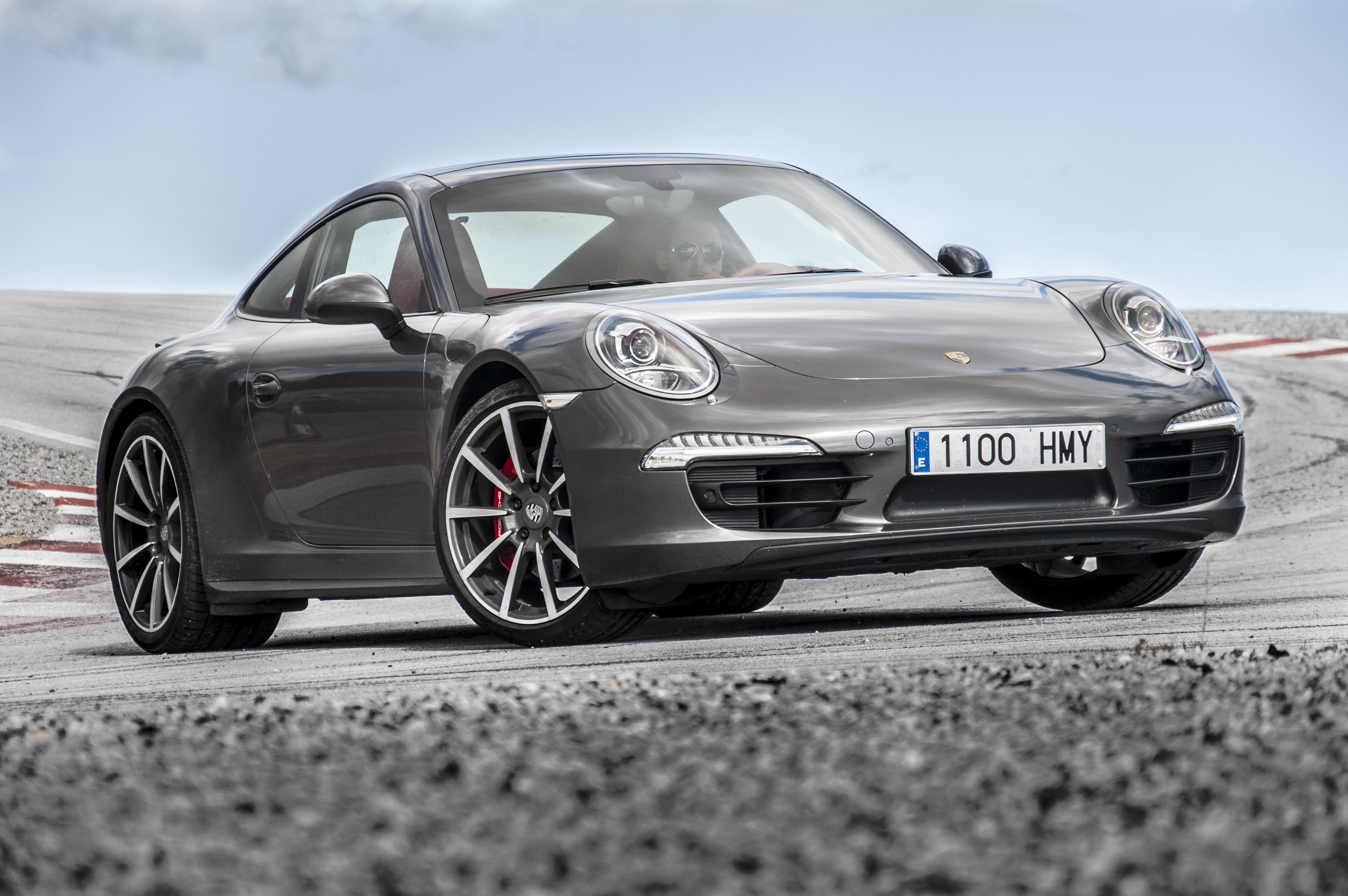
The Porsche 911 is a famous sports car that has been around for a long time. It's known for being fast and stylish, and many people love it for its performance and how it looks. It's often talked about because it's a classic car that keeps getting better with new versions.
The Porsche 959 is a super-fast car made in the 1980s that was really advanced for its time. It had features like all-wheel drive, which helps with traction, and a powerful engine that made it one of the fastest cars. People talk about it because it was a big deal in the world of sports cars.
The CTR3 is a fast sports car made by RUF, a company that modifies and builds cars based on Porsche models. It has the engine located in the middle, which helps with balance and speed.
The Porsche 928 is a luxury sports car that was made from the late 1970s to the mid-1990s. Unlike the more famous 911, it has its engine in the front, which makes it different in how it drives. People talk about it because it was a unique car that tried to offer a mix of speed and comfort.
The Land Rover Discovery is a big SUV that can carry a lot of people and gear, making it great for families and outdoor adventures. It's built to handle rough roads but is also comfortable to drive on regular streets. People talk about it because it offers a good mix of space and off-road ability.
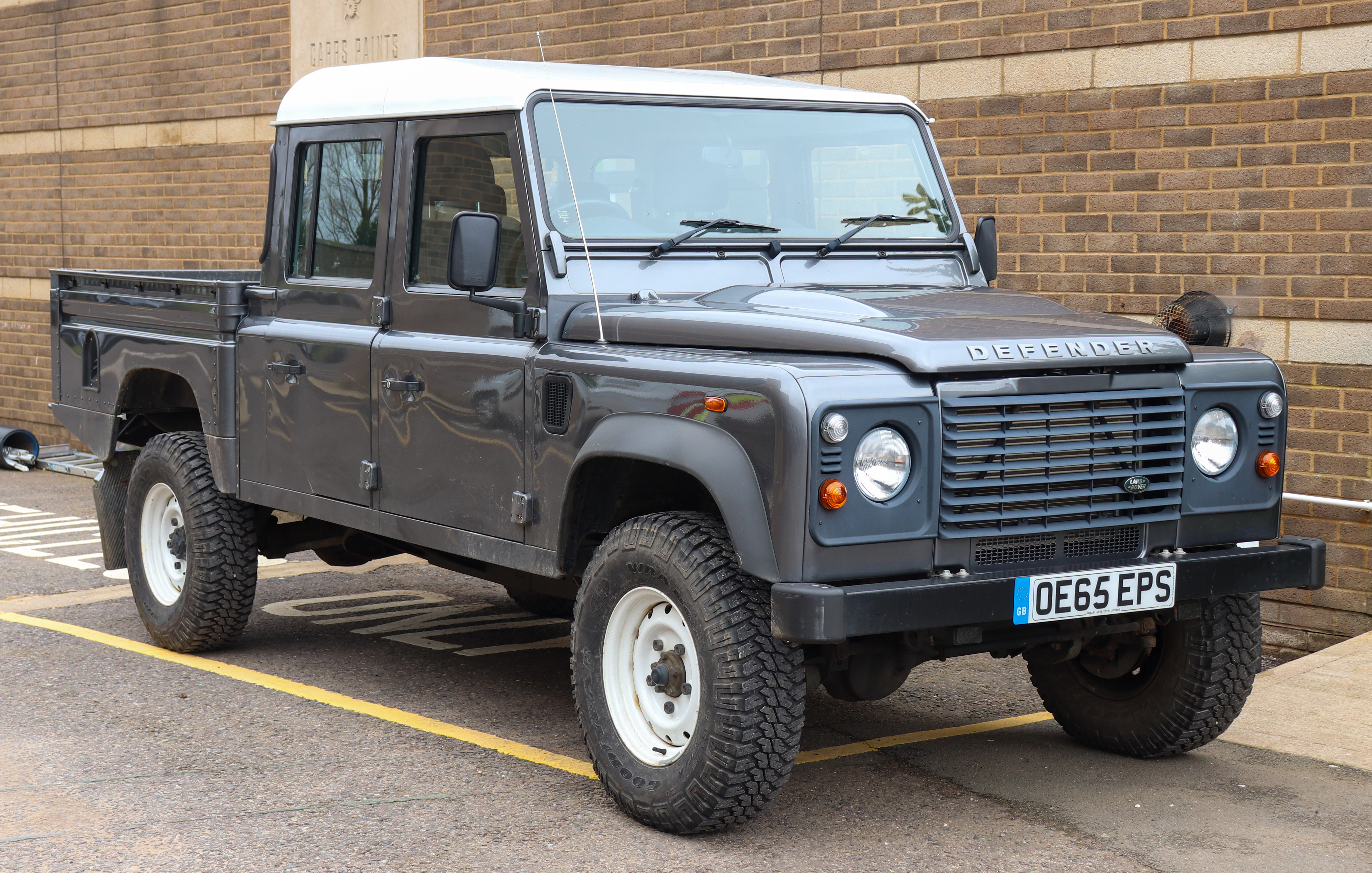
The Land Rover Defender is a tough vehicle designed for off-road driving, meaning it can handle rough terrains like mud and rocks. It's been around for a long time and is loved by people who enjoy adventure and exploring. People often talk about it because of its strong reputation and recent updates to its design.
The Land Rover Range Rover is a fancy SUV that is great for both off-road adventures and comfortable city driving. It's known for being luxurious inside, with lots of high-end features. People talk about it because it combines style with the ability to go anywhere.
The Ford Mustang is a classic American car known for being fast and stylish. It has been around since the 1960s and is loved by many for its sporty look and powerful engines. People often talk about it because it's a big part of car culture and has a lot of history.
LIVE
Hi there and welcome to The Inevitable. This is Motor Trends Podcast, our
podcast about the future of the automobile. Where are we going? How are we going to get there?
And are we taking dune buckies to get there? No.
Welcome to The Inevitable, a podcast by Motor Trends.
Returning guests, I'd say fan favorite, staff favorite. We've got Freeman Thomas,
whose position has changed. He was here two years ago. It's December,
2025 right now. He showed up December, 2023. At the time, he was, I believe, the CEO of
Myers-Manks. Now he's moved on to a new title, which we'll get from him in a second.
But he's still at Myers-Manks and Manx has done a lot in the two years since we talked to him.
And there's a lot of his career we didn't even get to. His career is just absurd. So we'll get
into some of that. But before we get to Mr. Thomas, my buddy, my partner, Ed Lowe,
the other half of the odd couple, got a message just for you.
The Inevitable podcast is currently brought to you by nobody. We're looking for a sponsor,
advertiser. You want to do this episode, one episode, 10 episodes? Give us a shout,
edward.loh at Hearst.com or slide into our DMs on Instagram.
Slide in the Venmo paper.
Yes, exactly. We've got Freeman on, Freeman Thomas, the man, the myth, the legend.
If you want to go back and listen to that old episode from two years ago, it's a great one.
We cover all sorts of hilarious stories from his time at the VW group when he did stuff with
Porsche. How he designed the Audi TT and his sketch basically went into production. It's super
cool episode. And I recall that one went almost two hours and we had to stop because we were
we just, but we only had covered maybe like a third or a half.
Nothing. We skipped Ford. We skipped Daimler Chrysler. We skipped Ruff. We skipped over,
like, what's his career? Right. So we're going to talk about that.
But also Manx. We're starting with Manx. Yes, as well as what he's been up to at
Myers-Manx. If you don't know what Myers-Manx is, boy, you better go Google image search that and
then come back and listen to it because Mr. Freeman Thomas is super entertaining. And here he comes.
Freeman, awesome to have you back. First of all, we love having return guests.
You are a not a fan, but a favorite of ours because I love talking to designers. You have
one of the most amazing careers. We already said it, but go back and listen to the first one if
you want to. Two years ago, it was December of 23. And you said, I'm leaving you guys,
I'm going to go drive the EV Mule in snow. Yeah. So how'd that go? Let's pick it up from there.
Yeah. So it was great. But I'll tell you this about the EV journey. EV journey, if anybody's
ever gone into the startup arena, it's the most difficult space to develop and to get into.
And we have learned so much from zero getting into this space. And the version that we had
two years ago, we have completely rethought the whole package. And we've gone through
a lot of major changes, you know, because one of the things the battery technology back then
was a lithium ion and the packs were a little bit thicker. And we had to package them in such a way
that it actually limited the interior space. Right. I didn't like this at all. And so Philip
and I made a big decision. And Philip Serafin is the owner of Myers Manx. Yes. Yeah. So Philip and I
basically did the acquisition back in 2020, late November of 2020. And I've been part of this since
Ground Zero with him, going through everything from the original conversations, my friendship with
Bruce, an introduction with Bruce and his wife and going on. I mean, that's a long story in itself.
But it's been an incredible journey. And we have stuck with it. Philip has stuck with it.
And but the battery electric journey is something that because we're developing a smaller vehicle,
it's almost like Apple creating the original iPhone. And traditional packaging,
really, it was a lot of carryover from that because you end up creating a very heavy,
very cumbersome vehicle where the battery takes up so much room inside the vehicle. So
we discovered along the way late. But even though it was this year that we found the development
is a lithium iron battery technology, which is non flammable. It can be used as structural
for the vehicle. So you're able to do double duty with it. If it is involved in any kind of crash
or anything like that, oxygen led into the system doesn't work in the same way it does in
a lithium ion. As we know, lithium ion is highly flammable. And it's one of the biggest issues
and dangers with lithium ion is people leaving it in a garage or if you're in a crash or trying
to put that fire out, you know, it's almost impossible. We saw that just recently in the
Palisades fire and things like that. So we made a very difficult decision. We met an old colleague
of mine, Mojib. He's been on this program. Yeah. And he at Apple developed a new chemistry
for battery. It's lithium iron phosphate. And so that along with repackaging, I was never happy
with the way we sat in the car and so forth. So we redesigned everything. I mean, the whole chassis,
the packaging. And so now we can fit a six foot five person in the car easily with comfort,
headroom, everything without changing one millimeter of exterior dimension. So it's
exactly like the iPhone from the inside out. It's like when Steve Jobs would ask his engineers,
is there still space inside of the battery? And he would throw the phone into water and
bubbles came out of it. It was like, hold on, there's still more. And so we wanted to make it
safer. We wanted to make it lighter. We wanted to integrate the technology. And that's the road
that we're on right now. Well, that's a pretty wild decision. Like before the initial product got
out the door to tear it up. Because my knowledge of OEMs and let's use like a real bad example,
but like GM with Corvair, they knew how dangerous it was from 60 to 64. Because they completely
re-engineered it for 65. They knew. John DeLorean famously didn't want a Pontiac version because
the test driver said, it flips in a straight line. But GM, and you'll forget about it,
there was a lot of human cost to that decision. But again, this is a less of a cost. But that's
how did you make that decision? Like to just tear it up before you sold a single one?
I shouldn't say so, but produced a single one. Well, Philip committed to me
early on, if this thing wasn't going right, and if I wasn't happy, that we would stop it.
And we went down this normal road with engineers and so forth. And we got to a point,
and Philip I had a private conversation, and together we stopped it. And a very expensive
decision. But we have a word that we use, it's called due care. And due care is where it has
nothing to do with the regulations. It has everything to do with, are we doing the best we can
so that you have certain regulations for seatbelts and all this other stuff, but are we doing the
best we can? And obviously, when you get into smaller vehicles, there are compromises. A smart
car is different than an S class. So you have to kind of look at what the animal is, and if you're
doing everything you can. And so with the technology, knowing that that technology was available,
knowing that we could package it, and we did a seating buck, we did it digitally, we did it
virtually, we developed this thing very quick. And then now we're in the testing phase, we've
already completed the next round, it's postponed the launch of the vehicle. But, and the other
difference is that the body material that we wanted is going back to fiberglass. And the reason is,
is because fiberglass gave us all the gel coats and all of the things that made it so we could have
the metal flakes and the solid colors, and it had the strength. And so we can combine that strength
with the other superstructures inside there, with or crash in safety areas, and also weight
balance and durability, because I personally don't see this as a product that you buy, and in two
years it's old. It's a forever product. It's something that family makes. It's a family makes.
It doesn't change its style from year to year. It's going to stay the same. And the technology
that we're putting on board is all modular. So, but right now lithium iron phosphate is the best
technology. And the OEMs, it'll take them a while to transition into this, but because we're small
and we're agile, we can do this quickly now, and we're doing it now. So let me let me ask you a
couple questions. So sounds good. I'm on the site right now. I'm looking at a Myers-Manks 2.0.
That's not, is this a 3.0 car? What am I looking at? What are you talking about?
I would call it a 2.5. 2.5. Okay. Yeah. So this, so the vehicle that's, there's a,
there's some little videos that are rolling on here. I'm looking at what I think is the battery pack
right under the, beneath the passenger compartment, or maybe this is the frame.
Let's see what you're looking at. It's the, when you see, when you see this.
Yeah. So that, that, that, that, those are early cars. Okay. Yeah. So that's got what we call an
L pack in it. Yep. And, and the L pack goes up behind the bulkhead. And, and that's exactly what
we're talking about. It limits the amount of travel where the new pack is so thin. Right. It sits
below the, the floor and, and it goes the length of the floor. It allows us to weight distribution
also to get better. It allows us full use of the interior cabin for packaging. So, and, and now
the whole body goes inside and out. And it's just gorgeous and, and strong and, and durable and all
of that. What, what was the, the, the 2.0, the differential, what was the body made of? I thought
I was assumed it was fiberglass. Well, we were, we were exploring new technologies like thermo
forming. We were looking at SMC. We were looking at a lot of different things, but none of those
processes gave us what fiberglass gave us. Right. So, so being small and agile, we actually made
tooling. We made prototypes. I wasn't happy. Right. I wasn't happy. And, and, and the thing is, is that
Philip and I together make, make these decisions because it's a combination of emotions and, and,
and technical reasons that we do things. And durability, the, the thermo form body, we had to
make it in multiple pieces. Right. And we had to introduce shut lines into it. And those shut lines,
you know, ended up being, how do you control the craftsmanship and everything? So going back to
fiberglass allowed us to do the whole body in one piece. But it's also cool because, you know,
not only was the Manx born in California, but, you know, fiberglass car is really a
California thing. EVs really is a California thing. The whole, the first fiberglass car was,
was also at the time, early days in 1950s was the glass bar sports car developing Costa Mesa.
And, and one of the key people on that development was a guy named Ted Mangles.
And Ted Mangles had an engineering firm that was right across the street for where Bruce was
creating the Myers Manx. And, and Ted Mangles was also in around 1955, creating the original
Atopia cars for Disney, with Bob Gerr and, and, and Walt Disney. And, and so in exactly across
the street on 30th Street and Vista Way, right on Lido Island. So you had a boat,
lumberyard, and you had all of these key people. You had Doris's boat shop in the alley. Doris's
boat shop was making all of the fiberglass boats and to build the original Myers Manx bodies.
So these people all knew each other. And so it's not even like Southern California. It's like
Orange County specifically. Well, yeah. And it even got to where the pebble hit the pond in this,
this kind of square mile of people, the who's who of this development. And, you know, the way that
those early days of Hobie, Hobie Alter, you know, Clark Foam, the original fiberglass surfboards.
Yeah. It democratized, you know, all of those, those sports and, and, you know, things that were
going on, you know, the Hobie Cat, all of that stuff made it lightweight, made it so you put it
on top of the roof of your car. Right. But all that stuff was all happening in that area. Oh,
that's so cool. So, so cool. So you say now you have LFP battery, you redesign the vehicle.
You're a little bit delayed. How much delayed are you looking at? Third quarter next year.
Okay. For production. It's going to be worthwhile. And, you know, we've got our prototypes now running.
And I know I sound like a broken record, but, but I will tell you the journey is not easy. And,
and because there's other things that are part of that journey, and that's suspension durability,
suspension systems, I wasn't happy with the suspension. I wanted also more clearance. So
the suspension system we now have gives incredible range. So you can go off road. The battery tech
now is going to give us at least 150 miles of range, which is incredible for a car of that size.
And, you know, so you're, you know, on the normal use that you, you're, you're getting used to
driving your, your combustion Meyers-Manks. Yeah, I should pause and say that
Meyers-Manks dropped off Manx during the heavy rains that we had.
Trying to get to drive it. I've been traveling. So I have one. I've had one for a couple weeks now.
And I've, I've been loving it as like a, like a neighborhood vehicle. And it's, you know, it's
an air cooled, you know, Volkswagen motor, original Manx, which I'd never driven before.
Well, the, the, the, the electric will have, you know, we're going to have the hard top.
We'll have the optional doors. You'll have heating and air conditioning. So, so you'll be able to
use this car in any weather, anytime. So again, next time we have the rains, you'll have your,
your roof on, you'll have your doors on and you'll be just smiling away. Although for our friends
listening and say, I don't know, Detroit right now, it's December or something and it's 80 degrees
up. Yeah. So it really affects us that much. Yeah. Yeah. So, but, but I'll tell you, I had a great
experience a couple of years ago. We had some Manxes over in Austria and we went to the GP ice
race and, and we participated in the ice race, put studded tires on the car. I've never driven on
studs. Let me tell you, it is like running, driving on rails on ice. Oh, studs are awesome.
Yeah. It's shocking. It is so much fun in snow and ice and everything else. You have breaking,
which is unusual for snow. Yeah. And we, then what we did was, when we weren't on the ice, we
actually took a group of us and we drove on these back mountain roads that were, weren't snow plowed
and we were going uphill and nothing would stop us. Right. Were you freezing? Yes. I had on my
REI double thick down jacket tucked in. Yeah. But you know what, I didn't have goggles on, but I had
my, my knit cap on all the way down to my ears. But it was so much fun. I've never had this much
fun. You know, it's funny. I took my kid to like a football practice or a football game or
something in the, in the mags. It was freezing. It was just right after the rains. So I just wrapped
him in a blanket. I said, grab the blanket off the couch because he said, I'm going to be cold.
I'm like, we're going to do it. You're going to be fine. And he loved it. You know, so. Yeah. So,
you know, it is, you know, it is something that you do. You know, it is not this pragmatic
thing. It doesn't replace your pragmatic things. Not even. This thing is something else. It is,
it is a desire, a want, a passion. What I wasn't prepared for when we were talking about this
before we started recording was like, I'm just driving around. Basically, I'm using it. I get
lunch today and I pick up, you know, groceries or pet food or whatever. And just everyone smiles at
it. And I just wouldn't, I just wouldn't think that for whatever reason. I just, you know,
but everyone just looks at it and just smiles, thumbs up, you know, peace sign, honking the
horn. Right. You know, so a lot of people don't know what it is because obviously it's something
that was born out of the sixties, but they know they like it. Right. And it's approachable. It's
not, it's not threatening. It is something that is welcoming. It makes you smile. It is something
that it doesn't look like it's been designed by a car designer. It looks like it was designed by
somebody and Bruce Myers was that somebody that understood humanity, understood, you know,
the beach and understood lifestyle, you know, so, and that translates into what this thing is.
How much, how much is it going to cost? Has the price gone up since with the redesign?
No, we're still, we're still on target with the costs. And, you know, and obviously as we get
closer, you know, we'll, we'll announce the final prices, but the goal is to keep those
where they are. A lot of pre-orders. We got a lot of pre-orders and we're just hoping that
everybody just stays patient because you will, you will love it. I was going to say though,
in the interim, you did something very interesting, which is you found a radial airplane engine.
Yes. And you stuck that into, I guess, the gen one manches?
Yeah. So those are, we built those into our classic manches and it is an option.
It's, it's a three cylinder radial aircraft style motor, but it was specially developed by
Radio Motion in Australia. And how did this happen?
Well, Phillip, Phillip, you know, fell in love with this motor. He saw this motor and fell in
love with the motor. Where does one see an Australian airplane three cylinder radial?
Yeah. Well, it was originally designed as, as a sport plane motor. Okay. But it's liquid cooled.
Okay. So, but it's two liters and a, we can, the power can be developed up to 200 horsepower.
We have, we have it at around 150, around that range because of the light weightness of the car.
And the EV, sorry to cut off, the EV is also about 150.
If not more, it's more like 200. Oh, okay. So it's gone up.
Yeah. It's, it, we have new motors. Okay. And it's, it's over 200. And, and the EV
unconstrained will do zero to 60 in around three seconds.
So, so the, the radial though, so 150, because the one I'm driving is, I don't know, 50, 60,
70 horsepower. It's about that. Yeah. Yeah. So like you could go on the freeway. I've been
so, so the, the radial motor has been come really popular. It's obviously a niche
thing and we're, we're selling it as, as a full turnkey niche product. It works beautifully
design wise in the back of the mix because of the way the original design comes up and that top
cylinder fits right in there. Right. We've, we've now got with radial motion,
further development on it, further engineering, making it better and better.
We're, we're doing a four seater, resorter version of that now. Oh, really? That's interesting.
So, and then also, you know, in the future, stay tuned for internal combustion version of the 2.0,
2.5. You know, so, so, but with the radial or a different motor? It'll be something else.
Something else. It's something else. And I think people will love it. You know, obviously,
it will be clean and, and efficient and. Will it be a Japanese engine? No. Okay.
Not an inline, not an inline four. Okay.
It will go, I'm not going to talk too much about it, but I will tell you,
it goes with the spirit of the mix. Okay. Got it. Will the, is the radial engine loud when it's,
when it's running? It can be loud, but it's like a good loud or what's that? Is that a good, is
it a good loud? It is amazing. It sounds somewhere between a Harley, a V8 and an aircraft engine.
I heard it. It's amazing. Well, you know, Farah got one. Yeah.
Yeah. This car's in coffee, which now I'm talking in the future, but the last one's
happening soon. But anyways, he brought it to the last one. And yeah, it sounds cool. It was,
it was really neat. So you're selling the radial engines already, like they're.
We're already selling them. We're already building them for customers.
What are the costs, roughly? They started about one and a quarter.
But, but that also includes, we've got our design team that part of the process is,
we come in, the customer comes in, just like we did with Farah. And we have our CMF designer and
and us, we, we, we meet with them. We, we go through this, this incredible, interesting
presentation. We should take you through it. Well, remember, I went down there. Yeah. And I saw,
I mean, so yeah, this is, and you should get down there and check out what they do. But like,
there's a wall and it's like, here's the, I forget how many different colors of thread.
Yeah. Yeah. And here's the, I don't know, zillion paint swatches and you know,
with metal flake or not, here's the interior choices. I mean, it's really you, you're getting
fully custom. Well, Brenda, who is our color materials person, she's been in the industry
developing concept vehicles for OEMs. She, she ran the advanced materials design for, for
Nissan and Infinity in their design studio in California for about 25 years. Oh, wow. And
she also does Pebble Beach cars for clients and her taste is impeccable. And she will work with
the client. And then what we do is we have or digital visualization designer Miles,
who's also a surfer. He's got a really good perspective on what is cool. And then we have
Frank Secedo come in a designer and coordinate everything. And just like what we did with
Farrah and his wife, we, we, Brenda took them through her deck, which, which opens them up
to discussing visually what they love and, and, and how to polarize their, their thoughts and
mine. And, and slowly and fairly quickly, we got down to exactly what they wanted. And, and, and
then we developed the colors, developed the, the metal flake of developed the interior vibe,
interior, all of that. So at the end of the day, it is bespoke. It's in some ways,
it's more bespoke than anything that you will ever buy. Right. I mean, Matt was going over with me,
like, you know, the different, they have multiple gear shift knobs. Oh, yeah. And I,
they're all handmade. Yeah. And I was like, this is what you get into when you don't have children.
When you have a gear shift knob and it's got a dandelion, a clear with a dandelion in the middle,
or you want this kind of 70s vibe colors, or you, you want this kind of cork wood or whatever it is,
we can do it. Right. Yeah. I just want to apologize for the first thing, because I'm
staring at the, I'm going through your site and looking at the, the inventory of the heritage
vehicles and looking at the new one. And for those who don't are, are driving, let's say, and don't
have the chance to look this thing up. We're talking fundamentally about a dune buggy that
utilized back in the day of fiberglass tub. And it's got like bug eyes, these massive fenders,
big, big tire, big tires, 12 inches of ground clearance. It's got a usually a Volkswagen engine
in the back. And it's fundamentally a, an open top with a hoop roll bar. And then you can put
some kind of soft top on it, some kind of canvas if you like. A very cool looking vehicle. As a
designer, I noticed that all the heritage vehicles, because they have the higher sill on the tub and
you have this, the tub that you sit in, it's always like a black, it's never painted. Do you ever,
do you ever, does it look weird if you paint it? Or could you do something with it? You can,
you can and it's possible, but it's, it's, it's kind of interesting because Bruce's philosophy was
the way he designed it was, he always talked about Marilyn Monroe's dress, you know, when it
blew up. And, and, and, and if you walk, you know, the whole idea is when the Myers Manx goes to
water, it, it, none of it gets inside and it just sort of splashes up and it gets dirty down there.
And if you've ever taken a Myers Manx off-road, it, it gets dusty and dirty and, and it looks great
that way. And it's good that way. It's also a really great way to balance between the, the color
part of it and the duty part of it. Right. You know, and so I like it. And when we developed the
Manx 2.0 concept, I carried that over into the lower parts of the shapes and forms, so it was more
finished and things like that. And it gives an automatic like two-tone look, unless you get a
black one. Yes. But we can do anything and, and we'll need to try anything. But yeah. And, and,
you know, if you go on our website, you know, which is MyersManx.com. Right. And you go on there
and you can look at the heritage stuff and, and these are. Click on inventory. The, the color
ways, the ones that you sold are so awesome. The colors, you got this red one. And they get
two-way. We have a waiting list of customers wanting to do their own bespoke parts. And then
we have the ones that we have on the website where we've gone ahead and we've created these
combinations and, and they go everything from this absolute basic vibe, you know, and there's a vibe
like the one I'm driving. It's orange. Got a Volkswagen motor. Yep. And that's it. Yeah. And
we did our, I think you have the 60th anniversary. Is it the 60th anniversary one that has the,
the different dashboard in it or? I don't know. It's just an orange dashboard. Okay. Okay. And it
has like MyersManx stickers and white on the sills for lack of a better term. Okay. Okay. So we do,
we've done, we can, we can develop this thing because there's a character and a vibe to a
manx. There are people that love the purity of the basicness of a manx. It's like buying a stock
VW Beetle back in the 60s. You know, it had the body color dash. It had single instrument. It just
had rubber mats, you know, wheels that were mushroom colored, you know, and a single carb,
basic, basic, basic. And there's a purity about it. Yes. Or you can go with an engine that's got
dual webers. It can be polished exhaust, polished stainless. It can have
cocoa mats inside special materials on the seats, the shift knobs, roof materials.
You make it your own. Right. And so, so right now, let's see. So you guys are selling, we'll call
that the manx classic. Yes. And then the manx radial is the manx classic with a radial motor.
Yes. Then you have the manx EV coming in nine months ish. Yes. Okay. And then
the thing of Pebble that blew my mind that I saw Freddie Porsche blasting around. Yes.
Carbo Valley, the LFG. Yes. Tell us about the LFG. So this is happening. Yes. So LFG, we started that
in my studio about in the October timeframe last year, we started developing it,
we have a really unique technology. And literally, nobody in the OEM is using it. And we can get into
reasons why, but it's augmented reality. We put the goggles on it. We use a software called Gravity
Sketch. And we start off by sketching. And it is literally like getting into, what's his name?
Stark in Tony. Yeah, what's his name? Ironman. Tony Stark. Tony Stark. So you know where he's
putting the images up on the wall and everything. And it is exactly like that. So we put the sketches
up, you know, we'll do really accurate side view package drawings and everything, we'll bring them
down, we'll scale them, we'll look at the size and everything, we'll start building shapes and forms
around it, we'll develop, we'll look at what tire technology, tire sizes, things like that. And then
with that, we got to a certain point with that, where we're really happy we presented that to
Phillip. Phillip flipped out. He couldn't believe this thing. And it's mid-engined. It's got an air
cooled flat six in it. But it's not a normal air cooled flat six. No, it's it basically is a multi
valve, you know, high revving. It'll rev to 11 grand. It's a Tuddle. It's Tudhill. We've developed
a one off. It's got a sequential gearbox, six speed sequential gearbox. It's got an all wheel
drive system first of that I know of, of a truly working mid-engine flat six all wheel drive
gearbox. And it's 600 horsepower. 600 horsepower. I mean, and the thing is an animal and but yet
as docile as you want on the street. I understand. If it's LFG, Lithium, Ion. No, no. What does LFG
stand for? Well, we have an acronym, you know, it's loud, fast, gone. But you can think of all
lots to freedom. Yeah, interesting. But I was driving I was driving with
Iowa Roof in the his tribute car. Yes, which is a 620 horsepower air cooled. Yes, Roof.
And blasting down Carmo Valley and then Ferdy Porsche is coming to the direction in this thing.
Wide open. Yeah. And like, you know, the ropes pretty loud. This was like, wow. You know, because
yeah, I mean, I guarantee he was at 11,000. And it was just like, well, it was cool to see on
the stand. We're seeing him moving was like, it's an animal. And watching it go through
its steps off road. I mean, so we started from scratch in AR. We obviously we developed a
relationship with Richard Tadil. We immediately with Philip building the bridge for us with
Tadil, we went and we did an initial meeting where we went over to England with with our AR and
everything. We shared the whole concept with him went through the whole thing. He flipped out. Yeah.
And and then we were assigned a couple of engineers from his side. And and we literally
started meeting twice a week developing it, developing the chassis, the frame, the engineering,
the suspension, all of that, all the closure systems, everything. But we did it all virtually.
We never built a model. That's wild. And and and but this is so different than in the industry,
because in the industry, you do clay models, you build seating bucks, you'd build all of this stuff.
We did this all virtually save so much time. And it worked perfectly, the size,
the packaging, everything worked perfectly. Because when we put on the air goggles, we can also put
it in transparent mode. And we can see all of the engineering real time. And if we have a conflict
and surface, we can basically say, look, can you make that component smaller or more compact?
Or do we have to modify the surface? You know, so we go back and forth and we can negotiate.
And and then before long, we had it before way before the summer, he was already building it
and putting in the frame getting the the tooling done. It's all carbon body. And this is going to
production. Well, we're building 100. We're building 100 of them. Right. And and those are for a very
special event, you know, experience. I've been talking to Philip a little bit about this.
But yeah, yeah, so so I know it's public, we're going. Yeah, so so this is going to be really
an amazing thing for the first 20 customers are going to be going down in, I think it's 2007
to Baja 27 to 27. Yeah. And that's going to be anniversary of the Baja 1000. Right. And
they're not going to be in the race, but they are going to be in their own race. And and they will
be experiencing. And part of that is also to be glamping all the right ways with the right food,
health, all of that. But also learning how to drive these amazing machines by Richard Tadell.
And so so when you talk about snow and ice and things like that, there's going to be Antarctic
event, there's going to be snow events, there's going to be desert events there. This is the
prototype has already been in the Middle East. It's been on I saw it was running around Dubai.
Yeah. And and it's already been in Italy on a hill climb, drifting along the hill climb. It's
a crowd pleaser. It's more a little more serious than than are the the classic Myers banks. And
so one of the inspirations for the look of the car was the McQueen,
you know, the McQueen, you know, banks and then also also getting into there was a banks called
the SR that was done in around 1970. And if you look at the early prototype of that had a very
similar headlight, it was designed by Stuart Reed, who's still around. Yeah. And and and and and
of Art Center for exactly and he'd be a great person for you to talk about a little bit of
maybe early makes because he was he was his first job out of Art Center in around 1969
was Myers banks and found Valley. Yes. Yeah. So he worked right next to Bruce creating
all of that. And so he knows all the hidden stories and, you know, all the skeletons. Right.
Okay. How much how much is this? Is this going to not cheap? Not cheap because it's very limited.
And there's only going to be so many built each year until we fill out the 100 vehicles.
Um, they are around with the experience and everything around $800,000.
But but but they're one offs. These these are FIA spec racing machines that I mean,
the Tuttle 911, the 911K is a million. I mean, these are well, my my my friend that I grew up
with Jeff Swart. Yeah, he's he's in the East African safari right now. And he's in a Tut Hill
air cooled 911. And they just finished building that. And of course, he's hopefully it comes back
in one piece. Right. Right. Right. But also, so I'm looking because we get to talk to you for
like a day. It's not fair. So you're your job title changed since we last saw you. Yes. You were
now vice chairman vice chairman. And you know, I keep my seat on the board as well at Myers banks.
So the vice chairman position now, basically, I'm responsible for all of design. I also am
responsible for guiding the vision of Myers banks working very closely with with Phillip
on that the vision that we see gets executed in the right way. And that's everything, you know,
that's that's that's the whole mojo of the brand. Right. Right. Right. And then you brought in
Jennifer flake from Ford, who I assume you work with the Ford. Yes, but she's no longer with us.
So so she went she went back. Yeah, so she family health. Yeah, family health situation. And and
so she went back to Michigan. Oh, now. Now we are in a restructuring again on our leadership.
But we're moving along pretty well. Okay, because we're small. Yeah. So so, you know, I look at us
kind of like a garage band in a way. And you know, it's like you have everybody in that
garage band has a purpose and a reason. And and we get along right, you know, extra dancers,
no extra dancers. We all you know, you play the guitar. Oh, and you can play the drums. Great.
You know, perfect. Okay, then last on the last episode, we kind of got through your career
at Audi almost didn't finish it. But then we started bringing up stuff and you said,
I'd love to talk about roof. Yes, you said that's a fun story. So I know what you've done on roof,
but but tell tell everyone how you got involved and what you did. So I got involved with with
Alouise and Estonia around 2001, met them up in Monterey, I was introduced to them.
And I think, you know, typical Alouise, you know, he tried to figure how am I going to suck this
guy into, you know, painting my fence. Right. You know, so obviously everything that Alouise does
and Estonia, I'm just smitten by. And so, you know, his history is second to none. It's incredible.
You know, creating the yellow bird and and all the story that went with that. And, you know,
and everything that he seems to touch seemed to have become an icon. Yeah, the cars are for as
small as they are, they're shockingly good. I've now driven three different ones. Yeah. And the
you know, it's just the quality is crazy, you know, for a manufacturer that size and what,
you know, just they're really like excellent. I guess super car, I don't really call them,
but they're they're incredible machines. They are they but you can drive them daily, you know,
that that and drive them through city environment or Audubon. But real quick, so giving some
perspective, like so the tribute car, which is a turbocharged air cooled brand new. Yes,
9 11 looking thing. It's a roof. He's going like he's like put it in six gear and and and floor
and you can see how well we've done the turbo that you can actually like still accelerate
in six gear. Yeah. Yeah. And it was like wow. So so back in the real early days, probably around
2003. We, Louise, Estonia and I met up in New York, and we spent four or five days
in New York. And and I and it was kind of a workshop that that I did with them. And and
I I sketched up a complete portfolio for them. I developed a concept of how the cars are built
with carbon tubs, you know, if you know, going from the 9 11, going through all different
iterations of mid engine rear engine, all of that. And that stuck with him. And then so the first car
that we did together was the CTR three. And the CTR three I brought in my ex boss from Porsche,
Richard Zoderberg, who Richard designed in 9083. He did hippie graphics. He did 930 original 935.
He was program head of from design for 959, 993, you know, then then he retired. And and you know,
I brought him in. And so he was someone I could trust and I could work really closely with and
and someone I highly respected because Richard is probably one of the best industrial designers
I've ever met. And so sadly, he passed away some years ago. But but we did the CTR three together.
That's the mid engine, the mid engine car. And and we started off. Basically, I told Eloise,
you know, to go from zero to a complete car is very difficult. So, you know, obviously taking
the crash structure at that time of the 997 and and the 988 987 of that period, you know,
so we started with that just as the front tub developed a full rear suspension system.
And of course, his engine group that he developed that he started developing the RT 35
started off with a sequential box eventually went to manual and PDK lower roof has low drag,
all of that really amazing downforce. So that was a great first start. And he's still believe it or
not, he still has customers that are ordering that car. Yeah, I know, I know. And we started that in
2005. You know, so 21 years ago. Yeah, so so then fast forward. They got to the point where we got
to the next phase. What would be the modern yellowbird? This is a story I want to hear. Yeah. So
what was what was the modern yellowbird? And and so I went over there. And I basically started
mocking it up. I basically just Frankenstein this thing together. And then eventually,
I had a clay modeler that I had worked with Eric Obers. And I convinced Aloise that we should
hire him. And so we developed the clay model of the of the whole concept. And we kept basically
the profile of the original 911 on the cabin and the glass houses and so forth. But of course,
all of it has been changed with the intake and the the side glass and so forth. But the biggest
development was the packaging of the rear intercooler came out about another 30 millimeters aside.
So you widened it. So but instead of just widening the rear the way they did the 959
and kept the original doors, I came up with the idea, let's widen the whole thing,
you know, except for the cabin. And so we came up with this idea, we widened the doors by 30
millimeters aside, made the car all of a sudden look as though it went to the gym. I mean,
the thing became just powerful just by that alone, but you kept the wheelbase. No, no, no.
We kept the overall length of the original car. Okay, that's so if you go with a G body or the
original yellowbird overall length. So what we did was two things. We took the rear wheel and we
pushed it rearward by 50 millimeters. So and that brought the weight distribution forward
slightly. And we brought the front wheel forward by 20 millimeters. And then what we did was we
extended the door that extra 20 millimeters. So and then of course with the wider body and then
the TyroDs are larger, right, you know, it's kind of like the 935. And we brought the the wheel
centers up into the body to lower the center of gravity. So now all of a sudden, the top of the
fenders on the front, instead of being that tall, is that tall, right? So the wheel fitment is better
everything, but it's crazy. Because I remember you show me that I don't even remember this is
probably like 2022 at MotorLux. And I said, wait, what did you do? And you were like, look, here's
an original G body and there was happening to be one parked next to you. We're going back and forth.
And it was like this almost visual trickery, because it looks the same. It's classic hot riding.
Yeah. But what it did was on the original 911 where the headlight sat to the inner surface that
met the hood. So we kept the same original hood dimension, but it gave us a little bit more
dimension. So instead of that part being forced with the fillet coming in, we're allowed it to
relax a little bit out. And then of course, the bumpers are just an evolution of the CTR bumpers.
Which is the coolest bumpers in the world. So we could have gone any direction with that car,
including a brand new body design. But I told Louise, look, this is your equity. The CTR is so
powerful. And you want to be able to put the original CTR next to this and you want to put the
modern CTR. And basically, that's your father. That's the son. I had a really embarrassing moment
where I was shooting a video at the bridge. And there was a green, what I assumed was a new
CTR. And I was on video and I'm like, oh, look at this. And you know, it's carbon fiber tub. And
the only thing it shares is the original 911 is like the glass and blah, blah, blah. And then the
owner heard me and he walks over and he's like, actually, that's a 1990. I was like, it is?
So I think as a designer, I think you have to be fearless. And part of that fearlessness
is putting your ego in a box. And by taking something like the Myers Manx or
developing the new CTR is evolving. The original 911 is designed by Bootsy Porsche.
And I wanted something also that the Porsche family would look at and say, we respected what they
did and evolved it and so forth. I was fortunate enough to work on the original 959 program.
That was your first thing at Porsche, right? After Art Center, yes. And I wish we would have
thought about the doors. But Helmut Botte wanted to keep those original doors. But that alone...
That kind of gave it some 935 flavor, right? Yeah. That's how the 935 had the...
But then we took the CTR and I had already pre-planned what the next version would be,
which is the normally aspirated... SCR. SCR. And I developed that fairly quickly. It went over to
Faffenhausen, spent about a week around that, developing it, mocking it up, showing what's
the differences between the two. And again, the next level of evolution. And then this year,
earlier this year, Alois and Estonia asked me to do the tribute. And so I went and I started
developing the new bumper systems and things like that. And we're still evolving. Some of it,
we're going to evolve the front bumper even further. So, you know, and I think... And then,
of course, we did the rodeo last year. You were on the rodeo too. Yeah. So I didn't do the first
rodeo. That was done internally at Roof with Estonia. The orange one. Well, you know, the
gold one was done internally. The orange one I did. Okay. I drove the... I actually... So it was funny.
Yeah. I was supposed to drive the tribute. Yeah. And it was having a problem and they hadn't offered
the rodeo. And I kind of threw the back channel. I said, Is there any way I could drive the rodeo
and Estonia apparently said he can drive it, but he has to take it off-road. But that's the
stipulation. So I did a little off-roading with that. So let me just interrupt for the people
who are completely lost. So if you want to know what they're talking about, go to Roof... R-U-F.
R-U-F automobile.de for the German site or roofnorthamerica.com. And you can see a couple of
these models. The Roof rodeo is the one that debuted last year or two years ago now. Oh boy.
I think it's two pebbles ago because they came out the Cabo hats. Yes. Yes. It was actually...
It was last year and then this year they brought the first customer car out. Yes. Black one. Yeah.
The black one. Yes. They have really cool... It's an off-roading... It's kind of a thing now. Like
even Porsche came out with their own version of the car version. It's like a wide body
off-roading version with a very cool interior. You have to see the leather and the...
Ruff-Loran. Well, when we went over there in developing the car, I went over in different phases
and then Estonia wanted me to work with her on the color materials and the theme of the car. So I
did that with her and it was a whole Southwest theme and it came up with the new logo, did the
It is like Ricky and Lucy. They're great. They're just very kind. They're welcoming,
they're warm and to watch them with their customers or their friends. Yeah, right.
And they have different types of customers. They have customers that come without notice and they
call them parachuters. They parachute in and they give them so much of their time. They have this
attitude and they understand it's like when we were kids and I remember going into circle motors
in Long Beach and this was about 1970 and I rode my bicycle there and I was looking at a 914-6
and the salesman was so nice and he let me sit in it and he goes, do you want to fire it up?
And he got the key out, let me fire it up. Boom. Yeah, makes me a question.
Can I ask you because, well, A were running out of time, but I'm very curious because you're working
with Eloise and Estonia, but now there's a new generation and Eloise Ruff is involved and then
we recently had Ferti Porsche here talking about the FAT, FAT, the karting experience.
And I think you're working, did you go to the GPI space? Not this year, not this year.
Yeah, I didn't go this year. Okay, but you've now been able to, I assume, work with
Eloise a little bit. Yes. And Ferti, perhaps? A little bit. So now you get the next generation
of these iconic brands. Like, what's that like in terms of style? First of all,
I feel incredibly honored to be that, especially where I am in my career,
which is normally a sunset for a lot of people, where I really feel that I'm busier than I've
ever been. I mean, ever been. And what I am loving about right now is the level of control
and collaboration and working directly with the creative minds because Ferti is incredibly creative.
I mean, everything from what they're doing with GPI strays, with FAT, with all of that,
as an architect, I've also been, you know, early days of some of the architecture that
he's working on with some of our projects, things like that. So it is really wonderful.
Eloise is amazing. She really is the daughter of Eloise and Estonia. And 22. Yeah,
speaks multiple languages. Culturally, just absolutely a chameleon and able to stand up
in any kind of environment, whether it's a top form at the coil, whether it's with her father
and mother, you know, in the Middle East or whatever. She's incredibly respected. Her own
artwork and photography and fashion. And she's brought a freshness into Roof that it really
shows you that, and she's literally the third generation, you know, and it shows you the strength
of what's going on there. And so is Ferti. You know, Ferti is, what is that? You have Ferdinand
Porsche, then you have Ford, then you have Ferdinand Porsche, and then you have the father
Wolfgang. And then, yeah, there you go. Well, I'll tell you where you can see all of what we're
talking about very, very clearly. And I think it's also awesome because it is the most attainable
part of any of these brands we're talking about from Myers-Manks to Roof to FAT, what Ferdinand
Porsche is doing with FAT International is the merch. Yes. Because you guys all have a really,
really cool merch. Now, it's expensive for somebody like me who likes to go to Uniclo to buy
my pants. So I have to do a call out on this because, so the first coil event that we went to
with Myers-Manks where we put the buggies in the sand, my daughter came up with the burlap bags.
Right. And not only did she come up with it, she did the graphics on it and she went to the supplier
and her car was filled with boxes of all those burlap bags. And those burlap bags have now gone,
I've seen them at Porsche, I've seen them at other brands, I've seen them at, you name it,
it's become the cool in thing. All of the clothing that's been done, I would say that Myers-Manks
has inspired a movement of cool coming to clothing and artistry and graphics and things like that
and making it fresh and young. And it's going through its next generation now and what you see
now with the ice races and you see also with Porsche, with Almond surfboards, it all came out
of that. Yes. And I love all the collaborations and I love that you're bringing it back. It's,
go check out the merch and what's really, it's very cool because these are like legendary brands
and with that, there's the F1 connection is amazing and then we've got the high performance,
very recognizable logos, but they're applied thanks to, I think in part to this new generation
in very interesting, very hip kind of ways. New interpretation. It's a new filter that
it's got a voice and I think it's amazing and also Bamford. Bamford has been doing a lot along
that. Sure. Very cool. So in the time we have left, let's throw some mud. Can we throw some mud a
little bit? I want your take on, and I don't know if this is even appropriate, but let's just talk
about Jaguar Land Rover and I guess, I don't know if it's confirmed yet. Did we know if McGovern,
if he's out? Yeah, he's out. But here are the rumors. But I mean, the idea that it's just for
Jaguar, I think is that's click baby. I think that again, I don't, you know. Let's start with the
design because we haven't talked to you since the design of this Jaguar came out. It's got this
kind of monolith, very big body interest. I thought the materials inside were really interesting.
Yeah. And it was three booths over from you at the quail, so I'm sure you walked by it.
Right. Do you have any, what was your take on? Yeah, you know, and I can be pretty open on it
because, you know, I think that early on in my career, I felt being honest made me
believable if I critique something or if I like something. And so people can understand where
I'm coming from. But if I sugarcoat everything, I've met people like that. And just their opinions
mean nothing to me. Right. And so, you know, you go back and you look at Coke, new Coke,
you know, and you see the drama that happens because especially with legacy brands. So legacy
brands that have a tradition that have all of this have a following. And so you have to be
very careful with that. And we know all of those legacy brands. And when I first came into Porsche,
there was a movement, you know, 928, 924. Get rid of the 911. Get rid of the 911.
There was an early part where they didn't, they alienated themselves from the Porsche Club and
all of that. And then we got Peter Schuetz and then Peter Schuetz created a bridge and on and on.
And now we have Rensport reunion. We have all of the, we have Luftge Kool. We have all of them.
Also, you know, didn't, didn't sue like a singer out of existence. Like, yeah, yeah,
absolutely. Yeah, you know, so. But all this stuff makes it more interesting. It builds up,
it makes it more, you know, it makes us, and there are, everybody has a taste and a desire.
So let's talk about Jaguar. So Jaguar, probably Malcolm Sayer, probably not a classic designer.
He was an aerodynamicist. Right. But along with William Lyons created the most gorgeous vehicles
ever to have four wheels on it. Stroke gold. Yeah. So you look at the C type, the D type,
the E type, Mark two, you know, I'll even say, Hey, man, Mark X 420G and the XJ sedan. Yes.
Yes. I, you know, you show me a C type. That's nice looking. XJ sedan. It goes after your,
your inner human animal emotions. Yeah. You know, that you fall in love with that.
I also love Apple, you know, Apple, which, which if you look at, you know, Apple basically copied
Deed Aram. I mean, let's, let's face it, you know, let's go, let's talk about Deed Aram
and Braun and, and look at all of the developments and Deed Aram is still around and he's still
developing timeless pieces of product design. When you have a product like Apple or you have
product like Braun, it's appropriate to have something like that because it's mid-century
modern. It's, it's all part of that. So, so design language plays in like a script.
Right. And, and so you have to kind of look at now what Jerry McGovern did with the new Jaguar.
He did it in a way where he basically said, I'm abandoning all of this and it's only going to
be this. Right. And, and I think that's the mistake. But, but as a, from a design perspective,
do you have any thoughts on the, on that flagship coupe?
I look at design. So, you know, when, when I pen the TT, you know, the TT to me is a multi-layered
story that had a Porsche and Audi and Audi Union history woven in and working with Jay Maze,
Jay did the Avis and together we did the Beetle and all of that. So we wove in a lot of stuff. Now,
I worked with Jerry, you know, because he was part of the PAG. Right. And, and Jay Maze is the one
that hired him. Right. And so, you know, there's the, you know, I think he did an amazing job
for Land Rover. I mean, I could go over every Land Rover of the new Discovery and I can have my
opinion. Why did you get rid of the original Defender? I look at things, can't things be
an and and not an or. Right. You know, I mean, so you and the guy who's protected Range Rover
better than. So, Ineos comes in and says, you know what, you threw that away. I'm going to your
trash. I'm going to, you know what, I see the dealer, it's packed with brand new Grenadiers.
Yeah. So, so I don't see that many Land Rovers, you know, as much as I do Ineos right now,
you know, but, but I do like a lot of what I've seen with the Range Rover, the Evoke.
Range Rover Sport. All of those cars are gorgeous. So, I think that that being a design leader,
you have to, and of course, Jerry was on the board of directors and he was chief creative officer,
but you know, and he can be a bit caustic and toxic. So, if I, again, to pause you, I don't know
the band very well, but I've always heard internally, he wasn't, he was difficult for the other employees.
Caustic is a much stronger word, but, but, but I think, but at the same time, he's brilliant.
You know, but, but I think there's a way, I mean, I deal with a lot of people
from, from creatives to people who are working in the workshop to, but I see them as part of the
band. You know, it's like you can have, again, talking about the garage band, you've got to
have people behind the scenes, you've got to have, it's a team, and, but a team has got to have a
strong leader. And whether it's the Philharmonic or anything else, because the, the, the leader's
got to set the vision, it's got to set, but he's also got to embrace the team. He's got to embrace.
Real quick, I remember I was talking to a guy named a designer who worked at JLR,
and it was when Ian was there and Jerry was there. And he said, he said, look, he goes,
they're both harsh. Like when they don't like something, as well, you know, and, but he was
like, but with Ian, like there was the, you loved him and you didn't with Jerry. Well, because I
think that that Ian is, is, is, is a much more approachable person from a broader audience.
He's also more grassroots. You know, he, he tinkers on his cars. He does.
But, you know, I think Jerry has had a spectacular career. I think that he's achieved
a lot. I think that you do make your own bed in this industry. It's your reputation. It's,
a Chinese manufacturer that wants a little bit of, of that premium because he understands premium
or Bentley. Yeah. Boy, if I was, let me, I just want to, you guys are on that.
First of all, the man is down and we're, and I brought it up. So I, this is,
I'm saying, I'm saying he's a giant talent. Bentley should snatch him up. Kicking him a
little bit in defense of, in defense of what he did with the, the zero, zero concept, which I
noticed you didn't actually comment directly on. You would directly to read. Well, I don't like it.
Okay. Yeah. So established. What else? What, what was he supposed to do? Right? The, the,
the challenge that he had was immense. The fact is, and let's be real, Jaguar was.
Look at, look at Luke Dongavoke. Genesis. Genesis. Look what he did with, with the gorgeous sports car.
Look at what he's been doing. But you can say he's in an easier position because he had nothing
to lose. He's launching a new brand with the backing of a huge Korean company. Jaguar's got this,
Jaguar has, has his legacy and declining sales. Why throw, why throw the equity away? Why throw,
why throw it away? I'm just saying, you know, if, if I had that equity, I would figure out how to
leverage it to the next generation. I mean, I would, I would, I would be looking at like
Aston Martin figured out a way to put DB fours back in production. But you could argue that
Aston's in some way design, design position, design language and DNA evolves. Take the Mustang.
Mustang's a great example. So, so you could throw it away. Boom. Let's start scratch. Let's, you know,
there's all these DNA elements on a Mustang. You know, you can look at the back and it's got
the Chevron three tail lights. It's got the headlights. It's got all of these things. And,
and Jay and, and, and I was part of the team and the S550, we, we probably took it to the limit
where we, we got rid of the, on the, on the quarter window in the back and some of the other stuff.
But there's certain key elements that we decided to keep. Working with Jay has been one of the great
pleasures of my career because we got along so well and we still do get along really well.
And he was doing something with Manx, right? Like, he's on our advisory board. As a matter of fact,
he was just there and he's in town right now. I was just, I just talked to him this morning.
You know, and, and so there's, there's still a lot of, of, of runway on that, you know, and it's
so like, okay, real quick. And because we are, I think, whatever. All right. But Freeman, so we
can go a little over. Like, all right. What would you have done at Jag? If you're in this situation
where they, they copied Mercedes BMW and Audi, right? They had, they had something in every
segment. Yeah. It was, you know what I mean? They had the, the XJ and the XF and the XE
seven, five, three series. To your point, to your point, they were trying prior to Jerry
stepping in and doing the zero zero concept. They were trying to leverage the, the, the past.
They had a, they had an F type. It's not about that. It's really not about that. It's, it's, so
if, if you go to, let's say, Royal College of Art and if they were given a Jaguar project and,
and you'll probably get about however many students you're going to get different points
of view, or you go to the Ford Science School, you go to the Art Center, you're going to get
all different points of view. The thing to do when you're taking that broad step,
number one is you need to take your ego, put it in the box. You've got the most creative team
working for you and, and, and let the creative team come up with multiple, multiple proposals.
And, and, and one of the things that, that I learned in my career is that you find this magic
sketch. You find this magic sketch. And when I worked at Chrysler with Tom Gale and, and, and
Tom Gale's big saying was, do the sketch, do the sketch. And, and you think about that generation
of Chrysler with Bob Lutz, Tom Gale. I mean, the stuff that was coming out, unbelievable.
And, including Diablo. Yeah. Yeah. I mean, it's, it's, it's all of it. And so you, you leverage
your creative team. I would do the same thing. If I had, let's say, 10 designers working in the
studio, and we did this at Porsche, you know, next 9-11, what is that thing going to be like?
Everything from evolutionary to revolutionary. Right. What is that going to be? Let's figure that
out. And, and again, working with Jay, I really embraced the process because we would always work
this, this evolutionary to revolutionary, whether it was a new F-Series truck or Mustang or whatever.
But you're going to come up with a sketch that is going to be like, you know, it is so good.
And then you've got to nurture that idea through the whole process. Right. You don't get a pass
of the accountants. Well, it's, it's, it's, it, he was in a unique position where he was judge and
jury. Right. You know, and he could have chose anything. And so obviously others didn't agree.
And, and, and so he didn't leverage and, and you probably hear noise and I wasn't there about his
creative team. And, and there's a lot of people probably in that creative team that felt that
their voice wasn't heard. And, and I think that if you do something really, really well,
and, and you embrace it and you embrace your team, one of the things it's come back to the garage
band, you're going to be riffing and you're going to be somebody in the back is riffing on the drum.
You go, hold on, do that again. I got something for that. Yeah. Yeah. And then all of a sudden
somebody comes in with a guitar and all of a sudden it's happening naturally, organically.
So was it, would you say like the double zero? Was it like too intellectual? Because intellectually
I got what they were trying to do. Well, intellectual is a broad word. It's, it's, it's,
it's, what was wrong with it? I think it lacked wit. You know, and, and, and, and I always, I used
the word wit a lot in design because it's like, it's like a story. I want, can you tell that story
in one sentence or two sentences? Is it, is it a two sentence joke or is it a one sentence joke?
And, and if it's got wit in it, you say, oh yeah, write a treatment for a new television series.
Can you write it in a paragraph? You need an elevator pitch. This thing, this thing was, was too
much. But it is so bland. It is so bland. It lacked tension. Look at the E type. One look at the E
type. Enzo Fargo's most beautiful car in the world. Yeah. Enough said. Right. Right. I get you.
All right. Well, this is great. I mean, I want to, well, man, I want to hear the Tom Gale stories.
We didn't even, I've been talking to Tom a lot lately. Tom is great. Tom, Tom, Tom is, is I think
a formalized design and he brought design up to a level that was respected by the rest of the
organization. And he protected designing and he was really the first that came out and, and got on
the board of directors of Diamond Crisher. Yes. Right. And I mean, the most humble guy,
like, I remember we used to do the back of the napkin sketch. So we'd ask designers to like
just draw something on a napkin or a piece of paper. And we'd put it in the back of motor
trend. And, you know, and, you know, you get a lot of design speak, like, here's what I'm trying to
do. Here's what the sketch means, blah, blah. So Tom, I had, I was, I was tasked to like, you know,
get, get a design from Tom, draws a 32 perfect 32 Ford Roadster. And his quote is, I just like hot rods.
I know, you know, it's like, it's so, I don't know, something so perfect. And Tom Gale, I think,
was such a gentleman to every single level. Yep. I mean, I was able to watch him and be part of
whether it was boardroom or whether it was on, on the studio floor. So polite. Yep. So
complimentary knew how to bring people up. Yes. You know,
yes. And bring them along. Whether it was the head of marketing, he would, I remember the thing,
and I, you know, it's one of the great lessons I learned. He would always say, are you okay with
this? And, and, yep. Yes. We worked with him a lot. And I could hear him saying that. Yeah. Yeah.
So, well, we're going to have to have you back. Thank you again. Thank you for having me. Once
we have the vehicle, we got to do Ford and Daimler. Once we get, we'll, we'll get it dry.
Jeff Jay with me. Yeah. Yeah. Yeah. That would be great. Yeah. Let's get Jay. Absolutely. Oh my
God. Yes. We'll get Jay. We'll get Stuart Reed. The problem with Jay is Jay can be five episodes,
but Jay is amazing. Jay. I mean, what he did. Yeah. Put together PAG is like, well, you know,
I worked at Jay at Audi. I worked with Jay at SHR, another company. I worked with Jay at Ford,
known him, probably the most prolific design leaders ever. Right. It kind of encompasses
all the things from the Harley Earl era, all the way through to the modern era,
and a true gentleman. A true gentleman. Don't know him. I shook his hand once. I don't know him at all.
You know, he comes from a small town in Oklahoma where he worked at his dad's,
you know, car parts store, auto parts store, you know, just a Maysville, Oklahoma, you know,
which was a one horse town, but yet he goes to, you know, school to journalism, you know,
starts getting his degree there and then goes to art center. He rises through the ranks so fast
because it's high intellect, high capability of working with people from the clay modeler,
to the boardroom, to a Ferdinand Pieck. You know, he had that amazing bandwidth.
Right. Well, we'll have to have you and him back on, but let's do that after we get a chance to drive
the E.V. Alright, alright. 2.5 edition and maybe that title if we get a chance.
A title for sure. Yeah, it's right now. It just went back to the Middle East and now it should be
back in England now. Yeah, but Freeman. Thank you. Always a pleasure. Thank you so much.
Yeah, good luck with all the changes at Myers and we look forward to driving the vehicle.
Great. Thank you.
About this episode
Freeman Thomas returns to discuss his evolution at Myers-Manks and the exciting developments in electric vehicle design. He shares insights on the redesign of the Manx EV, focusing on new battery technology and improved interior space, while reflecting on his storied career, including the creation of the Audi TT. The conversation also touches on the challenges of the automotive startup scene, the importance of design wit, and the future of iconic brands like Jaguar and Roof. Freeman's passion for innovative design and commitment to safety shines through in this engaging episode.
Freeman Thomas returns to MotorTrend’s The Inevitable for a candid, wide-ranging conversation on automotive design, electric vehicles, and what it really takes to modernize an icon without losing its soul.
Now Vice Chairman of Meyers Manx, Thomas explains why the company made the costly decision to pause and completely rethink its electric Manx before launch—redesigning the vehicle around new battery chemistry, safety priorities, and packaging from the inside out. The discussion moves from EV realities to the enduring relevance of fiberglass, California car culture, and why some designs are meant to last forever.
Along the way, Thomas reflects on his career shaping cars like the Audi TT, his work with RUF, the rise of bespoke and experiential vehicles, and the boundary-pushing LFG off-road supercar developed using augmented reality. The episode closes with an unvarnished critique of legacy brands, modern automotive leadership, and where design succeeds—or fails—when history is ignored.