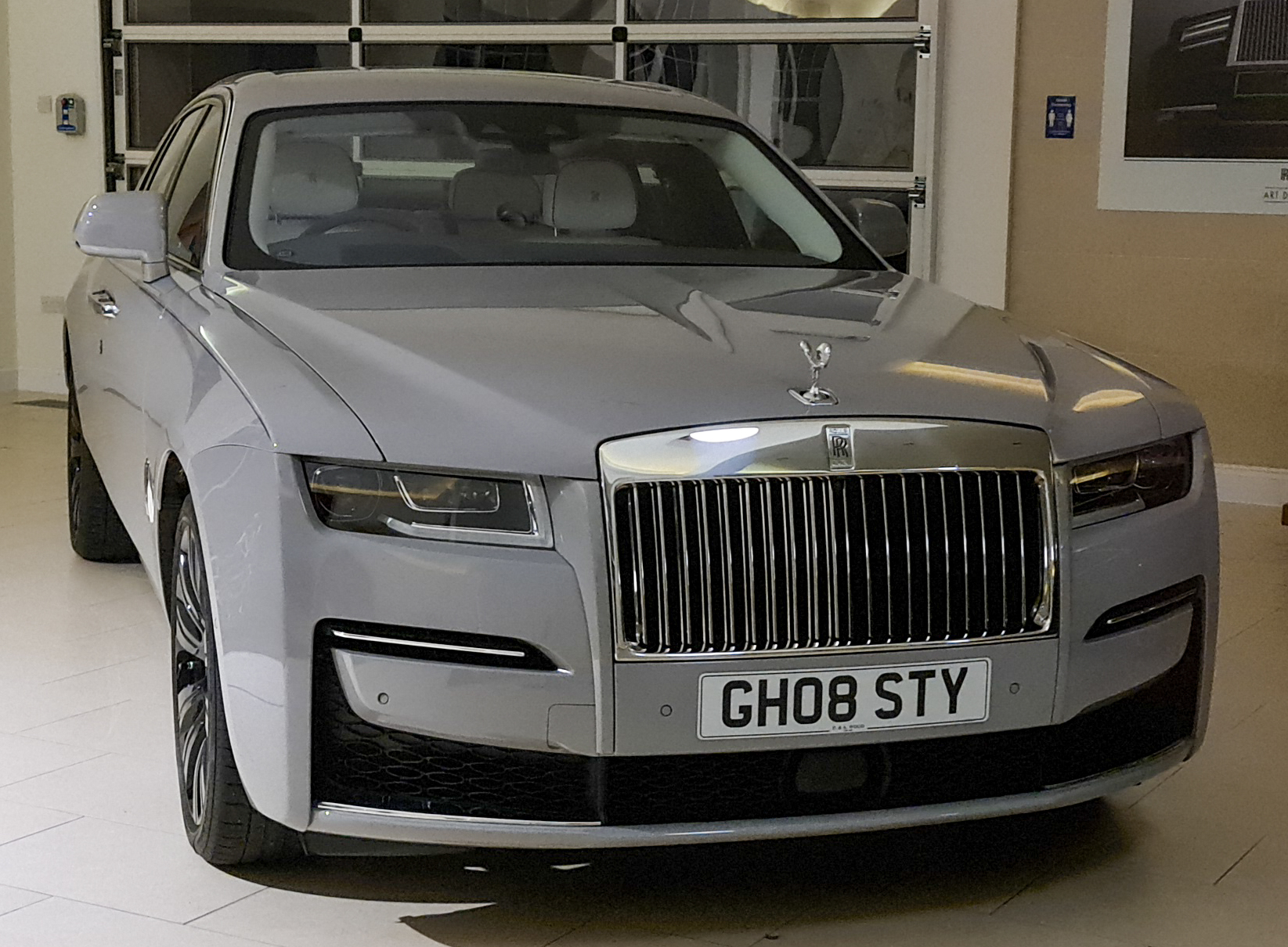
The Rolls-Royce Ghost is a super fancy car that many people dream of owning. It's known for being incredibly luxurious and comfortable, with lots of attention to detail.
Super Veloce means 'super fast' in Italian and is used for very fast cars, especially from brands like Lamborghini. It shows that these cars are built for speed.
The Ford Model T is one of the first cars that regular people could afford. It changed how cars were made and helped many families own a vehicle for the first time.
Car
BMW R 75/5
The BMW R 75/5 is an old motorcycle made by BMW in 1973. It's known for being dependable and has a unique design that many motorcycle fans appreciate.
A 'two car solution' means having two cars that work well together for different purposes. One might be for everyday use, and the other could be for fun or special occasions.
The Range Rover is a fancy SUV made by Land Rover. It's known for being very comfortable and good at driving off-road, making it popular among people who want both luxury and adventure.
Car
Polestar
Polestar is a brand that makes electric cars, known for being fast and environmentally friendly. They focus on combining good performance with electric technology.
The Volvo 240 is an older car that's known for being very safe and lasting a long time. Its unique shape makes it stand out, and many people still love it today.
The G-Wagon is a luxury SUV made by Mercedes-Benz. It's known for being very strong and capable off-road, while also being very comfortable and stylish inside.
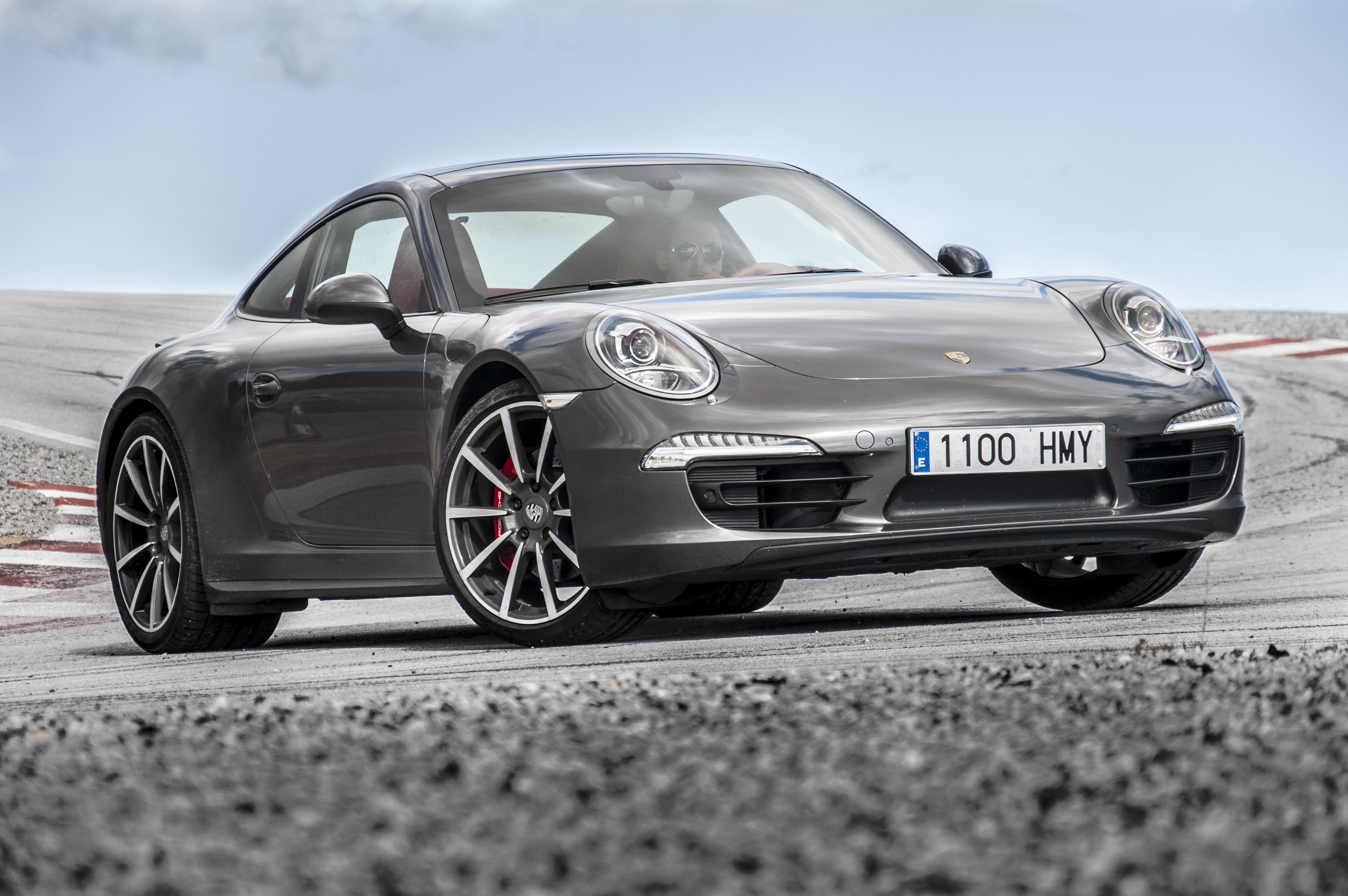
The Porsche 911 is a famous sports car known for being fast and fun to drive. It's been around for a long time and is loved by car enthusiasts for its unique shape and powerful performance.
A twin cam engine has two camshafts that help the engine breathe better, which usually makes it more powerful and efficient. It's a common design in sporty cars.
Vintage touring is when people take older cars on long drives, usually for fun and to enjoy beautiful scenery. It's a way to meet other car lovers and share the experience of driving classic cars.
Cars and coffee is a fun event where people with cool cars come together to chat and drink coffee. It's a chance to see different types of cars and meet other car fans.
The Ford Excursion is a really big SUV that can fit a lot of people and pull heavy things like trailers. It's great for road trips or carrying lots of stuff.
The Ford Expedition is a big SUV that can carry a lot of people and stuff. It's great for families or trips where you need extra space, and it can also pull heavy things like trailers.
Drake Motor Cars makes luxury cars that are often different from typical brands. They create unique and stylish vehicles for people who appreciate high-quality design.
A project car is a car that someone buys to fix up or make better. People enjoy working on them to create something unique or to restore them to good condition.
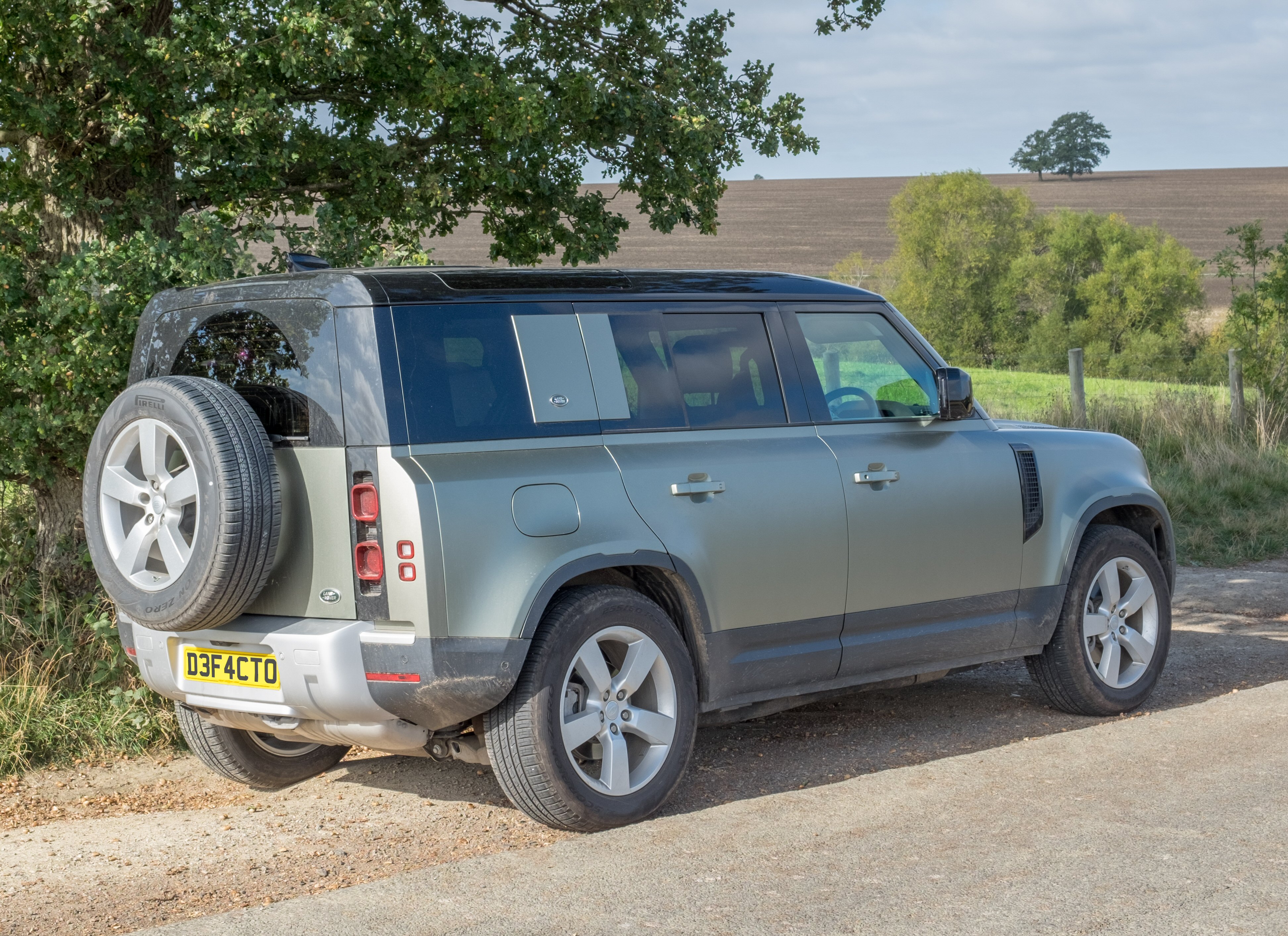
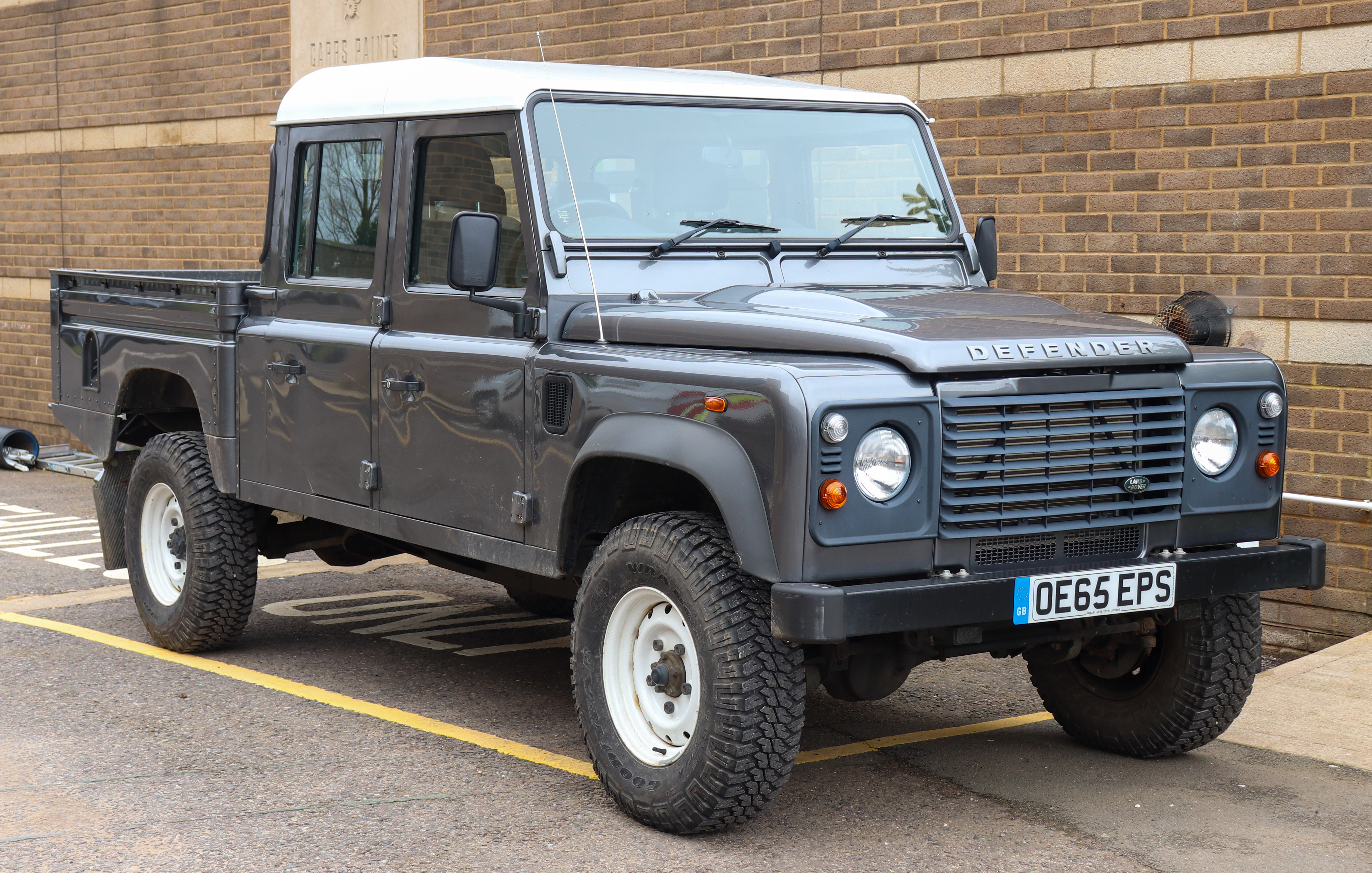
The Land Rover Defender is a tough vehicle designed for driving off the road, like in the mountains or on rough paths. It's popular for its strong build and ability to handle tough conditions while still being comfortable inside.
The Chrysler PT Cruiser is a small car that looks a bit old-fashioned but is fun and practical. It has a lot of space inside for passengers and their stuff.
The Tesla Model Y is an electric SUV that can go a long way on a single charge. It's packed with cool technology and has a lot of space for passengers and cargo.
The Ford Mustang is a classic American car that's known for being fast and stylish. It's been around for many years and is loved by many people for its sporty look and powerful engine.
The Toyota Corolla is a small car that many people buy because it's dependable and doesn't use much gas. It's a great choice for getting around town without spending too much money on repairs or fuel.
The BMW i3 is a small electric car that's different in shape and made with eco-friendly materials. It's designed for city driving and helps reduce pollution since it doesn't use gas.
Which I got an opportunity to drive great vehicle.
Yeah.
And the, you know, the other special occasion, uh, this particular trip was that it was, um,
the 50th anniversary of South fishes, um, ownership of the Baja races, right?
So, um,
so the Baja 1000 kind of the first few years were a little bit creaky.
The Mexican government at one point wanted to take control of it.
And then they just couldn't manage it.
And Sal ended up buying basically the concession for it and ran it for 50 years.
The guys, a Baja legend, um, he's, I think 83 years old and he was along with us on the trip.
Oh, amazing.
As well as Kurt LaDuke, who's a veteran Baja racer.
When you spoke with Sal on the episode, correct?
Yes.
And I loved his portion.
It was so, I mean, it was just so charming and informative.
And I was like, I just want to hang out with this guy and hear all his stories.
Well, you know, I recorded that episode a little bit each day along the way.
Okay.
Um, and surprisingly, or maybe not, it was tough because everybody's so busy
the whole time.
I mean, if we're not driving, we're preparing camp, we're eating, we're socializing.
So it was kind of tough to catch people at the right moment.
But I managed to do that.
And the portion of the show, the portion of the episode that was with Sal and Kurt and Michael
was recorded on the beach, um, on the Sea of Cortez at a restaurant, um, at our campsite.
So we were out on the patio having some tequila and I just, you know,
press record and let it rip.
And it was so much fun.
Well, you found the magic moment.
Yeah, it was so good.
I mean, those guys never run out of stories about their experiences down there.
You know, they, they've, between Kurt and Sal, I think they have a hundred years of,
of Baja tales, you know, to choose from.
So yeah, you're like, all right, we could do a whole podcast just with you guys.
Absolutely.
No, no problem at all.
Yeah, yeah.
I think we all sort of crave that kind of adventure, right?
We just get so little that in our lives anymore.
Like, you know, there's probably no cell service for starters, right?
Well, that actually, that's a good thing about Baja.
You know, I mean, a lot of people that are listening to this right now will,
will have been there.
You know, there's probably a lot of Baja veterans more than you might imagine.
And it's not like we're blazing new trails.
Baja is a known quantity, but the experience is still really pure, I think.
Yeah.
And, and the lack of cell service is great because you get to tune out.
It's almost, you know, for an American, it's like living in 1990, right?
You just get to disconnect and, and enjoy what's going on around you.
Yeah.
Yeah.
What's that like?
We have to remind ourselves.
We were marveling the other day about, you know, pre-cell phone life and how our parents
would just drop us off at the mall to go see a movie.
And then you have to go find the pay phone to call them to bring you home.
But it worked.
It absolutely did.
I remember as a kid looking forward to picking my, picking my dad up from the airport, right?
Because I could go to those phone banks and go to each, each little coin, you know,
whatever return thing and see if there was an order and inevitably I'd find one or two and,
you know, feel like a king.
But it's amazing how much things have changed, you know.
It is.
There's, there's, there's little, you know, there's little pleasures, you know,
our kids will, will not know.
Yeah.
We have to figure out a way to recreate that somehow or fill that in.
I remember going to the arcade and, you know, with maybe 10 bucks and just dropping
quarter after quarter into Gallagher or that spy hunter or whatever, you know.
I'm kind of dating myself, but, but, but ultimately, you know, yes, we were playing
video games, but it was a really social activity.
You know, your friends would be around you watching you, you know, try to get the high
score and yeah, it was fun.
And, and, you know, when we were out of quarters, we would leave the arcade and kick
around and, you know, get into all kinds of trouble.
So as you should at that age, right?
Well, you mentioned a couple of them, but what's in your garage these days?
Other, you've still got the Land Rover's, right?
I have a 1960 109 station wagon.
That's a long wheelbase five door.
I've had that since 2008 and it's been, it's done thousands of miles off road and,
you know, I would throw the whole family in that thing and think nothing of driving
500 miles in a day to get to where we were going to, to off road and camp.
I also have a 1968 short wheelbase series 2A, which is really just, it's literally a
basket case, guys.
It's, it's in boxes and the, the chassis is leaning up against the wall in the backyard.
Well, kind of out of sight at least.
It's a little bit like Samford and Son in my side yard.
Okay.
There's a bunch of Land Rover parts.
And then I have a 53 series one.
So that's very, that's pretty early production, you know, Land Rover started in 48.
And, and that is a, it's a project that is going in fits and starts, but I,
I'm determined to finish it in the next 12 to 18 months to 24 months to 36 months.
That's a reason, that's a reasonable timeline.
Anybody with project cars knows that.
Yeah, absolutely.
Yeah.
Well, and you and I had the very unique experience during car week this last year of
getting to ride with the Land Rover team in the Defender, uh, that five or six defenders
in the, uh, Tour de Pebble.
Yeah.
So up highway one and back down, obviously.
And that was just magical.
It was.
And we were in a Camel Trophy Defender.
Right.
I think it was the last one that had done like the last Camel Trophy.
Yeah.
And I should probably correct myself and, and say a Camel Trophy 110 because I don't,
I don't think it was technically called the Defender at that point.
And some Land Rover Anorak out there is screaming
that I made that mistake.
So I, I will correct myself.
Yeah.
That's a good question.
I would have said Defender 110 with the Camel Trophy, but.
And the driver was Scott from the, you know, the founder of Overland Journal.
Great guy.
He was amazing.
And Jeff Ahuden, who does the PR for Land Rover in North America, he was with us too.
So we had a pretty fun crew.
We had a great crew.
Yeah.
And we didn't break down.
We didn't, none of us broke down, which is an amazing testament to the defenders.
And yeah, it was just the, the weather could not have been better.
It was unbelievably spectacular.
And definitely, you know, pinch me moments just getting to be in those cars on that road.
Well, and with the rest of the cars that did the tour, I think we all kept commenting.
You don't often get to see, you know, especially some of the pre-war stuff.
And I think that Tulip Wood car that won, I think that was on the tour,
you know, getting to see one of those cars driving is amazing, but getting to see all of
those together on the road and to be part of it was just unreal.
And of course, you know, Land Rover is the only way to go.
Well, we got a whole lot of cheers along the way, you know, especially the kids loved that thing.
So, and the crowd along the way is a great, a great aspect of the tour because the natural
beauty is of course wonderful. And there are a lot of, you know, people with classic cars or,
or, you know, hobby cars parked along the way.
But then when you get sort of to the end of the tour, the turnaround point,
and there's hundreds of people, and suddenly you're kind of in a parade.
You are the parade. Yeah.
Yeah. Yeah. So that was really fun.
It was, I was trying to think of how to describe it to somebody because it's,
you're up in the mountains a bit in terms of the scenery.
And you've gone on a windy road, obviously along the coast.
But for anybody that's been to Good Vibes, it was like a big, big, big Good Vibes day,
you know, times four when you get to the end, just the crowd and the energy and the enthusiasm.
And I think a parade is a great way to describe it because people cheer
nonstop as you drive through. It was so much fun.
Yeah. Yeah. It was wonderful.
Cool. How many years have you gone to Car Week, Maurice?
Since, I want to say 2018. Okay.
So not that long. Not that long. You know, I put it off for many years.
It was, and I don't know what it was, Ryan, that made me put it off.
It's just one of those things in life. You know, you're busy with family and
kids and, you know, kid sports and car projects of your own and, you know, whatever have you.
And it was kind of one of those things where I thought, well, you know,
I'll get a group of friends together and go at some point.
And now I can't stay away.
It gets under your skin.
Yeah. Yeah. Yeah. We heard all this talk this year about, oh, it's jump the shark,
you know, it's the end of car because we know it. And I had a great time.
This is only my second year, but I don't know what I was missing.
It seemed pretty wonderful to me and maybe for a local in Carmel, you know,
it gets a little, you know, tedious after a day or two and imagine it does.
But, but yeah, I can't imagine not going moving forward, right? You know, it's just,
it's such a touchstone or whatever for those of us who do what we do.
And you just, I wouldn't feel out of the loop if I, if I, if I missed it, you know, it's just,
but have you noticed any changes in the, you know, the seven years or whatever that you've
gone? I mean, it's definitely more crowded. Yeah. Prices have gone up, particularly for
accommodations. Yeah. And it's become more and more commercialized every year for sure.
I think social media has had a greater impact than any other single factor.
Yeah. Yeah. Because it attracts people who just want to, you know,
put stuff on their TikTok or Instagram or what have you. And, and they're less about the
experiences of Car Week and more about capturing content for their platforms.
Sure. So that's a big change. Supercars have kind of taken over the street scene.
I think, I think that's fair to say. And, and just, you know, traffic in general is,
has been impacted a lot. I would say the core events are still kind of true to what their intent
has always been. You know, if you go to Laguna Seca and you want to see the historic racing,
I mean, you could just do that. Yeah. Do nothing else. Yeah. And have a fantastic week.
Yeah. Right. Yeah. Speaking of that, I'll never forget the first year I went so 25, 24, rather,
I show up to Laguna. This was the year that some of us ended up doing some, some commentary,
which was, was amazing, but also terrifying in the moment. But I'm walking in, I guess,
to the pits and I see you pop out of a car. You are the riding mechanic in a, to remind me,
the car was like a 30s. That's my pal. That's my pal Bobby Green, old cross speed shop. Yes. And
Bobby is a huge collector and historian and preservationist. And that's his 1920,
20. Duesenberg racer. Okay. Yeah. That's amazing.
The Siebel Rees pop out of that. Like, it was like, you know, no big thing, you know,
but that makes perfect sense. I mean, where else? Of course, he's popping out at one of those. Well,
and to throw back to our Trent Abbott episode, Bobby Green is a charter member of the PT Cruiser
Spotters Anonymous Club. So I love, I love the callback. I love that. Didn't even put two and
two together. But I can't say enough about Bobby. I mean, he's a guy you need to have on the show.
Yeah, yeah, I would love to. And, and, and, you know, it's gonna be historic.
But it, you will have no end of fun with Bobby. In fact, I was just at his place this morning.
Yeah. He sold me a set of 35 Ford wire wheels for my Model A and something for my Model A Roadster.
Yeah. And in fact, I spent half the afternoon, you know, sanding them, getting ready for paint.
And they're going to go on the car this week. But yeah, Bobby's definitely would,
he would be a good get for you. And I can make that happen.
Well, it pays to know the right people, huh?
Yeah. I remember him because I used to watch American Pickers. And if I recall, he was a
regular on American Pickers. And I was, again, thought this is a pretty cool dude.
Yeah. He and Mike are tight. They're, they're good friends. And I spent a little bit of time
with Mike and he's a wonderful guy. He is exactly who you see on television.
That's great. That's great. Yeah.
That's great. Well, I feel a little bad because he's from Iowa. And I just wrote an article for
Autoblog where I really dumped on Iowa. And I kind of feel, I don't know, Lindsay, did you read that?
Well, in fact, I, well, I dumped on the Iowa drivers and that was,
but look, I remember, I remember in Iowa mentioned, but it was, yeah, so go on.
For those that haven't had a chance. Yeah. Yeah. I need a redemption or something.
You know, amongst my, my Iowa people, but Ryan, what is it about Iowa drivers?
Well, I'll tell you, there was a scenario in the article, but they like to sit in the passing lane
usually in a Chrysler minivan of some, some sort. And then they get upset when, you know,
after waiting patiently, patiently, you go to pass them in the right. And it's, this has come,
I think I called it a combination of, of sort of indignant self-righteousness and just sort of lack
of, lack of situational awareness, right? And it's just not a fantastic intersection to be at.
No. And every time we drive from Colorado to Minnesota or Wisconsin or we're happy to visit
family, we inevitably have to go through Iowa. And, you know, of course, after driving through
Nebraska, it's beautiful, but the people just are the worst drivers in the country. And I'll go
to my grave, uh, you know, asking them to, uh, let you buy. Yeah. Yeah. So probably combined with
a Methodist resolve to stay the course. I am not moving. There you go. That's what it is. They're
just there. Yes. Yes. They're, uh, that's the, I like that. But I, one thing I would like to say
is I would like to change my answer for the two car solution. Oh, okay. I would like
a modern Land Rover Defender. Here's my, here's my two cars that I think would be very fun. It
would cover a lot of ground, literally and figuratively, because as we've established,
the Defender does so well on and off the road. So I'm taking the budget consideration out of it.
And I would like a Land Rover Defender Octa and a 2018 Ford GT350 R Mustang. Wow. Okay.
There you go. Not a dark horse. No. Okay. All right. Very good. I haven't driven one yet,
which maybe if I drove one, I might change my answer, but it did such a good job with the R
and you could take it on the track, but it's still really fun on the street.
And the Defender, you could take off road and it's lovely to drive on the street as well.
Yeah. I feel like that covers a lot of bases. No, that those are good. That's a good two car
solution. And by the way, I have to tell you, I rode with Robert Nagel in his. Oh, in his dark horse.
Yeah. And, and you guys, I think touched on that a little bit. We did. It's like a one of one
because of the options that he ordered together. Yes, exactly. Sounds like a really interesting car.
It's an awesome car. And I mean, to be in the passenger seat with Robert Nagel, the man,
yeah, right in that car, like, you know, some people you get a little bit nervous,
right as a passenger. No, not that guy. That guy is nails. He's so good behind the wheel. Yeah.
And he definitely put his foot in it, you know, a few times. It was fun. And I'm going to change
my two car solution since you're doing it too. Okay. All right. You know, guys, I think my
perfect two car solution would be like a 1970 Porsche 911. I love the long hood cars.
I like the long wheelbase less of a fan of the impact bumper cars. They're a little bit more
refined, you know, by 1970, and really reliable. And then the second car would probably be like a
69 bump side Ford high boy, four by four. Okay, I mean, again, like simple, sure, good, good Ford
engineering. I love the look of the bump sides. They're just great trucks. And yeah, big,
big mutter meats on it. That'd be perfect. I love it.
Maurice, is there anything new that that? Yeah, no, I'm sticking with my GT3 touring in my
Galandavagon. I think that's about as good as I'm going to get. Is there anything new that interests
you, Maurice, like anything that's new out there that you'd want in your garage? Because I definitely
feel like you have a slant toward the, you know, the vintage stuff. I do, I do. I'm,
I'm pretty blasé about new cars. I gotta be honest, you know, there's there's some interesting
stuff out there, but none of it is in my price range. I know that people are raving about that
three cylinder turbo Corolla, you know, anybody we know. Yeah, yeah, right, right. Mr. Lieberman.
Well, and Ryan, that's right. You know, Ryan, I thought it broke the thing. So I'm just glad
that I haven't had a call from Toyota over the last couple of weeks, you know, following up with,
you know, an invoice. But yeah, right. I was a BMW fan for so many years, and I think they've
completely lost the plot. 100%. So what was the last one that you loved?
Like latest model like 2016. And I'll tell you one of the big reasons why analog instrumentation.
Yes. I hate digital instrumentation with you. Get rid of it. We don't need it. Yeah. I like
that. That was a lot more modern. That was a lot more modern than I thought you were going to choose
actually. Yeah. Well, here's what I think happened, you guys. This whole push toward EVs
and the supposed demise of the internal combustion engine, that was all political nonsense. It was
a bunch of pressure groups pushing for it. And, you know, I'm not, you know, anti environment,
but I think it was just it was hysteria and it was also people trying to cash in.
Yeah. And, you know, there's a lot of there's a lot of political elements out there who are
trying to answer to a constituency that is just not being realistic about
how the world gets around. And it's sure it with ice engines and it will be for the foreseeable
future. And by the way, as long as I'm on my soapbox, Lindsay, you've been in California long
enough to know, although you're no longer a California resident. Sort of, right?
Actively, yeah. Yeah. But but having grown up here, you know what the smog was like at one time.
I remember I was thinking about this. Yes, as a kid, we had the air quality warnings and you
couldn't see downtown LA on and on, etc. Yes, please continue. And I think we're all old enough to
remember idling at a traffic light with our parents and smelling the exhaust, right? Because you
had your windows down because most of us weren't running AC, right? Well, and a lot of us were in
the rear facing third row of the station wagon where the exhaust came right in directly. Yes.
And now we know what's wrong with me. Anyway, go on. Well, so if you think about those days,
and you think about how far we've come and you can pull up to a traffic light and never smell
a whiff of exhaust now. Yeah. And so the technology has progressed so far. Engines are
very clean burning, very efficient now. They're incredibly reliable. I mean, think about we're
going 15,000 miles between oil changes. Yeah. I mean, on paper, I don't do that. But my point is
never. Right. My point is we've come a long way. There's no way that we need to abandon that at
this point. And I don't think one size fits all is a good formula for anything, let alone cars.
So getting back to where we were, the EV push really messed up the marketplace and manufacturers
are now having to scramble to go back to internal combustion. In fact, I can't remember who it was,
but I think it's Jaguar. Jaguar had nothing on the table for internal combustion. They've fully
committed to EV. They have no engines in the development pipeline. And yeah, they're kind of
they're stuck with EV. So what's going to happen there? I mean, I think they're the design chief
for Jaguar Land Rover just got to let go. Yeah. Yeah. And I don't know why, but it has to I can
imagine it's partially because of a lot of the backlash. And they're just panicking at this
point at at JLR thinking, What are we going to do? Well, we got it. We got to hang this on somebody.
It might as well be him. Yeah. So yeah. Yeah. The term sacrificial lamb was thrown around.
Yes. Yeah. Well, thank God for Land Rover, right? Kind of keeping the boat afloat, you know, and
to go back to EVs, you know, for the record, I have an EV because they were artificially subsidized
and they were giving them away. And that is the reason that I own one, you know, and I do think
it's a it's a wonderful sort of around town conveyance. But you know, but the environmental
stuff and I like the environment, but that never even factored into it for us. It was literally
just the price and the performance and we needed a car, you know,
I do appreciate that both of you have felt the need to preface your statements with
I do enjoy the environment. Yeah. Yeah. Yeah. I support the environment. Let's be
poor Jaguar though. Like I'm trying to say it like you Jaguar or whatever we get in here to say,
you know, thank God for Waymo, right? Because where would Jaguar be without Waymo at the moment?
Those are the only times they ever see new Jaguars or when they're, you know, they're dressed up as
Waymo's or whatever. So no kidding. You know, I considered the BMW i3 when it first came out. I
mean, I'm not opposed to EVs. I do a lot of driving and it just it made sense except the range was
like at the time was like 85 miles or something. It was not much. Maybe it was 185, but it was
pretty abysmal and I would have had range anxiety and problems. So and there was no charging
infrastructure. It's a I would I would definitely consider an EV in the future.
But I'm also a long term owner, like, you know, I keep my cars for 10 years and 200,000 miles,
and I just maintain them and I enjoy them. And so I don't trade up very often.
So it I guess it just it it hasn't really made economic sense for me to to go full EV.
I think Toyota is doing it right out of all of them, you know, gas electric hybrid. Yeah, exactly.
So well, that hydrogen model didn't go very far. No true. And why does it still question the hydrogen
thing? Because the only place to see them is is in California for, you know, obvious reasons.
When there was an actual I was aware of where there was a hydrogen station when was it the
ARIA when that came out? Yeah, the ARIA and the Mariah, right, or the two Mariah. That's when I
was thinking of. But yeah, there was I because I remember hearing about this. I'm like, that's
great. Where do you get hydrogen? But I did. There was one station that was open in Orange County
that I was aware of. Like, it'd be interesting experiment. Yeah, that's a California thing.
The manufacturers, some manufacturers have decided to sort of anticipate where California is going
to go. And we we have a dearth of refineries here, as you know, it all has to be refined here in the
state of California, which drives the price up. And so I think, you know, car makers are just
trying to figure out what's California going to do next. And we have to be ahead of the curve.
So a couple have opted for the hydrogen experimentation. BMW was experimenting with
hydrogen, I think as early as the late 80s with the data that a seven series hydrogen project.
If I recall correctly, but yeah, I think I think if anything happens
to change all this, it will probably be some sort of synthetic hydrocarbon fuel.
And Porsche is really, really behind that. I know as well. That said, I just have to
share slash brag that I had this this Genesis press car recently. So I didn't feel bad putting
85 octane in it. But that 85 octane, I paid $1.82 a gallon. I haven't paid that since high school,
guys. $1.82 a dollar 82. Oh my gosh. Well, do you guys remember when gas prices really went crazy
and the pumps would shut off at $50 before that the stations accommodated? Yes. I remember in
high school paying $1.25 a gallon. Okay. Okay. Okay. And, you know, when you're a high school kid,
that's not, you know, to fill up your tank, it's, it's a little bit of an expenditure. At least it
was for me, you know, working a minimum wage job for 425 an hour. So sure, sure. Yeah, that's a
chunk of it for sure. And it adds up. Yeah. What was that job? Or is I'm just curious, what were
you doing in high school? Pumping gas. Oh, you're just sneaking a little freebie, you know, at the
end of the day or something. Never, never. Okay. Nope. I was on the full service island at at the
Chevron and most of my most of my money was made in tips, believe it or not. I mean, I was going to
ask, yeah, if you got tips. Yeah, got got good tips, got, you know, $5 here $20 here, you know,
occasionally somebody would would give me a $50 bill or even a $100 bill in one case.
Really? Yeah. Whoa. So and then that guy would come in and not tip, you know, for the next five
Phillips. But that's okay. We're good, right? We're good. It's like this counts for the next six weeks.
Change the subject a little bit. We haven't talked about your YouTube channel. And I know that
your YouTube channel is really taking off. I have some questions because all I hear from people,
Matt Farron, all that is how difficult YouTube has become. He said he had a kind of, I don't know,
a episode that did 75,000 views and he got a check by I think for $300 or something. So
what's this? What's the state of YouTube and an automotive YouTube and you know, and how are you
making it work? I try not to think too hard about it, Ryan. Yeah, I just read this week that YouTube
is the algorithm is now favoring recency. Okay. So newer videos are getting pushed harder.
I could tell you what has done well on my channel, which is turning wrenches, those kind of videos.
That does well. My interview with Robert Nagel did extremely well, but that was just based on my
strategy, which was to release that the day before the Ferrari biopic opened.
So I rode that wave. I'll be honest and say, the podcast episodes, including the ones where I do
a sit down video interview version for YouTube, do not do nearly as well as my other videos. And
I think that's a function of just not being big enough. You know, of course, guys like,
I mean, the perennial example, right, is Joe Rogan. He can pull, you know, millions and millions of
views or even, well, other guys who do interviews can do huge views with sit downs. I'm not there.
That's okay. Like I said, I try not to think too hard about it. I just do what I like. If
something hits, that's great. You know, I'm making some money off of YouTube. It's, you know,
it's certainly not going to, you know, fill my garage with the cars that I would love to own,
but that's okay. You know, slow and steady wins the race, or at least comes in second. I'll be
happy with second. That's still a good place to be, right? Yeah, I mean, in this context,
it's a ton of work, you guys. You know, I'm putting out a podcast episode every two weeks.
Originally, it was a weekly show. And I think one of the reasons I changed to a
bi-weekly podcast release is it gives listeners time to
listen to the episode, digest the episode. And then in another two weeks, I'll see you again.
Because we're all busy, right? And people might not necessarily have time to,
I think what I'm getting at here is if someone hasn't listened to your show for a few weeks,
and they see like, oh my gosh, I've got, there's like three or four episodes or
what have you to catch up to, I think they're less inclined. I think they feel like
that's sort of a barrier, and they may start to tune out. It's a psychological trick.
Sure. Oh, like I'm already behind and I'll never catch up.
That kind of thing, which is weird, right? But it's, you know, people are weird.
It's not going to be a test, and we're happy to have you here.
But it is kind of like a perceived value thing, right? If we were putting on a show every day,
it wouldn't seem too special, right? But if you're doing twice a month or whatever.
Let's see, maybe that's what we need to do. This one a week thing is kind of burning me.
But you guys are doing a different animal. Well, yeah.
You're topical and, you know, you've got an ensemble cast. So, you know, it's different,
and I think it really works for you. I think you've found the right formula,
if there is a formula. And so have you, and I do look at your episodes as sort of these
there's not a bad one in the bunch, right? They're just these highly polished little things that,
you know, it's, yeah, pretty wonderful horsepower heritage. You've got a good thing.
And I appreciate that. And by the way, speaking of YouTube and speaking of Baja,
I shot a ton of video on that trip. And it's in the editing bay. And it's, you know, I've got
multiple videos that I'm working on at any given time. So it's in, it's in the queue.
But if people are interested in seeing what we were talking about tonight,
you know, subscribe to horsepower heritage on YouTube, and the slow Baja episode will be coming
up pretty soon. So something to look forward to. Yeah, yeah. I look forward to seeing it.
Yeah, as well, of course. So what's next for you? What's in the hopper? Like what's your next big
event? What are you looking forward to? You know, I haven't had time to sit down and look at
the event calendar for 2026. You know, obviously, there are certain events you we all want to hit.
I do want to go to the to the Chattanooga Motoring Festival this year. You know, it's all,
you know, antique racing cars and things like that. And they have right up your alley.
Yeah, I haven't been to that one yet. I would like to get to Goodwood next fall
for the revival. I have yet to do that. And, you know, that's,
that's kind of the pilgrimage that we all have to make if we're really into the old stuff.
That is a must do. I mean, you know, you talk about going to car week and now you can't not go.
That was the only problem that I had when I went to the revival is, I mean, within maybe an hour,
we were walking around and in my head, I went, Well, this is how am I going to not do this every
year? It's just so spectacular. And in terms of upcoming guests, you know, Christopher Runge
will be on the show. Oh, right. Yeah, Chris and I, you know, got to know each other a little bit
during car week this year. And the first time I saw one of his builds was, I think about 2018 or so
in Santa Barbara at a cars and coffee, and I couldn't take my eyes off the thing. And
he has refined every build so much since then. And now he's just that the stuff he's doing is so
incredibly elegant. So Chris is going to come on the show. Rob Ida, who is a wonderful hot rodder
and fabricator out of New Jersey will be on the show in 2026, which is not that far away from us
now. So yeah, wild. Yeah, yeah, absolutely. And you know, I love talking to racing drivers. So
there will be certainly some some racing drivers come out on the show in the near future. So I
you know, I try to mix it up and keep people guessing. And so yeah, who's your dream get
it? My dream get. Well, they're all dead, Ryan.
So settling for someone who's still alive.
I would love to interview Gordon Murray. Yeah, yeah, you know, Gordon is definitely up there.
I'm going to have Jay Leno on the show at some point in the near future.
I, you know, spent some time here and there with Jay. I've been to the garage.
Fantastic guy. And, you know, he's, of course, super busy, but he always seems to make time.
And I just that's something that I haven't, you know, I haven't contacted him about yet. But I
want to do that. You know, again, you kind of got me on the spot for dream guests. And I'm,
I'm really kind of serious when I say that they're, they're, they're no longer with us because
that's just who, you know, now, now you have me curious. If that was not a constraint,
who would you love to have? I would love to have interviewed Carol Shelby.
I knew you were going to say that. Yeah. Would love to have interviewed Johnny Aniele, who was the
chairman of Fiat. And, you know, he's the guy that, that made the deal with Enzo to, to, you know,
take, essentially take the Ferrari road cars under the Fiat umbrella. And, and he left Enzo
with the racing division. But beyond, beyond that, Aniele is just a fascinating character.
I would, going way back, and none of your listeners will know this name,
would love to have interviewed Harry Miller. Oh, sure. Harry Miller. Harry Miller was a guy from,
I think, Kenosha, Wisconsin. That sounds right. Who worked for ransom olds of Oldsmobile. Okay. In
the very early days, like 19, three, 19, four. And then Miller was a, Miller was kind of a
natural engineer. He designed some very elegant carburetors in the teens and 20s, and made a
fortune from his carburetors, licensing, licensing them, and then, you know, kind of selling them,
selling the design. And then he started building these incredible racing engines
with, you've heard the name Offenhauser? Sure. Yeah. So Offenhauser was one of his guys.
And a guy named Leo Goosen, who was his chief engineer. And those three guys, Goosen, Offenhauser,
and Miller had these incredible racing engines. So the Offi engine, which after Miller kind of had
passed from the scene, Offenhauser took that engine and went to Indy with it. And it was the dominant
engine at Indy until, gosh, I think the mid 80s, because it's a monoblock. It's a monoblock. So
the head does not come off the engine. So they can run extremely high compression, forced induction,
four cylinder engine, just a magical, a magical piece of machinery. And so, but Miller is a really
interesting character. He's kind of like part Frank Lloyd Wright, part Howard Hughes,
really kind of a mysterious character in a lot of ways. And I would love to have sat down with him.
Sure. Sure. But we're talking ancient history right now. I mean, but see, this is what I love,
because you can tie all of this together to the present day. If you just kind of follow the family
tree and follow and start pulling on threads, you will find stuff that is relevant today. But
the roots of it are in the 1910s, 1920s. So. Yeah. Right. And the decisions that people were making
then and the innovations and the direction, you know, they shaped automotive. And like you said,
the threads are there and even today. Yep. So that's it. Yeah. And there's no
thank you. And there's no end to it. I mean, that's what the beauty of this is like, I'll never run
out of subject matter. So yeah, yeah, absolutely. You ever thought about writing a book? Is there
a little bit? I have and I will. And I'm not sure what it's going to be yet. But yeah, that is
one of my goals. I'm going to write an automotive book. I am glad to hear that. So thank you.
Well, then we would like you to come on as an author once the book is written and we will talk
about it. Happy to do so. Yeah. Yeah. Well, Marie, thank you so much for joining us. It's always a
pleasure to talk with you. So glad things are going so well. I look forward to hanging out again
before too long. Any Colorado plans? Just I know something you've talked about. Hey,
you know what, you build it and I'll come. Okay, all right, we're gonna make that happen in time.
All right. Another one we have to add to the calendar, right? That's right. For me, you have
you have done it. But yeah, no, you can get out here too. Maurice Merrick, horsepower heritage
podcast, YouTube channel. Gentlemen, I can't thank you enough for joining us tonight.
We're that car show. Until next time, Lindsay. And remember, always be driving and we'll see
you next week. Thanks for joining us. Thanks.
About this episode
Maurice Merrick, creator of the Horsepower Heritage podcast, joins the hosts for a lively discussion about automotive storytelling, podcasting challenges, and the evolution of car culture. They share anecdotes from Car Week, the Slow Baja expedition, and their favorite automotive guests. Maurice reflects on his eclectic car collection and the importance of community in the automotive world. The conversation also touches on the future of electric vehicles, the impact of social media on car events, and the thrill of live interviews. Tune in for insights and entertaining stories from the automotive realm.
This week on That Car Show, it’s our pal Maurice Merrick. Maurice is the creator and host of Horsepower Heritage, the highly-regarded podcast for the discerning automotive enthusiasts among us. In the automotive world that Dan, Lindsey and I inhabit, Maurice is like a VISA card… everywhere you want to be. He’s also a fantastic storyteller, a master of the craft and a good friend. This is also the first episode of Season Two of That Car Show and we genuinely appreciate you joining us each week. Do us a favor and hit subscribe on your podcast platform of choice and tell your enthusiast friends. 2026 is going to be amazing, and we want them along for the ride, too. It’s Horsepower Heritage’s Maurice Merrick and it’s a fun one. It’s That Car Show. Sheffield Watches: sheffieldwatches.com and @sheffield_allsport_watchesDrake Motorcars: drakemotorcars.com and @drakemotorcars