We have reached peak car, we're not in a situation where we're looking for peak car, we have reached it.
Today on that car show, Sasha Salipanov. Sasha, of course, is the automotive designer behind many
of your favorite modern supercars and hypercars, including the excellent Lamborghini Huracan,
the innovative Koenigsegg Jamiro, and of course, the epic Bugatti Chiron. We talk about what makes
a car great, why the Germans are sometimes scared of their own shadow, why Freeman Thomas's original
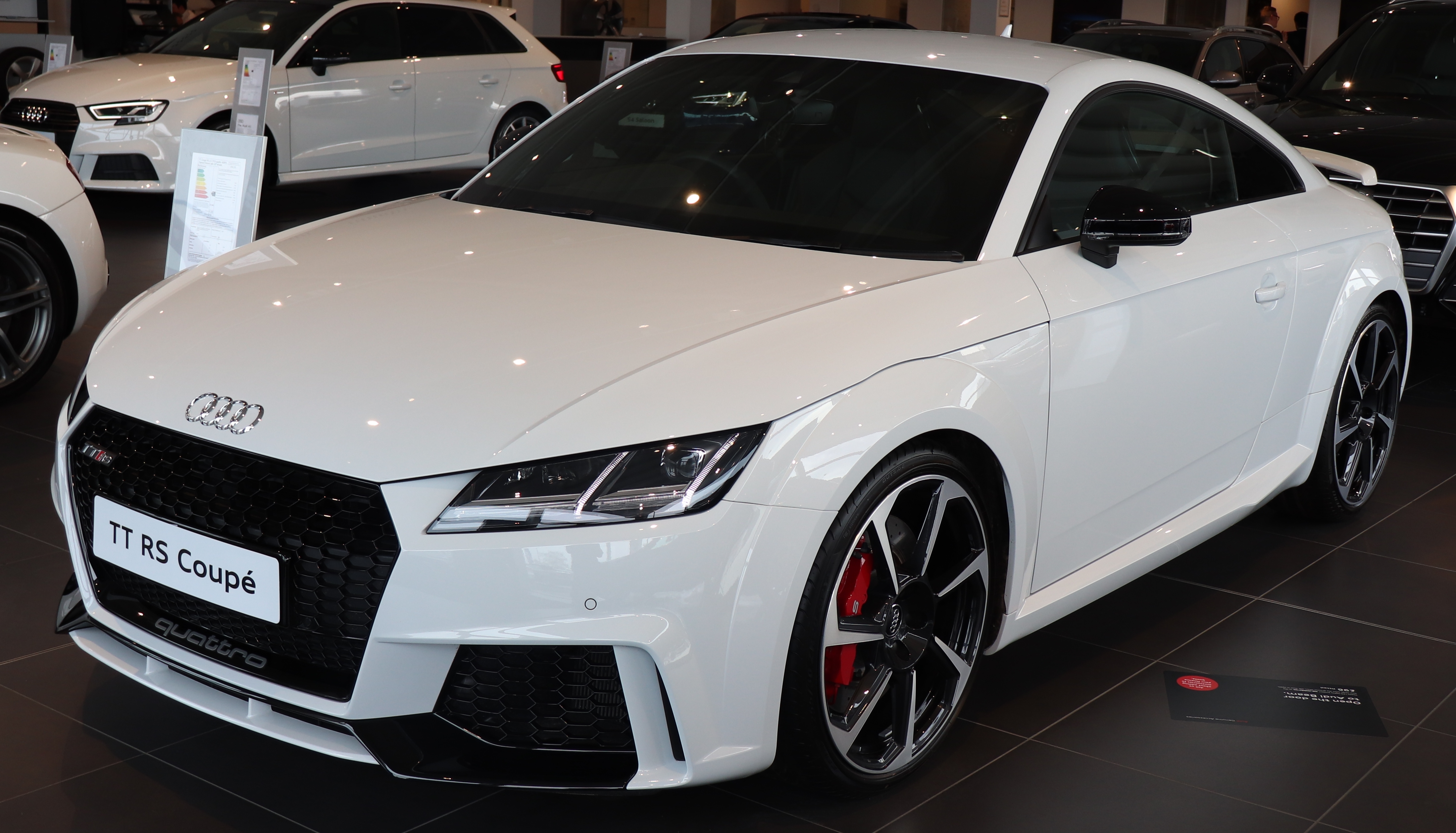
Audi TT was so good, and why the company's new Concept-C is a return to form. Of course, we also
go deep on Sasha's current project, his Neloo 27 hypercar, and why I think it's the most exciting
hypercar in a long time. Here's a hint, it's got a V12 that goes to 11 and a gated manual
transmission. This is a good one, and Sasha's story of growing up in the Soviet Republic to
creating some of the most iconic enthusiast cars of our day is a great one. It's also a reminder to
get off your ass and do something with your life. Stay tuned, tell your friends, and make sure you
follow that car show on Spotify, Apple Podcasts, and YouTube. That car show is brought to you by
Sheffield Watches. Sheffield is the storied watchmaking brand that was revived a couple of
years back by her good friend Jay Turkbus, and it's seen wild success in both the car and
watch enthusiast communities. Sheffield offers a wide selection of watches, many inspired by
the iconic designs of its 1960s dive models, most notably the one that Jay's parents gave him in
1970, which ignited his lifelong passion for watches. Sheffield watches are high quality,
reasonably priced, and a great value. Sheffield has truly become the car guy and car gal's watch
of choice. Order your Sheffield watch at SheffieldWatches.com, give them a follow on
the gram at Sheffield underscore allsport underscore watches and tell them that car show
sent you. The first time I saw Sasha Selipanov's Nelu 27 hypercar, I was blown away. I knew immediately
that it was something special. It was familiar, but it was also unlike anything I'd seen before.
It was kind of like every car crush I'd ever had all rolled up into one, but it wasn't
derivative. It wasn't overwrought and it wasn't an homage. It was a truly original modern hypercar,
one pure form and one that really connected with me emotionally, which makes sense because
the car's creator Sasha has one hell of a resume. Born in Tbilisi, Georgia, Sasha moved to
California at the age of 17. And after attending Art Center College of Design, Sasha was hired
by the Volkswagen group where he was part of the Lamborghini Huracan team and designed the
exterior of the incredible Lugati Chiron. He later go on to Genesis before becoming head of design at
Koenigsegg, where he was responsible for both the Jamira and the CC850. But back to the Nelu,
because its specs are truly impressive. A hot VV12 engine that makes a thousand horsepower,
over a thousand horsepower at 11,000 RPM, which is incredible, a top speed of 250 miles an hour,
zero to 60 in under three seconds, of course. And oh, it's got a gated manual. It's a driver's car,
but it's also, as Sasha puts it, here to burn your village. So it's that car show. And today
it's just me, Dan and Lindsay are off doing amazing things, but I'm doing something even
better. I'm here with Sasha himself. So Sasha, you've been on top gear, the smoking tire,
motor trend, the list goes on. It's great to have you join us here on that car show.
Welcome. It's my pleasure, Ryan. Thank you very much for this incredibly kind intro. I'm blushing
already. Well, hopefully I got all the facts correct, but it's great to have you. I'm a big
fan of your work. And so what is the Sasha's story? Where did this need to create, this drive
to create come from? No, I just thought, I think most of the kids are kind of born with it,
but the society, the warm embrace of the parenting home and experiences in school kind of
stifled the creativity and killed the dreams a little bit for most kids. But in my case, I was
very fortunate. I had the environment. And speaking of my family right now that really
nurtured that obsession of mine and made sure that a lot of compromises, sacrifices,
and effort was invested into supporting me on that journey. So I think I was just lucky like that.
Yeah. You were one of those kids, I'm sure, that had the posters on the wall and all the rest.
What was on your wall as a kid? What were you drawn to?
I think that part of my motivation right now and part of the intensity that I feel when it
comes to sports cars really takes roots in how, in a way, depraved my childhood was,
because growing up in final death rows of Soviet Union in Georgia, the best car you could see
out in the streets was a lot of Neva, which is actually a really cool car. But that was the
best. You would never see an import, you would never see a sports car. Those things only existed
in rare kind of magazine clippings that I could find somewhere. And the fact that I never
was exposed to those cars, although I dreamed of them daily, but I never had the opportunity
to actually hold on to them in any meaningful way. That hunger and that fascination is what
really fueled me throughout my life. I'm still weak in my knees when I see something exciting
on the road and jump out of my car and run after it like a total adolescent mall.
I love that you still do that. I'm glad I'm not the only one.
I most recently was driving somewhere in Hollywood and there was an F40 parked facing the wrong way
on the road. So I'm driving, seeing all those back ends, and all of a sudden I see the front
end of an F40. I just threw the car to the first, I don't know, not even a parking spot,
just bio-hydrant and then ran out and started taking pictures and spent half the afternoon
just sitting there on the curb looking at the car. You can't help it. It's an obsession
from early days. And the F40 was on the bed. Yeah, yeah. It's one of the greats truly,
isn't it? Yeah, I still get a little weak in the knees whenever I see one too, you know?
You got a car, we can you see them everywhere and it's just surreal, right? It's just surreal.
At that point in time, it gets like this experience of, you know, like if you have all
these craft beers by the time you're on your fifth one, you really can't tell like if
you did it, it's like the ride. That's the car we experienced in the nutshell. It's all
oversaturating for my senses. I love that analogy, yeah. So, so Tbilisi, like a beautiful part of
the world, but obviously it was a real culture shift moving to a city like Los Angeles at 17.
So you had spent your form of years in this former Russian Republic and now you're in Los
Angeles and I mean your head must have just exploded, right, with everything you saw and
experienced? Not quite, I would say, because first of all from Tbilisi my family moved to
Moscow when I was nine years old. So I spent between my nine-year-old and my 17-year-old self,
it was Moscow. And Moscow is a really bustling metropolis with more intensity, more New York than
LA if you had to draw a parallel there. So for me coming to LA from Moscow, definitely exciting,
car culture is amazing, climate was wonderful, plenty of experiences that were, you know,
kind of impressive, but I was missing a little bit of the intensity of the big city
in the New York kind of way. So that was a culture shock, obviously also because it was my first
time having to speak English from morning to evening, never having the opportunity to switch
back to the comfort of my native language. And yeah, I still remember it was a massive
culture shock, but not because of the size of the city. Yeah, okay, interesting, yeah, yeah.
You know, and I bumped into you a couple of times, I think the first time last year at the LA Auto
Show where your car was front and center, first time I saw the car in the flesh and was just
really, really floored by it. But I bumped into you again recently at Car Week at the Hagerty
house, I guess what they call it. And you gave this really insightful presentation into your
design philosophy. And I guess what I really appreciated about it was your complete lack
of pretense, like in a week of lots of smoke and mirrors, sometimes literally, you know,
you really cut to the chase. And you almost made it sound like the secret to car design
is actually very simple. I think it is, I don't know, I do believe that we overthink
things too much sometimes. And the first impulse is more often right than we give it
credit for. So yeah, it's over complicated, it's driven by too many cooks in the same
kitchen quite often. There's too many interests at play. The investments are so large, you
know, nowadays to bring a mainstream production car to the road is, you know, maybe even north
of a billion dollars. So when the investment is that high for a road car program, you
inevitably have a whole bunch of different stakeholders in the game. And very often
the designer is kind of the receiving point of all the different conflicting
feedbacks. So then it's up to you and it's on your shoulders to make sense of it somehow.
And again, very often the designer is relatively narrow minded. So they only have,
you know, they just want to focus on making something quote unquote pretty,
and they don't fully embrace the complexity of the process. So it is both simpler and
more difficult. I don't know how else to summarize it. It requires a certain amount of
intelligence. And if you have that intelligence, then hopefully it's a good place to start.
You broke it down into some components. And one of them was seat shape and seat design,
which I thought was really interesting, right? And I think as you said, at most
car seats kind of look the same, right? But the body's not built like that. Plus,
you need to sort of lower the roof of the car, the center of gravity and all that.
Can you go into that a little bit about how important seat design is? Because
the human, like our body really becomes part of the unit, the functional unit,
right? Once you're in the car.
That's a very interesting point. Obviously spent a long time thinking about it. And
generally speaking, when you're working with established car companies and OEMs,
you have ergonomic sections that are being given to you. So you can't actually be
creative when it comes to changing some of the ergonomic requirements that the company has,
like DW has very strict curves that are already predefined for human comfort and for human
safety. So if you deviate from those curves, you'll be approached by the engineering team
and they'll tell you, yeah, your design isn't compliant. Please make sure you respect these
tried and tested, decades old, matured through generations, comfort sections. We won't accept
any deviation. And I was actually at Conexig the first time I realized this stuff is up for grabs.
Christian had some wonderful ideas when it came to human ergonomics. And I realized,
wow, I mean, he's so creative when it comes to these topics that were taboo in my previous
life. And I kind of took that on as a challenge for myself to also think outside these
regulated boxes and be creative. Obviously, safety is top concern. So we will never do
anything that compromises that. But when it comes to some of those comfort sections,
they are built along straight lines, like the seat back, for example, most passenger cars
is a straight line. And that's not what our spine looks like. So creating a shape that
accommodates the spine more is both more comfortable and eventually lowers the head a
tiny bit bit. And you are packaging a bit tighter around the head. And you're getting,
in my mind, a sports car anyway, should feel a little bit like a tightly fitted glove.
You kind of want that tailor made feel in that interior. And the areas that you come into
contact with with your body, let's say, you know, with your elbows, with your knees,
with your hands, obviously, they should be designed as literal offsets of your body parts
so that you have that cocooning effect and the feeling of purpose built interior.
Other parts that are more about, you know, making inputs into the vehicle, toggle switches,
shifter, all those other things, they need to provide both the haptic and the touch feedback
to you. So you really need that click back, you really need that cold touch to understand that
your hands aren't on the leather anymore. They are on something that controls
mechanical function of the car. So I want that cold touch to come back to you at that
point. There's a lot of thinking that goes into designing an interior very far away from just
drawing lines and coming up with cool things. That's not it. You really have to think
through the user, through the driver's perspective, what is the experience that
they're about to have? Both from the external point of view, approaching the car,
getting into the car, being in front of the wheel for the first time, your first eight seconds
as Etienne, who is my wonderful friend and interior designer, says first eight seconds are
the clear kind of yay or nay decision point for the potential buyer. But then how does this
thing live with you throughout your life? Are you going to be looking to sell it in six months
because it is a pain and you're not comfortable with the experience? Or is every new opportunity
to drive the car, you know, making you fall deeper in love with it? And it really is gratifying
on all those levels, both the first wow factor as well as, you know, the decision
making point, but then the life with the product and learning something new. It's like every
relationship. You really need to create those experiences and layer them and sometimes even
hide them so they come through, you know, later down the road. And yeah, seatback is part of it.
Well, you mentioned the tactile and I don't think there's a screen in your car, is there?
No, well, we have one screen, which is the rear view mirror, the central mirror just
in the cabin here because the firewall is, there is no transparency there and the engine
bay has this massive top facing exhaust, so you wouldn't see anything out the back anyway.
So we do have one screen. And it's the only screen that I'm personally comfortable with
in a super sports car. The last thing you want to do is while you're driving,
have to kind of look away and fiddle with something on the screen. So that mirror is all
you get. Okay, interesting, interesting. And you mentioned Etienne, Etienne Salamé
as his name. And I think you worked with him on the Chiron, yeah?
Yeah, he was the interior head and I was the exterior head. So we were sharing that
responsibility. And later on he became one of my best friends, but also joined me on a bunch of
other adventures, including periodic work at Connick's Egg. While I was heading up
design there, Etienne was one of the contributors. And then with Nelu, the interior was again,
us sort of working together and him driving that very much, but I also had a strong
hand in it, obviously being my brand. Sure, sure. One of the things in the interior,
I think that I've seen is the wheel is pretty small, right? So the dials right are offset,
right to the left and right and things like that. I mean, everything's considered and
just appreciate that. Something else I really appreciate is wheel design. And I know when
I saw you at the Hagerty house, there was a question and answer session. And there were
only a handful of us journalists types. And so the pressure was kind of on to ask a good question.
And I asked about wheel design because on the Nelu, it's a simple design. It obviously
works very well. It's beautiful, but it's not overwrought, right? Again, it looks the way it does
because I think you said it was how a wheel looks when you make it as strong and as light as possible.
And that's the result you get. Is that right? Kind of capture that? In a nutshell, you definitely
did. So wheels are incredibly important for vehicle performance. They're obviously unsprung
weight. They also generate quite a lot of rotational energy. So they're in a way like a gyroscope. So
a wheel that is spinning at 200 or 300 or 400 kilometers per hour is an incredible amount of
energy stored in that rotation. So the more mass that wheel has, the more complicated it is for
the suspension to do its job. The more complicated it is to get good steering feel, because
obviously it doesn't want to change direction. It continues spinning in the plane of rotation
and doesn't want to be changed. So light weight is crucial for wheels. That is really part of not only
weight saving in terms of just numbers game, but also the outright driving experience benefits
a lot from your wheels being wider. So you can run algorithms these days that generate wheels with
if you input the parameters of the material that you'll be using, if it's a composite or if
it's a forged or the methods of production and you get shapes that are lightest for that input,
for that material, for that vehicle weight, for that driving kind of scenario, you get designs out
of predictive software. So technically you should be just taking those, producing them and your
job's done. But of course you still as a designer there is an aesthetic value to it. I do believe
that form following function delivers most of that value, but you still should do your homework
a little bit making things neat. And a classic five spoke is one of the simplest and most
efficient shapes when it comes to distributing the load paths and providing the right rigidity
and strength and lightweight. So starting with the five spoke made sense and then I wanted to keep
the face of it as clean as possible so you don't actually see the complications. And this is also
part of the way I like to tell stories. I don't like when things are all at once, statement intensity
just thrown at you, right? I want to create a step ladder where you appreciate the design
thinking, oh, it's a simple five spoke wheel, probably seen something like that before,
but you get close and you're like, oh, but not quite. And then and then you look at it
from, from, you know, closer up and then you see that, oh, it's all cross-drilled and there is so
much weight saving going on and there's all these crazy angles that the drilling is happening
from the CNC machining. So they must have come up with intricate new ways of accessing those
angles too. So the more you know and the closer you get, the more you appreciate what you see
in front of you. While the first read remains instantaneous, as I call it in the
undertalls punch to the gut, you know, you need to deliver that bang. Yeah. And you
can't deliver the bang with a lot of like noise. The bang needs to be intentional.
You're the first car designer spoken with that really almost talks about a car with a story arc,
right? Or is having a story arc, which I appreciate. And speaking of wheels, it must kill you to see
like Cadillacs with these chrome 24 inch wheels, just knowing like how much those
things are hurting the performance of the car, right? I mean, like to every vehicle,
there's different set of guiding principles, you know, for some for vehicle that is
primarily just a fashion symbol or something that is just lifestyle choice.
Fine. But we're talking about super sports cars. So there's still that kind of,
you know, you need to you need to deliver on the performance side as much as you do on the
on the aesthetics. So I don't want to necessarily kill off the entire car culture that is,
you know, not necessarily following function per se. There's so much exciting stuff on the road.
And I really just appreciate stuff that makes me stop makes me stop and think a little bit,
you know, and it could be both really pretty and quite ugly. But I love the kind of the
wow factor that that I kind of experienced when I see something that breaks the mold a little bit.
Yeah. Well, speaking of that Genesis, I know you were with Genesis for a while. And I think
Genesis has some of the best wheels in the game, maybe, you know, not all performance wheels
necessarily, but but really doing some different stuff with fractals and all this kind of thing.
Did you have anything to do with that while you were there? Yeah, we did.
So maybe you remember Genesis Ascension, the concept. Absolutely. So that had a pretty
wild wheel. And that car was done in my studio. I was responsible for that show car. Fantastic.
And the wheel I still remember, because our boss at the time was constantly pushing us to come up
with something even more expressive for the wheels. And I was like, guys, come on, we gotta like,
this is it, you know, let's let's just make sure that we produce something that is wild.
I still really wanted the first read, because I'm a fan of first read. I think first read
is very important. But the intricacy was taken to really the next level without essential
wheels was nuts. Never done a more complicated wheel in my life. And then we did the mint as well,
which was the follow up show car to the Ascension. And that also had a crazy wheel. And I still
remember sitting in Alias and actually building up the wheel myself. That was one of the personal
contributions. I was like, okay, I'll do the wheel. Yeah, that's awesome. A detailer's
nightmare, but a great looking wheel, right? That's the best. Three or four days of work
where normally I spent like, I don't know, half an hour on the wheel, but this was a
heavy one. And you mentioned to the you're not a clay model guy, right? You are a computer guy.
I don't know. Maybe that's just a generational thing or whatever. But but it does affect the
output, doesn't it? I don't think so. I think that the key kind of guiding parameter that I have
for my own output and for for my teams is you shouldn't be able to tell how it was built.
Like when someone sees it, like an experienced guy comes up and says, how did you guys do this?
They should fully believe that it was done using their preferred method, you know, their
dream approach, they should not be able to tell how it was done. Because I don't think that the final
product should reflect the tools that were used, the tool should be used to create a perfect
product and you should find tools that do it for you. But the product should not necessarily
headline with the approach that was taken. That somehow devalues it in my opinion. Like
for example, a 911 rear fender, a clay modeler will always tell you that's only possible in clay.
I can build that in maybe 45 minutes. There is really no problem with that rear fender. It's
two patches and it's pretty easy to control that highlight. It is a really beautifully
mathematically controllable surface that unfortunately most alias modelers or most
CAD modelers build it not the right way and then it becomes a very tedious piece of work
and then the clay guys take advantage because they can do it with their hands and with
their kind of magic. But if you understand the underlying math behind it, it's actually a very
simple shape. Yeah, interesting. So what are some of your pet peeves when you see other cars, cars
that you weren't involved with, right? Whether it's, you know, I don't know, BMW or Tesla or,
you know, what are these, there's some funky stuff going on, right? So what are some of your pet
peeves? How much of this is laziness? How much of this is just trying to do something different?
So my main problem with the entire industry as a whole is this complete disconnect between
what the object is supposed to do and what it looks like. So the kind of mental game I play
with myself sometimes is close your eyes, come up to a car, put your hand on any part of that car,
open your eyes and ask yourself what's this for? And chances are in the large percentage,
there is no purpose. It is just there to create visual fascination, quote unquote,
but it doesn't fascinate me. I just look at it and think that's, well, why is this
thing just stuck on the car? That has to do with fake exhaust lamps, fake air intakes,
fake, I don't know, matte black moldings or shiny pieces or sometimes they're even placed on the car
in a way that defies function where you think, well, yeah, I would appreciate a non-scratch surface
on the front bumper, but where you placed it in an undercut where a body color panel is overshadowing
it, it's obviously not going to prevent my bumper from getting scratched. So there is this kind
of substitution of meaning, you know what I mean? Where instead of honesty and design, it's anything
but honesty and design, it's a complete outright lie. So that's what I don't appreciate, but I'm not
ready to pin that on the designers' shoulders and say, yeah, it's because those guys, they don't
know how to do their job. No, it's because of how this industry works. Quick refresh cycles,
constant need to bring something fresh to the market. Two-year-old car is too old now,
we need a refresh, but we can't invest money into it. So we can't actually just come up
with a brand new design. Let's take it as it is and just stick something on top of it. Just make
sure that we differentiate with low-hanging fruit quote and quote, just put something on there that
doesn't cost us that much money. So you're being forced as a designer into the territory that
none of us graduated with dreams of doing these kinds of Christmas tree ornamentations.
We all graduated with dreams of, oh, I'll be like Giorgetto Giugiaro someday,
or I'll be like Marcelo Gandini someday, but they work in a completely different climate.
Right now with the pressure that the corporate world has upon the design department,
yeah, your heart pressed to do your job and stay dignified.
What's your take on Jaguar obviously got so much grief earlier this year with there,
it wasn't just a car redesign, it was really a brand overhaul. And I think a lot of us
struggled with that because Jaguar is a legacy brand. There's an expectation for Jaguar.
Here you are, clean slate. How is that different designing for a legacy brand
versus a brand new entity like Nilo or even Koenigsegg, you know, relatively new?
Well, just a couple of words on a Jag. First of all, I would never speak negatively of someone
who took chances and showed bravery. So from that point of view, hats off. I think it's
wonderful that they did. I think the brand has been in a crisis mode for not one, not two,
but like, I don't know, four decades at this point in time. They've really not had a chance
to stand firm on their feet. And you know, the Ford platforms were horrendous and the
over-blooded kind of fatty designs with tiny little wheels pulled all the way in. These cars,
they didn't look good. So it's not like the designers came in, took this beautiful, refined
jewel of a brand and screwed it up. That's not what happened. The brand was struggling. So it
needed reinvention. Now, do you think, do I think that I would have gone that particular route
with Jaguar if I was once given a chance? Probably not. But I really appreciate that
they did and that they stuck to it and that they came out strong. And there are many areas on that
car that show incredible design quality and sensitivity. And interior is beautiful. Some
of the detail treatment is beautiful. Overall proportions, squint your eyes, look at it,
it's a beast. In my mind, Jags should be a bit more feline with a little bit more
kind of flow and sculpture and a little bit more general beauty to them, right? Not just
slap-sided, monstrous kind of brutalist designs. But again, hats off. They tried
something different and they tried to rescue an otherwise failing project.
So yeah, that's the question. I think the Jaguar design language had been taken
as far as it could go, right? I think Aston was in that same position a few years ago
and they had to do something different. I do think that you kind of start with a strong
manifesto with like a declaration of intent and the message that is very clear. And that
message is verbal, but there's also usually a set of images that accompanied. You start
off kind of programming the brand for a new era. And then as you iterate, as you go,
first product is always the celebration of that new vision. And then you're pressed by
the market demand and then the fans and the media. How do you kind of continue that
development? And the first few products are usually a good continuation of that original
manifesto. And then somehow, one way or another, maybe some people leave, some new people come in,
it gets diluted. So there's always a kind of a strong, you know, intent at the beginning
that somehow slowly glides down down to a point where a new kick is necessary. And that's also
why I think that perhaps rotating chief designers and rotating CEOs is not such a bad thing.
I don't know, like after 15 years in a brand, if I would personally have any more
new ground to break, you know, already kind of digested the brand's meaning, I contributed my
vision, I did a generation of cars, two generations of cars, three generations of cars,
how much more can you do? I think it's time for fresh blood.
Yeah, absolutely. So I guess supercars are one thing. Hypercars are one thing. It's probably
even that much more challenging to your point to design like an everyday car, right?
So are there any daily drivers out there that you think really get it right, you know,
past cars, current cars? I'm not generally like a super big fan of car and cars. Like if I think
of some things that I like, they always are strangely from the past. You know, and like I
remember, you know, one of the formative experiences of like a regular car, seeing
something new as a regular car was the original TT when that came out. And then the Golf Mark
4, which was the kind of same generation as that TT, was the first car with clear headlights.
Yes. No, no, no, not foggy, you know, and that was so clean and so pure and the shut lines,
the way they were laid out. And that was the time when I was already not super little. I was maybe
in my early teens, but very formative to me as a designer of just how neat and how organized
and how precise, you know, their shapes were. And I really kind of still to this day,
hold those cars at a very high level of respect. Today, when I see stuff, I just
want to clean it up. That's my only kind of foundation. I'm like, look, this is almost
perfect, but just remove all this design, like remove all that stuff. Like I don't need it,
because I'm pretty cynical in respect. No, I'm not sure that's the right word.
When I get in the car in the morning and I'm not necessarily in the mood for visual
bonanza, I just want stuff that doesn't piss me off. Like I want stuff that I get in and it's
just there perfectly resolved. Like sorry for the example that is overused, but like the freaking
iPhone. I don't need stuff that screams at me on Monday morning. So I was like, check me out.
I got this feature. I got that feature. And I got this, like my shifter looks like a leaf and
it's got this little chrome trim like who cares. Give me something that I can actually grab and
does this job and looks pure and simple and that's what I like.
It's funny you mentioned that Volkswagen because I remember the first time I saw one on the street.
I remember where I was. I remember what the car looked like and like it was a Countach or
something. The first time I saw Lamborghini, it had that sort of impact on me. So I'm glad to
hear that I'm in good company. And then of course, the TT you mentioned is interesting
because the new TT concept was just released today. Right. And it shades if I think it was
the Audi Avis car, the concept car of my youth, I guess. So thoughts on that because it's getting
a lot of press and people seem to really love it, especially the back end.
I'm a big Audi fan. And as you know, I spent 12 years of my life in Volkswagen group,
big chunk of that I was at Audi as well working on some production programs there. So
big fan of Audi. I struggled with the management there for many years because I
felt that they didn't fully embrace Audi DNA. For me, Audi DNA is much more Germanic,
much more Bauhaus, much more kind of teutonic, strict, fundamental, almost brutalist. There is
something about Audi that is, you know, German to the core and there's no nonsense kind of way.
And when they were over styling it and putting a lot of styling lines and putting undercuts and
overcuts and chrome bits and this and that. And again, going in the Christmas tree direction
with the cars, I personally felt disconnected. I felt like that Audi has such a wealth of DNA
behind it. Come on, guys, let's just do something more pure. And my proposals were always on that
more pure direction. And then eventually they weren't getting into production because they were seen
as just not right for the brand. In fact, I was being offended by being told, you're not on the
brand. And I'm thinking, no, you are not on brand. None of you are on brand. You don't get
the brand. I need to shake you guys. We're not doing rebadged BMWs or rebadged Mercedes
here. This should be different. There is a quality of design that needs to be respected.
That Abus concept you mentioned was obviously a big inspiration, J.M.A.'s early 90s wonderful car.
There was also the Audi Sport Quattro coupe concept back then, also with this round roof
orange car, a Spider and a coupe. They were wonderful. Then the TT came, then the Steppenwolf
was incredible as well with a Raphael Prentice as a designer. And there was a whole plethora
of cars that for me set the standard for what Audi design should be. And then there
were a lot of newer cars already under Walter De Silva and then Stefan Zilaf and then
Wolfgang Eger and then Mark Lichte, incredibly competent designers. But some of that original
design manifesto got watered down. And remember, I just said a minute ago how like you start high
and then you kind of need to restart. Well, maybe this is what's happening now, maybe bringing
Massimo on board. They are really kind of returning back to this more bow house,
Germanic roots. From that perspective, I love what they did and I'm really happy to see it.
Yeah, that design language works so well in a way that it wouldn't, I think, with Jaguar or
something else. It just looks right. It just looks right. It's hard to put your finger on. But
that explanation of the history and all that, that explains it, I think. Was it Freeman Thomas
who did the original TT? Freeman is awesome. He did the original TT. He worked on the
original new Beetle as well. I remember that round roof one and that to his day,
he's an inspiration, great designer. Was he a teacher of yours at Art Center?
No, he didn't teach, but he's prominent. So he always stopped by and gave his opinion here and
there. And sometimes I go out to see him and run whatever I'm doing by him. Just you got like a
sometimes he's a hell of a nice guy too. I bumped into him a couple of times at the
Peterson Museum and other places and he's always got time to say hello and talk with
him. But I have to say he on a philosophical level is very much the core of in my mind
of Audi DNA. Like you would go to him, to Derek Jenkins as well, another very prominent designer,
I respect a lot for this Audi DNA. It was an interesting thing. I need to mention this.
The Germans themselves struggled to understand the quintessential part of Audi DNA. You had to
be a foreigner to see it. And the fact that those guys were coming from the States
and they grew up with a completely different understanding of what VW is and what Audi is
and there was a whole hippie culture tied into it. There was a whole West Coast kind of fun
culture attached to it. Germans see their past with heavy guilt. So when you tell them
let's take inspiration from the 30s it's like are you nuts? Like why would we do that? Like please
anything but. So it really takes a person who is not part of the guilt train to reference some
of those cars and celebrate them in a way they should be celebrated because I don't think the
cars are guilty of the dictators, you know, actions. You're the first person that I've
ever heard say that, Sasha. And I think that's really important and that explains so much,
right? I know Mercedes-Benz has this amazing repository of their history that they keep
under lock and key, right? And obviously I understand some of it but it's still your
history, right? And I like that point of being an outsider looking into really
understand it. That's fascinating, you know. So you mentioned Volkswagen, Audi TT,
some of these other cars. I'm very fascinated to find out what your daily driver is, Sasha.
What do you drive? The guy that designs the Neloo 27, what does he drive every day?
Well, my favorite daily driver that I had to sell when we moved to the States for the second time
was the R35 GT-R. That was my kind of, yeah, perfect weapon. I loved it. I loved every moment
of it. I would take kids to school and drive on the German Autobahn and max the car out
every single day so it would literally go 195 miles an hour on the way to school.
And then onto the off-ramp completely de-restricted. So you brake late, you kind of throw the car in
and then floor it on the exit, let it slide a little bit. The kids are partying it out,
celebrating. And perfectly legal, and perfectly legal. So that was an experience. I loved every
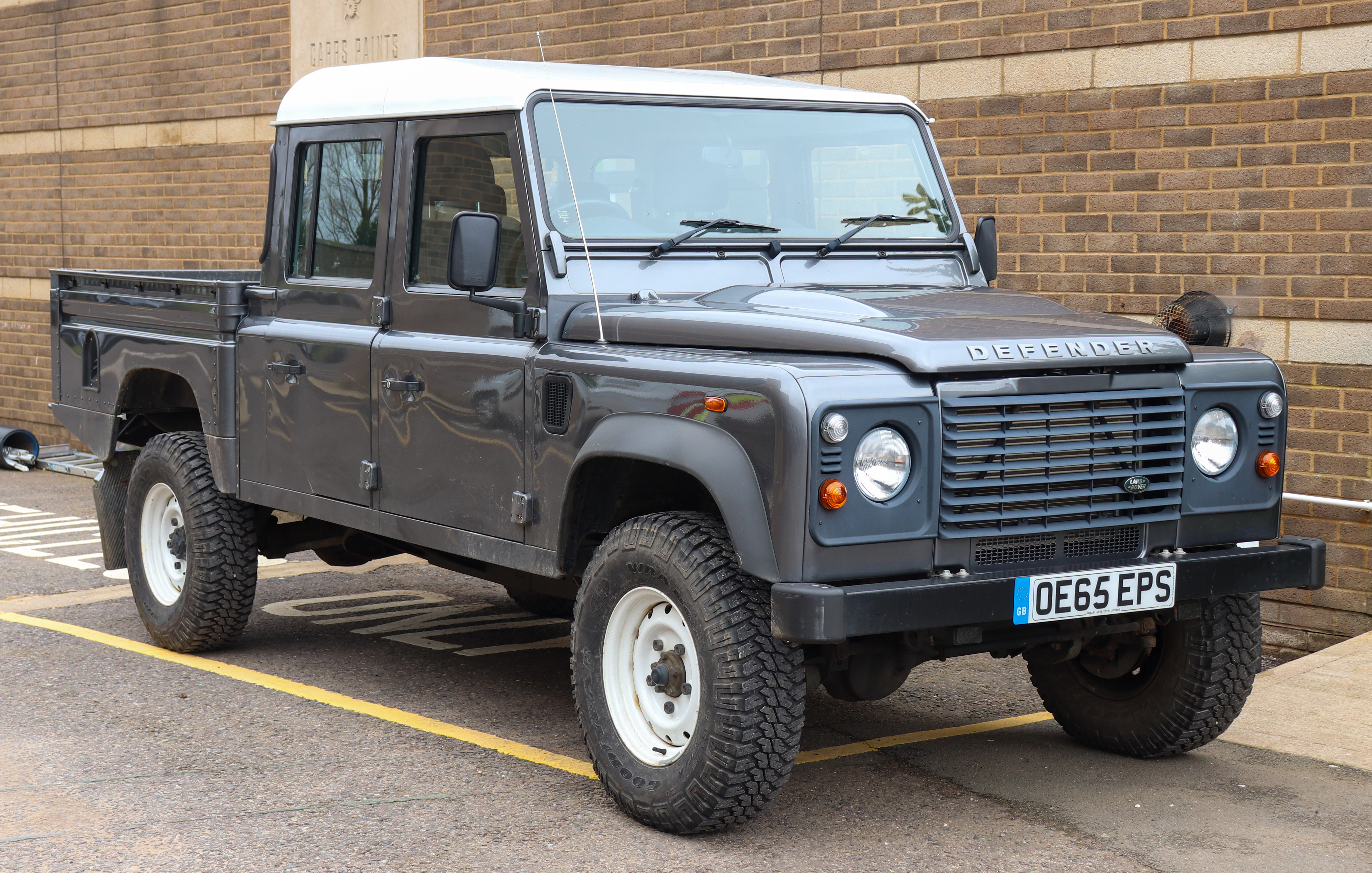
moment of owning that car. Right now I drive a 2021 or 2022 Land Rover Defender, which I
really like. It's a very pure clean volume. Again, referencing, by the way, this is
another car that the current Audi chief designed back in his Land Rover days. So there's some
some taste of his that I appreciate in that car as well. And so my daily needs doesn't upset me.
I don't feel like I need to scream and yell at it. The reliability sucks, but the design is good.
Yeah, yeah. It's a great design. I love what was it, the heritage edition with the steel wheels
and all that. I don't know which one you have, but I love those are great. And they drive
really well too. You don't always notice until you get out of something else before you realize
how good those Land Rovers ride. And you mentioned the R35 because I think it was just last week that
they announced the last one was rolling off the assembly line. I had to stop and think about
how long that thing has been out. I think that was released in, was it 05 or 08? 08? 07 were
the first cars on the road. But the concept was a couple of years before that. And then
there was another concept another couple of years before that. So I would say the journey of
that R35 project probably goes back to early 2000s. Really? Yeah. And I remember when it
came out, this was the death of analog, right? This new digital car. And now we look back and
think, all right, this thing's pretty damn analog. Pretty damn analog, right? Exactly. Compared to
today's cars. It's got a ton of character. I don't know what people talk about the fact that
it's like driving a PlayStation cars, but it really isn't. The thing is tons of joy
and can really kind of, I wouldn't say it punishes you outright because it does catch you
if you're too stupid. But there is some like snap oversteer moments I had where I was kind
of, what was that all about? Yeah. Yeah. Yeah. Yeah. Well, it's nice. I mean,
I think the proof is in the pudding in that the fact that those cars are holding their value
really, really well. I sold mine for more than I bought it for. Really? Which is incredible.
Because a seven year old car, fractionally, but it still didn't depreciate. Sure. Like
it's a Porsche GT car or something, you know? Okay. So you're in Southern California,
LA area, I assume. Indeed. Yeah. So where are your go-to roads? I know when I'm in
town, I always try to do Angeles Crest and Little Big Tahunga, whatever those roads are.
They're pretty fantastic like roller coasters. Where do you go? Where are your proving grounds
in SoCal? I don't have any proving grounds because I don't have a car that is worth
the proving grounds. Okay. Good answer. So the Land Rover is about to tip over every time I'm on
a road front, so I don't feel the need to take it anywhere more extreme than that.
Yeah, for sure. But obviously some gorgeous roads. I am not a fan of necessarily hooning
around public roads. I am decent as a driver. I'm not great. And I don't want to be a
liability on that road. And I don't want to drag anybody else into any kind of accidents
with me. So track day and then some days of preparing with a set of courses and getting
a few laps in to understand all your breaking points and then go to the track semi-educated
and do some fun laps on the track. That's how I normally get my kick.
It's a great point. And one of the reasons I moved to Denver to Colorado here 10 or 11
years ago was for the roads. And I just turned 50 about a week ago. I know you're a few
years younger than me, but it's becoming less and less important. I've got nothing to prove.
It's just about going out and having a good time. If I was involved with something even
indirectly that hurt someone, I couldn't live with myself. And so it's funny how your priorities
change. Anymore, it's more about the drive and the scenery. It also outright scary,
especially in modern high performance cars, because to tap into their actual performance
envelope, you need to be so far above and beyond anything that is real legal in terms of
speed limits. And then you're throwing this car in and you're hoping that it doesn't
understeer a fraction more than it normally does and that you'll bite into that road.
But if you don't, then it's a cliff. So coming out of the corner, you're a bit
sloppy with your throttle and then the back comes out and there is no room for error.
And I don't understand people when I see them driving as recklessly as they do.
Are they superhuman in their trust, in their abilities, or do they overestimate their abilities
and then they are risking? Because I don't like it. I mean, Pike's Peak on YouTube is more than
enough for me to get my palm sweaty and my back sweaty. Yeah, I'm with you. And that's everyone
else too, right? It's the person coming the other direction or whatever as you know.
And then there's a motorcycle leaning into the other direction. So they're across the
lane divide and you're on the limit of your grip. So what are you going to do then?
Exactly, exactly. And you mentioned Pike's Peak. Have you ever been out here for Pike's Peak?
No, love to. Okay, if you'd ever want to come out, please do let me know. There's nothing
else like it. It's this world-class event, but it's still very much sort of a local's only
thing. I mean, it's a generational thing. And then the diversity of cars is amazing
because you'll see some 1950s pickup truck with 900 horsepower next to some
concept vehicle next to someone in a bone stock GT4 or a Corvette or something. It's just a
fantastic event. And just to see to the car slow down the higher it's right with atmospheric power
loss. There's nothing like it. You definitely don't need to convince me. I'm going to make
an effort to be there. Please let me know. Please let me know. I'll show you around for sure.
We'll do it. Thank you. And I think something else too, kids, once you have kids
write your priorities change. And I know that Nilu I think is named after your two kids.
Is that right? Absolutely. Yes. Nika and Lucia and I know you.
In the number 27 has special significance for you as well. Would you share what that is?
Yeah. So that was that magazine clipping that I was talking about a bit earlier that I got
my hands on that kind of pivoted me, made me fall in love with cars for life. And that was
Jules Villeneuve's number 27 Formula One Ferrari. And when I started watching F1
about a decade later when they started showing it on Russian television,
I also saw number 27 Ferrari. And I thought that probably was the same driver. But of course,
I did. I wasn't was John easy. And Ferrari fan as a kid and always kind of drawing cars with
number 27 on them. So I figured it's kind of my lucky mascot. And now we're starting a company
and calling it after our kids, my wife and I. And why don't we just put that number 27
as our little mascot? You know, some companies have a prancing pony, other companies have a
raging bull. And we just have that number 27 that carries our emotional kind of message across.
I love it. I love it. And I'm sure you see 27 everywhere now, right?
Oh, all the time. Yeah, every time I pick up like a number from my table at the rest of
Yeah, I know that for me, it's 22, but it's the same kind of thing. You know,
I know it's going to be a good day. Like if I get, you know, 22 of my cup of coffee or something,
you know, it's funny how that works, you know. So I want to talk a little bit. My background
is actually graphic design. And I know you have a design consultancy as well. And it's not
just automotive design, it's hardline 27, I think is what it's called, right? And graphic
design is part of it, which I think is so cool. Can you talk a little bit about the
importance of, I guess, kind of the convergence of design disciplines when it comes to car
design and what you do and I guess what you offer as a firm as well?
Yeah, so I do firmly believe in kind of a holistic approach to design. I really don't
like it when things look like different cooks and different departments did, you know,
different things on a car. You want everything, again, sort of referencing back to the tech
world. You want the OS to look harmonious with the external shell of the phone,
right? You don't want to be designed by two different philosophies. And that's why we have
a very holistic approach. We have people on board who kind of own certain subjects,
but there's also tons of cross-pollination. So it isn't like, you know, they're working in silos,
it's really teamwork. Everybody comes together, discusses the briefing, discusses the vision
for the product, discusses the vision for the brand, understands how to approach it from
an interior designer's perspective and exterior designer's perspective. Brand design, we don't
call it graphic design, we call it brand design because a lot of it is corporate identity for us,
right? It's coming up with a refreshed set of corporate identity guidelines, the logo and
the logo type or colors or fonts and typography or bespoke typography as well, but it all has to
fit into the kind of the metaphysical cathedral that the company and the brand represents,
right? It all has to be part of the the the the the column of that of that of that faith,
you know, like it really needs to communicate the vision. And I really appreciate that we are small,
lean agile and around me I have people who work in the same kind of way that I do,
which is very hands-on, not not delegating the work but sitting down doing it ourselves.
And Hardline set three years of very successful operation. We had in total
recently counted close to 30 clients in the three years, so an average about 10 clients per year,
ranging from top-of-the-line tech companies to OEMs that everybody has heard of, sports car OEMs
and eventually a few very interesting startups that had some very novel ideas they wanted us to
help them kind of germinate and and illustrate. Very rewarding work, really appreciated, it
allows me to have my hand on the pulse of the industry a little bit because it's very
easy to get sort of sucked into your own daily grind and to lose track of what is everybody else
up to? What are things that are happening around me in this industry? And having Hardline obviously
the work is NDA then obviously they're a super secret and all, but I still am exposed to a lot
of it and I can then kind of contribute to those brands in a meaningful way because I have a
landscape in my mind. I understand the lay of the land a little bit and you can really tailor
make your offering. We've done programs that range from outright production cars that are kind
of all the way taken into a release of panels and finalizing the design, but we've also done
plenty of work that is front-loading work which is more on the concept stage, coming up with
core pillars for the brand and illustrating them into the guiding principles of what their
stories should look like, all kinds of work, but very exciting. We're picky, we're kind of
cheesy at this point in time, we'll just take on any project. For example, I had a dream to do
muscle car work for a long time and kind of tap into the American
scene and we have a client in Florida that allowed us to do that and there's
a couple of exciting projects coming out with them soon. So we're picky, but I embrace
a lot more like Nelu is quite narrowly focused and Hardline is the opposite and they kind of
yin and yang each other in that way and in my mind they create a more I'll say wholesome
experience for me as a designer and as an entrepreneur. Yeah, it sounds like the perfect
balance, it sounds like a dream job, right? I mean it's something I've learned as a graphic
designer is you really can't isolate yourself any longer, right? It has to be that convergence,
it has to be a holistic approach or it just doesn't work, it's just not how the world
works anymore, right? Those days are done. What an exciting thing, I mean it's just,
you know, then you're not locked into the car thing all the time either, right? It's you've
got something else going on, but back to the car because I think you've got a production
schedule now, right? I think you've first 15 cars or track only coming out next year, 26?
Well, we will make some announcements soon, but according to our engineering team,
it might not be that 15 track cars are first, it might be that we are slotting them into
the production run here and there. So we're still working on the details of that, there is logistics,
there is a supply chain, there is let's say the business side of things at play here as well,
but yeah, we are committed to 15 non strictly speaking legal units and 54
homologated road legal cars here. Cool, cool, cool. And I guess your potential customer,
what makes a Neloo customer different say than someone who will just, you know,
at least theoretically go into a Ferrari dealership and drop similar coin on like a Daytona SP3,
right? How is your prospective customer different? Well, I don't actually think that they are
because most of our customers are pretty big connoisseurs and collectors of that,
of that type of vehicle. So some of them, for some of them, it's the first purchase we actually
have concluded a sale with one such customer recently or very recently, the first time
hypercar buyer. That's very exciting for us, but most of them are seasoned hypercar collectors
and they really have a pretty well trained eye and expectation level and they kind of know the
experience all too well. So I do think that there's a general shift happening at the moment
where our message lines really well with our prospective customers, the message of back to
the roots, the message of decompressing the vehicle, less reliance on the electronics,
putting the driver back in the driver's seat. Like you earlier, Ryan started with
listing out the specs of the Neloo. We don't headline with that stuff on purpose. I mean,
for me, the headline is the driver is in the driver's seat and with you as a driver can
get out of it. If it's a sub three second zero to a hundred kilometer acceleration,
I'll applaud you for doing that. But that just means that you found the perfect day,
the perfect road condition and you timed your shifts perfectly and you work that clutch and
you work that throttle pedal. And it's more of your accomplishment. I mean, obviously,
it's in the car. The car can pull it off, but it won't do much to help you either. So
you know, that headline spec isn't something that we advertise on our front page because
it's up to the driver. That's what we want to talk about. And in that sense, it's finding a lot
of traction and a great reception from the customer community because they are tired of these soulless
car as an appliance car as a technical tech gadget approach that has even trickled
over to hypercar world from the Tesla's and the Lucid's of this world. It has also
trickled into the hypercar world now. And the customer doesn't want much of that in the future,
perfectly coinciding with my own dream and my own ambition. You know, I've always wanted to do just
that. And all of a sudden, the market seems very ripe for it. Can we talk a little bit about
car week? Because I think for someone like me or for the average person that comes to car
week, it's just kind of fun. It's, you know, it's a show. But for someone like you,
you're working, you're actually selling cars, right? Gordon Murray or, you know, a singer,
they're selling cars. So what's your what's your take on car week from a, from your perspective?
I mean, you're selling cars, right? Of course we are. I mean, that's what we're here for. We're
trying to build a successful company. We're early days still, but that's what we're doing. And
the experience is you can't, you just can't miss car week. You cannot not go. You know,
it's such a it's such an incredible melting pot gathering of both the industry and the clientele
and the media. So, you know, if you're not there, you're missing out on effectively the
highlight of the year. It's intense. It's tiring. It's actually quite grueling like schedule there.
And you're kind of every day wondering how much can I bear this for? But, but it's a must. You
really can't, can't not go. So what are the highlights? Well, for me, first of all,
my wife and I, we went for the first time to a Monterey for car week when we were
students and we just went and like, you know, rented a car, got a few of our friends together,
went there without any tickets to anything and just kind of BSed our way into most events and
climbed under the fence with the others and cheated our way for them, you know, the rest. And
that was our first experience in bumping into some legendary designers. They're saying,
hi, I'm Sasha and like, can I have your autograph? Basically. So now you go in there and it's
a whole different experience. Last year we presented our car at the awards round in
Pebble Beach and I'm just standing there pinching myself thinking, holy crap, you know, like,
I was here as a kid, it's just, just fighting for an autograph. I was here as a designer for all
these amazing companies presenting their output or being part of the crew with the car there.
Some cases, you know, with Kenneckside, for example, on the stage presenting as well. But
here I am with my own creation, something that's lived in my mind for such a long time. And
here we are, it's a small team, tiny teams, just my wife, myself and a couple of other
people. And we have to do everything from loading, unloading, to repairing, to putting up beach flags
and looking for sandbags and repainting the scratched paint on the floor. But like all that
stuff we have to do, but what a reward. And you stand there at this awards ramp and you're
I really wonder, did I just, did I just present my car to the world here? Like that's just,
you can't, you know, can't. I can't imagine what that must feel like. I just that you
have that you've come full circle like that, that you're the guy now, you know, signing autographs
much, it must just be the. But I try to not forget. Well, I don't forget the humble beginnings.
And I think that most of those people, you know, approaching now with with a comment
or a request for an autograph or a picture, they're slated to do some great things in
their life. So you have to kind of, you obviously have to treat everybody with
respect and with dignity. But these people show their passion, they wear it on their sleeve.
So they'll do great things. I have no doubt. Yeah. I love that. I absolutely love that.
Can I ask what were some of the automotive highlights for you at Car Week this year,
some of the work of others that you thought was pretty great? I think one car really
stole the show and it was the S1LM. My Claren F1 remake that Gordon Murray's team
pulled off. I thought that looked fabulous and really pretty. And I really enjoyed kind
of celebrating that result together with a couple of people I know from that project.
So it's a very impressive car. It also shows to me that sometimes running after new, new, new
isn't necessary. We're not in the, we have reached peak car. We're not in a situation
where we're looking for peak car. We have reached it. So the innovation for me at this point
in time is kind of a lot of the time is just watering down what the peak car should be
as far as sports cars are concerned. And that they are kind of looking back at history and
wondering, did we throw the baby out with the water? Like no, we should really celebrate
the other good that there was in this beautiful McLaren F1 is obviously a legendary car. So
that they recreated it with such respect and with such quality. I find very attractive. I
did similar, well, we did similar at Kenneckside with CC850. And that was a dream project
for me as well, to kind of celebrate the brand's true design, kind of beginnings and then even
more mature and refined way. People have an issue with retro. They always say, how about that
stretcher? But so what's wrong with that? If it was good, why throw it away? Is everything that
is tomorrow better than everything that was yesterday? Is that like always the case? I'm
also sure about that. Yeah. Yeah. I love the CC850 because of that, right? Because it pays,
you know, tribute, right, to what came before it. And it's done so well. So and what about
the GMA, the 33 and the 50? What are your thoughts on this? Because in a lot of ways,
they're probably some of the closest analogs, right, to the Neloo 27.
Well, like, I absolutely love them as far as the concept is concerned. I think Gordon's
concept is incredible. And he doesn't need my approval. We all know that he's a legendary
name and knows the stuff. And the engine drive train combination is wonderful. I love the kind
of scaled down 12 cylinder, lightweight, revs low to infinity. Wonderful packaging is great,
tight, tiny packages that are cooning and just right for the driver. Great view angles.
On the exterior design side for both cars, underbaked. I think that the LM really sets
a standard for Gordon Murray. I didn't quite like the both exteriors I felt they were a bit too tame.
I'm not, I don't think that every car needs to scream that it wants to burn your village,
not at all. But they weren't executed to their fullest potential. There are areas
which are a bit, they feel like that rear end for me was a bit, they feel like 250.
Narrow, tall, not doing itself any favors with the way the graphics were applied,
emphasizing height instead of width in some cases. But again, from everybody else out there,
I think these are very compelling products on the log manual, perfect sound, wonderful packaging.
And now with, with the new iteration of cars, I think they've also unlocked the
NS and the design side as well. Yeah, yeah. Well, I think that's what's so great about your car.
It's got a presence, right? That even those two wonderful cars don't have. And I think for
someone my age, it just, it presses the right buttons, right? It gets me excited, right?
You know, you walk around at every angle is a good one. It's an event, right?
I can't imagine what it's like to drive, but just even looking at it as an event,
it's a special one. Well, it's a special thing though.
Is that a little bit at the beginning? It's such a cool thing. And again, it must feel so
amazing to know that that's yours, that that's your baby. But I know no small
amount of hard work has gone behind all this. And so congratulations on something
pretty wonderful. Thank you. Thank you very much. It is a huge challenge. It's the
challenge of our lives to succeed. But we are doing everything right. And we're
supported by a very passionate group of people around us. And that group is
growing. And there will be some very important announcements coming up soon
about the progress that we've made in the last year. So epic journey really
lasts every moment of it so far. And then we're still at the beginning.
I'm 42 now, but it still feels like the mountain is there for me to climb, even
after all the years and all the other smaller mountains that were
successfully navigated. There's still a big one in front.
Where do we find you, your cars, your consultancy online, Sasha?
Well, ours, niloo27.com, consultancyhardline27.com. Both are pretty active on Instagram.
Look up Hardline27 official or niloo27 official for our Instagram accounts.
I also have a private Instagram account, Sasha Zolipanov, that I'm sometimes active on.
They do all have very different narratives to tell. So speaking to you right now,
I'm saying things also as a private person, not only as a representative of niloo or
hardline, but there's some split in the way the narratives are handled there.
Cool. I'm excited to see new followers, always.
Yeah, absolutely, absolutely. And you're a great follow and all the pages are fantastic
fellows as well. One last question for you, you're a music fan, are you not?
Yeah, big time.
I've seen you in some concert t-shirts and stuff.
What are you listening to when you're designing? What are you putting on?
So that was actually one of the very formative things in my life and in my career
from the early days. My mom used to challenge my brother and my brother is
actually a composer and a serious kind of musician now. But as we were kids,
she would always challenge us to close our eyes and imagine a visual narrative for any
piece of music that she would play. And then she would stop the music and have us
retell what we imagined. So for me, this connection between visual and oral is actually
very strong. So I do find the right sub-genre of metal or each project.
Okay, I love it.
That I can get the right vibes from. But I mean, we can laugh about it,
because metal, maybe some people is very kind of homogenous in a way, but it really isn't,
because there are things that are incredibly slow-paced, landscapy and very abstract. And
there are things that are fast-paced, brutal. And there are things that are very
mathematically driven with complex time signatures and polyrhythms and then
weird kind of shifts. And then there are other things that are monumental and huge.
So depending on the project, you really can find the right
kind of soundscape that puts your mind in the mode that creates
visual forms and language that coincides with the music that was originally picked out
to guide you towards a result for that particular project.
I love that. I love that. Well, Sasha Selyapanov, I thank you for joining us on that car show
today. We cannot wait to see what's next. Thank you so much.
I appreciate it, Ryan. It was a pleasure. Thank you very much. And thank you to all the listeners.
About this episode
Sasha Selipanov, the designer behind iconic hypercars like the Lamborghini Huracan and Bugatti Chiron, shares insights on automotive design and his latest project, the Nilu 27 hypercar. The discussion delves into what makes a car great, the importance of driver experience, and the evolution of car design philosophies. Sasha reflects on his journey from growing up in the Soviet Union to becoming a leading designer, emphasizing the emotional connection between cars and their creators. The episode also touches on industry trends, the significance of simplicity in design, and the future of automotive innovation.
Sasha Selipanov is the automotive designer behind many of your favorite modern supercars and hypercars including the Lamborghini Huracan, the Koenigsegg Gemera and the Bugatti Chiron. We talk about what makes a car great, why the Germans are sometimes scared of their own shadow, why Freeman Thomas’ original Audi TT was so good and why the company’s new Concept C is a return to form. Of course we also go deep on Sasha’s current project—his Nilu 27 hypercar—and why we think it’s the most exciting hypercar in a long time. Here’s a hint... it’s got a V12 that goes to 11 and a gated manual transmission. This is a good one, and Sasha’s story of growing up in a Soviet republic to creating some of the most iconic enthusiast cars of our day is a great one. It’s also a reminder to get off your ass and go do something with your life. It’s That Car Show.
That Car Show is brought to you by Sheffield Watches. Find your Sheffield watch at sheffieldwatches.com and at @sheffield_allsport_watches on Instagram.