A luxury electric car brand that was spun off from Volvo. They make stylish, high-tech EVs, but are leaving the US market due to government rules about Chinese technology.
A small, affordable electric SUV from Volvo that was highly praised for its fun driving dynamics and low price, though trade tariffs delayed its arrival in America.
This is a large, luxury pickup truck made by GMC that runs entirely on electricity instead of gasoline or diesel. It features a modern design and a battery pack that can also power tools or even your home during an outage.
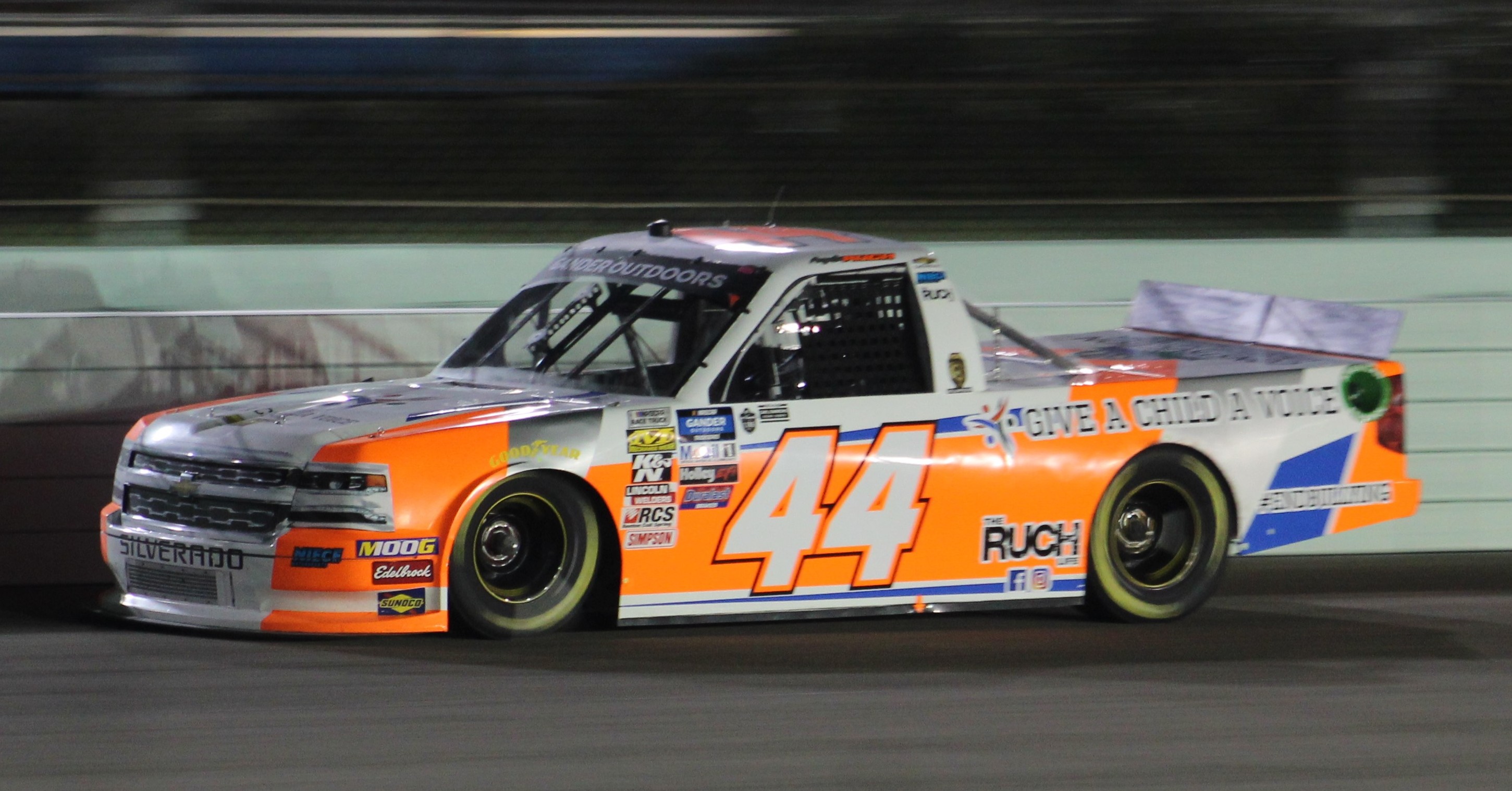
This is a large, powerful pickup truck built for hauling heavy loads and towing trailers. Though originally called the Dodge Ram, it is now officially sold under just the 'Ram' brand name.
This is a fully electric four-door car made by Tesla. It runs entirely on battery power instead of gasoline and is controlled mostly through a single large touchscreen on the dashboard.
The plug design used to charge electric cars, originally created by Tesla but now adopted by almost every car company in North America so everyone can use the same chargers.
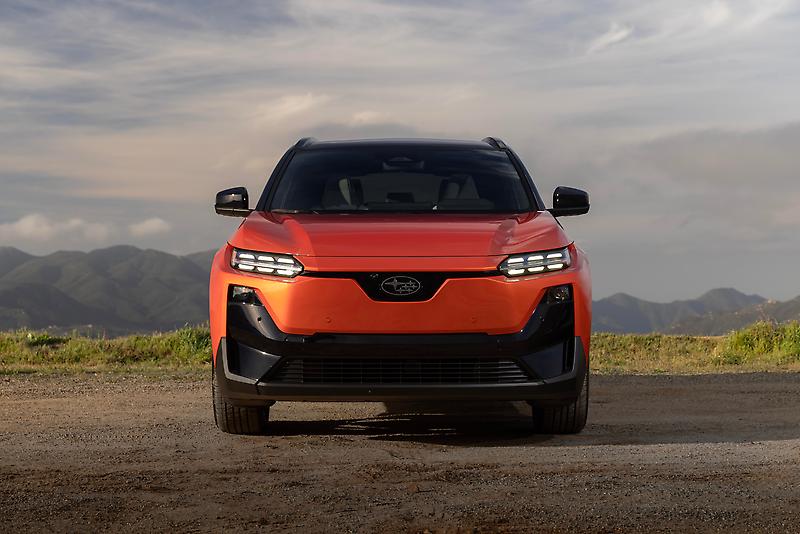
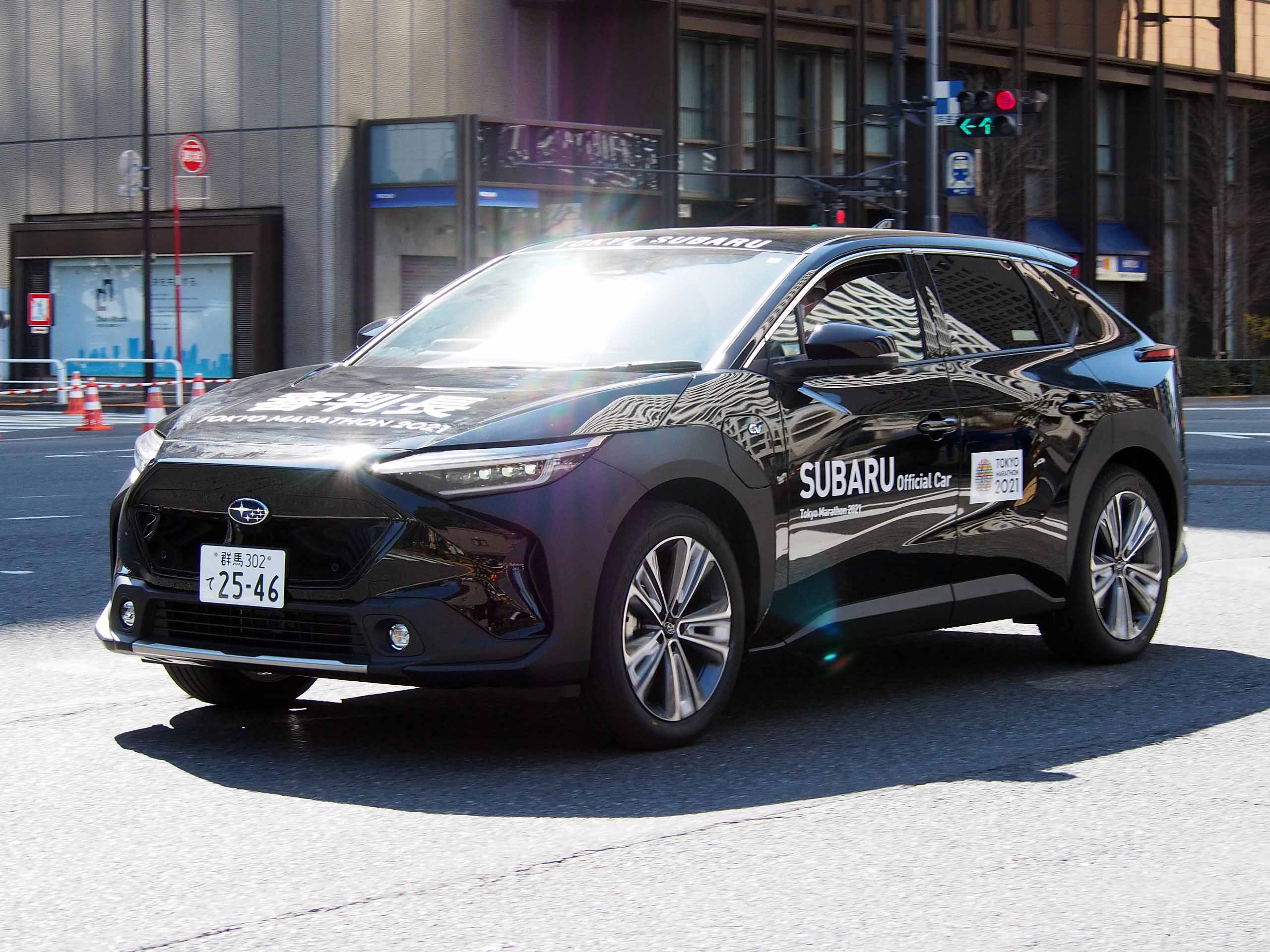
This likely refers to Subaru's electric SUV, which is designed to run entirely on battery power while keeping the brand's signature all-wheel-drive capability. It is built to handle light off-roading and outdoor adventures.
This is a sporty American car made by Dodge. While older versions were famous for loud V8 gasoline engines, the newest models are available as either high-powered electric vehicles or with modern six-cylinder engines.
A special, compact six-cylinder engine made by Volkswagen that fits into small cars like the Golf or Jetta, famous among enthusiasts for its smooth power and great sound.
This is a famous two-seat sports car made by Chevrolet. The engine is located behind the seats instead of under the hood, which helps the car handle corners like an exotic race car.
This is a highly popular, reliable small car made by Honda. The hatchback version has a rear door that opens upward for easy loading, and the hybrid version uses both a gasoline engine and electric motors to save fuel.
This is a highly popular compact SUV made by Toyota that is great for daily driving and family trips. The 'Woodland' version is a hybrid model designed with special tires and suspension for driving on dirt roads and camping trips.
This is a large family SUV made by Ford that has three rows of seats to carry up to seven people. The '100A' version is a basic, no-frills model often used by police departments or business fleets.
This is a high-end, luxury electric sedan made by an American company called Lucid. It is powered entirely by batteries and is designed to travel very long distances on a single charge.
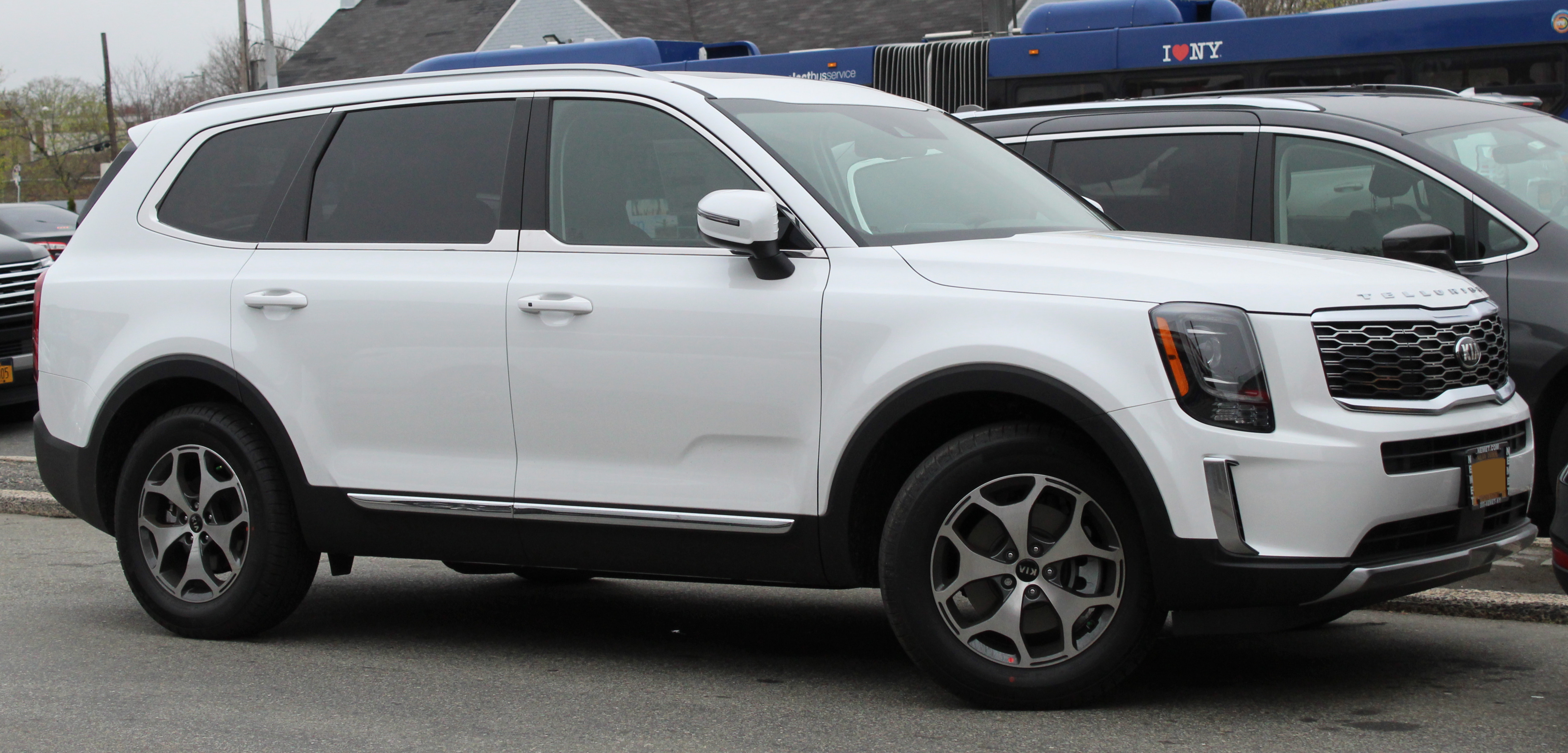
This is a large, comfortable family SUV made by Hyundai that can seat up to eight passengers. It is designed to feel luxurious inside while remaining affordable for families.
This is a premium, midsize luxury SUV made by Genesis, the luxury division of Hyundai. It is designed to offer a very smooth, quiet ride with high-quality leather and modern technology inside.
This refers to a luxury car originally made by Hyundai, which eventually became so successful that Hyundai turned 'Genesis' into its own separate luxury brand.
An incredibly fast, high-performance station wagon from BMW that has over 700 horsepower, combining the speed of a supercar with the trunk space of a family car.
LIVE
Whether you drive a car, need a car, or just occasionally bummer ride with friends, you've
come to the right place.
Join Jill and Tom as they break down everything that's going on in the auto world.
New car reviews, shopping tips, driving green, electric cars, classic cars, and plenty of
great guests.
This is the Consumer Guide Car Stuff podcast.
All right, this is the Consumer Guide Car Stuff podcast and I am Tom Appel, publisher
of Consumer Guide Automotive.
Thank you for joining us this week.
When you have a moment, do me a favor, solid.
Check us out at consumer, consumerguide.com.
While you're there, check out our 2026 Best Buy Picks.
This list is super handy if you or a loved one is looking for a new car or truck.
You can also listen to back episodes of the podcast right there on our homepage.
Plus, I write crazy stories like whatever happened to cigarette lighters.
I did your laughing.
I just wrote that story.
I saw that story.
There's actually a story there.
It's it's it's a little weird.
It's a little strange.
Maybe we'll talk about it later in the show.
That voice is Jill Seminello, contributing editor here at consumerguide.com.
North American Car of the Year juror and prolific freelancer.
Hey, Jill.
Hello.
This week was stupid.
Oh, OK.
How can I be stupid?
Because a stupid thing happened.
I don't know why it happened and I'm confused about why it's happening.
OK.
But Polestar.
Oh, yes, that was kind of stupid.
It is stupid.
Polestar, which I hate to pick winners and losers.
And I hate to hate to be a fanboy.
I won't rather be a journalist, but Polestar rocks.
Their cars are so good.
They look great.
They're dynamically awesome.
They're not overpriced.
So they were starting to seriously discount them on the side.
I know we've talked about these huge discounts that were available on their website.
Polestar is going away.
Yes. After is it after 2026 or 2027?
This is it. 2026 is it.
OK.
I lost my notes in this already.
But the Commerce Department has decided.
And we saw this going back to.
Do I have my notes here?
Here's my notes.
We saw this going back to TikTok.
And this was a concern by the federal government that the Chinese were getting a
backdoor to American consumer data through different channels.
And one of those channels for a while was TikTok.
And we were worried about TikTok.
I don't even know where that story went.
Well, while go ahead.
There's now an American company that owns American TikTok.
OK. Yeah.
So that's that's happening there.
But you would think in the case of Polestar,
something similar could happen, should happen.
And this is why this is so weird.
Polestar is one of the many brands owned by Geely.
Geely is a private Chinese company, mostly electric cars, but they do other stuff.
They own, for example, Lotus and they own Volvo.
Yeah.
They bought Volvo from Ford many years ago now.
And the interesting thing is that technically, technically,
architecturally, Polestar vehicles are very close to Volvo vehicles.
And what they do share is common electronic architecture.
So if we're worried about the telematic systems,
the over the air update systems, the general
electronic systems of these cars being a backdoor to Chinese access
to American data, we should be worried about Volvo, too.
Same. Yep.
Same stuff.
And so this is where this gets weird.
It doesn't look like Polestar is pushing back or planning to appeal.
They're just giving in.
This is it. 2026 will be the last year
unless we hear something different soon.
Last year for Polestar in the U.S.
Yeah. Well, you know, what I thought was really interesting is Volvo applied
for a like a stay of execution.
Essentially, they they got
permission to continue to sell in the United States.
And you would think Polestar would be able to get the same thing.
Again, as you point out, because they are built on the same
electrical architecture and they were not granted that request.
And so I I'm very intrigued by this because
I mean, what does that mean for Volvo and why was Volvo granted permission?
I mean, the only thing that I can figure is Volvo has a plant here
and they build a large number of vehicles here and we export vehicles
from America to other places, whereas Polestar is built someplace else
and brought into the United States.
So that's the only thing I can figure is because of, you know,
the fact that there are Volvos built here and, you know, it's it's usually
the bigger Volvos that are built here that that that that's that's why.
Yeah, the original plan was to build all Polestar's in China.
And this was going to give them a cost advantage.
And we were getting some Volvos from China, too, though.
I think everything now comes from either Busan, South Korea,
or from South Carolina, that Volvo sells in the US.
And we saw the EX 30, the delightful, affordable, small Volvo crossover
disappear because that was coming from China and building that someplace else.
It's no longer cost competitive.
Yeah, remember that sucker was going to come in at 35 K and it was a delight to drive.
It was probably one of my favorite EVs.
It was it was my favorite. I really enjoyed it.
Yes, it was a delight to drive.
So this is a strange piece of news.
And we were just talking the other day, a week ago or so, maybe two weeks ago
about whether or not we decided that Rivian, not Rivian,
Lucid was a real car company yet.
Right. It turns out maybe Polestar isn't, even though it's it's part of Volvo.
Yeah, well, you know, I just I think they are going to do well globally.
And I think the United States loses out because of that.
And I have to say, I am definitely concerned
about our future competitive competitiveness.
If we are going to like shun some brands from from our fair shores,
and especially because Canada and Mexico are both going to still get these vehicles.
Yes. And actually, Polestar sales in the US have been slow.
There are 32 dealers in the US owned by 29 different outfits.
So there's not a lot of Polestar representation yet on the sales ground.
So those dealers are probably going to appeal to Polestar for some money
because obviously the franchise is not worthless,
but they have these stores that they built and they might use those to expand their Volvo.
Do all of them own all 32 are owned by people that already own a Volvo dealer.
So it's all in the family.
So anyway, that's that story.
A lot of states don't have Polestar stores yet.
We have a couple of Chicago and area.
So we see Polestar's all the time.
Yep. But anyway, that's that story.
Brand is going away and they don't seem to be fighting back.
Huh.
Big sigh.
Yeah, a big sigh.
Probably very good news for BMW and for Tesla, I think.
The BMW, what's it called?
The IX for I for.
Yeah, they have the I for and they're coming out with the new.
What is it that I three and they've got some some new stuff coming out.
They got a compact crossover, too.
But the I for I drove maybe a year and a half ago, love that car.
I love that car and it's kind of plays in a premium field.
Not too expensive, not too fast.
They didn't do a performance version of it, at least not yet.
And then obviously, Tesla's got a bunch of Model 3's and Model Y's
that play in that price range.
So all right, that's it.
We pour one out for Polestar.
It looks like this is dead, dead.
I don't think there's a reprieve coming.
You would mention that sales in other other countries would be strong.
They only sell 10 or was it six percent
of their global product in the US?
So this market was not developed yet.
No, no. All right.
And now it never will be.
Never will be.
You had mentioned that GMC has news.
Yeah, yeah.
So last week, we we talked a little bit about the 2027 Chevy Silverado.
And now we are starting to see the 2027 GMC Sierra.
So we always knew that they were probably going to be coming out
pretty close to each other.
And yes, so both the Silverado and the Sierra 1500
are all new for the 2027 model year.
And I believe they are both expected out by the end of this year.
Do you know that back in the 60s,
if the Beatles or the Rolling Stones had a signal, a single to release,
they would call the other band and make sure they weren't stepping
on their feet with the release.
So stones want to release satisfaction.
They want to make sure that Penny Lane is not coming out
and they're not both fighting for airwaves at the same time.
And that's what Chevy and GMC did here.
We are more or less done with the easy info we're going to get on the Chevy
Silverado. Now we're getting the GMC news.
Yeah, but you know, I still think they're stepping all over each other here
because they are both going to be competing for like
truck of the year awards for the 2027 model year.
If I were General Motors and I were playing the long game,
I would have released the Silverado first and then I would have waited
probably two or three months to put the Sierra out there
and so that the Sierra would be available in the beginning of 2027
and would be eligible for the 2028 awards,
whereas the Silverado would be available
and by the end of this year and eligible for the 2027 awards.
And now they're going to be competing against each other.
Can General Motors still kind of put their foot on the break
and not release the vehicle for test drives?
It doesn't matter if it's released for test drives or not.
If the vehicle is on sale before the end of the year,
at least in terms of the North American Car of the Year award.
If the vehicle is on sale by the end of 2026,
it is eligible for the 2027 award.
Interesting. Yeah. In 1991, 92, 93,
I worked in Fleet Leasing for a company called Wheels Incorporated.
And I was a clerk at the Chevrolet GMC desk.
And one of the interesting things about Chevy GMC in those days
is that they weren't different.
They were especially what we now call.
Well, I think it was already called the Sierra,
but at the time we didn't call the Silverado the Silverado was the CK 1500.
But those vehicles were so similar that people couldn't tell them apart.
The front grille insert was different and the price was different by one dollar.
The GMC always cost one dollar more than the Chevy.
And that has changed dramatically,
especially in the last 10 years, where GMC has moved significantly upscale
and the interiors are different and actually chassis tuning is different
and quietness tuning and things like that.
The GMC very much a luxury vehicle now, even in mid-level trim levels.
So it'll be interesting to see if that gap widens for 2027.
Like is this even going further upscale?
Yeah, but you know what, the Silverado looks like it completely went upscale.
It's got a standard digital gauge cluster, you know, standard 16.3 inch infotainment screen.
I mean, maybe materials, but the technology, you've got a lot of standard tech there.
I just drove the Chevrolet Traverse High Country.
So top trim level of the Traverse.
And this is obviously a different vehicle.
This is a large crossover.
But I found the interior somewhat wanting.
It was nice. It was upscale, but Hyundai Kia do it better.
Mazda does it better.
And I'm wondering if Chevy is going to do the same thing with their pickups.
Ram has always been, not always, but unless since basically Ram became its own brand,
they really stepped up the interior trim.
And I don't know if Chevy is shooting for lower prices, what they're doing here.
Or if they do take it further upscale, this is what buyers want, it seems.
Yeah, like, like, I don't know.
And everyone's advertising trucks in a low $40,000 range.
That's not where the transaction price is.
It's more like 60 K 60 70.
Well, yeah, I remember being at a GMC press reveal or, you know, press event once.
And, you know, the the person in charge at the time was talking about how
they just keep making them more expensive because people keep buying them.
And they're like, people are going to buy him.
We're just going to keep going up, up.
Yeah. Well, we just saw that with with Ram.
Was it two years ago when they redesigned the Ram and brought out tungsten?
Which is a crazy name.
So clearly they ran out of names for upscale vehicles.
But that interior is crazy.
Yeah. I mean, it's it's super high, Andy.
All right. What else you got?
Uh, did we want to talk about the Pia Telluride AGV?
We are at a point now where maybe we talk about that after the quiz.
OK. You want to talk about cigarette lighters?
We we can talk about cigarette lighters.
I I mentioned the cigarette lighter story only because we have about a minute to kill here.
But I don't know why I decided to do this.
I was just so tired of the news that I went and checked and I thought,
you know, do cars even come with cigarette lighters anymore?
And the thing is, they still come with 12-volt outlets.
And I don't know.
I don't know how many young drivers know that that was once a cigarette lighter.
But many.
But but yeah, that's a very weird thing.
Here's the interesting thing about that.
No cars seem to come new from the factory with a cigarette lighter,
but you can buy from some brands a cigarette smokers package.
And that package is about 50 bucks, for example, from BMW.
It includes inserts for your drink holders that are, in fact,
suitable for ashtrays, plus an actual it glows and lights your cigarette.
Little thing to insert in your 12-volt outlet that if you were my age,
you burnt your hand on at least once as a kid.
Yeah, because, of course, you had to screw around with it.
Well, so I feel like it's maybe Mercedes and BMW, maybe maybe even Audi.
It's like the the German European brands that offer that as a package.
I don't know that any American brands offer that as a package anymore.
The Germans smoke more than the Americans by about 50 percent.
So yes, it's probably more likely that it's in those brands.
And maybe it comes factory standard, too, from the in Europe.
Right. You know what else I'm wondering?
And it didn't occur to me until just now.
But I wonder, because you do have that 12-volt slot,
I'm wondering if there is somebody out there
that makes an aftermarket cigarette lighter like you could buy it on Amazon.
Oh, I'm sure they do.
I'm sure they do.
I just the factory one looks so good from BMW.
There's pictures of it.
I'll post that actually by discussing this story,
my stupid little story about cigarettes.
I now have an excuse to talk about and share in our show notes.
So that worked out really well.
Well, you know, I aimed to please.
We're going to take a break.
When we come back, we talked to Jimmy Douglas.
He is the founder of Plug, Plug,
a an EV resale site that we're going to learn a lot more about right now.
Stick around.
Questions or comments?
Drop us a line at carstuffatconsumerguide.com.
That's carstuffatconsumerguide.com.
Welcome back to the Car Stuff podcast.
And we're back.
This is the Consumer Guide Car Stuff podcast.
I'm Tom Appel.
She is Jill Siminello.
Jill, how's it going?
It is. It is still going well.
Thank you.
You know what is confusing these days?
What? I was going to say life in general,
but what is confusing these days?
Well, your answer is not wrong.
But keeping track of what's going on with used car prices,
especially nearly new used cars and used EV prices.
And lately, there's been this really weird trend
where Tesla prices have not been acting the same way as other used EVs.
So a lot of weird going on out there.
But we're going to talk right now to the founder of Plug.
Plug is a digital online EV retail site for used EVs.
I think many of them are nearly new,
where people can go and get the most for their car and buy an EV.
On the phone with us is Jimmy Douglas.
He is the founder of Plug.
Jimmy, how are you today?
I'm great, Tom.
Thanks for having me.
Yeah, thanks for joining us.
Tell us a little bit about Plug and what you do there.
Yeah, Plug sells used EVs to car dealers exclusively.
Oh, no retail. OK.
Yeah, well, correct.
And we do buy directly from consumers.
So the way that it works is we.
Yeah. So so we we need to work on our branding here
to make sure everything is super clear.
The way that this works is every day we have an online wholesale auction
that is exclusively available to dealers.
We have a network of just over 700 of them around the country.
It's a mix of franchise and independent stores.
And to date, we've sold through just about a 100000000 dollars
worth of EVs in that auction.
We're on a run rate of about 3000000 per week right now.
Wow. We saw.
Yeah, thank you.
We source the EVs from consumers, dealers, automakers,
lenders and fleet operators, and we evaluate their condition
and capability in an EV differentiated way.
So if you look at the Tesla example, which you mentioned,
Tesla's are very much a software defined computer hardware defined vehicle.
So what they're capable of and how they should be appraised in the market
is more of a function of what version of the autopilot hardware do they have?
What software enabled features are included through ownership transfers?
What's the size and state of health of the high voltage battery pack?
The number of drive units, all kinds of factors that aren't typically decoded
in a VIN or necessarily stay static from when a vehicle was originally manufactured.
And that is why, for example, if you yourself have a Tesla in your driveway
and you get a cash offer on it from us versus a competitor,
our offer is more likely to be accurate and then in most cases, higher.
I'm jumping ahead a couple of questions here,
but I don't want to lose this opportunity.
You had mentioned you had mentioned Tesla's and specifically the hardware.
And I think it's hardware three and hardware four is a defining line
for Tesla products, because it looks like hardware four will be compatible
with updates of full self-driving of FSD and hardware three will not.
Is there a huge price gap because of this?
I don't want to say it's huge.
It's not tens of thousands of dollars, but certainly hardware four vehicles
are more competitive and will easily catch at least a thousand dollars
worth of value, Delta, depending on the overall vehicle, pretty routinely.
Yeah. And those aren't the only two hardware versions out there either.
That we had hardware 2.5 cars out there.
We had retrofit vehicles that were upgraded to hardware three.
I worked at Tesla for a very long time.
So I had a bit of a unique vantage point heading into this.
Yeah, cool.
So you said you had 700 dealers in your network now.
How regional is that?
Where are the markets that dealers are looking for EVs?
Yeah, so what's fascinating is 68 percent of our transactions
involve some sort of move that goes across state lines.
And the single biggest move, movement pattern right now
is from California to Texas.
And then the numbers 23 and four are also California to other states.
Off the top of my head, I want to say Arizona, Utah, Nevada.
Number five, then is Florida to Texas.
So the I actually have a map that visualizes all of this and I'm happy to show you.
But it's quite fascinating how the demand is all over the country,
but the supply is very much concentrated first in California, about 35 percent.
And then a bit of a smile state concentration,
which mostly follows what new EV adoption looked like three years ago.
So cars coming out of California.
For a long time, there were just a lot of compliance cars being sold there.
Cars that other Americans like don't even know existed.
There was a Ford Focus electric.
There was a Gulf electric cars like that.
Are those the kind of cars that are leaving now because there was just a big supply of those
because they were so heavily incentivized?
Or why does California have this initial strong demand and now cars are migrating out?
Yeah, so we don't see a lot of compliance cars.
About 65 to 70 percent of our volume is Tesla's.
And then from there, a lot of Lucid and Rivian and then kind of a long tail of everything else.
BMW, GM, Ford, Hyundai and the like.
I believe you're seeing this because it's mostly a pull from the other markets,
not so much a push out of California.
The demand for the the used product right now is quite insane.
It's insatiable and as I'm sure you've noticed, used EV prices have been following
an interesting pattern.
They've actually been stable year over year.
They've been around 36, $35,000 or so.
But the difference is the premium now to buy a used EV compared to the used combustion vehicle
of a similar vintage about five years or newer is now down to about $1,000.
Whereas if you go back far enough in history, it used to have to pay several thousands more
to get a used EV.
Now it's effectively at pricing parity, especially if you factor the cost difference
between electricity and fossil fuels or overall long term maintenance.
Interesting.
And are you finding a sudden surge in demand because of gas prices?
Yeah, I actually think it's more complicated than just gas prices.
Certainly, hundred dollar oil barrels were not harmful to our business
and to use EV demand overall.
But there were a few structural things happening, no matter what.
The first was the eradication of the Inflation Reduction Act
and the tax credits that went along with it.
The single biggest competitor to a used EV purchase last year
was a new EV that was subsidized with 7500 dollars on a lease.
If you compare those two monthly payments, the used EV purchase
was a pretty difficult value proposition in comparison.
So there was actually an artificial suppression of used EV values and demand
that was coming from the new EV tax credits.
The second thing is we are in a used car shortage right now.
If you go back to covid and all the factory shutdowns, then the post covid
chip shortages, you can remember seeing articles of dealership
lots that had zero cars on them for sale because there were none being produced.
So there's actually a structural lack of supply in the used car market overall
right now. So as much as we're starting to see a surge of used EV supply
stemming from the Inflation Reduction Act, it's about one point 1000000
off lease vehicles coming over the next three years.
That surge pales in comparison to the size of the overall market shortage.
So these two factors combined with hundred dollar oil barrels
are suddenly waking a lot of consumers up to the value proposition of a used EV
and dealers who historically have also mostly opted out of this market
are suddenly really starting to dig in.
Interesting.
So talk a little bit about what a consumer has to do to sell a vehicle
through you guys.
I'm like, that was literally just the question I was going to ask.
Well, you go ahead and ask it.
Well, no, I'm just I wanted to circle back to like, you know, I'm in Chicago
and I would like to I have say I have a used EV and I want to sell it.
Like, what does that process look like from start to finish?
Like, how do I sell it?
Like, how do I get it to you like all of those things?
Yeah, thank you, Jill.
You go to our website, plugmotors.com, you punch in your van right there
above the fold and answer a small number of questions.
If it's a Tesla, we will connect to your Tesla account
and ensure that we know everything about any service alerts,
battery health, all things related to option codes.
And then we make you a cash offer based on what you tell us about the condition.
If you accept the offer, we provide you with a link to perform your own
condition inspection. It's a AI assisted photographic inspection.
Takes you about five minutes and then that offer is solidified.
And then we send you a docu sign bill of sale.
If you happen to have the title in hand, we can have money in your bank account
that day and in the best case scenario, a truck picking up that vehicle from you
in some markets, the same day, oftentimes the next day.
And in some cases, a bit longer than that and then it's gone.
So that sounds easy enough.
I know I'm like, that sounds very easy.
Like what markets when you talk about same day, like in Chicago,
like a same day market or is that more like California, Texas,
smile states? Yeah, not yet.
It's we have one market and it's here in Southern California,
where we're experimenting with the same day flow right now.
And over time, we hope to expand that.
And that requires a bit of a real estate footprint for the car to go somewhere.
Whereas in most cases, when we buy a vehicle from you,
we immediately sell it to a car dealer somewhere in the country the next day.
So then they dispatch a carrier to come and pick the vehicle up from your driveway
and any lag that takes place is usually in that process.
Got it. So in theory, like if you were buying a vehicle from me in Chicago,
you would, you know, in all likelihood, sell it to potentially a dealer in Chicago,
which would make it easier for the transition.
Or would you be selling it, you know, from Chicago to someplace else?
Yeah, the majority of sales cross state lines.
So in all likelihood, that things go into Pennsylvania or Florida
or upstate New York or something like that, maybe even Utah.
OK. Jimmy, talk a little bit about battery health.
Has that come to be a big issue early on?
Obviously, people were worried about how EV batteries were going to hold up.
And I think Manheim now in their auction network actually tests the batteries
and will give you a report on the battery health as part of the auction data they provide.
How do you guys determine battery health and how much do buyers seem to care?
Yeah, great question.
There are there are circumstances in which you can get a battery health report
from that auction and others.
And we have several different methods for collecting it.
It depends on the automaker and what kind of access we have to the vehicle.
But it's pretty straightforward.
And at this point in time, it's an industry that is not standardized.
So we're all making a choice to believe the report generator that we're using,
unless it's the OEM generating the number, which is becoming increasingly true.
The the significance of battery health in wholesale values right now is very low.
And the reason is because most of the batteries are fine.
It won't be my next question.
Yeah. Yeah.
But what the what the data is showing and there isn't a lot of publicly
accessible data out there, but Tesla published some of some of its own data
in its environmental impact reports showing that Model 3 and why
an aggregate crossing 200,000 miles retained 85 percent of their battery
capacity for S and X, it was 88 percent.
So we don't know exactly how long these batteries will be good for,
but presumably longer than the suspension and the seats and the brakes
and every other component in the vehicle.
This is this is not what you signed up to talk about today,
but I just want to throw it out to you in a broader.
Yeah, broader eb contacts, but we are nowhere near seeing
the promised battery ecosystem that we were going to see where they would
the battery would last the life of the car be removed, be put into a stationary
situation for stationary service, like by a windmill for 10, 15 years
and then be recycled.
But they're all holding up, right?
None of these batteries are failing or are degrading and people aren't replacing them.
So we are really the biggest problem,
like the biggest problem with owning a battery recycling company is there aren't
enough batteries coming out of service to recycle right now.
That's actually you would know these folks.
What's going on with Redwood?
Are they still waiting to do some automotive recycling?
I mean, I think it's exactly that.
I don't think they're waiting to do some recycling,
but I think the amount of recycling they're doing is below expectations
when JB founded the company because the batteries
are more resilient in their first life application than everybody thought.
And at some point in time, we will all be very grateful that that infrastructure
exists and that 99.9% of the materials that go into high voltage batteries
are fully recycled, which will overall reduce the carbon footprint of EV manufacturing.
But in the meantime, yeah, there's not a lot of activity.
No, it's weird because we're here in all sorts of stories
and that sector just got a little quiet.
But back to plug, I wanted to ask you a little bit about the brands and vehicles
that dealers are looking for.
Obviously, most of the vehicles out there are Tesla.
And I think people look for those just because of safety.
But what brands are dealers looking for after that?
I mean, really, all of them, you know, there's a butt for every seat, right?
And we we carry everything under the sun in there that we can get our hands on.
I will say that the Tesla product is like the most approachable gateway drug
for any dealer that's thinking about participating in the EV game.
The majority of used EV sales that you see out there
are represented by direct consumer name plates.
So Tesla, Rivian and Lucid are by independent dealers across the country.
And then the inverse is true for franchise dealers representing their own name plates.
All that said, we have all of the above in our auction
and everything sells as long as it's priced right.
And how is what pricing determined by the free market, I assume?
You know it. That's right.
It's actually very important because one of the issues that I was contending with
when I was running the used car business at Tesla was that there's no pricing index
that's really reliable for a software defined battery defined electric vehicle.
And that means the market clearing price must be determined by the market
every single day.
And that's important because we are making cash offers on hundreds of cars
every single day. So part of the reason we own our own auction
is so we can have access to the most real time data possible around wholesale
transaction prices that then enable us to make very confident,
very aggressive cash offers on vehicles that we plan on turning in under 48 hours
in most cases.
Do you see a lot of price difference in the price that you offer people
between, say, Chicago and, I don't know, El Paso?
There is some regional nuance, but it's not as significant as you think
as you would think.
Like the big thing is transportation cost.
And you can move a vehicle all the way across the country, in most cases,
for under a couple of thousand dollars.
And when you're talking about an average selling price in our auction of 36,000,
which is basically the same thing as the retail market average selling price,
transportation does not scare people.
I routinely see dealers buy cars on one side of the country and move it to the other.
Are you guys moving a lot of the premium stuff?
Are you seeing the IQS vehicles from Mercedes or the more expensive BMW EVs?
Not a lot.
Those are hard.
Every major luxury vehicle, outside of performance car outliers,
generally sees much heavier depreciation than the standard passenger car
in the first few years of their life, as I'm sure you're aware.
And the same is true of the EV models.
So we're not seeing a ton of them coming through wholesale channels like ours
at present, but as they become higher mileage, I suspect that we will.
Are you seeing any difference in price or value related to the charging standard?
Everyone's think everything's moving from CCS now to NA CS.
Is that affecting value?
Yeah, so it's starting to happen.
Occasionally we'll occasionally get a Rivian through there.
We had our first Hyundai with a Naxport on it a couple of weeks ago.
It was practically a party in the office when we saw that happen.
And it's like it matters, right?
Like, I don't know if either of you are EV drivers, but I've been holding out
on buying a Rivian until they had a native Naxport.
Not that I'm afraid of adapters, but there's all kinds of unknowns
when you're in adapter land in terms of charging throughput
or if you just like forget to have it.
And it's it's it's so easy when you're commuting based on the Tesla Supercharger Network.
I think what most automakers failed to realize when they were racing
to try to just do what we were doing at Tesla was that half the products
you buy when you buy an EV is the charging network that it has access to.
Right. Yeah, I just charged the Subaru Uncharted,
which has the NA CS system, the Tesla system, using an adapter.
And that went just fine.
Now, I don't know if the battery I was using was charged too much
because the charge was relatively slow.
It came in about 50, 60 kilowatts, which seemed really slow to me.
But I think but I think the battery was already at like 75 percent.
Well, and I think the adapter is also slow, your charge as well.
Well, do they? That's actually my question.
Yeah. Sorry. If you know a better answer.
The answer is broadly, yes.
Like there's certain you have to be careful when you're putting stuff on the internet.
Someone's going to find like some circumstance where that's not true.
It's not like an extremist stance.
But yeah, like if you want the fastest throughput,
don't have a device in between your charger and your charge port.
Exactly.
Jamie, we're out of time, but remind us what is plug
and how people can find you and learn more.
Yeah, plug cells use EVs to dealers.
If you have an EV and you're thinking about upgrading,
you can get a cash offer from us oftentimes immediately,
if not within 10 minutes. And it's at plugmotors.com.
Sounds good. Thank you so much for your time today.
Love to have you back sometime.
I'd love to come back.
I listened to an episode where you were talking about the VR6
and I owned a lot of them and I really want to come have a conversation about that.
I would love to have that conversation.
That is for people who don't know, we're talking about Volkswagen's VR6 engine.
Honey of an engine.
And my wife and I had a jet of GLX of the five speed.
Oh, my God, that car.
I had one, too.
I had a porcelain blue one from 1998, but I also had like five others.
So yeah, we have a lot to discuss.
That's it. It was a crazy engine.
It made no sense.
It had both torque and it liked to rev.
It was a miracle.
So the VR6 and now I get to link to that story.
So this is a great thing.
Glad I could help.
Thank you for having me.
Jimmy, thank you so much for your time.
See you later.
All right. That was Jimmy Douglas with Plug.
We're going to take a break and when we come back.
Quiz time.
Quiz time.
Questions or comments?
Drop us a line at carstuff at consumerguide.com.
That's carstuff at consumerguide.com.
Welcome back to the Car Stuff Podcast.
And we're back.
This is the Consumer Guide Car Stuff Podcast.
I'm Tom. She is Jill.
And we know just a little bit more about retailing used EVs.
Yeah. Yeah.
That's fascinating that, you know, they will make an offer on like
retail vehicles, like a person's personal vehicle.
Yeah. It's interesting, too, that there are so many in California
that are sort of working their way out of the state.
Yep.
I kind of thought the mindset, the mentality might be pulling cars in there.
But he's actually saying the demand is stronger in markets
where there simply wasn't a lot of new car sales to start with
in terms of EVs.
Yeah. All right.
A lot of people are buying new EVs in California.
And so then that frees up the used EVs to go other places.
You know what happened, too?
And I forgot who it was.
We're talking about, and we've talked about this before,
about 16 million units of new vehicles this year in the US,
which is the same sort of downturn sluggishness we've seen
basically since the beginning of COVID.
Yeah. So we're not going to see any sort of big replacement
for the nearly new used cars that the market seems to be clamoring for.
And I suppose just because there's a shortage of cars,
people are sort of thinking about EVs because they're there.
Yep. And gas is expensive.
And gas is a little expensive.
You probably want to talk a little bit about what is it, social media?
Social media. Yes, just a little bit.
You can find me on pretty much every social medium out there at Jill Siminello.
So just J-I-L-L-C-I-M-I-N-I-L-L-O.
Lots of eyes and nose.
And I use the hashtag Cartageur.
I'd like to do a special call out for both YouTube and TikTok,
where I post daily shorts.
So I call it your daily dose of drive.
But yeah, I'm on all the things.
Your name would make a lousy rack in words with friends.
L's and I suck.
I know. I'm like, are there that many L's on a rack?
You just can't do anything with it.
No. Not good.
All right. I am CarGuyTom wherever I am.
Twitter, X and Blue Sky.
Yes. All right.
Oh, and if people care, the the the podcast of my visit with Steve and Johnny
this past Saturday night is now available.
I will link to that so people can hear that if they want to.
We talked a lot about Polestar there, too.
OK, yeah. And I will point out I am now posting our episodes on my YouTube channel.
So I do have a file for the CarStuff podcast on my YouTube channel.
If you would like to watch it or if you prefer to get your podcast through YouTube,
that is an option as well.
If people want to see how incredibly messy my office is, they can do that.
Yes, I see the stacks of piles of paper to your to your right.
But above me are my beautiful German radios.
Yes, I love and they are lovely.
They are there. Oh, man, they're so cool.
All right, it's quiz time. Are you ready?
Am I ever ready? No.
Yeah, so let's go.
Today's topic is bogus blue bogus blue.
OK, I'm going to give you a car.
I'm going to give you two blue paint colors.
You have to identify the fake.
Oh, I feel like I'm this does not vote well for me.
But OK. Are you ready?
Yes, five questions plus the bonus question.
You need three total for a victory.
And the bonus question, of course, always related to the topic of the day.
Always always. All right.
First car is the Chevrolet Corvette.
All cars are 2026 models of 2026 Corvette in three LZ trim.
So this is basically a base Corvette with a lot of equipment.
Which of the following colors is bogus?
Riptide blue or a Wahoo blue?
I think a Wahoo blue is going to be bogus.
You are correct.
You're on the board.
Do you remember when the Corvette was available with a color related to
road America?
I do, but I can't remember what the color was.
I can't either. I can't remember.
And like, was it like Elkhart blue or something like that?
Yes, I think that sounds right.
Which is both a lake and a city up in Central
Wisconsin where road America resides.
Beautiful place to summer, by the way.
Yes, not this coming week when it's going to be a hundred.
But but it's going to be cooler there than it is down here.
Let's let's be clear about that.
The Ostoff Resort, though, is also nice.
The grounds are nice.
The pools are nice.
Nice place to hang out.
And the food's pretty good, too.
It is.
But people should really check out the.
Oh, what's the name of the restaurant?
Our restaurant.
See, not Siebkins.
Lake Street.
The Lake Street Cafe.
I'm like, I'll keep going.
What else you got?
All right.
The Honda Civic Hatchback Hybrid.
OK.
Boost Blue Pearl.
Boost Blue Pearl or Barium Blue Micah.
One of those is bogus.
I feel like I had this car as a test vehicle.
And you're saying the boost blue and then barium.
And barium blue.
I think the barium is bogus.
It is.
Nice job.
You've got two.
You're in a good way.
You did not get to use your favorite phrase.
I did not.
No.
Speaking of the blues, I just wrote this down here
for no reason whatsoever.
It's a complete non sequitur.
My favorite blues artist is John Lee Hooker.
Who?
John Lee Hooker.
OK.
All right.
Never mind.
OK.
I just wrote it down.
We're talking about blue stuff.
And I thought, ah, blues.
Yeah, blues.
Yeah.
I don't think that really advanced the quality of the show
in any way.
The RAV4 Woodland.
RAV4 Woodland.
The 2026 RAV4 has been completely redesigned.
Woodland is their off roadie edition.
They're off road version of that.
Two blue colors here.
One of them is fake.
Dark Stratus or Storm Cloud.
Ooh.
I like the idea of a storm cloud.
Which one sounds more Toyota-like?
So the first one was Stratus.
Dark Stratus.
Dark Stratus and then Storm Cloud.
I'm going to say Dark Stratus is the bogus.
You're killing it today.
Yep.
I have already won.
You've already won?
All right.
Next is the Ford Explorer in 100A trim.
Do you know about this car?
The Ford Explorer or the 100A trim?
The 100A trim.
No.
It is a rental fleet special that Ford has made available
to regular consumers.
OK.
So you can go buy one.
It's about three grand less than a base model.
You lose some stuff, some esoteric stuff,
including the roof rack.
And I got to tell you, the roof rack actually plays a key role
in how that car looks in profile.
But three grand is a bunch of money.
OK.
So 100A.
Two colors here for you.
Vapor blue metallic or indigo fog metallic?
Vapor blue, indigo fog.
They both sound like they could be real colors.
And I feel like vapor blue is a color somewhere.
If it's not on this vehicle, it's on some vehicle.
If I was a stripper, I might go by indigo fog.
Side note.
When we had our.
So when we were in the Trinity Rally a few weeks ago,
we were driving a Lucid Air sapphire and we named her indigo.
Oh, so.
She was a very nice.
Vapor blue, indigo fog.
I think vapor blue is the real one.
So the other one is bogus.
You're crushing it.
Wow.
Correct. Vapor blue is the real color.
Got it.
All right.
I want to drive this next vehicle just because I'm interested
in the value proposition here.
OK, the Ram 1500 Warlock.
OK.
And they slotted Warlock in under Rebel and the Ram 1500 lineup.
That's Ram's big pickup truck.
And it hits interesting price points, I think.
OK. OK.
Especially with a base.
Well, they don't do the base six cylinder engine anymore.
But anyway.
Hydro blue pearl or aqua blue pearl.
Hmm. I.
I'm going to go for hydro blue pearl is the real is the real.
You're saying aqua blue is fake.
Yes. Five for five.
Wow.
That hydro blue is good looking.
That's a nice color.
All right.
You've got five for five.
The bonus question always related to the topic of the day.
Today's topic is Illinois.
OK.
I just need you to tell me which of the following famous people
was not born in Illinois.
OK. Are you ready?
I am ready.
Walt Disney. OK.
Harrison Ford, Ronald Reagan, Abraham Lincoln.
One of those people was not born in Illinois.
Well, I know Abraham Lincoln spent obviously a lot of time
in Illinois.
But was he that's what I hear according to my license plate.
I know he also spent time in Indiana.
So the question is was he I think I.
So he couldn't commit.
He could not commit.
I mean, I've waffled between Indiana and Illinois myself.
OK. So you said
was Harrison Ford born here?
And so there's only one person who was not born here or one person
who was born here.
Was not.
Was not Harrison Ford. Walt Disney, Harrison Ford, Ronald
Reagan, Abraham Lincoln.
I feel like Ronald Reagan was born here.
So.
Walt Disney, I'm kind of waffling between Walt Disney and Harrison Ford.
Though, like I said, it could be completely wrong.
And it was Abraham Lincoln, which who was not born here.
But pretty sure Reagan was because, you know, we do have a highway with that name.
We also have the boyhood home of Ronald Reagan in Dixon, Illinois,
which, by the way, is a tourist trap. Don't go.
Got it.
The building is still there.
And apparently they rented it when Ronald Reagan was a child,
but the bathroom was last updated in the 70s.
You're like, this is weird.
Ronald Reagan was older than this.
It's just all brown and green tile. It's nasty.
Hello, Dixon.
Hello. Tell me how you really feel.
I'm like, I have a biography of Abraham Lincoln.
OK, not going to help you now.
I'm going to need a. No, OK.
I'm going to say Abraham Lincoln was not born in Illinois.
You killed it today.
Abraham Lincoln was born in LaRue County, Kentucky.
OK, so Kentucky, not Indiana, but I know he spent time in Indiana, too.
I'm pretty sure Walt Disney, Chicago, Harrison Ford, Chicago,
Ronald Reagan, Tampico, Illinois.
Ever heard of it near Dixon, apparently?
I don't know, but he lived in Dixon.
And then Abraham Lincoln, I think he went on to be president.
Maybe spent some spent some time in Illinois.
Maybe was not born here.
So I have a funny side note related to the bonus questions in general.
Yes, you, especially at Christmas time,
you ask a lot of questions about the Hallmark Channel
and in what's a real title versus not a real title.
Well, because whenever I go visit my mom,
I'm always putting the Hallmark Channel on.
I get fed up ads now for Hallmark Channel things.
And apparently they are currently or soon to be filming
a Hallmark special in Chicago
with the Bears, and it's going to be like a Bears' Merry Christmas.
And they're looking for extras.
I thought about sending it to you saying we should try out for that.
We absolutely should.
I mean, I'm just saying we've done a lot for their business or not.
Or probably not.
But probably not.
There will be a Christmas special this year based in Chicago,
surrounding the Chicago Bears.
And maybe maybe it'll be like the Bears' miracle of like staying in Chicago
versus going to Indiana or Highland Park. I don't know.
You know, about that at this point, I don't care.
Yeah, I'm kind of tired of them jerking fans around.
Yeah, it's just this isn't what you do to a fan base.
If you're Chicago, you're Chicago.
All right, that was my little my little editorial drop.
You just drove the Kia Telluride.
Yes. And the big news there is that that vehicle is all new for the 2027 model year.
Heavily, heavily based on and related to the Hyundai Palisade,
which we have seen. Yes.
And I've driven that and it's spectacular.
So you've given the Telluride. Tell us about this.
This is a big people mover.
It got bigger for 2027 and it also got a hybrid engine.
Yes. And it has 300 different trim levels.
It really does. And they're all a mouthful.
So what I think is so first off, I've driven both the hybrid and non hybrid
versions now, and I do already have my non hybrid road trip review
posted on my YouTube channel, which means that I can send that to you for our notes.
And I do have a road trip review coming for the hybrid soon.
But what I thought was really interesting is, yes,
this is very closely related to the Hyundai Palisade,
but the gas powertrains are not the same.
It's the hybrid powertrains that are the same.
And then for 2027, the Kia gets a four cylinder engine,
whereas the Hyundai keeps the V6.
So yeah, so I thought that was kind of interesting.
But I have now driven both of these vehicles.
And I really, and this is rare that I say this about the Hyundai hybrid
versus gas models. I like the hybrid better.
You know, when I was looking at the Kia Carnival,
I like the gas powertrain better.
But in this one, the hybrid powertrain is so good.
It is smooth, it is quiet, it is fairly seamless.
I wouldn't say it is quite on the same level as the Toyota hybrids
that we've seen, because that is just perfection.
But it is really darn good.
And driving to Indianapolis, so over about 400 miles of highway driving,
which is not 55 miles an hour in Indiana, it's 70 to 70 miles an hour,
which means you're probably going 75, I average 29 miles per gallon.
So when you're looking at a large three row SUV,
I think 29 miles per gallon is pretty good,
even though it's not up to the EPA fuel, EPA estimated fuel economy,
which is, I believe, it's 30 miles per gallon in the city
and 32 miles per gallon on the highway.
And I thought that was weird, too, because usually it's the city fuel economy
that's better than the highway fuel economy,
but that's not supposed to be the case in terms of EPA estimations for this vehicle.
Yeah, I did a little math on this vehicle.
And hybrid versions of the on the telluride
come in set $2,700 more than non hybrid versions.
So that's a lot of money, 2,700 bucks.
However, according to the EPA, your fuel savings annually are about $1,100.
So you're paying this car back in two and a half years.
So that's it. Just right there, two and a half years.
You've paid off the bonus, the extra cost of going with the hybrid.
Plus, your vehicle will be worth more at trade in time.
Yeah, there have been a lot of numbers recently talking about how popular
hybrids have become, and it isn't as much that people are clamoring for hybrids.
It's that automakers are making more money selling them,
so they're making more and more of them available.
So people are chasing EPA numbers, and that's great.
It's always good to get better mileage.
And if the prices are like this, about 2,500 to 3,500 bucks,
et cetera, why not do it, especially because you generally get more power,
which, by the way, is the case here, correct?
Yeah, yeah. So this is, I want to say it's like 329 horsepower
and 339 pound feet of torque.
And the engine for the hybrid is the force that's like 2.5 liter four cylinder engine.
And, you know, the engine for the gasoline model is the same engine,
but no hybrid powertrain.
So you do get more power from the hybrid and better fuel economy.
When, when, when?
That engine's proven.
It's it's all over the Hyundai Kia lineup.
The Genesis GV80, the standard engine, is the 2.5 liter,
although it's turbocharged there.
But this is this is also turbo.
Oh, it is. OK, it just comes in a little stronger there.
So OK, we've talked about all this boring technical stuff.
What's it like inside?
You know, it is it is like a party inside.
You know, we often talk about like a party, you know,
when you talk about Mercedes vehicles and their really vibrant
ambient lighting, well, this this has, especially in the upper trims,
has the vibrant ambient lighting.
But one of the things that I really appreciated about the Telluride
is it didn't reflect onto the side windows or the windshield.
And a lot of times in Mercedes vehicles,
like you get distracted because the light reflects on your windows
and you can't see at night, but very vibrant lighting.
And it's funny because you get into the vehicle
and it kind of does a little dance with the lighting when you start it up.
It's kind of very disco techie and you you start it up and it's like
it goes across and I don't know.
It's just it's it's very tech forward.
You've got some big screens, you know, large infotainment screen
that you know, it's got that mono screen that goes from the digital
cluster all the way through to the infotainment system.
And it you know, it's just it's a really attractive interior, very tech forward.
Of course, it's attractive if you like tech forward things.
If you're into analog gauges, this is not that.
The I can't tell anymore.
I can't tell and thus I don't care that I'm looking at a digital screen
if the gauges look analog, as long as they respond
in sort of real analog time, it's fine with me.
Yeah, yeah, I do find that and I'm way, way, way off topic here.
And I apologize.
Driving BMWs and I just get out of the M5 touring, which, by the way,
is a spectacular, spectacular vehicle.
The things it does with the with the adjustable dashboard or instrument
panel are all 100 percent unnecessary.
We just sort of move things over slightly and you're like,
well, what am I looking at here?
Yeah, and things reset that you don't want to reset.
It was so hard to find my fuel economy, which, by the way, was way,
way, way too good for 700 and seventeen horsepower.
But I digress. You were talking about a crossover.
Yes, the key to tell you right.
But I was in the SX prestige X line trim.
So, you know, say that without stuttering and it's a mouthful for the trim.
But that means it's kind of towards the upper end of the spectrum.
So really nice seating surfaces and, you know, suede headliner, black trim,
just nice accents and finishing touches and dual wireless chargers.
And it had essentially all the things,
rear climate controls, heated and ventilated seats in the front,
heated seats in the back and just a really well put out vehicle for
61000 dollars.
And that is like the weird cap now.
Yeah, it's about 61 K, 6061 K.
That's second row captain's chairs.
Yeah. And then three seats in the back.
Yeah. OK, so you can put seven in there.
Yeah. All right. Sounds good.
Oh, I was just going to say something about that.
Oh, for people who don't know and want to be more confused,
he does this thing with X line and X pro, where X line vehicles look off roady.
X pro vehicles are slightly off roady.
You definitely before choosing one or the other want to test drive both.
Yeah. Yeah.
And you definitely don't want to come into an X pro if you don't need it.
Yeah. And I had the X pro of the gas model.
And then, yeah, this is the X line version.
But again, both really, really nice vehicles.
And I was super impressed with the hybrid powertrain.
I mean, there were very few things on this vehicle I didn't like.
And I mean, one of them is they have weird HVAC controls,
like a weird vertical panel in between the digital cluster
and the infotainment screen that you have to touch.
And then it pops on your climate controls.
And, you know, and you have some quick touch buttons there,
but it's in an awkward location that you have to like duck around the steering
wheel to be able to see it.
And they do have redundant climate controls as well.
So I'm like, why is this here?
Oh, interesting thing about this vehicle, too.
And we had our friend James Bell from Kia on the show a couple of weeks ago.
One of the things that James pointed out is that we'll be making more of these this year.
So if you've been shopping for one, we're disappointed by the selection.
You might be in a better you might be in a better way this year.
There's something like 15 or 20,000 extra examples going to be built.
So finding the color or trim level you want might be easier.
Yeah. And also in case that you're not aware,
the Kia Telluride went from the 24 to 25 model year to the 2027 model year.
So there is no 2026 Kia Telluride.
I completely forgot that. Yeah.
And when makers do this, I always completely forget this.
Yeah, it's a weird thing.
I don't understand why they did that.
I mean, I suppose it was because it came out at the beginning of 2026.
And so they're like, let's just jump forward to 2027.
I would bet you there's a complicated tariff dodge in there someplace.
I have no idea if anybody knows.
I would love to know the answer to that. Guess what we did.
We had another really good show.
Yeah, good talking to our friends from Plug.
We will link to to that website if people want to check that out.
And if you were selling your EV and want to do it easily, check out Plug.
So.
I lost our guest's name.
Jimmy, thank you.
Jimmy Douglas of Plug. Thank you, Jill.
Thank you to producer Margaret.
Let's talk more about cars again next week, next week.
Remember to check us out at consumerguide.com.
The Car Stuff podcast is produced by J.
Turn Media. To advertise on the show, please drop us a line at carstuffatconsumerguide.com.
If you liked the show, please take a moment to rate, review and subscribe.
It really does help the show to grow.
Thank you for listening.
About this episode
Polestar is officially exiting the U.S. market after 2026, a shocking move driven by federal concerns over Chinese-owned vehicle data security. Hosts Tom Appel and Jill Seminello break down what this means for Volvo, Polestar dealers, and competitors like Tesla and BMW. They also dive into the highly anticipated 2027 GMC Sierra and Chevrolet Silverado redesigns, debating General Motors' strategy of releasing both trucks simultaneously and how GMC continues to push its lineup further upscale to meet luxury buyer demands.
Jill and Tom open the show by discussing the shocking news that the Polestar brand will be leaving the U.S. at the end of this model. Tom questions why Polestar is not pushing back against this Commerce Department security decision.
Jill notes that as information regarding the all-new Chevrolet Silverado 1500 pickup is released, GMC has begun sharing tidbits--mostly photography--of the redesigned Sierra 1500. These launches are hugely important to General Motors, as the two trucks combined account for roughly one third of the carmaker's annual revenue.
In the 2nd segment, Jill and Tom talk to Jimmy Douglas of Plug, an online remarketer of used EVs. Listen in to learn how dealers are acquiring inventory of late-model used electric vehicles, and why this might be a good time to sell your EV. Also, it turns out that Jimmy is a big fan of the Volkswagen VR6 engine discussed recently by Tom.
In the last segment, Jill is subjected to Tom's "Bogus Blue" quiz, and has time to review the redesigned 2027 Kia Telluride 3-row crossover, which can now be had in hybrid form.
Hosted by Simplecast, an AdsWizz company. See pcm.adswizz.com for information about our collection and use of personal data for advertising.