GVE London accountant accused of fraud, FCA suspends part of redress scheme, and Cazoo hit by fresh legal battle – with James Reeve, episode 265
Car Dealer Podcast
GVE London accountant accused of fraud, FCA suspends part of redress scheme, and Cazoo hit by fresh legal battle – with James Reeve, episode 265Car Dealer Podcast · Jul 3, 2026
This is the final inspection a dealership performs on a car to make sure everything works, the fluids are topped up, and it is safe to drive before the buyer takes it home.
The Range Rover is a large, very expensive luxury SUV made by the British company Land Rover. It is designed to be as comfortable and fancy as a high-end limousine while still being able to drive through deep mud and rough terrain.
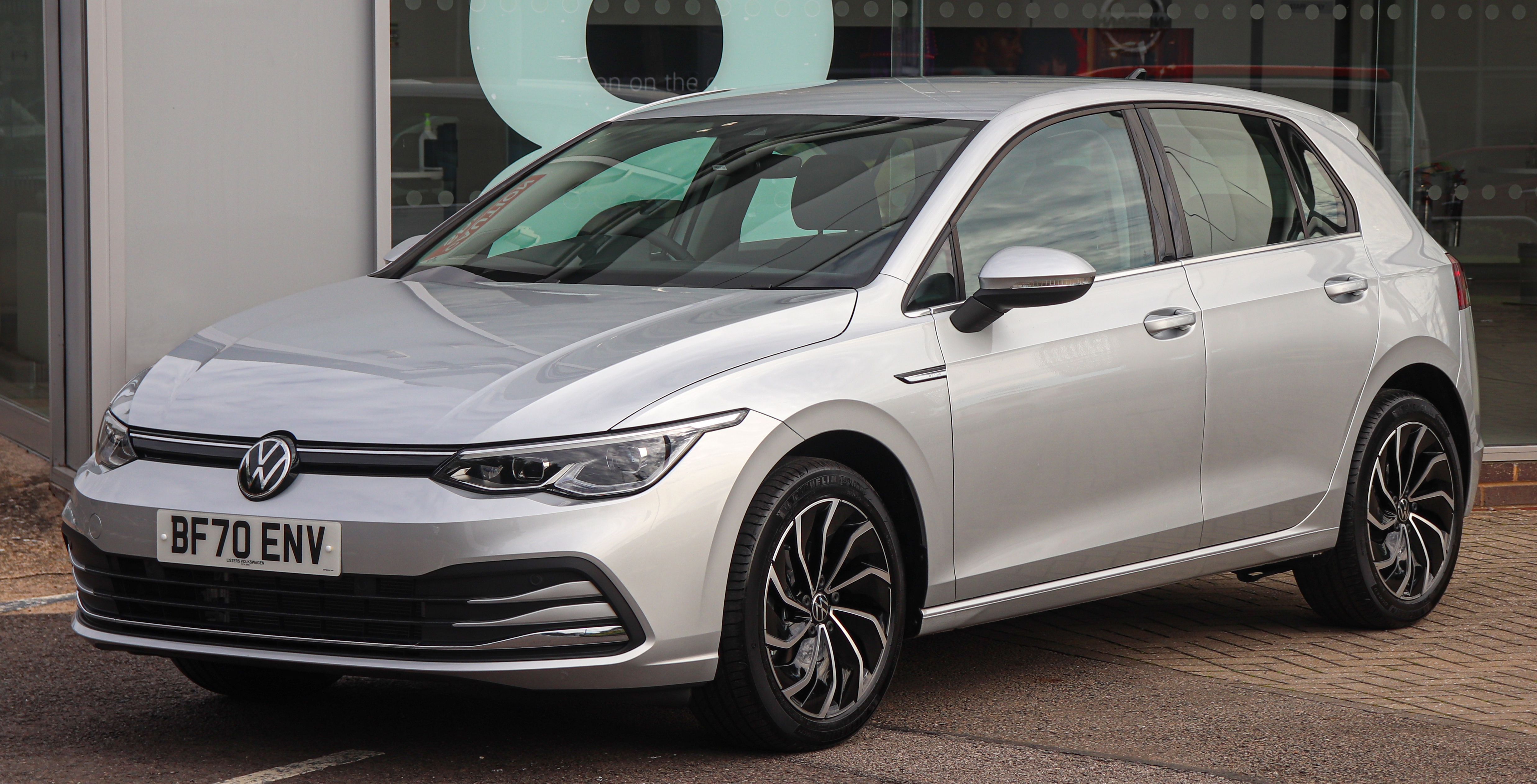
The Volkswagen Golf is a popular, medium-sized hatchback car made by the German company Volkswagen. It is widely known for being a reliable, practical, and easy-to-drive car that suits almost any kind of driver.
This is when you let a professional dealership sell your car for you. They keep the car on their lot and advertise it, and when someone buys it, the dealer takes a cut of the money and gives you the rest.
The Ford Focus is a common, practical family car made by the American company Ford. It is designed for everyday tasks like commuting, grocery shopping, and school runs.
The LaFerrari is an extremely rare, incredibly fast, and multi-million-dollar sports car made by the Italian company Ferrari. It uses a combination of a traditional gasoline engine and an electric motor to achieve extreme speeds.
The Fiesta Active is a small hatchback made by Ford that has been styled to look a bit like a rugged off-road vehicle. It sits slightly higher off the ground than a standard Fiesta and has extra plastic trim around the wheels for a tougher look.
This is a government rule that forces car companies to sell a certain percentage of electric cars every year. If they don't sell enough electric cars compared to petrol or diesel ones, they have to pay big fines.
LIVE
The Cardila podcast is sponsored by AutoTrader.
John, have I mentioned that we sell more cars from adverts on AutoTrader than anywhere else?
Yes, I think I read that somewhere.
Well, with over 84 million consumer visits per month, they connect retailers like us
with more potential buyers than any other platform.
But it's not just about the numbers, is it?
Is that what you say to your accountant?
Because the support and the value we get from AutoTrader is, well, invaluable.
We now get AI-powered insight on every online inquiry about the level of buying intent from
each customer, incredible amounts of data about the cars that we'll sell in our local area,
and around-the-clock service support from our account manager.
It sounds like AutoTrader is basically doing all the work for you, James.
No, John, I still do some things like take out the bins.
Anyway, to find out more about how AutoTrader can help you, visit autotrader.co.uk slash partners slash retailer.
Welcome back to the Cardila podcast, where we pick our favorite stories of the week
and ask an industry guest to choose which were the best.
I'm John Ray and joining me this week is not James Baggot.
It's founder of the Cardila podcast, Rebecca Chaplin.
Rebecca, lovely to see you.
Lovely to see you too.
There's always like the slight nervousness about how you're going to introduce us.
Not like trials of fanatic like Batch or something.
So yeah, I can live with that.
Yeah, I mean, it's not going to be Rover in TZS for Batch, but yes.
Oh, sorry.
No, I mean, there's not much to make fun of with you.
So I'm really struggling, so I just have to go with that.
Anyway, how are you?
I'm fine.
How are you?
I'm fine.
It's a Cardila power fun, isn't it?
It's just...
Yes.
Yes, we'd be very busy.
We can't really talk about it because it's all a big secret,
but it just takes up so much time.
It does and it's not over yet.
We've got another week of filming and then I've got a week of editing of the actual video,
but it will be out on July the 14th.
Everyone will know who the best manufacturer is to work with
and the best suppliers to work with are at that point, but we're not there yet.
So we'll move on from Cardila power.
And you in Jay's absence give an update on the car dealing situation,
perhaps just with a thumbs up or a thumbs down.
Oh, thumbs up.
Doesn't work very well in audio, does it?
Yeah, I mean, as far as I know, well, because I haven't seen him really,
because I went away on Friday last week and I came home at half past seven in the evening
and then he left at 10 past eight to go to Spain.
So there's a very brief window.
But so I could only really talk about last week, but I'm pretty sure Luke sold like four cars
over last weekend or over the weekend or something, which James Scott was quite good.
But apart from that, no, I've been driving around in his BMW one series,
which is actually very nice Japanese one.
Is this the 116i with no power at all?
With what? No.
No power at all.
Yeah, to be fair, I've not really driven it over 20 miles an hour,
but it's quite handy for around Gosport and trying to park it in small spaces,
whereas compared to the Skoda Kodiak, which is just like an absolute boat.
Yeah.
If I need to go somewhere small, very, very handy.
But yeah, it's quite nice.
I would love to know what it says in Japanese when it starts up.
I think you should sit in it.
I'm not.
I can't speak Japanese, but I think it says you need to put in your toll card for the motorways.
Oh, really?
Yeah, I think that's what they all say.
But yeah, that's like, I'm sad enough that I would want my car to say that,
that came from Japan, even though it doesn't.
So I might just steal one of those card readers out and put it in there.
Anyway.
Yeah, sorry, such a boring topic.
But anyway, yeah, that's all I can give you as insight into it.
Well, that's fine.
I'll take that.
I mean, it's better than James saying it's a bit slow at the moment.
And I think it's all right.
And then it was just very hot.
So he just moaned about how hot it was cleaning cars.
Yeah, it was very, very hot in that sort of tin shed dealership as well.
And I learned when I was in there the other week, somebody in his general kind of vicinity,
one of the other units, has air con.
But we don't really know which one.
And I want to know so that I can encourage James to go and put it in however they've managed to do it.
Electricity is free.
So yeah, anyway, true.
Shall I introduce our guests before we ramble on forever?
So joining us this week from AA Cars, it's James Reeve.
James, lovely to have you on.
Hi, guys.
Hello, nice to meet you.
Nice to meet you.
Thanks for coming on.
I mean, we're going to talk all things used cars here, really, aren't we?
As usual on the podcast.
But I mean, first of all, just give us a little bit of info about AA Cars,
because I think most people will have heard of it.
It's a platform everyone will have heard of, definitely.
But maybe not know everything about.
Yeah.
So I guess in a nutshell, it's a platform where which we're trying to build with trusted dealers.
So unlike the other platforms, we actually go out and vet the dealers.
And there's a vet in process, and they have to reach certain standards to join us.
So yeah, it's a little bit different.
We're trying to build a platform where consumers feel confident buying a car from us, essentially.
And there's other added extras like breakdown cover,
money off, MOT and services, et cetera.
So from your perspective, how do you go about doing that and instilling that trust in consumers?
Because obviously, you've got the AA name is a very trusted brand name.
But what do you put forward to the customer to say?
You really need to trust these guys who are on our platform, so to speak.
I think the biggest thing we've got, which other platforms don't do,
is we've got a mediation team.
So if you come and buy a car from one of our dealers,
and something goes wrong, and you don't feel happy with what's happened,
then you can come to us, the AA, and we'll essentially do an investigation into it.
And we'll try and help the consumer or the dealer.
It's not always the consumer that's in the right.
Obviously, they're used cars, but we will look at it independently
and try and get involved to resolve it.
That's a great thing from both sides, I think.
I mean, I know, again, with James, but with all dealers,
it's just awful when a customer comes to you and you feel like you've done everything.
But having someone that's like that backup, but can also manage part of it,
I think that's really, really positive.
Yeah, and I think that's an important point.
It doesn't always fall in favour of the buyer, which dealers quite like.
I guess dealers wouldn't hang around, would they, if it was always going down that way?
Exactly, yeah.
If we always landed on the side of the buyer, we probably wouldn't have any dealers with us.
But just having that like, yeah, sorry.
Yeah, we're just a fair independent, who's right, who's wrong kind of thing.
In the eyes of the law, really, the Consumer Rights Act being the law.
Which is a difficult one to interpret, isn't it, in lots of ways?
Yeah, it is, but I mean, is there to guide people in terms of selling and buying cars,
and that's what we use to try and help us to guide the dealer and also guide the buyer?
In terms of what should and shouldn't be right on the car.
You know, if you've got a dent or a scratch on a used car, you can't.
It's a used car, you know, you're not buying a brand new car.
So a lot of consumers when buying a used car seem to think they're buying a new car.
Yeah, yeah, I think there's a lot of people listening would agree with that assessment.
Yeah, I mean, you've got now something like, is it about 160,000 cars on the platform?
Yeah, it goes up and down, but around 160,000 at the moment.
How long have you guys been, you know, how long has the platform existed?
Because I mean, I've been aware of it for some time, but you know.
Yeah, so, I mean, I've been with the company for about 12 years.
When I joined originally, it was V cars, I don't know if you remember.
Oh, yeah, V cars. Strange things called to call it V cars, but
and then we kind of partnered with the AA and then essentially got bought out wholly by the AA.
So it's wholly owned by the AA now. And because doesn't exist as a business.
So I think that was probably eight years ago.
So it's been AA cars for eight years.
Okay, cool. That's interesting. I mean, I was just going to just going back to the benefits
for the customers a little bit because it is, as you said, I mean, I didn't actually know about
the mediation one, but it's a bit unique from the point of view of having the backing of the AA
in terms of that name. But there's things like, you know, you have certain promises,
don't you that the dealer's going to adhere to what other sort of, you know, like
six months, MOT, that sort of thing. There's a sort of, there's a baseline, isn't there? I know
there's sort of two tiers because you also do the inspections, which I'll come on to.
Yeah, so it's called a standards. Essentially, it's like a partnership between the AA
and trading standards. But it's, you know, we don't ask for a crazy amount of things. Like
I said, it's six months MOT. I think the most important one is you have to let us mediate
if there's a problem. Like that's the one that most dealers, not sorry, not most dealers,
most dealers that don't join us, should I say, that's the one they have a problem with because
they don't necessarily want us to get involved, which I get, I totally get. But I think if you're
if you're a good dealer and you're transparent and you're not doing anything wrong and you're
doing everything the way it should be doing, that shouldn't be a problem for you.
You know, because we're just going to follow the guidelines of the Consumer Rights Act, which
if you're a good dealer, you should be doing anyway. So it always, you know, if I go and see
a dealer with one of my guys and they say, oh no, we don't want you to get involved, I always think,
yeah, okay, probably not right for us then. Yeah, that's a good way to be.
What do you think is sort of the biggest challenges for consumers when they're buying a used car?
What are their fears and things around it? I think there's lots of fears. So I had one of
my best friends buy a car last week, actually. And honestly, the amount of research he did to
buy that used car, it was a £35,000 BMW X5, I think it was. But the detail that he goes into,
I mean, I'm talking about looking at, this is before he even picks up the phone to phone the
dealer. Okay, so he's looking in the background of the photo to see what's in the background of each
image, if you want to get an idea of this dealer. He knows that I work for AA, so he's phoning me
up saying, oh, can you go and get me an inspection on it? And, you know, all of this, he's asking the
dealer a thousand questions. But at the same time, like I get it, you know, because other than a house,
it's going to be his biggest purchase that he makes, right, in his life, probably 35k. So
just like, you know, when you buy a house, you wouldn't just buy it and just hope that it's okay,
you get a survey on it, right? Same thing for a used car. And I think if people understood that
the AA do that, you know, that they can go out and inspect the car for you before you buy it,
I think most people would do it, especially in that sort of higher, you know, anything over 10k,
maybe not on a 3k car or whatever, but on a 10k plus car, I think you'd want an independent
inspector, especially the AA, a big trusted brand, to go in and say, right, I've checked this car,
it's all good, or it's not good. You know, for me, it just makes sense. Yeah, I do think a lot of
people I talk to where they even think if it turns out that it's not the car for them, it's money
well spent, isn't it? Because you've saved yourself in the long run. Yeah, exactly, exactly. Yeah, I
mean, it's a tricky one, one. But at the end of the day, car dealers don't have the
best reputation, you know, and this is what put the fear into my friend, he's not in the industry,
but he just doesn't trust car dealers. And with the greatest will in the world, the car dealer
telling him that the car's good, it doesn't mean anything, because he's trying to sell him the
car. So what, you know, what does that mean? So that that's why that independent check for me
is really, really important. And then obviously second to that, because not all of our cars that
are on our site are independently checked. There's only about, I think at any one time, maybe up to
5000 cars out of those 160, albeit some of franchise and they've got their own sort of approved status
because we've checked their PDI, but actually independently checked by one of our mechanics
probably only, yeah, 5000 of that 160,000. Yeah, so just the next the next layer of that is this AA
standards that we offer, where we're not checking the car, but we are checking the dealer, we have
been there, we have spoke to him, he has agreed to certain things. So that's the next sort of
best thing to the inspection process. I was just going to ask just to get into the nitty-gritty
on the inspection. You see a number of cars advertised with a little kind of AA inspected
label in the window, don't you? Yeah. You know, what's the, from a dealer point of view, what's
the process for, let's say you, you decide actually that's a really good bit of peace of mind for
customers wandering in. How do I go about getting all that done for my array of vehicles?
Yeah, so even we come to you, I mean, we visit probably 300 car dealers a month, our team do,
and we sell the concept of AA standards and AA inspections. So if we haven't come to you,
then you would come to us and say, obviously, you like the idea of that, and then we'd come out and
do a full health and safety check on your site, because we're not going to send the mechanic
there to work unless it's safe for him to work. But once you've passed that, then it all depends on
how many you're going to inspect a month. So for us, like the sweet spot, if you're in, if you
sell, so let's say you've got 200 cars, you're selling 100 a month, that for us is perfect,
because you could pretty much have a full-time AA inspector there on Friday.
But anything less than that, so like 50 cars a month, he's probably going to be there two or
three days a week. So effectively, somebody employed by the AA, by you guys, comes and works on your
site, hence independently, and you just sort of say that's your, you know, your space and your ramp
over there to do what you need to do, crack on, I guess. Yeah, he'll turn up in his AA van, he'll
inspect probably six to seven cars a day, takes about an hour. And then if it fails, so let's say
everything's okay, but it's failed on a tyre, we'll then tow the service manager or whoever it is,
and then they'll get the tyre in and then we'll go back and reinspect it.
I find that fascinating because it's not something that, well, I suppose it's the almost the,
it's an independent and more, it carries a bit more weight than, you know, saying it's had a
hundred point check from the dealer or something like that, doesn't it? A lot more weight, a lot
more weight. I actually went and I can't remember what dealership it was, but I went and was taught
how to do the AA check like seven years ago now, but I was absolutely amazed, but the way they had
them set up, if he had a car which was a problem, they then had MOT bays and stuff and they would
just send it back down the line so it was fixed and they knew that all their cars were at that
standard and had that sticker and it obviously, like, makes a big difference, a big enough difference
to have someone there all the time. I told you to make an appearance at some point.
Come to a podcast. She's got an opinion on inspecting cars. Yeah, yeah, but you're right
though because, you know, my fear and I've done this before I joined the AA, I bought a car and
it went horribly wrong and the dealer didn't want to know. So when I joined the AA and they told me
about this product, I just got it. I was like, oh my God, that would have saved me a lot of time
and a lot of money. So I really ran with it because it just made sense in my head that had I have
known about that, all of those troubles that I had with that car would never have happened because
unfortunately, the reality of it is a lot of dealers are not PDI in their cars.
Some aren't even given a 12 months MOT on them, which means they have no idea. They buy from
auction. It's got four months left on the MOT and they put it straight up for sale. They've got no
idea if it's even road legal. That would stress me out. But that's the reality. I've been to
dealers with a lot of cars as well that are doing that.
Knowing how stressed dealers are who are PDIing and are doing MOTs and stuff that they're just
like stressed that people are going to come back. I couldn't run a business like that. I'd be so
stressed all the time, not knowing if things were fit for purpose and all this sort of stuff.
Well, it's like putting a potential time, well, every used car is like a potential time bomb,
isn't it? I mean, back to you. But yeah, I would want to do as much as I could personally.
And yeah, the sad thing is that it's not even like in your story, it only takes one bad dealer.
You could have looked at 100 cars or sold by great dealers, but you ended up with the one that
wasn't and that just sort of ruins the car buying process for you for the rest of time. You're
always going to have that bit of fear. Just more generally, James, going back to what we're saying
about trust and so on. I mean, we've sort of said one of the toughest things is winning over
the customer that walks through the door to some extent. I mean, James of this podcast is always
saying lots of people come in and they're a bit, I mean, maybe this is just gospel, they're a bit
fighty and they're a bit kind of like ready for an argument and ready for whatever. And then he'll
just kind of immediately put some at ease somehow by not being a complete word that I'm not going
to use. But you know what I mean? It's a big thing to win someone's trust over. And do you think
people still are coming in really not looking for a fight, but you know what I mean, armor up
when it comes to buying a used car? I think so. I mean, definitely based off of my friend last
week when he was buying a car, it was almost like it was him against the dealer and he hadn't even
met the dealer yet, which is a bit, I don't know, there's just that instant distrust of the dealer.
And like I said, he'd not been there yet, he'd not met the guy, he just instantly distrusted him.
So weird, isn't it? Because in some way, you wouldn't get that. I don't think people do that
when they're going to go and buy a house. I don't think you go in, you know, expecting to negotiate
and expecting to do all that stuff immediately and just being fearful that someone's going to rip
you off. I don't think you get it when you go and buy a dishwasher or a TV or something.
It just seems to be a uniquely motor trade thing, unfortunately.
I don't know if part of it is this, I think, I wouldn't say it's like bad in the motor trade,
but it is, you sort of get on someone's list if you call up. So I do think there is this,
like we want to make sure that the person I'm going to call is going to be the person I want
deal with before they're calling me every hour. Do you still want this car? Like, oh,
I'm texting you, emailing you and things like that. Because we're very good at following up on
things. I don't know, it does sort of put me off, which you don't get when you do, I was going to
say estate agents are, I would not want to call an estate agent unless I was sure I wanted to
buy that house because you know, they are definitely calling you up about every single house and
emailing you. But yeah, I don't know if it's like the way technology works now.
Once you're in with a lot of things, you just, you know, all of a sudden getting emails and
stuff about everything and you just want to know, do I actually want to buy this car before I end
up getting hounded about it? It also depends on like what sort of car deal you're going to see,
because if you go and see one of those big ones, you probably will get what you've just said,
but you know, you will get like, as soon as you walk in as well, you'll get a hard sale.
Yeah. Whereas if you go and see a family run business where it's just one guy and he's only
got sort of 20 cars on the forecourt, you're probably not going to get that.
I mean, speaking of technology and, you know, lead following up and so on, where does, do you
think AI fit into all this? You know, it's a bit of a hot topic at the moment. We're seeing
chatbots on almost every dealer website really, a lot to answer the phones as well.
There's this question at the moment as to whether people want to talk to an AI bot or
they want to talk to an actual human being. I mean, what's your opinion on that?
Yeah, it's an interesting subject, right? I mean, I don't know about you guys, but I use AI a lot
in my job now, whereas last year I didn't use it at all. So it's interesting. I think the way
the way the way you search for a car at the moment. So if you go onto our site currently,
you can put like the making, you can put the modeling, you can put, you know, maybe up to 40,000
miles, you know, that's like the traditional search on a car. I think it's going to change with AI.
I think you're going to change more with intent. So by that, I think someone's going to go on
and they're going to type in, I want a car that's, you know, good on petrol. I do X amount
and miles for year. I want it to be low on road tax. I want it to be Y. I want it to be,
it's going to be like that. And then it's going to give you 10 different types of cars that fit
that profile. That's the way I think it's going to go. It's interesting from the point of view of,
we always say, and I'm a little bit critical of, we always say people turn up really
clued up about the car they're going to buy. And I think some people do, like your,
your friend probably who's buying the X five probably learned everything he possibly could
about that X five and the dealer and so on. But I think a lot of people, you know,
some people James deals with it very much goes the other way completely. They turn up or they
phone up interested in, I don't know, an Audi Q five or something. And, you know,
sort of ask, well, okay, why do you want this two liter petrol TFSI Audi Q five when you're
an 80 year old man? Is that the best car for you at this exact moment? You know,
how do you get to that decision? And, you know, it's almost completely randomly,
like they've seen it as a Google vehicle ad or something like that as a nearby,
they've done no research whatsoever. But they've turned it or phoned James because
of the dealership reputation say, you know, they've seen the reviews or whatever.
You know, do you think people are still still buying like that to use the frigid
analogy or whatever I said dishwasher, you know, you don't necessarily go to carries
knowing exactly which one you're going to buy. Do you just know that your appliance is broken?
And you need one, you know, they don't really care what it is to some extent, but you just,
you trust the shop rather than the cars or the products themselves.
Yeah, but I think that goes back to the intent, right? Searching with intent because
like I said, there's two different types of buyers. There's my friend who knows what he wants
because he knows a little bit about cars and he knows this car's fast and blah, blah, blah.
And then there's my mommy bought a car last year, who doesn't really know what she wants,
but she knows the circumstances that she doesn't drive much, you know, she wants a soft top because
she likes her hair going in the wind in the summer, you know, so that's more of an intent
search. And like, I don't really know what car I want, but I know the circumstances that I have
kind of thing, which to your point, they just turn up and say, I want this car, but not,
they don't necessarily want that car. It just fits. They've seen it somewhere and,
and then it looks nice, maybe. But I think that is why it will go down to the intent with AI.
And it will be, I want this model under this miles within 20 miles of me house. I want it to
be black on it to do not the 60 in five seconds. And it'll go right. There's seven cars that fit
that profile. And they're all within a 20 mile radius of your house. Yeah. I mean, that's,
that's the AI search side of it, isn't it? But in terms of customer service,
you know, do you think people still want to, do you think they want to interact with chatbots?
I guess is what I'm asking. Or do they want to interact with the new phone up and, you know,
you don't speak to an actual human? Oh, no, they still want to deal with a human. Like,
we're not, we're not that far down, down the road. Don't get me wrong. In 10 years times,
I think it'll probably be robot talking to robot and robot robot doing the deal and the car just
ended up at your house, but we're not, we're not there yet. At the moment, people want to talk
to people. People want to trust people. So they need to go there. They need to feel like they trust
that person. And they want to do the deal with that person, you know, the AI stuff is still very,
very early. We're not there yet. But yeah, five, 10 years down the line, it'll be completely different.
But right now, people want to feel that trust with the dealer. They want to speak to them. They
want to, you know, understand where they're buying from. It goes back to the point with my
friend really, you know, they want to feel like they're making the right decision. They don't
want it to be a gamble. Do you, do you think the kind of the way car dealers are, I don't
want to say treated, but you know, I mean, this attitude about car dealers, do you think that's,
that's fair at all? You know, do you think dealers are getting enough respect from customers in some
way? No, I don't think it's fair. You know, like I say, we visit circa 300 car dealers a month,
and I would say 299 out of the 300 are good car dealers, you know, and that's what we're
trying to do. We're trying to champion good car dealers by bringing them on our site and saying,
like, these guys are confident of their product that they allow us to get involved and they have
the AA brand. And we stand behind those dealers because they do deserve more respect. You know,
there are a lot of great car dealers out there that are trying to do things right.
So no, I don't, I think that back in the day, there were a lot of dodgy car dealers.
And now there's only a very few dodgy car dealers. But unfortunately,
all the others get dragged in to that part, which, which is unfair.
Yeah, here, here. Just going, moving on slightly to the used car market in general,
because we do like to talk about what's, what's going on at the moment, really. I mean, just
from your side of the fence, you know, what's it like at the moment? Is it busy out there?
This is a question James want me to ask, you know, should he be, should his phones be
ringing off the hook? What are you kind of seeing from your side?
We've had more dealers closed down this year than previous years.
Quite a lot. So we obviously have like a lost rate in terms of how many
dealers we bring on versus how many drop out. And we're seeing a lot more drop out. And the
reason isn't because they don't like what we're doing is because they're simply just going out of
business, shutting the door. Well, what sort of size of business generally do you think the kind
of the smaller operators that yeah, mainly the smaller ones, sort of between 10 and 10 and 30,
I'd say, which, which is actually our bread and butter, like, you know, most dealers that we bring
on are sort of around that size. We've got the big ones on as well. But bread and butter is between
10 and 30, I'd say. What do you think is causing that? Is it wages? Is it conditions in the used
car market? Yeah, I mean, I'm not I'm not sure. I guess it's ultimately the margin in the car,
then them not being able to buy stock. Therefore, they can't flip the cars as fast. You know,
I mean, we hear all the time about buying stock, that being like such a big problem nowadays,
can't get the stock stock, all the cars are going to all these other platforms,
as we know. You know, it's changed massively in the last five to 10 years, which I think is
putting a big strain on on the used car dealer, especially the small ones.
And I think the smaller ones as well are the ones really doing the margin on the chassis,
you know, not equipped necessarily for all the aftersales, you know, the add-ons and things.
Yeah, it surprises me how many don't don't do that. Like they're not they don't even seem
bothered about making any money, you know, from the warranty or etc. etc. Whereas like you say,
the bigger ones, that's all part of the KPIs for the salespeople, you know, you must do this,
you must do that and then adds up and there's more money in it. But yeah, a lot of the smaller
ones don't pay too much attention to that or maybe enough attention to that.
EVs is the other thing I want to talk about, because we talk about it almost every week.
You know, are you seeing more, I put words in your mouth, are you seeing more EVs on the
platform? Should everyone be selling more EVs? We're seeing more EVs, but more interestingly,
we're seeing more search and demand for EVs. So search for EVs on our site
from this this time this year, compared to this time last year, guess how much is up by?
10%. 80%. Wow. Okay. Yeah, so big. Big. And it's and I'm seeing that as well. I've done about you guys,
but like, I know people that have said, I'll never get an EV, you know, two years ago,
and now all of a sudden they're looking at EVs. Yeah. You know, so, which is interesting to me,
because you've got these sort of petrol heads that are sort of, so now I never,
I've got a friend who's a petrol head, he said, I've never ever buy an EV. And then he got taken
out by one of his friends. I think it was in one of these Teslas that does more to 60 in like 2.5
seconds. And he went out on that and he's like, I'll change my mind.
So yeah, yeah. It's a bit like all those people that said, I'd never buy an air conditioner
for my house. And then, you know, I think it's the same with dealers though, isn't it? Because we've,
you know, we speak to so many dealers who just, well, not so many, but you know, I think there's
ones, as we always say, there's probably ones who are super confident about EVs and absolutely love
them. Ones are a bit on the fence and they're trying a few, but don't really know huge amounts
about them necessarily maybe. And then ones who just do not want anything to do with it, you know,
they'd rather, they think they'll retire or whatever before it's even a problem necessarily.
I mean, what would your advice be based on that 80% uptick in searches? I can kind of guess what
your advice would be, but you know, do you think people are doing a little bit? I think you're
right. I think those three brackets of dealers is spot on. And that's my experience as well.
But I think you have to look at the data and the data on our site alone says people want EVs.
So if you're kind of stuck in the mud and saying, I'm never going to buy an EV and sell an EV,
you might get left behind. I don't know. Again, probably too early, but if you're not willing
to change that thought process, it could be a problem. I find it interesting the, sorry, the
dealers who say that they sell EVs. And I think it's like a little bit of
dealers still, even when they sell EVs, they don't really want to be happy about it,
some of them anyway. But I've heard from some people where they've sold EVs and they say,
oh yeah, I love EVs because people buy them and then they hate them. So they sell them back to me
and then they buy something else. But this, I mean, this is going back for years. But I do wonder
what, because I don't know if you know this, John, but we had a Cooper and I absolutely hated it.
And now we have a Skoda, which is a petrol Skoda, and it's basically exactly the same inside,
not exactly the same, but very, very similar. But it just drives me absolutely mad that it
can't pull away going from an electric car into a turbocharged car. It just drives me
absolutely mad. I do know what you mean. Yeah. I think there'll be a lot of people like that
where you might not quite like an EV because of the charging, but it's so much better pulling
away and just to have instant power. That's definitely the thing. Yeah, where I've had a line
of EVs and then got petrol, yeah, you kind of, you do suddenly realise where's all the
instant power gone. It's weird. I think you just have to look at your sort of close family and
friends and say, okay, how many are driving diesel, petrol, and how many are driving electric now?
For me, it's pretty much 50% now are driving electric vehicles.
I do think it really comes down to, well, in my family anyway, it's can they charge it at home
or can't they? And if they can, then they bought one. And if they can't, then
they'd like to, but they can't. Yeah, if you're in a top floor flat in London,
you're probably not going to be able to charge it at home. So then it becomes a little bit of an
inconvenience, maybe. But like you say, if you've got a house with a charging point, you can just
charge it overnight, you're going to save some money. Yeah. I think the question for me at the
minute is, is this a blip? And I think, you know, with with EV demand as it is, and I don't think
prices have necessarily gone crazy at the moment, you know, but I think when we, a few years ago,
wasn't it 2022, maybe, whenever the Ukraine war kind of kicked off, and EV prices were
absolutely bananas, and suddenly overnight, you know, 24 kilo anis and leaf, which could do 100
miles was suddenly worth, you know, 50 or 75% more than what it would have been two years ago.
You know, we've not seen the price uptick, but we have seen demand uptick. I just wonder if,
you know, is this a temporary thing? And I think there's a there's a lot of evidence to suggest
it's not, but you, you just don't know. I mean, what's your opinion? Do you think it's something
that will, are we in a really supercharged EV market at the moment? Will it die down a bit?
Yeah, I wouldn't even say we're necessarily in that market in the moment. I just think the demand
is going up and people are starting to switch on to the fact that actually they can save money by
going into an electric car. I think it's only going to get, you know, the younger generation
buying cars. I think they're going to go into electric cars. I think I really do.
Yeah, I think it's just if we're going up 80% year on year on our search, and then we go 80%
next year, 80% next year, before you know it, you know, half our cars on there, well more than
half our cars on there will be electric cars. So yeah, I don't think it's a phase. I don't think
it's going. I mean, even my dad, what's that manufacturer from China that they do like?
They have to narrow that one down. The Range Rover sort of look alike.
The Jku. The Demu version. Yeah, that's it. Yeah, he's in one of those now. He absolutely loves it.
Absolutely loves it. Oh, really? That's good. Yeah. But yeah, I was talking to my sister about one
the other day. I was like, I can see you in one of these. Yeah. I went out in it for the first time
and I mean, I don't think he's understood how to like turn everything off because it was like
it was like a disco in there. It was beeping at everything. I was like, Dad, how'd you live with
this? I was going to ask about Chinese cars, but really Chinese cars are not they haven't quite
made it to the used car market. You have there a lot of them and you've got a lot of MGs, but it's
yeah, I guess it's a bit too soon for Jku and the likes of those to really flood the used car
market. But you know what James is paranoia with this as a used car dealer is what are all those
Chinese cars going to do cheap Chinese cars going to do to use car values of things like a VW
Golf or whatever. I mean, do you think it's they're going to have an impact when
suddenly you know there's this massive cheap used cars? Do you think it will bring down the price of
everything else or do you think they're to almost two separate markets to some extent?
I think it will definitely have an impact. Yeah, once they come on the market and like I say,
it's too soon at the moment, but at some point they will flood the used car sector. And I believe
that will then drag prices down. I think the only problem is is people are concerned about battery
health, aren't they? The battery die in and that being like a massive expense. But I think
if you can put the consumer's mind at ease, that that's not going to be a problem buying a second
hand electric vehicle, then I think they'll go for it. And I think that will then not have a
negative effect on the other prices of the cars. Well, similarly, I think there's a question mark
about parts supply for Chinese cars at the moment, isn't there? You know, there's some
manufacturers I think are better than others. I think you could argue that some have set up proper
distribution hubs and all this sort of stuff. That's the slightly more well established ones.
But the newer ones are really just pumping stuff in. And I don't necessarily think
they've prepared for the, you know, we need a new bumper because it's better crash or we need a
new sat nav because it's died or whatever. Yeah, it's still very early, early stages, isn't it?
Yeah, definitely. Yeah.
Now a quick word from one of our sponsors.
John, have you ever wondered why I, along with 14,000 other dealers, choose to partner with
Australia? Well, actually, I didn't think so. I'll tell you anyway, with more than 84 million
consumer visits every month, it connects us with more engaged car buyers and delivers more deals
than anyone else in the UK. And now with the launch of buying signals, we'll have brand new
insights on every deal showing how likely a customer is to buy the car they're interested in.
Plus, as someone who set out to use AI and data as much as possible in my business,
I've found their technology, data and tools genuinely invaluable. But when I do get stuck,
which is, let's face it, most of the time, AutoTrader is always on hand and committed
to supporting us to get the very best from our package to find out how they can help you
visit trade.autotrader.co.uk. Now, back to the podcast.
Anyway, right, well, we better get on with our stories, I think, because I've
been using a different system to record, so it hasn't told me we're halfway through,
so I have no idea how fast we're going. So, Rebecca and I are going to run through our
favourite stories of the week. At the end, James gets to decide which one of us chose the best
ones and who is the winner. I don't know who won last week, probably James. So, Rebecca,
you can start if you go. Okay, I'm going to go for the old classic favourite on the podcast,
but the news about Kazoo being hit by a fresh legal battle as credit or payouts are put on hold.
So, we should just say this is Kazoo's former life. It's not Taren Kazoo, the spin-off of motors.
This is Kazoo, Alex Chesterman Kazoo. It must be difficult, though, having a brand. You've bought
a brand and then there's other things going on with the same name, because it is the same name,
still. But basically, I'm not quite sure of all the details. I was trying to read it this morning
really fast. But basically, creditors aren't going to get their money currently, because there's now
a new legal battle in there. There's about 76 million pounds of unsecured claims still
outstanding and thousands of creditors. It does say employees in HMRC have now been paid in full,
but the wider creditor pool remains in limbo and more than 50.8 million remains locked in
restricted bank accounts while administrators try to free up funds. So, it's not looking good for them.
It's just incredible this continues to rumble on. I cannot even remember when they went.
I was just thinking that. It must be two years at least.
It must be. Our colleague, Jack Williams, who wrote this, was telling us about it on the
morning Zoom calls we do. He said, good news! There's only 76 million owed at the moment.
Great. Okay, lovely. Oh, it's nearly exactly two years, 27th of June, 2024.
Mad. I mean, do you know who's doing really well out of this is the administrators?
Yes. I suspect. I think we did. I can't remember if it was Kazoo, but we did a story not that long ago
about somebody that had a company that had gone bust and the amount per day that administrators
were being paid was incredible, to the point that I thought of retraining.
I don't think I'd want to do it either. I could be in Marbella now.
Yeah. Yeah. I mean, I feel a bit bad coming to James asking about it. It's a car dealer's
demise, really, isn't it, Kazoo? I mean, what did you make of Kazoo collapsing?
More broadly, if I'll give you a bit of a lifeline, not to talk about them,
like internet sales, peer-to-peer, not peer-to-peer, whatever the word is,
completely online transactions. Do you think that was said?
I mean, it worked during COVID, and then it kind of died. It goes back to that whole
trust thing and people wanting to meet the dealer, blah, blah, blah. Yeah. It just didn't work.
Very so. Right. Well, that's probably not the last time we'll be talking about Kazoo, I suspect.
I'll move on to another buzzword of our podcast, which is the FCA and the finance redress scheme,
which I feel like we talk about at least once a month, which I almost feel bad about talking
about because I keep going, why are we still talking about this? I'm going to do it again.
And this is news that parts of the motor finance redress scheme have been paused or suspended
pending a legal challenge. So I suspect this is one of the many legal challenges that we
perhaps talked about a month or so ago. But as a result, they will be hearing these or the
upper tribunal of, I don't know which court, but it will be hearing legal challenges to
this scheme on December the 14th this year and February the 16th, 2027.
And then so basically everything's on pause until the new year pretty much.
Yeah. So it just gets kicked down the road even further. So these particular challenges come from,
these are the ones we talked about before, consumer voice, which is the sort of slightly
strange action group that I won't go into too much. Volkswagen financial services,
obviously VW's bank, Mercedes-Benz financial services and credit-agricole auto finance,
which I'm assuming is a big French bank that does vehicle finance. So some quite big names
they're challenging the FCA on this scheme. And they're challenging on both sides,
aren't they basically one saying it's not leaning enough? Well, yeah, to some extent,
I mean, these are different legal challenges each year. That's right. That's not one legal
challenge from all of them. So as you say, yeah, consumer voice is arguing that there's not enough
money. People aren't being paid enough and all the other vehicle banks.
Yeah, you can just imagine being the FCA in the middle. I'm sure I've said this on the podcast
before, but what annoys me is that I know that people want to get their 800 quid, but at the
end of the day, it's all just going to cost us more in taxes and stuff, figuring this out and going
to court and all this sort of thing. But people can't see that because it's not on a piece of
paper how much it's cost them. I know. mean, from a manufacturer point of view, I can
understand why they're all challenging it because why wouldn't you? You've got a big legal team.
Might as well make them work. Yeah, yeah. If you can avoid being like paying millions
in compensation, then sure. Yeah. James, what's your take on the
motor finance redress scheme? Yeah, I saw Martin Lewis tweet about it this morning,
actually, on the FCA one that you just spoke about, John. It's quite a big thing, isn't it?
But like I said, it just seems to be being kicked down the road, really.
I don't know when it's going to be resolved, but yeah, I don't know. It seems a bit of a mess.
I think that's a good summary. Yeah. So we're talking about this in 2030, I suppose.
Move us on, Rebecca, please. Well, I'm going to talk about another buzzword, but GVE.
I thought this story was really interesting. So this is about their accountant who's been
accused of defrauding the supercar dealer GVE London out of £750,000. She's accused of
abusing her position by making unauthorised payments to bank accounts, including her own.
So obviously, GVE went into administration a few months ago. Is that right, or was it?
I'm just misremembering. Yeah, same months ago. But this is, I'm sort of, there is no
confirmation that these things are drawn together, but this sounds like that could be part of it,
because the business has 14 company creditors owed a combined £449,000 as well as nine consumer
creditors, which GVE owed £700,000 or nearly £701,000. So you can imagine that someone siphoning
off money from your business might play into the fact that you go into administration.
So it'd be interesting to find out exactly what happens with this. Obviously, she's only
accused at the moment and she has denied it. But George, I don't know if he's like the sales
manager or something. You met him, didn't you? Yes. Yeah, he's in our video. At the bottom of
the toast if you want to watch it. Yeah, he obviously took a lot of flak at the time for the
fact that they were going into administration and the whole sale and return thing, which
was given as the reason for why they'd run out of money. But yeah, it'd be interesting to find
out what happens with this. It's odd because about two months before they went under,
we had just done a deal with them where they wanted us to inspect all of their
purchases for the cars that they were buying, like the supercars. So it was quite a good deal
for us. So we were going to go out and inspect them and send the report back because they were
buying from private sellers, etc. So we were going to go to the private seller and inspect the car.
And that deal was done. I think we'd done maybe one or two inspections and then they just went
completely silent. And we know what I know. Yeah. Well, yeah. I mean, that's quite a challenge
going out. Yeah, the use of inspecting Ford Focuses and yeah. Yes. Yeah, a little bit different.
Can you look at this LaFerrari in Salisbury? Yeah, the inspectors were loving it though,
you know, test driving, Lamborghini, etc. Yeah, I wouldn't have liked to try and ensure them though
for, you know, yeah, true. Yeah, it's interesting this, isn't it? Because I saw this story in
eyebrows raised. I mean, there's two eyebrows raising things. The first thing is you do think,
as you say, how much as this contributed to their demise, you know, this is all alleged,
isn't it? But assuming there was 750,000 pounds missing from the company that should have been in
because of whatever reason, that's still not enough to account for their entire, you know,
they had, I think they owed consumer credits of 700,000 pounds and they owed company credits of
449. So yeah, I suppose there's still a bigger hole than a big hole there. Yeah. But then maybe
they could have weathered that. I don't know. But it does does go to show that there's obviously
more stuff going on behind the scenes than maybe even they realize that's the mad thing, you know,
what is what was that enterprise. But the other crazy thing about this is this
this person in question won't stand trial until October 2030. I was going to say we're going to
talk about picking things down the road. Yeah. And the judge actually apologized and said, you know,
I'm sorry, I appreciate that's years away. But there's an enormous backlog in the crown court
and they have to give priority to who's in custody. Yeah, so one thought, well, hopefully we translated
that into 1573 days. We can wait. But that's in our editorial calendar to go along to the crown
court hearing. Scroll past the pages. Yes, if any of us is still working here at that point.
Yeah, quite. Yeah. Yeah. If Putin hasn't nuked us or something. Well, no, I didn't mean we were
going to die, John. Just meant staff can change in. Oh, sure. We're here forever. We're like the
was that your story? Yes. Super. I will move us on then to MOTs. She's not really something we hear
much about. But the IGA, the Independent Garage Association, is calling for MOT price rises as
and I quote a matter of urgency. So they want to see the price of MOTs increased. They say it's
necessary to help businesses combat rising costs. I mean, I can't really argue with that, can you?
And they've written to the Department for Transport and the Treasury about this.
I think there has been some increase to MOT fees for buses and coaches and lorries and all that
sorts of stuff. But the classes that cars and I assume motorbikes haven't gone up, which doesn't
really make a huge amount of sense because staff wages are still going up. And if you're not all
MOT stations obviously do buses and things. So it's not actually had much on them. So I mean,
it's been mad really. The current fee cap has been unchanged since 2010 at £54.85 specifically.
And of course, I mean, to some extent, nobody wants the price for an MOT to go up, do their
consumers don't want the price for an MOT to go up. And dealers don't either. But what we can't
really have is MOT stations going bust or deciding not to do MOTs at all, because you'll get into a
situation where there's a bottleneck and that's not good for anyone. Yeah. Yeah, we had one dealer
who emailed it. And if you saw saying that he would back this, and it just seems to be the
DVSA who think that they don't need it. But yeah, he was well in favour of putting prices up to
match inflation or whatever. Yeah, I'm not surprised. I mean, if you think 2020, yeah,
2010 is 16 years ago for fans of maths. I mean, the world has changed. That was just after a
financial crash, we're sort of still going through the financial crash really weren't we in 2010?
Yeah, mad. James, what do you make of this? Yeah, I've not heard about that before. So all
new to me, I do know if you buy a car from AI cars, you get the next MOT discount 25 pound off.
Very good. Worth knowing. That could save you a bit of money. Good plug, good plug there. Like it.
Seamless. Rebecca, have you got any more you want to cover? The only one I was going to mention
was this article we had from its John Collins word from warranty solutions group, which I thought
was quite interesting about whether the Consumer Rights Act is keeping pace with more advanced
vehicles. I do think it's interesting that I mean, it comes up in lots of different ways.
I don't necessarily just think when it comes to warranties, but
I do we need to revisit the Consumer Rights Act for today's market, whether we're looking at used
cars or things like warranty problems. His point is about how cars have become more complex,
more expensive, and things like as we were just saying, this is what made me think of it,
labor and things like that have all become more expensive. And the Consumer Rights Act isn't
really working in the same way in this market. I don't know what you guys think about it,
but I thought it was quite an interesting point. Yeah, I'm sorry, I've jumped in James, but I was
just going to we funnily enough, this was published shortly after the podcast we've recorded, I think
last week, where James decided to or after his substack was published anyway, and James went
quite explicitly into the Consumer Rights Act. Yeah, not not about what John Collins would have
said. I think John Collins would make some interesting points here, which James, bless him,
hasn't really covered because he's not really got around to newer cars. But yeah, newer cars are a
problem. I think we're always sort of saying this that, you know, in our in our jobs, we get, as you
say, cars delivered to us brand new quite a lot from every manufacturer under the sun. And I would
say compared to when I was doing this 10, nearly 15 years ago, most of them go wrong in some way,
in a very minor way, shall we say, so there is, you know, a 10% chance if I go and get in the
Audi that's outside, that it will decide that it can't communicate with the camera module,
and then we'll cycle through 10 different errors. For example, you know, the ADAS won't work and the
safety safety won't work, and it won't be able to see the lane lines and all this stuff. And if I
was a consumer, I would probably be going, Well, that's broken. I'll be taking that back to the
Audi dealer. Is it actually broken? No, it's a sort of just a software glitch, because, you know,
you go back to, like, what they say about a spaceship or something, there's, you know, 99.9%
parts functioning or whatever, still means there's about 300s that are broken in the spaceship or
something, which is not great. You know, things have got so complicated. And I think, you know,
when it comes to the used car market, which is really what John is talking about here,
it becomes even more complicated when that Audi or whatever other vehicles are available,
when that arrives at James dealership aged five years old, 10 years old, whatever, and you need
to replace a camera module in the windscreen, for example, or a parking sensor or whatever it is,
that was one particular thing. There was a parking sensor in a VW ID three was throwing up all kinds
of errors across the whole car and the price of a parking sensor and having it reprogrammed and
all this sort of stuff is an obscene amount of money. And you could argue all the parking
sensors do work, apart from that one. So could you sell that to the customer and then be perfectly
happy with that? And you accept that it's a 10 year old car and one tiny piece of it doesn't work
under consumer rights. That's probably you can't do that. So yeah, I do get it. I think it is,
it is a problem going forwards. And I think there's a wider conversation to be had about how
unreparable cars are to some extent, you know, or I'm viable to repair, you know,
I suppose as things get more and more complicated and more and more expensive to fix,
it just means things will get written off for stupid reasons.
Yeah. Well, I mean, you're a six, I think it's quite a good example, because I wouldn't want to buy
that as a five year old car, because well, maybe five, but you're the massive screen.
I know even going back the old MMI ones, they were about two and a half grand. So I can't even
imagine how much it would cost to replace one of them. Or when you look at the Mercedes screens
that they have now, they are sort of things that when they go wrong, they'll just be
kaput and you'll have to replace all of that. Well, it's not even my expert mechanical headphone.
But yeah, well, it's not even premium cars. Is it, you know, a Ford Fiesta with a nice
screen built into the, you know, anything like that is very specific. Whereas,
I don't know, I'm getting very misty eyed now. But you know, the good old days,
we could just take a double din head unit out and replace it with a different one. Oh, perfect.
James, take us away from this.
I think the consumer rights act, they're heavily favored for the buyer, aren't they?
So if anything goes wrong at the moment, if you buy a used car and anything goes wrong
within that first six months, then really the dealer's got to sort it out, which
is, yeah, it's a bit gray, isn't it? Because it is a used car at the end of the day. So
it's a bit of a gray area. And we come across it all the time in our mediation team. You know,
I bought this car and five months later, there's something very, very minor not working. I want
to return the car, which seems really harsh on the dealer. You know, I mean, not to put you on
the spot on the mediation point of view, you're not a mediator, presumably, but, you know, if I
was a customer that said, you know, the screen's a bit intermittent or something on this 10-year-old
Audi or whatever, what are you going to do about it? You know, where's the line from? What do you
guys kind of think? Do you take a bit of a view of you have to accept that this is a 10-year-old
car now, and it's not going to be perfect? You know, or you don't demand the dealer necessarily
rips out the entire infotainment system to try and fix it necessarily.
Yeah. So normally, they only come to us at the stage where they've already had that conversation
with the dealer, and they're not happy with what the dealer said. So they're already sort of frustrated,
somewhat angry, because they feel that they've bought a car that isn't fit for purpose.
So we try and talk to the dealer, and sometimes it's just a case of, look, fixing this will cost
£30 for the sake of getting a bad review and having a customer angry at us and angry at you.
So we just try and use common sense, but are guided by the consumer rights act.
That was a very diplomatic answer.
I can imagine though that some, well, I know that some consumers come
and they'll be like, you've sold me a broken car, blah, blah, blah, and they probably just
sometimes need you guys to step in and be like, okay, let's just put our sensible hats on,
like, can we? Yeah, exactly. It's almost like breaking up an argument sometimes and just trying
to calm things down and say, okay, well, you know, this is your opinion, that's your opinion,
let's meet in the middle somewhere. Yeah. And everyone's happy. Hopefully.
I think we're running out of time, but I might just squeeze some more in, which is,
I've actually no idea how much time we've got left, but I'm going to talk about one more anyway,
which is the SMMT has made its voice a bit louder about the ZEV mandates.
So, and I quote our story, which has capital letters in it for reform, the ZEV mandate,
or risk jobs investment in UK car production, says the SMMT. So this is in their latest state
of the nation, automotive, no, sorry, state of the automotive nation. They don't care about
anything else to do with the country, reports, which we've said here lays bare how far behind
the UK is on the ZEV mandate, which I suppose we are behind Europe comparatively. And I think
my course is calling for an urgent review to save jobs and build up the UK's competitiveness.
So I just, I won't go into the specifics of all this, we know what exactly they're going to want,
that we should reduce the ZEV mandate. Basically, I can't be bothered to find in the story exactly
what Mike is suggesting as a target, if he even is suggesting one. But he does all the SMMT do
remind us as well of these tougher rules of origin, which are due from 2027.
So that is effectively any cars made in the UK going off to Europe could trigger a 10% tariff
on battery electric and plug-in hybrid models, which would cost the sector 1.4 billion pounds
in 2027 alone. So there's a lot of things coming down the line that actually the ZEV mandate is one
of them. But there's a lot of challenges coming out of the UK automotive industry at the minute.
Just getting slightly off topic. I just, I thought it was interesting that
they've waded into the argument. I know, because traditionally, I know the SMMT
does want to kind of slightly challenge the ZEV mandate in some ways. They sort of tread
this line a little bit, but they seem to have seen which way the tide is turning slightly.
And they're just urging any new prime ministers and chancellors who might come in
to adjust the mandate, which I thought was quite interesting. And well, in fact,
they're not even saying that. They're saying, do it now. They're saying,
Keir Starmer, get on it right now. Knock us down to 50% or whatever's been proposed.
Because I suppose there is a danger this could just get lost in the weeds now.
We won't have Mr. Burnham potentially or any other candidates who might raise their head
above the parapet until the summer, I think. So nothing really potentially is going to
happen for a little while now. So we don't really want to be stuck in no man's land, do we really?
All these manufacturers, if they have a hint that something is going to change with the ZEV
mandate, they're not going to invest in, they're going to, you know, they're going to pause all
their plans to some extent, if they think things are going to change. Yeah, I don't know. What do
you think? I don't think it will change. Do you reckon? Well, maybe it will. I don't know. I just
think this is something they should have been doing like five years ago, like to come out now
when people have got plans in place. That is the problem with all of this, is we get so far down
the line and then all of a sudden they change it again, which just makes it harder for everybody.
If we'd had just had nice clear rules and it had all been a bit softy-softy from the start,
we'd like a, and I know obviously, I can't remember when it came in. It was pre-2020,
wasn't it? So yeah, it all seemed quite far away, didn't it? But we didn't, it didn't all come into,
we didn't start working until a few years ago, did it? No. I'm not imagining that,
but so if they just started it back then and gone, we're going to do this at 2030,
we're just going to do it like nice and gentle, warm it up rather than these like very severe,
you have to do this now. It might have been a bit easier, but now we're getting to the
point where it's all very severe and then we're going to backtrack and it's just,
you can't make plans as a business, particularly big businesses like car manufacturers who will
be planning seven to 10 years ahead. I sort of feel as well, we're in a bit of a weird situation
here in the UK because the lobbying that's, you know, the EU have reduced their targets,
whereas we haven't, that's part of the problem. So all the car manufacturers with big, well all
car manufacturers, big bases in Europe really don't think we've got a few little kind of
extra ones. You know, for the likes of Stellantis, you have a plant here and then about 10 plants
in Europe say, it's a bit of a, you're sort of stuck into strange world, aren't you? You know,
they're not going to prioritize whatever the UK has decided to do to some extent,
they will just leave and prioritize Europe, which is a bigger market. And meanwhile, of course,
people like JLR, who's most of their cars go to America, America has no Zev mandate,
so they need to keep producing petrol and diesel cars. They can't fully transition over to EV.
Yeah. You know, without quite substantial investment. Yeah, it's just, we're misaligned,
aren't we, is what I'm saying. It's, yeah. And the same thing for like Japan and Korea and stuff,
isn't it? Yeah, absolutely. Oh, what was I going to say? Yeah, is he still there? Yeah, I'm still
here. Oh, sorry. Go on. What's your thoughts on this, James? Yeah.
I was tired, yeah. The subject, I mean, there seems to be lots of things that are going to happen
in sort of five, 10 years time, but will they happen? I don't know, but it's,
yeah, I'm not sure. I'm not sure on that one. I don't think any of us do. That's all we can say
really. So I think thankfully that is the end of our stories. So before I ask your verdict,
James, are there any stories you think we should have talked about this week, but we haven't?
No, I don't think so. Have I got to give a verdict as to which story I prefer?
You do. You do. I think just because I've been close to it, I really like the GVE story.
I think it's a really interesting story anyway, sort of just the whole thing within the industry
and how these supercars are being bought and sold. I think it's, you know, it shined a light on it
where people maybe didn't really fully understand it. And I quite like the story.
Yeah, it's made people aware of this sale or return thing, isn't it? And yeah.
Yes, for sure. Oh, well, that's a win for Rebecca then, I think. I'd like to hear that.
Thank you very much, James. Well done. Well done. I saw loser at all. So all that's left for me to
say then is thank you to James for coming on today. It's been lovely to meet you and chat about AA
cars and the wider industry. Yeah, thanks guys. Appreciate it. And then hopefully you'll come
back soon. And also thanks to Rebecca for stealing a victory away from me and continuing my losing
streak in this weird World Cup nonsense that James likes to call this particular series.
Oh, really? Yeah, I did. Yeah, anyway, whatever. Thank you for listening. We'll be back next week
with another episode. So make sure you're subscribed so you can be notified when that goes live
because Rebecca is here. I have to say please like and rate us or whatever the terms are because it
please do rate us. It does make a difference. Thank you. Those are two other people.
That's the tagline. If you want to check out the stories mentioned today,
take a look in the show notes below or head to Cardi the magazine.co.uk.
Thanks for listening and goodbye.
About this episode
AA Cars' James Reeve joins hosts John Ray and Rebecca Chaplin to discuss how the platform builds consumer trust through dealer vetting and independent mediation. The team dives into the intense research buyers conduct before purchasing used cars and the value of pre-purchase inspections. They also tackle major industry headlines, including the fraud allegations against a GVE London accountant, the FCA's suspension of its redress scheme, and Cazoo's ongoing legal battles. It is a revealing look at the current state of the used car market and consumer rights.