Apple CarPlay lets you use your iPhone in your car. You can see your apps on the car's screen and use them for navigation, music, and more, making it easier to stay connected while driving.
Fuel economy standards are rules that tell car makers how much fuel their cars can use. They help make cars more efficient and better for the environment.
Direct fuel injection means that fuel goes straight into the engine's combustion chamber instead of mixing with air first. This helps the engine run more efficiently and powerfully.
The Geo Metro was a small car made by General Motors. It was designed to be affordable and get good gas mileage, making it popular among budget-conscious drivers.
The Toyota Corolla is a small, affordable car that is very dependable and saves a lot of gas. Many people like it because it's easy to drive and lasts a long time.
The Chevrolet Nova is a small car that was made a long time ago and was known for being cheap and easy to drive. It was a good option for people who needed a reliable vehicle without spending too much money.
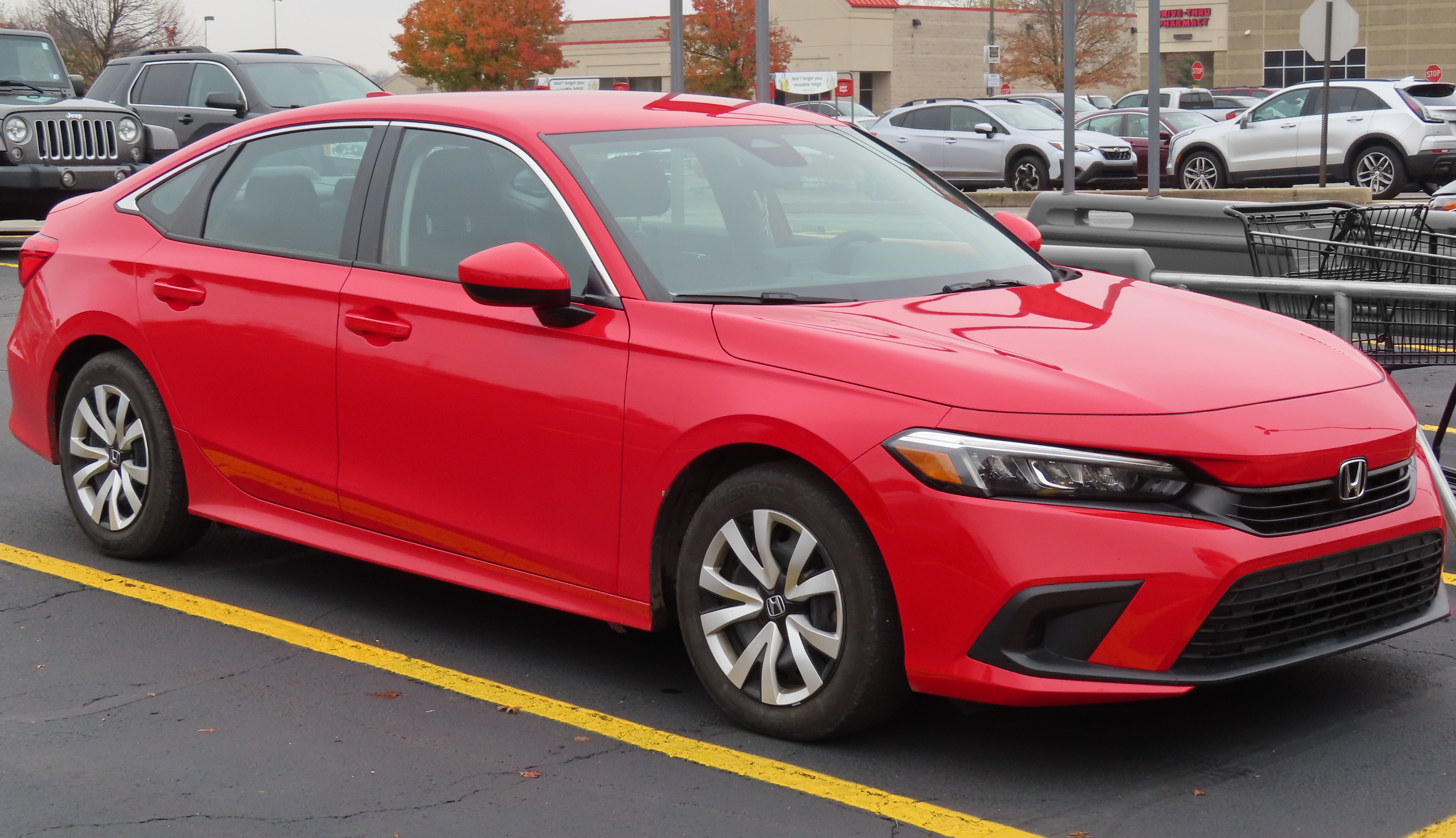
The Toyota Camry is a popular family car that many people trust because it is reliable and gets good gas mileage. It's been a favorite choice for many years.
The Chevrolet Malibu is a car that has been around since the 1960s. It is known for being comfortable and practical, but it hasn't always been as popular as other cars.
The Chevrolet Trail Blazer is an SUV that was first made in the early 2000s and is known for having a lot of space inside. It was brought back recently after being discontinued for a while.
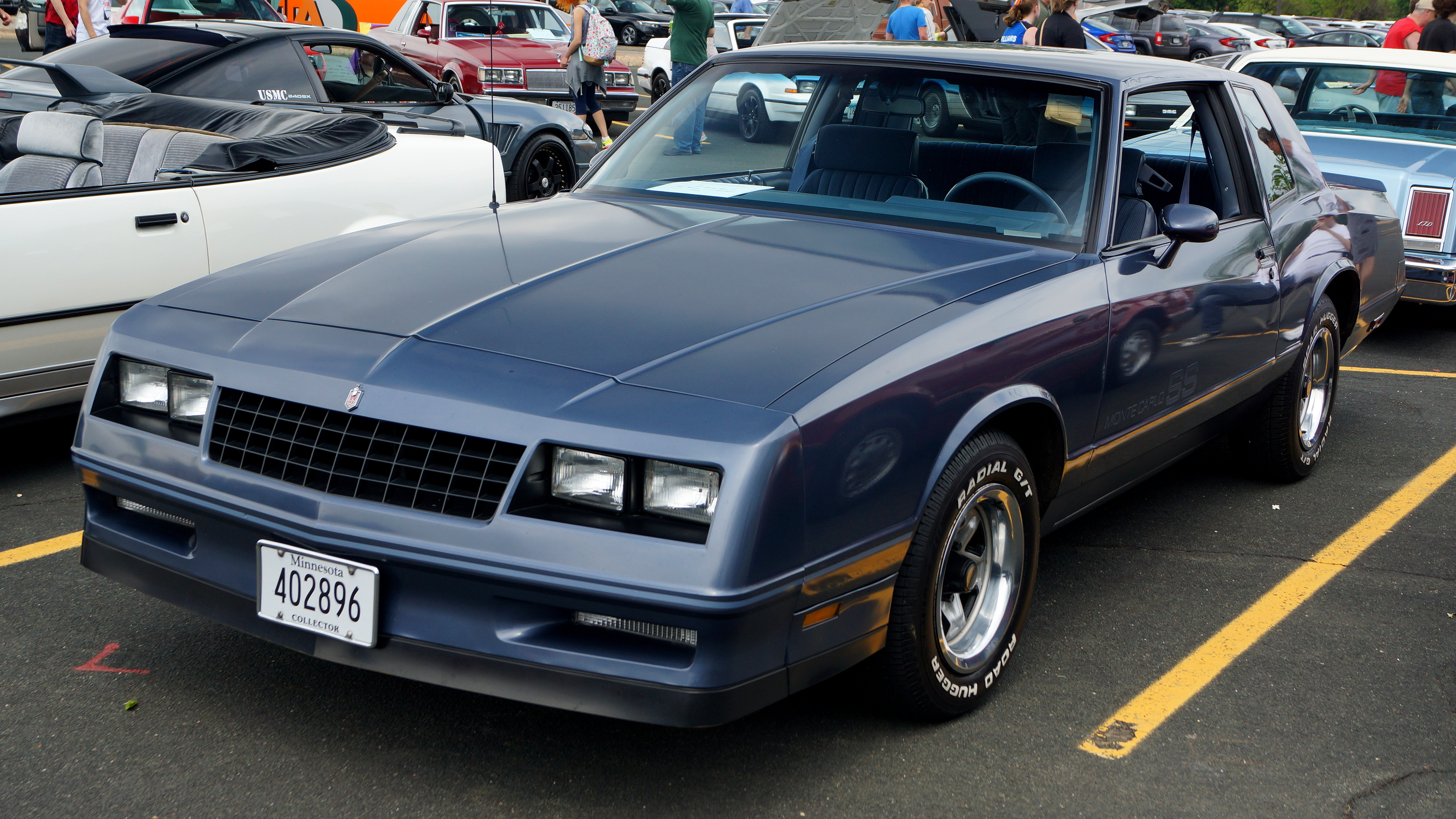
The Chevrolet Monte Carlo is a stylish coupe that was made for many years. It was especially popular in the 70s and 80s for its unique look and comfortable ride.
The Ford Ranger is a smaller pickup truck that is great for both work and play. It is known for being tough and reliable, making it a popular choice for many drivers.
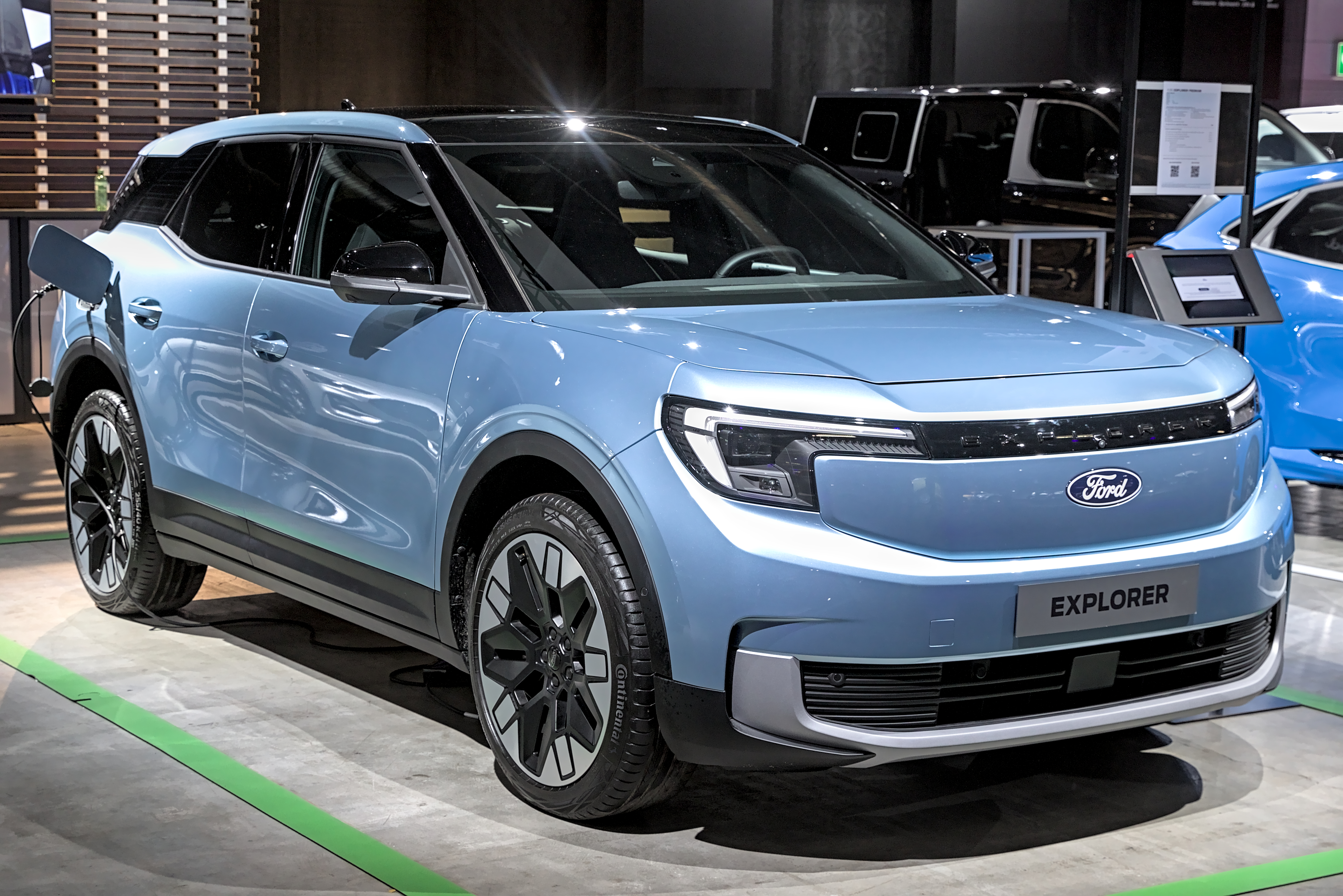
The Ford Explorer is a popular SUV that has been around for a long time. It was one of the first small SUVs to be sold, which helped make SUVs more common.
The Chevrolet Caprice is a big, comfortable car that was popular in the past. It has a lot of space inside, making it great for families or long trips.
The Chevrolet Corvette is a fast and stylish sports car that many people admire. It's known for being powerful and fun to drive, making it a popular choice among car enthusiasts.
Market value adjustment is when a car dealer raises the price of a vehicle because they think it will sell for more due to demand. It can make the car more expensive than what it should be, so it's good to watch out for it.
LIVE
Hey folks, welcome to another edition of My Car Guru.
Just reading the news here this morning for, well, in the automotive world, NADA headlines.
White House is proposing relaxed fuel economy standards in a bid to lower prices today.
So gas prices have gone down dramatically.
They're expected to go down even more, which is great news for people who are struggling
with grocery store prices and everything else.
But now this is a bid to actually reduce the prices of vehicles.
That'd be good.
Anything to get the cost down.
Again, one of my big pet peeves is just the amount of technology that is being jammed
into every new vehicle.
I just don't see it as necessary.
Would you be willing to go back to crankwindows?
Probably not.
So could you do without all the whizbang technology?
Could you do without like Apple CarPlay?
I love Apple CarPlay.
It's wonderful.
I listen to podcasts most of the time.
I don't listen to the radio anymore.
I used to.
I don't even listen to satellite radio anymore.
I just because I like to be able to choose and I don't like commercials, even though I run a lot of commercials.
That's kind of one of the things I have to do.
So if they relax the fuel economy standards, then the manufacturers can reduce costs.
They can make vehicles less expensive because they keep having to use technology to make the engines more fuel efficient.
Things like variable valve timing.
And direct fuel injection and all these different technologies that have been designed to basically get more horsepower out of smaller displacement engines.
I mean, one of our best selling, well, I take that back.
Three of our best selling vehicles at my Ford and Nissan dealership have three cylinder engines.
I remember we were a Chevrolet dealer and Chevrolet came out with this little car.
Well, it was, let's see, who made that thing?
I think it was made by DeWoo, but it was a, it was called a Geometro.
Do you remember Geo?
That was an attempt by Chevrolet or General Motors under the Chevrolet sign basically to come up with an import brand.
And so they had, let's see, I think they had three different vehicles, one made by DeWoo, another made by Isuzu.
That was called the Geo Storm.
And then they had a third vehicle called the Geoprism, and it was basically a Toyota Corolla.
It was built at a plant out in California.
And it was a joint venture between Toyota and General Motors called the New United Motor Manufacturing Incorporated, NUMI is what they called it.
And while Toyota continued to just sell the heck out of Corollas, the Geoprism was not a fast mover.
When it first came out, get this, do you remember the Nova?
It used to be called the Chevy too.
And then I think somewhere in early seventies, they changed it to the Chevy Nova.
They couldn't sell it as the Nova in Mexico because in Spanish, Nova or Nova means no go.
So that was not, that was a no go in Mexico, but in the United States they called it the Chevy Nova.
I totaled one one time, brand name.
And so it went to bed, they canceled that vehicle.
But yeah, as General Motors typically does and Ford does too and Chrysler, they resurrect names from the past, hoping that will carry the day.
So when the Chevrolet version of the Toyota Corolla came out, they called it, that's right, the Nova.
And so that didn't work.
Vehicle didn't sell very well.
So then they came out with this geo idea.
Brilliant.
So then they had all those cars, they changed the name to the Geoprism and people didn't know what it was and it didn't sell.
So they abandoned the whole geo thing and they stopped selling all of those vehicles.
You know, that's one of the biggest differences I see between the Japanese companies.
I don't really, Hyundai and Kia, they, they change vehicles and models and designs like I change my bridges, but they're Korean automakers.
Okay.
But the Japanese stick with the models.
Think about the Honda, for example.
They never decided to call the Honda Accord something else or the Honda Civic or the Honda Pilot.
I mean, they stick with the name.
They come out with a product.
They gradually over time improve it.
They'll change designs.
They've done some radical things.
I'm not sure I like the new Hondas and the way many of them look.
I love the Accord.
I think it's a beautiful car and I would buy it all day long over a Toyota Camry, but that's just me.
But, you know, they, they stick with the names and the domestic manufacturers just, they just jump all over the place.
But one thing they do love to do is resurrect old names.
I remember when the Malibu, it was gone for a long time and it was a really cool car back in the 70s and then they ruined it in 1973 and then completely eliminated it.
Not too, not too many years after that.
Then it came back.
Well, just think of some of them that went away and came back.
As far as Chevrolet is concerned, Camaro, Impala, let's see what else, Monte Carlo, let's see what else, the Blazer and the Trail Blazer.
Of course, you know, Ford came back with the Bronco.
They never eliminated the Mustang.
You know, it's, it's been here since 1964 and a half, but they had a quite the streak of comebacks.
And that's not necessarily a bad thing if when it comes back, it hits the mark, you know, as far as what they're trying to accomplish.
I think the Bronco is going to be around for a long time.
It's got legs.
Part of that's due to the fact that it has two different models.
One of them's called a Bronco Sport, which is based on the Ford Escape and the Ford Maverick.
They're all on the same chassis.
And then the Bronco itself is built on a Ford Ranger chassis.
So, and it's just got one basic competitor and that's the Jeep Wrangler.
And as popular as the Wrangler is, those two are going to be going head to head for a long time.
I'll tell you another Ford that's been around for a long time, the Ford Explorer.
You may not remember this, but the Ford Explorer was the first of the small SUVs to come out.
There was no Chevy Blazer or Trail Blazer or GMC Jimi or anything like that.
The Ford Explorer was the true Trail Blazer.
Okay, I'll be back in just one minute.
Okay, welcome back.
I've got the winter sticker for my 1974 Bronco in front of me.
The base price for a Bronco wagon, that's what they called it, was $3,149.41.
The reef aqua color of my vehicle was no charge.
The 302 two barrel V8 engine was $215 extra.
That was an option.
The front and rear chrome bumpers $30.14.
Let's see, the tires no extra charge.
Hardboard headliner, you know, instead of having a stitched in headliner like most cars have or had back then.
This one was just a vinyl covered piece of cardboard, basically.
It was expensive to $15.93.
It has a hand throttle because you can actually hook up a PTO to this thing and actually operate farm equipment if you wanted to.
But anyway, it had a hand throttle and that was a whopping $3.71.
Wheel covers $27.60 for a grand total of $3,466.10.
So about, let's see what it is, $20.25.
I think I bought that thing in 2013.
I paid $17,000 for it.
I found it on, what was it, is either eBay or Craigslist.
Don't remember exactly.
You know that, well, you probably have seen what Broncos have done.
Today that vehicle is probably worth somewhere between, because it's all original and it only has 36,000 miles.
It's worth somewhere between $75,000 and $90,000.
I know it's just nuts.
I should sell it, but that's part of my 401k.
So you think about those simplified options, though.
This is my point.
I was just looking at some of the high-tech features that a lot of cars have today.
And I'll just give you a quick rundown.
Adaptive cruise control.
I remember the cruise control of the 60s and 70s.
I mean, I was alive back then.
It was pretty crude.
There was nothing electronic about it.
It was actually done with a combination of just direct connections, mechanical connections, and vacuum.
That's it.
Now it's adaptive cruise control.
Self-leveling system.
Electronic instrument panel control module.
Electronic stability control system.
Electronic traction control system.
Forward and rear parking cameras.
GPS navigation system.
Heated seats.
Cooled seats.
What else here?
Oh, automatic emergency braking.
Blind spot monitoring.
Lane departure warning.
Night vision system.
Active park assist.
This is just a sampling of things that are covered under a Ford extended service contract.
You know, they list everything under their best plan that is not covered, but just so that you get some kind of a feel for what is.
They list these things.
So, you know, that's just a lot of stuff.
Oh, yeah.
One other thing that they cover.
The clock.
Now a loaded car.
1973.
We were a Chevy dealer.
Let's just say a Chevrolet Caprice.
If it was really fancy, it had a vinyl top.
They don't do those anymore.
It had intermittent wipers.
Did have cruise control.
Power windows.
Power door locks.
Let's see.
Cigarette lighter.
Yeah, that was an option.
And then what was the other one?
Oh, yeah.
Eight track stereo system.
Could you get leather seats in a 1973 Caprice?
No.
You could get vinyl seats, but not leather.
Not in a Chevy Caprice.
You could in a Cadillac.
Probably could in an Oldsmobile or a Buick.
But you know, most people didn't order leather back then.
No.
They wanted these fat padded, luxurious, velour seats.
I mean, I remember seeing an Oldsmobile 98.
You open it up in it.
Well, I won't say what it looked like,
but it looks like a house of ill repute.
Let's just say that.
Not that I've seen one, but I have seen them in movies.
And, you know, all the overstuffed furniture and the pleats
and the buttons all over the door panels
and all these treatments, you know, all the faux wood on the dash.
It was just a crazy time.
But as far as expensive features to work on, to fix,
there weren't any.
That's why we didn't sell any extended warranties.
They didn't exist either.
Not back in the early 70s or even the late 70s.
They didn't come around until the 80s.
And it's because, you know, labor rates went up, parts prices went up.
Finance offices were really into selling just about anything they could
to increase revenue for the dealership,
because the automakers kept cutting the margins.
I remember in 1971, 72, there was 21% markup in the typical Chevrolet car.
If it was a Corvette, it was 23 to 25%.
See, now it's between 5 and 6%.
Now, cars have gone up a whole lot.
But as far as the margins, they have really gone down.
And so what dealers were doing, that's when dock fees, processing fees started.
I remember our first processing fee, I believe it was $25.
And you talk about almost a customer revolt.
I mean, it was crazy.
But a lot of dealers were doing it, mostly in the bigger cities.
And as is typically the case, it starts in the larger cities,
starts on the west coast, then moves across the country to the larger cities
and then gets to the rural dealers and the markets.
And so they start picking up, hey, maybe we should charge a processing fee.
They call it a documentary fee.
And I can't tell you how many times I was sitting in a finance office
and I've got this farmer in front of me and he said, what's that for?
And I said, well, I would just start justifying it and making up all this.
Well, I wasn't necessarily making up stuff.
I was saying what I was told to say.
It covered all of the paperwork that we had to do.
Don't you have to do the paperwork anyway?
Well, that was true too.
He said, well, we also go and get your tags.
I'll go get my tags.
You know, it was just, I couldn't win.
So I ended up giving the dock fee away.
Well, now the average dock fee in Tennessee is just under $1,000.
Isn't that crazy?
But you know why they do it?
It's not just, I mean, it's worse in a lot of big markets.
The highest I've heard is 1995 out in California for a processing fee.
What's it for?
It's for profit.
That's what it's really for.
I mean, there have been many months in my past in the car business
that if we didn't have a dock fee, we would have lost money in the dealership.
It was that important, especially when times were really tough
and really competitive.
You know, because if you've got some dealer that all of a sudden starts
low-balling prices all over the place, you've got to respond.
You've got to cut your prices and you get to the point where there's just nothing left.
And so that's why most dealers charge processing fees.
If they tell you it's to cover anything but additional profit, they're fibbing about that.
And I've been told by many customers over the years, I'm not paying that.
And the problem is in our state, you have to charge it to everybody.
If you're going to charge it to anybody, you've got to charge it to everybody.
And if somebody refuses to pay it, I mean, the dealership has a decision to make.
Do they want to let the customer walk over the dock fee or do they want to sell the car?
What they typically do is they will cut the price of the car but keep the dock fee.
That's what you'll probably see if somebody does agree to eliminate the fee.
Most dealers will not because they cannot and still make a profit on the car.
But they can get excessive.
It doesn't hurt to ask, no matter what they're trying to charge you.
If I walk up to a new vehicle on a car dealer's lot and I look and I see a sticker beside the sticker,
I'm going to read that little extra sticker and see what it says.
I mean, if it's for legitimate accessories, it could be like, I don't know,
whether tech floor mats or something like that.
If it's paint protection and some type of fabric protector, there's a lot of markup in that.
I'm going to ask them to knock that off.
If it says something like market value adjustment, I might just leave because what they're going to do
is use that as additional markup and that allows them to show you, not necessarily pay you,
but show you that they're giving you more for your trade-in than the dealer down the road that you just left.
Well, how do they do that?
Well, if somebody has exactly the same car down the road and they're charging $30,000,
but this other dealer has the exact same car, but they're charging 32 extra $2,000 in markup,
then they can discount the car that much more.
I mean, it looks better.
Well, they're discounting the car an extra 2,000.
Well, they're really not Mr. Customer because it's the same car.
They just have that extra sticker.
Well, they're discounting it.
You know, people just don't use their heads or maybe they are using their heads
and they're just using that as a negotiating point.
But if you have a trade-in on that deal and it's actually worth $10,000,
then that dealer can show you $12,000 for your car and not lose a dime.
It's just fluff and that's something that you don't want to pay for
and you don't want to be deceived by fluff, but it's easy to be if you're not paying attention.
Okay, I'll be back in just one minute.
Okay, I am back.
If you do live in this area, not too far from me,
I'm giving away $1,500 on Saturday.
All you have to do is come down to Gateway and register
and then you have to come back on Saturday at 4 o'clock
and we're going to draw from the people that are there.
And I'm giving away $1,500.
And if you don't believe me, ask the guy we gave $1,000 to the day before yesterday
because he believes it.
He took home $10, $100 bills and then the previous Saturday,
a lady got $500, so we did $500, then $1,000, now $1,500.
Why do you do that, Lenny?
Well, because it's fun and it makes people's Christmas
and it's exciting and it fills the showroom with people
and most of which don't come in to buy a car,
they just come in to see what they won
or see if they can win something.
But it generates traffic and activity
and sometimes people do say, well, you know, that's a pretty car.
What would that cost?
What could you pay me for my trade?
You know, it starts conversations.
And as I say on this radio program, this podcast,
that's not always the best time to buy a car.
If you've been thinking about it anyway, then that's okay.
But just because somebody's giving away money
isn't necessarily the reason to go in.
Well, let's just buy a car while we're here.
You know, it's not like buying groceries or, you know, a new Yeti.
It's a little bit more intensive than that.
It should take a little bit more thought.
Yeah, but this guy who won $1,000 day before yesterday,
he said he was just sitting at home
and he remembered seeing something on Facebook about that
and also remembered that we were doing it at four o'clock
and I think it was 315.
So he rushed down here, filled out the registration form,
dropped it in the box, and I reach in there and pull out his name.
And he was elated.
He said, you have no idea how much I needed this for Christmas.
And that put a smile on his face and on my face
and on everybody else that was there.
Even the people who didn't win.
They all won something.
I give away something to everybody.
But that's just, it's fun.
You know, I enjoy doing that kind of stuff during the holidays
and we're doing it for our employees here in a few weeks
and we're going to have a really big Christmas party
and we always give away a bunch of prizes and recognize people.
That's what I enjoy about this season.
And there's a lot of people that put off automotive purchases
and people buying cars for tax reasons right at the end of the year.
So there's just a lot of activity and it's just a lot of fun.
So if I can help you with any way in your car search,
it doesn't have to be buying from me, but no matter where you live,
you can send me a text message to 423-552-2020.
And if you want the MyCarGuru guidebook,
what you can do is get that, print it out,
staple it together and cram it down in somebody's stocking.
It's a good stocking stuffer.
They'll say, what's this?
I said, well, it's something that will save you thousands and thousands of dollars
over your lifetime if you just read it and pay attention to it.
That's pretty good gift.
So send me your email address and I'll make that happen.
I'll send you a PDF and if you don't have an email address,
then just call the dealership 423-639-5151
and I will print one out and mail it to you and then you'll have it.
So it's valuable information and it's already working.
I get so many positive comments from people who have requested
and received the MyCarGuru guidebook.
So just go ahead and do that and you don't have any clue
how much money that will save you if you just put it to work.
Well, thanks for listening to this edition of MyCarGuru
and I'll see you next time.
You
About this episode
Fuel economy standards are in the spotlight as the White House proposes relaxing them to help lower vehicle prices. The discussion dives into the overwhelming amount of technology in modern cars, questioning whether it's necessary. Nostalgic anecdotes about past vehicles, such as the Chevy Nova and Geo brands, highlight the evolution of automotive naming and design. The episode also touches on the impact of processing fees at dealerships and the importance of being savvy when buying a car, all while sharing personal stories from the host's experiences in the industry.