The Renault Wind is a small car with a roof that can open, making it fun to drive. People talk about how wind can affect how much gas it uses when driving fast.
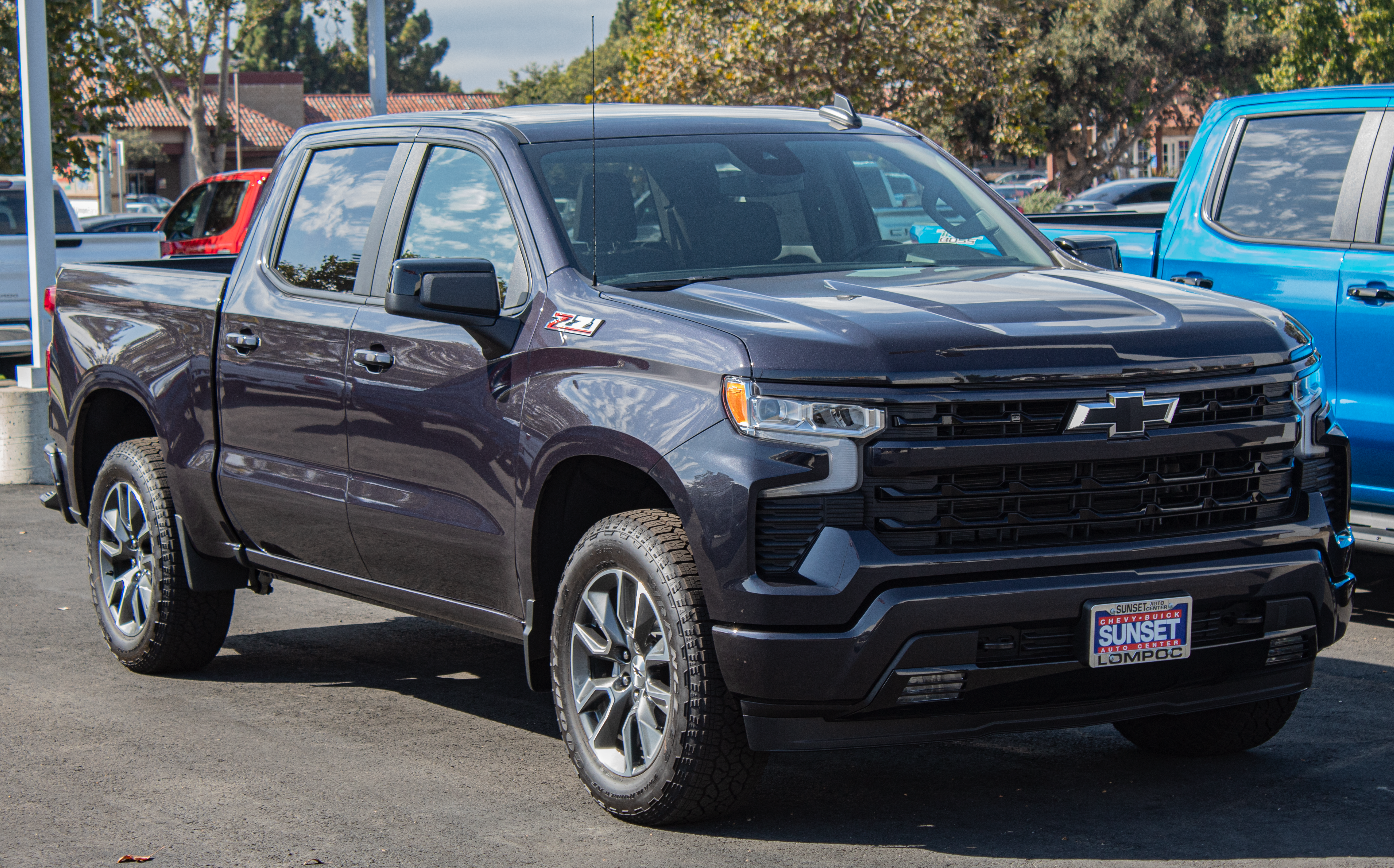
The Chevrolet Silverado is a big truck that many people use to carry heavy things or drive on rough roads. People talk about it because it can pull heavy loads and is good for many jobs.
Plug-in chips are small gadgets you can add to your car to try to make it faster or use less gas. But usually, they only help a little bit and might need you to use more expensive fuel.
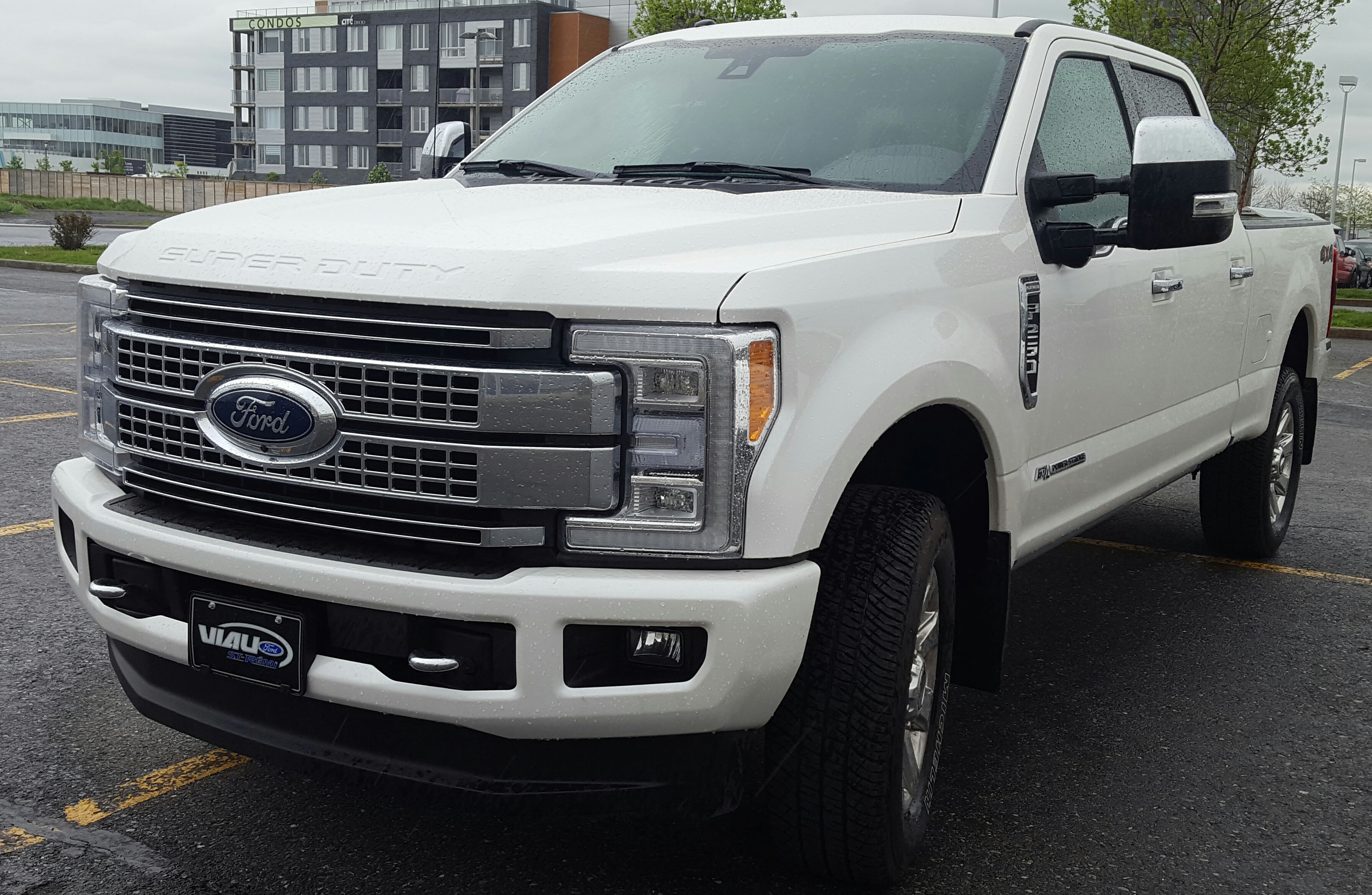
The Ford F-250 is a big truck used for heavy jobs. The 2015 version can have a strong diesel engine called the 6.7 Power Stroke that helps it pull heavy loads.
The 6.7 Power Stroke is a strong diesel engine that helps big trucks like the Ford F-250 pull heavy things. It uses special parts to make a lot of power and run efficiently.
A compression test checks how strong the engine's cylinders are by measuring the pressure inside them. This helps find out if parts inside the engine are worn out or broken.
Salvage units are cars or trucks that got damaged and are taken apart to use their parts. Checking the engine's strength helps decide if parts are still good to use.
Emission system cleaning is like giving your car's exhaust parts a good wash to help it run cleaner and pollute less. It can fix problems caused by dirty parts.
Hot Shot's Secret makes special liquids you add to your car's fuel to help it run better and stop warning lights. People use it to fix problems without going to a mechanic.
Car-part.com is a website where you can find used car parts from many different sellers. It helps you get parts for your car, even if it's an older one.
The Nissan Frontier is a smaller truck that is good for everyday work and doesn't cost too much. Older ones might need some extra care to keep running well.
The ABS light is a warning on your car's dashboard that tells you if the anti-lock brakes might not be working properly. Anti-lock brakes help keep your car from sliding when you brake hard.
Wheel hubs are the parts in the middle of your wheels that hold them onto the car. They also have sensors that help the car know how fast each wheel is turning.
The Jeep Wrangler is a tough car that can drive on rough paths and is good for outdoor adventures. There's a new version that uses both gas and electricity to save fuel.
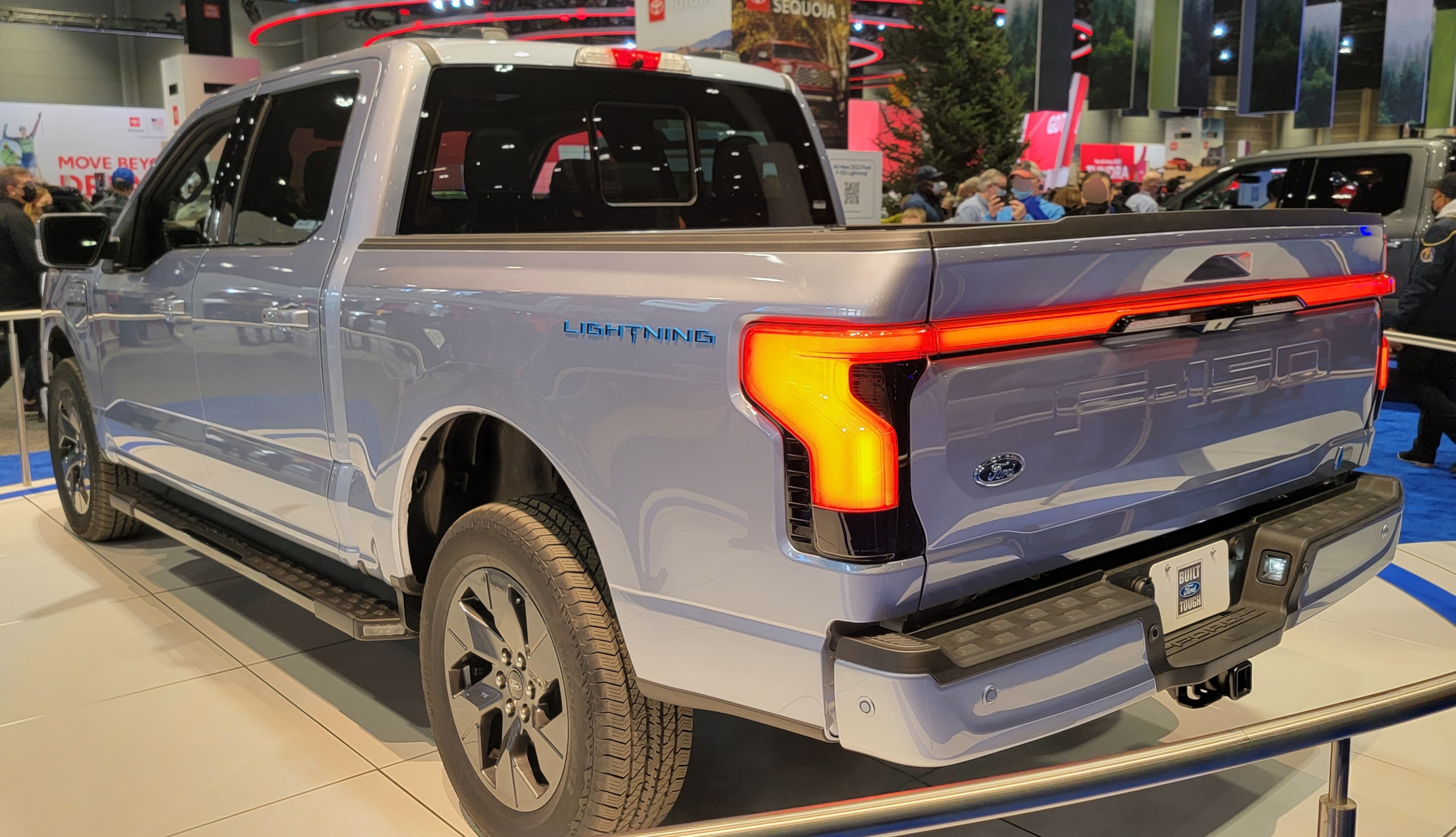
The Ford F-150 Lightning is a big truck that runs on electricity instead of gas. It can do the same jobs as regular trucks but is better for the environment.
The Chevrolet Bolt is a small car that runs only on electricity, so it doesn't use gas. People talk about its battery because it needs to be taken care of to keep the car working.
The Toyota T100 is an older big truck that many people liked because it was simple and worked well. Some people replace it with newer trucks that have more modern features.
LIVE
Welcome to the Under the Hood Show podcast. Thank you for joining us. We have some podcast sponsors.
Berkeley won classics. Your key to collector car insurance.
And road ready wheels. Replica OEM wheels add huge savings. Use the offer code hoody for even more.
And by car dash part over 200 million used parts ready to ship to you fast.
Thank you for subscribing. Wherever you listen to your podcast, we would love if you'd subscribe
and rate and review us. We appreciate it. Here is the Under the Hood Show podcast.
This is Under the Hood. Welcome to the Under the Hood Show.
We are glad to have you with us. Russ Evans is here to answer your automotive questions.
Thanks for joining us under the hood. Shannon Nordstrom is here to do the same.
Welcome, hoodies. Thanks for tuning in so we can help you tune up. I'm Chris Carter here to answer
your calls at 866-594-4150. 866-594-4150. Let's talk to Dave. We're going to go to calls right
away. We got one. He's been waiting for a while. So let's get to Dave. Dave, what can we do for you?
I've got a 2024 Ram 2500. And to get a terrible gas mileage on it. I just purchased this. So it
came off of a lease. And the average on the last, well, about 1200 miles I put onto it,
since I purchased it. I'm at 10.9 for that 1200 miles. And I tried different gases
last time. It's in a premium gas. And to help it out right now, it's running on probably about
100 miles on that gas thing and about 12.9 on it. And so where do you drive it? I guess,
anything that you can. Yeah, where do you drive it and how do you drive it? It's a mixture. I haven't
hauled anything with it yet. I live in the country. So, you know, go to the city. It's about 15 miles.
And then I get there and then I'll, you know, drive it in town on a bus. Fill it up.
Engine size? Which one's in it? 6.4 probably. 6.4 gas. It's a 6.4, yes.
There's other ramo. There's other 2,500 right now going, how could I get that much?
Gotta ask this question. Where do you live? Just a state?
I think, let me go to flatlander. So you're in cold country. So you're not going to want to hear
this, but sounds like you're getting great gas mileage for this truck. Because I have the same,
when this truck comes into my shop for oil changes and I hop in and I go for a test drive,
like after we rotated tires to re-torque them, I look down and because I'm always curious,
what's average miles per gallon? And I'm seeing them anywhere from 8.8 to 11.5. That's, that's
what they're at. And they just been cruising. They haven't been resetting it. But in the summer
months, I'll see them anywhere from 12.9 to 13 is they're 13 to right in that range. So it'll go
up a little, little more when it's warmer, but it's a truck that's geared for pulling. The good
thing about this truck is you won't see usually a whole lot of change. If you're pulling what it's
rated for, you know, and if you really pulling it loaded and driving hard, you're going to see it.
Another thing that'll drastically change fuel economy on this truck is the speed you drive it.
If you, so where you're at, I'm familiar with that country. If you get on that highway and you
hit that 80 mile an hour speed limit and you're, you say, got the crew set and you drive that,
what is it, 30, 25, 30 miles, something like that to get in. Yeah, 15, actually. Okay. 15 miles at
80 miles an hour versus try, if you've got the time just for two tanks of gas, take the back,
take the back road where you can drive 55 with it and see how much you change. I bet it increases
by three miles per gallon. There is a giant cutoff between 1680. Yeah, if you have the time,
that'll do it, but it's real and what it takes. I know I can either take a road that'll take me
55 most of the way, all the way to work, or I can take the interstate where it's a combination
of 80 and 65 and then a state highway 65. And it's for me, it's almost three miles per gallon
in a truck because of the RPM and the wind, the faster you go, imagine holding up a
piece of plywood and you just stand in there, no wind, not too hard, but the faster you try to go
with it, the more wind you push and the harder it is. So it's exponential, the faster you go,
the more you're going to decrease because you've got more of a load. And the tuning in the engines
usually got a tipping point somewhere there at 65. So it just pours it in. The truck
has got how many miles on it now you said? About 21,000. What did you expect? I'm just
kind of curious what your expectation was. 16,000. I look online and there's
just out there where they get up to 16. So I thought 10.9. I have a Silverado 1500 that
if you look online says you're going to be in the 14 to 18 and mine's always down around 11.
It's just the way I drive, where I drive. On a long trip on the highway in my 21,
I'm about 14 is average. And if I'm driving slower for a really long way of state highways,
it grew up to 17, 18, but most of the time it's lower. They want to publish those numbers.
Well, we just heard the president bragging about fuel prices. Good thing there where they're at.
Yeah, no kidding. And that is what like you said, the good thing about this truck is if you are
hauling, you're still going to get 11. It'll still drop a little bit.
Yeah. Does that help you out there, Dave? At least make you feel like you're not wrecking it.
Yeah. Can I ask you one quick one? Do you have any recommendations on these
plug-in chips I'll call them, which claim to give you better gas mileage, better horsepower?
It's going to be super minor. It'll give you a little more horsepower and torque,
but not miles per gallon because you're going to trade off that half to one mile per gallon again.
You're going to get trade off for the power you get. So you think, oh, wow, the truck's
accelerating a little slightly more. I feel it and you'll just drive it normally and you're
going to lose some of it. On the highway, if you're on the highway at 55, the cruise is set.
No wind. It's 70 degrees and you're on flat ground. If you were to switch from chip to no chip,
you might gain one and a half miles per gallon with one versus the other,
but you're always going to be required to run premium fuel only to see those advances.
If you don't run the premium fuel, you're going to, you can damage the engine. It'll say
write that in the tune when you put it in. I think your idea did not take the interstate for
a tank or two. Just to make yourself feel better, to know what it does. Or if you're going on a
trip. Dave, thanks very much for the call. Good luck. 866-594-4150. Let's go to Nebraska
and talk to Edith. You're on the end of the hood show. Edith, what can we do for you?
This is probably a real dumb question because I know nothing of vehicles because all my life,
I've never had to, I had four brothers as a kid growing up and when I learned to drive and so
they always taught me everything and then I got married and my husband took care of everything and
now I'm alone. And no, I have this Equinox car and it seems like every time that I fill it with gas,
it just seems like it doesn't go quite as far. I never do right down to my age to actually figure
out, you know what? But I was just wondering, I've never really had anything done to this car.
I bought it. I bought it as a used car. It had 27,000 miles on it when I bought it and that was in
2016. That was the year this car came out, but somebody had driven it. And so, and right now,
which is almost going on 10 years this June, there's right at 70,000 on my car now,
and it just seems like my gas mileage gets less and less unless I'm just concerned about the price
of gas. And yet, I can't complain here in Nebraska where I live. This gas here this past week has
been $2.47, so that's not too bad compared to some places. So, I was wondering, do you think
would the people when I have it serviced, would they tell me if I need
something that would maybe increase the gas mileage?
Edith, first of all, thank you for calling the show. Thanks for being a hoodie and listening in,
and hopefully we can... I love it. I love it. That's awesome. Hopefully we can vicariously
replace some people missing in your life and help you with your automotive stuff. That would make
me feel good and make Russ feel good and make Chris feel good. I've got grandsons now that are
coming up, so they're looking after grandma. All right, that's good. I'm pretty fortunate.
Yeah, let's get them listening too. Yeah. Well, when you go in for your service,
minus you having a check engine light on or having issues where you feel like the car is not
driving right. It's like chugging or it's hesitating or those sort of things. There's
probably nothing that they're going to be able to do. Now, at 70,000 miles, it's not unusual with
that. That's probably a four-cylinder in there, I'm guessing. Do you know if it's a four-cylinder
or a six-cylinder? It's an LIS. It's an Equinox. I have no clue. It's okay. It's probably a four-cylinder,
I'm guessing. It's probably time at some point to put spark plugs in there.
That was the thing I thought it was spark plugs. But I don't know.
It's probably time to do that because of the age and the time. At that time, they might recommend
some new spark plug wires to go on there and possibly the coils. We don't have a lot of
problem with coils in those at all, so I really don't... Only if it's misfired.
No reason to spend that money. Fuel system cleaning.
Yeah. They might recommend a fuel system cleaning and spark plugs. If you want to write that down
and then they'll make sure it's running at peak efficiency. You shouldn't have to just
put oxygen sensors we call them in there for no reason. I don't think in that vehicle,
if you don't have any problems or any codes. But you can probably track that fuel economy
and just see where it's at with... There should be a... Do you have a computer on the dash that
says what the fuel economy is? I think so. Because I think the last time, well, I hit
menu on the up there and it said on my last trip, they thought I was getting like 19 miles to the
gallon. Is that good or not good? It depends on what you were doing. If you were out street
racing, then you know it's going to drop down a little bit there.
I'm 89 years old. I don't think so. Okay. Well, try it. It might be fun. But you don't... What the
heck? I got a speeding ticket years ago when I went to college town where I went at a four-lane
main street and kids would drag from one stoplight to the next. And of course, we were young and
stupid back then, of course. And I got stopped because I was dragging with whoever was next there.
Edith, I got to capture this call because I got a speeding ticket a few years back
and the story goes to college. And you have not had a... Have you had any driving violations
since college? Maybe a speeding ticket. I work in a town that was eight miles from here
and I was coming home one day and I was done like 10 or so miles over the speed limit
and I felt so stupid because I had a school child with me in the car. And so that really
caught me a lesson. It happens. It keeps life fun. But no, I would let not your heart be troubled.
And I think if you get your spark plugs changed, have them do a fuel system cleaning, that vehicle
is going to serve you well and they're not historically problematic for suddenly having
a problem where you're going to get less fuel economy. You can track it. You can track it with
you and do the old method. Write it down on a piece of paper when you fill with gas.
Yeah, I can do that. I can do that. Do you know anything about the ethanol I live in
Nebraska and they're talking so much about this E15 and I don't quite...
Use it.
They've made some corn.
Don't worry about it.
Can I use it?
100% use it. Don't worry about it. It's not going to cause you any problems.
You probably have used E15 already if you've traveled out of your area and didn't even know it.
In Minnesota, there's a ton of E15 in use on a regular basis when it says E88 on the pumps.
And so Russ and I have both had vehicles that we've used E30 in on a regular basis.
But they require premium fuel. So we use that versus the higher premium fuel. We use the E30.
And I've been doing that since my truck was brand new four years ago and have zero problems.
There you go. Edith, thanks very much for the call.
Do not use the E85.
Right.
Do not use the E85 unless it's a flex fuel and it has a yellow gas cap or has some
indication by the VIN number. It's a flex fuel. Do not do that.
But 15 or 10 just fine.
Your round E15 should be a thing. This is not a problem.
866-594-4150. That's the number to reach us here at the end of the hood show.
Let's talk to Mark in Idaho. Mark, you're on the end of the hood show. What can we do for you?
Hey guys, I got a 2015 Ford F-250 and it's the 6.7 power stroke.
It come up with a code on there of P0 284 and it says it indicates the fault in the cylinder.
A cylinder number 8. So I was wondering, is there any way to check that cylinder for compression on
there? There is. You can pull the glow plug out and use a tester that goes in that hole in order to
test the compression. You need a special adapter with the compression gauge and the compression
gauge is capable of going to the PSI that it's supposed to have. But you can check compression
that way we do that. We do it on our salvage units that we dismantle. Everyone here that
adnorsums that we recycle, we test the compression on gas or diesel. So
and that's where we find out on the fun ones like the three liters, Chrysler,
you know the the ram little ram ones and the General Motors, the Jeep and things.
And when the glow plugs don't come out and then you're like, oh great.
So but the Ford, the glow plug is going to come out. I haven't seen a problem with those,
but that's how you test that. You could have, if you got a cylinder issue, you could have a problem
with any number of things. It could even be the glow plugs week. So when you're cranking it,
it's not firing off right away. So it's giving you that code. If it feels good once it's running,
it could be that the injector is stuck. The injectors are just dirty. The cylinders are dirty.
It needs cleaning. This is one of these things. So on on these trucks, it's important to put an
additive in every tank full of fuel. Because of the low sulfur content, you're going to wear
parts out. Our partner at Hot Shot Secret sells an everyday diesel treat, the EDT,
that's good to run in there. It'll provide the lubricity and also help cleaning it out.
You might perform an emission system cleaning on it to see if that cleans it up. One of the first
steps that shops will do if they're trying to diagnose this type of thing is a cleaning.
Because let's say it needs an injector. They're going to clean all the injectors and then they're
going to put a new one in that cylinder because they want the others to be just as clean as a new
one. So here's what I do. I put the house in there every tank I fill up. But I had somebody else
tell me because I wasn't able to get back with you guys last week to put a whole bottle of Hot
Shot in there, which is what I did. And actually about 30 miles down the road, the light went off.
And so then I went and scanned it again and I didn't have anything. So far,
I haven't had any problems. So now I'm wondering, do I need to just switch over to that Hot Shot
and just put that in instead of putting the house in there? The Hot Shot Secret is going to be a
better, it's going to be a more intense cleaner. I mean, a lot of people use the house. It's good
for your everyday. A lot of semi guys are using it, but it's not going to be at the level that
that Hot Shot Secret is going to be running in there. It's made to boost the C-Tain plus to
clean pretty heavily. They're geared towards keeping the engine clean, getting it clean,
and then keeping it clean to prevent the wear, also with the additives that are in there to
condition the metal. So they prevent the wear in these injectors because it's one thing. If you
pay a little bit more for an additive, you put it in and that is done because you're counting on
not having to spend thousands of dollars to replace all your injectors or your pump at some point.
And it's important. I mean, on mine, I am very adamant about additive in every single tank of
fuel. I go stick the nozzle in there. I'll see how many gallons I have. I can get it down to about
a certain spot. I know where 20 gallons will go in based on my gauge and I put 20 gallons in. Maybe
it's a little less fuel this time. Maybe it's a little more fuel, but I always want to make sure I
hit about 20 and then I measure out my ounces and I dump it in. I got a little cup in the back.
I got a bucket that sits in the bed with the mixing cup and the product. So I can measure it,
but I don't ever want to miss. If I'm going to be taking the truck for a while, I want to make it.
Right. So how much are you putting in there every fuel tank? Just curious.
Well, it's different. You've got to read the directions on the bottle because everyone
and every product is different. The one I use that I'm using is 2.6 ounces per gallon, but
there's other times, depending on the temperature outside, you'll use maybe 1.5 to 3 ounces depending
on what it is. What you don't want to do is put too much in because if you put too much in,
like unburned diesel fuel, it gets in your oil and you don't want that additive in the oil
necessarily. It's just not hurting a whole lot, but you don't want it in there. Don't be too much
of a good thing is bad. Mark, go ahead. No, go ahead. I was just going to say, Mark, our horror
story when we dismantle these is what we look for and we've missed this before and it's cost us
a big problem. But when they take the glow plugs out and you're not, I don't think you're going to
need to do that, but when you take them out, you look at the tips on these 6.7s and if the tip of
the glow plug is a little shorter on one compared to the other ones, you better look at that cylinder
really close because sometimes they'll drop the tip of the glow plug into the cylinder and we've
just see it occasionally on these fords and then it'll damage that cylinder, score up that cylinder
wall and it just doesn't keep the compression in that one cylinder. So I'm very optimistic when
you say you put the hot shots in there and you got yourself where the light went away. That's
highly encouraging. And just to be clear, Mark, you're not a planned call. We didn't plant this call.
No, no, not at all. And the guy that I talked to before this, because like I said, I missed you
guys last week, he told me, he says, just go put a whole bottle of that in there. I'm like,
really a whole bottle. So I did and like I said, within 30 miles, the light went off and I'm up
here in West Yellowstone, Montana right now working, but it starts up every morning in the cold,
but haven't had that light come back on. So then I'm like, okay, maybe there's something to that
stuff because I adamantly every single tank put that house in there because we were real cold up
here where I work. So, but I've never used the hot shots before. So I was like, when it took
that light away, I'm like, okay, obviously there's something to it. Maybe it lubes it more. I don't
know. Different concentration. There you go. And one more thing, Mark, if you were a plant,
you would say you were not a plant, correct? If we're going to plant calls, I want them to be
on the up now. Everybody's even thinking they were even thinking about that before now.
That's a good point. I may be, whoops. The Under the Hood Show podcast is brought to you by exclusive
sponsors like Berkeley One Classics, celebrating 50 years, your key to collector car insurance.
And by car-part.com with over 200 million parts, find them online at car-part.com.
And by Road Ready Wheels, OEM replica wheels at a huge savings, roadreadywheels.com.
Thanks for listening to the Under the Hood Show podcast.
Wheels that fit your vehicle. Mercedes, Cadillac, Ford, Chevy, Chrysler, and many more with the
OEM fit and look that you want. Save 10% at checkout when you use the code hoodie for being
a loyal Under the Hood Show listener. New OEM wheels can be expensive with some wheels that cost
500 or more from the dealer. Many of those from Road Ready Wheels are about half of that, saving
you some serious cash. Use your factory TPMS sensors and caps too. Go to roadreadywheels.com
to find out more. That's roadreadywheels.com. If you need parts, whether it be for a brand new car
or going back about 20 years, it doesn't matter, check out car-part.com. It's fast and it's easy.
Over 200 million parts strong all across North America. Over 4,000 recyclers to choose from,
giving you the largest selection available. Whether it's an engine, transmission, doors,
seats, or wheels, you can find them on car-part.com. We even let you know what parts from other models
and years fit your car. Many recyclers supply pictures of their parts too. We even have a mobile
app. Search US and Canada or buy from your local independent recycler. Whichever you choose,
buying recycled is good for the environment and good for your wallet. If you're a repair shop,
there is a professional version available for you at no charge. That's car-part.com.
I'm Russ Evans with Shannon Nordstrom and Chris Carter. When we needed protection for our own
personal collectibles and performance vehicles, we turned to Berkeley One Classics and here's why.
Berkeley One Classics has over 50 years experience and they're dedicated to serving their customers.
They will work with you to help determine the amount of coverage a vehicle like yours should have
and that coverage is agreed valued coverage so there is no disagreement on what your vehicle
is covered for. They also have discounts for car club members. Berkeley Classics ensures a wide
range of vehicles from sports cars and rare exotic cars to antique vehicles including cars,
trucks, tractors, military vehicles, and antique motorcycles. Over 50,000 of them a year. Visit
BerkeleyClassics.com today and get a free quote and find out firsthand what they can save you and
how well they can cover your valuable investment. It takes just a few minutes using their easy online
quote tool on their website. Visit BerkeleyClassics.com. That's BerkeleyClassics.com or call 800-603-3330.
That's 800-603-3330. Welcome back everybody. It's time to get back under the hood with the
motor medics. 866-594-4150. That's the number to reach us here at the Under the Hood show. If you
miss an episode, you can always find it wherever you get your podcast. You can watch it on our
YouTube channel. If you subscribe there and join the Hoodie Fan Club, you could win a hoodie.
Like right Kellogg. Congratulations from our friends over at Berkeley One Classics. They're
celebrating over 50 years of collector car coverage and Universal Technical Institute. Find them at
UTI.edu. Do we know what's the, what's a starting mechanic make these days from a
two-year tech school? All over the place. There's so much difference depending on where you're at,
this and that. And how quickly you've adapted to your skills. Right. Because you could be really
bad. I sit on a technical advisory board for a local VOTEC that does a great job here in our area.
Southeast Tech has a wonderful program right here in our market. And there are young men and
women in that program that as they start and go, they instantly get noticed by other people on the
technical advisory board that are repair managers. And many times they end up doing their internship
at one of these places. And when they, and when they notice these people are onto it,
they get pulled in. And those folks might come in and might get a starting wage
20 to $30 an hour. But then there's other ones that just don't catch the skills as quick,
but they're interested and they like it and they end up on a different path. Yeah. And they might
end up starting in Louberry or different things than that can be 15 to $20 an hour. So it is all
over the board. And it really depends on how you adapt to your skills and how quickly that gets
noticed. And there's usually a pretty good pipeline between the, either the instructors
and the, I guess you'd call it the, I guess forget the lab personnel that are with the students.
There's usually a pretty good pipeline between those people and the people that are in industry.
And they start talking about the ones that they notice right away and they usually have a home
pretty quick. Is that fair Russ? Yeah. Yeah. 866-594-4150. Let's go to Mississippi and talk
to Patrick. You're on the end of the hood show. Patrick, what can we do for you?
Hey guys, I appreciate y'all show man. I got a 2007 B64.0 little Nissan Frontier.
I got a couple of questions on it. Oh, the first one is when driving it and turning right,
like in a curve, the sharper you turned, the louder the home. I thought it might have been
wheel hubs because it was a little shaky. So I replaced them and it's still there, but it's
lighter. There's a little bit less noise. Any idea on that?
Well, the wheel bearings would be our first thought with, with what you're talking about,
but it could also be a combination of wheel bearings and tires. If you got tires that are
aggressive or they've got a little cupped edge to them or something, sometimes when you go one
way or the other, they'll make noise and the other way they won't. So if you replace the
wheel bearings, those hubs and it got quieter, you may have fixed that problem. We just put
hubs on a Frontier yesterday and it fixed it right up. Did it act like a new Frontier?
It did. The final Frontier. The tires can also make a, you know, kind of a humming noise like
that that changes as you go back and forth. One way to test that is if you're ever in a snowy area,
if you're driving on fresh pack snow, it's usually dead silence compared to driving on the pavement.
We've noticed that with cars. I've had people where I've said, come on in when it's snowing,
so we can drive on that fresh snow. And if it's quiet, then we know it's not because there's
like, you need tires, but boy, they've got a lot of tread. There's no sense in putting them on now,
even though they're cupped, just, just wear them out. But we don't want to put wheel bearings on
because the shop has told me, you need wheel bearings. Well, let's not put them on and spend
hundreds of dollars if we don't know if it's, if it's the tires causing us. So if we're,
if we hit that snow and all of a sudden it's quiet, it's not wheel bearings.
Those are the couple of things. Axle shafts can make a little more statement, make a little way.
Yeah, you could try that and see if it changes, if it changes at least, if it changes, then it's a tire issue.
I got to ask, I got to ask how fast you're turning the corner though.
Yeah, another question there, Patrick.
Oh yeah, I'm having issues with the idle a little bit and an ABS light, I can't get to this fear.
The ABS light didn't change any with the wheel hubs because sometimes that can be a problem
because there's sensors up there. I thought it would, but it didn't.
Have you put a scan on it to see where that ABS light is, you know, what's,
where it's coming from that you can get a little more detail with the right scanner?
Right. I got a P1148 that manufactured control, but I ain't, I ain't really
searched it out all the way yet.
Yeah, you have to look that up and find out what it is. It just means it's a manufacturer code,
and your scanner's not able to decode it. Oh, gotcha, okay.
It's not in the software. Another scanner might show exactly what it is, but this one doesn't,
so you'll have to look that up. Your voice, right at the shop.
Yeah, one of them will. It depends, and I've got one that's geared more towards that vehicle than
others, so. Because with your scanner, Russ, you would probably more likely be able to tell
which position the problem's coming from and all that. Whatever it says, whatever it's reporting,
whether it's a sensor or module or switch or whatever. Patrick, thanks very much for the call.
Good luck. 866-594-4150. And he had mentioned an idle issue, and I guess we, we kind of went right
past that, but you know, more than likely that that's something that I think a good upper intake
cleaning, you know, maybe the CRC guaranteed to pass, you know, would be a good treatment to
use on there to see if you can just clean some of that up first before you get too worried about
spending a bunch of extra money. Just let's do some good house cleaning on that upper intake
and throttle valve and all those areas. They have had some issues with those.
Let's talk to Bob. You're on the end of the hood show. Bob, what can we do for you?
Well, last week I was going to give you a call when you had all the gas tank and gas issues
going on, but I didn't have an opportunity. So this week I am the vent tube on my gas tank.
I have trouble getting gas in that tank, and I'm thinking that the tube is getting
plugged up with dust and dirt and stuff. What kind of vehicle? What's the easy way to clean that out?
P350-06. All right. My work truck. All right, Bob. You got to, yeah, we got to keep that carpet moving.
We can't have that slow down. No doubt. Well, no doubt. No doubt. Well, the big tubes off the tank
are very seldom the ones causing the problem. And so it's usually the evaporative emission system that
is under the vehicle and connected to the tank and then runs up into the fuel vapor canister.
That's usually the areas that give you the problem when you can't fuel it with gas,
because it's not breathing. So that fuel is running down into that closed tank,
and it just can't get that breath that it needs. And so there's different check valve,
purge valve, fuel vapor canister. More than likely you got a problem in one of those units.
You got a check engine light on?
I do. And it's kind of intermittent. And sometimes I can get fuel in it, and sometimes I can't.
I've had it scanned and it shows that evap code thing. So I know it's
something in there is plugging up. I just hope you had an idea where I could put a little
air hose or something and hit it with a shot of air.
Evap and vent valve. There's no way to get the dirt out of the canister once it's in the canister
and valve. It's kind of like a roaches check in, but they don't check out. You're getting it in,
but not out. They should put a filter in that's removable. They really should. Those canisters
should have like a slide out filter. You flip the lever, you pull it out, throw it away, you put a
new one in, done. We try to K&N filter a little washable filter on somebody's one time, just
because you're having so many problems with it. Well, and they make the new GM canisters. The
Dorman products one makes one with the vent that mounts way up front. You run a heater hose,
plug it into the back and you run it all the way up to the front to your air box,
or you just mount it really high with the vent that comes with it. But you can put a little
washable filter on that if you want on the end of it and that'll filter the dirt out of it. The
factory just has an open hose. Now my question is, does that tank have to be dropped? I don't
think so on that one. I think that one is just forward of the tank, depending on the size of
the tank. If you've got the big long midship tank, yeah, you got to drop it down to pull it off of
the top because it's in the recess in the tank. But the other ones I think were right in front
of it. That's what I think too, Russ. I'm trying to picture that. On a 350 because it's a long
extended 350, right? Yeah, of course. Yeah, if it's the extended, I believe that you can,
because it's a carpet van, you can get them off of the front. There you go. That'd be sweet.
That's my project this weekend. Yeah, condensation, cold weather, heat and cold,
it just, it's going to back it up. Bob, thanks very much for the call. Good luck.
8-6-6-5-9-4-4-1-5-0. That's the number to reach us here at the end of the Hood Show.
Well, I just, I said breaking news, but as we record live at the break, I looked over my phone
and I had a notification from LinkedIn. And now we've seen the third of the big, what we would
call the big three report their EV write-offs. Stellantis posts its first annual loss ever
on EV charges. Let's get ready for this one. Okay. So, Stellantis on Thursday delivered its first
ever yearly loss while undergoing a wide-ranging reset that will unwind its investments in electric
vehicles. The auto giant in charge of Jeep, Dodge and Chrysler reported a net loss of $26.3
billion in 2025 after posting a profit of roughly $6 billion a year earlier. Most of those write-downs
traced to its failed EV program which CEO Antonio Filoso described as overestimating the pace of
energy transition desired by consumers. Stellantis sees hybrids including the best-selling Jeep
Wrangler 4XE as a path forward and I see they're even eliminating the PHEV which is the plug-in
hybrid versions of a lot of those vehicles and just going to straight to hybrid. So now we've had,
if we take, I can't remember all the numbers, but you look at what Ford posted, what Ford wrote off,
what GM wrote off and Chrysler, we're closing in on a hundred and some billion dollars being written
off. My god. No, they're not written off, they're passing it on. Oh, I know, but my goodness.
They're passing it on. Do you remember, guys, when we sat on a stage in Keebiscayne, Florida
and talked about ethanol and we talked about using it in cars. That's 2020. Yeah, how working,
but here's, here's, it was big. You'll remember this. So we were talking about how
octane was the key and that the fuel makers, ethanol and also the fossil fuel makers needed
to work together to get the octane up so that mileage could increase because that was the cheap
way to do it now going back to 2020 without any changes. It would have just done it.
And then the Chrysler guy got up and said, you guys aren't working together. We're going electric.
It's happening. It's going to be the wave of the future because you're not getting together. You've
had decades to get together on this fuel thing and you haven't done it. Don't shoot the messenger,
but we are, we are going that way because that is the wave of the future. And then
Mary Barra from GM stood up at this, not there, but at the same time frame and said,
we're going to be all electric by a date and it is the wave. There's no way around it. And Ford
said, yeah, which probably the wave it's we're, and they started doing some electric. The lightning
was developed, all that. And now in the meantime, Toyota was sitting there chuckling. Yeah. And now
it goes down. And the other thing we've seen happen as each one of these companies drops off
from their electric program, it was lost billions. Tesla, who was just chugging along and slowly
increasing this whole time, but steadily and still the electric giant is now taken over
what the other ones are dropping off and they're going up even higher. I don't know what it is,
but they didn't, there was a lot there. I think a lot of it was when people had the choice and
they were buying a car, you didn't buy a Tesla because you had to, you bought one because it was
your choice and you wanted to be different. But then when some of the other cars came out,
a lot of people felt pressured. It's like, Hey, we got to buy an electric because everybody,
it's going to happen. We're going to have no choice. We're going to have to have it.
And there were some amazing incentives. Yeah. Well, the incentives were paid somewhere
out of our pockets. So it's, it's different. I wonder what the next wave will be. When,
when do we predict? Cause we can go back now. We've got a thousand shows on podcast folks.
If you want to listen to older shows and catch up, and some people do, thank you,
but I think it's crazy, but they do it. I love it. Love it. You'll hear us as we went in waves from,
Hey, look, hybrids are coming. Hybrids will never catch on to, oh, there they are. Now,
there are millions of them, hundreds of millions. And then it was, oh, gas all the way, then
electrics. I wonder how long before, if I listened to the podcast 20 years from now,
we went from electrics or a boom to a bust, will they go back to boom again? And how long will
it be? Will they fail off again? Will it be like the stock market up and down, but gradually
trend up? Are they all going to bail out completely on the size of vehicles? We've done that. Yeah.
As fuel changes, we saw them go smaller and then everybody wanted bigger again when the
was the thing that you couldn't predict too is the onset of, you could probably predict it if
you've been in the right chair, but the onset of AI and all these data centers that are being
required for this push, will that be the next big bubble that burst at some point? Because there's
so much getting invested in that. And that's putting pressure on the grid that you could,
I don't think from what we know now that you could have had the push of EVs and the AI buildup at
the same time, because there's just not enough electricity. No, is that a first statement? I
mean, I don't know. And it's possible that if you, if you'd look real deep, it's possible that this
AI move, you would, you would think, I mean, in my brain, I think that the AI increase is probably
taking would take precedence in the big guys, whoever the big guys are, the big guys minds,
the AI is more precedent than getting electric cars out there. So they'd be like, they're getting
the electricity. But also, do you remember what happened for us as, as cell phone batteries became
better, the technology about that on the show? Yes, it made it more practical for people like
Tesla. They went, Oh, well, it's working great in a cell phone. Now it's in a car. And then the car
helped with the cell phone. So if you get enough energy infrastructure built up on AI data centers,
and now we've got, they're talking about thousands and thousands of data centers in the next 10
years, they're going to be everywhere. We see them going up there huge. They're going to have
electricity at those places. Now when you've got small town USA that's complaining about a data
center going up, can now put a Tesla supercharger out there because they have plenty of power.
And the whole transmission line all the way back to where it came from in the big city.
So these things might go hand in hand. We're dismantling Chevrolet bolts, a number of those
for parts. And the batteries in those are being used in data centers where they're taking solar
power, storing the batteries off grid. Redwood Technologies has created a off grid maintenance
system that can monitor different types of batteries at the same time and control them
and store the power off the grid in these little mini data centers. And we've got places even right
here in our market that are building these enclosures where they're putting basically
supercomputers inside of them and cooling them and doing everything and using off grid storage to
power them. So we're getting off on a little bit of a tangent here, but a big one probably.
Well, we had a phone interruption for a minute. The challenges though are real and the opportunity
is real. But in the meantime, the manufacturers wrote off a hundred and some billion dollars worth of
oops for going so fast so hard. And they were pushed. And then you look at like you said,
Russ, with like Tesla, they were building their market with the demand of the customers that
like the vehicles. They liked how they worked and the manufacturers jumped in and said, oh,
we're going to show them how to do it. Yeah, we're going to show them how to lose a bunch of money.
They built some great vehicles and they're still doing. I think that's why I'll wrap this up.
You're going to see a new wave of lower price EVs that'll hit a different market segment.
And the hybrids, they gained knowledge on the hybrid battery technology.
And the range coming out of some of these vehicles in China right now is insane.
The new Caddy is in it. Didn't they advertise on that Super Bowl commercial? Estimated for
20, somewhere in there. But there's stuff coming out of China with
they're claiming a thousand miles of range. Yes, I've seen some of those.
And it's LFP technology, which is not as recyclable. So that'll create another challenge.
But we'll see where it all ends up. In the meantime, hey, I'm glad we get to drive.
Yeah, we can go where we want to go. 866-594-4150. Let's go old school here and
take a call from the hoodie hotline. Hey, fellas, this is Daniel from New Orleans,
longtime listener. I have a 2011 Ram 1500 with the 5.7 Hemi. I just had a remanufactured engine
put in it. I have 9,000 miles on the engine. And I'm reading so much stuff about oil. 5W-20,
5W-30, I live in North Texas. I do tow every once in a while. I've been using Penn's Oil,
the Platinum 520, and I change it every 3,500 miles. Full synthetic. It's expensive, but it's
worth it. Would you guys recommend going with a 5W-30, maybe doing more frequent oil changes?
I know I do a lot, but also heard a lot of good stuff about the Penn's Oil,
Ultra Platinum. I just have so many questions, and I don't know exactly what is the right answer.
Thank you guys. I love the show. PTLA, enjoy your day.
I think you're doing great. The time that you're changing it, the type of oil you're using,
I think that's all good. I personally would stick with the factory recommendation on that.
I wouldn't swap over to the 5W-30. I know a lot of people are. If you feel comfortable with it,
I don't think you're going to kill it, and you're in hotter temperatures with average daily temperatures
a little higher. I know right now we're looking at, it was a cold day yesterday here, and you had 80.
Today you're going to be in the 60s, and we're going to be almost 60, so it's a weird thing. But
overall, your average temp is a little higher, so you don't have to worry about that real cold
then when you're starting just occasionally. But you do get that really smoky and hot weather for
a few months in June, July, August, and that is where if you're towing and stuff like that,
you can have some of that thermal breakdown in the oil. But again, you're using a great oil.
You're changing it often. I think that thing will last a long time, and hopefully you got one of
the remanufactured engines like we purchased that, well first it's got a 300,000 mile warranty, which
is great. And second, it's got updates done to it to try to prevent some of the failures that these
camshafts had in the early engines on those like yours, and that's what was causing the failure
of the engine. You get rid of that, and then you maintain it well like you're doing. I think
you're going to have a good truck. You do a 3000, 4000 mile oil change with the quality
oil. You're golden, right? That's your best opportunity for oil system maintenance, yes.
Other things can happen, but if you're doing that, you've done all you can to protect your engine.
All right, after show anything you got, what do you got? I have a question for you.
What's that? Do you ever mess around? Do you guys ever, is there anything you do with your
fleet vehicles to test or to try something different? Or do you treat each vehicle separately?
How do you handle your smaller fleet vehicles? We started rotating the air in the tires a couple
years ago and found it really helps with longevity of tires. You put the left front
air in the right rear. No, no, no, you just put the left front air in the right rear,
and then you put the right rear air in the spare. Could I just hook something? I suppose they spin
so it wouldn't work. That was like a tube to each one. I should see when we do it. It's amazing to
watch. The hummers, you know, they had that tire inflation system. You could lower the air and
raise it back up. You just set it on rotate and it just... No. I guess probably the biggest
experiment we do with our fleet is truly an experiment and we know the results, but using
the mixed gasoline that comes out of all of our vehicles that we dismantle
and using it in our fleet, we have no idea what's in those tanks and we mix it all together
and use it and have been for many, many years. With the system we have now, 2018,
the system before that was 20 years, this system we have now has proven to be pretty darn good.
We lose probably an occasional fuel pump or a high-pressure fuel pump more so than others,
but not with any extreme frequency. Not like we used to. We used to have a hole cut in the box
so that we could... And the pump would go with the driver and if one died, they could do it in
five minutes. They'd swap it out on the road and keep going because it'd be like, why is it?
And what that was was the filter built into the pump and so you couldn't change that. If they had
an external filter and we looked at ways to bypass it so we could stick a spin-on filter
next to it and they're like, no, just buy a pump and stick it in there, but they're getting better.
I think their fuel system is getting better for cleaning it plus the trucks are getting better
at being able to handle those. We've lost a couple of high-pressure... Is it a pump or what is
it on the 66L8Ts? Yeah, that is happening because you've got the filter going on back there at the
pump. I think it's the pumps that we've seen in other trucks too. Yeah, I can't remember what they
what do they call that thing? High-pressure pump. High-pressure pump. And what did your 2018 system,
what does that do to the fuel? Just separate it. It's got a sediment filtration before it goes
into a filter and then it goes into another filter and then on the way out it gets filtered again
and they're spin-on filters that we change, but I think that sediment filtration where it gets
to sit a little bit before it transfers has probably been the biggest fix with this system.
Because when they're punching the tank, there's just a barrel type top. I hate to say barrel,
it's not like that, but there's like a cylinder that has a mesh screen in it and there's oftentimes
dirt falling and pieces of rust falling if it's an older vehicle. It's not a clean process. So
the rough screening gets done right as the fuel gets dumped and then it transfers into the sediment
station and then it's like a 50 gallon, probably not only it's 50, but anyway there's a sizable
chamber there that the gas hangs out in and then the float level on that is set at such a
that allows the sediment to fall to the bottom and every once in a while we just got to clean that
out and that works pretty well the way it's set up. So that's probably the biggest experiment we
do. Otherwise we follow, like we've got diesels that run the highway, they go back to a diesel
shop that runs the maintenance on them. We just take their best recommendations for the types of
engines and what they've seen and we follow it and we get great longevity out of our equipment
by maintaining it. How many fleet vehicles have you run in your tire? I don't know, it's not that
hundreds probably. I can remember, I go back almost 30 years here and I think of,
I can remember some of the early fleet vehicles and how they compared to what we have today and
boy it's night and day. Yeah, we've upgraded the fleet slightly from the Toyota T100s.
As soon as you start looking it is amazing how many different ones you guys run. I've never
really, I'd never thought about it until they come out here. They all look the same so you don't
realize it's a little bit of an illusion. There's like four of the smaller Azuzus. There's a cab
over and there's a couple of the conventional cabs and then we've got the slideback trucks that we
go pick up cars with. There's a couple of those and then all the pickups and pickups and cars.
Not know not any cars but we got a couple pickups and we call it the trailer toer and go pick up
some wreck trailers and stuff, fifth wheels and such. But yeah, we got a little fleet here.
It all costs a lot of money to maintain and ensure and fix all the time. They got to look at cost
per mile. Yeah, and which is one of the reasons that you guys have that footprint for this show
is because you have all the side. You fix some cars every day. You are running that. I mean,
you guys have that breadth of experience. There's a lot going on with the automotive stuff around
here that we experience personally. All right. What else? Anything else on the after show?
I'm trying to think. We hit a, we got pretty heavy there at the end of the regular show.
I took that further than we had to probably. I just can't believe that in our country,
it's that easy to lose $120 billion and just people go, oh, I guess the stock's not going to
perform as well for a few days, but they'll make it up. They will charge for it. Just like
tariffs. We have had not, it didn't hit us as hard as we thought right away in automotive parts.
People ask, well, does that going to affect your automotive parts? But it did. It started creeping
up slowly. So we saw them and we had some manufacturers directly tell us we've increased
our break rotor price and stuff because of it. But if the tariff goes away,
are they going to give that money back to us? No.
Is it the fuel surcharge? Did that go away in 2000?
No, we are still seeing fuel charges from some companies and we're paying half of what we were
when they did it. And we said, well, why is that on there? In fact, some of them,
if we order a part and cancel the part before it's delivered, they'll give us a refund,
but they don't refund that. They said, oh, no, our computer's set up. We can't refund the fuel
charge. You never delivered it to me. It's just part of the service. So they got you.
They know what you're doing. We're smarter than that.
Let's get out of here before we get in trouble. Thanks everybody. Thanks for listening and watching
the end of the hood show with Russ Evans. This is Shannon Norton from thanking you for tuning
into the Nordstroms under the hood show. Have a great day and remember PTLA. The opinions heard
on this program based on the many years of experience of Russ and Shannon are offered for
entertainment value only and as a guide to your repair needs. No claim to repair or cause is given
or implied. Always consult with your own certified technician and follow all safety procedures before
attempting any repair. To be a part of the show, call 866-594-4150. Find out more by visiting
undertheshoodshow.com. Under the hood is produced by Prairie House Productions. All content is the
property of Nordstroms Automotive Incorporated and may not be used without our permission.
Copyright Nordstroms Automotive, Inc.
About this episode
Fuel economy concerns take center stage as callers seek advice on improving mileage and understanding vehicle performance. A Ram 2500 owner learns that his 10-13 mpg is typical for a heavy-duty truck, with driving speed and conditions playing major roles. Another caller with a 2016 Equinox is reassured that regular maintenance like spark plug replacement and fuel system cleaning can help maintain efficiency. The hosts also debunk myths about fuel additives and chips, emphasizing realistic expectations and practical driving habits. The episode blends technical insights with relatable stories, making fuel economy a down-to-earth topic.
This is Under The Hood. The Automotive question and answer show that is done live each week taking yourt calls and giving answers right over the air. If you have an Auto Repair problem that is giving you fits, give us a call today. 866-594-4150 We have the fix for what ails you. How do I get better mileage from My 24 Ram truck? Is my Chevy Equinox mileage ok? What things need to be done to it? How to check for a weak cylinder code p0284 on my 15 F250 Diesel? Are my wheel bearings bad on my Nissan Frontier? ABS codes on my Frontier My 06 Ford E350 is hard to fill with fuel how do I fix it? Stellantis loses cash of 26.3 billion dollars on electric cars What oil to use in my Ram with a new engine 2011? Recycling used fuel