A metal rod inside the engine that connects the piston (which moves up and down) to the crankshaft (which spins). It helps turn the engine's explosions into spinning power for the wheels.
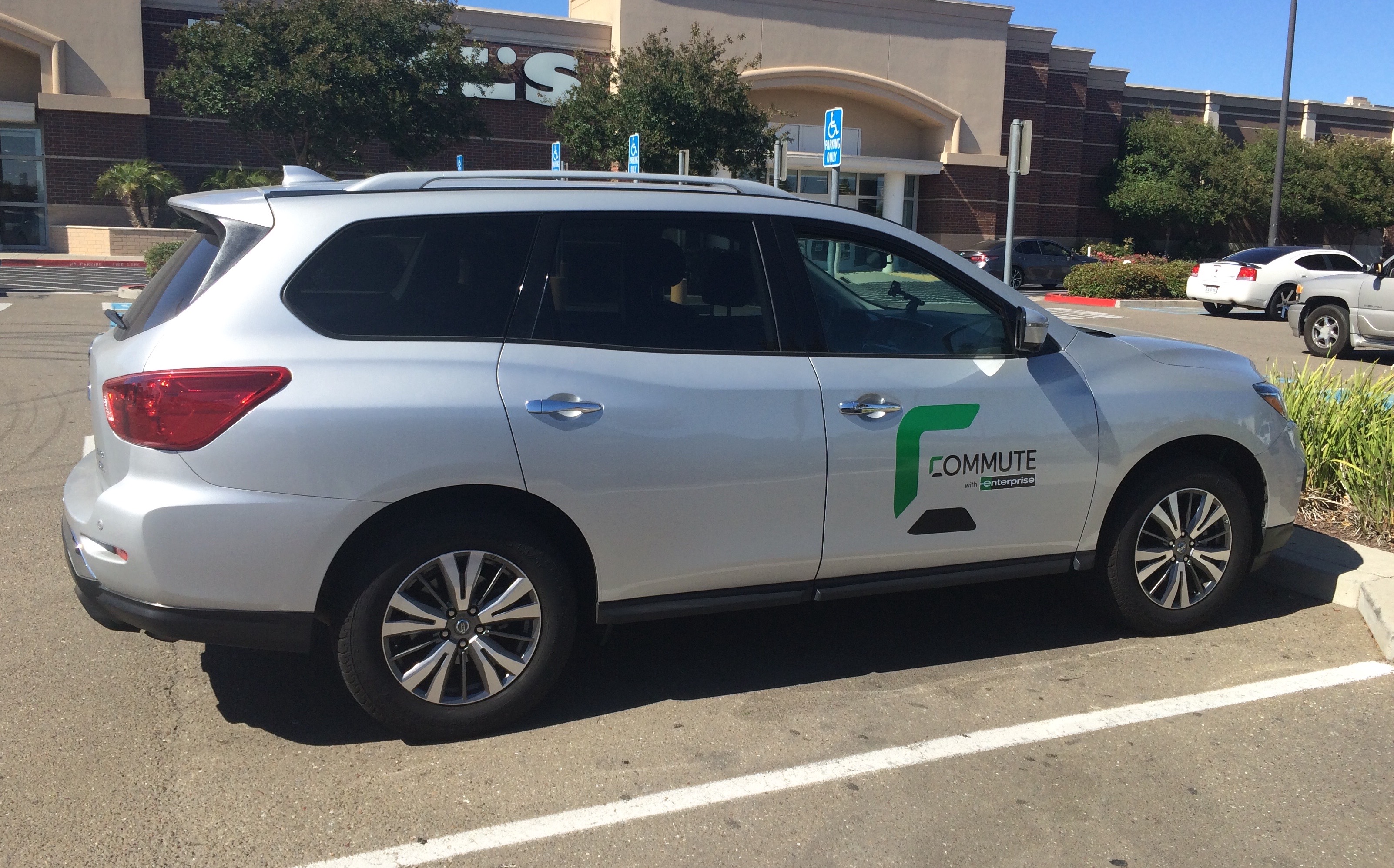
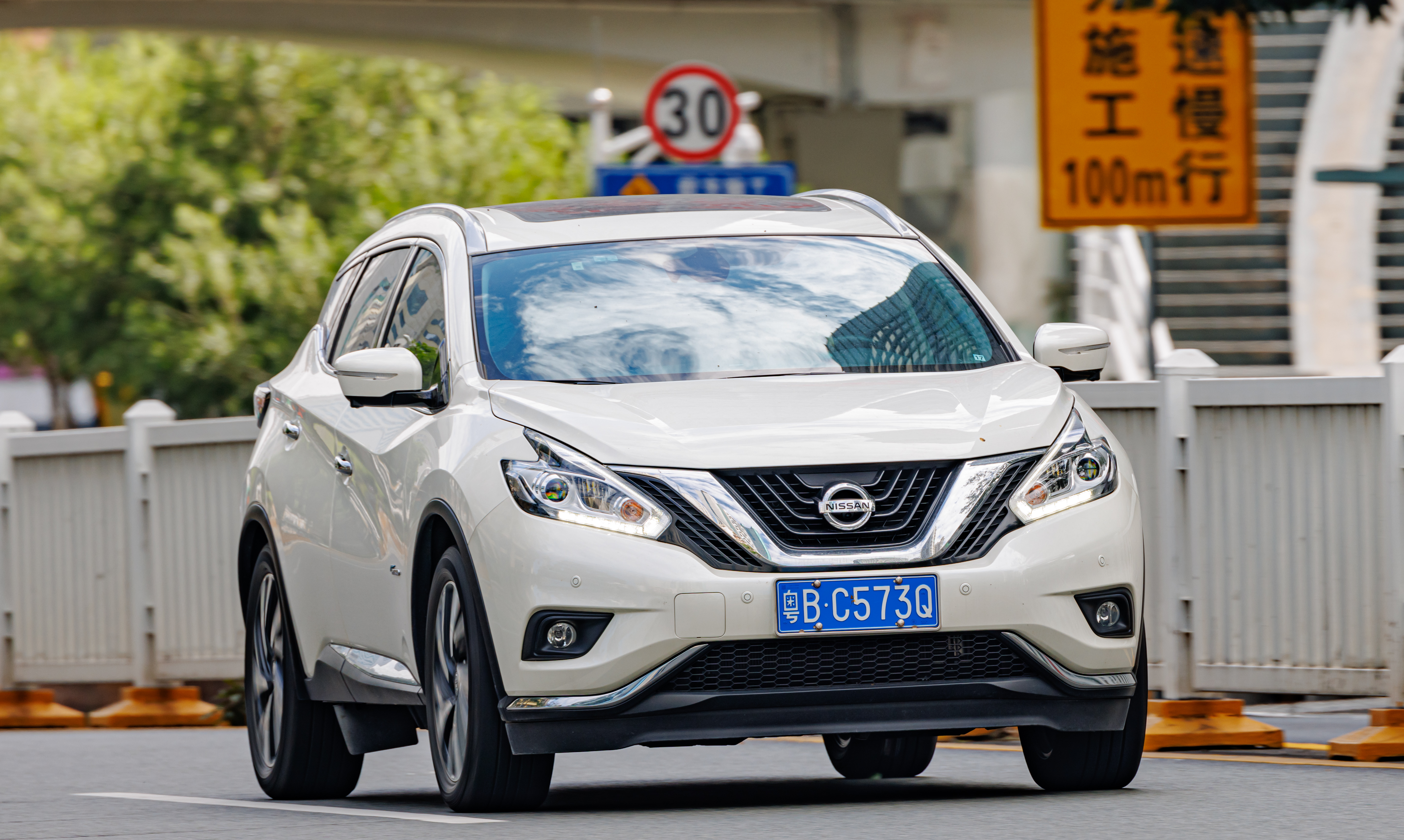
A mid-sized family SUV from Nissan with three rows of seats. It used to be a rugged off-roader but is now designed to be a comfortable daily driver for families.
The actual average amount of money people end up paying for a specific car, including options and discounts, rather than the official sticker price on the window.
The 'brain' of your car's cabin electronics. It controls everyday things like locking the doors, rolling down windows, turning on interior lights, and recognizing your key fob.
The Toyota Corolla is a small, highly reliable car made by the Japanese company Toyota. It is designed to be an affordable, easy-to-drive vehicle for daily commuting and is famous for lasting a very long time with basic maintenance.
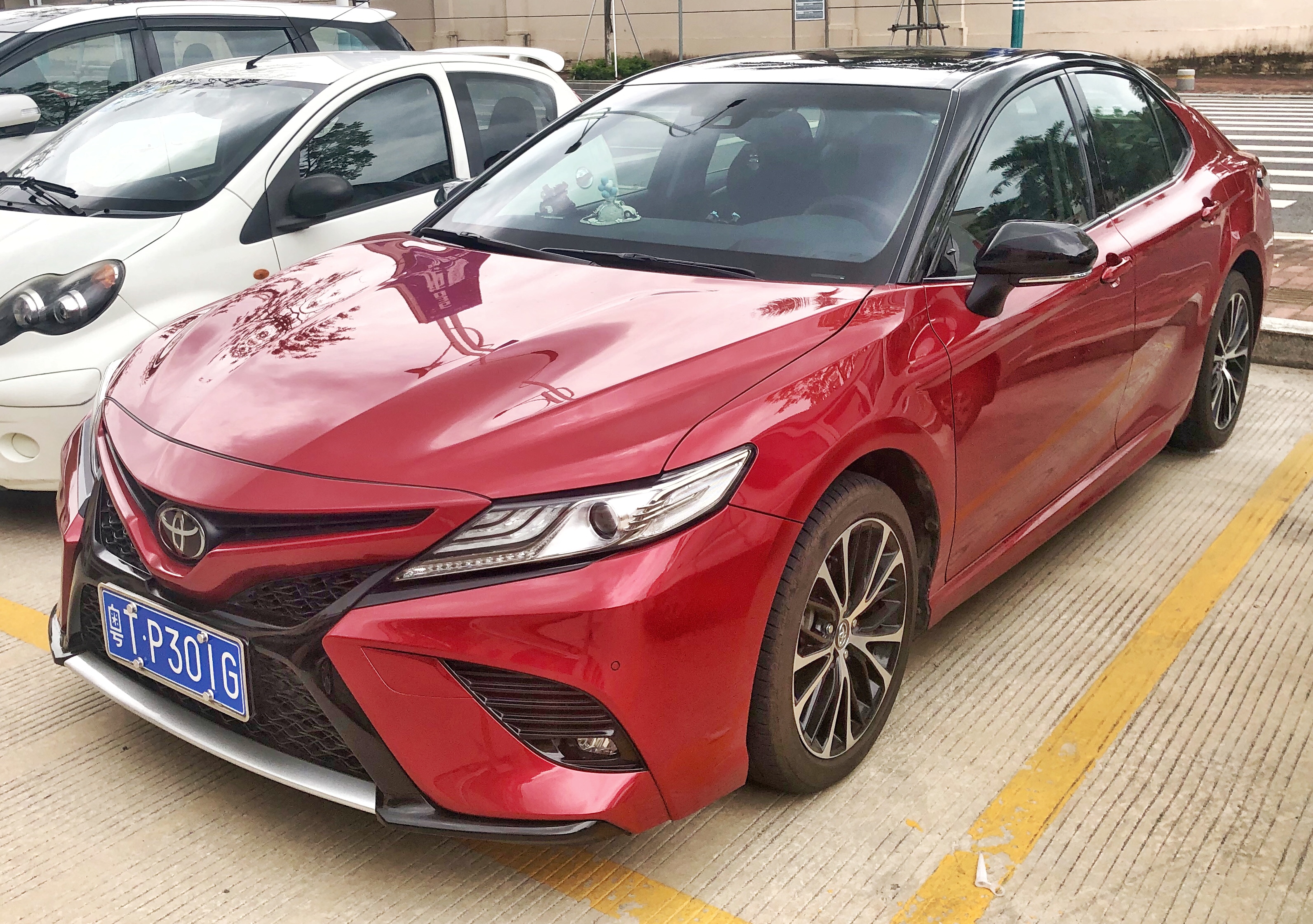
The Toyota Camry is a medium-sized four-door family car made by Toyota. It is larger and more spacious than the Corolla, and newer models use a hybrid system that combines a gasoline engine with an electric motor to save fuel.
The Chevrolet Equinox is a mid-sized, five-seat SUV made by the American brand Chevrolet. It offers a higher seating position and more cargo room than a standard sedan, making it popular for families.
A highly popular compact SUV made by Toyota. It is famous for being incredibly reliable, practical, and fuel-efficient, especially in its hybrid versions.
A bank or lending company owned directly by the car manufacturer (like Ford Credit). They exist solely to provide loans and leases to people buying that brand's cars.
A small, highly affordable pickup truck made by Ford. It is designed for people who want the utility of a truck bed but the easy driving and great gas mileage of a small SUV.
A massive, powerful V8 SUV made by Nissan. It is built like a truck, making it great for towing heavy trailers or carrying large families.
LIVE
Oh, I just love it when people that listen to my radio program slash podcast make the
trip down to Greenville, Tennessee to do business with us.
That's such an honor.
It really is.
I mean, I take it to heart.
And I know that folks that live in, you know, Abingdon, Virginia, it's a pretty good hall
to get to Greenville, Tennessee, but they do it.
I've had many from Southwest Virginia and up in the tri-cities, you know, the signal
from a radio station that I'm on doesn't go to, well, it might get to Morristown, does
get to Rogersville.
A lot of people come over from Rogersville.
So why do they come?
Because they feel comfortable with me and they like, I guess, my philosophy on business.
But, you know, that's why that I tell folks, you know, find somebody that works at a dealership
that they sell a vehicle that you like and trust and develop a relationship with them.
Get to know them.
I mean, they may not be a car guru, but they're nice folks.
And if you really need them for some reason, you need an emergency repair or you need an
extra set of keys or you need a discount on something that's going to be real expensive
in the shop, you got somebody that you can go talk to about it and maybe get some help.
So I mean, I'm happy to be that guy, but if you don't like Ford's or Nissan's or what
we have in our used car inventory, then I really can't help you that much.
I can give you advice and that's one thing that I do.
That's my mission is for people to call me on my cell phone, 4235
522020 say, Hey, Lenny, what do I do?
I need a new car, but I don't know what to buy.
I've got a knocking noise in my engine.
What do I do?
My car's using oil.
What do I do?
Hey, I just did a video on my Facebook.
If you're not a Facebook friend of mine, go to Lenny Terry Lawson and I haven't kicked
my wife off yet.
So it's Lenny Terry Lawson and asked to be a friend and you will see all my
podcaster listed on there and you'll see that video that I just did about a very
important critical engine component.
I guess they're all critical, but this is the piston and the connecting rod.
I know sounds boring, doesn't it?
Well, it's not because I made it humorous and provided a lot of information
that I'm willing to bet that 95 to 96 percent of you have no clue about it.
You probably never even seen a piston.
Well, you'll see one on this video and you'll learn about the leak that I have
in my ceiling in my office.
Yes, I was shooting the video and I had my iPad aimed up and I'm looking at it
and I said, My goodness, there's that water leak again.
It's only been, you'll see, I've been here in this building for, well, since 2007.
And so it's been a lot of years and that leak has never been fixed.
Now I know what it's like to take a car back and not be able to get it fixed.
It's frustrating, isn't it?
But anyway, it's a part of the video.
We had something interesting happen yesterday at a customer call.
I knew these folks and they had been shopping around different dealerships.
Shame on them.
And then called me and they said, Can we bring our four trade ins to buy two cars?
And I said, Of course you can.
And they arranged to have some extra drivers.
It was a husband and wife, a daughter and a son-in-law and they drove their
vehicles to Gateway and they wanted us to look at them and give them a number
for it so they could see how much equity they had.
What had happened is, is that one of the, one of the folks's parents had passed
away and left behind two vehicles.
Tell me that's not a common occurrence.
It happens all the time.
What do you do with that extra vehicle that you don't need?
Well, they had been driving two of these vehicles and they just had a lot of miles
on them and just weren't appropriate for their needs.
So they decided that they wanted a new Nissan Murano and a Nissan Pathfinder, both new.
They knew the equipment that they wanted on it.
They knew the, I guess they had settled on their minds with financial arrangements,
what percent they were going to pay down and all this stuff in addition to the trade-ins.
Now, when we're looking at these trade-ins, they were all in varying conditions.
First thing we do when we look at a car is we find the VIN number.
If it's, you know, a certain age, it's going to have a barcode on it.
We had, we take our cell phone, we open up this application called dealer link and it brings
up a barcode scanner.
We scan the VIN and it pushes it into this application or app and basically tells you
what it's worth.
Well, let me rephrase that.
That was a misnomer.
It doesn't tell you what it's worth.
It tells you what Blackbook is, what NADA book is, what Kelly Blue book is, what vehicles
like it are advertised online and what people are asking for them online.
It's a very complete, does an immediate scan, must use AI to do that.
We put in the miles, we put in the equipment, we put in also the dents and dings and scrubbed
wheels and busted windshields and, you know, overall condition of the vehicle.
We determine what's it going to take to make this vehicle frontline ready.
Is it going to be ever frontline ready for Gateway Ford?
It may not make the cut.
We cull a lot of them.
What do you do with them?
Well, we take them to the auction and we sell them as is and there's a lot of dealers out
there that buy older high mileage vehicles and fix them up to a certain extent.
But you know, we had two of these vehicles that had check engine lights.
Well, how do we know what the problem is there?
Well, we have a scan tool.
We plug it in, it tells us what the codes are, it diagnoses as much as possible, you
know, not like a certified technician would, but it gives us an idea and also gives us
a price range of what it would cost to fix that if we had to, if we decided to keep it.
So then we drive the vehicles and see how they drive.
We check the condition of the tires, see if they have any paintwork.
Most of these were older cars without any previous body damage, but they had a lot
of current dents and dings and stuff like that.
So we came up with numbers for each of the cars, presented that to the customer.
They thought that was very acceptable.
They told us what they wanted to pay down in addition to the trade equity.
And then we told them what we would sell the new Pathfinder and the new Murano for.
Just so happened that the Murano in July, the rebate went up from $3,000 to $4,000.
That's real money.
And then the Pathfinder was you could get 0% financing for 60 months or $3,500 in cash
rebate from Nissan.
So what did they decide to do?
Well, they decided to pay a certain amount of money down and finance the rest and not
take the 0% financing because they were going to pay them off sooner.
So, you know, it's just this thoughtful kind of decision and you've got a dealership
that's willing to sit down and explain everything to you and discuss where we're
coming from on the numbers and even willing to negotiate some to make the
customers feel more comfortable.
Well, for example, you know, you may offer somebody $9,500 for their trades and they
may say, well, could you just make it 10?
Well, when you got four cars, you know, you can spread out 250 per car and I can
still come out.
So if you have a similar situation and you're out shopping for a vehicle and, you
know, if somebody disappears from you and they say, well, we need to go appraise your
car and they come back five minutes later, they didn't appraise your car.
They didn't even look at it.
They didn't drive it.
You know, they should be gone 15 minutes or so.
They need to do some research.
You know, what a lot of them do is they just scan it, go right back to the desk and
start structuring the deal.
They don't know anything about that car.
They're high volume store and they don't care.
And what they end up doing is low balling you.
You know what that means?
That means they give you significantly less for your vehicle than it's worth.
Now, if you go into a dealership knowing what your vehicle is worth by calling the
car guru, then you've got it made.
You've got the upper hand.
Okay, I'll be back in just a minute.
I was playing with one of my grandkids.
He's five.
And we were playing a game and he said, he looked up and he said, what are you doing,
bruh?
I said, what did you say?
What'd you call me?
Bruh?
I said, I'm pop, pop.
I'm not bruh.
And matter of fact, I don't even know what bruh is.
Well, he just kind of scowled and he's the only one not smiling in our family beach picture.
But he's a wonderful kid.
Love him to death, but he can be a little cantankerous at times.
And guess who he's named after?
Me.
They didn't use my whole name though.
They just called him Leo instead of Leonard.
They thought Leonard was a little old fashioned.
So Leo is doing just fine.
He'll be okay.
But will you be okay?
Well, let's see a 2016 Honda CRV.
How's that for a segue?
The CRV LX average transaction price in 2016 was $27,761.
Do you think it's gone up?
Yes.
Average transaction price in 2026 for a Honda CRV LX, $38,778 over $11,000 more expensive.
What else are you getting though that you weren't getting back in 2016?
Well, let's look and see what the differences are.
Engine, the engine size has actually gone down.
It was a 2.4 liter four-cylinder.
Then now it's a 1.5 liter turbocharged three-cylinder with more power.
In 2016, it had a five-inch display, no touchscreen.
Now it has a nine-inch touchscreen, and that's standard.
It had basic Bluetooth back in 2016, no CarPlay or Android Auto.
Now it has wireless Apple CarPlay and Android Auto.
It had manual cloth seats and steel wheels.
Now it has power seats.
It had, let's see, they have this thing called a Honda Sensing Suite, which was like blind
spot monitoring and a few other things like cross-traffic alert.
You had to pay extra for it.
Now it's standard.
It had no automatic emergency braking, so if you were not paying attention, you dropped
your cell phone, looked down to pick it up in the floorboard, and you would just slam
right into the car in front of you in 2016.
Now it will stop before that happens.
It had no lane keeping, no adaptive cruise control.
Now it has both.
It had no wireless charging.
Now it does.
There was no push button start, and now it has push button start.
Now that's something that has really changed the world for people.
I remember back in, now here I go again, back in the old days, in the 70s and 80s, maybe
even, yeah, even into the 90s, we were cutting keys for $5 a key.
Yeah, if you came in, I was an official key cutter for a long time, and we'd get the key
blanks out, we'd look at the key number on your key, we're looking up based on your
VIN number, and then I would cut the keys, and this little cool little handheld device
I do it with.
Now, it's $700 for a key, not in all cases.
Some of them are in the mid-3s, still that's awful, but that's because your key fob is
communicating with your body control module in your vehicle, and when you push that start
button, it wants to make sure that the right key is in the house, and it will allow the
car to start.
Also it will unlock the doors as you approach the vehicle, it will do all kinds of neat little
things like that.
Is that something you could live without, all that different stuff, you know, I like
the safety equipment, I could live without wireless Apple CarPlay, I mean, I like listening
to podcasts and things like that, but I'm just fine with an AM-FM radio, and then they
start putting eight tracks in them, you remember those?
Well, apparently nobody is buying base model cars anymore, everybody is, well, let's say
you look at an advertisement, let's see what the average advertised price is for some of
the most popular vehicles out there, versus what the actual transaction price is for the
car after they buy it, you ready for this?
So the price that got them in the door on a Toyota Corolla was $22,150, what did they
end up spending on average $26,412, let's just go down this list, a Toyota Camry, they
came in on a 29.3 offer, they left after spending $36,746, Chevy Equinox came in on a $28.8 offer,
they left after spending $36,568 on a Honda CR-V, they came in on a $30,920 offer and spent
$39,879.
This is the worst, the Toyota RAV4, the best selling car in the United States, they came
in on an offer of $31,910, they left spending $41,472.
Now some of that has to do with people upgrading the equipment, like, well, maybe going from
a regular RAV4 to a hybrid, but this is one of those things where folks, you just, you
go in and you got these plans and maybe you've done some payment calculations and you know
what you can afford and then you just get all excited and you see all these other things,
it's like going to Lowe's, you know, you go in there to buy a filter and you look at
your $1,000 bill afterwards and you say, what did I do?
We just have no discipline, do we?
I know I suffer from this same malady, so don't feel bad.
The funny thing is income adjusted affordability has hardly moved.
Now payments are higher, but when it comes to how long it takes to actually pay for a
car like if you were, how much of your annual income on average as an American, does it
take to pay for the average new vehicle?
Well, in 2016 it took 33.7 weeks of your income to pay in full for a vehicle.
Now it takes 34.9, so it's just an extra week.
As far as monthly payments are concerned, they've really gone up, folks.
The payment is up 60%, but that's offset by the fact that incomes, maybe not yours,
but on average incomes are up 53%.
What has really impacted monthly payments, folks, is, you know what it is?
Yeah, of course you do.
Interest rates.
In 2016, the average rate was 6.35% on a car loan.
Now I'm not talking about, you know, the 0%, the 2.9, the 1.9, those are called subvented
rates or subvened interest rates.
They are subsidized by the manufacturer of the product.
They buy down the rates, not at your local bank, but with their captive finance companies
like Ford Motor Credit for Ford, Toyota Motor Credit for Toyota, and so forth.
So, what has happened to rates?
Well, they've gone from 6.35 to 9.53, so that has made a huge difference.
This Cox Automotive study that I'm referencing here is looking at the, really through 2026,
it's a mid-year review, and the affordability of cars is still a big issue, and we're seeing
the manufacturers start to take note and think about building more affordable vehicles,
getting things that are available back down at 20,000 or less.
There's this new truck that has just come out.
It was backed by Jeff Bezos with Amazon.
It's called Slate, you may have seen it, but it looks like a Ford Maverick.
It's just a little truck, but you can actually turn it into a little SUV.
It's almost like building a Lego, and it's very basic.
It doesn't have very many options at all.
It does not have Apple CarPlay and Android Auto, and a lot of the things that people are used to.
It doesn't even have Powerwindus.
Could you live with that?
You know, would you as a younger person rather jump into a brand new car with a full warranty
than some used piece of junk that has no warranty, and you don't know the history of it,
but the new car is more affordable and has a lower monthly payment than if you bought a used car
and financed it?
Yeah, I think most people would do that.
We just have to get back to where we don't demand so much from the automakers to keep
adding more and more equipment.
I don't need my car to drive itself.
I don't need it to park itself.
You know, all of this technology, it won't be long before we don't even have to do anything.
We just get in our car, it doesn't even have a steering wheel.
No brake pedal, no gas pedal.
Unneeded.
Hopefully it has an ejection seat and an automatic parachute for that seat.
Just in case something goes awry, I'll be right back.
One of the biggest challenges we have, and it probably doesn't sound that big of a challenge
to you, but when somebody buys a car and many times they haven't even seen
like a third of the features that the car has, and they've never seen under the hood,
they don't know how to check their oil, they're in too big of a hurry.
They have been at the dealership for a couple hours or all day in many cases,
hopefully not at my dealership, but they've been here a while.
They want to go home.
They get out of the finance office, they've signed all the paperwork,
they're headed to the car, and then the salesperson says,
no, we need to spend another at least an hour and a half together.
No, thank you.
I'll read the owner's manual.
But they don't.
They don't read the owner's manual.
They never raise the hood.
They don't even know how to raise the hood.
That's not everybody, but that's a lot of folks.
So one of the things that I recommend is when you buy a new vehicle,
if you want to get out of there, I get it.
You either, when you get home, maybe the next day or some Saturday morning,
get the owner's manual out, sit in your car, and just figure out how everything works.
And if you don't want to do that, then call the dealership, speak to the salesperson that you
bought the car from and say, listen, could I come in for a full review of everything this car has?
Because I'm having a hard time figuring it out.
You know, there's a lot of programming that you have to do.
It took me probably 30 minutes to really understand the new Nissan Armada
and setting up my wife's profile versus mine.
Because every time I got into the car, if I didn't have, if I just had her key fob,
then as soon as I got in and sat down and hit the start button,
I would have my entire body crushed by the steering wheel because it's trying to return
the seat where she needs it.
And I would have to catch it, you know, by pushing another button to get it to stop going
forward and put the seat back where I need it, adjust the mirrors where I need it,
you know, fix the instrumentation.
You can even change the color of the dash and all kinds of different shapes and scenes and
things like that.
It's just, it's a lot.
You need to take the time to figure that out or at least bypass all of it.
Because there's a lot of features on that new car that you have that you're just not aware of.
And if you take the time, it'll be worth your time.
You don't want to do it when you're going down the road.
Bad decision.
Well, thanks for listening to this edition of My Car Guru.
Again, if you have any questions, you want to find out what your car is worth.
You don't know how to handle a particular situation with your vehicle, that it's broken down,
you know, transmission shifting, funny.
There's so many different things that can go wrong with modern vehicles.
I can help you navigate that.
Send me an email.
Lenny Lawson, 2020 at gmail.com.
Or send me a text to 423-552-2020 and I'll get back with you.
Thanks for listening and I'll see you next time.
About this episode
Navigating the modern car dealership doesn't have to be daunting. Host Lenny Terry Lawson shares insider secrets on how dealerships appraise trade-ins, highlighting a unique case of a family trading in four vehicles for two new Nissans. The discussion shifts to the rising cost of car ownership, comparing a 2016 Honda CR-V to its modern counterpart to explain why prices have jumped by over $11,000. From advanced safety tech to the gap between advertised prices and actual transaction costs, this guide helps buyers understand what they are actually paying for.