Katarina Kyvalova shares her exhilarating journey into the world of classic car racing, particularly her experiences with pre-war Bentleys. From her first race at the 24 Hours of Portimao to her adventures in the Beijing to Paris rally, she discusses the challenges and thrills of racing vintage cars. Katarina highlights the unique driving dynamics of pre-war vehicles, the camaraderie among historic racers, and the adrenaline rush that comes with racing. Her passion for classic cars and the stories behind them make for an engaging conversation about the beauty and challenges of historic motorsport.
Katarina Kyvalova races everything from pre-war Bentleys to Jaguar E-Types at places like Le Mans, Spa, and Monaco. We talk about her mad first race in a 1928 Bentley, how she handles gearboxes with no synchro, and what it’s really like driving five weeks across the world in the Beijing to Paris rally.
Enjoy.
https://www.instagram.com/kkyvalova/
Chapters:
00:00 – Why Racing Is Addictive
03:01 – From Classic Rally Co-Driver to Vintage Race Addict
05:57 – Baptism by Fire: Her First Race Was a 24-Hour in a 1928 Bentley
09:05 – Endurance Racing in Pre-War Machinery (No Seatbelts, No Syncros)
11:59 – Mastering Crash-Box Gearboxes and Central Throttle Pedals
15:12 – Jumping Between Pre-War Bentleys and GT4 Cars
18:02 – Adjusting Driving Style for Every Car – E-Type vs. Healey vs. LMP
21:02 – Beijing to Paris: A Five-Week Endurance Rally With No Team Support
24:09 – What Makes Historic Racing Totally Different From GT Racing
26:57 – Learning Teamwork at 100kph: Rallying With No Backup
30:07 – Brake Fade, Sticking Throttles & Other Historic Race Surprises
33:10 – Dream Garage, Future Races & the One That Got Away
Learn more about your ad choices. Visit podcastchoices.com/adchoices
"...join a rally as a co-navigator, you know, as a passenger in the car simply for classic car rallies. So that was pretty much the start of me, you know, loving classic cars itself."
Classic car rallies are events where old cars are displayed and driven. People who love these cars come together to enjoy the experience and sometimes compete in driving challenges.
Classic car rallies are events where vintage cars are showcased and driven, often in a competitive or celebratory manner. Participants typically navigate through a set route, enjoying the camaraderie of fellow enthusiasts and the beauty of classic automobiles.
"...just go to Concord d'Elegance. I loved pre-war cars from beginning on, the beautiful 23rd, these coach-built cars..."
The Concord d'Elegance is a fancy car show where classic and vintage cars are displayed. It's a place for car lovers to see beautiful old cars and appreciate their design and history.
The Concord d'Elegance is a prestigious event that showcases classic and vintage cars, often featuring rare and beautifully restored vehicles. It's a celebration of automotive design and history, attracting enthusiasts and collectors from around the world.
"...I loved pre-war cars from beginning on, the beautiful 23rd, these coach-built cars with beautiful bodies on it."
Pre-war cars are cars made before World War II. They are known for their unique styles and are often considered classic because of their history and design.
Pre-war cars refer to automobiles manufactured before World War II, typically characterized by unique designs and craftsmanship. These vehicles often represent a significant era in automotive history, showcasing the evolution of car design and technology.
"...especially for Bentley, as you said. And I love them."
Bentley is a brand that makes very fancy and expensive cars. They are known for being very well-made and luxurious.
Bentley is a luxury automobile manufacturer known for its high-performance vehicles and exquisite craftsmanship. Founded in 1919, the brand has a rich history in both luxury and motorsport.
"...it was an Austin Healey, 3,000. So, I love them, you know, light blue or sky blue with white, with cream, the classic..."
The Austin Healey 3000 is a classic car from Britain that was made a long time ago. It's known for being stylish and having a strong engine, which makes it fun to drive.
The Austin Healey 3000 is a classic British sports car produced from 1959 to 1967, known for its powerful engine and distinctive styling. It features a 3.0-liter inline-six engine, which contributes to its reputation for good performance and sound.
The Fiat Cinquecento is a tiny car made by Fiat, perfect for driving around town. It was made in the 1990s and is known for being easy to park and use in busy areas.
The Fiat Cinquecento is a small city car produced by the Italian manufacturer Fiat from 1991 to 1998. Known for its compact size and efficient design, it became popular in urban environments due to its maneuverability and economical fuel consumption.
"...was the Austin Healy, was it reliable? Did it end up leaving you in certain places?"
Austin Healey is a brand of sports cars from Britain that were popular in the mid-20th century. They are known for being fun to drive but can sometimes have problems because they are older cars.
Austin Healey is a British sports car manufacturer known for its classic models, particularly from the 1950s and 1960s. These cars are celebrated for their design and driving experience, though they can have reliability issues due to their age and the technology used at the time.
"Well, my first race, shockingly, was in the most unusual car you can start racing with. And it was the Bentley 4.5 liters."
The Bentley 4.5 liters is a classic car from the 1920s and 1930s known for being luxurious and fast. It's a favorite among collectors and is often seen in vintage car races.
The Bentley 4.5 liters is a classic British luxury sports car known for its powerful engine and elegant design. It was produced in the 1920s and 1930s and is highly regarded in vintage racing circles.
"And it was straight 24 hours and straight in Portimao and Portugal. So, kind of, you know, you want to do like suicide and do that."
The 24 Hours of Portimao is a car race that lasts for 24 hours straight. It takes place on a track in Portugal and is a test of how well cars can perform over a long time.
The 24 Hours of Portimao is a long-distance endurance race held at the Autódromo Internacional do Algarve in Portugal. It is part of the endurance racing calendar and tests both driver skill and vehicle durability over a full day of racing.
"And did you have a 4.5 Bentley at that time? Yes, there was."
The Bentley 4.5 is an old luxury car made by Bentley, famous for being fast and used in races. It was popular in the 1920s.
The Bentley 4.5 is a classic luxury sports car produced by Bentley in the 1920s. It is known for its powerful engine and was often used in motorsport during its time.
"So, yeah, I was big in my motorsport racing, you know."
Motorsport racing is when people race vehicles like cars or motorcycles against each other. It can happen on tracks or in different types of races, like rallying.
Motorsport racing refers to competitive events involving motorized vehicles, including cars, motorcycles, and trucks, on various types of tracks or roads. It encompasses a wide range of disciplines, from Formula 1 to rally racing.
"So, was that quite, that must have been or was that quite intimidating, sitting on the start line of a 24 hour Le Mans race?"
The 24 hour Le Mans race is a famous car race that lasts for 24 hours straight. Teams compete to see who can cover the most distance in that time, making it a test of speed and endurance.
The 24 Hours of Le Mans is one of the most prestigious endurance races in the world, held annually in France. It tests the durability of both cars and drivers over a full day of racing.
"And I went to the Nürburgring to do my race car license in Germany because I needed it for the 24 hours."
The Nürburgring is a well-known race track in Germany that is famous for being very difficult. Many drivers go there to practice and test their cars.
The Nürburgring is a famous racetrack in Germany known for its challenging layout and elevation changes. It is often used for testing and racing by manufacturers and enthusiasts alike.
"...they have so-called crash box. And we call it because, you know, when you're not in the right..."
A crash box is a type of transmission that doesn't help you shift gears smoothly. If you try to change gears at the wrong speed, it can make a grinding noise and won't let you shift properly.
A crash box refers to a type of gearbox that lacks synchronization, meaning that the gears do not smoothly engage when shifting. This can lead to grinding or 'crashing' of the gears if the driver does not match the engine speed to the gear speed properly.
"...we had to run to the cars as a Le Mans start. Close to hood of the car yourself, with no help."
In a Le Mans start, drivers have to run to their cars instead of starting in them. It adds excitement and a unique challenge to the race.
The Le Mans start is a type of race start where drivers begin the race from a standing position away from their cars, running to them to get in and start racing. This method was famously used in the 24 Hours of Le Mans endurance race.
"...we did have, oh, I still have, you know, additional lights, fog lights. It's a safety measure."
Fog lights are special lights on cars that help you see better when it's foggy or raining. They shine down low to the ground so the light doesn't bounce back at you, making it easier to see the road ahead.
Fog lights are specialized automotive lights designed to illuminate the road immediately in front of a vehicle, particularly in foggy or low-visibility conditions. They are typically mounted lower on the vehicle and have a wide, flat beam pattern to reduce the amount of light that is reflected back by fog, rain, or snow.
The E-Type is a famous sports car made by Jaguar in the 1960s, known for its sleek looks and fast performance, making it a favorite among car enthusiasts.
The Jaguar E-Type is a British sports car that was first produced in the 1960s, renowned for its stunning design and performance, often considered one of the most beautiful cars ever made.
"...I got an e-type 3.8 liter, you know, 365 spec, quite a grown up car. So that was a huge step for me to going from from Healy into e-type racing."
3.8 liters is a measurement of how big the engine is in the Jaguar E-Type. A larger engine usually means more power and better performance.
The 3.8 liter refers to the engine displacement of the Jaguar E-Type, indicating the total volume of the engine's cylinders. This size is significant for performance and power output.
Historic racing is when old cars race against each other. It's a way to enjoy and remember classic cars.
Historic racing refers to motorsport events that feature classic cars, often from specific eras. These races celebrate the history of automotive engineering and design.
"So yeah, then I was really looking for car, which is eligible for revival."
Goodwood Revival is a famous racing event where only classic cars can race. It's a fun way to see old cars in action.
The Goodwood Revival is a prestigious annual motorsport event held in the UK, featuring historic cars and races. It attracts classic car enthusiasts and showcases vehicles from the golden age of motorsport.
Car
Jaguar T3
"And on the Koopa Jaguar T3, which I'm racing until today in Goodwood, as well as in Monaco."
The Jaguar T3 is a classic racing car that people often use in historic racing events. It's known for being fast and stylish.
The Jaguar T3 is a model that is often associated with historic racing, known for its performance and classic design. It is eligible for events like the Goodwood Revival, which celebrates vintage racing cars.
"When I raced first time in 2016 in Monaco with the Cooper Jaguar, and I was really sort of new racer."
The Monaco Grand Prix is a famous car race that takes place in Monaco. It's known for being very difficult and is a big event in the world of racing.
The Monaco Grand Prix is one of the most prestigious automobile races in the world, held annually on the streets of Monaco. It is known for its challenging circuit and glamorous setting, attracting top drivers and teams from Formula 1.
"...where I've done a bit of radicals. And I can normally find someone in a radical, very similar to mine on that circuit on that day."
Radical is a brand that makes very fast cars designed for racing on tracks. They are known for being lightweight and powerful, which helps them go really fast.
Radical is a British manufacturer known for producing high-performance sports cars and racing cars, particularly designed for track use. Their vehicles are lightweight and often feature powerful engines, making them popular in motorsport.
"So the GT4 notes is like different worlds. And I don't even look at them."
GT4 is a type of racing class for cars that are based on regular production models. They are modified for racing but still look and feel like the cars you might see on the road.
GT4 refers to a category of sports car racing that is designed for production-based vehicles. These cars typically have modifications for racing but retain many of their original features, making them more accessible for amateur racers.
"...ini, you might have a E type, there might be some cobras or something in the, like, I think I'm crossing ..."
The Shelby Cobra is a classic sports car that was made in the 1960s and is famous for being very fast. It was designed by a man named Carroll Shelby and is loved by car collectors today. People talk about it because it's a symbol of powerful and stylish cars from that time.
The Shelby Cobra is a high-performance sports car that was produced in the 1960s, known for its powerful V8 engine and lightweight design. It was created by Carroll Shelby and is celebrated for its racing success and classic styling. The Cobra is often discussed for its status as a collector's item and its influence on the muscle car era.
"you might have a mini, you might have a E type, there might be some cobras or something in"
The AC Cobra is a classic sports car known for its powerful engine and lightweight body. It's a popular car among car enthusiasts and is often seen in racing events.
The AC Cobra is a British sports car that was produced in the 1960s. It is famous for its powerful V8 engine and lightweight design, making it a formidable performer on the track.
"...there is only one ID line. Sometimes there are corners, the people sort of, you know, discussing how to do this line..."
The racing line is the best route to take on a racetrack to go as fast as possible. All drivers aim to follow this path, even if their cars are different.
The racing line is the optimal path taken around a racetrack, allowing drivers to maintain the highest speed through corners. It is generally consistent across different vehicles, although some cars may have unique handling characteristics.
"...I can't take chicane like you do with a, you know, nimble Lotus, right?"
A chicane is a part of a racetrack with a series of sharp turns that drivers must navigate carefully. It helps slow down the cars and makes racing more challenging.
A chicane is a sequence of tight corners in a racetrack designed to slow down cars and increase the difficulty of navigating the course. They are often used to enhance safety and create overtaking opportunities.
"to downshift to change the gear. So so that requires really, obviously, a long experience compared to modern cars, right?"
When you downshift, you're changing to a lower gear in your car. This helps the car go faster or have more power when you need it, like when climbing a hill.
Downshifting is the process of shifting to a lower gear in a vehicle's transmission, which allows for increased power and acceleration. It's often used when more torque is needed, such as during overtaking or going uphill.
"...space and time for these kind of unforeseen situations, what could happen. And also clearly in the brakes, I mean, they are big, you have huge wheels, big brakes, they are bad, they're predictably bad, but right..."
Brakes are what help a car slow down or stop. They press against the wheels to create friction, which is how the car slows down.
Brakes are critical components of a vehicle that allow it to slow down or stop. They work by creating friction against the wheels, which can vary in performance based on size and design.
"...e pretty much. Yeah. And you were in a, was it a Mustang? Is that right? Yeah, it was, it was a Mustang f..."
The Ford Mustang is a famous sports car that started being sold in the 1960s. It's known for being fast and stylish, making it a favorite for people who love cars. Many people talk about it because it represents a fun and adventurous driving experience.
The Ford Mustang is an iconic American muscle car that was first introduced in 1964. Known for its powerful performance and distinctive design, the Mustang has become a symbol of freedom and rebellion in automotive culture. It is often discussed for its impact on the automotive industry and its enduring popularity among car enthusiasts.
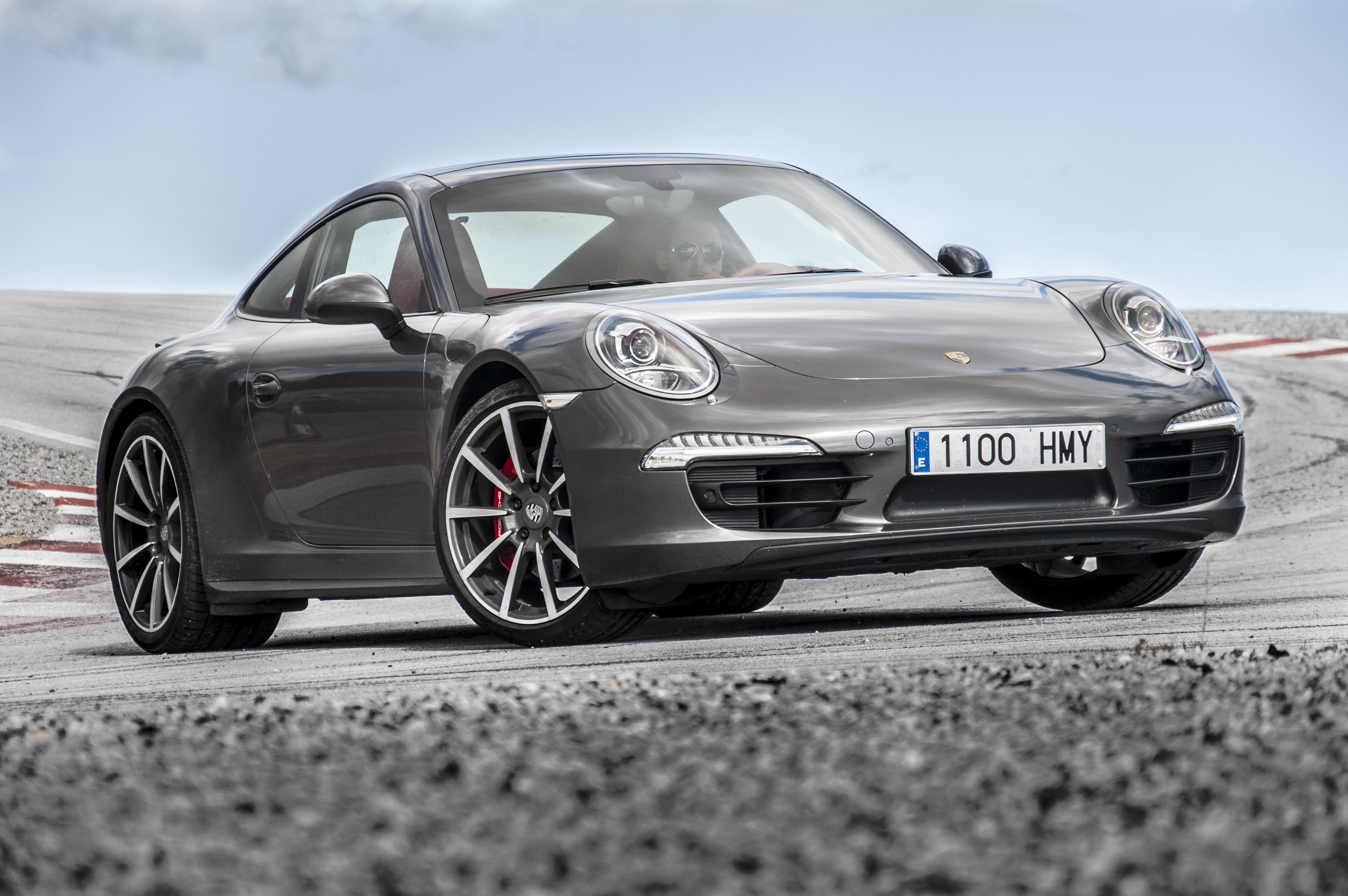
"..., let's do it together. And he is good at Porsche 911 S rally car. But the organizers said they have a..."
The Porsche 911 is a well-known sports car that has been around for a long time. It's famous for being very fast and having a unique shape. People often talk about it because it's considered one of the best sports cars ever made.
The Porsche 911 is a legendary sports car that has been in production since 1964, renowned for its distinctive design and exceptional performance. It is celebrated for its rear-engine layout and has become a benchmark for sports cars worldwide. The 911 is often discussed for its racing pedigree and its evolution over the decades.
"...r the rest of your life, what would it be? Good. 275 GTB Ferrari. That's, yeah, something that does a lot ..."
The Ferrari 275 GTB is a beautiful sports car that was made in the 1960s and is famous for being very fast and stylish. It's one of the most admired cars from Ferrari, and many people want to own one because of its history and design. People often talk about it because it's a symbol of luxury and performance.
The Ferrari 275 GTB is a classic sports car produced in the 1960s, known for its elegant design and impressive performance. It is considered one of Ferrari's most beautiful models and is highly sought after by collectors. The 275 GTB is often discussed for its historical significance and its role in establishing Ferrari's reputation for luxury and speed.
"... can do so much with it. I could, I always think Jaguar C type ticks so many boxes as a car you can use. It's no..."
The Jaguar C-Type is an old racing car from the 1950s that is famous for being very light and fast. It won many races, including a big one called the 24 Hours of Le Mans. People talk about it because it's an important part of car racing history.
The Jaguar C-Type is a classic racing car produced in the 1950s, known for its lightweight construction and aerodynamic design. It achieved significant success in motorsport, particularly at the 24 Hours of Le Mans, and is celebrated for its engineering and performance. The C-Type is often discussed for its historical importance in the evolution of sports cars.
"...don't know. Maybe, geez, you caught me. I have a ranger over these days, right? I'm driving a drive reall..."
The Ford Ranger is a type of truck that can carry heavy loads and is good for driving on rough roads. It has been around for many years and is popular because it's useful for both work and everyday driving. People like to talk about it because it's a reliable choice for a truck.
The Ford Ranger is a mid-size pickup truck that has gained popularity for its versatility and capability, especially in off-road conditions. Originally introduced in the 1980s, the Ranger has undergone several redesigns, with the latest generation offering modern features and improved performance. It is often discussed for its practicality and value in the truck segment.
– Why Racing Is Addictive
– From Classic Rally Co-Driver to Vintage Race Addict
– Baptism by Fire: Her First Race Was a 24-Hour in a 1928 Bentley
– Endurance Racing in Pre-War Machinery (No Seatbelts, No Syncros)
– Mastering Crash-Box Gearboxes and Central Throttle Pedals
– Jumping Between Pre-War Bentleys and GT4 Cars
– Adjusting Driving Style for Every Car – E-Type vs. Healey vs. LMP
– Beijing to Paris: A Five-Week Endurance Rally With No Team Support
– What Makes Historic Racing Totally Different From GT Racing
– Learning Teamwork at 100kph: Rallying With No Backup
– Brake Fade, Sticking Throttles & Other Historic Race Surprises
– Dream Garage, Future Races & the One That Got Away
Select text to request an explanation
New Year, same extra value meals at McDonald's.
So now get two snack wraps, plus fries, and a medium soft drink for just $8.
For limited time only, prices and participation may vary.
Prices may be higher in Hawaii, Alaska, and California and for delivery.
Shopping is hard, right?
But I found a better way.
Stitch Fix Online Personal Styling makes it easy.
I just give my stylist my size, style, and budget preferences.
I order boxes when I want and how I want.
No subscription required.
And he sends just for me pieces, plus outfit recommendations and styling tips.
I keep what works and send back the rest.
It's so easy.
Make style easy.
Get started today at stitchfix.com slash Spotify.
That's stitchfix.com slash Spotify.
Well, the holidays have come and gone once again.
But if you've forgotten to get that special someone in your life a gift,
well, Mint Mobile is extending their holiday offer of half off unlimited wireless.
So here's the idea.
You get it now.
You call it an early present for next year.
What do you have to lose?
Give it a try at mintmobile.com slash Switch.
Limited time, 50% off regular price for new customers.
Up from payment required, $45 for three months, $90 for six months, or $180 for 12 month plan.
Taxes and fees extra.
Speeds may slow after 50 gigabytes per month when network is busy.
See terms.
How we say racing, it's you can't replace it with anything else.
It gives you the kick, the adrenaline and everything.
And you get out of the car and you're busy.
And for me personally, there's no other kick of this kind with other support or whatever.
It's addictive.
It's highly addictive.
Hi, everyone.
Welcome to the CarChat podcast.
I'm Sam Morse and I'm here with Katarina.
Hello.
Hi, Sam.
Welcome.
Welcome to the podcast.
Can you tell the listeners a little bit about sort of short summary of who you are and what you do?
Yeah.
Well, I'm Katarina Kupala, my name.
I'm born in Slovakia and living in Germany for, oh my goodness, quarter of a century.
And clearly fell in love with cars many, many years ago.
Why?
I don't know.
Cars found me, but absolutely lived the passion and racing, rallying and everything.
When I got four wheels, I'm just in love with that.
So I'm lost around the world.
A long, a long time fan and in deep.
Now, how and how did you get to the point?
Because I was, you know, having a look around and I looked at various articles and stories
and seeing you in racing some Bentley's and things like that.
How, you know, how did that sort of like come about?
How did you get to the point where you're owning a Bentley and racing a Bentley?
And also like, why older cars?
Like, how did that part of the journey come about?
Yeah, it was a very, I would say, unusual start into the automotive world.
I had, oh, I have still friends who love cars.
So I just found myself many, many years ago and a group of car friends who just, you know,
got me into that a little bit, you know, to join a rally as a co-navigator, you know,
as a passenger in the car simply for classic car rallies.
So that was pretty much the start of me, you know, loving classic cars itself.
And the step was very close.
Then, you know, just go to Concord d'Elegance.
I loved pre-war cars from beginning on, the beautiful 23rd, these coach-built cars
with beautiful bodies on it.
So, yeah, I started to go to Apple Beach and I don't know, you know, Concord d'Elegance and just
admired these cars.
So race cars back in time.
It was just like ugly, you know, I was like, I don't understand what it's all about.
I was absolutely in all my world.
And, you know, the one thing come with the other one and, yeah, got a chance to drive
a classic car at some point by chance.
And I seriously knew straight away, like, this is my thing.
This is my, this is my hobby.
I knew I'm lost.
So, yeah, so that is why I love pre-war cars.
And I have a really, there's a huge space in my heart for pre-war cars until today,
especially for Bentley, as you said.
And I love them.
They are, they are like a huge beast and drive them.
It's great, great fun, you know, everybody think like it's, they are slow.
I've got no hope.
So, yeah, still, still using them, loving them.
And, yeah, always choose them when I have a chance.
Yeah, I think we've always my first car.
And what was the, what was the first car you, did you get into racing straight away?
Or, yeah, what was the first sort of classic?
Well, first, my first, the very first car which I sort of bought, it's, it's,
it's a long time ago, it's like maybe 20 years ago.
And it was an Austin Healey, 3,000.
So, I love them, you know, light blue or sky blue with white, with cream, the classic.
The classic color, yeah.
Exactly, 3,000, big engine, you know, good sound.
So, it's a girly, girly car in the sense of, but still, still good engine.
So, it was my very first car.
And I drove just in town with that, you know, just, you know, to the office and bag.
And, you know, to the pub around the corner.
So, that was my very first car and I have it until today.
I think I will never sell it, you know.
Your first ever car.
Yeah, well, not ever car, classic car, not classic.
First classic car, okay, yeah, yeah.
First car ever, oh my goodness.
It was Fiat Cinquecento, honestly.
Oh, nice.
With 18 painting or 20 painting, the wheels, you know, it just didn't cost anything.
So, always sort of had a crash on cars from beginning on, after I made my driving lessons.
So, yeah, that was, you know, the very basic begin of me, you know, driving cars around.
Yeah.
And was there, was the Austin Healy, was it reliable?
Did it end up leaving you in certain places?
Oh, God, you know, you know, Austin Healy, especially in the summer, you know, my feet,
my shoes were almost like melted.
So, I never forget it.
You know, it was so hard, but it never gave up.
I like played cool and, yeah, no, it's a great car.
And, you know, back to your question with racing.
I fell in love with the idea.
And my first race car that I ever was, Austin Healy again, because I felt like this is the
way forward, big Healy.
And, yeah, so I sort of stitched to them for a while.
And where was that first race?
Well, my first race, shockingly, was in the most unusual car you can start racing with.
And it was the Bentley 4.5 liters.
So, it was the 1958 car.
And it was straight 24 hours and straight in Portimao and Portugal.
So, kind of, you know, you want to do like suicide and do that.
I never raced.
I never been to circuit before properly.
I had no idea what Apex are, all, you know, terminology.
And, yeah, my good friends in the UK, a free will Bentley drivers convinced me,
you know what, you can drive to car quite okay.
Why don't you join us for this race 24 hours?
And I said, yeah, well, why actually not?
So, having no idea what I did myself.
And did you have a 4.5 Bentley at that time?
Yes, there was.
And it was a very short time, to be fair, because I sort of drove the car, but I was
far off the driving skills, which I would say, yes, I can drive the car pretty well these days.
But back then, I was driving it, you know, I did one millimetre in that,
one rally properly in that.
And that was me done in terms of experience.
So, committing myself for 24 hours, right after with the three goals,
Bentley bells and all the story, which I sure you know, that was kind of crazy.
So, yeah, I was big in my motorsport racing, you know.
Had you driven it on track?
Have you driven much on track before that?
Never, I've never been on track.
I've never been, no, I've never, no.
I was a regular visitor from Goodwood, Goodwood Revival.
I was so proud, you know, living in Germany, no one knew back in time.
I'm talking early 2000s, right?
I became a member of the GRRC and I was going every year to Goodwood,
sitting on the grandstands.
And clearly, I love that, you know, racing, watching it.
But I never did one single lap actually on a circuit.
So, was that quite, that must have been or was that quite intimidating,
sitting on the start line of a 24 hour Le Mans race?
Well, it was in 40 miles, thank God for that.
It's a demanding track anyway.
But of course, you know, I had to do my race car license to start with quickly.
So, yeah, I rented a car at the Frankfurt Airport.
Now, this is a true story, it's so bad actually, I can't believe I've done that.
And I went to the Nürburgring to do my race car license in Germany
because I needed it for the 24 hours.
And that was the first moment where I really realized, you know,
being in the rental car doing my race car license.
Oh my goodness, like this is crazy.
I mean, I don't know if I made it, you know, I did my first laps,
you know, I was breaking too early, too late.
And that was the moment where I thought, well, the idea might be a bit,
you know, crazier than I thought.
But, you know, I just, you know, I did it.
I was like, I'm not pulling back.
So I guess, I guess you don't know what you don't know.
Yeah, that was the great thing.
You're absolutely right.
Because I had this freedom in my mind in the sense of I had no idea
what I was, what I committed myself to, right, clearly.
And I told many people around.
I didn't want to sort of give up and look, you know, bad.
I found my three girls, so I didn't want to cancel.
They had experience, all of them with racing.
I was the only rookie, like really.
And yeah, I think it was just the lightness of not knowing what I'm up to,
what I'm actually putting myself, getting myself into.
And yeah, I'm sure there wasn't.
What were they saying to you before the start?
The girls?
Yeah.
Well, we never met before.
Did you have a conversation?
Well, we had a conversation on the phone because I was clearly running out of time.
Yeah.
So we had only, we had only three months to the race.
So I had to make do my race car license, right?
Yeah.
To start.
Then we won the phones.
The dear friends from the UK found these crazy girls who were like,
sort of willing or had said, okay, let's do it with this girl one over there.
And we just had no time to meet.
So, you know, we were on the phone and so on.
And they went testing.
I went to Goodwood to drive track day, you know, the couple of laps.
And we met literally in Portugal and Portimao then before the race.
And one of us could probably change the gear on the Bentley.
So that was hilarious.
So, yeah, we were learning on the parking lot behind the track, you know, how to change
these gears is tricky.
And we're changing from first to fourth gear for the next 24 hours during the race.
That was a true story.
So, and with that, like learning to drive that car, presuming the gearbox, you've got to,
you know, like get the revs right to get the gears to go in.
Otherwise, they just bounce out.
Is it like that?
Or has it got any sort of synchro?
No, no, absolutely not.
I always say when you can drive a pre-world Bentley, you can pretty much drive everything.
This was the easy step for me then to go to different cars clearly.
They have so-called crash box.
And we call it because, you know, when you're not in the right,
you know, when the gearbox doesn't have to ride speed for the particular gear,
you are not getting the gear in.
So you are not able, so it's crashing, so you'll never get the gear in.
So that's the ultimate test, you know, if you're able to drive a Bentley or not.
And yeah, the car doesn't let you do it.
You know, it's a huge, robust car and the gearbox is, you know, you can't break it.
And, you know, and then you have a double D clutch clearly, you know,
you have to blip the throttle on downshift.
And the main thing, you have to central throttle and brake on the right.
So that's really different gig competency for cars or even later cars.
So all this together, you know, it's kind of a tricky way to drive and to race it.
Because in a race, mainly, you know, it's so easy to forget in the heat of driving
that you have to throttle in the middle and brake.
And all the gears and everything.
Did you have any, like, particularly hairy moments?
In a race.
In that race, no, I don't think so.
Very gently, you know, driving from first to fourth, saving the car.
And that was all right.
When I watched some footage from that, that was 2014 when we've done that.
Yeah.
And I think, Jesus, we had no sort of idea about racing line, you know,
literally driving, you know, we did our laps, let the cars and the guys
pass over the only old female team.
And I just admire literally backwards, you know, ourselves for the enthusiasm.
And then we were so well prepared.
We were the best prepared team in terms of strategy, right?
Fueling, refueling, and we used to wear sheets over sheets.
So that was really female approach to racing, quite fun.
No, that was fine.
I can't remember any hairy moments, not in that race.
So you're basically going for a drive?
Basically, I was like, let's have fun.
Yeah, yeah, having no sort of idea.
I like that.
And we had to drive because back, you know, there was a back to the original idea
of Bentley boys driving in Le Mans.
So we had to run to the cars as a Le Mans start.
Close to hood of the car yourself, with no help.
Do 20 laps with closed hood.
And then when over the driver change, open the hood and carry on.
So closing hood on a Bentley, you know, on your own.
That's a thing itself.
So very good for movie or something.
We had good videos of that.
Very entertaining.
I went for fun.
You know, I ended up racing right after because it was so good.
And, you know, what I had during the race, I have to say,
one of the most memorable and epic moments when it was just sunrise.
And I was in the car in the early morning and I saw the sunrise in Portimao.
And I never forget it.
And I literally, you know, thought this is amazing.
This is better than rallying.
This is better than racing.
And here I was, you know, straight away to racing.
That time of day on a track is super special.
It is the night, the long night.
Every endurance driver, you know, the moon and so on.
The night is endless.
It's darkness and it's just bad.
The moment you see the light and sun is like, oh my God, almost done it.
Well, actually not.
But the light gives you certain hope.
There's a light at the end of the tunnel in the end of the race.
That moment was very memorable.
And what are the lights like on a car like that at night?
Can you see very far?
No, terrible.
Absolutely terrible.
We did have, oh, I still have, you know, additional lights, fog lights.
It's a safety measure.
But still, I mean, with them, with the spots, you can see better.
But the lights, the original lights, they are huge.
But honestly, like two candles is anything you can't see much.
Even in the Lamon, you know, I'm racing the car in Lamon regularly.
And in the middle of the night, you're really guessing sometimes
where the corner is because, yeah, they are high, you know, high.
So they are like, you know, you can see the trees clearly, but not where you should go.
And so was this, this was the start of a new, a new thing?
Have you then done a bunch of, have you done a bunch more races?
Did you do a bunch of more racing in that Bentley?
Well, it was the absolute ultimate start of racing.
I had my race hilly by then.
I literally boarded in our auction, not knowing.
I had the decision to go racing and went back to Portimao two weeks later,
straight away with this Austin Healy.
Oh, wow.
Which because I thought, like, I know the track.
Everybody told me, you know, the track after 24 hours go.
And yeah, I was, it was, it was, it was more serious than, you know,
be surrounded by GT cars and in the rain and rumble.
And yeah.
So I kept on racing my Austin Healy and, and the Bentley until today and clearly,
you know, go into e-types and all different cars.
And there's no help, you know, once you are in it, it's nothing.
Exactly.
And was there a point in time when you were like, okay, racing one car, that's great,
but actually I need more than one car at the weekend.
Yeah, yeah, exactly.
It's clearly it was influenced from my friends.
You know, I got into the racing circles and you have these friends who are racing
more cars and giving you ideas, which are very nice.
You know, you could race this and that.
Oh, it's a bad influence.
Friends with bad influence, clearly.
And so yeah, I stand later on Solar Healy, the race Healy.
And instead of that, I got an e-type 3.8 liter, you know, 365 spec, quite a grown up car.
So that was a huge step for me to going from from Healy into e-type racing.
And, you know, I was like, I can't waste any time.
So I went straight away in those past six hours and the big, the big races and
baptism of fire straight away.
And sure, you know, I'm back to back to the story with Goodwood Revival.
My old, the only big dream was I want to race around the revival.
Who doesn't?
Who is in historic racing?
So yeah, then I was really looking for car, which is eligible for for revival.
And on the Koopa Jaguar T3, which I'm racing until today in Goodwood,
as well as in Monaco.
And it's a lovely, it's a lovely car, the proper race car.
And I'm still growing into it.
I have to say, I'm not 100% there yet.
How do you drive?
Well, what do you have to, how do you have to drive all those cars differently?
Well, you have to, obviously, in terms of just like center throttle and whatever,
but like in terms of how they handle and things like that.
It's a funny thing when you have more cars at one weekend.
So you're racing more cars the same weekend from different periods.
I find it sort of, I find it okay, like center throttle and all that's,
that's something you don't think about.
I don't think about in the Bentley.
You know, when I jump from Bentley to Bentley, they're different.
You don't think about, it's just straight away automatic.
What is different is how you, how you, how you're driving this itself.
You know, the braking points, turning points, you know, the speed you carry through corners.
It takes me a couple of laps to just then, you know, adjust and, and, you know,
drive it in differently than new car.
But, you know, I think when others can do it, I always say I can do it too.
So I'm trying.
Yeah, totally.
Do you like, do you make detailed notes from each track and each car and things like that?
Or not so much?
Maybe not so much anymore.
I should, but I really remember and I have these notes until today.
When I raced first time in 2016 in Monaco with the Cooper Jaguar,
and I was really sort of new racer.
I, I've got my license end of 2014.
So I had one year racing experience, one and a half, and went to Monaco.
So you can imagine, I did the track walk.
I let Coach explain me everything.
And I had these notes, my notes about Monaco.
And I kept it as like really one page per corner.
And it's very entertaining because absolutely no one, no me,
understand what I was writing there.
And it's full of notes and sort of drawings around, obviously I needed it.
And it's, it's good when you do the notes and I do them, but not like that.
Yeah, that was, that was rather fun.
That must be quite fun actually getting like a,
it's like a, almost like a letter to your future self.
If you, if you wrote some notes every time you went or every year or whatever,
it'd be interesting to look back and like how they've changed.
And you're like, well, I know I'm in the same car, but like all the things I'm thinking about
are completely, they must be completely different now loosely to way back when you first started.
True. It's absolutely true.
You reduce it to less notes.
You reduce it to the most important notes, like the information you need.
I definitely write down less because you remember some, some, you know, some stuff.
I just recently raised in Barcelona for the first time. I've never been there.
And actually I didn't do any notes. You, I look at notes from others, right?
These days in the internet, you can find so many helpful,
so much, you know, helpful information and tools and, and on board videos.
That's more than sort of my, you know, my learning tool. And yeah, the notes were very little.
And, and I just, you know, tried to remember the key points, turning points, breaking points.
It must be a bit tricky. I've done some, some racing in a variety of things,
but never in any older cars. And I can always look at
sort of some reference YouTube videos where I've done a bit of radicals.
And I can normally find someone in a radical, very similar to mine on that circuit on that day.
Or, you know, and so you can go, it's basically that's flat and fifth, that's third, that's second.
You can pick up that information. But I guess in historic stuff, all the cars are like a bit
different. Sometimes people have some that are a bit faster than they should be.
You know, so you, can you use those reference clips as much like that?
Well, that's a very good question. Very good question. Because I did some,
oh, I do from time to time, GP4, some modern stuff did radicals too, like you.
And I'm not sure if I could apply those notes for the historic ones.
I think the corners, yes, if it's a double APEC, right? Oh, just, just the basic, but just the
absolutely not. Because you can imagine like the difference between people time and let's say
radical, right? Yeah, we are going to kill yourself. And I like, I always like to just,
just keep them apart. So the GT4 notes is like different worlds. And I don't even look at them.
So even if I have the same circuit, I keep all these notes for next time. And they're my historic
notes. And the GT notes are different, because I think it's going to confuse you otherwise.
Oh, totally different. But even in, within the class, if you have, I don't know,
I don't know what races against each other, like, but you get a whole variety in the classic series,
you know, you might have a mini, you might have a E type, there might be some cobras or something in
the, like, I think I'm crossing classes a little bit there. But, you know, you get some quite different
cars. Do they still follow the same line in an ideal world around the track? Or actually,
do some cars drive the circuit differently based on the style?
No, I would definitely say we all follow the same line. In the end of the day, there is only one
ID line. Sometimes there are corners, the people sort of, you know, discussing how to do this line,
you know, which is better. But in general, it's the same line, absolutely independent from the car
which you're racing. So I would say that's, that's the same for all of us.
In general, is, you know, I think touring cars are different. You have the, you have the element
of sliding, for example, right? So that's, you know, that's a little bit different or on the
pre-war cars, you know, I can't take chicane like you do with a, you know, nimble Lotus, right?
The Lana or something. So it's lovely to see that line, but I'm not even able to make it.
So it's obviously there are differences, but there's only one ID line for all of us.
Yeah, I guess whenever I see the Bentley is going around, I was just, they just look so big
and, well, they look heavy. I don't know, they are like heavier than some cars, but they don't
drive like that, do they? Or do they? Okay, it's a question. What are we comparing with?
Okay, yeah. I definitely confirm they look, they look more impressive and heavier or complicated
than they are, but it's easy to say for me, right? Because I've raced them now for decades, for two
decades. So that's, that's a different, that's a different thing. And it looks easy to me, but
when I let dry friends or let have a go try and I see how they struggle, you know,
if it's changing the gear or even turn the wheel, right? You can't turn the wheel when you're not
moving. It's impossible, right? There's 2.1 times. It's just, so you know, thinking about a carry
speed through corners, it's just you do drive them differently. And I have to say when I see it,
then I think, okay, this is something you have to gain as experienced drive them in a certain way.
And definitely to race them, I have to say when I started to race to Bentley, it's like
more competitive than my first race. And it was in Le Mans. And I had the helmet on, I couldn't
hear the rafts. So you change the gear pretty much. I do it, I'm not looking in the rough
count, right? But you know, but sound, so this is a good, you know, I know how much I have to,
you know, use to central throttle and oblip and get the gear in. And I had the helmet on and I had
these roaring cars around me. And I couldn't really hear it. And then in the night, the gearbox was
colder. And it was it was a totally different gig. And I really struggled with some corners to change
to downshift to change the gear. So so that requires really, obviously, a long experience
compared to modern cars, right? It's the night or day they drive like clock, Swiss clock. So
so that is something what takes time and they are right, they are heavy. I'm not going to lie.
You know, when you are like into tight corner and or quick corner, right, you have muscle
loss afterwards. I'm in the middle, you know, that's, you really feel what you've been doing for
three or four days. So I thought about that, like that totally not being able to hear the exhaust.
I have a theory on like sports cars driving on the road that they need to be a certain volume
with the exhaust, like the noise coming to you needs to be a certain volume for it to like
engage properly with my brain, where you're like, I can hear very, very clearly what's
happening with the throttle. And that that feedback loop totally comes through. And you
saying not being able to hear the engine, it makes me think of
ages ago, I play the guitar, and I was doing a concert, it was back when I was at school,
and we were in this like sort of stadium, big hall type thing. And it got to the point where
I was meant to be doing a solo. And I pressed the button on my amp to change channel or whatever.
And I couldn't hear it. I actually could not hear the guitar at all. And it's that thing if you're
like, well, I kind of know how this goes. But I've got no reference point whatsoever. And you're
just kind of like, okay, well, let's just hopefully this works out. But yeah, I can imagine.
It's very chilling. So what was there a solution to that? Do you go, it's already straight pipes,
we can't make it any louder, or you just have to learn? Oh, solution of Jesus, I was driving.
Oh, I still, it happens to me, as I said, Hello Morning is just the perfect example.
Happens to me that I'm not even able to change the gear and you don't have much time, right?
And eventually you have to have then your hands in the corner with both hands on the wheel,
you're not going to turn otherwise. So I was in a high gear and going through
corner and I changed the gear afterwards. Well, that is a solution you have to help yourself
somehow, right? Pretending you have everything under control. Yeah, change gear afterwards,
spectators have no idea, but clearly you are you're a slower out of the corner. So
learning, you know, I'm going, you know, now to the morning to not even two months. And
I see myself already like, you know, having the same situation again, because you forget it somehow.
Let's see. Do you leave a little bit more space in a car like that for these things,
then say, instead of you race the GT4 GT4, I presume it's paddles, you're pulling the downshift,
it's changing down, you don't need to think about that. But this you're like, well, there's a chance
I might stuff this gear change, at which point I'm going to go another four meters further ahead
or whatever. Hopefully there's no wall. Yeah, exactly. I'm leaving and giving myself way more
pace and time for exactly this kind of, you know, chingling around, especially at the begin,
where I didn't drive now to Bentley for a long time. I did, you know, big rally last year,
so I put the racing a little bit aside. And I kind of nervous about it, because you don't
sort of don't forget it, but you are out of practice. Yeah. So I see myself already giving
myself even a little bit more space and time for these kind of unforeseen situations, what could
happen. And also clearly in the brakes, I mean, they are big, you have huge wheels, big brakes,
they are bad, they're predictably bad, but right. So to pick up the right breaking points, because
once you're not able to stop the car, it's not good. It's just not good. Right. It's like
terrain goes. So anyway, we have no seat belts, right? No seat belts. No, no, no seat belt is
nothing. And, you know, you were just sliding on the seat from left to right. And it's just like,
that is kind of really crazy, what are we doing there? And especially after GT, when I, when I
started, you know, do GTs and the radicals, I went back to pre-war, I realized how dangerous that
actually is. I was never realizing it until I went to GTs, so the level of safety measures and
how really save these cars are, right? And going back into this, I drive more careful. I have to
say this, this lightness we were talking about at the beginning, right? It's there, but not into
that extent. What is good, I think is good, because it's things are happening and, you know, in the
end of today, we're doing it for fun. Yeah, totally. And then I guess like, do you find the people,
because of this, the racing is quite different in modern GT type stuff versus more historic?
Do the car, do people in the cars act differently, or is it down to the individual?
Good question. I think, personally, there's a difference between GT drivers or modern
cars, racers and historic racers. Who is doing modern racing is a good reason to do it, you know.
So it's not like they own a car, like historic, some racers, who means they own a car and heritage
it. There's a story about every single historic car in the paddock. So the people have different
reasons why they go racing with these cars. And in the GT racing, you go racing because you planned
it. So for purpose, right? The majority of people are renting these cars and don't own them.
So this is a different approach. And I think this is also differently. You know, we are all friends
and maids in the pit lane and paddock. We talk to each other and so on. In the GT racing, as you
know, it's a very serious business, right? We all sit and look at data. We are friends, but we are
not like from garage to garage having fun. That's more serious business. So it's a different world.
For me, it's a very different world, which is beautiful in both, on both sides, when you like it,
when you like, when you like the, you know, the elements of it. But yeah, there are differences
from my point of view, yes. And the two people are different, even, right? Sometimes, you know,
historic racers now these days like to go to GT. And they're quite surprised. Like, wow, this is
like, they call it less friendly, but it's more head down and everyone is focusing on our business.
It's not, it's not that what we have in the historic racing. And it's great in a certain way,
but also more serious, definitely, but more, you know, more colder atmosphere.
What is good? Sure. So do you have more fun historic racing?
Oh, that's a question. I don't have more fun. I love more, I love more historic cars to start
with. I'm coming from that. They have more soul, historic cars. What is beautiful? I just
raced in Spa a few days ago and it, it calls gentlemen's trophy. And it's amazing, amazing
racing was because there was so many brands, right? So many cars from different periods.
The look, they all look different. They're beautiful to look at. I mean, you don't have it
these days, do you? Right? You go to GT historicism, they sort of look. They're kind of all the same,
but not all the same, right? The beauty just disappeared. I think these days, car manufacturers
are building cars for efficiency, right? They're doing, they're building in less or the other
aspect of beauty is pretty much less on the list they follow. So it has to be aerodynamics and so
and, and, and it just disappears. So when you look at these historic races, you know, races,
and you see this grid of beautiful cars, how, how can you love it? I think everybody love it,
like spectators, you know, we love it. And you have to be one unit with the car. GT racing,
they're machines. You're there. And if it doesn't work, you can blame the team. We have always
this, you know, book of excuses, obviously, but, you know, with historic cars, you have to sort of
think things couldn't go wrong more often than in a modern cars. And it's okay. It's part of the
game. Have you ever had any interesting situations with like, throttle sticking and stuff like that?
Sadly, yes. Yes. I always feared it's going to happen. I had to thank God for that only once.
Not in the best situation ever, not in the race. I had it at the Milamilia in Italy.
What is even more dangerous? Because you have normal traffic there. And it was in the Bentley
and it was really not very busy road and the throttle was sticking. And yeah, thank God,
I remember what to do. Yeah. And indeed, you just turn it off and yeah, the ignition and not the
ignition. And it was, it was, but even that situation because we had some issues with the
ignition. So the mechanic moved, you know, the switch ignition switch to the other side.
I thought it wasn't the usual way, but thank God, I would have been literally like straight
downhill. Otherwise, and don't want to have it again. I have to admit that is not.
No, not a nice feeling. When the car just pulls itself and you can't do anything.
I can't remember when someone, I think it was my coach at some point in time was like, oh, yeah,
we were talking about this and he'd been racing something and I was like, what did you do?
And until someone says, oh, yeah, you just turn off the ignition, you probably don't necessarily
think like if you've never, if that thought process has never gone through your head and no
one has ever said turn off the ignition, I don't think I would immediately think of turning off
the ignition. I'm like, I'm going to pull the press the brakes, pull the hammer, like all this
stuff. They're like, yeah, turn the car off like now fast, and then you're okay.
It's, I think, surprising. Maybe you would have done it, right?
Yeah, maybe, yeah.
And so it's an interesting thing. I was surprised by myself, you know, I was proud of myself.
Yeah, that's the right thing.
Didn't die.
But maybe I told myself so many times what to do in case this happens. Also,
thank racing, you should should not know that's funny enough to split my brain and,
you know, the panic came afterwards. Honestly, it was all fine. I knew sort of what to do
straight away and, and try to avoid the cars hitting them because the car was so far so awesome.
But afterwards, if, you know, when I stopped the car and ignition was off, I think then the panic
came and I was like, oh my God, which just happened.
Yeah, yeah, yeah. You deal with whatever it is, whatever the situation, you deal with it,
and then you stop and go, that was really close.
That was close. Yeah.
It's like with accidents, isn't it? Car accidents and especially in race, in racing,
the panic comes afterwards. Like, you're okay over them five minutes later and you were shaking.
So I think it's similar, similar to this.
Yeah, I had a moment, I'll be interested on your thoughts on this recently. I was driving
someone else's car on track and it turned out, and I've learned a lesson from this, which is
check brake bias, just check it yourself. Don't assume someone else has got it right.
Anyway, I absolutely monstered the brakes going into this corner at Donnington and
just full lock the rears, big spin. The first thought was, I'm going to have to give this guy
a lot of money for his car. The first thought was like, this is going to be a big bill,
and then you're dealing with all the stuff and you're like, got the clutch down and whatever,
and then you realize, okay, we're not actually going to hit anything. Perfect.
Amazing. And then you sort of think about all the other stuff, but it's really funny that
the thought that comes into your head straight away, I think is like,
am I going to die? No, I'm not going to die. Then like, is this going to be a really big bill?
That seems to have a ghost in my head. Exactly. It is absolutely the process
happening in the brake. Yes, it is. Oh my goodness. Is it going to be bad? Yeah. I'm also always like,
I always think first thing in history, I want to save the car. So I never go into situations
because they are for me like my babies. I don't want to do any harm. So always the thing about
the car, this is not worded. And when you say for the situations, I have it funny enough
regularly and getting better, but still remind yourself. So when you do a driver change, you
stop and you have like two minutes stop and then you carry on, you have to pump the brake
pedal, right? Because we don't have the pressure. So, and when it's the heat of the driver change,
right? And I got literally this weekend again. And yeah, so I went spa and you go straight on the
camel straight from, you know, it's a good speed in the end. And it's been absolutely raining
kids of dogs. And I literally got there where I should start, right? And it's nothing. It's just
like empty. And I knew exactly what happened. I've forgotten it. And I was, I never pumped
the pedal in brake pedals as quick as that. And I was thinking, Jesus, that was again classic,
like very blunt moment. I actually know I should know that. But how scared you are in that moment,
right? Yeah, it's all just so many times. And so many times I'm able to forget it. And as you said,
oh my God, this is going to be expensive. It's you think you're going to crash and die.
Yeah, you're going to get thrown from the car. That's it. It's the moment
you put an input in a car, and it does something completely different to what you're expecting.
Oops. Yeah, not not. But look, we we all do it. Also for that is gives you the kick,
the adrenaline and everything. And you get out of the car and you're buzzing and and I always say
you can't replace it with anything else. For me, personally, there's no other kick
of this kind with other sport or whatever, which gives racers like you and me. And it's addictive.
It's highly addictive. Yeah. And so you've done also done a lot of like big road trips and stuff
like that in classics and things. What have been the funnest, most interesting? What ones have you
done? Oh, I started a little bit like driving rallying tours that was begin as I told them to
begin what I was doing like flying Scotsman and all these sort of classical rallies. That is fun.
That is not serious. You have these irregularities, which are boring for me. But I done last year
recently, the Beijing to Paris rally race, however you call it, which is seriously extraordinary. So
that is that got on top of my list of, you know, road trips. And it's difficult to talk,
because it is the most demanding and longest competition rally you can do. And it takes
five weeks driving. And you go through highs and lows, no supporting is allowed. What is a challenge
on top? And I was doing with a very good friend of mine who is a racer, but never did rally of
this kind. So we had this element to that, okay, let's see how he's getting on and coping with it.
And so yeah, I had to learn how to sort of a little bit work with the car, you know,
because we had to fix it ourselves, or at least every day checks and wheels off and these and
that nuts. So interesting after so many years, I had to get 30. And clearly, it's, it's crazy,
right? You're crossing China and all these countries and you see, you see things you haven't
seen before. And most likely, you're not going to see any soon. And you have these daily dramas,
whatever that is, right? So what were some of the bigger dramas? Well, the bigger dramas,
you can imagine the roads. I mean, the organizer definitely didn't have a purpose. They haven't
chosen the best roads for us. You're not driving highway, right? You sort of majority
of the roads are off road. So, you know, I mean, you lose your shock absorbers quickly.
So all of us, we had the same sort of issues. And it's the amazing dust which you have there. So
just surviving in the car, you know what I mean? You're 40 degrees, you have dust, which you can't
breathe properly, and you can't see anything. You have construction Chinese trucks, you have to deal
with it, right? You almost think you're going to die every minute. And clearly, you stay one week in
intent and camp. So it's the endurance. So I personally love endurance. And this was endurance
like, wow, as it's best. So you do it day by day for five weeks, and that you have to feel the
good spirits. You really have to keep, you know, your, your, you know, good spirits and still
enthusiasm until the very last day. And obviously, we had very big highs and lows, right? We had not
so much experience. We rented a car of pro drive, which was really great. And we did very well. So
our result was for four weeks, what we didn't expect. And the pressure came, obviously the pressure
came. And that is when you start to do mistakes. And, you know, one day we literally stayed with
with no damn prison and things. So, you know, France flew, our good friends flew from
Netherlands to UK, collect them, you know, the new ones, the shocks, and flew to Georgia to the
village, literally in the middle of the night. And handed them over to concierge of the hotel,
the main hotel we were staying. And yeah, I never actually met our friend because it was only hand
over and he flew back again eight hours. I don't know how far that was. So, so and you have to
organize yourself. You have your satellite phone, you have your phone, which hopefully works. And so
you are, it's a mix between driving endurance, being your own manager, your mechanic, you still
have to stay France, clearly, you fall out on a daily basis. We did. So it's really something,
something out of different world, I say this, this trip or was.
Was there a certain time in, when you just started to like, the team sort of came together,
you know, in the car of like, this is what we're doing, this is where we're at. Like, you know,
you find your level, presumably after a certain, you've got ups and downs and whatever. But as
like a team, was there a certain map time in where you were like, oh no, we're, we're sort of in this,
we're doing this now. Yeah, it took us some time because we've never done any rally together.
So we spend so much time in the paddock and racing together against each other, whatever.
This is a different gig. You are 24 seven, actually, together. And there's no way out.
You can sort of set off, you know, your car driver, driver, we were swapping driving,
co-driving, but it's not going to help. So you have to get on. So it took us, I would say,
the first week was very challenging because it's just a system who is doing what? Yeah.
And who is the boss in the car and accepting it other way around? Yeah, not easy. And obviously,
it was very difficult because the beginning and the big Chinese cities, right? You start in
pretty much Beijing, and you go to these huge cities without no navigation, if you want. And,
you know, we have a roadbook. And that's the easiest thing ever to get lost in a 20 million
city. And there's no space to stop and just, okay, let's regroup and do it again. You have to sort
of keep the nerves. What we did and didn't. I would say after seven days, after the first week,
we feel like, okay, now we sort of know how this works. And obviously had our moments, big
moments falling out. But there's more nerves and being tired, exhausted. That is when you start to
be on the edge. But we did so well in the results. So there was what I put us together. It was like,
okay, let's do it. Let's really, let's try it. You know, I reduced myself for one beer a day. I
was like, I'm drinking. I'm taking this seriously. I was so on it. Both of us. And in the end,
honestly, in the last week, it was difficult, very difficult, but in terms of circumstances,
what was happening with the car. And we've been already a team which grown and, you know,
I could have done it for next week. We got to Paris, it was emotional and we arrived and,
you know, unfortunately, you know, the great podium result we lost due to issues with car,
accepted it and actually was sad when we arrived. You know, as a team, we knew what we're doing and
we could do this for next week. Yeah, yeah, yeah. In terms of the logistics of an event like that,
do you get your car to the start and then they've planned all the stops or do you have to plan
the stops as you go? How does that all work? Well, in the morning, you set off, you have no
lunch stop, you have to look what you, how you sort of, you know, where you stop, where you eat.
It's great for losing weight. Brilliant, right? Because the heat and
no food you can imagine in China, you rather sometimes don't need the need. And then obviously,
you know, you have to plan your fuel a little bit. So that is, that is something that keeps you
busy quite a lot. You have to, you know, do your countings. And you have stops where you have to
stop for checks, route check. So it means that you really go the route you're supposed to.
You have speed tests, special stages like rally stages. You have average speed stages,
circuits in between. So you pretty much stop when the organizer tells you to stop. But otherwise,
when you have to time, which you absolutely never have, you pretty much offer you to do what you
want. But it was so, it's tight, the schedule is very tight. So you mostly are chasing the time
because it's on the clock, you have to appear in a certain minute somewhere. And wow, yeah,
you're not bored. It's quite a full rally. Yeah. And are they, are they chosen like you're all
staying in this hotel tonight, this hotel tomorrow, that sort of thing. Yeah. Yeah, also the camping
places, everything they do. And then if you say when you have your damper issue, does that throw
you, did you get thrown back off time or you were like, we know we have this issue, we're going to
drive through it and hopefully, you know, meet the parts further down the line. We were lucky.
That was, that was the very difficult thing to accept in the end, because you have to be also
lucky, right? So when you have your technical issues, you, you pray they're going to happen
when you can allow to have a technical issues means you're not going to miss any check in the
special stage, because then you get a full penalty and you know, you get bad points and time,
extra time penalty time, which you don't need. So we had a clutch issues as the very first sort of
problems and they happen in the end of the day was brilliant. So but what you do, you know,
I had to find a workshop in the middle of Turkey in the mountains, and it was 8 p.m. and I go and I
know find that 8 p.m. So it's a challenge. And then we were there and you know, the change,
the change, you know, the components and so on. And it was like 2 a.m. We didn't lose any time.
It was our time. I was sleeping time. But so that was lucky. And we actually were lucky with all
these things, even with the with the damper is, you know, in Georgia, it was just a lucky
circumstances that we could arrive with, you know, quite a hot, you know, a bumpy car, but we made it.
And the problem was then in Greece was literally three days before finish and we were still,
you know, up in the charts and the fuel pump gave up and we stranded. And that was the end of our
hopes for podium. We missed all checks and all, you know, stages and we knew this is it. In three
days, you're not going to make it up again. So, you know, it was easy. Then we just cruise it home
pretty much. Yeah. And you were in a, was it a Mustang? Is that right? Yeah, it was, it was a
Mustang fastback. Very cool machine, prepared by Pro Drive. Actually a prototype, if you want to put
it in this way. And they have racing legends project. So they prepped this car to really
high rally standards, all within regulations, which are allowed. And it's one hell of,
you know, race ballads. So it's cool, cool car. Perfect for that. But obviously, it was a prototype.
So, you know, we were also testing some, some part of it. And yeah, it was good. Lots of space
in the car for very limited luggage, as you can imagine. So, yeah, it was, it was, it was a good,
it was a good car. When you were choosing the car, was there, were you factoring in,
we're going to have to spend some time in, you know, all these different countries and
fixing stuff? Is there a sort of calculation and a thought process around that of like,
this car might be easier to fix than a different type of car or something?
You mean there's a choice at the beginning? Yeah, before you chose to go in a Mustang.
It was a bit of different story, because we actually, sort of story starts way before COVID,
right? And I put the entry for Beijing to Paris, because it was on my bucket list for ages. And I
had it in a Bentley. And then I heard all the stories how dangerous that is to do Beijing to
Paris in a Bentley, albeit the Privo car, they're dangerous open. And so I said, okay, maybe I'm
not doing it. I don't want to wreck my car. You pretty much, you know, do a harm to that.
So then, then COVID came, everything's been postponed, I didn't know what to do. And then
all this aside, with a little good friend of mine, we just put our heads together and said,
okay, let's do it together. And he is good at Porsche 911 S rally car. But the organizers said
they have already enough Porsche's quite a lot. It's very popular cars in it. And yeah, they came,
we're good friends, obviously. And they said, look, but there's this project from Prodrive,
and we're doing it together. So it's a hero era car. And it's absolutely prototype number one,
and we would love to drive with this car. Would that be an option? So it was then a very easy
convince me to do that. And here you go, you know, and we said, let's do it. And tested the car only
once before, once or twice, in Vista heritage, and went actually out with a car we had zero
experience with, well, learning by doing right again. Yeah. How hard can it be? Yeah, exactly.
I mean, it's not difficult to convince you, you want to have fast, but Mustang and the
Beijing to Paris and it'd be yeah. So it was, it was a good, it was a good decision. Yeah. Nice.
And what are your favorite or do you have a favorite sort of events of the year that you
might go to or typically go to? Do you have any particular standouts, whether like,
I know you've been some of the ice driving stuff that looks always quite cool?
Yeah, as a car event, generally you mean. Yeah, I actually, I do, I do love ice driving
on video mode. That's so fun, isn't it? I absolutely love it. I almost, well, I wish,
but I almost do it every year. It's just, it's just the beauty of the nature there,
what it is. Not only the cars I have to admit, I have really big thing for snow and Scandinavia,
it's gorgeous, it's beautiful. And then obviously drive cars there and I love to go there.
Lapland Ice Driving has, I started to go there because you can drive different cars. It's not
only one brand, so you can swap. That's quite fun. Yeah, that's quite fun. I love that bit of rallying
in between. I like the mix of it, you know, not only one thing, not only circuits. So, and it's
a good thing because the big race weekends or meetings are sometimes only once in two years.
So you have your highlight, you're looking forward to. So that's, you know, bit of,
you know, like more than a gentle all rates of racing and rallying together and doing in October,
what is fun and, you know, this comes together, you always think I'm not doing this year so much
and then in the end of the day, I have a full calendar and I think, what happened? Because
I can't resist. I mean, I think it's the same with you and all of us, like, I can resist everything
except temptations and you know, many want to do it, everything. Yeah, you're like, well,
if I can go to that thing, I'm going to go to that thing because it's cool.
It's cool. And I loved it last time, so I can't give a miss. And just watching it in the media
and others are doing it and you didn't because whatsoever. That's a killer. I've had a lot of
that. It's great. And I think you're honestly, in the end of today was wonderful and I love it.
And I embrace it more just to take a car and drive around yourself with no event, just
go out, go to pub around or just half day somewhere. Have a bit of fun.
Right. Well, I normally wrap these up with five questions. My first question,
I feel like we may have already answered is, do you have a most memorable driving trip or journey?
Well, journey would be definitely the Beijing to Paris, I would say, as I said before. Difficult
top. Yeah. Yeah. Yeah. Fair enough. If you could only drive one sports car for the rest of your life,
what would it be? Good. 275 GTB Ferrari. That's, yeah, something that does a lot to me.
It's a nice looking thing. And to drive, yeah, what's it like to drive? You've got one, right?
Is that right? Yeah. Different. Dog lag, different kick, different way how you have to drive it. I'm
still learning. It's different how you drive Ferraris. You should drive them. So, yeah,
they like to be raft. They like to be driven properly, not cruising around. They like to be,
yeah. So kind of love it. Purity of motor driving or car driving.
What is the most undervalued car at the moment?
That's a good question. The most undervalued cars. I always say that the race cars from the 90s,
but that has been discovered already. So, yeah, that's too late. But I was a sort of like niche
group. One particular car, I didn't think about one. I think they are some kind of Ferraris.
Everybody discovered that these days. I literally have to think about this is a very, very good
question, which still is this one particular car. Yeah, I'm more thinking of period or brand or
something. I think it will come up. I could imagine it comes up. But you know, the, I think
vector racing, I think, and it's coming a little bit up. And I think this is going to be something
new. All the LMP cars, the E1, which disappeared. And that, I think, will come back and they will
just grow in the valley. That's my opinion. Yeah, it sort of fits with the ability to race some of
this stuff now. And as time goes on, the younger people, and you go, Oh, well, I remember those
racing. If I can drive one of those, that's pretty cool. Exactly. Yeah. What do you think? What's
the most interesting car to you at the moment? What are you googling? What are you looking at?
I'm trying not to because that's the most difficult thing.
Geez, you know, obviously, I fell in love with the fastback. I sort of have it now in my hands.
It's very difficult to give up the car and bring it back and hand over. So I could imagine it,
you know, this green color and, you know, the fastback Steve McQueen sort of situation.
So I think that will happen. I think it's nothing sort of super exciting, but
yeah, definitely. And after this experience, I can see myself. I get that.
Final question. Five car garage, unlimited value.
These are the only five cars you're going to have. So if you've got a drive to work or whatever,
it's got to be in one of these. What are you going to have? Wow, okay. Only five. That's difficult.
Well, it will be Alfa Romeo 80. Always a big dream. That will start with 100%.
It will be Ferrari, Shelby base, iconic, tasty car. You can do so much with it.
I could, I always think Jaguar C type ticks so many boxes as a car you can use. It's not that
sort of race to 50 GTO area, but it's a great car. And then from the new period, okay, that's
yeah, one of would be one of the GT1 cars, but which from particular doesn't matter. I just find
them all cool or Bentley Speed 6 P1. I can't get enough of that car, right? The LMP one,
it looks beautiful. One of the most beautiful LMP cars ever produced. I think I could really
see that in my garage. And do I have something left? Do I have one spot left? Let's say,
I think you may maybe watch your daily. You're going to have to have a daily.
Take a Bentley LMP one. Yeah, exactly. Oh, my God, some supercar. What would I like to have a
supercar? I'm not so much into like, I like to sort of, you know, see them drive them from time to
time. It doesn't do as much to me as the others. So I don't know, what would that be?
Really? Honestly, I actually don't know from the newest one I would pick. There would be a blind
pick right now from the new from the daily smile. I don't know. Maybe, geez, you caught me. I have
a ranger over these days, right? I'm driving a drive really boring car on a daily basis. So
it's not exciting, is it? No, but that makes sense. It's got to do a job. I know it is a job
because daily car, you don't get me on that, you know, daily cars from the car, which does the job.
When I have to have a complicated car, be you whatsoever, it might be cool, might be fast,
might be whatsoever, right? And I do have some relatively nice cars, even sports cars. I don't
even take them out sometimes for two years. They're just sitting there. And it's a shame. And
it's not because of mileage, it's because of, you know, it's just too much drama, you know,
just taking it as well. I would always take something more iconic, you know, like Lamborghini,
Nura or something. Well, that's cool, right? That takes the box and, you know, go around.
Yeah, I honestly can't even tell you what I want from the new cars from the sports cars.
There we go. Well, thank you very much for coming on the podcast.
Thank you for having me. Thank you for the invitation.
Sweet.
Request an explanation for:
11 cars
Scroll for more
11 cars featured
Request an Explanation
Heard something you'd like explained? We'll add it to this episode.
Sign in to request explanations for terms you heard.
Want to learn more?
Browse our glossary for plain-English explanations of automotive terms, jargon, and concepts.
See something that's not quite right? Our annotations are AI-generated and can sometimes miss the mark.
Click the flag icon on any annotation to suggest a correction.