The Mercedes-Benz AMG GT is a fast sports car that's known for being very powerful and luxurious. It's often mentioned because of its beautiful design and impressive performance on the road.
The Mercedes-Benz SL is a fancy convertible car that's known for being stylish and fast. It's often mentioned because it combines luxury with a fun driving experience.
Car
Mercedes-Benz 560 SL
The Mercedes-Benz 560 SL is a stylish convertible car made in 1989. It's known for being luxurious and fun to drive.
The Mercedes-Benz GLE is a bigger luxury SUV that's great for families. It's talked about because it has a lot of space and nice features, making it comfortable for long drives.
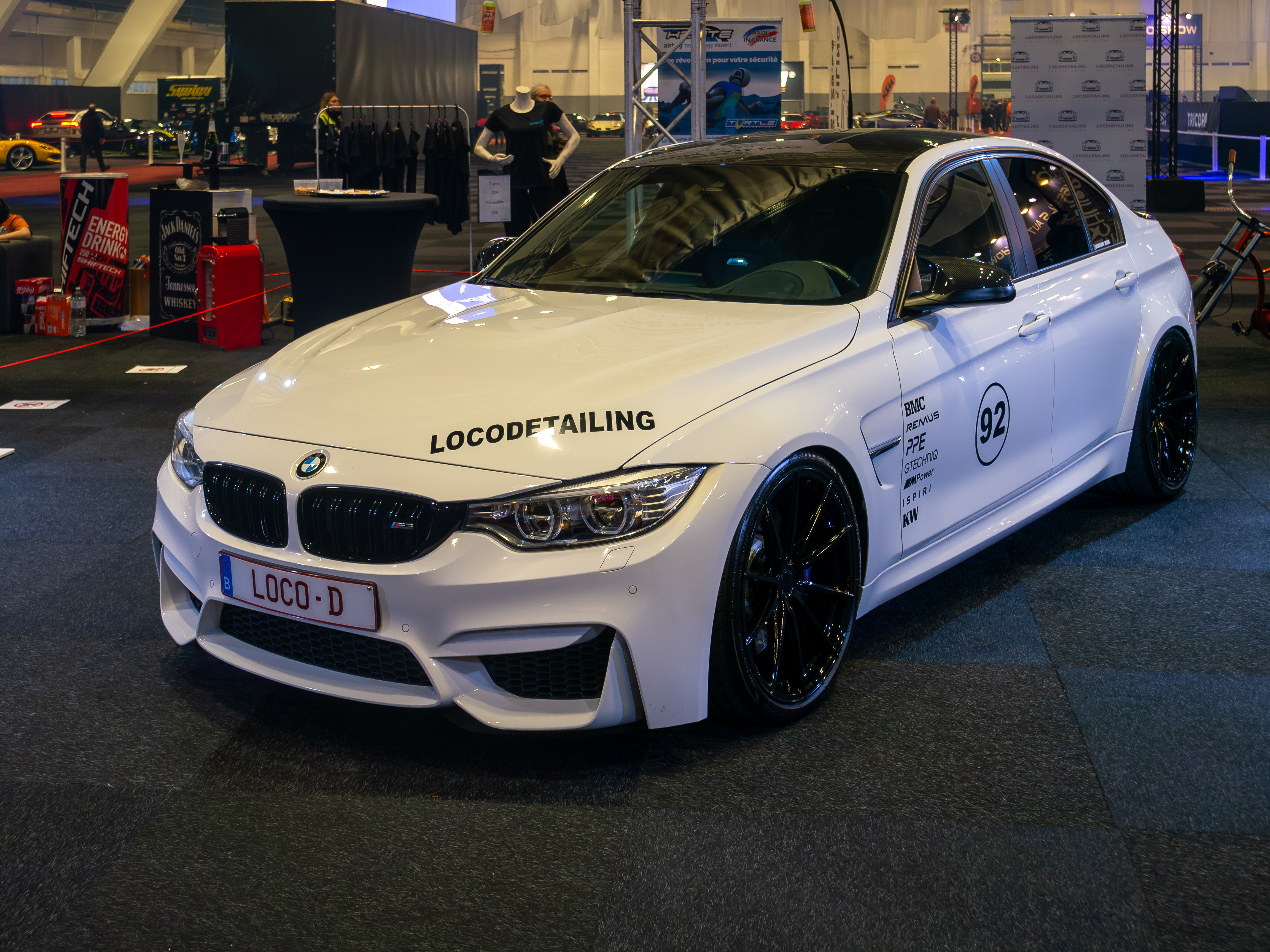
The BMW 3 Series is a popular car that's known for being fun to drive and comfortable. It's often talked about because it combines luxury features with sporty performance, and many people love the faster version called the M3.
The Chrysler 300 is a large car that looks stylish and has a powerful engine. It was released in the mid-2000s and is popular for its comfortable ride and spacious interior.
Hyundai is a car company from South Korea that makes many different types of vehicles. They are known for offering good quality cars at reasonable prices.
Fiat Chrysler was a car company that made many different types of vehicles, including SUVs and trucks. It was created when Fiat and Chrysler combined their businesses.
The 2011 Jeep Grand Cherokee is an SUV that combines off-road ability with luxury. It was designed using technology from Mercedes, which helped improve its quality and performance.
The Dodge Caliber is a small car that was made by Dodge. It was popular for its design and space but had some issues with the quality of its interior materials.
Laguna Seca is a well-known racetrack in California where many car races take place. It's famous for its tricky turns, especially one called the Corkscrew.
The Dodge Journey is a family-friendly SUV that was made by Dodge. It has a lot of space for passengers and cargo, but some people didn't like how it drove or the quality of its inside materials.
The Dodge Challenger is a sporty car that looks like the classic muscle cars from the past. It's known for being fast and powerful, making it popular among car enthusiasts.
The Dodge Charger is a big car that can carry more people and things. It's also designed to be fast and sporty, similar to the Challenger, but with more room inside.
The Jeep Wrangler is a tough car that's great for driving off-road. People love it because you can take the roof off and enjoy the outdoors while driving on trails and rough paths.
The Jeep Wagoneer is a big SUV that has a classic look but comes with modern features. It's talked about because it's a revival of a well-known name that many people remember fondly.
The Ford Flex is a large SUV that's known for its unusual shape and lots of space inside. People talk about it because it's practical for families and has a lot of room for passengers and cargo.
The Rivian R1S is a new electric SUV that's designed for outdoor adventures. It's talked about because it has cool features and is part of the movement towards electric vehicles.
The Rivian R1T is a new electric truck that's made for adventure and outdoor activities. It's talked about because it has some unique features and is part of the growing trend of electric vehicles.
EV means Electric Vehicle. These cars run on electricity instead of gas, making them better for the environment. They often have different designs than regular cars.
The Porsche 930 is a special version of the Porsche 911 that has a turbocharged engine, giving it more power. It has a wider body compared to regular 911s, which makes it look more aggressive.
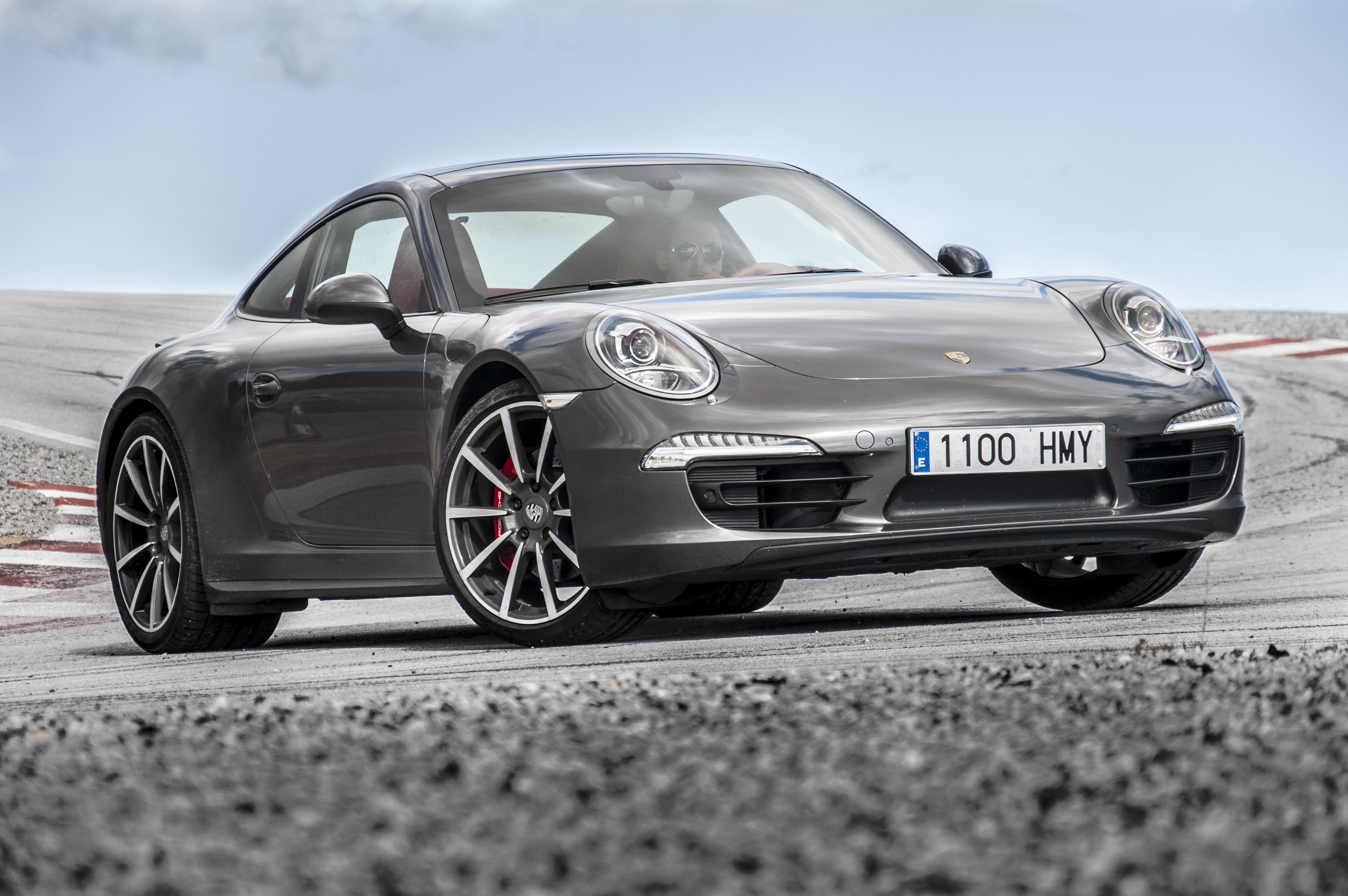
The Porsche 911 is a famous sports car that's known for being very fast and fun to drive. It's easily recognized by its unique shape and is often talked about because of its long history and great performance.
The Toyota Land Cruiser FJ60 is a tough SUV that was made in the 1980s. It's famous for being reliable and great for off-roading, making it a favorite among adventure seekers.
DLO means Daylight Opening, which is the part of a car where the windows are. It helps let light into the car and is important for how the car looks and how much you can see from inside.
Powered pop-out door handles are handles that pop out automatically when you unlock the car. While they look cool, some safety experts worry they might not work well in emergencies.
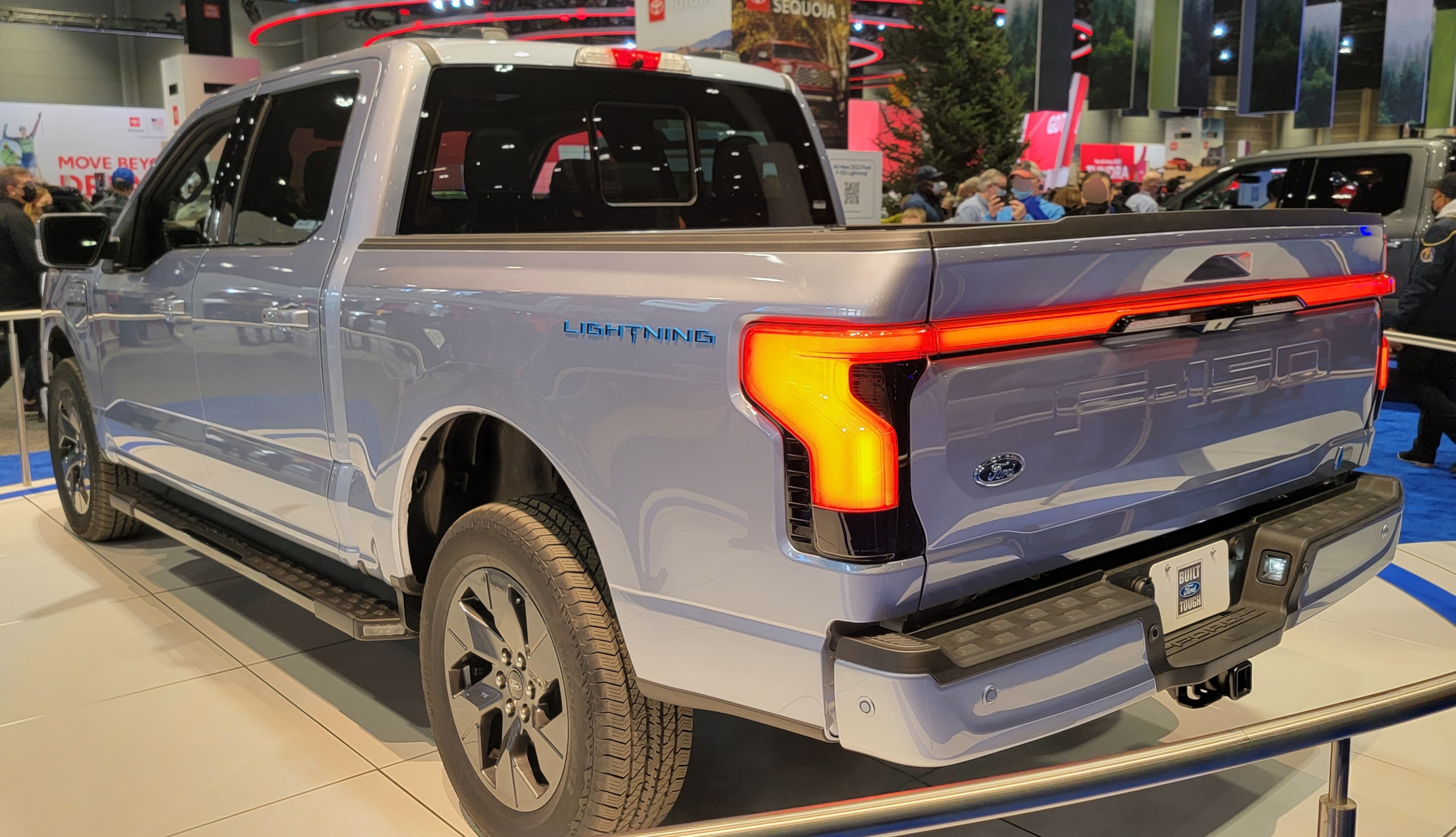
The Ford F-150 Lightning is a special electric version of the regular Ford F-150 truck. It runs on electricity instead of gasoline, which is better for the environment.
The Toyota Tacoma is a smaller truck that's known for being tough and reliable. People like it because it's great for both everyday use and off-road adventures.
The Tesla Model Y is an electric SUV that's known for being very efficient and having a lot of tech features. It's popular because it can go a long distance on a single charge and is part of the trend towards electric cars.
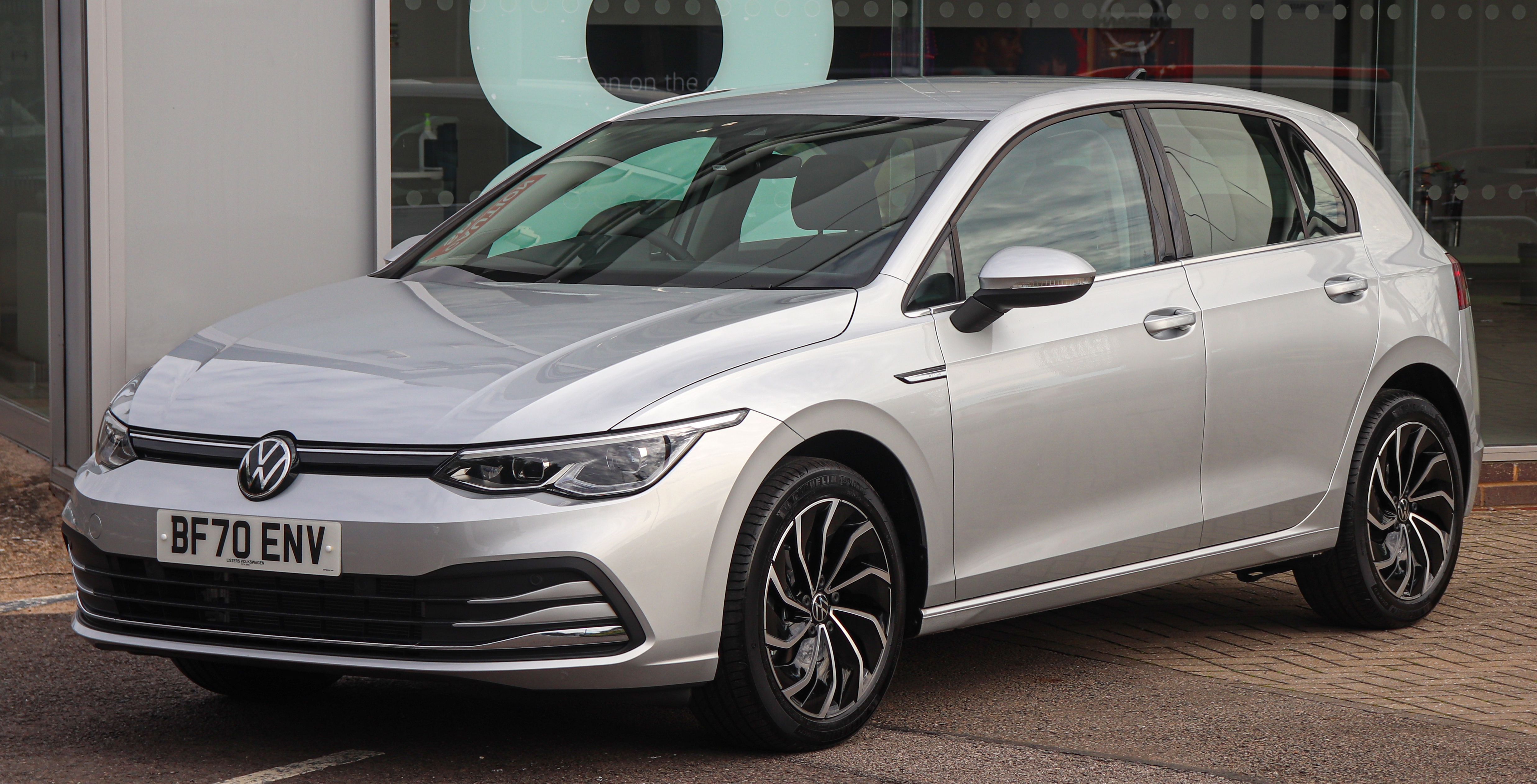
The Volkswagen Golf is a small car that's popular for being practical and fun to drive. It's often mentioned because it's a good choice for everyday use and has a sportier version called the GTI.
The Audi Q3 is a small luxury SUV that's known for being comfortable and stylish. It's often mentioned because it's a good choice for city driving and has a lot of nice features.
LIVE
Hi there and welcome to The Inevitable. This is Motor Trends podcast, our podcast about the
future of cars, the future of mobility, where are we going, how are we going to get there,
and are we going to do it in a Rivian. Welcome to The Inevitable, a podcast by Motor Trend.
You'll notice no sign, no inevitable little light up sign, and I got a different bell.
That's in our CES kit. We just started, I just came back from CES last week.
I love how you have a backup bell. That's dedication with a bit.
Anyways, we came back from CES. On the show floor of CES, we ran into our guest,
Jeff Hamoud, who's a chief design officer for Rivian. Johnny engineered his appearance today,
right after the show. We went long. He's a great guy to chat with, super smart,
funny dude, very insightful. Also a CES designer, and they're on the rise. We've had more of those
guys. Yeah, we're running out of art center people apparently. Right, so let's get Jeff on and have a
chat. Jeff, welcome. Thanks for having me. I feel like we just saw you at CES. Well, because we did.
How was the show for you? I was fun. The theme was definitely robots this year. That was for sure.
Yeah, because not a lot of car stuff. No, no. I mean, it seems like a lot of the
OEMs have been pulling out slowly there. It ebbs and flows. Yeah, that's true. Well,
we could ask you a lot of questions that you won't answer. Well, let's bet.
There. But we just had your colleague on here, right? You work with Chris Benjamin.
Yes, that's right. Yeah. Are you guys friends? Or do you want to talk some smack?
No, we're really good friends. He's actually one of my best friends. We used to work together.
Yes. Under Ralph. Yep. And you guys are all CES guys? Is that right? Correct. Yeah.
CES mafia. That's right. Another non-art center. Another non-art center guy. We've got a little
trend going here. Rare. Yeah, there is. It seems like there's a lot more art centers,
especially in California, of course. Yes. Do you have a grudge against art center people?
No, there's always a little bit of competition between the two of us. But when we get together
is when we're picking on a Cleveland Institute of Art. So that's usually when we bond.
Oh, we had, who was from Cleveland? The guy at GM. Oh, Brian Smith. Yeah, Brian. Yeah. Okay.
So, can I ask? It's always fascinating the answer. Like, how did you get to CCS?
Like, how did you get your start as a car designer? Trying cars in high school?
Actually, not surprisingly, not drawing cars, but I knew I wanted to be a car designer since I was
six years old. Wait, really? Yeah, I was six years old or so. Still remember. My dad was in the cars,
specifically Mercedes, and they would send a magazine from Mercedes, would send magazines,
I don't know, because my dad bought cars. I remember one of the books he had had this
piece on Bruno Sacco at the time. Right. And, you know, love his design work. Sure. And, you
know, he was flipping through it and there was drawings in there. And that's when I had a conversation
with my parents. I loved art. I loved cars. And he said, you know, and told me like, yeah, I saw
this thing. Like, this was a profession. So I was like, hey, I want to be six years old. Yeah.
So yeah, I grew up in Canada, just outside of Toronto, went to in high school. I asked,
like, what do I need to do to do? Everyone told me I need to go into mechanical engineering. So
I took all the things I needed to get, you know, into into university for mechanical engineering
and applied in Canada. And then got my curriculum and realized like, this has nothing to do with
cars. Right. And then spent a night on the internet looking for something and found
Cartosign News and Cartosign News. The main three schools that I kept reading about was Art Center,
CCS, and then RCA, which is in the UK. Right. And CCS being the closest. California seemed too warm.
No, it was just like proximity when I applied there. And within, you know, a couple weeks,
I got accepted. And then I had basically a month to figure out where I was going to go. And that's
how I got there. Did you do any mechanical engineering?
Yeah, I did. I did for a little bit for about, you know, about six months and realized that's not
what I wanted to do. Has that helped you at all as a designer? Oh, absolutely. Absolutely. Yeah.
Yeah. Well, hang on. So the internet says that you are younger than... And most people are now
younger than us. So if you saw some drawings from Bruno Sacco from your dad that he received a
magazine from Mercedes-Benz, I'm guessing it was the R129 convertible that he designed.
Sorry. The 1989, the SL. Was it something like that? What did you see from him that was like?
I actually don't remember. It was such a long time ago. You know, my dad had the
1989 560 SL. That was in Smoke Silver. I still remember it. That's still an R107.
It wasn't the R129. So then what were the what were the formative cars of your youth?
For me, it was that car. It was the 560 SEC. Like one of my dream cars is to have the
hammer version of that. I drove one for about 50 feet at an auction. I had to move it off the
auction floor. Highlight of my life. I love that car. It's so good. It's so gangster. Yeah.
You sadly, it sold for $700 or something. Yeah. I remember pre-COVID looking at those being like,
oh, I could get one of these and they were like 150. I mean, thinking I'm not paying 150 grand
for an 80s Mercedes. Not doing it. Yeah, it was a mistake. So anything less elitist than Mercedes-Benz?
Come on. Wow. I was six and that's what my dad drove. So it was all Mercedes.
740 GLE of Volvo and also Audi 5000. Oh, wow.
Yeah. Okay. The Euro fix it in. So by the time you're in high school, like what are you
drawing or not drawing on the back? I was in high school, I was obsessed with an M3.
And I so badly wanted an E36 M3. Oh, wow. Okay. That was the car that,
you know, given any choice of any car period, that's what I would have wanted.
They're still pretty good. Yeah. I did end up owning one.
So you go to CCS, you're drawing a bunch of European cars. What's your first,
where'd you go right after? I graduated and went to, I was a Domino Chrysler at the time.
So Ralph Jules was actually one of my teachers. He was a professor there when I was there. So
on my senior year, he was my professor. He was doing that. He was a director at the time at Chrysler
and was teaching a class at CCS. And what year was that? That would have been 2003.
So just before he did the Chrysler 300, like... It would have been around that time, I believe.
Yeah, he was drawing it at that time. But I think that came out like 2005, 2006?
Oh, I want to say, because it might be a... No, I think it was around 2004, I want to say.
Remember it coming out before I joined there. Okay. Did you get to work with Tom Gale at all?
No, I didn't. But Tom Gale was one of the board of directors for a very long time at Rivian.
So I got to spend some time with him there. So the first time I saw Rivian, we were at Car the
Year and was going back from the Hyundai Proving Ground to our hotel and to Hatchapee and Tom
Gale had his laptop open. And he's like, what do you think of this? And it was a green...
I think it was the SUV. And I was like, whoa, what is that? He's like, it's this new company Rivian.
This would have been like 2016, 17. Also right when we had just finished the design of it, probably.
Yeah, because you'd always do weird stuff, like show me stuff on his laptop and then I'd be like,
and then shut it and kind of smile. And I was just like, wow. And he's like, yeah, I'm advising.
So you were a Stalantis or Daimler Chrysler basically life?
Yeah, I left when it was FCA, yeah. So I didn't make it... I made it from the Germans to Stortzstint.
They were just an LLC and then Fiat Chrysler. I joined Rivian before it became Stalantis.
You missed the French.
Yes, the Germans, the Italians, they skipped the French.
So then what were some of your first projects you worked on?
The first project that I designed, this is like as a lead designer's pen and everything
didn't manage was the 2011 Grand Cherokee, the WK. And that was the first one. That one was on
the Mercedes platform. So that was my baby. Was that one there?
Sure. Well, I remember that we had that... My first thing at Motor Show, my first big thing
was SUV of the year. I remember that was there. We would have had in like,
September of 2010 or whatever.
Nothing was birthed at a very difficult time for the company.
Yes, it was. It went through three different CEOs. I never thought it was going to make the
light of day because it was... There was Dieter Zetschia, then there was actually, no, there was
more. There was Dieter Zetschia and then after Dieter Zetschia, it was Tom LaSorta for a very
short period of time. And then Bob Nardelli and then Mark Yoning. So yeah, fourth CEO.
So this is... And I wish I'd asked Chris about this because you guys were there during this
time period. I just found this. This is a family friendly podcast, but I have a poster that Ralph
gave me that says, Give a Shit. And it has the Dodge, the Two Stripe logo at the bottom. And
it's kind of a weird font. And it was actually produced by Whedon and Kennedy. It was there.
Your agency at the time when you were... And that was Daimler Chrysler. And he gave it to me back,
I think it was 20, maybe 2010. I framed it. I hung it in my office for a long time where people
don't really see it. Actually, I had it in the bathroom at my house. And then I got married
and my wife said, This has got to go here. It's a perfect place for us. But it's a dual meaning.
But he told me it was such a dark time. The mood within the office was so bad. And people
were just kind of... A lot of folks were like mailing it in or just waiting for the acts to fall.
And Ralph was like, How do I get people fired up? And he had this idea and he had WK
produce these posters. And then he got in trouble with HR because he gave these things out. And
they were like, This is not appropriate. Does this sound familiar? I didn't know that he got
in trouble with HR, but I remember specifically the other posters. Yeah, it was definitely a
challenging time because we stopped all programs basically. So it was definitely a challenge.
And that's where you guys work for like a year straight with no vacations to refresh everything.
Yeah, a lot of refreshes came in because there wasn't the finances to spend on an all new program.
It's funny that you thought that the Grand Cherokee wouldn't ever see the light day because of all
of the product, that would be the one where you'd actually invest some time, some money, some effort
because it was such a popular vehicle. Meanwhile, profitable vehicle. Like I remember the caliber,
the Dodge caliber of that era, the caliber RT and how, oh my God, the interior, I was like,
wow, this is like the inside of a refrigerator. Like everything was like, was like hard plastic.
And like, it was insane. I remember I went on that launch, you know, it was up at
up north and part of it was at Laguna Seca. But it was like, I think we had to drive like 10 cars
in two days or something like that. Like everything was refreshed really well, except for
when was this 2010 11. It was I did it for Motor Trend. It drove everything. But I remember it was
the, was it the journey? No, the journey was one. I think it was a journey where like it was, it was
refreshed. But you know, they're like, what do you think of everything? I'm like, well, except for
the journey. And I remember they grabbed me, they're like, what's wrong with it? Like, what do you
mean? And I was like, it's, you know, the undersea, the undersea gun storage isn't large enough,
large enough for American guns. This is obviously an Italian product. You know,
you know, recirculating ball steering, blah, blah. There's only so much you could do.
Some dark, dark products and times. Yeah, but it was also like that. The challenger and charger
were refreshed or the challenger was introduced, charger was refreshed. Like it was, you know,
it's pretty helpful. So you, you went for doing that and you also did Wrangler, right? Yes, I was,
yeah, I was leading on Wrangler. The whole thing. No, not the exterior. I was on the interior at
that point. Okay. Are you an interior guy or an exterior guy? Mainly exterior and then I switched
into interiors. I've done, I've done, I've done both. But like as a designer, I was an exterior
designer. How do you, what's your super power then? Like how do you get to do,
how do you get to do both? Like how do you rise up from being a guy who does like a door handle
and then a door card and then a dash to manage the whole thing and then the outside of the thing?
You know what I'm saying? Like it feels like these are discrete skill sets. Yeah. So I, I mean,
I mainly did exterior in my career at Chrysler and then I was honestly getting a little bit bored
and you know, I felt like I had, I had learned enough that I wanted a new challenge and for
me, I always need to feel like I'm learning. I always say, if you're not learning, you're dying
and it was the opportunity, opportunity arose for a position in, in the interiors for Jeep.
And I, you know, actually at the time was Chris Benjamin was, was in charge of interiors and I
had a conversation with him about, Hey, I wanted, I wanted to do this. And there was one point where
actually peeled off where it kind of transitioned was when, when the company was designing the,
the Wagoneer before the Wagoneer that came what it is today, we had opened a studio that was
just for Wagoneer who really wanted to be just a Wagoneer only and put into your next year
together. Right. Normally a sub brand. Yes. Yeah. And, and at Chrysler the way they have it, I don't
know if they still do, but when I was there, it was, you know, X year was on one floor and on the
second floor, it was interior, so they were separated. And this one we come, we had combined it into
one studio and I was running that studio for a short period until the program got paused. And
then that was how I transitioned into, into interiors. So yeah. Is there like an internal
battle? Like there's a, like, how do you apply for that? Just sort of Chris and Ralph were like,
it's cool. Yeah. Yeah. I had a conversation with Octagon. It'll make a, make a ruler like one of
your straight edges and say, all right, what's the time? Mark Allen. I don't know if you guys
know Mark Allen. He was a charging chief for a really long time. Sure. Sure. You know, he was
like, yeah, sounds cool. It gives you an opportunity to learn. And then I got to partner with him
really closely, which we already worked together so much. So it was, it was natural to be able to,
and it was nice because I got to see the other side of it and really start to understand. It's like,
well, you know, the X year guys will be like, Hey, what the hell will the interior guys and
vice versa? And we're like, hold on. Like it was like, no, these are one product. This is one
product that need to be together. Was Klaus still there doing interiors? No, he had, when I
went into interiors, I basically, so when I left, I had his position in interiors, but he left and
he was already in Europe. Maserati? Or just doing interiors in Europe? I think it was Maserati,
but then he had got more alpha. I think he was in charge of like a lot of the European.
Now he's Mr. Maserati. Yeah. Yeah. Okay. So here's the critical question.
Who is responsible for all the Easter eggs in the Jeeps?
It's a mix. It's a mix. What did that start? Was that an exterior thing or was it an interior thing?
But the 1941 little Jeep on that little dash and like on the floor, man. I don't want to say it
started off as, I mean, once again, you're talking from guy that was in Jeep Studio exterior. So I
think the exterior team started it and it was a push from Mark Allen again. Like he was like this
idea, if you see, like there was like the Loch Ness Monster and the Fritt. I think it was in the
compass that did that. So there's little, these little ideas. The marks to blame because now
everybody in the industry does it. Yes. It's a little out of control. Yeah. It's cool. It was
cool at the time. Then you're like, okay, really? Is this where we're doing? Yeah. All right. So how
do you get from a FCA to Rivian? Like, how do you make the jump from like, you know,
big multinational conglomerate to a EV startup in, not even in California. Would Rivians
headquarter in Florida or whatever? Yeah. When I joined, it was in Michigan. Yeah.
Michigan, yeah. It started in Florida. Well, there was, it's through multiple people. So there's a
clay modeler. He actually still works at Rivian. A guy named Jim Fry that worked at Chrysler and
had connection there. And he connected some other folks that I used to work with at Chrysler as well
that went to Nike. And, you know, these folks ended up meeting RJ and got involved with Rivian,
but we're also kind of doing it on the side. And one of the guys, a gentleman named Rob Williams,
was a friend of mine. He, you know, he was at Nike and he said like, hey, you know,
I'm thinking about doing this Rivian thing. You got to come meet this guy, RJ. And I knew of
Rivian just being in the Detroit metro area. It's pretty small. Said, you know, I'm not really
interested in that. I was, wasn't unhappy at my job. But, you know, he said, doesn't hurt just
have a dinner with him. And I had two dinners with RJ and basically, yeah, no, ended up joining,
you know, he's a charming and very charismatic guy. And one of those ones were things where I was
like, well, this guy's going to be successful no matter what he does. Rather, you know,
take this opportunity to do something. And it was the idea of starting something from nothing,
which is in, I don't want to say nothing, but like, there was no brand, it wasn't a visual
identity, you know, doing an all new product and, you know, how often you get the chance to do that.
Now having, I was also, it was also good because I had a lot of naivety and not really knowing what
it takes. I mean, if I knew what I know now, I probably wouldn't have joined like the likelihood
of success. Yeah, because it's just so many things have to fall into place
for us to even get to where we are today. And I mean, I know Rhett, I'm glad I did it,
but that was essentially when I had the turning point and I had a good chat with Ralph and said,
hey, I was doing this and he was, you know, surprisingly fairly supportive and, you know,
fairly, I want to come back to fairly. So, hang on. So what, so when I pitched you,
where were they as a company? What do they have? They're no logo yet? Nothing? No brand
nothing. There was, there was, RG said he wanted to do a truck in SUV. There was a model that existed.
So this was after the sports car? Because in my understanding, there was a sports car in Florida,
but when I got to Michigan, it was like, yeah, do a truck in SUV. Yeah. And there was a truck,
there wasn't an SUV, there was a truck cab forward, very, very, very different design. The gear
tunnel did exist on it at that point. Were dimensions locked? Were batteries, motor, anything
anything like that? Any of the hard points fixed? Oh, interesting. So you were like,
sweet. I can like come in and like define the proportion and like, yeah, I have a lot of
debates on like this idea of it being an off-roader and adventure vehicle. None of that was defined
yet. And the word mark, the logo, the font, all that's new? No, that wasn't, that wasn't me. It was
actually two gentlemen that don't don't don't work there anymore was the gentleman I mentioned,
Rob Williams, and then in conjunction with another gentleman named Larry Parker.
Okay. Okay. All right. And then, sorry. What year approximately was that?
That was 2017. 17. So that's probably when, so then, okay, after you joined, how quick did you get
the? Oh, so let's, let's, let's have some conversation. How to go with, we can ask Chris
Benjamin the same thing. No, we didn't know he said Ralph was supportive. No, but he said fairly
supportive. So did he go, what? Or actually, so let's back up. Were you reporting directly to Ralph
when you left? Okay. Yeah. So you had to like, knock, knock. Hey, Ralph, you had a second?
Yeah. Yeah. Well, I didn't, I didn't do that. I said, can we grab, can we go out,
can we get a, you know, can we be in a public place? Yeah, basically. Yeah, basically. Yeah.
And he's like, did he go, I do this is coming or like, no, no, he was, he was pretty supportive and
and said like, yeah, sounds like a cool opportunity. You can try it. And I think the thing he said,
you know, I don't know if that would have stood true afterwards, but he had said at the time,
he was like, yeah, if it doesn't work out, you could always come back. So I was kind of like,
I didn't really have much of a risk at that, at that point. He didn't say, don't poach my people.
Yes, he did. Oh, he did. Yeah. I was just like, is Benjamin, Benjamin underscored that. Yeah.
When Chris went to, to scout, he said, Ralph was like, not pleased. Yeah. Understandably. Yeah.
And when you tell, when you tell your boss that you, you got an offer, you want to do this,
is that like, okay, cool. So after a lot, he's already, he's already the phone in the car, like,
all right. And then, and then you're locked out of your computer, and then you got to pack up
your desk and leave that day. No, no, it didn't, it didn't, it didn't, it didn't happen that way.
No, I kept, you know, I kept doing, doing the work and there was a, you know, I gave,
gave him my two weeks and stayed on for two weeks. And it was actually told by Ralph and
Mark, who used to work there, was like, nobody could, could it even know that I was leaving
because I was, you know, dedicated to the, to the last day I was there. Oh, okay. Classy dude.
So, so how long after you started, did you come up with the R1 design? We didn't have much time.
So as I said, I got there in May of 17, and then we showed the vehicles in November of 18
at the LA Auto Show. Right. So I had essentially six months to build a team, build a process,
and define the design. So it happened relatively quickly. And it was like, we didn't have, I mean,
we didn't even have a mill there. We had to like buy a mill and then learn how to use it and,
and hire the right people. It was, it happened all really, really fast.
Because I swear it was summer of 17 when Tom Gale showed me, I remember it was, it was a green,
I might have been in a truck now, I can't remember, but it was on his laptop, it was rendering,
obviously. And he's like, and he just was like really excited, you know, I was like.
Yeah, we probably had the design solidified, I want to say, joint in January-ish.
Oh, okay, maybe we have a year off that May was 18.
Yeah, it was, it was a little bit later because it took us, you know, it was in, it was early
2018 when the design was solidified. And then we started building prototypes.
Okay. And design, so, but somebody else is, or RJ, who, who's locking in the dimensions that
you're basing your design on? So the overall proportion was essentially myself working with
the packaging team to kind of define all the dimensions and, and also like what's feasible.
I had a small studio engineering team at the time and the other key person that really helped drive
a lot of, I mean, obviously RJ, but the other person who's unfortunately no longer with us was
a gentleman named Mark Vanells, who started right around the same time with us. He was like the X.
X McLaren. Max McLaren, he was the director at McLaren of engineering and, you know,
it was also his push to do the four motors. He went back to McLaren, right?
No, no. Oh, okay, sorry. You say it was his decision to the four motors?
Yes. Yeah, he's really pushing. So he, him coming from McLaren was very much like,
okay, if we're going to do something, his, his theory was, okay, let's make it the best at what
it's going to do. Surprise. Let's give it way more power and torque than it needs.
Well, I mean, I wouldn't say then it needs. No, that's why I said it. That's why I just
said that one after you, like a softball. Okay. So, uh, you're kidding. So how did you,
how did you come up with these proportions? Because it is, you know, sort of like, it's like
what a full size truck was 25 years ago. That's about that size. But like, you know, even the bed
is, it's a little, little small. Like, you know, why doesn't it have a six foot bed? Why does it,
why is it the way it is? Like, how did, how did that come about? So there was, there was a few
things. Well, one, we, we, we knew we were going to do a truck in SUV. So to do that correctly,
you need to design them at the same time. Because you can, the proportions on a truck,
you can get away with many different things. Like a further forward windshield on a truck
can look pretty cool. Yeah. On an SUV, it doesn't, it doesn't work, right? If you want that premium
proportion, especially if you have a long back end and the design side, that design style that we
have with a very horizontal roof and a straight backlight, we didn't want it to look like, you
know, Ford Flex, for example, if the windshield's too far forward. So pushing that back is at that
premium proportion. But really what drove the dimensions of the truck was the, the, the, the
overall length. We wanted it to fit in garages. Like that was one of the big things. So a lot of
the full size trucks don't fit in the garage. And now in terms of the bed, you know, heard
tons of comments around that. And it's, well, when we did a lot of research to figure out,
like what is the bed length? And, and in the US, a lot of the way trucks are driven and bought,
unfortunately, is purely based off of dimensions. Where if you look at, you know, shoulder room,
for example, shoulder room is measured from like your shoulder point to the shoulder point.
And that's a dimension, which is a total bogus dimension, because really what that means is
to get that big number, you basically take the occupant and ram them against the door.
And, and that's why if you look at these full size trucks, you're so close to the door,
but you have this massive center console, because you can give that advertising.
That's the Ford trick. Yeah. And they, but they all, they all fight over every little millimeter.
And when we looked at, you know, a bed length, if you don't have an eight foot bed,
then, then the typical things, whether it's plywood or two by fours or whatever, they're
already going to hang out, hang out of the bed. So for us, we said, well, how can we make the
vehicle, you know, the right length of fit in a garage, make it so that you have a good second,
second row, a couple. So when you're in there, you got, you know, decent leg room in the second.
So, but what was the use cases we needed to drive with the bed. And the key one that we
wanted to be able to do is like, okay, if there's anything five and a half foot, five foot, you
know, six foot, most things you have to bed, bed open. So if you're going to have the bed open,
what do we want to be able to do? And for us, it was like a little dirt bike or, or, or a motorcycle.
Motorcycles, yeah. So that's why we ended up designing the, the Gooseneck hinge,
because the Gooseneck hinge allowed the gate to go out further. And that way, so when you fit a
motorcycle on there, it still fits the motorcycle, but key gives you a shorter overall length.
So far, I was literally showing a friend of mine last night, my truck,
and he's, he has two motorcycles. And then as soon as I folded it down, he's like, oh, whoa,
he's like, that's perfect. I go, okay. That's why you didn't do like a midgate, right?
Yeah. Did you think, did you guys look at a midgate possibility?
Yeah. We looked at a bunch of different, different, different types of gate solutions.
And that one was the one that we felt was like simple, but also, you know,
selfishly, like if the way it was designed, uh, you know, and this is one of the things I'm like,
you know, really proud of and attention to detail is like, if you look at most trucks and you look
at from behind where the gate is, look at the gap below the gates. They're all massive because
that's what they have to do to be able to swing. Because ours is so tight because how it folds
over the fascia, which basically allows you to keep that gap very tight, which is just,
we wanted the vehicle to feel like more modern, you know, more unique. And, you know, you mentioned
the, the, the bike aspect of it. So, you know, I bought a dirt bike moved when I moved to California
and using for that is just, it's just perfect being able to lower the bike, the, the, the truck
down to load it up. I put a ramp. I throw the ramp in the gear tunnel, just pull it out of there,
you know, position it when I'm putting my gear on, I stand on the gear tunnel. It's like,
it's like perfect for that. No, I've seen, I've seen people do that with, I don't,
I don't ride motorcycles, but I've seen people do that at off-road parks. It's like, the face,
the face of the R1T and R1S, the, how do you, how do you describe it? And was that,
it's got, it's got a horizontal light bar, right? And then the, I don't know what you call the ovals.
Yeah, called stadiums. Yeah. Okay. How long did that take to come up with? Then did you workshop
it or did you know from the start, this is what you wanted to do?
Yeah, it, it was funny how it happened. So one of our, so in our studio, we always have
little bits of inspiration for many different things. It's specifically for color and materials.
So on our colors and materials table, we had this really nicely designed carabiner that we loved.
It was basically that same oval shape and it was, we loved it because of the finish that was on there
and that was on the color and materials table. And one of the designers like liked the shape and
put it down and had it as a fog light, like it was a vertical kind of fog light. And at the time,
we were looking at the face and it had, you know, just a horizontal light bar, which, you know,
think 2017, that was like, you know, very, yeah, it was a hot thing. It was very progressive. Now
you see a lot of cars have it. Every car has it. Yes, exactly. Can't tell cars apart at night
anymore. Yeah, exactly. And it was one of those ones where, you know, we're looking at it and I
just felt it's cool. It's techy, but it doesn't feel like it has a personality. And I felt it
wasn't like, would you be able to, like the key thing we wanted is, is it something you could
recognize and describe to someone very easily? Is it somebody, somebody, something someone could
emulate relatively easily? And I just thought something was missing there. So another designer
had an idea to take that sort of carabiner design and put it as a hook on the edge of the hood with,
so that way it could tie down like a kayak or something that was on, that was on the roof.
And I saw that and it's like, well, that's interesting. And the sort of oval shaped lamp
and the fog light didn't didn't really work. And it was really designing the lower fascia,
and wasn't really helping. But there was something cool about it. So I asked one of our other
designers, I said, Hey, what if you took that shape made it a lot bigger and intersected it
with the with the light bar? And when he did that, put that sketch together, and I was like,
immediately, I was like, this, this is it. This is it. And it was also a big push from RJ.
So it actually just happens like that. Like, yeah. Yeah. So it is. Yeah. It's like, it just,
it's how it happened. And it was a big push from RJ as well to make sure that the car,
he always uses the term like inviting, like where he needs to be inviting and approachable.
It's very family friendly. Like little kids, it's like a little, you know, my,
when we got it, my kid was into the spickle meat. So I was like, you know, trucks yellows,
he's like, Oh, the minion, the minion, you know. So, so how about a grill, no grill?
And that was, yeah, that was the other part of it too. It was like knowing that we're doing a truck,
and it, you know, trucks are often, you know, they communicate their strength through their grill.
It's all grill. Yeah. And I have a massive, yeah. Toomstone grill. I got to be a tombstone.
They look like they can eat small children. Like, it's like, it's very, you know,
a lot of presents is put it that way. And we needed to communicate power and strength because
we're a truck and that's typically what is like synonymous with trucks. So how do you make it look
capable? And we wanted to make sure that, you know, we didn't need a grill because we're an EV and
didn't want to design some fake grill, but it's sort of a hints at the shape of a grill. If you
look at, we did a very vertical front end and it's sort of surrounded by the stadium shapes,
which gave it that sort of tough blunt nose and a very horizontal hood, which made it feel like
powerful and strong. And that was, that was, that was how we wanted to achieve that. So
I always just looked at the, the, the hips, like unlike all other trucks, which are, you know,
pretty much slab side unless it's a dually, like these like big, like almost like a 930,
like bulges on, on, you know, on the, coming off the wheels. To me, that was always like the,
the strength of the Rivian was like, oh, interesting. We might have referenced, you know,
look a few times saying, well, if it had like 911 hips to it. So
I mean, look, you know, no, no grill, big eyes, big hips. I mean, it's very much 930, you know.
Okay. So we got a little bit, I want to talk, I want to make sure we cover enough on R2 and
R3X, but I got a couple more things I wanted to poke you for. And I'm sorry, because I know
for designers, this is like, this is stuff I did like six years, seven, 10 years ago.
Yeah. 2017. Yeah.
What was on the mood board for the R1S? What other SUVs?
What other SUVs did you have and did it include my personal favorite, the Toyota Land Cruiser FJ60?
We didn't have any automotive things on our mood board.
Yes, none at all, especially for color materials. I really pushed the design team to look at and
benchmark other automotive companies, but more so to know what the trends are and what not to do.
So, you know, I think a lot of automotive design, and I'm not saying everything on the Rivian is
completely unique or hasn't been done before, but designers tend to, and this works in any industry,
right? It's not just automotive, but where designers all get attracted to a lot of the
similar things. Yeah.
And it doesn't matter what part of the world you're from, like people get trends come in.
So, but if you're following something that's a trend that's now and you're seeing something
that's now that's already out there, by the time you produce something, which is average
life cycle for cars, you know, eight years. I mean, that means if you release it three,
four years later, you're already late. Yeah, 12-year-old trend.
Yeah, we want to be, you know, trying to be your best to be a trendsetter, not a follower.
So, we didn't really look at particular other vehicles out there. We knew we wanted to be,
you know, a very simple silhouette, and you know, there's, I mean, you talked about R3X,
like that one. We did have some, some, some inspiration from other vehicles, but yeah,
but it was like, we'll get there, but it was, it was more around that we knew we wanted to be a
two box because we wanted to look, you know, tough, but also be able to store things in it,
which is naturally that shape allows you more volume. And that set a lot of the proportions
up. And then we had to do other, other things with the graphics to make sure that it felt
one unique and something easily to draw. And the shape that I think is like, well, what is,
what are the key things you look at in a car and like the face that make you remember them?
The face is one. The other one is the side view, like the DLO. There's a daylight opening.
And if you look at Rivians and, you know, R2 does this, R1S does this, obviously they're
similar. And as I kind of call it, there's like this L on seven. So, if you look at the C pillar
comes up and it connects and then the D pillar goes over. And that's like something that we
wanted to, to hold on to when we pulled over to R2. Okay. Let me ask, let's interrupt the
good happy feelings and ask you a hard question. R1T and R1S, you guys have the powered popout
door handles, right? Yes. Okay. Those are fairly controversial now. There's a lot of, I think,
NHTSA or some of these safety agencies are like, this is a bad idea. Tesla's kind of
about to announce the R2. I don't know what the door handles are on there. Are you,
are you addressing that in retrospect? Should you have done a less flush fit, less cool looking,
like manual door handle? Like what are your door handle thoughts?
I think there's a lot of misinformation out there about this specific topic.
Okay. Sorry.
You know, especially, you know, I really do. And it's the, so on ours, yes, we have the popout
handles, but you can still pull them and open them if you need to. The other part too, I think
is getting a lot of traction as well. It's just on the E release on the inside. And one of the
things that, you know, I don't think a lot of people maybe just haven't realized this, but
using our vehicles as an example, R1. So if you have your, do you think about old cars or not
even old cars? Cars today still do this. So we have, because we have an Elatch, that means
one of the user benefits of that is you can go into the screen and easily turn on child locks
to whichever doors you want on and off, but having go back to the rear door,
unlock some little thing, and then turn it and then close it. So if you look at all these mechanical
vehicle, the child locks, if those are on and they zig for a long time, there is absolutely no
way you can open it from the inside period. They just do not work at all. Right. Our vehicle,
if you get in an accident, they automatically come off. So the child locks are mechanical
and they're electromechanical. So that means if you get in an accident, car knows you've been in
accident and automatically will allow those rear doors to open. That's actually a safety benefit
that you can't get from a traditional mechanical child lock. And I think like specifically for
us, I think there's one of those things where not a lot of people will even understand that
little bit of it, but it's like, what do you do when it's just been around for a really long time?
Forever. We've never heard anything. Yeah, you can't open it.
I mean, but also the Rivian, because it's not people can't get the,
people trapped inside don't care about the outside door handles. Like on the R1 refresh,
there's a thumb release, there's also a physical handle release.
On the inside. Yeah, on the inside.
No, but there is some concern that in a Katashava accident that EMS, emergency medical surfaces,
can't figure out if the door, if the door handles aren't popped, how do you get in?
Oh, the Rivian way, it's like a GTR though, you know, you, you push it in the pops out.
So it, whether or not it'll work. Yeah, you can, you can force it. Yeah.
Okay. Okay. Well, that's it. That's, that's good to know.
Or two? I meant, well, almost there. Because you think those are pop-out handles. And then
the other ones are, which is a lot of cars have them as well, is just the, the pocket,
where the pocket where you go in and it's just like a little push.
Yeah. And if you think about how long, like, I don't, I remember I had a 2000, you know,
Viper GTS, like that thing had a, like a, like how Corvettes have had elaches, like it's, you know.
Well, to bring it back to your origin story with looking at cool Mercedes Benz articles,
I remember distinctly, it was in either car and driver or motor trend road and track.
They ran, Mercedes used to run in at, ran a two page spread about their safety advances.
And one of the things they pioneered not only was this, the reinforced door frame for, for side
impact, but also the 80s era Mercedes Benz door, the handles were, they were, they're actually
kind of large, chunky and sort of ugly, but they were like, these will work in any kind of accident
and they will, you, you just pull them and the door will open. And that's like, it's a very
Volvo kind of approach. And then the other thing that I remember distinctly is they talked about
the beveled tail lights. They had these really weird beveled tail lights. And I was like, wow,
this is kind of funky looking. It's like a potato chip, like that, the straight of it.
And it's, it, the light, there, there are more facets to it. So more light. And even if snow
got into it, you would have these bands. Okay. Last thing before we move on to the new, the new
product, say some nice or terrible things about the cyber truck. Okay. You guys came out before,
you guys came out as the first electric truck, F-150 lighting. It looks like an F-150 cyber
truck. Fan, not a fan. Do you know any friends on that team? Yeah, I wouldn't say I'm a, you know,
from a stylistic standpoint is like my, my cup of tea from a form, form vocabulary,
but I do applaud like Tesla for trying to do something very different. So bold. Yeah. I mean,
when we, we heard Tesla was doing a truck and you know, this was before coming out and we had
just shown our one and I mean, if you, if you didn't know cyber truck and you just thought
of Tesla's form vocabulary, you could think of many different things of what you thought a truck
would be. And when they showed the cyber truck, it was, I mean, I was, it was cool that they did
something very different, but I liked that it was very different than what we were doing. Because
then it's like, it's back to that, to that point about, you know, choice, right? And it provides
two very distinct, distinctly different vehicles and you get to choose one way or another. So,
in that sense, I'm, you know, it was also helpful for us that they went a very different direction.
So it wasn't a, you know, you know, A versus B sort of design.
Coke versus Pepsi. Yeah. Cause you guys must have been
mildly freaking out. Yeah. I was a little worried like,
what are they gonna come out with? They're gonna come out with this super clean,
like something like our vehicle and you never know. And just, but the fact that they went very
different was also good on them that they weren't, but it was also good on them that they weren't
like, Hey, we're just going to do what Rivian did, but make it look like a Tesla. And they just
decided to do their own thing. Okay. All right. Okay. We got a great time. Let's talk R2. Now,
also something you worked on a few years ago and it's now starting to come to fruition. We're
seeing all these great social media posts from RJ in the factory thing, rolling down the line,
doing some cool water testing, also some ripping it up in the desert kind of stuff.
It does, it does look a lot like the R2 looks a ton like the R1S. I mean, it really is like,
I'm looking at pictures of them. Is it my look at the same car or not? What's the key
signifier for you other than of course the, that it's a two row, not a three row?
I mean, they look similar on purpose. It's like little brother, big brother,
I think that was done intentionally, right? If you, I mean, for our brand to get it to get
to get to many different people, we need to obviously expand our brand awareness. And we've
had such a good, you know, success and a lot of love for the R1S. So it was, it was done on purpose
to make it look like that. I think when you see them next to each other, you'll really see there's
a lot of differences, like one key feature, maybe just a designer and me saying it, but like, if
you look at the cut line on the hood, which is relates into the A line, like the R2, the R1
doesn't even have that A line. And that was done actually from an engineering perspective
that we built into a design element. It was done for pedestrian protection. So you need that cut
line to be further around the sides. That way when the head form hits it, you've got more room for
deflection. It's harder to do that with where R1 is. So that able to do that also.
Right. Cause R1's up higher.
Yes. Cause R1, well, not just cause R1's up higher. If you think about having a cut line
that's on top of the hood surface, if a head form hits that, you have a lot more to deform now
cause you have all these bent flanges and how it's attached. That it doesn't deform as much
where if the cut lines all the way around the side, if something hits it, it's not as rigid
there. Right. Basically the top cut lines create rigid touch points. But then, then also if you
look at the, the, the lamps as well and how we treated the front end, it's, it's a lot sleeker.
It's a lot sportier. The other thing that, um, you know, especially when I see them next to
each other now, I'm like, oh, I can't wait to also update R1 is the size of the stadiums.
We really changed the proportion of them. So there were a lot wider and shorter now,
which is like, yes, there's like subtlety adjustments to them. I think when you see them
next to each other, you'll really be able to do that. But yeah, do they look similar to that?
That was, that was, that was on purpose. Stadium is the headlight. Yes.
Yeah. The pills. So my question is, that was my big R2 question. Is there an R2T?
Like, like, you know, like Mavericks are hot. Like people want smaller trucks,
you know, Tacoma is hot. You know, like, are you guys doing an R2 truck?
We've been talking about a lot of different R2 variants. We're not going to stop with just,
with, with just the R2 that we're doing right now. Um, one could imagine a truck.
I'm imagining it. I'm imagining it. In fact, exactly. But it's like, it's also like that,
that difference though, because if you look at where our R1 is, you know, right now,
it's not really, it's not that much longer, bigger than a Tacoma versus a full size truck.
It's actually fairly similar in length. Of course, depending on which model of Tacoma you have.
Yeah. So it's bigger. Yes. It's the width. The width is a big purple. Yeah. But just,
you know, I'm just saying, oh, an R2 size truck would be, you know. Yeah. And then how do you
differentiate that from an R1? And then in terms of, and then in terms of other variants being
what I look at, which one makes the most sense given where the market is right now. Okay. So it's,
yeah, it's not, okay. I'm not hearing no, no, but what would another, so it's an SUV,
maybe make a truck. What would another variant of a, of a, of that platform be?
Sure. You could use your imagination. I'm pretty dumb and not out of it.
Yeah. I'm going to read you. Okay. I can't give you much more than that.
Well, let me, let me ask you something. I was looking at this, the dimension difference and
it's far too 15 inches shorter than R1S and wheelbases about a little over five inches shorter.
Is there a world or a market like say China where you do an occasional use three row
R2 or is that just not the package? Like a five plus two. Like that, you know,
they do the Model Y long wheelbase over there. Is that, is that dimensionally possible?
I mean, we've, we've even looked at studies with a current wheelbase because our wheelbase is not
short and if, and I can't wait for you guys to, to, to actually sit in the second row especially.
I mean, we've got really good leg room and one of the things that's also surprising is a lot of
people when they look at R2 and they automatically assume it's, it's the size of, of an R1 because
it looks and feels big, but really a dimensions of it's actually shorter than a Model Y.
But there's some, some really great packaging on the second row, which is exciting. So
we've even looked at it internally, like, hey, could you fit a third row into R2 currently?
Sure. Yeah, you, you, you can. So it's not something that's, you know, we, we haven't really
talked about a long wheelbase version yet. It's not something that you guys are planning to go to
China. That's not a, no, no plans currently, but we'll be in Europe though. I hear, I was just a
long time ago. I thought I was, you're waiting on the right product and this looks like the right
product, but, you know, because they're done by a ton of trucks over there. No, the market
dynamics over there are so complicated that, you know, it's, you know, it's too, too, too cheap,
too. It's a race to the bottom price wise. Could, oh, I just lost my question. Go. Oh, well, I was,
that's my only thing I was curious about really the whole reason for this interview was R2T.
That's because we always, well, no, the autonomy in AI day, you had some, for some reason, there was
like three R1Ts under car covers when we were out there and Kyle Conner and I were standing there,
I'm like, is that R2T? And like, we totally convinced ourselves it was for about 45 seconds,
then we looked at it. I promise you it wasn't. Oh, I got a question. Why don't more EV manufacturers,
especially the smaller startup guys, why don't you guys give us a front bench seat?
Why don't you have a six passenger? You could have done a six passenger truck, right?
You'd six passenger or a, what's, what's R1S? Is it, is it three in the back? Yeah, it's, yeah,
it's a seven pass. So three in second row, two in third row. Oh, so could you, you could have
done a, an eight passenger R1S, you could make a six passenger R2. How come there aren't more
front benches? Is it the airbag? Is it the... It's, it's a lot more difficult than you could think,
think it is. One, you know, to do, if I put, I'll talk a little bit about the feasibility of it,
but one, if you do that, you're, you're really pushing the occupant, and especially in a vehicle
that size, pushing the driver occupant really further out and you know, sacrifice a lot of
seat comfort to do that. The, the other big challenge for doing it is like, well, one,
what does the seat going to look like? So it's hard to make that look premium if it's got to
connect. And then the, the issue is, as well as like, where do you get the seat belt from?
Because it has to be belted. So you have to build it into the seat structure as well, which is,
you know, a lot of weight, it's a lot of cost. And to package something like that is not,
it's not as easy. And then there's, there's, there's also screen, there's airbag deployment.
It's not as, it's not as easy would one thing. I would just counter it. Who the hell wants a
bench seat for real people? It's one of those things people say they want and then never buy.
I famously told, it's like, it's like a manual transmission. Every one of the internet wants
one, no one buys them. I told Ralph to put it in the viper because I want a three row,
I want a three passenger viper. Uh, okay. We've, we've, we've looked at it and it says the trade
offs are so big that it, especially the screen, you know, you have to have a, I don't know what
you do with it. You lose your center console space and it's like, you know, or, or you do those,
those weird ones where it folds down. Because I'll tell you, you know, who does do it. And I've
been thinking about this a lot. Jaguar, Jaguar Land Rover, they did it in the Defender. The first
year Defender came out because, because they're a small, they are a smaller manufacturer and they
have to build multiple variants off of a single chassis to draw the larger size. And did you
look at the headrest and how it's called? Yeah, it's wacky. Yeah. It's wacky. And it was not,
they didn't, they actually, we, they had a design flaw because it would get tears in it. It kept
hitting some metal piece or something. And there's like, it's terrible. But I'm looking for one of
the youth market because look, the occasional use, the occasional use more than five passengers.
Just take two cars. Just take two cars. That's been more. Okay. Let's talk about R3X.
Right? R3 and R3X. R3 and R3X. And I have to get, let's guess what, let's guess what was design
inspiration. Fiat Panda 4x4. Yes or no? Absolutely not. No. It's one of my favorite cars.
Launch Delta Integrale. Yes, that was. Okay. No kidding. Yeah. Was the 4x4 Golf at all
thought, or Golfs in general thought about? Yeah, something. I mean, there's definitely one
Golf. Yes. If you look at the, if you look at the C pillar, there's a lot of Giugiaro in there.
Like that was, that was, that was very industrial. How about the Russian Lada Neva? No, it was just,
it was really. What is that against the authoritarian G cars? But you know what,
it's so funny to read all the comments of all the vehicles that people that said it looked like.
And you know what, that's, I actually love it because a lot of these people that are saying it,
very few, some of them are saying it and they have a negative connotation, but most of them are
saying it because it reminds them of something that they used to have, that they used to love.
Sure. And, but done in a modern way that doesn't actually look like one of those vehicles specifically.
Yeah. And you know, the, the, the concept around the car, which was essentially, we have sort of
two flavors we like to call within Rivian and we've got off-road capability and on-road capability.
It's Dr. Giugiaro, Mr. Hyde personality. And depending on which vehicle you own,
one goes one direction and one goes the other direction. So R1 being the top for off-road
performance, you know, R2 being somewhere in the middle and R3 being more in terms of
great on-road dynamics, but you know, maybe less so for rock crawling, but what's something that
goes really fast and you can do off-roading, it was a rally car. So it was a solar rally car,
was kind of the, the idea behind that car. And also having something that still has a silhouette
that allows you to store things in there. So we didn't want a very fast, you know,
roof angle. So it's still very, very horizontal. But then when you give it that like chunky
C-pillar, it automatically reminds me of a lot of those vehicles that you've just mentioned.
Yeah. I mean, I remember what it was, because I was doing, you know, RJ surprises on the live
feed with that thing. But I remember I was like texting someone or something. I'm like, look,
it's a, it's a, it's a launcher with a Mark I C-pillar. It was my, you know, quick, dirty take
on it. So yeah, which are two, look, you know, it's hard to make. I always think small cars look
really good. That's why there's not a lot of really good looking small cars. Big cars, it's a
lot easier, you know. And yeah, if you're going to be inspired, you pick two of the best looking
small vehicles. And that car is bigger than you'd think it would be the R3. I've never seen one
in person. It's about the size of an Audi Q3, I want to say. I think it's not that big. So,
but it's not like, it's not like a golf. Like it's, it's, it's got pretty big wheels and tires that
help it proportionally, which is also, and it's got pretty decent ground clearance. So that helps
scale the vehicle visually down, but it's got a lot of space in it, which is nice.
I mean, that's the one, I, the number of people that are like, where's that R3X? Like that's the
rivet I want to buy. Like that's, it seems like, I don't know if you guys can fast-track anything.
I know you got to get through R2 launch and everything, but it seems to be that's the one
that like a lot of- That wouldn't be for Georgia, that, that plant. So that'll be-
Because, because, you know, look, I think people are saturated with SUVs. There's a lot of SUVs
to buy right now, but there's not a lot of like- But there's not a lot of good electric SUVs to buy.
Fair, hey, hey, hey, you know, but, but there's- At least, I think, I think there's like the
choices and it's, it was wide. Yeah, but, but I'm just like, you know, small EVs at all, and then a
small like good EV, especially because I think the R3X is a tri-motor, which could be massive
horsepower, you know, and that's exciting. Have you released the dimensions on the R3X? Is it
out there? I don't, I don't remember if we did. I'm not sure. I don't think we, I don't think we
did specifically with all the dimensions. I'm on a forum, I'm on a Rivian, I'm on rivianforums.com
right now, and they're saying- Be careful. Well, don't ask me about tires. They're saying wheelbase
of R3 is five inches shorter than R2, so roughly 110.5 inches. Oh, I don't, I don't remember the
specific. The overall, the overall length would be 100, roughly 161.4, and the height just under
60 inches. So 110 wheelbases like a GLB. Dude, I think it's also that new Toyota GRGT,
that insane super long wheelbase. You can always, like EVs have longer wheelbases because you got
to store batteries, right? Yeah, batteries, yeah, okay. Right, right, right. Well, can I, I don't
know if you're qualified to answer, but where is the Georgia plant at? Because, you know, we hear
all sorts of things, but- Yeah, I'd say it's under, it's under construction, so it's still,
still slated to keep on moving there, so. Is that like 2028 timeframe for the Georgia plant?
I don't know if we've set a date yet. Okay. So what are you working on now? Well, we're still
deeply focused on R2 specifically, so there's a lot of work. That's done for you, you're a designer,
you're like off in the future. Yeah, but yeah, a designer when I also- He's very into, he can't
talk about. I still have to, still, all the software, the UIUX we got delivered. R2T is a
all the quality stuff, so perceived quality and design quality is also under my team,
so that's making sure that we get the vehicle, all the colors match, grain is correct, fit and
finish, so there's still a lot to be done on R2, and then there's, you know, you have future,
future variants, so. Okay, well, let's actually, because we just came out of CES, let's talk a
little about UIUX. A, fascinating that's under your remit, I guess, is it always that way? Was
it that way at FCA, like, where, when I say UIUX, all the stuff that happens in the screens,
the welcome when you come up to the car, is that traditionally a part of the design, the designers?
Yes, yes and no, not everywhere, but the big difference between Rivian and a lot of the legacy
automakers is that we really get to design every little interaction because of our capability of
our software team, so we're working super closely with our, with our software team, I mean,
Basim, who's our chief software officer, it's like me and him are, you know, almost, almost,
almost daily touch points, him and I, so. Which is like, a lot of the other OEMs, as you guys
probably know, rely a lot on supply base for a lot of the implementation. Sure, right, and it
includes, does your, does your, your teams remit include the mobile app experience? Yes, yeah, so
congratulations, by the way, for best, for best tech awards. Now we're trying to go for a hat
trick, so we'll see. I didn't really, I mean, I was focused on two of the other categories,
and I'm currently driving a Tesla, so of course, I think Tesla's is pretty hard to beat, but these
guys keep saying. Tesla's is really a, Tesla's would be second, I would say in terms of like
user facing software, you know, I, Rivian, I'd love the way that, that environment works, Tesla's
like kind of number two, because you get stuff like, you know, we were talking about this at CES,
like Mercedes and BMW, incredibly powerful, but like buried, it's not just you, you're not going
to find it, and you can't find it while driving, you have to be parked and pull out a lot of the
features where you guys and Tesla, probably because, you know, like the Mercedes stuff has to like
work with the gasoline powered cars, and it's just, you know, it's a legacy, whereas, you know,
this is just ground up, so I think that's what they have a big advantage there.
Let me, Tesla app kind of looks, first of all, Tesla sells you stuff everywhere you go,
put your credit card in for everything, and also it gives you, they have a really strong
referral program. So does, yeah, so okay, we had a couple minutes left, I want to ask you about
staying this, staying this lane on, on the user experience in the car, specifically because
at Rivian and autonomy day, the big announcement, you have many big announcements, including that
you're going to have a massively improved semi-autonomous system or ADAS system that's coming.
Can you give us at all a preview of how that will be the usual operated? Like, here's my
thesis, I've been FSDing like a wild man, and one of the things Tesla FSD, one of the things that's
really unique I think about a lot of Tesla's experience is that it's very seamless, you push
a button on the dash, on the monitor, and you just do it. In every other car, especially legacy
automotive, because it comes from a cruise control iteration, there's like, okay, hit the, turn the
system on, hit a button, and then use the RES button or the set button to set your speed,
and then you can adjust the speed using the plus or minus, and then you get such your,
and then you might have to turn on the LKA, the lane keep thing, and then you can adjust the
following distance of the car in front of you through a little toggle, up or down, right? Or
a German car would have it all done on a little knob, legacy knob. I know Hazy about Rivian's
autopilot, but your cruise control type system, it's a lever, right?
It's put in D again, yeah. Right. Which we changed because I didn't love, but...
How's the system as it gets more advanced and it offers semi-autonomy?
I mean, you hit the nail on the head about, it needs to be simple. So I, you know, there's a plug
for our autonomy team. I literally drove from Orange County to here, like, fully just through
Highway Assist. Are you in a special car? Are you in a special car? Yes, yes, yeah. Yeah, so it's
got... Can we go for a ride later without Tanya? Yeah, yeah, we could. And I just rolled out, right?
Universal Hands Free came out with the last update. Yeah, and you basically just do a double, double
tap in on the stock, and it just sets it, and that's it. What about following distance and
overspeed? Well, so for following distance, what we've changed to is called drive styles,
instead of following distance. Spicy. Because, yeah, exactly, you go to like a mild, medium,
spicy. And that does, because it's not just determining gap distance, right? It's how,
it's, because that's just such a small thing. It's also how quickly does it accelerate when
it finds a gap? How quickly does it take off from a light? What type of a gap does it keep as one
of them? But then it's just how the actual vehicle's style, in terms of how it drives. So if you,
you know, you guys drive in California, I always have it on spicy, because if you have anything
less, people start cutting in front of you. And the car keeps like trying to keep a distance,
versus like, I want it to drive more aggressive. But for Seattle, you put it in, you know,
unspicy. Yeah, you could, you could change it. And it's, and it's, because even like turn,
like changing lanes, you just tap the turn signal, the car will car, car will find,
find when there's opportunity, make, make change. Is even if you need to adjust,
like say you want to make a turn, as long as you don't yank the wheel too much, as we have,
we have collaborative steering, where you can make a lane change. And it shows you,
you're still in a toning mode, as soon as you get in your lane, you let go and it, and it takes
over again. So yeah, we want it to be really easy. Because if you're messing with things too much,
but there are people who want to adjust things. Like you say, speed, speed is something that
some users really want to be adjusting a lot. So. On speed, are you going to allow
the system to break the speed limit? Is that, if the user sets it to go 15 over?
Yes. It's the max it'll go though, right now. We have it at 85 miles per hour.
Okay. So you can set it right now higher. But.
Average, average highway cruising speed in LA and Detroit.
Yeah. Okay. Second question then. And again, I hate to come up with such a FSD
shill, but I've been doing it a lot. I get accused of being a Rivian shill all day,
every day. So it's fine. One thing that I really like the feature that they allow for is,
I actually think the FSD, it takes too long at stop signs. It's like not just a one second
full stop. It feels like a two second full stop. So you can goose the throttle and it lets you go,
but it doesn't take you out of the system. Do you, do you allow that kind of input without
handing full control back to them? They said they did that with the steering.
But throttle too? Yeah, we were playing around with all those things with throttle as well.
But there is a level break no matter what though, which is a safety requirement. You touch it,
you're out. So I think on the current one, the throttle, you can override the set and then it
resorts back. It tells you, if you're doing this, we're not breaking for you.
Do you have, have you figured out a cruise control reset? Because this was a couple years ago at
SUV of the year. This was like, some of the older guys on our staff were like, there's no
cruise reset? Like, that can't be SUV of the year? Like reset or resume? Resume, sorry, resume.
It's the same thing. You just pull it twice. There's no resume. I mean, you have to then
physically get it back up to the speed you want, then pull it twice. And people were like,
there's no, just put a resume button. And I'm like, they could probably, but.
Yeah, we've, we've talked about that too. But how do you do it in a way where you're just not
putting another button? Right? So those are, those are, those are things we're trying to work.
We're still, we're still working through as well because there's also like, we also know the speed
limit data. So, you know, we're planning to make constant improvements on how the user experience
of things like that is where it's like, why should you, why should it resume? Can you do,
can you resume? Because every other car resumes. Yeah. But maybe there's something more like,
yes, resuming in terms of, okay, well, it's probably, if you're in a 50 mile per hour zone
and you're at, and it switched to 40, should it resume to 40 or should it resume to the speed
limit? Like, can it be smarter? I think there's, I think there's solutions that. You know, you
guys have pop-ups like constantly for like, is it safe to go into off road? Like, you know,
resume? Yes or no? Tap, you know, it would solve it.
We got a couple, a couple minutes left. I have two, I have two AI questions.
What do you want to ask? Well, I was gonna say, you asked a really good question. What are you
working on? And then we cut them off as we tend to do. But so, okay, so R1, R2, R3, years ago,
we've heard about an R4. We've also heard maybe at some point a consumer van, like the Amazon
delivery van, like, you know, something like that. But also, like, I've heard there might be
eventually, assuming later, like another R1 refresh or any of those true things. Yeah, we're
working on future R1. We're working on, well, things like an R4 and R5. I can't say much more
about what they are, but that's the job of the design studio is like, we're supposed to be things
that are ahead from many years. And it's, and it's, the fun part about doing that is, it's like,
it doesn't necessarily mean that the thing we're working on is actually going to come to fruition.
Sure, no, we're causing problems, yeah. But what it does is a few things. One allows our designers
to free their mind in terms of what they're thinking. It becomes something within the company
that is like, we love it when we hear, because not everybody has access to the design studio,
but we love it when you hear, oh, you got to see what studio is working on. They're working on
Project XYZ, and it's so cool, you got to see it. And that builds, like, excitement within the company.
But more importantly, a lot of things that ends up happening, which is actually what happened
with R1. When we're working on something advanced, a lot of times that advanced project, even though
it might be years out or may not even happen, ends up influencing something we're doing now.
Because when a designer is looking at something that's many years ahead, and it's not constrained
by cost or timing, or they're thinking about it through a future lens, they tend to free up,
and they tend to do things that maybe they wouldn't do, given like, you know, the high risk of a
production program. So that's actually how we designed R1S. So we had the R1T solidified,
and we were very happy with where that was headed. But we were struggling with the SUV. We weren't
really happy with where the design was going, and it was just, we're fumbling through a couple
themes, and, you know, we had a couple designers that were doing some advanced work, and they were
working, and this was back in 2017, they were working on an R2, what an R2 might look like.
And I remember, you know, our director of advanced design, Nick Malowski, he said like,
hey, Jeff, I gotta come check this out. You know, I took one of the designers sketches,
and we built this in this model, come check it out in VR. I looked at it in VR, and I'm like,
holy shit, this is, this is fucking cool. Like, what can we do with this? And it ended up becoming
the design for R1. Oh, wow. So had we not done that exercise, we might have still been, I mean,
I don't think R1 would have been what it is today, and we were still sort of struggling with that.
So really push the team to be looking at advanced work. So we're always working on things that
are not even on the roadmap, some things that are and some things that aren't. Well, that's,
that's, that's what, that's what a design studio should be. You should be going in there, and even
if something's not, you know, a approved program, that's how you get, our three was not approved
program. That's how that, that program started. We said, hey, what's the next car? And something
on roadmap said sort of, sort of hatch thing. And, you know, we decided to, you know, do a model.
We made it out of lightweight foam, machined it out. And, you know, RJ came through the studio
and saw it and fell in love. And he's like, we have to do this. And that's essentially how that
car happened. So sounds like a good guy to work for. You can just throw stuff at him. And he's
like, yeah, let's do it. Yeah. Yeah. That's my job to make sure I keep him excited. Right. Right.
And some engineers don't love sometimes, but it's so fun. CFO might not love it either.
What about the van rumors? I've heard, I've heard this, like you could throw another motor on the
van and make it like a lifestyle, you know, campy. That specific, that specific Amazon van was
designed for that specific purpose. And, you know, we've, we've, we've done toyed around with things
and, you know, a consumer version and nothing, nothing on the plans right now for that. But
that vehicle was sold specifically designed for Amazon's use case and delivery, first
mount deliveries. It's just, it's really, it's really suited for that. Yeah. So there's,
there would be a high volume vehicle maker, Johnny. High volume. People want, you know,
people want like, you know, van life stuff. That's why you look at like the, you know,
the Mercedes Sprinter van. I mean, they, Mercedes doesn't do it, but there's already
upfitters that do. Yeah. And maybe that died with, you know, the pandemic. But I mean, the
amount of friends I had were like, I got a Sprinter. I'm putting solar panels. I'm like,
you, what are you doing? You know, like, uh, world's over, going to survive.
It is more of a niche market for sure. Sure. Sure. Sure. Okay. My last couple of questions
are just because AI is the hottest topic going. How are you, because strictly related to UIUX,
and then I'll go to a mobile app question, how are you incorporating AI into the vehicle?
And we're, we're, we're obviously, it's the hot topic, as you said, we're spending a lot of time
talking about, you saw the demo, hopefully you guys saw that AI day. Impressive demo,
impressive demo. AI day. I was talking about this with Johnny at CES, actually. I'm, I'm a person,
and I'm sure I'm not alone in this. I don't like speaking to voice assistants. If I could rather
press something or type something, I'd much rather do that. Yeah. Because they're all terrible.
That, and it's like, I just don't want to talk to something. I'd rather not. Like,
especially if you're by yourself, it's like, you know, do you want to communicate?
But it's also, you have to, you stop using your normal language and you have to say,
what would a car want to say? Exactly. Exactly.
Hey, vehicle, please make it colder, which is something, you know, you never say that,
you put the AC on. No, exactly. And now with the lot of, well, one, the fact that we have,
you know, building AI into the vehicle, and you can use natural language to your point,
but that the fact that it's embedded into all the features and all the, you know,
mechanics of the vehicle, which, you know, is not what any of the other AI systems can do,
it becomes extremely powerful. We're now speaking to the car. It's actually a lot
faster than going through a menu or even pressing something where it just becomes,
like, it's a force multiplier. And how we use AI in the vehicle, but then how do we tie that to
the mobile app? How do we tie that to the website? It all wants to feel like one system. So we're
just scratching the surface there. As you saw, some of the demos of some of the possibilities you
can do. Even my son likes to, when I'm in the car now, starts like asking it to tell stories and
tell jokes. Oh, really? Well, which is, which is, which is really fun. So the one is, if you
missed Rivian AI and autonomy day, the one that I was like, oh, that is pretty powerful was,
was seem said, make all the seats toasty, but mine. And so all three seat heaters went on that wasn't
the driver's seat. And I'm like, that's pretty powerful. Because otherwise you'd be, you know,
you turn on one seat heater, then have to go to the AC controls, then have to switch the back,
then turn those on. So you're like eliminating a lot of steps. And it understood make a seat toasty,
which isn't like turn on seat heater, you know, it's also little things for like food, for example,
which is like, you know, you think is an easy one. But where you start to say you're hungry for
something, and you could say, I'm hungry for Indian food, or your, or if it knows you're a
vegetarian, or it knows you're a vegan, where it'll start to suggest things without you having to say
it, because it already knows you where the vehicle starts to learn about you. And that way,
if you ask it a question about where to eat, or, you know, you're, you're, you're hungry,
that'll make suggestions based off your dietary restrictions. That's just a one,
like simple small use case that is really powerful.
And this is my last question. Because Ford, I was just said, I was a CES and Ford announced
that they're going to roll out their AI into the app first, way ahead of it rolling out into cars.
And they want to, because they think the mobile app environment is much larger and they can get
there faster. And my question to them is pretty harsh criticism. It's like, how are you going to
people to use it, right? Like right now, why wouldn't you use Chachi BT? I got Chachi BT
on my phone. I got Perplexity. I got Gemini. And the demo they did was like, well, the Ford app's
going to know the dimensions of your vehicle. So you can see how many bags of mulch could fit in
the back. So backstage, I was like, how many bags of mulch fit into the back of a 2026 Ford F-150?
The answer wasn't great. It was like 30 to 60. I'm like, that's not super helpful.
But how in the, this is, the example is like, you got Netflix at home. You probably also have Hulu.
You might also have Disney. Like there's a top two. There's like two or three that we're watching
a night. And then I got three others I canceled because we never watched them. I think AI is
going to be kind of the same way, right? How are we going to get people to use Rivian's AI?
Well, you mean using the mobile app one as an example, right? Like you could,
you can talk to an AI assistant that's going to run off of one of the big LLMs that, I mean,
there's a few of them that people are going to use, but it all comes down to using the mobile
app as an example. What can the mobile app actually do to the vehicle? Like if it's actually not
capable of sending a command or interfacing with a car, then what's the point? It is kind of like
having just chat, be GPT or, you know, Gemini built into an app. So I think that the difference
really is, is when you can actually communicate with an app, with the vehicle, and it actually
can control and make changes to the actual vehicle. That's when it becomes powerful. And if you don't
have that, then it's like, really, what is the difference than just having, you know, Siri or
or Gemini or whatever on your voices and through Bluetooth? It's kind of a, I don't know, in my
opinion, it's not very powerful. If it can't actually change the behavior of the vehicle you
own. Be agentic, be an agent. No, because like, look, I'm pretty fat. I've managed to find lunch
every day of my life. You know, it's not a problem for me. I don't need my truck to find me lunch,
but like what I was seeing, what the AI can do with the vehicle, especially like what Sima's
telling me, like in the future, you know, it'll say like, Hey, I'm the truck, my camera sees rocks,
like 900 feet down the road or the lighter is picking up, you know, mud, like what you want to
switch into mud mode or whatever, you know, sand mode or whatever you want to do. And that would
be helpful, you know, especially if it's like dark out in the LiDAR, see something you don't see,
like that's, that's pretty cool. Yeah, like, could you, can you use your app to tell you like,
Hey, tell me what vehicles in front of me, what license plate is it? No. But the vehicle cameras
can see that. Right. And it can do that. Yeah. Well, I love like, take a picture of that license
plate. That's, that's a game changer. All right. Now we're getting some weird. No, no, I've had people
who are like, just like stupid. And it's like, you know, it's like garden of that. Yeah. Okay. So.
All right. Well, I could talk to you forever, but you got to go apparently, you got, you got
places to be because you are the head of design at Rivian. And you got a lot of stuff you're
working on. So any other questions? I can go on forever. You know, hey, just any, any R1 refresh
stuff, I'm very, always very interested. Yeah. Oh, by the way, that thing you, you mentioned to me
about the reverse, I'm working, I'm working on it. Okay. Yes. The HVAC controls, if you go into
reverse and move, they get locked out. And so I have to reverse like about an eighth of a mile
down my hill every morning. And so sometimes we'll jump in the car and start going and then realize,
oh my God, it's like that my wife had the heater set to 80 degrees yesterday. And I'm boiling and I
got to like put the truck in park and then Johnny had all these suggestions up for me,
which was great because you were running away from him at CES. No, no. He literally pulled his
phone. He's like, what? I'm like, look, I don't think a lot of people have to reverse that far
every morning. So you find it. And that's why we call Waseem our chief Reddit officer because he's
on Reddit all the time. We make jokes sometimes that the way to get something implemented is to
just complain about it on Reddit. So we do, joking aside, getting feedback from customers is something
we really love to listen to you because they're the ones of the advocates for the brand. And
some of these small little wins can make them really happy. Like one of the favorite ones that
we did was the, there was a big petition on Reddit. I don't know if you guys saw it. They wanted us
to bring, no, to bring the hoot back. Like they want it as a per, you know, a permanent thing.
And, you know, so we, we brought that back. And I'm sure-
You guys are good about that. I mean, the one I can think of is like-
No, they're not. But where's my metal roof R1S?
That's not a software thing.
Come on, metal roof.
Well, I'm not far behind on that. But no, but there was like, like the suspension. So I mean,
it came out, there was, you know, hard and soft. And then there was a refresh where
soft got too soft. And everyone's like, I want my old soft back. So that became medium on the
next update. And then like pet mode, when it came out, you couldn't set it colder than some
arbitrary number. And I mean, I think Kyle Conner was like leading the charge. Like,
I want to set it at 63 or whatever. And so that was the next-
I'm going to keep my penguin, my penguin, ice cold.
I do have one reason for you, which is why you'll find a lot of cars are moving
and like, specifically us and Tesla, why we have glass roofs, aside from the fact they look cool
and they're open. What it actually does versus a steel roof is there's a requirement, a safety
requirement, you have still, you have to have, no, you have to have, it's more expensive for glass.
You have to have one to a hard, hard plan. I don't know why this is the requirements
to a hard roof because you have the structure in there. You have to have basically, it's called
Hick. It's like 20, 25 millimeters of clearance, which is why roll cages are not legally United
States. And if you see it, I think BMW did one, they just put like big rubber, like the big like
foam around it so that way it could meet it. It's a requirement. So when you do the glass roof,
you don't have to do that. So that means you can lower the roof line and maintain the same
headroom clearance, which for an EV, you know, frontal area is massive for efficiency.
So, you know, being able to save 25 millimeters of frontal area is massive.
Metal can get pretty thin. It can, but not when you add that requirement there. So that's part
of the reason. Fair, fair, fair. It's a cost choice to reduce the frontal area, which increases range.
Melanoma is the thing, that's all I'll say. Yeah, I tinted mine. Mine is so tinted.
Okay. All right. Well, on that note, thank you so much for coming in. Thank you. Appreciate it.
This was great. Have fun with you guys. Have fun to chat with you. Good luck on the launch of R2,
R3, R3X, R2. R2, we should talk about that. So we're in January and R2 may be here. Oh,
no. Oh, yeah, South by. Big stuff at South by Southwest. Yes. We're looking forward to sharing
all the details of R2 at South by Southwest. We were the lead sponsor last year and we are this
year as well. Yeah, cool. I'll be there. Nice. Awesome. Very cool. See you there. Awesome. Thanks so much.
About this episode
Jeff Hammoud, Chief Design Officer at Rivian, shares insights on the design journey of the R1, R2, and R3 models. The conversation dives into his early inspirations, including his childhood fascination with cars and his education at CCS. Hammoud discusses the evolution of Rivian's design philosophy, the challenges faced during his time at Chrysler, and the impact of industry trends observed at CES. His camaraderie with fellow designers and the unique culture at Rivian adds a personal touch to the technical discussions.
On this episode of The InEVitable by MotorTrend, we sit down with Jeff Hammoud, Chief Design Officer at Rivian, to unpack the full design story behind the Rivian R1T, R1S, R2, and R3.
Jeff shares his journey from Chrysler and Jeep to joining Rivian in its earliest days—when there was no logo, no brand, and barely a prototype.
We dive deep into how Rivian’s iconic design language was created, why the trucks look friendly instead of aggressive, and how real-world use cases (like motorcycles, garages, and families) shaped the vehicles.