Ice Road Truckers is a TV show about drivers who drive big trucks on frozen lakes and rivers in very cold places. They use these icy roads to bring things to places that are hard to reach in winter.
4K video means videos that are very clear and sharp because they have a lot of tiny dots (pixels) making up the picture. It looks much better than older, blurry videos.
The Chevrolet Suburban is a big SUV that can carry many people and gear. It's strong and tough, so people use it to drive in rough places and to film videos.
Multi-day runs are long trips that take several days to finish. Truck drivers have to drive for many hours over tough roads and stay safe during these long journeys.
Ice bridges are like frozen roads made by layering sticks and water that freezes solid. They let big trucks drive over frozen rivers or lakes safely, even though it's all made from ice and sticks.
Load carrying abilities mean how much weight something can hold without breaking. Here, the ice bridges can hold heavy trucks just like strong concrete does.
A flat-plane V8 is a kind of engine that sounds different and can go faster because of how its parts are arranged inside. It makes a sharper, more exciting noise than other V8 engines.
A wastegate is a part that controls how much extra air a turbocharger pushes into the engine. It stops the turbo from pushing too much air, which can hurt the engine.
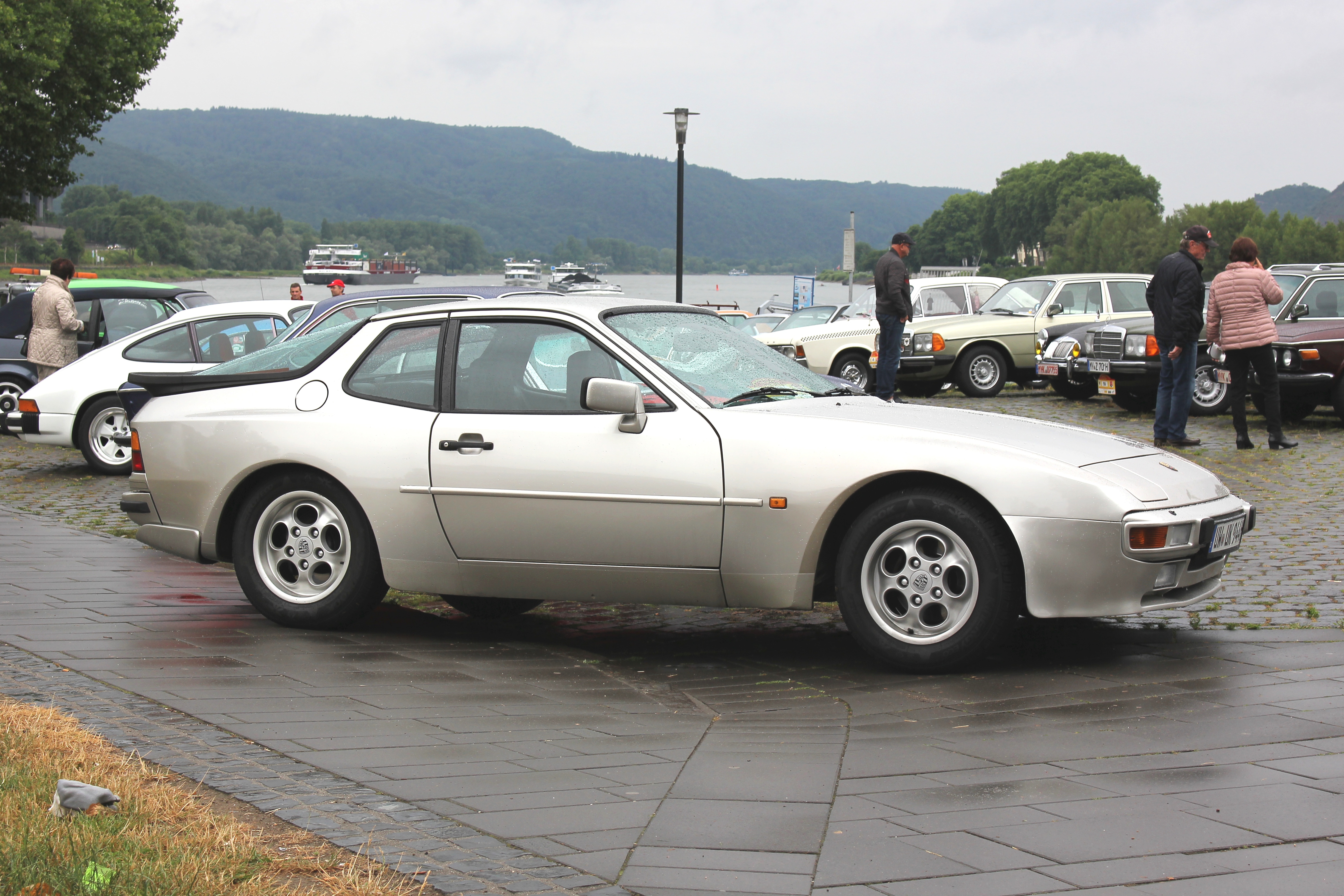
The Porsche 944 is a fun sports car made by Porsche in the 1980s. It has its engine in the front and drives the rear wheels, making it good to drive. People like to fix them up and make them faster or better.
A dyno is a machine that tests how strong a car's engine is by measuring its power. People use it to see if their car is making more power after changes.
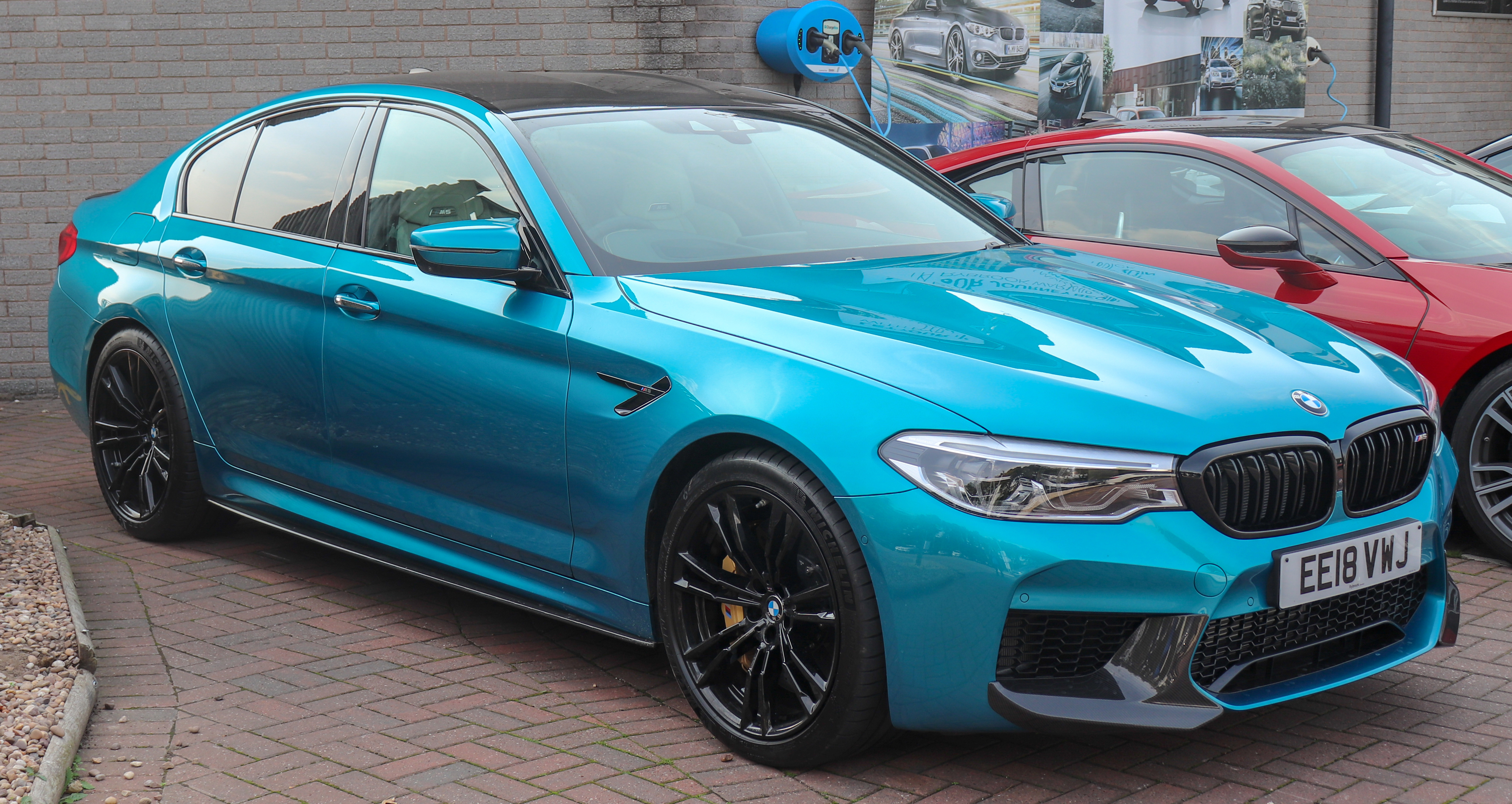
The BMW M5 E39 is a sporty and powerful car made between 1998 and 2003. It has a strong V8 engine and is loved for being fun to drive.
LIVE
Here we go. Here we go. Welcome. Who's the first podcast? Episode 376, my name is Ross Ballet, and I'm here with Patrick Costello. Thank you for joining. It's been a while. Yeah. The last time that you and I spoke was, I had to look this up. It was in 2021. You joined us on off the road again on our old podcast. We talked about truck night in America and all the shenanigans that went on with that.
We've been some developments since then on your side of things. And we have a lot to talk about. I know people watching are probably looking at the screen and saying, why does Jeff Glocker not look like Jeff Glocker? And that's because as it turns out, I'm not Jeff Glocker. But we're here. This is the universe podcast. And yeah, let's jump into it. We got exciting things to cover today. So Patrick is TV producer extraordinaire and has a knack for things.
In the extreme side of vehicular stuff that some people wouldn't even consider to jump into in any way, shape, or form. So we're here. We're talking about ice road truckers, which is back. And I want to, I want to hear stories. You know, I remember watching ice road truckers got 10 years ago, 15 years ago. And now we get some inside baseball. So tell us what's doing.
Yeah, so thanks for having me. Very happy to be here. And yeah, I'm back with a new show. And that show is the reboot of ice road truckers, the story to brand. These days, I get a lot of people saying, oh, my God, my dad loved that show. But it's back. It's, it's been never, it's airing the first of October on History Channel. It's going to run for eight weeks.
And, you know, there's a lot to like about it. I think the most interesting part of it is my anecdotal evidence, along with like literally everybody I know is it has 100% brand recognition. Like even if people haven't seen it, they like know about it. They know it's a show. And they're super curious. They're like, so like trucks drive on ice. I mean, there's a fantastic breaking bad ice road trucker meme that's out there. That's, you know, it's, it just tells you how deep it is.
How deep into the, the subconscious of the American viewer, the brand is. So they decided to reboot it after what was about eight years. It's been a long while. Yeah, I know. Right. We're all old. It's been eight years. And, you know, what, what I wanted to bring to it after such a such a big hiatus is to bring back the same core idea and action that people know and love.
And what drew them to the show. I mean, how can you make a TV show about people like driving on ice and utilize all the advancements and camera technology and producing chops that have come around since the show's been on the air.
You know, it's like the audience is more sophisticated now. So we needed to up up our game from a storytelling point of view. The cameras are way better. So we brought in a great, a great system of cameras. We worked in the Sony ecosystem. And we're able to update the visual language of the show and really present something that looks incredible and use a bunch of course we had like ice road air force. So we had drones everywhere all the time.
And it's expected chops from doing a lot of car stuff had a very curry career doing a lot of car stuff to really do some aggressive vehicle follow that I think people who who like car content, you know, could get behind. So it's a fantastic show visually.
And we elevated the storytelling, but at its core, it's the same you know, I sort of trucker. I mean, guys driving and Lisa Kelly who's back driving over, you know, epic roads in the farm north places where they're there are always roads.
Yeah, the needs are the needs. The show went away, but the needs didn't. They're these are communities that tend to be underserved. They are very far from civilization and there are no roads to them. The only roads are in the winter when they build them out of ice.
And that's pretty credible. And that the fact that that's still a way of living in the north is pretty crazy at the stage. So, yep. And just to make a quip, there's some time in the future where where ice road truckers becomes a boating show.
I mean, there's still quite a lot of ice. I mean, I was up there was negative 40. Yeah, it catches. So I have a picture. There is a mildly terrifying looking. Yeah, I mean, that's class, you know, this classic, classic ice crossing. Not our longest, not our shortest. That's a sort of normal, normal ice road. Yeah, yeah. And for the listeners, we are looking at what looks like something out of like a, you know,
a middle of winter horror movie with some cracks going on beneath the surface of, of a lake. And it's, it's really cold. It seems to be very cold. So, OK, I just wanted two things. First of all, you mentioned the ice road truckers brand. And I want to go back into that second. Yeah, first, I just want to say you talked very briefly before about how much advancement there has been on the side of the actual quality of video.
And, and the footage that you're getting and, and what you can see as somebody watching on a TV, you know, now today, that's 4k versus, I mean, when it started, it was probably probably still watching on, you know, like 720. But you did send me a picture of somebody still hanging out the back of an SUV. And it looks like a suburban.
And, you know, your, your tech has improved. It seems the ways of capturing still are very much that top gear ask like, well, we're going to plop somebody and strap them into the back of a car and follow, you know, and we'll get our video that way.
Yeah, I mean, yeah, the cameras have come a long way, but the, the, the act of shooting for these type of shows is still very much the same. If you want to get great vehicle follow content, you, you know, you got to hang out the back of the car. I mean, I guess we could have strapped a remote control run into the back, but I mean, that wouldn't have been quite the same, you know, it wouldn't have been the same look and feel and have that same.
Dynamic operated quality to the visuals. And, you know, there is no substitute for this. And that is my, my close friend, Rupert Smith, who's also the director with me on the American version of top here.
Yeah, he knows the drill. Yeah, he knows drill. Hang out the back of an SUV block.
That's his happy space, man, you know, he's, he's harnessed into the back of that thing. It was negative 35 that day. Remember well.
You know, he's covering snow because when you're driving, you know, get these little boreses that just swirl it right back on you, you know, but hey, that's, that's what it took.
It took just like months of that to really bring the supply.
Does the rear window of the suburban not pop open?
I don't know, I don't know about, I don't know about that one and there might have been some condition that allowed it not to open or he might have just preferred it because he's on a high hat, which is the high hat is secure to the floor.
And then on top of the high hat is the camera. And if you have to door there.
You're really constraining your ability to move and, you know, say this politely and Rupert.
I hope you don't hate me for this, but he does not look like a small fellow and he is like.
He's not, he's not a tiny man. So there's gear and there's camera and he's like partially out the back.
So I hope that green toe strap that is, you know, wrapped around the.
The hitch is actually strapping him in in some way and not just the camera.
Yeah, I mean, safety first on these things.
So yes, yeah, yeah, safety there.
Yeah, we were all, we were all locked down on that, but it was good. That's, that's what it takes to make the show in a lot more, you know.
So how long were you up there?
And, and for the listeners and to go back what we were saying before the iceberg truckers brand.
That's, this is probably since 2001 reality TV really like started awesome.
The brand of a television show has, has become something different because these are just perfectly scripted, delivered to the camera lines by, you know, a character actor.
These are like real people doing real things or at least in some cases.
That's what we're actually watching.
Others obviously some shows have their scripts that they like follow.
But a lot of the brand is the people and the characters in the show also tend to be the cars.
So, yeah, I'm, I'm all over the place here, but how long were you actually out there and where was it?
Our cars are definitely characters and, you know, what's interesting about the iceberg trucker brand is the first version of the show aired in 2000, which is like incredible 25 years ago.
And it was actually based on a book that had come out in the, in the seven days and then finally somebody made it into a show and, you know, 25 years is a long time for the, for the brand to be around.
You know, I remember any show to run 25 years. It's hard for most people to name a car that's been around for 25 years.
Yeah, yeah. I mean, so this was, it hadn't been around 25 years because I guess it took an eight year break in there.
But I mean, it's just, it's just an incredible brand and the fact that, you know, these drivers are still up there doing it and the way of life hasn't changed.
The camera technology change, the way of life hasn't changed.
Where is up there? You say there, just for people listening. Where is there up there?
Oh, we were shooting all across Northern Canada. So we were in Northern Saskatchewan right on the Nineveh border up there.
Right on the border of the Northwest Territories, we were on in Northern Manitoba and we were up along the Hudson Bay in Northern Ontario.
It's just kind of a city. Multi-propagological show. Yeah. Yeah. All across there.
So much up there, except the, except the trees and water.
I mean, there's really not. There's, there's, first nations communities and then there's, there's mines.
And one of our deliveries was actually to a, a ghost town where they're doing it.
There's, there's a very small population that's still there, but it used to be a big uranium mine that closed the 80s.
And it's just like one of those scenarios where people set their shit down and then left.
And it's like still, it looks like that from either tail. It's, it was like incredible.
You know, but I had this saying in the show, it's like the road with the liver.
It's like we would, these, these drivers would take off on these multi-day runs like anywhere from like four to seven days.
And, you know, we had an, a rough idea of what the story would be because we know what the cargo is and we know the challenges associated with that.
But like, dude, shit happens. And it's incredible. Like, you know, these roads, they're, you know, the native ice, they freeze in thought.
They heave. You know, and it's like they, it is absolutely brutal on the vehicles.
Um, you know, it's always, I mean, always delivered incredible content.
Um, and it's super real for these drivers. I mean, and it's like the part that you can't, it's almost part of telling the show is a degree at which it just beats the shit out of the physically.
Oh, yeah. I mean, you know, it's like imagine like a Baja race. You know, it's like, it's just like they are.
And that's your job and you're doing that for, yeah, I mean, there's limits on the hours they can be behind the wheel, but certain number hours a day.
And like, you have to, you have to always quell that part of your conscience, whereas like if shit goes wrong, I'm in trouble.
Like there's real danger here. It's not, you know, it's not like somebody comes in with a, you know, a helicopter or medical crew and like, you're good. It's like, it's going down.
Yeah, we had a couple of dicey moments for sure. You said you wanted to tell stories and I don't want you to scoop yourself, but any, any good obses you can, you can tell us.
Uh, yeah, I mean, yeah, there were some, there were some good ones. I mean, one of our drivers, um, the load went sideways on top of the frozen creek.
It was very touch and go on if the truck was going sideways or potentially upside down and do it with completely unclear how deep that is because it's frozen, right?
So you're like, you don't really know what's there and they make, um, to drive across the tundra, they make these ice bridges.
So they use, um, sticks and snow and then they wet it down and then they freeze it and wet it down and freeze it and the sticks actually.
Uh, it has the, the, the, the, the, the load carrying, um, uh, abilities of like rebar reinforced concrete, but they just use sticks and ice and they build it to cross these bugs and stuff and, um, what happens is, you know, if that gets worn down areas of it, like, come apart and then they happen to one of our trucks as it was crossing the thing just went, you know,
yes, and it was, you know, the thing is a waterable side. So it was, it was, it was dicey for sure.
Were you there for that physically?
I was not physically there. No, that was it. That was a, that was a phone call, which led into a series of phone calls.
Yeah. So that was a day. That was a day.
Do you get like the inside for anybody who was there shooting it over whether their instinct was like, help save and rescue or just like, get the camera going. Like, this is, I mean, it's their job. So they probably, you know, I've been, you know, my team is always get the camera going first.
I, you know, listen, fucking dying in front of you. No, but it is, it is like when something happens. It's like you button on to get out of the car.
And so, um, that was how it is. And of course, these trucks are all just covered in fixed cameras too. So you know that that stuff's rolling. So, should you need to assist, you know, there's a whole bunch of other cameras.
It was rolling on the stuff. But it was, it was like, you ever see, you know, those movies, one of the cars like teetering on the cliff and you're like, don't move.
You know, and it's like, it was kind of one of those moments, like that was the first instinct is like, don't move. You know, it's right. You know, we don't know what's going to happen.
And then, you know, you know, going through that raw footage was, was an adventure.
That's crazy.
Crazy. So the vehicles that they, the, the people actually driving on the show that are seen on camera, they're, you know, you're quote unquote standard ice truck, ice road truck delivery 18 wheelers and whatnot.
But in order to chase these, you know, when you're doing a lot of the reality shows that don't have a factor of adverse conditions, it's just like an escalated with a, you know, a red mounted on the windshield pointed it or
a mini van with the back popped open, but you guys had to actually outfit vehicles to both support the crew and live out of, and then also, you know, not get slaughtered by the conditions.
So it looks like you had expeditions with it was a mix of suburban and expeditions.
And, you know, we, so we start the build, we know when to start the build weeks, weeks before.
And, you know, all the vehicles got, you know, a light suspension lift, like nothing, nothing too significant.
But something to just soak up the abuse a little bit, just also knowing that people will be shooting out of them.
So we started tires, roof racks, we had to carry extra fuel.
How many spares did you carry extra spare tires?
At least two.
Oh, well, two full size studded tires per.
Everything was had starlink on it.
And then some updates to the system inside just to manage the cold.
And then in addition to that, those are just a vehicle upgrades in the cars.
They're, you know, they're, depending on the team that was in the car, they would situate it themselves.
But some have like full rack systems so they can keep their stuff organized.
And then we also have to have a way to adjust so that if needed, they could sleep out of these things too.
Well, they all had inverters installed.
The cruise traveled with microwave so they can eat as well.
Not just have like protein bars and, you know, yeah, no, it was just clunky potatoes, yeah.
Yeah, you know, so they think that they were able to get some hot.
Well, some, some chose these in my voice, not everybody.
So it was, you know, it was pretty, those that space filled the fast, the roof racks filled up fast.
It was pretty tight in there.
But, you know, they got the job done.
We may, I'm pushing to upgrade to sprinters next season, because who doesn't live before we'll drive lifted sprinter.
I mean, that would get you to come through.
You put that on camera and it'll get people to watch the show.
Oh my God, man.
You know, it's like, maybe next year we're going to BTS episode two so everybody can see how this goes.
That would be, that would be amazing too.
I don't know.
We'll see.
We don't want to get ahead of ourselves.
First people need to tune in in a couple of weeks time to the show.
But the build out, the build out, the build out was a thing.
I mean, it was a couple of weeks to do the work on the vehicles times five.
You know, there's just a bit of assembly line.
They would, and they would just, you know, run through it.
This is why Ford should build a, an expedition Raptor.
Like that would be the perfect use case.
That would be an out front.
But, but here we are.
And it looks like this one in addition to light bar and dirt tracks on the lift.
It also had the potentially unfortunate modification of an animal strike.
Or is it a?
That was not, that was not an animal strike.
Is it what a vehicle or was it, was it a, like a tree kind of deal?
Um, you know what?
I might just leave that one alone for now.
Um, that was a, uh, uh, it wasn't, it is a, a good snapshot of the, the, the conditions that these vehicles put up with.
Um, it wasn't the only damage to, to vehicle, but it gives you a good idea of kind of what we looked like at the end.
You know, bungee cords and, and, um,
ratchet strap to keep the hood down.
So it's not flying open.
Yeah, I ended speed.
I mean, it's definitely real.
I mean, that's like a day in the life of shooting ice for, ice for truckers.
So, um, it is good, but it just means, it means everybody who's going for it.
You know, it means they were trying to, um, you know, really get aggressive at, uh, telling the story and getting shot.
Yep.
Yep.
Crazy.
That, that's, yeah, that's, yeah, it wasn't crazy.
That's crazy.
Um, and for the YouTube viewers, I don't know what my computer has decided to do in terms of the,
the screen sharing.
So we're just rolling with it.
And if you see my show notes, then, you know, you're getting some of the inside stuff.
All right.
So, ice for truckers, October 1st and,
October 1st, history channel runs for eight weeks.
Um, and it's just, it's just a really incredible series.
I mean, for people that are familiar with the old series, um, some of the updates we did with the visuals are,
I mean, nine years ago, the low light, uh, capabilities of your, your standard, um, cameras sort of sort of sucked.
So they really worked to shoot most of the content for the show during daylight.
And it was some nice stuff, but, um, this season, we were able to just shoot any time because the low light capabilities,
it was just so good and the stuff at night looks just incredible.
Um, so you're really getting a, a, a, a full, um, 24, seven, uh, view of the job, you know,
because it's nighttime in Northern Canada.
For real.
It's dark most of the time, right?
So, um, and that was something that really wasn't always, um,
uh, present in the, in the, in the previous version.
So that's super exciting.
And then, you know, the drone work really shows that landscape, um, in a, a more holistic way.
I mean, the aerials are incredible.
If you, if people watch the trailer, you go a sense of that, it really gives you a sense of just the scope.
I mean, when you see this little ribbon of ice, just disappearing over the distance.
There's nothing but like tundra or if you're on, like, we, we went across, um, a lot of legs,
but one that was absolutely massive.
It actually is one of the world's largest late crossings on ice crossings.
Oh, wow.
I mean, it was incredible.
So you would imagine all of those aerials are just give the show, um, this scope that's incredible.
And then we brought, uh, a camera that I actually used for the first time on, um, truck night in America.
And, uh, called the Insta360.
And we had a lot of support from Insta360, the company they were fantastic to work with.
And we outfitted all the trucks with those.
And we're able to get some dynamic, super exciting visuals that just you wouldn't have been able to get otherwise.
Um, just to create, I mean, just those three things alone, just really when you watch the show,
if you're familiar with the old version, you're like, oh, shit.
Like this looks like incredible.
I don't know what I'm going to get next in terms of visuals.
But even if you're not, I mean, you're getting something that is really right there and you're getting,
you're being delivered, everything that we're capable of delivering using all the technology from, you know, 2025.
You know, so it's really into the visuals are really pretty special.
I mean, even if you're not into the storytelling, just pop it on and just like, you know,
put on a dark side of the moon and get into it.
Is it, what's more difficult, the visual storytelling or the audio side of things?
Because I can imagine trying to get like the sound of the ice and then at the same time,
the complete silence when there's not a vehicle in motion.
Is it, is the video or the audio more of a headache?
Um, more of a headache?
I would say the audio is more, not a headache, but I would say like getting great audio is super challenging.
I mean, the visuals, like we had all these amazing tools that I just, I just mentioned.
And it's like a lot of thought and time and hard work goes into those visuals,
but it's a little bit more attainable, even though it requires a tremendous amount of hard work.
Whereas the audio, I mean, if you're familiar with doing car stuff, like,
it's, it's really hard to, to some, to capture audio that evokes the sort of emotional quality of being there.
You know, when you're standing on the ice and a heavy vehicle goes by and you have three feet of ice under your feet that,
that is cracking and it's just like popping and making these noises.
It's so hard to capture that sound because the degree of which,
is it a sound or is it a feeling?
That's what I was going to say.
Yeah, the feeling of the road moving a little bit or like a truck goes by and you feel the reverations through you, you know.
Yeah, it's hard.
It's really hard to evoke that.
So, you know, we do a lot of work in post-production to try to use the audio that we got
and evoke for the viewer what it kind of feels and sounds like what you're there.
I mean, it's like there's a difference between hearing like an incredible flat-plane V8, you know,
on a show and like sitting in the car and like just hearing that thing wind up.
I mean, like, their bolt sounds but like your experience is very different.
So, you're trying to, you're trying to express the sound but then you're also trying to express the experience
because it really is crazy and you're completely right.
I mean, the show swings between engine noise and trailer noise and chains, like biting into ice and it's active and loud, so loud.
But then you're swinging between that and like you're up there where, dude, if you don't hear it, the truck's not going.
It is silent.
I mean, it is weed and silence. There's no hum.
Kind of beautiful place, isn't it?
What's that?
Kind of beautiful when it's that quiet.
It's stunning.
Yeah, I mean, so you want to, you're trying to express both of those.
This is what it's like there, right?
You know, with silence and peace and then this is what it's like to try to coax these incredible vehicles
like through that landscape that will bite you, you know?
So it's, yeah, it's a lot fun to make the show.
And in the same way that the vehicles are part of the show, in the same capacity as the actual characters,
the landscape and the actual, the world that the show lives in is important.
And probably as much or more so than most, if not all, like reality shows or TV shows for that matter, you know?
Something like Survivor, they've curated it so that it's this like almost fictionalized version of what you expect this remote island getaway to be.
But when Winters out to get you, you can't really do anything about it.
It has its motive.
Yeah, I mean, we, the landscape and the roads are very much a character in the show.
And that is, you know, that is the story.
You know, these roads, I mean, they will bite you, right?
And really these stories over the episodes are really about the driver battling the roads.
Not necessarily nature so much as the roads itself.
So every episode we worked hard to tell the story in a way that creates a character out of the landscape and out of the roads.
And there's one road in particular that I heard was absolutely brutal.
And it just year over year, it's each vehicles and not all of our drivers, but several of them had to make runs up and down this road.
And it did not disappoint.
I mean, it's called the Ashley Road.
It pops up first in show three and it runs through show six in for various drivers.
And it was, it was a full blown ask picker.
I mean, it was its own character and it, and it pushed these drivers or pushed some of the drivers straight to the breaking point.
So, you know, it is a good TV.
Yeah, characters in show just like the trucks are characters in the show too, with names and personalities and differences from one to the next.
You know, so you're really getting a sense of like this ensemble cast where some of the, some of the cast are humans, some are trucks and some are the roads.
Yeah.
Well, I'm very much looking forward to see it.
And I thank you for sending me the preview link, which I have had absolutely no time to actually sit down and watch.
But I know multiple parties outside of our little universe family that are excited to see this come back.
And that's without them even knowing that there's a shared interest here in some way, shape or form.
Yeah, I mean, I told my crew when we first started, I'm like, we're secretly making a car show here.
So, you know, so I mean, that is, I mean, that is how, that is how I approach it with the most dynamic vehicle cinematography possible.
That's how everything happens for a car person though, like even if you're going on a, like a driving vacation, how can I make the car part of this interesting?
Every show is a car show.
Yeah, exactly.
Exactly.
So, you said something before about three years.
And I just want to go into your own personal shenanigans, because you have a little p-car that was supposed to be a three-month project.
You said, and it's turned into a year project, which is actually a project car.
And I'm offering it out to make any, any viewers of this podcast feel better about their own projects, because it has been both a learning experience and a very emotional one as well.
Yeah, I got, I got an 89 Porsche 951944 Turbo.
And, you know, classic story.
It was a great deal and a great car.
It drove it as like this thing.
It was a 944.
It was incredible.
It was incredible to drive.
And, you know, I had a couple of light modifications, which I liked.
And then I sent it to, you know, a shop that was highly recommended, great guy, great shop.
And, you know, I mean, it was coming off of back in the pandemic.
So, there were some labor issues, but also it was a bit more project than, you know, I thought it was going to be like, I think everybody's projects are many people's projects.
So, we're right at the end of it now.
And that was, it's 2025.
That was, it was a 2021 or 2022.
I don't know.
I'll choose to forget the exact year.
But, yeah, I mean, I had it for a weekend, which was really great.
And I'm looking forward to getting it again.
But it is, you know, you know, it's been, it's been a long, it's been a long road.
All again, off again, you know, kind of thing.
So, it's got, you know, for viewers that are learning out about this stuff, it's got some Lindsey racing, performance parts on it.
Fat speed exhaust.
Sylas original turbo and injectors and most of the original hair system.
But, you know, but some light modifications in there.
Crank shaft, breather tank.
It has, it is, it doesn't have a chip out of it.
All of the chip isn't doing a lot.
I probably did one, when chips were kind of a new thing, but.
Yeah, yeah.
It's got a wastegate, you know, a couple other.
The only Porsche I've ever driven is a 944 and it was glorious.
I made it, it was so fun.
It's going to be cranking out.
I think it was like 247.
I think the crank stock.
And it weighs what?
About 3,000 pounds.
Great.
Maybe we have under 3,000 pounds.
That's enough.
I think right now it's going to be closer to 270, you know, with some of them.
It's, you know, some of the boost modifications on it.
It's going to be, it's going to be making probably 15 pounds of boost on it.
So yeah, I mean, I think I, I don't know, I haven't, I don't know if I'll stick it on the dyno,
but in theory, it nets 270 ballpark.
It's like, that's BRZ, you know, GR86 weight with an extra like 100 horsepower to the crank.
Yeah.
Doesn't suck.
That doesn't suck.
It's going to need, it's going to need some tires.
I have heard about 944 though.
It's like kind of like a house project.
It's however much you expect to spend double it and whoever long you expected to take, like, triple it.
So yeah, it's basically been my experience so far.
I mean, I have to pay the final billion on it.
I'm terrified of that situation.
I'll tell you what.
I'll tell you though, those headlights work perfect though.
You know, doing some, doing some final engine work with those headlights.
Work perfect.
I've put in a few gauges on it to a proper boost gauge and an oil fuel gauge on it too,
just with that extra boost.
So we know and that's it would have been done.
But that's what's going on right now because that was at the advice of the mechanics to really keep tabs.
Yeah.
So you don't take all the money, you just spend and flush it down the place.
Hello.
Yeah.
Yeah.
Yeah.
So when we did off the road again four years ago, you were working on an XJ and supposedly it's still in the throat.
It's really a hot shit show.
Yeah.
Still working on it.
Yeah.
You're going to have like hash marks on years that go by for XJ is back of progress.
So I mean, my career doesn't help because I have a way and I come back and I'm going from back.
So the XJ I drive around, I take it out to stretch his legs.
I mean, the engine's got it's got a 200,000 miles and the engine fucking runs so well.
It's incredible.
A fire's right at every time.
Never, ever had an engine problem with it.
And it just it winds up.
I mean, the thing sounds great.
I have some new axles sitting on a pallet.
I'm going to put some Dana 44s out of a.
Yeah, just to clarify for people isn't it's a church.
Yeah, actually not a Jack XJ.
Yeah, no, it's a no, it's a 97 Jeep.
I'd probably be able to deduce that once we got the Dana 44s, but just.
Yeah, it comes with dinner at 30s.
So the plan is to swap those.
Long arm kid, put a cage inside.
So I'll survive with it rolls over because I you know by just totally close.
There's a smushy little things.
There's so what are you going to do for a long arm like a Clayton type deal?
Or you should do Clayton there in Connecticut, like right down the road from where you went to school.
No, I did looking to Clayton.
It wasn't it wasn't Clayton.
I forget that I forget the long arm kid that I had on my build sheet.
I had it's been a while since I thought about it.
And then what is what is there?
There's a company out of San Diego is a deeper leaf leaf spring pack for the back.
Yeah, they make stuff like a whole bunch of different things.
So they make a leaf pack for the back that's going to put on there.
But I got to put I'm putting frame stiffeners on it.
And again, I haven't talked about this thing in the years.
And the next time you talk about it, it will be in the podcast drive line.
And then the long arm kit.
And then the longer it gets to go into the same time as the cage because they need to tie together.
Sorry, I'm going to do it.
Yeah, so.
It's a four liter, right?
It's not two five.
No, it's four liter.
Yeah.
Okay.
I mean, it's like, yeah, I had never done anything to the engine.
Although, maintain it.
The best thing you can do.
The four liter is nothing.
Nothing.
And dude, it.
It.
It sounds and runs perfect.
It's the only thing that sounds perfect.
The entire interior is ripped out and plastic that out.
I mean, it's it's been.
It was happening.
What happened was it's been.
It's been almost all diamond matted, but I didn't know that those cars suffer from.
I think it's a condensation issue or something in the.
The passage your side floor under the carpet have had like rusted out, which is a thing that can happen to those.
Like a seed rain kind of deal or.
I don't know what it is.
I think it might be a condensation issue with some heat coming up in that area.
Yeah.
Anyway, so I had to have that area cut out and then some new sheet metal.
It's about hexages.
They're legos.
Yeah.
Well, yeah.
I brought it so welded back in.
And then once that happened, the interior work kind of stopped.
So now it just needs to go to the fabric and get the kids are not the longer kid in.
Maybe once I see see I can tell you something once I get the once I get the 951 back,
then I can send the Jeep out.
I can't.
I can't do both at the same time and survive.
Yeah.
I feel like I'm living Radwood right now.
Yeah, you basically are.
I mean, that's like the, you know, friggin.
But I've got living Radwood with nothing to take there, so.
Exactly.
Okay.
Yeah.
So I just want to talk about some of the stuff I've driven real quick.
Yeah.
I want you to see because I've, there's been some, some good cars that have come through.
My, my neck of the woods recently.
And I'm going to share my screen because it appears to have resolved itself.
So the first one, M5 touring, 2025, you know, the possibly most controversial BMW of late,
which is kind of saying a lot because a lot of them have been.
So twin turbo V8 hybrid and all we'll drive.
It weighs as much as my Lexus GX and that's concerning for a lot of reasons and people.
But why is it controversial?
Because it's so heavy.
It's really the, the crux of it.
It's, you know, it's 5,000, it's 5,000 plus pounds fueled up and, you know, it's.
It kind of ditches that whole BMW like.
Core driving psyche by adding it as much tech as it can possibly chuck onto a platform.
And I think that's why you should probably think of it as its own entity and not as like what the M5 was 20 years ago.
You know, like when I saw chargers came out the first year, the M5, the 39 was like.
It was sports it in stick shift.
Did I nerd out on 200,000 miles and 5s like I.
I constantly just would this be a good idea, bad idea.
Terrible, but also the best.
Yeah, and I mean, they're very expensive to maintain, but they're going to be nothing to maintain compared to what this new one will be to maintain in 20 years.
And I mean, you know, this one was like loaded all the way up to the sky and it was, I think it was 140, which is a big number.
But if it's your only car or you're daily and you know, you got a nice like lightweight thing to play with on weekends, like then.
The hate that this gets is not deserved if you look at it kind of in a like its own entity vacuum, you know.
It holds everything you can want it to all fast as shit, like kind of terrifyingly fast and it's, you know, it's comfortable and it does everything you needed to do.
It's just not like this stripped out sports it in feel that people want an M5 to be associated with and that's what the M3 is now.
E39 weight 3737.
Okay, so that's like, that's a little bit lighter than, you know, today's M3 or the black wings, which I mean, 3700 pounds back then was probably really heavy.
And now it's really light.
It just sounds like doesn't it?
So are you getting like really involved with this thing like super heavy but super fast?
No, no, it still is very much like this is a V8 experience.
Like it shifts like a single clutch Lamborghini and knocks you back in your seat.
And it doesn't joke around and try to fool you that it's, you know, it's a hybrid for efficiency's sake.
Like it's a, it's a hybrid so it can, you know, fill the torque with electric and just fucking fly it is so fast.
And so like seamless in how quick you get places, but yeah, I don't know, good car.
Not not what a lot of people want it to be, but I think it's a good car and I had a really good time with it.
So that's one and two.
I had the Wagonier Overland.
I took it on a family vacation road trip.
And yeah, this is something that you guys would probably have a grand old time with up north because it's got, you know, like pseudo off road stuff.
It's got AT's and like a little bit of a lift and skin place.
What do you get with the Overland package?
Oh, a whole bunch of, I don't want to say nonsense because it's not, it's hardware.
It's like, I think it has a lower transfer case range and it's, it's got actual like, you know, armor and whatnot.
But it, again, it's a, it's a 215 inch long SUV.
Like it's not a wheeling buddy, you know, so it's kind of the stuff is there for the sake of it being there.
Not really for practical use as much as, as the people at Stellantis want it to be.
Would you advise on me one of these for our chase vehicles on the show?
I think it would be a good choice.
Yeah, I think it would work well. It would, it would mesh, it would mesh well.
I think you'd be equally suited with like a Z71 Tahoe kind of deal, which probably operates a little more seamlessly.
But I mean, this thing's got all the power you'd possibly want.
You know, it's got the new hurricane engine, the I6 turbo and it's, it's huge, it's freaking huge.
Like it has, I have a Tahoe RST on loan this week and the wagon years cargo hold.
Like the way the rear tailgate opens, it feels like a physically bigger opening.
So good car, also good car.
I wrote for pickup truck.com, pickup truck talk.com about it.
And, you know, I have my quams, but overall, the wagon year overland is good.
It's a less fun than the first wagon year that came out that had the 6-4 heavy because that was just a grand old time for the sake of making noise and whatnot.
But this is by the books better.
How much does it cost?
So this one was 80, which the first wagon year I had, honestly, when I think about the best stereo I've ever heard in my life, I still go back to the Macintosh in that like first run of wagon years.
It was like, it was dude, it was unbelievable.
And now one was like 110 or something.
So they've been steadily decreasing the price because they couldn't sell them.
And, you know, they realized they were priced way above everything else.
So this one was 80 or 82, something like that, which is square and, you know, expedition tremor and Tahoe's E71 territory.
Or just a coioteerity pro like that kind of deal.
They're all fucking expensive, is the crux of it.
What is a gem one go for now?
Couldn't tell you.
I would expect they've depreciated terribly.
I don't know if I'm on fire.
Oh, man.
Yeah, I don't know.
Jeeps don't tend to hold value all that well unless they're stamped with the Wrangler 392 badge.
So I don't know.
I don't know what the early ones are, but you know, it's, do you really want to own an early one for that long?
It's a slanted product.
So, all right.
So I drove that.
I got two more and then we're going to call the game.
That's the M5.
We already talked about that guy.
Yeah.
Forerunner TRD Pro.
So, you know, I've owned, I had a 5th gen forerunner.
I had 2 4th gen forerunners.
And I have a Lexus GX 460 that I'll be inside four years of owning when this podcast comes out.
And, you know, the GX is basically a forerunner, Lancaster Prado platform.
So I'm a little, you know, interested and care more about forerunners being good than the average person.
So the big caveat with this forerunner with the new 6th gen TRD Pro is that the one that I had on loan,
which had, you know, an ARV roof rack and shit like that is it was $73,000 for a forerunner.
And I bought my 2018 TRD offer of premium in 2018 for $36,000.
So it's enormously expensive.
And even though it like is statistically more spacious than the 5th gen, it feels more cramped.
And, you know, it's wide as hell.
Like this one's 4 inches wider than a non-pro.
But for the first time ever, since the VA forerunner, you know, it actually like moves pretty good.
And I have no doubt that it'll do things on a trail that no forerunner before will ever have been able to do.
Unfortunately, did not get to test it off road due to, you know, family obligations, which is the way things go.
And all these things and then shit goes out the window.
Is it drivable on a daily or is it going to be like driving around around?
No, no, no, no. It's way better than a Wrangler. It's better than a Bronco daily.
I don't love the way the hybrid, so it's a turbo 4 cylinder than like a hybrid bearing.
I don't love the way they interact. You know, it kicks the engine on once you get a certain amount of load after using just electric at the bottom.
And it sometimes doesn't do what it did the time before, just based on whatever, you know, algorithm is happening behind it.
But yeah, no, it's very drivable, extremely easy to mesh with.
And you know, you could buy one of these and chuck some rock sliders on it and pretty much do 85 or 90% of the trails that you would ever want to do without further modifications.
So too expensive, but a huge improvement over the fifth gen, even though I personally would still rather have a fifth gen with a supercharger for, you know, 40 grand instead of 70 for this.
70's not nothing. 70's bunch of money. That is a whole bunch of money.
Last one, last but not least, speaking of a whole bunch of money, the Land Rover Defender Octa, which the one I was the first edition and it was $170,000.
Basically, an M5 engine and, you know, Defender body around it, it's wider, it's got crazy suspension and it's got the Raptor lights up front and, you know, you park it and you look at it and it's the trope of tropes, but it really does look like something of Bondville and would, you know, would drive and, and I fucking love this thing.
It was so good. I don't know what an Octa is. What is an Octa? So Octa is their new trim model package, whatever you want to call it, that is basically designed to go.
It's, it's if you took like a Raptor Fury and applied it to a Defender. So it's got amazing high speed damping basically and, you know, it can do stuff better on the rocks than a non Octa.
But like, it can forward 40 inches of water and it's got, you know, obviously huge toe hooks and it's a twin turbo V8, which makes, I think like 100 and something more horsepower than the supercharged 5 liter that you get in the normal Defender V8.
And it's just like good up machine, you know, like if you do Octa mode, it like stiffens the suspension up, but it still rolls in corners like crazy.
And with 600 something horsepower, that much body roll in the corners is, it's just, it's so silly and so needless and it's so, so great.
Like, if you can get these for, you know, the next season, then goddamn, you can't do better than that.
So how much does it cost? This one's 170, the one I had. Big number, big number. And it was, I think by far, the least fuel efficient vehicle I've driven this year.
So what else are you getting for 170? That would be a comp.
Guy and turbo. I mean, you could get all sorts of G wagon, if you wanted, if you want the, you know, rectangular shape.
You could get a 3.92 Wrangler and still have a grand to play with. You know, 170 is a lot.
You could do X five, X five M and still have money. You could do like R S Q seven. It's, it's a shit ton of like, who are these four?
I mean, it's awesome. Well, dude, I don't know. I don't know. I don't know how many of these things are going to sell.
Well, I see a lot of badass cars in Venice where I live and I look forward to seeing one of these things.
Yeah, it's, man, if you can get your hands on one, even for a couple days, it's a grand old time in the octa.
And I don't think I'll ever see another one on the road around here, you know, unless it's like at a Land Rover dealer.
Goddamn, these things are anybody who gets one is, is really in for a treat.
You know, it's like it's an M5 SUV, which you could say that about the X five M, but the X five M rides worse than an M5.
You know, and the oxen rides like an SUV should ride like it's plush and comfortable and is quiet when you don't have the exhaust on.
And it's just God, what a, what a stupid thing and I love it.
So, so that's that looks good. Yeah, it doesn't, it doesn't look bad.
Yeah, God, I missed that thing already. It left yesterday and I miss it.
So that's, that's what's been happening around here.
I have updates on the Lexus GX of my own coming in the next, the next show.
But if you want updates on Patrick's 951 or XJ, check in in three years.
And I know, I'm sorry, I mean, I'm sorry, but yeah, that's how projects go.
So, yeah, so what do you, I mean, we talk about our street truckers, what else, anything else you want to plug?
No, that's just about it.
I just, we would love people to check out, I sort of truckers.
It's I think for people that are familiar with the old version or washing with the parents or whatever, you know, there's a,
they're going to find a familiarity to it, but for people who just want some, some badass, carry, epic visuals.
You know, action venture type stuff like work here for that too.
So, you know, we really tried to update it in that way.
It's been a while since you and I chatted, some of the other things that I've done.
If you, anybody is curious and wants to check that stuff out, there's renovations on Disney and drive with Swiss Beats on Hulu,
both very, very carry shows.
Well, well received shows too, if I'm not mistaken.
Yeah, I mean, you know, we have big premieres, big views, and they're still there on the platforms,
even though both companies have cleaned house a little bit and removed some stuff from platforms.
So they're still there to view, they're great shows, super proud of both of them.
We went to some incredible places in both and did some crazy stuff.
We were drifting in Japan, hitting the dunes and Saudi renovations.
You know, we were in Rajasthan, India.
We were all over the place.
We hit slab culture with Swiss and Houston, which was something I had never physically experienced, which was so incredible.
So they're both great shows.
Now, if people are digging around and want some, you know, some non-YouTube car content, and it haven't hit either of those, it would be worth checking out.
Otherwise, definitely tune in.
You know, for ice roads, a bunch of hardcore people put together a great series of television and, you know, had to live through all those conditions that are super real to bring nothing to life.
You know, so we're happy, happy with it.
I'm on the socials on James Patrick Costello on Instagram, so that's it. That's all the only thing I got.
Cool.
Well, thank you.
I appreciate your time.
It's such a pleasure to be here. Thanks for letting me pump the show relentlessly.
Absolutely.
I really, really appreciate it. Pleasure's always in.
I hope to be back with at least one finished project.
Yeah, seriously.
Well, I mean, this is a tactically blocker show, so I'm going to throw him under the bus a little bit.
Maybe next time you come to join us, one of his projects will be done.
Yes.
Maybe we can have a project.
We can have a project completion celebratory by...
Well, I don't have any projects, so, you know, everything's relative.
But Patrick, thank you.
I very, very much appreciate it.
And we will chat next time.
Thanks everyone for listening.
Bye-bye.
See ya.
About this episode
Patrick Costello, the showrunner of the rebooted Ice Road Truckers, shares insights into the show's return after an eight-year hiatus. He discusses advancements in camera technology and storytelling that enhance the viewing experience, while maintaining the core elements that made the original series popular. Costello shares thrilling anecdotes from filming in Northern Canada, including the challenges faced by drivers on treacherous ice roads. He also touches on his personal automotive projects, including a Porsche 944 and a Jeep XJ, offering a relatable glimpse into the world of car enthusiasts.