This is Heart Park and brought to you by right honing right Toyota out of Scottsdale, Arizona.
Coming up on today's show, I recently traveled to Albuquerque, New Mexico.
I almost couldn't say that. I will go to Mexico to visit my good friend Randy Alameda,
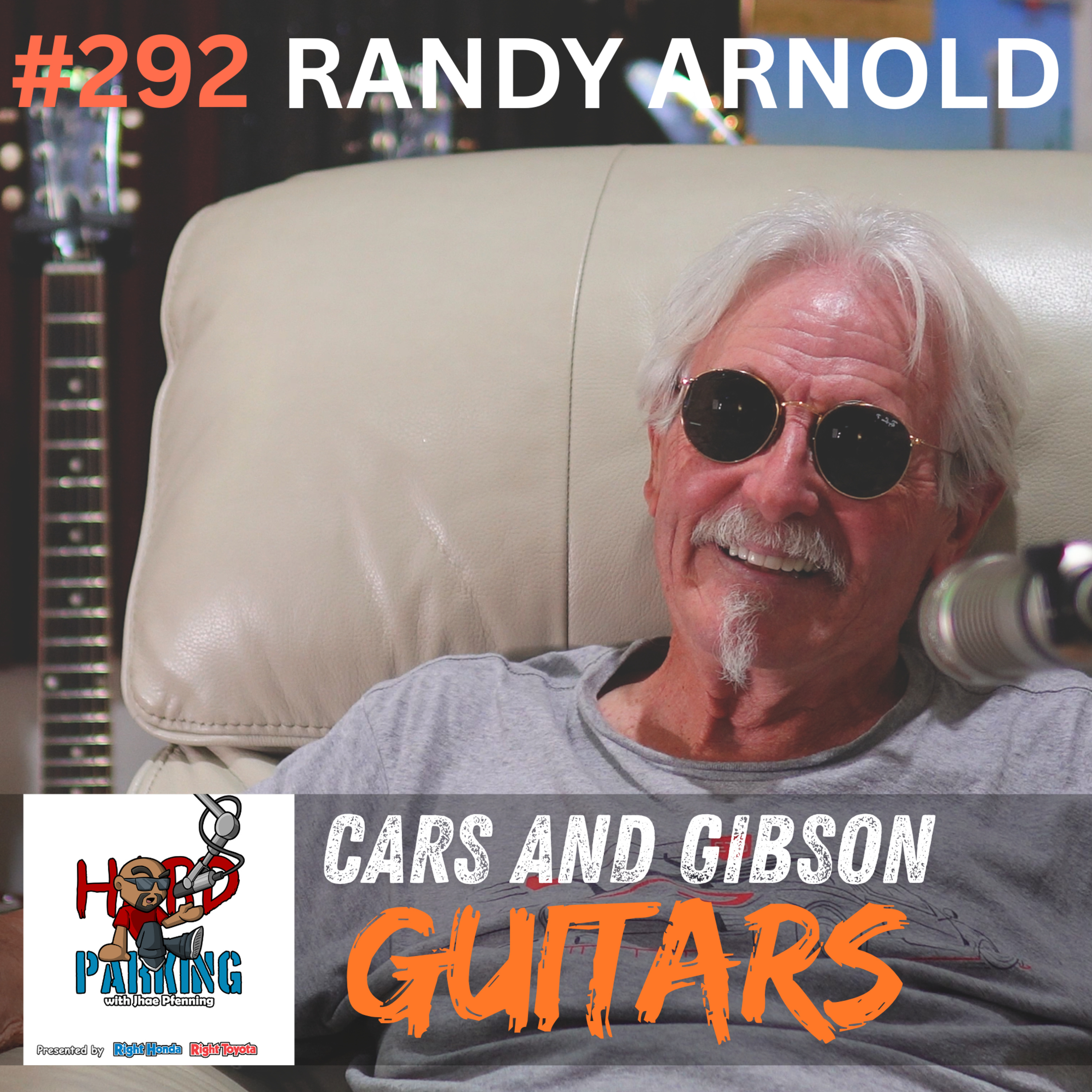
or really Randy Arnold, but find out why they call him Alameda. Check out his Gibson guitar
collection and the vault he built. Plus he has two NSXs, first gen and second gen.
All that more coming up after this word from Marcus Founder and Sparkforge.
Really quick thought. I'll shop in the other day and I get it when people back into their spots.
People complain about this all the time on social media, but I get it. Sometimes I back into my spot.
But why are we back into our spot when we're at Sam's or Costco?
Kind of counterintuitive, isn't it?
So quick story for you. A listener lost a big job, missed the call, never saw the DM,
probably because he's listened to this podcast. It happens and it's fixable.
Running a business shouldn't mean juggling a dozen apps and missing opportunities.
Sparkforge helps you reply faster, capture more leads and get more reviews.
All without adding hours to your day.
One simple place to handle calls, texts and social messages so you can focus on the work that pays.
It's like finally putting your business on cruise control without losing the steering wheel.
One login, one platform, all around your control, consolidate your tech in one place to save time, money and headache.
The future is here and it's powered by Sparkforge.ai from our friends at Arcus Foundry.
Jump into a 30-day trial today by using code hardpark at getsparkforge.ai
and stop letting yesterday's tech eat tomorrow's profits.
So Randy Arnold, I know he's Randy Arnold. Everyone around here knows you as Randy Alameda.
We are at an undisclosed location somewhere in Abakirche.
Welcome to the podcast. I've been trying to get you on for a few years.
Well, it's a deep South Valley thing here, you know, where we're at.
You know, we had a federal security driving up and down the street every day
and when I moved in here 40 years ago, they were making the B1 Bomber Motors over there.
Four years ago or 40? 40. 40 years ago.
So tell us about that. It was great. It was great.
There was a federal car driving up and down the street here once an hour, 24, seven days a week.
It was great. And then they had a problem with throwing their solvents out the back door.
So they polluted the water. So they had to shut everything down.
And then they went away. They closed everything up, put these wells in,
supposedly got rid of the contaminants and then sold the property off.
As you could see, the fence just fell down about a week ago.
I actually noticed that when I was pulling in.
And they're going to set up a catering for the movies.
It will be a catering for the movies that'll be over there,
and they'll be coming in from the street south of us, not here to also have that fence.
They said they're going to put up a brick wall. We'll see.
So if people may notice, just behind your shoulder are a few Gibson guitars.
That's just, it's not even, it's so small, it's not even the icing on the cake
of what we want to explore today.
Because I've known you for a while and I describe you as,
he's this old guy who all he does is play golf and he's an old rocker
and he's just a fireball and I make sure I always stop by and say hi when I'm in town.
You are 74 years old this year?
I am 75. I will be 76 in two months.
So you're 75. Where does the time go?
I have no clue. I was born 15 days into 1950.
Which actually rolls into one of the things behind them.
We're going to get into the guitar specifically after we do the city-out interview
so people need to stick around because we're going to go through including this special vault.
Yeah. That's a great thing that my neighbor had built.
My neighbor built that with the free pour in there.
I brought security experts in and they go, oh no man, nobody's coming in here.
The quickest way through here is through the wall and they'll have to have a jackhammer.
So tell us about you. Tell us about, there's so many places we can go
because we're both car guys. We're both NSX guys.
I didn't try to race you one year but I wanted to see where my car was,
my old car and you graciously escorted me out of town.
And so that's when I really realized that maybe one day I needed to upgrade
but there's so much about you. There's the cars, there's the music, there's the...
And I financed it all with a medical career.
And there's a medical career.
And there's a medical sales career.
I was a certified orthopedic physician's assistant.
I assisted in the operating room. I treated patients.
So what brought you here 40 years ago?
Well, the draft was closing in on me in Missouri and I knew it was
and I knew I wasn't going to go back to college because all my buddies
had too much fun drinking and having fun.
So I enlisted, I was a car guy, I was the car wash boy at the Chevy garage
in high school and we had a local drag strip.
And that was the drag strip that Dave DeSpain always talks about.
It's a little place in northeast Missouri.
And I thought everybody had Don Garlett's and Chris Carimasini's
and that on Saturday night show up at their drag strip.
I didn't realize that they were that special.
But yeah, I grew up in there and I became a car guy working at the Chevy deal
because I got to drive all the cars after I washed them, which was a big deal.
Maybe I only got to drive it around the block, but it was cool,
especially when the Corvettes came in.
But that was my high school and then I went to college
and I decided well that wasn't going to work.
But there was a guy that had a, he was an Air Force recruiter
and of course he had a blue SS 396 and he was racing at the drag strip
and he said, hey man, you know, I know I heard you guys talking about
the draft closing in so hey, here's my card.
You know, and it was a real small town so I knew that things were getting close
and the draft board secretary had called me and said,
have you guys made any other plans?
Because if you haven't, maybe you should make some now.
So I called the Air Force recruiter and next thing you know,
they gave me six months worth of medical training and sent me to Clovis.
Where is this?
New Mexico.
Oh.
Ten miles out of Texas.
And it was a brand new hospital and it was a great assignment
and I worked the emergency room for almost four years.
It was a great assignment.
And while I was there, I became a patient.
I crashed my murder cycle and broke my left leg and my back
and they said for sure I was not going to ever walk again
but on the third day I passed a little gas
and all the nurses came in and cheered.
Can you take us back through that?
I actually have a really good friend of mine right now
who just crashed his Ducati a few weeks ago.
Oh my.
Hips, his lumbar, his ankle, both arms.
Oh.
I was texting him last night and he says he can't move his toe yet.
They said he's going to walk but keeping those spirits up
and you've been there.
I've been there.
Take us through that.
I never thought, you know, those three days
because I knew the surgeon and I saw him with the 18 gauge needle
when he rammed it into my foot in the ER
and I knew that I didn't feel a thing and he was distraught
and so was I.
And it was pretty crazy.
Like I said, the nurse came in on the third day
and I farted.
And everybody came in and cheered.
What's the correlation between passing gas and walking?
Well, the vagus nerve controls the digestive system
and everything below it, you know.
And I had bruised that.
So it was not working.
My digestive, there were no bowel sounds.
There was no feeling below the waist.
And once I farted, that meant well,
things were starting to work at least in the digestive system.
And after, so I spent the rest of my time.
This was about four months before I got out of the military
in rehab, you know, in physical rehab.
And I was walking with Cain when I went home
on a physical leave and got separated
from one of my guitars on the plane and it got smashed.
Oh, how old were you at this time?
I was 22 when I got out of the military.
And I was going to go to college in Portalis.
But that didn't work out.
And I ended up coming to Albuquerque
and applied for unemployment.
And they said, go see this guy at the medical school.
And the next day I'm working for the Department of Orthopedics,
which started a whole career for me.
Which was amazing that I was able to do that.
So you tried to collect unemployment and they said, no way?
Yeah, they said, no man, you can have unemployment
if this guy, Mr. Gibson over at the university,
doesn't hire you, then we'll give you unemployment.
You know, and I literally had cash in on my boots,
my cowboy boots, had a poli T-shirt on.
I was just going to unemployment, you know.
But it was a great career.
The Department of Orthopedics helped me throughout my medical career.
How long did you do that?
Well, I try to remember.
Because I had another accident.
And I had an accident.
Like I said, I broke my back and my left leg.
And then when I went to work for New Mexico Orthopedics,
it was a great job.
But the big corporate people bought the company
and the doctors I worked for said, you know,
you might want to get another job.
And so I went into orthopedic sales.
Did you ride again, by the way?
Never attempted?
Never, never got on another.
I got on the back of one of my lifelong buddies,
Harley's, a couple of times.
And I never got on a motorcycle again,
other than just a ride to the grocery store and back.
And those were all in Farmington,
because that's where my buddy lived.
But no, I never got on another motorcycle,
and I won't.
Well, I mean, especially at this point.
Yeah.
Gosh, I mean, I'm so fortunate that I'm sitting here
and not sitting in a wheelchair.
You said you had another accident.
Yeah, I've wiped out a Honda 1200,
hit a 74 Chevy head-on.
She turned in front of me,
probably going 35 miles an hour.
And I suffered a basilar skull fracture
and was unconscious for 24 hours.
And then woke up and I've been fine.
But I have had some residual effects from the skull fracture.
Because that was quite a wrap.
But I have no residual problems.
I had a little problems with balance,
which is probably why I never got on another motorcycle.
Because I don't have good balance.
And that is one thing.
So after that, I couldn't go to work.
So I had friends in the music community
and I went to my friend, Louis Campos.
I said, Louis, I'm starving.
I'm not going to make my payment.
And he says, well, hell, there was a couple of women
in here just yesterday looking for a guy.
Here's their number.
So I called them up and I went to work for them.
To be clear, they were looking for a musician.
They were looking for a guitar player.
Let me go to the women show up looking for a guy.
And they were looking for a guitar player.
And they just fired their guitar player in Santa Fe.
So it was my first job as a lead guitar player.
And my friend, Louis Campos, he said, yeah, you'll do fine.
You just go up there and you just do what you do
and you'll do fine.
At that point, you were still Randy Arnold.
And I was still Randy Arnold.
And well, no, they called me Randy Alameda in the 70s
because I lived in the last house on Alameda Drive
in the North Valley.
You know, right across from the smoke shop
and where the buses would turn around.
So when my car didn't make it to work,
I could get on the bus and it'd take me
right to the county hospital.
How convenient.
It was a great place.
And I lived there for a couple of years.
And then after that, bought a home in Westgate.
How did that became your guitar name?
Because I lived in Alameda.
And everybody in the 70s was usually David Redtruck
or George, whatever, you know, but because I had...
Some lobster names.
And I thought they were going to give me that
because I drove a 56 Chevy that was purple.
They were going to call me Randy Purple Truck.
But because I lived in Alameda,
they called me Randy Alameda.
And the name just stuck.
So I had, during my whole career in music from
after the head injury, you know, I was Randy Alameda.
And we toured the entire western United States
except for California and Washington.
We played every other state and most of the states
between Ohio and the Mississippi River.
Why not California or Washington?
They didn't pay.
They wanted you to pay.
You want to go play at the troubadour?
Well, you had to have your management pay
to buy you a slot.
We weren't going to do that, you know.
And it was a great experience, you know,
but you just never eat the same thing.
You never eat your own cooking.
You're always sleeping in somebody else's bed.
Was it always a bad thing?
No, it was always okay.
It was good. It was different.
Would I recommend it? No.
The hardest part for us being from New Mexico
was we couldn't find any decent hot food
once we got out of the Southwest.
So we would have people send us hot food,
chilies and peppers and sauces.
When we were going to be in a place for two weeks,
then we would have them send it up to us.
And it was a great experience.
We played, like I say, nonstop.
Many times we would play eight or nine shows in a week.
You know, we played the University of Idaho at Pocodella.
There was a country band,
I can't remember their name,
but they were national recording artists,
and they played first.
Then we had a nude streaking race,
quarter-mile race,
and then we played after that.
And at the end of our last song,
the skies opened up with lightning and rain.
It came down and it was pretty dramatic.
What was it like to work back then?
I mean, you guys, I assume you had a manager?
We worked for the Good Music Agency,
which was in Minneapolis, St. Paul,
and he kept us working.
And it was great.
And if we did well at a place,
he made sure when we went back next time we got more money.
Did you guys even, like for here in Albuquerque,
were there any residencies?
There weren't anything like that.
There were bands who played here regularly,
but they didn't play every night.
And we played six nights a week.
But always around different places?
Yeah, always in different places.
And we were booked by the guy out of Minneapolis, St. Paul.
And he flew into town and made some suggestions
before he booked us.
And then he attended a couple of shows
and said, okay, you guys are what I'm looking for.
For quality control.
Yeah.
And we were on tour with Eddie Van Halen's cousin
had a band called Lion.
They were on there and there was a band called The News.
I wonder what they became.
But we actually, our lead guitar player had,
his girlfriend had been abducted from one of our shows,
brutally raped and beaten.
And it affected him.
Yeah.
Of course that did.
And he was a local mass murderer here in Albuquerque.
His name was William Wayne Gilbert.
He killed a couple and two other women.
But not her.
Oh, he killed her.
Oh.
He killed her.
Abducted her from our show at the bar
and took her out by the dump and brutally raped and beaten.
And it was just a terrible thing.
Yeah.
You know, but it was, that was tough.
And then the guy went nuts.
You know, of course the guy and he lost his voice.
And all of a sudden we're on the road
and I'm the only singer.
Lord help you.
Oh, my voice was so shot.
It was great when he got his voice back.
But he lost his voice when he came back to the murder trial.
Yeah.
You know, it was pretty traumatic.
But it was a great career.
I loved it.
And then after Ashley Pond, that was the local radioactive cesspool
in Los Alamos.
And that's where the band had initially formed was there.
So that was the name of that band was Ashley Pond.
How long did you guys play?
How long did you tour?
We toured.
And then what, when, when was this?
This would have been 1980 because we're getting the head injury
occurred in 1980.
That was four years old.
And I could not, I could not work anymore
because I couldn't, I had no balance.
But that didn't matter when I was playing the guitar.
They just thought, oh, hell, he's drunk.
No problem.
The notes are okay.
Everything's fine.
But yeah, we did that.
And I guess I toured.
We toured until, let me get this right.
I think it was 98, 99.
I think we stopped touring in 2000.
I think it was 2000.
I kept playing, but it was just regionally.
We didn't go out and, you know, we'd go out
and wouldn't see New Mexico for four months.
And it was, it was a great thing.
It was, it was something that I looked back on with great fondness.
Where does the music obsession come from?
My, because you're not, it's not like you just used to play.
We kind of did a pre-tour of this place.
Well, my grandmother, my sainted grandmother
was a Baptist church pianist.
That's how I knew her.
And my earliest memories are sitting on the pew next to her.
And if I misbehaved, I got the knuckle on the forehead.
And of course I'm up there in front of the whole church.
So, so, so I'm, I'm on display, you know.
So it was, it was pretty tough there.
But it, my grandmother had three sisters
and they all played musical instruments
and went to the community houses.
And, you know, I was from a town of 325 people
when I, in 1950.
And everybody, all the sisters had married husbands and stuff
so they didn't play together anymore.
But still when the family reunion would get together,
there was nothing but music.
And it was a wonderful thing.
But I, I knew it only as piano.
And then when I was about seven years old
I found an old guitar in the farmhouse attic
and it had a hula dancer and a palm tree
and kind of an ocean.
And I grabbed that old guitar with the rusty strings
and ran down and said,
Grandma, what is this?
And she tuned that sucker up and played.
Right there on the spot.
On the spot and I was stunned.
And I said, grandmother,
will you teach me how to do that?
And she said, yes.
After you learn how to play the piano.
Oh.
So I spent the next five or six years
learning how to play the piano
to meet her satisfaction.
And then when it came time
for me to get a guitar,
she took me to the music store
and made sure I got a good instrument.
That started it.
And that started it.
And then there was my,
and then in junior high school
the kid came up to me
and asked himself,
is the best drummer I was ever going to meet?
And he was two years younger.
And his mother.
Why are you?
Because you were known for being a musician.
Because I was known for being a guitar.
I was known for playing guitar.
And he said,
I understand you play guitar.
And I said, yes.
And he says, well,
I'm the best drummer you ever met.
And it turned out he was right.
He was also a better guitar player than me
and a better singer and a songwriter.
He's an inventor too,
but that's another story.
Did he go on to be some household name?
No, he never did.
He never did.
And it was kind of a shame, you know,
but he did invent some things, you know,
a highly efficient electric motor, you know,
and had, he had several,
I think he had 20 patents when he passed.
But he was a musician
and he played the bluegrass things
of Durango and Telluride.
He'd play those with his band.
I think the band he had was called Cold Bank Holler.
But we were friends until he passed, you know,
but he was right.
He was, even though I remember him as a guitar player,
he still was the best drummer I ever played with.
All that is amazing to me.
I can play by ear barely on some things
when I was a little kid,
but as far as tuning a guitar and learning that
and drumming,
I don't know how people could just keep up with that drumming.
We know my mother played the piano.
Of course, she was a Baptist church pianist and organist.
And so it was, there was piano,
there was a piano and an organ.
There was a Hammond organ in the living room
in my childhood home.
So it was, the music was there
and it was kind of inevitable.
I just, it just, the medical stuff
just kind of fell out of
the coldness of the draft in 1970.
When you guys, so you were able to avoid all that
getting shipped overseas and all the crazy that.
Because they sent me to Air Force training,
medical training,
and once I got through the basic training,
they said, okay, this guy can actually.
We need you here.
We need you here.
So they, they gave me a full six months worth of training
where everybody else got to,
which was great.
It also helped me with promotions
once I got into the active thing.
But, and once I got through with that,
the tech school, then they sent me to Clovis,
which I was going with everybody's going,
oh, we want to be anywhere but Texas.
So I got 10 miles outside of Texas.
Given your history in that,
I want to get back to the music in a little bit,
but with the medical,
what are some of the things that you were able to see,
some of the things that,
how you see veterans now,
I think some systems, some cities,
some states are better than others
and taking care of the veterans.
Because I think not to get overly political here,
but you and I have known each other for a while
to where we're pretty unfiltered
in the things that we talk about.
Right.
Yeah, is it as,
I don't want to say is it as bad as it seems,
because I do know some areas are a lot better than the others.
But, you know, what aren't they telling us?
Well, based on things you've seen,
based on things that I've seen,
I think there's a severe lack of healthcare providers.
And as a perfect example,
my normal appointment would have been this month,
but they sent me a letter last month saying that
it'll be in December,
you know, five days before Christmas.
And so I think that's pretty much par for the course.
That's what's happening to our veterans today.
You know, it's been...
Sounds like it's been a problem for a while.
It has been a problem for a while.
And I never claimed disability
when I got out of the military.
I went in after I retired.
I went in to see if they would give me discounted medical care.
And they had me medically evaluated in it,
and they came back 70% disabled.
And I think that's pretty much right on.
And I see, guys,
we have a pretty good VA here,
but the other VA's that I've been to,
I attended a couple of my veteran buddies' deaths
in other VA hospitals,
and it was despicable.
That's the only thing I could say.
And I think maybe I get treated a little bit better
at the VA because of my long work history
with the university connection and the VA connection
as I did sell orthopedic implants and devices.
What do they need to do to improve it, in your opinion?
Staff.
Just staff? It's just a staffing issue?
Staff.
We've got all these wonderful young physicians
that I see come through the University of New Mexico Medical School,
which I've been affiliated with since 1974.
And they're great physicians.
They're physicians for the right reasons.
And we can't keep them.
They're here and then they're gone.
They go someplace where they can make a lot of money.
And you can't blame them.
New Mexico is the middle of nowhere.
Albuquerque is to take a left turn at Albuquerque,
and you'll end up in Juarez.
Yeah.
If you guys weren't here, I would not be here.
Well, yeah.
I think you're right.
I think you're right.
I'm proud of my service.
I'm proud of my service.
I'm proud of the people that I worked with at the university
and at the VA hospital.
Getting back to the music.
Doing all the touring, kind of rubbing shoulders
with other musicians over time.
Some fell off.
Some became somebody, or somebodies,
where there are multiple, like how does it happen?
Are there multiple music?
I don't want to say festivals,
but events where there was just like hundreds of bands there?
There was a lot of quote-unquote day-long shows
or weekend shows where they had multiple bands that I would play,
and I was fortunate enough to meet some pretty prominent musicians.
Not that I got to know them well,
but got to meet them and exchange a few things about equipment
or the weather, whatever.
Ever get to play with anybody?
Oh, like I said, play with them.
Or did anybody get to play with you?
Yeah, I got...
Well, Rick Derringer played with us in Flagstaff, Arizona.
And I had just joined the band
and saw this guy in a burgundy blazer sitting at the bar.
And there was a spot next to him, so I sat down
and I said, are you Rick Derringer?
And he said, yes, sir.
And so that was my first night with the band.
And within two hours, we're up on stage playing music.
I'm up on stage with Mr. Rock and Roll Huchiku, you know?
Which was pretty incredible.
Especially looking back at it, huh?
Yeah, looking back at it, it was just marvelous.
And we actually had a bad band crash later that night.
There was a snowstorm in Flagstaff
and Rick's sound man broke his leg
and Rick jumped in the one good van we had.
And of course, me with the medical training,
I had to take the sound man to the hospital.
So I missed the after party.
I missed the after party.
But the next night, the sound man was unable to do it,
so our sound man covered for Rick.
So we got to go and see the sound check
and it was, of course, ZZ Top
and with all the animals, with the long horns
and the buffalo that they had on stage with them.
And that was pretty cool getting to meet those guys.
You know, Frank Beard was really very personable.
I didn't get to talk with Billy or Dusty much,
but Frank was just as approachable as anybody.
He was a very nice guy.
But yeah, that was crazy.
And there was other times when there were musicians
that I got to be on the bill with them,
you know, on the bill with BB King.
That's pretty cool.
That's something that you don't get to say very often.
I wasn't the first band,
but I was one of the bands before him.
I was very fortunate that I was able to pull that off.
And then when it looked at just as the band stuff
started to go away, you know, that was...
That's when I dunkled down and started on the medical thing,
going as hard as I could go.
And of course, that led to divorce.
And of course, divorce led to me playing music again.
When was the last time you were able to play?
Oh, the last gig I played was in 2019.
It's not too long ago.
Not too long ago.
What are your guitars do you actually play with
versus just look at?
I play all of them.
I really like my late 50s Les Paul specials.
They're double cuts.
I play slide guitar, so I need that extra little bit of the neck.
But those are the ones that I play the most, I think.
And that may be just because they're recently acquired
in the last five to seven years.
My favorite guitar is the...
I have a 2005 Les Paul standard,
which was one of the 25 guitars made by Gibson
for Jimmy Page to pick his personal instrument from.
I got second pick.
Well, I was overwhelmed when I realized that I got second pick.
But I was back to Missouri for a family reunion
and I was close enough to Nashville and I had my son with me
and I said, let's go to Nashville.
And I had a friend in Nashville that I stayed with
and so we went to the Gibson showroom
and I said, I looked up at this beautiful
what I thought was a 59 Les Paul.
And I said, is that what I think it is?
And he says, oh, you're right on the money.
That's Jimmy Page's number one.
And I said, oh, yeah?
And he said, yeah, that's it.
He wouldn't give me any discount.
But he said, you know, if you want a discount,
you can go to Guitar Center.
They've got a few of these, but not from the run of 25
that we made for Jimmy to pick his instrument from.
So I thought that was pretty cool.
So I really like that guitar.
I really do.
And I beat it up.
I play slide on it too, you know?
But at least I use a glass slide.
I used to use metal, but now I use glass.
It has a little more subtle tone,
not as sharp as metal is.
How many guitars do you have?
28, 29.
What started the obsession to start buying the guitars?
Well, after college,
I sold my Hagstrom 12 string
and my Super Reverb
and when I went into the military
and actually I traded the amp for a banjo
and an acoustic guitar.
And I decided I was going to be maybe the shakiest guy,
playing the banjo at the pizza joint
because I'd seen that.
I thought that was pretty cool.
Of course, that didn't last long.
And I traded the banjo for a set of polyglass
tires for my 68 Camaro Pace car.
There you go.
And I thought it was well worth it.
And when I broke my back,
they sent me home and I was walking with a cane
and I had that Gibson guitar that I bought in 67
and it made a flight and I didn't
and it got smashed.
That led to me coming to Albuquerque
eventually, it was months later,
and buying a guitar from my friend Louis Campos
who became my musical mentor
for my whole life.
He always had faith in me
and when I didn't have a job,
he'd say, well, call this person
or call that person and they'd say,
oh, Louis sent you?
Well, then you're okay.
And I do miss him.
But I was fortunate enough
that at the end of his life,
and you'll love this,
I took him to the crest in my NSX
once a month.
And we'd also go out to the reservation
and have a Laguna burger.
It was really a hoot
because he was always a car guy.
He was a beamer guy.
I'd bought his wife's BMW
and got a divorce in 2004-2002.
Did you guys smash it up?
No, I drove that car
until it had 247,000 miles on it
and I had replaced the front suspension.
Any electrical problems?
You said BMW?
No, I had no electrical problems
in that car.
I did buy a donor vehicle
because the suspension
was going in the front.
So I bought a donor vehicle
and was able to
also take the transmission out
and put it in there in the 74.
And then I sold the donor vehicle
for more money than I paid for it.
So you've been in the car since
back in high school?
High school, on the farm.
I was driving a pickup truck
with a hay wagon
or a tractor behind me
with a block on the brake
and the clutch so that my feet
could depress it.
What car did you want growing up, Randy?
I always thought it would be a Corvette.
You look like a Corvette guy.
I drove all the Corvettes.
There were several Corvette owners
that I got to drive their car
around the block.
But my favorite car
up until the NSX
was the 1969 Pace car
convertible.
It just had all the bells and whistles
include I'd put a pioneer
tape deck in it
and some nice speakers.
It was a great car.
I just loved it
and it got totaled
while I was in Clovis.
But I had it for three years
and it was just great.
One thing about that car was
especially in the 60s
is you met yourself at least once a day
because every Chevy dealer in America
had one or two of those Pace cars.
And there was four of them in Clovis.
And I don't know how big Clovis is
but it doesn't sound like a city
that's going to be that big.
Well, Clovis I think was about 20,
was about 20,000 people
when I got there
it was about 18,000 people
that worked on the base.
Now part of those people were
Clovis population
but it was a
a tack fighter base
and we
we flew a lot of missions out of there.
Why the NSX?
The NSX
were NSX guys?
Senna
I had my friend the drummer
was selling satellite TV.
So I started selling
satellite TV
and I'm sitting here watching
you know it's three o'clock in the morning
and I'm watching Senna at Suzuka
Senna and Prost
and I'm thinking
this is living
you know because
I was watching it live
and it was a big thing
and once again something that I shared
with my friend Michael the drummer
you know he
he was selling satellite TV
and I sold
several systems down here
so I made a little money selling it too
but it was watching
Formula One
on
the satellite dishes
that got me
and I can remember
in the pre-race stuff
which of course there were no commercials
I'm getting a direct feed from Suzuka
you know and
I see this beautiful red car
with a black
hard top on it
and Senna gets out of it
and I went
someday
someday
I'd like to have
it's kind of a different Senna story
than you typically hear
but I saw him drive that car
and it wasn't long after that
there's a YouTube
video it's in early high
of him wearing a pair of loafers
driving
the NSX
at Suzuka
and once again
I must have watched that
a hundred times if not a thousand
you know it was just wonderful
watching it and
Senna was he was my hero
my friends would all come over
you know on Sunday morning
we'd be up here 4 o'clock
in the morning you know
watching the race from Europe
you know
and it was a terrible day
when he lost his life
it was
it really affected me
but it was
that
association was Senna
with that car
and then seeing the high definition
video of him driving the car
that really
sold me on the car
I only have
have you had two first gins
I only had the one
I only had the one
and I
I was
I had an Integra
that had
247,000 miles on it
when I got rid of it
and I drove it everywhere
I drove it to Seattle
I drove it up and down the coast
I drove it back to Missouri
remember the year of your Integra
and it was a 92 GS
with an automatic
so I thought
this car
maybe I should step up to an NSX
so I went out
to the Acura dealer
of course I knew them already with
having worked on my Integra
and I said you know
I think maybe
I'd like to get
one of them NSXs
and of course when you say that
they just look at you funny
they looked at me kind of funny
and then
I said you know I'm looking
for one with
just a stock one with an automatic
just something I can cruise around in
because it would be just like my Integra
it wasn't three days later
they called me and said well you know
we've got just exactly what you're looking for
except it's a five speed
and I said I'll take it
I didn't even ask how much
and so when they got it
when they got it on the floor
at the dealership
I walked in
and I announced
who
is going to sell me this car
and the owner
said this gentleman here is going to sell you that car
was that Black and Ivory or Black and Ivory
it was Black and Ivory
and
the owner
sent the salesman to do the paperwork
and then the owner
who was an NSX owner himself
okay
showed me
all the little ins and outs
of closing the trunk
all those little things
that you don't know
and I was impressed with
the way they handled it
I loved the car immediately
and when I bought it
it had
60,000 miles on it
I paid $30,000
for it
and it has
90,000 miles on it today
and I've gone through
a set of
track tires that were
on the fat fives
I have two sets of chrome fat fives
I bid on two of them on ebay
but the chrome ones are terrible
and they're terrible
the fat fives are just absolute
the silver ones are nice for some weird reasons
but I was
new to it
I had no clue what I was doing
and we went
so after
I bought the car
they handed me a car
of a gentleman named
Felipe Bono
and his car said NSX Club
of New Mexico
and I can remember laughing
saying I'm not going to join the car club
but of course you know
within 30 days I'm a card carrying member
of the club
and it turned out to be one of the best decisions
of my life
and we drove
all over
all over New Mexico
and Southern Colorado
in those NSX's
and I just loved every mile that I put
on
and I bought it in
let me get this right
2000
you're 75 so I'll allow you to be off a year or two
I want to say
I've had it 12 years
so probably around the same time
so 2011, 2012
yes because
I went to
this one I met you
we went to
Palm Springs
NSXpo
NSXpo
and
I was the last person
that they let register
so I was the last minute registrant
and we drove
out there it was like five of us
went out it was just the most
wonderful thing and that's when I met you
at Science of Speed
and I think
it didn't meet you until we got to Palm Springs
but then you guys
also came through
on a cruise at some point
and we came through in 2017
we did a cruise where we went
over to Arizona with to Science of Speed
and then came back
right to Albuquerque
and it was on that
trip
that they called me and said
we've got a 2017
NSX for you
we take the saddle
interior and no options other than
the stereo
and wheels and I said yeah I'll take it
did you have them get it for you
or did you already
they got it for me it was
on
the showroom floor
for Hurricane Harvey
so it was in San Antonio
or Houston it was in Houston
so it was inside it was protected
it wasn't flooded at all
but all the other cars
were absolutely ruined so they were
under the gun to get all
this insurance stuff so they didn't want
so they loved
to get rid of the car
were you able to get it at a
decent price?
I bought the car
for
$145,000
there you go
and the list on it was $175,000
and that's a low option
that's just the interior
the stereo
there wasn't a lot of options
and I never was
thinking that I needed it to sound
better
you know be louder or
go faster
because my gosh the thing is
incredibly fast it's incredibly
quick and nimble
with that extra torque vectoring
you get with the all wheel drive
it's really
I have got myself in trouble
going to get gas in my
car thinking that I'm in
the 2017
and I'm going into that 90 degree
corner a little faster than it should
be
you know it's because it is
that much quicker through the corners
especially at lower speeds
but could I pick one of them
that I like more than the other
I don't think I could
maybe I could
but they're totally different
and I go back to once again
we saw it the same day
Peter Cunningham
get in that black NSX
and take those
laps around there
and when he got out of that car
it was like a
total eclipse of the sun
his smile
when he got out of that car
and it was when he gave the
gal from Colorado the ride
you know
and he got out of that car beaming like that
and I said to myself
I think I want to buy one of those
and it was
it was the right time
some investments that I had made
came to fruition
and it was a great purchase
it has been a great car
and do I want to sell it
no do I want to modify it
no
you still have the first NSX as well
yes I have them both
I have them both there
they're 30 yards away
we'll get done
we can check those out really quick
that would be perfectly alright with me
it's kind of a
kind of a clueage because it is
a 75 year old
garage
it's my 75 year old garage
I
I'm a piler
hey that's okay
you were telling me earlier that
the main part of this residence
has been here since probably
1920
1930
and it was just
a one room
adobe
and then they added
a kitchen and a bathroom
and then they added
another room
and then a bedroom and a living room
and then that's when
I bought the house
and then I added
put on a thousand
square foot addition
we're sitting in a space that's probably bigger
than the rest of the house combined
yes it is
and my neighbor
my neighbor is a contractor
and a car guy
so he has done almost all of the work
over here
and it didn't matter what he charged me
it was well worth every penny
we're going to talk about the best car you've ever had
well the best car I've ever had
is the
91 NSX
the second best would be the
92 Integra
what's the third the wider cord that's out there
no
I know you love that car I do love that car
because it's got the six speed
and it's an automatic six speed
but it's got the six cylinder
and it's a two door
and they've only made that
until 2017
so I really like that car
and it has got the style
the only thing I don't like is the seats
they're not they're hard
compared to having you switch them out
with some other more comfortable
Honda seats
I just haven't I'm lazy
probably
I probably could do that I did
the guy I had
a junkyard down here that I went
every time my
Integra broke down he had
several of them down there
but he closed that place down
and retired
so there's still four or five
Integra's down there to be
scavenged but you can't
get into the yard anymore
so you like eBay you're telling me that earlier
I like eBay
all these little NSX diecasts all over this place
you know I bought
these three red guitars
I bought off eBay
and they were
two of them were one owner guitars
I got them from the original owners
in 1960
and 1962
I was going to say you got to go to Facebook Marketplace
man you'll get those seats I can promise you that
you don't even have to look for them
oh I know they'll have them
and I should buy them
I should
it's got
a great hard drive
it has every friggin option
that you could get on a Honda Accord
but it's got also 135,000 miles
on it now
because I've driven it all over
and I love the car
I don't hesitate to drive and it's quick
handles well
stops
parks easily
and it's small enough you know you can
get in places that you can't get in a bigger car
so you've told me offline stories
of sex drugs and rock and roll
and booze
but you don't drink
I love to drink
when was the last time you drank
and why don't you drink
I quit drinking in
2008
and I was a tequila drinker
and
one of my drummer buddies
that I had a
I had a band
with two drummers and two guitar
players and
we had basically the Allman brothers
and we drank
our share there and I
I realized
after
basically after music
that
probably wasn't a good idea
for me to continue to drink
because we were all affluent
and we were buying
high dollar booze
and
drinking it
and
in 2008
two tequila drinking buddies
moved
gracias adios
and that's when I quit
and I'm glad
that I quit
there was no actual
issues
there was no DWI
no accident
none of that stuff
I need to stop
and I did
and I was successful
and one of my friends
of the two guys that moved away
he works with James Cameron
like D. James Cameron
yes D. James Cameron
yes he does 3D rendering
and shit like that
he worked at Sandia Labs in the micro
in the micro area
so
the film industry loved him when he moved to California
he lives
I think he lives in Big Sur
has a wife that speaks six languages
Big Sur is nice
that's a beautiful part
that was a long time ago
and that was a long time ago
because I had a car before
between the Integra and the
yeah
I'm trying to even remember what it was
but oh I had a CLS
okay another actor
a 3.0 CLS
and it was a great car
it was a great car
and I had three
1200 Hondas
and all of them were great cars
and I was able to work on them myself
and keep them running
and I was fortunate enough
to
hang with a couple of Honda mechanics
who had raced Civics
and
in Southern California
at the dawn of Honda coming to America
so they
were the ones that really
got me driving Hondas
there was three brothers
and
two of them have passed
one of them became one of my best friends
my golfing buddy
and they were all Native American
you're 75, you'll be 76 in a couple months
everything you've been into
the music, the cars
the medical field
everything
you look back on as
damn that was amazing
well I think it will always be
the music
there's something
there's something about
playing in front of an
electric crowd
there's just something
about that
it brings something out of
me anyway that I didn't even
know was there
and
so the music
is definitely
the biggest part
of my whole life
and
without the music
I think my life would have been
a complete total waste
and yes
it was great to have that wonderful
job working for the big orthopedic group
it was wonderful
selling
stuff that I was getting
15 and 20 and 30% commission
off of
and people were lined up to buy it
it was a great
a great experience
but as I said
you know when they said I couldn't
take the doctor's golfing anymore
I knew that my sales career
was over
you want to tell us, tell the podcast
people what that means
when I was
working for the
large orthopedic group they sold the group
and
my physician called me in and he says
you need to get another job
and I said Sam what do you mean
I needed what did I do
and he said you didn't do anything
we sold
the business
you are the highest paid person
that doesn't have an MD
so
do I need to say anything else
and I said no you don't
and I called up
the three guys who had offered me jobs
in the last year
and one of those guys
hired me immediately
to play golf with his doctors
and I said
that was my job was to take the
doctor's golfing
because he didn't play golf
and I did
he didn't want to learn how to play golf
and I said I can't take these people
golfing I can't afford that
and he handed me a credit card
pretty good pay
pretty good pay
pretty good pay yeah
I went through let's see I went through
three Kia Sportages
and
$40,000
yeah you know
that wasn't much they were all junk
but they were great they were
utility vehicles they served
the purpose they really
I used to want to sport it's pretty bad
they were great vehicles
but all three of them had
busted exhaust manifold
there was a problem with that
with those motors
but yeah I
really did enjoy
enjoy the sales it was great
and I got to travel
and one of the companies that I
worked for was a
golf oriented
company
so I got to play
some of the most expensive golf courses
in America
on the company dollar
because they'd have a national
sales convention and we're
at Defuski Island which is
one stop away from Hilton Head
yeah
you still play golf all the time
I still play golf all the time
don't get paid to do it
now I pay to play to play golf
and I play
with three pharmacists and a
lawyer
one of the pharmacists is also
an attorney
and I've played with the same
three guys for many
many years
and one of the pharmacists
is
one of my musician buddies
from the 70's
and he was also
the guy that
got my ex wife into
Manx cats which have no tails
you know
which was and for a while
we had like six or seven
Manx cats in my son's
bedroom before he was born
but that was one of the things that also
was a rift between me and my
first wife my only wife
I'm not looking for a second one
no not looking but you never
know I mean there's
there's been a couple of
you know I live in a Hispanic
neighborhood
I've been here 40 years
so when the wife was
gone
everybody knows what happened
the single women
in the neighborhood they all
knew me
you know and I was very fortunate
that
the one that I
the one that I really liked
she got
sick and died
well I'll tell you something
you know and I
I really miss her
I really miss her
and she
it's funny I
am with the sound man
living with him
and we go to the
Albertsons
and get stuff
to cook
and I look up at the checkout girl
and I see this Hispanic woman
with this beautiful smile
and this bubbly personality
and I said to my
to my partner
the sound man I said you know
that's what I'm looking for
and I met her a week later
at a party in the neighborhood
and I was smitten
and it was
that was all she wrote
you know
and
I had six or seven
wonderful years with her
she was wonderful
just was really good for my
for my ego at the time
you know going through
a 20 something year
25 year relationship
with the same woman
and I was just sure that I was going to be with her forever
it was no bigger surprise
to anyone than me
that I fell in love again
and I did
and
at her funeral her mother said you know
you were the only man
she ever loved
wow
I'm crying right now
but you know
emotion like that
you can't
put a price on that
you cannot
yeah she was
she was something
she was still she was something
I really do miss her
and she's been gone
she's been going a long time
how long
11 years
yeah
she's been going 11 years
yeah I would have married her
but
she didn't want to get married
yeah
I think she knew
I think she knew more than I knew
because she got sick
and
she died of hepatitis
and she died
three or four months before
they had to cure
yeah
you just don't know
and that teaches you
to
treasure every moment
if not even every second
Randy that's why I'm here dude
I told you
I said I'm coming out
we're gonna do this
yeah
it's kind of a cleansing
for me to say some of these things
and talk about some of this stuff
you know
I mean I
like I said for those three days
when I was sure
I was gonna be in a wheelchair for the rest of my life
that
was pretty heavy stuff
what would you say to my boy Bryce
who's in the hospital right now
don't give up
and listen
to the doctors
they can do some
the things they're doing today
in orthopedics
it's light years
from the stuff I was selling
just 15 years ago
sure
you know I worked
for Johnson & Johnson
I worked for Depew
I worked for the biggest companies
in America
it was a great career
it really was
and when it was over
I was glad it was over
my last experience with
arthral care
I had briefly talked about that earlier
where I was selling
a bunch of spinal wands
and I knew the company
was doing something funny with inventory
but
I was making money so I wasn't
gonna say anything
and then I realized that
it was time for me to retire
and my business partner
said well we're gonna have a national sales meeting
why don't you go and that'll be
your retirement gift
so I went and they said
you sold more of this product
than anybody else did
so we want to know why
you're selling this stuff and nobody else is selling it
and I said well you know
I think it was a good product
and so we had this new company
that
we formed to
sell this product
and you've been sitting here through these classes
what do you think
and I looked the president of the company
in the eye and I said
somebody is going to jail
and he got
white and the two
vice presidents next to him
looked very uncomfortable
probably not what they were looking to hear
that wasn't what they were looking to hear
the punch line
is
the three individuals I was speaking to
all
got prison sentences
the president of the company got
20 years
and the other two guys got 6
and 4 years
because they were
defrauding the government
you know not to go down that rabbit hole
but I don't know if I had sent it to you
and I could send it after this but very recently
they've been busting all these companies
for doing just that
billions of dollars
right and they're finally realizing
that all of these medical companies
have been doing this
they park inventory some
place and then it looks like
it's been sold
and then at the end of the
year
consolidation well where did this
go
and it's obviously
they're selling stuff that they shouldn't be selling
I mean it's illegal
you know and
as a sales
person I didn't realize
what was going on at first
but when they replaced all my
inventory
and then I went to the
which was ready to
expire you know that was going to be
several thousand dollars that I was going to
eat
so
when they offered me the
opportunity to
to get the out of dodge I did
sure and I'm glad I
did and I've never looked
back and that was
my last corporate
function was telling
that gentleman that
he probably was in trouble
we'll talk about cars and guitars
sure we're going to go around
and we're going to do the second part of the video
we're going to point at some cool shit
okay but for those people who are listening
instead of watching the video which I keep
telling people they need to start watching these videos
but if you're listening the rest of it
we're going to be walking around
and Randy's going to be telling us about some of the stuff
we're seeing how many guitars
did you say you had? I think I have 28
could you put a
value on those
today
not what you bought them for but just today
it's you know
I've got
I don't know what the
Jimmy Page is worth but
I wouldn't sell it
but I would
I'm going to guess that it's probably worth 30
to 40 grand
that's just one of them
because you've built
what's behind me
I built a guitar vault
my neighbor
the builder
had just remodeled
a pawn shop
and one of the things that
they did was they
threw up a
safe room
so it was really easy
to use those plans
and translate them to
sticking it in the corner
of the house
we paid for an architect
to draw it up and everything
we went through all the right things
getting the permits
all that stuff
it's great and the best thing that I've done
since I've been here is I put solar up
solar in
2012
you know
so it's a long since paid for itself
well let's take a look at it
okay Randy what are we looking at here
first off I have a question for you
I want to explain what this is
well that's my
dear friend Christian's
leather work
he did the SRV
when he was
living in Oak Cliff
that's my initials
RA in my ruling planet
being Saturn
so he made those custom covers for me
in
the 2000s
and I'm very pleased with
how they are of course I don't use big amps anymore
so
what's the thing that nobody would actually know
about who made those
it's Christian Brooks
who did the Stevie Ray Bond
SRV strap
he went to high school with Stevie Ray
this is a
1976
Gibson Explorer
this white one here
the natural mahogany with the white pickguard
they made a run of
Firebirds Explorers and Flying Vs
and I bought it
in 1976
for Maynard's music
in Old Town
and as I said earlier
my dear friend Tim Pierce
studio musician in
Los Angeles
I used to fight him for
fret time
I'd go in there and he'd be playing it
I'd be playing it and he'd walk in
tell us the significance of that name
Tim Pierce is
probably the most recorded
guitarist in modern history
he was
the guy in the bowler hat
on Jesse's girl at the dawn
of MTV
this is a 1994
Gibson
special
Les Paul special
in
what they refer to as
TV Yellow
this is one of
300 that they made
in celebration of Gibson's
100th year
this actually left the factory
on my birthday
in 1994
I bought it randomly on eBay
this is a
2005
Jimmy Page
Les Paul
standard this is one of the
25 guitars that Gibson
made for Jimmy Page
to pick his personal instrument from
I was fortunate
enough that I was
the second guy through the door
sure and I bought
the second one it's the one you talked about earlier
and I it is
an unbelievable guitar
it has some Jimmy Page tweaks
on it that really make you go
oh that's how he gets that sound
because this has a split coil
here in a coil tap
it's really quite the instrument
is a
1959
Les Paul special
what's the difference between that one and the one
right in there next to it?
this has P90 pickups
single coil
and they have a little bit more bytes since I'm a slide
guitar player I like
that and see I can turn this
into a single coil here
and get that same byte
off of this Les Paul
but the 59s
had a
manufacturing defect
because the neck
stopped right at the body
so most of them
snapped off
during play
one year later
in 1960
they had moved the neck
in a fingers worth
into the body
and that corrected
most of the problems
so this is a 1960
both of these guitars
were one
owner guitars
the same person owned them
this one here
is a
1962
Les Paul
standard
it also is a one owner
guitar I bought it from
the original owner
whose son
learned how to play and did change out the pickups
to EMGs but changed them
all back
so it is exactly as it came from
the factory in 1962
and
I think this is probably worth
35 maybe 40 grand
these
20
20
I can't place a value
on that Jimmy Page
I don't know
the Gibson Explorer from 1976
it's probably
4 to 7 thousand bucks
and the
limited edition
from 1994 the Centennial
year
and maybe 4
because they were
pretty special guitars
we're in the vault
with all my dead people over here
you know
clapping is not dead yet
few shots of me
Newport Beach Hooters
nice
and obviously
I'm into Escher
to get into the vault
with the different pictures
and sometimes there's articles of clothing
there's some car stuff in here
how do you decide?
something that means something to me
you know like the Jeff Beck
bag
we got to sit there and watch sound check
and we were
in the third row
it was fabulous
you could hear him breathing
it was fabulous
you know and of course
the shot of me and Billy
and Dusty there
that was
that was something
I was pretty proud of
all right we'll have
sit in front of us right here on the floor
this is a 1964
SG Special
what is it in here? one owner
as you can see has a little honest
wear on the back of it
it's in here because I
I wanted
and I'm still trying to have
a Gibson from
every year
from
1959
to I'm sorry from 1958
to 1968
I have a 68 SG over here
it's in one of these cases
there's three SG cases
so
I have to keep
labels on the ones
and I haven't labeled all of the cases yet
I think it has to do
I think it has to do with the fact that
I play golf three times
you know it does have that
and I have a couple of acoustic
guitars back here I have
yeah I was going to ask you about that
there's the electric everywhere
I have a Gibson
here
it is probably my
most acoustic guitar
and I will have to take it out of the law
to show it to you
but this guitar is what
Elvis used, not the spray guitar
but one like it
on his comeback special
how'd this one get in there
what's the story
well
I saw an ad
for this guitar in the Albuquerque
paper
and I went to see it
that it had
these cracks in the
ebony here
so
I called up my friend Louis
the guitar
owner, the guitar store owner
told him what I had
the guy wanted
$450 for it
it's a
1973 dove
it was 1974
the guy who owned it
his father owned a bar
in
Roswell
and
I was able to get it for $350
because that piece cost
$150 from Gibson
I never replaced it
and this guitar is one
of the sweetest
sounding guitars
on the planet, it's probably not in tune
I need to tune it up
this is a very special instrument
I
have never
found one that has
this kind of
see that inlay
that's all wood inlay
all individual pieces of wood
and then
the book matches
so this piece of wood
was the same as this piece
at one time
it's crazy because the phone
can't even capture the richness
and the deepness of that red
oh yeah
and this is
the loudest acoustic guitar I've ever played
so I played this
at
Molly's
Molly had a little
a liquor store about half the size of this room
and she built a beautiful bar
and my friend Mike and I
and my friend David Redtruck
we were the first people to play in the bar
and my friend Michael had a Gibson Hummingbird
which is like
a step down from the dub
and the dub is like
a step down from the super jumble
but
this is one of Gibson's most
expensive instruments
and it's in 1973
and I bought it
for $350
and it sold new
for 1500
in 1973
and today this instrument
is $5 to $10,000
I would say it is my favorite acoustic instrument
I've ever played
the instrument is a 1965
Gibson SG
Standard
it at one time
was in nine
separate pieces
after riding
through
a tail end collision
so where does one go to rebuild
a guitar
you have to find
it's a very special kind of person
who can take an instrument that's been
this was in nine pieces
I mean
there's breaks across here
there was a severe break here
this was in three or four pieces
but
we have here a real craftsman
who did this
he said it wasn't worth doing it
but it cost fix it for me anyway
it means that much to me
I bought this guitar for $60
in
1974
with none of the hardware
none of the stuff
no pickguard on it I just bought the guitar
for $60
so I
put all new hardware
on it
and it was my favorite guitar
how much was this thing to restore
I was
it was $600
to get it restored
and that was a bargain at twice the price
if
this were an
undamaged
1965
SG
you're looking at 10 to 15 maybe even
$20,000
I bought it for like I said
$60 in a box from
bass player
and it's been my
go to guitar ever since
but this would be my favorite
and it just roars
and it has a
patent
a PAF here
and a patent number
and guitar
player aficionados knows that
those two are the most desirable
Gibson pickups
of the 60s
as I say
this one is
this one is a T-bucker
and then this one is not
so this one is the old one
and this one is the T-bucker
so this is the one huh
oh yeah this was my favorite guitar
it was always mine
it was always my favorite
and it doesn't weigh anything
it doesn't weigh it's really lightweight
it's actually a
2019
of Pelham Blue
and this will take you
back
there was a TV
show that starred Paul
Revere and the Raiders
and
Paul's
guitar player had a blue
SG like this
and I always wanted one
so in 19
Gibson made these in two different colors
and believe it or not
this was
$1800 including shipping
and it just absolutely
screams I replaced the Gibson pickups
with
and they are
high dollar custom pickups
and I converted it to
original wiring
which this had a circuit board in here
so I got
a modern guitar
with antique wiring
and antique pickups
so it just sparks like
at the moon for sure
it's just a great guitar
Firebird
from
2013
the biggest case the one next to the one
next to the yellow sticker
I called Gibson
after I bought the guitar
I became friends with a couple guys
at Gibson I'm sure
because you spend $10,000
to answer your phone
you know so I called them
in 2008
and I said
winter guitar
there's the Gibson ad right there in the corner
for the Johnny winter guitar
I said
and I was at the NAMM show
which is you know like
Carmel show for cars
I'm at the NAMM show
and I'm going well
how much is this guitar
and I say well
that guitar is going to be
$11,000
and I said
damn that's a lot of money and I'm sitting there
playing this guitar at the NAMM show
and I hear this guy behind me
going
that Firebird sounds pretty damn good
and it was
Ulyon Roth
who took the guitar
out of my hands
and immediately
grabbed the next Gibson
rep
and that guitar was gone
damn
so I sold that one for Gibson to Ulyon Roth
and then
so
I got home and I called Gibson
and I said you know you sons of bitches
there's too much fucking money by God
and he says well you know those are a special run
of Johnny winter guitars
blah blah blah
and we've already made the only
ones we're going to make
he says but I don't have any
on the showroom floor
can I make you one
so I got
that one made
and it is everything
but the paperwork
it's a Johnny winter Firebird
and it's in it barks
it barks it just screams
but it also weighs
15 pounds
so
we're looking at
your
sounds
sounds
sounds
sounds
sounds
sounds
sounds
sounds
sounds
sounds
So, we're looking at your 2017 NSX and your 1990s, the 91, right?
It's a 91.
It has the 95 wheels, aren't they, or are they 96 wheels?
They're 90, technically 94 plus.
94.
94 plus.
Yeah.
And I bought those, I went to Carson Coffee in Santa Fe, and the Santa Fe paper had those
wheels in there.
And I thought that Chris had told me he was going to sell his, so I called Chris and said,
are those your wheels in the paper?
He says, no.
So I called the guy, went over there, typical story.
I got the book, I got the wheels, I was going to get the car, and my wife said, later for
you.
Hmm.
So, would you like the book with the wheels?
Great.
So I bought the wheels for 600 bucks.
Nice.
And then my neighbor, refinished on it.
God, he's been great for me.
He really has.
And did you see the Gibson?
Oh, yeah.
I've never been a better time than I did at Gibson.
And then there's one of my blues, all-star blues jammed with my name and lights.
Randy Alameda.
Every Wednesday of the dry, Gulch Brewing Company, Ingrill.
They had great food and they got good deer.
It was a great gig.
Those are my favorite wheels for the first gen, by the way.
I like mine too.
And because they've got the two-tone, you know, they've got the smooth hair.
Yeah, it's polished.
It's silver, but you have the dull and polished.
Yes, yes.
And he...
And it glistens when you drive.
He did a great job when he did these.
He went online and looked at a lot of them and said, okay, I'll fix these for him.
And he's refinished several sets of wheels.
He did them for my BMW too.
Oh, they were great.
No?
Once he got those done, they were just the plain BMW wheels, but they had that sparkle,
like you're talking about there.
When do you decide between these two what you're going to drive?
Since I've got 90,000 miles on this one here.
It's usually this one.
But this one is so much fun to drive.
And people just go crazy as you know every time I park it.
People are going, wow, where did you find this?
And I say the same thing.
In the garage.
Be careful what you wish for.
The Acura dealer.
Because both of these were just that.
I said, I might like 191.
Well, they had one for me in three days.
Oh, would you like to buy a 2017 for 30 grand off?
Yes, as a matter of fact, I would.
What a deal this is.
This is my third set of Michelin's, but I think it's got 34,000 miles on it now.
You drive it?
Yep.
Well, and Roby does too.
And I tell him to do that.
Thanks for showing us your cars and your guitars.
Hey guys, thanks for checking out the show.
If you like what you heard, or even if you didn't like what you heard, if you're watching
this on YouTube, go ahead and hit that thumbs up, hit the subscribe button.
If you're listening to it on traditional podcast media, go ahead and go over to YouTube
and hit that like button.
And please subscribe, trying to move everything to YouTube.
It's been a lot of good time trying to make these videos.
But anyway, so with that being said, I do want to thank the show sponsors, Wright Hanna,
Wright Toyota, Toyota of Huntington Beach, I got to read this, Claremont Toyota and Guardiania
Honda.
Can't forget, Arcusfoundry.com and of course AutoCannon officially licensed Honda in
Acura Gear.
I want to thank our Patreon business supporters, Kluya Automotive out of Wintergarden,
Florida.
Automotive specialty tool out of Owings Mills, Maryland.
The Lucky Breaks, Sports Breakers out of Caledonia, Michigan.
Big House, Small Home Design out of Ashbury, Virginia and Traverse City, Michigan.
And the Shade Bros out of Boise, Idaho.
If you're in position to help the podcast upgrade, go free to either become a member
on YouTube.
So you get episodes early when they're ready early, which isn't very often.
Or you can join the Patreon for as little as $3 a month and get access to bonus audio
bonus video and exclusive swag as well as all the normal swag that comes out or
without having to pay for it.
Special shout out to Mark Stelman, Katherine Cox, Eddie Ramos, Richard Graves, Byron Jones,
Bo Jung, Alaskumita, Andrew Bunkley and Tray Mullins for supporting the show.
If you want to email the show, info at hardparking.com, follow me on Instagram at jfinning, follow
the show at hardparkingpod.
I already told you to subscribe via YouTube and I meant it.
Shut up!
About this episode
Randy Alameda shares his fascinating journey through music and cars, showcasing his impressive Gibson guitar collection and two NSXs. From his early days as a car wash boy to becoming a certified orthopedic physician's assistant, Randy's life is filled with colorful stories, including a near-fatal motorcycle accident and a successful music career. He discusses the significance of his guitars, including a rare Jimmy Page Les Paul, and reflects on his passion for cars, particularly the NSX, which he associates with his admiration for Ayrton Senna. This episode is a deep dive into the intersection of music, cars, and personal history.
Randy Alameda aka Randy Arnold is a big time Gibson guitar collector and auto enthusiast. Jhae travels to Albuquerque for a sit down with Randy and to see the guitar vault.
Summary: In this episode, host Jhae sits down with Randy Alameda, a 75-year-old Albuquerque icon, at an undisclosed South Valley location. Randy shares his vibrant life story, from his music career touring with the band Ashley Pond to his passion for Acura NSXs and his medical sales background. He recounts surviving a life-altering motorcycle accident, his extensive guitar collection housed in a custom vault, and his reflections on love, loss, and resilience. This episode is a heartfelt dive into music, cars, and perseverance.
Chapters:
02:03-2:55: Randy discusses moving to Albuquerque 40 years ago, living near a B1 bomber facility, and local environmental issues.
3:19-4:08: Introduction to Randy’s guitar collection and the custom vault built by his neighbor.
5:10-9:02: Randy’s backstory, including avoiding the draft, Air Force medical training, and a severe motorcycle accident that nearly left him paralyzed.
12:59-20:49: Music career highlights, touring with Ashley Pond (1980-2000), and a tragic incident involving a bandmate’s girlfriend.
21:03-24:23: Origins of Randy’s music passion, sparked by his grandmother and early guitar discoveries.
26:04-28:44: Insights on veterans’ healthcare issues, drawing from Randy’s medical career and VA experiences. 30:18-32:14: Encounters with music legends like Rick Derringer and ZZ Top, plus a van crash anecdote. 33:09-35:09: Randy’s favorite guitars, including a 2005 Les Paul from a Jimmy Page run.
40:23-50:36: Randy’s love for Acura NSXs, inspired by Ayrton Senna, and his ownership of 1991 and 2017 models. 57:44-1:12:05 Reflections on music as the heart of his life, plus a poignant story of a lost love.
1:12:05-1:28:03: Tour of Randy’s guitar vault, showcasing rare Gibsons like a 1959 Les Paul Special and a Johnny Winter Firebird.