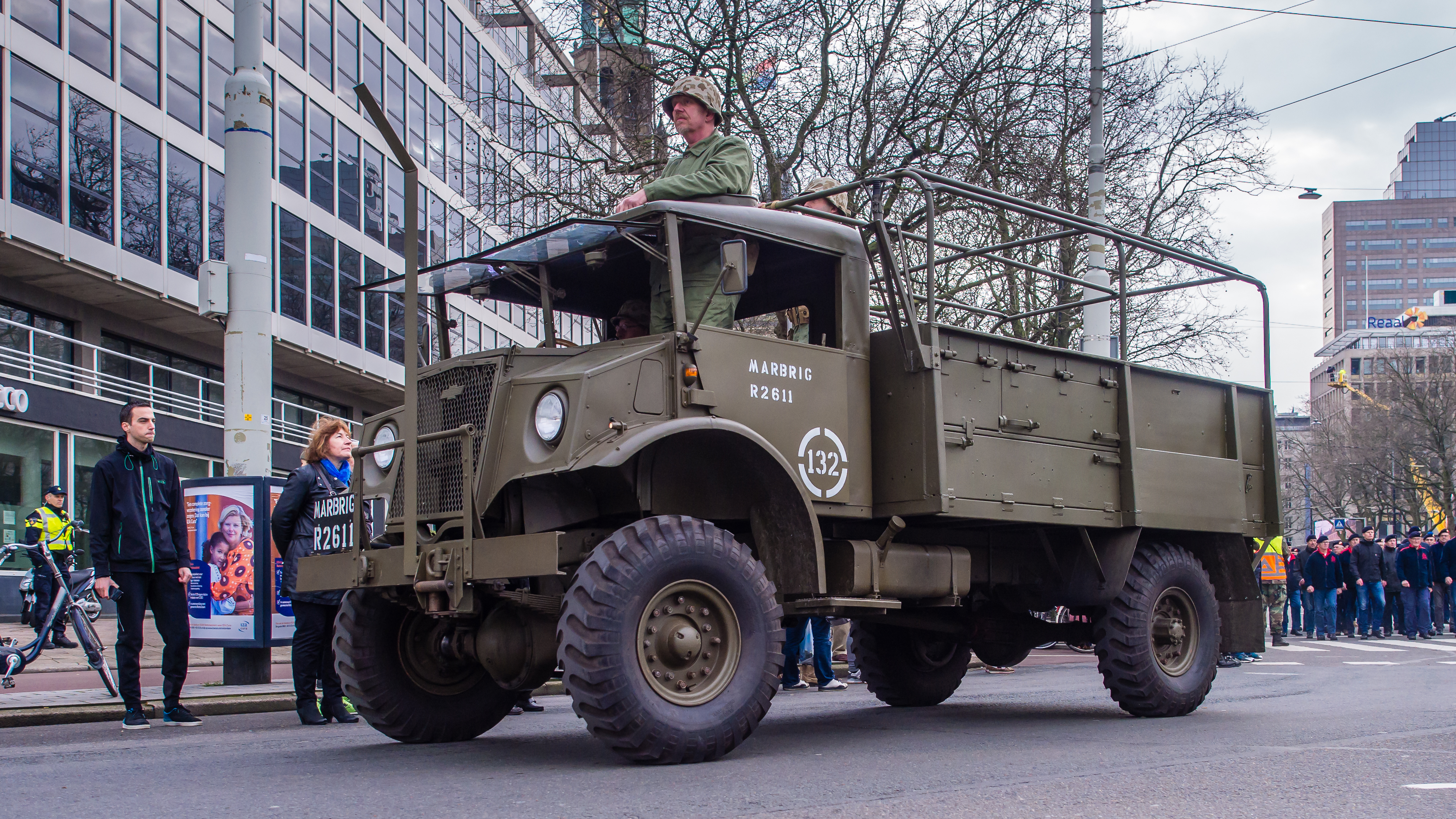
International is a company that makes big trucks and buses. They are popular for their strength and reliability, especially for businesses that need to transport goods or people.
Ford is a famous car company that makes many types of vehicles, including trucks. They are known for their powerful engines, which are used in many commercial vehicles.
The VT 365 is another engine made by International for trucks and buses. It's generally reliable but has had some problems with parts that help control pollution.
An EGR cooler is a part of the engine that helps lower the temperature of exhaust gases before they go back into the engine. This helps the engine run cleaner and more efficiently.
Car
Cummins 6.7
The Cummins 6.7 is a powerful diesel engine used in trucks. It's designed to handle heavy loads, making it great for work vehicles.
The EGR valve is a part of the car's engine that helps reduce pollution. It takes some of the exhaust gases and sends them back into the engine to help it burn fuel more cleanly.
An EGR flow code is a warning that something might be wrong with the system that recycles exhaust gases in the engine. It doesn't always mean the EGR valve itself is broken; other issues could be causing the problem.
The Jeep Wrangler is a tough car that people love to take off-road, like on dirt trails or rocky paths. It's known for being very durable and can handle rough conditions, which is why many people enjoy driving it in the outdoors.
The Chevrolet Trailblazer is a type of SUV made by Chevrolet. It's designed for tough conditions, but older versions can have problems that make them hard to drive safely.
The timing belt is a rubber belt in your car's engine that helps keep everything working together properly. If it breaks, your engine can stop working.
A flathead engine is a type of car engine where the valves are located in the block instead of the head. This design was popular in older cars and is known for being simple and durable.
Car
Chevy 350
The Chevy 350 is a popular V8 engine made by Chevrolet. It's known for being powerful and has been used in many different Chevrolet cars since the 1960s.
The 300 straight six is a type of engine made by Ford that has six cylinders in a straight line. It's known for being strong and was often used in trucks and vans.
An oil cooler helps keep the engine oil cool so that the engine runs better and lasts longer. It's important for keeping everything working smoothly, especially in powerful cars.
The 2018 Ram is a pickup truck that is popular for its power and utility. It's designed for both work and everyday driving, making it a versatile choice for many drivers.
OE tools are special tools made by car manufacturers to help fix and diagnose problems in their cars. They work best because they are designed just for those specific cars.
Diagnostic scan tools are gadgets that mechanics use to check what's wrong with a car. They connect to the car's computer to find problems and help fix them.
A coolant flush is when you change the liquid that keeps your engine cool. It's important for keeping the engine from getting too hot and running well.
A Snap-on scanner is a device that mechanics use to check what's wrong with a car. It connects to the car's computer to find problems and help fix them.
Parking brakes are what you pull to keep your car from rolling when it's parked. Sometimes, they can be tricky to turn off, especially in newer cars with electronic systems.
Euro cars are cars made by companies in Europe, like BMW or Audi. They can be more complicated to fix than cars from other places, so some mechanics are careful when working on them.
The Nissan Murano is a type of SUV that is designed to be comfortable and stylish. The 2022 version has modern technology and safety features that help keep passengers safe.
A memory module is like a small computer part in your car that keeps important information for the car's systems. If it doesn't work, the car might not run properly.
The Pacifica is a family minivan made by Chrysler. It's designed to be spacious and comfortable for families, with lots of room for passengers and cargo.
The fuel pump sensor helps the car know how much fuel is in the tank. If it breaks, the car might not know how much fuel is left, which can cause problems.
Coil control codes are error messages that tell you there's something wrong with the ignition coils, which help start the engine. If these codes show up, it usually means the engine won't start or run well.
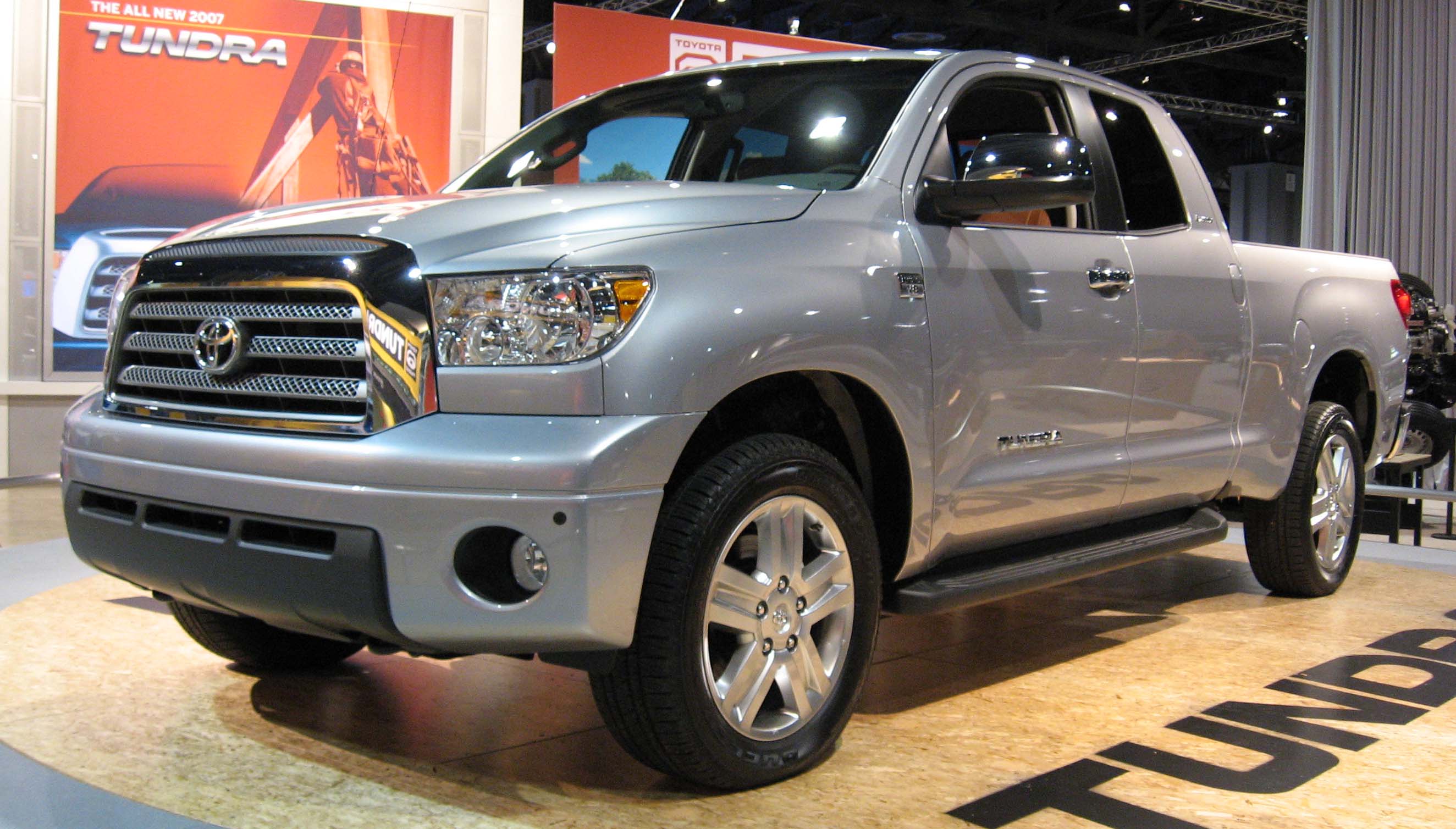
The Toyota Tundra is a big truck that people use for work or to haul things around. It's known for being very dependable and can carry a lot of weight, which is why many people trust it for tough jobs.
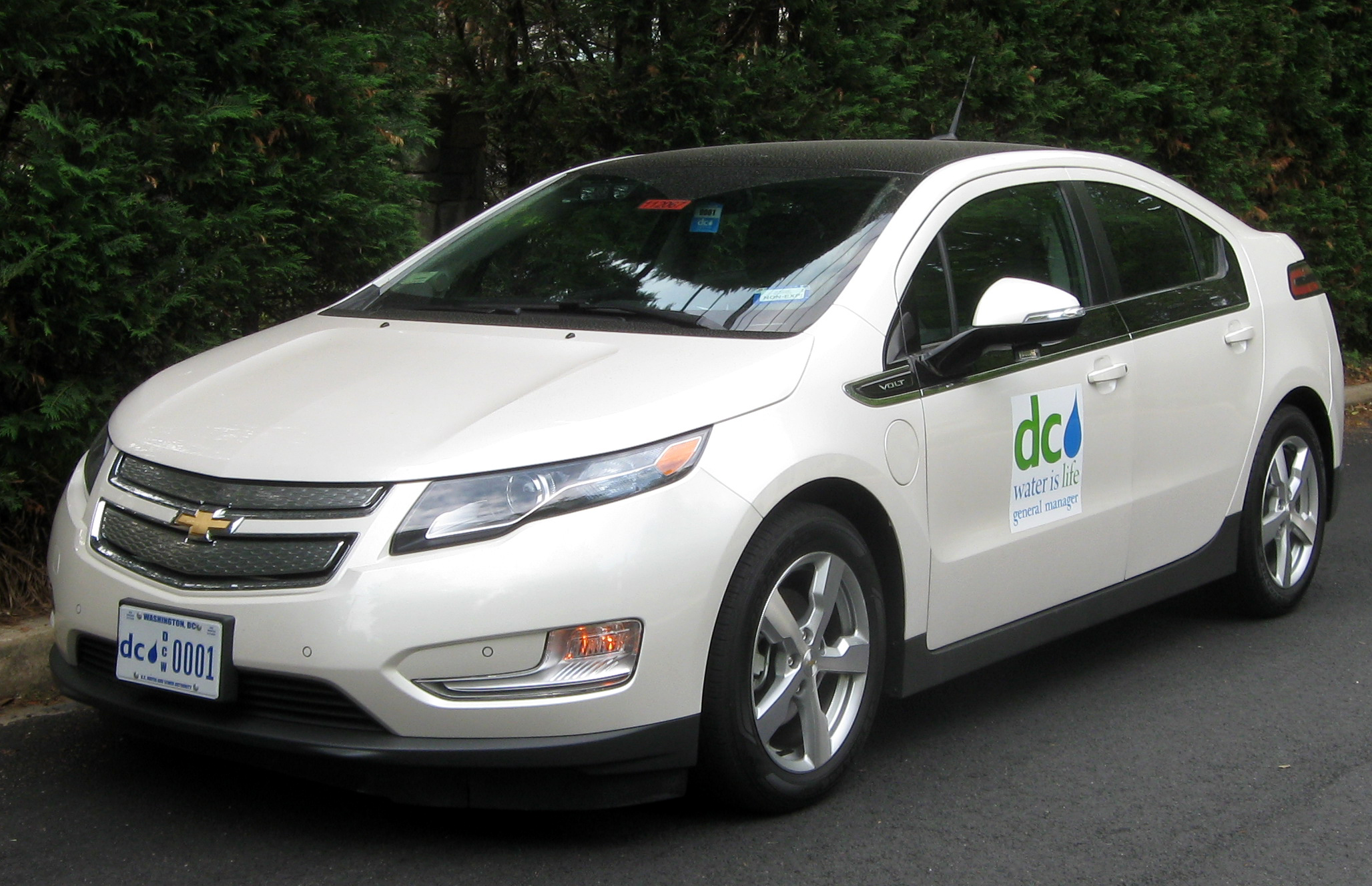
The Chevrolet Volt is a special car that can run on electricity and gasoline, which helps save on fuel. It's designed to be more environmentally friendly while still giving you the option to drive long distances without worrying about charging all the time.
The transmission helps the car move by changing gears. It connects the engine to the wheels and makes sure the car can go fast or slow as needed.
LIVE
Never run from a job. Always run to the job. Hey, it's Jeff. Every shop says they're the best and sure.
Most have good Google reviews. But Promotive cuts through the marketing fluff and partners with
shops serious about investing in their team. You need a tool allowance? More training?
Better paid time off? Career advancement? Or let's be real, we want more pay.
Promotives got your back. Schedule your career consultation with their recruiting team today,
just like so many of the other Jada mechanic listeners have already done.
Whether they have a role for you right away, with a vetted shop, or one was on your horizon,
Promotive will help you find your ideal fit because your career and your family deserve
nothing less. Visit gopromotive.com backslash Jeff. Or better yet,
hit up the link in the podcast show notes below. And thanks to Promotive for the
sponsorship of the Jada Mechanic podcast. Well, I went in there for the check engine light on
and when I left it was $1,300. I got new brakes while I was there, but the check engine light
was still $1,300. No, it wasn't. It was really 150 bucks. Because in their mind,
what I took it in for cost me $1,300. Yeah.
Welcome back, ladies and gentlemen to another exciting episode of the Jada Mechanic podcast.
I'm sitting here at Seaman Apex with, introduce yourself. I'm Chuck Mitchell,
Charles, but everybody calls me Chuck. Different from check engine, because
we're totally different. I started out mid 90s as a lube tech kind of went into the diesel fleet
field for years, worked on school buses, played a little bit in Napa and ran a couple of Napa
stores. Right on. And then a couple years ago, as I was getting older, decided I need to do
something with my life and actually grow up and ended up buying a small dealership in a shop.
We got three service bays and now it's figuring out how to make this a lot better than what we
see today and it kind of helped through all the struggles that we see. Now the age thing,
how old are you to make this decision? So I'm 46 now. I'll be 47 in a few months.
So I'm getting up there. Yeah, I started in high school at a quick lube. And then
I went to college and dropped out of college. I went to UTI for a couple years and never finished
the program because I was bored and wanted to actually just get to work. And a friend of mine
got me into school buses, worked at a fleet shop, and that's where I did a lot of my learning.
You know, not only on the mechanic side, how to how to fix stuff, how to diagnose stuff,
but a lot of the leadership stuff too. I ended up kind of growing up in that and becoming a shop
manager. And at the end of my school bus career, which was almost 15 years long, I managed a fleet
of 200 buses, had nine mechanics under myself. And you know, a lot of the technology kind of
shied me away. I was getting sick of the struggles and the pinch. Because there's a lot more
going on in those buses than I think when we realized, right? Sure. Sure. Yeah. So we were,
DEF had just kind of come out when I got out of it. And that was the big headache is a lot of
the emission stuff was kind of being shoved on to diesels. And, you know, when you're in a
fleet contract, like that you got contracts, you've got, you got budgets, you got to meet
and stuff like that. And then they put new technology on you that isn't quite
where it needs to be. That puts a lot of stress in the middle. A lot of the learning blocks were
like a lot of that stuff was still very OE level proprietary. Oh yeah. Like you couldn't get. I
know I did a tenure at a bus shop and on the heavy truck side as well. And like if you're not
buying the OE software, you're not getting a lot of the time that, that regen done. Sure.
And that's even like, we're just, I just need a regen, right? So I go down the road. Yeah.
You know, there's Chuck that there's, there's issues there was to why it all of a sudden needs
a ton of regions. Why is that happening? And then I can't get it to regen. And now I'm derated and
what happens? Yeah. Like we, if we didn't have the OE stuff or had a friend that could tell us
what to do or what, like we were screwed. Yeah. Yeah. And you know, being in a large bus
company, you had some of the information. We had the ability to do our own warranty work.
Okay. Because we bought so many buses. But it was, you didn't have the information.
And that was the big thing was, you know, we had software that could do some of the work. But,
you know, you bought 30 or 40 buses, all exactly the same, all the same mileage,
all the same time. Yeah. They all had the same problems all the same time. And you had no
information as to what was going on, at least up at the dealership, they would see that stuff
at multiple levels and be able to figure it out. Now are these bluebirds? No. So we,
we were in internationals. Okay. Quite a bit. Towards the end, when I was getting out,
they went to the Thomas with the six seven. Yeah. Because we were having so many problems with the
Max four sevens. Yes. So yeah, which the Max four is a lot like, was it the Ford six?
Ford 6.4. Yeah. Yep. Yeah, we had terrible. We had tons of 365s and VT 365s, which we were
able to get through. Yeah. With the EGRs, the EGR coolers and all that stuff. And that week, we
learned through it was a struggle, but we made it through. But when the Max four seven or the six
point four liter in our vans came out, it was a whole different ballgame, totally different
design, totally, you know, totally different processes. And then, you know, when the six
seven Cummins came through with the DEF, and then it was trying to learn DEF while we
were also struggling with the six fours, you know, Max fours. So yeah, I decided I had enough fun.
That's what I got into working at Napa Auto Parts and running a store
and tried that for a few years. And what was that like?
You know, being from the tech side, it had huge advantages. We deal with Napa a lot
partially because of, you know, a little bit of loyalty there. But
they definitely have a culture of trying to take care of the customer. So being from
the the mechanic world, I could come in and deal with the shops that we dealt with and
understand them a little bit better than some other people coming in. And they probably would
have respected you to because you'd actually put some time in with a wrench in your hand
versus just somebody who, as a salesman, maybe would have been coming from a different industry
or an enthusiast level of a tool in their hand, not like the whole thing. You'd been there,
had a fleet, you know, nine mechanics underneath you, they could probably relate to you pretty well.
Yeah. Yeah. It didn't take long before they realized that I did know what I was talking about.
Had been there before. And yeah, that that made it a lot easier. I just realized I wasn't,
I didn't understand the retail part of it, you know, that was that was difficult for me,
because even though it's like, well, it's auto parts, everything's good. The job is different.
You know, understanding retail and but retail budgets and inventory management and stuff is
totally different. Yeah. I have a good friend that just left Z, way up in a dealer group back home.
So he was buying like he was responsible for when they would take over a dealer.
He was responsible for their parts inventory and what they would do with it and
what it was. He would essentially walk in and give a value to it and then turn around that
parts department as well. He said the same thing to come from where he had been, which was just
like a solar operator at a dealer to then having to oversee all these acquisitions.
He struggled with it at first, you know, and then it was like, now he's the kind of guy that
like it's just, he's good at whatever he does. So it's like it translate. But now he's
just recently left it and he's going to go run his brother's tire store. Okay.
Minor key tires. What used to be a minor key mouth first now, you know,
because he just says, I just want to, you know, I want to go back and do what I want to do.
Sure. Sure. Yeah. The retail thing is I gave him some warning. I'm like, here's,
you know, you've been kind of away from, they've never really run a shop before. Now he's been
around enough service departments to know he's going to be okay. But I said it's a little
bit different in the aftermarket when you go out there, right? That customer is different
than what your dealer customer that you used to. It is. You're talking about their money now,
not the OE's money. Sure. So what, so you did the Napa thing. Yeah. And did you miss wrenching?
I did. I missed, I missed the shop portion of it. I missed, you know,
kind of the different challenges you have in trying to figure cars out. I missed,
I missed the day to day, you know, getting older, it's a lot harder to do the day to day if I want
to be on the floor, but I missed the day to day, you know, and I just, I felt more comfortable
in the shop world than I did the retail world. It's totally different when you can
surround yourself with people that understand vehicles, understand what goes on in them.
When you go to the retail world and you're selling parts to like DIYers, you never know what
level is coming in the door. And it seems like a lot of times we had DIYers that were jumping in
well over their heads and trying to help them through that from the parts counter was very,
very difficult. And see that's something for me because like I see it all the time, right?
And it's like, you've probably seen it in some of the groups in the conversation where they're
like, well, I just wish the parts stores wouldn't sell to the DIYer, right? And we know that that's
that ain't ever going to be a reality, right? You're already trying to compete with them against
rock auto and an online source, whatever. And you know, some of the garbage that they sell,
right? Like you're, at least you're giving them a good product. But like, did you ever have
them come in and go, they want to buy some obscure thing for a car in a check engine,
you know, resolve, you're like, that's never going to work. You know that it's
never going to work. Yeah, yeah. And learning to learning to navigate that with people was,
it was a struggle. Because you didn't know how it was going to come across on the other end,
you know, when they came in and they're like, Hey, I just had my code read up the road,
you know, and it says that I need an EGR valve. And I was like, well,
are you sure? Well, that's what it says. And then to kindly explain to them, well,
an EGR flow code is not an EGR valve. It's there's so many things that go into that
code. That just tells you that it doesn't sense that there's enough going through there, you know,
there's so many things in that system that can affect that. Most automotive conferences,
unfortunately, only focus on one side of the shop. But tectonic 2026 presented by Tecmetric is
different. It's built for the whole shop. Owners, advisors, and technicians all have
sessions designed for the work they actually do day to day. It's three days in Houston,
packed with workshops, panels, and over 1000 people from the industry are set to attend.
You don't need to be a tecmetric customer to qualify. Hit up the link in the show notes below
and check out tectonic 2026. Register now while you still can to get the early bird pricing.
That was and then
you're kind of talking yourself out of a sale. Yeah. So, right? Yeah, yeah, do that. No, you're
not supposed to know, right? But and that's one thing that I did struggle with in that then
industry is just trying to make sure people were doing it right, which sometimes meant that I
wasn't going to make as much money in an industry that wants to sell the parts to make the money.
Yeah. So, yeah, that was, that was tough. So you give that up and you go back? Yeah. So,
so I had, I had gotten transferred. I worked for a larger private Napa holder. They held
quite a few Napa stores. And I got transferred and I was dry. I went from driving two minutes
to work because we're in the same town to driving 45 minutes to work. And it's,
it's something that they were common in doing is just kind of moving store managers and kind of,
you know, seeing where strengths and weaknesses are and stuff like that. But I just,
I didn't want to do that anymore. So one of my customers called me up. He has small car dealership
has three service pays. And he's like, Hey, he's like, I heard you got transferred. Is that
good or bad? And I said, Well, I don't like driving that far. And he's like, So it wasn't
a promotion. I said, No, he said, So are you looking? And I said, I don't know. Are you
looking? He said, I kind of need someone to help me on the service end. He came from the world of
he just like buying cars and didn't like how it was to buy cars. He didn't like dealing with dealerships
to buy used cars. So he started a dealership. So he needed someone to help him run the service end
because he had to learn that on the fly. And he had been in business for 10 years, I think
at the time. And was like, Yeah, just I want someone to run it and help me run the shop.
And I said, Yeah, I can I can do that. So I left Napa went to work for him.
About a year and he starts nudging me. And he's like, You need to buy this place.
And we laughed about it and joked about it. And I'm like, you know, he had this he had this old
Jeep old one Wrangler just rotten, you know, beat up. It was kind of a loaner vehicle. We'd
use it to run for parts and stuff. And I was like, only if I get that sweet Jeep across the
street with it. And we joked, you know, but it kind of became a thing of, I think we're getting
close to year two. And he's like, Listen, I'm serious, you need to buy this place. And I said,
Well, give me give me a number. And he gave me a number. And I said, Well, let me let me see
what I can do. Let me because from the start, I mean, the reason I got into being a mechanic
is because I wanted to run my own shop. I wanted to help people in their cars are broken.
I wanted to help them, you know, get to where they need to go. That I think that's what every
mechanic kind of has in them is that's truly what they want to do. Yeah. You know, there's
all different layers to it that come out as to why, but I think that's really what they just
that's their way of helping people because they're good at figuring things out, you know.
Yeah, we like for me, I told the story. For me, where I grew up like having a car
meant a lot of freedom because where I live, the bus didn't run out there. You know,
so if you had friends that were like, you know, 10 miles away, you didn't see them
unless you rode your bike. Like the transit system didn't run out there. So to get a car at 16,
17, 18 meant you could really open up your social circle a lot more. We're talking way back
kids 1990s, right? Like 50. So it meant a big deal to have a car. And then it just became
a situation where I understood what a car is a person's freedom. Being able to move about freely
is key for people. You talk to seniors and it's like the driver's license they hold it so dear
because as soon as that's gone, their independence, a lot of it is gone. Yeah. Right. So I didn't
really always appreciate what it meant to somebody, what their car truly represented.
We see it sometimes like this thing's a piece of crap, right? But it's their whole means of
being self-reliant or being able to do things that they wouldn't otherwise see their people,
take their husband to, you know, chemo therapy treatment, all that kind of stuff. Sure. We don't
forget. We don't appreciate that sometimes. And I think it's big. So yeah, I'm getting better
at wanting to help people. Yeah. Oh, yeah. Yeah. It's just a job anymore. Yeah. It becomes
a little bit more than that. We see customers. We had a lady who has some difficulty getting around.
She works at one of our local gas stations, a wonderful lady. But that's her means. She gets
a little bit of fixed income and then she does that to make ends meet. And she brought in her
old trailblazer, which was rough. It was, you know, and you have a hard time. And I think
this is where a lot of guys say that, you know, when I'm running my business, I have a hard time
because I feel bad for people. Because when I look at his car and say, well, it's going to cost you
$4,000 for me to make this thing go down the road safely, let alone it's a trailblazer. The thing
knocks when it starts up. It doesn't shift, right? Like we're not even talking engine
transmission yet. We're just talking suspension to get it ground on the road safely.
And we started looking for another vehicle. And I just happened across a roughly used
Grand Caravan that we were able to get her for a little bit less than what
her car needed, but it was in way better shape mechanically. And it's things like that.
Like you're talking to the independents, she needs that to get to work just to make a living.
And things like that, being able to help people that way, definitely made everyone in our dealership
feel a lot better. So you purchased the dealership from your friend? You get the jeep, I assume.
So yeah, we got the jeep. That was the joke. When we signed over, and the other thing is when
we were negotiating prices, they gave me a price and I said, I'm not going to pay it
the price minus a dollar. I'm like, I'm not going to pay more than that. So
when we signed, I got a dollar in change and I got the keys to the jeep. And that
was the most expensive 01 Wrangler that's ever been sold. So yeah, we bought it just about
two and a half years ago. Man, the story of buying the place, we had a tech leave right
before we bought the place before we got an okay from the bank. He said that he had the opportunity
to go to a bigger dealership with insurance and all the other benefits. And we didn't want to shy
him away from that, but we weren't telling anyone about the sale yet because we weren't sure that
it was going to happen, right? You know, so we basically said, you know, I'm going to work in
the bay. Well, after he leaves, we'll get through to the end of the sale. And then
once I buy it, I'll figure out what I'm going to fill the bay with, you know? So I already knew
that was going to be a challenge. But we definitely wanted it bad enough that we were willing to keep
going through even with with one tech down in a in a three bay shop, you know? So we made the deal.
We got the okay from the bank after he left. I worked in that shop. We bought the shop.
And within one month, the lube tire guy throws his back out for I don't know,
third or fourth time, he's heard his back a few times. And they're like, well, you just can't
do this anymore. You know, so now I'm now I'm down to older older guy. No, he's he's probably
about my age, probably about our age. But he had an accident of quite a few years back,
his head back surgery, you know, plus not that this job is easy when you're slinging tires and
everything like that. So so yeah, my son who at the time was 15 almost 16 is summer. And it's like,
hey, bud, you know, you can do some oil changes and tires how you want to come work full time.
And we just kind of threw him into it, crash course. He got us through until we could make
the mistake that everybody says about hiring two apprentices at the same time. It's tough, isn't it?
It is. It is. Luckily, luckily blessed, however you want to put it, we got two fantastic kids.
One of them who is now 19. He's been fantastic. He's a friend of my sons.
You know, jump right into it. The other one, she's a farm girl. And she came in,
she's in her early 20s. And she's like, I do stuff on my trucks. I just I want to learn and
I want to work in a shop. And they're both they're both good solid people. So they came in, they
both work hard, you know, and that's that's a big like, you know, we talk about the shortage
of young people, right? And everybody, you know, they either I want them to be able to do these
three things, like all these colleges have got to be able to teach them to do this,
I need them to do this minimum. It's not always about as simple as that, you know what I mean?
It's it's I see so many and it's like they have the ability, but they lack sometimes the confidence,
you know, which slows them down. They're like super focused on I didn't make a mistake. I
tighten this you can see their the gears are turning their head, they're building the process.
It's fascinating to watch. And then other people, they're too frigging slow.
Oh my God, like they're doing almost a perfect job. Yeah, you want it done in,
you know, that no three, I shouldn't take three hours to do an oil change. But I mean,
like, I look at some of them and it's what they want done for DPI and an oil change now
and an inspection an hour is completely reasonable for a young person. Oh, yeah,
completely reasonable. Yeah. And yet it's like, I need, I need them to do 10 in the morning.
Well, that's, that's the wrong way to bring these young people in, right? Like, yeah, I
I always like I likened it to like everybody thought if you got two texts,
then they cost X amount of dollars or you go and get two apprentices and it costs half as much
and I get two of them. I get more work. It doesn't work like that because you almost need
there's too much more twice as much guidance having to go out. Sure. Like you're stopping
a lot more to like, I don't want to say babysit because that's a negative connotation. But like
the the the mentorship, yeah, spreads you really thin on two. Oh, yeah. So I know what
it was like. Oh, yeah, yeah. Yeah, we, you know, having the three bays, we got the one
senior tech and we just keep him going. We definitely had to change the way our shop
worked and what kind of stuff it took on, you know. My my senior tech, he's been there for a
long time. He's been there since the late 80s. Wow. He's definitely a solid, you know,
give him a timing belt, give him suspension, give him whatever. He will definitely do it
way under what book time is. Yeah. But he does not like electronics. He doesn't like
the new stuff, you know. I did a lot of that stuff. So did the tech that left before we bought
the place. So we definitely had to change our focus on what we were able to accomplish at our
shop and what kind of work we brought in and start those two from basics to make it manageable.
But really at that time, it was almost a point of survival. Like,
what do you do? You got you got no one out there that we can find. We don't know, you
know, we just stepped into this thing. How are we going to do this? And, you know, losing the
technician that's I want to say is up to date sometimes on the technology right now.
That's that's the tough hole to fill. You know, it always has been like, I mean, we can,
it's getting harder now to find anybody that we can to be able to, the average technician age
right now is the stat that keeps floating around here. 43 years old. Wow. 43. So you
like how many 43 year old techs are looking? None. None. None. They're already if they're
already somewhere they're established and they're being taken care of and treated well. And
for most of them they're not going to they're not going to want to move. So we have to bring
these young people in. But when we bring them in, like you have to completely rethink how
we were brought up because like they don't want to be
ribbed and joked with the way we did. Like they they're I don't say they're soft, but they
they take it different. Yeah. And then like I don't even want to say constructive criticism,
but like you have to show them guidance and they ask a why they ask why a lot. Yeah. Like
it's like having a child. Why, why, why, why it's good. That's what I always want to
be feeding them is like when they stop asking why I think that's when it's done. They're
done learning. Sure. But when they have a question about why do you do something that way?
Like, yeah, it's a slow process, but slow down and show them because I think that's what
instinctively then they ask why less because they start to understand why you would do it
that way. And then they think for themselves how it would probably be done. Sometimes the
step B is not correct, but at least you're developing that confidence and that focus on
if I did this, this will probably come after the fact. And then so on and so forth. Yeah.
That's how I think we get the young people going up to task as fast as possible. And this is
it totally is. It is different now with with the younger generation than it was with ours.
You know, in the late 90s, early 2000s, my my service manager at the bus company,
old Vietnam vet, had some had some foot problems. So he was grumpy. You know,
we had people at our shop that he would fire every day, he'd fire them. And then when you went to
pack your stuff up, he's like, what are you doing? Get back to work. Yeah. You know,
he just it was it was rough. It was you got slammed hard, but we stuck with it, you know.
Now they're not they don't take that anymore. You know, they're like, well,
then I'll just go somewhere else. I'll just I'll go do something else. This is
this isn't worth it. You know, and I kind of liked and likened it. I posted something on Facebook,
someone had asked a question about the new generation. I kind of likened it to old cars.
You know, back in the days when you had a flathead or a Y block or,
you know, old Chevy 350, especially a 300 straight six, you could run those things
without oil, you could abuse them and they just took it. And they took it and they grunted
and they kept working just like the old technicians did. Yeah. The new technicians
won't take that if you don't change your oil, if you don't maintain a new car, that thing's
going to die fast. But when you look at horsepower ratings and you look at efficiencies and you look
at everything, the new technicians are kind of that same way. Once once you're able to unlock
that in them, you know, my apprentice, she she started early and she was very, you know,
like you said, didn't have confidence, didn't know she could do stuff and I walk her through
it and I'm like, Hey, I got four things going on right now. Go bring the car in. You know how to
get pro demand up, identify, bring it up, start looking through it. I want you to familiarize
yourself with how they say to do it. I'll be out there to help you in a minute. Yeah. Right.
Of course, half hour goes by and I'm still not out there. By the time I walk out there,
she looks at me goes, I don't need you go away. Yeah. You know, she figured it out.
You know, I think it took her, it took her first oil cooler on a on a penistar 36, you know,
she stumbled through it and I was supposed to be out helping her and and she's one I can definitely
trust that she's going to torque everything. She's going to walk step by step through it.
I think her second one, she did about 10% under book time and now she's the fastest one in
the shop and doing all you know, she just it's crazy how good she is and how fast when you just
you know, walk them through empower them. Yep. Give them the confidence, give them the pad on the
back. When it comes that time, just let them let them struggle a little bit on their own. You
know, you don't need to push them. Nothing like that. So we definitely we have to handle them
a lot differently than we were handled when we were growing up. I just did one of those jobs
on right before I left to come here. So like, Friday morning, I'm wrapping it up. It was a
2018 Ram of the three six, right? And I'm going back to remember like, these stupid little locks
on the connectors, right? And all that kind of stuff like, if you gave that to somebody
brand new green, and it never said, Hey, I these are are, you know, you're going to have to
manipulate this to be able to unplug that because you got to get your harness out of
the way. If we didn't before you come back, there's really struggling with something,
right? So it's just those little tips of saying, looking at a job and going, Okay,
I can kind of think this is going to be a snag for you. So let me go ahead and tell you
to watch for this. And then other times they come out. And it's just they instinctively
went, I wonder if I click on this and we didn't have to tell them. That's the wrinkle for me
is always like, I haven't figured out what I have to tell each one. Sure. Because what
I think they all would struggle with. One just goes snap, snap, done, you know, no
problems. Like, yeah, they're fascinating. Especially the young women that come in because
like I see it, some of them are so detail oriented. Oh, yeah. Like, it's, it's not
surprising that some of the best auto body tax I've seen lately in the industry are
female because they're so detail oriented. Like their, their eye is refined, right?
Everything is meticulous. They're, they're sometimes they work cleaner. Oh, yeah.
She's probably the cleanest. Oh, yeah. She's organized. If you, if you borrow her base. So
in our shop, you know, we put them through the Napa apprentice program. Okay. She's learning,
learning on that. Yeah. She's about halfway through the program now. And so she's got her
toolkit. And it's her tools. As long as she finishes the program, she gets to keep them.
But she's in her bay. So if anyone does work in her bay, they'll use her toolbox.
Yeah. If you don't put her tools back, she will flip out on you. It's, it's, it's crazy how,
how clean and organized she is just instinctively. Yeah. You know, compared to some of the other,
the other texts that I've worked with. And she does have that eye. Yeah. Definitely very
detailed. And when she puts put stuff together, the harnesses go back where they're supposed
to, you know, it's definitely not a concern with her that everything's going to be done right. And
it's amazing how, like you said, instinctively they do that. Yeah. You know, I don't know where
it comes from. I don't know. Like, and again, I don't think it's necessarily a gender thing or a,
you know, young, young men play with this type of toy and younger. I don't think it's got
zero to do with that. I just think it's like sometimes the ego of, oh, look how fast I got that
done. You know what I mean? What seems to be the male ideal in this industry. Whereas the women
seem to be like, look at how well I did that job. Yeah. I think you're right. And I think we
have to shift that back to that. But like, I wish more, more young women were getting into this
trade every day. I just think it's like, I think there's so many opportunities. I think
they would bring such a fresh breath to how we have to do this kind of stuff. And like, look at
this stuff. It's, yeah, the vehicles are not small, but we're getting more and more equipment
that's helping them overcome some of the physical stand, you know, and I argue this like, listen,
I'm 50 years old. I don't want to be lifting tires on the trucks all day long. Oh, yeah. 50.
Yeah. And you know, at 22, could I do it? Yes. So we have to look at now, maybe,
what is the new standard that we put up in there and the equipment that we put in the shop so that
like, none of us male or female, 18 or 52, need to be lifting really heavy stuff so we can find
another way to do it. Right? Sure. We want our people to last longer and not be walking
around on four feet with like, you know, firing people all day long. The aches and pains
thing is, yeah, like. I think, you know, we talk about our industry and how we want to improve it.
We talk, a lot of people focus on the technicians coming up. What are we going to do because,
you know, whatever excuse they want to use, whether, oh, they don't work hard enough,
they don't work fast enough, whatever it is, I think we need to look at our industry more.
I mean, you and I are close to the same age and both of us have the same,
you know, physical pains that, you know, you look at my loom tech who, he still works with us part
time, but he's now, he's now part time, you know, he has other income and we keep him around just to
kind of help him give him some spending money. He's kind of our shop guy. He helps keep things
clean. I fully believe he'd still be a loom tech if he didn't have the physical injuries that
he has from, you know, from the work he did. So, you know, our generation looks at it like, hey,
if you need something to lift a tire, you're just, you're just a wuss. I think we need to get away
from that mentality and understand that this is just a very physical job. And if we continue the
way we're going to mechanics, they're going to make it long enough to replace themselves with
the new mechanics coming up. And that's the thing. There's the whole, there's the
aptitude factor, but then there's the whole other thing where it's like
a generation of kids that maybe never took gym. You know what I mean? Like they never took
physical education classes. So for them, the exertion of lifting or something like that is
like, what? Are you kidding? You know, I'm like, oh, or swinging a hammer onto something. Like
my brother is a great example. My brother, you know, weightlifting, like powerlifting,
MMA, you name it, athletic stuff like that. He totally gets it. And he would see nothing wrong
with picking up a weight a hundred times and dropping it on the ground if the result was that
it was going to make him stronger the next day to do it. If I was to go out and say, swing that
hammer against that piece of control arm 10 times to get the bulldog, I know you go,
is there a better way? But he would take the hammer out and beat on a tire
for an exercise. You know what I mean? So they're intrinsic value ideals of
is there a more efficient, better way is what we need to be developing?
Sure. You know, it and they look at us like, I'm sitting here, my I have to keep moving my left
arm and I have to keep moving my right arm because, you know, my tendonitis flares up.
I don't want to see that for them when they're, you know, 50 years old and still have
10 more years in history, 15 more years in it. I want to see them be a little bit more
healthier me. Now I did some stupid things when I was younger and caused the injuries,
right? They're not related to this industry. But like, we should be able to market ourselves
as a very safe, you know, rewarding career. Sure. I think, you know, I know my grandparents,
they were on the, you work for a company, they take care of you most of your life,
you retire. Yeah. I think we're to the point now, whether you stay with the
same company, we need to be thinking about we need to take care of our body long enough
to make it, you know, till retirement. You know, my senior tech, he's getting up there in age,
he's in his late fifties. He struggles a lot. He just had arm surgery, hand surgery last year,
he was off for a couple months. He struggles just doing the day to day physically,
you know, and his worry is, hey, I still need to make it to retirement, you know.
So yeah, I hate the fact that we have to do that at this point. But I think we
need to think about the future tax and helping them, you know, create an environment where they
can make it to retirement. I think that's going to be a key to making it more of a,
more an industry that they look at more. And I've always been of the, you know,
I believe that the natural progression of a tech should be hopefully is that they can,
you know, develop a lot more of the mental side of the game, you know, where you get
into the diagnostic and the programming or the leadership role, you know, instructional type
thing, where there's a place for you in the shop. But it's not like a lot of lifting and,
you know, a lot of tires and stuff like that. But I see sometimes that we just,
we fail to execute like that. It's not scalable to a lot of shops where,
you know, I have a technician and they're 45, they're 50. And now I want to put them
out on the front counter and be a service writer. They don't necessarily are comfortable
with that, right? Or we say, Oh, well, everybody says, Oh, you should make them a
foreman in a shop. Sometimes a shop of a certain size, small, doesn't necessarily need a foreman.
Sure. Right? Like that's where you would come out and be almost the acting foreman.
Yeah. You wear multiple hats in the business all day long. I think.
Oh yeah. Yeah. So that, what do we do with that 45, 50 year old that's slowing down?
Like how do we, Chuck, how do we keep them like prof, like, what's the word I'm thinking
of economically makes sense. I'm still rewarding to them.
Yeah. I think that's, that's kind of the struggle, like that's the struggle we have, you know,
I think you're right. The natural progression you would hope is that they would start out
lugging tires, putting on some suspension stuff, you know, kind of going from there,
and then get into the point where they can start doing engine work and the more intricate and
more, you know, detail oriented things you need to be a little bit smarter about
and move up. And then you would hope that, you know, later on, they would have the experience
to do the diagnostics and the things that require less lifting, more brain power.
But I don't know that every tech has that in them. I think they kind of hit a skill level
where, you know, they're either no longer comfortable or no longer interested and they
kind of stop at a certain level. So I think that's a key to it is how do we, you know,
how do we take whatever talent it is, wherever they've kind of stalled at and help them through
to the end of their career with it? Yeah, because like your own tech is wanting something
that lacks you guys, you know, wanting nothing to do with the modern electrical drivability.
And I can kind of relate because it's like people, we have the EV conversation keeps coming
up, you know, and Seth Larson says to me, Oh, well, this is coming. And I said,
Seth, I'm going to be living in the woods, hopefully by then with like a dog sled and a horse.
Yep. Because like, I just, you know, I have no, and it's not that I don't think the tech is cool.
But I think the whole, what the EV thing is going, I think is just in a,
whether it be in political is just going in a direction that I don't want to be part
of. Sure. You know, and that's the nice way. But like these young kids,
like Sherwood from Royalty talked about his grandson, you know, who essentially has taken
apart a remote control car and melding it with some Lego tool, Lego toys to make a one off,
you know, remote control. The kids eight. Yeah. Like that is just, I wouldn't attempt that. You
know what I mean? Yeah. And there's a child that's eight going, I wonder how I can make this,
do this, do that. And I'm totally honest. I was never that type of kid. Like I would take
stuff apart, but I knew when I was taking apart, I wasn't probably putting it back together. Oh,
yeah. Because I was with a hammer and screwdriver, whatever tools I found, right? But this young
man is already young child is already thinking like, how do I do this in a manner that
keeps it functional? Sure. That's, that's the next level level skill. And then if they're
totally into that EV thing, I think, like, if you've got a technician that's interested in it,
we have to, this is going to be unpopular for a lot of shops. If you're not touching it,
but they're really interested in it, you might need to really think about how do you point them
to an employer that can get them that kind of experience and training?
I think you're right. I think, you know, you talk about in our industry, you talk about
the struggle to get technicians and things like that. And everybody's kind of fighting
for their own, their own piece. I think we really need to look at the industry as a whole. And I
think you're right. I think when you, when you have technicians that have a certain skill or a
certain desire, because that's, you know, that's what it takes. Yeah, you either need to figure
out how to, how to modify your business to support them. Yes. Or you need to find them
a place where they can work that will support them. And I kind of think we need to get together on
things like that. And, you know, we come from, we're in a small city. We have about 20,000 in
our city. There's a couple towns around us that are, you know, eight to 10,000 people. So fairly
small. Yeah. We get along with a lot of the other shops in the area. We talked to each other,
you know, we worked, if I'm overbooked, I'll definitely send it down the road and be like,
Hey, this guy's great down here. Go talk to him. Knowing that with the other shops in the area,
if I get a, if I get a guy come to me from the single guy tire shop down the road and he's like,
Hey, you know, they sent me to come get an alignment on. I'm like, All right, yeah,
I'll do an alignment. And they're like, Hey, I have these other concerns. I'll be like,
You know what? He's your guy. Go back over there. I don't want to take business from him.
You know, but when it comes to technician stuff, you know, same thing is if I, if I
have a technician that comes my way that doesn't fit what we're doing at our shop, I kind of need
to, and it's easier for us to do in a small town because we know each other. Yeah. That doesn't
seem to work when you get into bigger cities when everybody's kind of fighting for their piece of
the pie. Well, when you talked about how like, you know, if you had a customer bring you
something for an alignment, and they're also, can you check X, Y, and Z while you're here
and you say, Well, I could, but you're, you belong to Carl, right? Yeah. Your Carl's,
like just have Carl look at it. There's, I've never heard another shop owner that wouldn't be like,
Oh yeah, right away. I can do that. You know, and then like, Yep, here's your,
here's the thing. Yeah, we'll take care of it right now. I think that we need to,
I've always said this, like I'm, I, I appreciate competition. But I mean, like there's
the idea that there's certain things that we can't talk about in this industry,
because it's called collusion to me as nonsense. Like if we all sat down in a room
and said, Listen, okay, you're 130, you're 90. Like you don't have to go to 130.
But let's get you above 100 right now. And then let's start to,
everybody kind of come closer together. And like you've got these OE tools, for instance,
maybe you got, you got diagnostic scan tools, OE level for European cars.
I'm going to send you all my European cars. I don't want to see a Chevy pickup truck in
your right laneway though, like send it down to me. And in turn, we help one another, right?
Yeah. But I always think that this industry where it's gotten so far off into the,
into the rhubarb is because I don't want to see anyone else succeed. I need all the cars for
myself. So I do everything. And it's Mike Allen, this was thrown a saying around,
watch me get to scalable mediocrity. Yeah. And it's, it's funny because it's true.
Right? It's, it's, it's, I'd rather do it and do it okay than see somebody else do it awesome,
because I then didn't get to do it. Yeah, I, I was never that, it doesn't, that doesn't fit,
that doesn't fit us. I know that. No, I, I will do the best at what we can do. I will do
the best for our customers at what we can do and what we have skills at. And I know there's
other people out there that have skills that I don't have. Right. You know, you talk about the EV
industry. I think this stuff's interesting, right? It really is. Nobody in my area will touch it.
You know, they won't even touch unless you go to the big dealerships, nobody will even touch
hybrids. You know, they come in and they're like, Hey, we have, you know, we want a coolant,
flush on our hybrid, nobody will touch it. They're like, go to the dealer. And I'm like,
okay, we can do that. We've been through the safety courses. We can do, I'm not
going to tear the battery out of it because we're not at that level yet. We haven't,
we haven't made it there, but we'll touch them, you know, and that's stuff that we, we can do.
But there's other stuff. We've got a muffler shop in our area who's been a muffler shop
for generations. And they do pipe bending, they do exhaust work, custom stuff. If you get a
flex pipe rusted through on us, I'm going to send you to him because he's better skilled
at that. And he's going to, he's going to help that customer
at a higher level than we will be able to and at a better price than we will be able to.
And I think in our industry, we kind of need to get to that point. We need to remember that
that's, that's what we're here for. You know, we're not here to be all become millionaires
on our own and step on a guy next to us. We're here to keep everybody moving.
Yeah, you know, 100% there is more cars than we can all get through.
That's what Lucas taught me. And you know, I start to see it now where it's like,
there is, there really is too many cars for most of us to be ever able to get through.
So the whole thing is, is like, let's make it worth everybody's while to do them.
And let's put out a good product and let's have some people have faith again in our industry.
You know, it's a conversation earlier. We need to get back to this idea of being craftsman
and taking real pride in what it is that I actually turned out, you know.
And I believe that like with the young people, especially when they get into these
high production dealership kind of jobs or chain store things, there is never that.
There's never mentored into them. The idea of being a craftsman, it's just the
mentored into them of being a profit generator, a car fixer, a parts installer,
whatever you want to call it, a tire guy. We don't have them where it's like,
you took something that was broken and you made it whole again. That's a beautiful
endorphic kick that you get from that. And we're not selling that to our young people enough
the way we should be. You know, we're saying, oh, it's really cool. You can make some money
and you get to play with New Tech. No, let's go back to, you can take something that means
a lot to somebody and it's broken and you can restore it to where it works for them again.
And you can do it with pride and you can do it with, you know,
real flair, real kind of like something you'd be proud to say that not everybody can do that.
Not everybody can go out there and solve why that car won't start.
Example, just the same as not everybody else can go out there and bend up a piece of pipe
to put in a patch in an exhaust system that they do it in blinding speed.
It costs less than putting on a piece of junk pipe that's going to rot out in two years and
the customer's happy. That's what we need to be all doing and shining light on like,
they're good at that. They're good at this. They're good at that. Let's all work together to,
you know, all of us come up better. And that's going back to it. We need to slow down and stop
looking at that guy down the road as our competition. It's the same that the argument
for me, you know, dealerships, texts are this and independent texts are that.
I hate that. It drives me crazy because when you start talking about how they're treated
and where they tend to work, how they tend to be paid, everybody all of a sudden goes,
I didn't know that's how it went. That makes a lot more sense why I had to take it back three
times when it was for this intermittent problem. Yeah, because they're not getting paid to fix
your car. Yeah. So all of a sudden then they go, wow, now I'm a little more understanding.
Okay. So now we're a little more understanding when the customer comes into us with a problem
about what they claim has been somewhere else. I never took that at face value ever. Like,
you know, it doesn't mean anything to me. We're starting over here. I'm going to,
yes, we're going to ask questions, but I don't want to hear that you took it there for
breaks. Well, I went in there for the check engine light on and when I left it was $1,300.
I got new brakes while I was there, but the check engine light was still $1,300. No, it wasn't.
It was really 150 bucks. But all the other thing is like, because in their mind,
what I took it in for cost me $1,300. Yeah. That's where we need to
to slow down and share some of this. Yeah. What's the biggest obstacle you're seeing right now
in the industry? Oh, is it technician shortage, lack of information,
lack of training? There's three big ones there. Yeah, those are, those are huge.
You know, like I said, we're a small shop. I think the technician shortage,
I see it around our area. I think that definitely affects the industry.
It affected us when I couldn't find a good technician right away and I ended up hiring
two apprentices. Yeah. It affected the way that we did business, but we were definitely,
we were able to pivot and get done what we needed to get done in our shop.
I think as a whole, that's definitely, you know, you see guys like Chuck Engine Chuck and you see,
you know, Royal Teoto and their guys that can dissect a car, diagnose it and fix it
correctly the first time. I think as an industry that's definitely a struggle is having those high
performers to help give our industry a better name for itself because we have a lot of people
that are mediocre trying to do that and making a mess of it. And then, of course,
the customer sees the, I went in for a check engine light, I paid $1,300 and now the check
engine lights on again. Yeah. You know, so I think that's definitely a struggle.
I think here recently, you know, a lot of the vehicles we see are five to 10 years old. We
see a little bit more of people that are more conservative with their money, not the brand
new stuff. So, you know, we're just starting now to see like 21, 22s come through for breaks and
things like that. And I've run across a couple that even with our Snap-on scanner, even with all
our access to everything and the secure link and everything like that, that there are still vehicles
that we're struggling to turn the parking brakes off of. We've spent a lot of money
for all this stuff to not be able. And then you're, you know, then you're looking at
YouTube trying to find the back door to access. And we know what it is, right? Like you just unplug it
and jump power on ground to it. But like that works until it doesn't. Exactly. And it scares me every
time I do it. It's a pucker factor. The first time I ever do it on, like I still have a hard
fast rule, I don't do it on a Euro car, right? I will not because like if it's going to bugger
up, it'll be on one of them that you did it that way. And then everyone else is like,
I have a shop owner, brilliant guy, friend of mine. He's like, I've never used the scan tool
or never used the process on Ford or Chrysler to do it. And I just go back there and unplug them
and do it. And I've never had a problem. Yeah. I'm like, wow. Like I'm the new Silverados
with that big bulletin about how, you know, you pull the fluid out of the master cylinder,
right? All that kind of stuff in the sequence. Brian Pollock's like, don't read RTFM. Oh,
you break the damn thing. And then you got to call Brian and get him to
get out of it. Like, and I'm still paranoid now when it's like, you know, it's a slow break job
for me. Sure. I haven't screwed one up yet. But I talked to all these guys and they're like,
yeah, the first one we did, man, we screwed that up, but I'm good. So I'm always like,
listen, I don't care how long it took me. I don't care how long did you,
did you make it through without causing more damage, doing more harm, as we say.
Yeah. Then cool, man. Now we learned something. That, yeah. That's a perfect example. The other
thing is like the, the, the, what was I trying to navigate? And it was like,
oh, a Nissan for memory functions didn't work. It's like a 2022 Murano. Memory seats, memory
mirrors didn't work. So when the memory mirror doesn't work, the power mirror won't work.
Okay. Well, like I'm looking at this description from post published from Nissan. I'm like,
and I worked at the dealer, but I'm like, this, I haven't worked on this particular
generation of Murano yet. How does this work? Like, okay, yeah, sure, there's all the signals
going out, but it's not telling you what each wire is actually doing. Sure. Back and forth.
You know that it's data, but what's it supposed to look like? Yeah. Don't know.
Do I have another one on the lot to compare? No. No. So I have to go back to my instincts
and go, does it have all the powers and grounds it needs? Yeah. Is there any breaks
in the wires between there to that? Nope. Okay. And I put my hand up and go, listen,
I don't feel confident enough on this to say, I think it's that module, but can we ship it down
to the dealer and ask them? Because like they're going to charge 150 bucks to do a dyke, right?
And then they're going to be able to tell maybe their, their OE system is going to give them
more. It goes down there. They spend, you know, an hour on it goes, yep, needs memory
module. Here's the part number. I'm like, yeah, I got the part number already. I looked it up,
you know, so my own lack of confidence meant that we spent another 150 bucks to get
collaborated results. I'm not, I don't have a problem with that. Yeah. You know,
people that are in this industry, you know, it's like, I don't have a, I don't have a problem
with that. That gives me confidence to know, yeah, you know what you're talking about,
you know what you're doing, you would have been right, but man, what if I'd have been wrong?
Oh yeah. And that's, and the thing is, is, you know, it comes to the point of the customer,
you know, if we're wrong on this stuff, you know, we're really wrong, you know, when you,
when you do something like that and you take a guess at a module that that's not cheap. And
then where does that lie? Yeah, you know, I know in our instance, we probably eat more than we
should because we want to make sure that the customer has the confidence in us. We're also
not, we're not a whole year now is what I, what I can think of. When it comes to a customer,
we're okay with saying, Hey, we, we messed up, you know, we were doing this and we broke this,
we broke that. Because the stuff is getting so complicated, you know, and, and the information
for it isn't always there. And you're trying to take care of the customer right away. So
yeah, I think, I think the information, the, you know, getting,
getting the information to do the job correctly, especially with how fast things are advancing
and things are changing, you know, it seems like every, every couple of years they change the
way something's wired or the way that some, some system actuates and, and you're relearning
over and over and over again. I just had a conversation the other day, a guy's trying
to fix an ambient air temp sensor code in a Chevy Silverado. Now, depending on the trim line that's
on the Chevy Silverado, it'll take the ambient air temperature sensor data for the ECM, not for
the cluster, but it will take it from either, get this the door mirrors or it takes it from
the sensor just depends on how the car is configured. Where do they put the sensor?
Well, we might just put it down in front of the rad like we have forever, but let's stick it in the
mirror. Like, so, somebody's going, I got a Silverado with an ambient air temp code, right?
If you don't know the VIN number, the RPO codes, all that other kind of stuff. And this is my argument
is why ProDemand or all data punched that in and it comes up and it says, yeah, this is, oh,
this page or we'll be with this. Why is it like that? Oh, wait a minute. Whereas if you
have the OE stuff, it doesn't give you all those other options. It gives you the exact
way it was written on the diagram. I'm not seeing optional connector here, optional wire here,
none of that. I'm seeing exactly, we need to be demanding in the aftermarket way better
service information that we're paying for to say that's too friggin inaccurate anymore. I'm not
paying for that. You know, we get talking about, somebody's asking me about Chrysler's
fuel pump bypass, the tip of bypass. And he's like, he's sending me, he's like,
that wire diagram looks to me like it's written backwards. Like, that's not really how it works.
I'm like, dude, I don't know. I haven't worked on that in so long. I can't even remember now,
right? I don't like, if you tell me that it's not actually ground side switch, it's
power side switch, I'm going to believe you. You're a smart guy. You proved it to me.
But he's, he's asking me, I'm like, I don't know. I don't, my brain can't anymore,
can't keep all that stuff straight. Remember, I just, I get the wire diagram out and I look at it
and if I find an irregularity with it, it's probably going to send me down a rabbit hole.
And then I'll be like so angry that I'll be wanting to call someone and say, Hey,
you know, this is published wrong. And they'll probably go, Oh yeah, we know, we got a fix
for that coming. Sure. You get on that. The fuel pump sensor issue that they had a few years
ago. We, we had that problem. We had a Pacifica come through needed a fuel pump send, you know,
it ran through everything. Yep. Sensor's not reading correctly. It's bad sensor.
So we order one and they send us a sensor and we're like, Hey, the sensor doesn't have the same
pigtail. And they're like, Oh yeah, it's updated. Okay, send me the update. So they send us the
pigtail. And there's a little instructions on how to connect the sensor. What they didn't tell you
was they flipped the wires. So yeah, we put it in the engine lights still on we're like,
What the heck, we go through all our diagnostics again, we call them up and they're like, Yeah,
you'll have to send it up to us for us to look at. So we send it up to the dealer and the dealer is
like, Oh yeah, you got the wires backwards. And we're like, No, we wired it exactly the way
it came off. They said we know when you put the new one in, you're supposed to flip it.
It says it in our service manual. But where is that published aftermarket? Absolutely nobody
knows. It's a it's a parts note. Yep, that the parts guy should have or person. Yeah,
should have told you about but they don't bother because they're so inundated with like,
I'm looking up this real quick and like they need the inventory and where is it located?
And it's they're heading to go, Hey, by the way, let me print this and put it in the box with
it. They don't have time to do that. No, that's where I love this networking thing,
right? Because you're telling me about it. And I'm going like this, I'm making a similar
like because we've been there because they're done that, heard about it, talked about it,
you know, the whole thing. If somebody wasn't so lucky to be networking the way we are,
or in the middle of somewhere else, you would tear that whole damn car apart.
Oh yeah, and think I got a most computers bad computer has to be bad.
Yeah, harness has to be bad. And then what to find out that they when they rebuilt the
part to make it better, obviously fix something and never bother to tell you.
Sure. That's the kind of stuff that like, I want to be able to call them up and
and say, here's my bill for your failure. You owe me this. Oh, yeah. Have a nice day.
Yeah. But the dealer's going to tell you to f off. Oh, he's going to be like,
who are you again? Like, you're not even supposed to be working on this though.
Yeah. Yeah. And you get onto that with I heard someone talking about it with,
you know, our technician shortage thing and everything is, you know,
these texts of dealerships are getting paid, you know, half time for warranty.
And who's responsible for the reason it's under warranty? Say, just like this,
you know, you updated the part, but the information wasn't relayed. Who's responsible
for that versus who's going to have to pay for it? You know, and my my heart
breaks for the dealership texts now because I know, like, that's my background. I know
how tough it was, right. And some days it was easy. Oh, it was easy. Some days,
some days it was ridiculous. But other days it was really, really hard. It just was like a
constant reality check. You get your teeth kicked in after one car after one car after
one car. We don't get that in this industry. But the dealer thing is like,
you're doing it at a level where you're not getting paid. You've already passed the point
of there's no way I'm four hours into this. Nobody's ever paid out more than two hours for
this type of problem. So I'm already two hours in the hole. Sure. Now I have to
I have to cut bait. I have to make a decision. What do I do? And you pull a pick,
you pull the trigger on a module, right? And they go, Oh, well, because the reality is is
there's a wiring in the harness somewhere that's touching ground intermittently,
but you're never going to find it. No, you know, you're never going to find it. And so when
they people rip on anyone else anymore, I'm just like, I don't want I mean, I try to
remove myself from those kind of conversations because it's like, I've been fortunate enough
to meet so many smart people and none of them are dumb. None of them are dumb. It's just some of them
have a different experience, like a lot of experiences over and over again that led them to
believe that yeah, they were really bad for modules. I put a module in it. Yeah, that doesn't
mean they're dumb. It's just what their their instincts have developed and honed
sure points them that like, you gotta know that that module is not the problem. Well,
if you're a dealer guy, how did you learn that? You took one out of the other exact car
parts to the same color plugged in and fixed it. Good. My diet was done. They never learned
the proper way. If you didn't have that as an option, what's the next way to diagnose something
a little more involved? Oh, yeah. And they always don't want to pay now. We got talking
this morning and it's like, you're going to see this this VR and AI thing come along where
you're going to technicians going to put a VR helmet on, talk to an AI generator and you're
going to do tests and it's going to tell you to do the next test and the next test and it's going
to come to a conclusion and say, install that part or fix that here. Yeah, that's the reality
and it isn't because our people can't do the work. It's because they don't want to pay what
our people are going to cost to do that work. Sure. And we've failed forever to put in
processes that teach them to where we don't have to rely on that technology,
but they don't want to revamp their system by now. Yeah. Yeah. I saw that years ago. I had a guy come
to work for me at the bus company who was a GM tech, worked at GM dealer, you know, and they even
did it with the OnStar system because they didn't, you know, there's security stuff there. They
don't want that information going on, but that's what it was. It was called the tech
department. The tech department is going to tell you to take these two color wires.
They're going to test here, test here, call us back with the results. He would call them back up
and they're like, okay, check this one, check that one. After a few tests, they're like,
all right, we're sending you some parts, put in the parts. And that was it. Yeah. No clue as to
how it worked. He just, you know, and yeah, you see that where they're starting to go that
way because it takes the variables out of the technician on the floor. Yeah.
Yeah. But you're trusting that, like, I had a friend of mine,
he's got an older tundra. I changed the engine in it. Then he puts the tundra in the course,
like, what happens? It won't start. He's got coil control codes, all six coils.
So he goes through the whole thing and he's talking to me. He's like,
can I just bring this to him? I'm like, dude, I'm so far in the weeds right now at my shop,
like, I don't have time. And then like, I'm about to go to SEMA. Like, I don't think I'll
have time. What's the problem here? He's like, well, I took the engine out and I said,
sounds to me like you got a ground that's missing. No, I went and checked. Like, I'm pretty sure.
I'm like, so, test here and test here, tell me what he's doing. He's like,
and I don't even have five volts. He says, I have seven volts on my five volt. I'm like,
there's a ground missing, man. If it's grow, I, it's a dumb term, but I said,
if it's growing voltage on the five volt, it's missing a ground. It's backfeeding. It's
looking for it. Well, he's like, I just don't want to, I don't want to F for this anymore.
The truck's been laid up for a year. Well, first it went through a transmission.
He had it was driving after you put the training in two months and then the engine
capped and he took the engine out, took it to a guy, a local machine shop, not just a guy.
Rebuilt the engine is waiting to get money and space and time gets the engine back in.
Of course, how long ago did he take the engine out six months ago? Oh, yeah.
Trying to remember where everything goes. So he calls me just before I'm getting ready
to leave and he goes, I got to figure it out. I'm like, oh yeah, what was it?
He's like, it was a ground. So he's not a dumb kid. Yeah. You know what I mean?
He's not a dumb mechanic, but sometimes there's it's the old somebody who brought me a box of parts
and you want me to put it back together. Yeah. It takes a real maybe crazy or really brave
person to say, yeah, I'll tackle that. I'll try that. You know, yeah. And that that's
what's missing. I think sometimes is that we haven't been able to, to nurture that
you can get through it. Yeah, it's not going to, we're not going to punish you for getting through it.
Yeah. I think that's, I think that kind of, I know growing up that got into my head sometimes
was I'm this far into it. I need to figure it out right now. And then you start to forget
the simple things. I think nurturing the nurturing young techs and giving them the
ability to kind of find their way through it and know when to step back for a second or
reset. And, and that they can do it. And they're smart enough to because they,
most of them are, you know, you hear, you hear people rip on the new techs and their working
ability and stuff like that. They're not dumb. They're not dumb. My techs are super intelligent.
And they need to learn, they need to experience it before they know, you know,
how the stuff goes together, the things that can go wrong. They need to understand that
we're all human. We were just talking about it at lunch today. And we brought up,
we brought up, oh, about one of our techs putting the wrong size or grabbing the wrong
size tires. We had, we had a customer that luckily it was the same customer. He bought
tires for his son's car and for his car. At the same time, we ordered tires ahead. They
come into the shop. His son car comes in, they go grab the tires that are labeled for,
for the customer, put them on the car. The, the, uh, the dad comes in, we go to put his tires on
like, Hey, these are the wrong size tires. Why do we have the wrong size? Where did the tires go?
And we're searching all over. And then we figure, Oh, you know, someone didn't check the
tires when we put it on the son's car. And we put the dad's tires on the son's car and have
the son's car tires sitting there. Luckily, his story turns out great customer. He's,
he was mad for a second. That went, you know what, people make mistakes. It's fine.
Nothing got it. No one got hurt. It's, and we fixed it. But my tech got really,
he got really kind of but hurt. And he's like, well, I don't, I don't, it was, it was late.
And I'm like, dude, it's fine, man. I've, I've made mistakes. You know, other tech, we all make
mistakes and we're, happens in a shop every day. Oh yeah. At least a dozen times across the
industry. Yeah. I'm gonna say right now in Canada, this probably happened 10 times today
by nine o'clock. You know what I mean? Because it's like, I've done it. My old,
my mother's tires, when I put them on, they're directional. I got two of them going the wrong
way. Yeah. Like it's just because you're, you're, you're constantly, I gotta get this done. You
know, I'm trying to help this out. And this is where we develop processes. And that's the
thing. Like how do we, it's just the little things. Sure. Slow down, you know, slow
down to go fast. Yep. Yeah. And don't punish them like me, I've been that technician
where it was like, if they trucked out the dealership, trucked out the tires to go put on that truck
by that customer's name, and they were the wrong size, I would have lost my mind. Yeah. You know
how much time I'm wasting? Like, let me guess now, I've already got these broke down and off the
rims and oh wait, they're not even in stocks. And now I got to put these, who's paying for
that? Yeah. That would have been me. And now I'm like in a situation sometimes where I still see
things like people order the wrong tire size. It's supposed to be a 75 and we ordered a 65.
You know? Sure. Shit. What do we do? Yep. You just laugh about it. Yeah. You know, just laugh
about it. It's a mistake. It happens. It sucks to be human, you know. And I think that's a big
thing with the upcoming Texas. We need to be able to let them understand that your whole
learning process is making mistakes. Yeah. You know, you try something, you do something,
you make a mistake, hopefully it's not expensive. And we move on with life and you learn because you
won't do it again. At least not often and not for a while, you know. So I think that's definitely
it is letting them know it's okay to make mistakes. You just try your best to take
your time and not make them. I've met some of the sharpest technicians in the industry,
had long drawn out conversations with them, and they have shared some stuff with me that
they fucked up when they were young that would make you laugh. Oh, yeah. But I mean,
and you're just looking at some of the top and you're like, what? And then you laugh about it.
Yeah. Because he's human. I'm human. You're human. So, and wrapping up, what's the,
you got a two-year goal? In two years, my wife and I are hoping to have things moving
smooth enough, have enough processes in place that we can kind of step back and be
owners instead of the day to day. Right. And we're also looking right about two to three years,
we'd like to expand. Okay. Add a few bays to the shop, kind of bring on some new people.
You know, and in that stepping back, we'd like to be able to step back and just kind of,
kind of mentor some new people and go from there. We definitely are on a path where we'd
like to grow. You know, we got into it saying, I'm sick of working 60, 78 hours a week for
another guy. If we're going to make another step in our lives, let's do it for ourselves.
Right. Where I think we've kind of renewed that to,
let's turn this into something better than just us, you know, bigger than us.
And I do kind of have a soft spot for bringing up younger techs, you know.
It's very rewarding, isn't it? Yeah. I did it at the bus company,
you know, my last few years, I brought on some new people because I was getting sick
of hiring old guys that had, you know, a chip on their shoulder, bad habits and ego because
I just didn't have time for that. And I was like, I'll figure out how to teach someone from the
oil change. So when we brought the new techs in here, you know, it's rewarding to see them
kind of hold on to you and, and, and grow. And, you know, we brought our two techs,
our apprentices here to SEMA with us. They were ecstatic. They're like,
I can't believe we get to do this. And I'm like, I can't believe I had to pay for this.
I should have opened my mouth and said we'd take you with, you know.
But it's, it's great to see them open up their eyes. It's great to see where they came from
and where they're at. The return on this investment, Chuck, is going to be incredible.
Oh, yeah. 100%, right? Do you go to any other events?
So I personally was down at ASTA in North Carolina and, you know, I try to get to
some training here and there and do that. And it's definitely, we want to make it a regular thing,
getting our techs to training and events and stuff like that. Because as much as people look at it
and think, you know, it's just, you know, they're just trying to sell you stuff there,
there's a lot of education, a lot of networking and a lot of valuable information that comes
out of these. The networking, we keep saying about it, right? Like, I mean, just the,
I'm to point now where it's like, it's hard to keep everybody straight. You know what I
mean? Yeah. Like I've met and I met them a year ago at this event and now I'm here again at this
event and I'm like, I know I met you. But like, help me out with your name here, right? And then
you combine that by like, so you see a couple of the really diehards and they're at a lot of
the events, they become like very familiar. Yeah. But it's these ones where I only see
somebody a year at a time that's like trying to remember, okay, okay, okay.
By the third year at ASTA I'm walking around going, yeah, I remember, I remember,
I remember, but this event is like so big. Oh yeah. And you know, Apex is, I've yet,
when I've been at Apex and I was here last year for the first time, this is only my second year,
I've never even been in a classroom yet at Apex because when I'm here, I'm so busy
networking and talking to people and recording. I don't even, I couldn't even show you where
the classes are or what it's like to sit in one. But I know that they're as good as
anything else that's out there right now. And you know, people make it a point to at least get to
one of your events and take your people. Your people are going to be like blown away by what
they're going to see here at SEMA. Oh yeah. And what they're going to see at Apex. Absolutely
blown away. The people that make the parts that you guys install are here. Yeah. You know,
they're from all over the world. This is a global thing. And SEMA like, have you ever had any
kind of love for the industry? A lot of us got into what got us into it. It's all there.
I interviewed with Eric the Car Guy this morning of all people. Like that's the coolest thing in
the world that somebody that I've been watching online for almost 20 years is walking around
to this event and you can stop them, introduce yourself, say hello, and have an absolutely
amazing conversation. And this is the way this industry is going to improve is just
through conversation. That's it. Yeah. It's not going to be, you know,
only what we learn. But it's what we learn in the class for the tech. And then it's what we
learn on what we can really do. I think I think a lot of, you know, learning from each other,
a lot of the a lot of the conversations that are going to they're going to spark ideas
and bring up new ideas. And that's what's going to help us improve this industry is,
you know, what works for you, what works for me, how are things going to just
sharing that and building, you know, if you look at anything racing, you know,
anything where you're trying to build a high performance machine or you're trying to improve
the only way is trial and error. And if you can take the error from someone else and learn
from that, that's definitely, yes, that's how we get there. So how do people find you Chuck?
So our, we actually just brought up a new service site. It's 10 pin tire pros.com.
We're out of Fort Atkinson, Wisconsin, small car dealership, dude, you know, all sorts of repair,
stuff like that. We're hoping to grow. So you can find us there. Our car sales site is 10pinmotors.com.
So yeah, that's it. And then we're on, we're on Facebook where we do a lot with changing the
industry podcast. We're on there all the time and things like that. And we've got a TikTok
account for 10 pin where you can see stuff like my apprentice walk across the alignment rack,
which I never, never suggest doing and, and taking a face first into the ground. That seems to be
our best, our best video so far. I'll look for that. Not that I want to see somebody suffer, but
I mean, he doesn't gracefully gets right back up. He's a good sport about it. Oh yeah. Awesome.
Well, thank you very much for being here today. I really enjoyed this. I appreciate
the time. I appreciate the opportunity. This is awesome. This is awesome. I appreciate
you. We'll talk to everybody soon. Hey, if you could do me a favor real quick and like, comment on
and share this episode, I'd really appreciate it. And please, most importantly, set the podcast to
automatically download every Tuesday morning. As always, I'd like to thank our amazing guests
for their perspectives and expertise. And I hope that you'll please join us again next
week on this journey of change. Thank you to my partners in the ASA group and to the
change in the industry podcast. Remember what I always say, in this industry, you get what you
pay for. Here's hoping everyone finds their missing 10 millimeter and we'll see you all again next time.
About this episode
Chuck Mitchell shares his journey from technician to shop owner, discussing the challenges of the technician shortage and the importance of mentorship in the automotive industry. He emphasizes the need for a supportive environment for young technicians, highlighting the value of learning from mistakes and fostering confidence. The conversation also touches on the evolving landscape of automotive technology, the significance of networking at industry events, and the necessity of adapting to new generations of technicians. Chuck's passion for helping others and improving the industry shines through as he outlines his vision for the future.
In this episode, Jeff Compton welcomes Chuck Mitchell, this year's APPEX Giveaway Winner from the Changing the Industry Podcast with Lucas Underwood and David Roman. Chuck shares his story of how he got into the industry from fleet management and parts retail to shop ownership. He's passionate about the current technician shortage and helping younger generations. He and Jeff talk about the importance of cross-industry collaboration among local shops, the need for better training and information access, and the value of mentoring new technicians to create a more sustainable future for the automotive industry.
Timestamps: 00:00 Meet Chuck Mitchell
06:39 "Friend's Growth in Dealerships"
15:05 Balancing Business and Compassion
17:06 Shop Ownership Challenges
22:58 "Building Confidence Through Understanding"
30:19 Improving Industry and Supporting Workers
34:07 Tech Career Paths in Shops
36:44 "EV Direction and Innovation"
43:25 "Reviving Craftsmanship in Auto Industry"
48:24 "Vehicle Repair Challenges Persist"
52:18 Customer Service and Accountability
01:00:09 "AI, VR, and Cost Challenges"
01:03:39 "Nurturing Young Techs"
01:11:31 "Industry Growth Through Connection"
Follow/Subscribe to the show on social media! TikTok - https://www.tiktok.com/@jeffcompton7 YouTube - https://www.youtube.com/@TheJadedMechanic Facebook - https://www.facebook.com/profile.php?id=100091347564232